Embark vs Wisdom Panel: Which Dog DNA Test Is Better?
Embark vs Wisdom Panel, head to head: breed database size, genetic health screening, ancestry depth, relative finder, accuracy, swab experience, turnaround, and price, so you can pick the right dog DNA test.
Petful is reader supported. As an affiliate of platforms like Amazon and Chewy, we may earn a commission when you buy through links on this page. There is no extra cost to you.
If you are weighing the Embark vs Wisdom Panel decision, you are choosing between the two most established dog DNA tests on the market, and the right answer depends on what you actually want to learn about your dog. Both use a simple cheek swab, both return a breed breakdown plus health information, and both connect you to canine relatives. Where they split is depth: Embark leans harder into genetic health and research-grade accuracy, while Wisdom Panel leans into the largest breed reference database and a lower entry price. This guide breaks down every point of difference that matters, from breed database size and ancestry granularity to health screening, the relative finder, accuracy, the swab experience, turnaround, and price, so you can buy the one that fits your dog and your budget. There is more on this in Petful’s guide to Embark dog dna test.
Neither test is a gimmick. Both companies have processed samples from millions of dogs, publish their science, and are routinely recommended by veterinarians and breeders. But they are not interchangeable, and paying for the wrong tier is the most common mistake owners make. Read the section that matches your goal, then use the head-to-head table to confirm your pick.
- 1Embark wins on genetic health depth and research-grade accuracy, screening 270+ conditions on a Cornell-built platform, and is the better buy if health is your priority
- 2Wisdom Panel wins on breed database size (430+ breeds) and price, with the Essential kit at $95.99, making it the better buy for a straightforward breed reveal
- 3Both use an easy cheek swab and both find canine relatives, so the real decision is health depth versus cost, not accuracy versus inaccuracy

Sign up for expert-backed reviews and safety alerts all in one place.
Embark vs Wisdom Panel at a Glance

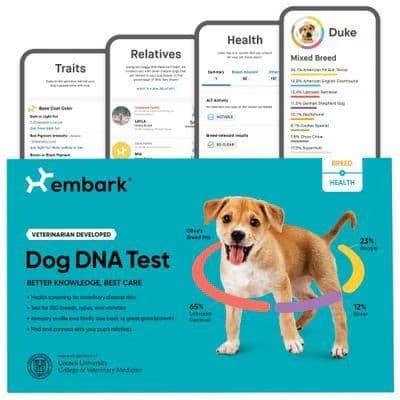
Before the deep dive, here is the fast comparison of the two flagship tiers that most owners actually buy: the Embark Breed and Health Test against the Wisdom Panel Premium. If you only care about breed, the cheaper Wisdom Panel Essential and the Embark Breed ID kits (covered in the price section) are the ones to compare instead.
| Feature | Embark Breed + Health | Wisdom Panel Premium |
|---|---|---|
| Breeds detected | 400+ breeds | 430+ breeds |
| Health screening | 270+ genetic risks | 265+ health tests |
| Relative finder | Yes, industry first | Yes, 99.9% match rate |
| Trait and behavior tests | 35+ trait tests | 50+ traits plus 15 behavior tests |
| Sample method | Cheek swab | Cheek swab |
| Turnaround | 2 to 4 weeks | 2 to 3 weeks |
| Price | $139 | $127.99 |
The table shows how close these two are on paper. The differences that decide the purchase are not in the raw numbers but in how each company built its platform and what it does best, which is what the rest of this comparison unpacks.
Petful may earn a commission when you click through to Chewy, at no extra cost to you.
Is Embark the Same as Wisdom Panel?
No, Embark and Wisdom Panel are not the same company, and they do not share a laboratory, a reference database, or a testing platform. They are direct competitors owned by different parents. Embark Veterinary was founded in 2015 and built its science in partnership with the Cornell University College of Veterinary Medicine. Wisdom Panel is owned by Mars Petcare, the pet-care giant that also owns Royal Canin and Banfield, and it has been running canine DNA products in various forms since 2007, which is part of why its breed reference database is so large.
Because they are separate systems, the two tests can return slightly different breed percentages for the same dog, especially in the low single-digit trace ranges. That is not a sign that one is broken. Each company compares your dog's DNA against its own reference panel of purebred dogs, and those panels are built and grouped differently. On the primary breeds that make up the bulk of a dog, the two tests usually agree closely. The divergence tends to show up only in the small trace percentages, where the underlying reference data and rounding rules differ.
If you have already tested a dog with one brand and are curious whether the other will confirm it, that is a legitimate reason to run both. Most owners, though, only need one, and the choice comes down to the priorities below.
Breed Database Size: Who Detects More Breeds
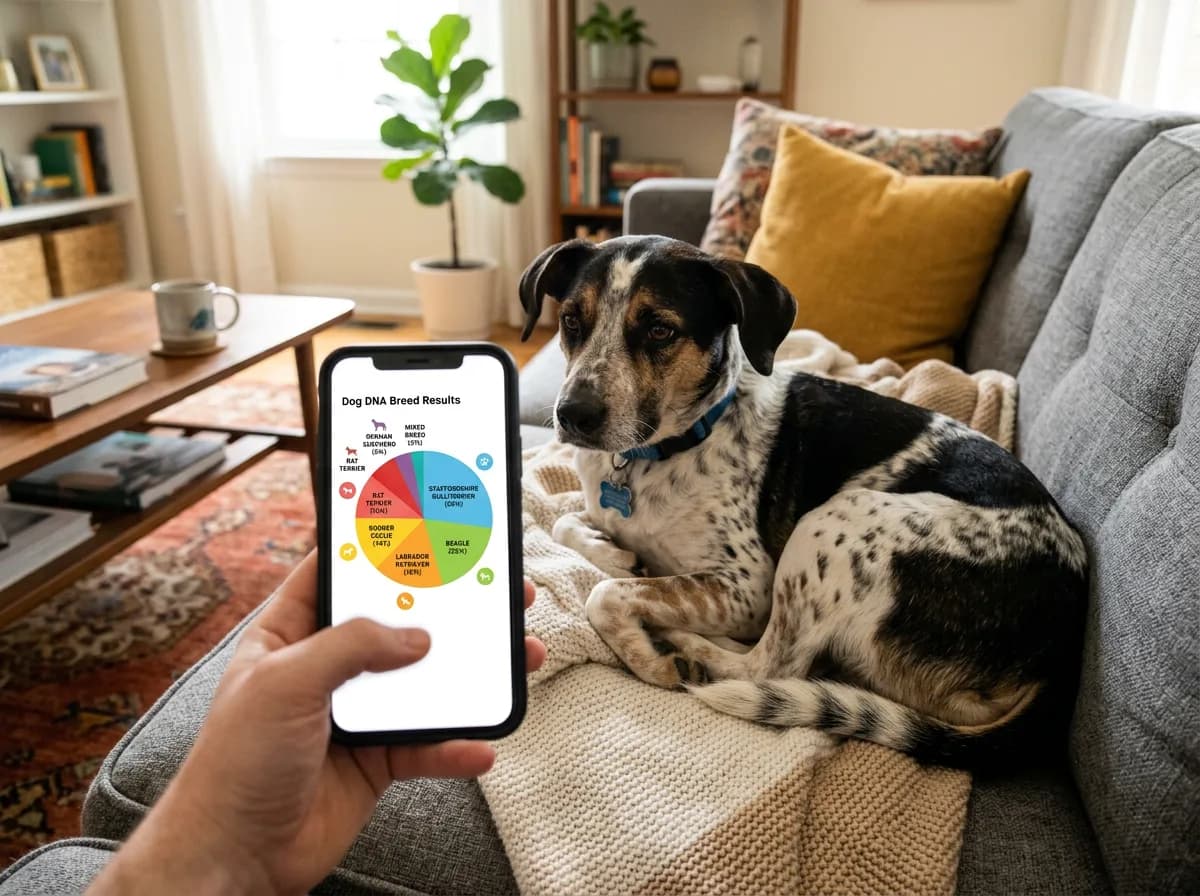
Wisdom Panel holds the edge on raw breed coverage. It screens against 430+ dog breeds, types, and varieties, which it describes as the largest breed database available. Embark screens against 400+ breeds and includes something Wisdom Panel does not emphasize: dingoes, coyotes, wolves, and village dogs, which matters for dogs with wild ancestry or free-breeding street-dog heritage.
For the overwhelming majority of American dogs, both databases are more than deep enough. The common breeds and the popular designer crosses are covered by both. Where a bigger database helps is at the margins: a dog with a rare breed in its background, or one whose ancestry traces to a region with unusual local breeds, has a marginally better chance of a precise call from Wisdom Panel. Embark counters this with its wild-canine coverage and, in independent testing, a strong record of resolving trace ancestry rather than lumping it into a vague group.
A bigger database is not automatically a more accurate one. Accuracy depends on how many purebred reference dogs sit behind each breed and how the algorithm assigns your dog's segments. Both companies invest heavily here, and both are among the best available. Think of database size as a tiebreaker for unusual dogs, not the headline reason to choose.
If you are testing a designer crossbreed like a Cavapoo, both tests will confidently identify the parent breeds. The interesting results tend to come from true mixed-breed rescues, where the ancestry is genuinely unknown going in.
Ancestry Granularity: How Deep the Breakdown Goes

Both tests do far more than name breeds. This is where a good dog DNA test earns its price, and where the two products feel different to use.
Petful may earn a commission when you click through to Chewy, at no extra cost to you.
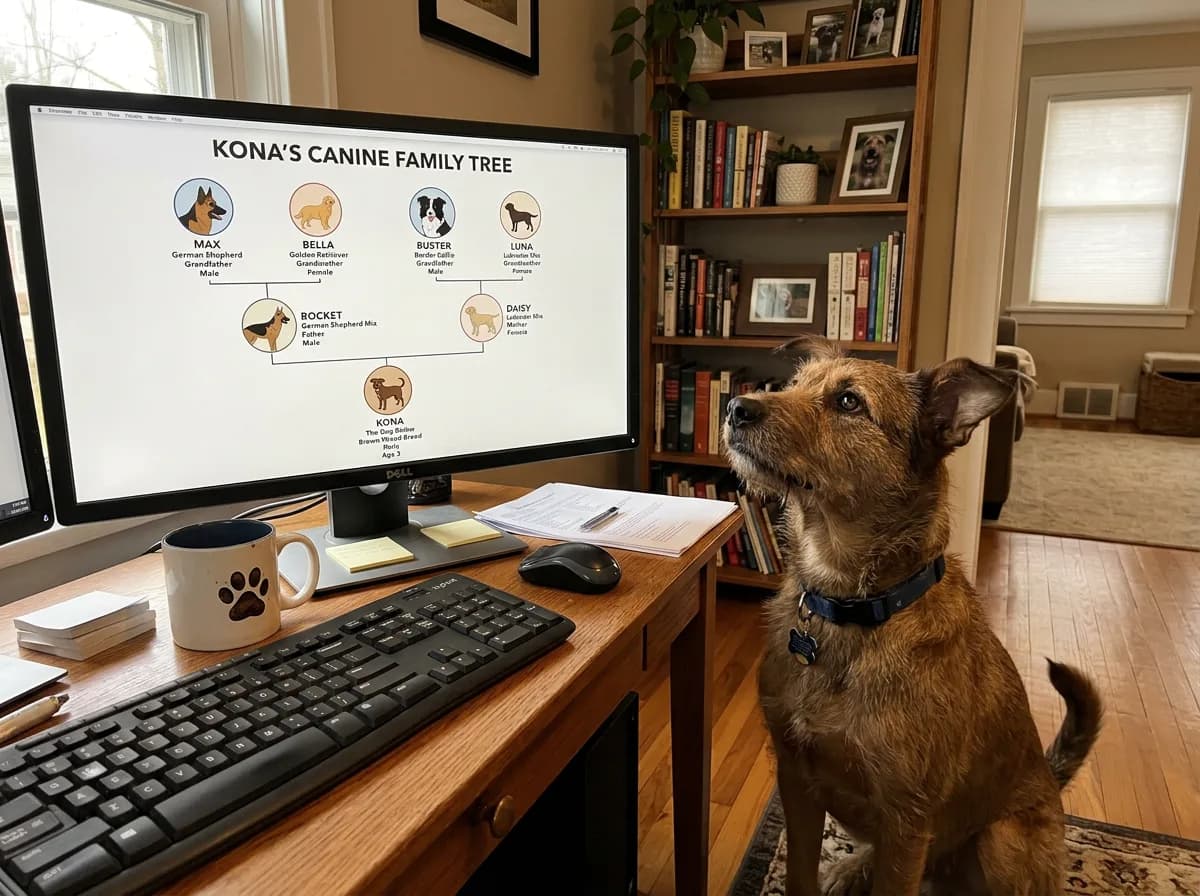
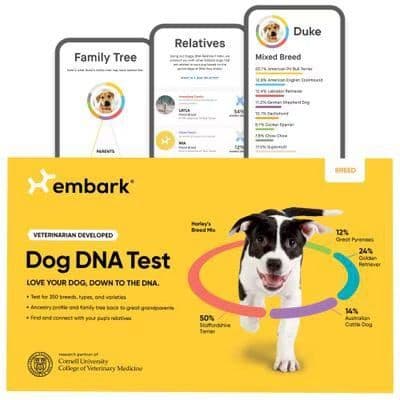
Embark builds an interactive breed breakdown down to small percentages and pairs it with a family tree that estimates your dog's parents, grandparents, and great-grandparents. It also plots your dog on a map of the world showing where its ancestral breeds originated, and it estimates your dog's genetic age through a separate feature. The interface is widely praised as the more visual and exploratory of the two, and Embark tends to report ancestry to finer fractional percentages.
Wisdom Panel presents a clean family tree back three generations as well, showing the likely breeds of each grandparent and great-grandparent. Its reports are more streamlined and arguably easier for a first-time user to read at a glance. Premium adds a fuller trait and behavior picture on top of the ancestry, so you learn not just what your dog is but what its genetics predict about coat, size, and even some behavioral tendencies.
Both platforms also translate DNA into trait predictions that owners find genuinely useful day to day. That includes coat type, coat color and pattern, shedding tendency, adult size and weight range, ear and tail shape, and markers tied to how a dog handles certain foods or medications. Embark and Wisdom Panel both flag the MDR1 drug-sensitivity variant, for example, which changes how a vet doses common medications in herding breeds and their mixes. Wisdom Panel Premium pushes this further with its dedicated behavior tests, giving genetic context for tendencies like sociability or noise sensitivity, while Embark folds trait insights into its broader research reports. For a puppy of unknown parentage, these predictions are often the most immediately practical part of the whole test, telling you roughly how big the dog will get and what its coat will need long before the breed story fully matters.
- If you want to spend an afternoon exploring maps, family trees, and trait pages, Embark is the more engaging experience. If you want a clear one-page answer to what breeds your dog is, Wisdom Panel gets you there with less clicking. Both give you the core ancestry breakdown either way.
For owners of a specific mix like the Belgian Malinois German Shepherd cross, the granularity difference is mostly about presentation. Both will confirm the two working-breed parents. Embark simply gives you more layers to dig through afterward.
Genetic Health Screening: The Real Difference


If health is the reason you are testing, this section is the decision. Genetic health screening is the single biggest functional gap between the flagship kits, and it is where Embark has traditionally led.
The Embark Breed and Health Test screens for 270+ genetic health risks, covering a broad range of inherited conditions from progressive retinal atrophy to degenerative myelopathy to a wide set of drug-sensitivity and metabolic markers. It also flags whether your dog is a carrier that could pass a condition to puppies, which is why so many breeders use it. Embark presents each result with plain-language context and, for at-risk findings, guidance to share the report with your veterinarian.
Wisdom Panel's health depth depends entirely on the tier you buy. The entry-level Essential kit includes 25+ health tests, which is a meaningful but limited screen. To reach comparable depth you need Wisdom Panel Premium, which covers 265+ health tests and adds a genetic consultation for at-risk findings, a service Embark does not bundle in the same way. So the honest comparison is Embark Breed and Health against Wisdom Panel Premium, not against the cheaper Essential kit.
- Both tests screen for genetic risk, which is not the same as a medical diagnosis. A carrier or at-risk result means your dog inherited certain gene variants, not that your dog has or will develop the disease. Always confirm any concerning finding with your veterinarian before making treatment or breeding decisions.
The practical takeaway: if you want serious health data, Embark Breed and Health and Wisdom Panel Premium are genuinely close on breadth, with Embark edging ahead on how it surfaces and explains at-risk results, and Wisdom Panel adding the vet consult. If you only want breed and can live with a light 25-test health screen, Wisdom Panel Essential saves you real money. What you should not do is buy the cheapest kit expecting deep health answers, then feel shortchanged.

Petful may earn a commission when you click through to Chewy, at no extra cost to you.
Relative Finder: Meeting Your Dog's Family

Both tests connect your dog to genetic relatives already in the database, and this is one of the most-loved features on either platform. Embark pioneered it, marketing the first canine relative finder, and it surfaces close and distant relatives with the amount of DNA shared, letting owners message each other. Because Embark's community skews toward health-focused and purebred owners, matches can be surprisingly close.
Wisdom Panel offers the same core capability and leans on the scale of its database, noting that 99.9 percent of dogs tested find at least one relative. With more total dogs in the system historically, the odds of finding some match are high. Embark's matches, in practice, are often reported as closer and richer because of how its community engages, but both will almost always return relatives for a typical dog.
If reuniting with littermates or tracing a rescue's family is a big part of the appeal for you, both deliver. Embark is the enthusiast favorite here, but this is not a reason to rule out Wisdom Panel.
How Accurate Are Embark and Wisdom Panel?
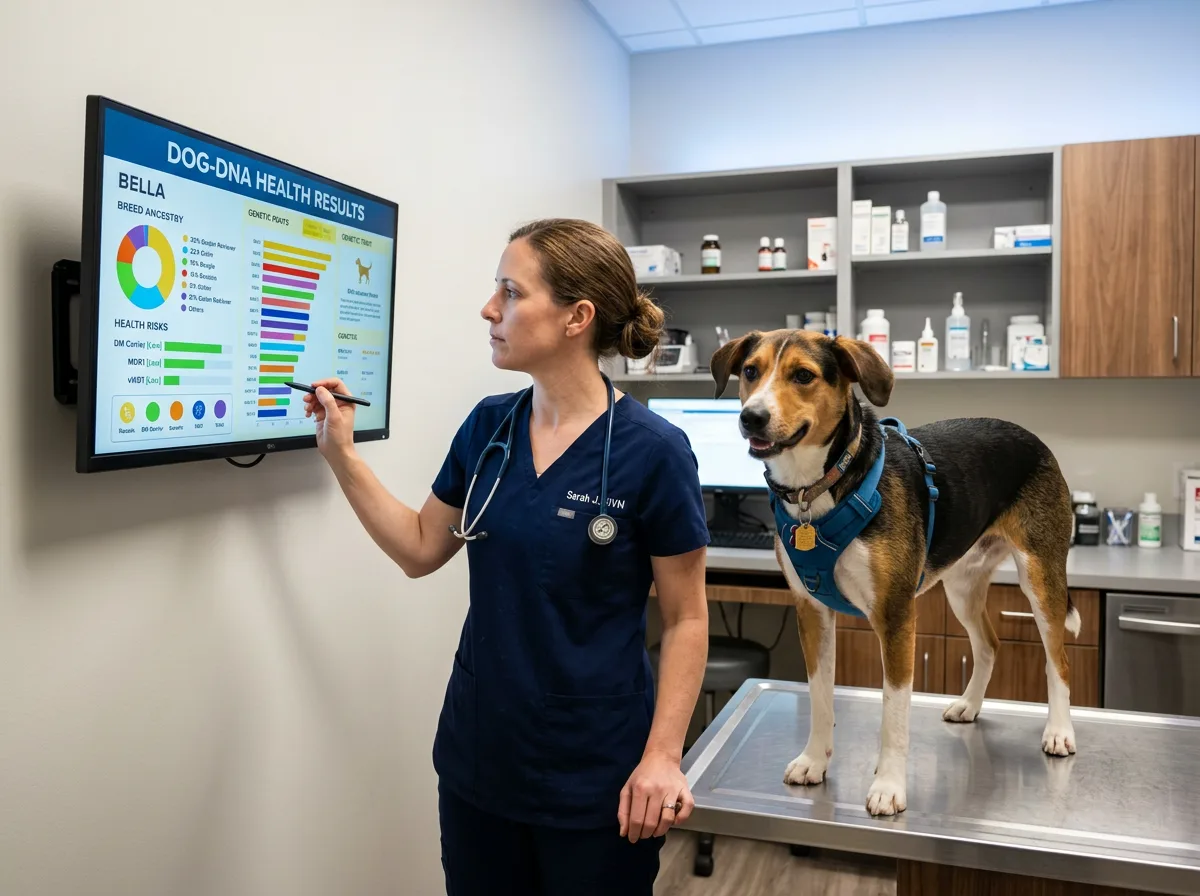
Yes, both Embark and Wisdom Panel are accurate for dogs, and independent comparisons consistently find the two agree on a dog's primary breeds. Wisdom Panel in particular has a long track record: it has been refining its breed-detection algorithm since 2007 and validates results against one of the largest reference panels in the industry. When owners run the same dog through both tests, the major breeds almost always line up. The differences appear in the small trace percentages, where each company's reference data and rounding produce slightly different splits.
Embark's accuracy claim rests on its genotyping platform, a research-grade array that reads more than 200,000 genetic markers per dog, developed with the Cornell University College of Veterinary Medicine. That marker density is higher than a standard consumer array and is a large part of why Embark is trusted for health screening, where reading the right individual variants matters. Wisdom Panel uses its own proprietary microarray and massive reference database to reach its calls.
- Breed-detection accuracy is strongest for a dog's main breeds and gets fuzzier for tiny trace percentages, on both platforms. Health-marker accuracy depends on the specific variant being read, which is where Embark's denser array and Cornell-backed science give it an edge. For a straightforward breed reveal, both are reliable.
The bottom line on accuracy: this is not a case of one legitimate test versus one questionable one. Both are scientifically credible. Choose on health depth, database, interface, and price, not on a fear that either will simply get the breed wrong.

Petful may earn a commission when you click through to Chewy, at no extra cost to you.
The Swab Experience: Collecting Your Dog's Sample
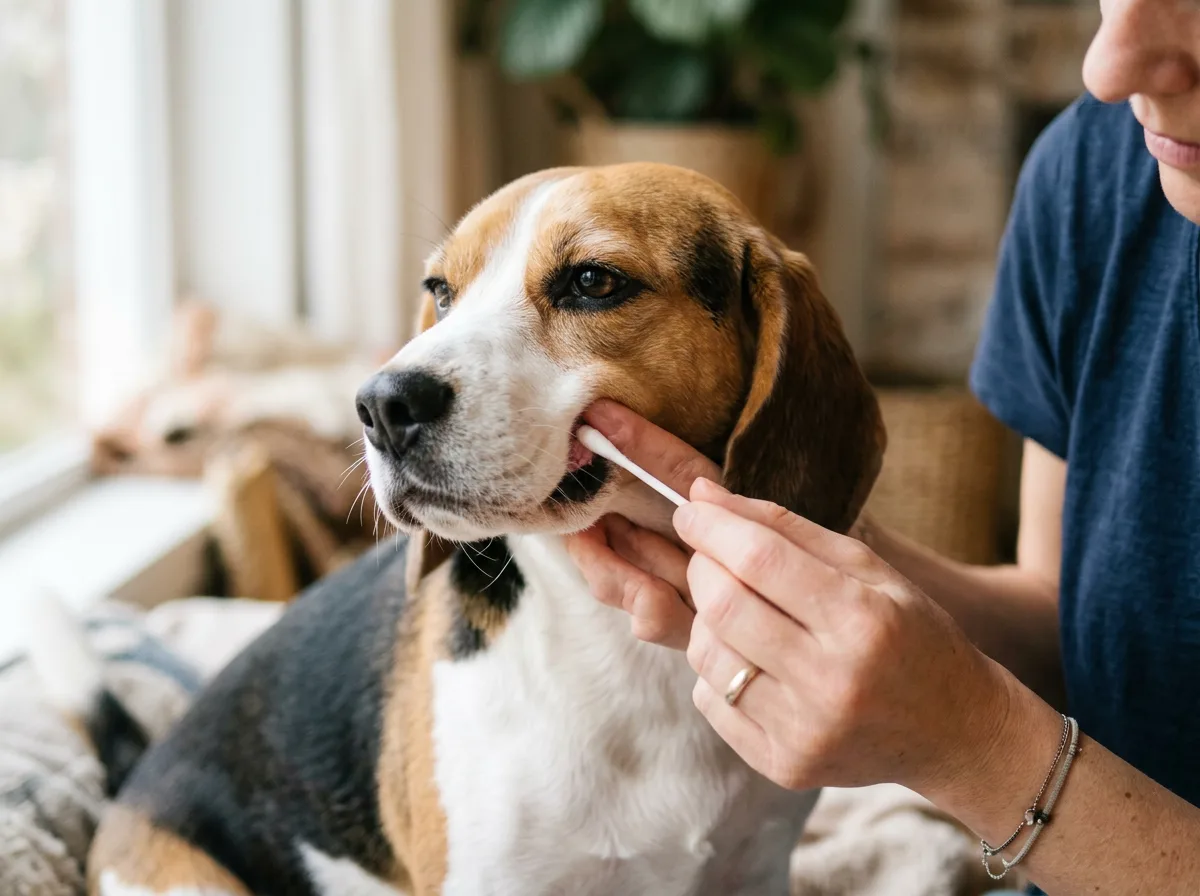
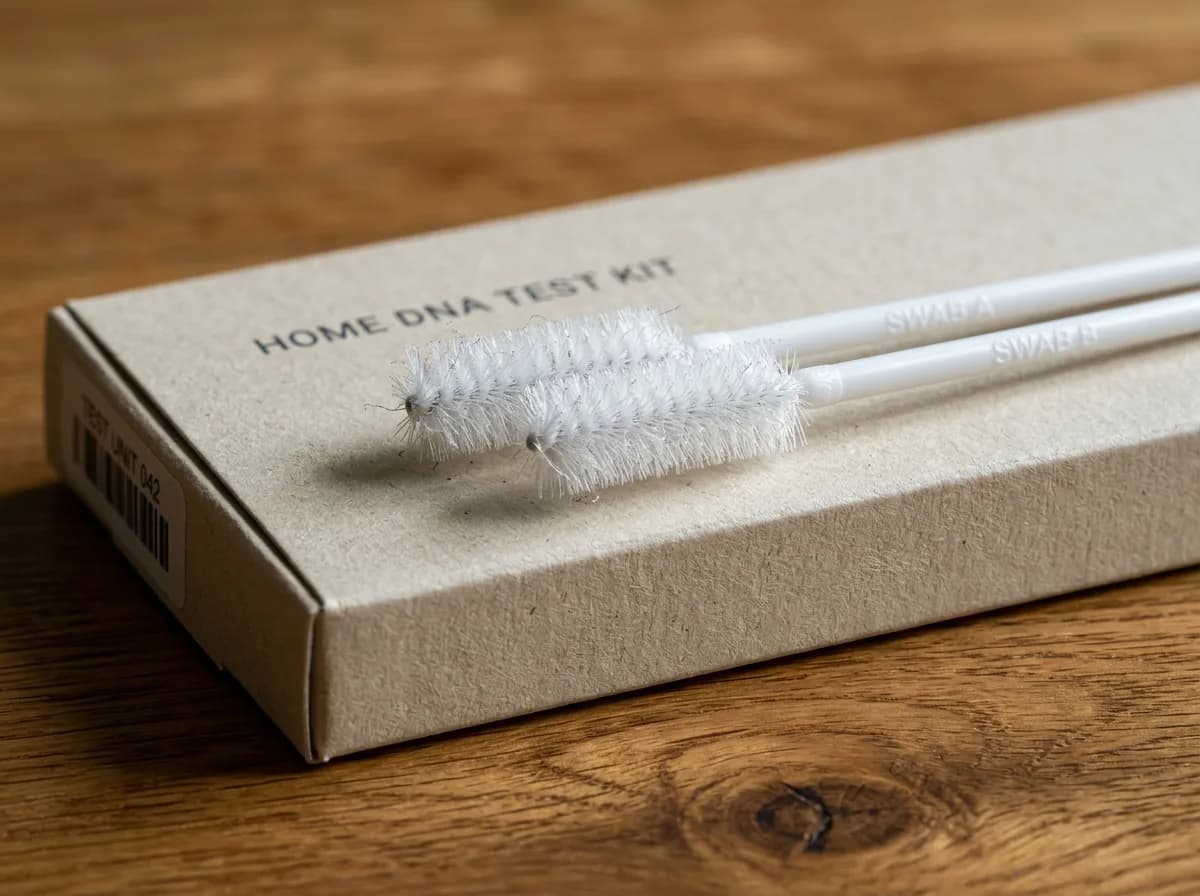
The at-home experience is nearly identical, which is good news if you have a wiggly dog. Both kits use a cheek swab, not a blood draw or a mailed-in hair sample. You wait a bit after your dog eats or drinks, then roll the swab against the inside of the cheek and gums for the specified time to collect enough cells.
Embark uses a sponge-tipped swab and asks for a solid 30 to 60 seconds of collection to guarantee enough DNA, which some owners find takes a cooperative dog. Wisdom Panel uses a pair of bristled swabs and a slightly shorter collection window. Neither is difficult, and both include clear instructions plus a way to register the kit so your results route back to you.
- For either kit, wait at least 30 minutes after your dog eats, drinks, chews, or plays with another dog before swabbing. Food particles and another dog's saliva are the most common causes of a failed sample and a re-swab request. A calm dog and a treat afterward make the whole thing painless.
The only real ergonomic difference is swab style and timing. If your dog hates having its mouth handled, the shorter Wisdom Panel window is marginally easier, but both are manageable solo.
Turnaround Time: How Long Until You Get Results
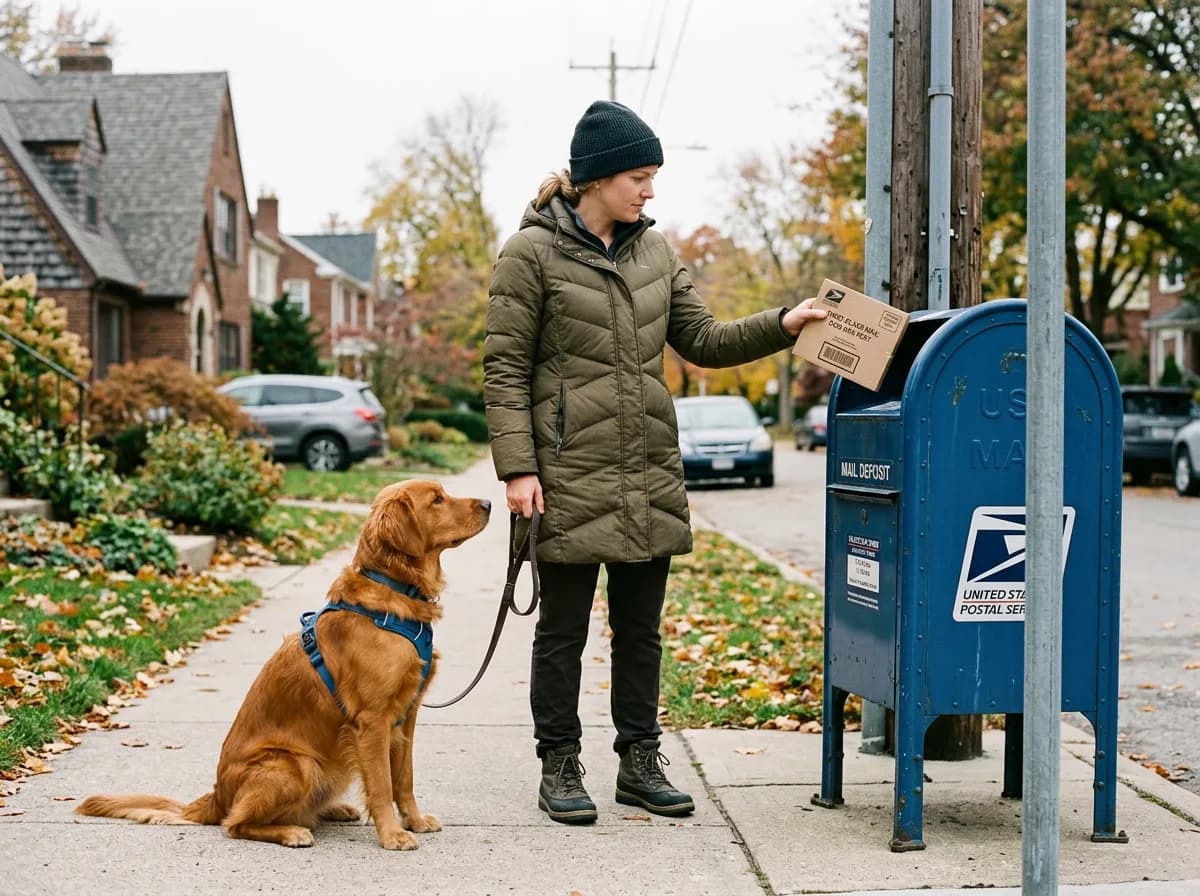
Turnaround is close, with a slight edge to Wisdom Panel on the typical low end. After the lab receives your sample, Wisdom Panel generally returns results in about 2 to 3 weeks, and Embark in about 2 to 4 weeks. Both times start when your swab reaches the lab, not when you drop it in the mail, so factor in a few days of shipping each way.
Both companies email you when the sample arrives, when it enters processing, and when results are ready, so you are not left guessing. During major sale periods, when order volumes spike, either brand can run toward the longer end of its window. If you are testing for a time-sensitive reason, such as a breeding decision, order early and do not count on the fastest possible turnaround.
Price: What Each Dog DNA Test Costs

Price is where Wisdom Panel opens a clear lane, and where matching tiers correctly saves you the most money. Here is how the current flagship and entry options line up.
Embark sells two main kits. The Breed and Health Test is $139 (regularly $199) and is the one to buy if you want the full health screen plus ancestry. The Breed ID Test is $109 (regularly $129) and drops the health screening to focus on breed, ancestry, and the relative finder.
Wisdom Panel also sells two main tiers. The Essential kit is $95.99 (regularly $119.99) and covers 430+ breeds plus a 25+ test health screen, making it the lowest-price serious option here. The Premium kit is $127.99 (regularly $159.99) and jumps to 265+ health tests, 50+ traits, 15 behavior tests, and a genetic consult.
So the honest price picture is this. For a breed-first reveal with a light health screen, Wisdom Panel Essential at $95.99 undercuts everything. For deep health data, Embark Breed and Health at $139 and Wisdom Panel Premium at $127.99 are close, and the choice comes back to Embark's health presentation versus Wisdom Panel's included vet consult. Watch for sales: both brands discount heavily around major shopping holidays, and the regular prices are rarely what you actually pay.
- Buy the tier that matches your goal, not the cheapest box on the shelf. If you want health data, compare Embark Breed and Health against Wisdom Panel Premium. If you only want breed, compare Embark Breed ID against Wisdom Panel Essential. Cross-comparing a health kit against a breed-only kit is how owners end up disappointed.
Which Dog DNA Test Should You Choose?

There is no single winner, because the best dog DNA test depends on why you are testing. Here is the clean decision.
Choose Embark if health is your priority. The 270+ condition screen, the research-grade array built with Cornell, and the way at-risk results are explained make it the stronger health tool, and it is the enthusiast favorite for its deep, exploratory ancestry reports and rich relative finder. Breeders and owners of at-risk breeds should default here.
Choose Wisdom Panel if breed identity and price lead your list. The 430+ breed database is the largest available, the Essential kit at $95.99 is the best value for a breed-first answer, and Premium closes most of the health gap for less than Embark's flagship while adding a genetic consult. First-time testers who want a clean, readable report are well served here.
For the very common case of a mixed-breed rescue where you mostly want to know what your dog is, Wisdom Panel Essential is the smart-value pick. For a dog you plan to breed, or a breed prone to inherited disease, Embark Breed and Health is worth the extra dollars. Either way, you are buying from one of the two most reputable dog DNA companies in existence, so you are not gambling on legitimacy, only optimizing for fit.
What a Dog DNA Test Can and Cannot Tell You

Whichever brand you choose, it helps to set expectations, because both tests are excellent at some things and genuinely limited at others. Understanding the boundaries keeps you from over-reading a report or under-using it.
What both do well: they identify your dog's breeds with strong confidence on the primary contributors, estimate a three-generation family tree, predict physical and some behavioral traits, screen for a defined list of inherited genetic variants, and connect you with relatives. For a mixed-breed dog of unknown origin, that is a remarkable amount of insight from a single cheek swab, and it can genuinely inform training choices, weight and diet planning, and conversations with your vet.
What neither can do: a DNA test cannot diagnose disease, predict exactly when or whether a genetic risk will become an illness, or replace a veterinary exam. A health screen reports the gene variants your dog carries, not a clinical verdict. Two dogs with the same at-risk marker can live very differently depending on other genes, environment, and care. The American Veterinary Medical Association encourages owners to treat direct-to-consumer genetic results as a starting point for a veterinary conversation, not a final answer, and to confirm any actionable finding with a vet before changing breeding plans, medication, or care. Trace-breed percentages in the low single digits should also be read loosely, since that is exactly where the two platforms disagree most and where the underlying data is thinnest.
Used with that framing, either test is worth the money. Read the primary breeds and traits as reliable, treat the health screen as a prompt to talk to your veterinarian, and take the tiny trace percentages as fun trivia rather than gospel.
Frequently Asked Questions
What Dog Owners Say on Reddit About Embark vs Wisdom Panel
On Reddit and pet-owner forums, the running consensus is that owners favor Embark for health screening and trace-breed detection, and lean toward Wisdom Panel for its lower cost and its read on granular, many-breed mixes. This is owner-reported sentiment, not a peer-reviewed study, but the same patterns show up thread after thread.
A few themes come up again and again:
- Results usually agree on the big picture. Owners who run both tests on the same dog report that the primary breeds match closely, with the differences landing in the small percentages and trace ancestry.
- Embark gets credit for accuracy on health and for catching low-percentage breeds a cheaper test missed. Its relative finder, which surfaces genetic relatives already in the database, is a frequently cited favorite.
- Wisdom Panel gets praise as the better value, and owners of complex mutts often say its breed breakdown felt more detailed for their particular dog.
- Most complaints are about surprising results rather than a test failing outright. A trace breed nobody expected, or a percentage that shifts after a database update, drives a lot of the confusion.
Treat these as anecdotes, not proof. The useful takeaway is that neither test is a clear loser in the wisdom panel vs embark debate: owners who prioritize health and premium features tend to pick Embark, and owners watching the bottom line tend to pick Wisdom Panel.
How Embark and Wisdom Panel Compare to Other Dog DNA Tests
Embark and Wisdom Panel lead the dog DNA test category because they pair the largest breed reference databases with the deepest health screening, and most rivals compete on price rather than depth. If your priority is the most accurate breed read plus meaningful medical results, these two are the front-runners.
The wider field looks like this:
- DNA My Dog is one of the best-known budget tests. It costs less and returns results quickly, but it screens far fewer breeds and typically skips the health panel that Embark and Wisdom Panel are known for.
- Orivet sits closer to the middle, offering breed ID plus health and trait testing, and is often sold through veterinary clinics.
- Category-adjacent labs such as Basepaws (which built its name in cat DNA under Mars Petcare, the same parent company behind Wisdom Panel and Royal Canin) show how the market keeps widening, even though they are not head-to-head dog breed leaders.
Why do these two stay on top? Reference-database size drives breed accuracy, and both invest heavily in the health-variant library that budget kits skip. A cheaper dog DNA test still suits owners who only want a rough breed guess for a mostly-known dog, or who want a low-cost keepsake result. If you plan to make care decisions from the data, the extra cost of a premium test is usually the better buy.
| Test | Breed Database | Health Screening | Price Tier |
|---|---|---|---|
| Embark | Largest, research-grade | Extensive | Premium |
| Wisdom Panel | Very large | Extensive | Mid to premium |
| DNA My Dog | Smaller | Limited or none | Budget |
| Orivet | Mid-sized | Health and traits | Mid |
Is a Dog DNA Test Worth It?
A dog DNA test is usually worth it when you have a mixed-breed dog and want to get ahead of health risks, and more of a fun extra when you already know your dog's breed and background. The value tracks closely with what you actually plan to do with the results.
It tends to pay off when:
- You have a mystery mutt and want a real health baseline. Screening can flag risks like MDR1 (a drug-sensitivity mutation that changes how certain medications are dosed), degenerative myelopathy, or progressive retinal atrophy before symptoms ever appear.
- Your vet could act on the findings. Knowing a medication-sensitivity result ahead of a surgery or treatment is genuinely useful clinical information.
- You are setting expectations for adult size, coat, and energy, which helps with training and with choosing the right food and gear.
- A breeder wants to screen breeding stock for inheritable conditions.
It is closer to just-for-fun when your dog is a documented purebred with a clear health history, or when you simply want the novelty of a breed breakdown and a relative finder match. Cost is the other factor: a premium test costs more than a basic one, so the spend is easiest to justify when a health result could actually change a care decision. For most mixed-breed owners, that combination is what makes a dog DNA test worth it.
How Do Dog DNA Tests Work?
Dog DNA tests work by collecting cells from a cheek swab, reading hundreds of thousands of genetic markers, and comparing that pattern against a reference panel of known breeds and health variants. The process is simpler than the science behind it sounds.
Here is the plain-language version of how they work:
- Sample. You rub a swab against the inside of your dog's cheek to collect cells, then mail it back to the lab.
- Genotyping. The lab runs the DNA on a genotyping array, a chip that reads specific spots in the genome called SNPs (single nucleotide polymorphisms). These are single-letter differences that vary between breeds and between individual dogs.
- Comparison. Software matches your dog's SNP pattern against a reference database of confirmed purebred dogs and a library of known disease variants, then estimates breed percentages and flags health risks such as degenerative myelopathy or progressive retinal atrophy.
Marker density is the reason some tests read more accurately than others. A genotyping array that samples more SNPs can separate closely related breeds and detect small trace-breed segments that a low-density chip would blur together. It also feeds features like Embark's supermutt category, which groups DNA segments that cannot be pinned to a single breed. More markers plus a bigger reference panel is what separates a premium dog DNA test from a budget one.
- Most kits ask you to wait about 30 to 60 minutes after your dog eats or drinks before swabbing, so food particles and water do not dilute the cheek-cell sample.
No. Embark and Wisdom Panel are separate, competing companies with different labs, reference databases, and testing platforms. Embark was founded in 2015 and built its science with Cornell University, while Wisdom Panel is owned by Mars Petcare and has run canine DNA products since 2007. Because their reference panels differ, the two can report slightly different trace-breed percentages for the same dog, though they usually agree on the main breeds.
Yes, Wisdom Panel is accurate for dogs, especially for identifying a dog's primary breeds. It has refined its breed-detection algorithm since 2007 against one of the largest reference databases in the industry, and independent comparisons find it agrees closely with Embark on major breeds. Small trace percentages can vary between brands, and its health screen depends on the tier, with Essential covering 25+ tests and Premium covering 265+.
Embark and Wisdom Panel are the two most reputable and widely recommended dog DNA tests. Both have tested millions of dogs, publish their science, and are trusted by veterinarians and breeders. Embark is the stronger choice for genetic health depth and research-grade accuracy, while Wisdom Panel offers the largest breed database and the lowest entry price. For most owners, one of these two is the right pick.
Yes, Embark is a legitimate DNA testing company. Founded in 2015 and developed in partnership with the Cornell University College of Veterinary Medicine, it uses a research-grade genotyping platform that reads more than 200,000 genetic markers per dog, has processed samples from millions of dogs, and has contributed to peer-reviewed canine genetics research. It is one of the most trusted names in dog DNA testing.

Coreen Saito is a pet writer and longtime shelter volunteer with more than a decade in animal rescue. She covers cat behavior, breed care, and the small, ordinary science of sharing a life with companion animals, with a particular focus on honest takes about the products and decisions that actually matter. At home in Arizona, she's outranked by Mac (a dog with the loudest opinion in the house), Rebel (a cat who governs by quiet authority), and Meri (an orange tabby who runs the late shift and the laundry basket). She writes about all three, plus the rescues that keep coming through her life, at LifeWithMinty.com.
Sign up for expert-backed reviews and safety alerts all in one place.