The Shepinois: Belgian Malinois German Shepherd Mix Guide
The Shepinois is a Belgian Malinois German Shepherd mix that combines two of the world's top working breeds. Here is what to expect from size, temperament, training, and whether this hybrid is right for your home.

Veterinarian · BVMS, MRCVS
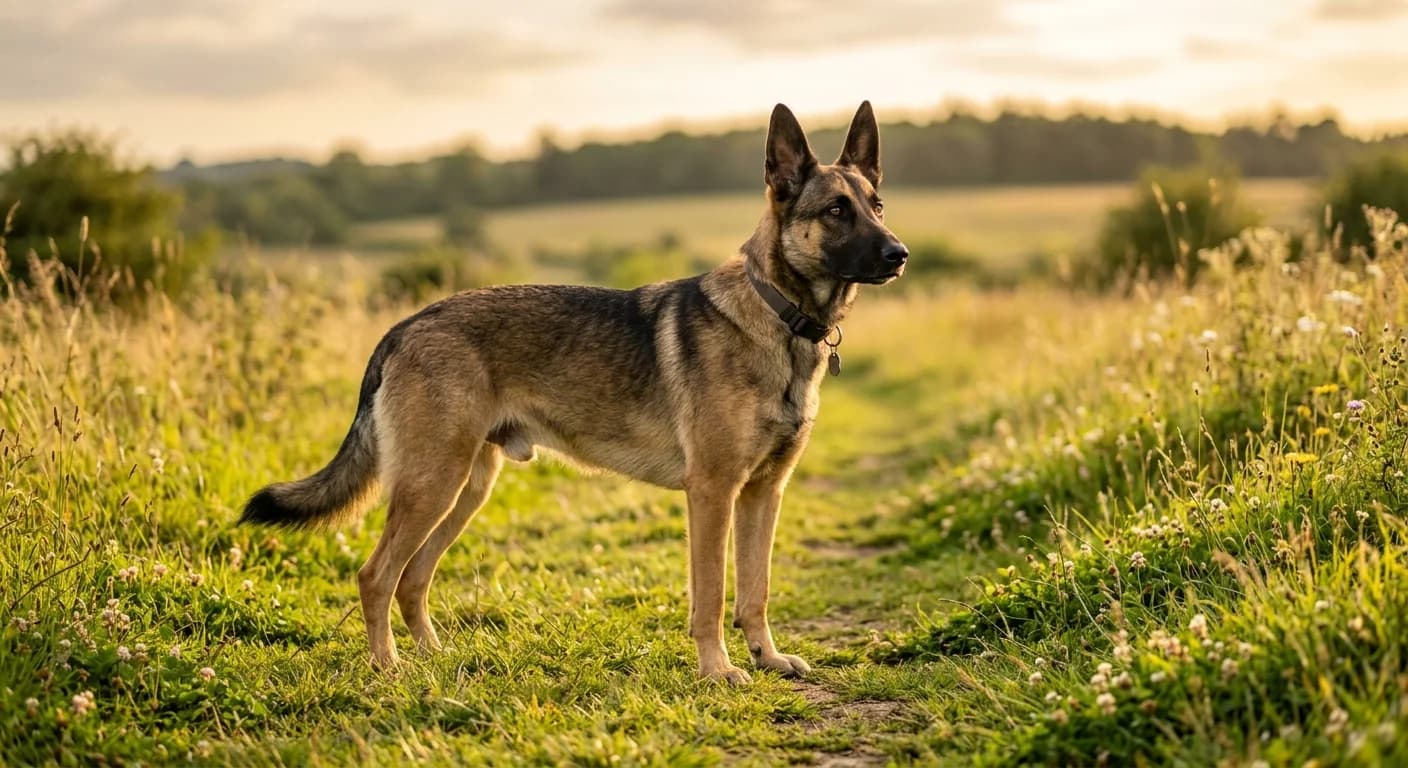
The Shepinois inherits drive and intelligence from both Belgian Malinois and German Shepherd parents.
Petful is reader supported. As an affiliate of platforms like Amazon and Chewy, we may earn a commission when you buy through links on this page. There is no extra cost to you.
- Other names: Mal-Shep, Malinois Shepherd, Belgian German Shepherd
- Weight: 60 to 90 lbs
- Height: 22 to 26 in
- Lifespan: 10 to 13 years
- Coat: Medium-short double coat (intermediate between parents)
- Colors: Tan with black saddle most common; sable and mahogany variations occur
- Temperament: Intense, intelligent, driven, protective, requires experienced handling
- Origin: First-generation hybrid, no kennel club recognition
The Belgian Malinois German Shepherd mix, commonly called the Shepinois (or Mal-Shep), combines two of the world's top working breeds. The result is an intense, intelligent, athletic hybrid that appeals to working-dog homes hoping to combine the German Shepherd's calmer baseline with the Belgian Malinois's sharper drive and better joint health. The reality is more nuanced; first-generation hybrids do not reliably split the difference.
This Belgian Malinois German Shepherd mix guide covers what the Shepinois actually inherits from each parent, what to expect from size, temperament, training, health, and whether the hybrid is right for your household. Pair this with our full Belgian Malinois breed guide and the Belgian Malinois vs German Shepherd comparison for the complete picture. For a broader crossbreed comparison, see 13 Belgian Malinois mixes and their likely traits.

Sign up for expert-backed reviews and safety alerts all in one place.
What is a Belgian Malinois German Shepherd mix?
A Belgian Malinois German Shepherd mix (Shepinois) is the first-generation cross between a purebred Belgian Malinois and a purebred German Shepherd. Both parents are AKC-recognized herding breeds with deep working-dog histories. The mix is not recognized by the AKC or any major hybrid registry as a distinct breed. There is no breed standard, no formal lineage tracking, and significant variation between individual Shepinois dogs.
Most intentionally bred Shepinois come from working-line breeders trying to combine specific traits: the Malinois's drive and joint health with the German Shepherd's calmer pet-home baseline. Some Shepinois are accidental crosses from rescue or working-dog circles. Either way, the genetic dice do not always land the way the breeder hoped.

Petful may earn a commission when you click through to Chewy, at no extra cost to you.
Belgian Malinois German Shepherd mix size and appearance
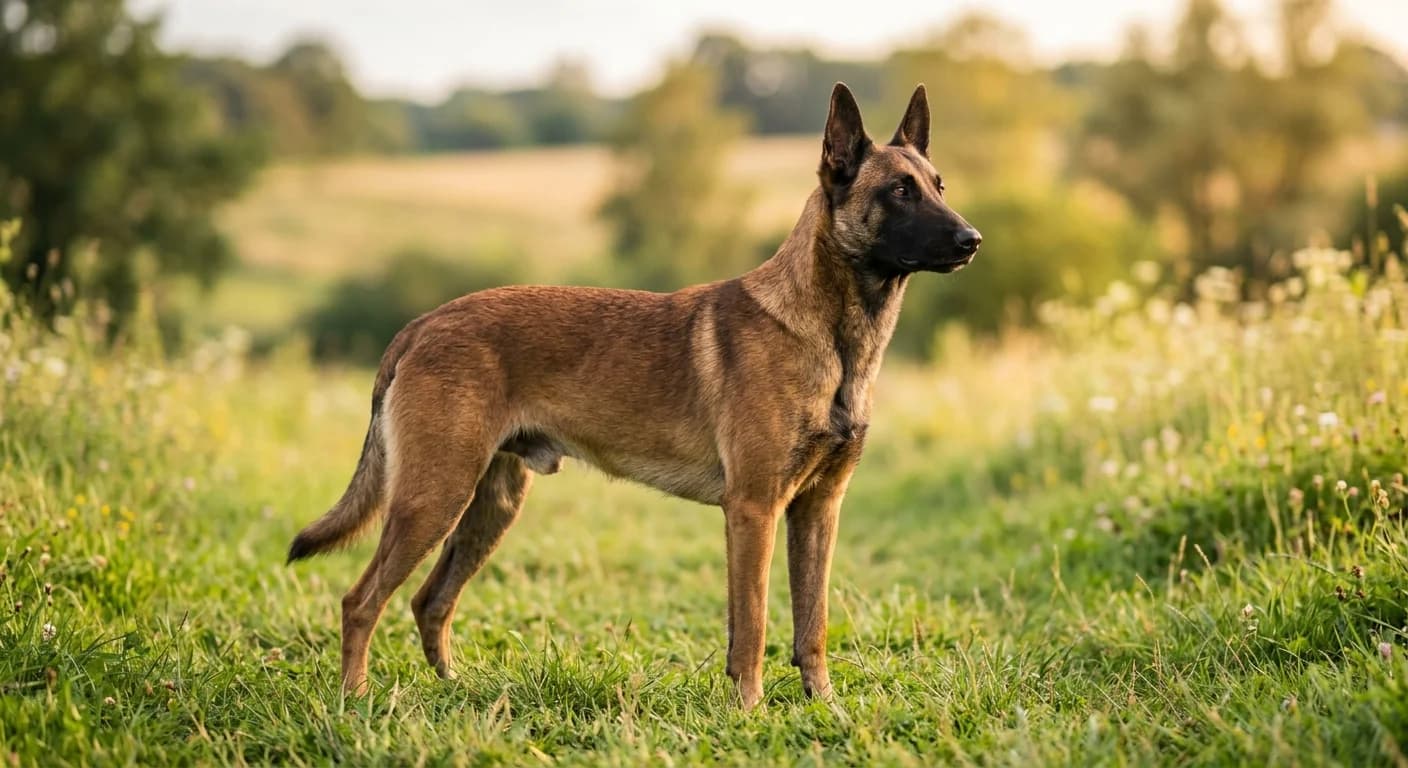
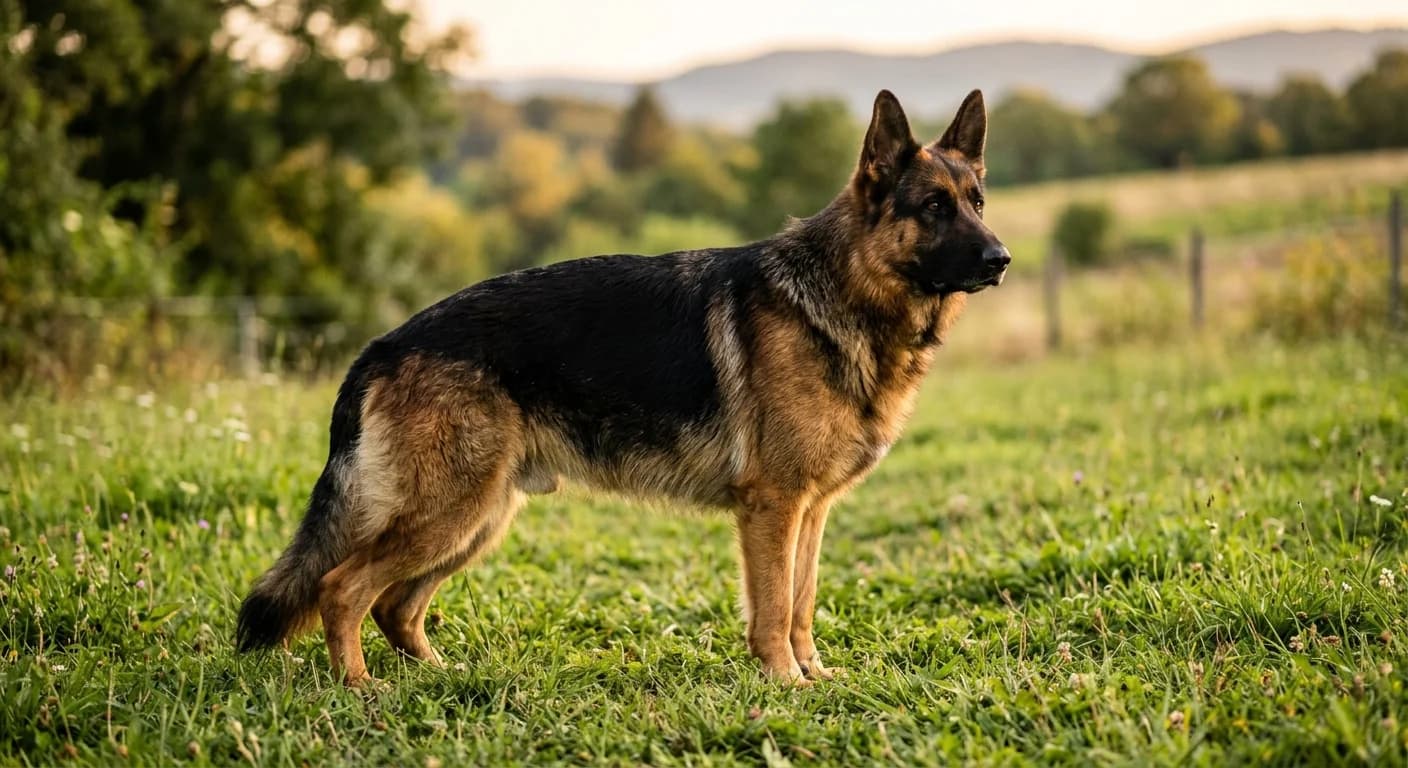
A Shepinois typically reaches 60 to 90 pounds and stands 22 to 26 inches at the shoulder, sized between the smaller Malinois and the larger German Shepherd. Build varies:
- Some Shepinois inherit the Malinois's square, lean, racehorse build.
- Others inherit the German Shepherd's longer back and slightly heavier frame.
- Most fall somewhere in between, with athletic muscular structure and the agility to handle most working-dog tasks.
Coat is usually medium-short double coat, intermediate between the Mal's short coat and the German Shepherd's longer plush coat. Colors are most commonly tan with a black saddle (German Shepherd pattern), but solid mahogany with a black mask (Malinois pattern), sable, and dark mahogany are also common. The black mask is often present but lighter than on a purebred Malinois.
Other appearance traits:
- Pricked triangular ears (both parent breeds have them).
- Bushy tail, often longer than a Malinois's, shorter than a German Shepherd's.
- Dark almond eyes with intelligent alert expression.
- Black nose, lips, and eye rims.

A durable rubber dog toy that can be stuffed with treats and selected by the manufacturer's size guide; supervise use and retire it when damaged.
Petful may earn a commission when you click through to Chewy, at no extra cost to you.
Belgian Malinois German Shepherd mix temperament
- First-generation Belgian Malinois German Shepherd mix temperament varies widely. Some lean Mal (high drive, harder edge). Some lean GSD (calmer, more even).
- Plan exercise, training, and structure as if you were getting a Belgian Malinois. If your Shepinois lands calmer, you have extra capacity. If they land intense, you are ready. Hoping for the GSD outcome and getting the Mal outcome is the common failure path.
The Shepinois temperament is the part most prospective owners hope to predict and the part that varies most. First-generation hybrids do not reliably split the difference between parent breeds. Some Shepinois lean Malinois (high drive, harder edge, demanding daily work). Some lean German Shepherd (calmer, more even-tempered, more pet-home-friendly). Most fall in a middle zone but the variance is wide.
Common temperament traits across most Shepinois:
- High intelligence and trainability (top tier in canine intelligence rankings).
- Strong work drive (almost always above average).
- Single-handler bond with strong family loyalty.
- Wariness of strangers (both parent breeds bred for protection work).
- High energy and exercise needs (well above average pet dog).
- Strong prey drive (movement triggers chase instinct).
The honest plan: assume your Shepinois will lean toward the Malinois end of the spectrum (the more demanding parent), and you will be prepared either way. Plan exercise, training, and structure as if you were getting a Malinois. If your individual Shepinois turns out calmer, you have extra capacity. If they turn out intense, you are ready.
Belgian Malinois German Shepherd mix training
Both parent breeds are top-tier in trainability. The Shepinois typically inherits that intelligence. Expect a dog that learns commands in 2 to 5 reps, retains them for life, and shows clear preference for structured work over unstructured time.
Training priorities:
- Start formal training the day the puppy comes home (8 weeks).
- Front-load socialization in the 8 to 16 week window. Both parent breeds need extensive early socialization to prevent stranger reactivity.
- Use positive reinforcement with high-value rewards. Both parents shut down under harsh correction.
- Build a reliable recall and calm leash walk by 12 months.
- Move into a structured working sport (Schutzhund, IPO, French Ring, agility, nosework) by 12 to 18 months.
- Plan for ongoing training for the dog's lifetime; there is no graduation.
Watch this Shepinois (Mal x GSD) in action
This breed-mix overview shows working examples of the Belgian Malinois German Shepherd mix in training and at home:
Belgian Malinois German Shepherd mix exercise needs
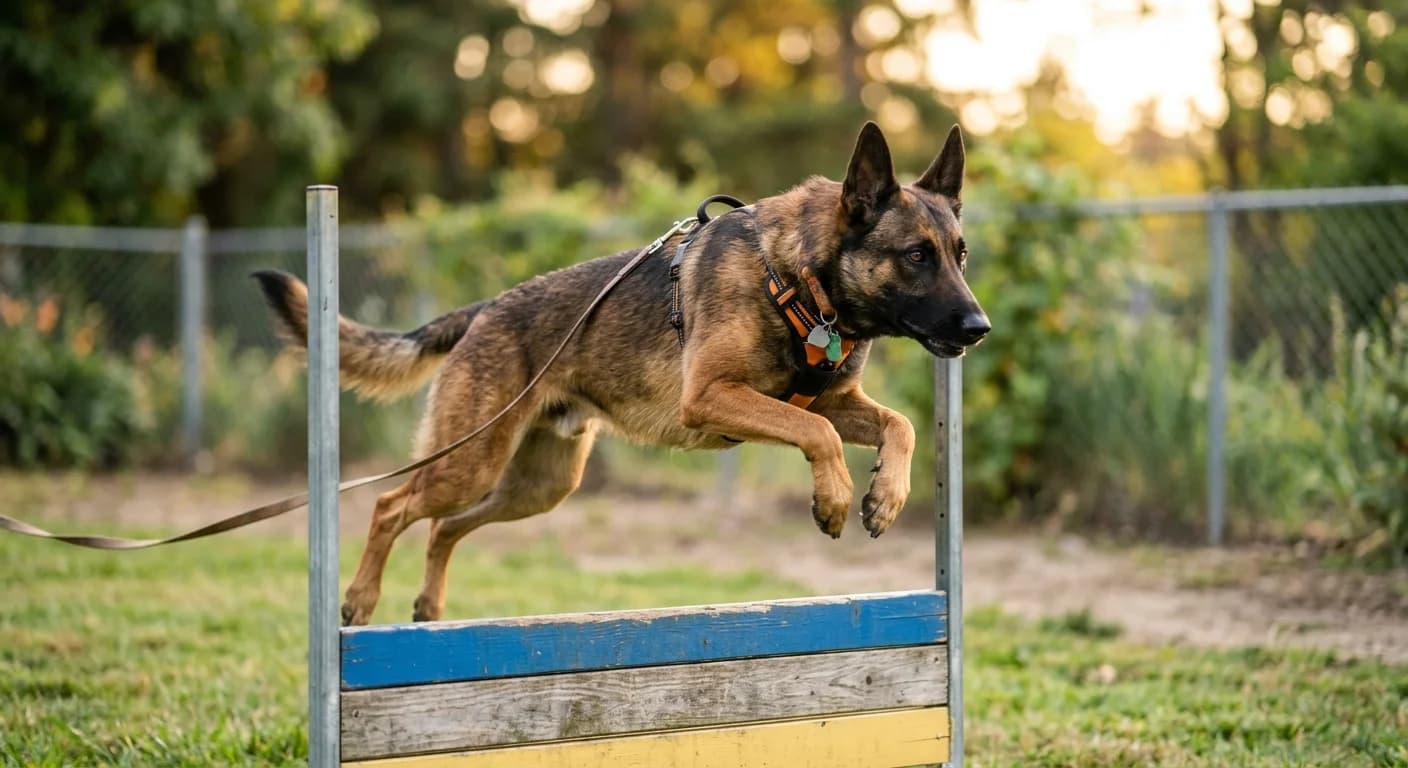
Plan for at least 90 minutes of structured exercise per day, plus 30 to 60 minutes of mental work. The Shepinois does not have a meaningful off switch unless that switch is earned daily through real physical and mental work. A house with a securely fenced yard and a sport-club commitment is the best setup for almost every Shepinois.
Daily breakdown:
- 60 to 90 minutes of high-intensity aerobic work (running, biking with the dog, fetch, flirt pole).
- 30 to 60 minutes of mental work (obedience, scent games, puzzle feeders, nosework).
- Daily socialization opportunities under handler control.
- Ideally, structured working sport (Schutzhund, IPO, agility, nosework) once or twice a week.

A large fabric-covered dog toy for supervised tug and fetch; choose the size for your dog and retire it if seams or material begin to fail.
Petful may earn a commission when you click through to Chewy, at no extra cost to you.
Belgian Malinois German Shepherd mix health
Hybrid vigor (the idea that mixed-breed dogs are healthier than purebreds) sometimes applies and sometimes does not. For the Shepinois, the genetic odds are slightly better than a pure German Shepherd because the Malinois parent contributes lower hip dysplasia risk, but the dog can still inherit either parent's vulnerabilities.
Health conditions to watch for:
- Hip dysplasia. Lower than pure German Shepherd, higher than pure Malinois. OFA testing of both parents reduces risk. See hip dysplasia in dogs for prevention.
- Elbow dysplasia. Both parent breeds carry the gene.
- Bloat (gastric dilatation-volvulus). Higher risk due to deep chest from German Shepherd parent.
- Degenerative myelopathy. More common in German Shepherds, occasional in Malinois.
- Cancer (hemangiosarcoma). Both parent breeds carry elevated risk in middle to senior age.
- Pannus and progressive retinal atrophy (PRA). Eye conditions inherited from the Malinois side.
- Anesthesia sensitivity. Some Malinois lines react badly to standard protocols. Flag this with your vet.
Average Shepinois lifespan is 10 to 13 years, between the Malinois (12 to 14) and German Shepherd (9 to 13) averages.
Belgian Malinois German Shepherd mix family fit
The Shepinois is not a beginner family dog. The right household for this hybrid looks similar to the right household for a Malinois:
- Experienced large or working-breed owner.
- 90+ minutes of dedicated daily exercise and training time.
- Securely fenced yard.
- Older children (10+) or no children. The Shepinois's size and intensity is too much for toddlers.
- Commitment to structured training and ideally a working sport for the dog's lifetime.
- Tolerance for protective barking and a wary attitude toward strangers.

High-value training treats matter for a Belgian Malinois: the breed's drive demands a reward that genuinely earns the work. These triple-flavor kabobs (chicken, duck, chicken liver) hit the high-value tier without going to raw meat. 18-count bag carries a week of training sessions for a working-line Mal.
Petful may earn a commission when you click through to Chewy, at no extra cost to you.
If you are evaluating the Shepinois because you want the German Shepherd experience with better joint health, consider just buying a working-line German Shepherd from a hip-tested breeder. If you are evaluating the Shepinois because you want the Malinois drive in a slightly larger frame, the hybrid usually delivers.
Belgian Malinois German Shepherd mix cost
A Shepinois puppy from an intentional working-line breeder typically costs $800 to $2,500. Adoption from rescue (Shepinois often appear in both Malinois and German Shepherd rescues) costs $200 to $500. Year-one total cost runs comparable to either parent breed: $4,500 to $7,500 including puppy, gear, food, vet, and training.
If you are budget-conscious, rescue is the better path for this hybrid. Many Shepinois come from working backgrounds, washouts from sport or service programs, and are well-trained adolescents or adults available at adoption fees in the $300 to $500 range.
Frequently Asked Questions
A Belgian Malinois German Shepherd mix is called a Shepinois, sometimes Mal-Shep or Malinois Shepherd. It is not a recognized breed by the AKC; the name is a fan-coined hybrid label.
A Shepinois typically reaches 60 to 90 pounds and stands 22 to 26 inches at the shoulder. Size varies based on which parent the individual dog takes after.
They can be, for the right family. The Shepinois inherits high drive, intelligence, and protective instinct from both parents. Experienced large-breed owners with time for daily structured work do well; first-time large-breed owners usually do not.
Average Shepinois lifespan is 10 to 13 years, between the Malinois average (12 to 14) and the German Shepherd average (9 to 13). Hip and elbow health are major lifespan factors.
Yes, Shepinois and Mal-Shep are two names for the same hybrid: the Belgian Malinois German Shepherd mix. There is no formal breed standard, so naming is informal.
Properly socialized and trained, no. Both parent breeds are protective and wary of strangers, but neither is aggressive without cause. Underexposed or under-trained Shepinois can develop reactivity, the same as either parent breed.
At least 90 minutes of structured exercise per day, plus 30 to 60 minutes of mental work. The Shepinois inherits high working drive from both parents and does not have an off switch unless the daily work earns it.
Continue your Belgian Malinois research
These deeper guides cover specific Belgian Malinois topics in detail. Each is a standalone read but they reinforce each other if you are seriously evaluating the breed.
- Belgian Malinois: The Complete Breed Guide
- Belgian Malinois vs German Shepherd: Full Comparison
- Belgian Malinois Price & Total Cost of Ownership
- Belgian Malinois Puppy Guide: Your First 12 Months
Sources and further reading
These authoritative external sources informed this Belgian Malinois guide and are the right next stops for primary-source research.
Belgian Malinois German Shepherd mix lines: where Shepinois puppies actually come from
Most Belgian Malinois German Shepherd mix puppies in the US trace to one of three source lines. Working-line breeders intentionally cross proven Schutzhund/IPO-titled parents to combine specific traits. These Shepinois puppies are the most predictable and most expensive, typically $1,500 to $3,000 from established programs in Ohio, Texas, and Pennsylvania. Temperament is tightly curated and adult behavior is largely knowable from parent titles.
Service and protection wash-outs are the second source. Dogs bred for police and military programs that did not make the final cut (too soft, too reactive, failed a physical standard) are sometimes redirected into companion-home placements or intentionally crossed to soften specific traits. These Belgian Malinois German Shepherd mix puppies often come with strong working heritage but unpredictable pet-home fit.
Accidental crosses from working kennels and rescue-context breedings are the third source. These Shepinois puppies are the hardest to predict and often the cheapest (sometimes free through rescue networks). Temperament varies widely. Do not buy on price alone from this source; vet the specific parents and environment carefully.
Belgian Malinois German Shepherd mix: common owner questions answered
Three questions come up consistently from prospective Belgian Malinois German Shepherd mix owners:
- 'Will my Shepinois be healthier than a purebred GSD?' Often yes on hips (Mal genetics help) but not guaranteed. Test both parents.
- 'Can I show or register a Shepinois?' Not with AKC. Some all-breed registries will accept, but most events require AKC papers.
- 'How do I know it's really a Belgian Malinois German Shepherd mix and not something else?' DNA test via Embark or Wisdom Panel returns detailed breed percentages. A legitimate 50/50 Shepinois will show approximately 50 percent German Shepherd and 50 percent Belgian Malinois ancestry. For more, see Petful’s guide to Embark vs Wisdom Panel.
Bringing it all together
A Belgian Malinois German Shepherd mix is a high-performance hybrid that requires the same commitment as either parent breed. The Shepinois delivers intelligence, drive, and athleticism in a slightly larger frame than a Malinois and slightly leaner build than a German Shepherd, with potentially better joint health than a pure German Shepherd line. Right for experienced working-dog homes; wrong for first-time large-breed owners.
If the Shepinois sounds right, consider rescue first. Many wash out of sport or service programs and land in breed-specific rescues as well-trained adolescents looking for an experienced home. If you buy a puppy, prioritize a breeder with health-tested parents and demonstrable working titles on at least one side of the cross.

Coreen Saito is a pet writer and longtime shelter volunteer with more than a decade in animal rescue. She covers cat behavior, breed care, and the small, ordinary science of sharing a life with companion animals, with a particular focus on honest takes about the products and decisions that actually matter. At home in Arizona, she's outranked by Mac (a dog with the loudest opinion in the house), Rebel (a cat who governs by quiet authority), and Meri (an orange tabby who runs the late shift and the laundry basket). She writes about all three, plus the rescues that keep coming through her life, at LifeWithMinty.com.
Veterinarian · BVMS, MRCVS
Dr. Pippa Elliott, BVMS, MRCVS, is a veterinarian with nearly 30 years of experience in companion animal practice. Dr. Elliott earned her Bachelor of Veterinary Medicine and Surgery from the University of Glasgow. She was also designated a Member of the Royal College of Veterinary Surgeons. Married with 2 grown-up kids, Dr. Elliott has a naughty Puggle named Poggle, 3 cats and a bearded dragon.
Sign up for expert-backed reviews and safety alerts all in one place.