Pomsky: Temperament, Exercise Needs, and Family Suitability
A Pomsky combines Pomeranian and Siberian Husky ancestry with variable size and personality. Compare daily activity, barking, grooming, household fit, and the records to check before choosing a companion.
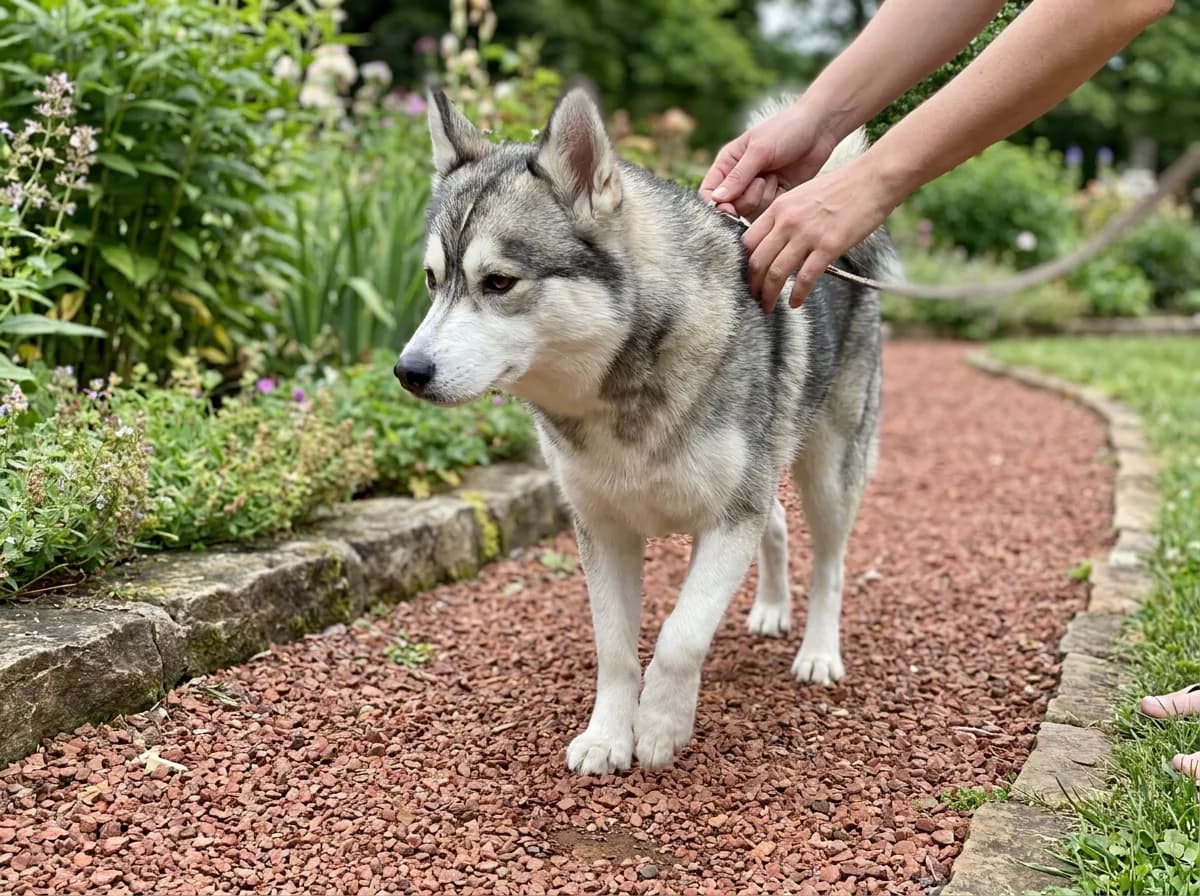
Appearance alone does not establish ancestry or predict adult size.
Petful is reader supported. As an affiliate of platforms like Amazon and Chewy, we may earn a commission when you buy through links on this page. There is no extra cost to you.
A Pomsky combines Pomeranian and Siberian Husky ancestry in a companion dog whose looks, size, and personality can vary substantially. The fluffy face may draw you in, but the better question is whether your ordinary weekday has room for an active dog that needs training, company, and regular coat care.
Some Pomskies enjoy meeting people and joining almost every family activity. Others need more space around strangers or help learning to settle. Choosing well means looking at the individual puppy or adult, the family behind it, and your available time rather than expecting a miniature Husky with a predictable personality.
A Pomsky can suit an engaged household that enjoys training and daily activity. Plan for shedding, possible barking, and uncertain adult size; use adult family history and a realistic weekday care plan before committing.

Sign up for expert-backed reviews and safety alerts all in one place.
What is a Pomsky?
A Pomsky is a Pomeranian and Siberian Husky mix. The name describes that background, but it does not tell you exactly how much a particular dog will weigh, how loudly it will vocalize, or which parent it will resemble. A puppy from Pomsky parents can look different from a first-generation cross, and littermates need not mature alike. An advertisement saying “purebred Pomsky” does not change the classic pairing’s crossbred ancestry; ask for the actual pedigree.
PetMD's Pomsky profile describes a double-coated, active companion and gives a broad adult weight range of 12–35 pounds. Treat that as orientation, not a guarantee for a puppy. The parent's actual measurements and mature relatives are more informative than a small puppy photographed in someone's hand.
| Question | What the Pomsky label tells you | What to verify separately |
|---|---|---|
| Ancestry | Pomeranian and Siberian Husky background | Parent identities and documented pedigree |
| Adult size | Considerable variation is possible | Mature relatives' weights and shoulder heights |
| Appearance | Spitz-like traits and a dense coat are common | Coat, ears, proportions, and markings of this dog |
| Behavior | Active companionship is a sensible expectation | Reactions to people, handling, noises, and separation |
| Daily care | Training and grooming belong in the plan | The dog's present routines and individual needs |
| F1 generation | First-generation Pomeranian and Siberian Husky cross | The named parents and their records |
| F1b generation | A backcross to a parent breed | Which parent breed was used; the abbreviation alone is incomplete |
| F2 generation | A cross between first-generation Pomskies | Both parents’ pedigrees; the label does not guarantee size or coat |
What do F1, F1b, and F2 mean?
The generation rows in the table describe breeding arrangements. Ask the breeder to identify both parents instead of relying on the abbreviation alone. The label is not an adult-size certificate or a ranking of better and worse pets. Also identify the registry: the American Pomsky Kennel Club and the American Kennel Club are separate organizations. The AKC’s Canine Partners program includes mixed-breed dogs, so program enrollment alone is not proof of purebred ancestry.

Petful may earn a commission when you click through to Chewy, at no extra cost to you.
If ancestry is uncertain, a Wisdom Panel Essential Breed Identification DNA Test can provide a consumer ancestry estimate. It cannot establish temperament, certify responsible breeding, or tell you the exact adult size of a puppy. Veterinary records and conversations with the present caregiver remain necessary even when a DNA report is available.
Pomsky, Husky, or Alaskan Klee Kai?
These names are not interchangeable. A Siberian Husky has its own breed identity, while the Alaskan Klee Kai is a separate breed with its own background and standards. If appearance is driving your shortlist, compare the daily responsibilities in our Pomsky vs. Husky guide and Pomsky vs. Alaskan Klee Kai comparison.
Pomsky temperament and household fit
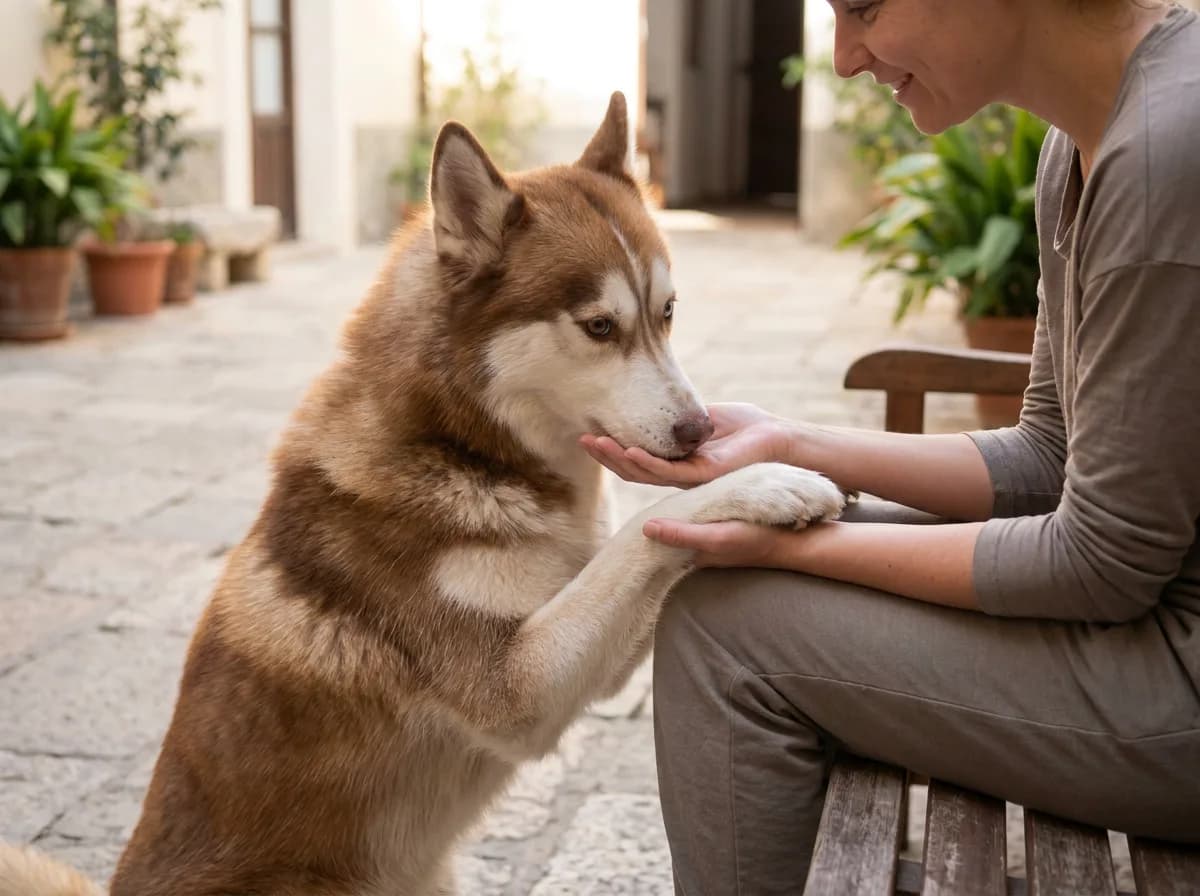
Is a Pomsky a good dog? It can be a very rewarding companion for a household that enjoys interaction and can accommodate an energetic, sometimes vocal individual. “Good” is a match between the dog's needs and your routines, not a characteristic that a breed name guarantees.
The main cons of a Pomsky are potential noise, shedding, time spent on exercise and training, and uncertainty about adult size. These demands matter if you share walls, work away from home, or have small pets. Budget for regular grooming and arrange daytime care before committing; a smaller dog can still need substantial attention and thoughtful management.
| Your situation | A useful question before choosing |
|---|---|
| Apartment or shared walls | What sounds trigger barking, and what has helped this dog settle? |
| Young children | Can an adult actively supervise and provide a separate rest area? |
| Resident cat | What verified experience does this dog have around cats? |
| Existing dog | Can introductions happen gradually with space to separate? |
| Long workday | Who will provide company, toilet breaks, and activity? |
| Frequent visitors | How does this dog respond when unfamiliar people enter? |
Children, handling, and safe resting space
Children need clear rules: let the dog approach, avoid grabbing its coat or tail, and leave it alone while eating or sleeping. A dog that walks away is asking for space. Arrange a quiet area that children cannot enter, and supervise interactions rather than assuming a friendly first meeting predicts every future encounter.
Meet an adult dog in more than one setting if possible. Watch whether it can disengage from excitement, take a break, and return comfortably. For a puppy, ask what gentle handling and household exposure it has already experienced. No puppy should have to tolerate being passed between a crowd of people to demonstrate friendliness.
Other animals and introductions
Ask for specifics when a caregiver says a Pomsky is “good with cats.” Living peacefully with a confident household cat is different from meeting an unfamiliar running kitten. Begin with physical separation and controlled, calm exposure; ensure the cat has an escape route that the dog cannot follow.
For dogs, select a spacious introduction area and separate handlers when possible. Avoid forcing face-to-face greetings at a narrow doorway. A successful first walk does not mean shared food bowls or unsupervised play are appropriate immediately. Keep separate feeding and rest spaces while you learn each animal's habits.
Petful may earn a commission when you click through to Chewy, at no extra cost to you.
- “She settles after a short walk while I cook” is more useful than “perfect family dog.” Ask about actual routines, triggers, and the support the dog currently needs.
Living in an apartment
An apartment can work when the care arrangement works. Consider the route to an outdoor toilet area, elevator encounters, hallway noise, and whether someone can return during the day. A balcony is not a substitute for walks or a safe place to leave a dog unattended.
If quiet is essential, an adult with a documented history in a similar home may be easier to assess than a puppy. Ask to hear about barking during deliveries, when left alone, and during play. Those are different situations and may need different solutions.
Are Pomskies aggressive?
A Pomsky's appearance or ancestry cannot establish whether it will behave aggressively in a particular situation. Ask about specific behavior: guarding food, reactions to unfamiliar dogs, discomfort during handling, and any bite history. A vague “never a problem” is less useful than an honest account of what happened and how the caregiver manages it.
Do not provoke a dog to test its tolerance. If it freezes, retreats, growls, or otherwise appears uncomfortable, create space and ask for qualified guidance. A household with young children or vulnerable pets should evaluate those needs carefully before placement, with professional help when the history is uncertain or concerning.
- Some Pomskies howl, whine, or make other vocal sounds as well as bark. Ask when the noise happens and whether the dog can settle; the sound's volume alone does not explain its cause.
Exercise, training, and time alone
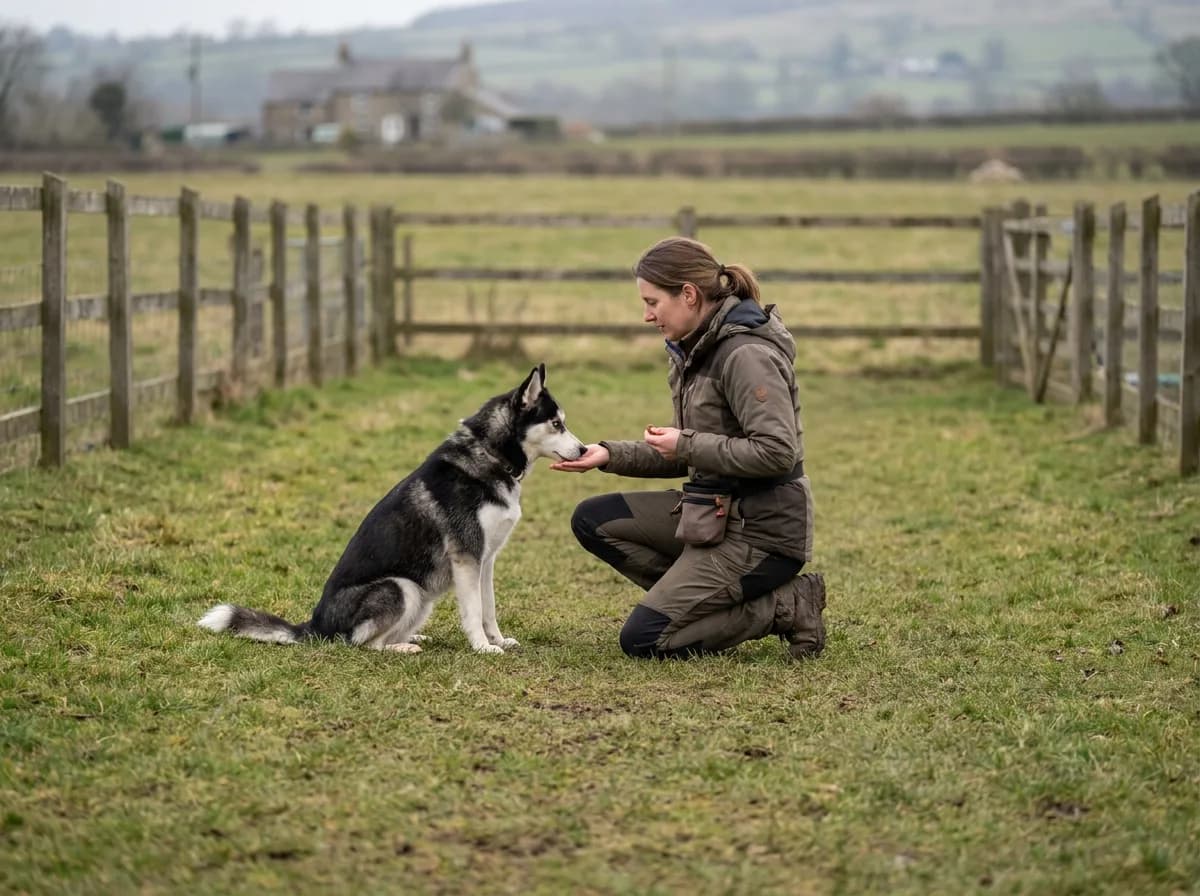
- Build a day with movement, sniffing, brief training, and uninterrupted rest. A single exhausting outing is not a complete activity plan. A puppy, an older dog, and an athletic young adult need different pacing, so adjust duration to the individual and ask your veterinarian about suitable activity when health or development is a concern.
- PetMD describes a 30-minute morning walk and a 30-minute evening walk as one routine some Pomskies adapt to. For a healthy adult, that is an example to discuss and adjust, not a universal minimum or a substitute for sniffing, play, training, and rest. Puppies, older dogs, and dogs with health concerns need an individual activity plan.
- Some Pomskies enjoy water and others avoid it; ancestry does not guarantee swimming ability or enthusiasm. Follow AKC’s gradual swimming introduction guidance: begin voluntarily in shallow water, never force entry, use a properly fitted dog flotation device, and supervise closely. Let the dog’s comfort and health guide whether swimming belongs in its activity plan.
A Frisco six-foot traffic leash offers a fixed-length option for training walks when its weight and hardware suit the dog. At home, a supervised Outward Hound Lick N’ Flip puzzle provides another food activity; count the food used toward the daily ration.
Training should make desired behavior easy to practice. Reward coming when called, checking in on walks, resting on a mat, and cooperating with brushing. The American Veterinary Society of Animal Behavior recommends reward-based methods for training and behavior modification. There is no fixed number of weeks for potty training a Pomsky: progress depends on the puppy and a consistent routine, as the AKC’s puppy timeline explains. Offer toilet trips after waking, eating, and playing, reward success immediately, and keep supervising after accidents become less frequent.
Understand vocal behavior
A Pomsky may howl as well as bark. Keep track of the trigger, how long the sound continues, and what helps the dog relax. Ask whether the behavior occurs during ordinary interaction or mainly when the household leaves. Those observations help a trainer or veterinarian give useful advice instead of assuming every vocal dog has the same problem.
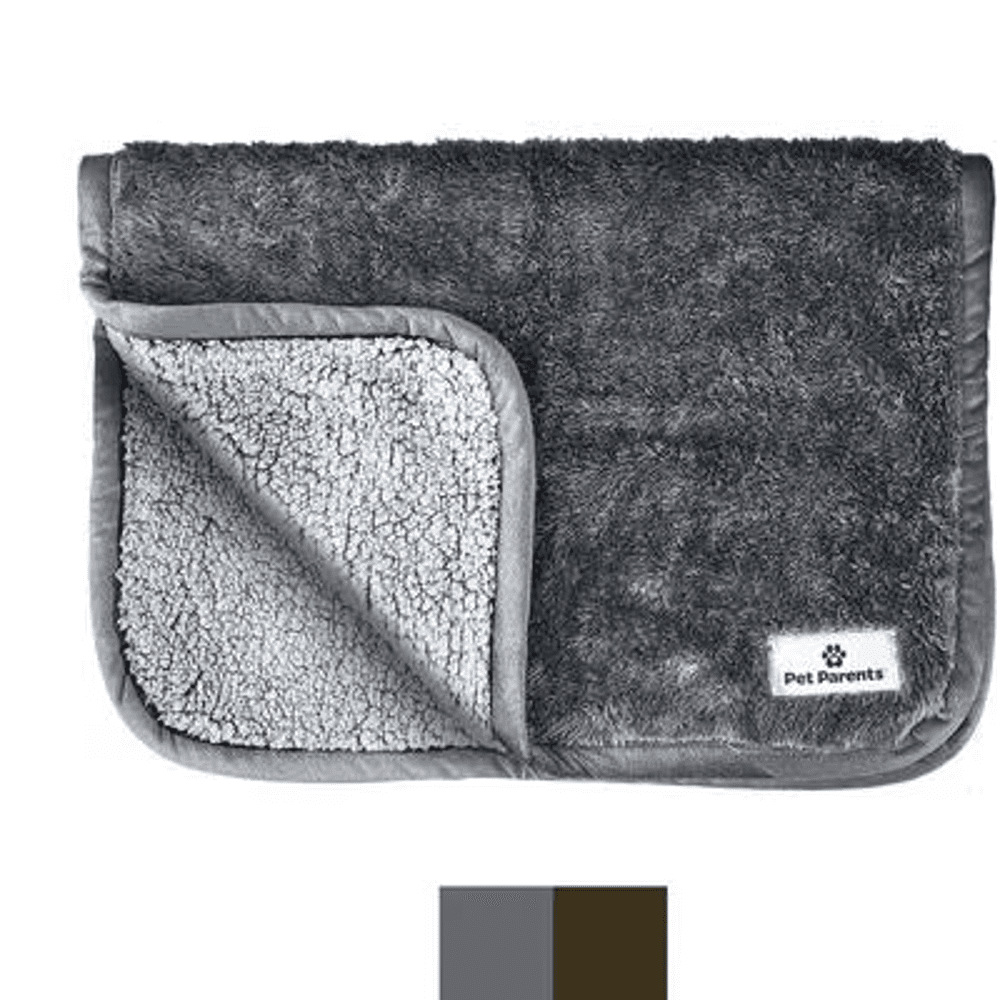
A plush, waterproof sherpa blanket that gives a cold or shivering dog a warm, cozy layer to curl into. The hidden waterproof lining protects the bed, couch, or car seat, and the whole thing is machine washable.
Petful may earn a commission when you click through to Chewy, at no extra cost to you.
| Part of the day | Practical starting point | What to observe |
|---|---|---|
| Morning | Toilet outing, sniffing walk, breakfast | Can the dog settle afterward? |
| Midday | Planned caregiver visit or suitable break | Is the schedule meeting toilet and social needs? |
| Afternoon | Brief reward-based training or search game | Is the task engaging without escalating excitement? |
| Evening | Walk or play suited to the individual | Does the dog recover comfortably? |
| Bedtime | Calm final toilet trip and predictable rest | Is the sleeping area quiet and comfortable? |
Give the nose and brain a job
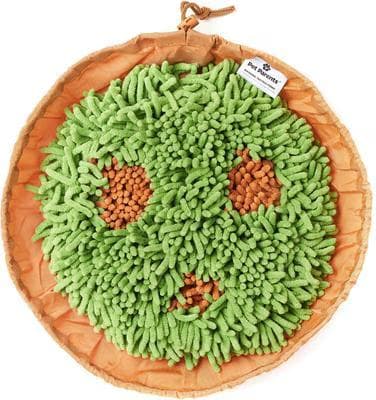
A food search can turn part of a normal meal into an activity. The Pet Parents Forager Snuffle Mat is one option for supervised searching. Start with food easy to find, count it within the dog's daily food allowance, and put the mat away if the dog begins chewing or swallowing fabric. Keep enrichment within a feeding schedule appropriate for age. PetMD advises that Pomsky puppies may need three or more meals a day, while most adults eat twice daily. Agree on meal timing and the total ration with your veterinarian rather than giving extra food for every activity.
Choose toys that suit the dog’s mouth size and play style, supervise new items, and remove damaged pieces. Rotate simple tasks instead of buying every puzzle available. Hide a few pieces of the regular ration in an easy search area, practice finding an open hand, or reward a calm pause before going outdoors. Keep early sessions short enough that both of you can succeed. Frustration is a reason to simplify the task.
Teach settling as deliberately as activity
Make a comfortable resting place near normal household activity, reward relaxed behavior, and gradually build duration. A washable Pet Parents Pawtect Blanket, Small may suit a compact rest area if its dimensions fit your dog. It protects a surface; it is not chew-proof equipment or a treatment for separation distress.
Practice leaving the room for brief, manageable moments while the dog is comfortable. Increase difficulty slowly, and arrange help for absences the dog cannot yet manage. Repeated frantic vocalizing, escape attempts, or inability to settle while alone calls for support from your veterinarian and a qualified reward-based behavior professional.
Walking and secure outdoor time
Check gates, fence gaps, and door routines before bringing a new dog home. Practice recalls inside a secure enclosure and use a leash where containment is uncertain. Good responses in the kitchen do not establish reliable recall around wildlife, traffic, or other dogs.
Take water on outings. A Frisco Silicone Collapsible Travel Bowl, Small, 1.5 cup packs easily for water breaks, though capacity and refill access should match your dog's needs. Avoid turning outdoor exercise into a contest of distance or speed, especially in warm conditions.
Choose a puppy with evidence, not promises
Cute puppy photographs cannot show the quality of a breeder’s care. Ask for the parents' identities, health-screening results, veterinary care records, and a clear explanation of how puppies are raised. A seller's friendly manner, polished website, or high price does not replace those documents.

Collapsible silicone travel bowl with a carabiner that clips to a leash or bag, so your dog always has fresh water on walks, hikes, and car trips.
Petful may earn a commission when you click through to Chewy, at no extra cost to you.
Pomsky puppies are young dogs with Pomeranian and Husky ancestry, not a uniform product with fixed settings. When meeting Pomskies, compare their individual responses and recovery after new experiences. Ask how each puppy has been handled and what normal daily care looks like. Those observations help you prepare for the transition without pretending that one meeting can predict every adult behavior. A baby Pomsky needs predictable toilet breaks, sleep, age-appropriate meals, and gentle handling; ask what schedule the puppy already follows.
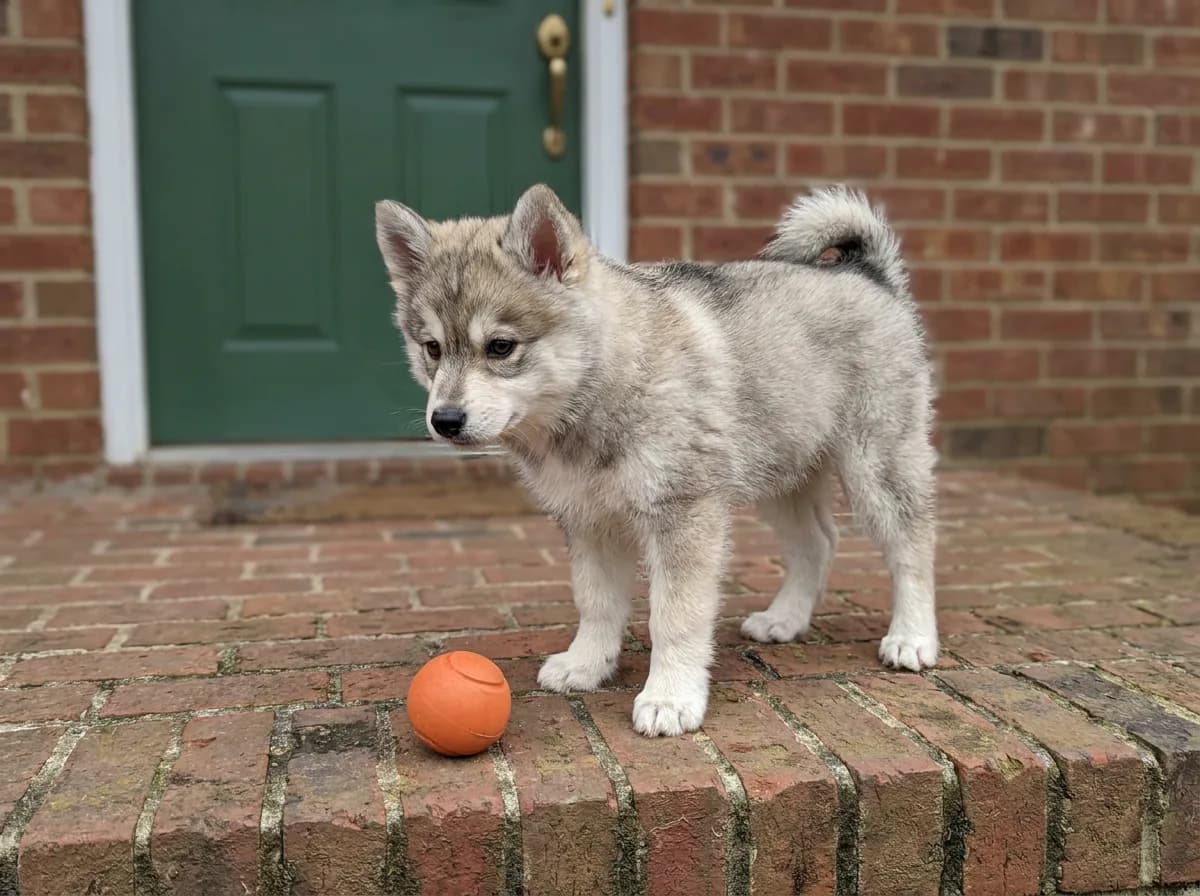
Check that records name the actual dogs and identify what was evaluated. An ancestry test and a veterinary examination are different from inherited-disease testing or orthopedic screening. Ask your veterinarian for advice on interpreting unfamiliar reports rather than accepting “fully tested” as a complete answer.
- Request the puppy's date of birth, identification, and written care history.
- Ask how the puppy reacts to grooming, household noises, and brief separation.
- Meet the mother and other available adult relatives when practical.
- Read the contract before paying a deposit, including return and support arrangements.
- Confirm what happens if your veterinarian finds a concern after the puppy comes home.
- Be willing to wait when the available dog's needs do not match your household.
An adult Pomsky may answer more of your questions
An adult can provide direct evidence about current size, coat, and established routines. A foster caregiver may be able to describe life with children, pets, visitors, and workday absences. Those observations are valuable, though behavior can change as a dog settles into a new home.
Ask what support the rescue provides after adoption and whether a trial arrangement is available. Clarify any ongoing medical care, medication, or behavior work before deciding. Adoption is a different route to finding a companion, not a guarantee of lower total care needs.
Bring a short list of ordinary situations to the conversation: a delivery arriving, dinner preparation, a visitor sitting down, and the household leaving for work. Ask what the dog does and what the caregiver does in response. This gives you a much clearer idea of everyday life than asking whether the dog is simply easy or difficult.
Be careful with appearance-based promises
Descriptions such as “tiny,” “rare,” or “forever puppy” deserve follow-up questions. Ask for mature relatives' measurements and let the seller explain uncertainty. Our guide to mini and teacup Pomsky labels separates size terminology from what a family can actually verify.
The same approach applies to eye and coat color. A photograph taken under warm indoor lighting may not show the coat accurately, and a puppy's appearance can change. Browse Pomsky colors and patterns for orientation, then prioritize the dog's needs and records.
Compare coat appearance carefully
White, black, brown, red, sable, and black-and-white Pomskies can look very different, as can dogs described as blue merle or piebald. Blue eyes and a tan marking are appearance details, not identity certificates. A fluffy coat and a short-haired appearance also change the impression. Ask for ordinary daylight pictures of the dog and avoid treating color names as evidence about temperament.
- Compare ordinary daylight photographs with the dog's current appearance when you meet.
- Keep questions about markings separate from questions about health, training, and fit.
Size, coat care, and lifetime planning
Before committing, put your weekday care plan beside the dog's adult family history. The plan should name who handles walks, meals, grooming, and absences. The family history should include measured adults, known care needs, and examples of behavior, not just a collage of attractive puppies. If you are considering timed meal equipment, compare automatic dog feeders.
For the grooming kit, discuss an aumuca slicker brush with someone familiar with the dog’s actual coat. Keep Virbac C.E.T. dog and cat toothpaste on a separate dental-care list, rather than assuming coat maintenance covers all routine care.
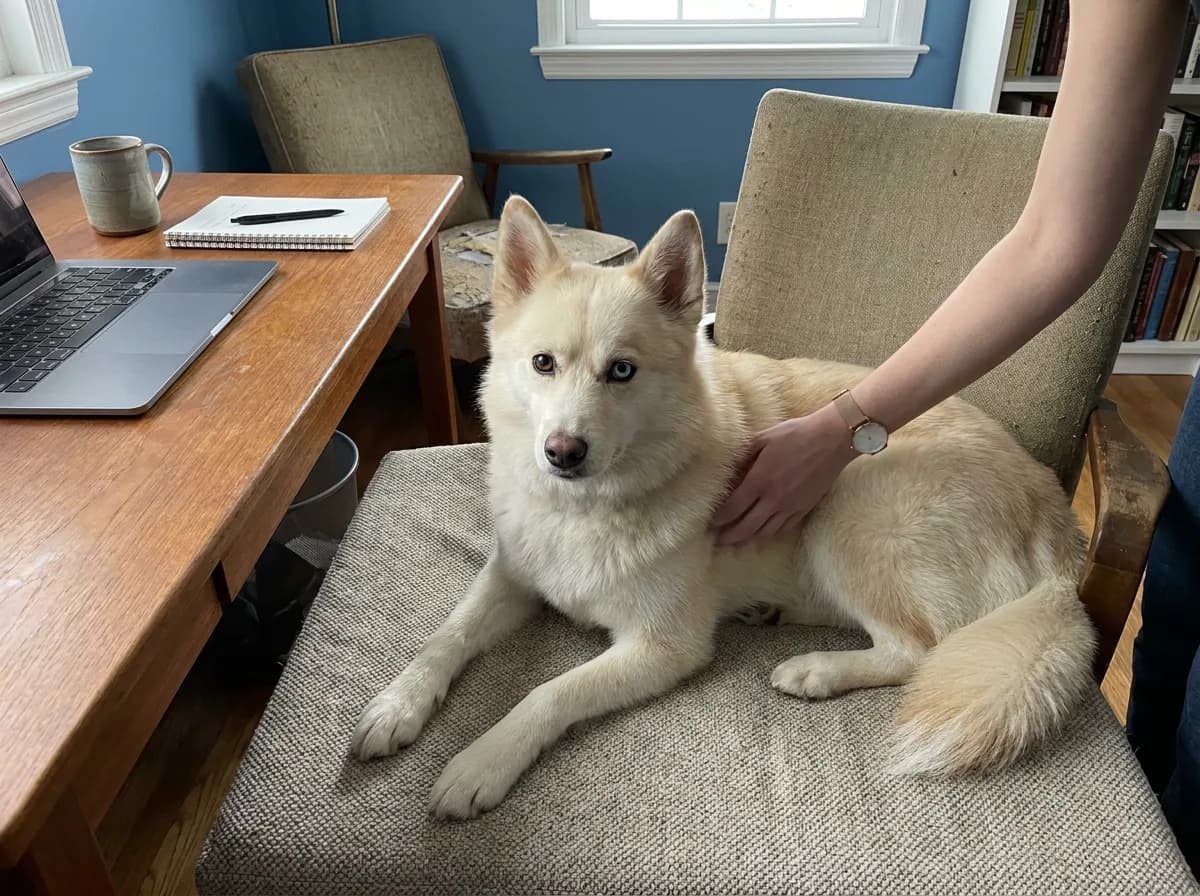
Use measurements to interpret adult photos
Small Pomsky sizes still vary, so ask how big each adult actually is rather than judging a picture alone. Photos taken near the camera or through a thick coat can exaggerate the impression. Record weight and height, compare dogs at similar distances, and remember that an image of a grown-up relative offers context rather than a promise about your puppy.
Use the two together. If mature relatives are larger than expected, check your housing and transport limits. If they are vocal, consider shared walls. If your weekday depends on a dog being content alone for long stretches immediately, revise the arrangement before bringing a puppy home.
| Decision | Evidence to collect | Action before arrival |
|---|---|---|
| Size | Current measurements and mature relatives | Check equipment and housing limits |
| Activity | Caregiver's actual daily routine | Assign weekday walks and backup care |
| Grooming | Coat texture and handling tolerance | Arrange tools, time, and groomer access |
| Budget | Written fee and local service quotes | Reserve funds beyond acquisition cost |
| Long-term care | Veterinary records and known family history | Identify a clinic and keep a care file |
Make coat care part of ordinary life
Practice brief, gentle grooming before the coat becomes tangled. A aumuca Self Cleaning Slicker Brush can be part of a suitable grooming kit when used with light pressure; ask a groomer to demonstrate the tools and technique for your dog's coat. Stop if the skin looks irritated or the dog shows discomfort.
Pomsky shedding is a realistic household consideration: these dogs shed, and a haircut or slicker brush does not turn them into hypoallergenic companions. Ask how often the current caregiver brushes the coat and how seasonal loose hair is managed. Grooming should address comfort and coat condition, while a family member's allergy needs a separate discussion with their own clinician.
Expect loose hair around the home and allow time to check dense areas such as behind the ears and around the hindquarters. Our detailed guide to whether Pomskies shed explains seasonal coat changes and practical maintenance. A dense coat also makes visual size estimates unreliable, so use the full-grown Pomsky size guide when planning equipment.
Plan beyond bringing the dog home
Acquisition is only one expense. Food, routine veterinary visits, grooming, training, backup care, and unexpected costs continue throughout the dog's life. Use the Pomsky price and ownership-budget guide to compare actual quotes rather than spending the entire available budget on the puppy.
Long-term planning also means retaining medical records and noticing changes in normal behavior. Our Pomsky lifespan and health guide covers that topic in more detail. For a prospective owner, the immediate decision is whether the household can provide consistent care through changing work schedules, travel, and the dog's later years.
Frequently asked questions
Some Pomskies like to cuddle and enjoy close contact, while others prefer resting nearby or choosing when to approach. Watch the individual dog's loose posture and willingness to stay. Let it leave without restraint, and do not use tolerance of hugging as a friendliness test. Pay attention to whether the dog approaches again after a short pause; comfortable voluntary contact is more meaningful than remaining still while held.
Some Pomskies bark a lot and are notably vocal. Ask about barking at visitors, household sounds, during play, and when alone, because those situations have different triggers. A caregiver's examples are more useful than a promise of a quiet breed. Persistent distress during absence needs professional guidance. A video or written log of the context can help a professional distinguish ordinary alerting from a pattern that needs more support.
There is no dependable age when all Pomskies calm down. Maturity, health, routine, and learned settling skills all matter. Choose manageable activities and practice rest from the beginning instead of waiting for age alone to solve overexcitement. Compare progress with the dog’s earlier behavior and the difficulty of the situation, rather than a fixed age advertised for the mix.
An intelligent Pomsky may learn tasks quickly, but quick learning does not guarantee easy training. Clear cues, rewards the dog values, gradual distractions, and consistent practice are more useful than an intelligence ranking. Keep tasks achievable and build difficulty as the dog succeeds. Practice in a quiet setting first, then add real-world distractions gradually instead of assuming the dog understands a cue everywhere.

Coreen Saito is a pet writer and longtime shelter volunteer with more than a decade in animal rescue. She covers cat behavior, breed care, and the small, ordinary science of sharing a life with companion animals, with a particular focus on honest takes about the products and decisions that actually matter. At home in Arizona, she's outranked by Mac (a dog with the loudest opinion in the house), Rebel (a cat who governs by quiet authority), and Meri (an orange tabby who runs the late shift and the laundry basket). She writes about all three, plus the rescues that keep coming through her life, at LifeWithMinty.com.
Sign up for expert-backed reviews and safety alerts all in one place.