Pomsky Colors and Patterns: A Picture Guide
Compare Pomsky coat colors, patterns, and everyday appearance labels. Learn what photographs can show, what requires records, and which questions matter before paying more for an unusual-looking puppy.
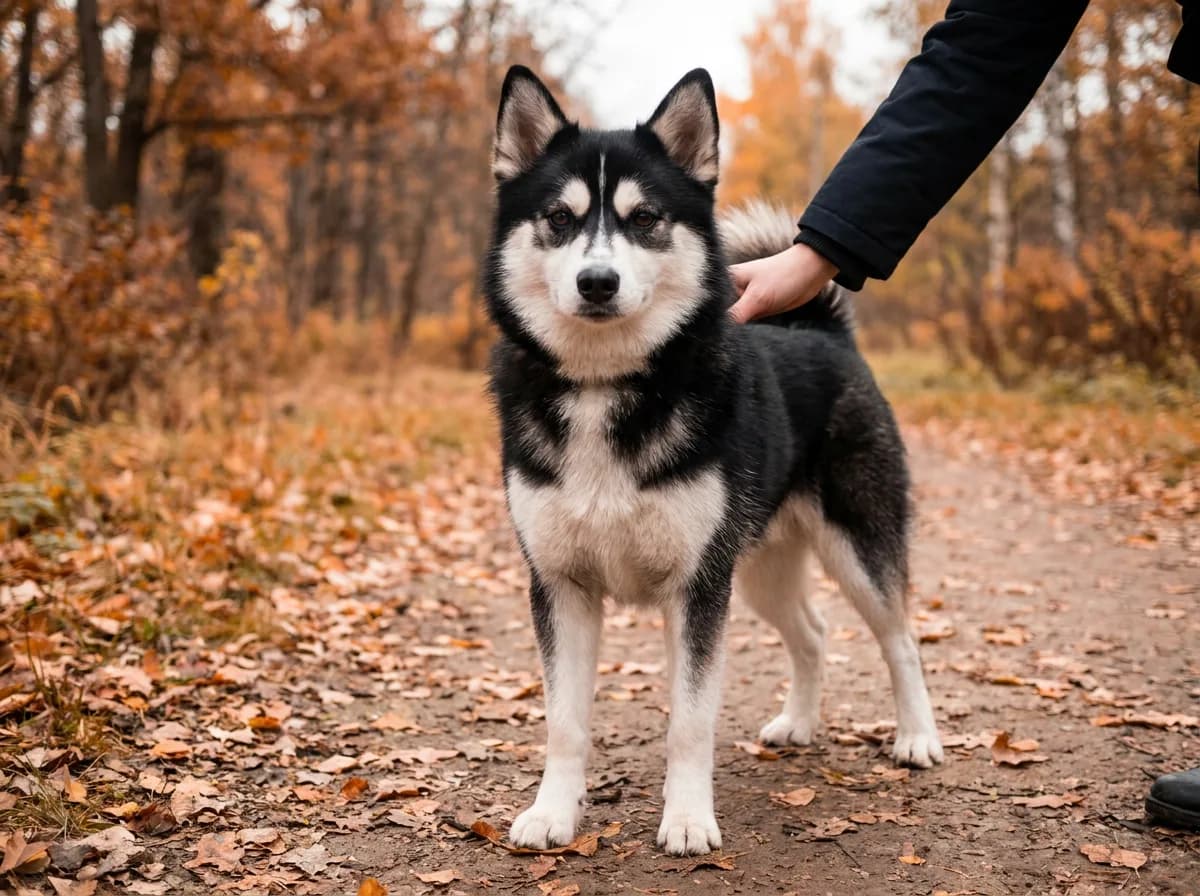
Appearance alone does not establish ancestry or predict adult size.
Petful is reader supported. As an affiliate of platforms like Amazon and Chewy, we may earn a commission when you buy through links on this page. There is no extra cost to you.
Pomsky colors include black and white, solid black, white, cream, red, brown, gray, and a variety of shaded or patchy patterns. The useful distinction is color versus pattern: a dog can have a brown base color, white markings, and a long coat at the same time.
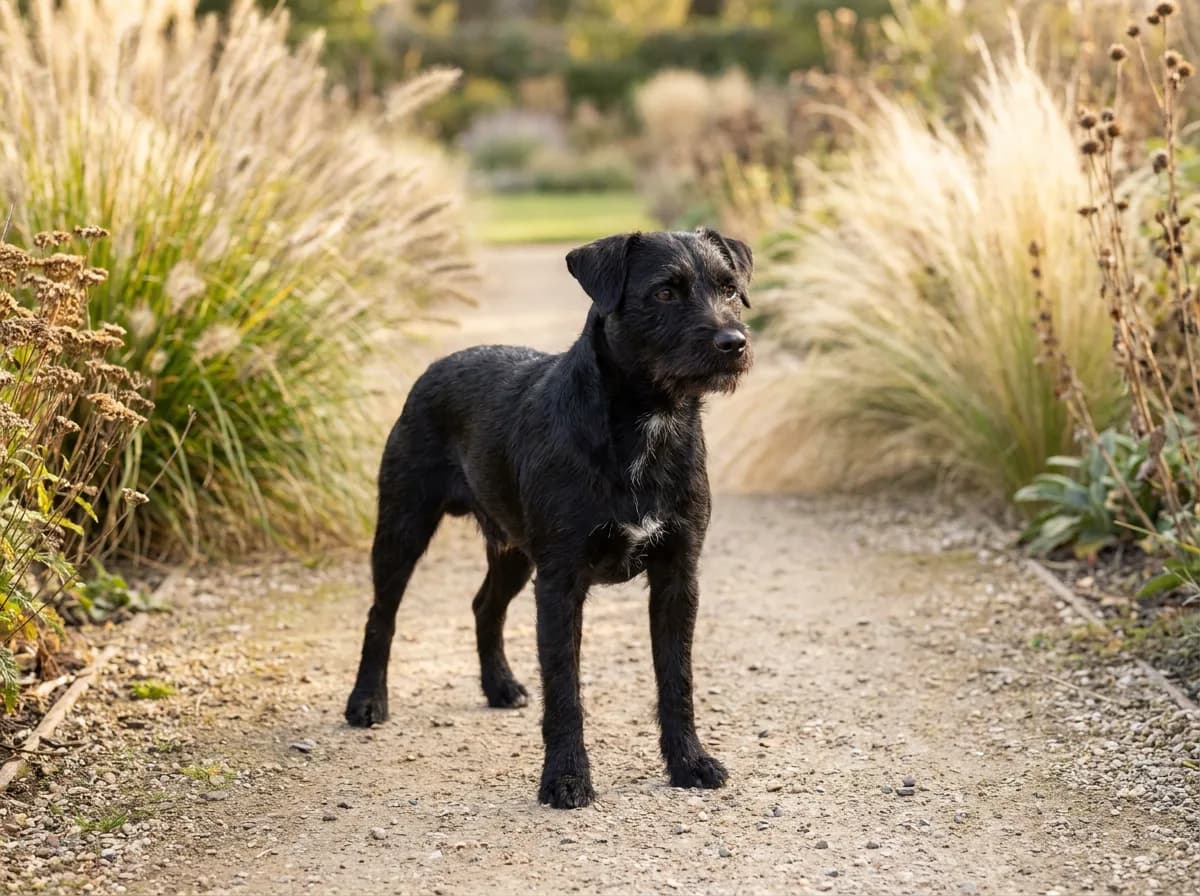
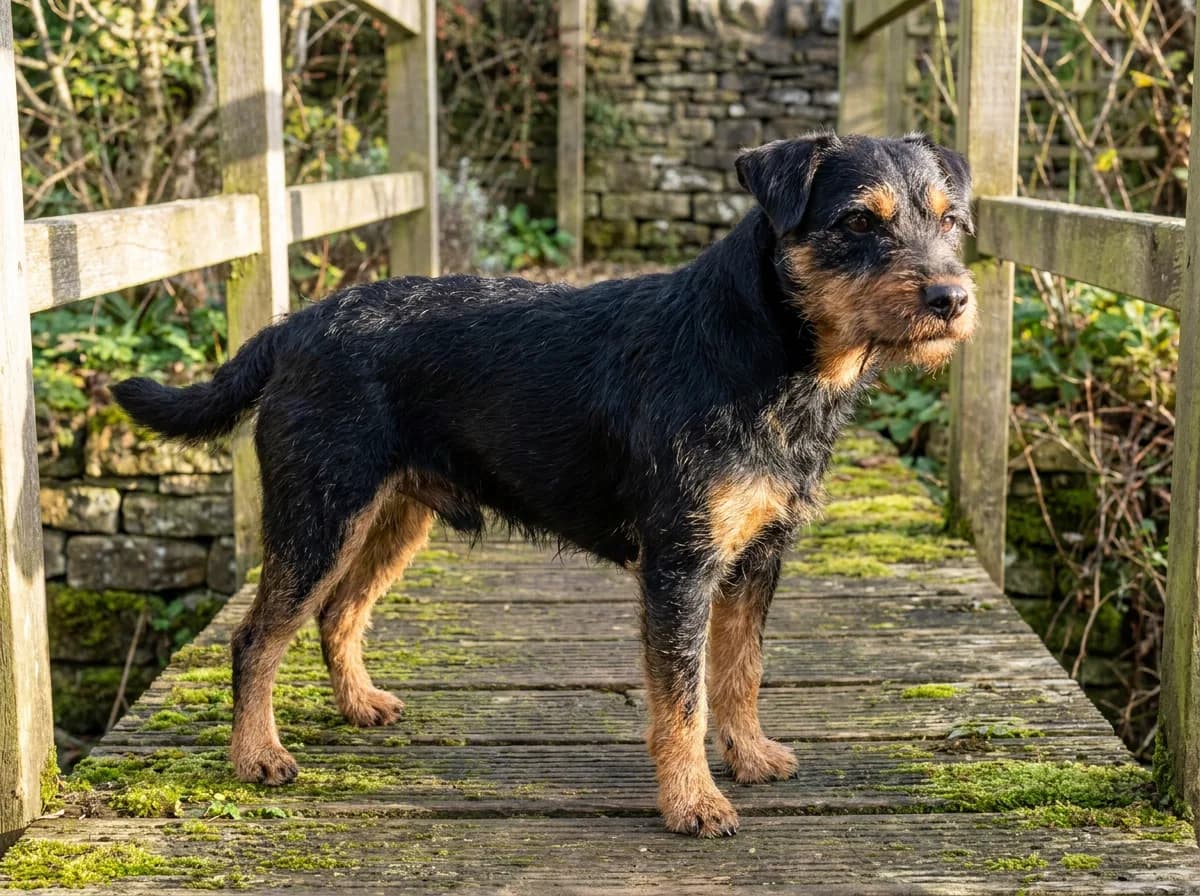
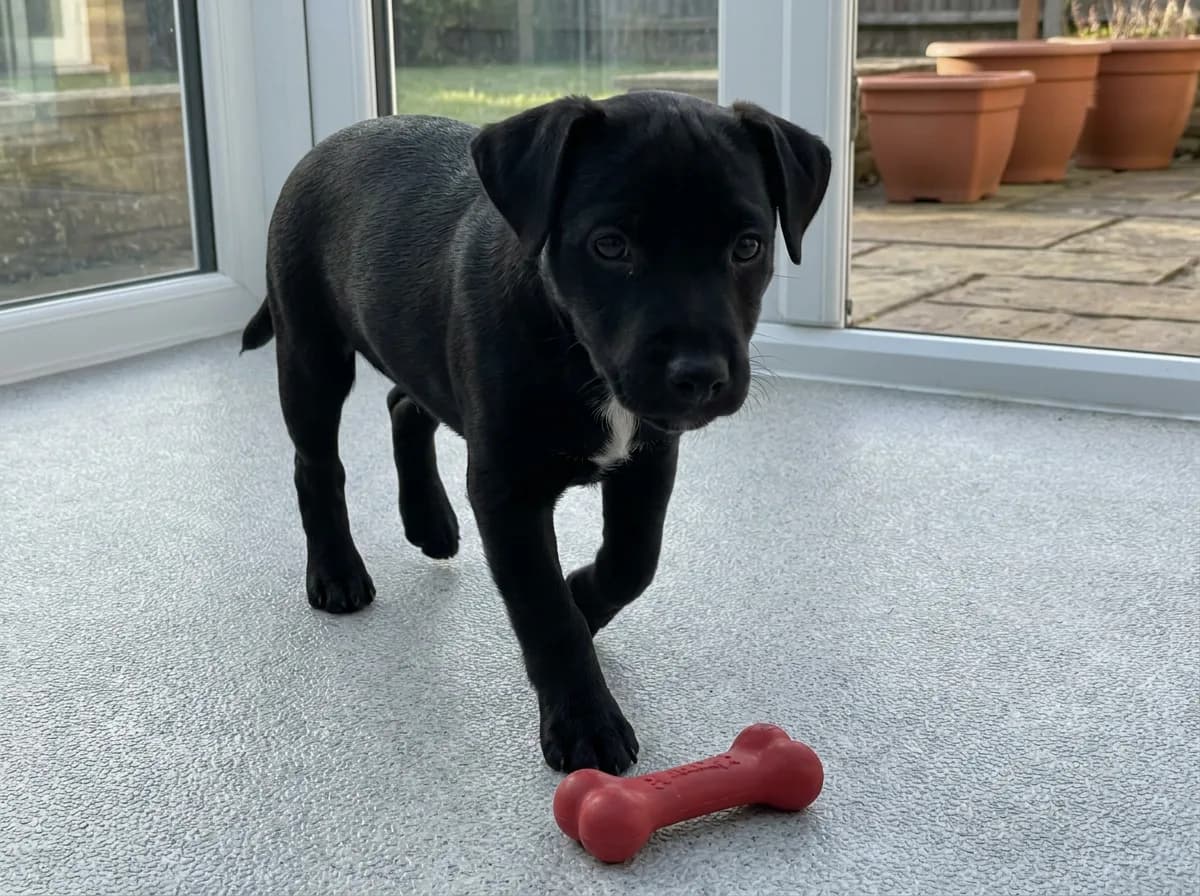
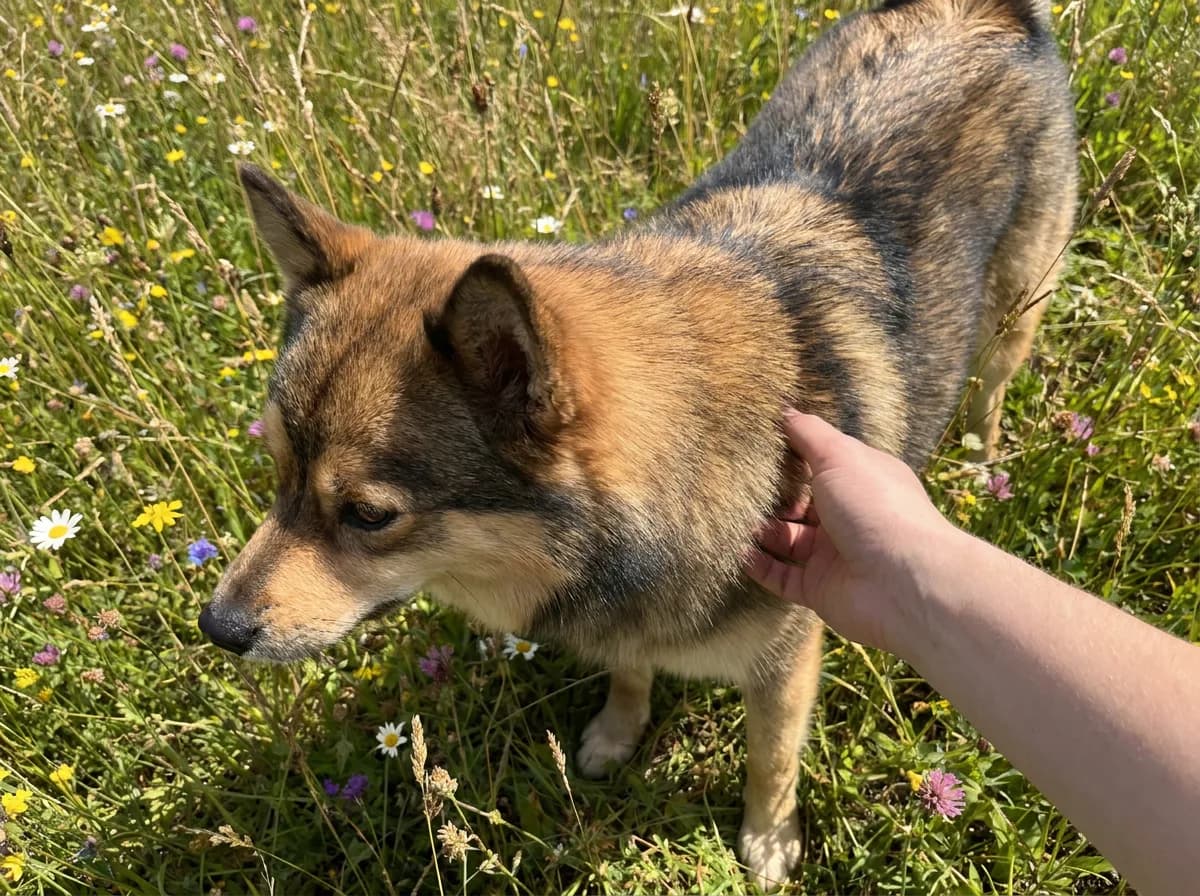
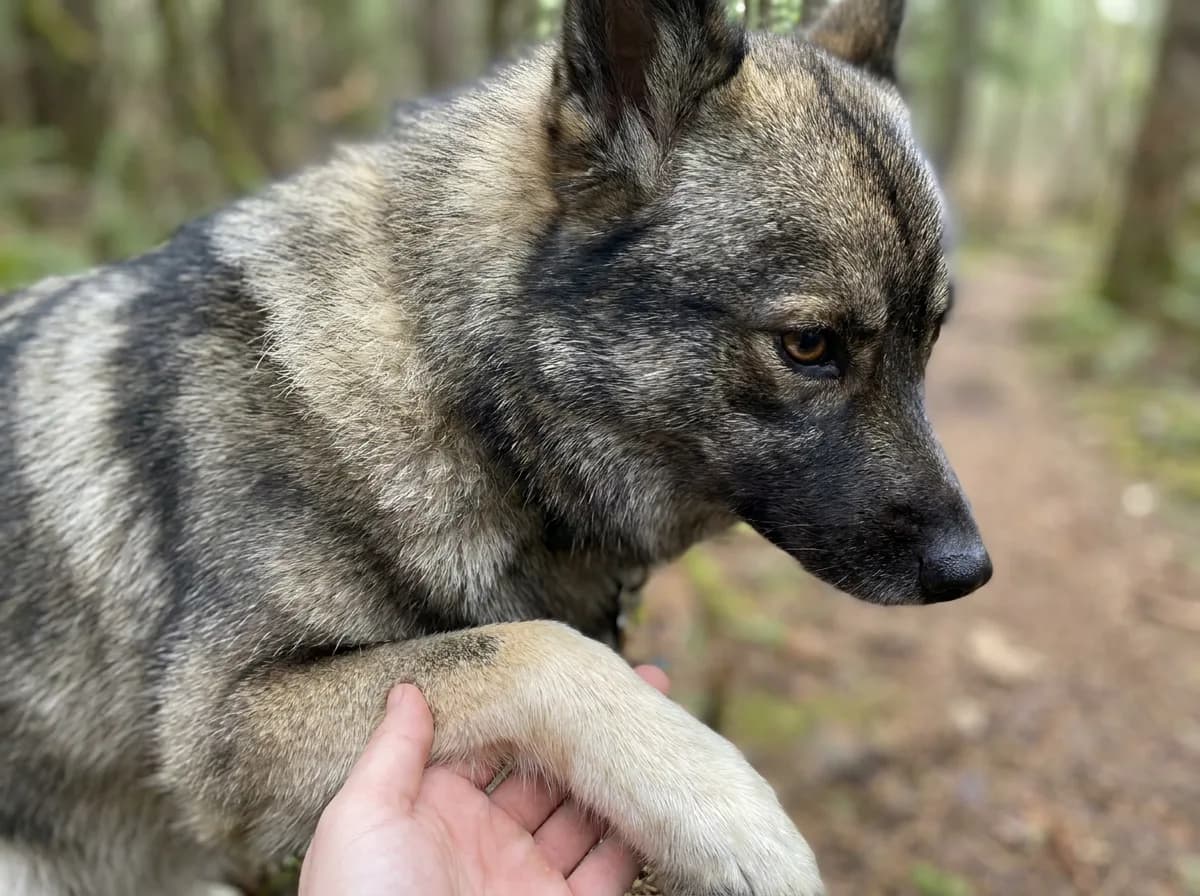
This guide explains the appearance labels you may encounter and the questions to ask when comparing puppies. The images are AI-generated illustrations of broad visual differences, not photographs authenticating a particular dog's pedigree, genetic results, or future adult coat.
Choose a Pomsky by health records, temperament, and household fit before choosing a color. A photograph can show appearance; it cannot prove documented parentage, genetic status, or a seller's claim that a puppy is rare.

Sign up for expert-backed reviews and safety alerts all in one place.
Pomsky colors: color, pattern, and coat length
Pomsky coat colors are easier to compare when you separate three questions: what pigment looks like, where it appears, and how the hair lies. Black, brown, and cream describe colors. White patches and mottling describe patterns. A fluffy outline describes coat length and texture, which can obscure the boundaries between colored areas. A short-haired Pomsky can still have a dense double coat. The APKC coat guide calls the shortest coat standard and distinguishes it from longer plush and wooly coats. Short hair therefore does not mean hairless, allergy-free, or free of shedding.
The American Pomsky Kennel Club color guide uses its own definitions for colors, markings, and intensity. Its names provide context for advertisements, but a club label does not turn a photograph into a genetic test. Different sellers may use different names for a similar-looking coat.
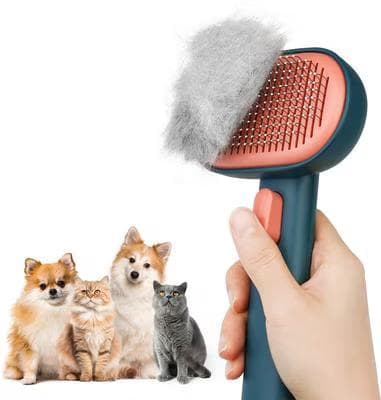
Use gentle passes suited to your dog’s coat; stop if the skin becomes irritated.
Petful may earn a commission when you click through to Chewy, at no extra cost to you.
| Label in a listing | What to look at | What it does not establish |
|---|---|---|
| Black and white | Dark areas contrasted with white markings | A particular Husky percentage |
| Solid black | Predominantly dark coat | Absence of every hidden genetic variant |
| White or cream | Very pale coat across most of the body | Albinism or merle status |
| Red, brown, or chocolate | Warm-colored areas and nose pigment | A universal naming convention |
| Sable or agouti | Shading and banding within hairs | Confirmed pigment genetics from a distant photograph |
| Merle | Irregular areas of diluted pigment | The complete genetic result or health status |
For an initial comparison, request a recent picture in ordinary daylight, a full-body view from each side, and a short unfiltered video. Include the date and the puppy's identifier. A close face shot alone may hide white areas on the chest, darker hair along the back, or a different shade under the tail. Look at tail shape separately from color. The APKC’s standard describes a furred plume carried over the back in a curve; an individual dog’s tail position in one picture does not authenticate its ancestry.
The UC Davis Veterinary Genetics Laboratory explains that multiple genetic systems influence coat color and type. That is why a simple appearance label is not a complete description of inheritance. For a breeding decision, use the laboratory's interpretation of the actual dog's results rather than reconstructing a genotype from an illustration.
Black-and-white and solid black Pomskies
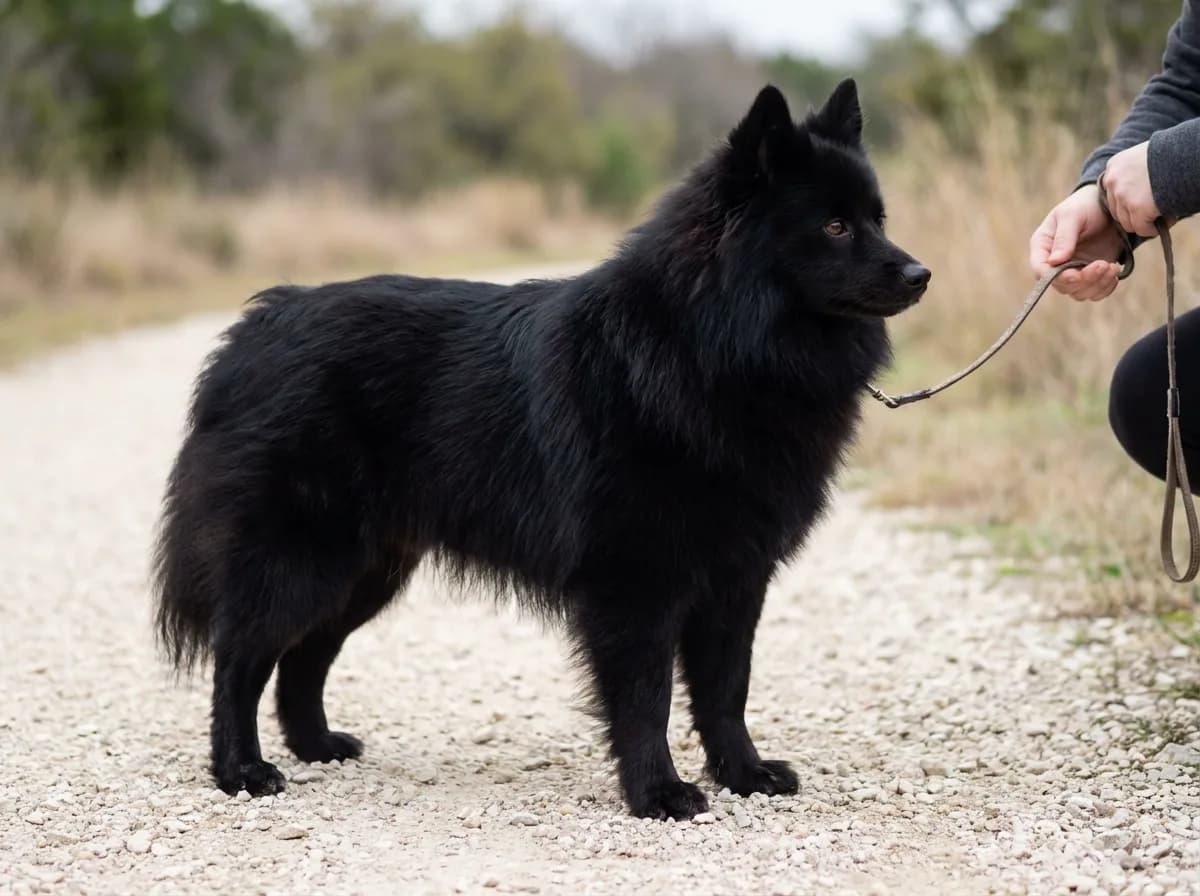
A black-and-white Pomsky has visibly contrasting dark and white areas. A facial mask can create the familiar Husky-like appearance, but the placement of white is not identical across dogs. Compare the actual face, chest, belly, legs, and tail rather than expecting every puppy with the label to match one example.
A solid black Pomsky has a predominantly black appearance. Small pale markings may still be described differently by different breeders, so ask what the seller means by solid. Dark coats can lose detail in underexposed pictures: request an image where you can see the hair texture and body outline, not just a black silhouette against bright sky.
Compare the actual markings
- Is the image recent, and is it definitely the same puppy?
- Are the feet and chest visible, or cropped out?
- Does the seller use black to describe the entire coat or only its darkest areas?
- Are adult relatives available to view, with clear explanations that they do not guarantee this puppy's final appearance?
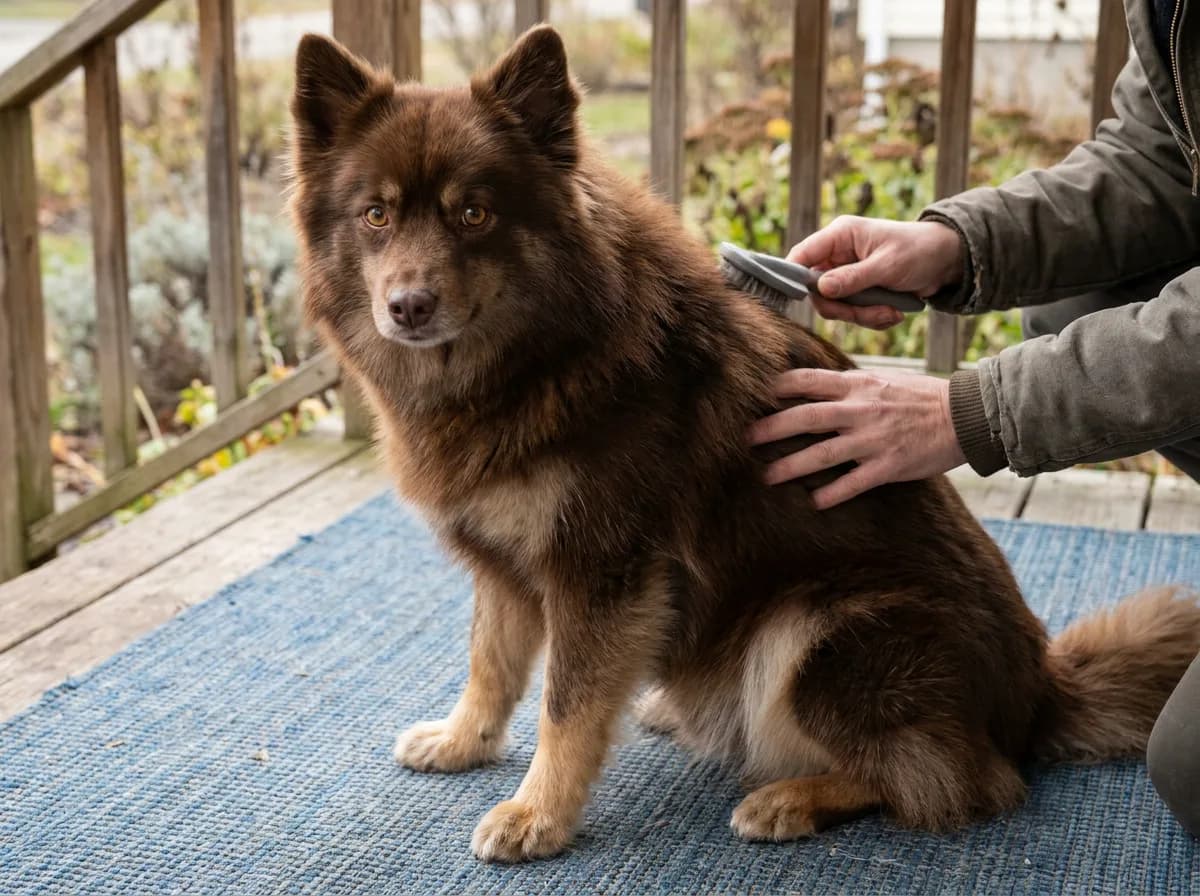
Routine coat care should follow texture and skin tolerance, not the darkness of the hair. The aumuca Self Cleaning Slicker Brush is one option to discuss with your groomer. Use light, comfortable passes and stop if the dog resists or the skin becomes irritated; no tool should be used aggressively to make a dark coat look shinier.
White and cream Pomskies
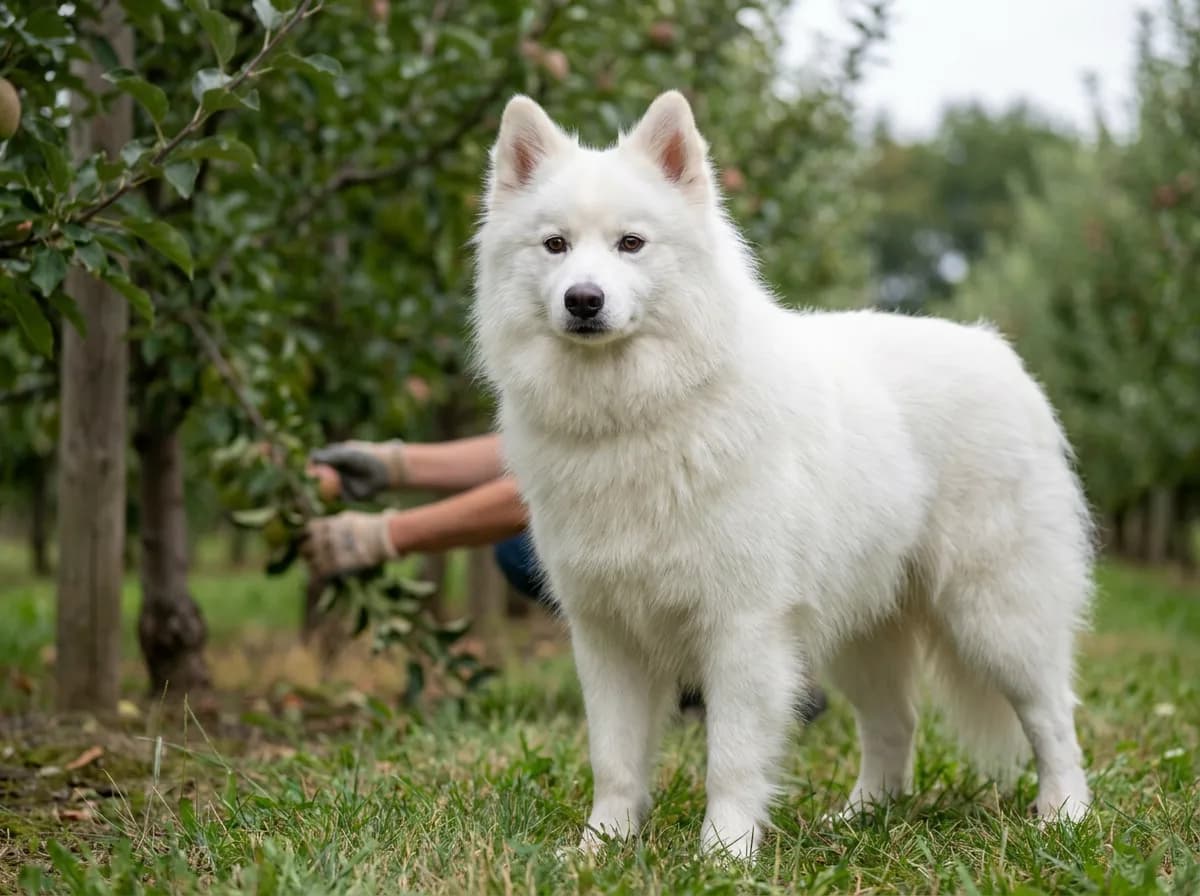
A white Pomsky may look different in warm indoor light, shade, and direct sunlight. Cream adds a warm pale tone that may be more apparent around the ears or along the back. Camera settings also change how pale coats appear, so compare pictures taken under similar lighting before treating two color labels as a meaningful difference.
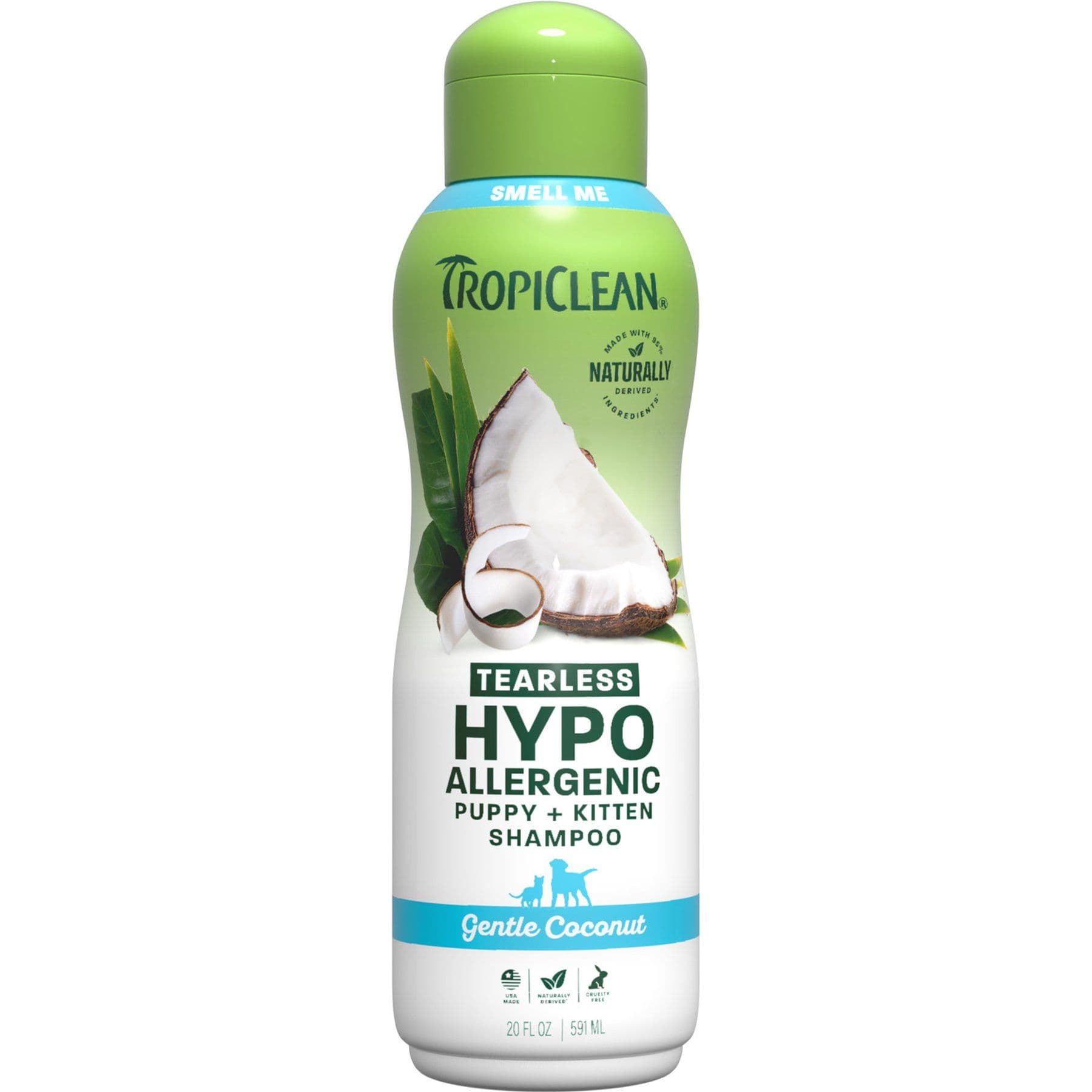
Use a dog shampoo according to its label; a white coat does not need bleaching.
Petful may earn a commission when you click through to Chewy, at no extra cost to you.
White fur alone does not identify albinism, establish a dog's ancestry, or show whether a merle variant is present. Those are separate questions. If a seller makes a genetic claim, request the original report and ask a veterinarian or the testing laboratory to explain what was actually tested and what the result can establish.
Care for pale coats
- Remove ordinary dirt with an appropriate dog-care routine.
- Avoid household bleach, dyes, or unapproved whitening mixtures.
- Check recurrent staining or irritated skin with your veterinarian instead of repeatedly scrubbing it.
- Rinse and dry according to the product directions and your groomer's advice.
The TropiClean Hypo-Allergenic Gentle Coconut Puppy & Kitten Shampoo is an optional routine-care product to compare against your dog's needs and its label directions. Its name does not mean the dog will be allergy-free, and a white Pomsky does not automatically need a special whitening shampoo or more frequent baths. For routine bath-product comparisons, see oatmeal shampoos for dogs.
Red, brown, and chocolate coats
Red Pomsky and brown Pomsky listings can be difficult to compare because sellers do not always use these words consistently. Describe what you can actually see: a warm copper-looking coat, deep brown areas, lighter underfur, white markings, and the nose's apparent color. Chocolate is another common descriptive label, not a quality grade. The APKC color guide describes red shades ranging from orange to deep mahogany. If an advertisement says ginger or golden, ask which visible shade the seller means; those everyday words alone do not identify a genotype or establish Golden Retriever ancestry.
Ask the breeder to distinguish everyday color language from the wording on any genetic report. A red-looking photograph does not, by itself, reveal which inherited combination produced that appearance. Two sellers may use red and chocolate for similar dogs, while two puppies both called red may look noticeably different in daylight.
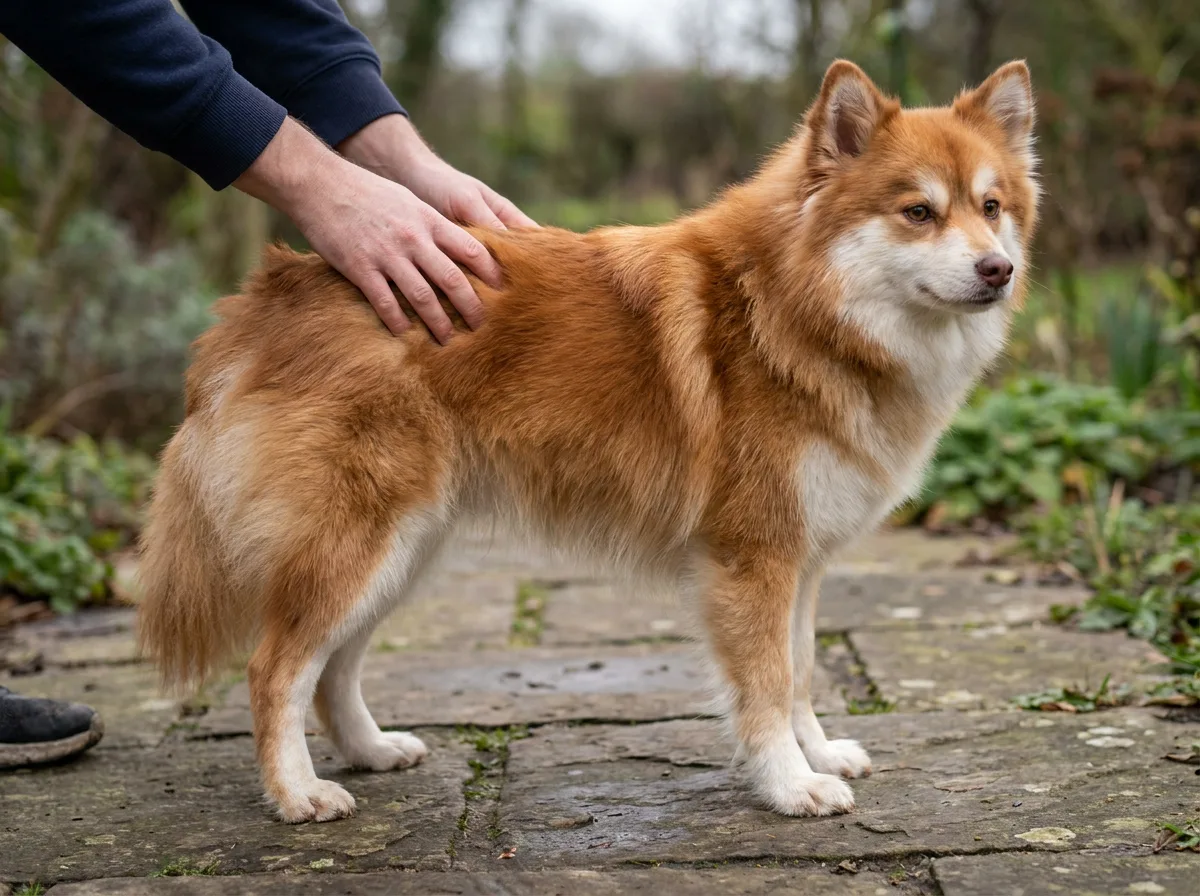
When choosing between them, use the same records-based questions you would ask about any other color. Request veterinary records, the parents' relevant screening, the contract, and information about the puppy's behavior. Do not let a premium-sounding shade replace those checks, or assume that paying more for a color pays for better health screening.
For outdoor visits and ordinary walks, practical supplies matter more than matching accessories to a coat. A Frisco Silicone Collapsible Travel Bowl can carry easily with your walking gear; bring water, choose comfortable conditions, and offer breaks. The linked small bowl is a size option, not a breed-specific requirement or a substitute for enough drinking water.
Gray, silver, sable, and agouti coats
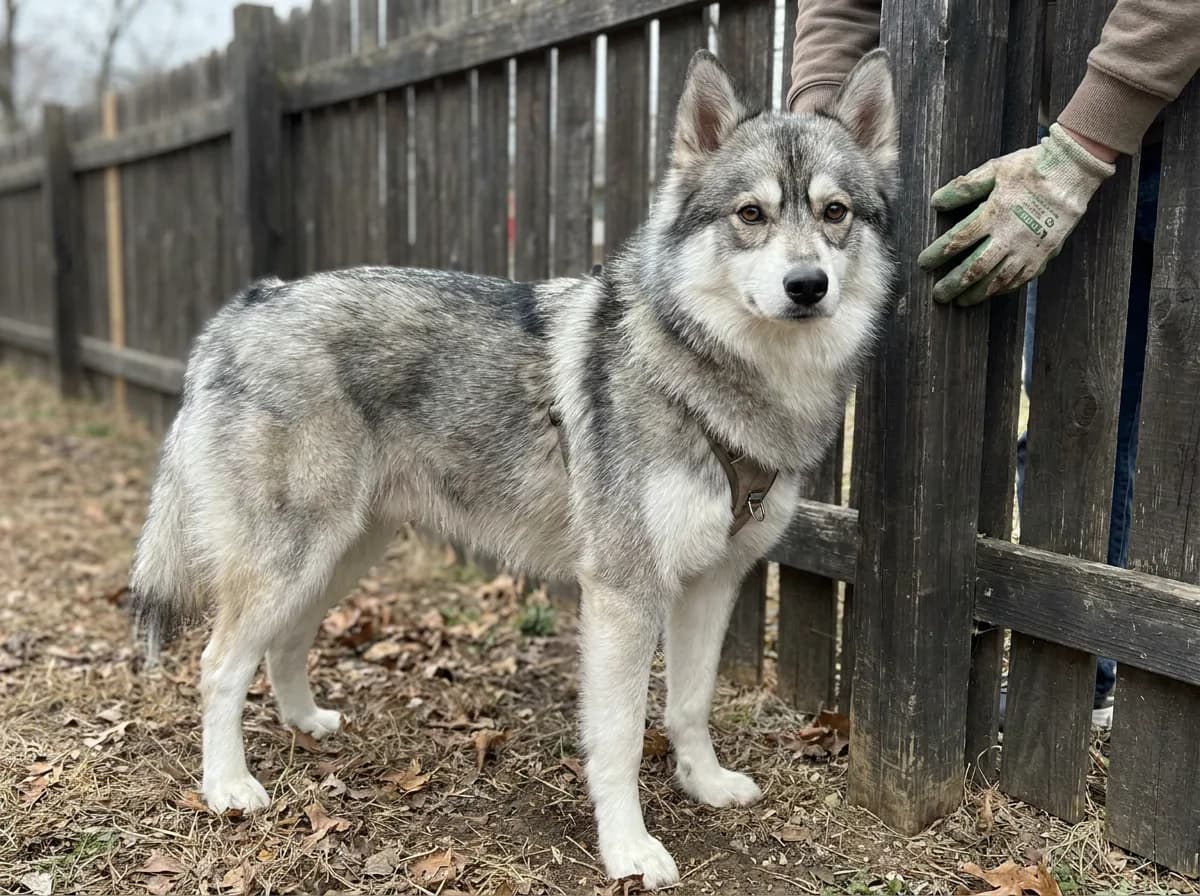
Gray and silver Pomskies may look cool-toned or show warmer areas within the coat. In the APKC color guide, blue means diluted black pigment in the coat; it describes coat color, separately from blue eyes. Sable commonly describes a shaded appearance with darker hair tips. Agouti is associated with banding along individual hairs and can create a darker, more blended appearance. These are useful visual starting points, but a long-distance photograph may not show the individual hairs well enough to distinguish them reliably.
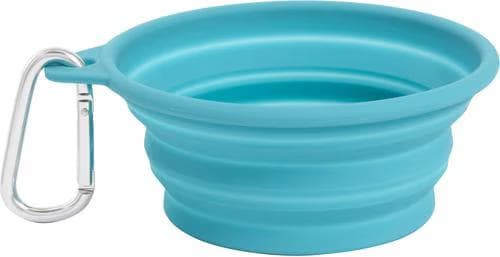
Carry drinking water on outdoor walks whatever your dog’s coat color.
Petful may earn a commission when you click through to Chewy, at no extra cost to you.
For a sable Pomsky or agouti Pomsky, ask for a close photograph of the hair as well as a full-body image. Keep the question descriptive: where is the dark shading, does the appearance differ along the back, and what terminology does the seller use? Avoid demanding a specific genetic interpretation from someone who has only seen a phone picture.
Use this comparison sequence when labels overlap:
- Look at the whole dog in even light.
- Compare the face, back, sides, and tail without filters.
- Ask for the seller's written description and any relevant test results.
- Treat uncertainty honestly if the photographs do not distinguish the labels.
A color name is also a poor basis for predicting daily behavior. Plan activities for the actual dog you meet. The Pet Parents Forager Snuffle Mat is an optional supervised food-search activity using a portion of the normal ration. Introduce it while present and remove it if the dog starts pulling apart or swallowing material; a shaded or wolf-like appearance does not tell you whether this particular toy is suitable.
Merle, piebald, and other markings
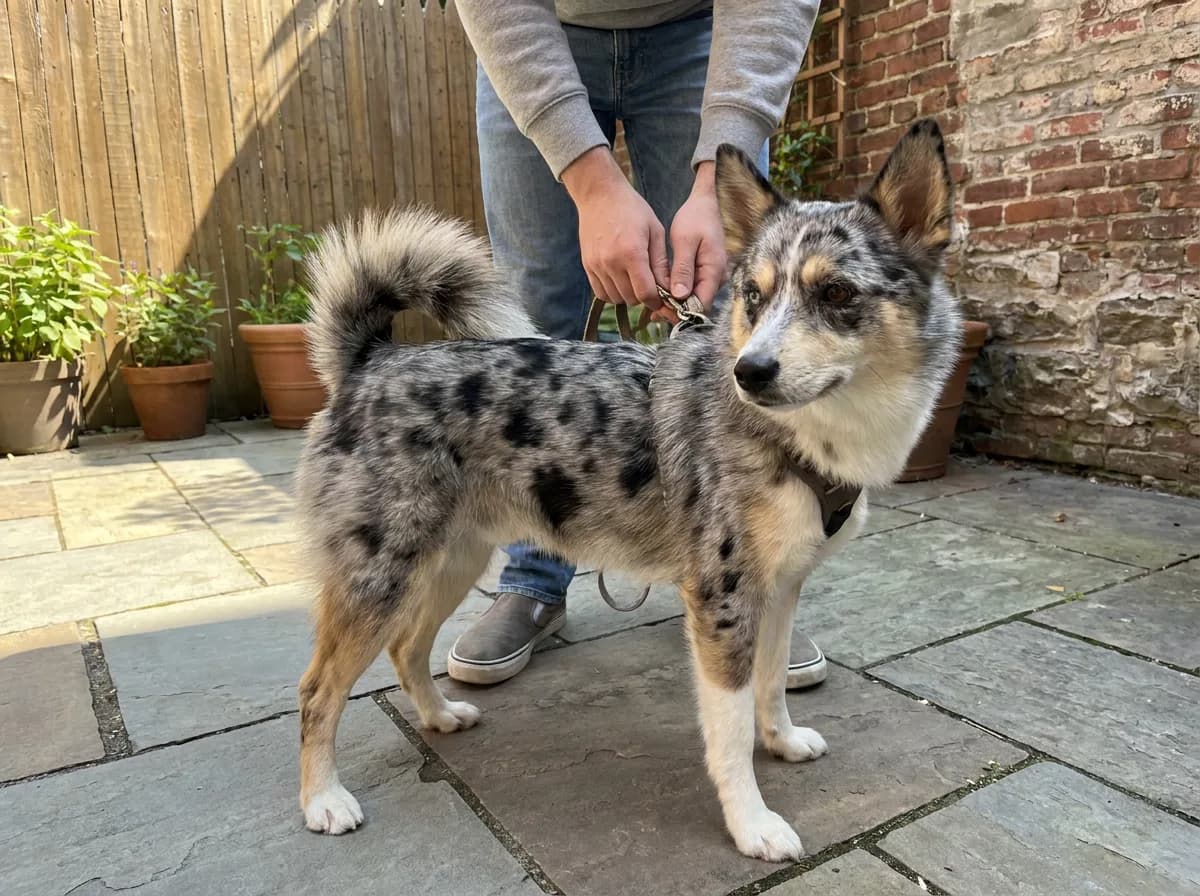
Merle describes irregular diluted patches against more fully pigmented areas. It is different from simply having white markings. UC Davis's merle guidance explains that appearance varies with the variants present and other pigment genetics; some carriers have little visible pattern. A photograph cannot establish that a dog is genetically non-merle. The AKC glossary describes blue merle as black markings on a blue-gray background.
The laboratory also warns that offspring inheriting merle variants from both parents can have serious health problems. If you are considering a merle Pomsky, ask for documented parentage and actual parental test results, then discuss their meaning with a veterinarian or genetics professional. Do not accept blue eyes, an unusual price, or the phrase rare color as a substitute for those records.
Other markings can create confusion in advertisements. Piebald generally describes substantial white areas with colored patches; brindle describes striping. Tan points refer to lighter markings in particular areas such as the face and legs. Ask the seller to point out the actual markings rather than relying on a string of fashionable labels.
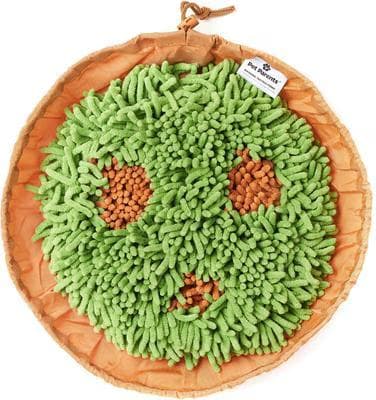
An optional supervised food-search activity using part of the normal daily ration.
Petful may earn a commission when you click through to Chewy, at no extra cost to you.
- An unusual pattern does not prove a particular ancestry or guarantee a healthy puppy. Request the actual reports and an explanation from the testing laboratory or a qualified veterinary professional.
Coat changes, eye color, and buying decisions
Rare Pomsky colors deserve scrutiny before they deserve a premium. Ask how the seller defines rare, what population the claim refers to, and whether the label describes a documented genetic result or a visual impression. A blue-eyed puppy, a pale coat, or a mottled pattern does not independently establish value, health, or how often that appearance occurs across Pomskies.
Use puppy pictures as a dated record, not a promise of the adult coat. Ask to see how the same puppy has changed over time and what the breeder has observed in adult relatives. A seller who acknowledges uncertainty gives you a more useful starting point than a guarantee that every marking will remain identical.
Eye color is a separate feature from coat color. A blue-eyed Pomsky may attract attention in photographs, but blue eyes cannot prove a Pomeranian-Husky cross, establish a percentage of either ancestry, or tell you that a dog will have a particular temperament. The same applies to two differently colored eyes. A parti-eyed dog has blue and brown areas within a single eye, rather than one eye of each color.
Records to compare
- Puppy identifier and dates of photographs.
- Documented parentage and registry details, if applicable.
- Veterinary and parental screening records.
- Observed behavior and experience with ordinary handling.
- Written price, contract terms, and the seller's explanation of any color premium.
Pomsky ancestry and everyday care
The Pomsky breed guide explains the Pomeranian and Siberian Husky ancestry behind the name. Before choosing a particular look, ask how the individual dog reacts to visitors, handling, other animals, and time alone. An appealing mask or pale coat cannot answer those questions. Meet the dog where ordinary behavior is visible and ask the caregiver for examples of both easy and difficult situations.
For outdoor walks, a Frisco six-foot traffic leash should suit the dog’s size and the handler’s grip. A washable Pet Parents Pawtect small blanket can cover a favorite resting place; select dimensions for the dog rather than matching equipment to a color label.
Price, breeders, and adoption
Compare Pomsky prices and ownership costs before paying extra for a shade. How much a Pomsky dog costs includes more than a puppy price or purchase deposit, and breeders' advertised puppies for sale are only one sourcing option. Dogs may also become available for adoption or through rescue, including listings on directories such as Petfinder. A cheap listing should not shortcut record checks, and an expensive color label does not establish better care, screening, or suitability.
Adult size and growth
Use the full-grown Pomsky size guide when adult height or weight matters more than appearance. Pictures and images of fluffy puppies do not show how large those dogs will become. Ask for actual parents' measurements and adult relatives, and plan equipment around the individual. An adult dog with a known size may provide more certainty than a young puppy with a confident seller estimate.
Mini and teacup size labels
Our mini and teacup Pomsky guide explains the size labels used in advertisements for miniature dogs and puppies for sale. Calling a Pomsky a miniature Husky does not establish the actual parents. A full-grown mini Pomsky is not defined by its color, and a teacup puppy listing does not guarantee a particular adult weight. Ask what the label means in measurable terms and what evidence supports the estimate.
Shedding and coat care
Pomsky dogs shed, and our Pomsky shedding guide explains the grooming commitment behind these pictures. A slicker brush may be useful for an appropriate coat, but no brush should be selected from color alone. The individual dog's texture, tangles, skin comfort, and response to handling matter. Ask a groomer to show you a suitable technique and discuss bathing frequency without assuming that pale hair requires constant washing.
For routine care beyond coat color, compare Frisco small-pet nail clippers with your dog’s nail size and Virbac C.E.T. dog and cat toothpaste for a separate dental session. Neither purchase should be chosen because the dog is white, black, red, or merle.
Lifespan and health planning
The Pomsky lifespan guide covers long-term planning, preventive care, and senior changes. Coat color cannot supply a reliable life expectancy for your dog. An older Pomsky deserves the same attention to comfort and veterinary history as a puppy, with care adjusted to its actual needs. Keep health decisions separate from color marketing and ask for records rather than an unsupported healthy-line guarantee.
Comparing a Pomsky with a Husky
For the larger breed decision, our Pomsky vs Husky comparison examines ancestry, size, exercise, and care. A similar facial mask does not make the two interchangeable dogs, and a photograph cannot establish that a Pomsky will simply be a smaller Husky. Compare the daily routine and adult dimensions you can realistically accommodate, then evaluate the individual dog's history and behavior.
Frequently asked questions
There is no well-established population-wide ranking that reliably identifies the rarest Pomsky color. A breeder's available litters are not a census of all Pomskies, and rarity language may be marketing. Ask what evidence supports the claim, then compare health screening, documented parentage, and the contract before deciding whether any color premium is justified.
A Pomsky's apparent coat color can change as puppy hair gives way to the adult coat, and lighting or grooming can also change its appearance in photographs. Ask for dated pictures of the same dog and adult relatives. Treat those as context rather than a guarantee that your puppy will retain a particular shade or facial marking.
Blue eyes do not prove that a dog is a Pomsky. Eye color is a visible trait rather than a reliable pedigree record, and it does not establish the proportions of Pomeranian and Siberian Husky ancestry. Ask for documented parentage and any relevant test reports, then evaluate the individual dog's care needs and behavior separately.
Coat color is not a useful way to choose a Pomsky's temperament. Instead, ask about the actual puppy's behavior, early experiences, and adult relatives, and observe appropriate interactions when possible. A black, white, red, or merle appearance cannot tell you how that individual will respond to children, strangers, handling, or time alone in your home.
Two differently named Pomsky colors can look very similar because everyday seller terminology is not always consistent. Compare photographs in similar natural light and ask whether the name describes appearance or an actual laboratory result. When a genetic distinction matters, have the testing laboratory explain the report rather than trying to settle it from a shade on a screen.

Coreen Saito is a pet writer and longtime shelter volunteer with more than a decade in animal rescue. She covers cat behavior, breed care, and the small, ordinary science of sharing a life with companion animals, with a particular focus on honest takes about the products and decisions that actually matter. At home in Arizona, she's outranked by Mac (a dog with the loudest opinion in the house), Rebel (a cat who governs by quiet authority), and Meri (an orange tabby who runs the late shift and the laundry basket). She writes about all three, plus the rescues that keep coming through her life, at LifeWithMinty.com.
Sign up for expert-backed reviews and safety alerts all in one place.