Mini and Teacup Pomsky: What the Size Labels Mean
Mini, micro, toy, and teacup Pomsky labels do not all mean the same thing. Compare the actual size evidence, health records, and daily care needs before choosing a puppy or adult dog.
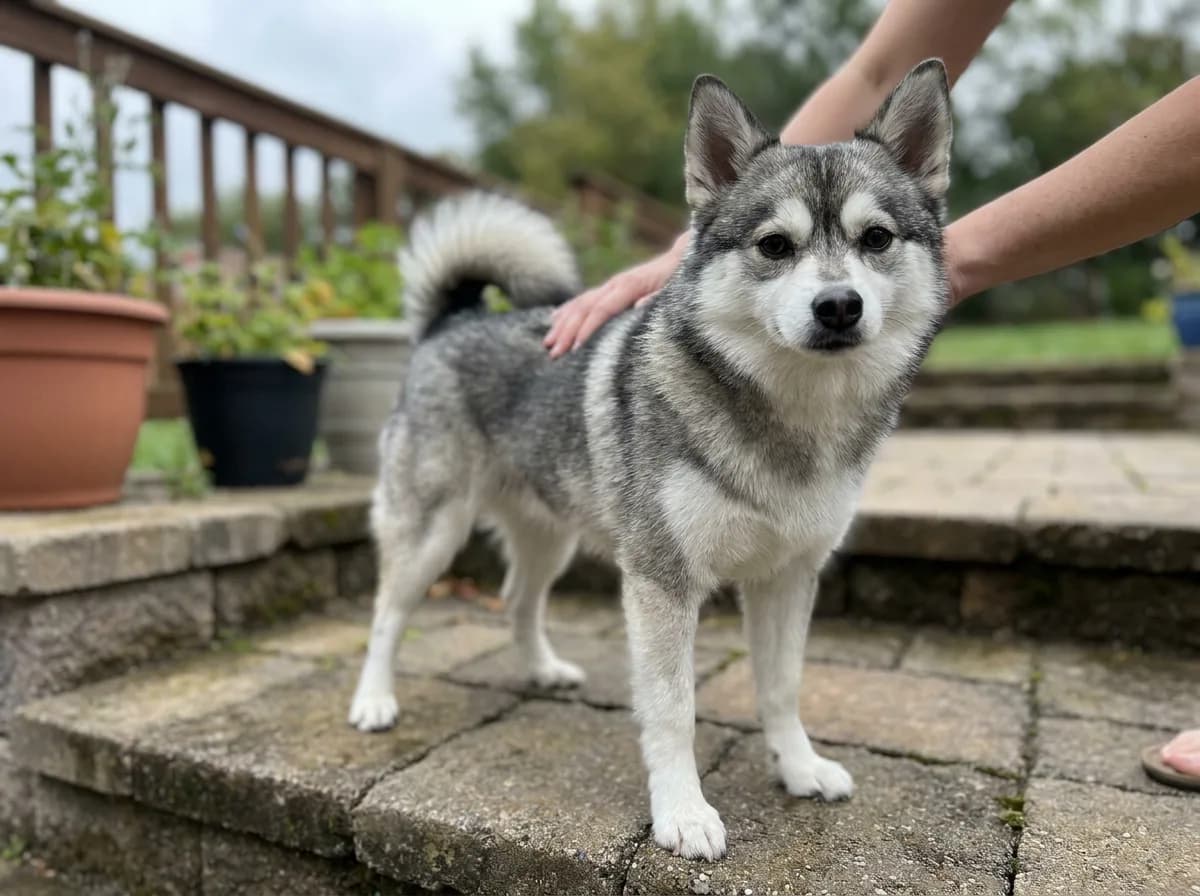
Appearance alone does not establish ancestry or predict adult size.
Petful is reader supported. As an affiliate of platforms like Amazon and Chewy, we may earn a commission when you buy through links on this page. There is no extra cost to you.
A teacup Pomsky is a small Pomsky marketed with a size label that does not guarantee adult measurements. Before choosing one, ask what the seller means by teacup, which adult dogs are in the family, and what health and growth records support the claim. There is more on this in Petful’s guide to teacup Goldendoodle.
Mini, micro, toy, and teacup are not interchangeable promises. The important comparison is between actual dogs and their needs, not between the smallest-sounding names. Petful’s separate guide to teacup Maltipoos explains what the label really means and the health trade-offs.
Do not choose a teacup Pomsky on a tiny-puppy photograph or guaranteed-weight claim alone. Compare documented adult relatives, veterinary records, and the individual dog's behavior. Small size does not remove exercise, shedding, training, or lifelong care needs.

Sign up for expert-backed reviews and safety alerts all in one place.
What does teacup Pomsky mean?
Teacup Pomsky generally means a seller is emphasizing a very small Pomeranian-Husky mix. It is not a distinct breed with a universally accepted adult weight. A small puppy may simply be young; a photograph in someone's hands does not establish how large the dog will become.
The American Pomsky Kennel Club's discussion of teacup claims rejects teacup as its recognized size terminology and directs buyers toward appropriate size classifications and health evidence. That is the organization's position, not proof that every seller using another label meets its standards.
- Ask for the puppy's date of birth and current veterinary records.
- Ask which definition the seller uses for the advertised size.
- Request the parents' actual adult measurements.
- Compare documented adult relatives from similar pairings when available.
A white teacup Pomsky or a blue-eyed teacup Pomsky is still an individual dog, not a separate size category. Coat color and eye color cannot verify adult weight. Terms such as wolf sable describe appearance, while family records provide the more relevant evidence about size.
Petful may earn a commission when you click through to Chewy, at no extra cost to you.
What a small photograph leaves out
An image may not reveal the dog's age, measured height, body condition, or how close it is to the camera. It also cannot show whether the puppy is eating normally, coping with handling, or developing as expected. Ask for records and a current veterinary assessment instead of trying to diagnose health or age from an attractive photo.
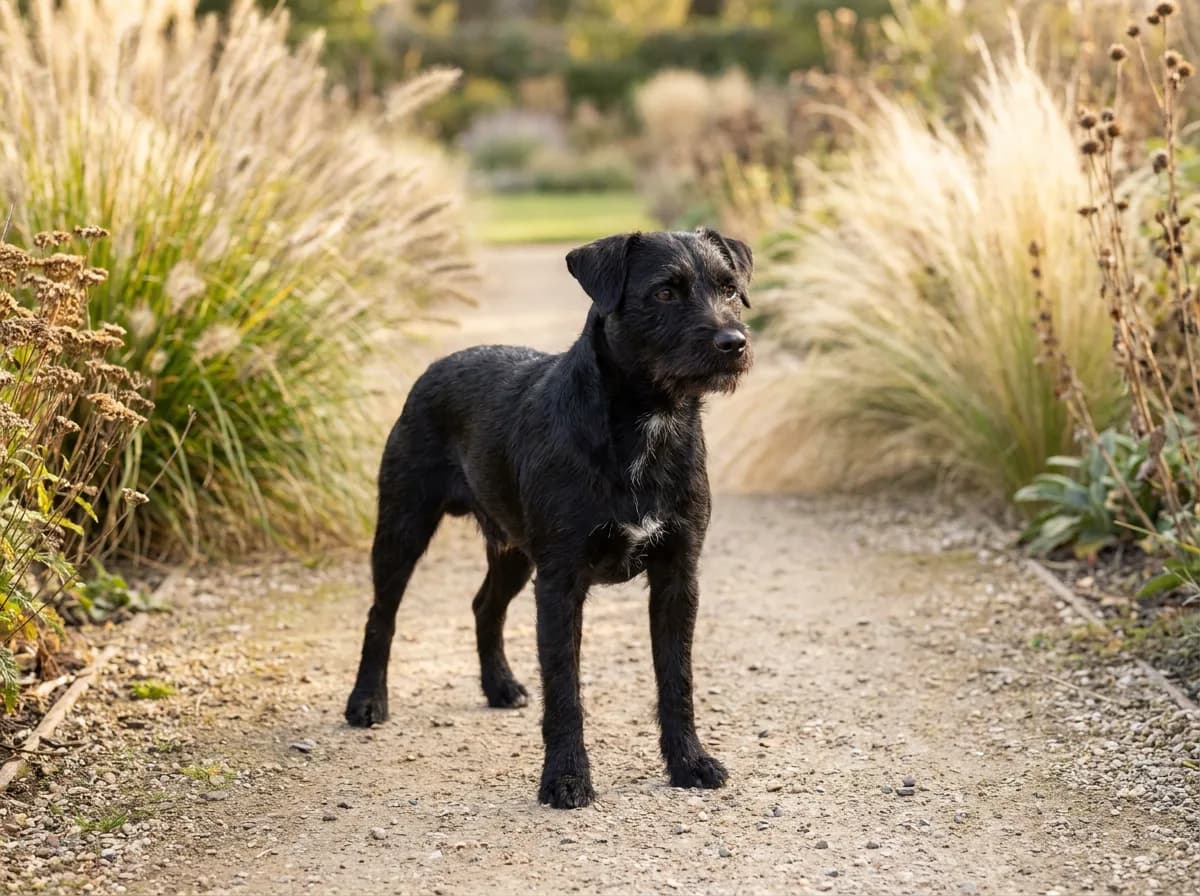
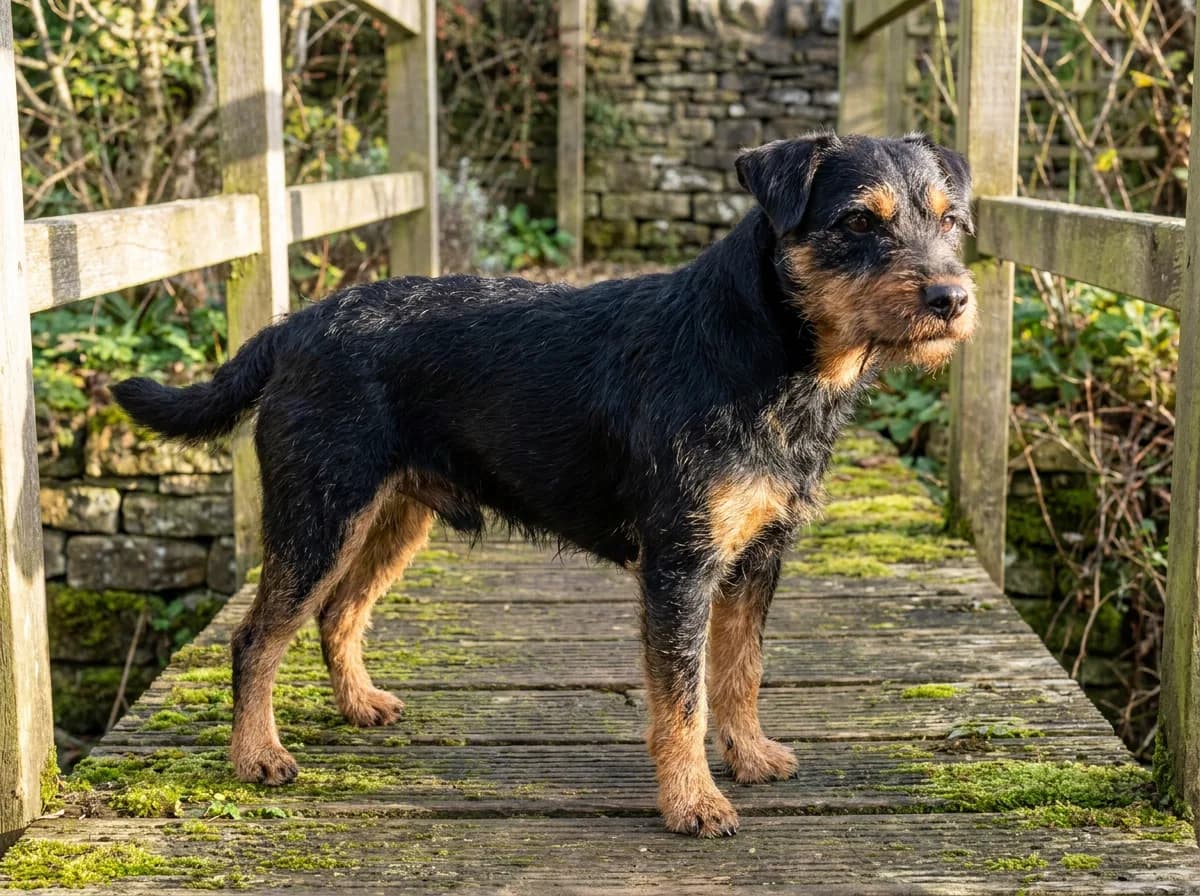
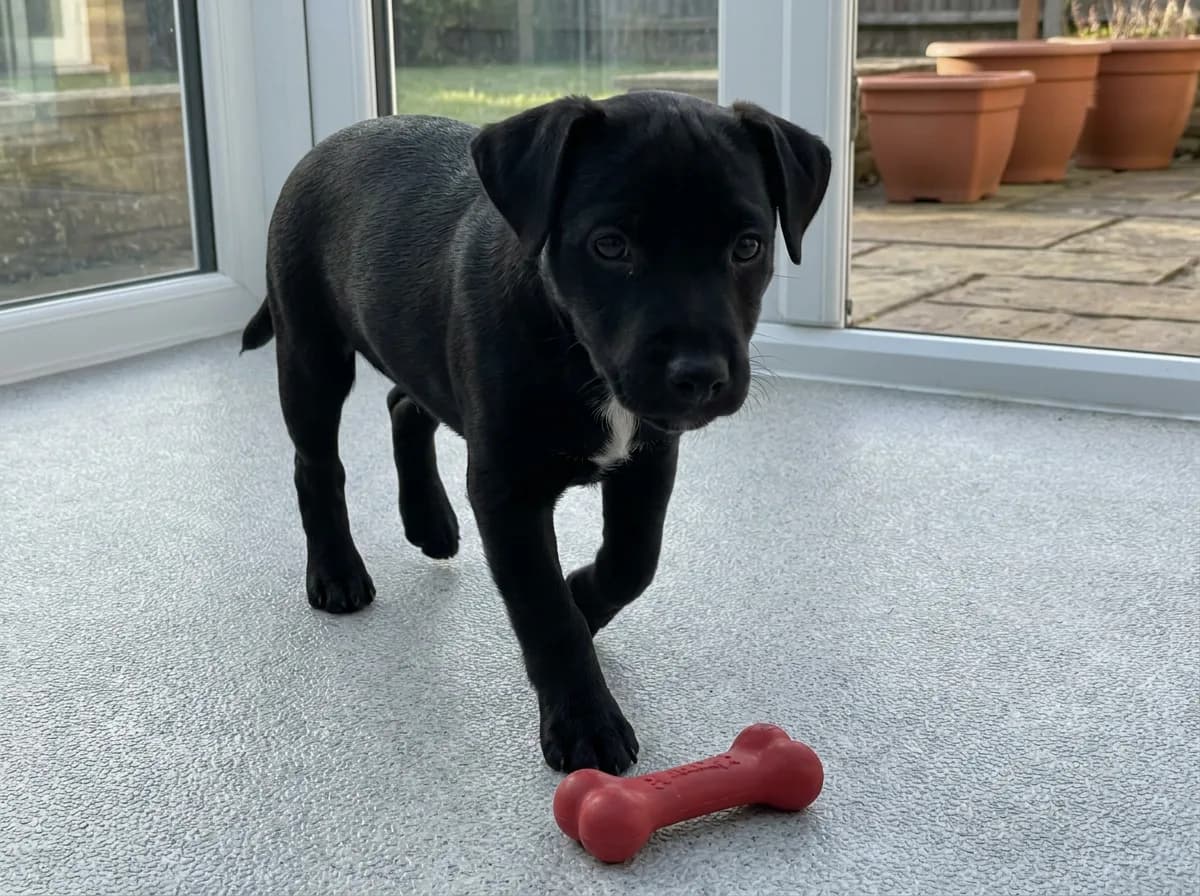
Our illustrative photographs show possible small-dog proportions and care situations. They are not records of a particular puppy becoming a particular adult, and they should not be read as proof of a promised size.
Mini, micro, toy, and standard labels
Mini Pomsky, miniature Pomsky, toy Pomsky, and micro Pomsky may be used differently by different sellers or organizations. Ask for the definition before comparing two advertisements. A label that is meaningful within one program may be applied loosely elsewhere.
If a breeder refers to an organization's standard, check that specific standard and the dog's documented background. Membership language, a photograph of a certificate, or a familiar logo does not independently establish parentage, clinical health, or the accuracy of a weight forecast.
The APKC’s 2025 standard supplies the named height categories below. They describe that organization’s system, not a universal definition used by every seller or a guarantee of a puppy’s adult size. Ask which standard, if any, a listing follows.
| Label in an advertisement | One named reference | The follow-up question |
|---|---|---|
| Mini or miniature | APKC 2025 mini: 13.01–16 inches at the shoulder | What adult measurement range does this seller mean? |
| Toy | APKC 2025 toy: 11–13 inches at the shoulder | Which organization's definition, if any, is being used? |
| Micro or teacup | No micro or teacup category in this APKC standard | What evidence supports the very-small-size claim? |
| Standard | APKC 2025 standard: 16.01–18 inches at the shoulder | Does this describe an adult category or simply a larger dog in this program? |
A Pomsky advertised as a miniature Husky is still a mix, not simply a scaled-down purebred Siberian Husky. Pocket is another size label to ask the seller to define. A micro teacup Pomsky is not automatically a more predictable version of a mini Pomsky. Adding more size words to a listing does not improve the underlying evidence. Likewise, a miniature Pomsky puppy can have substantial activity and grooming needs even if its adult body remains small.
Compare claims on the same basis
Write down the advertised adult estimate, the ages and measurements of the parents, the puppy's current age, and the date of the most recent veterinary visit. If one seller provides measurements and another supplies only a label, those are different levels of information.
Avoid treating the lowest projected weight as the winning feature. A dog whose actual size and care requirements suit your household is a better match than one selected to satisfy a marketing category.
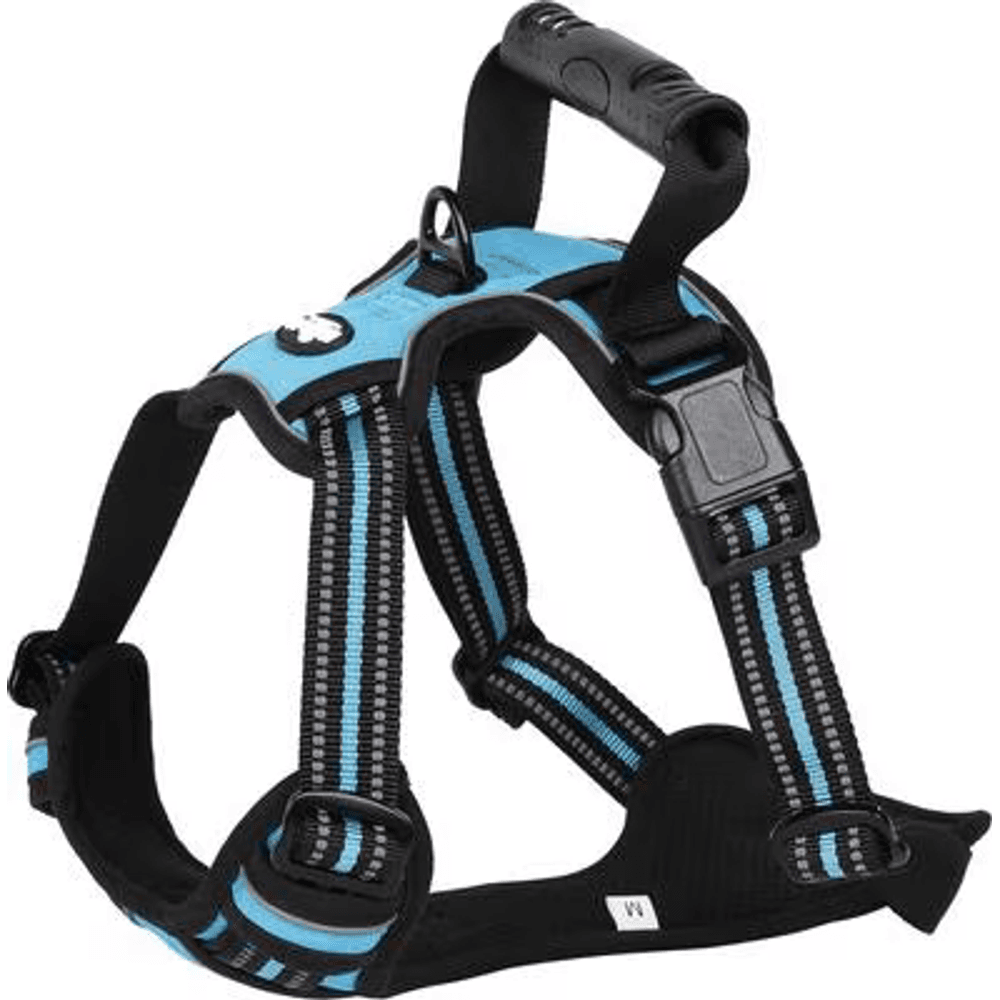
A padded, reflective no-pull harness that spreads leash pressure across the chest instead of the throat, the switch most vets recommend for a dog with a cough, a collapsing trachea, or any airway irritation so the leash never presses on
Petful may earn a commission when you click through to Chewy, at no extra cost to you.
How big does a teacup Pomsky get?
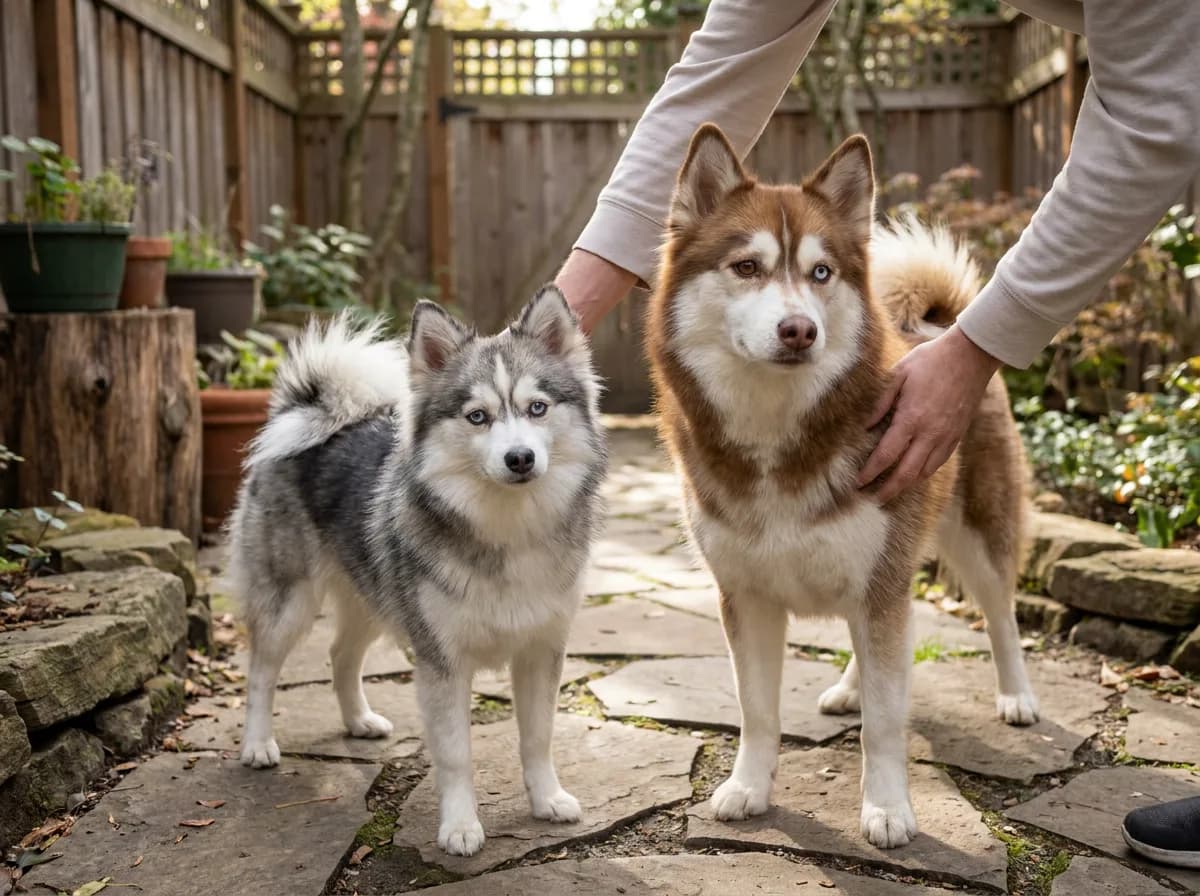
How big a teacup Pomsky will get cannot be established from the label alone. There is no single accepted adult weight for that name. Actual ancestry and individual development matter, so a useful full-grown estimate should include parent measurements, records of mature relatives, and an explanation of uncertainty rather than a promise that every puppy will stay below an exact number.
For a mini Pomsky full grown, the parents' dimensions and adult relatives from comparable pairings are more useful than a generic online calculator. Keep growth records with your veterinarian and ask how the dog's progress fits its expected development and body condition.
- Measure weight consistently when your veterinary team recommends it.
- Record the date and age rather than comparing undated photographs.
- Notice body condition and health, not just the number on a scale.
- Discuss unexpected growth changes instead of trying to force the original estimate.
Do not underfeed a puppy to keep it small. Nutrition should support healthy growth, and diet questions belong with the veterinary team. A tiny advertised target is not a reason to delay asking about poor appetite, weakness, or a puppy that is not developing as expected.
Why parents are useful but not a guarantee
Two small adult parents provide relevant information, but genetics and individual development still introduce variation. Adult siblings from an earlier comparable pairing can add context, although they do not turn a forecast into certainty. Be cautious when a precise weight is presented without any explanation of how it was derived.
For the wider range of Pomsky adult sizes, see the Pomsky full-grown guide. This page focuses on interpreting small-size claims, rather than establishing a competing size chart for every Pomsky.
Use a simple growth record
Keep the puppy's dated weight records together rather than relying on a sequence of photographs. Record the measurement date, the dog's age if known, and the source of the measurement. A veterinary weight and a home estimate made while holding a wriggling puppy are not equally precise. Tell the veterinary team how each number was obtained before comparing them.
Body condition also matters. A change in weight can reflect growth, body fat, or a health problem, so the scale alone cannot explain what is happening. Ask the veterinarian to interpret the trend alongside the examination and feeding history. Do not reduce food to keep a growing puppy within a seller's advertised category.
| Record | What it helps clarify | What it cannot prove |
|---|---|---|
| Dated weight and age | How the individual puppy is changing over time | An exact adult weight from one reading |
| Adult parent measurements | The actual size of the documented parents | That every offspring will have the same proportions |
| Previous adult offspring | Whether a source's earlier estimates matched those dogs | A guaranteed outcome for this puppy |
| Veterinary assessment | Growth, body condition, and concerns needing follow-up | A permanent commercial size label |
If an estimate changes, update the equipment and household plan instead of treating the earlier forecast as a target the dog must reach. A correctly fitted harness, comfortable transport arrangement, and manageable daily routine remain useful at several possible adult sizes. This is why an honest range with a clear basis is more informative than an unsupported exact number.
Records that make a size estimate more useful
Use a size claim checklist when comparing mini or teacup Pomsky puppies for sale. A wolf-sable color description says nothing about the accuracy of a size estimate. It should include parent identification, adult measurements, relevant health-screening results, the puppy's veterinary records, and the seller's written explanation of the estimate. Keep those items together so you can review them calmly before paying.
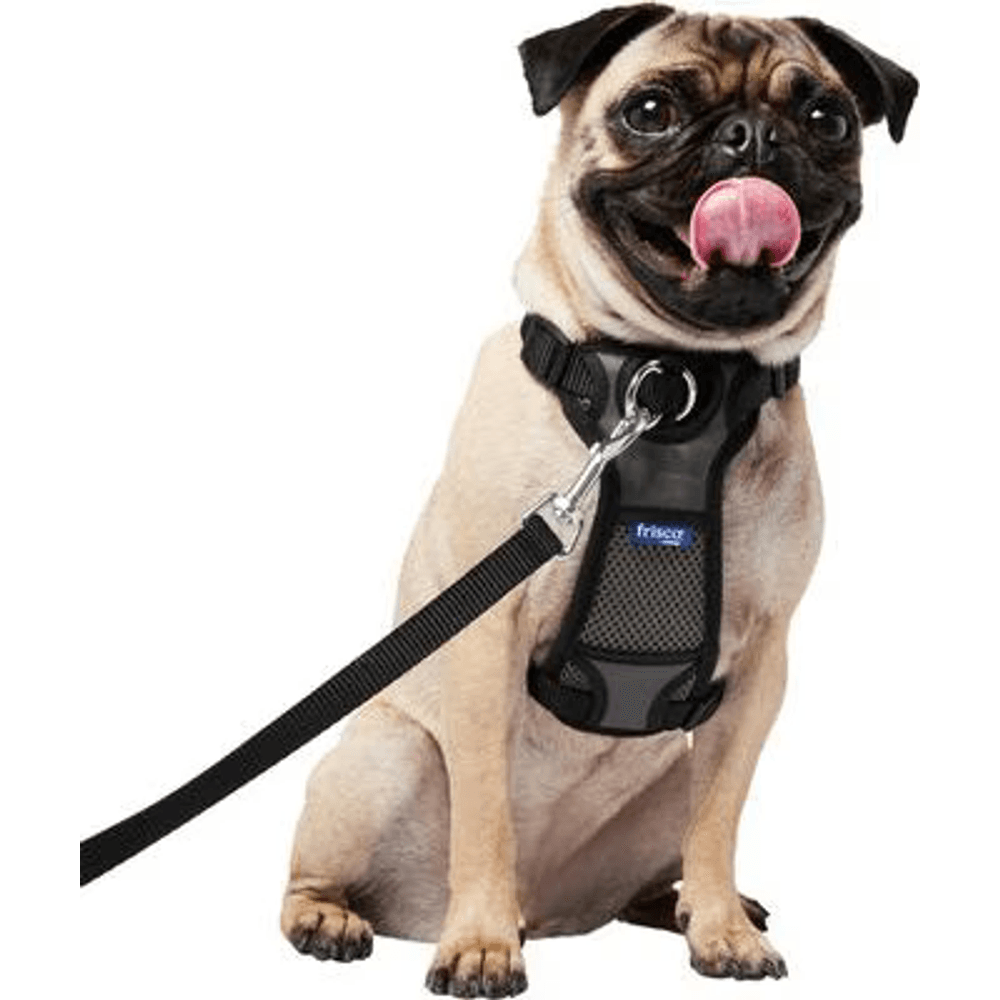
A budget-friendly padded no-pull harness that keeps leash pressure off a coughing dog's neck and windpipe by distributing it across the chest. A simple, affordable way to protect an irritated airway or a collapsing trachea on every walk.
Petful may earn a commission when you click through to Chewy, at no extra cost to you.
Documents to request
- Parent identities and the records linked to those actual dogs.
- Dates and results of relevant health screening.
- The puppy's age, veterinary care, and current feeding routine.
- Information about early handling, social experiences, and ordinary behavior.
- A written contract describing support and what happens if the placement fails.
The OFA screening resource explains breed-based screening programs. Ask your veterinarian which examinations and tests matter for the actual ancestry. A consumer DNA test and a specialist physical examination answer different questions.
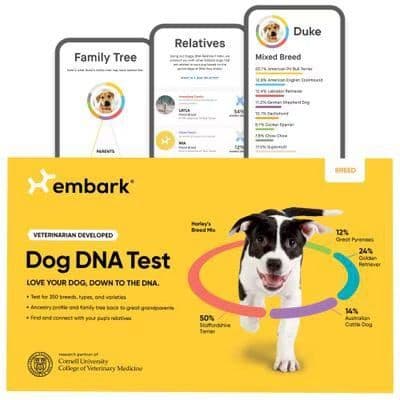
For an owner investigating uncertain ancestry, the Embark Breed Identification Dog DNA Test Kit is one existing option. It can add background information, but it should not be presented as a guarantee of adult size or a replacement for the health records needed when choosing a puppy.
Price claims need the same scrutiny
A teacup or micro Pomsky price is an individual quote, not a standard rate for a verified size category. Obtain an itemized price and evaluate the dog’s records independently of the fee. A premium does not establish better health, a more settled temperament, or a more accurate adult-weight forecast.
Budget beyond the arrival fee: veterinary care, food, grooming, training, equipment, and care during travel all remain relevant. The Pomsky price guide explains the broader ownership budget and how to compare costs without treating an advertised puppy price as the total.
Choosing an adult instead
If known adult size is essential to your household, an adult dog may offer more useful information than a puppy forecast. You can measure the dog and evaluate its current coat and behavior. An adoption history may still be incomplete, so ask what has actually been observed and arrange a veterinary baseline.
Documented adult relatives are useful evidence when considering a puppy. A measured adult dog is different: it removes much of the uncertainty about final physical size, although health, behavior, and adjustment to a new home still require attention.
Living safely with a very small Pomsky
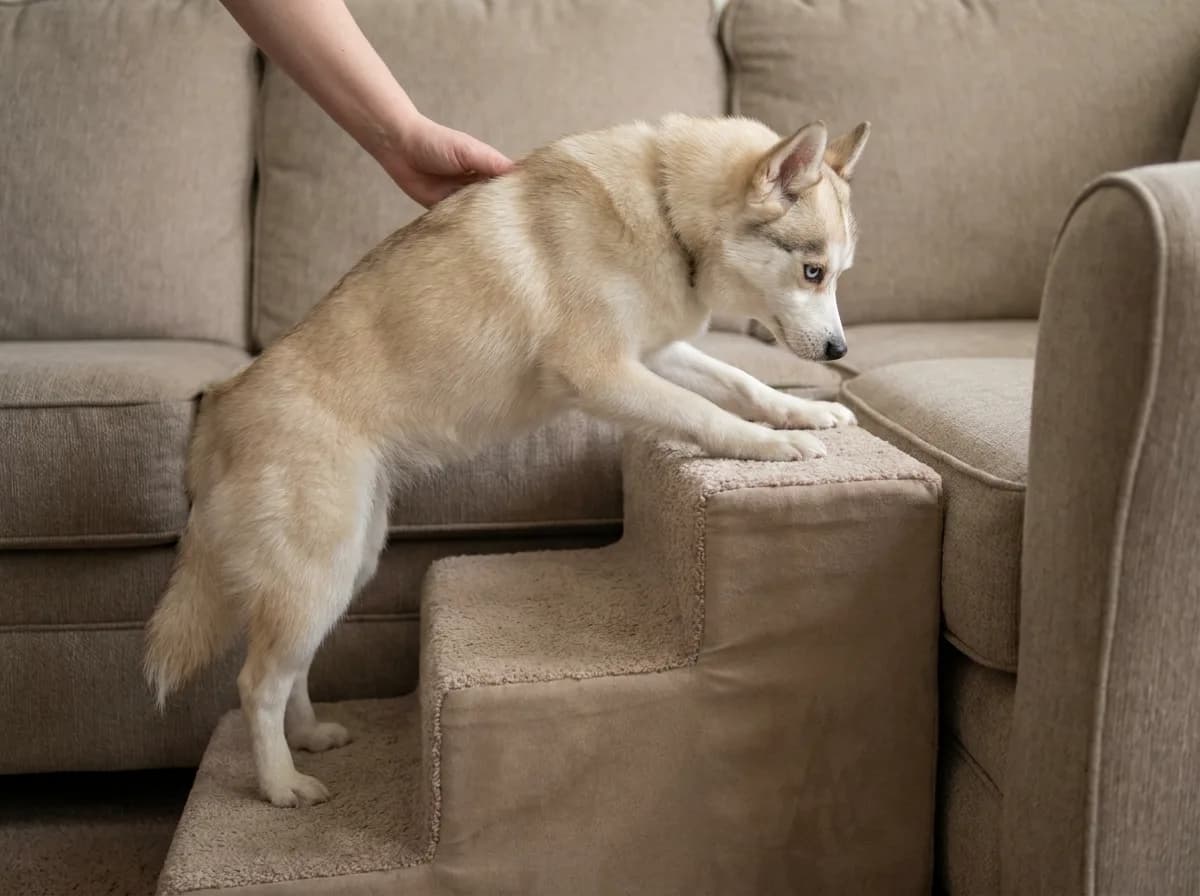
A small Pomsky needs exercise, enrichment, comfortable handling, and a safe environment. Small size does not mean the dog is content to be carried everywhere or left without activity. Match walks and play to age, fitness, health, and the individual's response rather than assuming a label determines stamina.
Petful may earn a commission when you click through to Chewy, at no extra cost to you.
A Petsfit 19-inch soft-sided carrier must fit the individual dog’s standing height and turning room; a tiny breed label is not a measurement. Check a Frisco 30-inch gate and playpen for gaps and climbing risks before using it to divide household spaces.
Make the home practical for the actual dog. Check gaps in gates, access to balconies or stairs, and interactions with larger animals. Supervise children and teach them to let the dog approach. A small dog should have a quiet resting space where it is not repeatedly picked up or disturbed.
Fit walking equipment to measurements
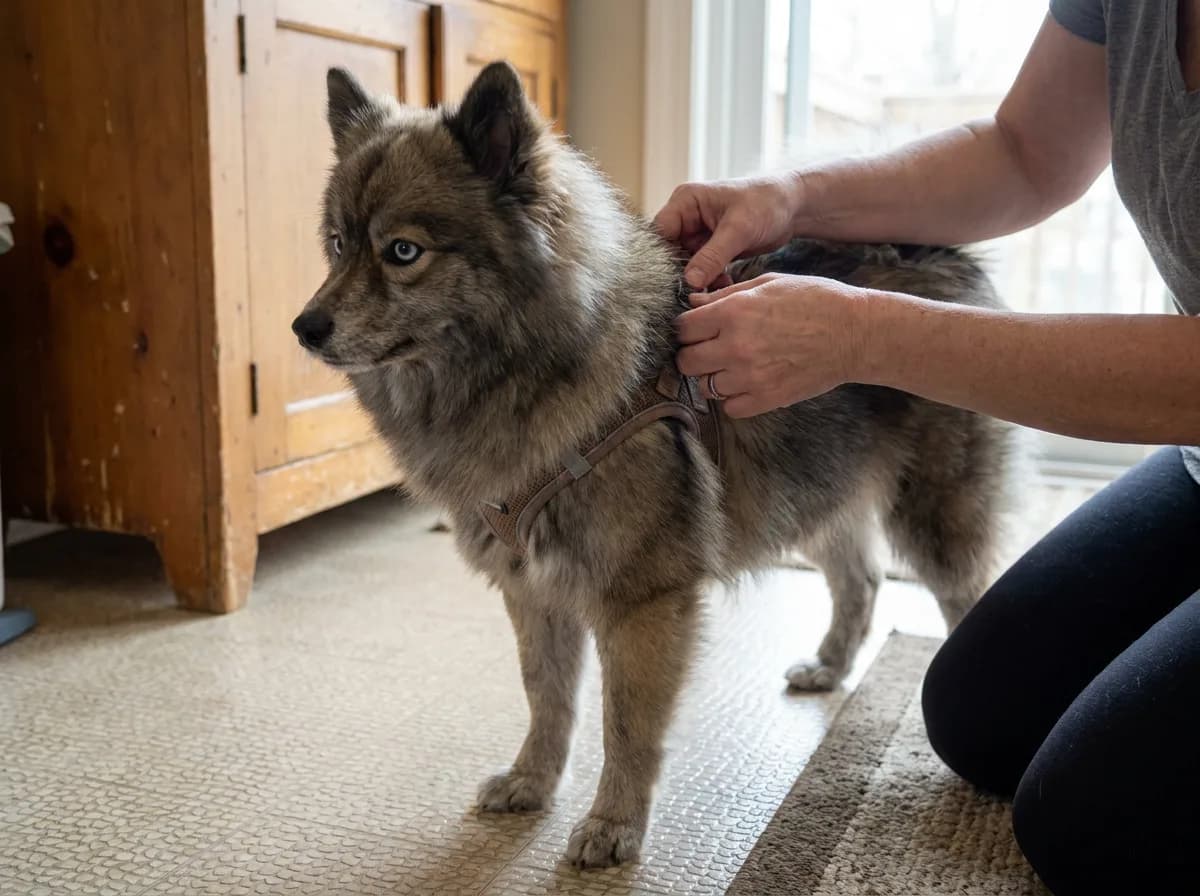
The Frisco Padded No Pull Dog Harness, Small is an option only for a dog whose measurements match that exact size. A very small puppy may not fit it. The EliteField Padded Reflective No Pull Dog Harness, Small is another existing design to compare, not a second item every dog needs.
Check the chest and neck measurements against the current listing, then inspect fit on the dog. Look for rubbing, pressure, restricted movement, or the ability to slip out. Recheck during growth and after major coat changes. A small label on a package is not a substitute for this process.
Enrichment and feeding tools
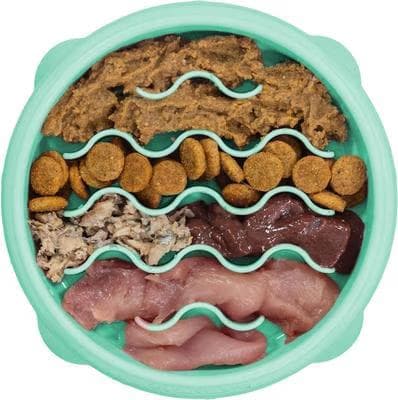
The Outward Hound Non-Skid Slow Feeder Dog Bowl, 0.75-cup may suit an individual dog that can comfortably reach and use it. The bowl's capacity is not a recommended meal size. Feed the amount appropriate for the dog's diet and needs, and supervise the first uses to ensure the design is workable.
A slow feeder does not treat vomiting, swallowing difficulty, or unexplained appetite changes. Those concerns need a veterinary discussion. If a tool frustrates the dog or makes eating difficult, choose a more suitable approach rather than insisting the dog adapt to the purchase.
A sustainable daily routine
- Provide regular opportunities to toilet and explore.
- Use short reward-based training sessions and practice calm settling.
- Build alone time gradually according to the dog's comfort.
- Maintain coat care and check equipment fit during growth.
- Keep a clear route to veterinary advice when something changes.
Pomsky temperament and daily life
A Frisco 1.5-cup travel bowl is a useful water option on outings. For supervised food-search time, a Pet Parents Forager snuffle mat can use part of the normal ration, provided the dog does not chew or swallow its fabric.
The main Pomsky guide covers the Pomeranian-Husky mix's temperament, activity, vocal behavior, and family suitability. A mini Pomsky can still be energetic and vocal. Look at the individual dog's behavior and your household's routine rather than assuming a smaller body automatically means easier care or a quieter apartment companion.
Pomsky price and ownership budget
Use the Pomsky price and ownership-budget guide to separate purchase or adoption fees from recurring costs. A quote for a small puppy should be compared with the actual records, support, and services included. Grooming, training, preventive care, and help during travel may matter more over time than the difference between two initial prices.
Pomsky adult-size comparison
The Pomsky full-grown comparison addresses the wider adult-size range and how to interpret measurements. Full-grown Pomsky pictures show possible appearance, but photographs do not guarantee your puppy's eventual proportions. Compare parent measurements and growth records, and choose equipment for the actual dog rather than a predicted category.
Pomsky colors and coat patterns
The Pomsky colors guide discusses white, black, brown, sable, and other coat appearances. Color and blue eyes are separate from size, temperament, and health. Do not treat a striking photograph as evidence of a rare miniature variety, and do not let a color premium replace the questions you would otherwise ask about the individual dog.
Pomsky shedding and grooming
Pomsky dogs can shed, and the amount varies with the actual coat and season. A slicker brush for a Pomsky must suit that dog’s coat and handling tolerance. Introduce grooming gently, check for discomfort, and ask a groomer to demonstrate the appropriate method. The shedding guide explains the routine and tools without promising that one brush will eliminate loose hair.
The Pomsky shedding guide explains coat care and loose-hair management. A small body does not make a Pomsky non-shedding or allergy-safe. Before committing, consider the brushing routine and household cleaning as well as the dog's size, and discuss significant allergy concerns with your own clinician.
Pomsky versus Husky ownership
The Pomsky versus Husky comparison helps compare exercise, training, containment, and home logistics. The smaller-looking dog is not automatically the easier choice. Build a realistic weekday routine and evaluate the individual animal's behavior so that the decision reflects the life you can provide, rather than an idealized puppy photograph.
Pomsky lifespan and health planning
The Pomsky lifespan guide covers health planning and the limits of broad longevity estimates. A teacup Pomsky lifespan cannot be predicted from a size label. Ask your veterinarian to interpret the actual medical and family history, maintain preventive care, and investigate changes rather than assuming a small dog has a guaranteed advantage. Bring dated weight, appetite, activity, and medication notes to that discussion so changes can be evaluated in context.
Frequently asked questions
As general Pomsky price context, Pathfinder Pomskies publishes a $2,000–$3,500 puppy range. That is one breeder’s published range, not a teacup-specific rate, market average, or current quote for another seller. Request a written total and the records behind any small-size premium. A teacup label does not establish better health or remove ongoing grooming, veterinary, and other care costs.
A breeder cannot make a Pomsky’s eventual adult size certain. Ask for the parent measurements and previous offspring records behind the estimate, and read what any contractual guarantee actually offers. A refund or return clause is a purchase condition, not a biological guarantee. Choose an adult of known size if your housing imposes a firm limit.
A mini Pomsky may be physically easier to transport, but exercise needs depend on the individual dog's age, fitness, health, and behavior. Review veterinary records and ask about the dog's actual routine. A smaller body does not remove the need for walks, enrichment, training, and opportunities to settle comfortably afterward.
The smallest puppy in a litter is not automatically the best choice for a small home. Compare individual health, behavior, development, and reliable records rather than weight alone. Ask about feeding and veterinary observations, then consider which puppy’s needs you can meet. Being the smallest now does not guarantee the lowest adult weight or the easiest companion.

Coreen Saito is a pet writer and longtime shelter volunteer with more than a decade in animal rescue. She covers cat behavior, breed care, and the small, ordinary science of sharing a life with companion animals, with a particular focus on honest takes about the products and decisions that actually matter. At home in Arizona, she's outranked by Mac (a dog with the loudest opinion in the house), Rebel (a cat who governs by quiet authority), and Meri (an orange tabby who runs the late shift and the laundry basket). She writes about all three, plus the rescues that keep coming through her life, at LifeWithMinty.com.
Sign up for expert-backed reviews and safety alerts all in one place.