Teacup Maltipoo: Size, Care, and Health Realities
A welfare-first guide to the teacup Maltipoo: what "teacup" actually means, how big they really get, the health cautions of breeding dogs this small, day-to-day care, and what you should expect to pay.
Petful is reader supported. As an affiliate of platforms like Amazon and Chewy, we may earn a commission when you buy through links on this page. There is no extra cost to you.
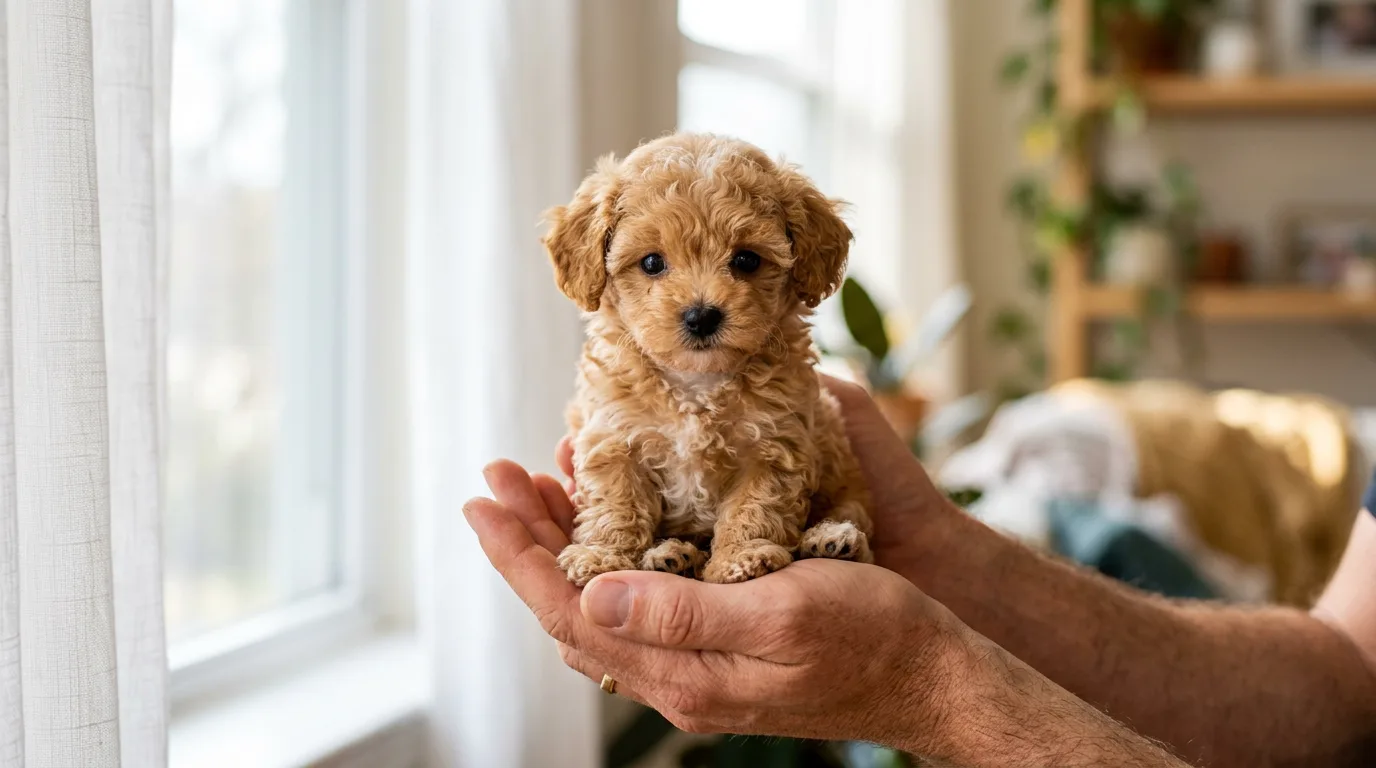
The teacup Maltipoo is one of the most searched-for designer dogs on the internet, and also one of the most misunderstood. If you have typed "teacup maltipoo" into a search bar, you have probably seen a stream of impossibly tiny puppies cupped in one hand, priced like luxury goods, and described in language that sounds more like a jewelry listing than a living animal. This guide is here to give you the honest version: what the word "teacup" actually means (and does not mean), how big these dogs really get as adults, the very real health cautions that come with breeding dogs this small, what daily care looks like, and what you should expect to pay. Petful takes a welfare-first view, so you will get the cautions alongside the cuteness.
- 1"Teacup" is a marketing label, not a recognized breed or size standard, so no kennel club registers or regulates it
- 2A teacup Maltipoo is simply a Maltipoo bred to be smaller than usual, typically under about 5 pounds full grown, and that extra miniaturization raises real health risks
- 3Buy for health and temperament from a transparent breeder who does health testing, not for the smallest number on the scale

Sign up for expert-backed reviews and safety alerts all in one place.
What "Teacup" Actually Means
Here is the part most listings will not tell you plainly: there is no such thing as an official teacup dog. The Maltipoo itself is a cross between a Maltese and a Poodle (usually a Toy Poodle), and because it is a crossbreed, it is not recognized as a breed by the American Kennel Club in the first place. "Teacup" is a size descriptor that breeders and sellers add on top of that, and it has no governing standard behind it. According to breed information published by akc.org for the parent breeds, size in these small companion dogs is guided by breed standards for the purebreds, but a designer cross like the Maltipoo has no standard at all, and a "teacup" version has even less.
In practice, "teacup" is used to mean "smaller than a typical toy-sized Maltipoo." Sellers get there in a few different ways, and not all of them are equal:
- Breeding the smallest available Maltese to the smallest available Toy Poodle, generation after generation, to shrink adult size.
- Using a Poodle that is at the very bottom of the toy range, sometimes marketed as a "teacup Poodle," which is itself an unofficial label.
- Selecting the runt of a litter and marketing it as teacup, even though the adult size may be unpredictable.
- In the worst cases, describing an underdeveloped or unhealthy puppy as teacup to justify a premium price.
The takeaway is simple. When you see "teacup Maltipoo," read it as "a Maltipoo bred to be very small," and then ask the breeder exactly how they got there and what they did to protect the puppy's health along the way.
- Because no kennel club defines or regulates the term, "teacup" tells you nothing about whether a puppy was bred responsibly. Two puppies with the same label can come from wildly different breeding practices, so judge the breeder and the health testing, not the word on the listing.
How Big Are Teacup Maltipoos? Adult Size and Weight
This is the question almost everyone asks first, so let us answer it directly. A teacup Maltipoo is generally marketed as an adult dog under about 5 pounds, and often in the 3 to 5 pound range, standing roughly 6 to 8 inches tall at the shoulder. A standard Maltipoo, by comparison, usually lands somewhere around 8 to 20 pounds depending on the Poodle parent. So the teacup is not a separate size class with hard boundaries. It is the very bottom of the small end, and where exactly a given puppy lands depends heavily on its parents and its generation.

Petful may earn a commission when you click through to Chewy, at no extra cost to you.
Two honest cautions on the numbers. First, adult weight in a mixed toy dog is genuinely hard to predict from a young puppy, so treat any "guaranteed adult weight" promise with suspicion. Second, a dog sold as a 3-pound teacup and a dog that grows to 6 or 7 pounds are both completely normal Maltipoos. The larger one is very often the healthier, longer-lived animal, which is worth remembering before you chase the smallest possible size.
Here is a general size comparison across the Maltipoo range so you can see where "teacup" sits relative to the more common sizes.
| Size Label | Adult Weight | Adult Height | What Breeders Usually Mean |
|---|---|---|---|
| Teacup Maltipoo | 3 to 5 lb | 6 to 8 in | Bred down from the smallest toy parents |
| Toy or Mini Maltipoo | 5 to 12 lb | 8 to 12 in | The most common Maltipoo size |
| Standard Maltipoo | 12 to 20 lb | 11 to 14 in | Bred from a larger Toy or Miniature Poodle |
Generation Matters: F1, F1b, and F2
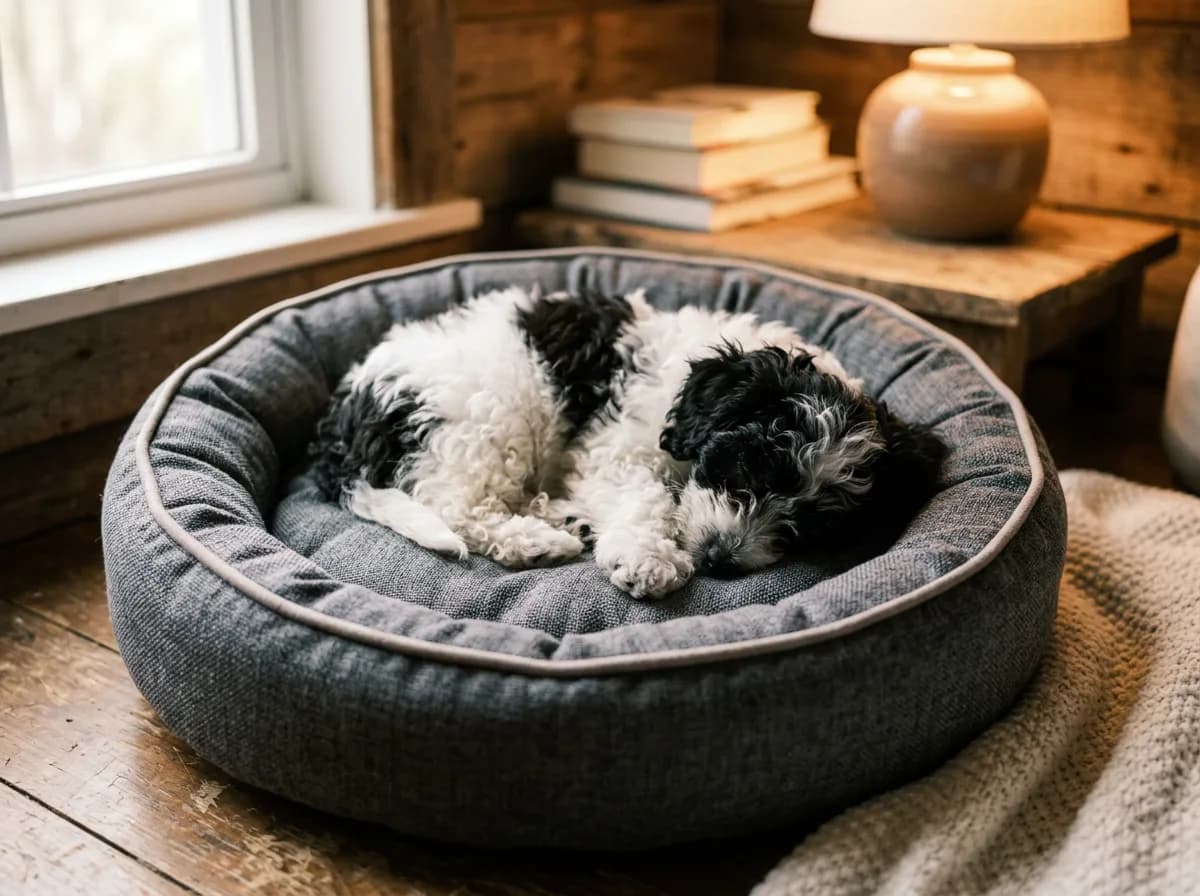
The other big driver of adult size is the generation, which describes how the cross was made. This affects both size and coat, and a good breeder will tell you the generation without you having to pry it out of them.
- F1 is a first-generation cross: one purebred Maltese parent and one purebred Poodle parent. Size can vary a lot within a single F1 litter.
- F1b is an F1 Maltipoo bred back to a purebred Poodle (usually a Toy Poodle). These often trend smaller and curlier, which is why many "teacup" lines are F1b.
- F2 and beyond are Maltipoo bred to Maltipoo, or later multigenerational crosses. Size becomes a little more consistent over generations, but never as fixed as a purebred.
None of these generations is automatically "better." F1b lines are simply more likely to be marketed as teacup because breeding back to a small Toy Poodle tends to reduce adult size. Ask which generation your puppy is, and let that inform your size expectations rather than the label on the ad.
The Health Realities of Extreme Miniaturization
This is the section we care about most, because it is the part the cute photos leave out. Shrinking a dog below its natural size does not come for free. The smaller you push a Maltipoo, the more you tend to concentrate the health risks that already exist in tiny toy dogs. This is not a reason to fear the breed. It is a reason to buy carefully and to keep your expectations grounded.
The most important issues associated with very small toy dogs, and worth discussing with any breeder, include:
- Hypoglycemia (low blood sugar). Very small puppies have tiny energy reserves and can crash dangerously fast, especially when young, stressed, or skipping meals. Veterinary guidance from resources such as the Cornell University College of Veterinary Medicine emphasizes frequent feeding and close monitoring in toy-breed puppies for exactly this reason.
- Dental crowding and disease. A tiny jaw still has to fit a full set of teeth, so crowding, retained baby teeth, and early dental disease are common and need lifelong attention.
- Patellar luxation (slipping kneecaps). This orthopedic issue is well documented in toy breeds. The Orthopedic Foundation for Animals (ofa.org) maintains screening databases that responsible breeders use to test breeding stock.
- Fragile bones and joints. Less body mass and thin legs mean broken bones from a jump off the couch or a misstep on the stairs are a genuine risk.
- Heart and liver concerns. Toy dogs can be predisposed to certain heart murmurs and to liver shunts, both of which a good breeder screens for and a good vet monitors.
- Collapsing trachea and dental-related issues that come with very small anatomy.
- The push toward ever-tinier "teacup" dogs concentrates the health risks that toy breeds already carry. A Maltipoo at the larger end of small (6 to 8 pounds) is very often sturdier, easier to care for, and longer-lived than a 3-pound version. Choose the healthiest dog, not the smallest one.
The welfare-first bottom line is this. A well-bred small Maltipoo can be a wonderful, sturdy little companion. But a dog bred purely to hit the lowest possible weight, from parents chosen only for their size and not their health, is a dog set up for a harder life. The single best thing you can do is refuse to reward breeders who sell size as the headline feature.
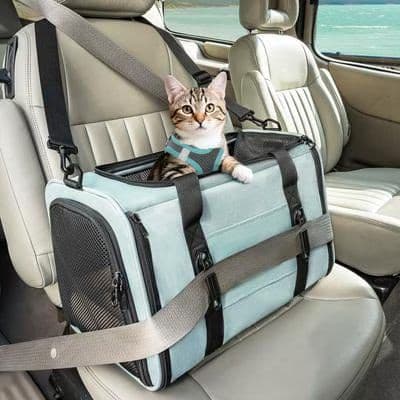
An airline-approved soft-sided carrier with patent safe buckles and mesh ventilation panels, sized for cats and small dogs.
Petful may earn a commission when you click through to Chewy, at no extra cost to you.
What Is the Lifespan of a Teacup Maltipoo?
Maltipoos are generally long-lived little dogs, with a typical lifespan often cited in the range of 10 to 15 years, and some individuals reaching the higher end with good care. A teacup Maltipoo can absolutely live a full, happy life, but the extra health risks of extreme miniaturization can shorten the average, particularly when a dog comes from breeding focused on size over soundness. In other words, "teacup" does not add years, and pushed too far it can subtract them. For more, see Petful’s guide to Maltipoo lifespan.
You improve the odds the same way you would with any small companion dog: buy from a health-testing breeder, keep the dog at a healthy weight, stay on top of dental care, feed appropriately, protect those fragile joints, and keep up with veterinary checkups. A tiny dog that is loved and well cared for, and that came from responsible breeding, has every chance of being with you well into its teens.
Caring for a Teacup Maltipoo
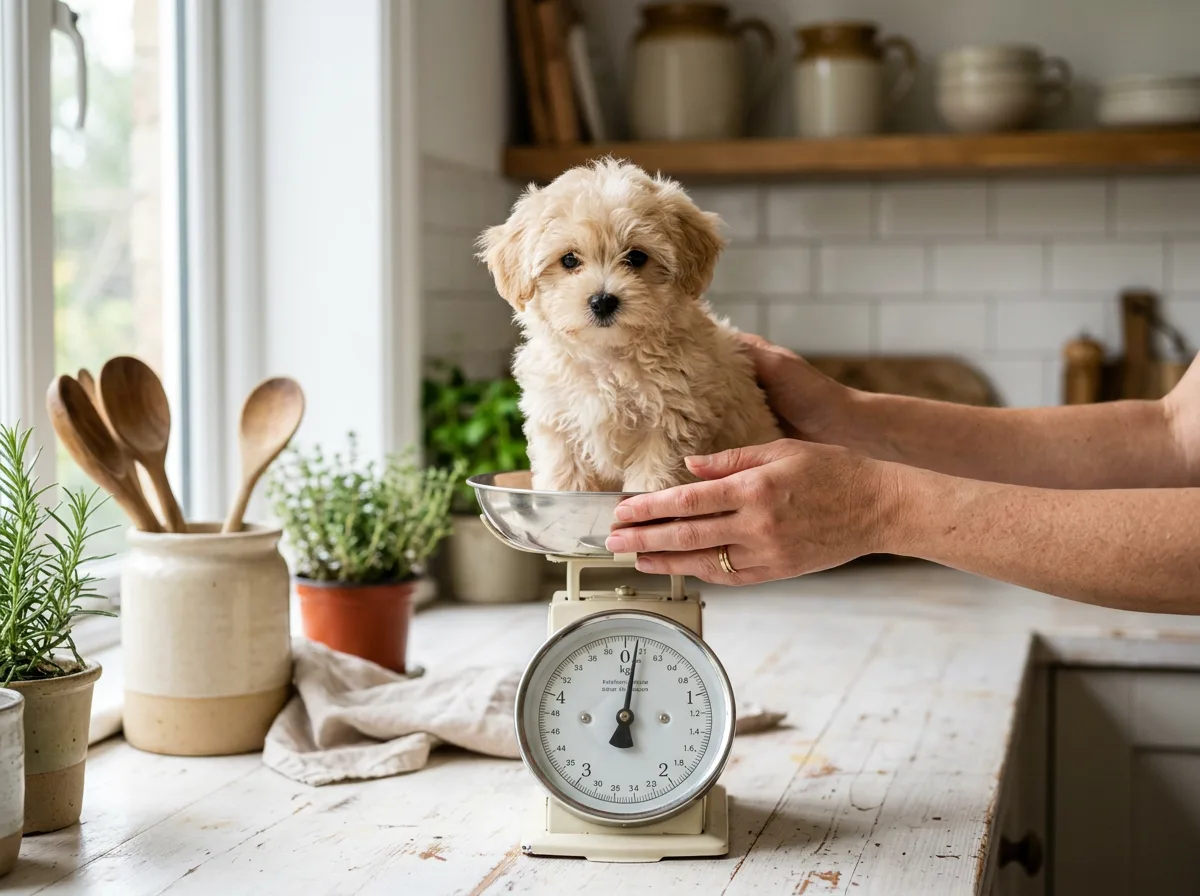
Day-to-day care for a teacup Maltipoo is not complicated, but it does ask for consistency and a gentle touch. Everything is a little more delicate at this size, so small habits matter more than they would with a bigger dog.
Feeding: What Should Maltipoos Not Eat?
Feeding is where the teacup size demands the most attention, for two reasons: the risk of low blood sugar and the very small margin for dietary mistakes. Young teacup puppies often need to eat small meals several times a day to keep their blood sugar stable, and even adults do best on a predictable schedule rather than one big meal. Choose a high-quality food formulated for small or toy breeds, since the smaller kibble size suits tiny mouths and the calorie density supports a fast metabolism.
Just as important is knowing what to keep away from your dog. Certain human foods are toxic to all dogs, and in a 3 to 5 pound body, even a small amount can be dangerous. According to the ASPCA Animal Poison Control Center, foods dogs should never eat include:
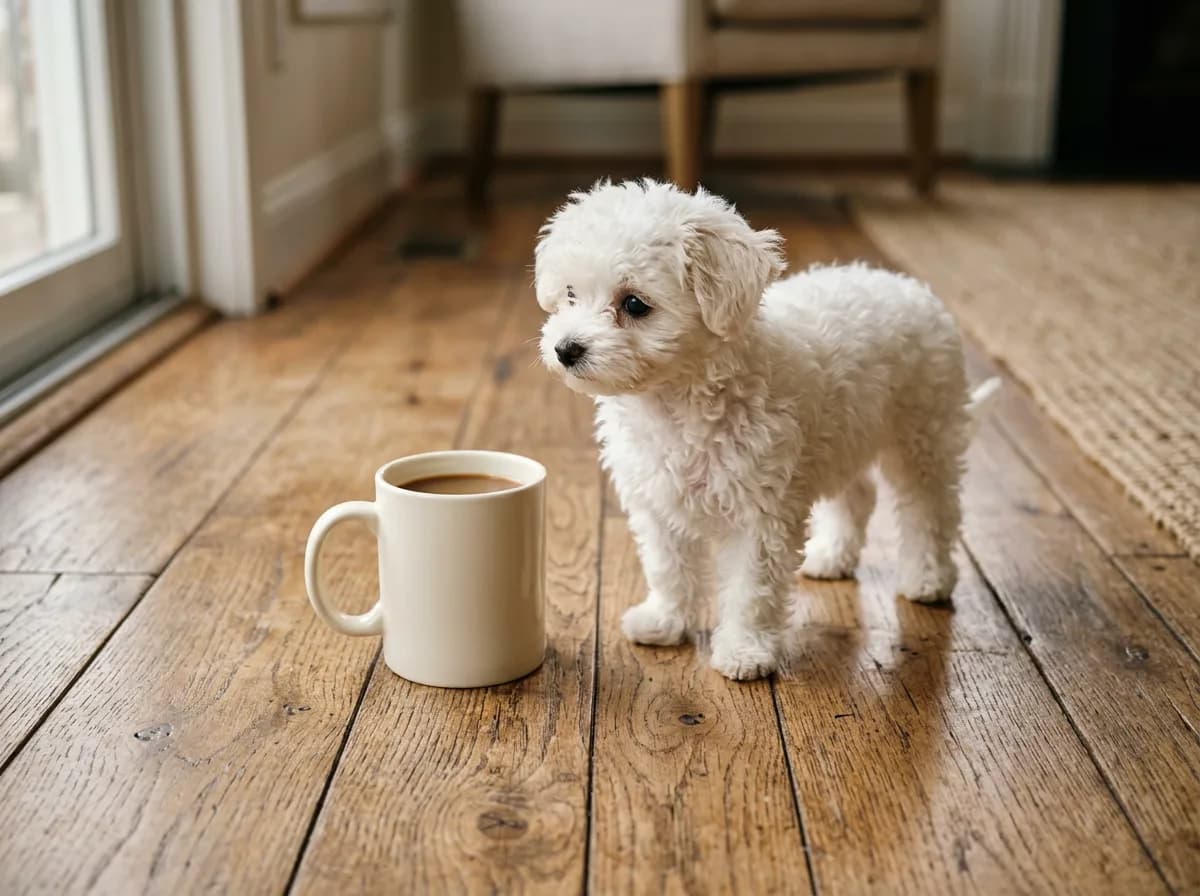
- Chocolate, coffee, and anything with caffeine.
- Grapes and raisins, which can cause kidney failure.
- Onions, garlic, chives, and leeks.
- Xylitol, the sugar substitute found in sugar-free gum, some peanut butters, and baked goods.
- Macadamia nuts.
- Alcohol and raw yeast dough.
- Excessively fatty or salty foods.
- In a teacup-sized body, a "tiny taste" of a toxic food is proportionally much larger than it would be for a big dog. Keep counters clear, secure the trash, and make sure guests and children know the no-list before they slip your dog a treat.
House Training: How to Stop Your Maltipoo Peeing in the House
Small dogs are famously a little harder to house train, and the teacup Maltipoo is no exception. It is rarely stubbornness. Tiny dogs have tiny bladders, so they simply cannot hold it as long, and accidents that would be obvious on a big dog can be easy to miss on a small one until the habit is set. The fix is structure, patience, and zero punishment.
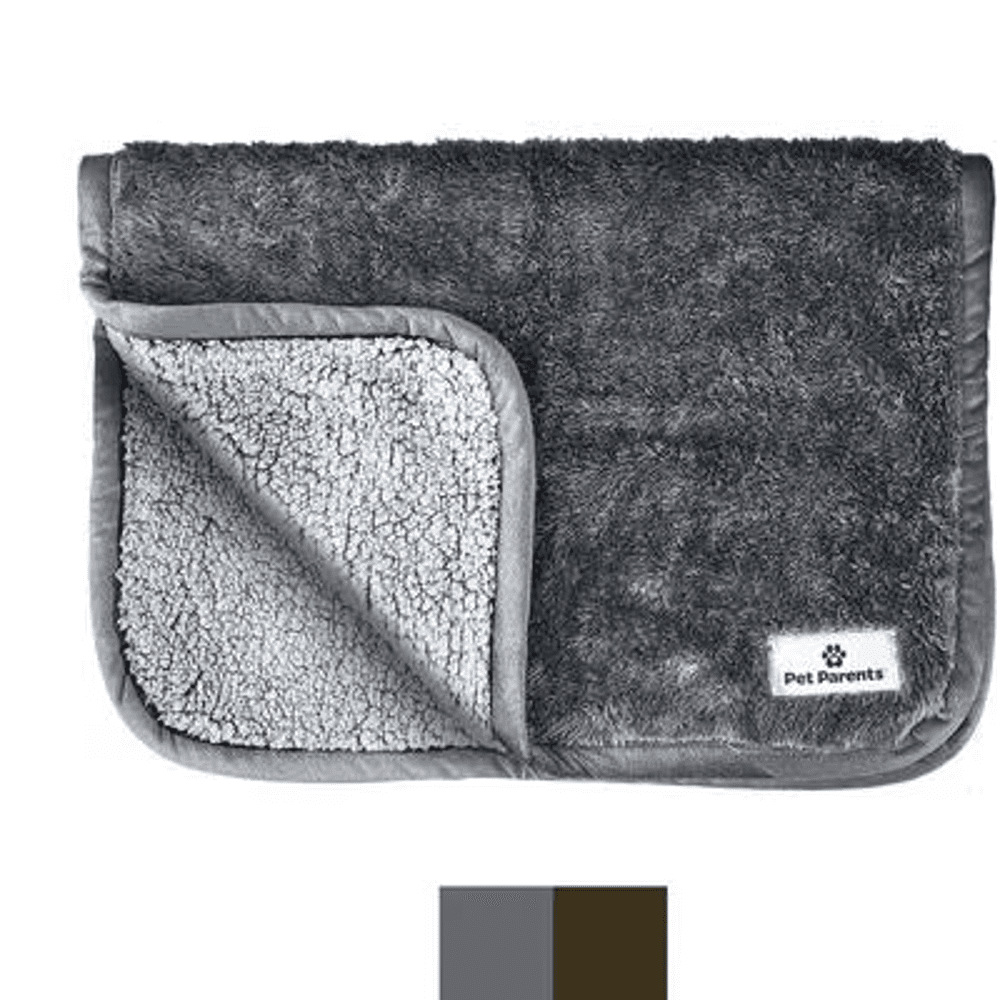
A plush, waterproof sherpa blanket that gives a cold or shivering dog a warm, cozy layer to curl into. The hidden waterproof lining protects the bed, couch, or car seat, and the whole thing is machine washable.
Petful may earn a commission when you click through to Chewy, at no extra cost to you.
- Take your dog out on a tight schedule: first thing in the morning, after every meal, after naps and play, and right before bed. Puppies may need a break every couple of hours.
- Reward heavily the instant your dog finishes going outside, not once you are back inside. The reward has to connect to the act.
- Supervise closely indoors and use a crate or a small, safe confined area when you cannot watch. Dogs avoid soiling where they sleep, which builds bladder control.
- Clean every accident with an enzymatic cleaner so no scent marker is left behind to invite a repeat.
- Never scold or rub your dog's nose in a mess. It only teaches the dog to hide from you and to go where you cannot see.
- For cold or rainy days, or a top-floor apartment, an indoor pee pad or litter setup can be a legitimate backup for a very small dog.
Consistency is everything. Most small dogs get there, it just takes a few weeks longer than owners expect, so decide up front that you will not cut corners.
Exercise, Toys, and Enrichment
A teacup Maltipoo does not need long runs, but it absolutely needs daily activity and mental stimulation. A short walk plus indoor play is usually plenty. The trick is keeping it gentle. Avoid high jumps, rough play, and stairs where a fall could injure fragile legs, and be careful about big dogs and boisterous kids at ground level.
Maltipoos are intelligent thanks to their Poodle side, so they love toys that make them think. Good matches for a small, smart, soft-mouthed dog include:
- Small treat-dispensing puzzle toys that reward problem solving.
- Lightweight plush toys sized for a tiny mouth (avoid anything with small parts that can be chewed off and swallowed).
- Soft rubber chew toys appropriately sized for toy breeds, which also support dental health.
- Gentle flirt poles or feather wands for short bursts of chase indoors.
- Snuffle mats that let your dog "hunt" for kibble, which is great low-impact enrichment.
Rotate a few toys so they stay novel, and always match the toy to the dog's size so there is no choking hazard. Ten to fifteen minutes of brain games can tire out a Maltipoo more thoroughly than a walk.
Grooming and Coat Care
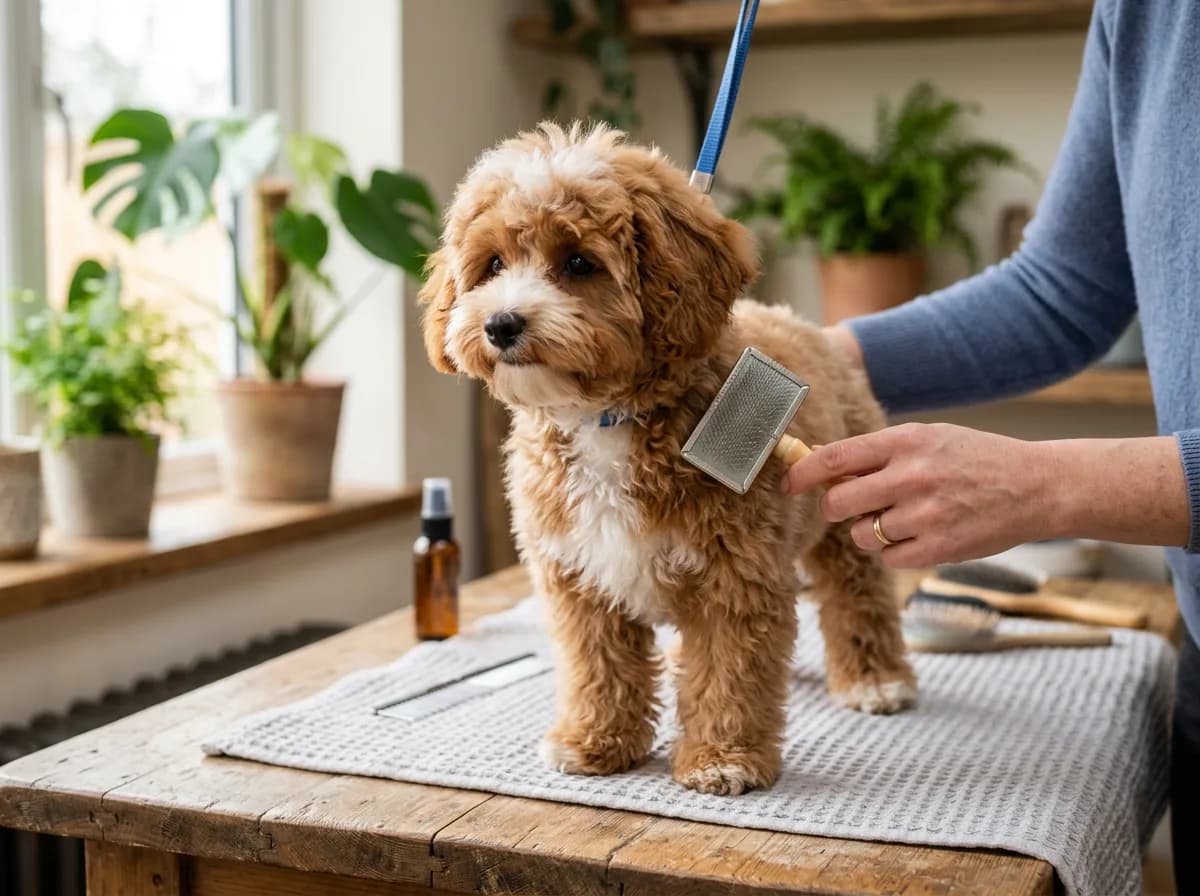
Maltipoos inherit a soft, low-shedding coat from both parents, which is part of the appeal for allergy-conscious households. No dog is truly hypoallergenic, but the Maltipoo coat sheds very little. The trade-off is that it needs regular upkeep. That soft coat mats easily, especially around the ears, armpits, and hind end.
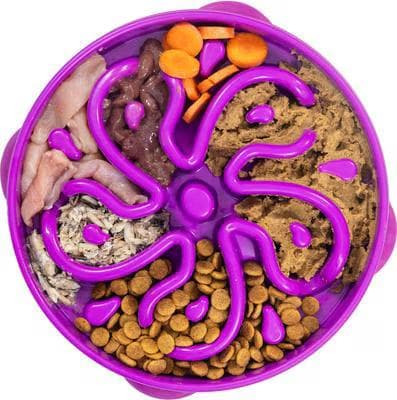
A maze-pattern slow-feeder bowl that makes fast eaters work for each bite, reducing the gulping and swallowed air that trigger regurgitation and vomiting. Holds up to 4 cups.
Petful may earn a commission when you click through to Chewy, at no extra cost to you.
- Brush several times a week, ideally daily, to prevent mats from forming.
- Plan on a professional groom every 4 to 6 weeks if you keep a longer "teddy bear" cut.
- Bathe as needed with a gentle dog shampoo, and dry thoroughly to avoid skin issues.
- Clean under the eyes regularly, since light-coated Maltipoos are prone to tear staining.
- Keep nails trimmed and check the ears, since the hair-filled ear canals of these dogs can trap moisture.
What Are the Disadvantages of a Teacup Maltipoo?
Every dog is a bundle of trade-offs, and being honest about the downsides is the whole point of a welfare-first guide. Here are the real disadvantages to weigh before you commit.
- Fragility. This is the big one. A teacup Maltipoo can be seriously hurt by a fall, a jump, a misstep, or an accidental step from a person. Homes with young children or large, bouncy dogs are a poor fit.
- Concentrated health risks. As covered above, extreme small size raises the odds of hypoglycemia, dental disease, luxating patellas, and fragile bones.
- Higher cost of care. Tiny dogs can be more delicate to anesthetize and treat, dental work is common, and the buy-in price is steep to begin with.
- House-training challenges. Small bladders make the process slower and accidents easier to miss.
- Separation anxiety. Maltipoos bond hard and can struggle when left alone for long stretches, which does not suit every schedule.
- Grooming commitment. The coat needs frequent brushing and regular professional grooming, which is ongoing time and money.
- Barking. Like many small companion dogs, they can be vocal without early training.
- Buyer-beware market. The "teacup" label attracts less scrupulous sellers, so the risk of buying a poorly bred or unhealthy puppy is higher than average.
None of this means a teacup Maltipoo is a bad dog. It means this is a dog for a calm, attentive household that goes in with eyes open, not an impulse buy driven by a photo.
What Does a Teacup Maltipoo Cost?

Teacup Maltipoos are among the more expensive designer dogs, and the "teacup" label typically adds a premium on top of an already high price. Expect a wide range depending on the breeder, location, lineage, and how aggressively the dog is marketed as tiny. Just as important as the purchase price is the ongoing cost, which many first-time buyers underestimate.
| Expense | Typical Cost | Frequency | Notes |
|---|---|---|---|
| Purchase price | $2,000 to $5,000+ | One-time | "Teacup" marketing often pushes toward the high end |
| Initial vet and supplies | $300 to $600 | One-time | Exam, vaccines, microchip, bed, crate, and gear |
| Food | $200 to $400 | Per year | Small volume, but quality toy-breed food matters |
| Professional grooming | $400 to $800 | Per year | Every 4 to 6 weeks for a teddy-bear cut |
| Routine vet care | $300 to $700 | Per year | Wellness exams, dental cleanings, preventives |
| Pet insurance | $200 to $600 | Per year | Often worthwhile given concentrated health risks |
A word of caution on price. A rock-bottom "teacup" price is a red flag, not a bargain, because responsible breeding and health testing cost money. But a sky-high price is not a guarantee of health either. Judge the breeder on transparency and testing, and treat the price as one data point rather than the headline.
- The purchase price is the smallest part of owning a teacup Maltipoo over 10 to 15 years. Grooming, quality food, dental care, and the higher-than-average odds of a health issue mean the lifetime cost runs well into five figures. Plan for it before you fall in love with a photo.
Choosing a Responsible Breeder
Because the teacup market attracts bad actors, breeder selection is the single most important decision you will make. A responsible breeder will:
- Health-test the parent dogs and share the results, including screenings tracked through organizations like ofa.org.
- Let you see where the puppies are raised and meet at least the mother.
- Talk openly about the health risks of small size instead of pretending they do not exist.
- Never guarantee an exact adult weight or push "teacup" as the main selling point.
- Ask you plenty of questions, because they care where the puppy ends up.
- Provide a health guarantee and take the dog back if things do not work out.
If a seller dodges questions, refuses a visit, has puppies "always available," or leans hard on the teacup label and the price, walk away. You are not just protecting yourself, you are refusing to fund the breeding practices that make dogs suffer.
Is a Teacup Maltipoo Right for You?
A teacup Maltipoo can be a delightful, affectionate, low-shedding companion for the right home. That home is calm, attentive, and realistic: an adult household or one with older, gentle children, someone who is home often, a person ready to commit to grooming and careful handling, and a buyer who will choose health over the smallest possible size. If that sounds like you, and you buy from a transparent, health-testing breeder, you can have a wonderful little friend for many years.
If you want a slightly sturdier version of the same sweet temperament, consider a standard or toy-sized Maltipoo rather than a teacup, or look at closely related designer crosses. Our full Maltipoo breed guide covers the breed across all sizes, and our detailed Maltipoo size guide breaks down how big these dogs get at each stage. If you are comparing Poodle mixes, the similarly sized Cavapoo is another gentle companion cross worth researching before you decide.
What Is a Teacup Maltipoo's Temperament Like?
Size is only half the story. What actually makes a teacup Maltipoo a joy to live with is its personality, which it inherits from two of the most beloved companion breeds in the world. The Maltese brings affection and a playful, people-loving streak, while the Poodle brings intelligence and eagerness to please. The result is a tiny dog that is bright, sweet-natured, and deeply bonded to its person.
A devoted, velcro-style companion
Teacup Maltipoos are lap dogs in the truest sense. They tend to want to be wherever you are, following you from room to room and settling in beside you the moment you sit down. That closeness is exactly what many owners want, but it has a flip side: a dog this attached can struggle with long stretches alone. Building up alone-time gradually from puppyhood, and giving your dog a cozy safe spot of its own, helps prevent clingy habits from tipping into genuine distress.
Smart and trainable, with a stubborn streak
Thanks to the Poodle side, Maltipoos pick up commands quickly and love the mental work of training. Short, upbeat, reward-based sessions suit them best. Keep in mind that small dogs are often under-trained simply because owners let things slide that they never would with a big dog. Consistent rules and early socialization are what keep a confident little dog from developing the pushy, yappy habits sometimes called "small dog syndrome."
With children, seniors, and other pets
A teacup Maltipoo tends to do beautifully with calm adults, gentle older children, and seniors who are home often. Very young children are a harder fit, less because of temperament and more because of the dog's fragility. Around other animals, these dogs are usually friendly and social, but their tiny size means playdates with large or rambunctious dogs need close supervision. They often pair happily with another small, gentle companion.
How Does a Teacup Maltipoo Compare to Other Tiny Dogs?
If you are drawn to a dog this small, it is worth seeing where the teacup Maltipoo sits among the other pint-sized companions people cross-shop. Coat and shedding, grooming load, and typical personality all differ, and the "teacup" label carries the same unofficial, buyer-beware caveats across every breed below.
| Dog | Typical Adult Weight | Coat and Shedding | Temperament in Brief |
|---|---|---|---|
| Teacup Maltipoo | 3 to 5 lb | Soft, curly, very low shedding | Affectionate, smart, people-focused |
| Teacup Poodle | 2 to 5 lb | Curly, low shedding | Bright, trainable, sensitive |
| Maltese | 4 to 7 lb | Long, silky, low shedding | Gentle, playful, bold for its size |
| Teacup Yorkie | 2 to 4 lb | Fine, silky, low shedding | Feisty, alert, confident |
| Chihuahua | 2 to 6 lb | Short or long, moderate shedding | Loyal, sassy, strongly bonded |
The Maltipoo's big selling point in this group is the combination of a soft, low-shedding coat with an easygoing, trainable temperament, which is why allergy-conscious households often land on it. The trade-off is grooming: that curly coat needs more upkeep than a short-coated Chihuahua. A purebred Maltese or Toy Poodle gives you a documented breed standard and a more predictable adult size, which some buyers prefer over a designer cross. Whichever you choose, the same rule holds: pick the individual dog and the breeder over the marketing label.
Preparing Your Home for a Teacup Maltipoo
A dog that weighs less than a bag of sugar changes how you set up your home. A little preparation before the puppy arrives prevents most of the accidents and scares that catch new teacup owners off guard.
Keep the home warm
Very small dogs lose body heat fast because they have little mass and a high surface-area-to-volume ratio. A teacup Maltipoo can get chilled in a room that feels perfectly comfortable to you. Provide warm, draft-free bedding, consider a soft dog sweater for cold weather or air conditioning, and avoid leaving your dog on cold floors for long. Do not overcorrect into overheating either, since tiny dogs are sensitive in both directions.
Make the physical space safe
- Block stairs with a pet gate, and add pet steps or a ramp to any couch or bed your dog is allowed on, so it never has to jump down.
- Watch your feet and doorways. Being stepped on, tripped over, or caught in a closing door is a leading cause of injury in dogs this small.
- Keep the dog out from underfoot in the kitchen and away from reclining chairs and rocking furniture.
- Secure balconies, decks, and any gaps a curious 3-pound puppy could slip through.
Line up food, a vet, and a hypoglycemia plan
Have a small-breed puppy food and a predictable feeding schedule ready before day one, and choose a veterinarian in advance. Because low blood sugar can come on fast in toy puppies, many vets recommend keeping a fast-acting sugar source on hand, such as a pet nutritional gel or a dab of plain corn syrup, to rub on the gums in an emergency while you get to the clinic. Ask your veterinarian what they advise for your specific puppy, and treat lethargy, wobbliness, or unresponsiveness as an urgent situation, not a wait-and-see one.
What Is a Micro Teacup Maltipoo?
A "micro teacup" Maltipoo is a marketing term for a dog bred to be even smaller than a standard teacup, and it is every bit as unofficial. No kennel club recognizes teacup, micro teacup, or "toy teacup" as real categories, so these are seller labels stacked on top of one another, each one pushing the promised size lower. Where "teacup" tends to mean an adult under about 5 pounds, "micro" is usually aimed at the 1 to 3 pound range, and "toy teacup" muddies things further by borrowing the legitimate Toy Poodle name.
Treat "micro" as a louder version of the same buyer-beware caution rather than a distinct breed. The smaller a seller promises to go, the harder that promise is to keep honestly, because adult size in a tiny mixed dog cannot be locked in from a young puppy. Be especially wary of any listing that guarantees a dog will "stay under 2 pounds," and ask what the parent dogs actually weigh. A puppy that grows past its promised micro weight is not defective. It is usually the sturdier, healthier animal.
What Colors Do Teacup Maltipoos Come In?
Teacup Maltipoos come in a wide range of coat colors, inherited from the white Maltese side and the many Poodle colors on the other. The most common shades you will see advertised are:
- White and cream, the classic Maltese-influenced look.
- Apricot and gold, a very popular warm tone.
- Brown, chocolate, and cafe-au-lait, which come from the Poodle side.
- Black, and black-and-white or other two-tone "parti" patterns.
- Silver, gray, and phantom markings, which are less common.
A few honest points to keep in mind. Color has no effect on a dog's health or temperament, so it should never outrank health testing when you choose a puppy. Lighter coats such as white and apricot tend to show tear staining more visibly under the eyes, so factor that into your grooming routine. And be cautious about paying a steep premium for a color marketed as "rare." Merle, in particular, is not natural to either parent breed, so a merle Maltipoo may signal that another breed was crossed in, and merle-to-merle breeding is linked to serious health problems.
Yes, in small amounts. Bananas are a safe, dog-friendly treat that offer potassium and fiber, and most Maltipoos enjoy them. Because bananas are high in natural sugar, keep portions tiny for a teacup-sized dog, offer only occasionally, and treat them as a snack rather than a meal. Always remove the peel and cut the fruit into small pieces to prevent choking.
There is no single food that tops every list, but the most dangerous common offenders are chocolate, xylitol (a sugar substitute in sugar-free gum and some peanut butters), and grapes or raisins, all of which can be life-threatening. In a tiny teacup Maltipoo, even a small amount is a serious emergency. If your dog eats any of these, call your veterinarian or a pet poison control line right away.
A teacup Maltipoo is typically marketed as an adult dog under about 5 pounds, often in the 3 to 5 pound range and around 6 to 8 inches tall. Adult size in tiny mixed dogs is hard to predict, so treat any exact weight guarantee with caution, and remember a slightly larger dog is often the healthier one.
Maltipoos generally live around 10 to 15 years, and a teacup Maltipoo can reach that range with good care. However, the health risks that come with extreme small size can shorten the average when a dog is bred for size over soundness, so responsible breeding and attentive care matter a great deal.
Use a tight potty schedule (after meals, naps, play, and sleep), reward heavily the moment your dog finishes outside, supervise closely and confine safely when you cannot watch, and clean accidents with an enzymatic cleaner. Never punish accidents. Small dogs have small bladders, so patience and consistency are what get you there.
Maltipoos are smart and soft-mouthed, so they love treat-dispensing puzzle toys, snuffle mats, small plush toys, gentle chew toys sized for toy breeds, and short chase games with a feather wand. Always match the toy to your dog's tiny size to avoid choking hazards, and rotate toys to keep them interesting.
The main downsides are fragility (easily injured by falls or rough handling), concentrated health risks like hypoglycemia and dental disease, higher care costs, slower house training, potential separation anxiety, significant grooming needs, and a buyer-beware market full of unscrupulous "teacup" sellers.
Keep all dogs away from chocolate, caffeine, grapes and raisins, onions and garlic, xylitol, macadamia nuts, alcohol, and raw yeast dough. For a teacup-sized Maltipoo, even a small amount of these can be dangerous, so store food securely and make sure everyone in the home knows the no-list.

Coreen Saito is a pet writer and longtime shelter volunteer with more than a decade in animal rescue. She covers cat behavior, breed care, and the small, ordinary science of sharing a life with companion animals, with a particular focus on honest takes about the products and decisions that actually matter. At home in Arizona, she's outranked by Mac (a dog with the loudest opinion in the house), Rebel (a cat who governs by quiet authority), and Meri (an orange tabby who runs the late shift and the laundry basket). She writes about all three, plus the rescues that keep coming through her life, at LifeWithMinty.com.
Sign up for expert-backed reviews and safety alerts all in one place.