Maltipoo: The Complete Guide to the Maltese Poodle Mix
Everything you need to know about the maltipoo, the Maltese and Poodle mix: appearance, sizes, temperament, trainability, grooming, health, lifespan, price, and how to tell if this small companion dog fits your home.

Petful is reader supported. As an affiliate of platforms like Amazon and Chewy, we may earn a commission when you buy through links on this page. There is no extra cost to you.
The maltipoo is a small crossbreed that pairs the affectionate Maltese with the clever, low-shedding Poodle, and the result is one of the most popular companion dogs in the country. Bred for lap-time first and everything else second, a maltipoo tends to be gentle, people-focused, and happy in apartments or big houses alike. This guide walks through what the breed actually is, how it looks, the sizes you will see, its temperament and trainability, exercise and grooming needs, a realistic health and lifespan overview, what it costs, and how to tell whether one fits your household.
- 1A maltipoo is a Maltese and Poodle cross bred as a small, affectionate companion dog
- 2Coats are low-shedding but high-maintenance, needing brushing several times a week and a groom every 6 to 8 weeks
- 3Expect a lifespan of 12 to 15 years and a purchase price that usually runs from $1,000 to $4,000

Sign up for expert-backed reviews and safety alerts all in one place.
What Is a Maltipoo?

A maltipoo is a designer crossbreed created by mating a Maltese with a Toy or Miniature Poodle. It is not a recognized breed with the American Kennel Club, because it is a hybrid rather than a purebred, so there is no single official standard the way there is for its parents. Instead, breeders aim for a consistent "type": a small, soft-coated, sweet-natured dog that sheds very little.
Most maltipoos are first-generation (F1) crosses, meaning one purebred Maltese parent and one purebred Poodle parent. You will also see F1b dogs (a maltipoo bred back to a Poodle) and multi-generation dogs (maltipoo to maltipoo). Generation matters because it influences coat type, curl, and how predictable the shedding and size turn out to be. There is no such thing as a "purebred maltipoo," so treat that phrase as a marketing flag, not a pedigree.
Because both parent breeds are companion dogs rather than working dogs, the maltipoo was designed around temperament. The goal was a friendly, adaptable lap dog with the Poodle's brains and the Maltese's devotion, in a package small enough to travel and cuddle.

Petful may earn a commission when you click through to Chewy, at no extra cost to you.
Where the Maltipoo Comes From
The maltipoo is a relatively modern crossbreed that rose to popularity in the United States through the 1990s and 2000s, part of the wider "doodle" wave that paired Poodles with other breeds to create low-shedding companions. The Maltese contributes centuries of history as an aristocratic lap dog, while the Poodle brings a working-water-dog brain and a coat that sheds minimally. Blending the two produced a dog that keeps the companionship of the Maltese but is often easier on allergy-prone households. No dog is truly hypoallergenic, but the low-shedding coat sheds less dander into the home than many breeds, which is a large part of why demand for the maltipoo has stayed high.
Maltipoo Appearance and Colors
Maltipoos are small, softly rounded dogs with dark expressive eyes, a black nose, floppy ears, and a coat that ranges from wavy to tightly curled depending on how much Poodle they inherit. Faces are often kept in a rounded "teddy bear" trim that shows off the eyes. Bodies are compact and lightly built rather than stocky.
Coat color is one of the breed's biggest draws. White and cream are the most common, thanks to the Maltese side, but you will also find apricot, gold, silver, gray, brown or chocolate, black, and parti-color (two-tone) coats from the Poodle line. Many puppies change shade as they mature, so a cream puppy can lighten toward white or an apricot can soften over the first year. For a full breakdown of shades and how they change with age, see our guide to maltipoo colors.
Maltipoo Sizes: Toy, Miniature, and Teacup
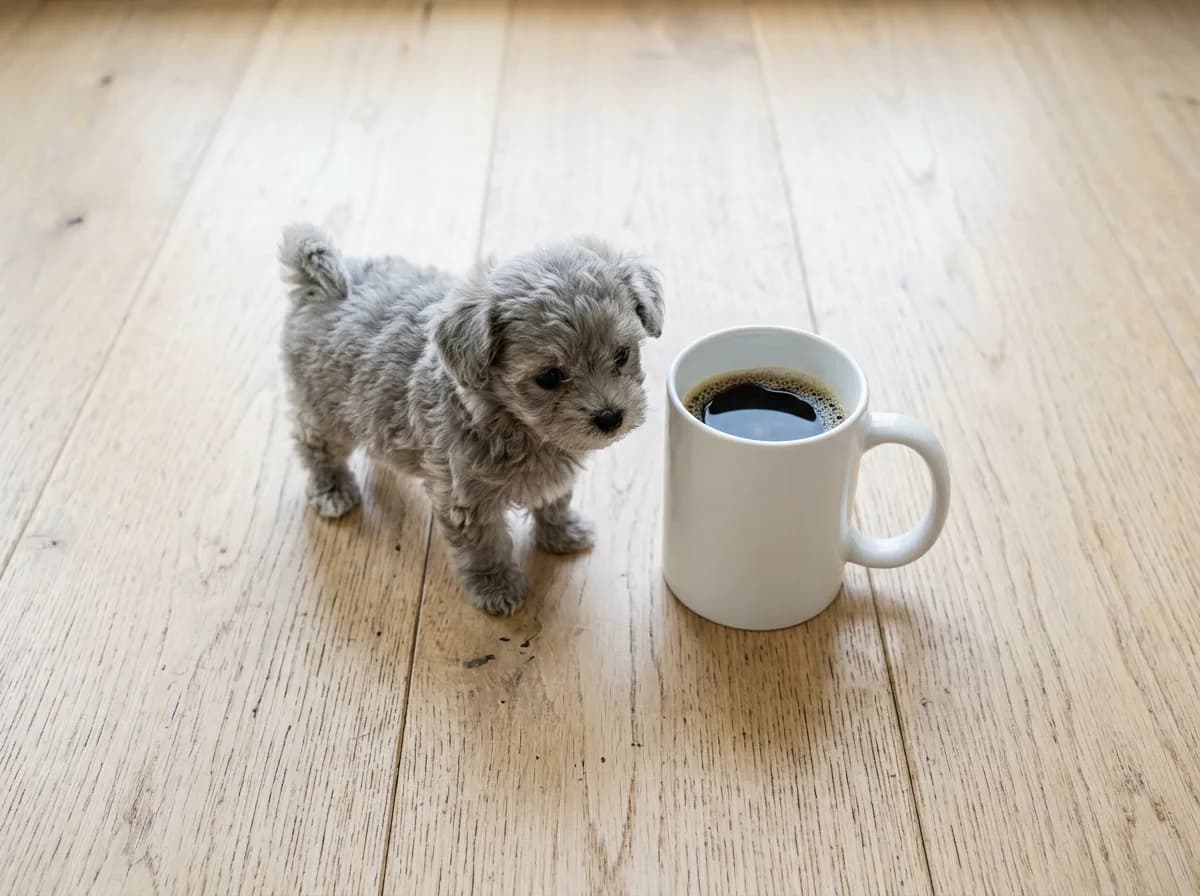
Adult size depends almost entirely on which Poodle was used. A Toy Poodle parent produces a smaller dog than a Miniature Poodle parent, and some breeders market especially tiny dogs as "teacup." Teacup is not an official size class, it simply describes a maltipoo bred to stay under a few pounds, and those extra-small dogs can carry added health fragility that buyers should understand before committing.
| Size Type | Adult Height | Adult Weight |
|---|---|---|
| Teacup | Under 8 inches | Under 6 pounds |
| Toy | 8 to 10 inches | 5 to 12 pounds |
| Miniature | 11 to 14 inches | 12 to 20 pounds |
Most pet maltipoos land in the toy-to-small range, roughly 8 to 14 inches at the shoulder and 5 to 20 pounds. If final size matters to your home, ask to meet both parents and get their weights, since that is the single best predictor. Our maltipoo size guide breaks down growth stages, and the teacup maltipoo guide covers the specific care and health tradeoffs of the smallest dogs.

A ventilated backpack carrier that keeps your cat secure and close, ideal for walks, vet trips, and travel.
Petful may earn a commission when you click through to Chewy, at no extra cost to you.
Maltipoo Temperament and Personality
Temperament is where the maltipoo earns its fans. These are affectionate, playful, people-oriented dogs that bond closely with their families and generally get along with children and other pets when socialized early. They are intelligent and pick up on household routines quickly, which makes them engaging companions but also means they need mental stimulation to stay content. A bored maltipoo can become mischievous or clingy.
The flip side of that devotion is a strong dislike of being left alone. Maltipoos are prone to separation anxiety, so they suit households where someone is home for much of the day, or where the dog is gradually trained to tolerate alone time in a crate or safe space. For a deeper look at personality, quirks, and how they do with kids, read our maltipoo temperament guide.
Does a Maltipoo Bark a Lot?
Maltipoos can be vocal. They are alert little dogs that tend to announce visitors, unfamiliar sounds, and anything out of routine, which makes them decent watchdogs but potentially noisy in apartments. Barking is usually driven by excitement, boredom, or anxiety rather than aggression. The good news is that it responds well to early training: teaching a "quiet" cue, rewarding calm behavior, and making sure the dog gets enough exercise and company will keep most maltipoos from becoming nuisance barkers.
Training a Maltipoo
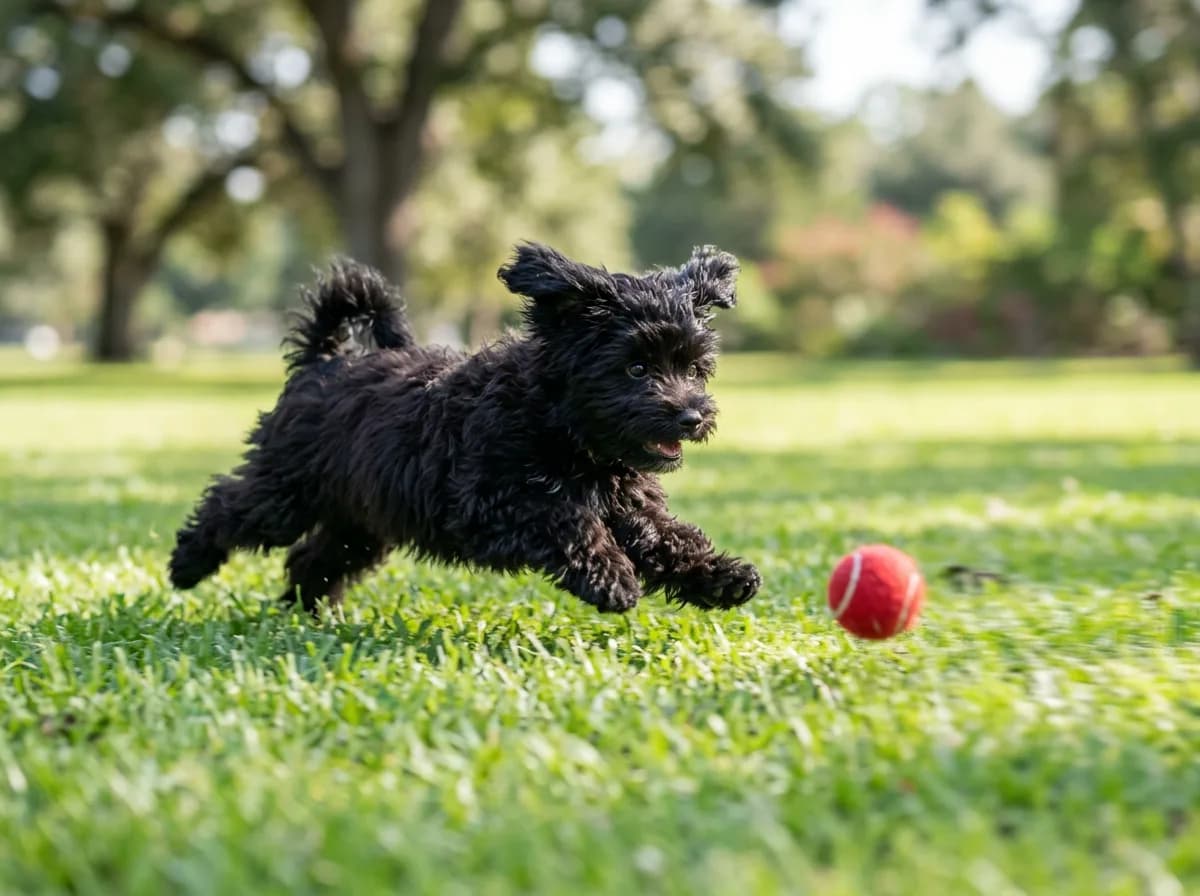
The Poodle heritage makes maltipoos genuinely smart and eager to please, so they respond quickly to positive, reward-based training. Short, upbeat sessions with treats and praise work far better than repetition or correction. Start socialization early, exposing puppies to new people, sounds, surfaces, and gentle handling, to head off the timidity small companion breeds can develop.
The one area that frustrates owners is house-training. Small dogs have small bladders, and maltipoos are no exception, so expect potty training to take patience and a consistent schedule. Crate training helps, and so does rewarding every successful trip outside. Because these dogs are sensitive, harsh methods backfire and can worsen anxiety.
Exercise Needs
Despite the lap-dog reputation, a maltipoo is playful and needs daily activity to stay healthy and balanced. Two short walks plus some indoor play or a fenced-yard romp usually covers it, roughly 30 minutes of activity a day for most adults. Puzzle toys, fetch down a hallway, and basic trick training satisfy the mental side, which matters just as much as the physical side for this clever crossbreed.
Because they are small and often lightly built, maltipoos overheat and tire more easily than sporty breeds, so keep exercise moderate in hot weather and go gently with teacup-sized dogs. They are not endurance hiking partners, but they are far from couch potatoes.
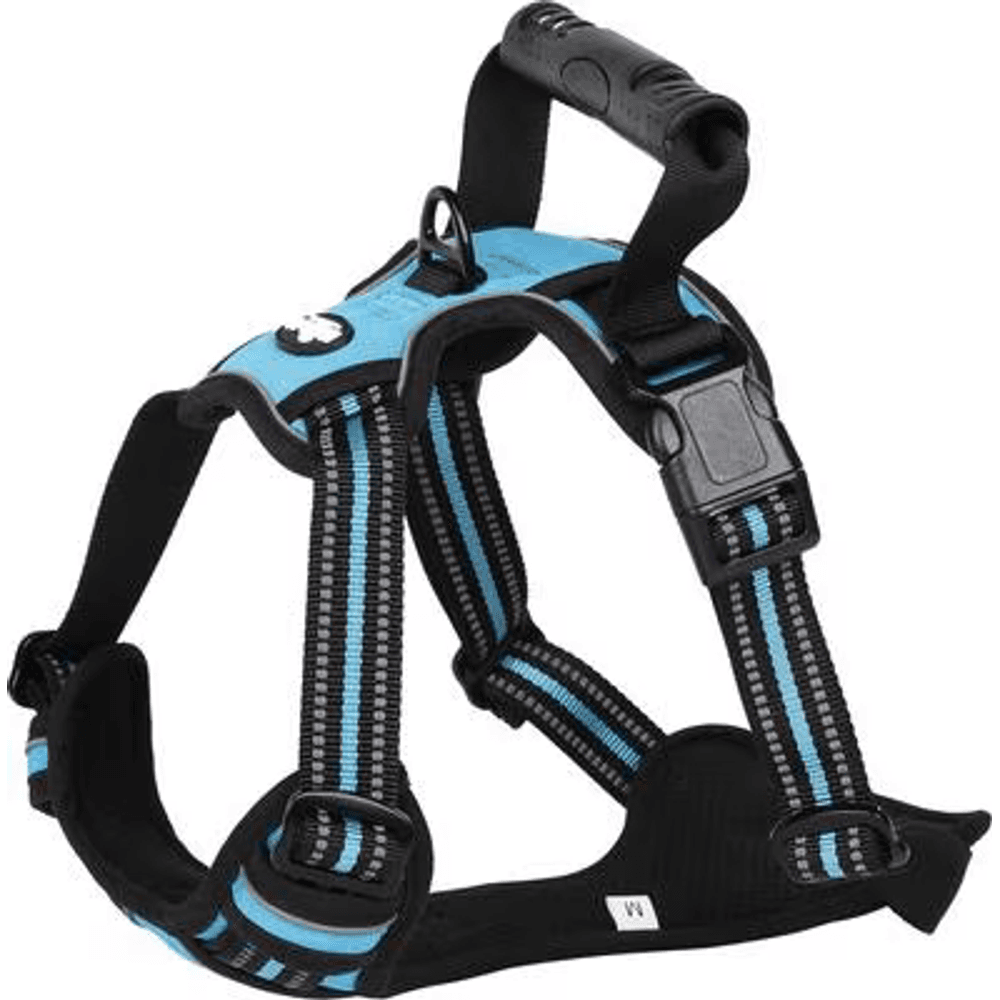
A padded, reflective no-pull harness that spreads leash pressure across the chest instead of the throat, the switch most vets recommend for a dog with a cough, a collapsing trachea, or any airway irritation so the leash never presses on
Petful may earn a commission when you click through to Chewy, at no extra cost to you.
Feeding a Maltipoo
Feed a maltipoo a high-quality diet formulated for small or toy breeds, whose smaller kibble suits little mouths and whose calorie density matches a fast small-dog metabolism. Puppies, especially teacup-sized ones, need frequent small meals to avoid hypoglycemia, so most breeders recommend three or four feedings a day until the dog is several months old, then settling into two meals a day as an adult. Portion carefully, because a two-pound weight gain on a ten-pound dog is a significant jump that stresses the joints and teeth. Fresh water, measured portions, and limited treats keep a maltipoo lean, which is one of the simplest ways to protect its knees and add healthy years. For recipe and portion comparisons, see our guide to the best dog food for Maltipoos.
Grooming: Is a Maltipoo High Maintenance?
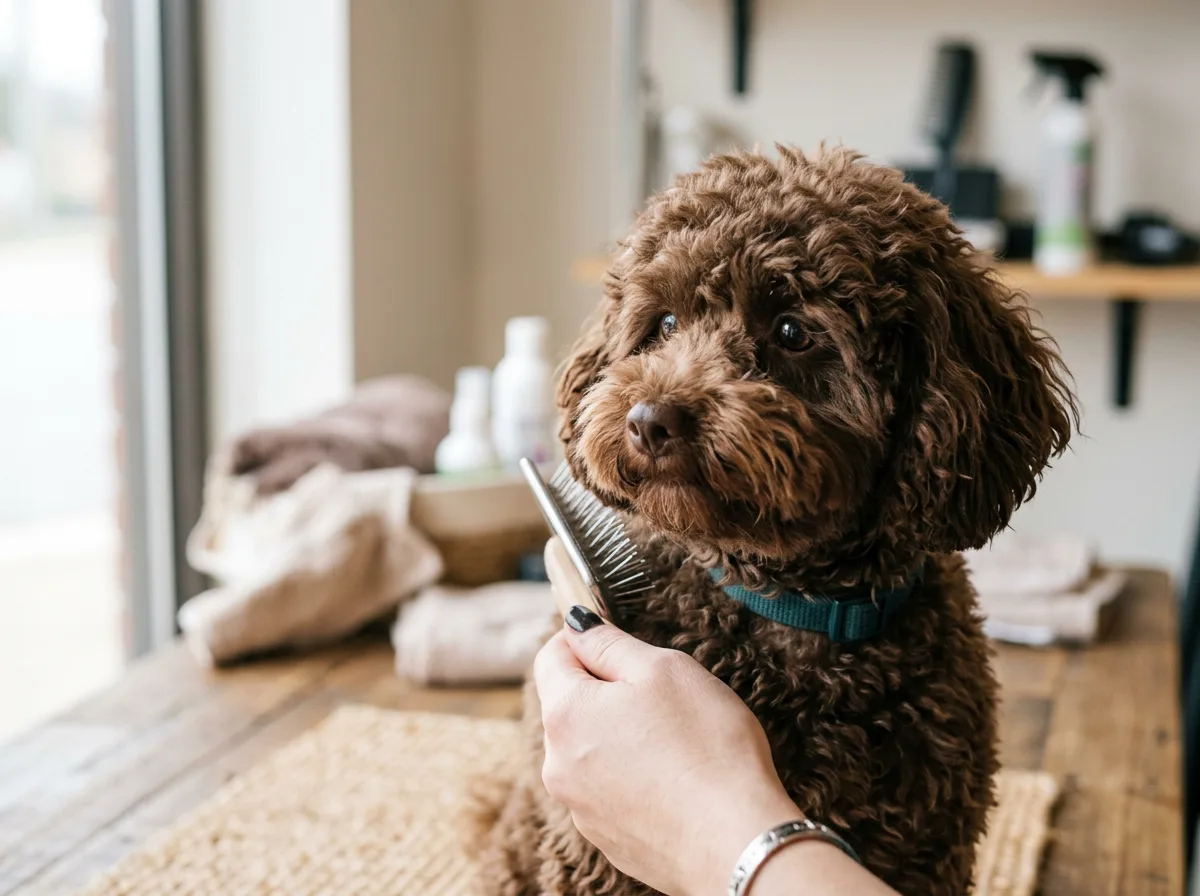
In grooming terms, yes, the maltipoo is high maintenance. The low-shedding coat that makes the breed appealing is exactly what demands ongoing work. Because loose hair stays in the coat instead of falling out, it mats easily, so a maltipoo needs brushing several times a week (ideally daily for curlier coats) and a professional groom or trim every 6 to 8 weeks.
Add in regular care around the eyes to manage tear staining, which shows readily on light coats, plus nail trims, ear cleaning, and dental care, and grooming becomes the single biggest time and money commitment of owning one. Many owners keep the coat in a short "puppy cut" to reduce daily upkeep. Our maltipoo haircuts guide walks through the most popular clips and how often each needs redoing.
- A maltipoo coat mats fastest behind the ears, under the legs, and around the collar. Brushing right down to the skin in those spots a few times a week prevents painful mats that otherwise have to be shaved out at the groomer.
Maltipoo Health and Lifespan
Maltipoos are generally healthy and long-lived, with a typical lifespan of 12 to 15 years and some individuals reaching 16 or beyond. As a crossbreed they can benefit from hybrid vigor, but they can also inherit health issues common to either parent, so responsible breeding and health testing of the parents matter. For a full breakdown of longevity and what shortens or lengthens it, see our maltipoo lifespan guide.
Common Maltipoo Health Problems
The most common problem owners run into is dental disease, which is typical of tiny breeds with crowded mouths and needs regular brushing and cleanings to manage. Beyond that, maltipoos can inherit conditions seen in the Maltese and Poodle lines. Watch for these:

Presoaked wipes that gently clean the fur and skin around a dog's or cat's eyes, lifting away tear stains, discharge, and daily debris. A quick, no-rinse way to keep the eye area clean between baths. For routine cleaning only.
Petful may earn a commission when you click through to Chewy, at no extra cost to you.
- Patellar luxation (slipping kneecaps), common in small dogs
- Progressive retinal atrophy and other eye conditions
- Dental disease and early tooth loss
- Hypoglycemia (low blood sugar), especially in teacup and puppy-stage dogs
- Luxating patella and joint issues
- White shaker syndrome and epilepsy in some lines
Reputable breeders screen parent dogs through programs like the Orthopedic Foundation for Animals (ofa.org) for knees and eyes, and general breed-health guidance from the American Kennel Club (akc.org) and veterinary schools such as Cornell University College of Veterinary Medicine can help you know what to ask about. Buying from a breeder who health-tests is the strongest protection against inherited problems.
Pros and Cons of a Maltipoo
No breed is right for everyone, and the maltipoo has clear tradeoffs. The pros center on companionship and low shedding, while the negatives cluster around grooming, alone-time, and the fragility of very small dogs.
| Pros | Cons |
|---|---|
| Affectionate and family-friendly | Prone to separation anxiety |
| Low-shedding, apartment-friendly coat | High grooming upkeep and cost |
| Smart and quick to train | Can bark at noises and visitors |
| Small and adaptable to most homes | Teacup sizes carry extra health fragility |
The main negatives of a maltipoo are the grooming commitment, the tendency toward separation anxiety, and the barking, all of which are manageable with routine and training but should not be a surprise. If you travel constantly, want a wash-and-wear coat, or need a hardy dog for rough-and-tumble play with young kids, another breed may fit better.
How the Maltipoo Compares to Other Doodles
Maltipoos sit alongside a family of small Poodle crosses, and buyers often weigh them against similar designer breeds. Here is how the size and parentage stack up.
| Breed | Parent Cross | Adult Weight |
|---|---|---|
| Maltipoo | Maltese x Poodle | 5 to 20 pounds |
| Cavapoo | Cavalier King Charles Spaniel x Poodle | 9 to 25 pounds |
| Cockapoo | Cocker Spaniel x Poodle | 12 to 24 pounds |
If you like the maltipoo but want a slightly sturdier, equally sweet alternative, our cavapoo guide is a good next read. All three share the low-shedding coat and companion temperament, so the choice usually comes down to size, energy, and which face you fall for.
Maltipoo Price and Cost
A maltipoo puppy from a reputable breeder generally costs $1,000 to $4,000, with teacup sizes, sought-after colors, and well-known breeders pushing toward the top of that range. The purchase price is only the start, though. Grooming every 6 to 8 weeks, quality small-breed food, dental care, and routine vet visits add up over a 12 to 15 year life. Our maltipoo price guide breaks down the numbers in detail.
| Expense | Typical Range | Notes |
|---|---|---|
| Puppy purchase | $1,000 to $4,000 | Higher for teacup and rare colors |
| Grooming | $500 to $900 | Every 6 to 8 weeks, year round |
| Vet and preventive care | $400 to $800 | Vaccines, exams, parasite control |
| Food and supplies | $400 to $700 | Small-breed diet, bed, crate, toys |
Adoption is a lower-cost route if you are open to it. Poodle-mix rescues and small-breed shelters do sometimes have maltipoos and maltipoo-type dogs, usually for a few hundred dollars in adoption fees.
Is a Maltipoo Right for You?
A maltipoo is a strong fit if you want a small, loving companion, you are home often or can manage alone-time gradually, and you are ready to commit to real grooming, either at home or at the groomer. They thrive with singles, seniors, families with gentle older kids, and apartment dwellers who want a low-shedding dog.
A maltipoo is a weaker fit if you are away long hours most days, want a low-maintenance coat, need a rugged dog for very young children, or cannot budget for regular grooming and small-breed vet care. Match the dog to your lifestyle honestly and the maltipoo rewards you with 12 to 15 years of devoted companionship.
Frequently Asked Questions
How Big Is a Maltipoo Full Grown?
Most maltipoos reach their full adult size between 9 and 12 months of age, with the smallest toy and teacup dogs finishing a little sooner. Like other small dogs, they do most of their growing in the first six to eight months, then spend the rest of the first year filling out in muscle and coat rather than adding height.
Full-grown size depends almost entirely on the Poodle side of the cross:
- Toy maltipoo (Maltese with a Toy Poodle): roughly 8 to 10 inches tall and 5 to 12 pounds.
- Miniature maltipoo (Maltese with a Miniature Poodle): often 10 to 14 inches and 12 to 20 pounds.
- Teacup maltipoo: an unofficial label for dogs bred to stay under about 8 inches and 5 pounds.
To predict where a puppy will land, look at both parents, ask the breeder for the sire and dam weights, and keep in mind that F1b and multi-generation dogs vary more than first-generation ones. A rough guide many owners use is that a healthy maltipoo is close to half its adult weight at around four months old, so a four-pound puppy is likely to mature near eight pounds.
Maltipoo Haircut Styles
The most popular maltipoo clips are the teddy bear cut, the puppy cut, the lamb cut, and the short kennel or summer cut. They differ mostly in how much length the groomer leaves and, as a result, how much daily brushing you sign up for.
- Teddy bear cut: keeps the face full and rounded with the body trimmed to a soft, even medium length. It is the signature maltipoo look and needs regular brushing to stay fluffy without matting.
- Puppy cut: one short, uniform length (often about half an inch to an inch) all over the body and legs. Low upkeep and a common pick for busy owners or hot climates.
- Lamb cut: a shorter body with slightly longer, fuller legs for a lamb-like outline, while keeping brushing manageable.
- Kennel or summer cut: the shortest option, clipped close for easy care and warm weather, though it offers less sun protection for light skin.
Face and ear details are chosen separately, from a rounded teddy-bear face to a longer top knot. Whatever the style, plan on a professional groom every four to six weeks plus brushing every day or two, because the low-shedding coat traps loose hair and mats quickly.
Dental disease is the most common problem, because small crowded mouths trap plaque, so maltipoos need regular tooth brushing and professional cleanings. They can also inherit patellar luxation (slipping kneecaps) and eye conditions from their parent breeds.
The pros are that maltipoos are affectionate, smart, apartment-friendly, and low-shedding. The cons are high grooming upkeep, a tendency toward separation anxiety, some barking, and extra health fragility in teacup sizes.
Yes, in grooming terms. The low-shedding coat mats easily, so it needs brushing several times a week and a professional trim every 6 to 8 weeks, making grooming the biggest ongoing commitment of ownership.
Maltipoos can be vocal and tend to alert-bark at visitors and unusual sounds, but the barking is manageable with early training, enough exercise, and company, since most barking comes from excitement, boredom, or anxiety rather than aggression.
The main negatives are the demanding grooming routine, a strong tendency toward separation anxiety when left alone, occasional nuisance barking, and the added health fragility of very small teacup-sized dogs.
No single breed wins outright, but small breeds often cited for good health and longevity include the Miniature Poodle, Bichon Frise, Havanese, and mixed breeds like the maltipoo, which can benefit from hybrid vigor. Health testing of the parents matters more than breed label.
Neither is clearly better. Temperament differences between male and female maltipoos are minor and driven far more by individual personality, socialization, and training than by sex, so choose the puppy whose temperament suits your home rather than choosing by gender.

Coreen Saito is a pet writer and longtime shelter volunteer with more than a decade in animal rescue. She covers cat behavior, breed care, and the small, ordinary science of sharing a life with companion animals, with a particular focus on honest takes about the products and decisions that actually matter. At home in Arizona, she's outranked by Mac (a dog with the loudest opinion in the house), Rebel (a cat who governs by quiet authority), and Meri (an orange tabby who runs the late shift and the laundry basket). She writes about all three, plus the rescues that keep coming through her life, at LifeWithMinty.com.
Sign up for expert-backed reviews and safety alerts all in one place.