Maltipoo Price: What a Maltipoo Really Costs
A Maltipoo puppy costs $1,000 to $4,000, but the grooming-heavy coat, vet care, and annual bills make the real price much higher. Here is the full cost breakdown and how to dodge puppy scams.

Petful is reader supported. As an affiliate of platforms like Amazon and Chewy, we may earn a commission when you buy through links on this page. There is no extra cost to you.
The typical Maltipoo price runs from about $1,000 to $4,000 for a puppy from a responsible breeder, with most families paying somewhere in the $1,500 to $2,500 range. That headline number is only the down payment, though. A Maltipoo is a lifelong grooming commitment stacked on top of the usual food, vet, and insurance bills, so the honest cost of one of these apricot teddy bears is far bigger than the sticker on the puppy. This guide breaks down exactly what you pay upfront, what drives the price up or down, what the first year really costs, what you spend every year after that, and how to spot the puppy scams that target this popular designer breed.
A Maltipoo is a cross between a Maltese and a Toy or Miniature Poodle. Because both parent breeds are small, low-shedding companions, the mix landed squarely in the "designer doodle" category that has driven puppy prices upward for the last decade. Demand is high, litters are small, and the low-shedding coat that people love is also expensive to maintain. Understanding where every dollar goes helps you budget realistically and, just as importantly, tells you when a "deal" is actually a red flag.
- 1A well-bred Maltipoo puppy usually costs $1,000 to $4,000, driven by generation, size, color, and breeder health testing.
- 2Budget $2,500 to $5,000 for the first year once you add supplies, vetting, training, and grooming.
- 3Ongoing ownership runs roughly $1,500 to $3,000 a year, with professional grooming every 4 to 6 weeks the single biggest recurring cost.
- 4The lowest prices are usually the biggest warning sign: puppy mills and online scams both hide behind bargain Maltipoos.

Sign up for expert-backed reviews and safety alerts all in one place.
How Much Does a Maltipoo Cost? The Purchase Price Range
Maltipoo puppies are priced across a wide band because "Maltipoo" is not a standardized breed with a single registry setting norms. Two litters an hour apart can carry very different price tags depending on the breeder's reputation, the puppy's size and color, and how much health testing sits behind the litter. Here is how the market generally sorts out.
| Source | Typical Price | What You Get |
|---|---|---|
| Responsible hobby breeder | $1,500 – $3,000 | Health-tested parents, vet-checked puppy, early socialization |
| Premium or "boutique" breeder | $3,000 – $6,000 | Rare colors, teacup sizing, show-quality lines, waitlists |
| Backyard breeder or online listing | $500 – $1,200 | Little to no health testing, higher long-term vet risk |
| Rescue or breed-specific adoption | $150 – $600 | Adoption fee covers spay/neuter, shots, microchip |
The middle of that range, $1,500 to $3,000, is where most healthy, well-socialized Maltipoos from a small ethical breeder land. When you see a puppy advertised well under $1,000, the savings almost always come out of the parts you cannot see: genetic screening, veterinary care in the first eight weeks, and the time a good breeder spends socializing a litter. Those are exactly the things that keep your vet bills low later, which is why the cheapest puppy is rarely the cheapest dog.
Adoption is the outlier on cost. Maltese and Poodle mixes do turn up in shelters and with breed-specific rescues, and an adoption fee of a few hundred dollars usually already includes spay or neuter surgery, initial vaccinations, and a microchip. That is hundreds of dollars of first-year care folded into the fee, so an adopted Maltipoo can be the best value of all if you are flexible on age and color.
Petful may earn a commission when you click through to Chewy, at no extra cost to you.
Why Are Maltipoos So Expensive?
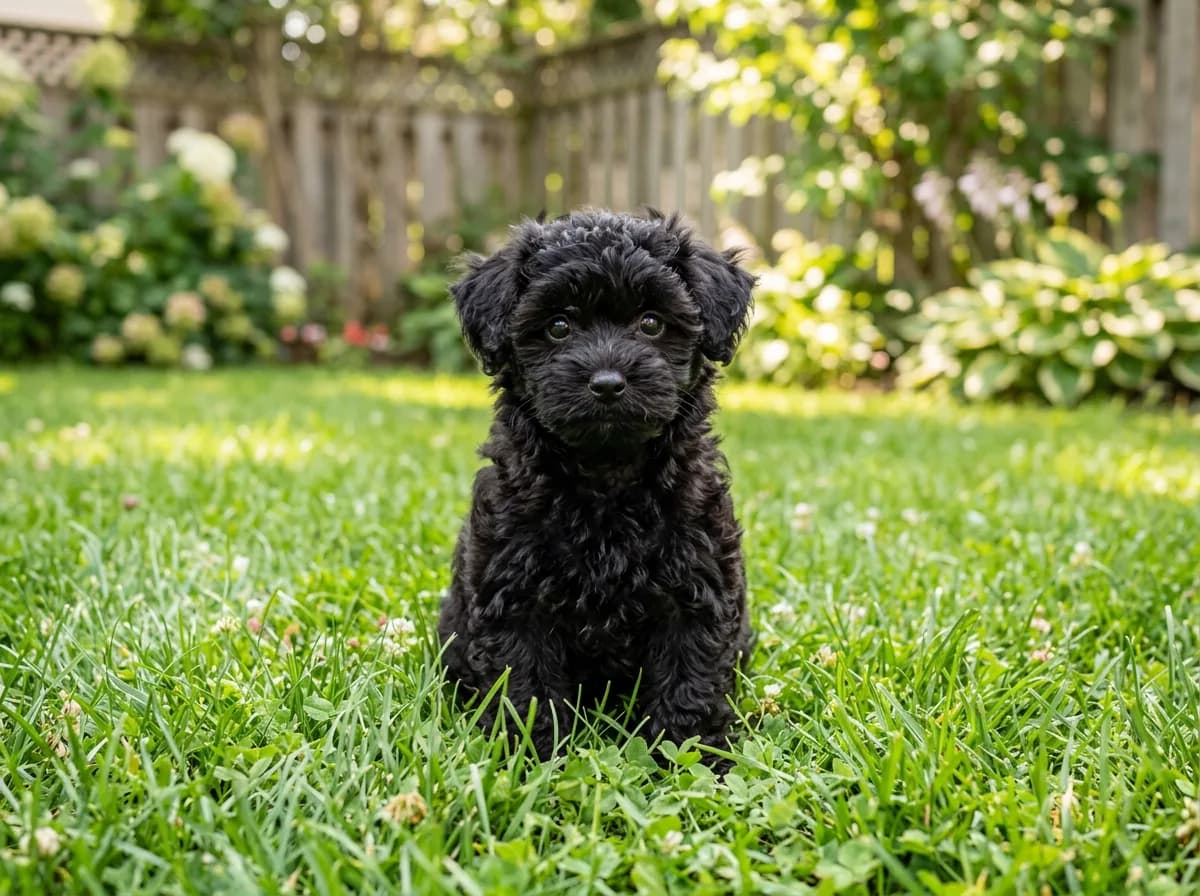
Maltipoos command designer-breed prices for reasons that are mostly real and partly hype. On the real side, both parent breeds are small dogs that produce small litters, often just three to five puppies, so each puppy carries more of the breeder's total cost. Responsible breeders also invest in genetic and orthopedic health testing on the parents before breeding, plus progesterone timing, prenatal vet care, whelping supplies, and early neurological stimulation for the litter. All of that is baked into the price of an ethically raised puppy.
On the hype side, "hypoallergenic," "teacup," and "rare color" are powerful marketing words, and the doodle boom taught buyers to expect four-figure prices. Scarcity gets manufactured too: long waitlists and deposit systems keep demand ahead of supply. The low-shedding coat is genuinely appealing to allergy-sensitive households (though no dog is truly 100 percent hypoallergenic), and that appeal supports a premium. So the honest answer to why Maltipoos are so expensive is a blend of legitimate breeding costs and a market that has learned people will pay for a small, soft, low-shedding companion.
- Maltipoos shed very little, which helps some allergy sufferers, but every dog produces dander and saliva proteins that trigger reactions. Spend time with the specific puppy before you commit if allergies are a concern, and never pay a premium on the promise of zero allergens.
The one place the "expensive" reputation breaks down is at the very bottom of the market. A $600 Maltipoo from an online listing is not a bargain version of the same product. It is usually a different product entirely: a puppy from untested parents raised in volume, where the low price reflects skipped health screening rather than a generous seller. You often pay the difference back with interest at the vet.
Does Color Change the Price? Maltipoo Coat Colors and Cost
Color is one of the biggest swing factors in Maltipoo pricing, and it is almost entirely about supply and fashion rather than the dog's health or temperament. The most expensive Maltipoo colors are the rarer ones: solid chocolate or brown, true black, and multi-colored parti and phantom patterns. These require specific genetics from both parents, so breeders who can produce them reliably charge a premium. The classic apricot, cream, and white coats are the most common and therefore the most affordable, even though they are exactly the look most buyers picture when they imagine a Maltipoo.
| Color or Pattern | Rarity | Price Effect |
|---|---|---|
| Apricot, cream, white | Common | Baseline (lowest) |
| Gold or red | Moderately common | Slight premium |
| Black (solid, non-fading) | Uncommon | Moderate premium |
| Chocolate or brown | Rare | High premium |
| Parti, phantom, merle | Rare | Highest premium |
A note of caution on the fanciest patterns. Merle in particular can carry serious health risks when two merle-carrying dogs are bred together, including deafness and eye defects, and neither the Maltese nor the Poodle is a natural merle breed, so a merle Maltipoo means outside genetics were introduced somewhere. A responsibly bred solid or parti coat is a safe splurge if you love the look. A merle at a suspiciously high price with no health documentation is a reason to walk away, not lean in.
Generation and Size Also Move the Price

Beyond color, two structural factors shape what you pay: which generation the puppy is, and how small it is bred to be.
Petful may earn a commission when you click through to Chewy, at no extra cost to you.
F1 vs F1B vs Multigen
"Generation" describes how the Maltese and Poodle genes are combined. An F1 Maltipoo is a first cross, one purebred Maltese to one purebred Poodle. An F1B is an F1 bred back to a purebred Poodle, which pushes the coat toward the curlier, lower-shedding Poodle type that allergy-sensitive buyers often want, so F1Bs sometimes carry a small premium. Multigen (F2, F3, and beyond) puppies come from breeding Maltipoos to Maltipoos over multiple generations, aiming for a more predictable coat and size. None of these is inherently "better," but breeders price the more coat-predictable generations a little higher because they are what the market asks for.
Teacup and Micro Sizing
The single biggest size-based markup is the "teacup" label. A teacup Maltipoo is not a separate breed, just a Maltipoo bred deliberately small, usually under about five pounds full grown, often by breeding from the runts of litters. That tiny size commands the highest prices in the whole category, sometimes $4,000 and up, but it also comes with elevated health risks including hypoglycemia, fragile bones, dental crowding, and heart and liver issues. You can read more about that trade-off on our dedicated teacup Maltipoo guide before you pay a premium for extreme smallness. For most families a standard toy-sized Maltipoo of eight to fourteen pounds is healthier, hardier, and hundreds of dollars cheaper.
The Real Cost of Owning a Maltipoo: First Year
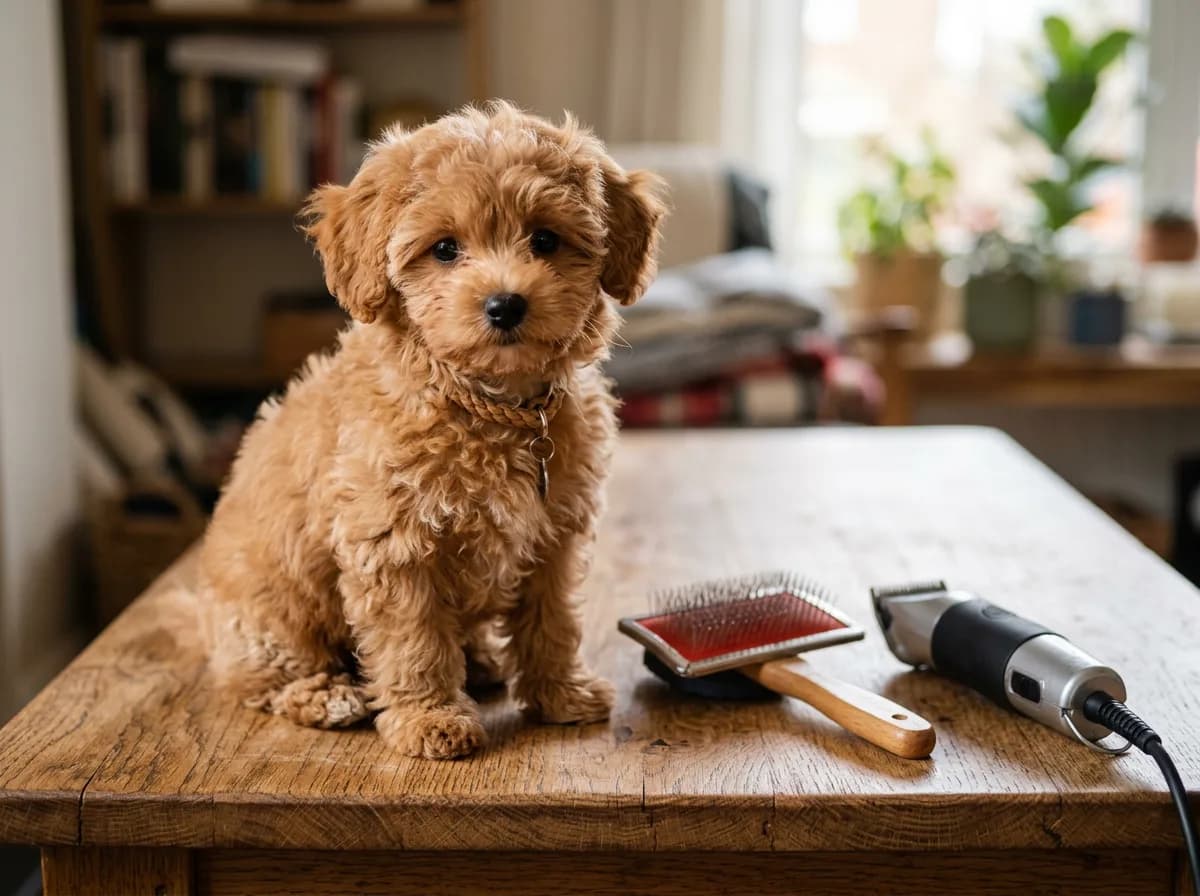
The purchase price is the entrance fee. The first year of Maltipoo ownership is where the true cost of the breed shows up, because you are buying every piece of gear at once while also front-loading vaccinations, spay or neuter surgery, training, and the first rounds of professional grooming. Here is a realistic first-year budget on top of the puppy price.
| Category | Low Estimate | High Estimate |
|---|---|---|
| Initial vet care (exams, vaccines, deworming) | $200 | $500 |
| Spay or neuter surgery | $150 | $600 |
| Microchip and licensing | $25 | $80 |
| Supplies (crate, bed, bowls, leash, gates) | $150 | $400 |
| Grooming tools and first pro grooms | $250 | $600 |
| Food and treats (year one) | $300 | $600 |
| Basic training class or puppy course | $100 | $300 |
| Pet insurance (annual premium) | $300 | $700 |
| First-year total (excluding puppy) | $1,475 | $3,780 |
Add that to a mid-range $2,000 puppy and a typical all-in first year lands somewhere around $3,500 to $5,500. The two categories people underestimate most are grooming and insurance. Grooming is not optional for this breed, and insurance premiums are worth locking in while the puppy is young and has no pre-existing conditions on record.
Grooming Is the Cost That Never Stops
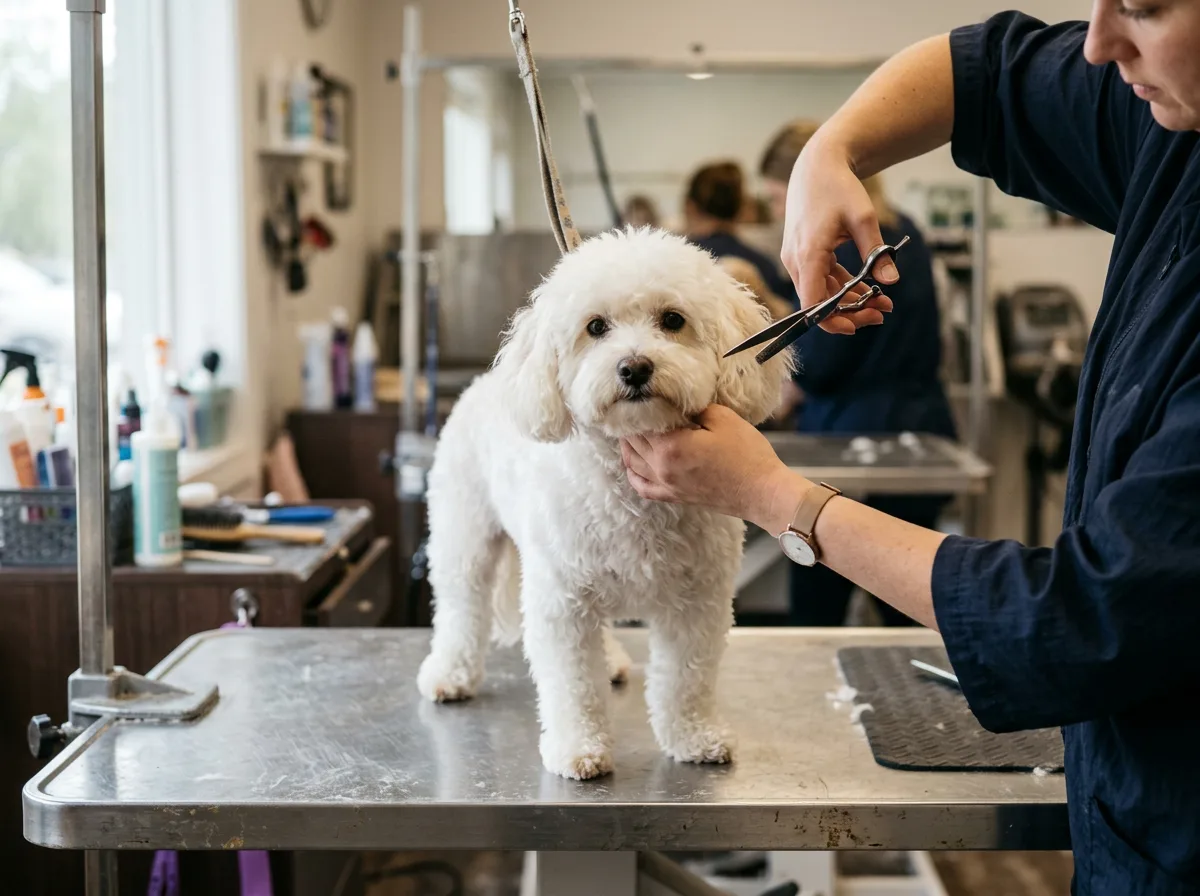
The Maltipoo's biggest hidden expense is its coat. That low-shedding fur does not fall out on its own, which sounds like a benefit until you realize it means the coat keeps growing and mats easily if it is not brushed and trimmed on a schedule. Most Maltipoos need a full professional groom every four to six weeks, and a full groom for a small doodle typically runs $50 to $90 depending on your area, coat condition, and salon. At six-week intervals that is roughly $450 to $780 a year in grooming alone, and neglected coats that arrive matted often cost more because de-matting is charged as extra time.
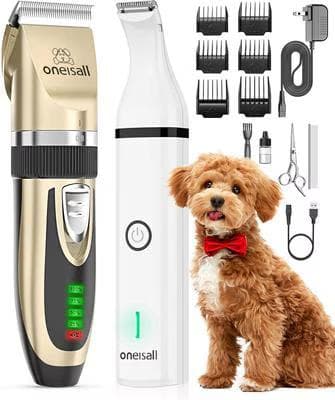
You can cut that bill by learning to bathe, brush, and touch up your dog between salon visits, which is where a good slicker brush, comb, and clipper set pay for themselves. But you cannot skip coat care entirely. A matted Maltipoo is not just an aesthetic problem: mats trap moisture against the skin, cause painful pulling, and can lead to sores and infections. Grooming is the price of admission for the coat people fall in love with.
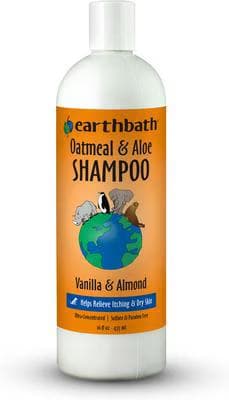
Petful may earn a commission when you click through to Chewy, at no extra cost to you.
- A few minutes of line-brushing several times a week keeps mats from forming, stretches the time between paid grooms, and turns the salon visit into a quick tidy-up instead of an expensive de-matting job. It is the single highest-return habit for keeping Maltipoo grooming costs down.
What a Maltipoo Costs Every Year After That
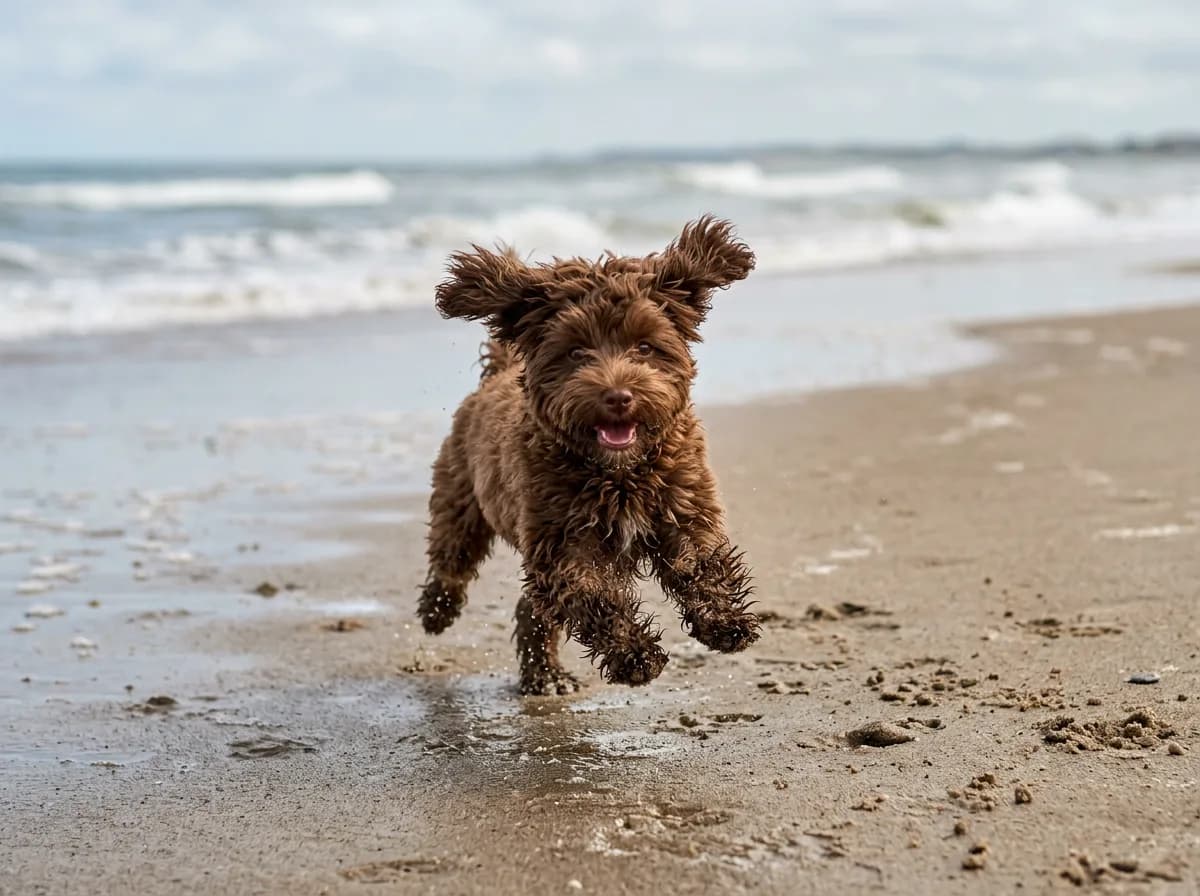
Once the first-year gear is bought and the puppy is fully vaccinated and altered, ongoing costs settle into a steadier annual rhythm. Grooming stays the headline expense, followed by food, insurance or vet care, and the small recurring items like flea, tick, and heartworm prevention.
| Category | Low Estimate | High Estimate |
|---|---|---|
| Professional grooming (every 4 to 6 weeks) | $450 | $900 |
| Food and treats | $300 | $600 |
| Routine vet care and vaccines | $200 | $500 |
| Parasite prevention (flea, tick, heartworm) | $150 | $300 |
| Pet insurance or health savings | $300 | $700 |
| Toys, replacements, incidentals | $100 | $250 |
| Annual total | $1,500 | $3,250 |
Plan on roughly $1,500 to $3,000 a year for a healthy adult Maltipoo, or about $125 to $250 a month. That figure climbs with age, since senior dogs need more frequent vet visits and are more likely to develop dental disease, which small breeds are especially prone to. Building a small monthly buffer or carrying insurance is smart, because a single dental cleaning under anesthesia or an unexpected orthopedic issue like a luxating patella can run well into four figures on its own.
Because Maltipoos are a small, long-lived breed, you are signing up for this annual cost for a long time. That is a good thing for your relationship with the dog and a real thing for your budget: a healthy Maltipoo commonly lives 12 to 16 years, so the lifetime cost of ownership easily reaches $20,000 to $40,000 once you total the years. The purchase price, in other words, is a rounding error next to what you spend keeping the dog happy and healthy across its life.
How to Avoid Maltipoo Puppy Scams
The popularity and price of Maltipoos make them a favorite target for both online scammers and puppy mills. Online scams follow a familiar script: a too-good photo, a price well below market, a seller who will only communicate by text or email, a refusal to video call or let you visit, and a sudden need for payment by gift card, wire, or a peer-to-peer app because of some invented urgency (a shipping crate deposit, a "special" airline, a family emergency). If you cannot see the puppy alive with its mother on a live video call, assume the puppy does not exist.
Puppy mills are the quieter danger because the puppy is real, just poorly bred and poorly started. The warning signs are a seller with many breeds or constant litters available, no health testing on the parents, no questions asked about you or your home, willingness to sell before eight weeks, and meeting in a parking lot instead of at the home where the puppy was raised.
- Prices far below market, payment only by wire or gift card, no video of the puppy with its mother, no health testing records, pressure to pay a deposit immediately, and a seller who refuses to let you visit are all signs of a scam or a mill. A real breeder welcomes questions, shows you the parents, and will happily video call.
Here is what a legitimate breeder looks like from the buyer's side. They health-test both parents and show you the results (OFA and comparable screening). They ask you plenty of questions and may have a waitlist. They provide a written contract, a health guarantee, and a record of vaccinations and deworming. They let you visit or, at minimum, do a live video call showing the puppy interacting with its littermates and mother. They do not release puppies before eight weeks. And they take the dog back at any point in its life if you cannot keep it. Paying a little more for a puppy that checks those boxes is the cheapest insurance you will ever buy, because it heads off exactly the genetic and behavioral problems that make bargain puppies so expensive later.
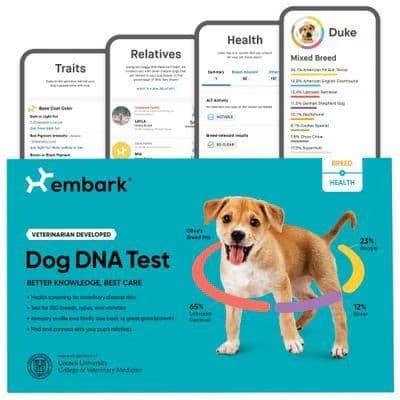
Genetic health is where a good breeder earns their premium, and it is also something you can keep tabs on yourself. An at-home dog DNA test can flag breed-linked conditions and confirm the mix you were promised, which is a reasonable step if you bought from a seller whose paperwork you want to verify.

Presoaked wipes that gently clean the fur and skin around a dog's or cat's eyes, lifting away tear stains, discharge, and daily debris. A quick, no-rinse way to keep the eye area clean between baths. For routine cleaning only.
Petful may earn a commission when you click through to Chewy, at no extra cost to you.
Is a Maltipoo Worth the Price?
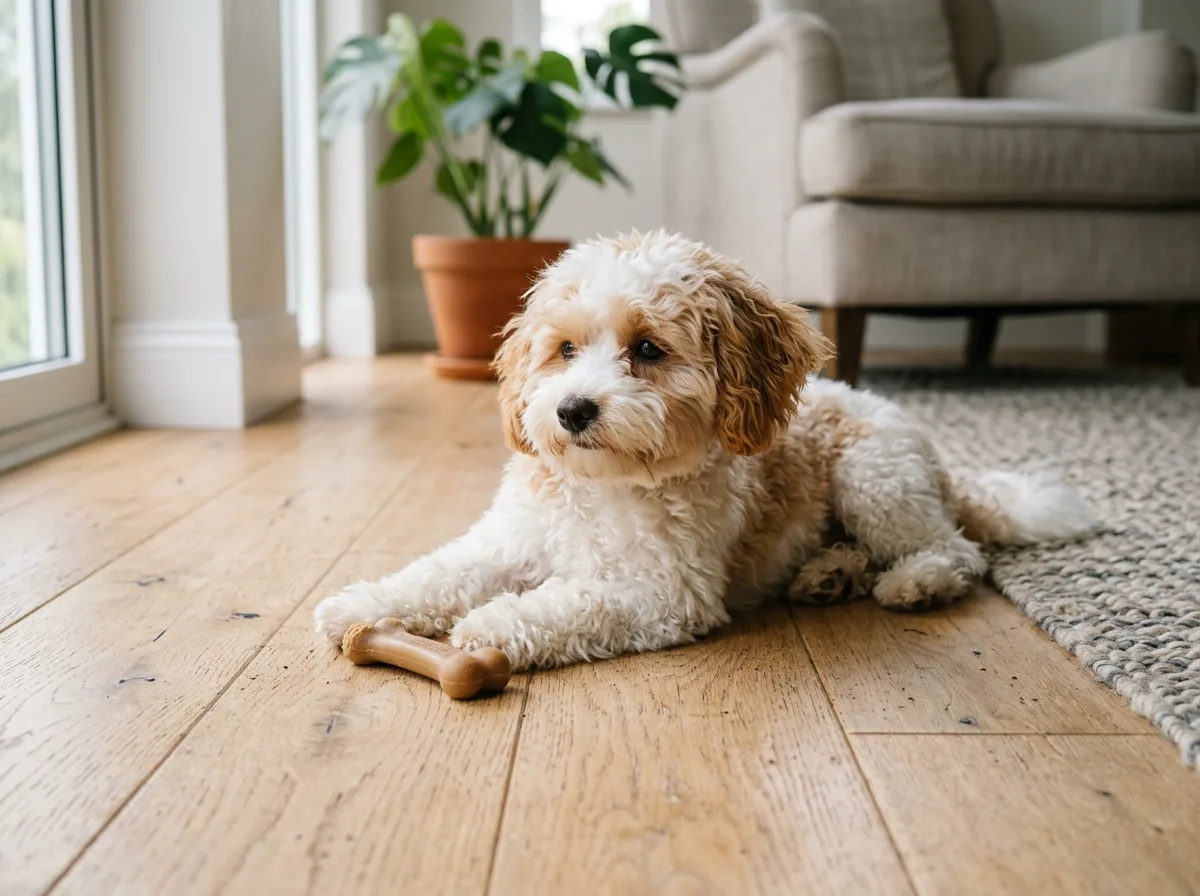
For the right household, yes. A Maltipoo is an affectionate, adaptable, people-oriented companion that thrives in apartments and houses alike, gets along with children and other pets, and stays playful well into old age. They are smart and eager to please, which makes training relatively easy, and their small size keeps food and boarding costs lower than a large breed. If you want a low-shedding lap dog and you go in clear-eyed about the grooming commitment, the price buys a genuinely wonderful family dog.
They are not maintenance-free, and that is the honest catch. Beyond grooming, Maltipoos are prone to separation anxiety and do not do well left alone for long workdays, and small dogs need dental care and gentle handling to protect fragile joints. If your budget cannot absorb grooming every month or your schedule keeps you out of the house ten hours a day, this may not be the right breed, no matter how appealing the puppy photos are.
If you love the doodle look but want to compare, our guides to similar designer breeds like the Cavapoo can help you weigh size, coat, and temperament trade-offs, and the full Maltipoo breed profile covers care, health, and personality in depth. The Maltipoo earns its price for families who want a small, loving, low-shedding companion and are ready to fund the coat that makes it special.
Maltipoo Price FAQ
Where You Live Changes What You Pay
Two nearly identical Maltipoo puppies can carry very different price tags depending on your zip code. Breeder pricing tracks local demand and cost of living, so the same litter that sells for $1,800 in a rural area can list for $3,000 in a high-demand coastal city.
- Major metros run highest. Coastal, high-cost cities like New York, Los Angeles, San Francisco, and Boston tend to sit at the top of the range, often several hundred dollars above the national average, because demand is dense and local breeders are scarce.
- The Midwest and South run lower. Areas with more space, more breeders, and lower living costs frequently land a few hundred dollars under the coastal price for a comparable puppy.
- Rural pickup beats shipping. Buying from a breeder you can drive to avoids transport fees entirely, which is one reason widening your search radius by a few hours can save real money.
Country matters even more than region. Maltipoo pricing outside the United States sits on its own scale.
| Country | Typical Price (Local) | Notes |
|---|---|---|
| United States | $1,000 – $4,000 | Wide band by region, color, and size |
| United Kingdom | £1,000 – £2,500 | "Maltipoo" widely used; strong demand |
| Canada | CA$1,500 – CA$3,500 | Fewer breeders outside major cities |
| Australia | AU$2,000 – AU$5,000 | Limited supply and import costs push prices up |
If a local price looks far below your region's norm, treat the gap as a question to investigate, not a discount to grab. Geography explains a few hundred dollars of difference, not a thousand.
Budgeting for Maltipoo Health Conditions
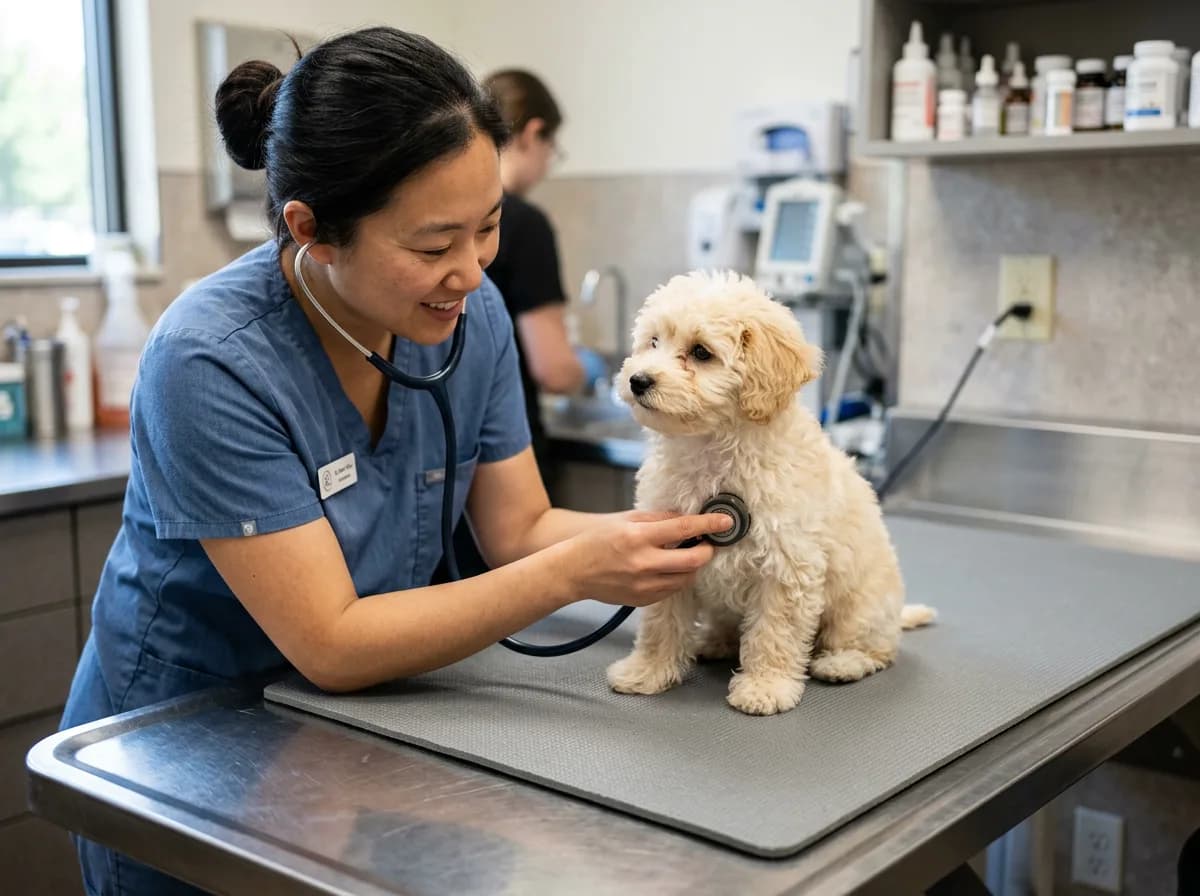
A Maltipoo inherits health tendencies from both parents, and the conditions that show up most are also some of the most expensive to treat. Budgeting for them is separate from routine vet care, because these are episodic bills that can arrive with little warning rather than predictable monthly costs.
Common breed-linked issues and what treating them can cost:
- Luxating patella (slipping kneecap). Common in toy breeds; surgical correction typically runs $1,500 to $3,000 per knee.
- Dental disease. Small mouths crowd teeth and trap plaque; a cleaning under anesthesia runs about $300 to $800, and climbs past $1,000 once extractions are needed.
- Portosystemic liver shunt. A defect seen in the Maltese line; surgical repair commonly costs $2,000 to $6,000.
- Eye disorders. The Poodle side can pass on progressive retinal atrophy and cataracts; cataract surgery runs roughly $1,500 to $3,000 per eye.
- Hypoglycemia. A real risk in very small and teacup puppies, where a single emergency stabilization visit can cost several hundred dollars.
- A single patella or liver-shunt surgery can cost more than a year of premiums. Enrolling while your Maltipoo is a healthy puppy, before any condition is on record, is the difference between a covered claim and a full out-of-pocket bill. Buying from a breeder who health-tests both parents also lowers the odds you ever face these costs at all.
Deposits, Contracts, and How Buying Actually Works
Once you find a legitimate breeder, the purchase itself follows a predictable process, and knowing it helps you budget the extras that never appear in the headline price.
- Reservation deposits. Most breeders take a deposit of $200 to $500 to hold your spot on a waitlist. It is usually non-refundable and applied toward the final price, so read the terms before you send it.
- Pick order. Deposits often set the order in which buyers choose from a litter, so an earlier deposit can mean a wider choice of color and sex.
- Transport costs. If the puppy is not local, ground or flight-nanny transport typically adds $300 to $600 or more, and reputable breeders arrange this rather than shipping a puppy alone as cargo.
- Sales tax and registration. Some states apply sales tax to a puppy purchase, and licensing your dog locally is a small annual fee to plan for.
- Spay/neuter agreements. Many breeders sell pet puppies on a spay/neuter contract with limited registration, which keeps the price below a full-rights or breeding-quality puppy.
Get every promise in writing: the deposit terms, the health guarantee, the vaccination and deworming record, and the return policy. A clear contract protects your money and is itself a sign you are dealing with a real breeder rather than a flipper.
How Much Is a Full-Grown Maltipoo?
An adult, full-grown Maltipoo almost always costs less than a puppy, often $200–$800 through rehoming or a breeder's retired dog, and sometimes just a small adoption fee. Puppy prices peak because demand for eight-week-old puppies is highest. A two-year-old dog sits outside that peak, so the price drops sharply even though the dog is healthy and usually already house-trained.
Where full-grown Maltipoos come from
- Breeders retiring a dog from their breeding program, typically spayed or neutered first.
- Owners rehoming a dog after a move, an allergy, or a change in circumstances.
- Breed-specific and doodle rescues that take in surrendered adults.
What to check before you pay
- Ask for veterinary records, especially a recent dental exam. Adult Maltipoos are prone to tartar and gum disease, and a dental cleaning can run $300–$800 on its own.
- Confirm spay or neuter status, vaccine history, and any known conditions such as patellar luxation.
- Meet the dog in person and watch how it moves before any money changes hands.
A full-grown dog trades the puppy experience for a lower price and a known temperament, which many first-time owners find is the better deal.
Is It Cheaper to Adopt a Maltipoo Than Buy One?
Yes. Adoption fees for a Maltipoo typically run $150–$500, far below the $1,500–$4,000 a breeder charges, and the fee usually bundles in spay or neuter, core vaccines, and a microchip. Once you price those services separately, the real savings are larger than the sticker gap suggests.
Where to look
- Maltese, Poodle, and doodle breed rescues, which specialize in this mix.
- Petfinder and Adopt-a-Pet listings filtered for your region.
- Local shelters, though purebred-looking Maltipoos move fast, so ask to join a waitlist.
The trade-offs
- You rarely get to pick a specific color, coat, or a young puppy. Most rescue Maltipoos are adults or seniors.
- History and parentage are often unknown, so budget for a full vet workup once the dog is home.
- A listing advertising a Maltipoo puppy for a few hundred dollars is a warning sign, not a bargain adoption.
Adoption is the lowest-cost ethical way into the breed, and it skips the long breeder waitlists entirely.
How Much Does a Teacup Maltipoo Cost?
Teacup and toy Maltipoos are the most expensive version of the breed, commonly $3,000–$5,000 and sometimes more, because breeders charge a premium for the smallest puppies in a litter. The catch is that "teacup" is a marketing label, not a recognized size class or breed standard. It usually describes a runt or a dog deliberately bred down in size, and that premium often buys a higher-maintenance animal.
Why the smallest dog can cost the most later
- Very small dogs face higher rates of hypoglycemia, fragile bones, dental crowding, and liver shunts.
- Those conditions mean more vet visits, so the lifetime cost climbs well above the purchase price.
- Extreme downsizing is linked to shorter lifespans, so you may pay top price for fewer years together.
- No kennel club recognizes a teacup Maltipoo. A breeder using the term to justify a higher price is selling a marketing idea, so weigh the added health risk before paying a premium for a smaller dog.
Before committing, ask the breeder for the parents' adult weights and health testing rather than trusting the size label.
Maltipoos are expensive because both parent breeds have small litters, responsible breeders invest in health testing and early socialization, and demand for a small, low-shedding companion stays high. Rare colors, teacup sizing, and coat-predictable generations add further premiums. Genuine breeding costs plus strong market demand keep prices in the $1,000 to $4,000 range, and puppies priced far below that usually reflect skipped health testing rather than a real bargain.
A mini or standard Maltipoo typically lives 12 to 16 years, one of the longer lifespans among companion dogs thanks to its small size and hybrid parentage. Teacup Maltipoos can live a similar span but face higher health risks from extreme small breeding, so the healthiest longevity usually comes from a standard toy-sized dog kept at a proper weight with regular dental and veterinary care.
The most expensive Maltipoo colors are the rarest: solid chocolate or brown, true non-fading black, and multi-colored parti, phantom, and merle patterns. These require specific genetics from both parents, so they command a premium over the common apricot, cream, and white coats. Be cautious with merle in particular, since it can carry serious health risks and is not natural to either parent breed.
Yes, Maltipoos are excellent house dogs. They are small, adaptable, affectionate, and quiet enough for apartments, and they bond closely with their families and other pets. The main caveats are that they need professional grooming every four to six weeks and are prone to separation anxiety, so they suit households that can fund regular coat care and are not away from home for long stretches.

Coreen Saito is a pet writer and longtime shelter volunteer with more than a decade in animal rescue. She covers cat behavior, breed care, and the small, ordinary science of sharing a life with companion animals, with a particular focus on honest takes about the products and decisions that actually matter. At home in Arizona, she's outranked by Mac (a dog with the loudest opinion in the house), Rebel (a cat who governs by quiet authority), and Meri (an orange tabby who runs the late shift and the laundry basket). She writes about all three, plus the rescues that keep coming through her life, at LifeWithMinty.com.
Sign up for expert-backed reviews and safety alerts all in one place.