Border Collie: Temperament, Exercise, Health, and Care
A practical Border Collie guide to household fit, temperament, exercise, productive work, reward-based training, coat care, health planning, recovery, and the daily routine an individual dog needs.
Petful is reader supported. As an affiliate of platforms like Amazon and Chewy, we may earn a commission when you buy through links on this page. There is no extra cost to you.
A Border Collie can be an extraordinary partner for a household that enjoys teaching, observing, and adjusting. The same sensitivity, speed, and herding persistence that make the breed impressive can become chasing, staring, noise reactivity, or endless invented work when the daily plan is vague. The useful question is not whether the breed is smart. It is whether the home can give that intelligence direction and also teach recovery, rest, and ordinary life.
Use the household-fit, workload, behavior, coat, nutrition, and preventive-care sections together; a strength in one area does not cancel an unmet need in another. Health, nutrition, genetics, training, and breed claims are grounded in the named primary or authoritative sources below. The individual dog's records, behavior, and veterinary needs remain more important than a breed-wide expectation.
- 1Honest household-fit test.
- 2Exercise versus productive work.
- 3Off-switch training.
- 4Coat and shedding workload.
- 5Preventive health planning.
Treat these priorities as connected parts of one household plan. The seven-day workload planner below separates movement, skill practice, decompression, and sleep so you can test an actual week instead of relying on a generic exercise quota. It is a household fit check, not a promise about every Border Collie.
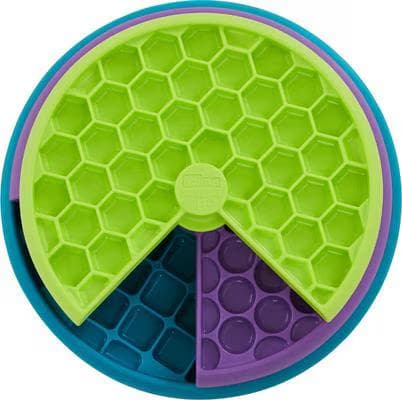
- The Outward Hound Lickin' Layers puzzle and slow feeder is one tool to compare for using a measured portion of food for quiet problem-solving during a realistic household routine. Supervise use, choose difficulty for the individual dog, and remove damaged pieces. Enrichment supports a plan but does not replace movement, rest, or training.

Sign up for expert-backed reviews and safety alerts all in one place.
Border Collie temperament and household fit
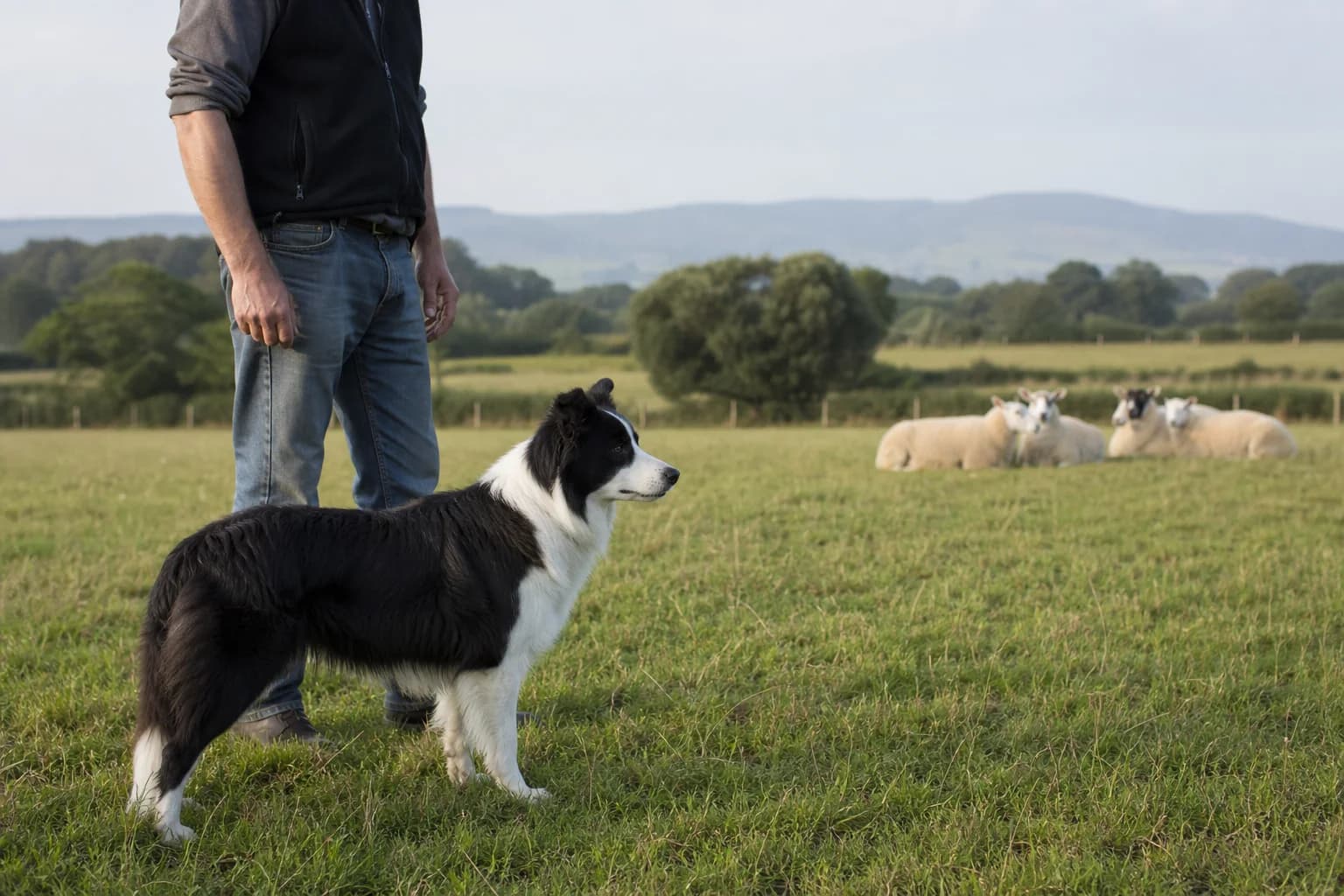
The Border Collie Society of America standard describes an intelligent, alert, responsive working dog with a strong desire to work. That is a breed purpose, not a guarantee that every dog will have the same confidence, sociability, intensity, or tolerance for novelty. Meet the individual dog, ask for behavior in several settings, and pay attention to how quickly the dog recovers after excitement.
A compatible home values cooperation more than constant spectacle. It gives the dog a quiet sleep area, predictable access to people, reward-based teaching, and boundaries around children, wheels, livestock, cats, doors, and visitors. Children and dogs need active adult supervision. A dog that crouches, stalks, circles, or nips moving family members is communicating a management and training need, not being amusingly bossy.
Petful may earn a commission when you click through to Chewy, at no extra cost to you.
Apartment living is possible for some individuals if the household can meet movement, toileting, training, noise, and decompression needs. A large yard is not a substitute for interaction, and acres do not teach a settle. Conversely, a small home cannot compensate for a schedule that leaves the dog chronically under-supported or alone beyond what that individual can handle. Useful Border Collie facts describe tendencies, not a household verdict. Border Collie temperament should be assessed through the individual dog's behavior, recovery, handling comfort, and response to ordinary family movement. That is why the Border Collie dog breed can suit some prepared families without making all Border Collies good family dogs.
| Day type | Movement | Skill work | Decompression and sleep check |
|---|---|---|---|
| Higher-output day | Age- and fitness-appropriate walk, run, or sport | One short training goal with a clear start and finish | The dog can eat, rest, and settle normally afterward |
| Recovery day | Sniff walk and gentle movement only | Cooperative care or a simple scent search | Protect uninterrupted sleep and record stiffness or agitation |
| Ordinary weekday | Toileting plus movement the household can reliably provide | Five to ten minutes on one useful skill | Include calm mat time, social contact, and a backup-care plan |
| Weekly review | Compare gait, appetite, sleep, and ability to disengage | Raise only one difficulty at a time | Reduce intensity and seek veterinary or behavior help for pain, collapse, or persistent distress |
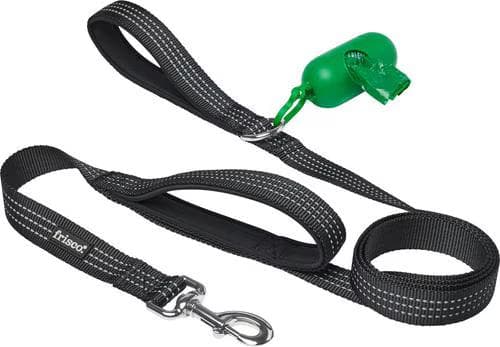
- For secure management around motion triggers, compare the Frisco dual-handle traffic leash with the dog's size, handling needs, and walking environment. A leash is management equipment, not a correction tool or a substitute for reward-based loose-leash training. Inspect stitching and hardware before each use.
Exercise, work, and realistic daily care
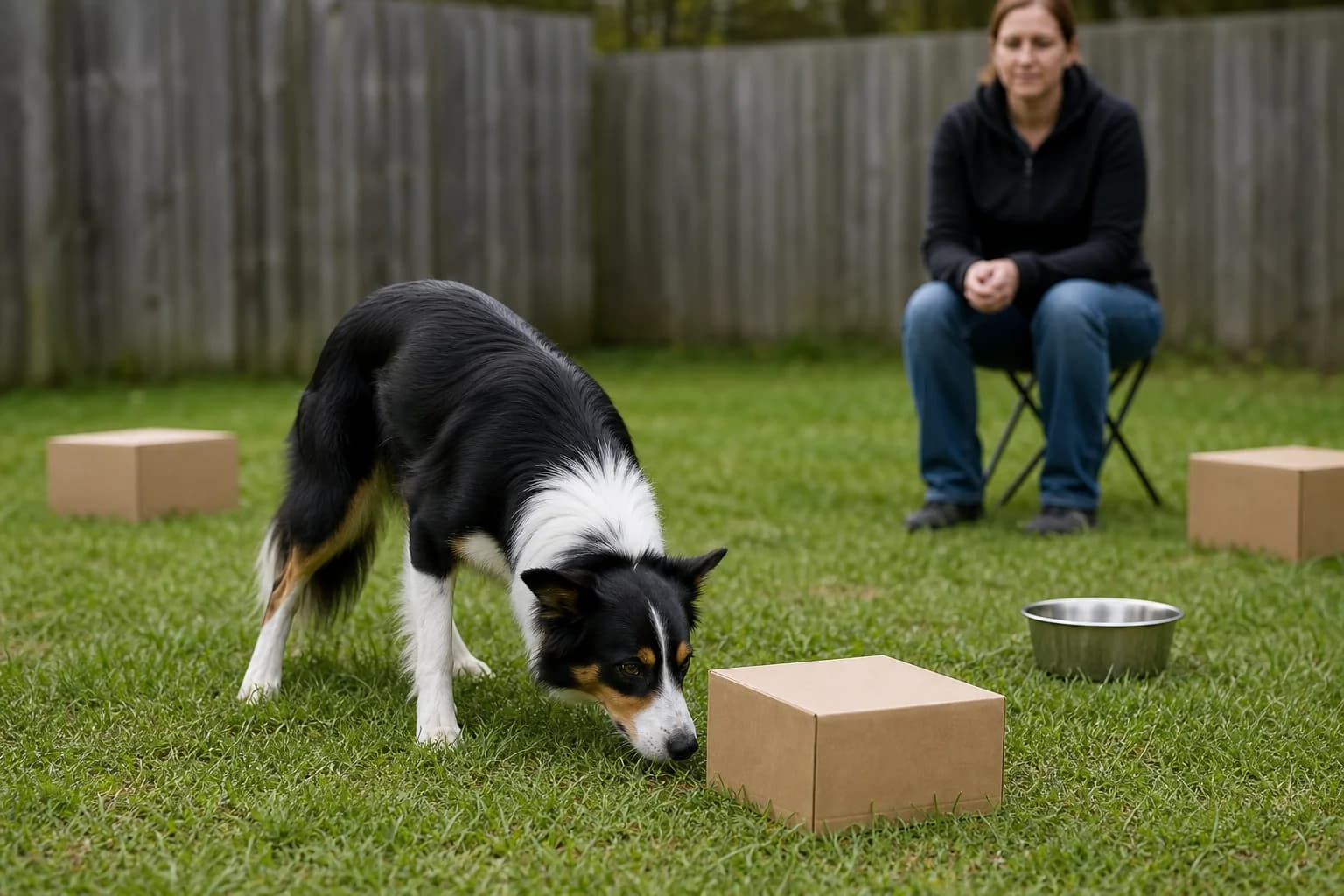
Exercise should build fitness and satisfy behavior without training the dog to demand faster, longer activity every day. Combine walking or running appropriate to age and condition with sniffing, short skill sessions, problem solving, social time, and protected sleep. Puppies need age-appropriate free movement and coordination, not forced mileage or repetitive jumping.
- Use breed-level evidence to prepare observations and questions. Use the individual dog, actual records, and qualified veterinary or behavior guidance for decisions that affect health or safety. Keep preventive health planning separate from assumptions based on apparent drive, fitness, or intelligence.
Separate movement from useful work
Exercise versus productive work is a useful distinction for this breed. The herding instinct can appear as an eye stalk, crouching, circling, or pursuit of movement even after a dog has had a long run. Productive work gives that attention a safe task, understandable criteria, and a finish cue, while mental enrichment offers lower-impact problem solving. Neither category needs to be intense every day, and both should leave room for recovery and ordinary household calm.
Petful may earn a commission when you click through to Chewy, at no extra cost to you.
A seven-day workload planner is more honest than one daily number. Across a week, record movement, skill work, decompression, social contact, coat care, and true rest. Alternate demanding and easier days. If the dog becomes frantic when activity pauses, add settling practice and lower-arousal enrichment rather than automatically adding another hour of fetch.
Working outlets may include herding with a qualified instructor, scent work, obedience, tracking, agility preparation, tricks, or carefully designed household jobs. The activity matters less than the pattern: clear start and finish cues, humane instruction, physical suitability, gradual progress, and enough recovery afterward. A Border Collie sheepdog may be bred for sustained work, but the household plan still has to fit the individual Border Collie. A Border Collie vs Australian Shepherd decision should compare the actual dogs' working style, sensitivity, sociability, coat, rest, and household fit rather than rank two breed labels. Ask breeders or rescues what work, rest, noise, motion, confinement, and recovery looked like for the actual dog and close relatives instead of converting a working label into one exercise quota.
Training, coat, nutrition, and health in one plan
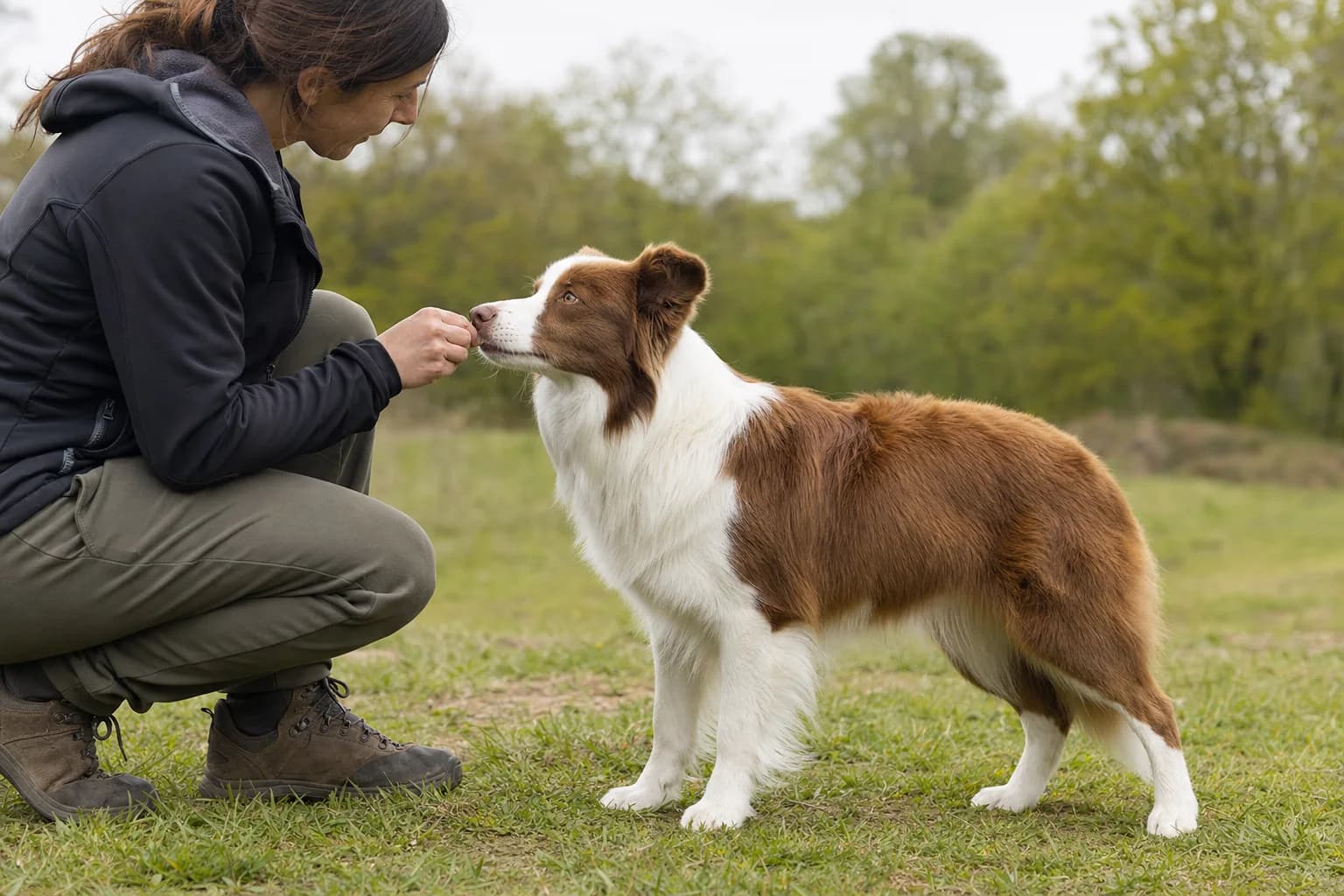
Daily decisions connect. A food ration changes when training treats rise. A wet or tangled coat can make handling unpleasant. Pain can look like reluctance, irritability, or lost skills. A realistic plan therefore tracks behavior, body condition, gait, appetite, coat, and recovery together instead of treating each subject as an isolated checklist.
The related training, food, health, color, shedding, puppy, and mix guides below provide the step-by-step detail for those narrower decisions. Seek veterinary care for collapse, repeated seizures, sudden vision change, significant pain, labored breathing, a hard swollen abdomen, or any rapid deterioration.
What a sustainable Border Collie weekday looks like
A useful fit test starts with the least flexible day of the week. Map the first toilet break, breakfast, a short learning session, midday care, after-work movement, calm household time, and uninterrupted sleep. Then add commute delays, rain, a sick child, or the primary caregiver being unavailable. If one disruption removes every appropriate outlet, the plan needs a walker, trained backup caregiver, safe enrichment option, or a different routine before the dog arrives.
The schedule should alternate arousal and recovery rather than stack running, fetch, daycare, and training into one long demand. A ten-minute scent search or cooperative-care lesson may add more useful variety than another sprint. Watch the individual dog's gait, appetite, sleep, ability to disengage, and behavior around motion after each change. Those observations show whether the week is building resilience or merely producing fatigue.
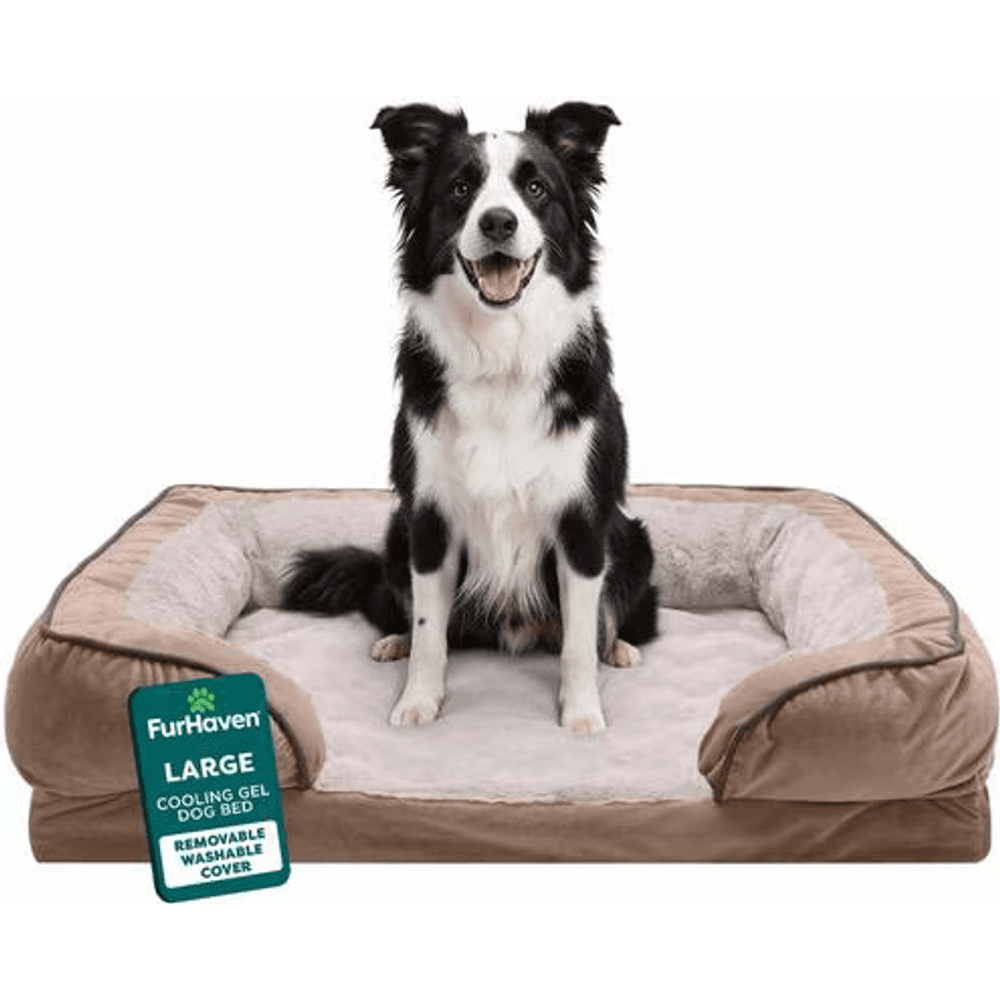
An orthopedic sofa bed with three bolstered sides for dogs who like to rest their head and joints against a cushion. The supportive foam base cradles hips and elbows, a comforting spot for an older or shaky dog to settle.
Petful may earn a commission when you click through to Chewy, at no extra cost to you.
Early signs that the household plan needs adjustment
Repeated stalking of children, lunging toward wheels, frantic demand barking, inability to rest after activity, destructive searching, or a sudden loss of trained behavior should prompt a review of management, workload, sleep, and health. Prevent rehearsal with distance, barriers, a secure leash, and simpler routines while the cause is investigated. Increasing exercise automatically can intensify arousal, and punishment can suppress warning signals without teaching a safe alternative.
A new or abrupt behavior change belongs on the veterinary history because pain, sensory change, gastrointestinal illness, and other medical problems can alter behavior. For persistent fear, guarding, separation distress, or pursuit risk, involve a qualified reward-based behavior professional. The goal is a home in which the dog can work, recover, and participate safely, not a schedule built around exhausting every burst of energy.
Put the Border Collie plan into practice
Run the weekday fit test
A household can feel prepared on a free weekend and still fail the ordinary Tuesday test when work, school, weather, and appointments compete.
Write the dog's morning, midday, evening, and rest plan for three normal weekdays, including the responsible person and a backup.
A plan that depends on perfect weather or one exhausted caregiver is not yet resilient.
Separate arousal from fulfillment
A dog can be tired after frantic ball chasing while remaining highly aroused and unable to settle.
Compare pulse-raising activity with sniffing, chewing, searching, calm social time, and sleep, then adjust the mix from the dog's recovery.
More intensity can worsen an intensity problem, so do not use exhaustion as the only behavior strategy.
Protect sleep and an off switch
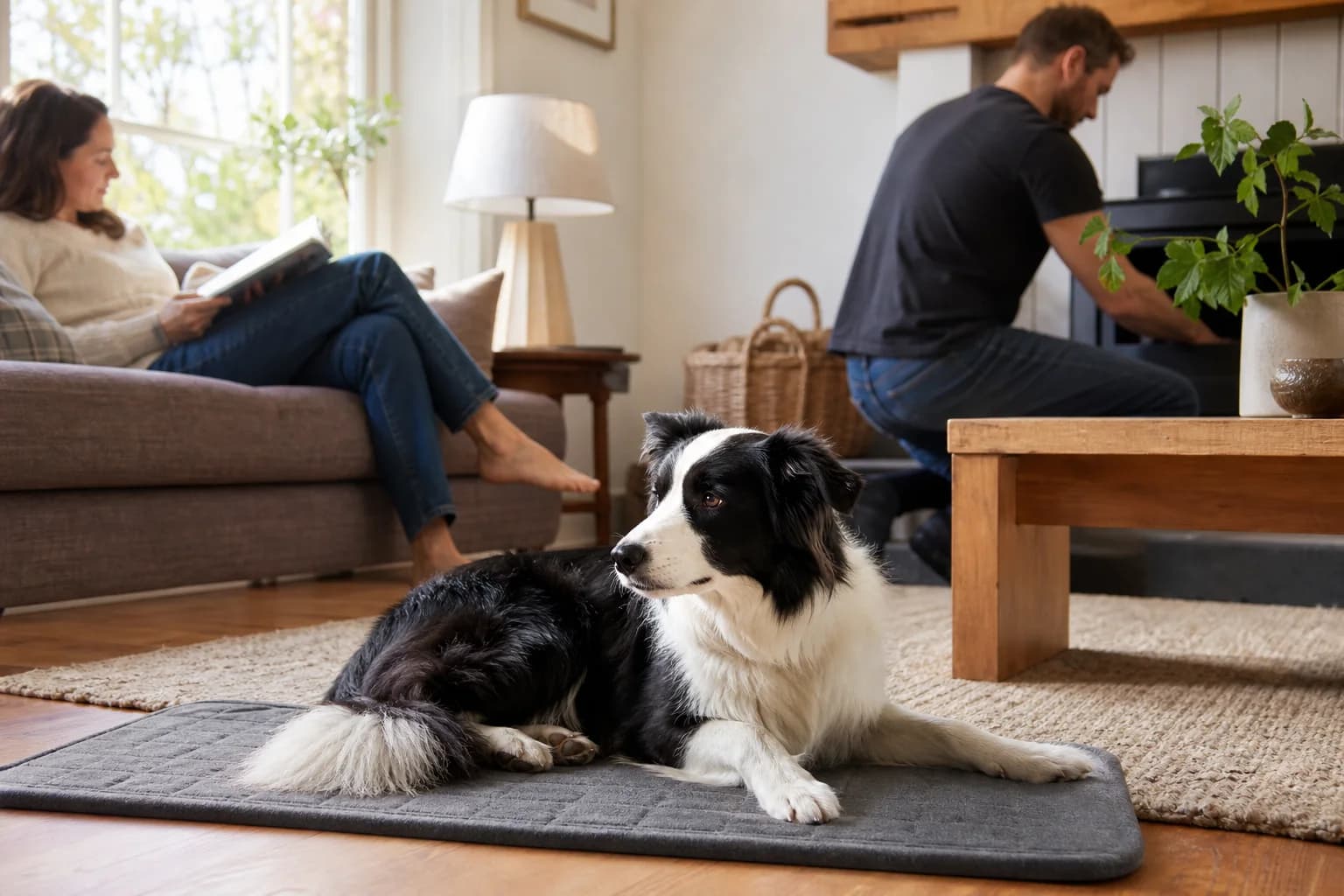
Alert working dogs may monitor every household movement unless rest is deliberately made safe and predictable.
Reinforce calm behavior on a mat, lower stimulation after work, and give the dog an undisturbed sleeping area.
A settle cue should create choice and safety, not pin the dog in place while stress builds.
Manage motion before rehearsal
Bicycles, runners, cars, livestock, and playing children can trigger orienting, stalking, circling, or pursuit.
Use distance, barriers, a secure leash, and reward-based pattern games while teaching an alternate response.
Do not test reliability near traffic or use children and animals as training props.
Measure recovery, not just output
Duration and distance miss how the dog behaves during the hour after activity.
Record breathing, drinking, gait, appetite, ability to rest, and reactivity after each new workload.
Pain, collapse, disorientation, persistent lameness, or abnormal breathing needs veterinary assessment.

- A correctly sized resting surface such as the FurHaven orthopedic sofa dog bed can be compared with other beds when planning recovery space. Measure the dog at full extension and treat orthopedic as a product description, not a medical claim or treatment for pain.
Give the brain a finish line
Repeated puzzle work can become another demand if every challenge appears without a clear end.
Use a start cue, one achievable problem, a finish cue, and a predictable calm activity afterward.
Frustration, guarding, or frantic dismantling means the setup should become easier or change.
Plan cooperative coat care
Rough and smooth coats differ in feathering, but both need routine skin and coat observation.
Teach brief brushing, paw handling, ear checks, and mouth care with consent signals and rewards.
Mats, painful skin, odor, redness, or sudden hair loss should not be attacked with harder brushing.
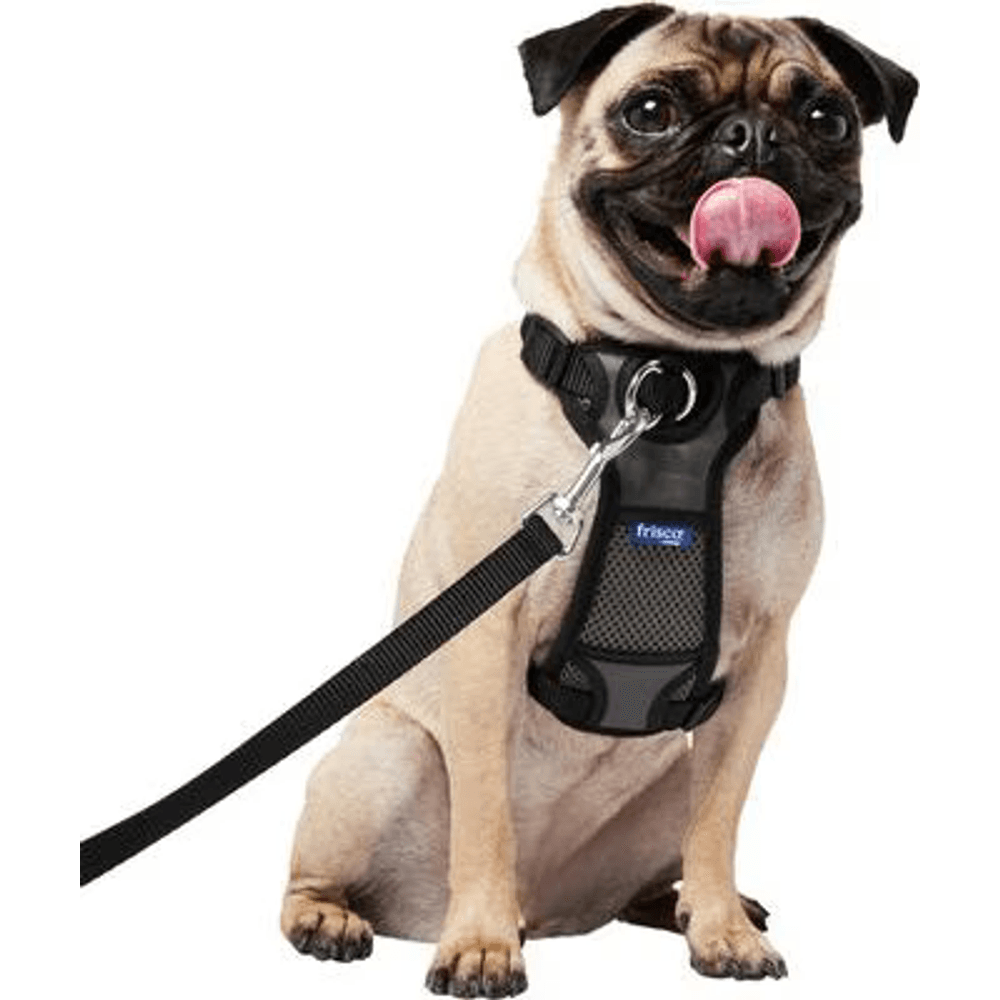
A budget-friendly padded no-pull harness that keeps leash pressure off a coughing dog's neck and windpipe by distributing it across the chest. A simple, affordable way to protect an irritated airway or a collapsing trachea on every walk.
Petful may earn a commission when you click through to Chewy, at no extra cost to you.

- For individually fitted management while leash skills generalize, compare the Frisco padded no-pull harness with other suitable options. Measure the individual dog, check shoulder movement and rubbing, and recheck fit during growth. No harness teaches leash skills by itself.
Prepare for adolescence
A previously responsive puppy may gain speed, range, confidence, and interest in the environment before judgment matures.
Increase management, shorten successful repetitions, reward check-ins, and protect sleep instead of assuming the dog is being defiant.
Freedom should expand from demonstrated skills in the current environment, not age alone.
Build a backup-care brief
A substitute caregiver may not understand the dog's motion triggers, cue words, feeding details, or door routine.
Write a one-page handoff with equipment checks, emergency contacts, safe walking routes, known triggers, and the dog's recovery plan.
Do not leave high-risk behavior or medical instructions to informal memory.
Related Border Collie guides
Border Collie puppy price and responsible sourcing
Border Collie Puppies: Price, Training, and Responsible Sourcing covers Border Collie puppy price as a dated local snapshot rather than a universal average, then separates breeder, rescue, and rehome pathways. It shows how to verify named parent results, read a contract, budget setup and contingency care, prepare the first month, and introduce novelty without flooding a puppy whose adult speed and working drive are still developing.
Choosing food by life stage and activity
Best Food for Border Collies: How to Choose starts food selection with the life-stage adequacy statement and the company behind the formula, then measures calories, treats, body and muscle condition, real workload, daily cost, and tolerance. It also explains gradual transitions, storage, traceability, feeding-format choices, and the point at which growth, disease, weight change, or a prescribed therapeutic goal needs an individualized veterinary plan.
Reward-based training foundations
How to Train a Border Collie: Step-by-Step Guide builds Border Collie training from management and reward-based foundations instead of correction. Recall, leash work, motion triggers, herding behavior, mat settling, frustration, mental work, handling, and adolescent regression are connected in a four-week practice map. The emphasis stays on changing one variable at a time and protecting safety around traffic, children, livestock, wildlife, and other real-world distractions.
Health screening, lifespan, and warning signs
Border Collie Health Problems and Lifespan puts Border Collie lifespan estimates in their proper population context and turns health concerns into verifiable screening questions, an individual baseline, and useful home observations. It separates normal fatigue from collapse, outlines safer seizure documentation, covers eyes, hearing, mobility, dental care, medications, and aging, and identifies signs that need prompt or emergency veterinary attention rather than a breed-level explanation.
Border Collie colors, patterns, and markings
Border Collie Colors, Patterns, and Markings separates Border Collie colors into base pigment, pattern, white markings, and rough or smooth coat type so photographs and records stay consistent. Black and white, tricolor, red, dilution, sable, merle, ticking, and puppy coat change are described without turning appearance into genotype or quality. The guide also flags rarity premiums, color guarantees, and breeding claims that should trigger deeper verification.
Shedding, grooming, and allergy boundaries
Do Border Collies Shed? Coat and Grooming Guide explains Border Collie shedding, how seasonal undercoat release differs from everyday loose hair, and where rough and smooth coats create different grooming and cleanup work. It also explains why a short haired Border Collie still sheds and why coat length does not establish allergy safety. The guide covers brushing, bathing and complete drying, equipment limits, washable-home routines, and skin or hair changes that belong with a veterinarian.
Border Collie mix variability and owner fit
Border Collie Mixes: Traits, Sizes, and Care compares popular Border Collie mixes, including the Border Collie Australian Shepherd mix, through plausible ranges rather than blended-personality promises. Adult scale, motion and work drive, social or guarding behavior, coat workload, and health evidence stay on separate axes. The guide also covers foster observations, both-parent screening questions, DNA-test limits, introductions, the first 30 days, and budgeting for the more demanding plausible outcome.
Border Collie FAQs
A Border Collie can be a good house dog when the individual temperament fits and the household can provide reward-based training, secure management, varied activity, decompression, sleep, coat care, preventive health care, and supervision around children and motion triggers. A yard alone does not meet those needs. Meet the dog and test the ordinary weekday routine instead of relying on a breed reputation.
The disadvantages of living with some Border Collies include motion sensitivity, pursuit, high training and management needs, difficulty settling, noise or environmental sensitivity, shedding, and fast rehearsal of unsafe behavior. For a Border Collie, these are not automatic defects, but they are real planning questions. A good match provides work and rest, secure management, humane teaching, preventive care, and backup support.
A Border Collie can be high maintenance because movement, reward-based training, mental work, decompression, sleep, motion management, and coat care must work together. Maintenance is not measured by exercise minutes alone. Daily planning should test whether ordinary weekdays, bad weather, travel, illness, and backup care can still support the individual dog without relying on constant high-intensity activity.
Some adult Border Collies can be left alone for five hours after careful preparation, while puppies and individuals with separation distress, medical needs, or inadequate preparation cannot. Build duration gradually, meet toileting and activity needs, provide a safe resting area, and use a camera only as an observation aid. Panic, escape attempts, persistent vocalization, or self-injury need an individualized behavior and veterinary plan.
Sources
- Border Collie Society of America official standard: Breed purpose, temperament, structure, coat varieties, and the rule that function outranks color.
- AKC Border Collie breed profile: Current parent-club-linked breed overview and coat/color registry.
- AVSAB humane dog training position: Current reward-based training authority for household and behavior guidance.
Prices, product labels, policy terms, test recommendations, availability, and medical guidance can change. Verify time-sensitive details with the current source, product label, breeder or rescue records, and the dog's veterinary team before making a decision.

Coreen Saito is a pet writer and longtime shelter volunteer with more than a decade in animal rescue. She covers cat behavior, breed care, and the small, ordinary science of sharing a life with companion animals, with a particular focus on honest takes about the products and decisions that actually matter. At home in Arizona, she's outranked by Mac (a dog with the loudest opinion in the house), Rebel (a cat who governs by quiet authority), and Meri (an orange tabby who runs the late shift and the laundry basket). She writes about all three, plus the rescues that keep coming through her life, at LifeWithMinty.com.
Sign up for expert-backed reviews and safety alerts all in one place.