Do Border Collies Shed? Coat and Grooming Guide
Learn how Border Collies shed, when seasonal undercoat release rises, how rough and smooth coats differ, which grooming steps help, what allergy limits remain, and when hair loss needs a veterinarian.
Petful is reader supported. As an affiliate of platforms like Amazon and Chewy, we may earn a commission when you buy through links on this page. There is no extra cost to you.
Do Border Collies shed? Yes. That is the direct answer to shedding, while seasonal expectations are more individual: rough and smooth Border Collies have weather-resistant double coats and normal seasonal shedding, but the amount visible in a home varies with coat length, climate, indoor living, grooming, health, and the observer's tolerance. A realistic plan covers loose undercoat, mat prevention, cleaning, allergens, and the difference between ordinary coat change and abnormal hair loss.
A practical shedding plan distinguishes ordinary coat release, mat risk, household allergen exposure, and abnormal skin or hair change because each lane needs different observations and action. This page focuses on coat care and cleanup, while the larger household workload is addressed separately.
- 1Direct answer to shedding.
- 2Seasonal expectations.
- 3Rough versus smooth workload.
- 4Brushing and bathing limits.
- 5No hypoallergenic claim.
- 6Abnormal hair-loss warning signs.
The coat-and-home workload planner below separates normal seasonal release, grooming workload, allergen exposure, and signs of abnormal hair loss. Its four-lane coat log records normal shed, mat risk, allergy exposure, and skin signs without treating every loose hair as disease or every smooth coat as allergy-safe.

Sign up for expert-backed reviews and safety alerts all in one place.
Grooming routines, tools, and allergy boundaries

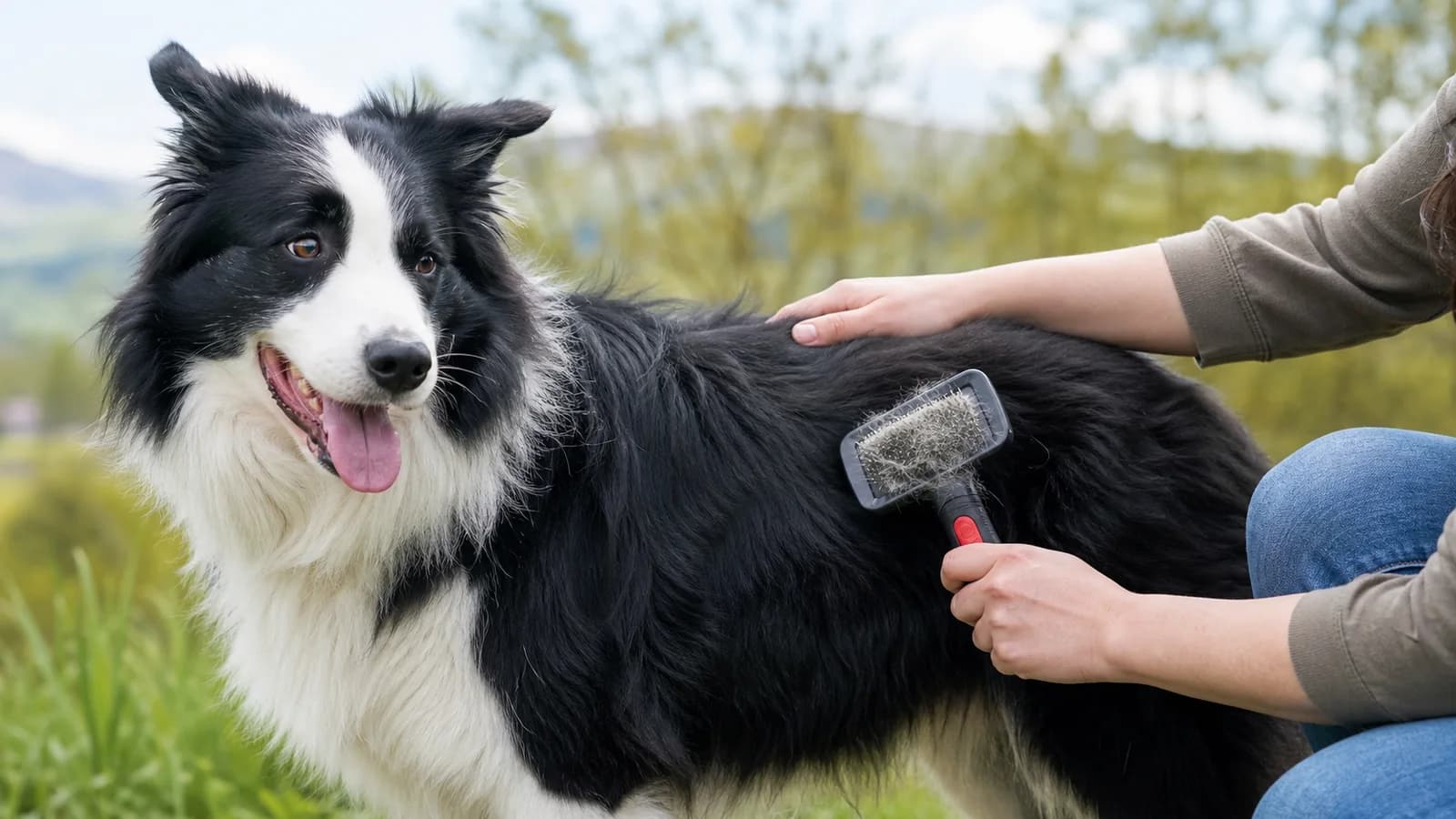
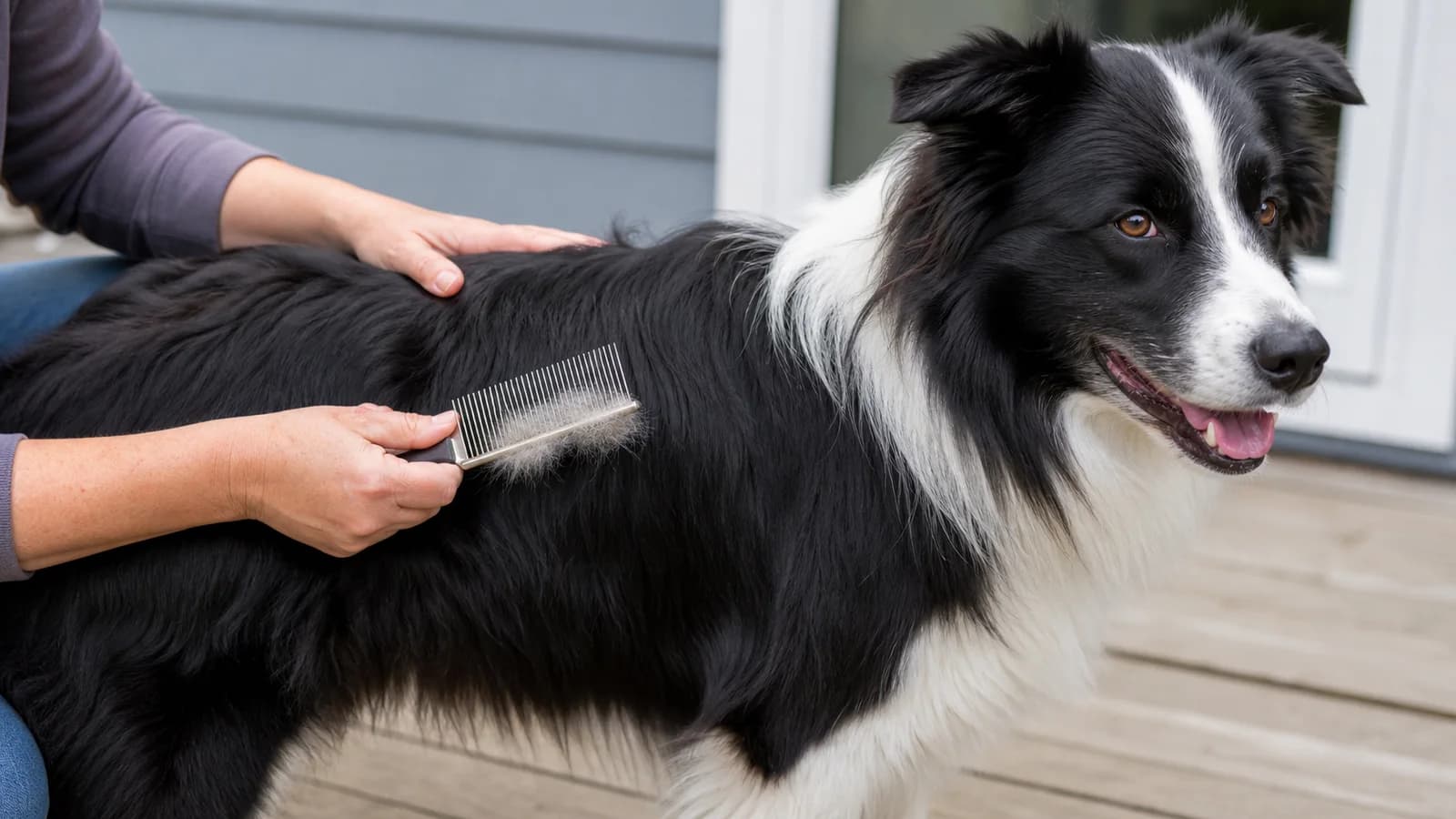
Brush in small sections with light pressure, reach the undercoat without scraping skin, and check friction areas behind ears, under the collar or harness, in armpits, and around feathering. Use fingers or a comb to confirm the coat separates to the skin. Tool choice should match coat and dog, not a viral routine.
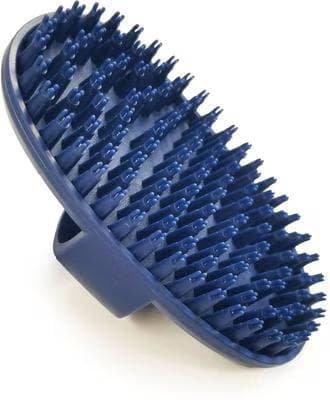
- The Four Paws wet and dry grooming glove can collect loose surface hair during a short, skin-conscious grooming session. Use gentle pressure and check the skin. A grooming glove may not reach dense undercoat or prove that the coat is mat-free.
Petful may earn a commission when you click through to Chewy, at no extra cost to you.
Bathe when dirty or according to professional guidance, use a dog-appropriate product, rinse fully, and dry the double coat to the skin. Damp undercoat can hide tangles and skin problems. These brushing and bathing limits protect skin and coat: more pressure, repeated washing, or routine shaving is not a better answer to shedding and can create irritation or alter protection and regrowth.
For an allergic household, talk with an allergist, keep the dog out of the allergic person's bedroom if advised, wash hands after contact, clean textiles, improve filtration as appropriate, and test the actual individual exposure. The no hypoallergenic claim is firm: grooming can reduce loose material but cannot make the dog hypoallergenic. A short haired Border Collie is usually being described as a smooth coat Border Collie, while the rough coat Border Collie has more obvious feathering. Both can release hair and allergen-carrying material. WebVet's guide to what hypoallergenic does and does not mean explains why shorter hair does not make a dog allergy-safe. For more, see Petful’s guide to Border Collie mixes.
- Use breed-level evidence to prepare observations and questions. Use the individual dog, actual records, and qualified veterinary or behavior guidance for decisions that affect health or safety. Abnormal hair-loss warning signs include itching, redness, pain, odor, sores, broken hair, rapid change, or a sharply defined thinning patch.
How much and when Border Collies shed
Loose hair may be present year-round, with heavier undercoat release during seasonal transitions. Indoor lighting and temperature can blur a simple spring-and-fall schedule. Rough coats make feathering and tangles more visible; smooth coats can drop shorter hair that embeds in fabric. Neither variety is reliably no-shed.
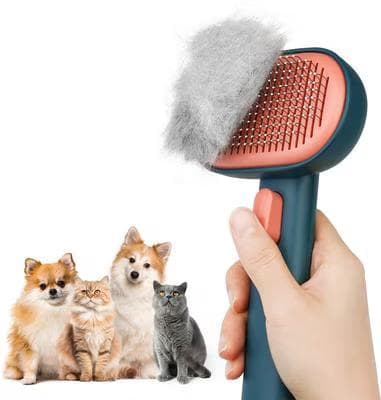
Petful may earn a commission when you click through to Chewy, at no extra cost to you.
Track the dog's normal pattern rather than promising a universal quantity. Note season, brushing yield, skin condition, coat breakage, mats, diet or medication changes, and household hair. This baseline helps distinguish an expected coat cycle from a sudden change.
No dog is truly allergen-free. The American College of Allergy, Asthma and Immunology explains that pet allergy involves proteins associated with dander, saliva, and urine, not simply hair length. Shedding can distribute allergens, but low visible hair does not guarantee low reaction. Do Border Collies shed? Yes. Border Collie shedding includes routine loose hair and can rise sharply during seasonal undercoat release, but the amount varies with coat, climate, indoor living, health, and grooming. A dated coat log is more useful than a universal low, medium, or high label.
| Log lane | What to record | What the pattern may show | Next step or stop rule |
|---|---|---|---|
| Normal shed | Date, season, brushing yield, rough or smooth coat, indoor conditions, and usual household hair | A stable individual baseline or seasonal undercoat release | Continue gentle grooming and compare future changes with the same conditions |
| Mat risk | Friction area, tangle depth, coat dampness, tool used, comfort, and whether fingers or a comb reach the skin | A location or technique that needs shorter, more frequent coat care | Stop when pulling hurts, skin is scraped, or the mat cannot be separated safely |
| Allergy exposure | Household symptoms, contact setting, cleaning routine, bedroom access, textiles, and allergist guidance | An exposure pattern for the actual person and dog, not a breed guarantee | Follow the human-health plan; grooming cannot make a dog hypoallergenic |
| Skin or hair warning signs | Patch location, redness, itching, pain, odor, sores, broken hair, speed of change, and recent products | A change that differs from ordinary loose undercoat | Stop aggressive grooming and arrange veterinary assessment for concerning signs |
Build a weekly coat and home routine
Use a four-lane coat log: normal shed, mat risk, allergy exposure, and skin signs. Record each lane separately. A large brushing yield with normal skin may be seasonal; a small bald patch with redness may be clinically more important.

Petful may earn a commission when you click through to Chewy, at no extra cost to you.
Schedule quick body checks several times a week and a more complete section-by-section session as the coat needs. Wash bedding, empty the vacuum, clean brushes, and inspect harness contact points. Short cooperative sessions are often kinder and more informative than one exhausting grooming marathon. The Border Collie training guide includes reward-based handling and mat foundations that can support cooperative grooming.
This coat-and-home workload planner separates normal seasonal release, grooming workload, allergen exposure, and signs of abnormal hair loss. The four-lane coat log lets owners record normal shed, mat risk, allergy exposure, and skin warning signs without treating every loose hair as disease. At each weekly review, date the entry, name the coat area, describe amount or severity, record the action taken, and note whether the pattern changed.
Build a sustainable coat-care routine
Compare rough and smooth workload
Rough coats carry more feathering and visible tangle points, while smooth coats can release short hair throughout fabrics. Coat type should be kept separate from base color, pattern, and markings.
Observe the individual coat, brush yield, friction areas, and home cleanup instead of assuming one variety is effortless.
Both varieties need skin checks and neither is guaranteed to suit an allergic person.
Reach the undercoat without force
Surface brushing can leave compacted loose coat near the skin, while aggressive tools can scratch or cut healthy coat.
Work in small sections with light pressure and stop to check skin, comfort, and actual progress.
Pain, damaged coat, or escalating avoidance means the tool or technique should change.
- Compare the aumuca self-cleaning slicker brush with the dog's coat density and handling comfort. Use light pressure and verify progress with fingers or a comb. Stop if pins scrape skin, snag painfully, or break healthy coat.
Dry completely after bathing
Dense undercoat can remain damp after the surface feels dry, increasing tangle and skin concerns.
Towel and dry according to coat, temperature, and professional guidance while checking down to the skin.
Persistent odor, redness, pain, discharge, or hot spots need veterinary attention.
- For routine bathing when the skin is healthy, the Earthbath oatmeal and aloe dog shampoo can be compared with other dog shampoos. Follow the current label, rinse completely, and ask a veterinarian about inflamed, infected, painful, or persistently itchy skin.
Reduce home allergen load honestly
Cleaning can reduce distributed material but cannot remove every allergen or guarantee symptom control.
Follow an allergist's plan, use washable textiles, clean high-contact areas, and keep exposure records for the actual household.
Do not market a Border Collie as hypoallergenic because it has a smooth coat.
Recognize abnormal hair loss
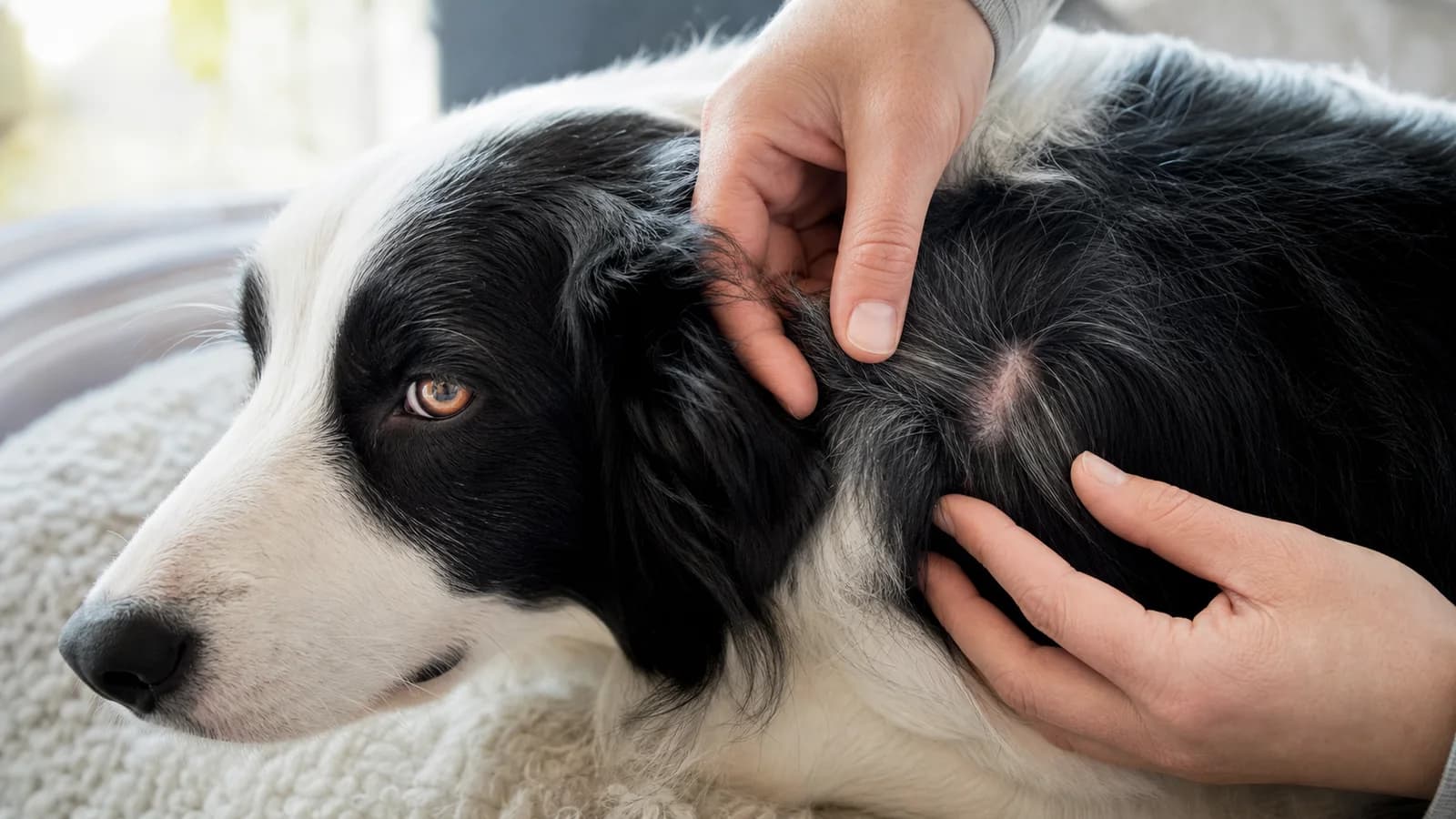
Patchy loss, broken hair, intense itching, redness, scale, odor, pain, or rapid coat change differs from ordinary loose undercoat. Alopecia means hair loss, but the word does not identify the cause; parasites, infection, allergy, endocrine disease, immune disease, trauma, grooming damage, and other problems need individual assessment. Alopecia needs veterinary assessment when it is patchy, inflamed, painful, itchy, or rapidly changing because the term describes hair loss, not its cause.
Photograph the area, prevent self-trauma as directed, and arrange veterinary assessment with a timeline and product history. Fit the coat change into the dog's broader baseline and warning-sign plan rather than trying another aggressive tool.
More brushing can worsen inflamed skin and delay diagnosis.
Use the four-lane coat log
Normal shedding, mat risk, allergy exposure, and skin disease require different observations and next steps. One product-specific grooming option to compare is aumuca self-cleaning slicker brush; use it gently, follow label directions, and stop if it catches or irritates.
Date each lane, record location and severity, and share the relevant pattern with the groomer, allergist, or veterinarian.
The log organizes evidence but does not diagnose the cause.
- The Frisco deshedding brush can be compared with gentler coat tools when the skin is normal and seasonal undercoat release is the actual problem. Test a small area and stop if the tool scratches skin, catches painfully, or cuts healthy topcoat. More pressure is not better grooming.
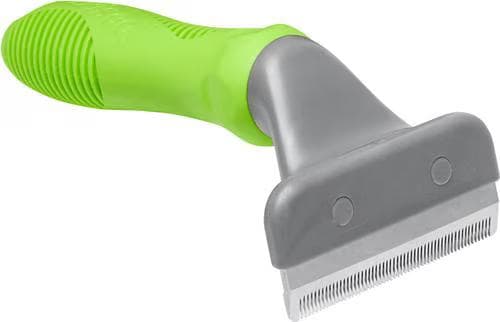
Petful may earn a commission when you click through to Chewy, at no extra cost to you.
Keep equipment clean
Collected hair, skin oil, moisture, and product residue can build up on brushes, bedding, and grooming surfaces.
Remove hair after use and clean or replace equipment according to manufacturer directions.
Never share contaminated tools across animals with suspected infectious skin disease without professional guidance.
Border Collie colors, patterns, and markings
A brown Border Collie and a blue merle Border Collie can both have a dense double coat, but color and pattern do not predict the amount a household will vacuum or whether the coat will mat. Record base color, pattern, markings, and coat type separately from brushing yield and skin condition. The Border Collie colors and coats guide handles visual identification, while this guide follows the individual shedding and grooming workload.
Border Collie temperament and household fit
A Border Collie dog breed reputation for activity and the working background of a Border Collie sheepdog do not eliminate the need for calm handling, cooperative grooming, and ordinary home cleanup. A dog that dislikes brushing may need shorter trained steps, while a dog that works outdoors may bring a different moisture and debris load. Use the Border Collie breed guide for the whole household workload, then budget coat care from the dog in front of you.
Health screening, lifespan, and warning signs
A Border Collie lifespan estimate or Border Collie average lifespan figure does not make patchy loss, skin pain, odor, or a rapid coat change normal aging. New hair or skin signs belong with the individual baseline, current products, medications, diet, and veterinary examination. The Border Collie health and lifespan guide covers broader screening and warning signs; this page identifies the point where ordinary grooming should stop and assessment should begin.
Border Collie FAQs
No single dog breed can be labeled as having the worst shedding without defining coat, season, climate, indoor living, grooming, and how shedding is measured. Border Collies do shed and may release much more undercoat during seasonal transitions, but worst is not a clinical category. Choose a dog based on the household's tolerance, cleaning capacity, allergy plan, and the individual coat. Patchy, itchy, painful, red, or rapidly changing hair loss needs veterinary assessment.
Sources
- Official Border Collie standard: Rough and smooth double-coat descriptions and normal seasonal shedding.
- ACAAI pet allergy guidance: No dog breed is allergy-free; relevant allergens include dander and saliva proteins.
- Merck Veterinary Manual alopecia in dogs: Normal coat replacement versus patchy, itchy, inflamed, or otherwise abnormal hair loss.
Prices, product labels, policy terms, test recommendations, availability, and medical guidance can change. Verify time-sensitive details with the current source, product label, breeder or rescue records, and the dog's veterinary team before making a decision.

Coreen Saito is a pet writer and longtime shelter volunteer with more than a decade in animal rescue. She covers cat behavior, breed care, and the small, ordinary science of sharing a life with companion animals, with a particular focus on honest takes about the products and decisions that actually matter. At home in Arizona, she's outranked by Mac (a dog with the loudest opinion in the house), Rebel (a cat who governs by quiet authority), and Meri (an orange tabby who runs the late shift and the laundry basket). She writes about all three, plus the rescues that keep coming through her life, at LifeWithMinty.com.
Sign up for expert-backed reviews and safety alerts all in one place.