Border Collie Colors, Patterns, and Markings
Identify Border Collie base colors, merle and tricolor patterns, white markings, ticking, rough and smooth coats, and puppy coat changes without confusing appearance with genotype or quality.
Petful is reader supported. As an affiliate of platforms like Amazon and Chewy, we may earn a commission when you buy through links on this page. There is no extra cost to you.
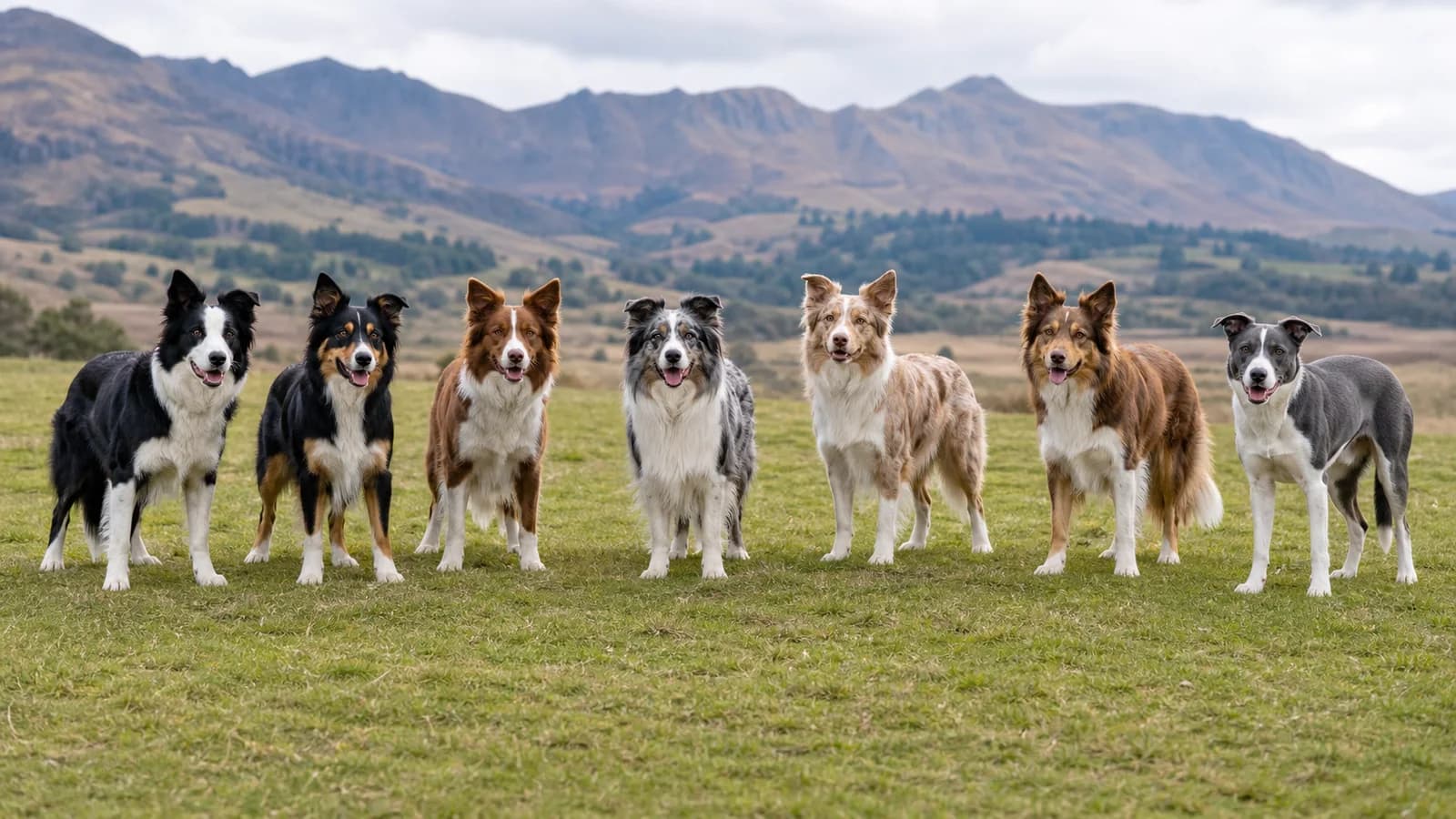
Border Collie colors are varied, but appearance should never become a shortcut for health, temperament, working ability, or value. The official breed standard accepts all colors equally while stating that white should not predominate. A useful visual guide separates base color, pattern, markings, and coat type so readers can describe what they see without turning rarity into a quality grade.
Accurate coat description separates base color, pattern, markings, and coat type while keeping appearance independent from claims about temperament, working ability, health, or breeding quality. This page focuses on describing appearance accurately, while the broader household-fit and care decision is addressed separately.
- 1All colors judged equally.
- 2Color versus pattern versus marking.
- 3Rough and smooth coat types.
- 4Representative photo limits.
- 5Merle-to-merle health warning.
- 6Rarity claims versus welfare.
The visual identification matrix below separates base color, pattern, marking, and coat length while refusing to turn rarity into a quality score. The extra viewing-conditions column keeps uncertainty visible when age, light, wetness, clipping, or image processing changes the apparent shade.
- The Four Paws wet and dry grooming glove can collect loose surface hair before a natural-light coat check. Use gentle pressure and check the skin. A grooming glove may not reach dense undercoat or prove that the coat is mat-free.

Sign up for expert-backed reviews and safety alerts all in one place.
Border Collie colors, patterns, and markings
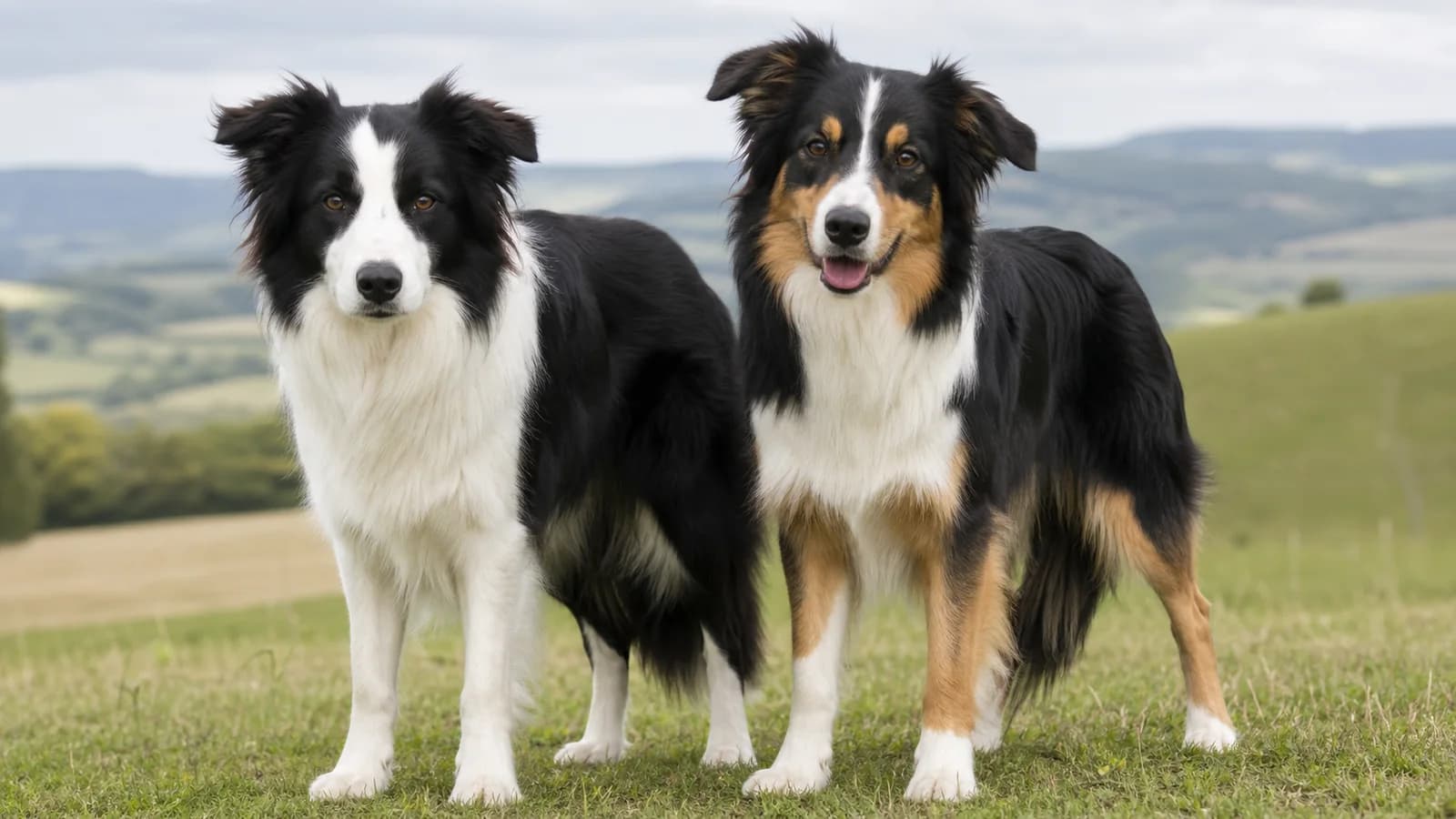
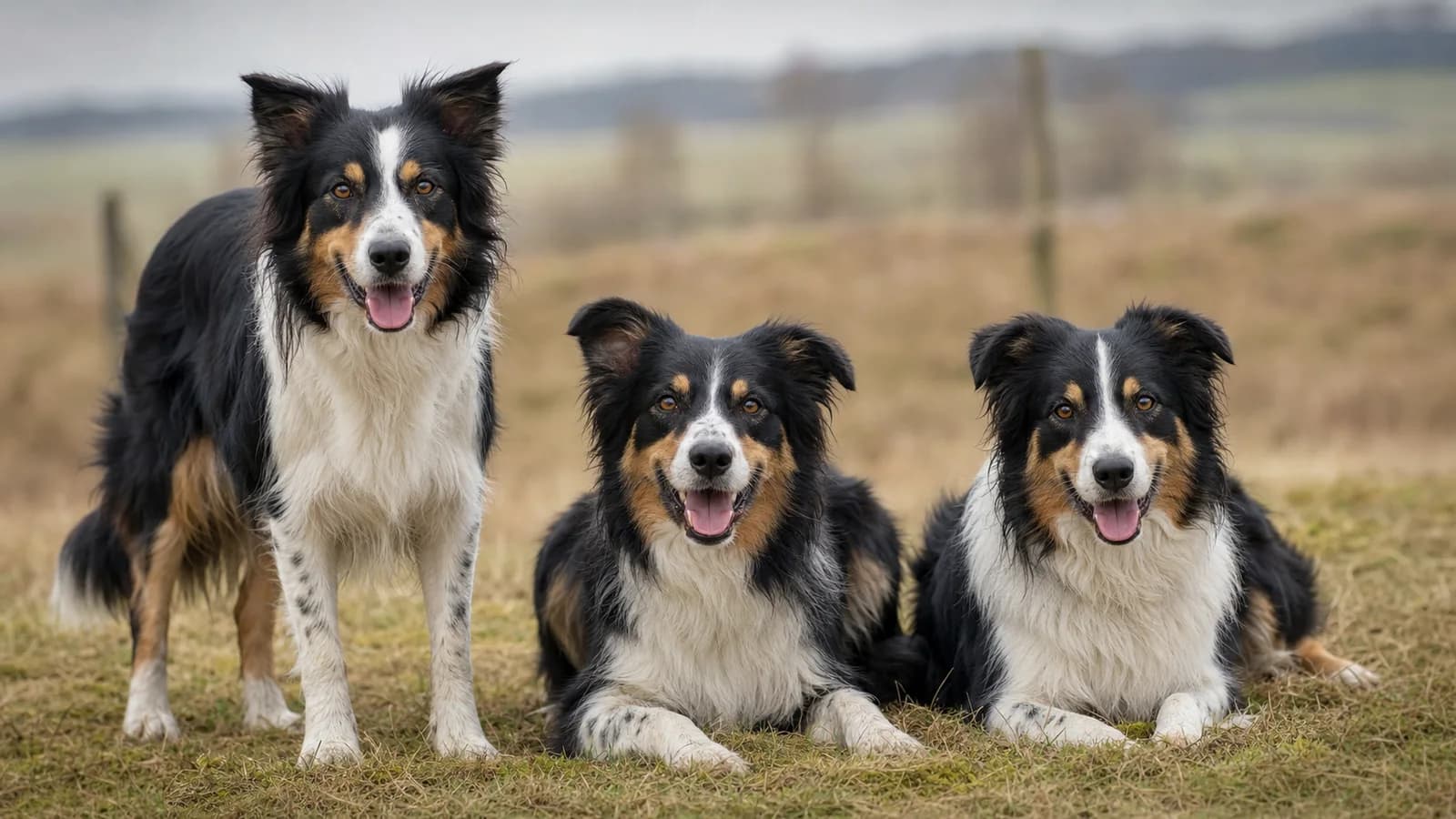
Black and white may be the most familiar presentation, but Border Collies also appear in tricolor, red, blue, gold, sable, lilac, merle, and other registered descriptions. Registry terms can differ from casual breeder language. Check the current registry list and use clear photographs in neutral light before assigning a label.
Base color describes the underlying pigment appearance. Pattern describes how colors are arranged, such as merle or tricolor. Markings include white areas, tan points, ticking, and other localized features. One dog can therefore be red merle with white markings and tan points; those words are not competing answers.
Pigment terms should describe rather than rank. Rare, exotic, and unique are marketing words unless a seller defines the genetics and registry term precisely. Color does not compensate for missing health information, unsuitable temperament, weak structure, or poor placement practices. Border Collie colors should be recorded as separate observations, not quality grades. A brown Border Collie may be described more precisely as red with liver pigment, while black and white, tricolor, sable, ticking, and other markings need their own fields so one casual label does not conceal several traits.
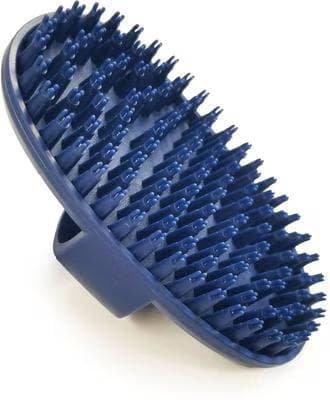
Petful may earn a commission when you click through to Chewy, at no extra cost to you.
| Identification layer | What to record | Representative examples | What it cannot prove |
|---|---|---|---|
| Base color | The underlying pigment appearance, using neutral-light views of coat, nose, and eye rims | Black, red, blue, gold, sable, or lilac registry descriptions | Genotype, health, temperament, working ability, or value |
| Pattern | How color is distributed across the base | Merle or tricolor pattern | Exact genetic status, carrier status, or breeding safety from sight alone |
| Markings | Localized features recorded separately from base and pattern | White blaze, collar, chest, socks, tail tip, tan points, or ticking | Quality, symmetry, hearing, vision, or adult appearance |
| Coat type | Length, texture, feathering, and current life stage | Rough or smooth coat, with puppy coat noted when relevant | Shedding amount, allergy safety, weather tolerance, or grooming ease |
| Viewing conditions | Date, age, lighting, wet or dry coat, clipping, sun fading, and image editing | Neutral daylight plus both sides and detail views | A certainty that the available photograph does not support |
Name pigment without claiming a genotype
Eumelanin produces black-range pigment that can be modified into brown or diluted appearances, while phaeomelanin contributes red-to-cream coat tones. White areas reflect reduced pigment in parts of the coat, but the informal phrase white factor does not let a viewer calculate genotype, hearing status, or breeding risk from a photograph. Record visible coat, nose, and eye-rim pigment separately, then use pedigree records and qualified genetic interpretation when the breeding question requires more than appearance. This visual identification matrix separates base color, pattern, marking, and coat length while refusing to turn rarity into a quality score. The four-column visual identification matrix prevents readers from confusing a base color with merle, ticking, tan points, or coat length.
- For gentle coat separation during a visual check, compare the aumuca self-cleaning slicker brush with the dog's coat density and handling comfort. Use light pressure and verify progress with fingers or a comb. Stop if pins scrape skin, snag painfully, or break healthy coat.
Rough, smooth, short, and long coat appearance
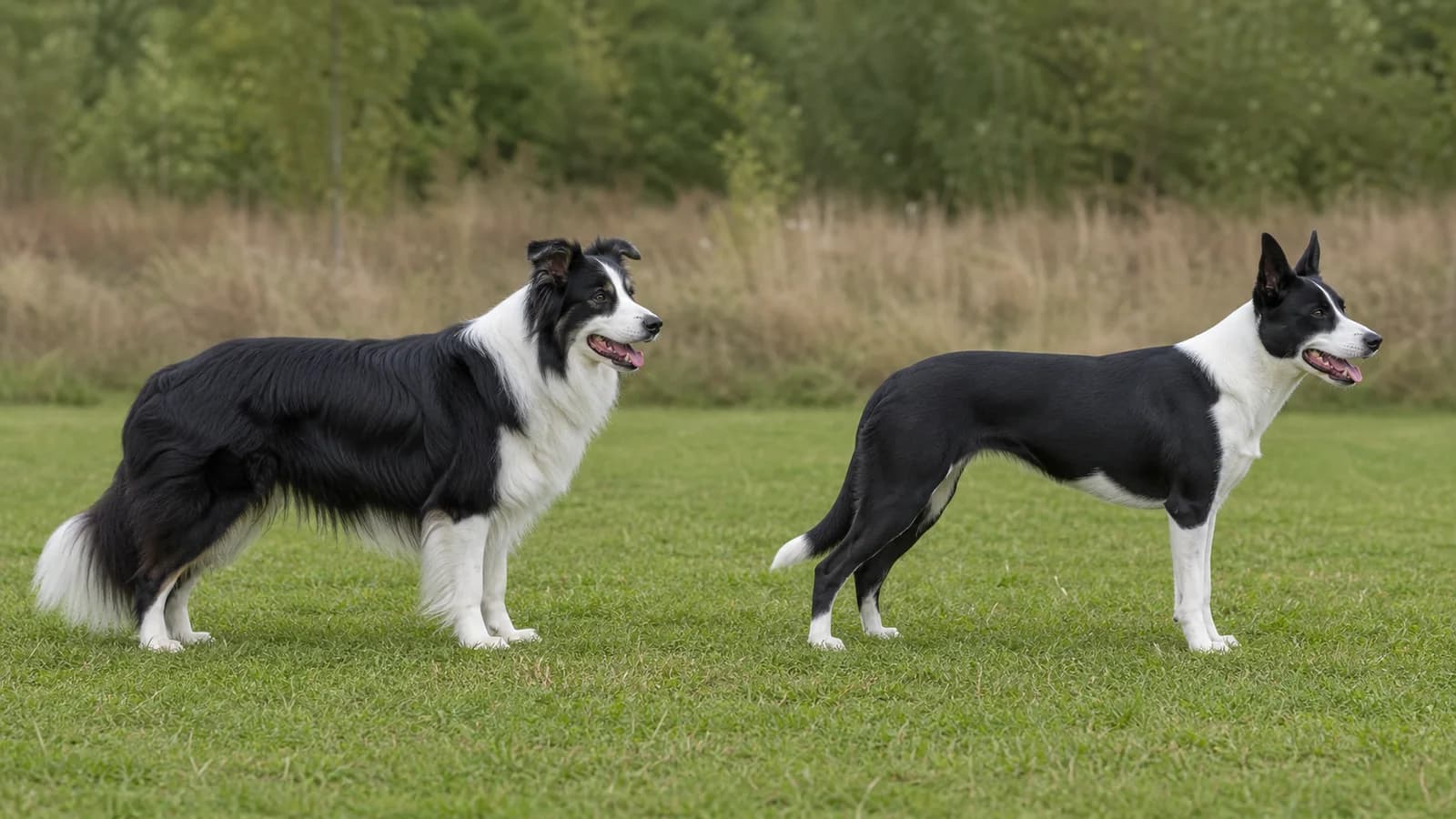
The official standard recognizes rough and smooth coat varieties, both described as dense, weather-resistant double coats. Rough coats carry more obvious mane, breeching, and feathering, while smooth coats have shorter hair with little feathering. Individuals still vary, and puppy coat can change as the adult coat develops.
Short haired is often used casually for smooth coat, while long haired usually refers to a fuller rough coat. These are appearance descriptions, not proof that one dog sheds less, needs no grooming, or tolerates weather better. Actual coat-care workload depends on the individual coat, season, environment, and household routine.
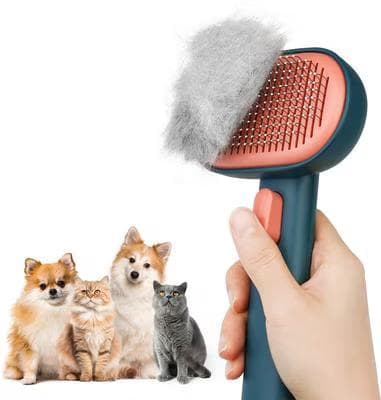
Petful may earn a commission when you click through to Chewy, at no extra cost to you.
Photographs are representative, not diagnostic. Light, wetness, coat length, sun fading, clipping, camera processing, and undercoat can change how color appears. A visual image cannot prove genotype, carrier status, health, or future adult coat. A blue merle Border Collie illustrates a pattern over a base color; the phrase merle Border Collie still does not identify every genetic detail from sight. A lilac Border Collie label combines dilution and brown-pigment language, but photographs and marketing terms cannot replace records or qualified genetic interpretation.
- Use breed-level evidence to prepare observations and questions. Use the individual dog, actual records, and qualified veterinary or behavior guidance for decisions that affect health or safety. Treat rarity claims versus welfare as a firm boundary: color marketing cannot substitute for health, temperament, structure, rearing, or source transparency.
Merle, white, and responsible color decisions
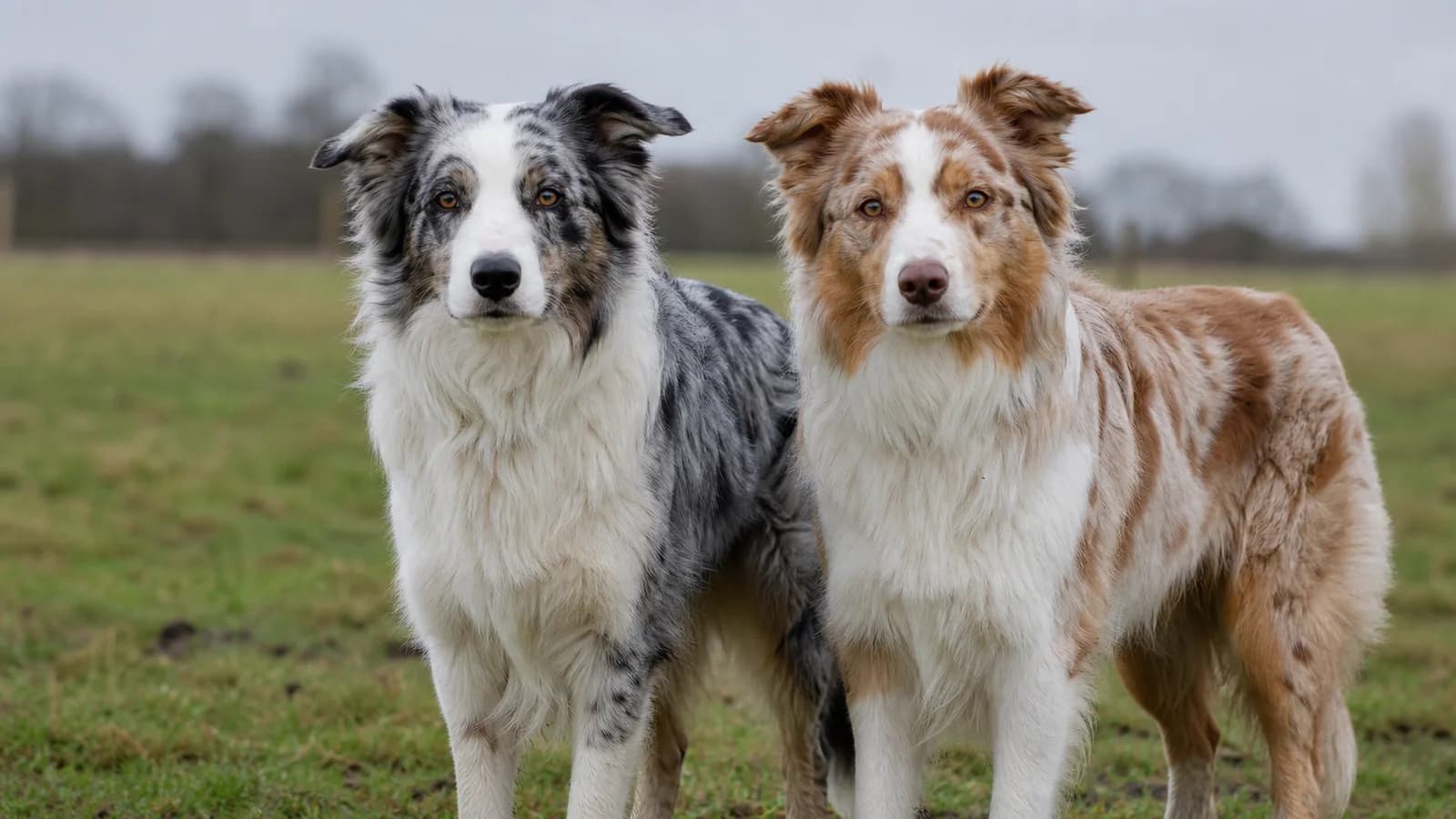
Merle is a pattern that creates mottled lighter and darker areas; it is not a color quality grade. Merle-to-merle matings can raise the risk of puppies with serious hearing and vision problems. Responsible decisions use pedigree knowledge, appropriate testing and specialist guidance rather than guessing from one photograph.
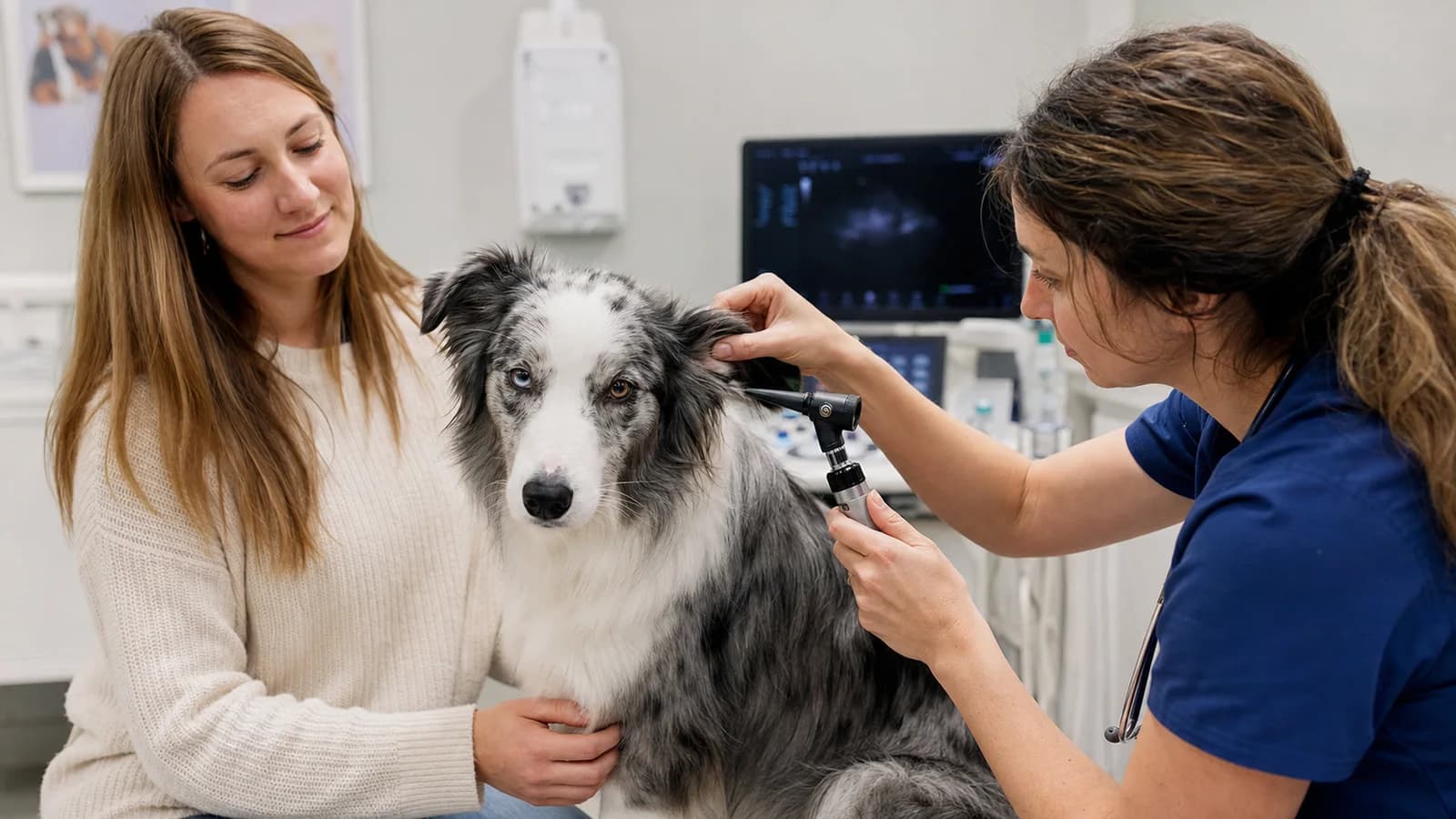
Extensive white, blue eyes, ticking, split faces, or unusual markings may be visually striking, but appearance alone cannot establish hearing, vision, or genetic status. Ask for current health screening, direct examination, and transparent breeding records. Do not buy a health promise attached to a color label.
- Hearing, vision, screening records, and owner observations belong in a broader health plan rather than a promise attached to color.
The four-column identification matrix is simple: record base color, pattern, markings, and coat type separately. Add a fifth note for lighting or age when relevant. This vocabulary improves rescue listings and owner records without pretending that the description measures quality.
Photograph coat color so the record stays useful
Representative photo limits should be written into the record. Use indirect daylight, avoid strong color casts, and capture both sides, the face, nose pigment, legs, chest, tail, and any areas of ticking or tan points. Add one close image of individual hairs when sable, roaning, dilution, or subtle merle is in question. Keep the date and age because puppy coat, feathering, ticking, sun exposure, and seasonal coat can change the appearance.
Petful may earn a commission when you click through to Chewy, at no extra cost to you.
Describe base color, pattern, white markings, and coat type in separate fields. For example, black is a base color, merle is a pattern, a blaze is a white marking, and rough describes coat length and feathering. This prevents one marketing label from carrying several unsupported assumptions, while leaving room to mark a field uncertain when a photograph cannot resolve it.
Use a repeatable description order
Use the same order every time: base color first, pattern second, markings third, and coat type fourth. Add viewing conditions after those four fields. A consistent order makes two records easier to compare and prevents one dramatic feature, such as blue eyes or a split face, from replacing the rest of the description.
When a photograph is the only evidence, describe only what is visible. Do not infer the hidden side of the dog, an adult coat from a young puppy, or a genotype from one patch. Ask for another neutral-light image when the distinction matters, and leave the field uncertain when better evidence is unavailable.
For rescue or veterinary records, a useful description can include:
- Base color as seen in neutral light.
- Pattern, if it can be identified reliably.
- Location and extent of white, tan points, ticking, or other markings.
- Rough or smooth coat appearance and the dog's age.
- Nose and eye-rim pigment when relevant to the description.
- Date and conditions of the photograph, including wetness, clipping, or strong sun fading.
Do not let rarity language replace a whole-dog decision
A seller's unusual color name, eye-color promise, or limited-time rarity premium does not provide evidence about temperament, structure, working suitability, rearing, parent health results, or return support. Ask for the registered names of both parents, verify current health records, meet the dogs when possible, and read the contract without deposit pressure. Color may be a preference, but it should not outrank welfare and transparency.
Merle breeding deserves informed genetic guidance because visual appearance does not always reveal genotype and combinations can affect hearing and vision risk. A photograph cannot clear a mating or diagnose an individual puppy. Use qualified interpretation and current parent-club or registry information rather than relying on a color calculator, social post, or cosmetic guarantee.
Document coat color and care accurately
Describe black and white precisely
Black body pigment with traditional white blaze, collar, chest, feet, or tail tip can vary widely in extent and symmetry.
Record the visible areas in neutral light and use a current registry term when registration matters.
Symmetry and sharp contrast do not predict working ability, behavior, or health.
Separate tricolor from sable
Tan points on a black or other base create a different visual description from banded sable hair.
Look at pigment on the body, face, legs, and individual hairs rather than relying on one warm photograph.
Ask a knowledgeable registry or genetics professional when exact classification affects records.
Recognize red pigment context
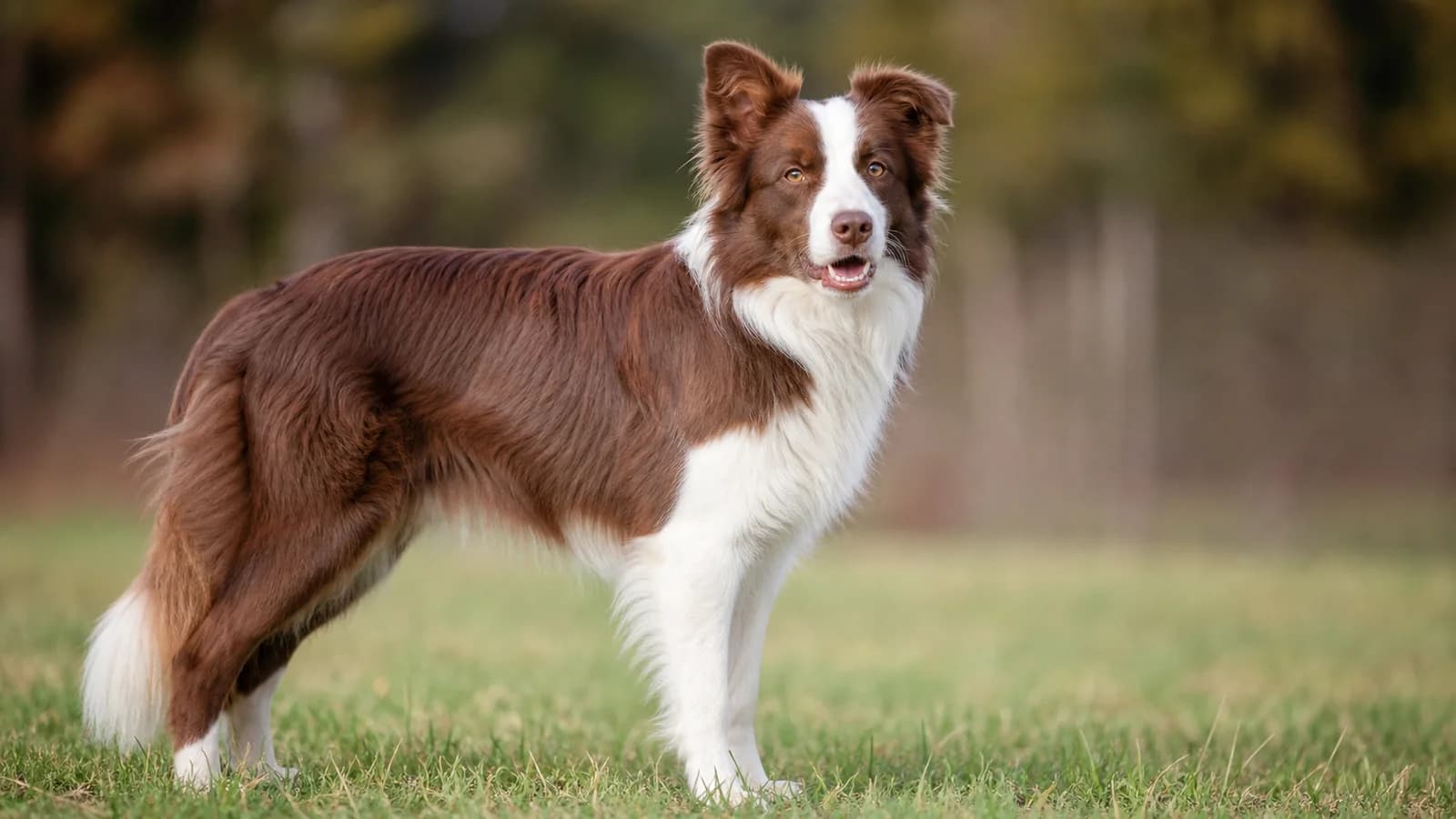
Red-and-white Border Collies often show liver-colored nose and eye-rim pigment alongside the coat color.
Use daylight photographs and compare several body regions, including areas not sun faded.
A red label does not establish the precise genotype or make health screening optional.
Treat blue as dilution language
Blue commonly describes diluted black pigment and can look gray, slate, or silver under different light.
Petful may earn a commission when you click through to Chewy, at no extra cost to you.
Document coat and nose pigment under neutral light and use registry terminology rather than inventing a rarity name.
A photograph cannot diagnose dilution-related skin disease or prove it will occur.
Describe lilac with caution
Lilac is commonly used for combined brown and dilution effects, but casual labels and camera color shifts can confuse identification.
Request unedited neutral-light images and documented parent information when the term influences a buying decision.
Do not pay a premium because a marketing label sounds scarce.
Keep merle in the pattern column
Merle can occur over different base colors and may be subtle in some areas.
Record the base color first, then the merle pattern, markings, coat type, and any uncertainty.
Visual assessment cannot reliably exclude cryptic merle or replace genetic guidance for breeding.
- To clean a healthy coat before comparing color in neutral light, the Earthbath oatmeal and aloe dog shampoo is one shampoo to evaluate against the label and the individual dog. Follow the label and rinse completely. Stop bathing and contact a veterinarian if the skin is red, painful, infected-looking, or persistently itchy; shampoo cannot establish pigment, change genetic color, or replace veterinary care.
Name white markings without ranking them
Blazes, collars, chests, socks, tail tips, split faces, and ticking can differ from dog to dog.
Describe location and extent in plain language, and note that the breed standard says white should not predominate.
A nonstandard or unusual marking does not by itself diagnose disease.
Compare rough and smooth coats fairly
Feathering changes the silhouette and can make rough-coated dogs look larger or more heavily built. One product-specific grooming option to compare is Four Paws wet-and-dry grooming glove; use it gently, follow label directions, and stop if it catches or irritates.
Use matched side views, part the coat to understand body outline, and route grooming questions to the shedding guide.
Coat length does not reveal temperament or actual exercise requirement.
Expect puppy coats to change
Color intensity, ticking, feathering, undercoat, and sun exposure can alter appearance as a puppy matures.
Keep dated photographs in similar light and update records instead of promising an exact adult look.
No ethical source can guarantee every cosmetic detail of the mature coat. One product-specific grooming option to compare is aumuca self-cleaning slicker brush; use it gently, follow label directions, and stop if it catches or irritates.
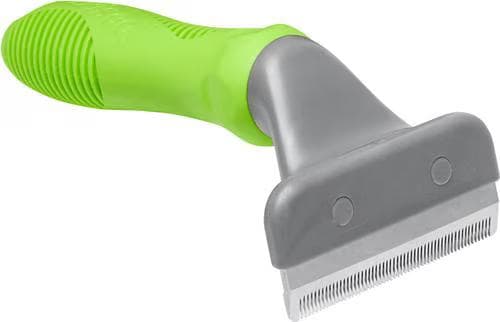
- The Frisco deshedding brush can be compared with gentler coat tools after the coat type and current shedding stage are understood. Test a small area and stop if the tool scratches skin, catches painfully, or cuts healthy topcoat. More pressure is not better grooming.
Audit color-first sales claims
Urgency, rarity premiums, guaranteed eye color, and vague health language shift attention from the whole breeding program.
Return to parent identities, health results, temperament, purpose, rearing, contract, and return support. The Border Collie puppy guide provides the sourcing and first-year checklist for that larger decision.
Walk away when transparent evidence is replaced by pressure or a cosmetic promise.
Use the visual identification matrix
A single color field collapses several independent observations and causes inconsistent descriptions.
Fill separate columns for base color, pattern, markings, coat type, and viewing conditions.
Leave a field uncertain when evidence is weak rather than converting a guess into a fact.
Border Collie temperament and household fit
A Border Collie dog breed label describes ancestry, not one dog's sociability, sensitivity, or ability to settle. Likewise, the working history behind a Border Collie sheepdog does not make coat color a temperament test. Choose for the individual dog, household schedule, handling comfort, and source evidence rather than a preferred shade. The Border Collie breed guide covers temperament, workload, family fit, and whole-dog care beyond the appearance vocabulary used here.
Shedding, grooming, and allergy boundaries
A short haired Border Collie may have a smooth coat, while a smooth coat Border Collie can still release undercoat and surface hair. Coat length changes where loose hair and friction collect, but it does not prove low shedding, easy grooming, or allergy safety. Use the Border Collie shedding and grooming guide for brushing, bathing, seasonal release, home cleanup, and abnormal hair-loss boundaries after the coat has been described accurately.
Health screening, lifespan, and warning signs
A Border Collie lifespan estimate and any Border Collie average lifespan figure are independent of whether the coat is black, red, merle, rough, or smooth. Appearance also cannot establish hearing, vision, joint, neurologic, or genetic status. The Border Collie health and lifespan guide explains screening records, owner baselines, and urgent signs, while this page limits photographs and color terms to what they can actually show.
Border Collie FAQs
There is no useful rarest-color prize. Registry frequency varies by population, and marketing names can make ordinary genetics sound scarce. The Border Collie standard accepts all colors equally while stating that white should not predominate. Choose from health, temperament, structure, purpose, rearing, and source transparency. Never pay a premium because a seller turns color, eye shade, or markings into a quality guarantee.
The different colors of Border Collies include many registry color and marking descriptions, such as familiar black and white, tricolor, red, blue, gold, sable, lilac, and merle presentations. Use the current registry list because terminology differs. Describe base color, pattern, markings, and coat type separately. A photograph is representative and cannot prove genotype, health, hearing, vision, or adult coat.
Sources
- BCSA Border Collie colors: Parent-club guidance on color categories, merle, white patterns, and the absence of a preferred color.
- BCSA official breed standard: Official rough and smooth coat descriptions and equal treatment of colors.
- AKC Border Collie breed profile: Current registry list of Border Collie colors and markings.
Prices, product labels, policy terms, test recommendations, availability, and medical guidance can change. Verify time-sensitive details with the current source, product label, breeder or rescue records, and the dog's veterinary team before making a decision.

Coreen Saito is a pet writer and longtime shelter volunteer with more than a decade in animal rescue. She covers cat behavior, breed care, and the small, ordinary science of sharing a life with companion animals, with a particular focus on honest takes about the products and decisions that actually matter. At home in Arizona, she's outranked by Mac (a dog with the loudest opinion in the house), Rebel (a cat who governs by quiet authority), and Meri (an orange tabby who runs the late shift and the laundry basket). She writes about all three, plus the rescues that keep coming through her life, at LifeWithMinty.com.
Sign up for expert-backed reviews and safety alerts all in one place.