Border Collie Health Problems and Lifespan
Review Border Collie lifespan evidence, inherited health questions, screening records, preventive care, owner baselines, seizure and collapse safety, mobility, sensory change, aging, and urgent signs.

BVMS, MRCVS
Petful is reader supported. As an affiliate of platforms like Amazon and Chewy, we may earn a commission when you buy through links on this page. There is no extra cost to you.
Border Collie health problems deserve a plan built from breed-level evidence, the individual dog's records, and changes observed over time. A lifespan estimate cannot predict one dog's future, and a genetic result cannot replace examination. The most useful guide connects screening before breeding, routine preventive care, owner observations, and clear thresholds for veterinary help. Petful’s guide to Border Collie mixes has the full breakdown.
Health planning connects verified screening records, an individual baseline, preventive care, changes observed at home, and clear thresholds for routine, prompt, or emergency veterinary help. This page stays focused on health evidence and action, while broader temperament and workload decisions are addressed separately.
- 1Lifespan evidence and limits.
- 2Parent-club screening guidance.
- 3DNA versus physical testing.
- 4Collapse and seizure emergency boundaries.
- 5Senior change tracking.
- 6No guarantee from a clear panel.
The screening-to-action matrix below separates what a buyer should verify, what an owner can monitor, and what requires prompt or emergency veterinary help. That prevents a clear result for one named condition from being mistaken for a lifetime health guarantee.

Sign up for expert-backed reviews and safety alerts all in one place.
Border Collie lifespan and preventive care
A historical Royal Veterinary College VetCompass analysis reported a median Border Collie longevity of 13.38 years in its sampled records, with a reported interquartile range of 11.49 to 14.99 years. That estimate is dated population evidence, not a countdown or promise. Different datasets, populations, and methods can produce different figures.
Build an individual baseline before aging changes become obvious. Record weight, body and muscle condition, appetite, water intake, elimination, sleep, breathing at rest, gait, willingness to jump or use stairs, exercise recovery, vision-related navigation, hearing response, and usual behavior. A trend is usually more informative than one isolated day.
Preventive care includes veterinary examinations, vaccination and parasite decisions suited to risk and location, dental care, nutrition and body-condition review, safe conditioning, medication monitoring, and age-appropriate screening. The exact schedule belongs with the veterinary team because work, travel, disease exposure, age, and existing conditions differ. A Border Collie average lifespan figure is population context, not an expiration date. Use the dated estimate to plan preventive care, senior access, transport, and savings while treating a change in the individual dog's appetite, mobility, breathing, senses, behavior, or recovery according to its actual urgency.
| Decision lane | Evidence to collect | Action boundary |
|---|---|---|
| Puppy buyer or breeder | Registered identity, hip and eye results, applicable named DNA tests, dates, laboratories or registries, and family history | Missing, vague, or unmatched records are unresolved; one clear panel is not a whole-dog guarantee |
| Routine owner monitoring | Weight, body and muscle condition, appetite, elimination, sleep, gait, recovery, vision, hearing, behavior, medications, and preventive-care dates | Compare trends at routine visits and contact the veterinary team when a meaningful change persists |
| Prompt veterinary assessment | New lameness, pain, weakness, appetite or weight change, sensory change, seizure-like activity, altered recovery, or abrupt behavior change | Stop home testing and obtain situation-specific veterinary guidance |
| Emergency response | Collapse, severe breathing difficulty, prolonged or clustered seizures, sudden inability to stand, major trauma, suspected poisoning, severe pain, or rapid deterioration | Call a veterinary clinic or emergency service and follow immediate transport or first-aid instructions |
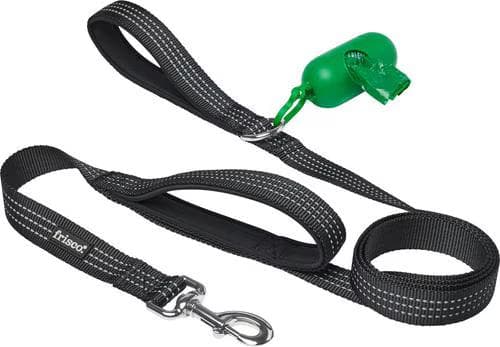
- For controlled walking and gentle observation, compare the Frisco dual-handle traffic leash with the dog's size and the handler's management needs. A leash is management equipment, not a correction tool or a substitute for reward-based loose-leash training. Inspect stitching and hardware before each use.
Inherited conditions, screening, and early warning signs
The Border Collie Society of America and American Border Collie Association maintain breed-health guidance. Responsible breeding decisions may involve hip and eye evaluation plus condition-specific DNA tests and family history, depending on the current parent-club recommendations and the line. Buyers should verify actual results for the named parents rather than accepting tested as a complete answer.
Petful may earn a commission when you click through to Chewy, at no extra cost to you.
Conditions discussed in Border Collies include hip dysplasia, inherited eye disease, epilepsy, hearing concerns, neuronal ceroid lipofuscinosis, trapped neutrophil syndrome, Collie eye anomaly, sensory neuropathy, multidrug resistance variants, and exercise-related collapse syndromes. A list does not mean one dog has or will develop any condition.
Some risks have a DNA test, some use clinical screening, some require family history, and some have no simple test that predicts the individual outcome. That distinction matters. A negative result for one variant cannot serve as an all-clear for joints, eyes, seizures, hearing, cancer, injury, or every cause of collapse.
- Use breed-level evidence to prepare observations and questions. Use the individual dog, actual records, and qualified veterinary or behavior guidance for decisions that affect health or safety. There is no guarantee from a clear panel: screening reduces uncertainty about named risks but does not predict every disease or outcome.
Use the matrix for the decision in front of you
The screening-to-action matrix separates buyer, owner, and emergency decisions instead of treating a disease list as one checklist. A buyer verifies the exact parents and current results. An owner establishes individual baselines and watches change over time. Emergency action depends on the sign and its severity, not on whether a breed test was clear. This structure also keeps missing evidence visible rather than allowing one reassuring result to erase another unresolved lane. This screening-to-action matrix distinguishes pre-breeding tests, lifetime monitoring, urgent signs, and questions that no genetic panel can answer.
Match the test to the question
DNA versus physical testing matters because the methods answer different questions. Hip dysplasia screening evaluates joint phenotype with an accepted imaging and interpretation process; it is not a cheek-swab conclusion. A current CAER eye examination looks for clinically observable eye findings, while a BAER test evaluates hearing response. Verify the named dog, test method, date, result, and registry or laboratory, then ask what repeat testing or specialist interpretation current guidance recommends.
Targeted DNA results can clarify a named inherited variant, including variants associated with trapped neutrophil syndrome, neuronal ceroid lipofuscinosis, and some forms of Collie eye anomaly. A clear result addresses the tested variant under that laboratory's method; it does not clear every cause of immune disease, neurologic decline, vision loss, or illness. Retain the report, verify parentage, and combine it with physical screening, family history, examination, and observations from the individual dog.
Epilepsy often depends on clinical history, family evidence, exclusion of other causes, and veterinary assessment rather than one consumer result. Exercise-related collapse also has more than one possible cause. Collapse and seizure emergency boundaries should be written before they are needed: stop activity, protect the dog from injury without restraining the mouth, time and document an event only when safe, and contact a veterinary clinic for immediate direction when an episode is prolonged, clustered, accompanied by breathing difficulty, or followed by poor recovery.
 Sponsored
Have a health question about your pet?
Talk to a licensed vet at Dutch over video or message, including nights and weekends.
Use code Pets60
Plans start at $12/month · covers up to 5 pets
- Licensed vets in most states
- Rx for 150+ conditions
- 4.7 on Trustpilot
The observe, verify, escalate health map
Observe what the dog does and when. Verify identification, test result, date, method, and professional interpretation. Escalate based on severity, speed of change, pain, neurologic signs, breathing, or impaired function. This three-column map keeps a household from treating a search result as a diagnosis.
Urgent evaluation is warranted for collapse, difficulty breathing, repeated or prolonged seizures, sudden inability to stand, severe pain, rapidly enlarging abdomen with distress, major trauma, suspected toxin exposure, or abrupt vision loss. Call a veterinary clinic or emergency service for situation-specific instructions rather than waiting for an online checklist to match perfectly.
For slower changes, bring a timeline, video when safe, medication and supplement list, diet history, work schedule, and prior results. Video can help document gait or an episodic event, but safety comes first and a recording does not establish the diagnosis.
Healthy aging without blaming age
Older dogs may need more frequent reassessment, modified conditioning, better traction, easier vehicle access, warmer bedding, pain management, dental care, sensory support, and changes in feeding. Adjusting a task can preserve participation without demanding the same speed or impact.
Do not dismiss limping, house-soiling, night waking, withdrawal, irritability, weakness, weight change, or lost skills as just old age. These changes can reflect pain, sensory loss, endocrine disease, neurologic disease, urinary disease, cognitive change, or other treatable problems.
Quality of life is a pattern across comfort, appetite, hydration, elimination, mobility, engagement, sleep, and the balance of good and difficult days. A written log helps a veterinary conversation, but no score should make the decision alone.
Screening reduces uncertainty but does not diagnose the future

Breeding-screen results answer defined questions about a named dog at a particular date. Hip evaluation, ophthalmic examination, and targeted DNA results do not become a universal healthy certificate when bundled together. Verify the registered identity, test type, age, date, laboratory or registry, and actual result for each parent. A public program number may show that required information was submitted without proving that every result was normal.
For an owned dog, screening history informs preventive planning but does not clear a new symptom. A normal eye examination last year cannot explain sudden vision loss today, and clear parents cannot rule out every orthopedic, neurologic, cardiac, or acquired condition. Bring the records to the veterinarian as context, then let the current examination guide the next decision.
Build an individual health baseline before something changes
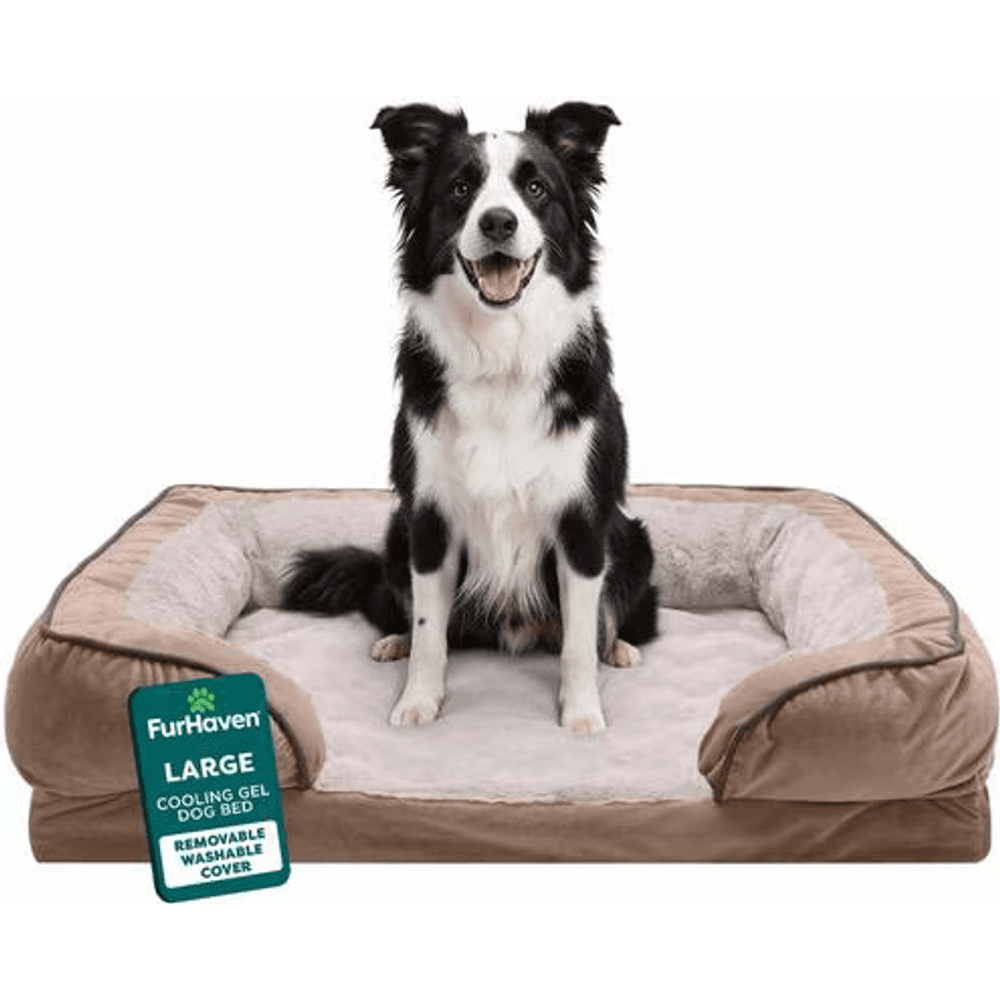
An orthopedic sofa bed with three bolstered sides for dogs who like to rest their head and joints against a cushion. The supportive foam base cradles hips and elbows, a comforting spot for an older or shaky dog to settle.
Petful may earn a commission when you click through to Chewy, at no extra cost to you.
Record the dog's normal appetite, water intake, elimination, body and muscle condition, resting behavior, gait, exercise recovery, sleep, vision in familiar settings, hearing responses, and tolerance of handling. Short videos of ordinary walking from the side and behind can be useful when they are obtained safely on level ground. Keep dates, medications, diet, workload, and recent travel with the record so later comparisons have context.
A baseline should remain simple enough to update. It is not a daily diagnostic examination or a reason to provoke symptoms. Revisit it at preventive appointments, after a material medication or workload change, and when aging alters the care plan. The value comes from noticing a meaningful departure and communicating it clearly, not from giving the dog a home-generated score.
What to record if a seizure-like event occurs
Prioritize safety. Move hazards away when possible, keep hands away from the mouth, reduce stimulation, and time the event. Follow the dog's existing emergency plan and prescribed rescue-medication instructions if one exists. Contact a veterinarian or emergency clinic according to that plan; prolonged activity, repeated events, injury, abnormal recovery, overheating, toxin concern, or a first unexplained episode can change the urgency.
If it is safe, note what the dog was doing beforehand, the movements or awareness changes observed, duration, recovery, medications, possible exposures, and whether another event followed. A brief video may help the clinical history, but obtaining perfect footage must never delay care or put a person near a distressed dog's mouth. Training language such as stubbornness or disobedience does not belong in the description of a possible medical event.
Separate normal fatigue from collapse
A conditioned dog choosing to slow after work is different from sudden weakness, loss of coordination, disorientation, falling, or inability to continue normally. Stop activity and move the dog to a safe, temperature-appropriate place without forcing more exertion. Observe breathing, gum color only if the dog can be handled safely, responsiveness, gait, and recovery while contacting veterinary help.
Record temperature, humidity, duration, terrain, excitement, recent illness, food, hydration opportunity, and any similar history. Heat illness, cardiac disease, metabolic problems, pain, neurologic events, and exercise-related conditions can overlap in appearance. Do not recreate the episode for a camera, test, or sport decision; veterinary assessment should determine what controlled evaluation is appropriate.
Protect vision and hearing without making color assumptions
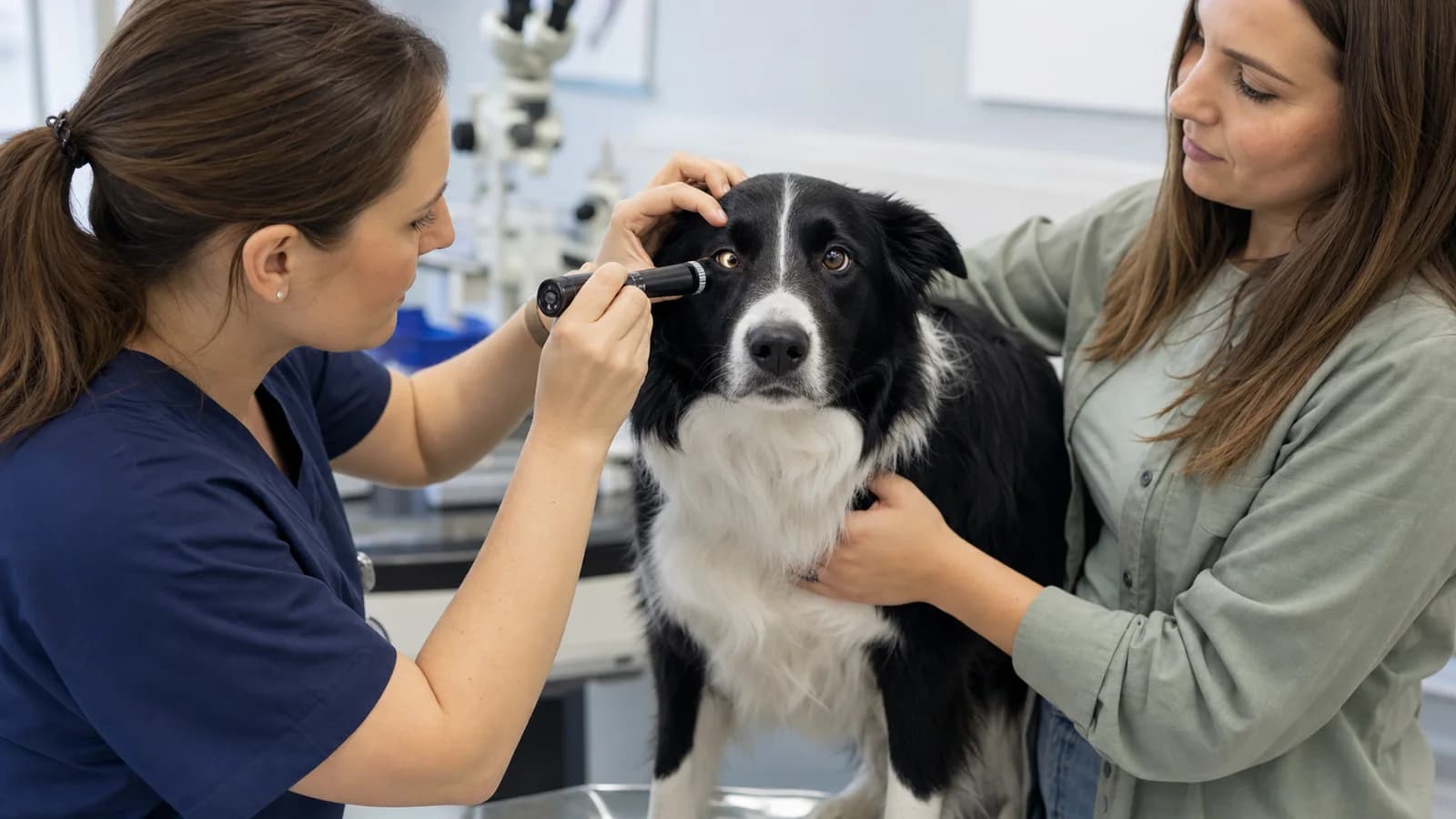
Changes such as hesitation in dim light, bumping objects, missing catches, startling, altered stair use, inconsistent response to sound, head shaking, or ear discomfort deserve a timeline and examination. Environment, attention, sleep, training history, pain, ear disease, ocular disease, and neurologic problems can all affect what an owner notices. A coat pattern or eye color cannot diagnose the cause.
Until the dog is assessed, stabilize furniture, improve lighting, block hazards, approach predictably, and use already conditioned touch or visual cues when appropriate. Sudden vision change, severe eye pain, marked disorientation, or rapid neurologic decline can be urgent. Home accommodations improve safety but should not become a reason to postpone investigation.
Track mobility across surfaces and recovery periods
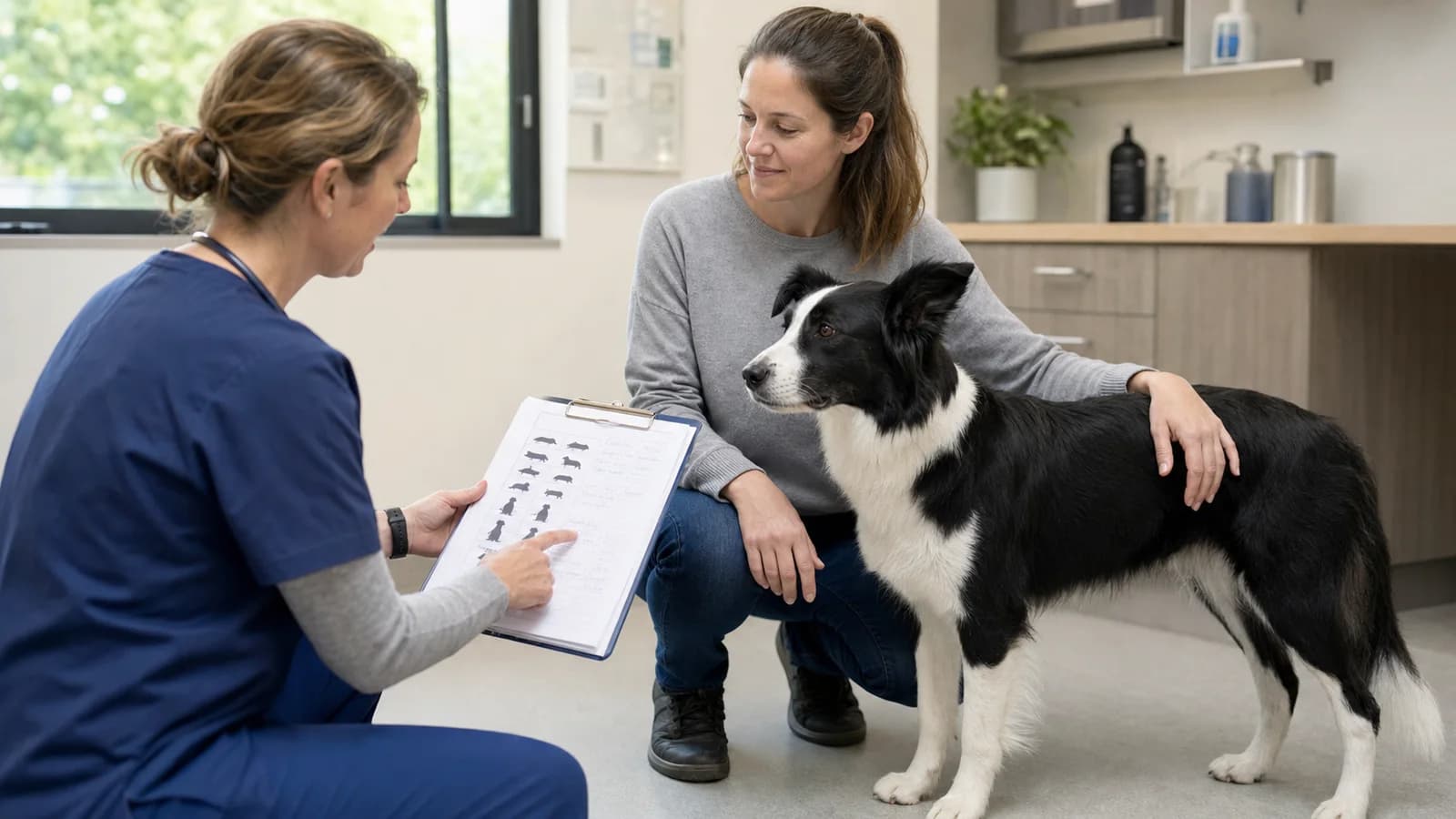
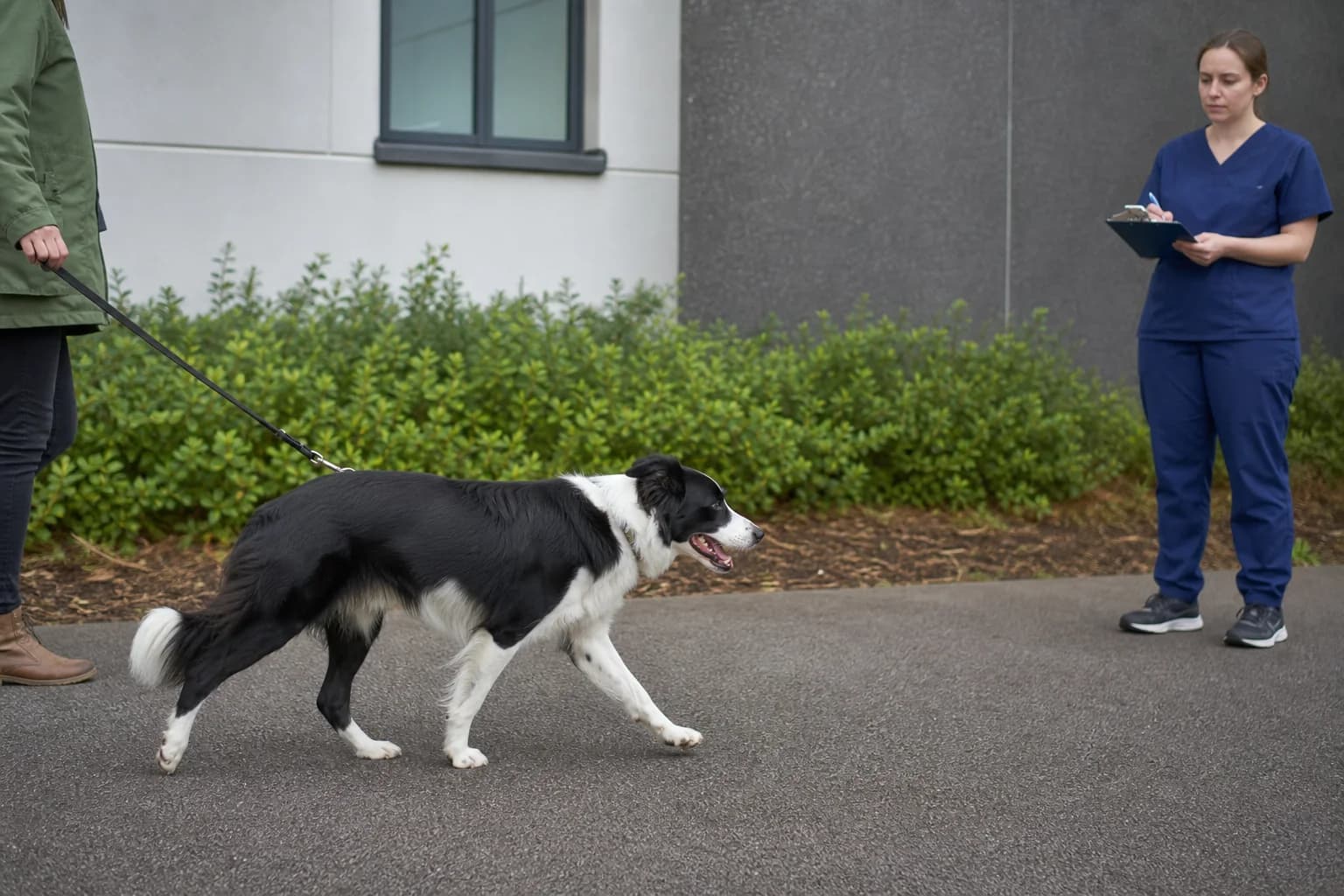
Watch ordinary walking, rising, turning, stairs, jumping into a vehicle, and behavior several hours after activity. A thick coat and high motivation can conceal shortened stride, stiffness, toe scuffing, reluctance, or asymmetric muscle use. Note whether the change appears on slippery flooring, after rest, during warm-up, or after a demanding day, and share that pattern with the veterinarian.
Add traction and teach calm ramp use before the dog is injured or elderly. Keep nails and paw care appropriate, maintain lean condition with veterinary nutrition guidance, and increase conditioning gradually. Persistent lameness, obvious pain, weakness, collapse, or loss of function should not be pushed through because the dog still wants to play.
Set up an accessible recovery area
A correctly sized resting surface such as the FurHaven orthopedic sofa dog bed can be compared with other beds when planning an accessible recovery area. Measure the dog at full extension and treat orthopedic as a product description, not a medical claim or treatment for pain.
WebVet's guide to signs of osteoarthritis in dogs provides additional context for gradual mobility changes, but a new or severe sign still needs individual veterinary assessment.
Create a preventive-care calendar that can change

Petful may earn a commission when you click through to Chewy, at no extra cost to you.
Use the veterinary relationship to set examination frequency, vaccination decisions, parasite prevention, dental assessment, reproductive care, nutrition review, laboratory work, and screening appropriate to the dog's age, location, lifestyle, travel, and medical history. Add medication refills and follow-up tests to the same calendar so a chronic plan does not depend on memory.
Older dogs and patients with ongoing disease may need reassessment more often than a healthy young adult, but no birthday creates one universal schedule. Bring prior records when changing clinics or seeing a specialist. A comparable timeline can show what changed while still allowing the veterinarian to revise the plan when new evidence appears.
Use clear thresholds for urgent veterinary help
Emergency warning signs can include collapse, severe breathing difficulty, a hard or rapidly enlarging abdomen, repeated unproductive retching, uncontrolled bleeding, major trauma, prolonged or clustered seizures, sudden inability to stand, severe pain, suspected poisoning, heat illness, or rapid deterioration. Call a veterinary clinic or poison resource as appropriate and follow transport instructions; an online breed guide cannot safely triage the individual dog.
Keep the nearest emergency clinic, primary veterinarian, medication list, diagnoses, allergies, insurance information, and a safe transport plan available to every caregiver. Update the packet when anything material changes. The preparation is useful precisely because it shortens confusion during a real event, not because every Border Collie is expected to develop one of these problems.
Keep medication, dental, and chronic-care records connected
Maintain one current list of prescriptions, preventives, supplements, doses, frequencies, start dates, and reasons. Share it with every treating clinician and update it after a change. Products described as natural can still have side effects, duplicate ingredients, or interact with a medical plan, while a missed or doubled dose may require instructions specific to that medication.
Oral health belongs in the same record because broken teeth, periodontal disease, infection, and mouth pain can alter appetite, play, handling, and behavior. Build cooperative mouth observation and use home care recommended for the individual dog, but do not scrape teeth or push through pain. Bleeding, swelling, a fractured tooth, odor with discomfort, or difficulty eating deserves veterinary assessment.
For chronic disease, ask for written goals, expected effects, monitoring dates, missed-dose guidance, side effects, and emergency thresholds. Note who can give medication and transport the dog if the primary caregiver is unavailable. Include the preferred pharmacy, refill lead time, storage instructions, and the clinic responsible for follow-up testing. A complete handoff protects continuity without inviting a backup caregiver to improvise treatment or wait until medication has run out.
Make the health plan usable at home
Verify the exact hip result
Hip screening is meaningful only when the correct dog, method, age, date, and result are identified.
Search the public record for both parents, save the entries, and ask the breeder or veterinarian to explain what they do and do not show.
Normal parents reduce some uncertainty but cannot guarantee every puppy's hips.
Check current eye evaluation
Inherited and acquired eye problems do not all share one test or one-time timetable.
Ask which ophthalmic examination and DNA results apply under current breed guidance, then verify the named dogs and dates.
A clear photograph or normal navigation at home is not an eye examination.
Treat DNA panels as targeted tools
Each genetic test addresses defined variants and inheritance assumptions rather than the whole dog.
Match the test name and laboratory result to the condition, ancestry, and current parent-club recommendation.
A broad clear label cannot rule out conditions not tested or not explained by that variant.
- The Embark Breed and Health DNA test is one consumer panel that can be compared with the exact variants and records relevant to the dog. It does not replace a veterinary examination, breed-club screening, breeder records, family history, or diagnosis. Interpret results with appropriate professionals.
Ask about family seizure history
Idiopathic epilepsy does not have one simple consumer test that clears a breeding dog or predicts every puppy.
Request honest history across close relatives and bring any event video, timing, recovery, and exposure information to the veterinarian.
A seizure is a medical event, not disobedience or a training failure.
Prepare a seizure action plan
Duration, clustering, recovery, temperature, injury risk, and known diagnosis affect urgency.
Ask the veterinarian in advance what to time, when to use prescribed rescue medication, and which emergency clinic to contact.
Do not put hands near the mouth or delay urgent care to obtain a perfect video.
Distinguish fatigue from collapse
A dog that stops normally after work differs from one that becomes weak, disoriented, uncoordinated, or collapses.
Stop activity, move to safety without forcing exertion, note conditions and timeline, and obtain veterinary guidance.
Never deliberately reproduce a collapse episode for diagnosis or sport clearance.
Use heat and workload records
Temperature, humidity, excitement, duration, terrain, hydration opportunity, and recent illness can alter exercise response.
Log these factors with gait and recovery whenever workload increases or an event occurs.
Heat illness can progress rapidly and requires prompt action based on veterinary instruction.
Watch gait from several angles
Subtle shortening of stride, bunny hopping, toe scuffing, stiffness, or reluctance can appear differently from the side and behind.
Record brief normal walking video on level ground when safe and compare trends for the veterinary visit.
A video cannot localize pain or replace orthopedic and neurologic examination.
Make floors and transport safer
Slippery flooring and repeated vehicle jumps can increase difficulty for a painful, weak, growing, or older dog. One product-specific equipment option to compare is Frisco dual-handle traffic leash; measure the individual dog and confirm size, condition, and intended use before purchase.
Add stable traction, teach calm ramp use before it is needed, and plan how two people would move the dog in an emergency.
Do not improvise lifting during breathing distress or severe pain without clinic guidance.
 Sponsored
Vet care that's always there
Unlimited video calls and messaging with licensed vets for less than a typical vet visit. One membership covers up to five pets.
Use code Pets60
Plans start at $12/month · covers up to 5 pets
- Licensed vets in most states
- Rx for 150+ conditions
- 4.7 on Trustpilot
Track body and muscle condition
A thick coat can conceal fat gain, muscle loss, or weight loss until change is substantial.
Learn hands-on scoring from the veterinary team and record weight plus muscle observations at comparable intervals.
Intentional restriction or supplementation should follow an individualized nutrition plan.
Include dental health
Oral pain, infection, fractured teeth, and periodontal disease can affect appetite, behavior, and systemic health.
Build cooperative mouth handling, use veterinary-recommended home care, and keep professional assessment on the preventive schedule.
Do not scale teeth or ignore bleeding, swelling, pain, or a broken tooth at home.
Review every medication and supplement
Active dogs may receive preventives, pain medicines, calming products, joint supplements, or performance products from several sources.
Maintain one current list with dose, frequency, start date, and reason, and share it with each treating clinician.
Natural does not mean interaction-free or safe at every dose.
Protect hearing observations from assumptions
Response to sound changes with distance, sleep, attention, training history, ear disease, and environmental noise.
Record consistent patterns and seek examination or appropriate hearing testing when concern persists.
Coat color or one startling response cannot diagnose hearing status.
Document vision-related changes
Hesitation in dim light, bumping objects, missed catches, changed stairs, or startling may have ocular, neurologic, pain, or behavior causes.
Change the environment for safety and schedule veterinary assessment with a clear timeline.
Do not rearrange obstacles to test the dog or delay care for sudden vision loss.
Use behavior as health data
Pain and illness can present as withdrawal, irritability, handling resistance, sleep change, lost housetraining, or reduced willingness.
Record context and physical changes, then include the veterinarian before assuming a training regression.
Punishment can suppress communication and increase risk when the cause is medical.
Keep senior enrichment adjustable
Older dogs can still benefit from searching, problem solving, social contact, and familiar routines when the activity matches current mobility, appetite, senses, and stamina.
Choose an easy starting task, protect traction, use part of the measured ration when food is appropriate, and stop before fatigue or frustration. Enrichment should preserve comfortable participation rather than test whether the dog can still perform at a younger level.
- A supervised option such as the Outward Hound Lickin' Layers puzzle and slow feeder can be compared with simpler food-search activities. Choose a difficulty the dog can complete calmly, remove damaged pieces, and count the food in the daily ration.

Petful may earn a commission when you click through to Chewy, at no extra cost to you.
Plan senior reassessment
A yearly plan that fit a healthy adult may miss faster change in an older dog or a dog with chronic disease.
Ask the veterinary team how often to reassess examination, laboratory work, nutrition, mobility, dental health, and medication.
Frequency should reflect the individual patient, not a generic birthday alone.
Build a quality-of-life log
Memory can over-weight the latest good or difficult day when changes are gradual.
Track comfort, appetite, hydration, elimination, mobility, sleep, engagement, and good versus difficult days in plain language.
Use the log to support, not replace, compassionate veterinary discussion.
Keep the emergency packet current
An emergency team benefits from accurate identification, diagnoses, medications, allergies, recent tests, and primary-clinic contact.
Store a current digital and paper summary with transport equipment and update it after any material change. Include the dog's microchip number, current weight, normal resting behavior, medication doses exactly as prescribed, the time of the last dose, and any handling or mobility limitation an unfamiliar team should know. Confirm that the designated backup caregiver can find the packet and reach the emergency clinic.
The packet saves time but does not justify delaying the trip or call.
Recheck screening guidance before breeding
Parent-club recommendations and available tests can change as evidence and technology develop.
Use the current BCSA and ABCA guidance, specialist interpretation, and actual public results when evaluating a mating.
An old checklist or generic all-breed panel is not a permanent completion certificate.
Plan eye and hearing accommodations
A dog with sensory change may startle, hesitate, miss cues, or navigate familiar spaces differently even when motivation remains strong.
Use predictable approach, stable furniture, contrast, lighting, touch cues conditioned positively, and veterinary or specialist guidance.
Accommodation improves safety but should not replace investigation of a new or rapidly changing sign.
Audit sport readiness
Enthusiasm and speed do not prove that joints, heart, neurologic function, temperature regulation, and conditioning are ready for a workload.
Increase duration and impact gradually, use surface and weather judgment, schedule recovery, and discuss sport-specific concerns with the veterinarian.
Never use competition pressure to work through collapse, lameness, pain, disorientation, or abnormal breathing.
Keep preventive records comparable
A weight or laboratory result is easier to interpret when date, life stage, diet, medication, activity, and clinical context are retained.
Store reports in one timeline and bring prior results when the dog changes clinics or sees a specialist.
A normal prior result cannot clear a new symptom, but it can help define what changed.
Prepare the household for chronic care
Long-term disease management may involve medication timing, monitoring, exercise changes, diet, follow-up testing, cost, and backup caregivers.
Ask the veterinary team for a written plan with goals, expected effects, side effects, missed-dose instructions, and emergency thresholds.
Do not change a prescription or monitoring schedule because a generic breed article suggests another approach.
Border Collie temperament and household fit
A Border Collie dog breed tendency toward intensity or the working background of a Border Collie sheepdog can affect how pain, fatigue, or sensory change first appears at home. A motivated dog may keep moving despite discomfort, while another may withdraw or become irritable. Use the Border Collie breed guide for the ordinary behavior and workload baseline, then report a meaningful departure from that individual pattern to the veterinary team.
Border Collie puppy price and responsible sourcing
People reviewing Border Collie puppies for sale or interviewing Border Collie breeders should match every claimed screening result to the named sire or dam, date, method, and registry or laboratory. A low price and a high price can both coexist with incomplete evidence. The Border Collie puppy guide covers source comparison, contracts, first-year cost, and return support; this health guide explains what the records can and cannot establish.
Choosing food by life stage and activity
Border Collie food choices should follow life-stage adequacy, the whole ration, clinical needs, and the dog's measured response rather than a disease list. Border Collie weight is useful only with body and muscle condition, growth or loss trend, workload, and veterinary interpretation. Use the Border Collie food guide for formula comparison, calories, portions, and transitions, while diagnosed disease or a therapeutic goal remains under the veterinary team's nutrition plan.
Border Collie FAQs

The most common cause of death for Border Collies cannot be assigned safely from one search result. Cause patterns vary by dataset, age, region, diagnostic access, and how records are coded. Focus on verified screening, preventive care, lean condition, dental health, safe conditioning, and rapid response to new signs. The dog's veterinarian can interpret risk in the context of family history and current health.
The average life expectancy for a Border Collie cannot be reduced to one guaranteed age. A historical Royal Veterinary College VetCompass sample reported median Border Collie longevity of 13.38 years, with a reported interquartile range of 11.49 to 14.99 years. That is dated population evidence, not a prediction for an individual dog. Genetics, disease, body condition, preventive care, environment, and chance all matter.
Asking at what age Border Collies start to slow down has no single answer. Workload, pain, conditioning, sensory change, chronic disease, heat, weight, and individual temperament affect activity. A gradual change deserves discussion at preventive visits; a sudden reduction in stamina, weakness, collapse, breathing change, marked pain, or new neurologic sign needs prompt veterinary attention. Do not use age to explain away a treatable problem.
Border Collie syndrome is an imprecise phrase and may be used online for different concerns, including exercise-related collapse. Ask the speaker to name the condition. Collapse, weakness, disorientation, or loss of coordination during activity has several possible causes and requires veterinary assessment. Stop exercise, move the dog to safety without forcing exertion, document conditions when safe, and never deliberately reproduce an episode.
Sources
- BCSA breed health overview: Current parent-club list of DNA-testable, physically screened, and unscreenable conditions.
- American Border Collie Association health and genetics: Breed-specific health context and screening limits.
- AKC Canine Health Foundation Border Collie collapse research: Current research context for Border Collie collapse as a complex condition.
- Royal Veterinary College VetCompass longevity poster: Primary-practice longevity evidence that includes Border Collies and an interquartile range.
- BCSA health statement: Parent-club breeder-screening recommendations.
Prices, product labels, policy terms, test recommendations, availability, and medical guidance can change. Verify time-sensitive details with the current source, product label, breeder or rescue records, and the dog's veterinary team before making a decision.
BVMS, MRCVS
Dr. Pippa Elliott, BVMS, MRCVS, is a veterinarian with nearly 30 years of experience in companion animal practice. Dr. Elliott earned her Bachelor of Veterinary Medicine and Surgery from the University of Glasgow. She was also designated a Member of the Royal College of Veterinary Surgeons. Married with 2 grown-up kids, Dr. Elliott has a naughty Puggle named Poggle, 3 cats and a bearded dragon.
Sign up for expert-backed reviews and safety alerts all in one place.