Maltipoo Colors: Every Coat Color and Pattern
A complete visual guide to Maltipoo colors and patterns: white, cream, apricot, red, black, brown, silver, parti, phantom, and merle, which shades are rarest, why color changes as puppies grow, and how each color shapes grooming and coat care.
Petful is reader supported. As an affiliate of platforms like Amazon and Chewy, we may earn a commission when you buy through links on this page. There is no extra cost to you.
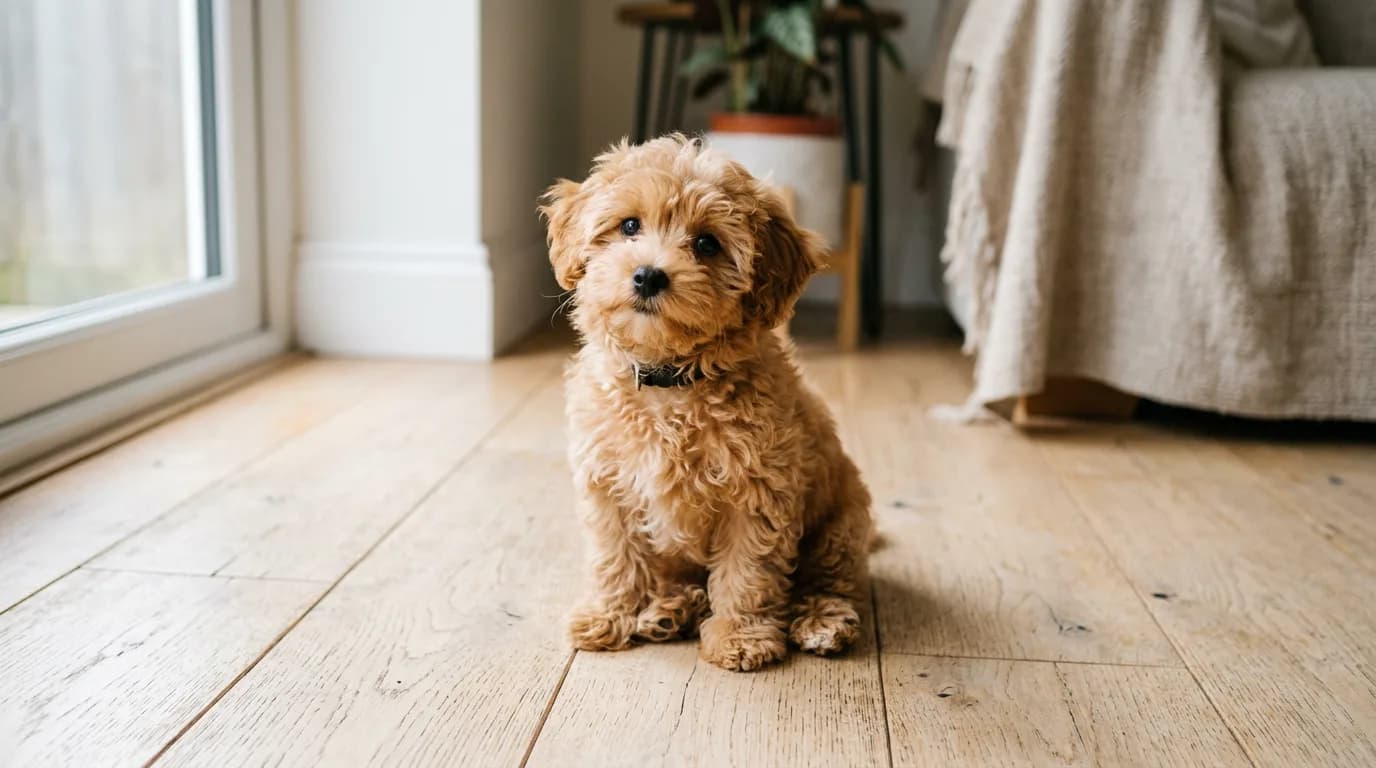
Maltipoo colors cover far more ground than the fluffy white teddy-bear look most people picture. Because the Maltipoo is a cross between the pure-white Maltese and the many-shaded Poodle, one litter can produce white, cream, apricot, red, black, brown, silver, and even patterned puppies side by side. This guide walks through every common Maltipoo coat color and pattern (including parti and phantom), shows what each one looks like in a real gallery of different dogs, explains which shades are genuinely rare, and covers how a Maltipoo's color changes the grooming and coat care it will need.
- 1Maltipoos come in white, cream, apricot, red, black, brown, silver, and gray, plus parti, phantom, abstract, and merle patterns.
- 2Solid white and cream are the most common; true jet-black, chocolate, and merle are the rarest.
- 3Coat color often shifts as a Maltipoo matures thanks to a Poodle "fading" gene, so the puppy you meet may lighten by adulthood.
Coat color sits on top of the traits that really define the breed, so if you are still weighing whether a Maltipoo fits your home, start with our full Maltipoo breed profile. Color also feeds directly into styling choices, which we cover in our guide to Maltipoo haircuts. And if you are comparing designer crosses, the Cavapoo shares many of the same color genetics through its Poodle parent.

Sign up for expert-backed reviews and safety alerts all in one place.
Maltipoo Color Chart
Here is every major Maltipoo color at a glance, with how it looks, how often you see it, and the one coat-care quirk each shade tends to bring.
Petful may earn a commission when you click through to Chewy, at no extra cost to you.
| Color | Appearance | How Common | Coat-Care Note |
|---|---|---|---|
| White | Bright to soft ivory, no other pigment | Very common | Tear and beard stains show most; needs daily face wiping |
| Cream | Pale off-white with a warm buttery cast | Very common | Hides light dirt better than white but still shows tear stains |
| Apricot | Soft orange-tan, like a ripe apricot | Common | Often fades lighter with age; sun can bleach the tips |
| Red | Deep rich mahogany or rust | Less common | Holds color better than apricot but can still soften over time |
| Black | Solid dark from roots to tips | Uncommon | Shows dandruff and lint; often clears to gray or silver |
| Brown | Warm chocolate to café au lait | Uncommon | Frequently lightens to a faded milk-chocolate as it matures |
| Silver or Gray | Cool ash tones, usually a cleared black | Rare at birth | Almost always develops over one to two years, not born this way |
| Parti | Two colors, usually white plus a second | Less common | Colored patches may fade at different rates than the white |
The Solid Maltipoo Colors
Most Maltipoos are a single solid color across the whole coat. These are the shades you will meet most often, roughly from lightest to darkest.
White
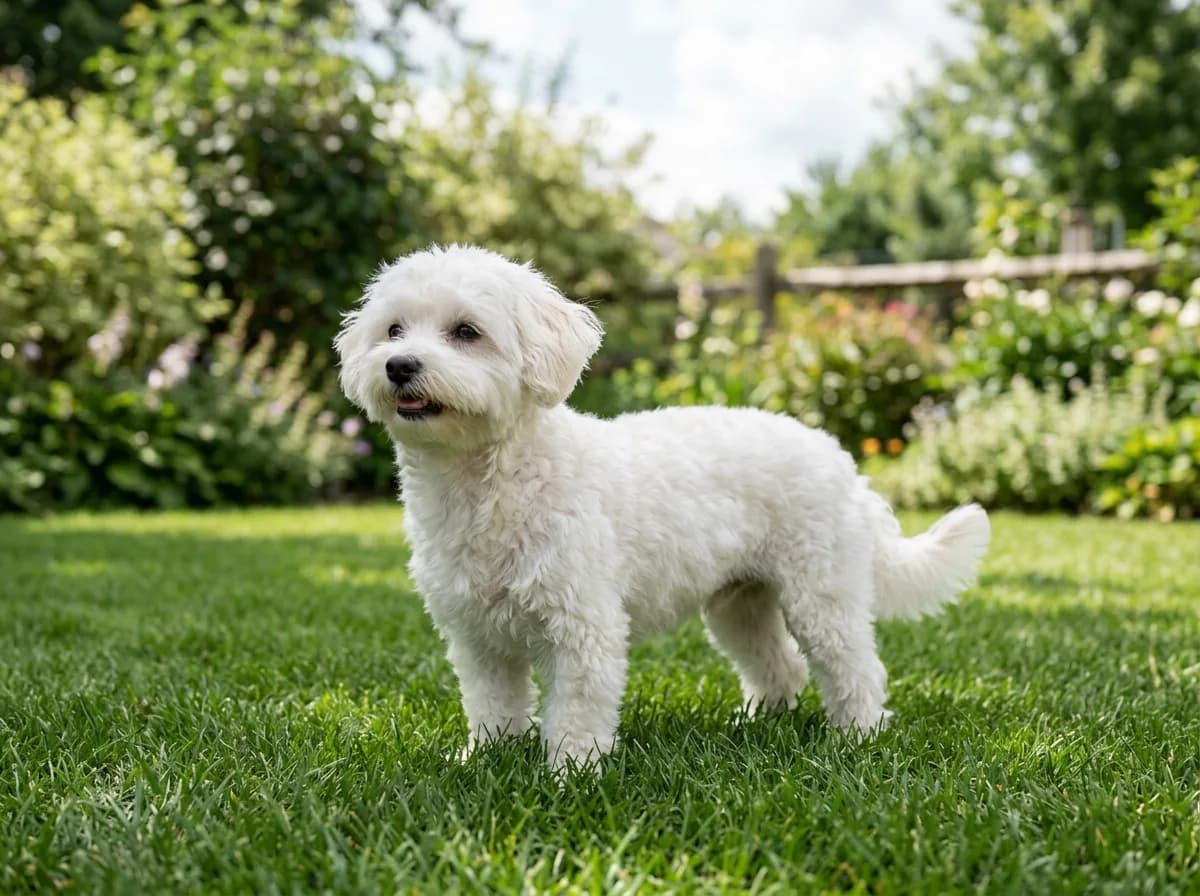
White is the classic, most-requested Maltipoo look and the one that leans hardest on the Maltese side of the family. A true white Maltipoo carries no other pigment in the coat, so it reads as clean bright ivory in the sun. The trade-off is upkeep: white fur shows every tear stain, food mark, and grass smudge, especially around the eyes, muzzle, and paws. The American Kennel Club lists pure white as the only accepted Maltese color, which is exactly why the white gene runs so strong in this cross.
Cream
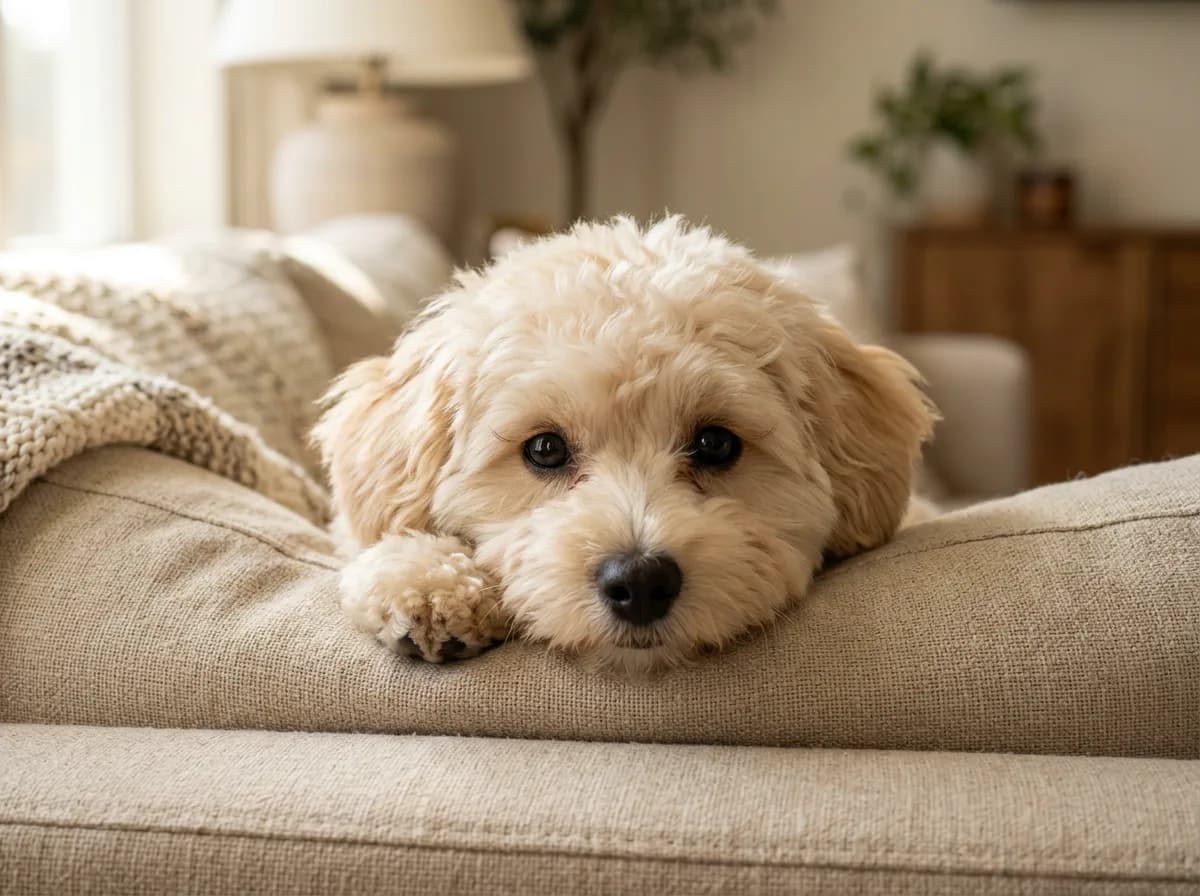
Cream is white with the lights dimmed, a soft off-white carrying a warm, buttery undertone that is easiest to see against a truly white dog. It is one of the two most common Maltipoo colors and a favorite for owners who want the pale teddy-bear look with slightly less of the stark-white staining problem. Many cream Maltipoos start life a touch darker and settle into their pale adult shade over the first year.
Apricot
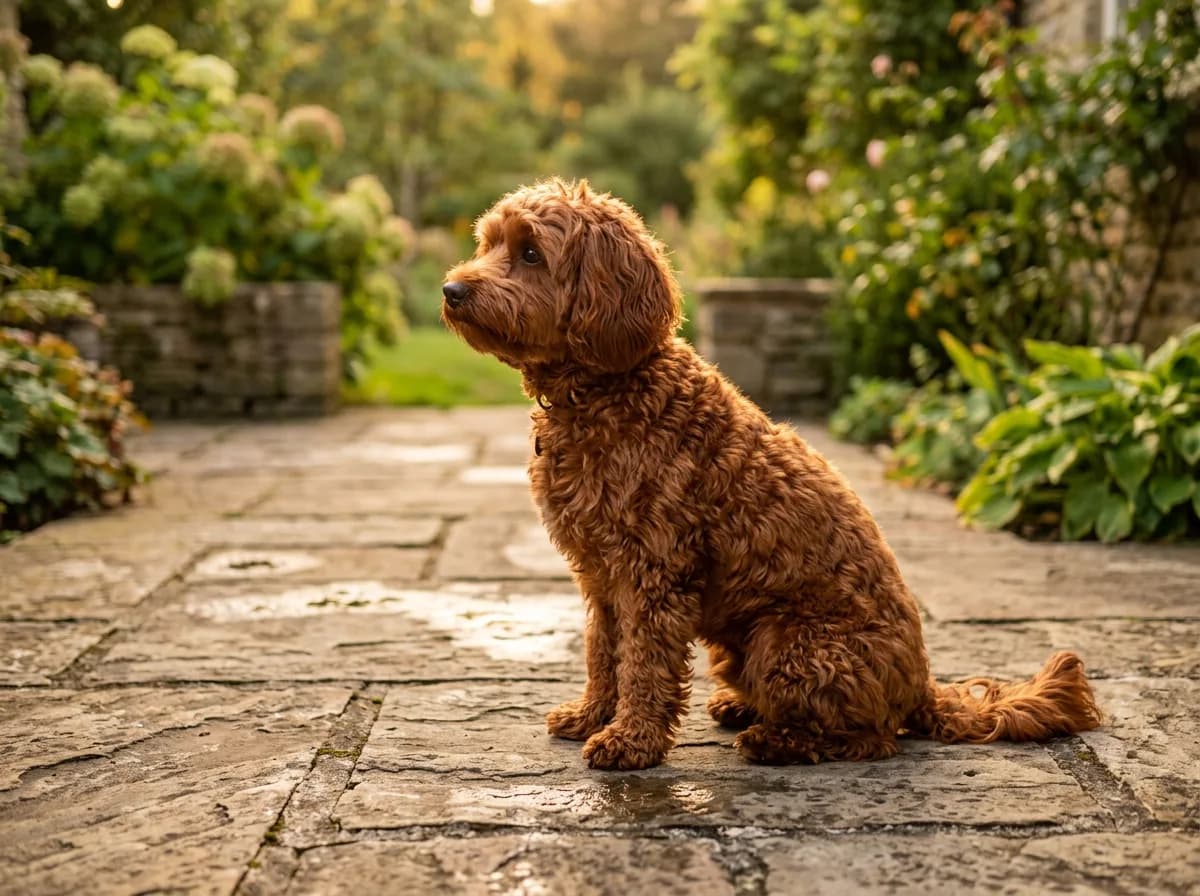
Apricot is a soft orange-tan, the color of the ripe fruit it is named for, and it is one of the most popular Maltipoo colors on the warmer end of the palette. It comes almost entirely from the Poodle side, where apricot is a recognized shade. Apricot coats are famous for changing: many puppies are noticeably darker and richer at eight weeks, then lighten toward cream at the tips as they clear with age, and sun exposure can bleach them lighter still.
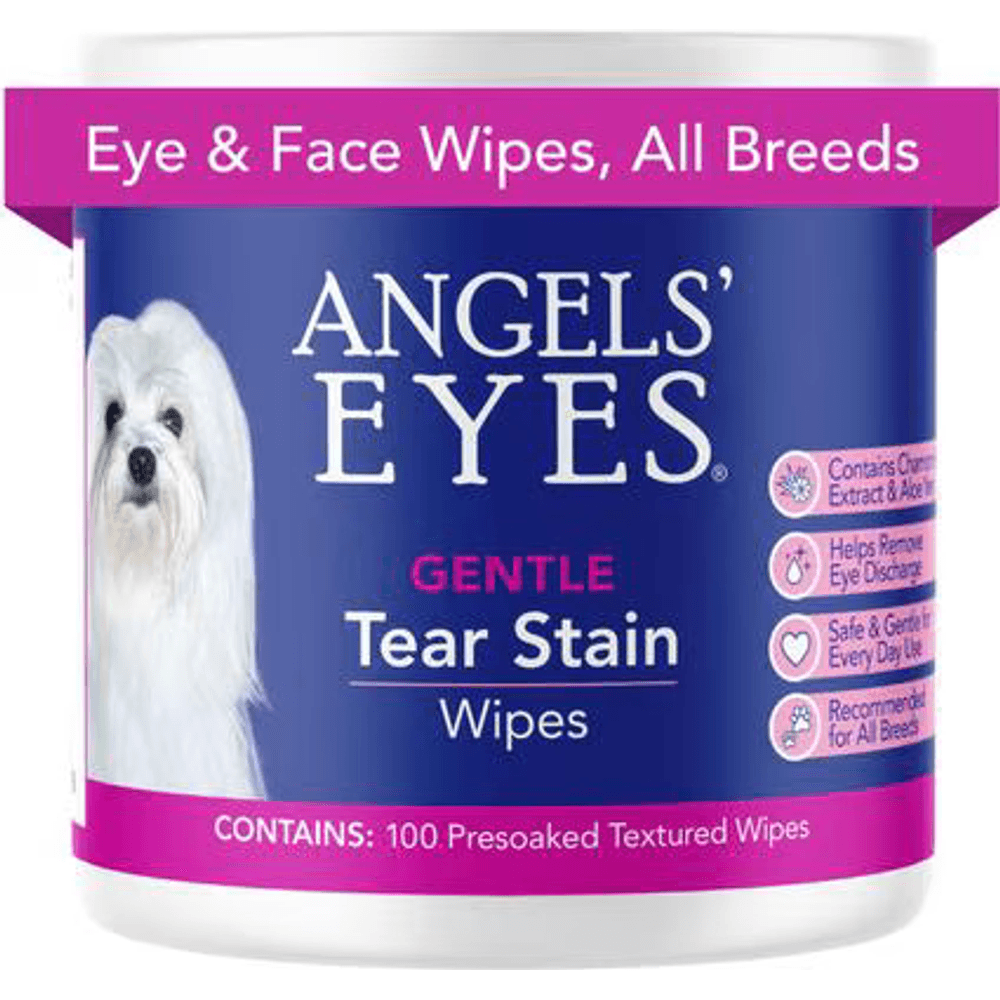
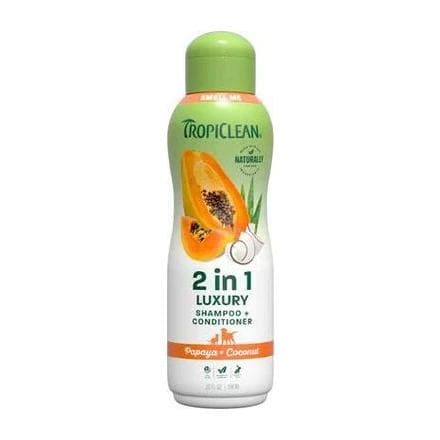
Presoaked wipes that gently clean the fur and skin around a dog's or cat's eyes, lifting away tear stains, discharge, and daily debris. A quick, no-rinse way to keep the eye area clean between baths. For routine cleaning only.
Petful may earn a commission when you click through to Chewy, at no extra cost to you.
Red
Red is the deep, saturated cousin of apricot, ranging from rich rust to dark mahogany. It is less common because it needs a strong dose of the Poodle red pigment, and even then a red Maltipoo often softens a shade or two as it matures rather than staying fire-engine deep. A genuinely dark, stable red that holds its intensity into adulthood is one of the more sought-after Maltipoo colors.
Black
Solid black is surprisingly uncommon in Maltipoos, because the Maltese contributes no black at all and the pigment has to come entirely from a Poodle parent that is itself solid black. A true black Maltipoo stays dark from roots to tips with no brown or silver mixed in, and it shows dandruff, lint, and dust far more than a pale coat does. Many black-born puppies do not stay fully black: the Poodle clearing gene often lightens them toward charcoal, blue, or silver over a year or two.
Brown (Chocolate and Café au Lait)
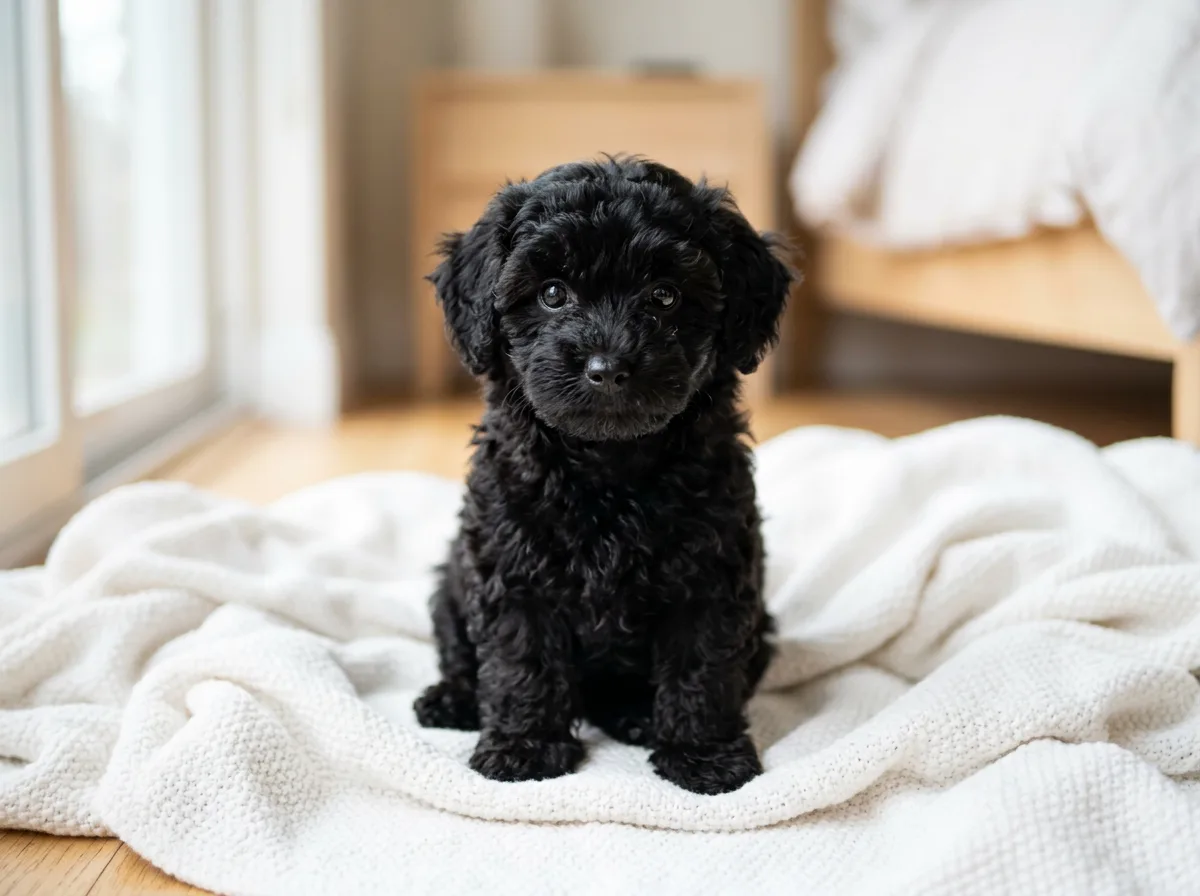
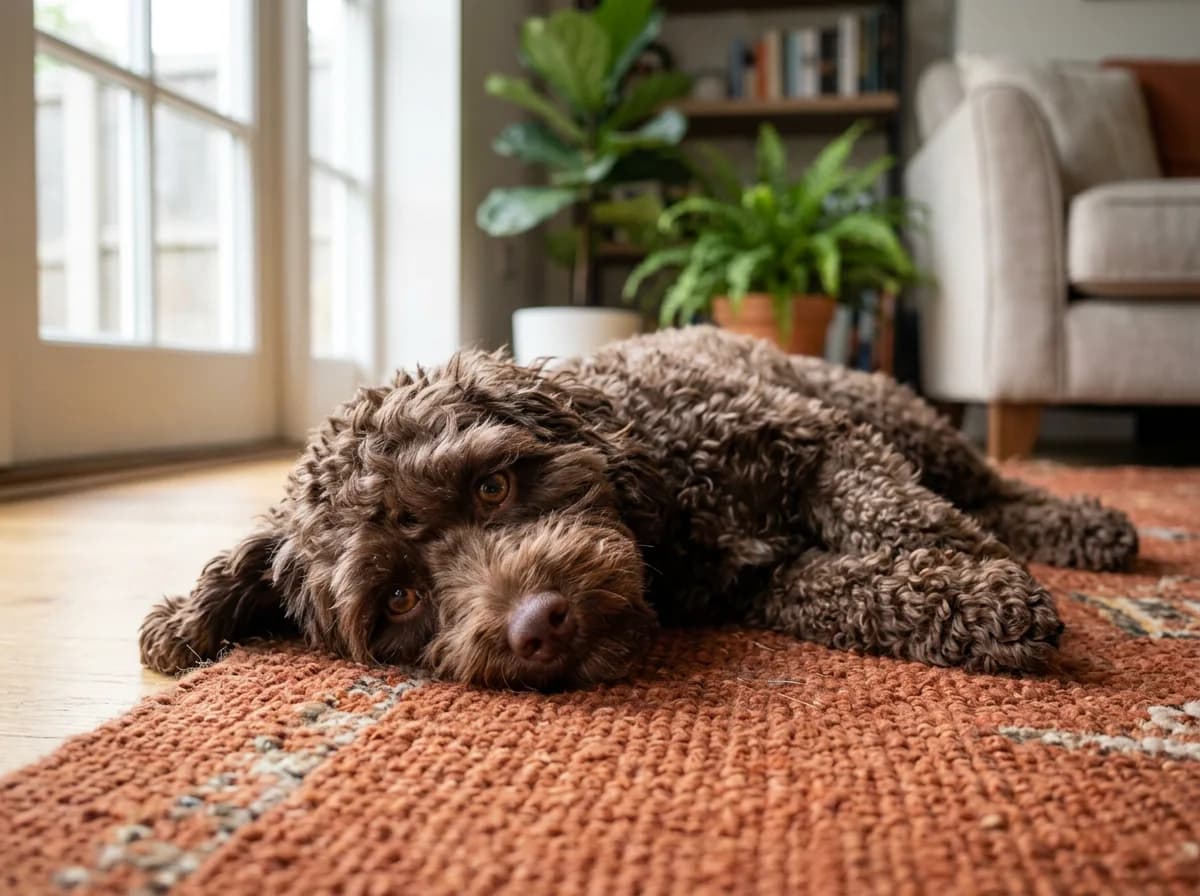
Brown Maltipoos run from deep chocolate to a lighter café au lait, and like black they depend on a Poodle parent carrying the brown pigment gene. Chocolate is one of the harder colors to lock in, and it is also one of the most likely to change: many brown Maltipoos fade to a paler, milky café au lait as they age. Brown-coated dogs usually have warmer liver-toned noses and eye rims rather than the black points seen on other colors.
Silver and Gray
Silver and gray are cool, ashy tones that are almost never present at birth. Instead they nearly always appear as a black or dark Maltipoo goes through the Poodle clearing process, shedding its dark puppy coat for a lighter adult one. A dog born jet black can become a soft dove gray or gleaming silver by age two. Because you cannot reliably predict clearing from a young puppy, silver Maltipoos are considered rare and are usually a happy surprise rather than a guarantee.
Petful may earn a commission when you click through to Chewy, at no extra cost to you.
Maltipoo Coat Patterns
Not every Maltipoo is one solid color. A handful of patterns show up when the Poodle side contributes markings, and they are worth knowing before you fall for a photo.
Parti
A parti Maltipoo carries two colors in defined patches, most often a white base with a second color (apricot, black, brown, or red) splashed across the ears, back, or rump. Parti is technically a coat pattern rather than a color, and it comes from the Poodle parti gene. These dogs stand out because the pattern is unique to each puppy, almost like a fingerprint, and the two colors may fade at different rates as the dog matures.
Phantom
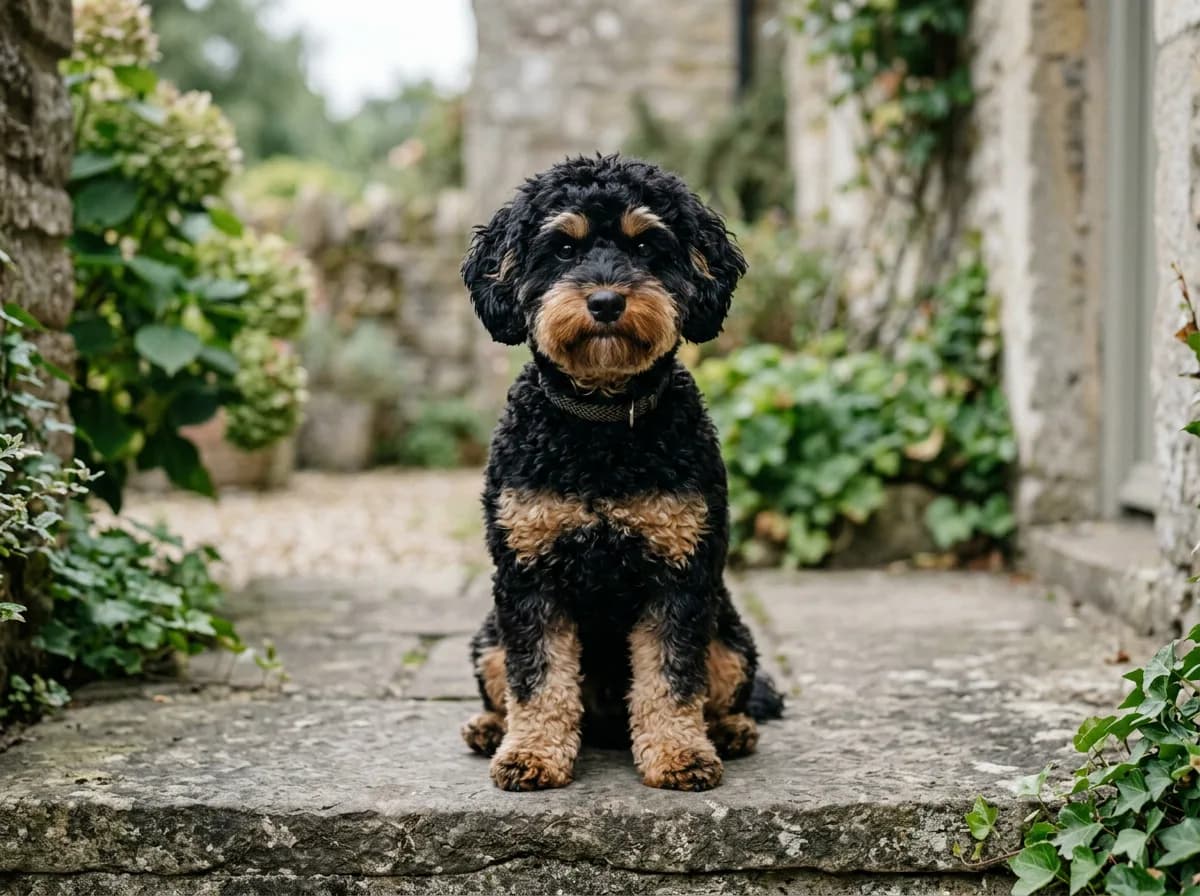
Phantom is one of the most striking Maltipoo patterns and one of the least common. A phantom dog has a solid base color with sharply defined tan or lighter points in set locations: above the eyes, on the cheeks, inside the ears, on the chest, and on the lower legs, much like a Doberman's markings. The effect only shows clearly on a darker base such as black or brown, and true, well-placed phantom points are genuinely hard to find.
Abstract and Tuxedo
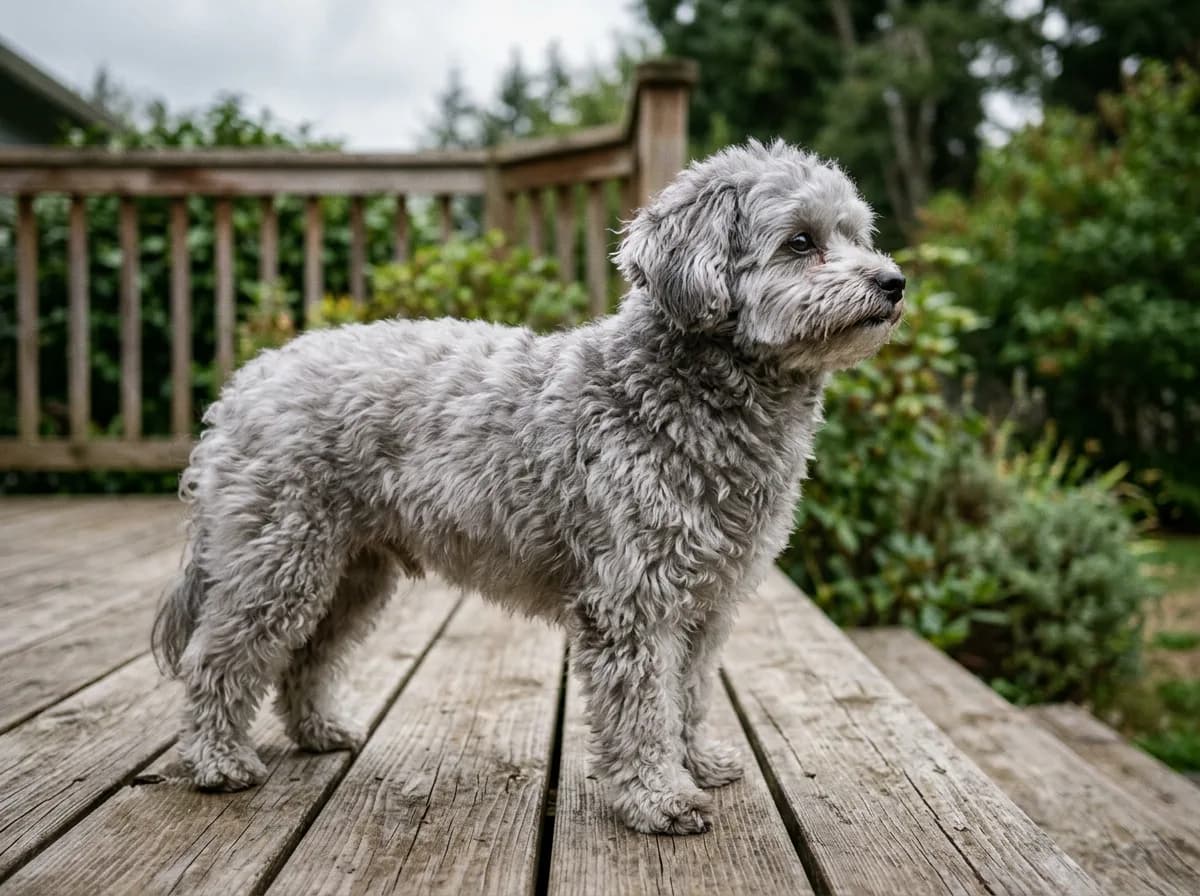
Abstract (sometimes called a mismark or tuxedo) is a mostly solid dog carrying small splashes of white, usually on the chest, chin, toes, or forehead. Less than roughly half the coat is white, which is what separates an abstract from a full parti. A white chest blaze or four white "socks" on an otherwise apricot or black dog is the classic abstract look, and it is fairly common.
Merle
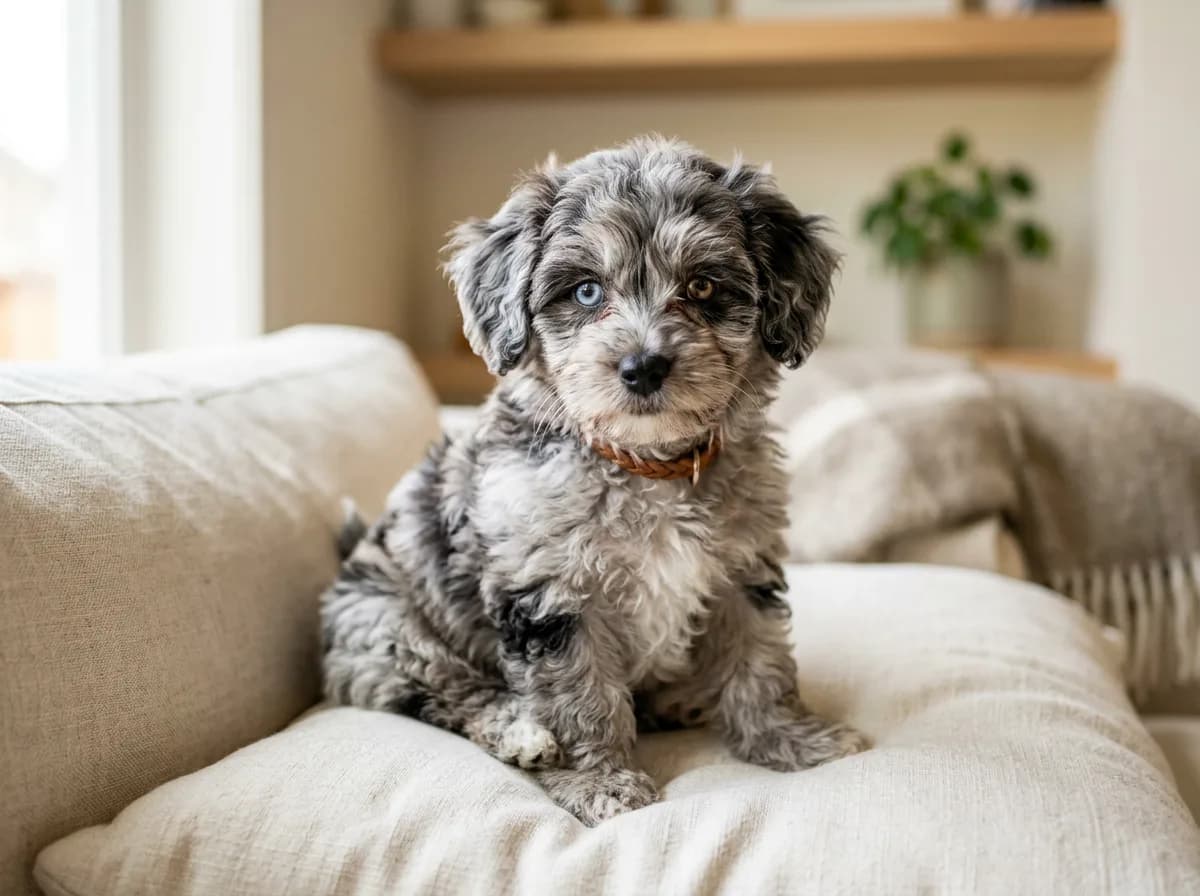
Merle is a mottled, marbled pattern of lighter and darker patches, often paired with blue eyes. It is the rarest and most cautioned-about pattern in the breed, because neither the Maltese nor most Poodle lines naturally carry merle: it has to be introduced from another breed somewhere in the background. Merle also carries real health stakes. Breeding two merle dogs together can produce "double merle" puppies at high risk of deafness and eye defects, so responsible breeders never pair two merles.
Petful may earn a commission when you click through to Chewy, at no extra cost to you.
What Is the Rarest Maltipoo Color?
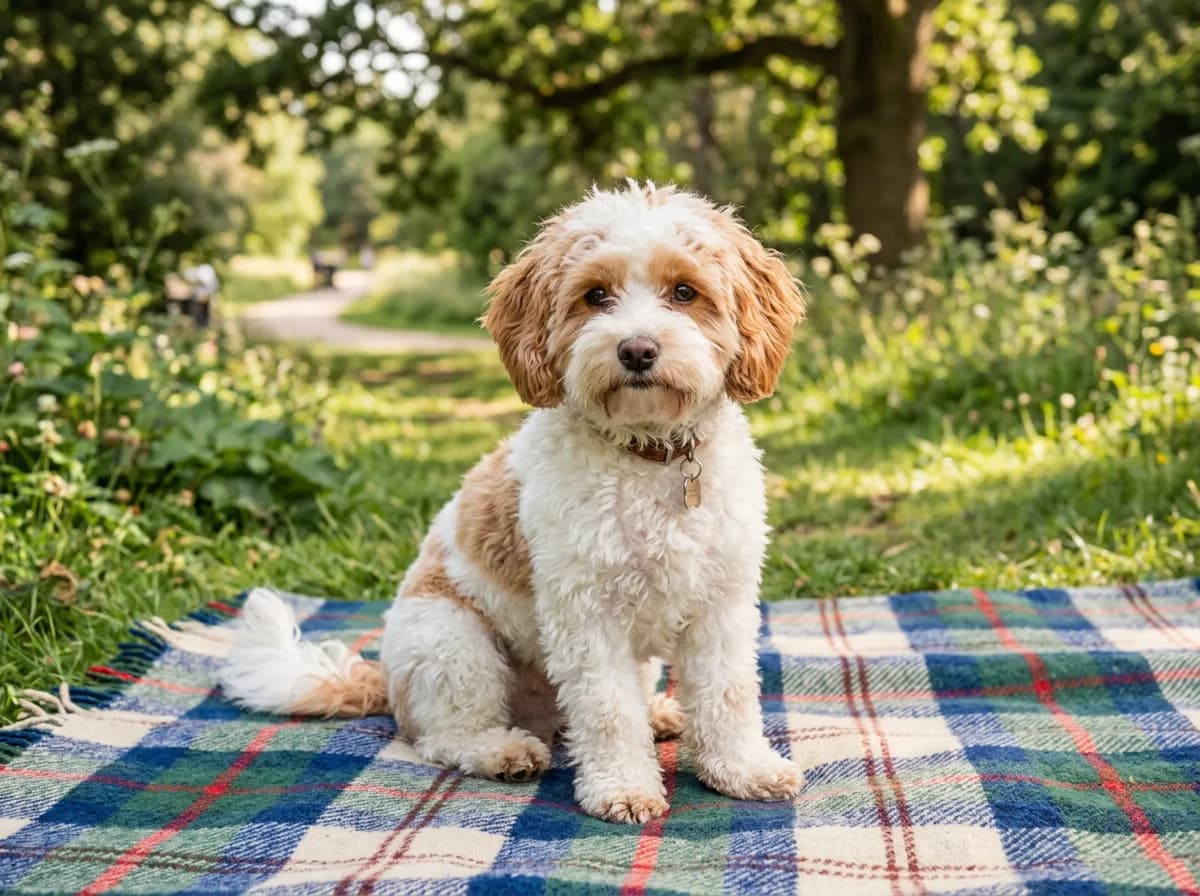
The rarest solid Maltipoo colors are true, stable jet-black and rich chocolate brown that hold their depth into adulthood, simply because both require a Poodle parent carrying that pigment and both fight against the breed's strong tendency to clear and fade. On the pattern side, well-marked phantom and merle are the hardest to find, with merle the rarest of all because it does not occur naturally in either parent breed. Bright, saturated red that stays deep is also uncommon. By contrast, white and cream are the everyday colors you will see in almost any litter.
Rarity here is about availability, not quality. A rare color does not make a Maltipoo healthier, calmer, or better bred, and it should never be the only reason to pick a puppy. In fact, when a breeder charges a steep premium purely for an unusual color or blue eyes, that is a cue to look harder at their health testing rather than less.
Why Maltipoo Color Changes as They Grow
One of the biggest surprises for new owners is that the puppy color rarely stays put. Poodles carry a progressive graying or "fading" gene, and Maltipoos inherit it often. A dark puppy can lighten dramatically over its first one to two years as the coat clears: black to silver, chocolate to café au lait, apricot to near-cream. The face and legs frequently clear first, which is why a young black Maltipoo may show silvery whiskers around the muzzle months before the body follows.
- Peek at the roots by parting the coat, and look at the parents and any older siblings. Roots that are already lighter than the tips, or a dam and sire that cleared as adults, are strong hints your puppy will lighten too. Judge final color by how the coat is trending, not by the eight-week photo.
This clearing is normal, harmless, and purely cosmetic. It has nothing to do with health or age-related graying in senior dogs. It simply means the color you fall for at eight weeks is a starting point, not a promise.
How Maltipoo Color Affects Grooming and Coat Care
Color and coat care are more connected than most owners expect, and it is worth planning grooming around the shade you end up with. All Maltipoos are low-shedding and need regular brushing and professional trims to prevent matting, but the color changes what you fight hardest against.
Light coats: staining is the enemy
White, cream, and pale apricot Maltipoos show tear staining, saliva staining, and food marks far more than dark dogs. Reddish-brown tear stains under the eyes and a rusty "beard" around the mouth are the number-one complaint from light-coated owners. Daily face wiping with a damp cloth, keeping the hair trimmed short around the eyes, and using stainless or ceramic water bowls all help. A gentle whitening or brightening dog shampoo formulated for pale coats keeps the base color looking clean between grooms.
Dark coats: contrast and dandruff show
Black, brown, and silver Maltipoos hide tear stains beautifully but reveal their own issues. Dandruff, dust, and lint stand out against a dark coat, and dry flaking is more visible, so a moisturizing shampoo and consistent brushing matter more here. Dark coats also show the fading process in real time, so expect the color to look slightly different season to season as the dog clears.
Every color: brushing beats matting
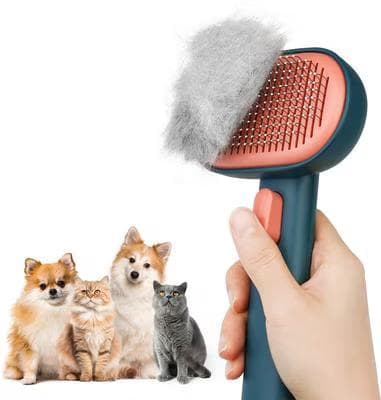
Whatever the shade, the Maltipoo's soft, often wavy or curly coat mats quickly if it is neglected. A slicker brush plus a metal comb worked through to the skin a few times a week is the single most important habit, along with a professional groom every four to six weeks. A deshedding or dematting tool is useful during the puppy-to-adult coat change, when loose undercoat gets trapped and tangles form fastest. Color does not change how often you brush, only how obvious the consequences are when you skip it.
- People sometimes assume a darker or rarer Maltipoo has a different coat texture. It does not. Coat texture (straight, wavy, or curly) is inherited separately from color and depends mostly on how much Poodle versus Maltese the dog carries. A curly black and a curly white Maltipoo need the same brushing routine.
Does Coat Color Affect Health or Temperament?
For nearly every Maltipoo color, the answer is a firm no. White, cream, apricot, red, black, brown, and silver dogs are all equally healthy, and coat color has no bearing on personality: a black Maltipoo is no calmer or busier than a white one. Temperament comes from breeding, socialization, and individual character, not pigment.
The one real exception is merle. Because the merle gene can affect pigment cells that also play a role in the eyes and inner ear, merle-to-merle breeding raises the risk of deafness and eye abnormalities in the puppies. This is a breeding-practice issue, not a reason to avoid a single-merle dog from a responsible breeder, but it is exactly why merle deserves extra scrutiny. Whatever the color, the health questions that actually matter are the parent breeds' screenings. Reputable Maltipoo breeders test their Maltese and Poodle stock through the Orthopedic Foundation for Animals (OFA) for issues like patellar luxation and eye disease, and veterinary programs such as Cornell University's College of Veterinary Medicine document the same hereditary concerns in both parent breeds.
- If a breeder markets rare colors, merle coats, or blue eyes as the headline and stays quiet about OFA health testing on the parents, treat that as a red flag. Color should be the last box you check, well after health clearances, temperament, and how the puppies are raised.
Frequently Asked Questions
What Is the Most Popular Maltipoo Color?
The most popular Maltipoo colors are cream and apricot, the warm teddy-bear shades, with classic white close behind. It helps to separate two different ideas here. The colors that turn up most often in litters are white and cream, because the Maltese parent contributes only white and that pale pigment passes down strongly. The colors buyers actively request most are the soft apricot and cream tones, prized for the round, stuffed-animal face that made the breed famous.
White stays a perennial favorite for owners who want the crispest look and do not mind the extra face-cleaning. Apricot wins with people who want warmth without going as dark as red or brown. Because demand for apricot and cream runs high while truly stable, slow-to-fade examples are harder to guarantee, the best-cleared puppies in those shades tend to get spoken for fastest at a breeder. If a specific popular color matters to you, ask to see the parents and older siblings so you can gauge how a puppy is likely to mature rather than betting on the eight-week photo.
What Is a Sable Maltipoo?
A sable Maltipoo has hairs that are darker at the tips and lighter toward the roots, creating a shaded, overlaid look rather than a flat single color. Picture an apricot or cream coat dusted with black or dark-brown tipping across the back and ears. Sable comes from the Poodle side, and it is one of the most dramatic patterns for changing over time. As the dark tips wear down and the coat clears, many sable puppies lighten so much that the sabling nearly disappears by adulthood, leaving a far paler dog than the one you met at eight weeks.
You can spot sabling early by parting the coat. If a single hair is banded (dark at the point, lighter down the shaft) rather than one solid tone root to tip, it is sable. A sable phantom combines that tipped shading with defined phantom points, which is why the two terms often show up together in searches. Sable is uncommon rather than truly rare, and like every pattern in the breed it has no effect on health or temperament.
What Is a Tri-Color Maltipoo?
A tri-color Maltipoo carries three distinct colors in one coat, most often a white base with black (or brown) patches plus tan or copper points above the eyes, on the cheeks, and on the legs. In plain terms it looks like a parti and a phantom combined: the white-and-color patchwork of a parti, with the sharp tan accents of a phantom layered on top. That double requirement is why tri-color puppies stand out and are comparatively hard to produce.
Because the pattern depends on the Poodle parent passing along both the parti gene and the phantom points, tri-color is one of the less common looks in the breed, and no two tri-color dogs are marked exactly alike. As with parti and phantom, the three colors can clear and shift at different rates as the dog matures, so the crisp contrast of a young tri-color puppy may soften over its first year or two. The pattern itself is purely cosmetic and carries none of the health cautions attached to merle.
Do Rare Maltipoo Colors Cost More?
Often, yes. Breeders frequently price uncommon colors and patterns (true jet-black, rich chocolate, merle, phantom, and well-marked parti or tri-color) above the standard white, cream, and apricot puppies, because those looks are harder to produce and sit in higher demand. Blue eyes paired with a merle coat tend to carry the steepest markups of all, while everyday colors are usually the most affordable simply because they are the most plentiful.
The honest answer, though, is that color is not what you should pay a premium for. A rarer shade does not make a Maltipoo healthier, longer-lived, or better tempered, and the breed's clearing genetics mean the pricey color you buy at eight weeks can fade into an ordinary one anyway. What genuinely justifies a higher price is documented health testing on the parents, careful early socialization, and a breeder who stands behind the puppy. If a listing leads with rare color or blue eyes and goes quiet on health clearances, that premium is buying the wrong thing. Treat color as the final tiebreaker between two healthy, well-raised litters, not the reason for the price. Petful’s guide to Maltipoo prices breaks down breeder, adoption, and lifetime costs.
The rarest Maltipoos are true jet-black and rich chocolate brown that hold their depth into adulthood, plus the merle and well-marked phantom patterns. Merle is the rarest of all because it does not occur naturally in the Maltese or most Poodle lines and has to be introduced from another breed. White and cream, by contrast, appear in almost every litter.
Maltipoos enjoy walks but are small companion dogs, not endurance athletes. Two short-to-moderate walks a day totaling roughly 30 to 45 minutes, plus indoor play, keeps most of them happy. They will gladly join a longer stroll, but watch for tiring, overheating, or sore paws, and let a puppy or senior set the pace.
Maltipoos are bright and people-focused, so they favor plush squeaky toys, small treat-dispensing puzzle toys, and soft tug or fetch toys sized for a small mouth. Rotating a few options and adding food puzzles keeps their clever minds busy and helps with the boredom and separation anxiety the breed is prone to. Choose small, durable toys with no easily chewed-off parts.
Like all dogs, Maltipoos must never eat chocolate, grapes or raisins, onions, garlic, chives, macadamia nuts, or anything containing xylitol (a sweetener in sugar-free gum and some peanut butters). Also skip alcohol, caffeine, and very fatty scraps that can trigger pancreatitis in small dogs. When in doubt, stick to a complete dog food and vet-approved treats.
Neither sex is reliably "better." In this breed the differences between individual dogs far outweigh any male-versus-female trend, and both make affectionate, trainable companions once spayed or neutered. Focus on the specific puppy's temperament, the parents' health testing, and how well the dog fits your household rather than picking by sex.
The most common Maltipoo issues are dental disease (small mouths crowd teeth), reddish tear staining, luxating patellas (slipping kneecaps), and separation anxiety, since the breed bonds hard and dislikes being left alone. Routine dental care, daily face cleaning, keeping them lean, and gradual alone-time training address most of these.
Most Maltipoos love being close to their people and are happy to be picked up and carried for short spells. That said, they still need to walk and explore on their own four feet for exercise and confidence, so carrying should be a bonus, not a substitute. Always support the chest and hindquarters, since their small joints can be injured by a careless lift or a jump from your arms.

Coreen Saito is a pet writer and longtime shelter volunteer with more than a decade in animal rescue. She covers cat behavior, breed care, and the small, ordinary science of sharing a life with companion animals, with a particular focus on honest takes about the products and decisions that actually matter. At home in Arizona, she's outranked by Mac (a dog with the loudest opinion in the house), Rebel (a cat who governs by quiet authority), and Meri (an orange tabby who runs the late shift and the laundry basket). She writes about all three, plus the rescues that keep coming through her life, at LifeWithMinty.com.
Sign up for expert-backed reviews and safety alerts all in one place.