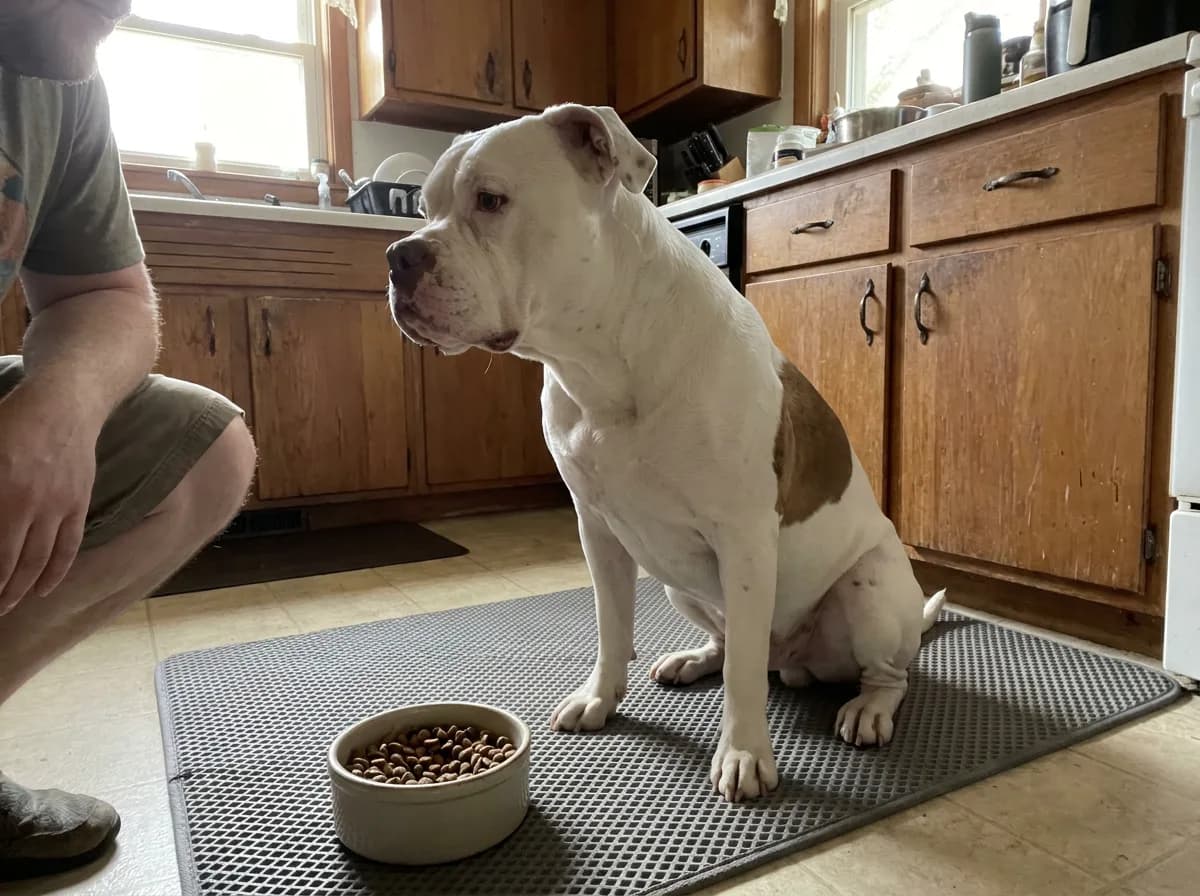
Pomsky Price: Purchase Costs and an Ownership Budget
Pomsky prices vary, and the puppy fee is only one expense. Compare written breeder and adoption quotes, build a first-year care budget, and plan separately for recurring services and unexpected costs.

Appearance alone does not establish ancestry or predict adult size.
Petful is reader supported. As an affiliate of platforms like Amazon and Chewy, we may earn a commission when you buy through links on this page. There is no extra cost to you.
Pomsky price varies widely between sellers, locations, and individual dogs. As a starting point, one breeder, Pathfinder Pomskies, describes a $2,000–$3,500 puppy range, while the American Pomsky Kennel Club discusses advertised prices from $800 to $6,000. These are published examples, not a measured national average or a guarantee of what a local puppy will cost.
The useful number is your total cost to bring the dog home and care for it. That includes what the seller or rescue provides, what remains for you to arrange, and the recurring expenses that begin immediately. A higher asking price does not certify health, and a lower adoption fee does not establish lower lifetime costs.
Compare written Pomsky quotes by what they include, then build a first-year budget and a separate emergency reserve. Treat appearance premiums as optional spending, not evidence of better health or a more suitable companion.

Sign up for expert-backed reviews and safety alerts all in one place.
Pomsky price: what a puppy can cost
Expect to encounter very different asking prices. The published ranges above show the spread, but neither source is a representative survey of all U.S. transactions. Availability, the breeder's program, the puppy's age, location, and the services included can change the quote you receive.
Ask for the total payable amount in writing. A deposit may be credited toward that amount or handled differently under the contract. Transport, delivery, registration-related charges, and required purchases can also affect the total. An attractive headline price is incomplete until you know those details.

A budget-friendly padded no-pull harness that keeps leash pressure off a coughing dog's neck and windpipe by distributing it across the chest. A simple, affordable way to protect an irritated airway or a collapsing trachea on every walk.
Petful may earn a commission when you click through to Chewy, at no extra cost to you.
| Published price reference | What it provides | How to use it |
|---|---|---|
| Pathfinder Pomskies: $2,000–$3,500 | One breeder's description of a typical puppy range | A starting comparison, not an independent quality rating |
| American Pomsky Kennel Club: $800–$6,000 | A club discussion of the broad advertised market | Evidence of variation, not a promise that every price is appropriate |
| A local rescue's written adoption fee | The fee for a specific available dog | Compare included care and known ongoing needs |
| A breeder's individual written quote | Terms for the puppy you are considering | Check the total, documents, and your remaining costs |
What about a Pomsky under $1,000?
A low price requires the same careful checks as any other price. Ask why the amount is lower, verify the dog's identity and records, and understand whether it is an adult placement, a rescue adoption, or a puppy sale. Price alone cannot tell you whether the arrangement is responsible.
Do not allow a “today only” discount to replace a normal review of the contract and animal's care history. Confirm who has the dog, where it is being raised, and how you can verify its existence. A video conversation can add useful context, but documents and a coherent, verifiable process still matter.
Separate puppy cost from equipment cost
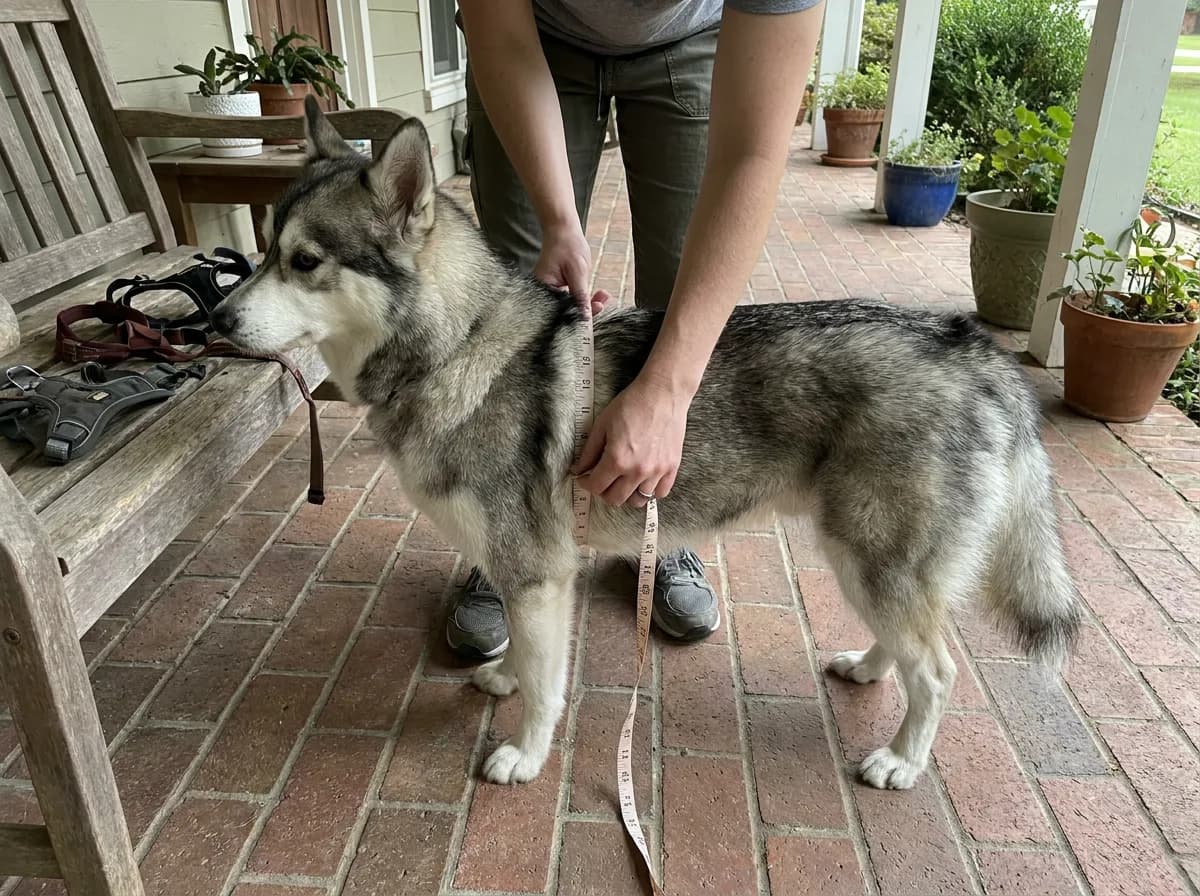
Before buying fitted items, request current measurements and an explanation of expected adult size. A Frisco Padded No Pull Dog Harness, Small is an option only when the dog's chest and other required measurements match that product's chart. The size name alone does not make it appropriate for a Pomsky.
Our full-grown Pomsky guide explains the measurements worth collecting. Buying for the dog in front of you can avoid spending twice on a carrier or harness selected from a generic breed picture.
Why Pomsky prices vary
Breeding and raising puppies involves real expenses, including veterinary care, suitable parent screening, housing, food, and time spent caring for the litter. The American Pomsky Kennel Club's breeding-cost discussion identifies these categories. However, a seller's price does not show whether that work was actually performed.
Evaluate the evidence behind the claim. Ask to see named parent records, the puppy's veterinary history, and an explanation of early socialization. A seller who says the price reflects extensive testing should be able to identify the tests and supply the corresponding results.
| Factor | Can affect the asking price | Does not guarantee |
|---|---|---|
| Documented parent screening | The breeder's expenses and selection process | A puppy will never become ill |
| Early care and training | Time invested before placement | Instant house training in a new home |
| Location and transport | The seller's and buyer's total costs | Better suitability for your household |
| Coat or eye color | Buyer demand and marketing premiums | Better health or temperament |
| Small-size label | The advertised premium | A fixed adult weight |
| Age and placement circumstances | Puppy, older-dog, or retirement pricing | Lower ongoing costs |
Rare colors and tiny-size premiums
A quote for a blue-eyed or blue-merle puppy may include an appearance premium, just as a mini, micro, or teacup description may carry a higher asking price. There is no verified fixed markup for those labels in the sources used here; compare itemized quotes. If that matters to you, understand what you are paying for. A premium associated with appearance is a preference purchase; it should not be described as an investment in guaranteed health.

Collapsible silicone travel bowl with a carabiner that clips to a leash or bag, so your dog always has fresh water on walks, hikes, and car trips.
Petful may earn a commission when you click through to Chewy, at no extra cost to you.
Review Pomsky colors and patterns and mini and teacup Pomsky labels before comparing ads. Ask for the seller's definitions and evidence, especially when an adult-size guarantee is central to the price.
The same caution applies to F1, F2, F3, or second-generation pricing. A generation label describes parentage rather than an automatic level of quality. Ask which documented care, screening, or services explain a difference between two quotes instead of accepting a generation premium without details.
What a health guarantee actually covers
Read the conditions, time limits, required examinations, and remedies. A contract may offer a particular response to specified findings without covering every veterinary bill. Find out whether there are requirements that would be difficult for your family to meet.
Do not confuse a guarantee with health insurance or a promise that a dog will never need treatment. Ask your veterinarian to review unfamiliar medical records and use the contract's actual wording when assessing the financial commitment. Keep a copy of the version you accept. Compare pet wellness plans versus pet insurance when deciding which costs to budget separately.
- Use a written checklist for each quote. Comparing one seller's detailed total with another seller's headline price hides the very costs you are trying to understand.
A first-year Pomsky ownership budget
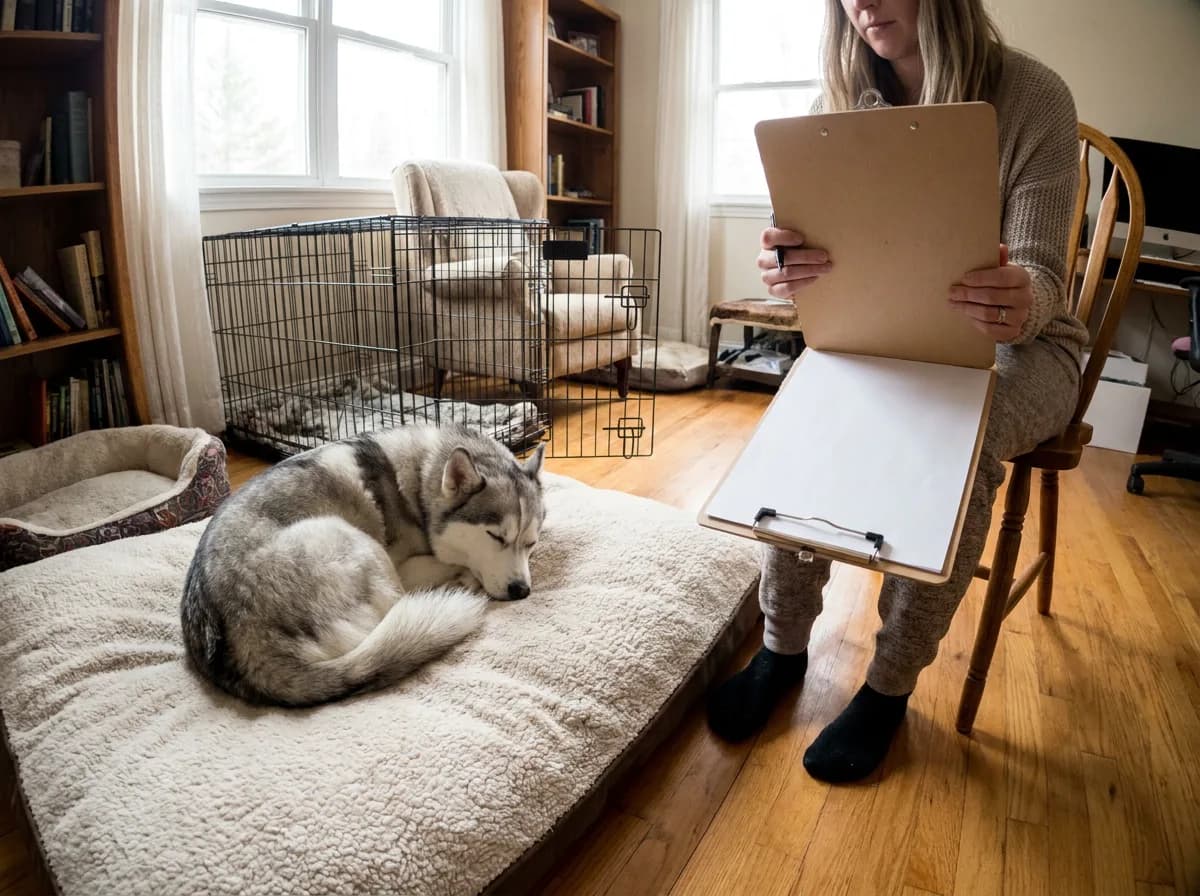
Build the budget in layers: acquisition, one-time setup, recurring care, occasional services, and emergency planning. That structure works for both a puppy purchase and an adult adoption. Start with actual local quotes where possible, then label anything you have not yet priced.
Add a Virbac dual-ended toothbrush and Virbac C.E.T. dog and cat toothpaste as separate line items in the starter-supplies budget. Compare the actual checkout prices and replacement needs rather than treating an illustrative budget as a current retailer quote.
The worksheet below is deliberately not a national cost estimate. It shows what to collect so your budget reflects your location, work schedule, dog, and care choices. A household needing weekday walks or frequent boarding can spend very differently from one with flexible home-based care.
| Budget line | What to include | Best source for your figure |
|---|---|---|
| Purchase or adoption | Total fee and what a deposit covers | Written seller or rescue terms |
| Collection or transport | Travel, approved transport, and any required equipment | Your actual itinerary or service quote |
| Initial veterinary care | Examination and the care plan for this dog | Local veterinary clinic |
| Everyday equipment | Walking gear, bowls, rest area, identification | Current product prices and measured fit |
| Grooming setup | Suitable brush, bathing supplies, and professional help | Groomer assessment and product prices |
| Food and routine supplies | Complete food, treats, cleanup supplies | Actual feeding plan and current prices |
| Training | Classes or individual support where needed | Reward-based trainer's quote |
| Backup care | Walks, sitting, boarding, and holiday surcharges | Named provider's availability and quote |
| Insurance or reserve | Premium, deductible exposure, and accessible savings | Policy wording and household plan |
A worked example, not an average
Suppose you receive a puppy quote of $2,500, plan $400 for initial equipment, and set aside $600 for veterinary services you have discussed with a local clinic. Suppose your own recurring-care estimate is $150 a month. Those chosen inputs produce $5,300 for the first year before transport, emergency care, and any separately priced services. Use the guide to dog vaccination costs to prepare questions for a local quote.
The arithmetic is $2,500 + $400 + $600 + ($150 × 12). These figures are illustrative assumptions, not Petful estimates of current market prices. Replace each one with your own quote. Do not use the example to infer that $600 will cover every puppy's veterinary needs or that $150 will fund your particular monthly routine.
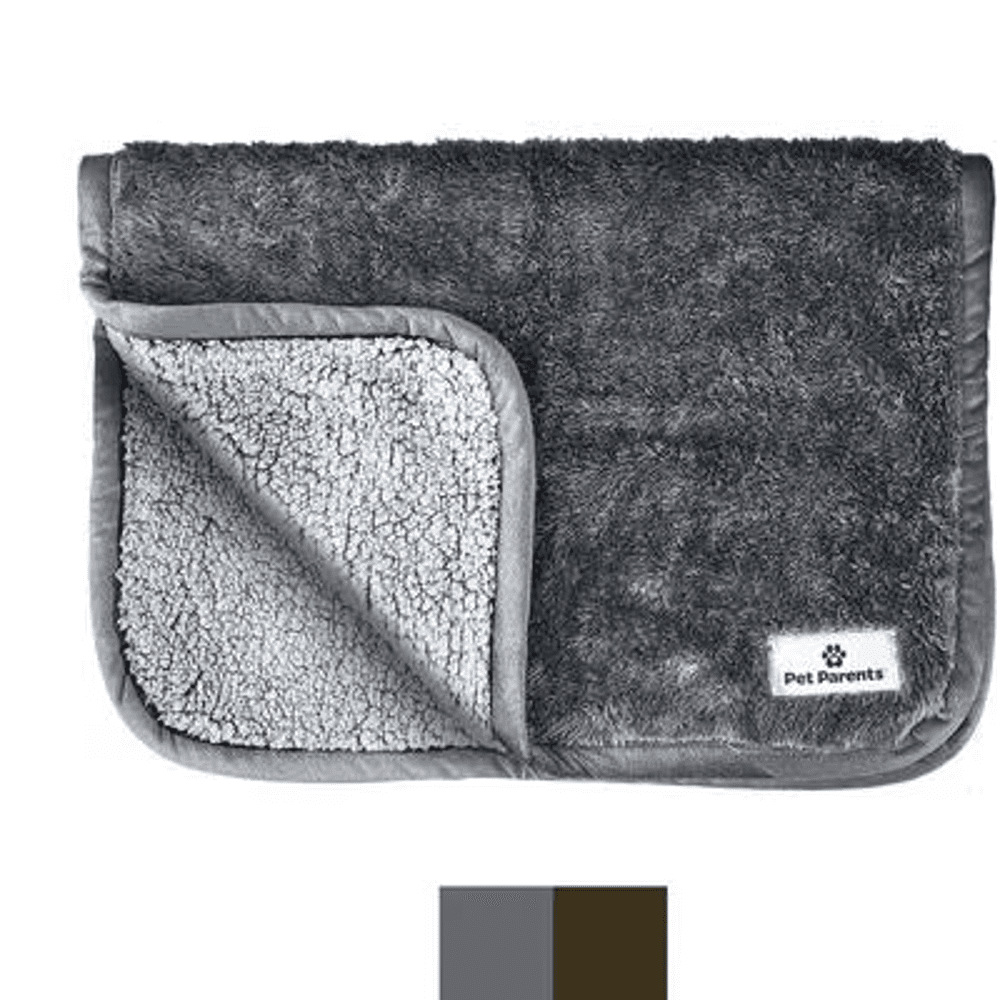
A plush, waterproof sherpa blanket that gives a cold or shivering dog a warm, cozy layer to curl into. The hidden waterproof lining protects the bed, couch, or car seat, and the whole thing is machine washable.
Petful may earn a commission when you click through to Chewy, at no extra cost to you.
| Example component | Illustrative input | Calculation |
|---|---|---|
| Puppy fee | $2,500 | One-time |
| Initial equipment | $400 | One-time |
| Planned veterinary services | $600 | One-time example allocation |
| Recurring care | $150 per month | $1,800 over 12 months |
| Example subtotal | $5,300 | Excludes unlisted services and emergencies |
Buy a functional starter kit
Begin with a small set of suitable essentials. A Pet Parents Pawtect Blanket, Small may protect a compact resting surface when its dimensions fit. A Frisco Silicone Collapsible Travel Bowl, Small, 1.5 cup can cover portable water breaks if you have adequate refill access. Check the capacity and use case before buying duplicates.
Keep a replacement allowance for growing puppies and items that wear out. A discounted harness that does not fit or a carrier that will quickly become too small is not necessarily a saving. Delay decorative extras until you know the dog's habits, adult-size outlook, and equipment preferences.
Include grooming labor as well as tools
A double coat takes time. Price professional grooming locally and ask what the service includes, such as bathing, drying, brushing, or nail care. A home grooming kit can support maintenance between visits without eliminating every professional service.
The aumuca Self Cleaning Slicker Brush is one potential tool to discuss with a groomer for your dog's coat. Our guide to Pomsky shedding and coat care explains why a brushing routine is part of ownership, not merely preparation for photographs.
Monthly costs and an emergency reserve
Separate predictable expenses from irregular ones. Food and routine supplies may recur monthly, while grooming, annual services, or boarding arrive in larger installments. Divide the annual figure for an irregular planned cost by 12 if that helps you save for it steadily.
A supervised Outward Hound Lick N’ Flip puzzle and a Pet Parents Forager snuffle mat are optional enrichment purchases to compare. Start with one activity your dog can use safely and comfortably instead of counting every accessory as essential.

Petful may earn a commission when you click through to Chewy, at no extra cost to you.
Keep a separate emergency reserve in the plan. Routine-care money already assigned to food or preventive services is not the same as money available for an unexpected bill. Your veterinarian can explain local emergency-care arrangements, while an insurer can clarify its reimbursement process and exclusions if you are considering a policy.
- List regular purchases at their actual replacement frequency.
- Add annual or occasional services and divide them into manageable savings amounts.
- Price the backup care your work and travel schedule requires.
- Record insurance premiums separately from deductibles and uncovered costs.
- Revisit the plan after the first few months using what you actually spent.
The biggest overlooked variable may be your schedule
If you need a paid walker every workday, that is a core cost, not an occasional extra. Check availability before bringing the dog home and ask about holiday rates, cancellations, and whether the provider can meet a puppy's needs. A low acquisition fee does not change that arithmetic. For more, see Petful’s guide to dog walker cost.
For example, a hypothetical $25 visit on 20 days adds $500 to that month's budget. That is simply a calculation using an assumed rate, not a statement about local market pricing. Replace both the visit price and number of days with the arrangement you will actually use.
Enrichment need not become constant shopping
Some activity can use part of the dog's normal food ration rather than extra treats. A supervised Pet Parents Forager Snuffle Mat is one option for food-search activities. Choose tools that suit the dog's behavior, put fabric items away if chewed, and do not count a toy as a substitute for a needed caregiver visit.
Rotate a few suitable activities and budget for replacement when necessary. The Pomsky ownership guide explains daily exercise and training needs. Understanding those needs helps you spend on useful support rather than products purchased only because the packaging suggests a quick solution.
Look beyond the first year
An adult dog's costs may shift as its needs change. Some equipment purchases fall away, while other services, veterinary care, or home accommodations become more important. Do not assume that finishing the puppy stage permanently lowers every category.
Our Pomsky lifespan guide covers longer-term care questions. If you are also considering a Siberian Husky, compare the practical responsibilities in Pomsky vs. Husky instead of choosing solely on which available puppy has the lower fee.
Compare a breeder quote with an adoption fee
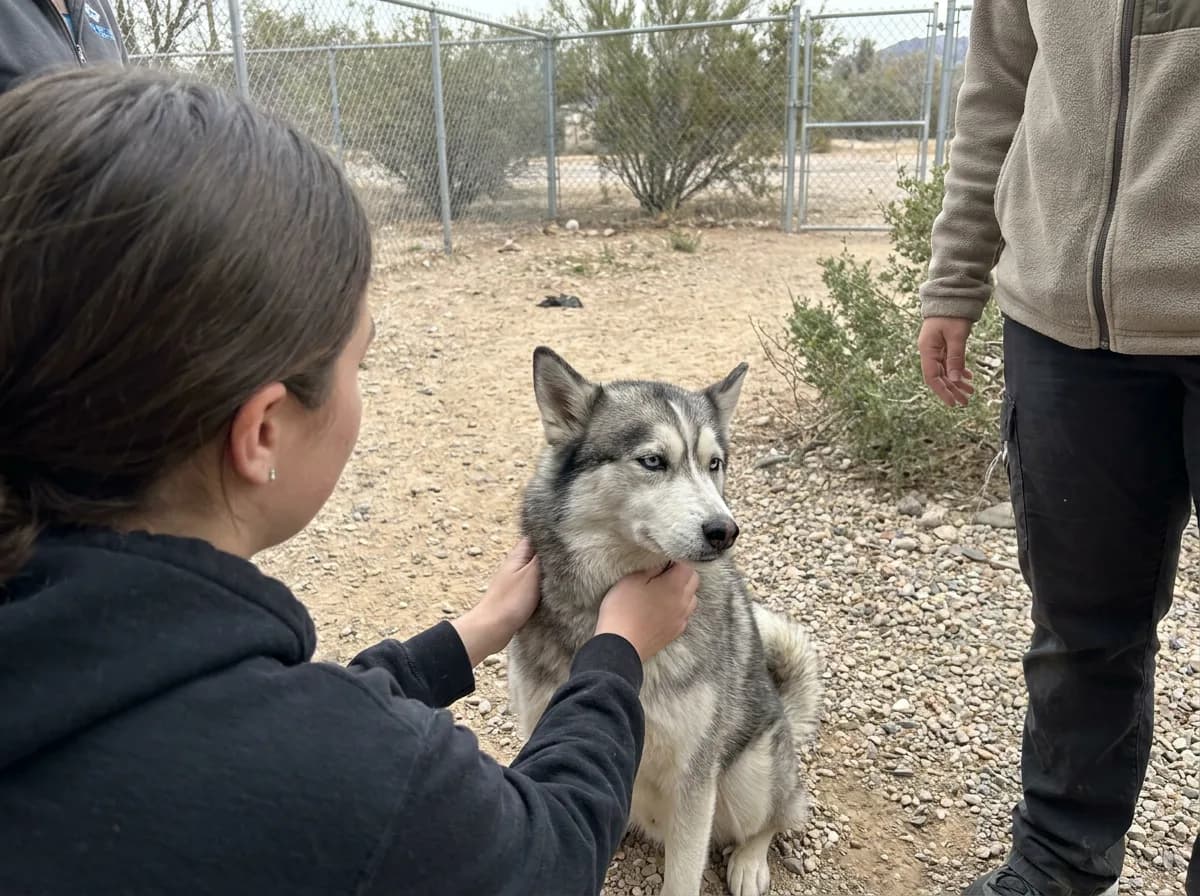
Use a quote comparison checklist to compare the same categories. A rescue may include certain veterinary services, while a breeder may provide early puppy care and a different set of records. Neither description tells you everything you will need to arrange after arrival. If you are deciding where to buy a Pomsky, the APKC breeder directory is a starting point for finding contacts. A directory entry is not Petful’s endorsement of a seller or a substitute for checking the individual puppy’s records. For a full-grown dog offered for sale or adoption, request current height and weight to check its size rather than relying on an old puppy listing.
For each option, add the fee, uncovered near-term care, transport, and essential equipment. Then keep the recurring budget and separate emergency reserve alongside that total. A cheap initial fee does not make the dog’s long-term care inexpensive.
| Comparison question | Breeder or seller | Rescue or adult placement |
|---|---|---|
| What is the total fee? | Ask about deposit credit and additional charges | Ask what the adoption or placement fee includes |
| What care is documented? | Obtain dated puppy and parent records | Obtain available veterinary and foster records |
| What remains to be done? | Confirm follow-up services with your veterinarian | Review known conditions and outstanding services |
| What behavior is known? | Ask about early handling and household exposure | Ask for observations in a comparable home |
| What happens after placement? | Read support and return provisions | Read post-adoption support and return provisions |
| What equipment is needed? | Measure current fit and anticipate growth | Measure the adult instead of guessing from a photo |
Request an itemized written answer
Ask the organization to spell out inclusions rather than marking a box labeled “vet checked.” Dates, findings, and services make the record useful to your veterinarian and your budget. If a service has not been done, that is something to plan for rather than something to silently assume is included.
Similarly, clarify whether supplied equipment is yours to keep and whether it fits the dog now. A starter bag of food is helpful for a transition but does not fund ongoing feeding. A brief training handout is different from paid classes or individualized behavior support.
Recognize when a quote needs more investigation
Pause if the seller will not identify the dog, provide records, explain payment terms, or let you review the contract. Be cautious about urgency paired with requests for additional fees that were not disclosed initially. Save the written communications so you can compare what was offered with the final terms.
The best-priced match is one whose needs you understand and can meet over time. A responsible decision may mean choosing a different available dog, arranging more support, or waiting until the budget has room beyond the acquisition fee. That conclusion comes from your records and circumstances, not from a universal ideal Pomsky price.
Frequently asked questions
Pomskies can be expensive because some prices reflect veterinary care, parent screening, raising costs, and time spent socializing puppies. Demand, appearance, location, and marketing can also affect the asking price. Ask for documented services and results rather than assuming that a high quote proves responsible breeding. Ask what is included in the final payable total, because transport or follow-up services can change the cost even when the advertised puppy price is similar.
A higher price does not guarantee a healthier Pomsky. Review named parent screening results, the puppy’s veterinary records, and the actual contract. Screening can help assess particular risks, but neither a clear result nor a normal puppy examination excludes every future illness. Keep funds available for routine and unexpected care regardless of the purchase price.
A puppy contract should include the dog and parties' identities, total price, deposit terms, included records and services, any health-related conditions, required follow-up, and return or support arrangements. Ask for unclear terms to be explained in writing before you commit. Keep a copy of the accepted contract and all attached records. Confirm how concerns should be reported and which deadlines or follow-up requirements apply.
An adult Pomsky is not always cheaper to keep. An adult may avoid some puppy-equipment replacement and have a lower acquisition fee, but food, grooming, care during absences, and medical or behavior needs still vary. Compare the specific dog's history and current routine when preparing your budget. An adult with known ongoing care needs may require more monthly spending than a younger dog, even when the fee to bring it home is lower.

Coreen Saito is a pet writer and longtime shelter volunteer with more than a decade in animal rescue. She covers cat behavior, breed care, and the small, ordinary science of sharing a life with companion animals, with a particular focus on honest takes about the products and decisions that actually matter. At home in Arizona, she's outranked by Mac (a dog with the loudest opinion in the house), Rebel (a cat who governs by quiet authority), and Meri (an orange tabby who runs the late shift and the laundry basket). She writes about all three, plus the rescues that keep coming through her life, at LifeWithMinty.com.
Sign up for expert-backed reviews and safety alerts all in one place.