Pomsky vs Alaskan Klee Kai: Size, Temperament, and Care
Pomskies and Alaskan Klee Kais can look similar, but their ancestry and size predictability differ. Compare temperament, daily care, shedding, and the individual evidence that helps you choose a companion.
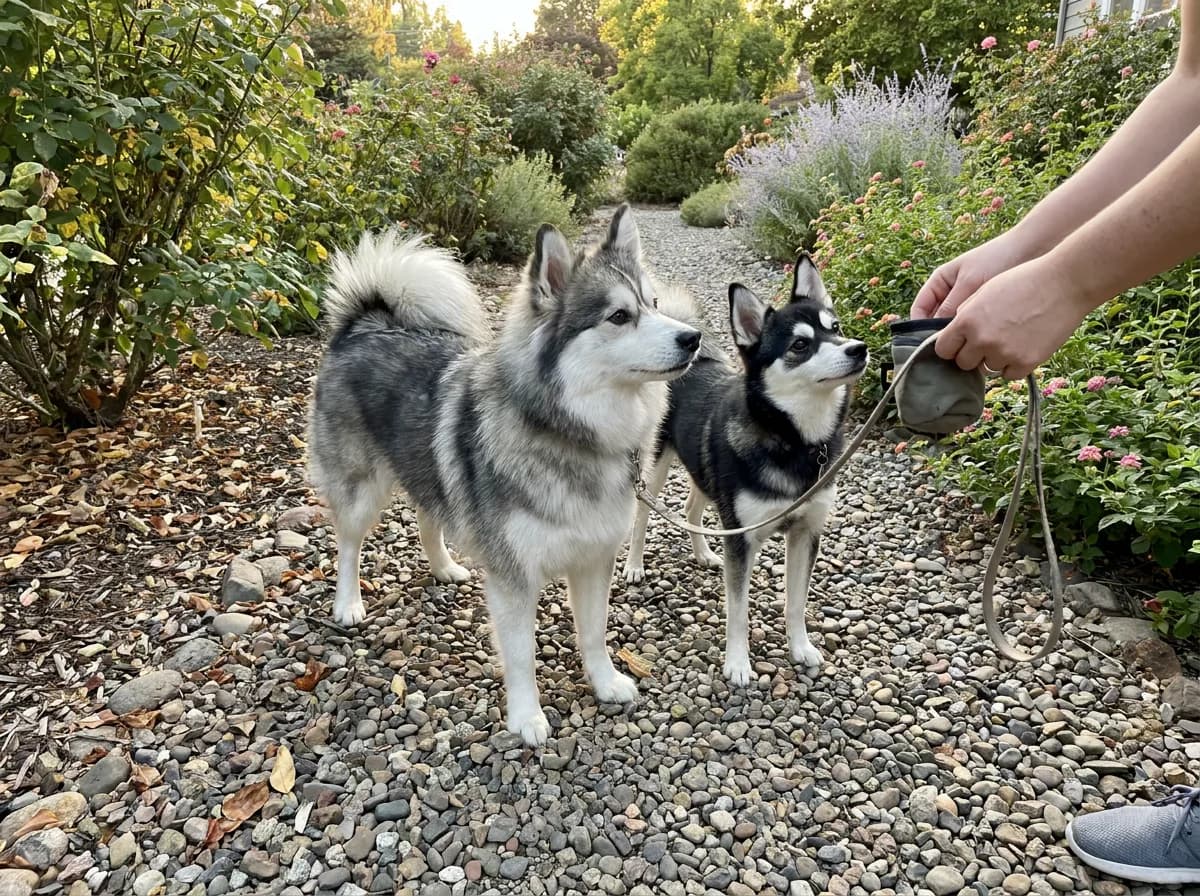
Appearance alone does not establish ancestry or predict adult size.
Petful is reader supported. As an affiliate of platforms like Amazon and Chewy, we may earn a commission when you buy through links on this page. There is no extra cost to you.
The main difference in a Pomsky vs Alaskan Klee Kai comparison is predictability: a Pomsky is a Pomeranian-Siberian Husky cross with variable inherited traits, while the Alaskan Klee Kai is an established breed with a written standard. Similar masks and upright ears do not make them interchangeable companions.
Choose by the individual dog's adult size, behavior, care needs, and documented history. Neither a tiny puppy photograph nor a breed label can tell you how a dog will fit your working day, children, other pets, or tolerance for shedding.
Compare predictability versus individual evidence. A breed standard describes an ideal; parent records, observed behavior, adult relatives, and an honest care plan help you assess the actual dog you may bring home.

Sign up for expert-backed reviews and safety alerts all in one place.
Pomsky vs Alaskan Klee Kai at a glance
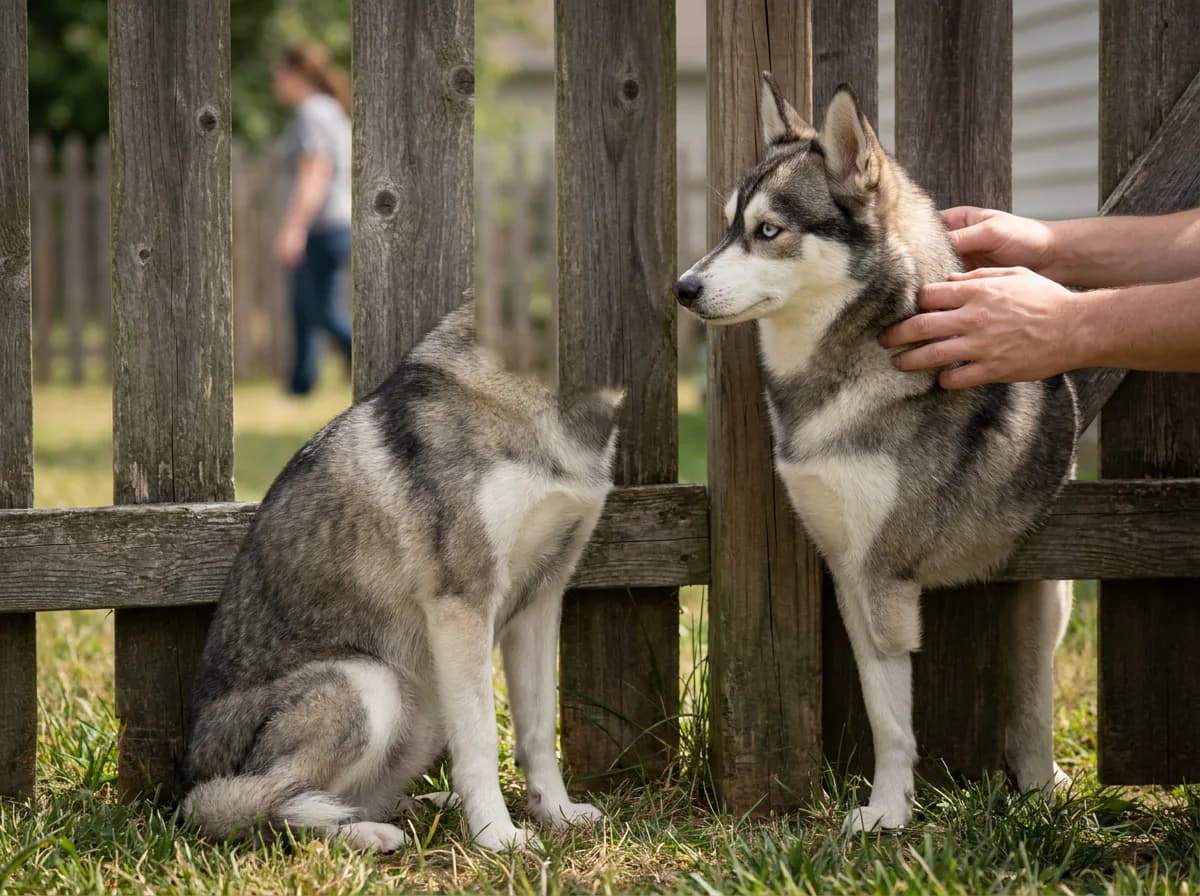
An Alaskan Klee Kai, often abbreviated AKK, is not another name for a Pomsky. The Pomsky label describes a cross involving Pomeranian and Siberian Husky ancestry. The Klee Kai has its own breeding history and standard. If a listing uses both names as though they mean the same thing, ask the seller to explain the dog's actual parentage before comparing price or appearance.
| Decision | Pomsky | Alaskan Klee Kai |
|---|---|---|
| Identity | Pomeranian-Husky cross; ask about actual parents | Established breed; verify pedigree or history |
| Size prediction | Parent sizes and adult relatives matter | Written height varieties offer a reference |
| Appearance | Coat, build, and markings can vary widely | A standard describes the desired outline and markings |
| Social behavior | Varies with family and individual; ask about ordinary behavior | The standard describes reserve with strangers; assess the individual |
| Daily planning | Exercise, training, coat care, supervision | Exercise, training, coat care, supervision |
| Best evidence | Records and observation | Records and observation |
Ancestry, standards, and predictability
Embark describes the Pomsky as a Pomeranian-Siberian Husky mix. A crossbreed name does not fix the proportions of ancestry across every generation, and puppies within a family can still differ. Ask whether the parents are the original two breeds or Pomskies themselves, and request records supporting the explanation.
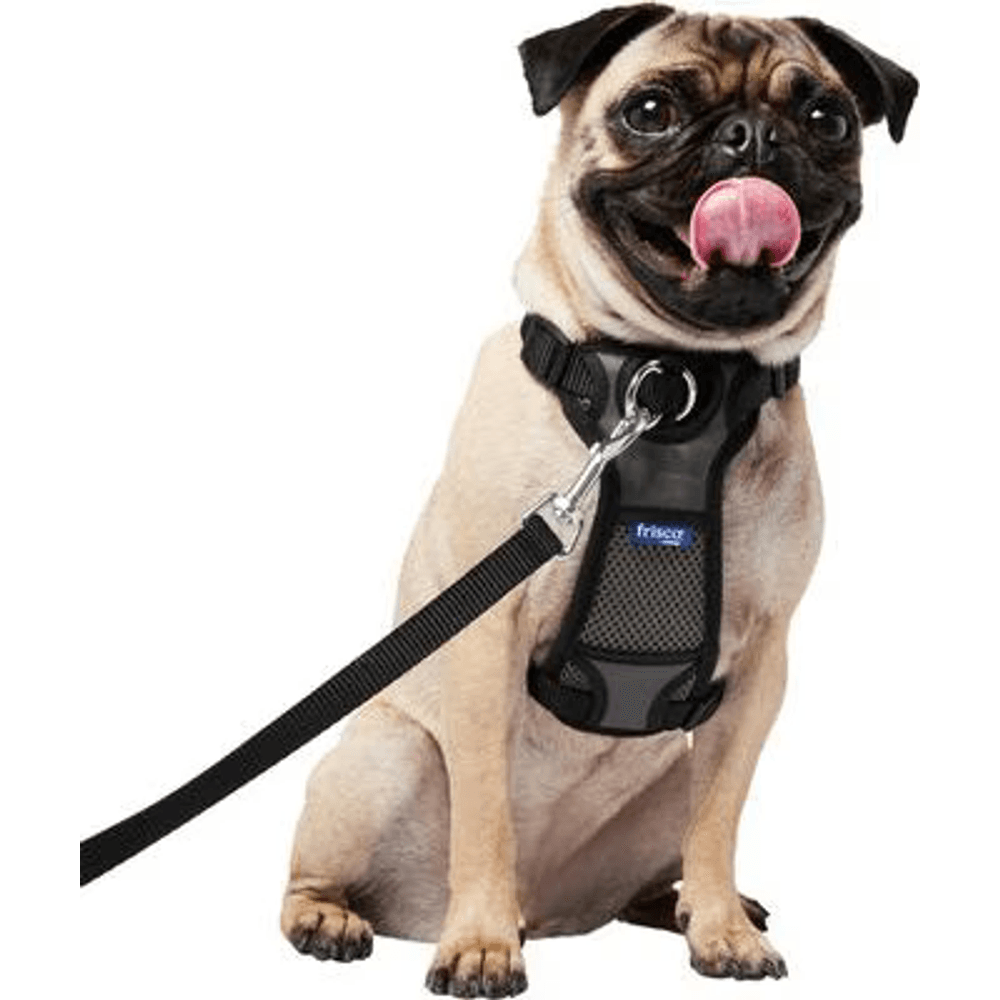
Measure chest and neck first; the linked small size will not fit every dog.
Petful may earn a commission when you click through to Chewy, at no extra cost to you.
The United Kennel Club's Alaskan Klee Kai standard describes a distinct breed developed as a smaller companion with an Arctic-dog appearance. A written standard is useful because it makes the breeder's target explicit. It does not mean every pet meets every show preference, or that conformity establishes health or temperament.
Questions for a breeder or rescue
- The dog's identity, age, and known background.
- The names and sizes of the parents, when known.
- Actual veterinary records and relevant parental health screening.
- Experiences with grooming, visitors, travel, and ordinary household activity.
- A written agreement and a clear route for support if difficulties arise.
For a rescue dog, incomplete ancestry is not a character flaw. It simply changes what you can know. Give more weight to the foster home's observations, the dog's current size, and an appropriate introduction process. Avoid filling missing history with assumptions based on a curled tail or blue eyes.
Adult size and appearance
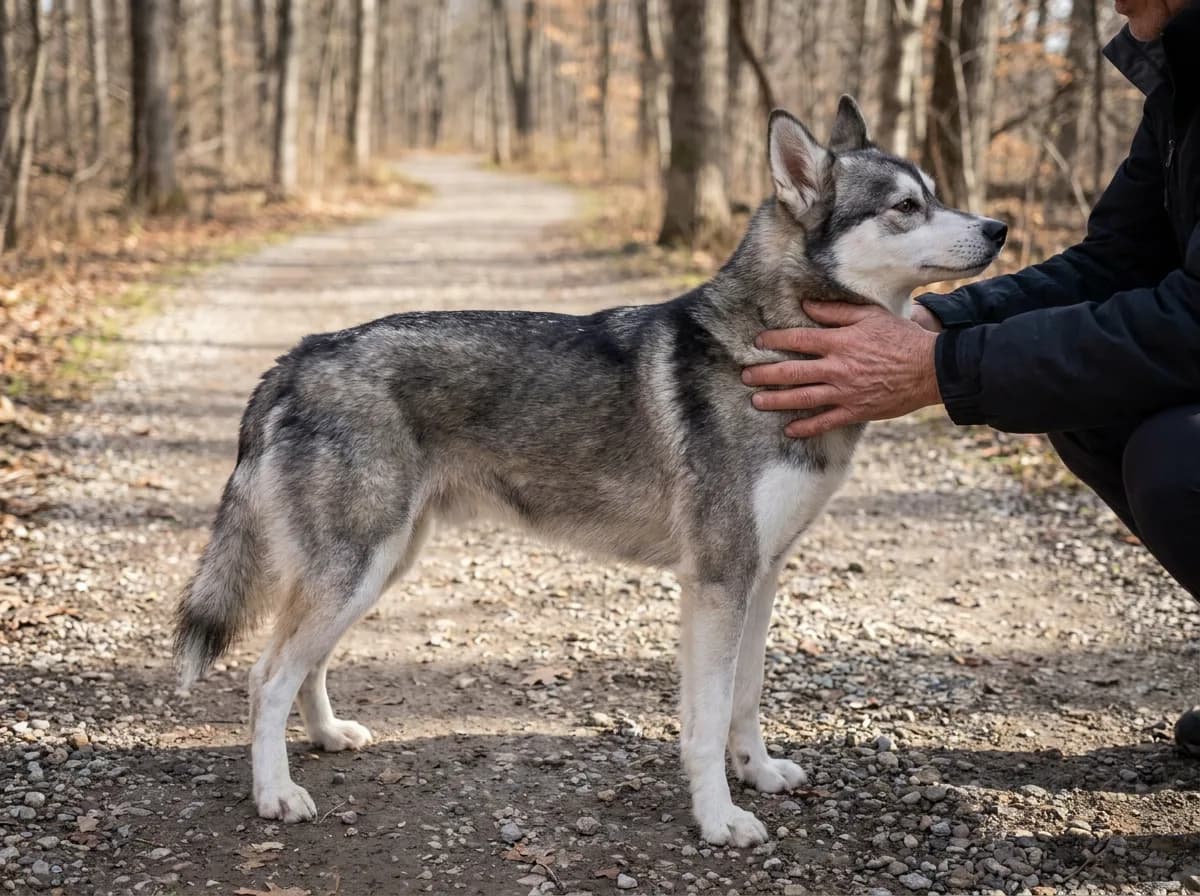
The UKC standard divides Alaskan Klee Kai height at the shoulder into toy, miniature, and standard varieties. Toy is up to 13 inches; miniature is over 13 through 15 inches; standard is over 15 through 17 inches. Those are height categories, not three separate personalities or guaranteed weights for every dog.
Pomsky adult size is less uniform. Embark gives a commonly described range around 20–30 pounds while noting that some individuals are smaller. Treat any general range as orientation, not a promise. The sizes of the actual parents and mature close relatives are more useful when estimating whether a puppy will fit your home and equipment.
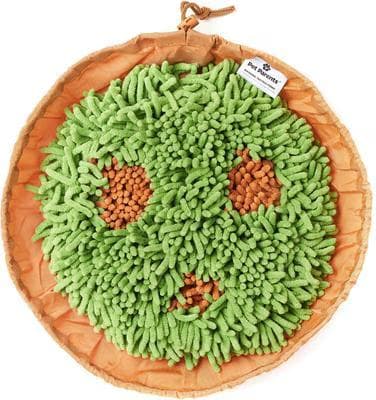
Introduce this activity while present; remove it if your dog chews the fabric.
Petful may earn a commission when you click through to Chewy, at no extra cost to you.
Compare dimensions rather than fur volume:
- Measure height from the ground to the shoulder, not the ear tips.
- Check chest and neck measurements before ordering a harness.
- Plan a crate or carrier around the individual dog and the manufacturer's guidance.
- Ask whether an adult weight estimate is a range or an unsupported guarantee.
For example, the Frisco Padded No Pull Dog Harness is a possible walking option only when the size chart matches your dog. The linked small size will not fit every Pomsky or Klee Kai. Introduce the harness positively and check fit as the dog grows; neither the word toy nor a fluffy photograph is a measurement.
Adult size and growth
Our Pomsky full-grown size guide looks more closely at adult weight, height, growth, and equipment decisions. Use it when size is the deciding factor, particularly if a landlord, carrier, or household setup imposes a real limit. An adult dog of known dimensions may offer more certainty than a young puppy with an optimistic estimate.
Temperament, strangers, and time alone
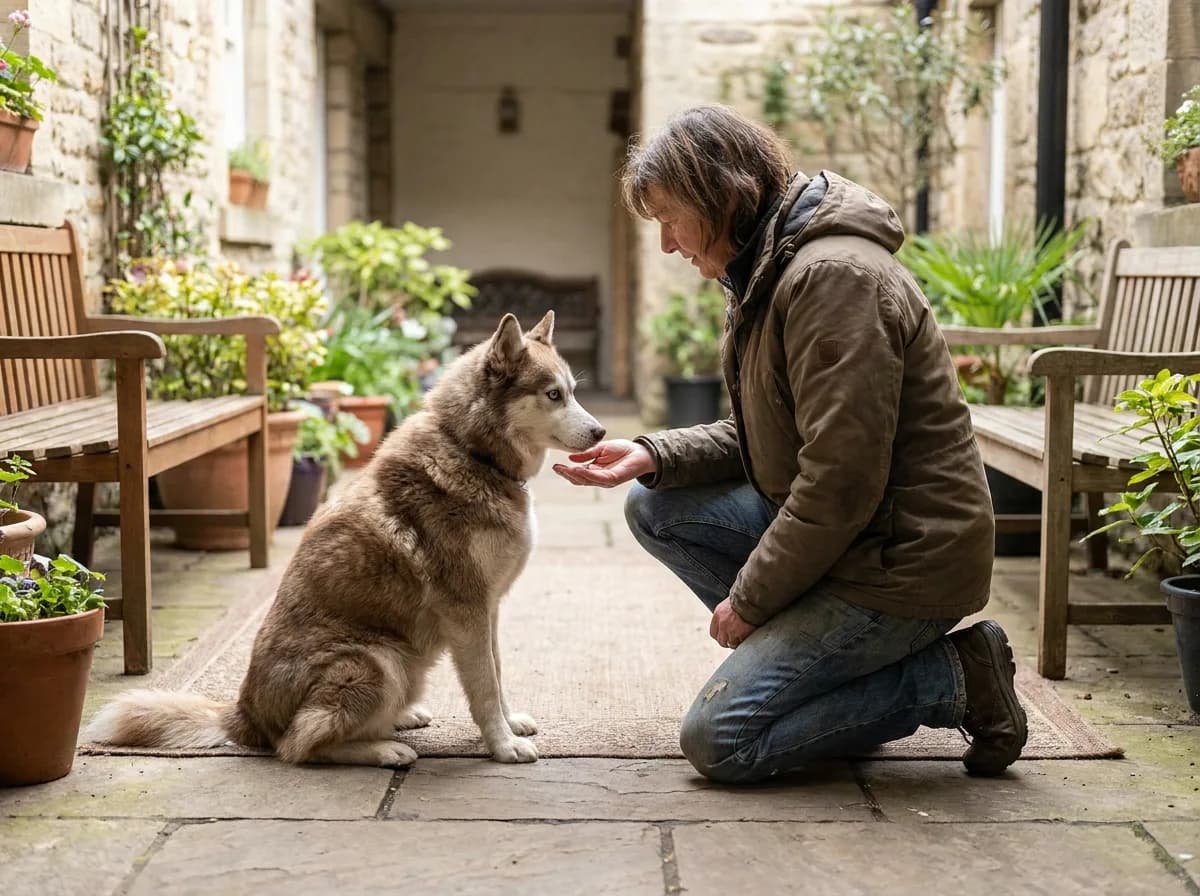
Temperament should be assessed through everyday behavior, not through the assumption that every small Husky-looking dog acts like a Siberian Husky. The UKC standard describes the Klee Kai as alert and curious and notes that unfamiliar people can require a reserved introduction. That is a broad breed description; it does not label every individual as fearful, unfriendly, or aggressive.
A supervised Outward Hound Lick N’ Flip puzzle may suit a short food activity, while a Frisco 30-inch gate and playpen may help arrange separate spaces if the dog cannot climb or squeeze through it. Observe the individual dog’s response; neither item is a treatment for distress when left alone.
For a Pomsky, ask about the behavior of both parents and the particular puppy. A confident approach during one exciting visit does not show how a dog rests, copes with frustration, or responds when alone. Request examples from ordinary days rather than accepting a simple claim that a puppy is perfect for every household.
- How does this dog respond when a visitor enters?
- Can the dog settle after play, and under what conditions?
- What happens during brief separations that have actually been observed?
- Is the dog comfortable with gentle handling or being fitted with equipment?
- What support has helped when the dog is worried or overexcited?
An optional Pet Parents Forager Snuffle Mat can provide a supervised food-search activity while you learn the dog's preferences. Use part of the daily ration, introduce it while present, and remove it if the dog chews the fabric. An enrichment product cannot diagnose or treat separation distress, and leaving a new dog with a toy is not a plan for a full workday alone.
Pomsky ancestry and everyday care
The Pomsky temperament and care guide helps you assess the Pomeranian-Husky mix’s activity, barking, training, and family fit in more depth. Use it alongside the caregiver’s observations, especially when comparing a Pomsky puppy with an adult Klee Kai. An adult’s established routine provides different evidence from a puppy visit; ask what support each dog currently needs and which parts of that routine you could realistically continue.
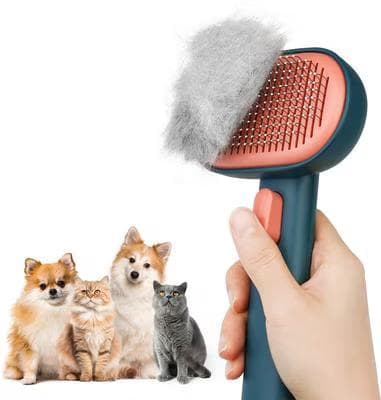
Check brush suitability with a groomer and avoid repeatedly scraping one patch.
Petful may earn a commission when you click through to Chewy, at no extra cost to you.
Exercise, shedding, and daily care
- Plan daily opportunities for movement, sniffing, training, rest, and comfortable social contact for either dog. There is no single exercise number that fits every age and health status. Ask the veterinarian about appropriate activity, especially for a growing puppy or a dog with a medical concern, and adjust the routine to the individual's recovery and comfort.
For either dog, compare TropiClean puppy and kitten shampoo against the coat and label directions, and choose Virbac C.E.T. dog and cat toothpaste separately for dental care. Similar-looking coats do not establish identical grooming needs.
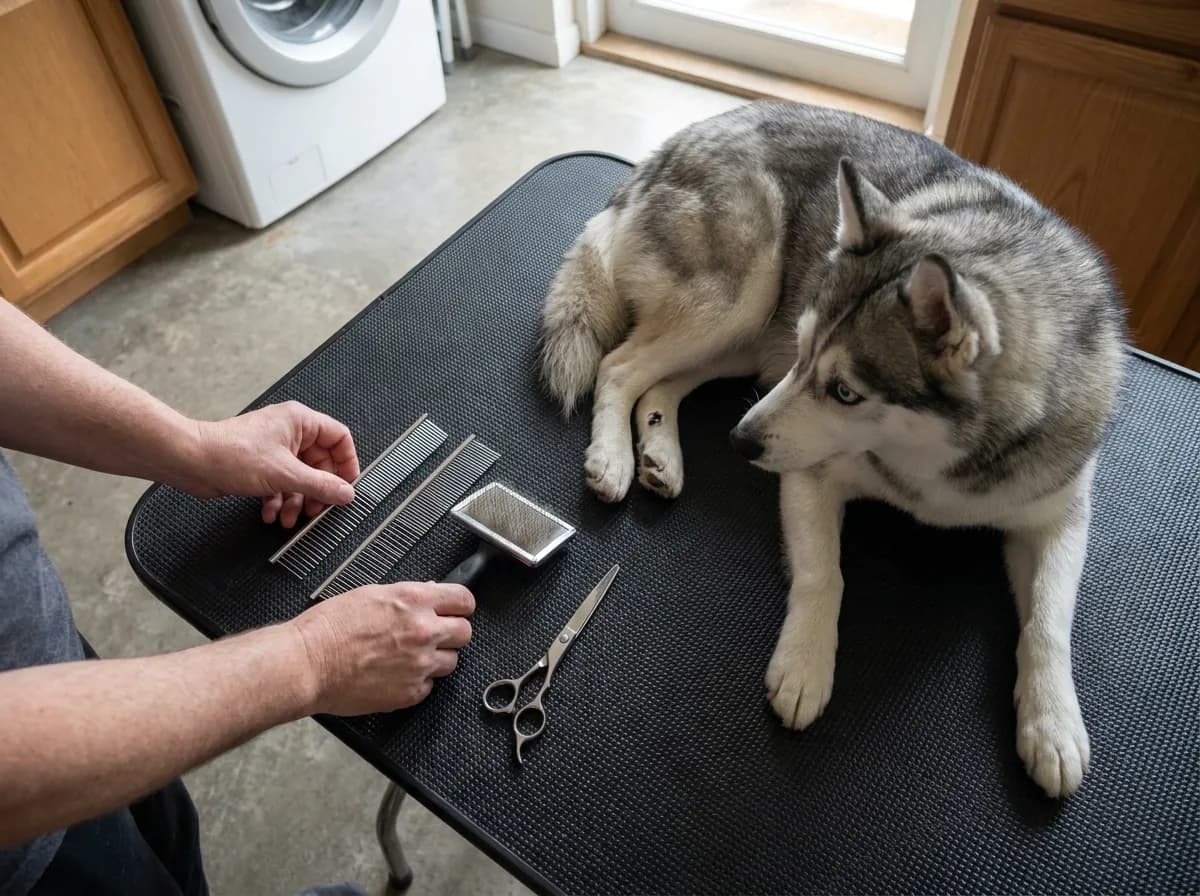
- Both coat types require a realistic loose-hair plan. A very fluffy Pomsky may take more time to work through than a shorter-coated individual, but appearance alone does not tell you which brush to use or how often the dog will tolerate grooming. Ask a groomer to demonstrate a comfortable technique on your particular dog's coat.
The aumuca Self Cleaning Slicker Brush is one tool to compare for suitability. Use gentle pressure, work in manageable areas, and stop if you find tight mats, soreness, or a skin change. More force is not a substitute for the right tool or professional help, and a brush does not make a shedding dog hypoallergenic.
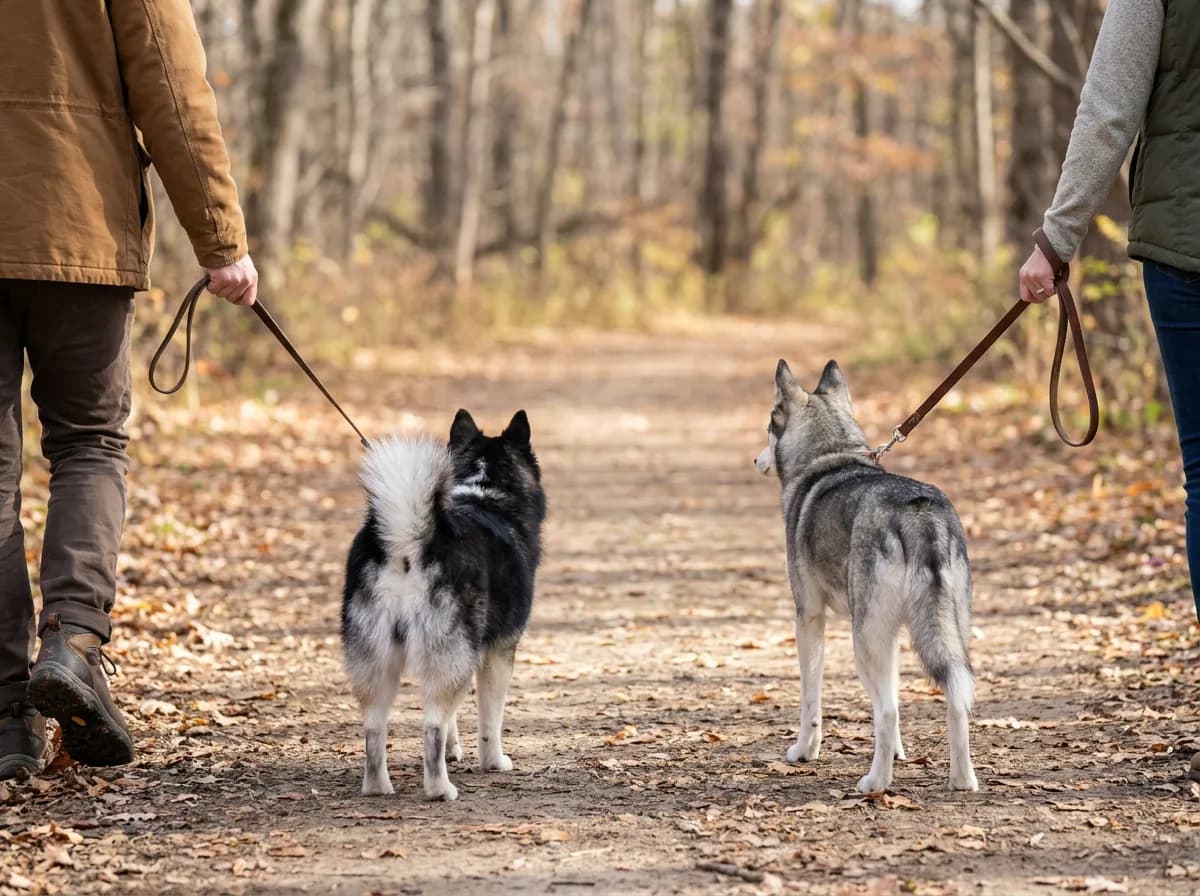
For walks, a Frisco Silicone Collapsible Travel Bowl is a portable option alongside water, a secure lead, and correctly fitted equipment. Choose routes and conditions the dog can handle. Build an ordinary weekday routine you can repeat rather than assuming one long weekend outing compensates for an otherwise inactive week.

A portable water bowl for walks; carry enough water and plan rest breaks.
Petful may earn a commission when you click through to Chewy, at no extra cost to you.
A practical care checklist includes:
- A suitable diet and measured feeding plan.
- Veterinary preventive care and a record of changes.
- Comfortable grooming and dental-care routines.
- Secure management around doors, gates, traffic, and other animals.
- Short training sessions and opportunities to rest undisturbed.
Shedding and coat care
For a closer look at loose undercoat, bathing, and gentle brushing, see our Alaskan Klee Kai shedding and coat-care guide.
Our Pomsky shedding and grooming guide explains the coat-care decision in more detail. Read it before assuming that a smaller body means very little hair in the house. If someone in the household has allergies, assess that concern separately with appropriate medical advice rather than relying on a breed label or a seller's low-shedding claim.
Which dog fits your household?
Alaskan Klee Kai can make good pets when their individual needs fit the household. Choose the dog whose documented needs match the routine you can provide. If predictability of a written size standard matters, an Alaskan Klee Kai may offer a clearer reference. If you are drawn to a Pomsky, accept variation and prioritize reliable information about the particular family or adult dog. Neither choice removes the need for daily care and training.
Use this household fit checklist before placing a deposit:
- Describe a normal weekday, including who provides midday care.
- Check housing rules and any practical size restrictions.
- Plan safe introductions for children and resident animals.
- Price routine care, grooming, training support, and unexpected veterinary needs.
- Ask for evidence on the individual dog's behavior and health.
- Decide what unanswered questions would make you wait.
If a seller answers every question with a breed slogan, ask again for specifics. A helpful answer might describe how the puppy reacts to a grooming brush or what a veterinarian examined. An unhelpful answer promises a permanently tiny, silent, maintenance-free dog. Keep the decision tied to verifiable information and the care you can sustain.
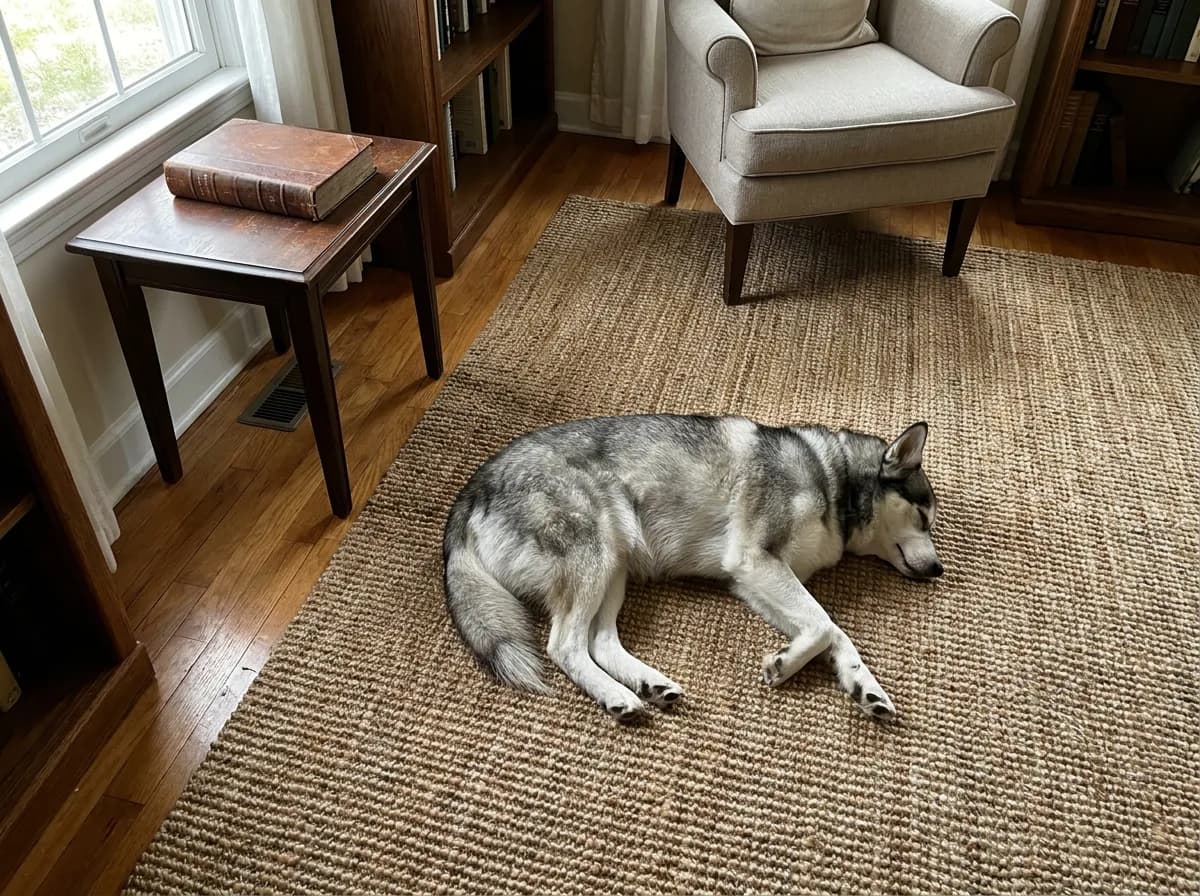
Purchase costs and the first year
How much a Klee Kai dog costs depends on the source and the particular placement. As one specific example checked in September 2026, Kika's Klee Kai lists puppies at $2,500–$3,500. That is one breeder's advertised range, not a market average or an endorsement. Request the written total and what it includes before comparing it with a Pomsky quote.
Consider the purchase price alongside veterinary care, food, equipment, grooming, training support, and contingency savings. A low initial price does not show that a dog will be inexpensive over its lifetime, and a high price does not prove better screening. Compare contracts and actual records rather than assuming a particular breed or color justifies the number.
Price, breeders, and adoption
Our Pomsky price guide explains the other side of the purchase comparison. If you are searching for a cheap Pomsky, compare more than the deposit: transport, included veterinary care, and ongoing costs may change the total. Consider suitable rescue and adoption placements too. Ask specific questions about the individual dog and the agreement instead of treating a low asking price as a complete budget.
Mini and teacup size labels
The mini and teacup Pomsky guide separates toy-size advertising from documented adult dimensions. A toy Pomsky label is not equivalent to the UKC's toy Alaskan Klee Kai height variety. Ask what the seller actually expects, how that estimate was formed, and what variation has occurred in related adults. Neither label alone determines the correct crate, harness, exercise plan, or household fit.
Color and eye-color labels
See Pomsky colors and patterns if a ginger-looking coat, blue eyes, or parti-colored eyes first caught your attention. Those appearance labels do not establish a pedigree or a particular personality. Compare the individual dog's records and behavior separately, and ask the seller to distinguish everyday descriptive language from the wording of a genuine laboratory result when genetics are being claimed.
Frequently asked questions
Alaskan Klee Kais should not be labeled aggressive simply because some are reserved around strangers. Evaluate the actual dog's behavior and ask about known incidents, triggers, and handling needs. If a dog growls, snaps, or seems persistently distressed, use appropriate management and qualified professional help rather than forcing greetings or assuming the behavior is inevitable for the breed.
Some Alaskan Klee Kais like to cuddle with familiar people, while others prefer contact on their own terms. Ask about the individual dog's preferences and watch for relaxed, voluntary participation. Give the dog a comfortable place to rest nearby and let it move away; affection is not measured by how long a dog tolerates being held.
Alaskan Klee Kais can bark and be vocal, but there is no reliable promise that a particular puppy will be quiet in your home. Ask what the current caregiver observes around visitors, excitement, outdoor sounds, and separations. If noise is a major housing constraint, those concrete observations and a realistic training plan are more useful than a general breed rating.
Alaskan Klee Kais shed, so plan for loose hair and regular coat care rather than expecting a maintenance-free companion. The amount you notice depends on the individual coat and household routine. Ask a groomer to demonstrate suitable tools, keep sessions comfortable, and have new bald patches or irritated skin assessed instead of treating every coat change as ordinary shedding.
The AKC lists a life expectancy of 13–16 years for the Alaskan Klee Kai. This is a breed reference range, not a measured population average or prediction for your individual dog. Ask the breeder or rescue about family longevity and the dog’s veterinary history, and budget for long-term care. Current health and changing daily needs should guide decisions rather than a guaranteed birthday.

Coreen Saito is a pet writer and longtime shelter volunteer with more than a decade in animal rescue. She covers cat behavior, breed care, and the small, ordinary science of sharing a life with companion animals, with a particular focus on honest takes about the products and decisions that actually matter. At home in Arizona, she's outranked by Mac (a dog with the loudest opinion in the house), Rebel (a cat who governs by quiet authority), and Meri (an orange tabby who runs the late shift and the laundry basket). She writes about all three, plus the rescues that keep coming through her life, at LifeWithMinty.com.
Sign up for expert-backed reviews and safety alerts all in one place.