Do Alaskan Klee Kai Shed? Grooming and Coat Care
Understand routine and seasonal Alaskan Klee Kai shedding, choose gentle double-coat care, and distinguish loose undercoat from tangles or patchy hair loss that needs professional attention.

BVMS, MRCVS
Petful is reader supported. As an affiliate of platforms like Amazon and Chewy, we may earn a commission when you buy through links on this page. There is no extra cost to you.
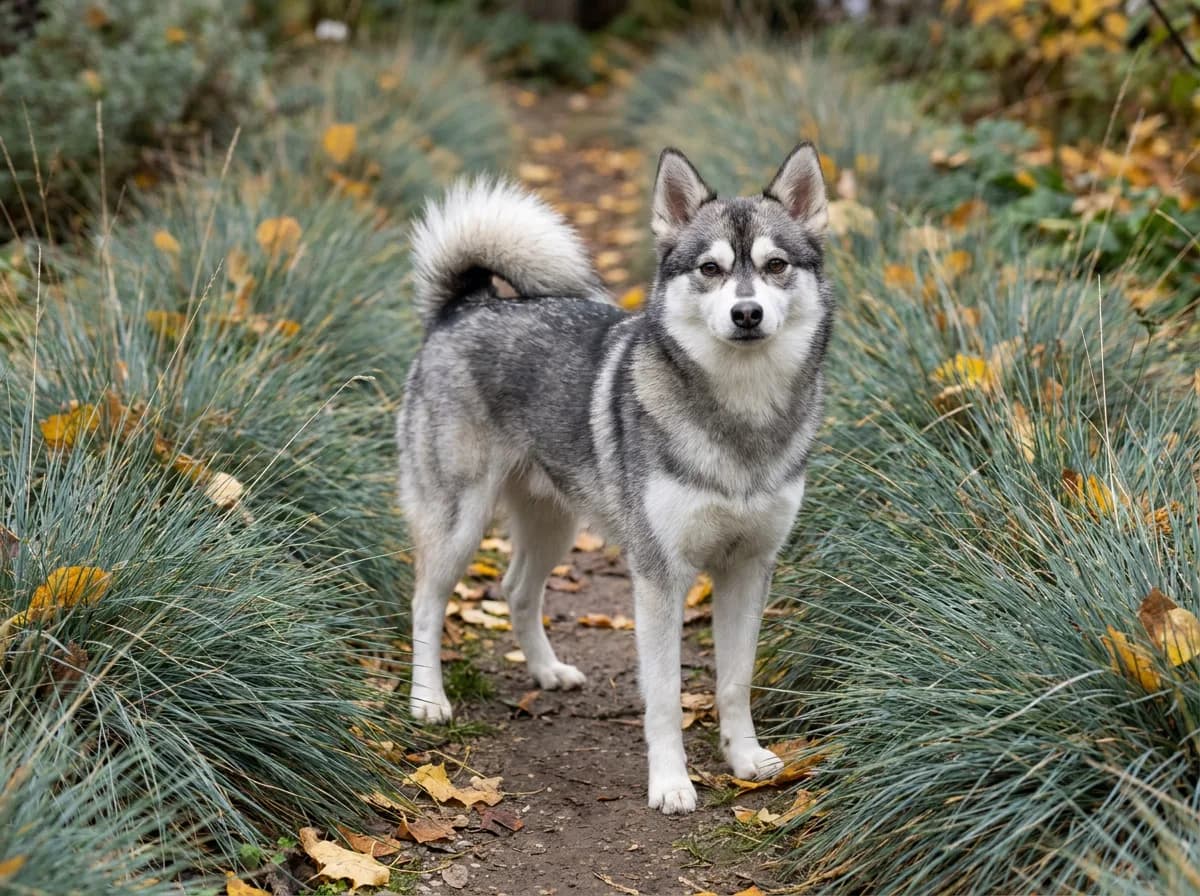
Do Alaskan Klee Kai shed? Yes. Expect hair around the home and heavier periods when the soft undercoat releases. Their small size does not make them a low-shedding choice, and a coat that usually has little odor is not the same as an allergy-safe coat.
The useful grooming decision is what you are seeing: loose hair that comes away comfortably, a tangle that resists the comb, or a change in the skin or hair coverage. Those situations call for different next steps, rather than simply more forceful brushing.

Sign up for expert-backed reviews and safety alerts all in one place.
How Much Do Alaskan Klee Kai Shed?
The Alaskan Klee Kai Club of America describes a short, dense undercoat beneath longer guard hairs, with heavier undercoat shedding twice a year. Plan for some hair between those periods as well. The club’s guidance supports weekly brushing or combing, with extra attention when loose undercoat is releasing.
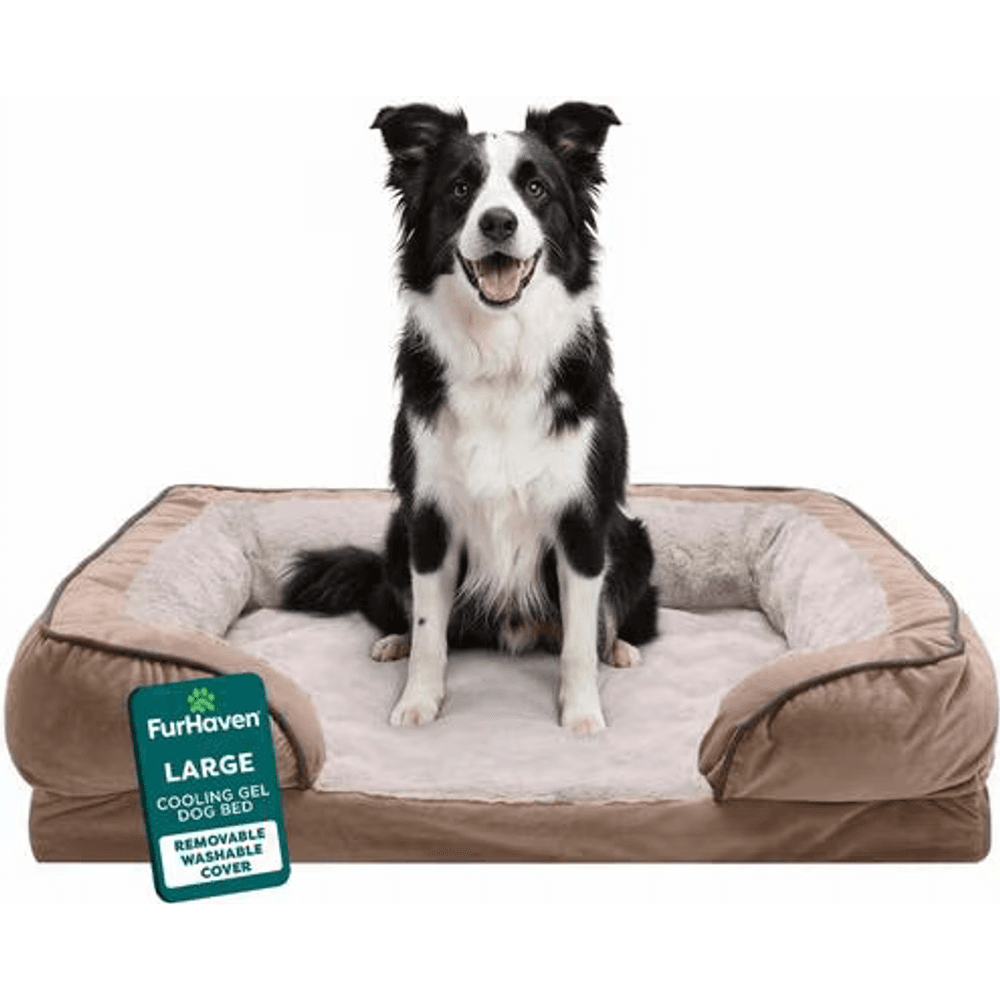
Removable-cover sofa bed. Check usable sleeping space and entry height against your dog’s posture and mobility; no medical or calming outcome promised.
Petful may earn a commission when you click through to Chewy, at no extra cost to you.
| What you notice | Practical next step | When to change course |
|---|---|---|
| Loose undercoat coming away without discomfort | Gentle brushing and combing in manageable sections | Stop if the skin looks irritated or the dog is uncomfortable |
| A tangle or compacted area that resists the comb | Pause and ask a suitable groomer for help | Do not pull repeatedly or cut close to hidden skin |
| Patchy hair loss, sore skin or persistent scratching | Contact your veterinarian | Do not assume a seasonal coat blow explains it |
| A normal coat but more hair on furnishings | Adjust grooming and household cleanup | Reassess if the pattern changes or other signs appear |
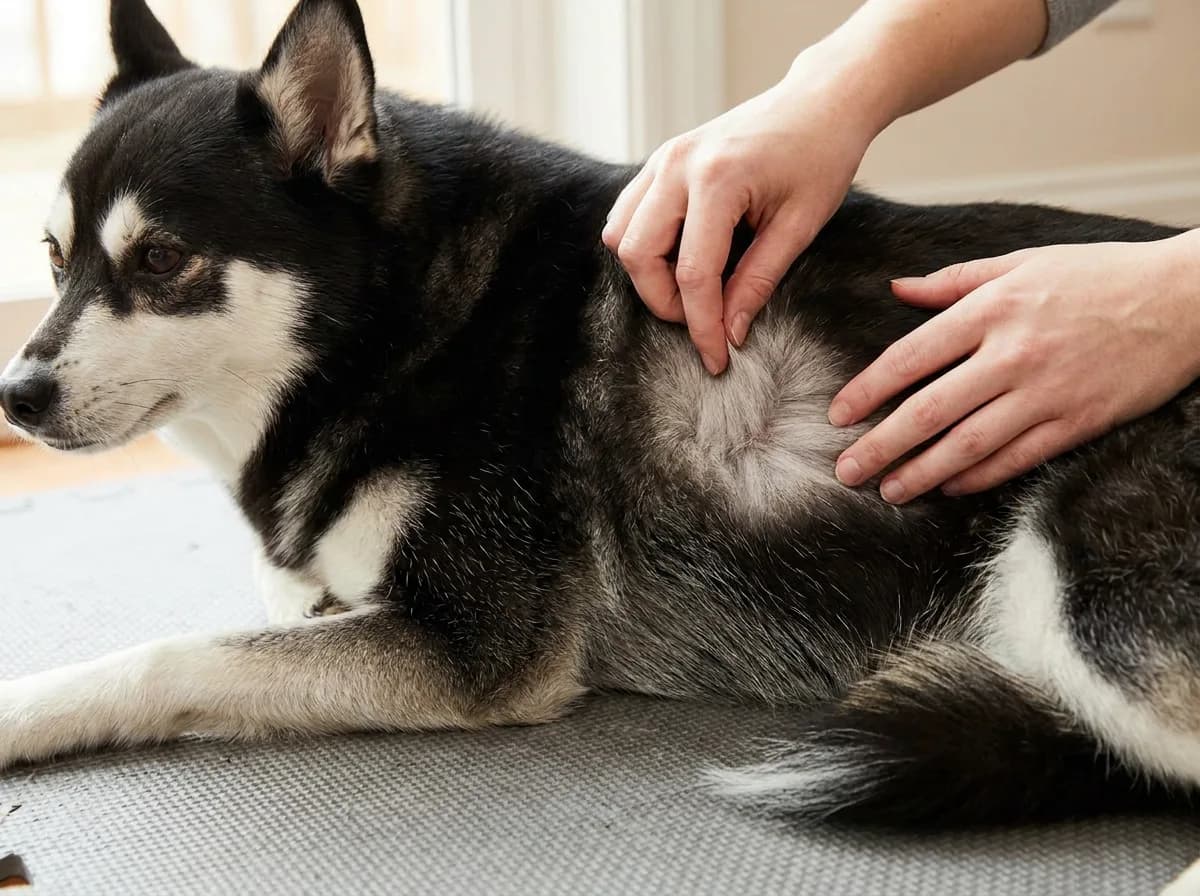
There is no precise number of hairs or guaranteed shedding duration that applies to every Klee Kai. Keep track of your own dog’s pattern rather than expecting every seasonal change to start and finish on a fixed date. A winter increase in loose hair can still need the same observation: check whether the coat is releasing normally or whether the dog has other signs that warrant attention.
Hair often collects where the dog rests. A FurHaven Velvet Waves sofa bed in Large offers a removable cover for ordinary cleaning if the usable sleeping area fits your dog. Follow its care instructions; washable bedding manages household hair without changing how much the dog sheds or treating allergies.
The coat may look less full as undercoat is shed. That differs from assuming that every bare patch is normal. PDSA’s guidance on hair loss recommends veterinary assessment of alopecia and noting associated symptoms. Photograph a new patch and record when you first noticed it to help explain the change.
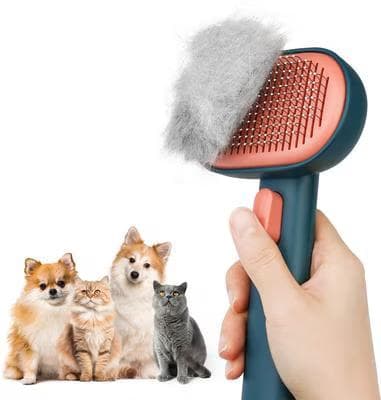
Slicker for gentle coat care if its pins and size suit your dog. Use light pressure; stop if it pulls or causes discomfort.
Petful may earn a commission when you click through to Chewy, at no extra cost to you.
Are Alaskan Klee Kai Hypoallergenic?
No breed can be assumed to be allergy-free, including the Alaskan Klee Kai. The American College of Allergy, Asthma and Immunology explains that dog allergens occur in substances including dander and saliva, so visible hair and odor do not provide a reliable test of allergy risk. If someone in your household has a dog allergy, discuss that decision with their clinician rather than relying on a seller’s “hypoallergenic” description. Brushing can help manage loose hair, but it does not turn a shedding double-coated dog into an allergy-safe choice. The amount of fur collected during a grooming session is not a measurement of that person’s likely response.
A manageable coat does not settle the broader ownership decision. Our Alaskan Klee Kai breed guide explains temperament, training and household fit. For grooming, build comfort with brief, gentle handling sessions and pause when the dog is uncomfortable; do not force a resistant session to finish the coat.
An aumuca slicker brush is one option to assess for gentle maintenance if its pins suit the individual coat. Pair your tool choice with careful technique and, where helpful, a suitable grooming comb. A self-cleaning mechanism makes removing hair from a brush easier; it does not guarantee that the brush is right for every dog or every tangle.
Brushing an Alaskan Klee Kai Without Damaging the Coat
- 1Remove loose undercoat gently while preserving the guard hairs.
- 2Pause at resistant tangles instead of pulling harder.
- 3Patchy hair loss or sore skin calls for veterinary advice, not a stronger grooming tool.
The goal is to remove loose undercoat while preserving the longer guard hairs. The breed club advises against tools with blades. A tool advertised as a “deshedder” is not automatically appropriate: inspect how it works, and distinguish comb teeth or brush pins from an edge designed to cut hair. A short-looking coat still has the breed’s dense undercoat and longer guard hairs. Judge the individual coat and its condition instead of assuming “short hair” means one layer, no shedding or no need for careful combing.
- Begin with a small area while the dog is comfortable and settled.
- Part the coat gently so you can see the area you are working on.
- Work through manageable sections without dragging repeatedly over one spot.
- Check progress with a suitable comb rather than judging only the surface.
- Stop when a section resists or the dog shows discomfort.
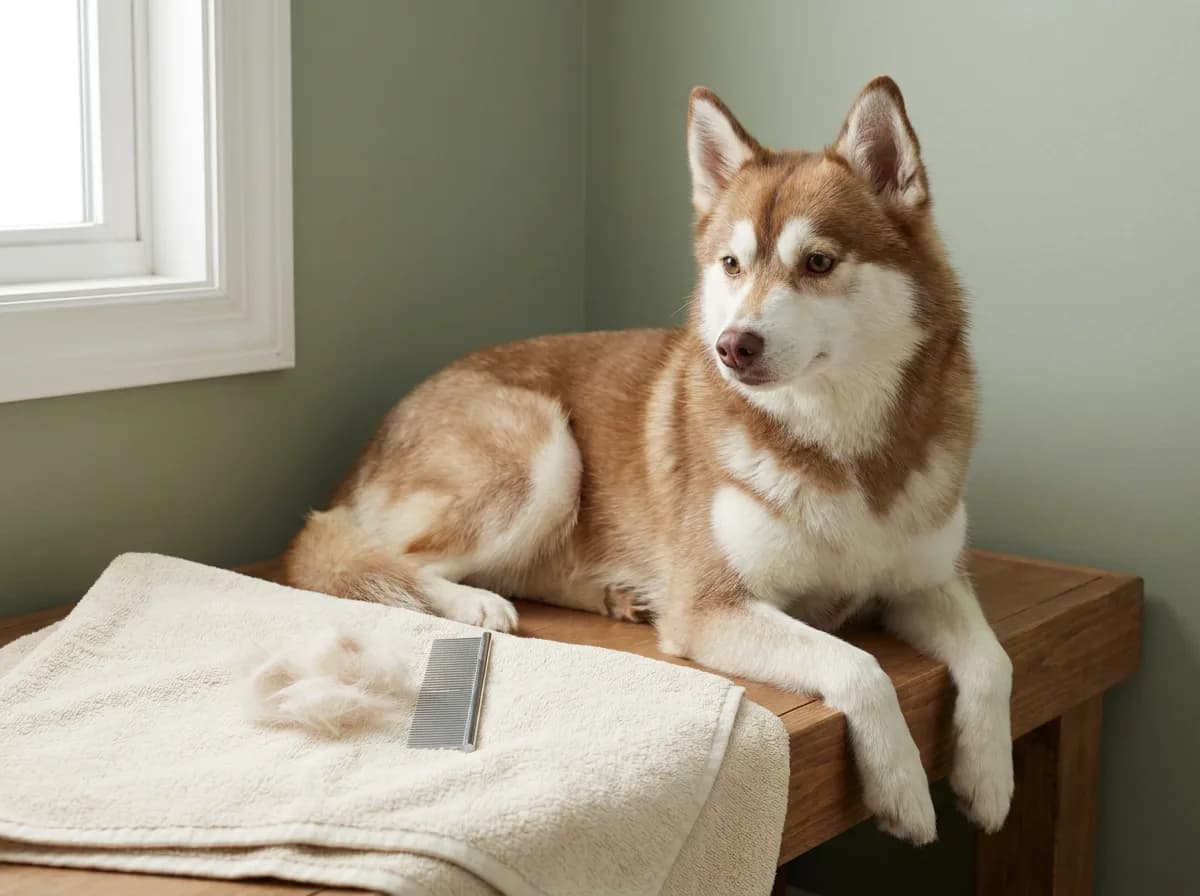
Short sessions are useful when the dog is still learning to accept handling. Introduce the tool, reward calm cooperation with suitable small pieces of Pet Botanics Training Rewards and finish before the interaction becomes a struggle. Count rewards in daily food intake. A helper can offer attention while you work, but should not hold the dog rigidly while you force through a difficult area. The coat will be easier to maintain when the dog can participate comfortably.
Short hair, long hair and the actual coat
A shorter-looking Klee Kai coat still needs inspection beneath the surface. Longer hair can make some tangles easier to notice, while a compact coat may conceal loose undercoat until you part it. Choose the routine from the dog’s actual density and condition, not just a short-hair or long-hair label in an advertisement.
Check areas where equipment or movement creates friction, including behind the ears and where a harness sits. If you cannot work through an area comfortably, ask a groomer familiar with double coats to assess it. Explain that you want the natural coat maintained and ask which tools and approach they intend to use.

Small training rewards when ingredients suit your dog. Divide into appropriate pieces and count them in daily food intake.
Petful may earn a commission when you click through to Chewy, at no extra cost to you.
Make a routine you can repeat
Set aside a regular coat check and increase attention when shedding makes it necessary. Keep the brush and comb clean, inspect them for damaged pins or teeth and store them where the dog cannot chew them. A simple, consistent kit is more useful than several unfamiliar tools that all promise dramatic hair removal.
Use the first few minutes to decide what the session needs. A clean coat with loose hair may need a short comb-through; a wet, dirty coat requires a different plan; a resistant area may need outside help. Starting with that observation prevents the routine from becoming the same long brushing session regardless of what is actually present. Finish when the useful work is done rather than chasing a promise that no more hair will ever come away.
Notice how the dog responds before and after grooming. If a previously comfortable dog suddenly avoids touch, do not assume it has become stubborn. Stop and check for a problem; seek veterinary advice if discomfort, skin changes or other concerning signs persist. Record the area involved instead of repeatedly brushing it to see whether the reaction disappears.
Bathing, Drying, and Hair Around the House
The breed club notes that many Klee Kai need relatively few baths because their coats tend to shed dirt and have little odor. That does not create a fixed schedule for every dog. Mud, a messy outing and individual care needs can change when a bath is useful. Choose cleaning for the actual situation rather than bathing more often solely because hair is appearing on the sofa.

Nonmedicated shampoo for ordinary cleaning of a healthy coat. Follow the label; ask a veterinarian about unexplained irritation.
Petful may earn a commission when you click through to Chewy, at no extra cost to you.
For ordinary cleaning of a healthy coat, Burt’s Bees Oatmeal Dog Shampoo is one nonmedicated option to assess. Follow its label; WebVet’s oatmeal-shampoo guide explains routine use and the distinction from conditioning. Avoid turning a routine shampoo into treatment for unexplained itching or hair loss. If a veterinarian has prescribed a skin-care plan, use that plan instead of selecting a product from a general grooming comparison.
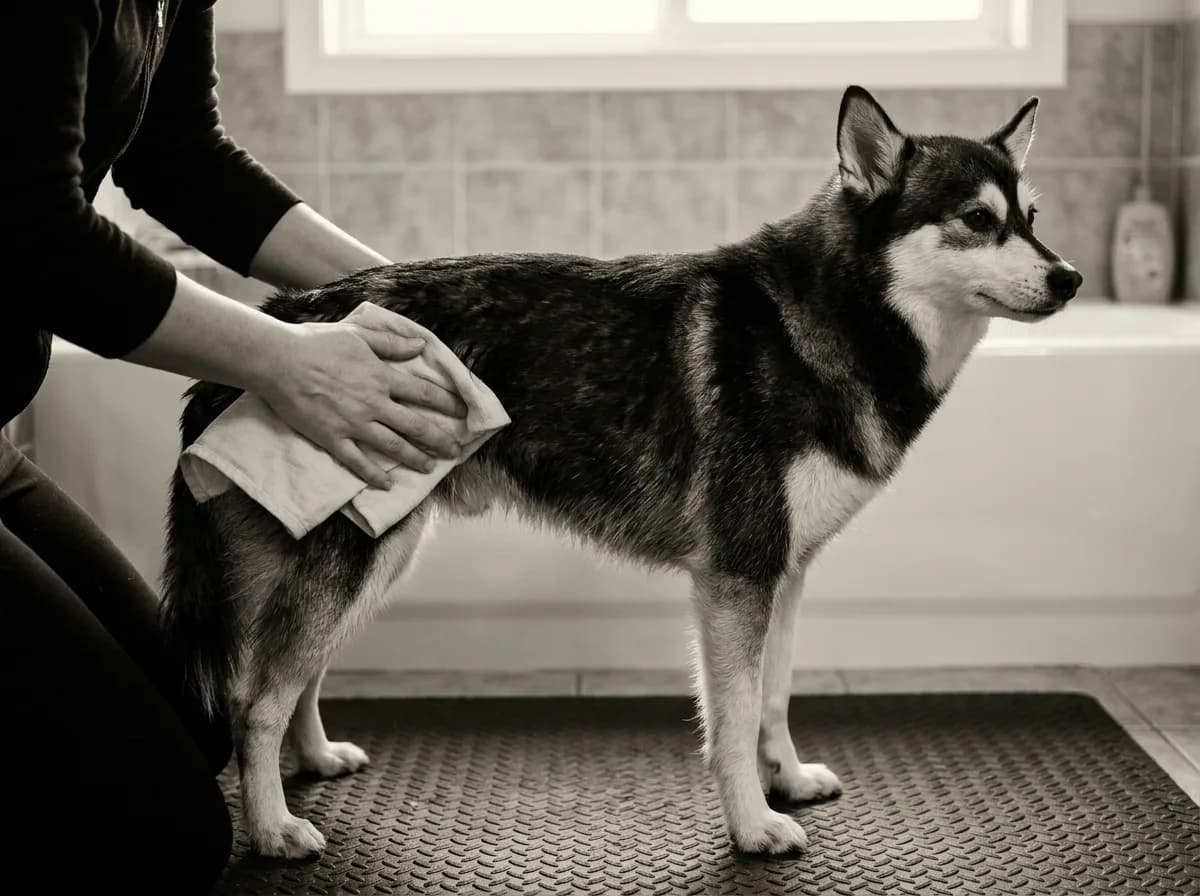
Prepare towels, a nonslip surface and the drying arrangement before starting. Rinse out the cleaning product thoroughly according to its instructions. Afterward, blot with a towel and check beneath the outer coat as drying progresses; a surface that looks tidy is not proof that the dense layers underneath are dry.
The breed club describes cool blow-drying as one way to remove loose hair. Introduce the sound and airflow gradually and keep the dog comfortable. If home drying becomes a struggle or you cannot manage the coat thoroughly, ask a competent groomer for help. The purpose is comfortable coat care, not finishing a noisy procedure at any cost.
Arrange professional help clearly
When booking, describe the coat rather than asking only for a generic bath. Mention whether there is loose undercoat, a particular tangle or difficulty with handling. Ask what the appointment includes, how the coat will be dried and how the groomer will contact you if the dog becomes uncomfortable. A clear conversation helps you compare services that may sound similar but involve different amounts of work.
Bring the name of any product currently used and explain what the dog already tolerates. If the dog is new to professional grooming, a gradual introduction may be more useful than combining every possible task into the first visit. Discuss that with the groomer when scheduling so neither you nor the professional is relying on an unrealistic expectation about what can be completed comfortably.
Keep cleanup separate from coat treatment
- Wash bedding and removable covers according to their care instructions.
- Pick up loose hair regularly from the dog’s usual resting areas.
- Clean grooming tools after use and discard the collected fur.
- Protect a comfortable grooming area with an easily cleaned surface.
- Keep a record of unusual coat or skin changes rather than blaming every mess on shedding.
These habits make hair around the house easier to live with, but they do not change the breed into a non-shedding dog. Before choosing a Klee Kai, consider whether everyone sharing the home accepts regular cleanup. A manageable amount of work for one household may be an unwelcome daily burden for another.
Choose washable resting-place covers that are easy to remove, and keep a spare if drying takes time. Plan cleanup around the places your dog actually uses, rather than buying supplies for every room before learning its routine. This keeps household maintenance practical without making grooming more frequent or forceful than the coat needs.
Know when grooming help is not enough
A groomer can help with difficult coat maintenance, but unexplained patchy hair loss belongs with a veterinarian. Mention itching, redness, sores, discomfort or other changes you have noticed. Do not try to diagnose the cause from the shape of a bald area or assume that a new tool will solve it.
Bring useful observations to that conversation: when the change began, where it appears, whether the dog licks or scratches the area and which products were recently used. That information is more helpful than increasing the strength or frequency of grooming without knowing the cause. Until you have guidance, avoid working forcefully over irritated areas.
Do Alaskan Klee Kai Shed? Grooming and Coat Care Questions
Shaving is not a routine solution to shedding. The longer guard hairs contribute to coat protection, and the breed club recommends maintaining the natural coat rather than cutting it down. Remove loose hair with appropriate grooming. If clipping is needed for a medical reason or a severely compromised coat, follow professional guidance for that individual situation.
A shorter appearance does not remove the double coat. Individual coat density and the stage of shedding matter, so hair length alone cannot give a reliable comparison of how much fur will appear at home. Inspect the coat and maintain it according to what the individual dog needs.
No. A bath cleans the coat, but it does not replace removing loose undercoat or checking for tangles. Drying and combing still matter afterward: part the coat and check beneath the surface instead of judging only the dry-looking guard hairs. Resistant tangles need groomer help: if a comb catches or the dog becomes uncomfortable, pause rather than repeating the bath.
Choose a brush or comb that removes loose undercoat without cutting the guard hairs. AKKCOA advises against tools with blades. A slicker can be useful if its pins suit the coat and you use light pressure, while a suitable comb helps check what remains beneath the surface. Ask a groomer to demonstrate the technique on your dog; a tool that catches, pulls or irritates is not suitable simply because it is sold as a deshedder.
BVMS, MRCVS
Dr. Pippa Elliott, BVMS, MRCVS, is a veterinarian with nearly 30 years of experience in companion animal practice. Dr. Elliott earned her Bachelor of Veterinary Medicine and Surgery from the University of Glasgow. She was also designated a Member of the Royal College of Veterinary Surgeons. Married with 2 grown-up kids, Dr. Elliott has a naughty Puggle named Poggle, 3 cats and a bearded dragon.
Sign up for expert-backed reviews and safety alerts all in one place.