Alaskan Klee Kai: Temperament, Care, and Breed Guide
Assess the Alaskan Klee Kai's reserved temperament, secure exercise needs, current breed status, and recommended health screening before choosing a puppy or adult companion for your household.

BVMS, MRCVS
Petful is reader supported. As an affiliate of platforms like Amazon and Chewy, we may earn a commission when you buy through links on this page. There is no extra cost to you.
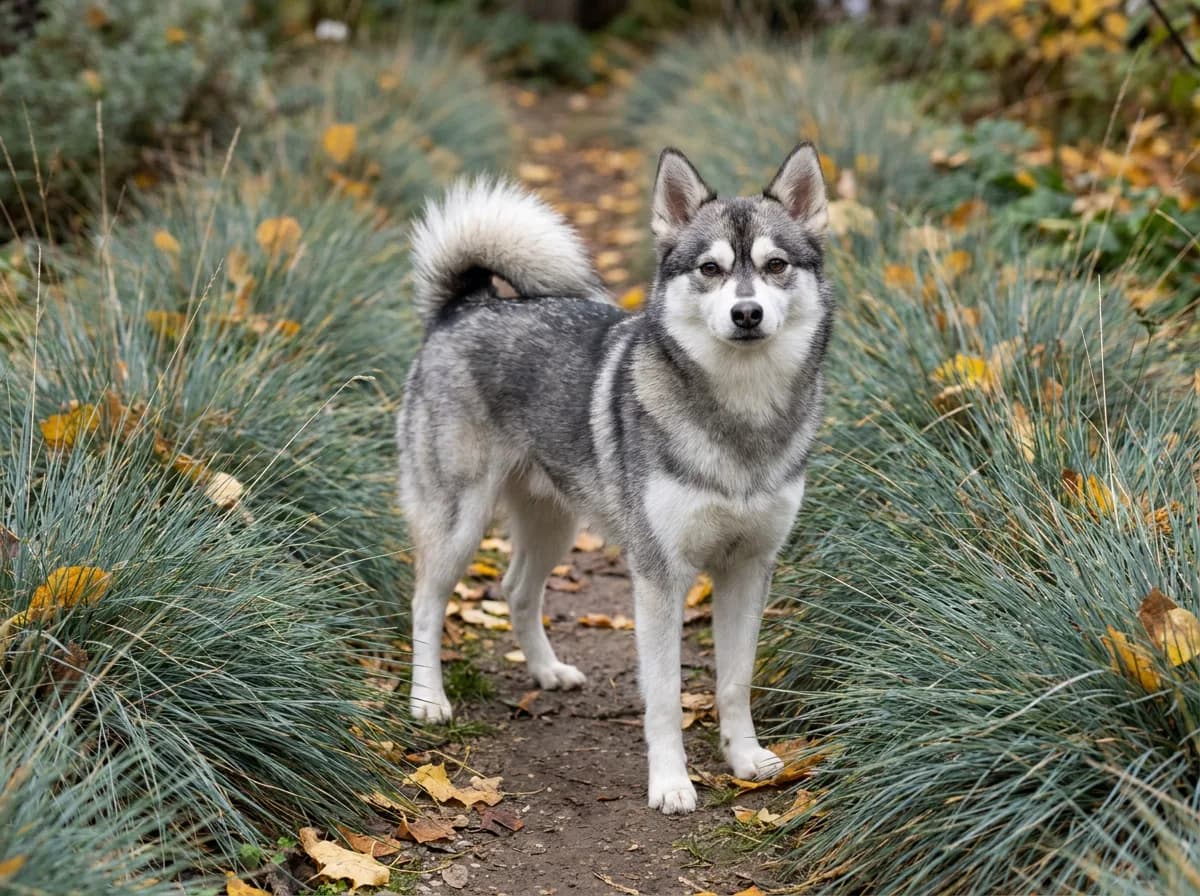
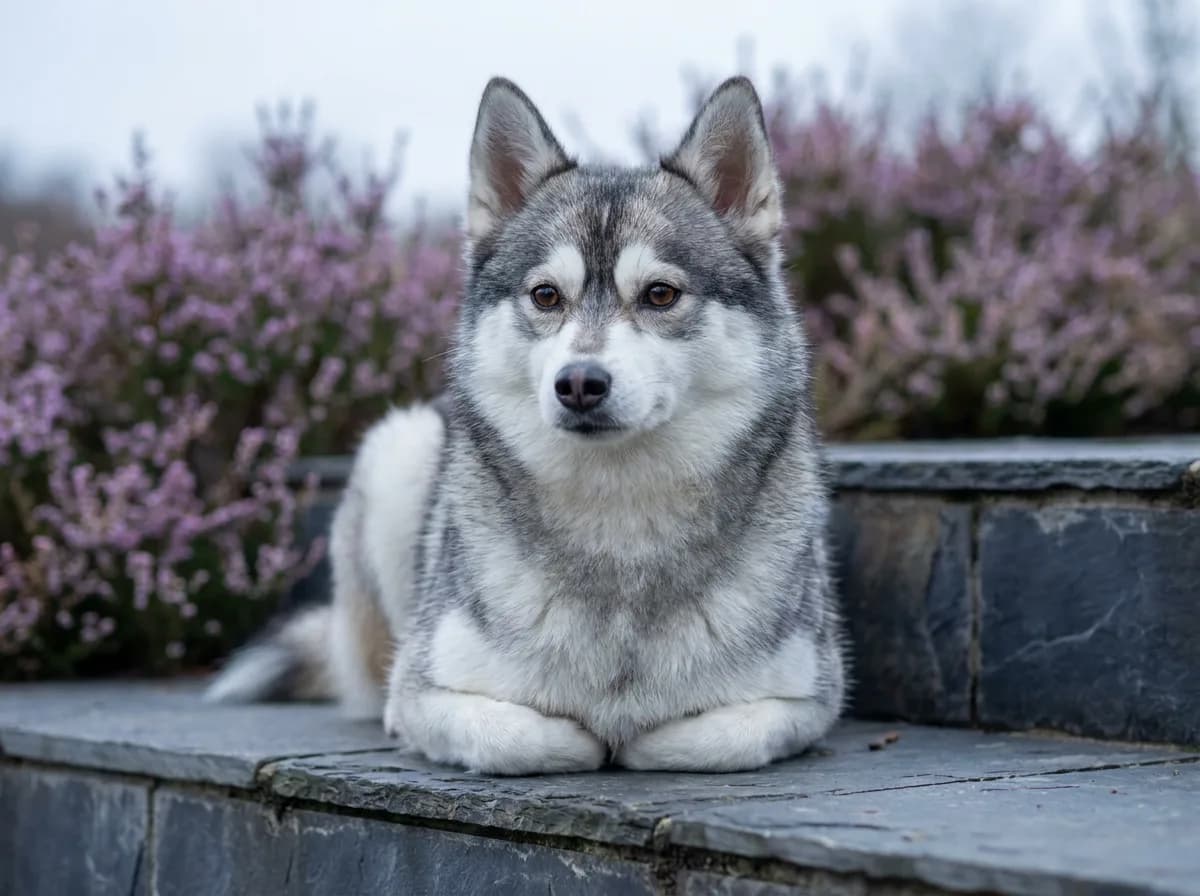
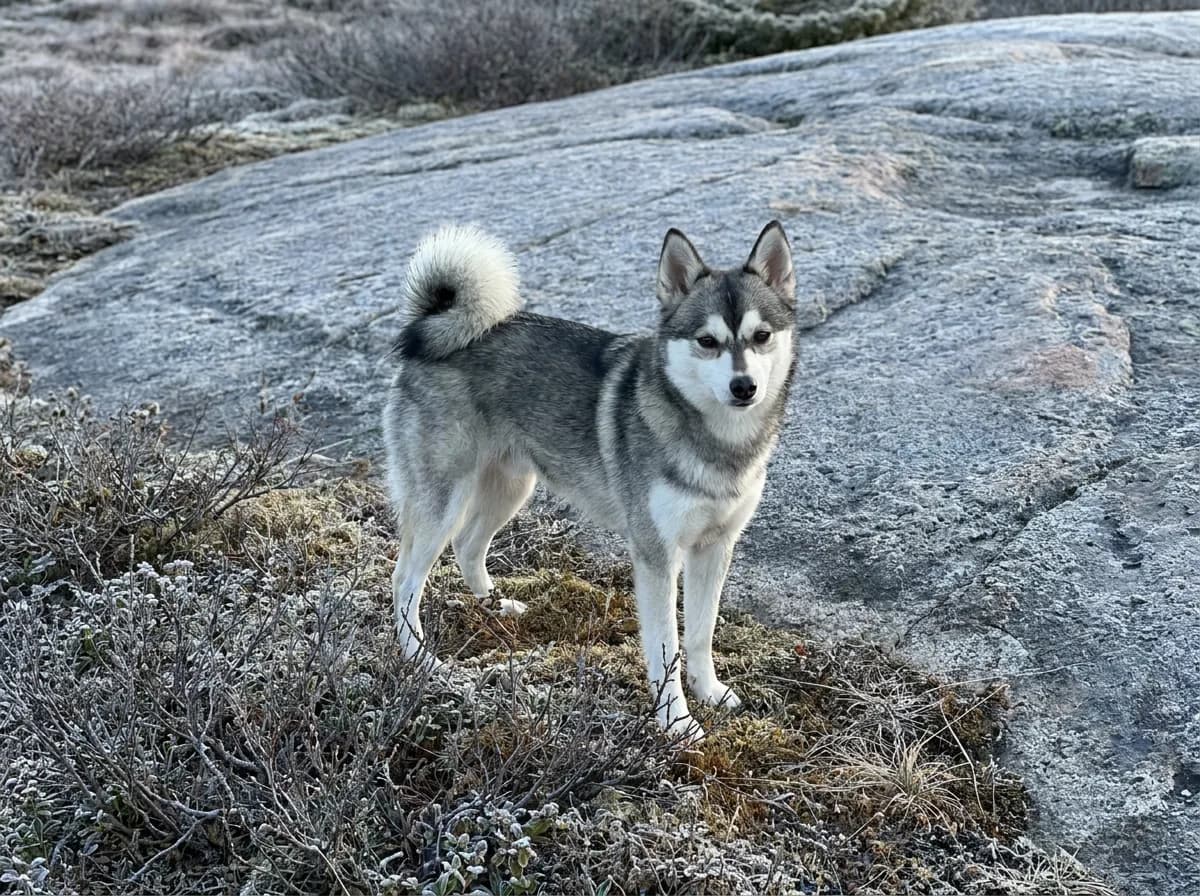
The Alaskan Klee Kai is a small northern companion breed with an alert expression, contrasting facial mask, upright ears, and a curled tail. Its striking appearance draws attention, but living with one is mainly a question of time, training, secure surroundings, and respect for an individual dog's comfort with unfamiliar people.
This is a separate breed, not simply a Siberian Husky chosen for small size. Before selecting a puppy or adult, look beyond the photograph and consider how its daily needs will fit your ordinary household routine.

Sign up for expert-backed reviews and safety alerts all in one place.
What is an Alaskan Klee Kai?
An Alaskan Klee Kai is an energetic, intelligent companion developed in Alaska. The breed can be reserved with strangers and closely attached to familiar people. Secure exercise and company belong in the ownership plan alongside food, grooming, and veterinary care. Its compact frame does not make it a dog that can be left to entertain itself indefinitely.
| Household consideration | What it means in practice | What to ask before choosing a dog |
|---|---|---|
| Reserved with strangers | Greetings may need time, distance and a quiet alternative | How does this dog respond to unfamiliar people? |
| Secure exercise and company | Outdoor access needs physical security and an available caregiver | Who provides activity and support on a normal workday? |
| An agile, observant dog | Doors, fences and equipment need thoughtful management | Has this dog attempted to escape, and in what circumstances? |
| A double coat | Routine grooming and household hair are part of care | What grooming does the dog currently tolerate? |
| Documented health screening | Records are more informative than a general health promise | Can the parents' identified results be reviewed? |
The United Kennel Club standard describes the breed's wedge-shaped head, double coat, balanced body, and northern appearance. Linda Spurlin and her family developed it as a companion-sized northern dog; UKC recognition began on January 1, 1997. An adult's appearance can help explain the breed, but a photo cannot establish registration or ancestry for an individual dog.
Current breed status and the clubs
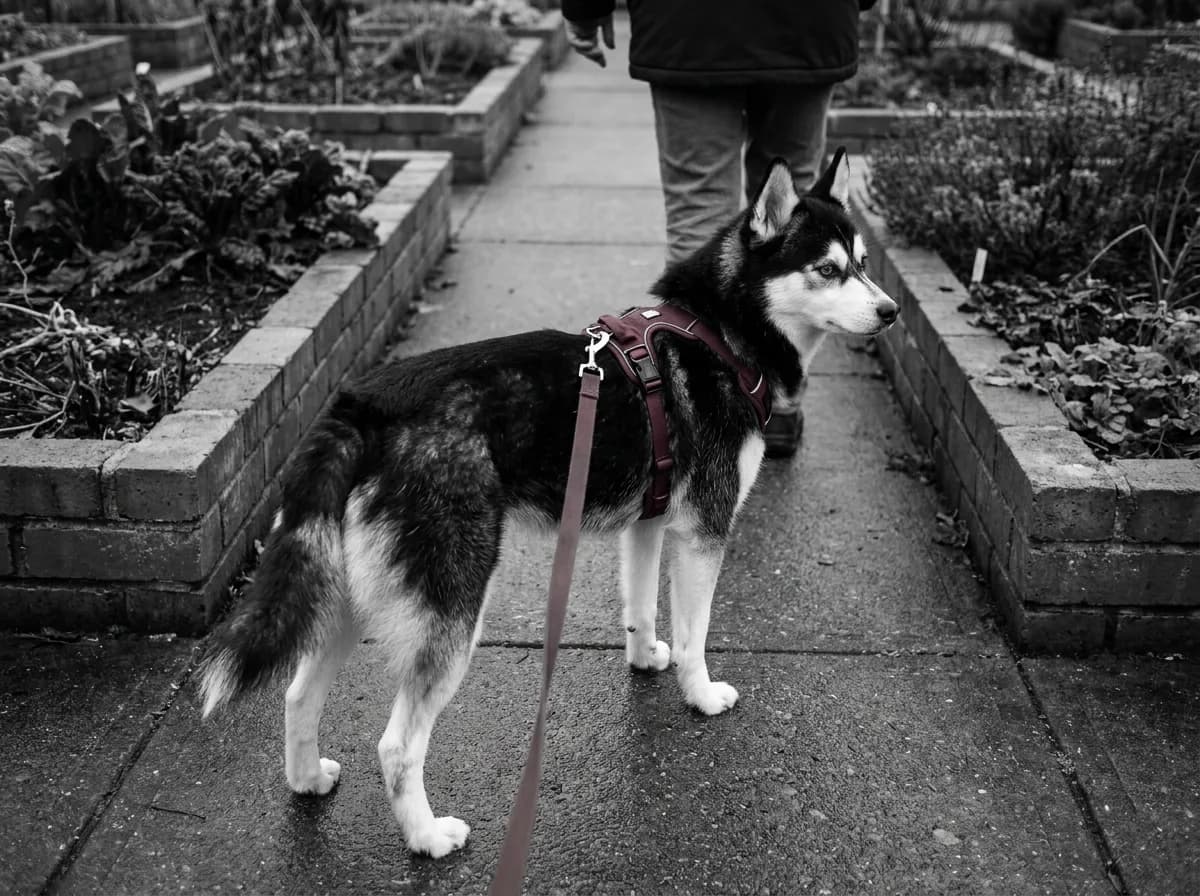
A Frisco padded harness in Small is an option only when its published measurement range fits the individual. Check adjustment and movement in a secure area before using it outdoors. Neither a small breed label nor a no-pull product name guarantees that a dog cannot back out.
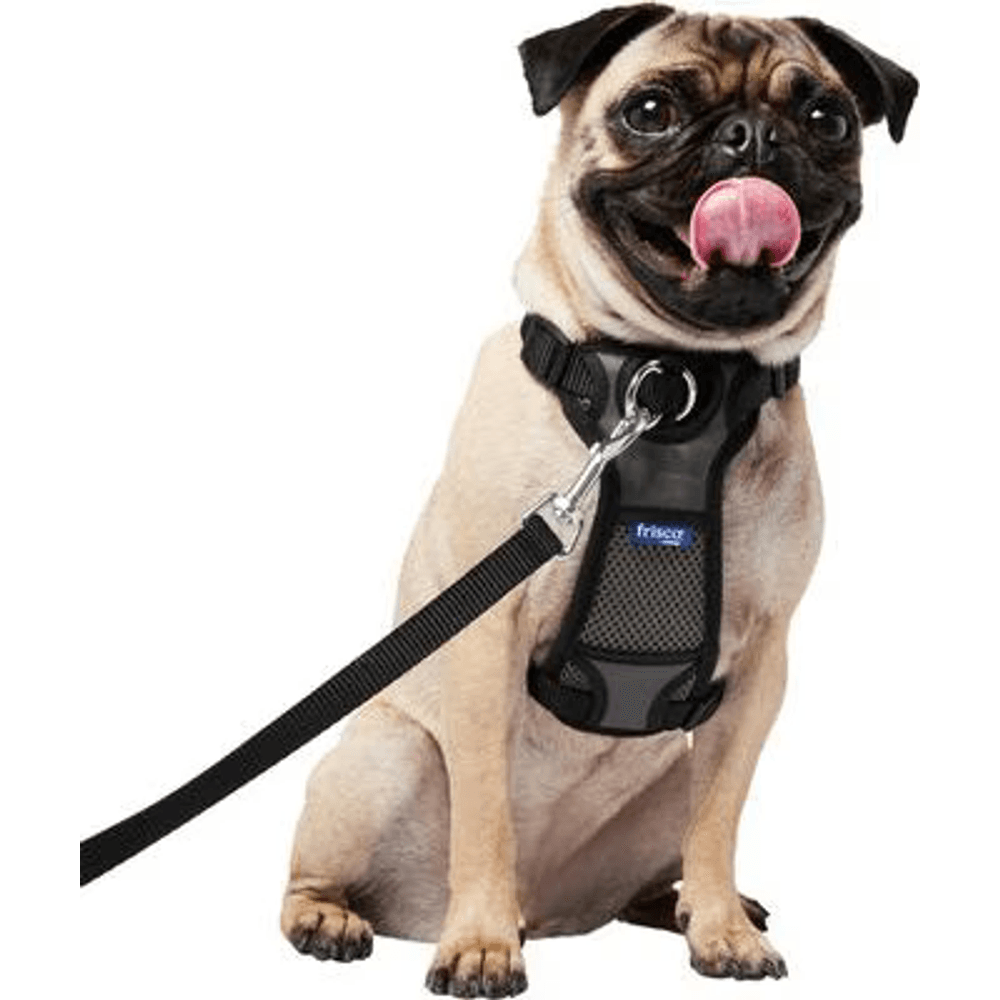
Check this Small harness against actual measurements and the current size chart. Adjust and test indoors; no-pull wording is not an escape-prevention guarantee.
Petful may earn a commission when you click through to Chewy, at no extra cost to you.
The Alaskan Klee Kai Club of America records the breed's move into the American Kennel Club's Miscellaneous Class on June 25, 2025. Describing its status only as Foundation Stock Service is therefore outdated. Miscellaneous Class is the specific status to name; it should not be casually rewritten as a different stage of AKC recognition.
AKKAOA cites fewer than 10,000 Alaskan Klee Kai born through 2018, based on UKC registration information. This historical total is not a current living population count. Club membership, registration and documented health screening remain separate checks when assessing a breeder.
A name does not replace a pedigree
A dog advertised as an Alaskan Klee Kai mix needs its own ancestry explanation. Ask which parent is known, what records exist, and whether the description is a visual estimate. A Husky-like mask or a small body does not establish that the dog is a purebred Klee Kai. Equally, the breed's development history does not mean every modern Klee Kai is a newly created designer cross.
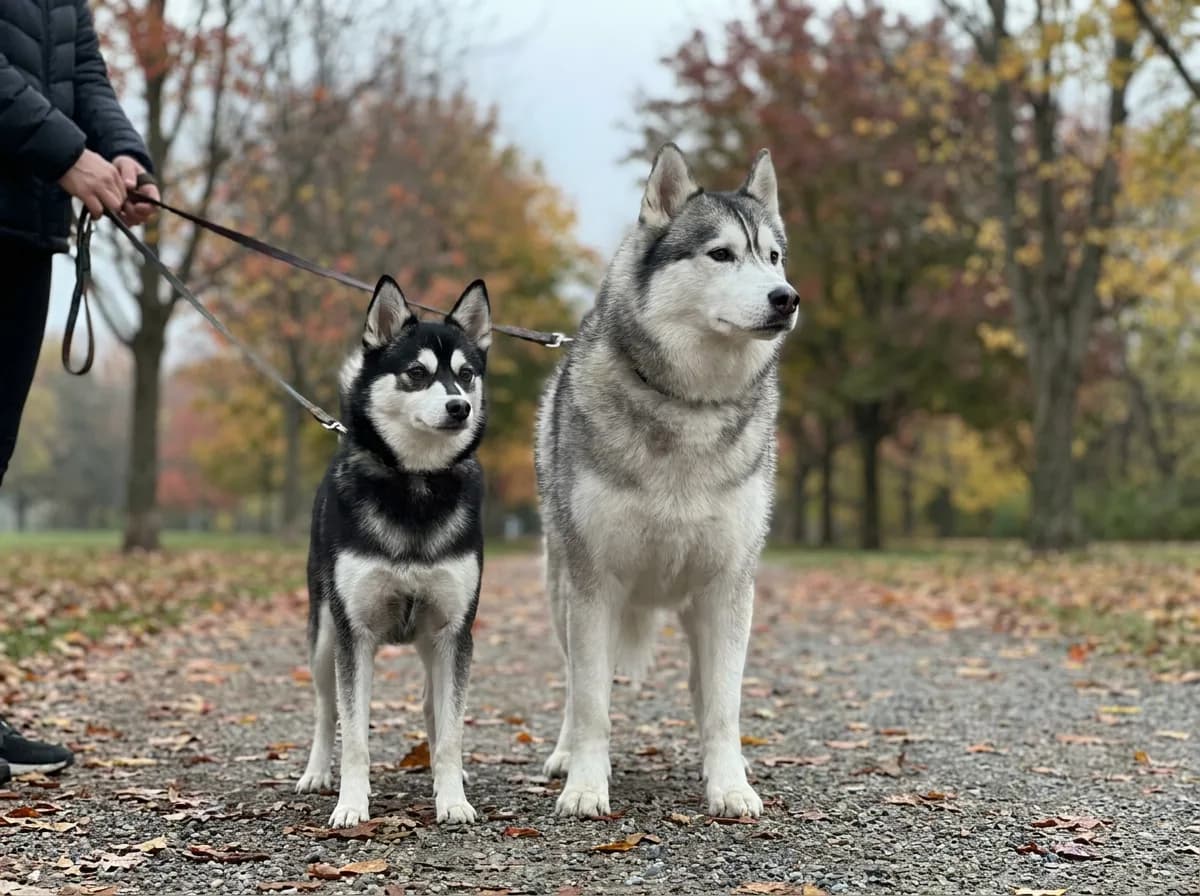
If you are also considering a Pomsky, use the dedicated Pomsky versus Alaskan Klee Kai comparison to keep those identities separate. A choice between them should consider the available parentage information and the actual dog's needs, rather than treating every small northern-looking dog as the same product under a different name.
Temperament, training, and life at home
Alaskan Klee Kai temperament combines alertness, curiosity, and close involvement with familiar people. The AKKAOA's breed guidance describes caution around strangers and emphasizes patient, positive training. That gives you a starting point for questions, not a script that every puppy or adult will follow exactly.
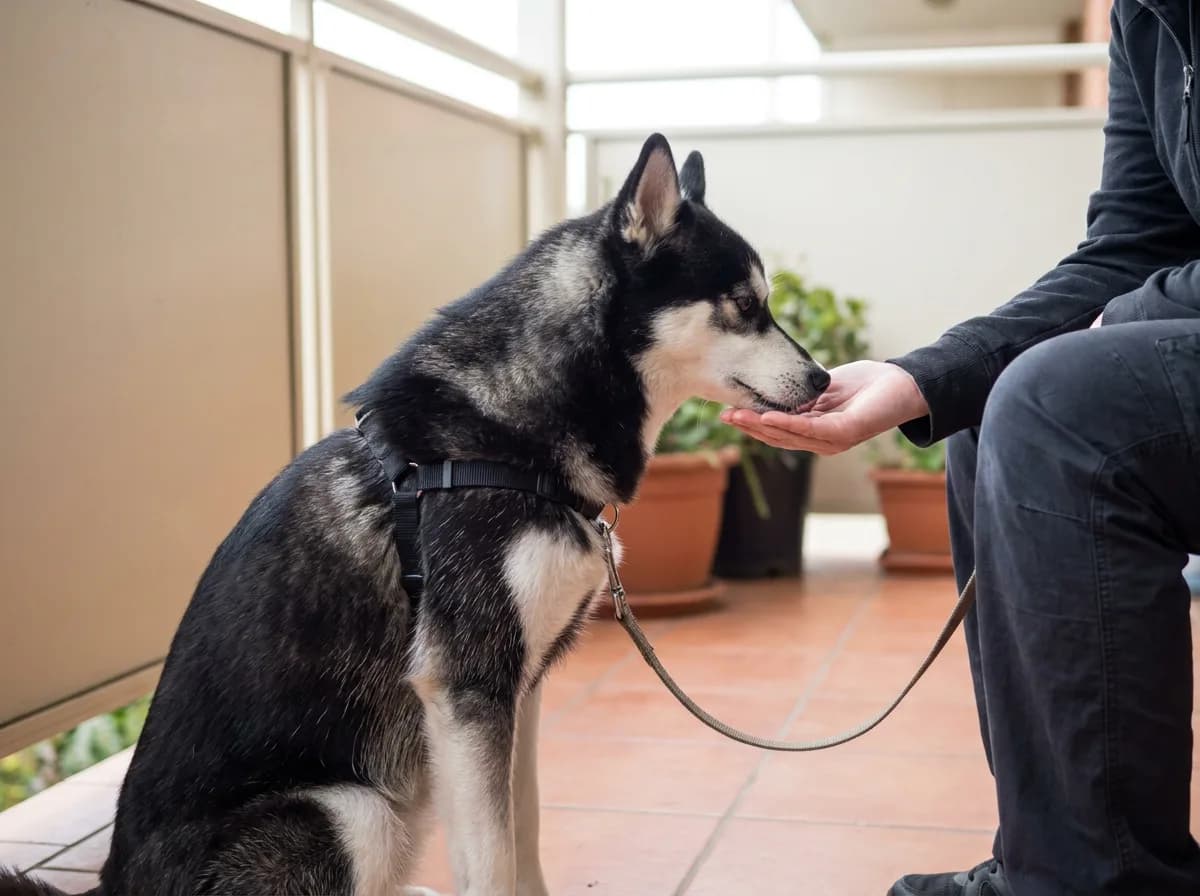
Use an adult meeting to ask practical questions
When meeting an adult Klee Kai, observe without demanding an immediate greeting. Ask its caregiver what a typical response looks like and whether the current setting is familiar. A dog quietly watching from a distance gives different information from a dog that has been repeatedly encouraged into contact. You do not need to test its tolerance by reaching over its head or picking it up.
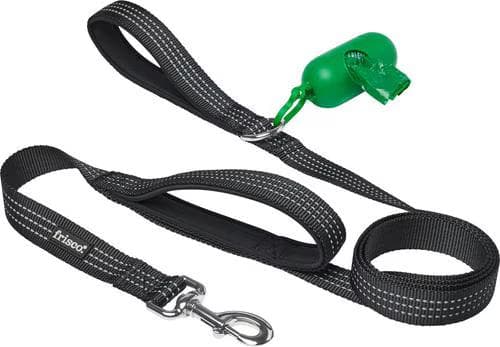
Six-foot leash for supervised everyday walks when the clip and weight suit your dog. Not a long line for distance recall.
Petful may earn a commission when you click through to Chewy, at no extra cost to you.
Use the visit to clarify the routine around the dog: how it travels, where it sleeps, what happens during grooming, and who can comfortably handle it. If you are meeting only a puppy, ask how the breeder describes those same situations for the parents. One meeting has limits, but specific answers can help you decide what to investigate next.
For a controlled outing, an ordinary six-foot Frisco leash may suit the dog and handler when its weight and fittings are appropriate. It is not a long line for distance recall. Check fasteners, equipment fit and wear before leaving a secure area.
Are klee kai easy to train?
They can learn readily, but intelligence does not mean effortless training. A quick learner may also notice an open gate or discover which behavior gains attention. Make the task clear, practice in a manageable setting, and reward the response you want. If the dog cannot concentrate around a distraction, reduce that distraction instead of repeating the cue more loudly.
The American Veterinary Society of Animal Behavior recommends reward-based methods. Start with practical skills such as coming when called within a secure space, moving away from a doorway, and accepting ordinary handling. Short successful sessions are more useful than drilling until either participant becomes frustrated. A qualified reward-based trainer can help adjust a plan to the dog you have.
Use a consistent household approach:
- Agree on the cue and the response you are rewarding.
- Begin somewhere the dog can comfortably pay attention.
- Change only one part of the challenge at a time.
- Include rest and ordinary companionship between activities.
Do Alaska Klee Kai bark a lot?
Alaskan Klee Kai can be vocal, including barking, howling, and other expressive sounds described by the breed club. There is no dependable volume setting for the breed. Ask about the individual's responses to visitors, activity outside, excitement, and departures. For apartment living, consider shared corridors and neighbors as well as the space inside your own home.
Record when unwanted barking occurs and what happens before and afterward. A dog alarmed by movement through a window may need the view managed while you teach another response. Vocalizing after you leave requires assessment of the absence itself. Do not assume all noise is playful “talking” or that tiring the dog out will answer every cause.
Are Alaskan Klee Kais aggressive?
Being reserved is not the same as being aggressive. A cautious dog may avoid an unfamiliar person or need more space without wanting interaction. Do not force a greeting to test friendliness. Assess growling, snapping, or other concerning behavior in its actual context, and arrange professional help when needed rather than explaining it away as a northern-breed personality.
PDSA's aggression guidance recommends recognizing discomfort and avoiding punishment. Give the dog space and prevent repeated exposure to a situation it cannot manage. Sudden behavior change warrants veterinary assessment because pain or illness can contribute. A reassuring breed description cannot rule out a problem in an individual.
What are common Klee Kai behavioral issues?
Practical concerns can include escape attempts, difficulty with unfamiliar situations, unwanted vocalizing, and distress when alone. These are questions to investigate, not a diagnosis assigned to every Klee Kai. Identify the specific behavior, its trigger, and the dog's ability to recover. Persistent panic needs qualified assessment rather than a longer walk or a stricter confinement routine.
The RSPCA's advice on being left alone supports gradual teaching and checking what happens during absences. Video may reveal distress that you do not see while present. Arrange help for necessary departures while you develop a suitable plan. Do not punish damage or accidents after returning; that does not explain the behavior you wanted instead.
Make escape prevention a household habit
The breed club describes digging, climbing, squeezing through gaps, and opening closures among possible escape behaviors. Inspect fencing and gates from the dog's level rather than assuming a boundary that contained another dog is sufficient. Think about deliveries, visitors, gardeners, and the moments when a door must remain open.
- 1A dog that is reserved with strangers needs space and supportive introductions.
- 2Secure exercise and company are practical daily commitments.
- 3The Alaskan Klee Kai is a distinct companion breed with individual behavior, not a miniature-size guarantee of an easy dog.
What are the pros and cons of owning an Alaskan Klee Kai?
Small training rewards may be useful if their ingredients suit the dog. Include them when reviewing food intake, and use manageable pieces. If several people train or feed the dog, agree on the daily plan so each person does not add a separate allowance without realizing it.

Small training rewards when ingredients suit your dog. Divide into appropriate pieces and count them in daily food intake.
Petful may earn a commission when you click through to Chewy, at no extra cost to you.
Potential advantages include an engaging companion, an interest in shared activities, and a size many households can accommodate. The corresponding commitments include time together, thoughtful introductions, secure management, training, and double-coat care. The same alertness that makes a dog attentive may also require work around visitors or neighborhood activity.
Compare those commitments with your actual week:
- Can you support a dog that needs time before greeting strangers?
- Who handles exercise and care when your schedule changes?
- Can you provide secure outdoor access and controlled entrances?
- Are you prepared for grooming and hair in the home?
- Is qualified training support available if difficulties arise?
A family should also plan adult supervision around children and give the dog a resting place where it will not be disturbed. A child should not be responsible for managing an escape-prone dog at an open door. Discuss your household's busiest moments with the breeder or rescue so the placement decision reflects real life rather than an ideal weekend.
If your household includes cats, ask about this dog’s actual history with them, including whether chasing occurred and under what supervision. A quiet meeting with a familiar cat does not establish safety around a running animal. Keep secure separation available, introduce animals gradually with supervision, and seek qualified help if the dog fixates or tries to chase.
Health checks and everyday care
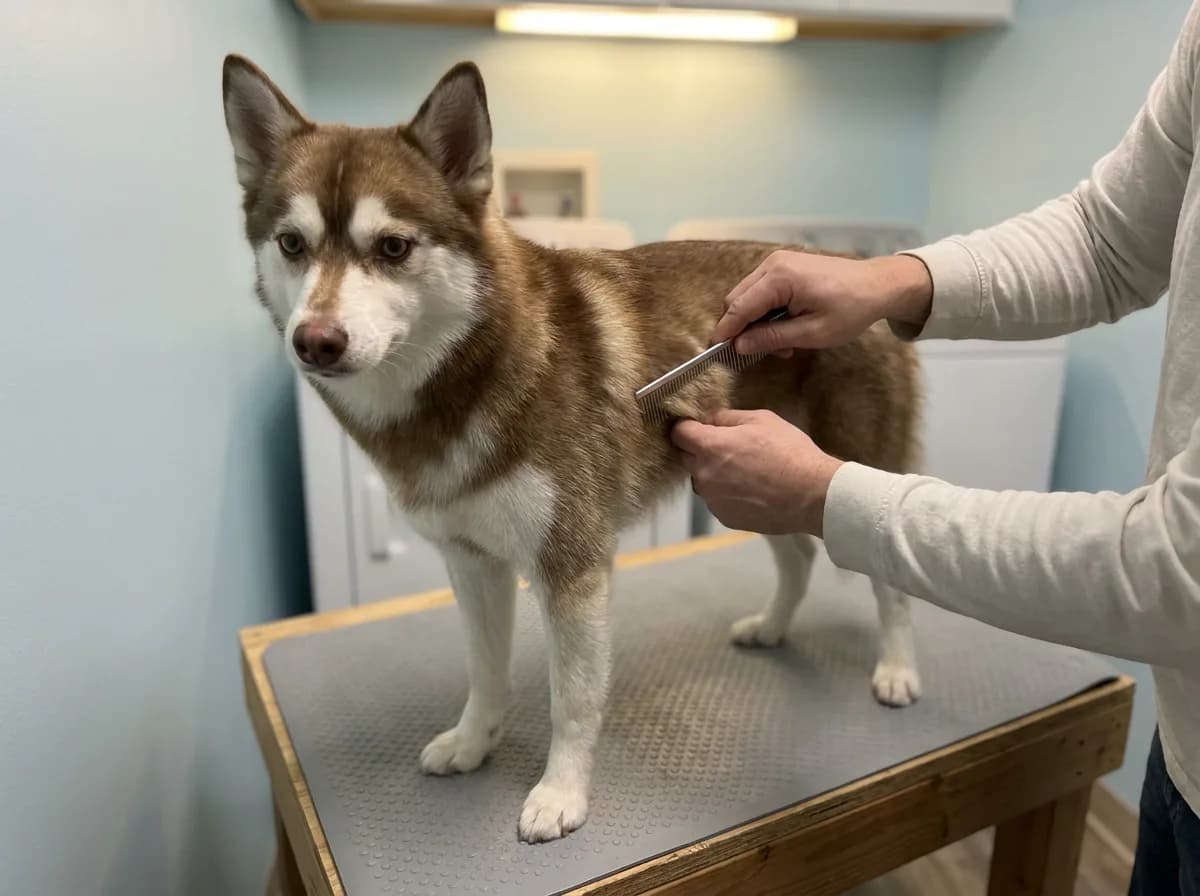
Regular gentle brushing and combing help you check the coat and remove loose hair. The club advises avoiding bladed tools. A non-bladed slicker brush is an option to discuss with a groomer, used lightly and according to the dog's response. It should not be pressed repeatedly over sore skin or forced through a tangle.
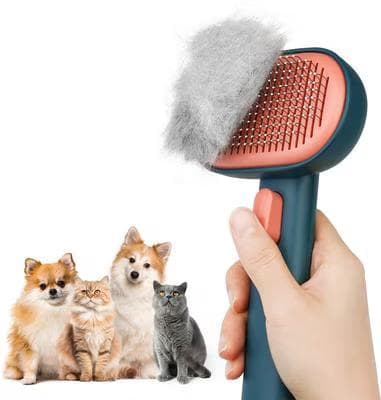
Slicker for gentle coat care if its pins and size suit your dog. Use light pressure; stop if it pulls or causes discomfort.
Petful may earn a commission when you click through to Chewy, at no extra cost to you.
Health screening is a way to gather relevant information before breeding and placement; it is not a guarantee that a dog will never become ill. The Alaskan Klee Kai Club of America's care guidance recommends reviewing identified results for the sire and dam. Ask to see the actual records and have your veterinarian explain results you do not understand.
The club names these evaluations:
- Thyroid evaluation.
- Patella evaluation.
- Examination by a veterinary ophthalmologist.
- Cardiac evaluation.
- Factor VII deficiency DNA testing.
- Routine veterinary health evaluations.
Read what a health record actually says
Check the dog's identity, the test performed, the date, and the recorded result. A document headed “health checked” may describe a general examination rather than the particular screening you asked about. A DNA result and a clinical examination answer different questions. Do not treat a large panel of genetic tests as proof that every relevant eye, heart, thyroid, or orthopedic concern has been assessed.
Ask the breeder how the results informed the mating and whether there are known issues in close relatives. For an adopted adult, complete parent records may not exist; request the records that are available and arrange individual veterinary care. A missing family history should be acknowledged, not filled with an assumption that the dog is either exceptionally healthy or inevitably at risk.
Lifespan figures are context, not a promise
The AKC breed profile lists a life expectancy of 13–16 years, while the AKKAOA FAQ gives approximately 15–17 years. These published descriptions differ and are not a prediction for one dog. Plan for a long commitment and ongoing care rather than selecting the more attractive number as a guarantee.
Your dog's health history, current condition, and veterinary assessment matter more for its care than a breed-wide range. Keep records of preventive care and changes you notice. An older dog may need adjustments to activity, diet, or comfort, while a young dog still needs regular assessment. Do not wait for an expected lifespan milestone to discuss a concern.
Prepare for ordinary appointments
Tell a veterinary clinic or groomer in advance if your dog is cautious with unfamiliar people or handling. Ask how to make arrival and waiting manageable, and bring any relevant records. A quiet entrance or time to settle may make the visit easier to organize. Avoid promising that the dog will tolerate every procedure because it is affectionate at home.
Practice achievable pieces of the experience between appointments, such as stepping onto a nonslip surface or accepting a brief look at a paw. Keep the exercise comfortable and stop before restraint becomes a struggle. The aim is to share useful information with the professionals caring for your dog and build familiarity gradually, not to perform a home examination you have not been shown how to do.
Feed the dog in front of you
Choose a complete diet appropriate to the dog's life stage and discuss portions with your veterinarian. An Alaskan Klee Kai diet should account for body condition, activity, and all the extras offered during training. A small body does not need food amounts guessed from a photograph or an advertised size label.
Match grooming to the double coat
Ask for a demonstration if you are unfamiliar with reaching through a double coat comfortably. Check areas beneath equipment and pause if the dog objects. Keep routine nail care and handling practice manageable rather than allowing every session to become a struggle. Grooming is also an opportunity to notice a change, not a substitute for investigating itching or skin discomfort. Ask whether a Safari fine comb suits the area you are maintaining and have the groomer show gentle use without pulling through resistance.
Plan activity around the conditions
Include walks, exploration, learning, and rest in the day. The amount and type should suit the dog's age, condition, and response. A northern appearance does not make a dog immune to warm weather or justify leaving it outside without suitable shelter and supervision. Choose conditions the dog can manage and ask your veterinarian about individual limitations. A supervised Pet Parents Forager snuffle mat search with part of a measured meal is one quieter option; remove it if the dog chews it.
You can make activity more useful without continually increasing distance. Let the dog investigate an appropriate area, practice a familiar response, or enjoy a quiet outing with you. If it cannot settle afterward or appears uncomfortable, review the pattern rather than assuming it always needs more exercise. A sustainable routine includes the caregiver's time and the dog's recovery as well as activity itself.
More detailed Klee Kai decisions
Buying, adoption, and the lifetime budget
A puppy's asking price is only one part of ownership. Compare dated quotes from identified sources, what is included, parent screening, upbringing, and return support. An adoption listing also needs direct confirmation of the individual dog's records and care requirements. The Alaskan Klee Kai price guide develops those choices and the ongoing budget. Avoid treating a premium price or a long waiting list as evidence that a particular placement is right for your household.
Klee Kai and Husky differences
A Klee Kai may resemble a small Husky, but a resemblance does not make it a size variety of the Siberian Husky. Compare the distinct breeds' backgrounds and practical needs rather than shopping for a “mini Husky” promise. The Klee Kai versus Husky guide explains the identity and size distinctions. Ask what an advertisement actually means when it uses an informal label, and verify the dog's records before relying on it.
Toy, miniature, and standard size details
The UKC uses toy, miniature, and standard height varieties, with measurement at the withers. The category is not determined by coat fluff, a puppy's current weight, or a seller's use of “teacup.” Our Alaskan Klee Kai size guide gives the precise boundaries and explains how to interpret adult measurements. Use the actual dog's dimensions for equipment and accommodation, while allowing uncertainty when estimating a puppy's adult size.
Shedding and double-coat care
Klee Kai shed, and loose undercoat can require more attention during seasonal changes. A neat outline does not mean a low-maintenance or allergy-free dog. The Klee Kai shedding guide covers grooming choices, realistic household expectations, and when a change needs assessment. Before acquiring one, consider whether the people in your home can manage both the routine care and the hair that may remain despite regular grooming.
Questions about alaskan klee kai
They can be rewarding companions when owner time and routine match the dog's needs. Assess individual temperament, comfort with unfamiliar people, exercise arrangements, and support during absences. A suitable placement depends on more than attractive markings or small size. Meet the dog or discuss the puppy's upbringing carefully, and be honest about the care your household can provide.
A first-time owner can consider one if prepared for reserved companion needs, secure management, and consistent learning. Training support and realistic expectations matter more than a simple beginner-friendly label. Meet adult dogs when possible and discuss an ordinary workday with the breeder or rescue. Someone needing an automatically sociable, low-involvement dog should reconsider that expectation before committing.
Compatibility varies, so plan individual introductions and ask about this dog's actual history. Comfortable behavior with one familiar dog does not predict every future interaction. Also assess prey behavior around small animals separately from canine sociability. Preserve secure separation when needed and use qualified help for difficult introductions instead of forcing contact to establish whether the breed is friendly.
The documented development history describes Linda Spurlin's work with Alaskan Husky ancestry, some Siberian Husky influence, and smaller dogs of similar conformation. It does not provide a simple fixed percentage recipe for every dog today. The Alaskan Klee Kai is a separate established breed; a modern puppy's identity should be supported by its own records rather than inferred from resemblance.
A small size does not make an all-day absence automatically manageable. Ask about the individual dog’s current tolerance, practice short comfortable absences and use video to check what happens after departure. Arrange suitable company or care for absences it cannot handle. Persistent panic needs qualified assessment; a longer walk or tighter confinement does not resolve that problem by itself.
The ancestry account above follows Linda Spurlin's description of the breed's development.
BVMS, MRCVS
Dr. Pippa Elliott, BVMS, MRCVS, is a veterinarian with nearly 30 years of experience in companion animal practice. Dr. Elliott earned her Bachelor of Veterinary Medicine and Surgery from the University of Glasgow. She was also designated a Member of the Royal College of Veterinary Surgeons. Married with 2 grown-up kids, Dr. Elliott has a naughty Puggle named Poggle, 3 cats and a bearded dragon.
Sign up for expert-backed reviews and safety alerts all in one place.