Alaskan Klee Kai vs. Husky: Size, Temperament, and Care
Compare Alaskan Klee Kai and Siberian Husky size, background and daily needs using registry measurements and practical weekday questions about exercise, visitors, containment and coat care.
Petful is reader supported. As an affiliate of platforms like Amazon and Chewy, we may earn a commission when you buy through links on this page. There is no extra cost to you.
The Alaskan Klee Kai vs. Husky decision starts with two different breeds, not two sizes of the same dog. Here, “Husky” means the Siberian Husky. The Klee Kai is a smaller companion breed with a familiar northern appearance; the Siberian carries the history and build of an endurance sled dog.
Both can appeal to someone who likes erect ears, expressive faces and a substantial coat. The better match depends on what happens after the photograph: how you handle visitors, provide activity, manage doors and gates, and make room for grooming and company on an ordinary workday.

Sign up for expert-backed reviews and safety alerts all in one place.
Klee Kai and Siberian Husky are different breeds
The American Kennel Club describes the Siberian Husky as a medium-sized sled dog developed for endurance and cooperative work. The United Kennel Club’s Alaskan Klee Kai standard describes a small companion breed developed in Alaska. Shared northern features do not erase those different histories.
| Weekday decision | Alaskan Klee Kai | Siberian Husky |
|---|---|---|
| Background to consider | Klee Kai companion background, with close family involvement | Siberian Husky working background, with endurance and activity in mind |
| Morning outing | Plan activity and sniffing suited to the individual | Plan meaningful activity and handling of a larger dog |
| Visitors and shared spaces | Allow room for a potentially reserved response | An outgoing breed tendency still needs polite introductions |
| Leaving home | Build an individual alone-time and care plan | Build an individual alone-time and care plan |
| Outdoor access | Check gaps, gates and fitted walking equipment | Check the whole enclosure and fitted walking equipment |
| Evening care | Training, companionship and double-coat maintenance | Training, companionship and double-coat maintenance |
Use this comparison as a set of questions to ask about the actual dog. A breed standard describes an ideal and general background, not a guarantee that every adult behaves identically. An experienced foster home or breeder should be able to discuss the dog’s responses in recognizable situations, including visitors arriving and familiar people leaving.
The full-grown size difference matters when arranging transport, handling a sudden change of direction on a walk or fitting resting space into your home. It does not tell you that one dog will need no training, or that the smaller dog will be content with less attention. Separate physical convenience from the behavior and routine you will live with.
Size and physical differences at a glance
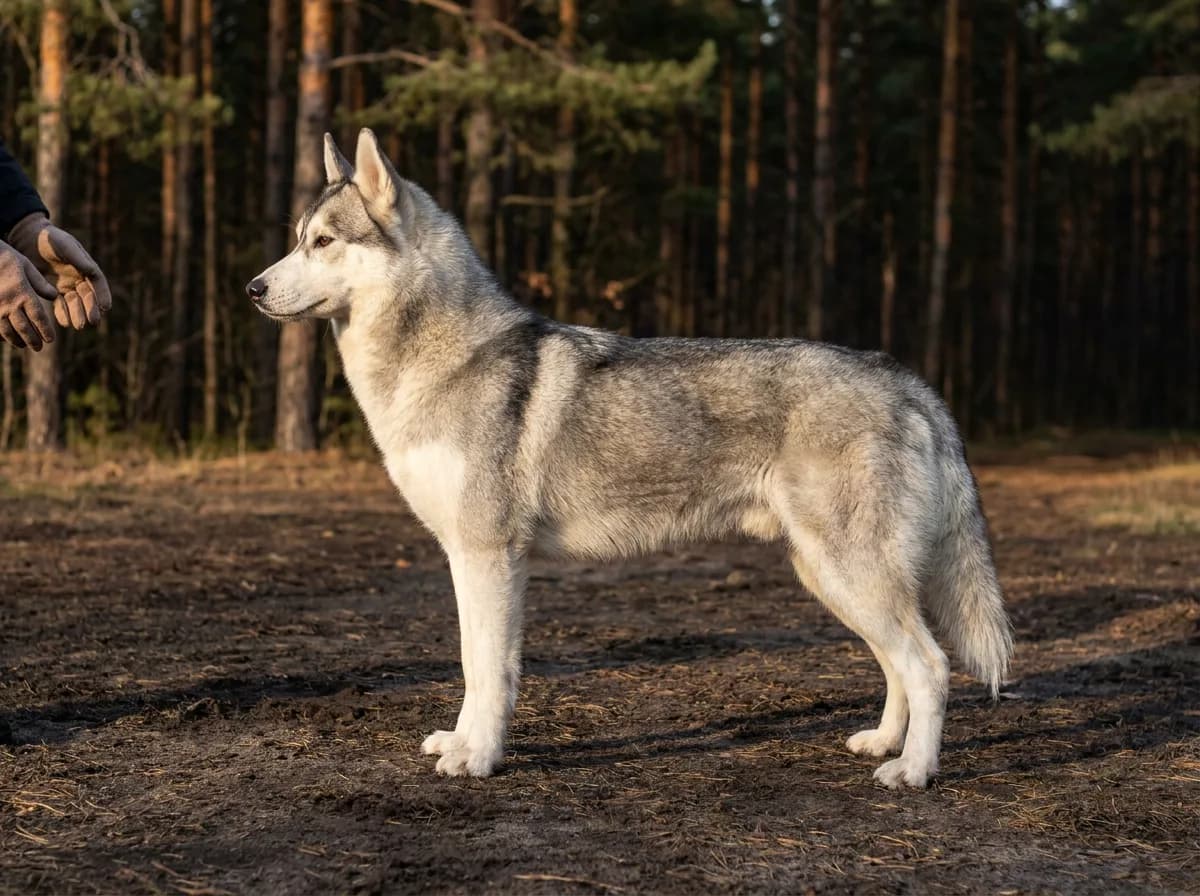
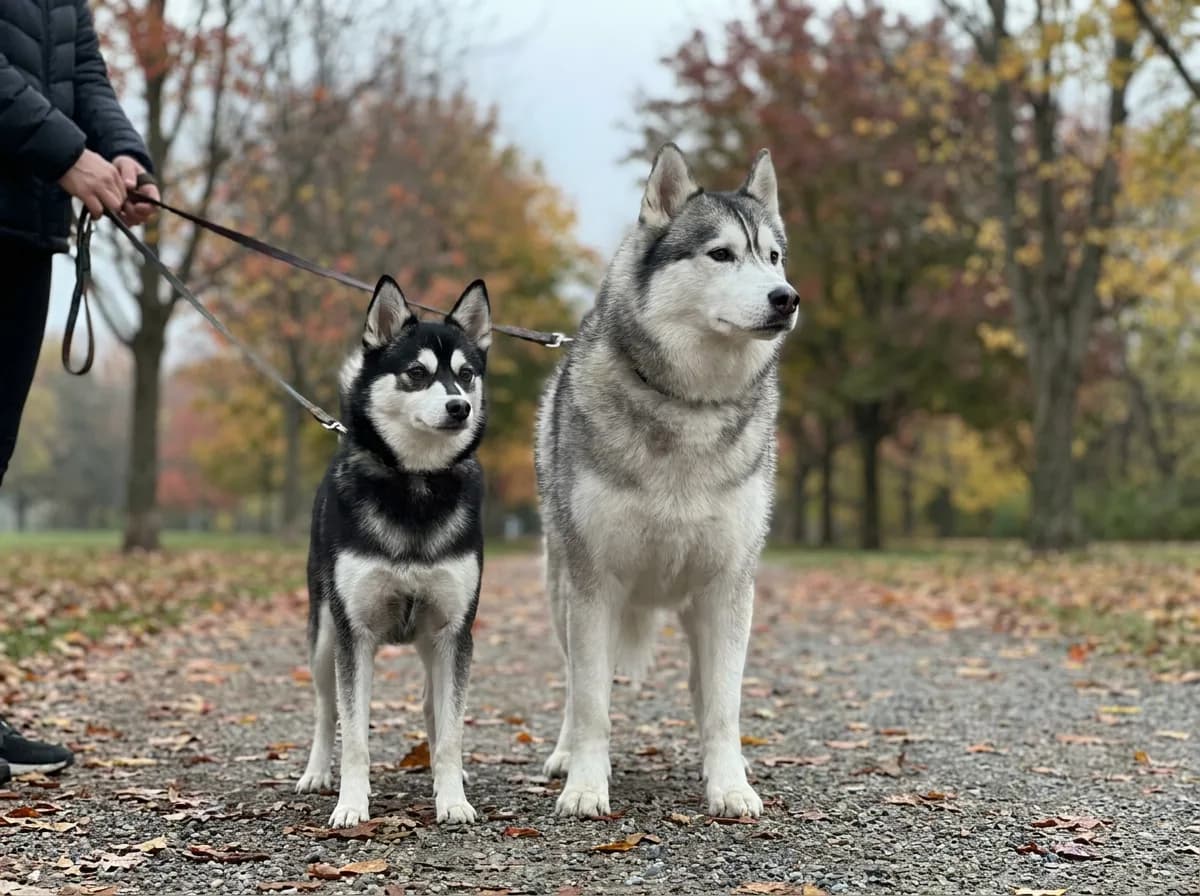
UKC lists Siberian Husky males at 21–23.5 inches and females at 20–22 inches at the withers. Its weight ranges are 45–60 pounds for males and 35–50 pounds for females. Those measurements describe a substantially larger dog than an Alaskan Klee Kai within its standard height categories. UKC Siberian Husky standard
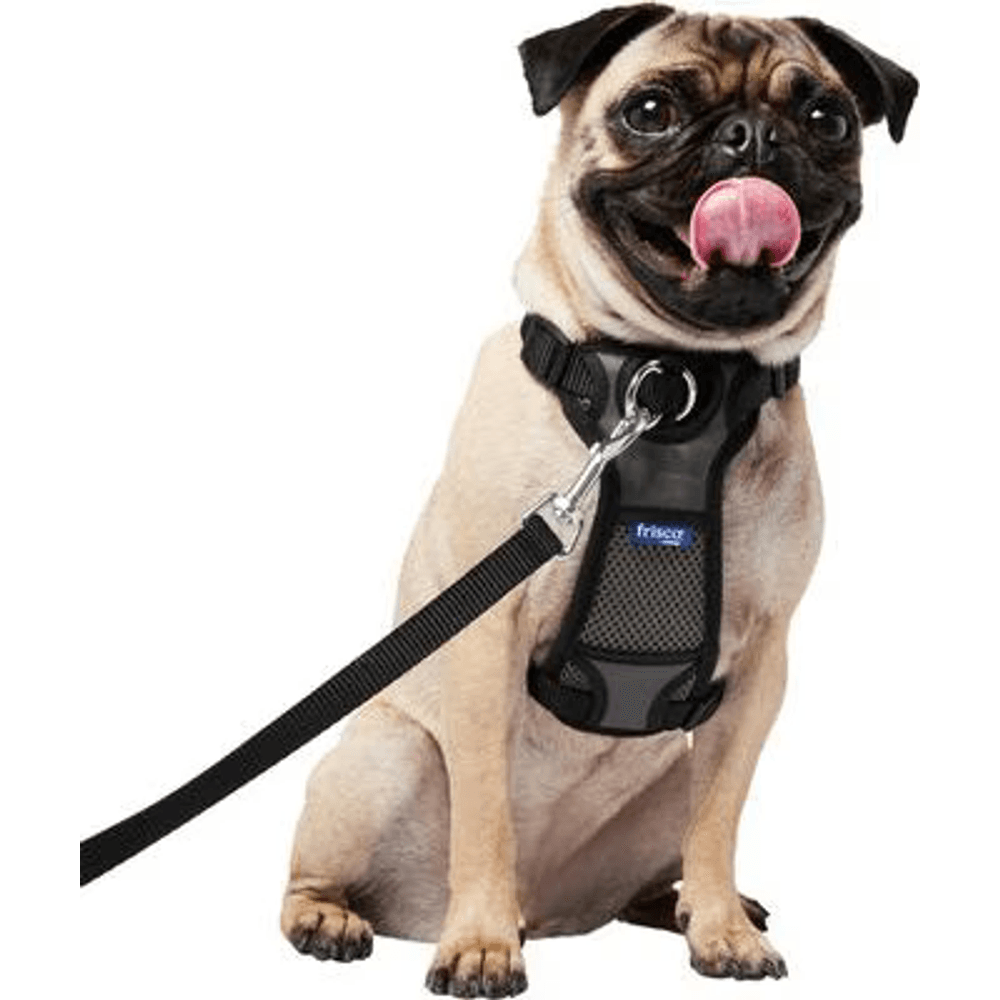
Check this Small harness against actual measurements and the current size chart. Adjust and test indoors; no-pull wording is not an escape-prevention guarantee.
Petful may earn a commission when you click through to Chewy, at no extra cost to you.
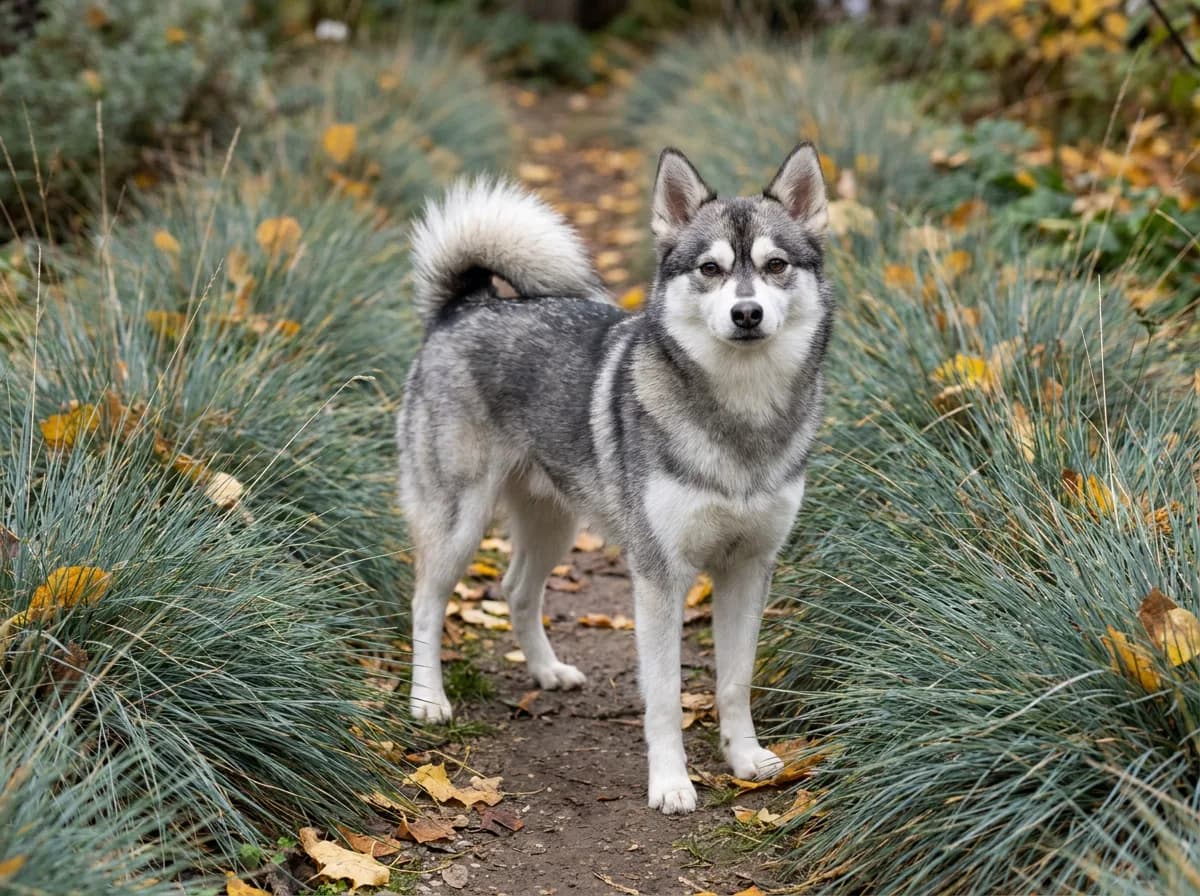
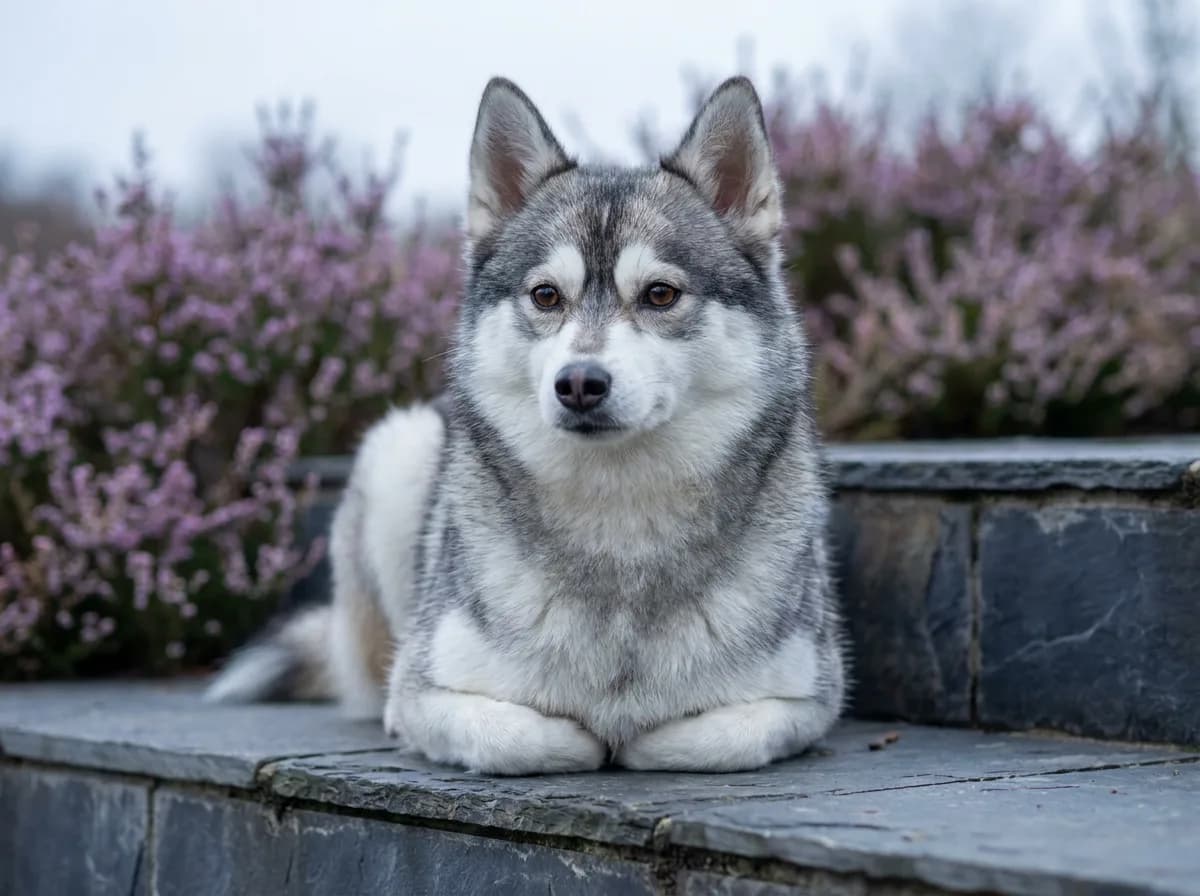
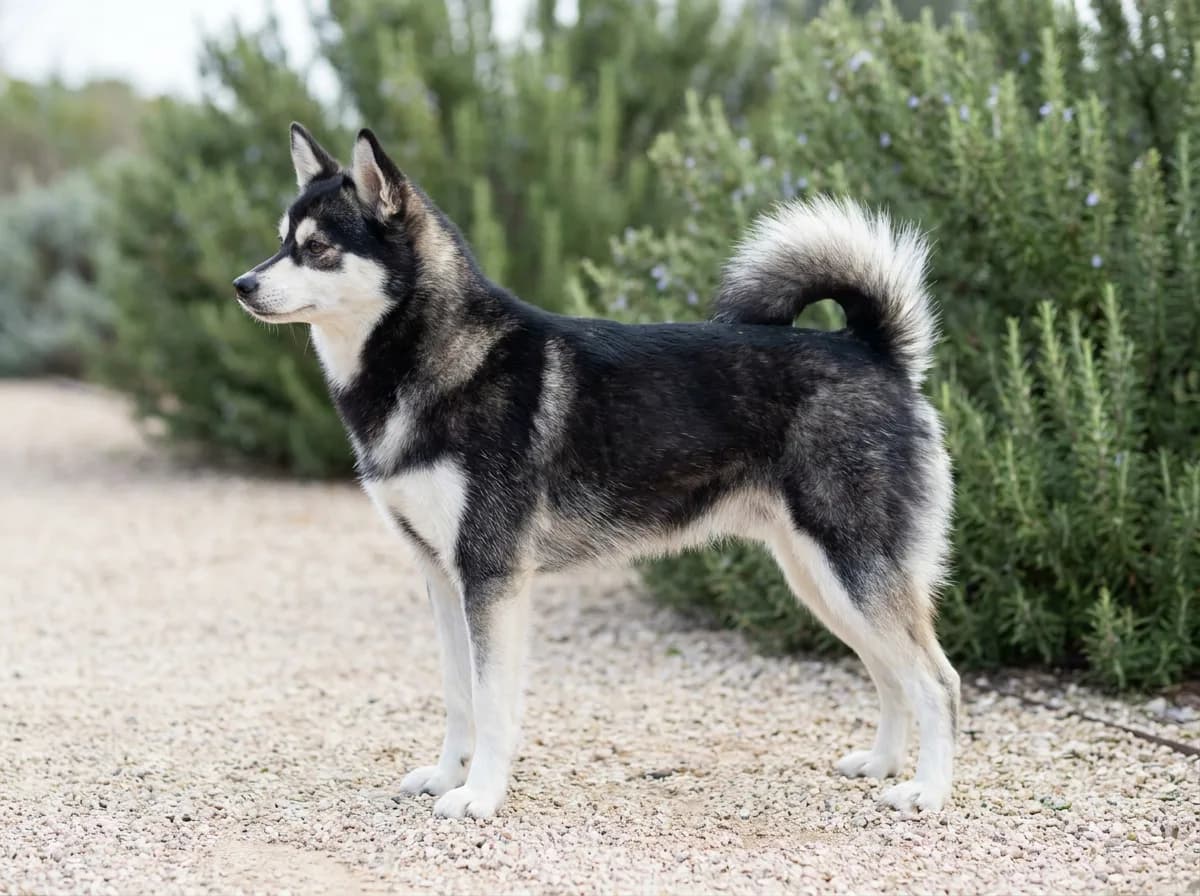
For the Klee Kai, UKC defines toy as up to 13 inches, miniature as over 13 through 15 inches, and standard as over 15 through 17 inches. The AKC’s broad Klee Kai profile lists 6–25 pounds. That breed-wide weight reference is not a separate official weight limit for each height category.
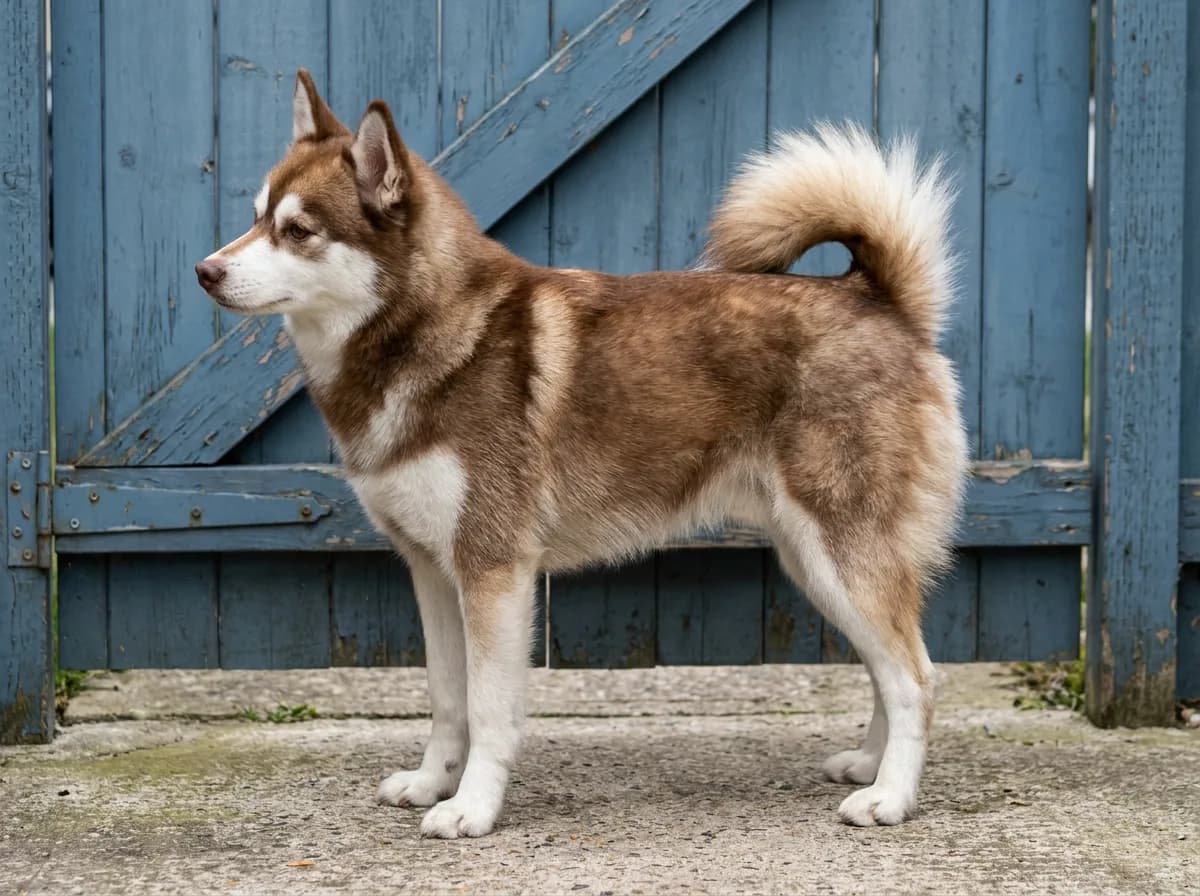
The photographs illustrate build and appearance; the registry measurements establish the numerical comparison. Camera height, distance, posture and coat fullness can all change apparent scale. A dog photographed closer to the lens may look larger even when the opposite is true in person, so do not calculate a height ratio from two separate images.
For practical shopping, measure the dog instead of selecting everything by breed name. A Frisco padded harness in Small may be an option for a Klee Kai whose measurements match its chart. The linked size is not a default choice for a Siberian Husky or every Klee Kai. Check each product’s adjustment range and instructions.
Why a Klee Kai is not a miniature Siberian Husky
“Mini Husky” is an informal description that can hide important differences. Someone might use it for an Alaskan Klee Kai, a small Siberian Husky or a mixed dog with a northern appearance. Ask what breed or ancestry is actually documented before drawing conclusions about adult size, temperament or care.
The UKC history traces the Klee Kai’s development to Linda Spurlin in Alaska in the 1970s. It has its own breed standard and identity. Calling it a miniature Siberian Husky may describe the visual impression, but it does not make it a size variety within the Siberian breed standard.
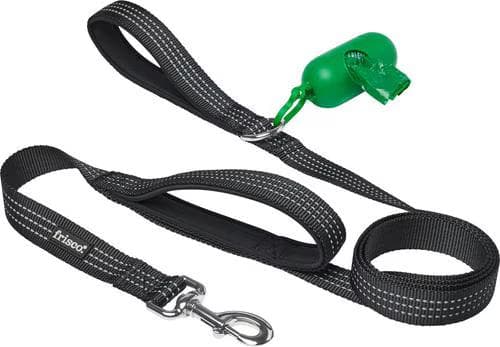
Six-foot leash for supervised everyday walks when the clip and weight suit your dog. Not a long line for distance recall.
Petful may earn a commission when you click through to Chewy, at no extra cost to you.
- 1Siberian Husky working background and Klee Kai companion background help explain the comparison.
- 2Official measurements are more reliable than photographic scale for comparing adult size.
- 3A mini Husky label does not establish breed identity or predict an individual dog's behavior.
A six-foot Frisco traffic leash is one option for controlled walks when its construction and hardware suit the dog. A shorter handle can help manage distance in a busy spot, but it does not train loose-leash walking or make an insecure harness safe. Use equipment as part of the handling plan, then practice that plan before relying on it in a distracting place.
Alaskan Husky is another term you may encounter when reading about northern dogs and Klee Kai history. It is not interchangeable with the Siberian Husky being compared here. When asking a breeder or rescue about a dog, use the full name and request the available background rather than assuming every “Husky” reference means the same thing.
- Ask which breed name appears in the dog’s records.
- Separate known ancestry from a visual guess made at intake.
- Request adult measurements when the dog is already grown.
- Treat a puppy’s projected size as an estimate, even with known parents.
- Discuss the individual’s daily behavior before choosing on appearance.
If a seller advertises a miniature Siberian Husky and an Alaskan Klee Kai as equivalent, ask them to explain that claim. The response should clarify the dog’s identity rather than simply repeat a sales label. You do not need to resolve every detail of breed history to recognize that an unclear description leaves important questions unanswered.
Temperament, exercise, and daily care
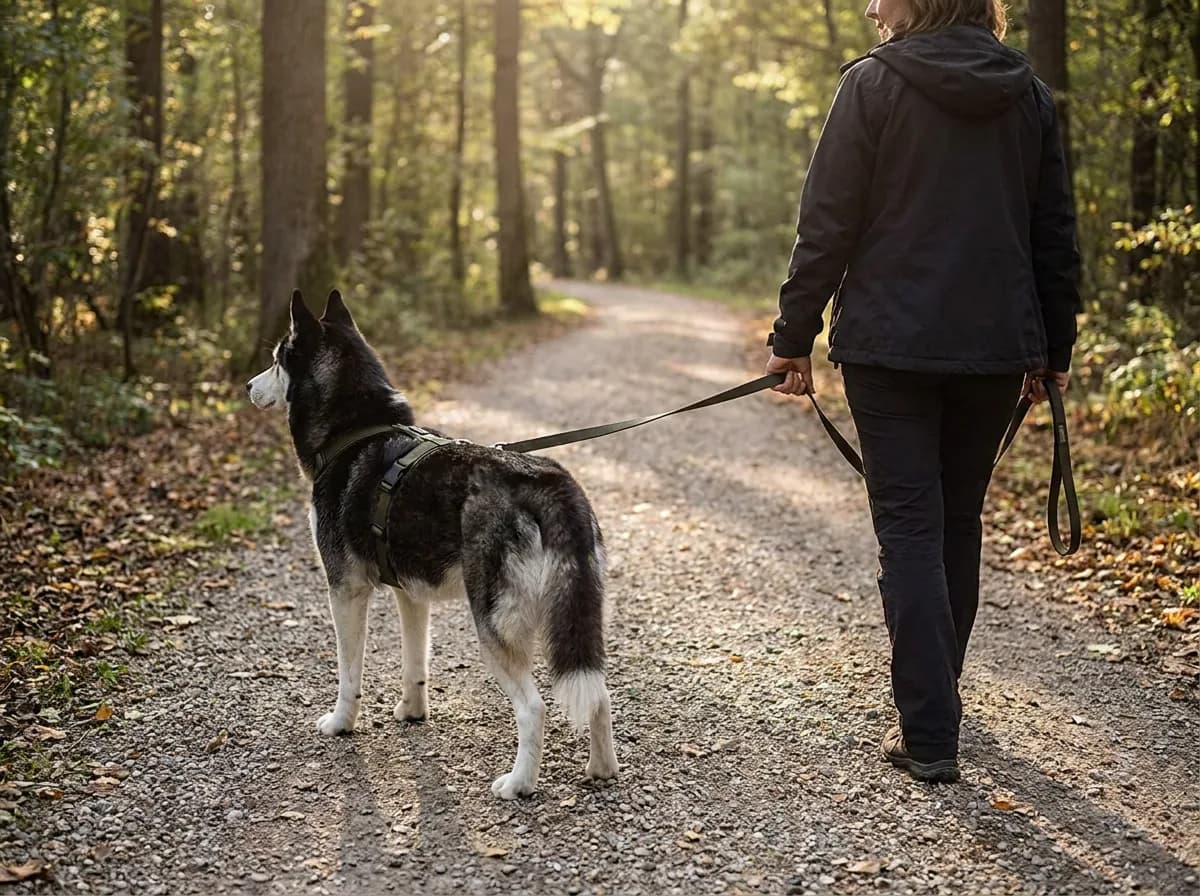
Meeting people and sharing your home
The UKC Siberian standard describes an outgoing, generally friendly dog, while the Klee Kai standard allows for reserve with unfamiliar people. That distinction can influence how you arrange greetings. It should not become “every Husky loves everyone” or “every Klee Kai is fearful.” Ask how the particular dog responds and allow it room to choose a comfortable distance.
For a Klee Kai who hangs back, a quiet introduction may be more useful than asking several visitors to crowd around with outstretched hands. For an enthusiastic Husky, the task may be keeping greetings calm enough for the people involved. In both situations, manage the space and reward the behavior you want rather than expecting the breed label to solve the interaction.
Children and other dogs add their own needs to the decision. Compare the actual animals’ comfort, play style and ability to disengage. A small Klee Kai is not automatically suited to rough handling, and a larger Husky’s friendly approach may still overwhelm a smaller animal. Adult supervision and separate resting areas are practical arrangements to discuss before bringing either dog home.
Exercise that fits an ordinary weekday
The Siberian’s working history is a reason to take endurance and activity seriously. The Klee Kai’s smaller body does not make it an ornamental dog: the Alaskan Klee Kai Club of America describes an active companion that needs secure exercise and family involvement. Neither history supplies one exact daily minute count that will suit every dog.
Build a routine around the individual’s age, current condition and response. A useful outing can include sniffing, training and a change of surroundings, not simply distance covered as quickly as possible. Think about what you can repeat during a busy week rather than basing the decision on an ambitious occasional hike.
- Identify who handles the morning outing before work or school.
- Plan a midday arrangement if everyone is away for a long stretch.
- Reserve evening time for activity and interaction, not just a quick toilet break.
- Include quieter enrichment and rest rather than keeping the dog constantly busy. A Pet Parents Forager snuffle mat can offer a supervised search with part of a measured meal; remove it if the dog chews the material.
- Decide who covers the routine when the usual caregiver is unavailable.
A yard can support that routine, but it does not tell you how much activity the dog actually gets. An enclosed space may be useful for supervised games or sniffing, while a walk provides different experiences. Observe what the dog does and how it settles afterward rather than counting time outdoors as automatically equivalent to exercise.
Training, noise and containment
For either breed, practice the skills that make daily life easier: responding to a name, walking with a loose leash, waiting while equipment is attached and settling in an appropriate place. Start in a manageable setting, then add distractions gradually. Success in a quiet room does not automatically transfer to a busy pavement or an open gate.
Pet Botanics Training Reward treats are one option for small rewards if they suit the dog. Keep rewards ready for the behavior you are teaching, counting them within the daily treat allowance. A treat bag is not a substitute for choosing an achievable task, a comfortable distance from distractions and short practice that the dog can follow.

Small training rewards when ingredients suit your dog. Divide into appropriate pieces and count them in daily food intake.
Petful may earn a commission when you click through to Chewy, at no extra cost to you.
Plan for vocalization instead of selecting either breed on an expectation of silence. Ask the source what triggers barking, howling or other sounds in that individual: people passing, play, anticipation or being left alone may create different situations. The important apartment question is how your routine and building will handle the actual pattern, not which breed wins an online “quietest” ranking.
- Check door routines with everyone in the household.
- Inspect fence bottoms, gates and possible climbing routes.
- Match leash hardware and fit to the individual dog.
- Use secure areas for off-leash activity rather than assuming recall is a physical barrier.
- Recheck the arrangement after changes to the yard or equipment.
Test the morning handover
Imagine the busiest ordinary morning in your home. Someone needs to attach walking equipment, move through the door and return while other people are leaving. With the larger Siberian, available space and the handler's ability to manage movement are obvious practical factors. With the smaller Klee Kai, overlooked gaps and an easy route between moving feet may be the more relevant details. Inspect the actual arrangement for either dog.
Set up the handover before expecting everyone to improvise it. Agree who holds the leash, who opens the door and where the dog waits when a delivery arrives. Keep the fitted equipment in one accessible place and make sure each caregiver understands its fastening. These small arrangements matter every day, whereas an idealized picture of a weekend walk tells you little about the busiest five minutes at home.
Make the midday plan specific
“Someone can probably come home” is difficult to rely on when meetings run late. Identify the person or service, the access arrangement and what the visit includes. A toilet break, a walk and a period of company are different services. Ask whether a prospective walker is comfortable with the particular dog's handling and introductions rather than assuming breed experience alone answers the question.
For a dog that is reserved with new people, establish familiarity before the first day you need cover. For an exuberant dog, demonstrate the entry and equipment routine. In either case, leave clear instructions about gates, approved walking areas and who to contact if something changes. The smaller dog's easier transport does not eliminate the need for a trusted caregiver.
Leave room for an ordinary evening
An aumuca slicker brush is one tool to assess for gentle coat maintenance. Work in manageable sections and choose tools suited to the coat and the dog’s tolerance. A brush purchase does not promise a shed-free home; the routine and appropriate technique matter more than owning several similar tools.

Slicker for gentle coat care if its pins and size suit your dog. Use light pressure; stop if it pulls or causes discomfort.
Petful may earn a commission when you click through to Chewy, at no extra cost to you.
After work, the plan needs to fit around cooking, homework and household tasks. Decide which activity happens first and where the dog can rest afterward without repeated interruptions. A household that can provide an outing but never a calm place to settle is missing part of the routine. Equally, a comfortable bed does not replace interaction that the dog has been waiting for.
Include a brief equipment and coat check in the routine you can sustain. Spread manageable tasks across the week rather than saving every training exercise, brushing session and household introduction for one long weekend block. This makes it easier to notice what the individual dog finds straightforward and what needs a slower approach. Revise the plan using those observations instead of blaming every difficulty on the breed.
Living with an Alaskan Klee Kai
The Klee Kai may suit someone who wants a smaller northern-looking companion and enjoys training and close involvement. Its size can simplify some transport and household arrangements, but the practical advantages depend on the actual dog. Reserved greetings, vocalizing or difficulty with a new routine still need thoughtful management.
For the broader picture, the Alaskan Klee Kai breed guide covers household fit, training, behavior and breed background. It explains why reserve is not the same as aggression and why introductions to other dogs should be judged individually. A breed’s relative rarity does not establish whether it is right for your family.
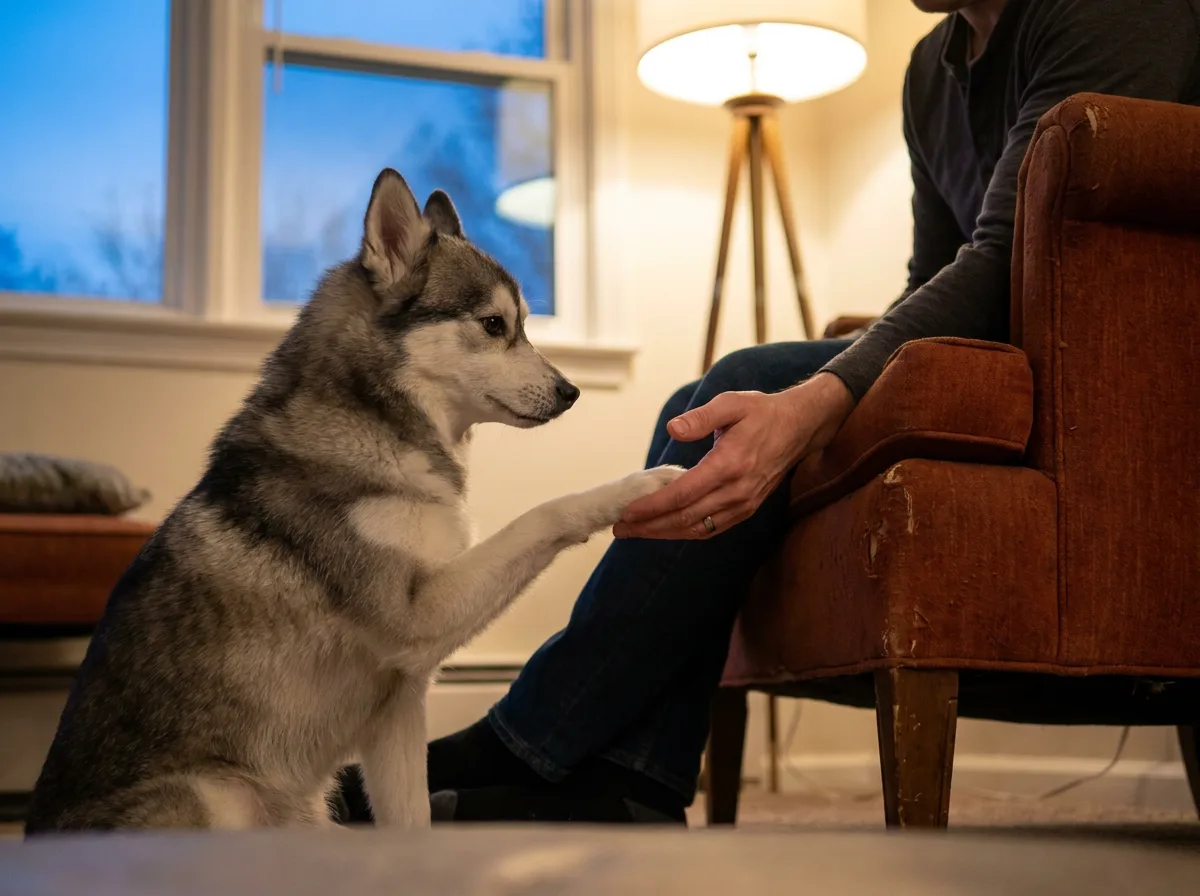
Compare two realistic household scenarios
Consider a household with frequent drop-in visitors and little ability to separate greetings from the main living area. Before choosing a reserved dog, that family needs a workable arrival routine and a quiet place where the dog can step away. Choosing a more outgoing breed tendency does not remove the need for manners, but it may change the kind of introduction support required.
Now consider a household that enjoys substantial outdoor activity but spends most weekdays away from home. Enthusiasm for weekend outings does not answer the weekday care question. The family needs a reliable arrangement for company, toilet breaks and activity during absences. That applies to either dog, even if the adult Klee Kai fits more easily into the car.
Write the routine down before visiting a litter or adoption candidate. It can reveal the difference between an inconvenience you can solve and a mismatch you cannot realistically manage. A secure walking route or a rearranged entryway may be practical; expecting a dog to need no company because it is smaller is not a workable plan.
Questions to ask when meeting either dog
- How does the dog react when someone enters the home?
- What does a normal day look like, including time alone?
- Which activities does the dog currently enjoy and recover from comfortably?
- What containment or equipment has worked in its present home?
- How does the dog respond to brushing and routine handling?
- What support is available if the transition is harder than expected?
Look for concrete examples rather than a string of flattering adjectives. “Friendly” may describe a dog that approaches calmly or one that leaps excitedly at every guest. “Independent” might mean it explores confidently, but it does not establish that the dog is comfortable alone. Ask what those words look like in ordinary situations so you can compare them with your household.
Comparing the complete ownership budget
Purchase price is only one part of the choice. Add transport, fitted equipment, routine supplies, training and any paid care your schedule requires. A Siberian’s larger measurements can change equipment choices, while an individual Klee Kai’s support needs can change service costs. Neither breed name produces a reliable total without those details.
The Alaskan Klee Kai price guide provides dated acquisition examples and a method for separating first-year costs from recurring expenses. Use current individual quotes when comparing a Klee Kai with a Husky. A low initial fee does not make a dog affordable if the required weekday care is missing from the calculation.
Compare like with like when requesting service prices. A short group walk and an individual visit with a gradual introduction are different arrangements. Ask what is included, how travel or extra time is charged and whether the provider can follow your containment routine. The useful comparison is the service each dog actually needs, rather than the cheapest headline rate available.
The three Klee Kai size categories
Toy, miniature and standard Klee Kai share one breed identity. The categories use adult height at the withers, not temperament or a fixed body-weight band. A puppy’s expected category remains a prediction, so allow for growth when making equipment and transport plans.
The Alaskan Klee Kai size guide explains the exact boundaries and how to measure the dog for practical purchases. A standard Klee Kai is still smaller than a Siberian within the cited breed-standard height ranges. That comparison describes dimensions; it does not promise an easier training routine.
Where the Pomsky fits
A Pomsky is another comparison people encounter when looking for a smaller northern-looking dog. It is a Pomeranian and Husky cross, rather than another name for an Alaskan Klee Kai. Parentage and individual development matter, so the size or behavior of one Pomsky should not be treated as a fixed template for all of them.
Our Pomsky versus Alaskan Klee Kai guide compares those dogs. Use it if your shortlist includes a Pomsky, and keep the three identities distinct when discussing a breeder’s or rescue’s records. Similar-looking photographs are not enough to establish which dog you are considering.
Shedding and double-coat care
Both breeds have double coats, so include coat maintenance and household cleanup in the comparison. The UKC Siberian standard describes seasonal loss of undercoat, and the Klee Kai club describes heavier shedding periods alongside regular brushing. A smaller dog may present a smaller surface to groom, but it does not remove the task. A Safari fine comb is a tool to assess for manageable areas of coat; have a groomer demonstrate if it catches or you are unsure of technique.
The dedicated guide to Alaskan Klee Kai shedding covers its coat routine in greater detail. Before choosing either breed, consider whether the people sharing your home accept visible hair and regular cleanup. A preference for northern looks and a requirement for virtually no shedding are difficult expectations to combine.
Questions about Alaskan Klee Kai vs. Husky
They share a northern appearance and double coats, but are separate breeds with different histories and size standards. UKC Klee Kai categories run up to 17 inches at the withers; Siberian Husky males are 21–23.5 inches and females 20–22 inches. The Klee Kai is a smaller companion breed, while the Siberian has a sled-working background. Both need a plan for vocalization and secure doors, gates and fencing to prevent escape. Neither label guarantees a particular individual’s sociability or care needs.
A Siberian Husky is a poor match when a household cannot provide an exercise and containment commitment or has little tolerance for shedding and vocalization. Consider the routine you can sustain on workdays, including company and secure activity. Choosing a smaller Klee Kai does not automatically solve those same practical limitations.
The smaller Klee Kai may be easier to accommodate physically, but floor space is only one part of the choice. Compare the actual dog’s vocalization, comfort during absences, daily activity and safe access through shared entrances. A workable walking and care plan matters for either breed. Ask about ordinary home behavior rather than expecting the smaller dog to be silent or content alone.

Coreen Saito is a pet writer and longtime shelter volunteer with more than a decade in animal rescue. She covers cat behavior, breed care, and the small, ordinary science of sharing a life with companion animals, with a particular focus on honest takes about the products and decisions that actually matter. At home in Arizona, she's outranked by Mac (a dog with the loudest opinion in the house), Rebel (a cat who governs by quiet authority), and Meri (an orange tabby who runs the late shift and the laundry basket). She writes about all three, plus the rescues that keep coming through her life, at LifeWithMinty.com.
Sign up for expert-backed reviews and safety alerts all in one place.