Alaskan Klee Kai Size: Toy, Miniature, and Standard
Learn the exact toy, miniature and standard Alaskan Klee Kai height boundaries, then use practical measurement steps to choose equipment for your individual dog and account for puppy growth.
Petful is reader supported. As an affiliate of platforms like Amazon and Chewy, we may earn a commission when you buy through links on this page. There is no extra cost to you.
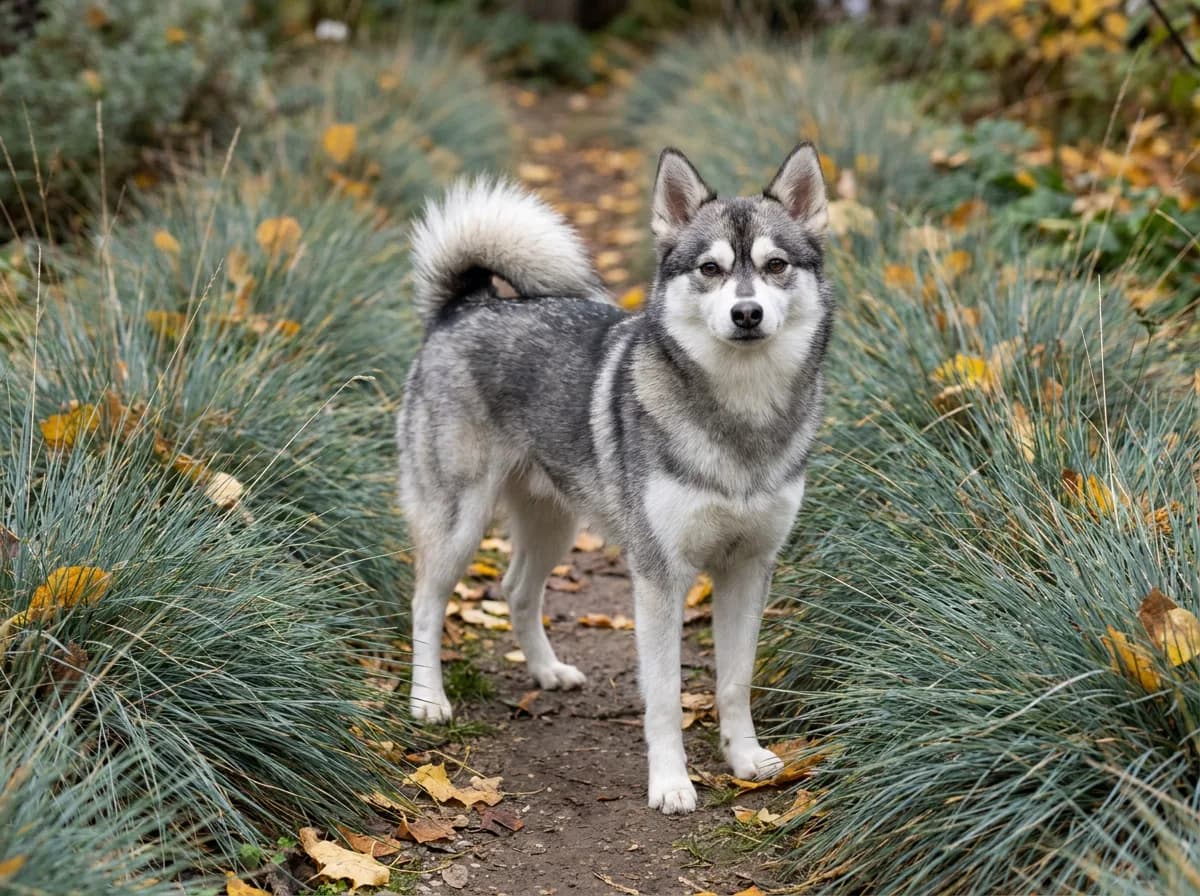
Alaskan Klee Kai size categories describe adult shoulder height, not a guaranteed weight or a harness size. Toy, miniature and standard dogs belong to the same breed. The useful distinction is where the individual dog falls within the height boundaries, followed by the separate measurements needed for everyday equipment.
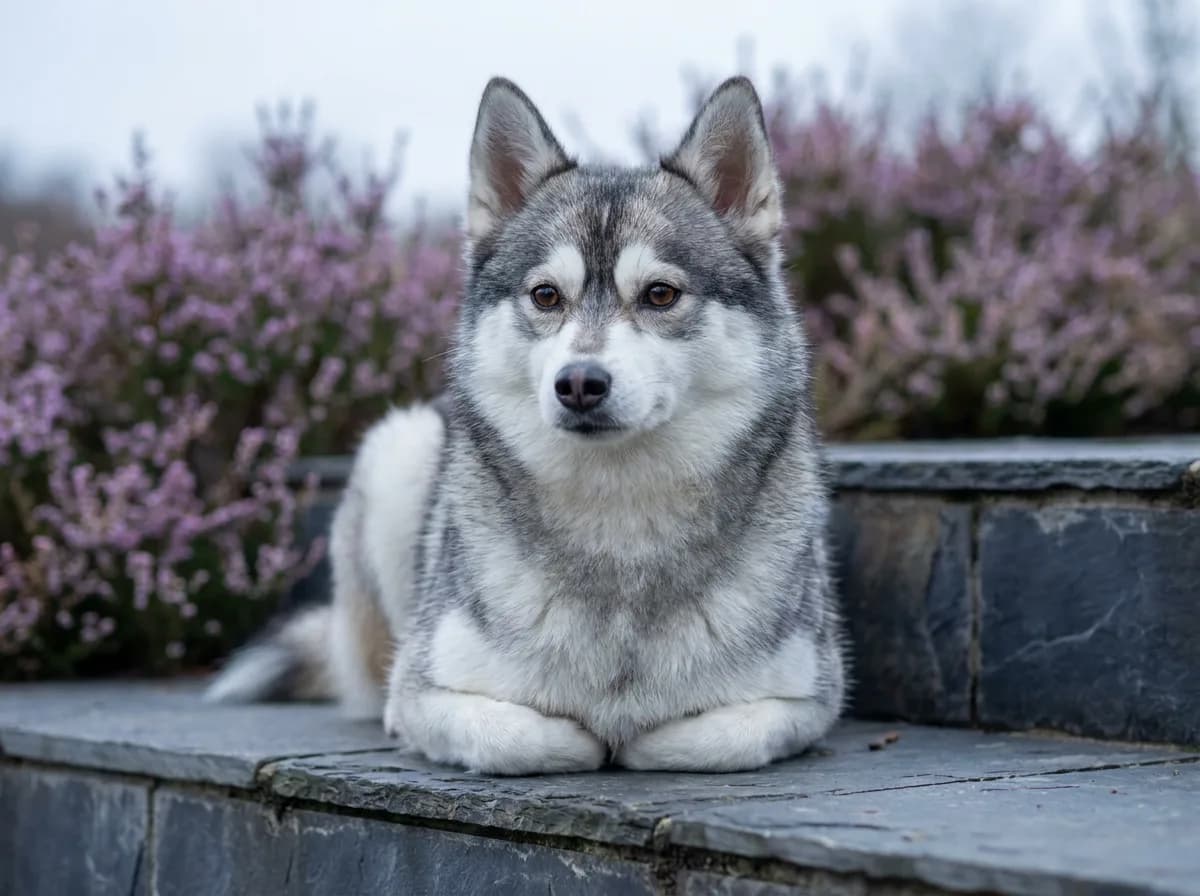
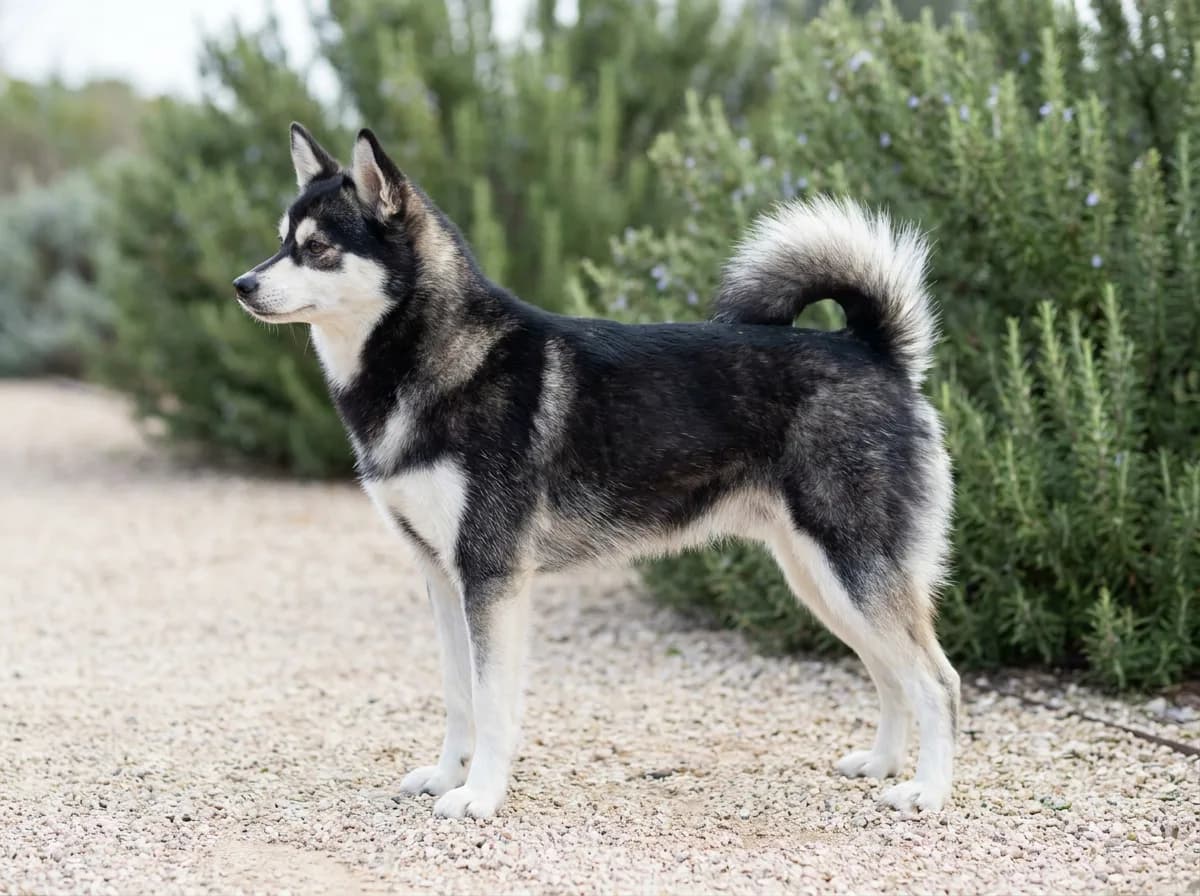
A photograph can make those categories look more obvious than they are. Camera position, coat and posture change apparent size. Measure a standing dog on a level surface, and keep a puppy’s current measurements separate from predictions about its adult size.

Sign up for expert-backed reviews and safety alerts all in one place.
Alaskan Klee Kai sizes are measured at the shoulder
The United Kennel Club breed standard defines toy as up to and including 13 inches, miniature as over 13 through 15 inches, and standard as over 15 through 17 inches. Each category uses height at the withers, the top of the shoulders. The ears and top of the head are not the measuring point.
| Category | Height at the withers | Boundary example | Equipment decision |
|---|---|---|---|
| Toy | Up to and including 13 inches | Exactly 13 inches remains toy | Measure chest and body length separately |
| Miniature | Over 13 through 15 inches | Exactly 15 inches remains miniature | Use the individual product's measurement guide |
| Standard | Over 15 through 17 inches | Exactly 17 inches remains standard | Check chest, length and clearance rather than the label |
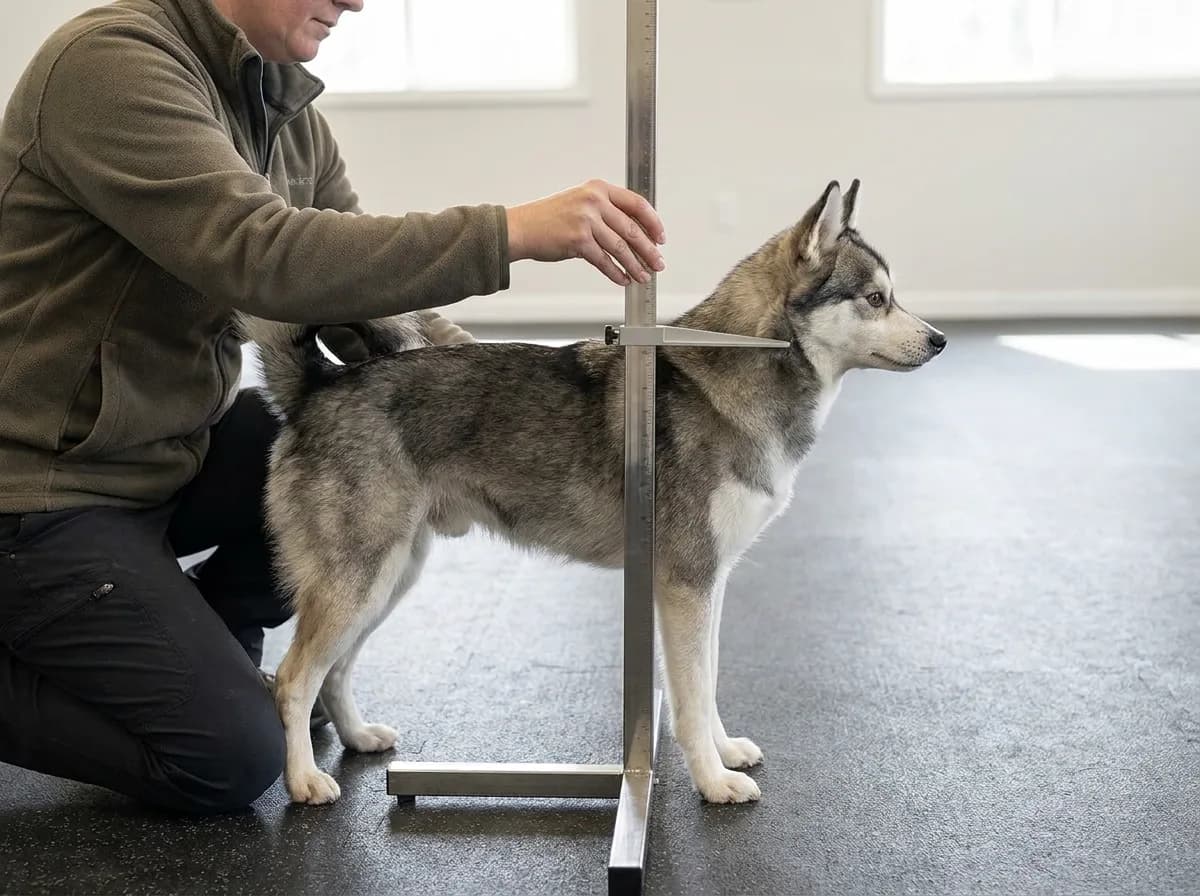
The American Kennel Club breed profile gives a broad breed reference of 12–17 inches and 6–25 pounds. That weight span is not a separate set of toy, miniature and standard limits. The UKC standard instead describes weight in proportion to height. A scale reading alone therefore cannot assign a dog to one of the three height categories.
For an adult size comparison, record both the measurement and how it was taken. A 15-inch dog standing squarely is not equivalent to a rough estimate made while the dog crouches or leans. If a measurement near a boundary has formal importance, ask the relevant registry or event official about its procedure instead of relying on a casual home reading.
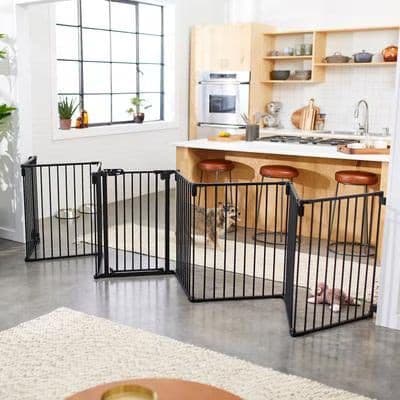
Supervised space management if the gaps, height and stability suit your dog. Climbing or jumping dogs need a different setup.
Petful may earn a commission when you click through to Chewy, at no extra cost to you.
Height also matters when assessing barriers, but it cannot predict jumping or climbing. A Frisco 30-inch configurable gate and playpen is a supervised space-management option only for an individual that respects it. Check panel gaps, stability and behavior; being below the top of the pen does not establish containment.
Take a useful shoulder-height measurement
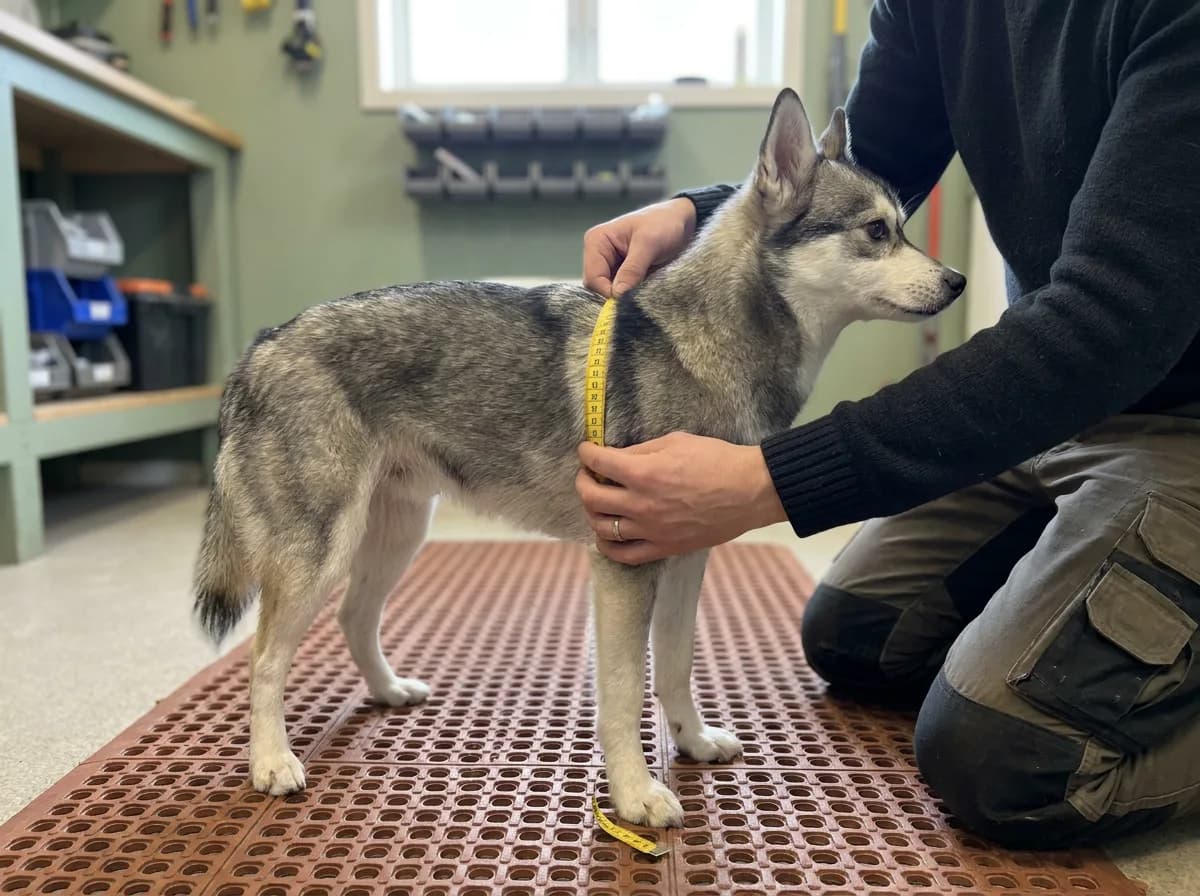
- Choose a flat, nonslip surface where the dog can stand comfortably.
- Let the dog stand naturally with all four feet supporting its weight.
- Locate the withers at the top of the shoulders, rather than the neck or head.
- Measure vertically from the floor to that point with suitable equipment.
- Repeat after the dog settles if it moved, crouched or stretched.
- Record the unit, date and result without rounding across a category boundary.
Keep the session short and calm. Introduce the measuring tool before moving it close to the dog, and allow a pause if the dog steps away. A helper can make the process easier by keeping the dog’s attention without pulling its head upward. The goal is a normal stance, not a posed stretch that adds apparent height. Small Pet Botanics training rewards can reinforce a voluntary pause for measuring; include them in daily food intake.
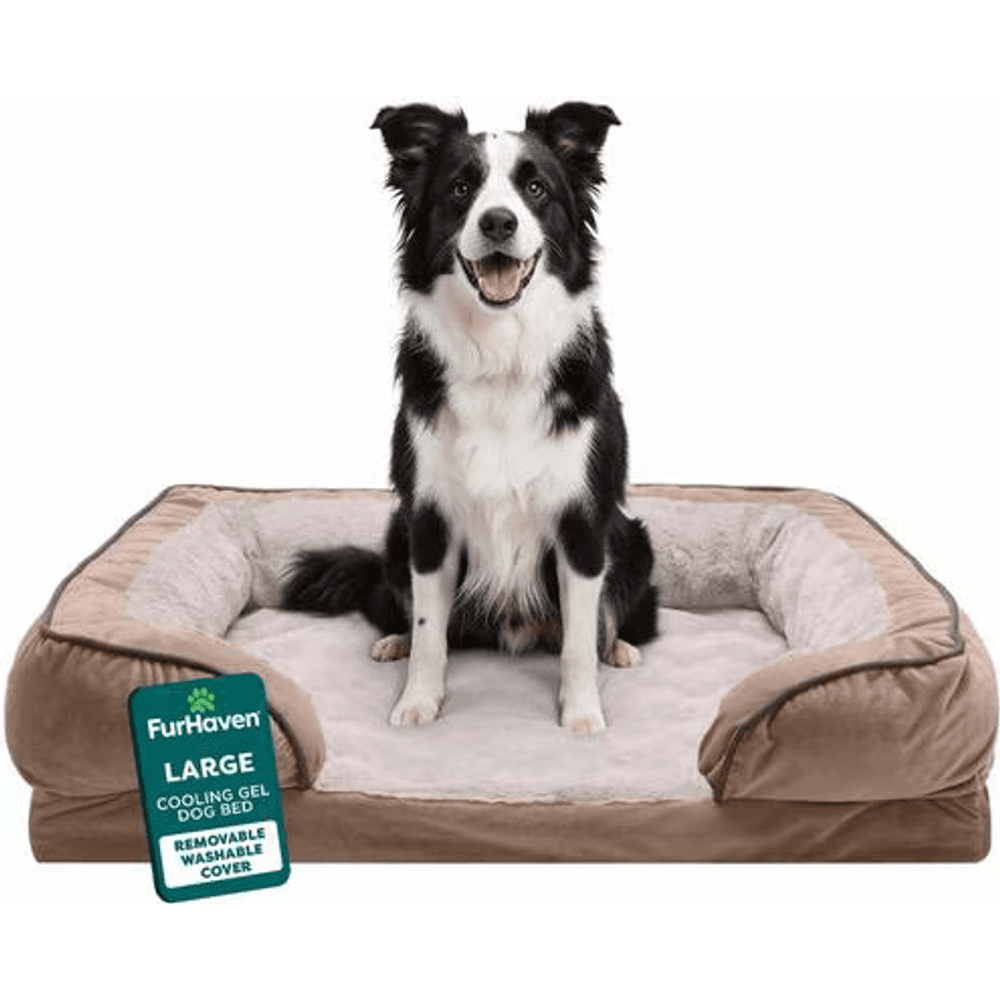
Removable-cover sofa bed. Check usable sleeping space and entry height against your dog’s posture and mobility; no medical or calming outcome promised.
Petful may earn a commission when you click through to Chewy, at no extra cost to you.
Chest and body length answer different questions. A harness guide may specify chest circumference and neck measurements; a carrier guide may use standing height and body length. Follow the measurement points shown for the actual product. The official breed category gives background, but it cannot replace those instructions.
For a resting place, compare usable space with the way your dog lies down. The FurHaven Velvet Waves sofa bed in Large is one option to measure against that posture. Bolsters reduce the open sleeping area, so the outside dimensions and a toy or standard breed label are not enough to choose a fit.
Toy Alaskan Klee Kai and teacup claims
A fully grown toy Alaskan Klee Kai falls within the shortest UKC height category. That label does not mean the dog is a puppy, nor does it establish a particular personality, activity level or equipment size. An adult toy dog still needs arrangements based on its own behavior and measurements.
“Teacup” does not appear as an additional size category in the UKC standard. If a seller uses that term, ask for the adult parents’ measurements, the puppy’s age and current measurements, and what prediction is being made. A marketing label is not a registry measurement or a promise that a puppy will stay a specific size.
- 1Use adult height at the withers to identify the official size category.
- 2Measure chest and body length for equipment rather than shopping by toy, miniature or standard alone.
- 3A puppy's predicted adult category remains an estimate.
For a toy puppy, fit the dog you have today. Equipment chosen only for a hoped-for adult measurement can be loose during the period when you need it most. Check adjustments regularly as the puppy grows, and replace an item when it no longer fits its instructions. Buying a smaller label is not the same as checking security.
Toy and miniature Alaskan Klee Kai
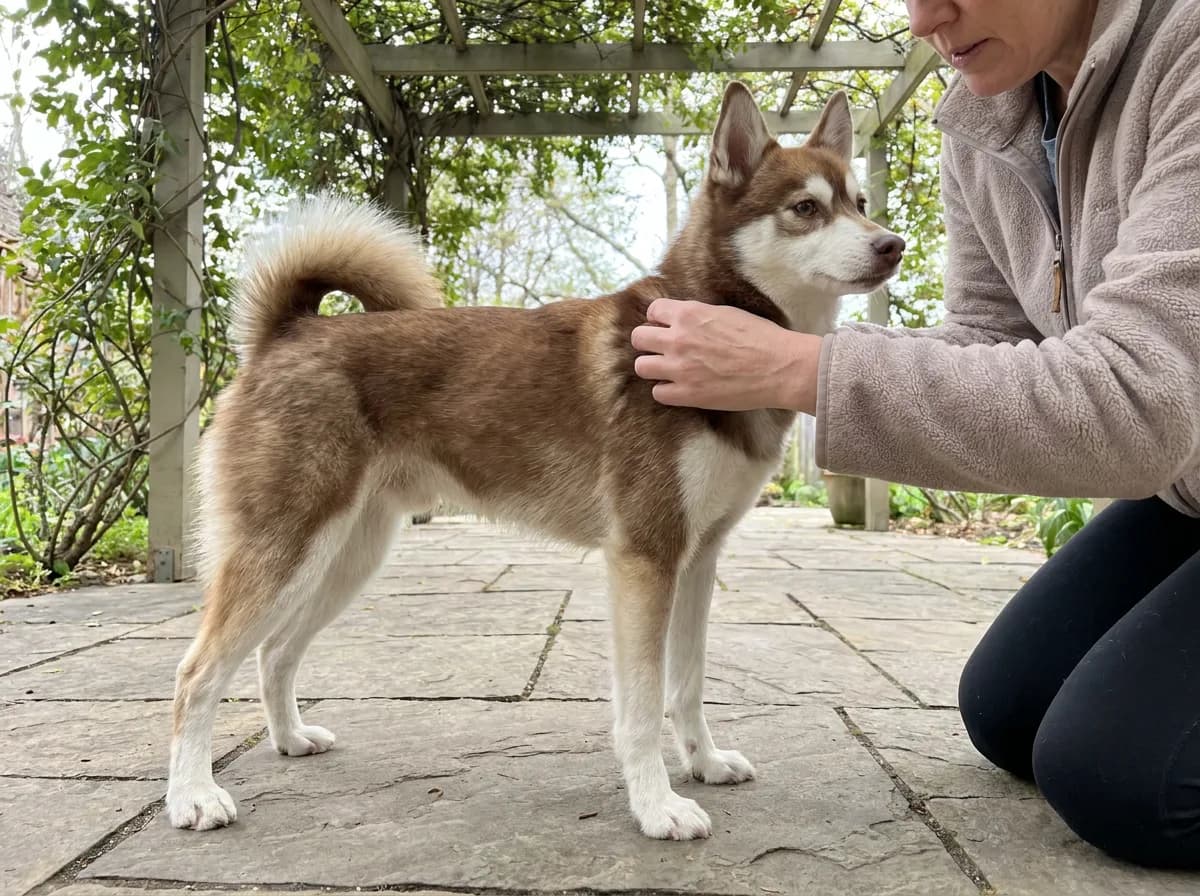
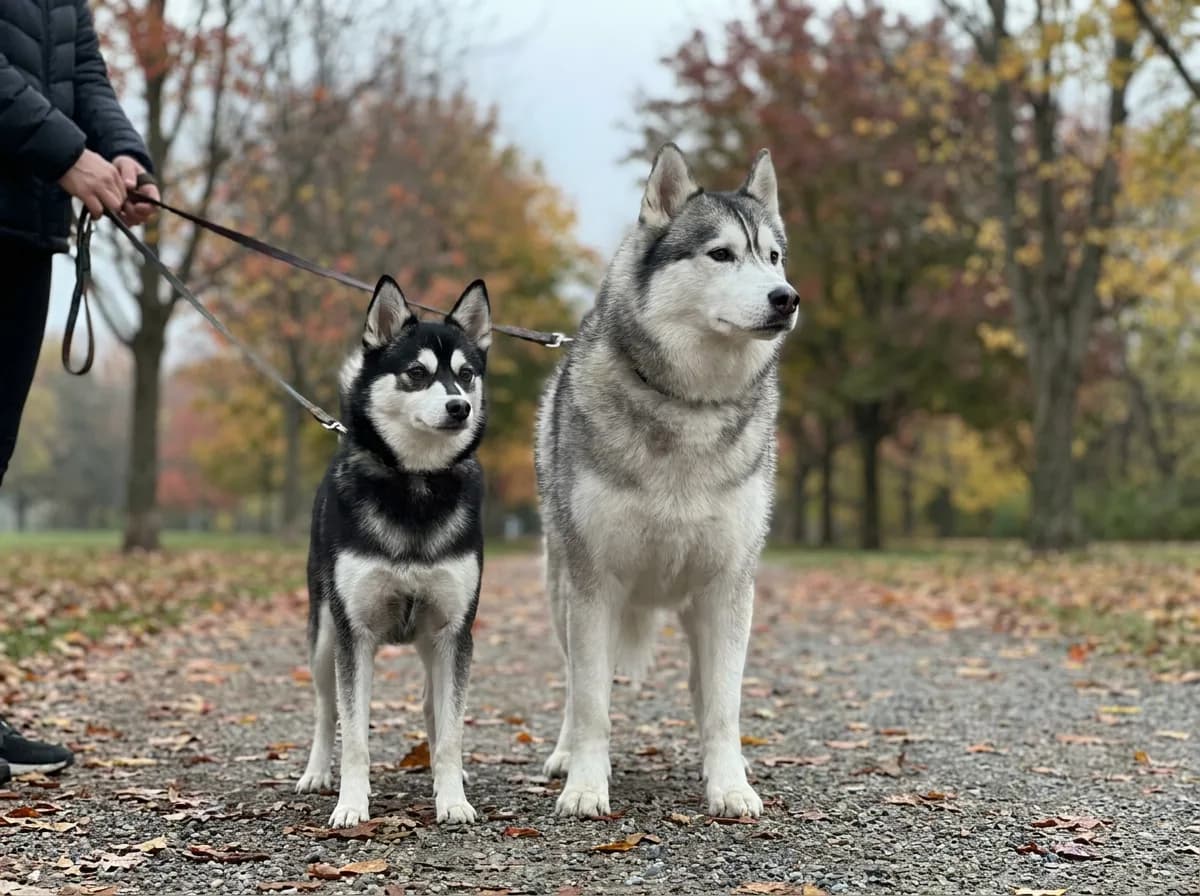
Two dogs on opposite sides of the 13-inch boundary can look very similar. Coat fullness, body length and posture can make the slightly shorter dog seem larger in a photograph. Compare measurements taken the same way rather than trying to identify a category from face shape, ear size or how easily someone holds the dog.
The boundary also explains why a puppy described as “expected toy” may mature into miniature size without becoming a different breed. Ask the breeder how the estimate was developed and what uncertainty remains. Keep that conversation separate from selecting a temperament and home fit that you can manage even if the prediction changes.
Miniature Alaskan Klee Kai measurements
Miniature sits between the toy and standard categories. A dog measuring 13.25 inches at the withers is above the toy limit, while a dog at exactly 15 inches has not crossed into standard. Avoid rounding either measurement to the nearest whole inch when the purpose is identifying the category.
The abbreviation “mini” can also be used casually for the breed as a whole, so establish what a seller means. It may describe an expected official category, or simply emphasize that the dog looks smaller than a Husky. Ask for the actual measurement rather than assuming the advertisement uses registry terminology precisely.
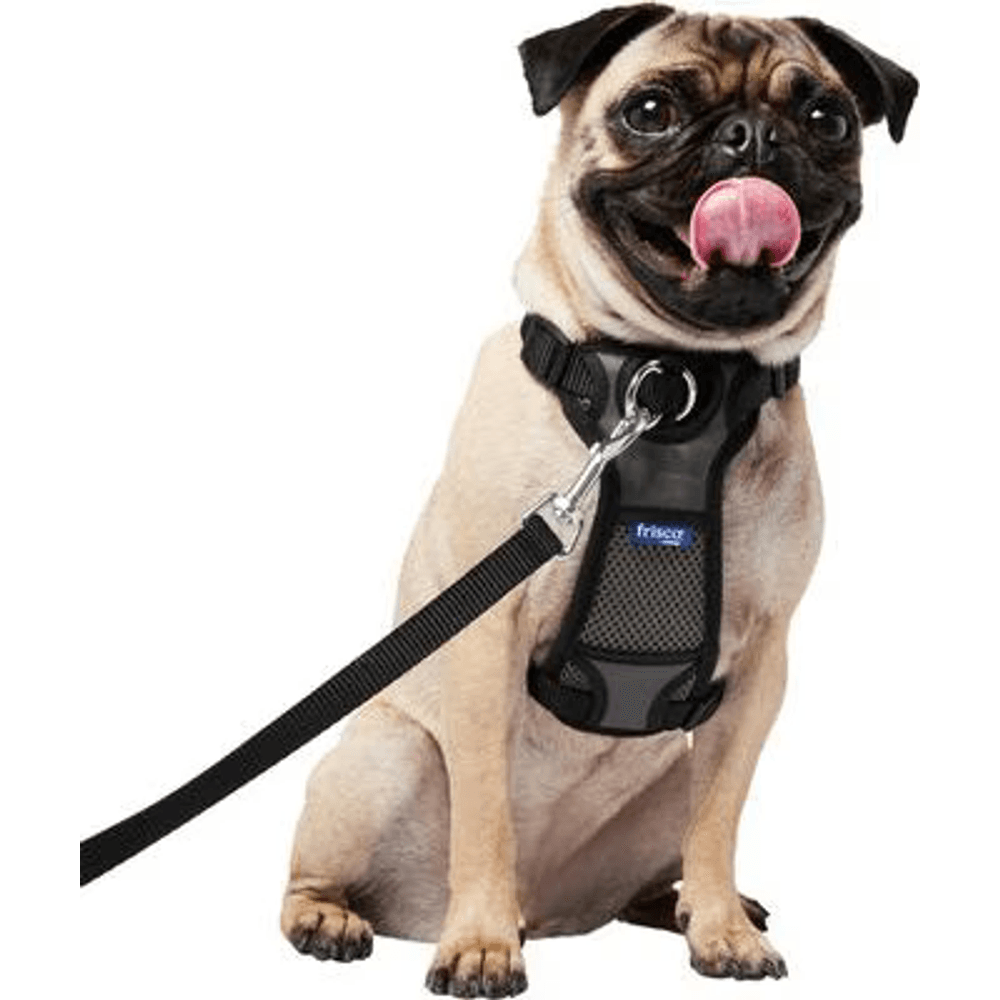
Check this Small harness against actual measurements and the current size chart. Adjust and test indoors; no-pull wording is not an escape-prevention guarantee.
Petful may earn a commission when you click through to Chewy, at no extra cost to you.
- For an adult dog, request a recent height measured at the withers.
- For a puppy, distinguish current height from predicted adult height.
- Ask for parent and mature relative measurements as context.
- Use the same units when comparing dogs or equipment charts.
A “miniature Siberian Husky” description does not turn an Alaskan Klee Kai into a Siberian Husky size variety. Likewise, an Alaskan Klee Kai and Mini Aussie mix is a cross, not the miniature category of a purebred Klee Kai. Known parentage may help frame expectations for a mixed dog, but these breed-standard boundaries do not predict its mature size.
The Frisco padded harness in Small is an option only when its published size range matches your dog. Check the product instructions and the adjusted fit before relying on it outdoors. If the dog falls between sizes or the available adjustments do not sit correctly, choose another fit rather than forcing the category name to decide.
Standard size and practical equipment measurements
A standard Alaskan Klee Kai measures over 15 through 17 inches at the withers. Exactly 15 inches is still miniature; 15.25 inches falls within standard; exactly 17 inches remains within standard. These examples concern height classification, not a recommendation to pursue one size over another.
The UKC standard treats height over 17 through 17.5 inches as a serious fault and height over 17.5 inches as an eliminating fault in its conformation framework. An oversized pet dog still needs equipment that fits its actual body. A measurement outside the show standard does not by itself establish the dog’s ancestry or tell you how to care for it.
Match the harness to the individual dog
For a harness, follow the manufacturer’s diagram for chest circumference and any additional measurements. Keep the tape level at the specified point, without pulling it tightly through the coat. Compare the resulting numbers with the exact model and size, since the same letter size can mean different measurements across products.
- Check that straps sit where the manufacturer intends.
- Watch the dog walk and turn in the fitted harness.
- Check that the dog cannot simply back out during a controlled indoor fit check.
- Recheck after adjustments, coat changes and puppy growth. Recheck the Frisco Small padded harness against its own size chart if using that model; move to another fit when its adjustments no longer suit the dog.
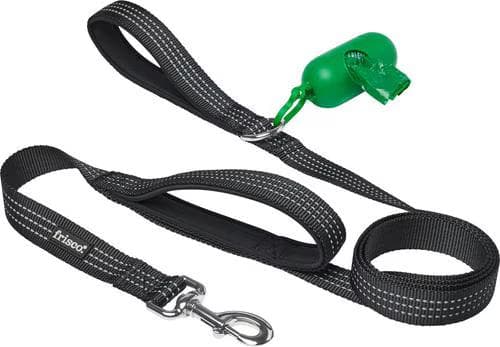
Six-foot leash for supervised everyday walks when the clip and weight suit your dog. Not a long line for distance recall.
Petful may earn a commission when you click through to Chewy, at no extra cost to you.
Two standard Klee Kai can need different harness sizes because their chest shape and proportions differ. The same is true of two miniature dogs. A harness that worked for a littermate is a useful product lead, not proof of fit. Keep the receipt until you have completed the permitted fit assessment and understand the return terms.
A Frisco six-foot traffic leash is a standard-length walking option if its hardware and weight suit the dog and handler. Pair it with the correctly fitted restraint. A leash length does not identify a Klee Kai size category, and this product is not a long recall-training line.
- Record the model, size chart, measurement points and date together. A chest measurement taken for one harness should not be silently substituted for a different product's neck or body-length requirement.
Measure for a carrier or crate
Read the carrier’s instructions for body length and standing height, including any required clearance. Do not substitute shoulder height for a manufacturer’s measurement to the top of the head or ears if that is what its guide specifies. Interior dimensions matter because handles, wheels and external pockets can enlarge an advertised outside measurement without adding usable space.
Check how the dog can stand, turn and rest in the intended carrier. A weight limit is another constraint, not the only sizing rule. For transport with an airline or other operator, confirm the current requirements directly before purchasing or booking. The dog’s breed category cannot establish whether a particular carrier or travel arrangement will be accepted.
Track growth without inventing a timetable
Record a puppy’s measurements periodically using the same method. A simple dated record of height, weight and equipment adjustments can show what has changed without pretending that every puppy follows an identical monthly curve. Compare the puppy with its own previous measurements rather than an unsupported internet chart promising a fixed adult result.
Adult parent and relative measurements provide context, but inheritance and individual development leave uncertainty. A breeder’s estimate should be described as an estimate. Avoid buying a lifetime supply of fitted items around one predicted number; plan to reassess the practical choices as the puppy matures.
If two home readings differ, repeat the measurement under comparable conditions before concluding that the dog changed size. A sloping floor, an angled tape or a shifted stance can affect the result. Write down the measurement you can reproduce rather than averaging together clearly different methods. For equipment shopping, retain the current measurement and the product's required allowance as separate numbers so you do not accidentally add the same extra space twice.
Temperament beyond a size label
Toy, miniature and standard do not describe three levels of energy or sociability. A small dog can still need secure exercise, gradual introductions and patient training. Ask how the individual responds to unfamiliar people, handling and time alone instead of assuming that the shortest dog will be the easiest family companion.
The Alaskan Klee Kai breed guide covers reserved behavior, vocalizing, training and family fit. It also puts rarity and the breed’s background in context. Use those considerations alongside size when evaluating a match; a dog fitting your preferred carrier is only one part of fitting your household.
Price and ongoing costs by individual needs
A toy or miniature label does not tell you what a puppy’s purchase price includes. Compare records, support and the specific placement agreement. Ongoing spending also depends on services, equipment replacement and your routine, so a smaller dog does not automatically produce a proportionally smaller ownership budget.
Our Alaskan Klee Kai price guide separates purchase or adoption, transport, setup and recurring expenses. For this size decision, the immediate budgeting task is simpler: price equipment against the dog’s measurements and allow for replacement as a puppy grows. Avoid paying extra for an unsupported promise about final size.
How Klee Kai size compares with a Husky
An Alaskan Klee Kai is a separate established breed with its own standard, rather than simply a Siberian Husky reduced to a particular height. The familiar mask and northern appearance can obscure that distinction. Comparing two photographs without a shared scale is also an unreliable way to decide how much space either individual will need.
Use the dedicated Alaskan Klee Kai versus Husky comparison for the breeds’ size and care differences. For your own dog, the useful endpoint remains a set of measurements: adult shoulder height for category, then the chest, length and other dimensions required by each piece of equipment.
Questions about alaskan klee kai size
The UKC miniature category is over 13 through 15 inches at the withers. Measure at the shoulder with the adult dog standing naturally on a level surface. Exactly 13 inches falls in toy, and exactly 15 inches remains miniature. Weight alone does not identify the category.
UKC adult height categories are toy up to 13 inches, miniature over 13 through 15 inches, and standard over 15 through 17 inches at the withers. They do not guarantee a puppy’s eventual size. Ask how the breeder formed an estimate, track actual growth and remeasure equipment. Weight and coat fluff do not determine the height category.
No. Measure the individual dog’s height and body length, then check usable carrier space and the ability to stand, turn and rest as required. A product weight limit alone does not establish fit. Confirm the operator’s current carrier and pet requirements before buying or booking; a toy breed label is not travel approval.

Coreen Saito is a pet writer and longtime shelter volunteer with more than a decade in animal rescue. She covers cat behavior, breed care, and the small, ordinary science of sharing a life with companion animals, with a particular focus on honest takes about the products and decisions that actually matter. At home in Arizona, she's outranked by Mac (a dog with the loudest opinion in the house), Rebel (a cat who governs by quiet authority), and Meri (an orange tabby who runs the late shift and the laundry basket). She writes about all three, plus the rescues that keep coming through her life, at LifeWithMinty.com.
Sign up for expert-backed reviews and safety alerts all in one place.