Newfoundland Mixes: Traits, Sizes, and Care
Explore popular Newfoundland mixes without designer-name guarantees. Plan for variable adult size, coat, behavior, exercise, health questions, grooming, transport, and the individual dog's observed needs.
Petful is reader supported. As an affiliate of platforms like Amazon and Chewy, we may earn a commission when you buy through links on this page. There is no extra cost to you.
Newfoundland mixes can vary widely in adult size, coat, grooming, activity, behavior, and health needs because puppies do not inherit a predictable average of two parent breeds. Records and known parents define possibilities, while direct observation of the individual dog makes the care plan useful.
Each mixed dog can inherit a different combination of adult size, coat, behavior, activity, and health risk, even within one litter. Known parents and records help define a range, while foster observations, direct measurement, veterinary care, and the individual dog's behavior narrow the practical plan over time.
- 1Parent breeds do not combine in fixed halves.
- 2Adult size coat temperament and health can vary within one litter.
- 3Labrador Poodle Golden Retriever Bernese Mountain Dog Saint Bernard Shepherd Great Dane and Husky mixes.
- 4Meet the individual dog and use foster observations when possible.
- 5Health screening should reflect both parent breeds.
- 6Grooming and exercise planning should use the higher plausible need.

Sign up for expert-backed reviews and safety alerts all in one place.
What a Newfoundland mix can inherit
Newfoundland mixes can inherit any combination of traits from both sides of their ancestry, and puppies in the same litter can differ. A breed name or designer label cannot promise adult size, coat, shedding, temperament, swimming interest, trainability, or health. Plan with ranges and evaluate the individual dog.
When possible, verify both parents, meet the dog, review veterinary records, and use foster observations from ordinary home life. Use the main Newfoundland breed guide for the Newfoundland-side baseline without assuming those traits will dominate. For a puppy with uncertain ancestry, choose equipment and routines that can adapt. For an adult rescue, current behavior and body size are often more actionable than a guessed label.
What is Newfoundland mixed with? Newfoundland mixes have Newfoundland ancestry plus another breed or mixed ancestry, but the exact combination depends on the known parents and records for that dog. A Newfoundland mix may be labeled Labrador, Poodle, Golden Retriever, Bernese Mountain Dog, Saint Bernard, German Shepherd, Great Dane, or Husky. Those are possibilities from records; a visual guess alone cannot verify one of them.
- For a dog with unknown parents, Embark Breed Identification Dog DNA Test Kit can provide one commercial ancestry estimate to place beside records, foster observations, current measurements, and veterinary findings. An ancestry estimate cannot predict an individual dog's behavior, adult care needs, or future health.
Popular Newfoundland mixes compared
Popular labels include Newfoundland Labrador, Newfoundland Poodle, Golden Newfoundland, Newfoundland Bernese Mountain Dog, Newfoundland Saint Bernard, Newfoundland German Shepherd, Newfoundland Great Dane, and Newfoundland Husky mixes. Each name hides substantial variation within both parent breeds and within the individual.
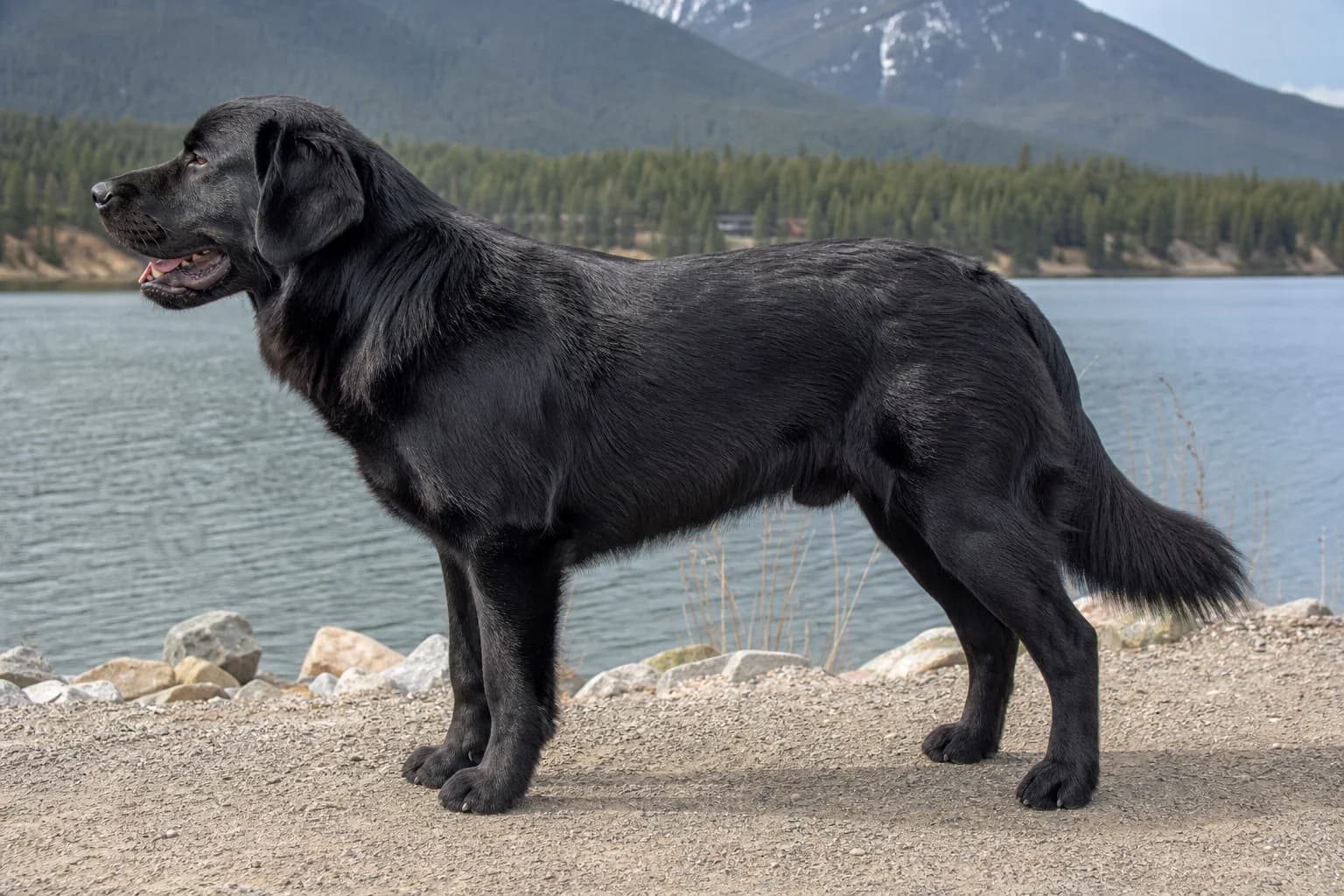
The most responsible comparison asks about plausible upper and lower ranges: adult frame, coat density and texture, grooming time, activity, sociability, vocal behavior, prey interest, handling sensitivity, and common screening conversations on both sides. Do not promise a midpoint or the best trait from each parent.
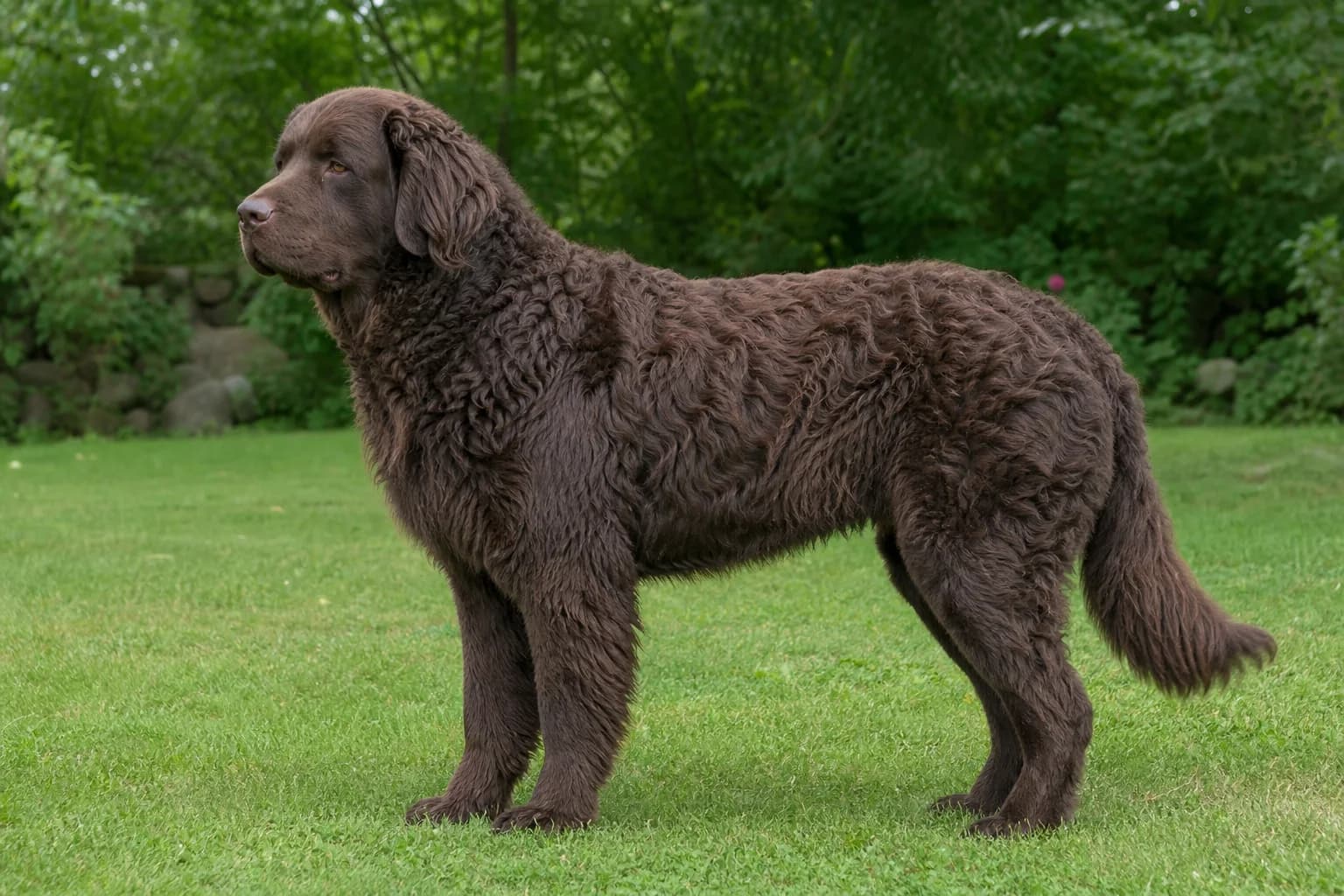
How much does a Newfoundland Poodle mix cost? Price varies by region, source, age, veterinary care, and what is included, and a higher number does not guarantee a low-shedding coat, health, or temperament. Compare responsible rescue and transparent-source routes, verify records, and use the Newfoundland cost worksheet to budget adult-size grooming, training, food, equipment, routine care, and emergencies before treating acquisition price as the full cost.
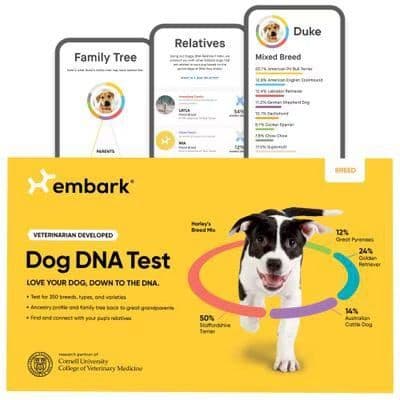
Petful may earn a commission when you click through to Chewy, at no extra cost to you.
| Planning lane | Evidence from both known parent sides | Evidence from this dog | Conservative planning choice |
|---|---|---|---|
| Adult scale | Parent measurements and normal breed ranges, never a promised midpoint | Dated weight, height, length, frame, and growth trend | Size resting space, vehicle access, barriers, and handling for the larger plausible outcome |
| Coat and grooming | Coat density, texture, shedding, clipping, and matting possibilities from both sides | Skin-level comb check, shedding pattern, friction zones, and groomer assessment | Budget for the denser or more mat-prone outcome until the adult coat is clear |
| Activity and behavior | Working history and broad population tendencies from both sides | Recovery, arousal, play, handling, visitors, other animals, and rest across contexts | Build reward-based skills and management for the stronger or more active plausible outcome |
| Heat and water | Coat, body size, endurance, and water interest possibilities | Actual heat response, conditioning, confidence, and recovery | Use the more cautious heat and water plan; ancestry never makes swimming or hot-weather exertion automatically safe |
| Health questions | Public parent screening and breed-club recommendations on both sides | Examination, current symptoms, body condition, diagnoses, and veterinary records | Share all evidence with the veterinarian; screening guides questions but does not diagnose or guarantee health |
| Transport and support | Larger-frame and mobility possibilities from both sides | Measured vehicle opening, ramp skill, caregiver strength, and backup help | Prepare for the hardest plausible transport case before injury or aging |
Plan for size, coat, health, and daily life
Use the higher plausible need when budgeting space, coat care, exercise support, training, and transport. A wavy coat may still mat and shed; the Newfoundland shedding guide provides a skin-level check that remains useful for mixed coats. A friendly puppy may mature into a powerful adult that needs careful leash skills. A dog that likes water still needs supervision and safe conditions.
Health planning should reflect both sides of known ancestry while remaining individual. Ask a veterinarian which records and screening information matter, maintain lean body condition, and investigate symptoms rather than attributing them to the mix. The Newfoundland health guide explains screening, monitoring, and urgent-action boundaries, while the food guide keeps diet decisions tied to life stage and the individual dog's trend. DNA ancestry tools can provide clues but cannot predict behavior or guarantee health.
How long do Newfoundland mixes live? There is no single mix lifespan because the other ancestry, adult size, individual health, body and muscle condition, preventive care, environment, and chance all matter. Use population estimates from known parent breeds only as planning context, then rely on the individual dog's records and veterinary assessment. A new symptom needs evaluation regardless of age or mix label.
- Full-grown range check: A full grown Newfoundland Poodle mix may land anywhere across a broad adult range, and Newfoundland Poodle mixes can be good family dogs only when the individual behavior and household plan support the match. The lifespan of a Newfoundland Lab mix is likewise not fixed by its label. Re-measure size, observe recovery and handling, and use veterinary records rather than promising one coat, family temperament, or lifespan.
- A result from Wisdom Panel Essential Breed Identification DNA Test for Dogs can be recorded as a second type of ancestry clue while adult size, coat, behavior, and care are still planned from the individual dog. Use ancestry results as one clue, not proof of temperament, exact breed percentages, or medical outcome.
- Use breed-level evidence to prepare observations and questions. Base health, behavior, nutrition, insurance, and safety decisions on the individual dog, current records, and the appropriate qualified professional.
Compare the parent ranges without averaging them
Use a two-parent range card
Write the plausible low and high needs from both parent breeds rather than averaging them. Track size, coat, activity, social style, handling, and health questions in separate rows. The card supports planning and does not predict the exact adult.

Petful may earn a commission when you click through to Chewy, at no extra cost to you.
Newfoundland Labrador mix
Both sides can be substantial water-oriented working dogs, but coat, build, energy, and retrieving interest vary. In practice, plan for a strong adult, regular coat care, training, and safe water exposure. Do not assume Labrador-like short coat or universal friendliness.
Newfoundland Poodle mix
Coat may be wavy, curly, straighter, dense, shedding, mat-prone, or a changing combination. Budget for frequent hands-on coat checks and professional grooming before knowing the adult coat. Noodle-style names do not make the dog hypoallergenic.
Newfoundland Golden Retriever mix
Feathering, undercoat, sociability, retrieving interest, and activity can appear in different degrees. Build calm greetings, coat care, and carrying or retrieving outlets based on the dog observed. A family-friendly reputation does not remove supervision needs.
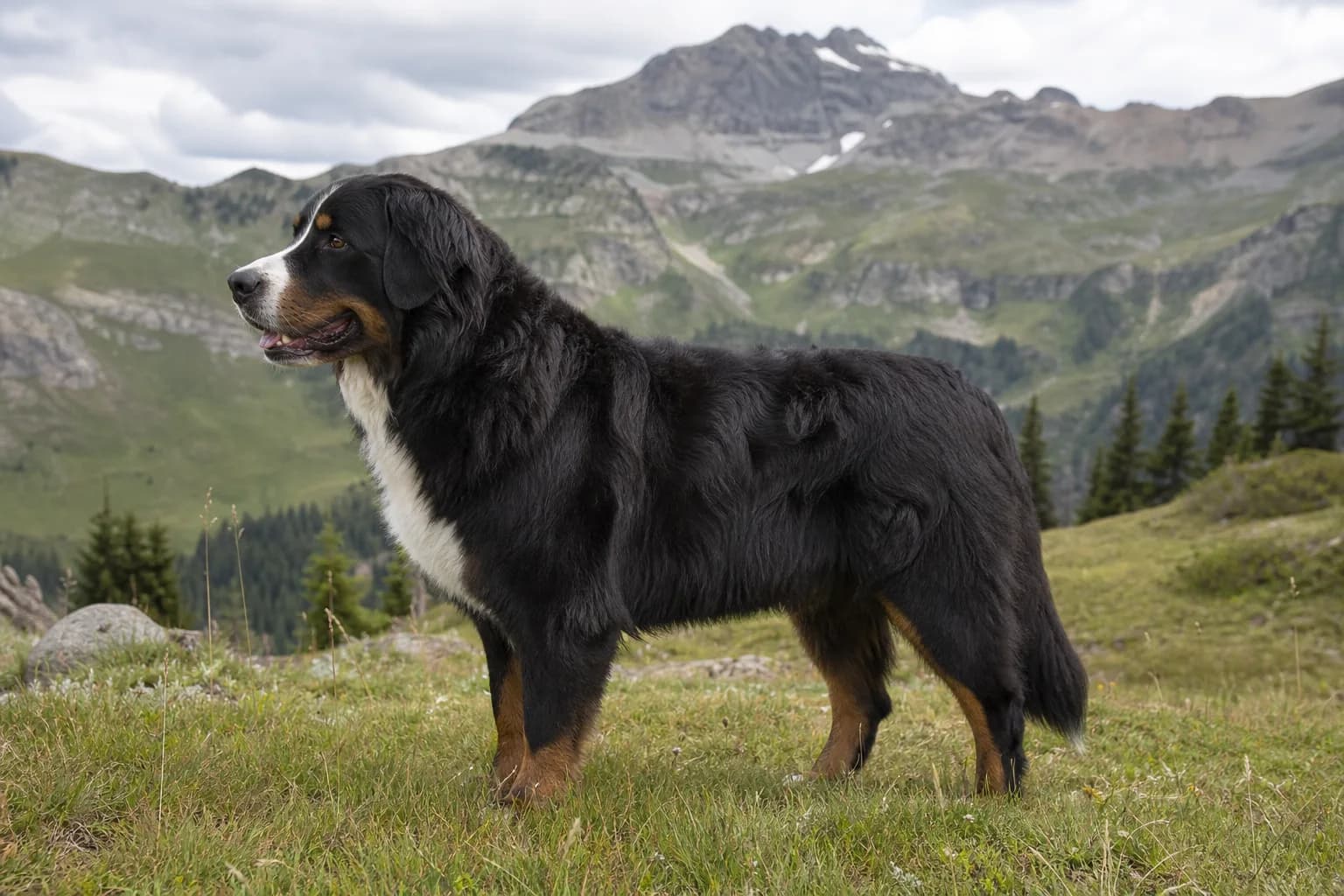
Newfoundland Bernese Mountain Dog mix
Both parent breeds can contribute a large frame and heavy coat, while markings and temperament remain variable. Plan for giant-breed transport, heat management, grooming, and health discussions from both sides. Use the Newfoundland color guide to describe the visible coat without treating tricolor appearance as proof of ancestry or health.
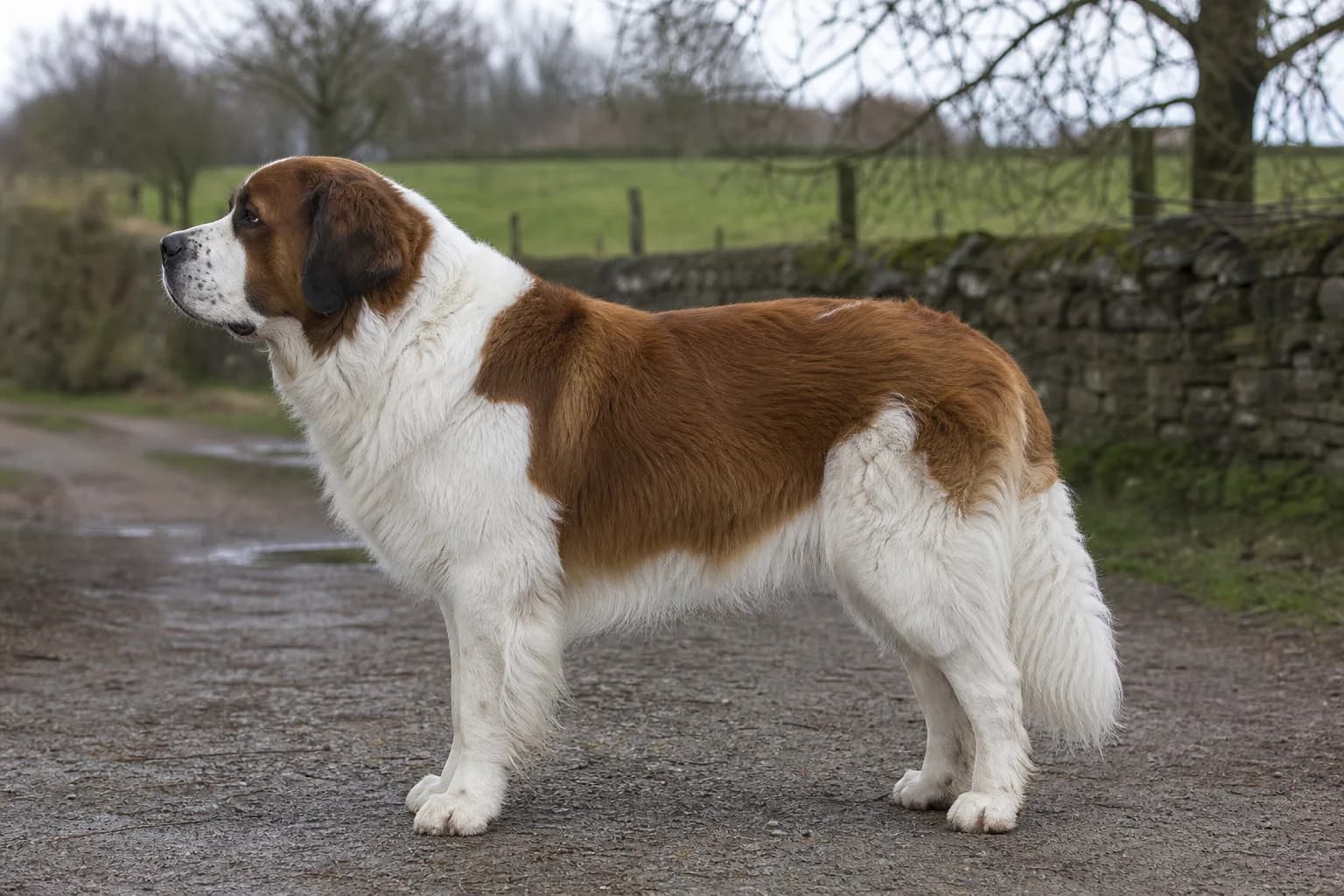
Newfoundland Saint Bernard mix
A very large adult, drool, coat, and lower heat tolerance are plausible but not certain. In practice, price adult-size equipment, establish leash manners early, and create cool resting areas. Do not push growth or celebrate extreme size.
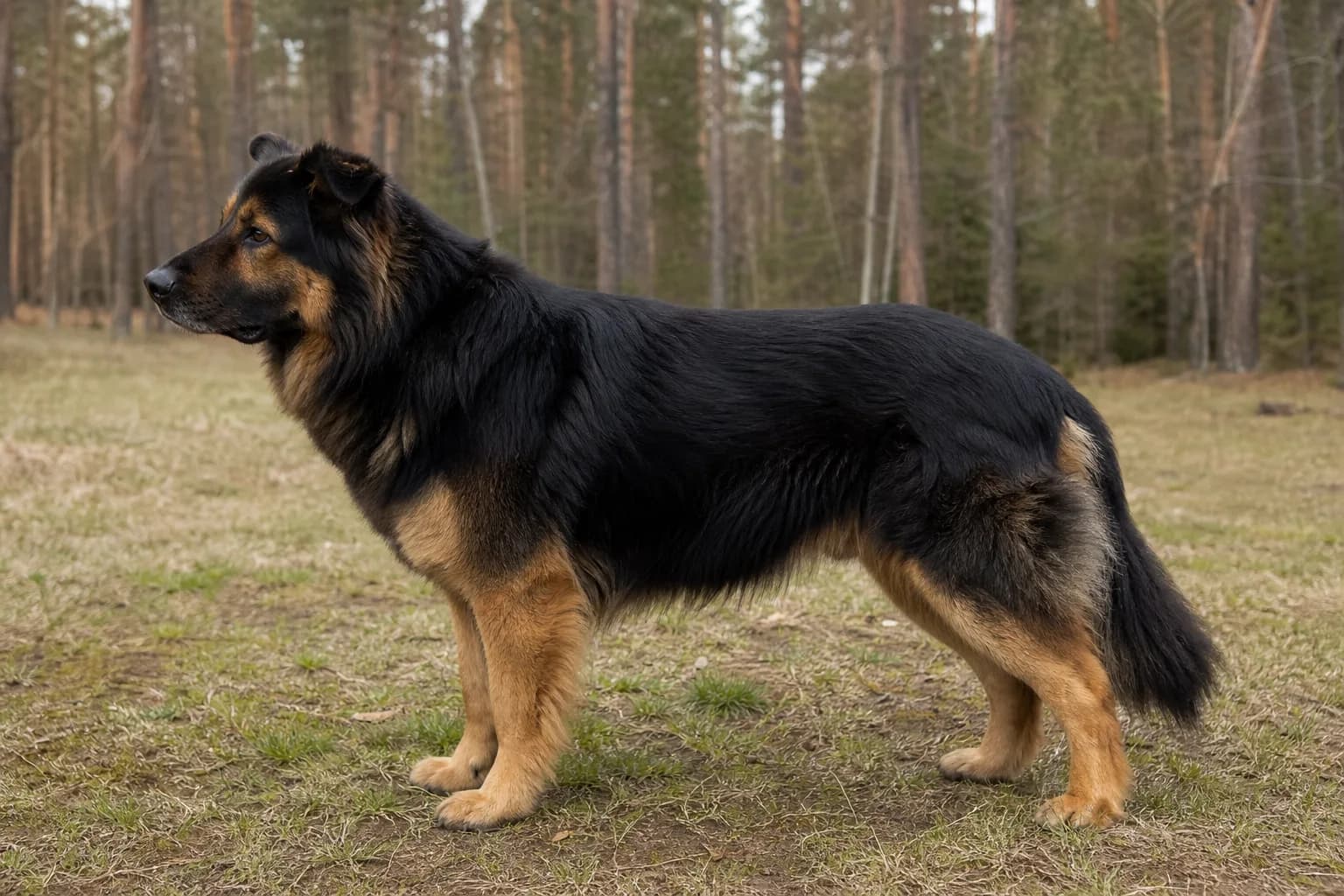
Newfoundland German Shepherd mix
Ear carriage, coat, vigilance, movement, trainability, and social behavior may vary widely. Use positive training, gradual introductions, and an individual behavior history. Do not label normal uncertainty as protective ability.
Newfoundland Great Dane mix
Height and mass can combine unpredictably, creating unusual equipment and transport needs. Measure the growing dog frequently and protect traction, car access, and controlled greetings. A tall puppy's final size cannot be guaranteed from one parent or one photo.
- When a large mixed dog is learning calm street skills, Frisco Traffic Leash with Dual Padded Handles can provide a closer handhold for rehearsed crossings after equipment fit and handling comfort are checked. A leash is handling equipment, not a substitute for training. Confirm hardware condition and handler comfort.
Newfoundland Husky mix
Coat release, vocal behavior, endurance, roaming interest, and heat response can vary. Use secure management, recall foundations, structured activity, and heavy-shedding preparation. Cold-weather ancestry does not make hot-weather exertion safe.
Meet the individual around children
Size, arousal, body awareness, resource behavior, and recovery from excitement matter more than a mix label. In practice, use barriers, adult supervision, consent-based interaction, and a quiet retreat. No breed combination guarantees child safety.
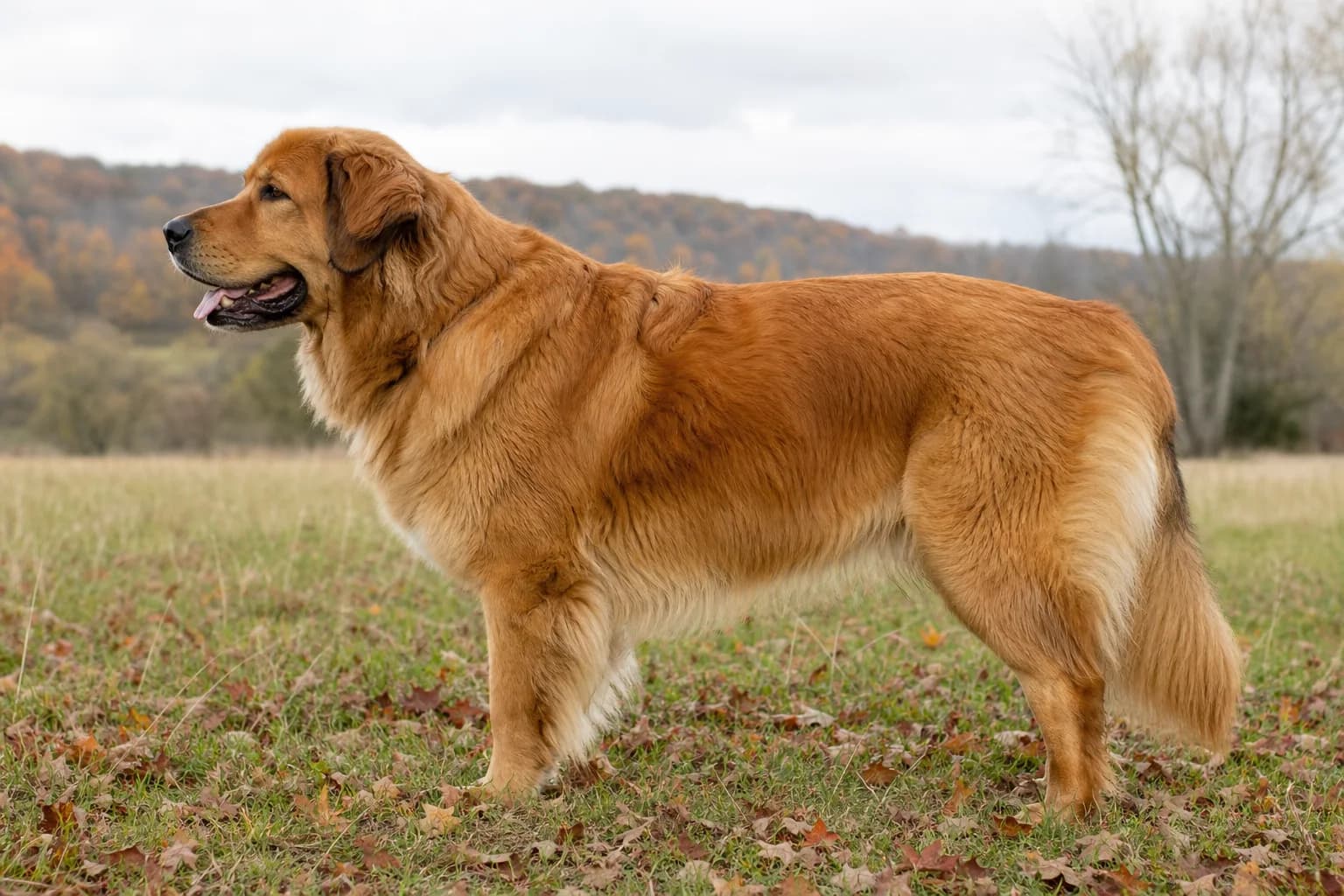
Evaluate dog-to-dog behavior
Play style and sociability can change with age, context, pain, and learning. Use controlled introductions and observe the individual rather than relying on parent stereotypes. A friendly greeting is not proof of universal compatibility.
Plan coat care for the harder outcome
Mixed coat texture can trap undercoat or form mats in less obvious patterns. Comb to the skin, check friction zones, and obtain an early grooming assessment. A low-shedding appearance can still require intensive clipping and brushing.
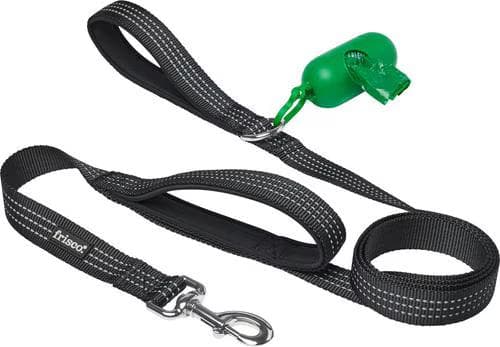
Petful may earn a commission when you click through to Chewy, at no extra cost to you.
Use foster observations
Sleep, noise response, house training, handling, separation, and recovery are easier to see in a home. Ask for specific examples and the context in which behavior occurred. Short foster histories still leave uncertainty and should be described honestly.
Treat DNA as one clue
Commercial ancestry estimates may help frame questions but cannot forecast personality or exact adult needs. In practice, combine results with physical examination, records, behavior, and known parent information. Do not use percentages as a behavioral score.
Screen both ancestry sides
Known parent breeds can suggest different orthopedic, cardiac, eye, or genetic conversations. Share all available records and ancestry evidence with the veterinarian. A panel result does not replace examination or every breed-club screening recommendation.
Choose adjustable equipment
Growing or uncertain dogs can outgrow fixed gear quickly. Measure neck, chest, length, height, sleeping sprawl, crate space, and vehicle access repeatedly. Never size safety equipment from weight alone.
Confirm the source instead of the label
A designer name may describe a planned cross, a rescue's best visual guess, or a marketing invention, and those are very different evidence levels. Ask what is directly known about each parent, what records exist, and which statements are estimates before using the label in a care decision. A confident breed name cannot replace transparent origin, veterinary records, observed behavior, or responsible placement practices.
Re-measure the adult plan during growth
Mixed puppies can change frame, coat, appetite, strength, and reach at uneven rates, so equipment bought from an early estimate may stop fitting safely. Check harness fit, crate clearance, bed length, barrier height, vehicle access, and the caregiver's handling ability at regular intervals. The Newfoundland puppy guide provides an adjustable first-year skill sequence that can be paced to the individual mix. Do not restrict normal posture or choose a smaller setup simply because a predicted adult range was wrong.
Design transport for the larger outcome
A tall or heavy mix may eventually be difficult to lift during injury, illness, aging, or an emergency even when the young dog jumps into the vehicle easily. Teach calm ramp use before it is medically necessary and plan vehicle space, restraint, helpers, clinic access, and an emergency movement aid. A ramp or sling requires conditioning and correct use and should not be improvised during breathing distress or severe pain.
Escalate behavior concerns by observation
Fear, guarding, predatory behavior, separation distress, reactivity, and handling sensitivity cannot be explained or solved by assigning them to one parent breed. Record the trigger, distance, body language, intensity, recovery, environment, and prior consequences, then seek qualified force-free professional help appropriate to the risk. Do not test a concerning behavior with children, unfamiliar dogs, restraint, food removal, or increasingly intense exposure.
Budget the upper plausible need
Food volume, grooming time, training support, care, and transport may land near the more demanding parent. Build expected and high-use scenarios before adoption. A conservative plan is not a prediction that every cost will occur.
Use the observation checklist
Record what the dog actually does when resting, meeting people, walking, being handled, and encountering novelty. In practice, separate direct observation from guesses about ancestry. One calm day or stressful shelter moment should not become a permanent trait label.
Respect the rescue's uncertainty
Some dogs arrive without reliable parentage, age, medical, or early-history records. Use ranges, update the plan as evidence accumulates, and avoid definitive marketing labels. Uncertainty is honest information, not a defect in the dog.
Decide from records and the individual dog
Parent breeds do not combine in fixed halves
Genes do not blend into a guaranteed half-and-half result. One puppy may resemble one side strongly while a littermate differs in frame, coat, behavior, or health risk. Use both known parents to set a range, and treat unknown ancestry as uncertainty rather than filling the gap with a designer label.
Adult size coat temperament and health can vary within one litter
Plan adult size, coat workload, activity, social behavior, handling, and transport as ranges that can change during maturity. A calm fluffy puppy may become a powerful adult, while a wavy coat can both shed and mat. Re-measure equipment and update the plan from the individual dog's actual development.
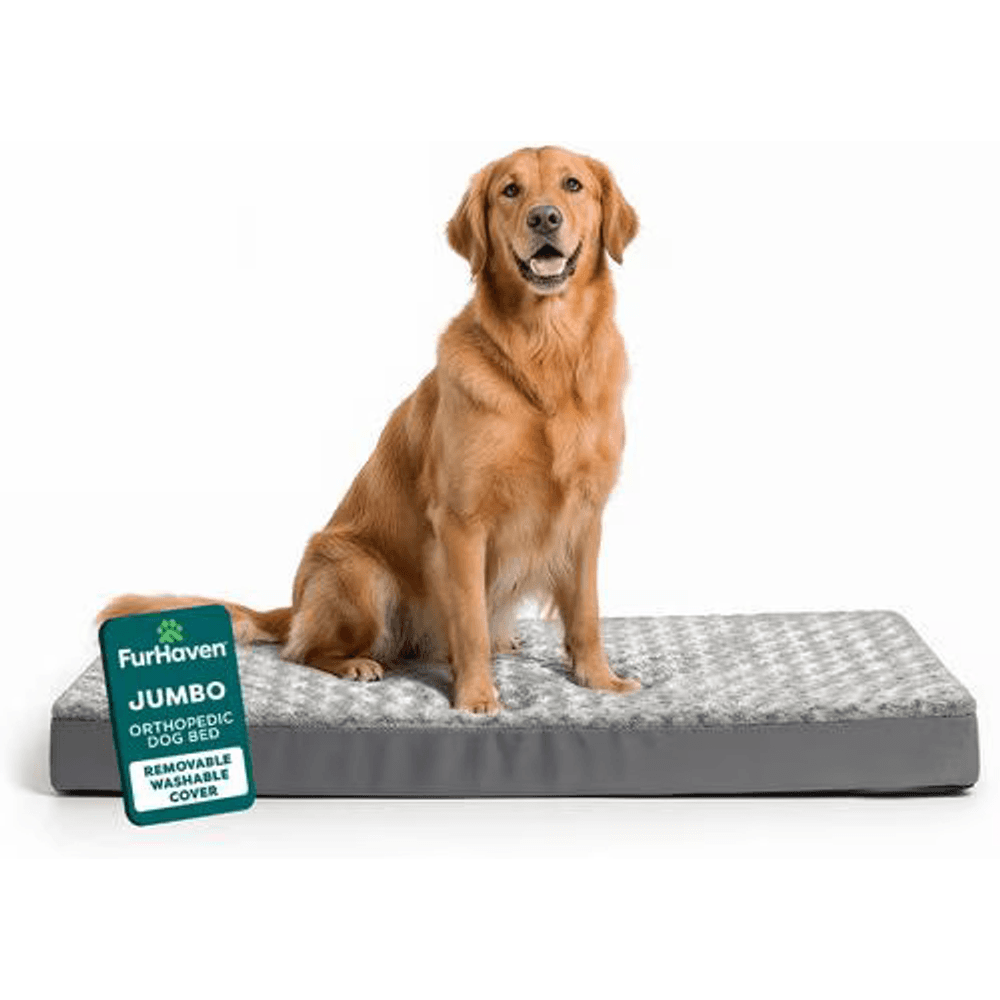
A plush orthopedic foam mattress that cushions aging joints and pressure points, giving a stiff or trembling senior dog warm, supportive rest.
Petful may earn a commission when you click through to Chewy, at no extra cost to you.
Labrador Poodle Golden Retriever Bernese Mountain Dog Saint Bernard Shepherd Great Dane and Husky mixes
Labrador, Poodle, Golden Retriever, Bernese Mountain Dog, Saint Bernard, German Shepherd, Great Dane, and Husky pairings each introduce different possibilities, not a menu of guaranteed traits. Compare the higher plausible need from both sides and avoid promising a midpoint, low shedding, perfect friendliness, or a specific adult size.
Meet the individual dog and use foster observations when possible
Meet the individual dog in more than one context when possible. Foster observations about sleep, handling, visitors, other animals, house training, separation, noise, recovery, and ordinary walks often carry more practical value than a visual breed guess. Ask for examples and the conditions in which each behavior occurred.
Health screening should reflect both parent breeds
Known ancestry can guide conversations about orthopedic, cardiac, eye, genetic, or other screening on both sides. Share parent records and consumer DNA results with the veterinarian, but do not treat a panel as a complete medical clearance. Unknown ancestry calls for individualized preventive care, not fewer questions.
Grooming and exercise planning should use the higher plausible need
Budget for the larger frame, denser or more mat-prone coat, greater activity, and stronger handling outcome until the dog provides better evidence. Adjustable equipment, early grooming assessment, positive training, secure management, and safe transport keep the plan usable across a broad range without claiming that every high need will occur.
Avoid designer-name guarantees
A designer name cannot guarantee temperament, allergy compatibility, coat, health, or breeder quality. Verify the source, parent identities, records, contract, living conditions, and support just as carefully as for any other dog. For rescue dogs, honest unknowns and current behavior are better evidence than a confident marketing label.
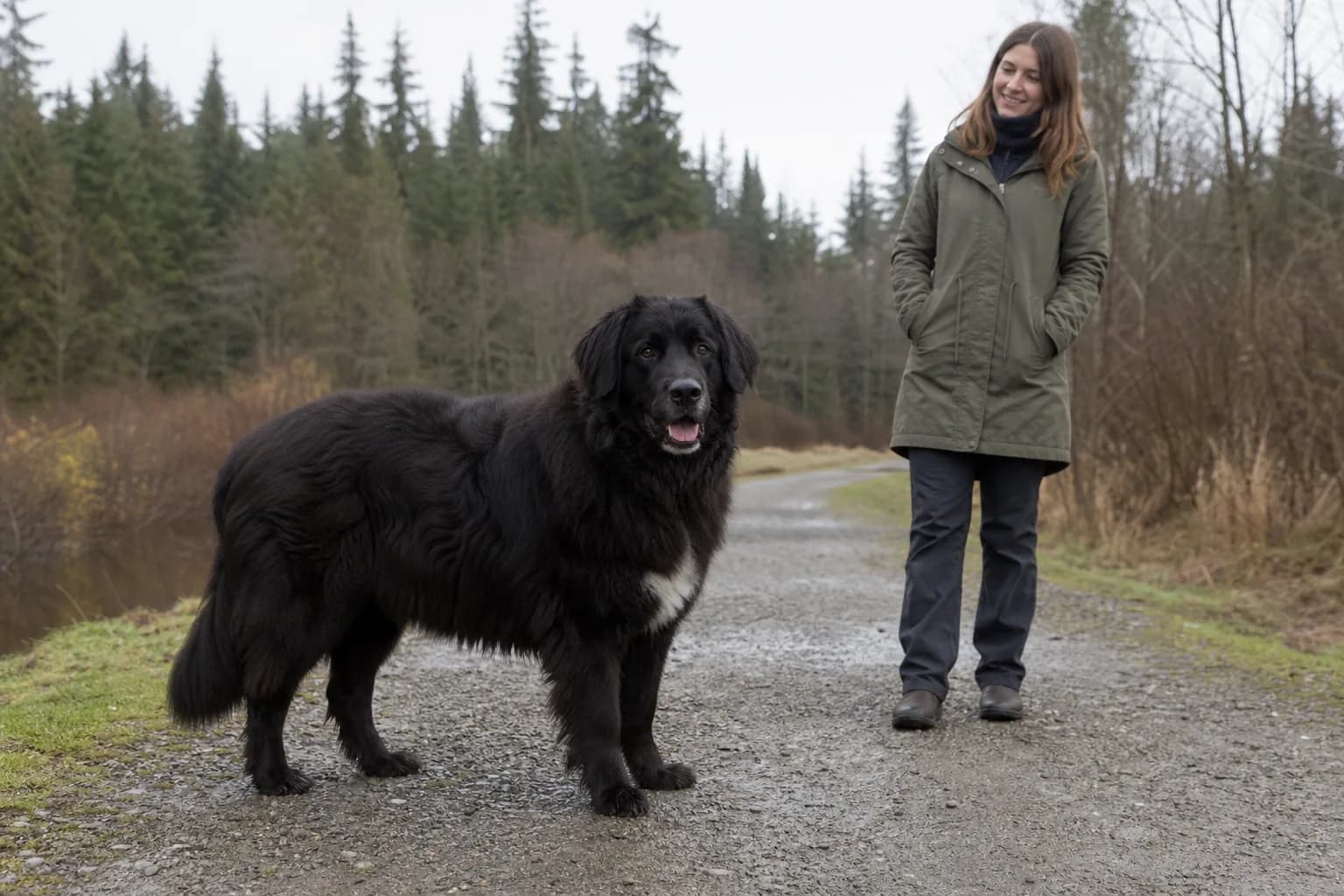
Photographs show one dog, not a fixed mix outcome
A photograph can show the visible coat and scale of one dog, but it cannot prove a fixed appearance for a mix or verify ancestry by itself. Return identity questions to known parents, source records, and appropriately limited DNA evidence. Another puppy with the same label may mature very differently.
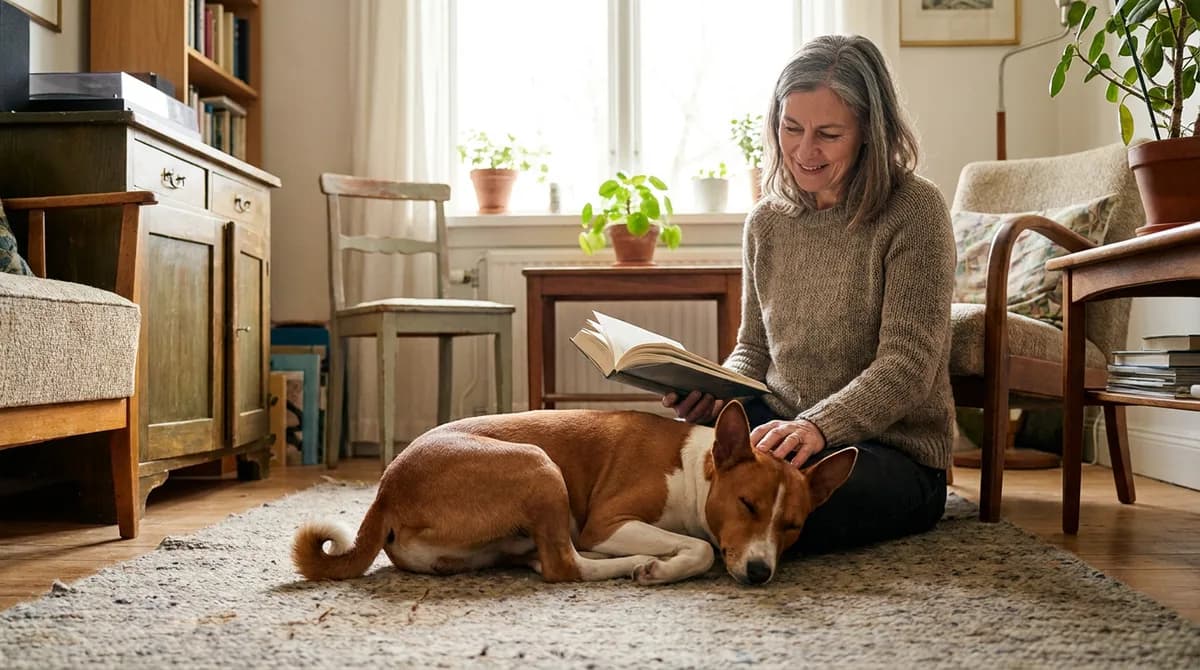
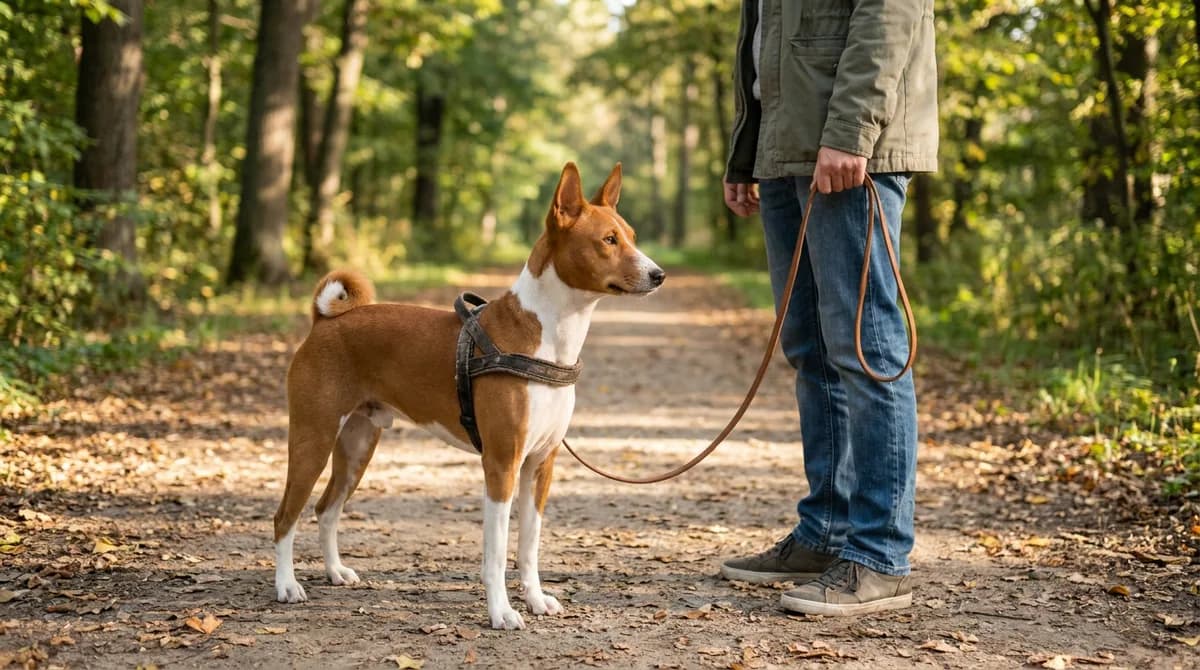
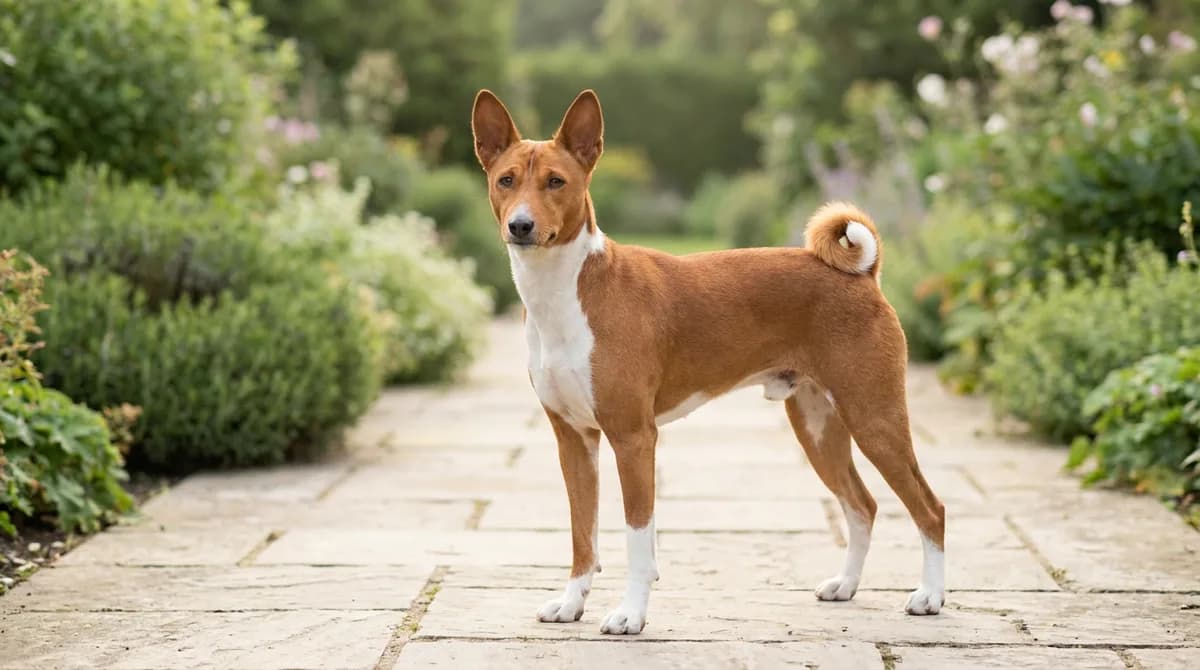
The honestly labeled photographs of popular mix examples on this page are representative visual examples, not templates. Their labels identify the mix being discussed; they do not imply a fixed appearance, prove ancestry, or predict the coat, size, temperament, or health of another dog carrying the same label. Compare each photograph only with its nearby planning note, then return decisions to known parent records, measurements, repeated behavior in context, coat assessment, and veterinary evidence for the individual dog.
Make a two-parent range card
Create separate rows for adult scale, coat and grooming, activity, social behavior, handling, heat response, transport, and health questions. Enter plausible low and high needs from both known sides without averaging them. For unknown ancestry, use the dog's current measurements and behavior and leave the uncertain range wide enough to be honest.
Update the card as direct evidence arrives from growth, foster observations, grooming, training, veterinary care, and daily life. Use the higher plausible need for equipment and budget until the individual supports a narrower plan. A range card is successful when it prevents surprise and guides questions, not when it predicts the adult perfectly.
Add an evidence column beside every range. A verified parent record, dated veterinary measurement, foster note from an ordinary home, and repeated observation across several settings each carry different information. A single shelter label, photograph, or DNA percentage should not outweigh what the dog currently does. Record the date and source so an adolescent growth estimate or first-day behavior is not treated as permanent after newer evidence arrives.
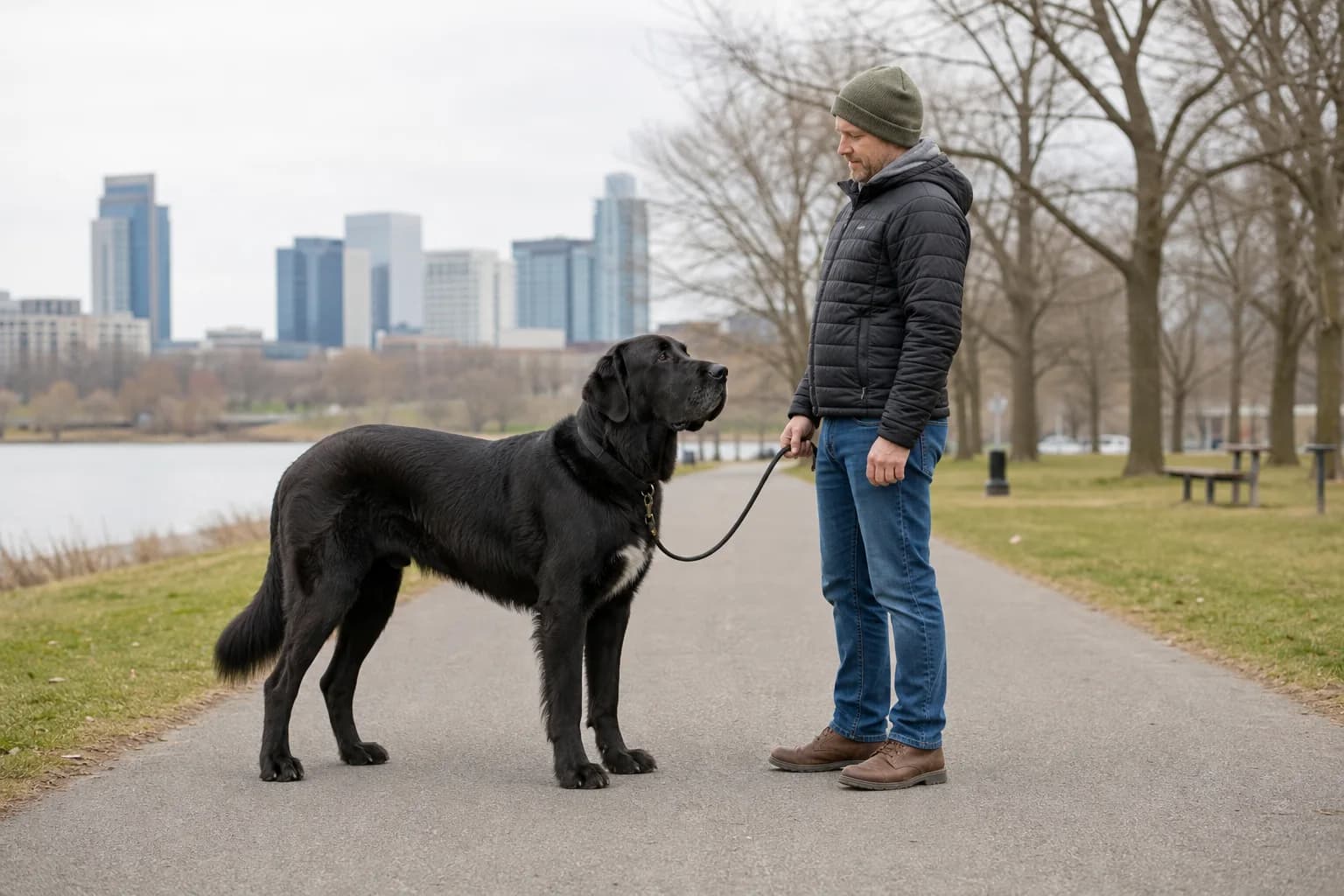
Test household fit with concrete tasks rather than a designer name. Measure the vehicle opening and resting space, price equipment at the higher plausible adult size, schedule a short grooming assessment, observe recovery after manageable activity, and practice calm handling with rewards. For family decisions, include barriers, child supervision, visitor routines, an undisturbed retreat, and who can safely hold the leash. These checks remain useful whether later ancestry information confirms or changes the original label.
Keep health questions tied to both known parents and the individual dog's examination. Ask for public screening records when parents are known, bring all available source and DNA reports to the veterinarian, and list current symptoms separately from theoretical breed risks. Screening information can shape a discussion, but it does not diagnose the dog or guarantee an outcome. New pain, collapse, breathing trouble, urinary straining, a swollen abdomen, or another urgent change needs prompt clinical direction regardless of the ancestry estimate.
Review the card again after adoption, at major growth changes, and whenever health, coat, behavior, housing, or caregivers change. Retire assumptions that direct evidence no longer supports.
Update the range card with observed evidence
A two-parent range card records plausible size, coat, activity, sociability, and health considerations without promising a midpoint. That range-based planning method replaces deterministic designer-dog claims with dated evidence. Add an individual-dog observation checklist for rest, handling, visitors, walks, recovery, coat care, and transport, and give adopters room to revise it as foster notes, measurements, veterinary records, and ordinary home behavior replace the original label.
Only after the range card establishes the dog's measured resting space should a bed be compared with actual full-extension dimensions rather than the mix label.
- Because a mix label cannot predict adult dimensions, measure the dog at full extension before deciding whether a jumbo option such as FurHaven NAP Ultra Plush Orthopedic Deluxe Dog Bed, Jumbo provides enough resting room. Measure the dog at full extension and treat comfort claims as product features, not medical treatment.
Newfoundland FAQs
The Newfoundland breed developed from working dogs on the island of Newfoundland, while a modern Newfoundland mix has one Newfoundland parent or ancestry plus another breed or mixed ancestry. The exact combination should be verified from known parents or treated as an estimate. A visual guess cannot establish percentages, and ancestry alone cannot predict one dog's adult temperament or care needs.
How much does a Newfoundland Poodle mix cost? Price varies by region, source, age, veterinary care, and what is included. A high price does not guarantee coat type, low shedding, health, or temperament. Compare a responsible rescue route and transparent sources, verify records, and budget adult-size grooming, training, food, equipment, routine care, and emergencies before focusing on the acquisition number.
How long do Newfoundland mixes live? There is no single mix lifespan because the other ancestry, adult size, individual health, body and muscle condition, preventive care, environment, and chance all matter. Use each parent breed's population estimate only as planning context, then rely on the individual dog's records and veterinary assessment. A new symptom deserves evaluation regardless of age or the designer label attached to the dog.
Newfoundland Poodle mixes can be good family dogs for some households, but the label cannot guarantee size, coat, energy, sociability, or behavior around children. Meet the individual dog, use foster observations when available, and provide active adult supervision for every child-dog interaction. Plan for a large strong adult with potentially intensive grooming, reward-based training, sturdy barriers, safe leash handling, and an undisturbed resting place.
The lifespan of a Newfoundland Lab mix cannot be predicted from the mix name alone. Each Newfoundland or Labrador population estimate provides planning context, but known parents, adult size, body and muscle condition, current health, preventive care, environment, and chance all affect the individual. Use veterinary assessment and dated records to guide care, and evaluate a new symptom on its own merits rather than attributing it to age.
Sources and evidence boundaries
- Newfoundland Club of America breed standard: Breed temperament, structure, working identity, coat, and recognized-color context.
- American Kennel Club breed page: Registry size, lifespan, breed history, coat, and breeder-screening overview.
- AKC official Newfoundland standard: Exact breed-standard language for size, coat, colors, markings, and temperament.
- Peer-reviewed dog ancestry and behavior study: Population-level evidence that breed ancestry does not precisely predict an individual dog's behavior.
Prices, product availability, labels, insurance terms, veterinary guidance, and individual needs can change. Check the current source, product information, policy, and appropriate professional guidance before making a decision.

Coreen Saito is a pet writer and longtime shelter volunteer with more than a decade in animal rescue. She covers cat behavior, breed care, and the small, ordinary science of sharing a life with companion animals, with a particular focus on honest takes about the products and decisions that actually matter. At home in Arizona, she's outranked by Mac (a dog with the loudest opinion in the house), Rebel (a cat who governs by quiet authority), and Meri (an orange tabby who runs the late shift and the laundry basket). She writes about all three, plus the rescues that keep coming through her life, at LifeWithMinty.com.
Sign up for expert-backed reviews and safety alerts all in one place.