Newfoundland Dog Colors and Markings
Learn the recognized black, brown, gray, and white-and-black Newfoundland colors, how Landseer markings differ from typical white, and why color should stay separate from health and quality.
Petful is reader supported. As an affiliate of platforms like Amazon and Chewy, we may earn a commission when you buy through links on this page. There is no extra cost to you.
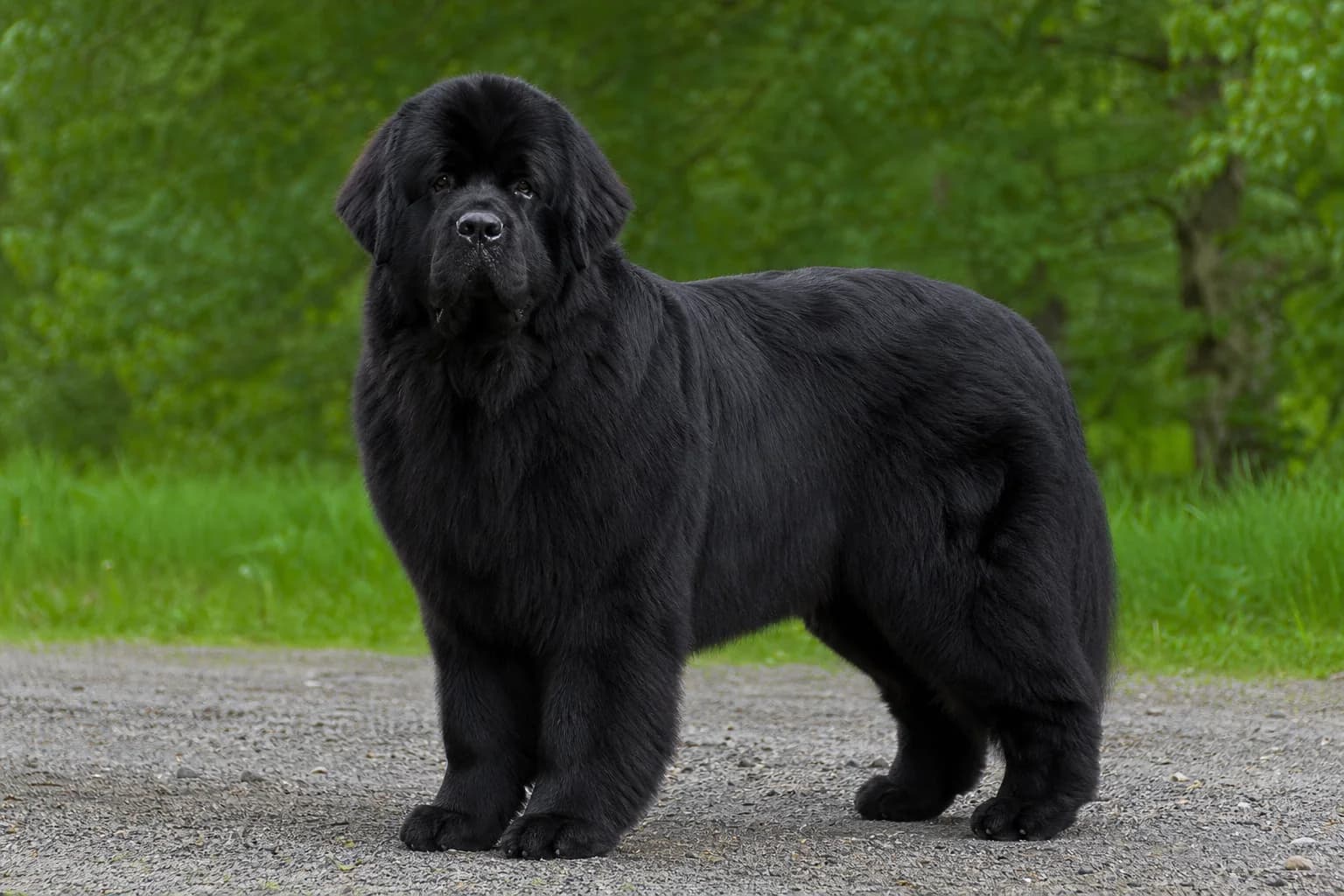
Newfoundland dog colors recognized by the American Kennel Club are black, brown, gray, and white and black. Neutral-light photographs and precise marking descriptions help owners understand those colors without letting appearance substitute for health, temperament, structure, or source quality.
Black, brown, gray, and white-and-black coats are easiest to understand through neutral-light examples and precise descriptions of base color and markings. Registration terms, weathering, typical white, Landseer patterning, health evidence, and seller claims remain separate so appearance never stands in for quality.
- 1AKC recognized black brown gray and white-and-black colors.
- 2Landseer pattern description.
- 3Typical white locations on solid colors.
- 4Sun weather puppy and adult coat variation.
- 5Registration color versus health or quality.
- 6Color-first urgency rarity and surcharge red flags.

Sign up for expert-backed reviews and safety alerts all in one place.
The four recognized Newfoundland colors
The AKC Newfoundland standard recognizes four colors: black, brown, gray, and white and black. Color is secondary to type, structure, and soundness. A registration label describes appearance for registry purposes; it does not make one dog healthier, calmer, rarer in a valuable sense, or more suitable for a family. Household fit belongs in the main Newfoundland breed guide, not in a color label.
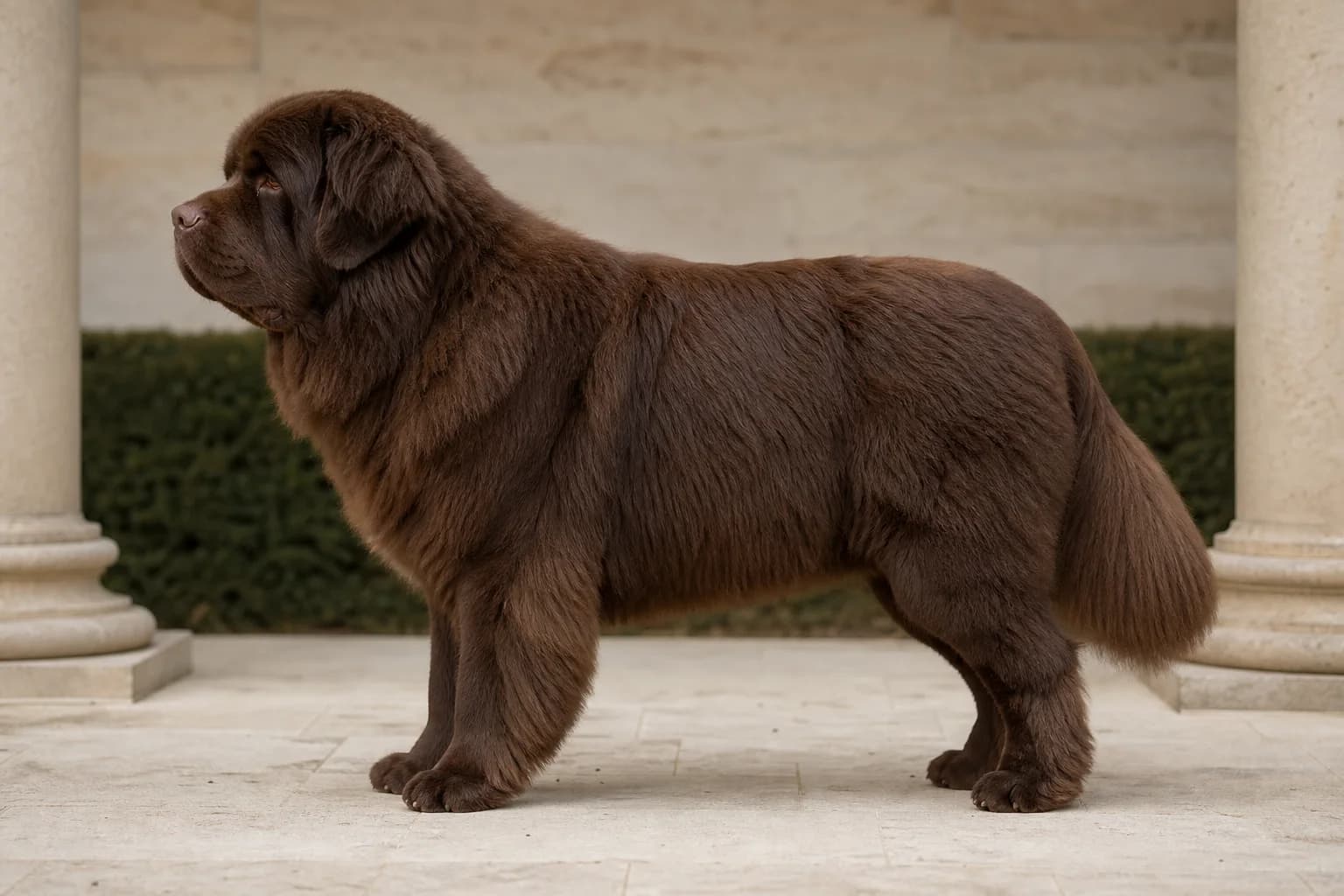
Black, brown, and gray can be solid or can carry typical white at the chin, chest, toes, and tip of tail. Sun and weather can create a bronze tinge on black or gray and lighter furnishings on brown or gray. Neutral daylight is more reliable than filtered sales photos for evaluating what is visible.
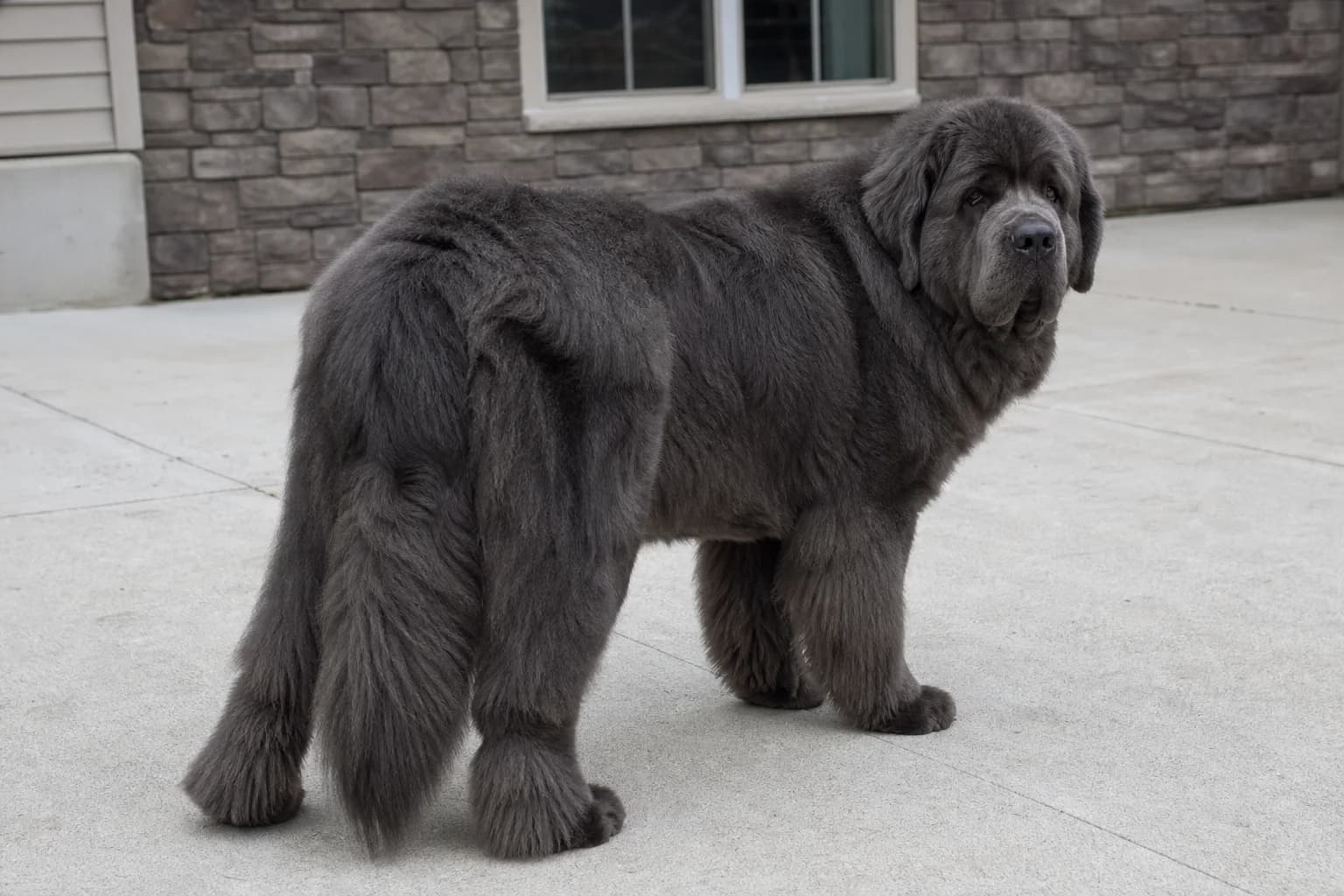
The Newfoundland Club of America illustrates the American Kennel Club breed standard, which recognizes black, brown, gray, and white and black. A white Newfoundland dog is not a separate solid-white recognized color in that standard; evaluate the white base and black distribution for Landseer patterning. A short, curly, or otherwise unexpected coat may also raise an ancestry question addressed in the Newfoundland mixes guide. Newfoundland dog colors describe visible appearance, not health, temperament, genetic certainty, or breeder quality.

Petful may earn a commission when you click through to Chewy, at no extra cost to you.
- Before taking a neutral-light color photograph, a light pass with aumuca Self Cleaning Slicker Brush can separate a clean, tangle-free coat so clumps do not distort the visible markings. Use light pressure and confirm progress with a metal comb. The Newfoundland shedding guide covers the full skin-level routine; a slicker alone does not prove the undercoat is mat-free.
Landseer Newfoundlands and white markings
A white base coat with black markings is called Landseer in the U.S. standard. The illustrated guide describes a typically black head, with or without white on the muzzle or a blaze, a separate black saddle, and black on the rump extending onto a white tail. Real markings can vary from the ideal description.
White markings on a solid-color dog are not automatically a Landseer pattern. Look at the base color and overall distribution rather than one patch. Breed-standard terminology also differs between registries and countries, so state which standard is being discussed.
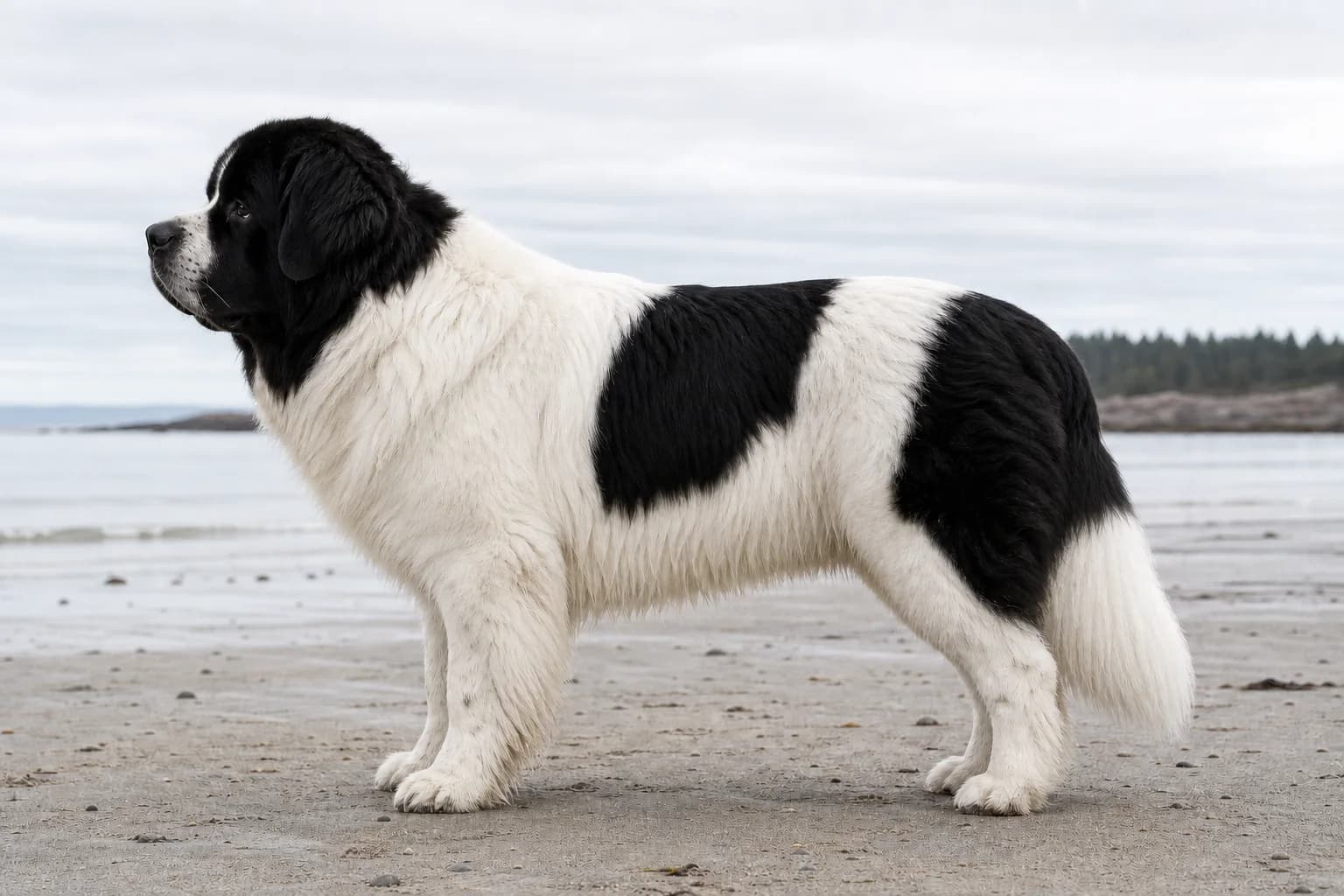
What is a brown and white Newfoundland called? In the U.S. standard, Landseer means a white base coat with black markings, not brown markings. A brown Newfoundland may have typical white at the chin, chest, toes, or tail tip, so describe the visible base color and white areas precisely and use the relevant registry's terminology instead of relabeling every brown-and-white dog as Landseer.
| Visible coat | Document in neutral light | Do not conclude |
|---|---|---|
| Black | Full side view plus close views of any bronze weathering and white at chin, chest, toes, or tail tip | Warm highlights do not automatically make the dog brown |
| Brown | Base shade from dark chocolate through russet plus the location of typical white | Shade depth does not predict temperament, health, or value |
| Gray | Multiple unfiltered views under the same neutral conditions | Cool white balance or a blue cast is not reliable registry evidence |
| White and black Landseer | White base, head markings, separate saddle, rump patch, and tail distribution | One white patch on a dark dog does not make the pattern Landseer |
| Typical white on a solid color | Exact location and extent at chin, chest, toes, or tail tip | Typical white does not change the entire color label or create a rarity claim |
| Seller term such as silver, blue, rare, or exotic | Current unfiltered images, registry wording, parent identities, and separate health records | Marketing language does not verify genetics, health, breeder quality, or scarcity |
Petful may earn a commission when you click through to Chewy, at no extra cost to you.
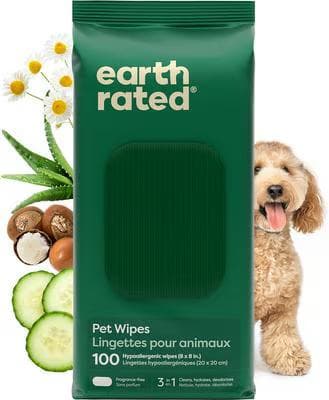
- For a small patch of superficial dirt before a reference photo, Earth Rated Unscented Dog Grooming Wipes can clean the coat surface without presenting the result as the dog's natural color under every condition. Use for light surface cleanup only. Wipes do not replace bathing, coat drying, or veterinary care for skin disease.
Coat changes, registration, and breeder red flags
Puppy coat, sun exposure, seasonal coat, camera white balance, and wetness can change how a shade appears. Ask for recent unfiltered images in neutral light and verify the dog's identity across records. Appearance should stay separate from health results, temperament observations, and the breeding program's priorities.
Color-first marketing is a reason to slow down. Be cautious when a seller uses rare, exclusive, exotic, silver, or blue as a shortcut around health clearances and matching. The Newfoundland puppy guide shows how to verify parent records and source practices. A nonstandard color label does not by itself diagnose a health problem, but it should not outrank transparent records and responsible breeding decisions.
What is the rarest color of a Newfoundland dog? The standard does not turn rarity into a quality ranking. Search labels such as silver Newfoundland dog or blue Newfoundland puppies may be seller wording, so verify the visible coat, registry term, parent identities, public health work, and contract. Compare clearly identified examples of each recognized color or pattern, then account for weathering and typical markings before treating a shade difference as rare.
- Use breed-level evidence to prepare observations and questions. Base health, behavior, nutrition, insurance, and safety decisions on the individual dog, current records, and the appropriate qualified professional.
Document color without turning it into a quality score
View black coats in open shade
Direct sun can create hard highlights while warm indoor light can add a brown cast. Use neutral daylight and check the whole coat, including furnishings and any typical white. A photograph cannot establish genetics or health. One product-specific grooming option to compare is Earth Rated unscented grooming wipes; use it gently, follow label directions, and stop if it catches or irritates.

Petful may earn a commission when you click through to Chewy, at no extra cost to you.
Expect brown shade variation
The NCA illustrated guide notes brown may range from dark chocolate to russet. Describe the visible shade plainly and compare images taken under similar light. Do not attach temperament or quality claims to a darker or lighter brown.
Evaluate gray without a filter
Cool camera processing can make black look gray or create an artificial blue cast. Ask for several current photos in neutral conditions and confirm the registry description. A marketing label is not a substitute for accurate identification.
- On an accessible, healthy coat area, Four Paws Magic Coat Wet & Dry Dog Glove and Curry Brush can loosen surface debris before the owner documents base color, typical white, and weathered tips. Use as one step in coat care, not as a replacement for section-by-section brushing and a skin-level check.
Identify the Landseer pattern
The pattern is a white base with black markings, not simply any white spot on a dark dog. Look for the broad distribution described by the standard while allowing natural variation. Pattern beauty remains secondary to structure, soundness, temperament, and health.
Recognize typical white areas
Solid colors may carry white at the chin, chest, toes, or tail tip under the U.S. standard. Record the location and extent instead of changing the entire color label. Registry rules should not be converted into medical claims.
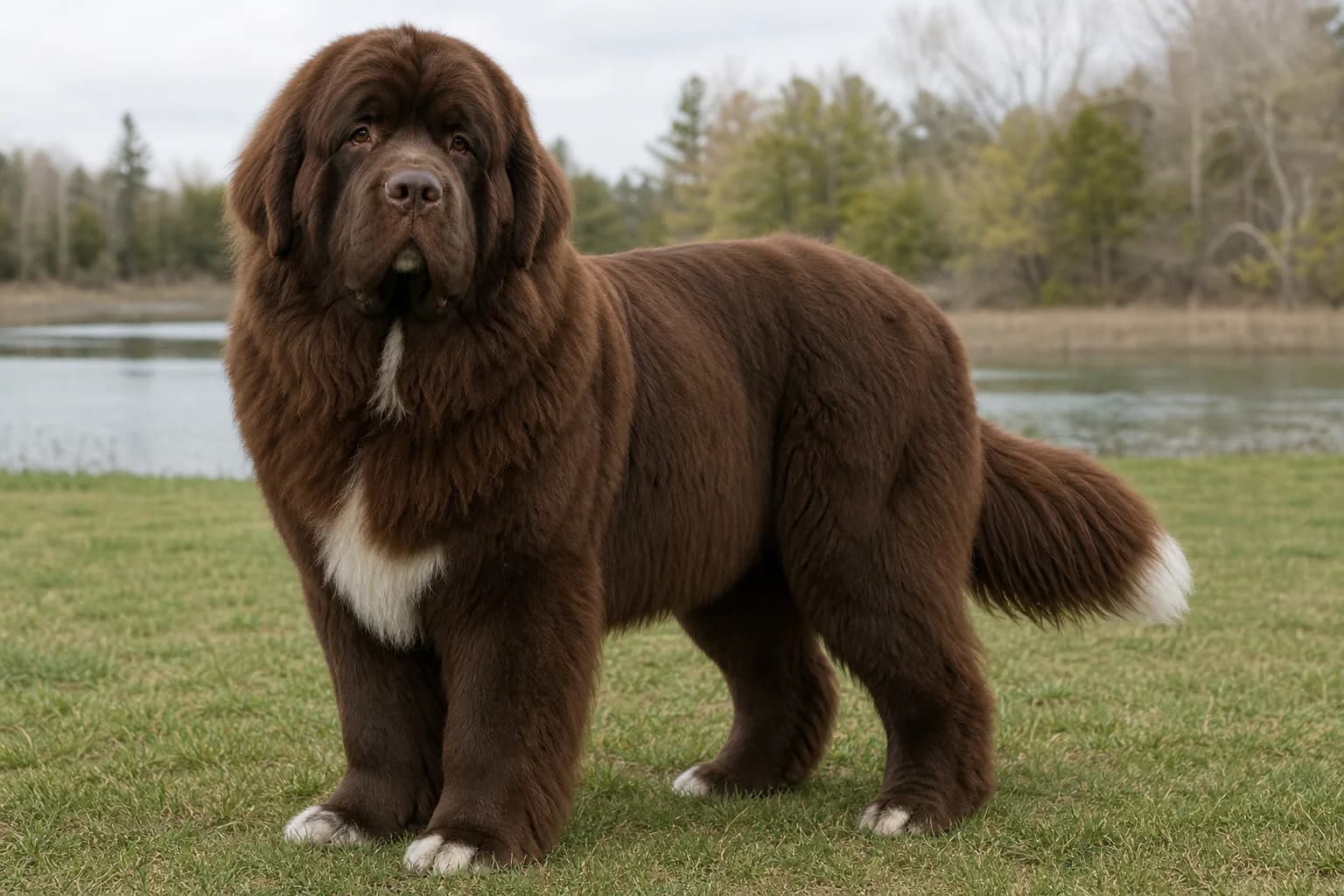
Use the color-verification grid
A useful visual record pairs the standard term with observable coat evidence and lighting notes. In practice, save one honest image per color or pattern with the date and conditions. The grid educates buyers and does not rank colors by desirability.
Question rarity surcharges
Urgency and exclusivity can redirect attention away from source quality. Return the conversation to public health results, temperament, contract, living conditions, and support. Use the Newfoundland cost guide to keep any color surcharge visible as a separate seller choice. Price or rarity language cannot prove responsible breeding.
Check the claim against what is actually visible
AKC recognized black brown gray and white-and-black colors
Under the U.S. standard, black, brown, gray, and white and black are recognized. View the whole dog in neutral daylight and record what is visible without ranking the colors. Color is secondary to type, structure, soundness, temperament, and health, and registration terminology does not establish genetic or medical quality.

Petful may earn a commission when you click through to Chewy, at no extra cost to you.
Landseer pattern description
Landseer describes a white base with black markings, typically including a black head, a separate saddle, and black on the rump extending toward a white tail. Natural markings vary around the ideal. A dark dog with one white patch is not automatically Landseer, so judge the base and overall distribution.
Typical white locations on solid colors
Solid black, brown, or gray dogs may show typical white at the chin, chest, toes, or tail tip. Note the location and extent instead of changing the entire color label. Small accepted markings should not be turned into rarity claims, health claims, or a reason to ignore the rest of the dog.
Sun weather puppy and adult coat variation
Puppy coat, seasonal coat, sun exposure, weather, wetness, camera white balance, and indoor bulbs can shift apparent tone. Compare recent unfiltered photographs in open shade or neutral daylight. A single warm or cool image is weak evidence for deciding whether a dog is brown, gray, faded, or simply photographed differently. One product-specific grooming option to compare is aumuca self-cleaning slicker brush; use it gently, follow label directions, and stop if it catches or irritates.
Registration color versus health or quality
A registry color describes appearance within that system; it does not predict lifespan, behavior, working ability, or breeding quality. Keep color paperwork separate from hip, elbow, cardiac, cystinuria, temperament, and husbandry evidence. The Newfoundland health guide explains those screening records, and the food guide keeps diet and body-condition questions out of coat-color speculation. Attractive markings cannot compensate for missing records or a poor source match.
Color-first urgency rarity and surcharge red flags
Slow down when rare, exotic, silver, blue, exclusive, or limited-availability language is used to create urgency or justify a surcharge. Ask for the same public health results, parent identities, living conditions, contract, and support expected from any responsible source. Price and scarcity language do not verify those practices.
Visual examples must be honestly labeled
Judge a photograph only by the coat it actually shows and note when lighting materially affects tone. A filtered sales image cannot prove genetics, identity, ancestry, or health. Honest visual evidence is a dated, unfiltered view of the actual dog under known conditions.
Use one honestly labeled visual example for each recognized color or pattern instead of treating the images as a generic gallery. Each example should identify the visible black, brown, gray, Landseer, typical-white, or weathering feature it demonstrates, while the caption and nearby text preserve the limits of lighting, identity, genetics, health, and individual variation.
Use a color-verification photo set
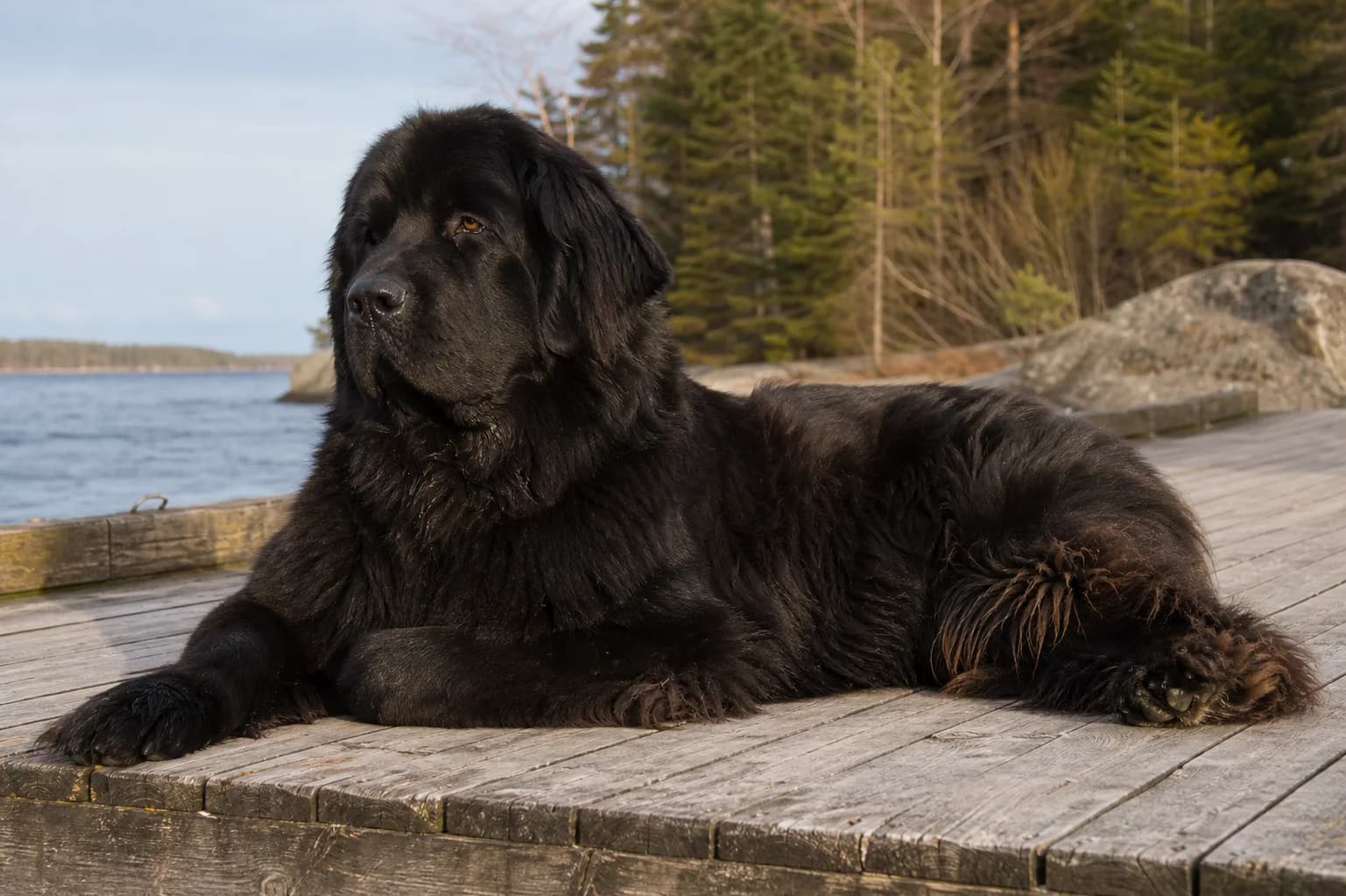
Take a full side view and a front three-quarter view in open shade, then add close photographs of the chest, toes, tail tip, and any major patches. Keep the date and lighting conditions with the set. Neutral reference images make it easier to separate an actual marking from glare, wet coat, sun-lightened tips, or camera processing.
Describe only what the photographs show: base color, distribution, typical white, and visible weathering. Registry terminology, genetics, health, and source quality require their own records. A filtered image or a photograph of a different dog cannot establish the identity or ancestry of the dog being evaluated.
- When a full bath is actually due, use Buddy Wash Dog Shampoo and Conditioner according to its current label and dry the undercoat completely before making color comparisons from photographs. Patch-test as appropriate, rinse completely, and ask a veterinarian about inflamed, infected, or persistently itchy skin.
Newfoundland FAQs
The recognized black, brown, gray, and white-and-black colors do not create an objective rarest winner that proves quality. A seller's rare-color claim does not make a dog more valuable, healthier, or better tempered. Ask for neutral-light photos, accurate registry terminology, public health results, and information about the whole breeding program. Color should remain secondary to structure, soundness, temperament, and transparent health work.
What is a brown and white Newfoundland called? Landseer refers to a white base coat with black markings in the U.S. standard, not brown markings. Brown Newfoundland dogs may have typical white in specified areas, but a predominantly white dog with brown markings is not the standard Landseer description. Use the relevant registry's terminology, describe what is visibly present, and keep color labels separate from claims about health or quality.
Sources and evidence boundaries
- Newfoundland Club of America breed standard: Breed temperament, structure, working identity, coat, and recognized-color context.
- American Kennel Club breed page: Registry size, lifespan, breed history, coat, and breeder-screening overview.
- AKC official Newfoundland standard: Exact breed-standard language for size, coat, colors, markings, and temperament.
- NCA Illustrated Guide color section: Recognized colors, Landseer pattern, typical white markings, and equal color status.
Prices, product availability, labels, insurance terms, veterinary guidance, and individual needs can change. Check the current source, product information, policy, and appropriate professional guidance before making a decision.

Coreen Saito is a pet writer and longtime shelter volunteer with more than a decade in animal rescue. She covers cat behavior, breed care, and the small, ordinary science of sharing a life with companion animals, with a particular focus on honest takes about the products and decisions that actually matter. At home in Arizona, she's outranked by Mac (a dog with the loudest opinion in the house), Rebel (a cat who governs by quiet authority), and Meri (an orange tabby who runs the late shift and the laundry basket). She writes about all three, plus the rescues that keep coming through her life, at LifeWithMinty.com.
Sign up for expert-backed reviews and safety alerts all in one place.