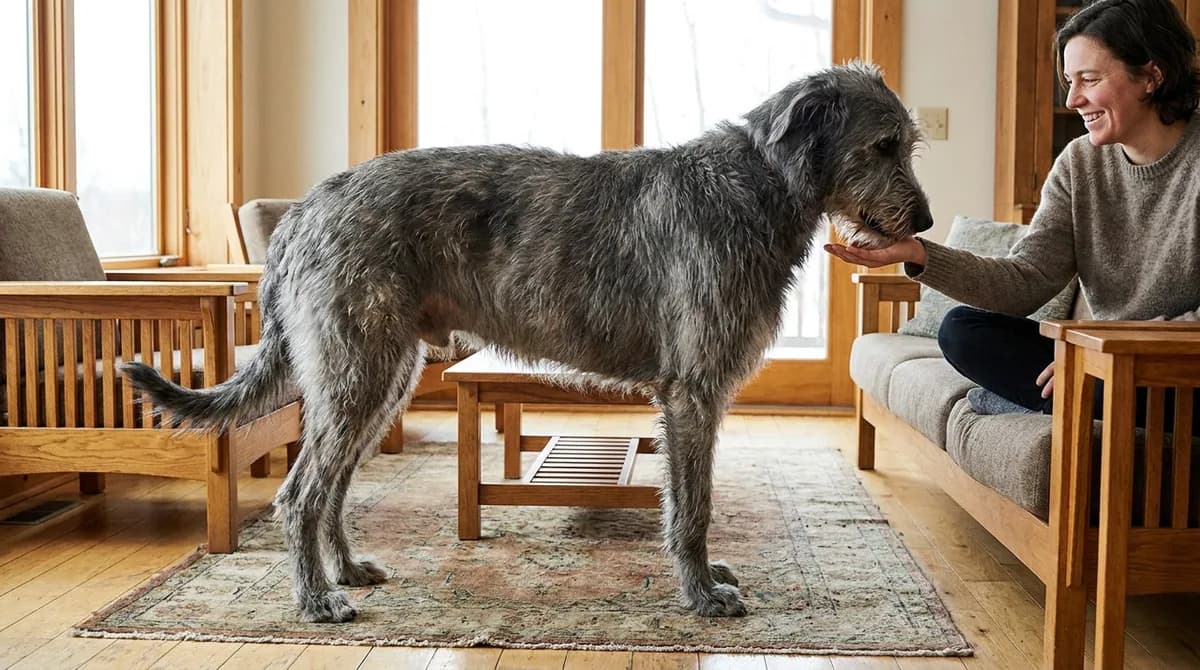
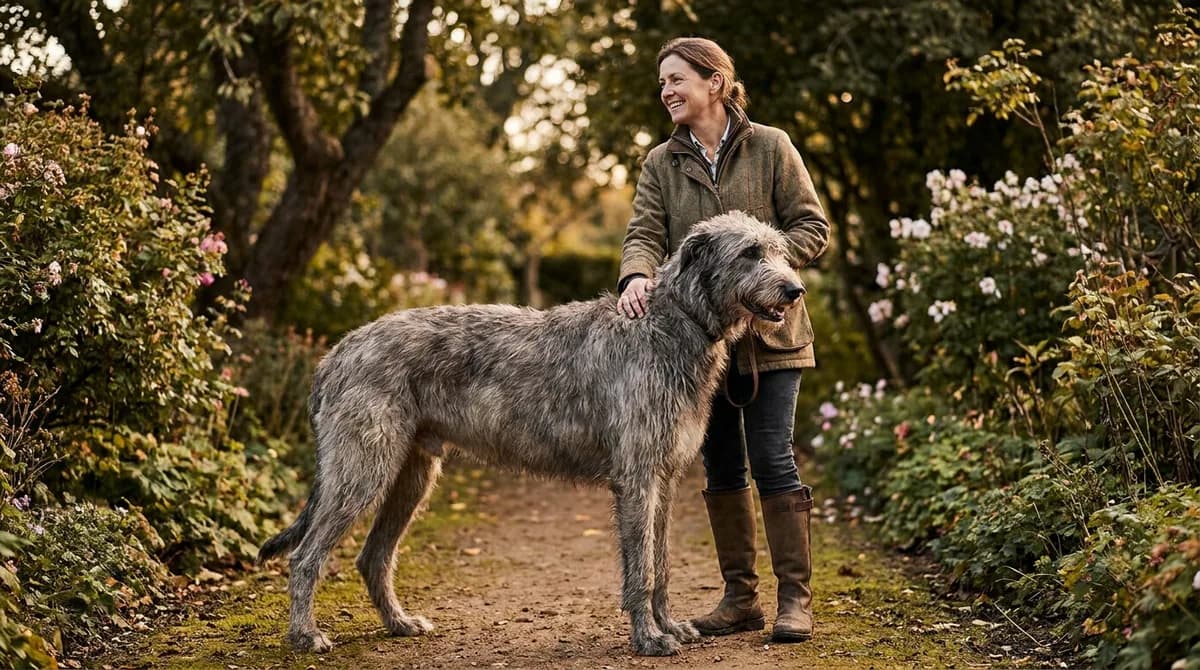
Cocker Spaniel Mixes: Traits, Size and Care
Compare Cocker Spaniel mixes, including Cockapoos, Spanadors and Golden crosses. Learn how to judge size, coat, temperament, health and sourcing without trusting labels alone.

Petful is reader supported. As an affiliate of platforms like Amazon and Chewy, we may earn a commission when you buy through links on this page. There is no extra cost to you.
A cocker spaniel mix can inherit any blend of traits from the Cocker parent and the other parent breed. The name of a cross may suggest ancestry, but it cannot guarantee adult size, coat, shedding, temperament, health, or care needs.
Choosing a cocker spaniel mix responsibly means moving from labels to evidence. Learn what is known about both parents, observe the individual dog, review medical and screening records, and plan for the wider of the plausible trait ranges.
For the foundation, read Petful's Cocker Spaniel breed guide and American Cocker Spaniel profile. The AKC Cocker Spaniel and AKC English Cocker Spaniel pages also show why "Cocker" can refer to two distinct recognized breeds.

Sign up for expert-backed reviews and safety alerts all in one place.
Cocker Spaniel mixes at a glance
A Cocker Spaniel mix is an individual dog, not a predictable midpoint between two breeds. Individual dogs vary. Treat breed tendencies as a starting hypothesis, then use direct observation, documented records, parent information and professional findings to make care decisions.
Mixed-breed dogs can be wonderful companions, but a designer name is marketing shorthand rather than a biological formula. Even littermates can inherit different combinations of body size, coat texture, ear shape, activity, sociability, prey interest, and trainability.
A Cocker Spaniel and Poodle cross may be advertised as a Cocker Spaniel cross Poodle or Cocker Spaniel cross with Poodle. Those phrases describe claimed parentage, not a guaranteed coat, size, allergy profile, behavior, or health outcome. Verify what is documented and plan for variation.
Use this evidence ladder:
- Population tendency: Study the likely traits and health concerns in both parent breeds.
- Individual observation: Watch how the dog handles touch, novelty, people, dogs, rest, and frustration.
- Documented record: Review veterinary history, parent identities when known, screening results, and prior behavior notes.
- Professional finding: Ask a veterinarian, qualified trainer, or behavior professional to assess high-stakes concerns.
Apply the ladder to one decision at a time. Parent-breed information defines possibilities, direct observation shows the dog's current coat and behavior, records establish what is actually known, and professional findings guide medical or high-risk choices. That sequence is more useful than treating a designer name as a blended forecast.
| Likely ancestry | Verified parent records or a reputable DNA estimate | Exact temperament, future disease or pedigree status |
|---|---|---|
| Adult size | Parent size, current age, growth records and veterinary assessment | A guaranteed final weight from a cross name |
| Coat and shedding | Current coat, parent coats and repeated grooming observation | Hypoallergenic status |
| Household fit | Foster notes, structured introductions and behavior across settings | A promise based only on breed labels |
An Embark Breed & Health Dog DNA Test Kit may provide an ancestry estimate and selected genetic results, but it cannot certify a dog's pedigree or predict personality. Interpret any health result with a veterinarian. Petful’s guide to Embark dog dna test has the full breakdown.
How to weigh ancestry evidence
Breed tendencies describe populations, not every individual dog, so parent-breed descriptions define possibilities rather than the outcome of one cross. Records, direct observation and professional findings answer different questions: parent records address documented ancestry, repeated observation addresses the dog's present behavior and coat, and veterinary or behavior professionals interpret health and safety concerns. An article-specific evidence ladder for cocker spaniel mix that separates population tendencies, individual observations, records and professional findings. The page must give the reader a concrete decision framework rather than a generic fact list: verify what is known, measure what is observable, and plan for uncertainty that a mix label cannot remove. Documented records anchor that ladder when memory, labels, and current observation conflict.

Petful may earn a commission when you click through to Chewy, at no extra cost to you.
Cockapoo

A Cockapoo is commonly described as a Cocker Spaniel Poodle mix. Adult outcome depends on whether the Cocker parent is American or English, which Poodle size and line contributed, and the particular genes inherited. A puppy can mature with a curly, wavy, or straighter coat, and grooming needs can be substantial even when visible shedding is limited.
Do not assume a Cockapoo is hypoallergenic. WebVet's overview of hypoallergenic dog breeds explains why allergy response is individual and why coat labels are not a guarantee. A family member with allergies should spend time with the actual dog and consult a medical professional.
Practical Cockapoo questions include:
- Can a comb pass through the adult coat to the skin?
- How does the dog respond to brushing, ear checks, and handling?
- What are the documented sizes and health screenings of both parents?
- What exercise, retrieving, and problem-solving outlets does this individual enjoy?
- Can the household afford professional grooming if the coat mats easily?
Cockapoo coat and allergy decisions
A low-shedding adult coat can still mat at the skin, especially behind the ears, in the armpits, and beneath harness friction. Ask to see the adult parents when possible, but do not treat either parent's coat as a guarantee for a puppy. Puppy texture can change as the adult coat develops.
For an allergy-sensitive household, separate two questions:
- How much loose hair does this dog release during repeated grooming?
- Does the affected person react to this individual dog and home environment?
- Can the household maintain the coat without painful dematting?
- Is professional grooming available within the budget?
A Wisdom Panel Essential Breed Identification DNA Test for Dogs can offer ancestry information when parentage is unknown, but the result is an estimate. It does not replace health records, a physical examination, allergy guidance, or observation of the dog in daily life.
Cocker Spaniel Lab and Golden mixes

A Cocker Spaniel Lab mix is sometimes called a Spanador. A Cocker Spaniel Golden Retriever mix may be called a Golden Cocker Retriever. These names do not establish proportions, and the size difference between parent breeds means adults may land across a broad range.
These crosses may inherit enthusiasm for retrieving, food, water, or social contact, but none is assured. Some individuals are soft and people-focused, while others are more independent, highly active, easily distracted, or sensitive to busy environments. Plan exercise around age, health, and observed recovery rather than trying to tire a dog indefinitely.
Coat outcomes can include:
- Shorter double coat with seasonal shedding.
- Medium feathering around ears, chest, legs, and tail.
- Dense or water-resistant texture that holds moisture.
- Heavy loose hair plus mat-prone areas.
Compare retriever crosses by daily function
A Spanador or Golden Cocker Retriever label does not reveal whether the dog can settle after exercise, tolerate grooming, live safely with smaller pets, or stay comfortable around visitors. Ask for specific examples from the current home and observe at least one quiet period, not only enthusiastic play.
For either cross, plan for:
- Retrieving or carrying behavior that needs safe outlets and trade skills.
- Ear and coat checks after swimming or wet walks.
- Calorie control when food is a powerful reinforcer.
- Gradual recall work around birds, scents, and people.
- Joint-friendly exercise based on age and veterinary findings.
The Frisco Steel 8-Panel Configurable Dog Gate and Playpen, 30-in, Black can help create a supervised management zone during introductions or household training. A 30-inch barrier will not safely contain every mix, especially a large, athletic, climbing, or jumping dog.
Cocker Spaniel Beagle and Terrier mixes
A Cocker Spaniel Beagle mix may combine scent-driven exploration with spaniel retrieving interest. A Cocker Spaniel Terrier mix or Cocker Spaniel Jack Russell mix may be quick, persistent, and motivated by movement. Those are plausible tendencies, not promises about one dog's behavior.
Before off-leash freedom, test recall on a long line in increasingly distracting settings. Secure fencing, identification, and supervised enrichment matter more than assuming affection will overcome a scent trail or chase. Reward check-ins, build a reliable emergency cue, and avoid punishment that makes returning to the handler risky.
A KONG Classic Dog Toy, Large can hold part of a measured meal for supervised problem solving when its size and durability fit the dog. It cannot substitute for scent walks, recall training, or separation support, and damaged rubber should be removed.
- A cross name cannot tell you whether a dog is safe with cats, small animals, children or unfamiliar dogs. Use documented evidence from controlled introductions and foster records, plus professional guidance when risk is uncertain. Never force contact to "see what happens."
For a newly adopted dog, reduce choices at first. A correctly configured pen or gate may prevent rehearsals of counter surfing, doorway rushing, or pestering another pet. The Frisco Steel 8-Panel Configurable Dog Gate and Playpen, 30-in, Black is one option only when its height, spacing, stability, and setup fit the individual dog.

Petful may earn a commission when you click through to Chewy, at no extra cost to you.
Size, coat and temperament variability

Two littermates can look and act surprisingly different. One may inherit a compact Cocker frame and feathered ears, while another grows taller with a short coat. One may recover quickly after a startling sound, while another needs distance and a slower introduction.
Cocker Spaniel mix size, Cocker Spaniel mix temperament, and Cocker Spaniel mix shedding must therefore be assessed separately. Measure the dog, observe behavior across ordinary settings, and inspect the actual coat rather than inferring all three from the same mix label.
When planning supplies, size for the dog in front of you:
- Measure height, length, chest, neck, and current weight.
- Ask a veterinarian whether growth is on an appropriate path.
- Choose adjustable equipment with a documented size range.
- Recheck fit during puppy growth and after coat changes.
- Budget for a larger adult outcome when parent size is uncertain.
A DNA estimate can add context, but the Embark Breed & Health Dog DNA Test Kit does not predict an exact adult size or behavior. Growth records and professional assessment remain more useful for immediate feeding, exercise, and equipment decisions.
Temperament also changes with age, learning history, pain, sleep, environment, and handling. Breed language should never excuse fear, aggression, or chronic distress. It should help owners choose sensible management and questions, not write a fixed story about the dog.
A meet-and-greet plan that produces useful evidence
One excited greeting does not reveal household fit. Arrange several short observations when possible and compare behavior across a quiet room, an outdoor walk, gentle handling, and a period of doing nothing. WebVet's dog body language guide can help identify tension, avoidance, and recovery. The goal is not to test the dog to failure. It is to see what support helps the dog feel and behave safely.
Record:
- How readily the dog can disengage from a person, dog, sound, or scent.
- Whether food or play remains available as reinforcement.
- Body language before, during, and after contact.
- Recovery time after a startle or frustration.
- Response to a barrier, leash pressure, touch, and an invitation to rest.
- Any difference between shelter, foster, outdoor, and home-like settings.
Ask the foster or caregiver for examples rather than adjectives. "Friendly" is less useful than knowing the dog approached three unfamiliar adults, accepted a brief chest touch, and then chose to rest behind the caregiver. "High energy" is less useful than a record showing the dog settled after a sniff walk and ten minutes of searching games.
When a child or resident pet is involved, use distance and physical management. Do not place animals nose to nose, hold a dog still for inspection, or let a child take food or toys. If the dog's history includes a bite, predatory behavior, severe guarding, or panic, obtain professional help before an introduction.
The result of this process may still be uncertainty. That is valid evidence. A household unable to manage the wider plausible size, coat, or behavior range should choose an adult dog with a longer foster record or keep looking.
Plan for the wider plausible range
Before committing, write two care plans rather than one. The lower-demand plan can assume the smaller, calmer, easier-coat outcome supported by current evidence. The higher-demand plan should allow for a larger adult, intensive grooming, stronger chase interest, more training support, and additional veterinary work.
Then test the household against both plans:
- Is housing still appropriate if the dog matures larger than expected?
- Can the budget absorb professional grooming at a shorter interval?
- Is there secure management if recall or pet compatibility remains uncertain?
- Can someone provide age-appropriate exercise and structured rest every day?
- Is qualified veterinary and behavior help available locally?
This does not assume the most difficult outcome will occur. It prevents the attractive middle-of-two-breeds story from controlling a long-term decision.
Write down which uncertainties are acceptable and which are deal breakers. Coat length may be manageable, while unknown pet compatibility may not be. That distinction keeps an appealing photograph from overruling a real housing, safety, or care limit.

Petful may earn a commission when you click through to Chewy, at no extra cost to you.
Health and screening both parent breeds
Mixed ancestry does not automatically eliminate inherited disease. Responsible planning considers health concerns in every known parent breed and the individual dog's examination and history. The OFA CHIC program explains breed-specific screening frameworks and public results, although a CHIC number does not mean every result was normal or guarantee a healthy puppy.
Cocker Spaniel mix health cannot be summarized as stronger or weaker than purebred health. Known parent information can guide screening questions, while the individual dog's veterinary history, examination, body condition, mobility, eyes, ears, skin, and current symptoms control care decisions.
Ask for:
- Registered identities for both parents when a planned litter is involved.
- Verifiable screening results appropriate to each parent breed.
- A complete veterinary record for the puppy or adult.
- A written explanation of illness, medication, diet, and prior procedures.
- A plan for prompt veterinary evaluation after adoption or purchase.
Genetic panels are one piece of that record. A Wisdom Panel Essential Breed Identification DNA Test for Dogs may report selected variants, but a clear result cannot rule out every inherited or acquired condition. A concerning result should be discussed with a veterinarian or veterinary genetics professional.
Weight is another individual health measure. The AVMA's guidance on a pet's healthy weight supports using body condition and veterinary input rather than a cross-name feeding chart.
Training, exercise and grooming
Cocker mixes usually benefit from reward-based training, predictable rest, sniffing, and activities that match the dog's interests. Keep sessions short, reinforce the behavior you want, and change the environment when the dog cannot succeed. Exercise should include physical movement and thoughtful mental work rather than nonstop high-impact activity.
Set Cocker Spaniel mix training, Cocker Spaniel mix exercise, and Cocker Spaniel mix grooming plans from observed needs. A dog may need a long-line recall plan, lower-impact activity, or intensive coat work independently of what the named cross suggests.
Useful foundations include:
- Name response and voluntary check-ins.
- Recall built on a long line.
- Calm stationing on a bed or mat.
- Cooperative ear, paw, mouth, and coat handling.
- Comfortable separation in very small increments.
- Safe trade and drop cues without intimidation.
The FurHaven Velvet Waves Perfect Comfort Orthopedic Sofa Cat & Dog Bed with Removable Cover, Brownstone, Large can provide a defined rest station if the large dimensions suit the dog's measured body. An orthopedic label does not treat pain, and a dog with stiffness or reluctance to lie down needs veterinary assessment.
For walking, a PetSafe Easy Walk Dog Harness, Red/Black, Medium/Large is one front-attachment option only when chest measurements and shoulder movement fit the individual. It does not teach loose-leash behavior by itself, and fit should be rechecked as weight, coat, or growth changes.
Separate enrichment from coat care
A KONG Classic Dog Toy, Large can support short retrieve, trade, or food-enrichment sessions for a suitable chewer. Supervise use, count food toward the daily ration, and choose another activity if the dog guards, destroys, or swallows pieces.
Groom the coat the dog actually has. Curly or wavy coats may mat close to the skin. Feathering tangles behind the ears and at friction points. Short double coats can release substantial hair. A groomer can help set a schedule, but owners should still comb between appointments and make handling positive.
Adoption, rescue and responsible sourcing

A shelter or rescue label is often a visual estimate, not confirmed ancestry. That does not reduce the dog's value. It simply means decisions should rely on foster observations, veterinary records, structured introductions, and the dog's present needs.
For Cocker Spaniel mix rescue or Cocker Spaniel mix adoption, ask what the foster or shelter has directly observed and what remains unknown. Listings for Cocker Spaniel mix puppies deserve the same identity, health-record, socialization, contract, and transaction checks as any other source.
For a planned cross, responsible sourcing requires more than an appealing portmanteau. Verify parent identities, complete breed-relevant screening, living conditions, socialization, veterinary records, contract terms, and return support. A seller who promises an exact adult size, no shedding, perfect health, or a guaranteed child-safe temperament is replacing evidence with marketing.
- Household fit can be evaluated from repeated observations
- Individual evidence can clarify adult traits
- Rescue or foster records may add useful history
- Cross names do not predict outcomes
- Grooming and exercise can be demanding
- Health screening must cover both parent breeds
The FurHaven Velvet Waves Perfect Comfort Orthopedic Sofa Cat & Dog Bed with Removable Cover, Brownstone, Large may help establish a consistent resting place after adoption, but confirm measurements and supervise chewing. Comfort equipment does not replace decompression, sleep, or treatment of pain.
For the trip home or supervised outings, a Frisco Silicone Collapsible Travel Bowl with Carabiner, Teal, Small (1.5 cup) is a portable water option for an appropriately sized dog. Its small capacity may be inadequate for a larger mix, and it should be washed and refilled rather than treated as a long-term water station.
The right match is the dog whose known needs fit the household's time, budget, environment, and handling ability. Be ready for the wider plausible range, then let repeated individual evidence refine the plan.
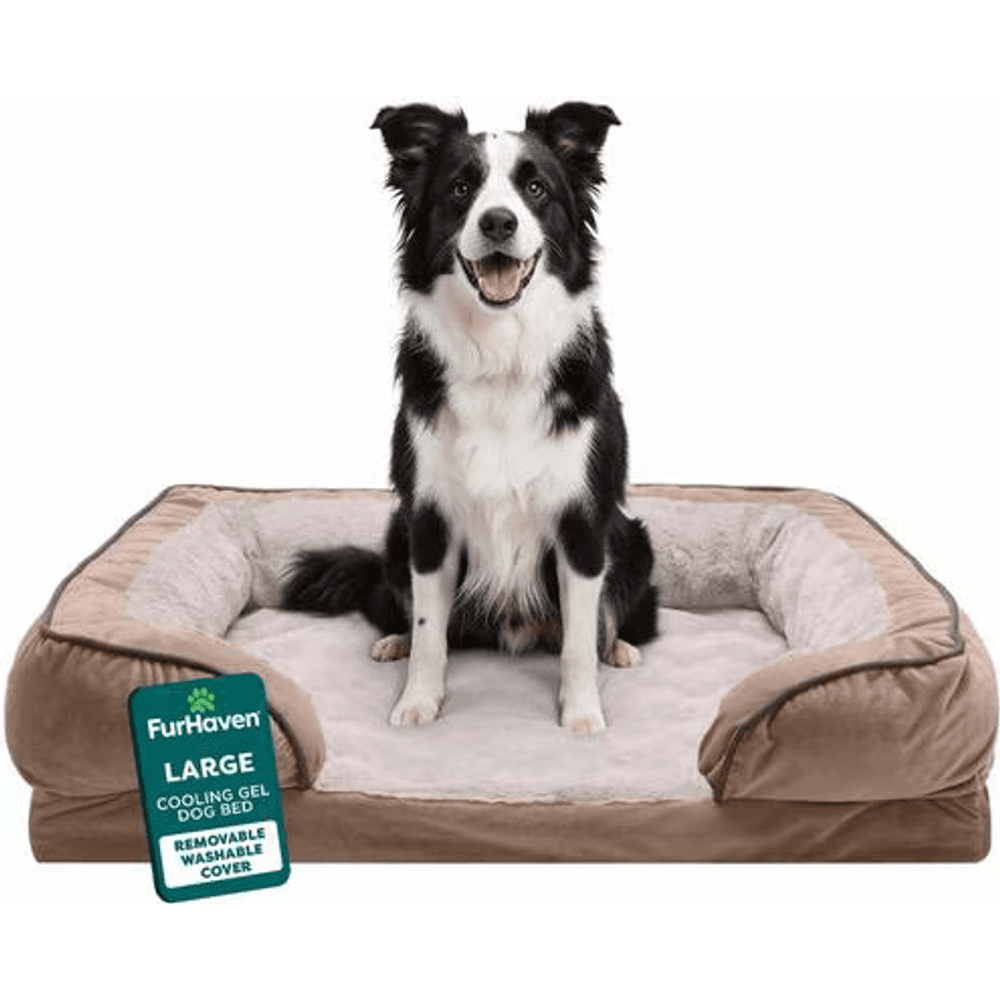
An orthopedic sofa bed with three bolstered sides for dogs who like to rest their head and joints against a cushion. The supportive foam base cradles hips and elbows, a comforting spot for an older or shaky dog to settle.
Petful may earn a commission when you click through to Chewy, at no extra cost to you.
Build an individual mixed-dog care profile
A useful profile separates what is known, estimated, observed, and still unknown. Begin with verified parent identities when they exist. If ancestry comes from a shelter label or visual guess, mark it as an estimate. A DNA result can update that estimate, but it does not turn a mixed dog into a predictable formula.
Record measurements and care evidence:
- Current age, weight, height, length, and body condition.
- Coat texture, shedding, mat locations, and grooming interval.
- Exercise followed by recovery and ability to settle.
- Responses to adults, children, dogs, other pets, handling, and separation.
- Medical diagnoses, medication, screening, and genetic results.
- Training skills demonstrated in more than one setting.
Update the profile after adoption, adolescence, a health change, or a major environmental move. Traits that seemed breed-related may prove to be pain, fear, incomplete learning, or a temporary adjustment response. The record prevents a label from becoming an excuse.
Use the profile to make one decision at a time. Measurements control equipment. Body condition and veterinary findings control feeding. Coat observation controls grooming. Structured introductions control household access. Qualified professional findings control medical and high-risk behavior decisions.
This approach also protects expectations. Owners can appreciate a Cocker-like expression or retrieving style without assuming the dog will remain one size, avoid shedding, welcome every person, or inherit only the healthiest traits from each parent.
Related Cocker Spaniel topic owners
Cocker Spaniel at a glance
Start with the Cocker Spaniel guide for broad cocker spaniel questions, including am cocker spaniel, cocker spaniel breeds, and dog cocker spaniel searches. That owner separates the American and English breeds and covers history, temperament, exercise, grooming, health, and household fit. This mixes article uses that purebred context as one side of an ancestry comparison, but it cannot transfer every Cocker tendency to an individual cross.
English Cocker Spaniel at a glance
Use the English Cocker Spaniel guide when known ancestry includes an english cocker spaniel or the search wording is cocker spaniel english, english cocker spaniel spaniel, or cocker spaniel vs english cocker spaniel. The owner explains working history, structure, temperament, and care. This page then adds the second parent's evidence and the dog's observations, because a mix does not inherit a guaranteed English Cocker package.
Cocker Spaniel puppy buying checklist
The Cocker Spaniel puppy guide owns cocker spaniel puppy, cocker spaniel puppies, for sale cocker spaniel, and duplicated cocker spaniel cocker spaniel puppies queries. It addresses source verification, parent screening, contracts, scams, and first-week records. Planned crosses need equally strong evidence for both parents. A designer name or appealing litter photo cannot substitute for those records or guarantee the adult mix outcome.
American Cocker Spaniel at a glance
The American Cocker Spaniel guide answers american cocker spaniel, american cocker spaniel breeds, american cocker spaniel dog, and american cocker spaniel dogs intent. Its breed-specific history, proportions, temperament, coat, and health establish one plausible parent contribution. The mixed dog's actual size, coat, behavior, and records still control care, especially when the other parent or earlier generations are unknown. That boundary keeps the parent contribution separate from the individual outcome.
Best dog food for Cocker Spaniels at a glance
Use the Cocker Spaniel food guide for cocker spaniel food, food for cocker spaniel, cocker spaniel dog food, or dog food for cocker spaniel searches. That page owns nutrition criteria and veterinary escalation. Mixed ancestry alone does not prescribe a food, so this article limits itself to identifying the dog's likely adult size, energy, coat, and health questions that should be carried into an individual feeding decision.
Do Cocker Spaniels shed?
The Cocker Spaniel grooming guide directly answers do cocker spaniels shed and explains cocker spaniel shedding, brushing, bathing, haircuts, ears, and referral signs. A mix may inherit heavy feathering, curls, a shorter double coat, or another texture, and no cross label proves a no-shed result. Use the grooming owner for technique, then modify frequency after combing the individual coat and observing skin and handling comfort.
Cocker Spaniel colors at a glance
The Cocker Spaniel colors guide owns cocker spaniel colors, black cocker spaniel, cocker spaniel black, and cocker spaniel in black searches. It explains recognized purebred terminology and why appearance cannot prove ancestry. Mixed dogs can show colors and patterns outside a Cocker standard, so this page treats color as a description only and keeps ancestry, health, and behavior decisions anchored to records and the individual.
English vs American Cocker Spaniel at a glance
Use the English vs American Cocker Spaniel comparison for english vs american cocker spaniel, american cocker spaniel vs english cocker spaniel, cocker spaniel english vs american, and english cocker spaniel vs american queries. It distinguishes the two recognized breeds before any cross is considered. That distinction matters when parentage is documented, but a mixed dog's phenotype and behavior still require direct assessment rather than percentage-based assumptions.
Cocker Spaniel lifespan at a glance
The Cocker Spaniel health and lifespan guide owns cocker spaniel lifespan, cocker spaniel life expectancy, average lifespan cocker spaniel, and average lifespan of a cocker spaniel intent. It summarizes purebred risks and preventive care. A mixed dog may inherit risks from either parent, so use both parent-club screening frameworks and the veterinarian's findings rather than averaging two published lifespan ranges.
Because parent labels cannot predict one mixed dog's behavior, use the cluster's Cocker Spaniel temperament and training guide to assess body language, learning history, management needs, and progress in the actual dog.
Cocker Spaniel mix FAQs
There is no universally best Cocker Spaniel mix. The best match is an individual whose observed behavior, adult size, coat care, health needs, and activity fit a specific home. A designer name cannot guarantee those outcomes. The evidence points to one clear next step: to compare verified records and repeated observations with the household's housing, budget, supervision, grooming, and safety capacity.
Cockalier cost varies by location, source, included veterinary care, records, and ongoing needs. This Cocker Spaniel mix with Cavalier ancestry has no reliable universal price, and a high fee does not prove responsible breeding. Use the individual record to choose a clear next step: to collect current written local quotes or rescue fees, then verify parent screening, contract terms, payment protection, and lifetime care before paying.
Some Cocker Spaniel mix dogs bark frequently and others are quiet. Parent tendencies, fear, excitement, learning history, environment, sleep, and unmet needs can produce different patterns. Before deciding, use this clear next step: to record the trigger, distance, body language, consequence, and recovery for each episode, then choose management or reward-based training that addresses the observed cause.
The Cockapoo is among the most widely recognized Cocker Spaniel mix names, but popularity changes and does not prove a predictable coat, sound health, responsible source, or household fit. For this household, choose a practical clear next step: to ignore trend status and evaluate the actual dog's parent records, veterinary history, adult measurements, coat, behavior, and sourcing evidence.
No Cocker Spaniel mix is guaranteed hypoallergenic. A curly coat may release less visible hair yet still carry allergens and require intensive mat prevention, and puppy texture may change at maturity. Human responses also vary. At that point, take this clear next step: for the affected person to spend time with the individual dog and seek human medical guidance before making a commitment.
Adult size can span a broad range because both parents, inherited variants, sex, age, nutrition, and health influence growth. A Cocker Spaniel mix name does not establish a final weight. When uncertainty remains, choose the safest clear next step: to review verified parent measurements, keep a dated growth record, and use veterinary body-condition assessment before buying fixed-size adult equipment.
Yes, a Cocker Spaniel mix can shed. Loose hair may be obvious in a short double coat or held inside wavy, mat-prone hair until combing. Lower visible shedding can therefore mean more grooming work, not less. The decision framework leads to a clear next step: to comb the individual coat to the skin, track loose hair, and obtain a realistic grooming interval.
Some Cocker Spaniel mix dogs fit family homes well, but no cross label guarantees behavior with children, visitors, or pets. History, health, body language, recovery, adult supervision, and the ability to separate safely control the decision. After reviewing the evidence, keep the clear next step specific: structured introductions, foster-record review, and protected rest and management zones before granting household access.
No. A DNA test may estimate Cocker Spaniel mix ancestry and report selected variants, but it cannot predict sociability, guarding, trainability, or family fit. Pain, development, learning, and environment also shape behavior. The dog's current record supports this clear next step: to use the result as background while decisions rely on documented history, repeated observation, veterinary findings, and qualified behavior assessment.

Coreen Saito is a pet writer and longtime shelter volunteer with more than a decade in animal rescue. She covers cat behavior, breed care, and the small, ordinary science of sharing a life with companion animals, with a particular focus on honest takes about the products and decisions that actually matter. At home in Arizona, she's outranked by Mac (a dog with the loudest opinion in the house), Rebel (a cat who governs by quiet authority), and Meri (an orange tabby who runs the late shift and the laundry basket). She writes about all three, plus the rescues that keep coming through her life, at LifeWithMinty.com.
Sign up for expert-backed reviews and safety alerts all in one place.