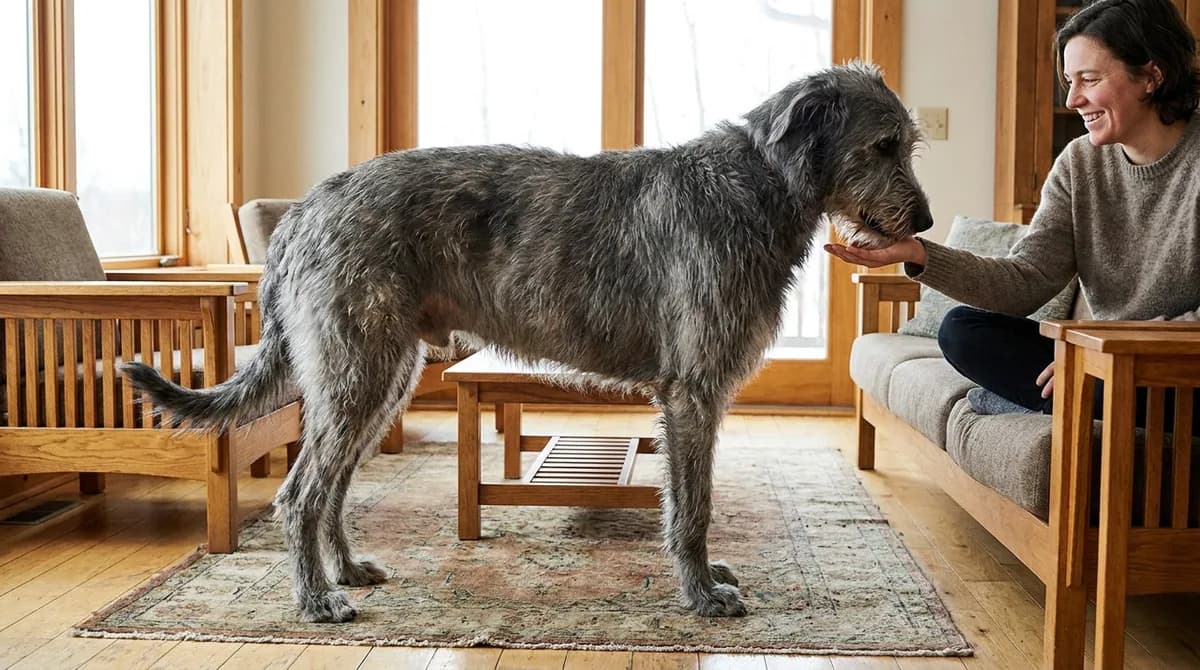
Do Cocker Spaniels Shed? Grooming and Haircuts
Do Cocker Spaniels shed? Learn how coat type, brushing, bathing, haircuts, ear care and health affect shedding, plus when a groomer or veterinarian should help.
Petful is reader supported. As an affiliate of platforms like Amazon and Chewy, we may earn a commission when you buy through links on this page. There is no extra cost to you.
If you are asking do cocker spaniels shed, the direct answer is yes. Both American and English Cocker Spaniels lose hair and dander, although the amount you notice depends on the individual dog, coat, season, health, and grooming routine.
Knowing do cocker spaniels shed is only the starting point. Their feathered coats can trap loose hair and hide tangles, so a Cocker may leave less hair on the sofa than expected while still needing regular brushing, combing, bathing, ear checks, and professional trimming.
This guide focuses on coat care. For the larger breed decision, start with the complete Cocker Spaniel guide, then compare the American Cocker Spaniel profile with the English Cocker Spaniel guide.

Sign up for expert-backed reviews and safety alerts all in one place.
Do Cocker Spaniels shed?
Cocker Spaniels shed, and no Cocker is truly hypoallergenic. Individual dogs vary. A population tendency can set expectations, but an individual observation, documented grooming record, and professional finding tell you much more about one dog's coat and skin.
The answer is not well described by a single label such as "low shedding" or "moderate shedding." Long feathering often holds loose hair until it is brushed out. A closely trimmed pet coat may release hair more visibly. Indoor heating, daylight, nutrition, hormones, skin disease, parasites, and age can also change what an owner sees.
Whether a Cocker Spaniel groom is done at home or by a professional, the useful question is whether the Cocker Spaniel is groomed through to the skin without pain or hidden mats. Experienced Cocker Spaniel groomers can document coat condition and a realistic return interval, but they cannot diagnose a medical cause for hair loss.
Use this evidence ladder when judging shedding or a sudden coat change:
- Population tendency: Cocker Spaniels grow substantial feathering and need routine coat maintenance.
- Individual observation: Note how much hair appears on the brush, bedding, clothes, and floor over several weeks.
- Documented record: Keep grooming dates, products used, photographs, and any itch, odor, or ear symptoms.
- Professional finding: Ask a groomer about matting and breakage, and a veterinarian about abnormal hair loss or skin inflammation.
Use that evidence ladder in order. Breed information sets an expected workload, the brush and comb show what is happening today, a dated coat log shows whether the pattern is changing, and a groomer or veterinarian interprets findings within their professional role. That sequence prevents a vague shedding label from overruling the individual coat.
How to weigh coat evidence
Breed tendencies describe populations, not every individual dog, so a typical shedding description sets expectations but does not set one Cocker's grooming interval. Records, direct observation and professional findings answer different questions: a coat log shows change over time, a comb reveals today's resistance, and a veterinarian or groomer interprets abnormal skin, hair loss, or pain. An article-specific evidence ladder for do cocker spaniels shed that separates population tendencies, individual observations, records and professional findings. To be useful, the page must give the reader a concrete decision framework rather than a generic fact list: identify the coat question, choose the evidence that can answer it, then escalate when routine care is no longer enough.
Petful may earn a commission when you click through to Chewy, at no extra cost to you.
| Routine loose hair | Hair in brush, on bedding and around feathering | Adjust brushing frequency and comb to the skin |
|---|---|---|
| Mats or compacted coat | Friction areas behind ears, in armpits and under collar | Separate gently in sections or book a groomer |
| Sudden thinning or bald spots | Symmetry, redness, itch, odor or skin change | Photograph the area and contact a veterinarian |
| Allergy concern in a person | Symptoms after direct exposure and in the home | Discuss testing and exposure reduction with a human medical professional |
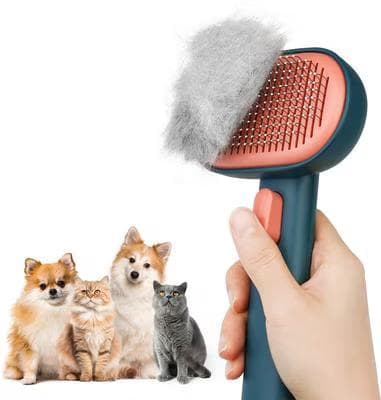
A tool such as the aumuca Self Cleaning Slicker Brush, Green can lift loose surface hair, but it does not replace a metal comb that confirms you reached the skin. Brush design and pin firmness must suit the dog's coat and tolerance.
Cocker Spaniel coat types
The American Spaniel Club and the AKC Cocker Spaniel profile describe an American Cocker coat with a shorter head coat and heavier feathering on the ears, chest, abdomen, and legs. Show presentation can be abundant. Many pet owners choose a shorter, practical trim that is easier to keep clean and mat-free.
The English Cocker Spaniel Club of America and AKC English Cocker Spaniel profile describe a distinct breed with its own outline and coat. English Cockers still have feathering, but coat volume and texture vary among show-bred, working-line, and individual dogs. A working Cocker coat may be lighter, yet it still needs checks after fields, brush, burrs, and wet weather.
Within either breed, coat care changes with:
- The density and texture of the undercoat.
- The length of ear, chest, belly, leg, and tail feathering.
- Whether the dog is kept in a show-style coat or practical pet trim.
- Swimming, field work, outdoor debris, and local humidity.
- Age, neuter status, skin health, and past clipping.
Match care to the coat zone
A Cocker coat is not one uniform surface. The short head coat, heavy ear leather, chest and belly feathering, armpits, feet, and rear furnishings collect different kinds of debris and friction. Check each zone rather than judging the whole dog from a brushed back.
- Ears and ruff: Separate layers to find moisture, tangles, odor, and collar friction.
- Armpits and belly: Look for tight mats where legs move against the body.
- Feet and lower feathering: Remove seeds, burrs, mud, and packed hair before they tighten.
- Back and sides: Confirm loose surface hair with a comb check closer to the skin.
- Tail and rear: Keep sanitary areas clean without trimming close to folded skin.
Color does not tell you how healthy or easy a coat will be. The separate Cocker Spaniel health and lifespan guide explains when skin, ear, and systemic concerns require veterinary attention.
Brushing and combing routine
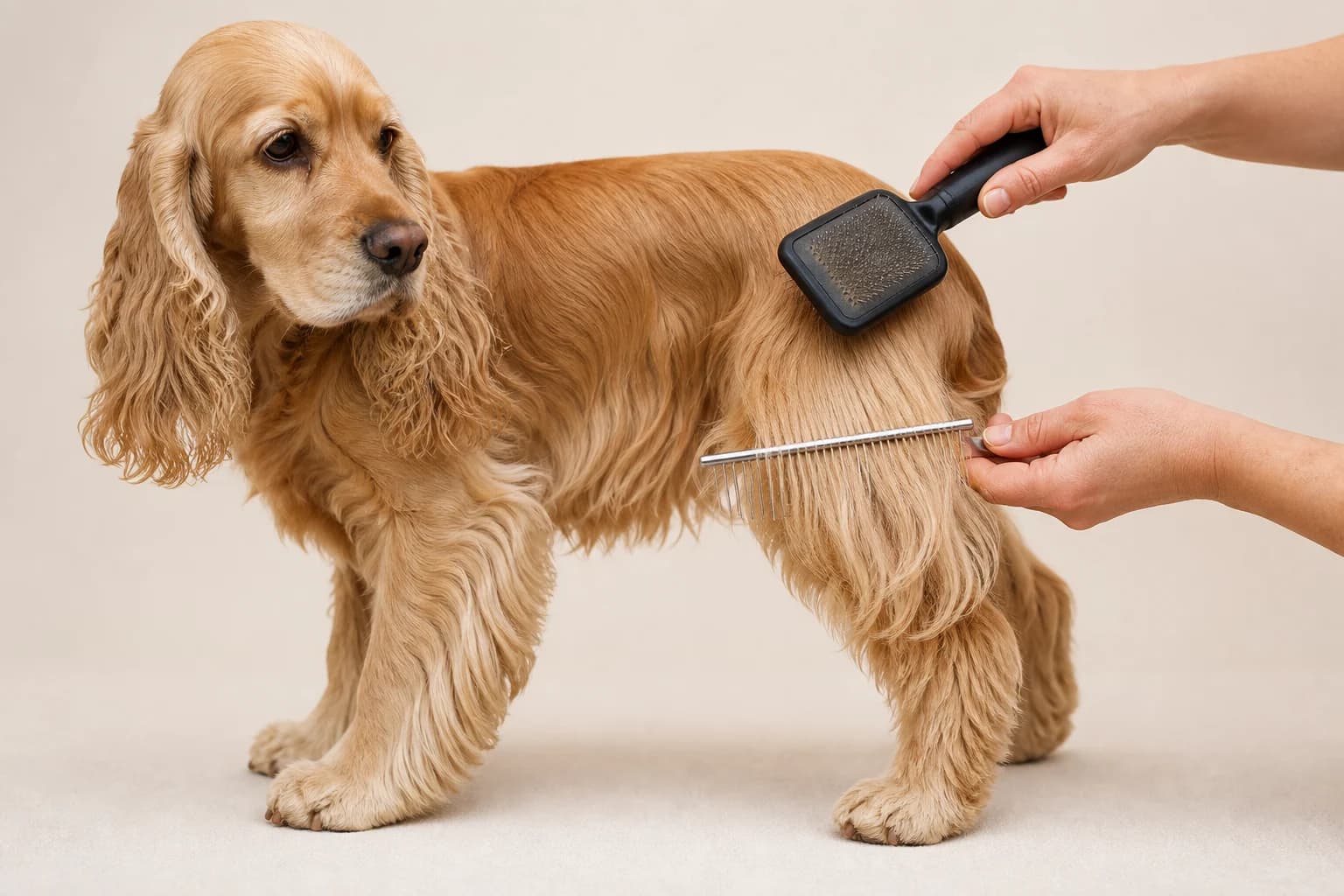
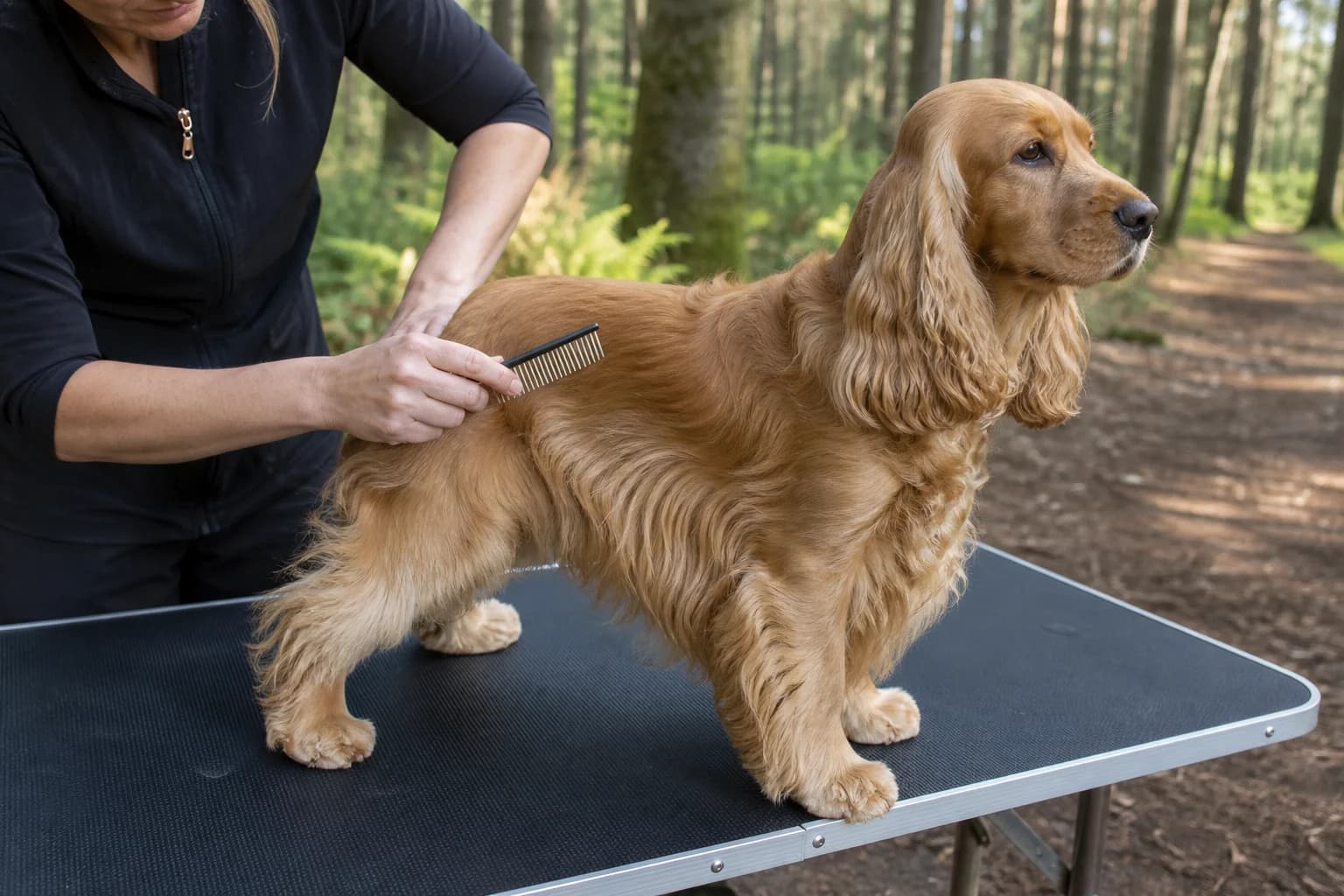
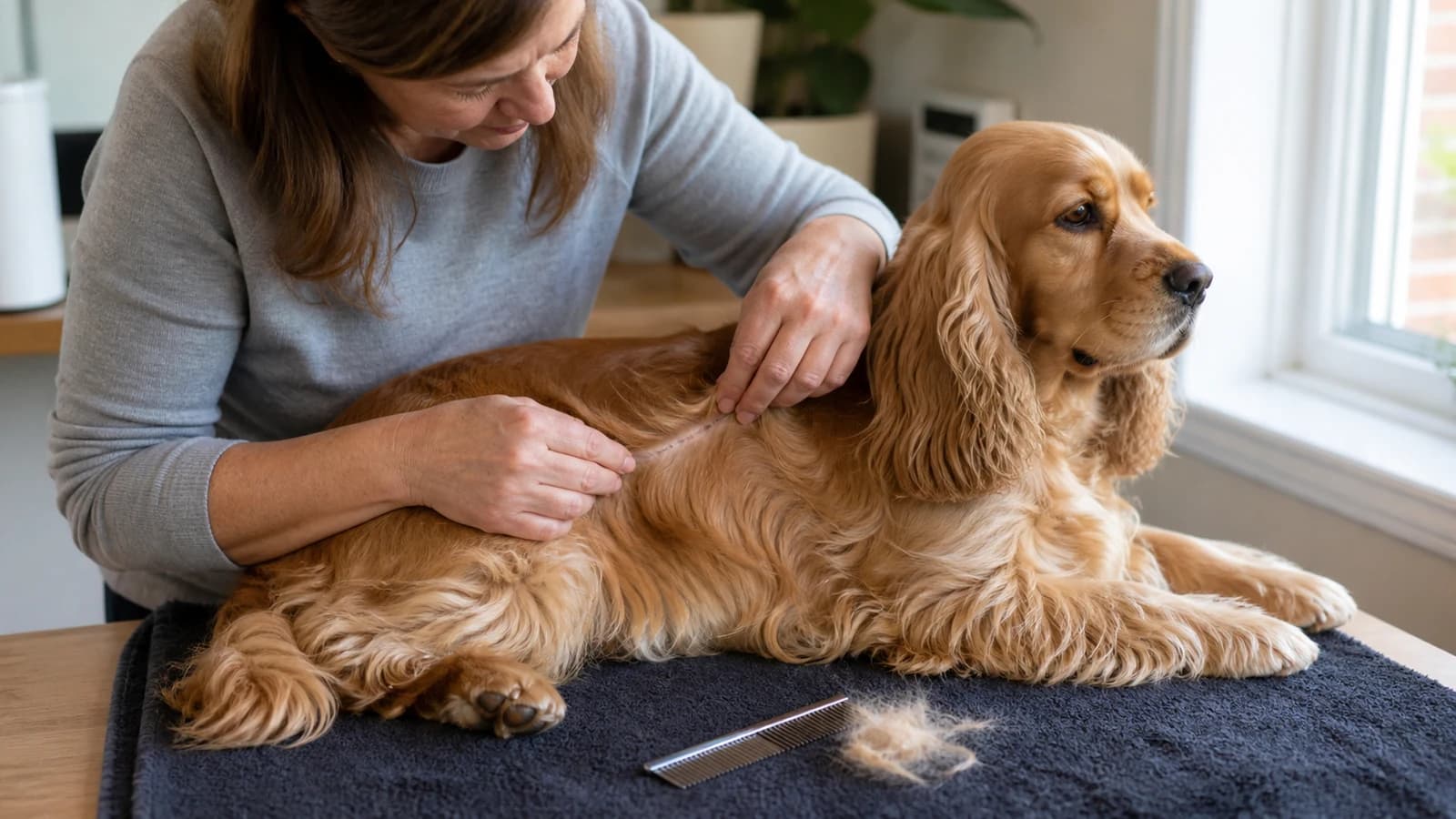
Successful Cocker Spaniel grooming is less about force and more about small sections. Part the coat, support the skin, brush from the ends toward the roots, and follow with a comb. If the comb stops, the section is not finished. Never yank through a mat or repeatedly scrape one patch of skin.
A practical home routine looks like this:
- Let the dog sniff the tools, then reward calm contact.
- Check behind the ears, under the collar, in the armpits, along the belly, and around the rear.
- Mist a dry coat lightly with an appropriate grooming spray if your groomer recommends it.
- Line-brush one narrow section at a time.
- Follow with a metal comb from skin to tip.
- Stop before the dog becomes restless, and split the session across days if needed.
The aumuca Self Cleaning Slicker Brush, Green may suit routine surface brushing for some dogs, but pin length, pressure, and coat density matter. Test it gently on a small area and stop if the skin reddens or the dog shows discomfort.
For many pet coats, several brief sessions each week work better than a single long weekly battle. Dogs in long coat, puppies changing coat, and dogs that swim or work through vegetation may need attention after every outing. A comb check is the clearest home test for hidden tangles.
Give each tool one job
A slicker separates and lifts loose hair, while a metal comb verifies that the work reached the base of the feathering. A Safari Double Row Flea Comb for Dogs can help inspect small areas around the face or feet for fine debris, but its narrow teeth are not a substitute for line brushing a full Cocker coat.
Tool choice should follow coat density, body area, and the dog's comfort. Stop when teeth or pins snag, skin moves sharply, or the dog turns, freezes, or tries to leave. More pressure does not make a mismatched tool effective.
Bathing, drying and skin checks
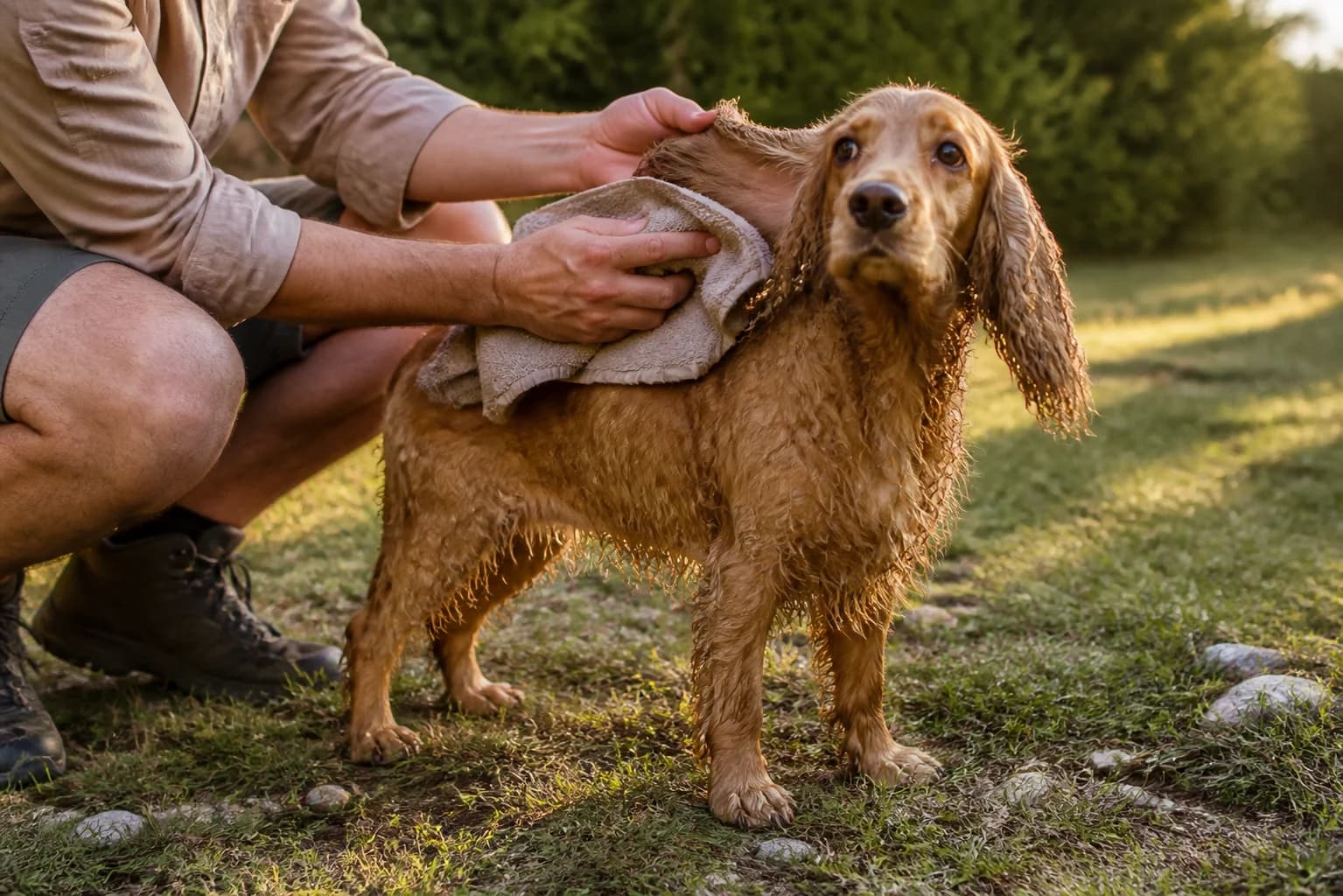
Bathing frequency should follow the individual dog's coat, activities, skin, and veterinary guidance. Bathe when the coat is dirty or oily, after unsafe contamination, or on the schedule your groomer and veterinarian recommend. Overwashing with a harsh product can dry or irritate skin, while leaving dirt and moisture trapped in mats creates its own problems.
Before the bath, remove tangles that water could tighten. Use lukewarm water, protect the eyes and ear canals, rinse until the water runs clear, and towel-blot rather than rub feathering into knots. Dry the coat thoroughly, especially under the ears, in the armpits, and along dense areas close to the skin.
Petful may earn a commission when you click through to Chewy, at no extra cost to you.
A safe bath-and-dry sequence
For owners searching how to bathe Cocker Spaniel coats, how to dry Cocker Spaniel ears, or which Cocker Spaniel shampoo to use, the sequence matters more than a brand: detangle first, use a dog-appropriate product, rinse completely, and dry without directing air or moisture into the ear canal.
Not every dirty patch needs a full bath. For ordinary surface dirt on intact skin, Earth Rated Thick Hypoallergenic 3-in-1 Dog Grooming Wipes, Unscented, 100 count are one localized cleanup option. They should not be used inside ear canals, on eyes, over wounds, or to mask odor and discharge that need veterinary evaluation.
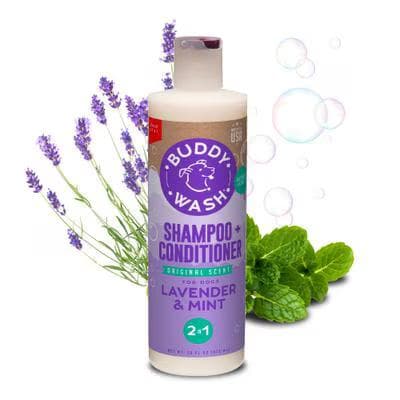
A product such as Buddy Wash Original Lavender & Mint Dog Shampoo & Conditioner, 16-fl oz bottle is one existing option for routine bathing, but fragrance and ingredients will not suit every dog. Do not use it on irritated skin or as treatment for itching, infection, parasites, or allergy.
- A wet or freshly washed coat can hide redness, sores, odor and tender mats. Documented evidence such as photographs and a timeline supports professional guidance for persistent itch, broken skin, discharge, pain or sudden coat change. Grooming products do not diagnose or treat the cause.
Haircuts and professional grooming
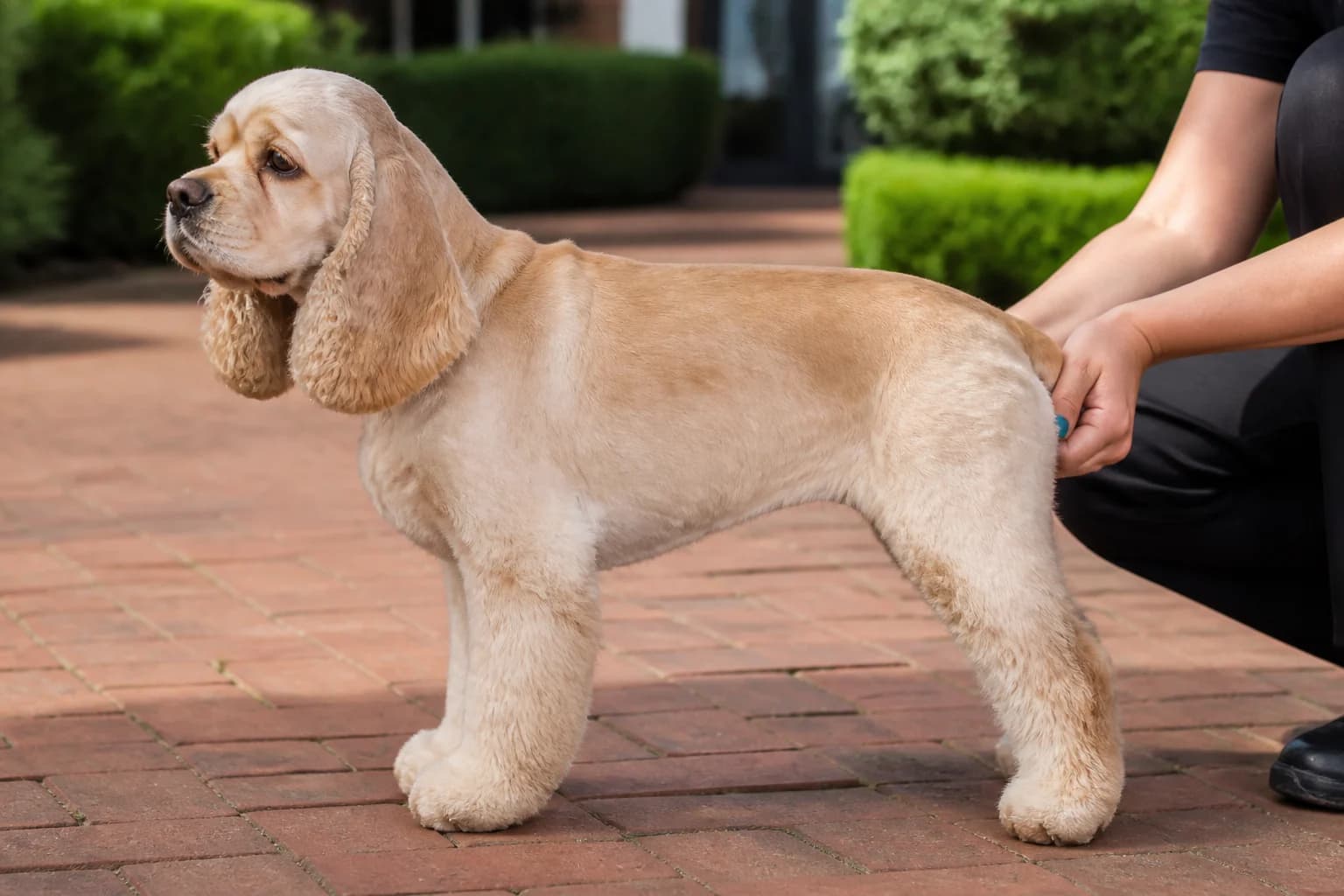
A Cocker Spaniel haircut should match the dog's life, coat, health, and the owner's realistic maintenance schedule. A traditional show-style presentation preserves substantial feathering and requires frequent skilled upkeep. A puppy cut or practical pet trim shortens the body and feathering for easier brushing, but the term "puppy cut" means different lengths to different groomers.
Bring photographs and discuss exact details before a groom:
- Desired length on the body, legs, ears, feet, and sanitary areas.
- Whether the coat is matted and what can be saved without causing pain.
- The dog's medical, handling, and bite history.
- Ear or skin symptoms that need a veterinarian before grooming.
- How often you can brush and return for appointments.
Do not demand that a groomer brush out severe matting. Prolonged dematting can hurt and damage skin. A shorter reset may be the kinder option when recommended by a qualified professional. Shaving also does not stop shedding, and an altered coat can still release hair and develop skin problems.
Choose the interval from coat failure points
Many pet Cockers visit a professional every several weeks, but there is no universal Cocker Spaniel grooming frequency. Start with the finished length, then note the first date when combing becomes difficult, feet lose their outline, ears stay damp, or sanitary areas no longer remain clean. Book the next appointment before those failure points recur.
Ask the groomer to record the body and feathering lengths, mat locations, skin observations, and recommended return window. A repeatable specification is more useful than a haircut name because terms such as puppy cut vary among salons. The best schedule keeps the individual dog comfortable between appointments without requiring painful catch-up work.
Ear, paw and nail care
Long ear flaps can reduce airflow and collect moisture, but ear shape alone does not diagnose infection. Look and smell without pushing cotton swabs or tools down the canal. WebVet's guide to dog ear infection symptoms describes overlapping warning signs, while redness, swelling, discharge, pain, strong odor, repeated head shaking, or loss of balance still needs veterinary attention.
Queries such as clean Cocker Spaniel ears, trim Cocker Spaniel nails, and Cocker Spaniel paw hair each describe a different task. Clean only when a veterinarian says routine cleaning fits the individual ear, trim nails with a visible safety margin, and let a groomer demonstrate safe work around paw pads and webbing.
Separate routine cleaning from symptoms
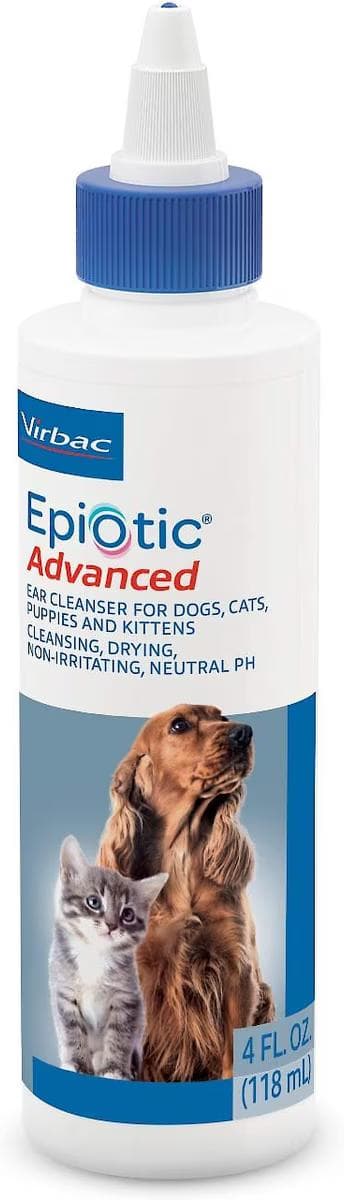
For technique, see WebVet's guide to how to clean dog ears. If a veterinarian has told you routine cleaning is appropriate, Virbac Epi-Otic Advanced Ear Cleaner for Dogs & Cats, 4-fl oz bottle is one available product. It is not appropriate for every ear, and an owner should not use a cleaner to cover up symptoms or delay an exam. For the surface-cleaning option, compare dog ear wipes and their limitations.
Paw, nail and handling decisions
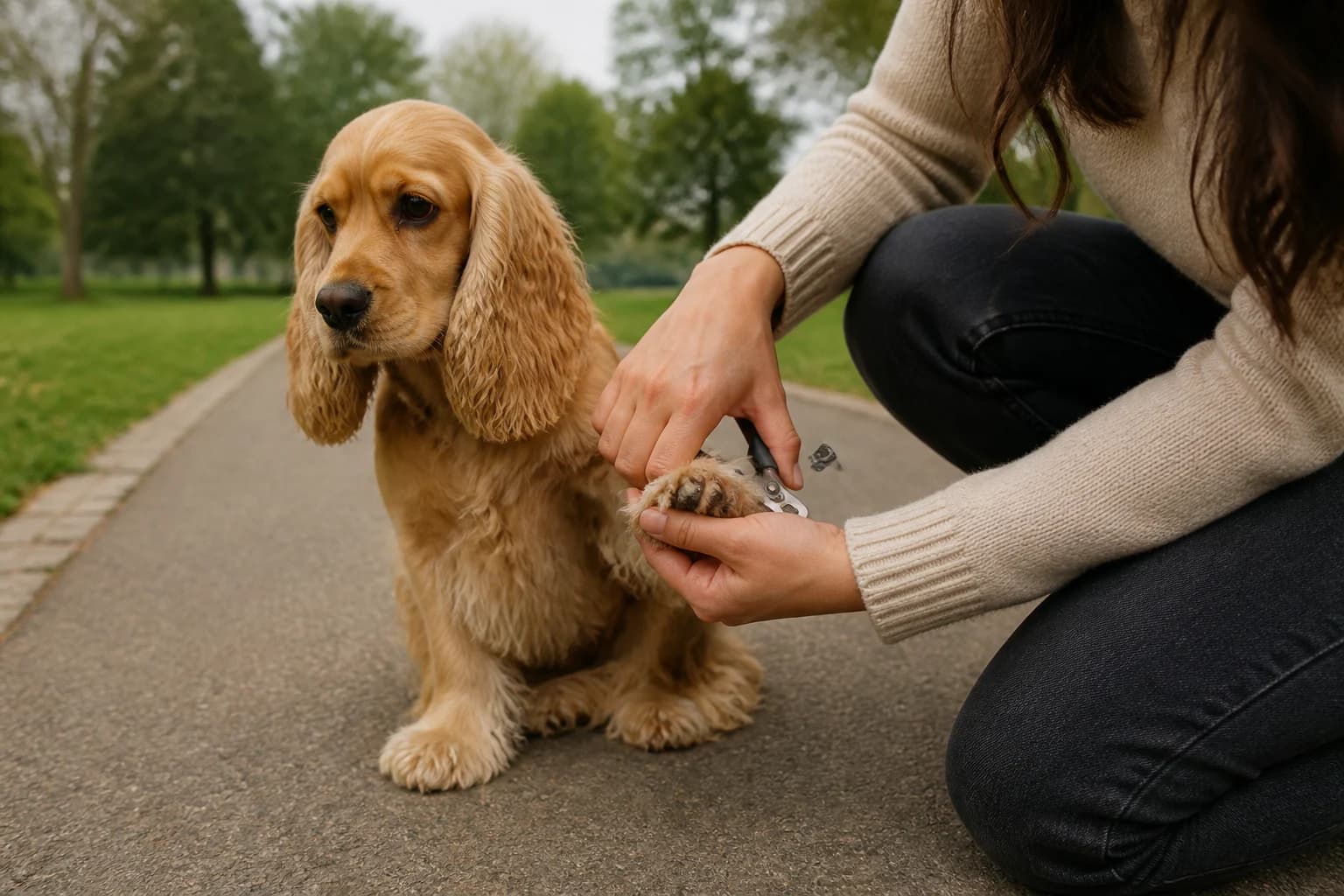
Paw hair can mat between the pads, hold debris, and reduce traction on smooth floors. Check each foot after walks and field activity. Ask a groomer to demonstrate safe trimming because skin folds and webbing are easy to nick.
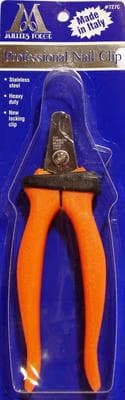
Nails should be short enough for comfortable movement, but timing varies with growth and surface wear. Introduce the Millers Forge Nail Clipper, Medium gradually, confirm that the size fits the dog's nails, and learn where the quick is before cutting. Dogs with dark nails, fear, pain, or a history of struggling may be safer with a groomer or veterinary professional. Petful’s guide to best dog nail clippers has the full breakdown.
Choose a clipper or grinder by response
A Dremel 7350-PT Cordless Dog & Cat Rotary Nail Grinder Kit offers a different way to shorten small amounts gradually, but sound, vibration, heat, and hair near the rotating tool create their own limits. Condition the sound before touching a nail, keep feathering clear, and stop if the dog becomes distressed.
Cooperative care makes these tasks easier. Pair the sight of a tool with food, touch one paw briefly, reward, and stop. Build duration slowly instead of restraining the dog through panic.
Petful may earn a commission when you click through to Chewy, at no extra cost to you.
Seasonal shedding and coat changes
Cocker Spaniel seasonal shedding may become more noticeable as daylight and temperature change, but indoor living can blur the traditional spring and fall pattern. Puppy coat transitions can also create a tangle-prone period when soft coat mixes with adult hair. Senior dogs may develop thinner, drier, or less resilient coat for many reasons.
Track a baseline instead of comparing your dog with social media photographs:
- Photograph the same body areas in similar light once a month.
- Note brushfuls, mat locations, baths, clips, and product changes.
- Record appetite, weight, thirst, energy, itching, and ear symptoms.
- Ask whether a medication or health change could affect skin and coat.
The Buddy Wash Original Lavender & Mint Dog Shampoo & Conditioner, 16-fl oz bottle may help wash ordinary dirt from a dog who tolerates it, but switching shampoo repeatedly can make the history harder to interpret. Use one appropriate routine and document changes.
Prospective owners should ask how a puppy or adult has been groomed and handled, but seller wording is not proof of future shedding. The Cocker Spaniel puppies guide explains the records and direct observations that matter before adoption or purchase.
Build a 30-day coat baseline
A short coat log turns a vague impression into useful individual evidence. Choose one brush, one comb, a consistent location, and roughly the same session length. Record loose hair, tangles, skin appearance, and the dog's comfort without trying to assign a medical cause.
Include:
- Date, session length, and body areas groomed.
- Whether the comb reached the skin without catching.
- Where mats formed and what friction or activity preceded them.
- Bath, swim, rain, field work, or product changes.
- Redness, flakes, odor, itch, licking, or head shaking.
- A photograph of any repeat concern in similar light.
Use the log to adjust ordinary maintenance. More tangles after a wet walk may justify an immediate rinse, dry, and comb. Repeated mats behind the ears may support a shorter trim and more cooperative handling practice. A steady increase in hair loss plus skin signs belongs with a veterinarian, not another untracked product change.
Use the baseline with professionals
This baseline is also helpful at grooming appointments. It tells the groomer what the owner can maintain between visits and where the coat repeatedly fails. Ask the groomer to write down the finished length, mat locations, skin observations, and suggested return interval. Those notes become a documented record rather than a memory of "short" or "fluffy."
Keep the home kit small and understandable. A slicker brush, suitable metal comb, towels, veterinarian-approved ear supplies when indicated, and a correctly sized nail tool cover the core tasks for many pet coats. Store blades and cleaners securely, check tools for damage, and clean them according to manufacturer directions. Adding more tools cannot compensate for rushed technique or a dog in pain.
Practice without completing the full task every time. Comb one easy section, reward, and stop. Hold a paw without clipping. Touch the closed shampoo bottle, then put it away. These rehearsals help separate handling skill from the urgency of a dirty, tangled, or overgrown coat.
When coat changes need a veterinarian
Routine shedding is usually diffuse and not accompanied by inflamed skin. Contact a veterinarian when hair loss is sudden, patchy, symmetrical, painful, intensely itchy, smelly, crusted, or paired with changes in weight, thirst, appetite, energy, or behavior. Ear pain, discharge, swelling, or persistent odor also deserves an exam.
Cocker Spaniel hair loss, Cocker Spaniel itchy skin, and Cocker Spaniel ear odor are observations, not diagnoses. Record where and when they occur, then let a veterinarian determine whether grooming, parasites, infection, allergy, pain, hormonal disease, or another cause should be investigated.
Bring useful evidence:
- Dated photographs of the same area.
- A list of grooming products, preventives, foods, and medications.
- The timeline for itch, odor, hair loss, and ear symptoms.
- Notes about other pets or people in the home with skin signs.
- Any recent boarding, swimming, travel, or environmental change.
- Household fit improves with realistic coat care
- Individual evidence creates a useful grooming record
- Home checks reveal tangles early
- Home grooming cannot identify medical causes
- Incorrect tool use may worsen pain
- Delayed professional care can prolong discomfort
The Virbac Epi-Otic Advanced Ear Cleaner for Dogs & Cats, 4-fl oz bottle should only be part of an appropriate ear-care plan, not a substitute for diagnosing a painful or abnormal ear. Likewise, the Millers Forge Nail Clipper, Medium is useful only when its size and technique fit the individual dog.
Petful may earn a commission when you click through to Chewy, at no extra cost to you.
Make a grooming decision from evidence
Start with the dog's actual coat, not a photograph of a show dog or a haircut name. Run a comb through the coat to the skin, note where it catches, and record how long a comfortable session lasts. That individual observation sets the home-maintenance baseline.
Next, compare the baseline with the household's real capacity. A long feathered coat may be manageable for an owner who can comb several sections most days. A shorter pet trim may be kinder when work, disability, travel, or the dog's handling tolerance makes that schedule unrealistic.
Use documented records to refine the plan:
- Grooming dates, finished lengths, and appointment intervals.
- Repeating mat locations and the activities that preceded them.
- Products used and any skin or ear response.
- Photographs of normal coat and any change.
- Groomer observations and veterinarian findings.
Choose the least intensive plan that keeps the dog clean, comfortable, mat-free, and able to participate without fear. If the plan repeatedly fails, change the length, appointment interval, handling training, or professional support. Do not keep repeating a painful session because a style is traditional.
At the highest-risk decision, medical evidence overrides grooming preference. A groomer can identify tangles, breakage, and handling difficulty, but hair loss, painful skin, infection, and sudden change belong with a veterinarian. The clear separation of roles prevents both delayed care and unnecessary product switching.
Related Cocker Spaniel topic owners
Cocker Spaniel at a glance
Use the Cocker Spaniel guide when the question is about the whole cocker spaniel rather than one coat task. Searches for am cocker spaniel, cocker spaniel breeds, or dog cocker spaniel need the breed overview's history, type distinctions, temperament, exercise, health, and household-fit context. This grooming page stays narrower: it translates the actual coat, skin, ears, paws, and handling tolerance into a repeatable care schedule.
English Cocker Spaniel at a glance
The English Cocker Spaniel guide owns the english cocker spaniel as a complete breed decision. Queries written as cocker spaniel english, english cocker spaniel spaniel, or cocker spaniel vs english cocker spaniel still need that owner's history, working purpose, body, and temperament context. This page uses English coat tendencies only to prepare for feathering, brushing, drying, and seasonal maintenance on the individual dog.
Cocker Spaniel puppy buying checklist
Use the Cocker Spaniel puppy guide for a cocker spaniel puppy, cocker spaniel puppies, and acquisition searches such as for sale cocker spaniel. The duplicated query cocker spaniel cocker spaniel puppies also belongs there because seller records, parent screening, contract terms, payment protection, and early socialization decide a purchase. This page contributes one narrower checkpoint: verify that the household can maintain the puppy coat as adult feathering develops.
American Cocker Spaniel at a glance
The American Cocker Spaniel guide owns american cocker spaniel, american cocker spaniel breeds, american cocker spaniel dog, and american cocker spaniel dogs intent. Its breed history, proportions, temperament, health, and care context are necessary before judging fit. Here, American coat abundance matters only as a grooming variable, with the real interval set by the dog's length, mat locations, skin, ear findings, and tolerance.
Best dog food for Cocker Spaniels at a glance
The Cocker Spaniel food guide owns cocker spaniel food, food for cocker spaniel, cocker spaniel dog food, and dog food for cocker spaniel decisions. It compares life-stage adequacy, calories, labels, formats, and veterinary boundaries. A coat change can justify documenting diet and symptoms, but this grooming article does not diagnose nutrition problems or recommend a formula from shine, shedding, ear odor, or itch.
Cocker Spaniel mixes at a glance
The Cocker Spaniel mixes guide owns cocker spaniel mix, cocker spaniel mixed, cocker spaniel mixes, and cocker spaniel and a poodle mix questions. Cross labels do not standardize coat texture or prove low shedding. Use the mix owner for ancestry limits and variable outcomes, then return here to examine the individual coat, comb to the skin, identify friction zones, and set grooming from what the dog actually inherits.
Cocker Spaniel colors at a glance
Use the Cocker Spaniel colors guide for cocker spaniel colors and appearance searches such as black cocker spaniel, cocker spaniel black, or cocker spaniel in black. That owner explains recognized colors, patterns, roaning, ticking, and identity limits. Color does not set brushing frequency, haircut choice, skin tolerance, or behavior, so this page keeps the grooming plan tied to coat structure and findings instead of shade.
English vs American Cocker Spaniel at a glance
The English vs American Cocker Spaniel comparison owns english vs american cocker spaniel, american cocker spaniel vs english cocker spaniel, cocker spaniel english vs american, and english cocker spaniel vs american searches. It compares the breeds across body, work, temperament, exercise, health, and care. This page uses those differences only to explain why grooming workload can vary, while the individual coat still controls technique.
Cocker Spaniel lifespan at a glance
The Cocker Spaniel health and lifespan guide owns cocker spaniel lifespan, cocker spaniel life expectancy, average lifespan cocker spaniel, and average lifespan of a cocker spaniel questions. It covers health risks, preventive care, and senior changes. Grooming may reveal a new lump, pain, ear odor, hair loss, or reduced handling tolerance, but those observations become veterinary evidence rather than a lifespan prediction on this page.
Cocker Spaniel personality at a glance
Use the Cocker Spaniel personality and training guide for cooperative-care behavior, fear signals, and reward-based handling. A dog who freezes, avoids, or struggles needs a smaller grooming step and more choice, not restraint justified by breed expectations. That owner addresses behavior; this page applies the evidence to brush, dryer, ear, paw, and salon routines.
Cocker Spaniel FAQs
Grooming disadvantages include frequent brushing, hidden mats, ear and paw checks, recurring salon appointments, and the cost of maintaining feathering. The answer to do cocker spaniels shed is also yes, so loose hair and dander remain part of ownership. Individual coats vary. The evidence points to one clear next step: to comb the actual dog and price local grooming before deciding whether the workload fits.
No, a Cocker Spaniel is not a hypoallergenic dog. Do cocker spaniels shed? Yes, and allergy-triggering proteins can also come from dander, saliva, and urine, so a tidy coat cannot guarantee tolerance. Grooming may reduce loose material but does not remove allergens. Use the individual record to choose a clear next step: personal exposure assessment and guidance from a human medical professional before acquisition.
Cocker Spaniels commonly shed throughout the year, but the amount visible in a home varies with coat length, season, health, and brushing. Long feathering can hold loose hair until combing. To answer do cocker spaniels shed for one dog, use repeated brush and bedding observations. Before deciding, use this clear next step: a 30-day coat log before changing the routine.
Cocker Spaniels are not guaranteed hypoallergenic, even when a long coat traps loose hair or a short trim makes cleaning easier. The practical question is not only do cocker spaniels shed, but whether a particular person reacts to that individual dog and home environment. For this household, choose a practical clear next step: medically informed exposure planning rather than relying on a breeder or groomer label.
Frequency depends on coat length, density, activity, mat history, and handling comfort. Many feathered coats need several brief home sessions each week plus professional trimming before known failure points recur. Because do cocker spaniels shed, loose coat can compact under feathering. At that point, take this clear next step: to have a groomer record the finished length and a realistic return interval.
The best pet haircut is the shortest or longest length the household can keep clean, dry, and combable without painful handling. Show feathering demands more upkeep, while a practical trim reduces but does not eliminate work. Do cocker spaniels shed after clipping? Yes. When uncertainty remains, choose the safest clear next step: to agree with the groomer on exact body and feathering lengths, not a vague haircut name.
Check Cocker Spaniel ears regularly, but clean only on an individual veterinarian-approved schedule and with an appropriate product. Routine grooming and the fact that do cocker spaniels shed do not diagnose canal health. Pain, discharge, swelling, strong odor, repeated shaking, or balance change needs an exam. The decision framework leads to a clear next step: veterinary guidance before establishing or changing the cleaning interval.
A qualified groomer may recommend a short clip for severe matting, medical access, or a manageable reset, but shaving can change coat appearance and does not stop shedding. The answer to do cocker spaniels shed remains yes at any length. After reviewing the evidence, keep the clear next step specific: professional coat and skin assessment, followed by the least intensive trim that keeps the dog comfortable.

Coreen Saito is a pet writer and longtime shelter volunteer with more than a decade in animal rescue. She covers cat behavior, breed care, and the small, ordinary science of sharing a life with companion animals, with a particular focus on honest takes about the products and decisions that actually matter. At home in Arizona, she's outranked by Mac (a dog with the loudest opinion in the house), Rebel (a cat who governs by quiet authority), and Meri (an orange tabby who runs the late shift and the laundry basket). She writes about all three, plus the rescues that keep coming through her life, at LifeWithMinty.com.
Sign up for expert-backed reviews and safety alerts all in one place.