English vs American Cocker Spaniel: Key Differences
Compare English and American Cocker Spaniels by size, head shape, coat, temperament, exercise, health and household fit without relying on stereotypes.

Petful is reader supported. As an affiliate of platforms like Amazon and Chewy, we may earn a commission when you buy through links on this page. There is no extra cost to you.
The english vs american cocker spaniel comparison starts with one essential fact: these are two separate recognized breeds, not simply regional names for the same dog. Both have sporting ancestry, drop ears and feathered coats, but their size, head shape, coat, working emphasis and everyday care can differ.
No comparison can predict one dog's temperament or health. Use breed tendencies to form questions, then use the individual dog's behavior, documented history, verified screening and professional findings to make a decision.

Sign up for expert-backed reviews and safety alerts all in one place.
English vs American Cocker Spaniel at a glance
- 1An English vs American Cocker Spaniel comparison covers two distinct breeds
- 2The English is generally taller and more athletic, while the American is more compact with a shorter muzzle and heavier coat
- 3Individual dogs vary, so household fit depends on individual evidence rather than a stereotype
| Feature | English Cocker Spaniel | American Cocker Spaniel | Records to verify |
|---|---|---|---|
| Overall build | Taller, athletic and balanced | Smaller, compact and sturdy | Measured size, healthy body condition and ancestry |
| Head | Longer muzzle and less domed skull | Shorter muzzle, more rounded head and pronounced stop | Registration and documented ancestry |
| Coat | Moderate feathering, with working lines often lighter | More abundant feathering, especially in show presentation | Current grooming routine and skin history |
| Working style | Strong field tradition with wide variation between lines | Companion emphasis today, while retaining sporting ability | Line, individual behavior and verified records |
The AKC English Cocker Spaniel profile and AKC Cocker Spaniel profile define the two types of Cocker Spaniel used in the United States. The English Cocker Spaniel Club of America and American Spaniel Club provide parent-club context.
Search phrases such as American Cocker Spaniel versus English Cocker Spaniel, American Cocker Spaniel vs English Cocker Spaniel and Cocker Spaniel English vs American describe the same comparison. They should not be confused with “working versus show,” which can describe lines within the English breed.
English vs American Cocker Spaniel evidence ladder decision framework
An article-specific evidence ladder for an English vs American Cocker Spaniel comparison separates population tendencies, individual observations, ancestry records and professional findings. Breed tendencies describe populations, not every individual dog being compared. Records, direct observation and professional findings answer different questions about identity, behavior and health. Keeping those evidence roles separate creates a concrete decision framework rather than a generic fact list of visual differences.
Petful may earn a commission when you click through to Chewy, at no extra cost to you.
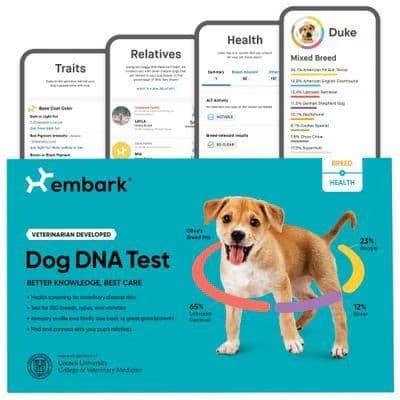
If ancestry is undocumented, an Embark Breed & Health Dog DNA Test Kit may add evidence, but it cannot prove a seller's pedigree claim or predict behavior. The Embark kit is most relevant to a mixed or unknown-background dog. A registered Cocker should be evaluated first through identity and pedigree records.
Size and body shape differences

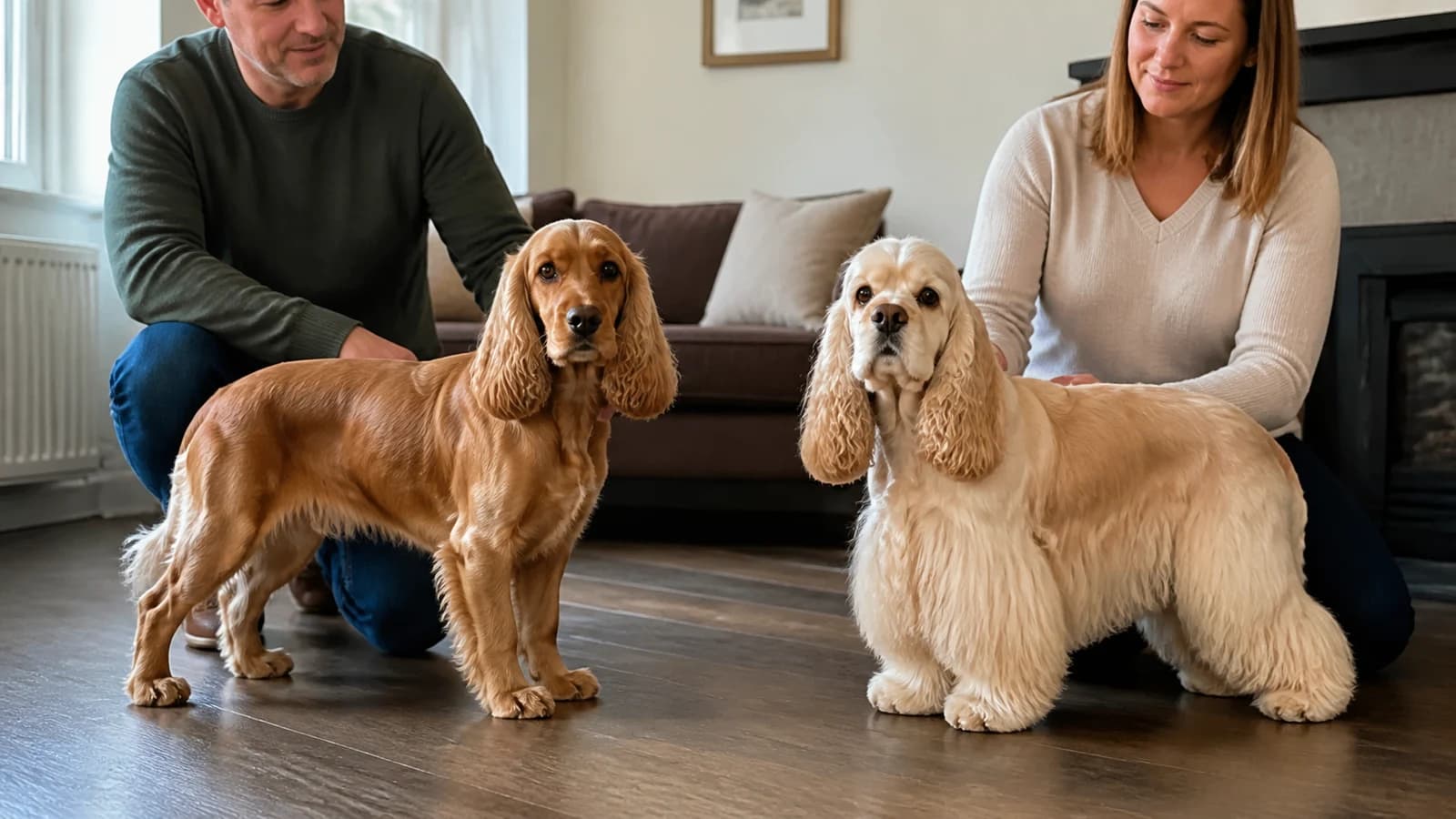
In an English Cocker Spaniel vs American Cocker size comparison, the English dog is generally taller, longer in head and more obviously athletic in outline. The American dog is generally smaller and more compact, with a shorter muzzle, more rounded skull and more pronounced stop.
Coat can distort the comparison. A heavily groomed American Cocker may appear larger or lower to the ground, while a lightly coated working English Cocker may look very lean. Compare dogs from the same camera distance, view the side profile and use hands-on body condition rather than visual coat volume.
Head shape is one of the clearest clues, but it does not prove ancestry. Mixed dogs can inherit overlapping features. A shelter label or photo can be a useful working description, not documentary evidence.
Read the breed profiles
Our American Cocker Spaniel profile and broader Cocker Spaniel breed guide provide the species and breed context that this comparison deliberately keeps brief.
The dedicated English Cocker Spaniel profile owns the full English breed decision. When a dog's background is undocumented or crossed, the Cocker Spaniel mixes guide owns ancestry limits and variable trait ranges.
Coat, colors and grooming
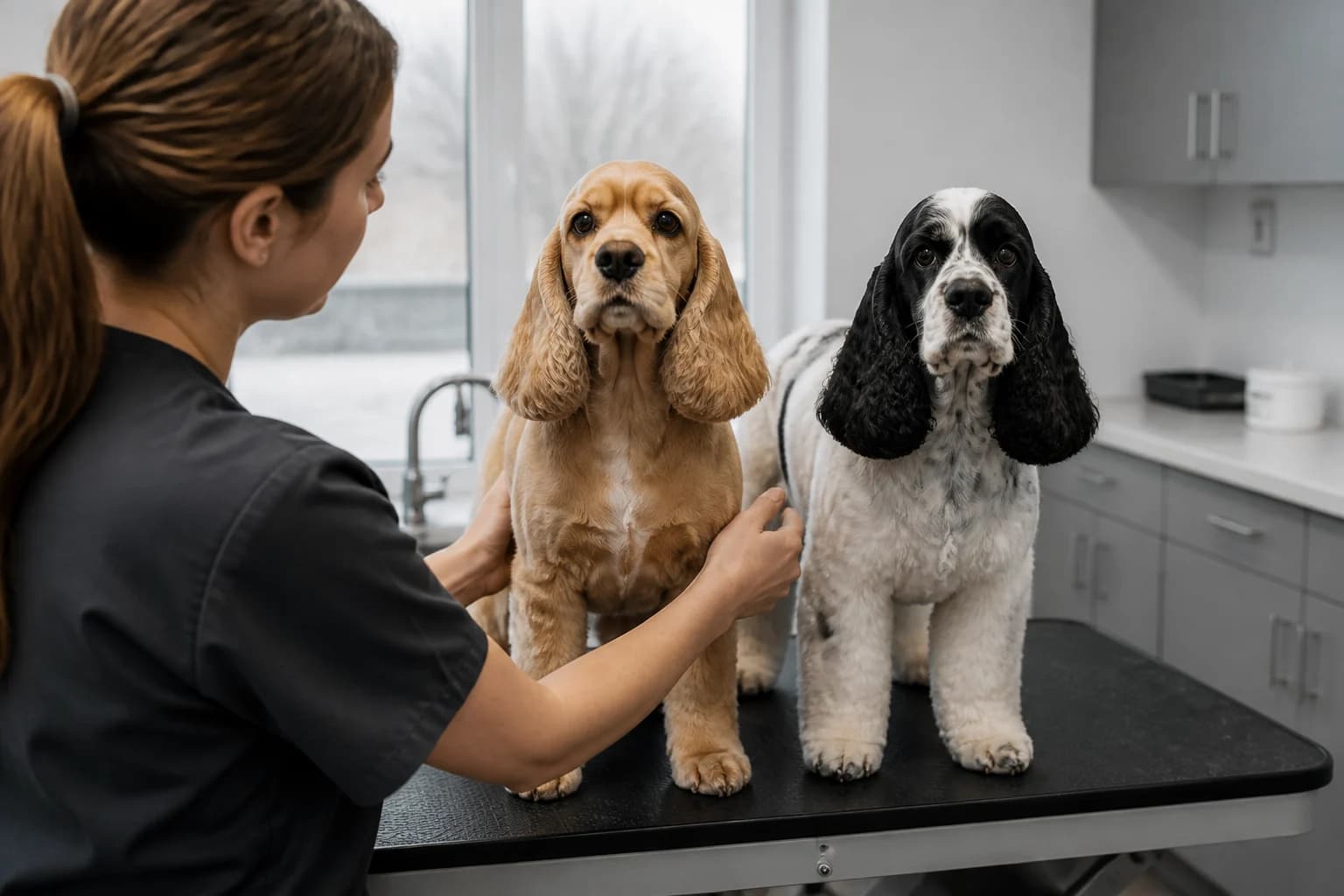
The English vs American Cocker coat difference is most visible in show presentation. American Cockers commonly carry a more abundant, flowing coat. English Cockers usually show moderate feathering, although show-line dogs can have considerable coat and working-line dogs may have much less.
Both shed. Both can develop mats behind the ears, under equipment, in the armpits and along feathered areas. A shorter pet trim reduces coat volume but does not remove the need for brushing, bathing, nail care, ear inspection or skin monitoring. Our Cocker Spaniel grooming comparison and shedding guide covers the routine.
Cocker Spaniel colors overlap but are described and grouped differently by each breed standard. English Cockers are well known for roan patterns. American standards organize solid black, other solids and parti-color. Use the Cocker Spaniel colors guide rather than treating color as proof of breed.
Compare maintenance, not presentation photos
A show photograph captures a prepared coat, not the time required between photographs. Ask how often the actual dog is brushed, bathed and professionally groomed, which areas tangle first, and how the dog responds to handling. A shorter trim changes coat volume, but not the need to inspect ears, skin, feet and nails.
The aumuca Self Cleaning Slicker Brush, Green may be useful on some feathered coats when pin length and pressure fit the dog. The Buddy Wash Original Lavender & Mint Dog Shampoo & Conditioner, 16-fl oz bottle is a routine bath option for dogs that tolerate its ingredients, not a treatment for itching, odor or skin disease. Ask a groomer to demonstrate the right sequence for the individual coat.

Petful may earn a commission when you click through to Chewy, at no extra cost to you.
The Petlibro Granary WIFI Automatic Cat & Dog Feeder with Camera can support scheduled dry meals for either breed when portions and kibble compatibility are verified. It cannot evaluate appetite or body condition. The Petlibro automatic feeder needs daily inspection and cleaning, and any appetite change warrants attention rather than another automated serving.
Temperament and working style

English vs American Cocker temperament is more nuanced than “active versus calm.” English Cockers often have a strong modern field culture, and working Cocker Spaniels can be intense searchers and retrievers. American Cockers are often companion-focused, but many remain energetic, athletic and eager to work.
- A breed tendency cannot tell you whether one dog will be calm with children, comfortable alone or compatible with another pet. Observe recovery from stress, handling response and ordinary home behavior, then weigh documented evidence and professional guidance.
WebVet's guide to dog body language can help readers notice approach, avoidance, tension and recovery without turning one posture into a diagnosis. Compare the dog across situations. A single exciting meeting is not a complete temperament test.
Companion Cocker Spaniel is an informal description, not a third breed. A field-bred English dog can learn household skills, and an American Cocker can excel in sports. Training and appropriate outlets shape how inherited tendencies appear in daily life.
The Cocker Spaniel temperament and training guide provides a deeper household-fit framework.
Exercise and training needs
Both breeds need daily exercise, mental work and rest. English vs American Cocker exercise differences are most likely to show at the line and individual level. A young working English Cocker may need especially purposeful scenting and retrieval, while a mature American companion may prefer a more moderate routine. Reverse examples also occur.
Cocker Spaniel training should include:
- Recall built gradually around distractions.
- Loose-leash walking and check-ins.
- Calm ear, foot and coat handling.
- Settling on a mat after activity.
- Comfortable brief separation.
- Safe retrieval or scent games.
Compare the dog's recovery pattern
Activity needs are easier to judge when owners track what happens after a session. Record the type of activity, duration, weather, enthusiasm, ability to settle and any next-day stiffness or reluctance. This separates an energetic preference from overarousal or discomfort and gives a veterinarian or trainer more useful context if the plan is not working.
An Outward Hound Nina Ottosson Lickin' Layers Interactive Puzzle Game & Slow Feeder, Multicolor, 2-cup can add a supervised food-search task without turning every outlet into high-speed exercise. A Frisco Traffic Leash with Dual Padded Handles & Poop Bag Dispenser, Black, 6-ft long, 1 count can offer closer control in busy places. Neither product reveals which breed is calmer or replaces training matched to the individual dog.
Judge the routine by three outcomes:
- The dog can engage without losing all response to the handler.
- The dog settles within a reasonable period after the activity.
- The dog remains comfortable later that day and the following morning.
The PetSafe Easy Walk Dog Harness in medium/large might fit a larger English Cocker or some adult American Cockers, but size labels are not reliable across body shapes. Measure and check shoulder movement. The PetSafe Easy Walk harness can manage leverage while training continues, but it does not teach loose-leash walking by itself.
Exercise plans should change with age, conditioning, weather and health. Persistent limping, coughing, collapse, pain or unusual fatigue needs veterinary assessment.
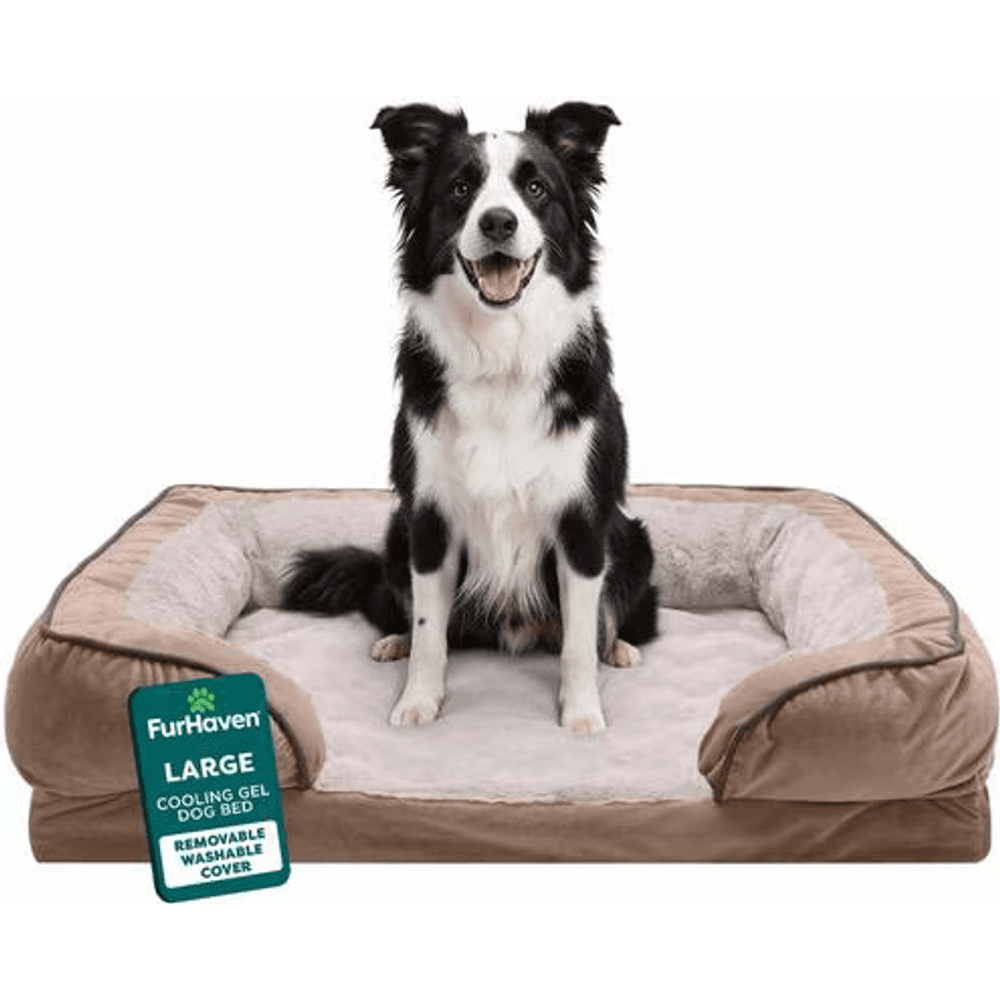
An orthopedic sofa bed with three bolstered sides for dogs who like to rest their head and joints against a cushion. The supportive foam base cradles hips and elbows, a comforting spot for an older or shaky dog to settle.
Petful may earn a commission when you click through to Chewy, at no extra cost to you.
Health and lifespan comparison
English vs American Cocker health risks overlap in some areas and differ in others. Eye, ear, skin, orthopedic and other concerns must be understood through the appropriate parent-club screening recommendations and the individual dog's records. A breed risk is not a diagnosis.
Cocker Spaniel lifespan is reported through population averages, but neither breed comes with a fixed age. Genetics, healthy body condition, preventive care, dental health and prompt treatment all matter. Our veterinarian-authored Cocker Spaniel health and lifespan guide owns the detailed medical coverage.
When comparing a puppy or adult dog, verify:
- Registered identity and ancestry when claimed.
- Screening results through the issuing database.
- Veterinary and medication records.
- Repeated ear, eye, skin or mobility history.
- Current body condition and examination findings.
The FurHaven Velvet Waves Perfect Comfort Orthopedic Sofa Dog Bed, large may provide a comfortable rest area for either breed if its dimensions fit. It does not prevent or treat joint disease. Measure the dog at full stretch before choosing the FurHaven large orthopedic sofa bed, and ask a veterinarian about pain or mobility changes.
Diet needs depend on body condition, life stage and individual health rather than American or English identity alone. The dedicated best dog food for Cocker Spaniels guide owns that decision after veterinary assessment.
Which Cocker Spaniel fits your home?
The best Cocker Spaniel for a family is the individual whose needs, behavior and records fit the household. The English breed may appeal to someone seeking a more athletic outline and active field tradition. The American may appeal to someone drawn to a compact companion with a more abundant coat. Neither description removes daily work.
Prospective owners still choosing a source should use the dedicated Cocker Spaniel puppy buying checklist for breeder, rescue, deposit and contract verification.
- English Cockers often suit people who enjoy active training and scent work
- American Cockers offer a compact size with strong companion appeal
- Individual evidence supports a household fit decision
- English working lines may overwhelm a low-activity household
- American coat care can be especially time-intensive
- Either breed can struggle when individual needs or alone-time training are ignored
An English or American Cocker can live in an apartment when barking, toilet access, exercise and settling are addressed. Either can live with children or another dog when introductions and supervision are individualized. Sex and color are weaker predictors than temperament, social history and household routine.

Petful may earn a commission when you click through to Chewy, at no extra cost to you.
Before deciding, meet the dog more than once when possible. Ask what the dog does after excitement, how it handles grooming, how long it rests, and what evidence supports health and ancestry claims. That information is more useful than a generalized “calmer breed” label.
Decision worksheet for real households
A side-by-side breed comparison becomes useful only when it is connected to a real schedule. Write down the household's available time on an ordinary workday, not an ideal weekend. Include grooming, travel, children, shared walls, existing animals and access to professional help.
For each dog being considered, record:
- Age, measured size and current body condition.
- Known line, ancestry and registration evidence.
- Activity pattern and ability to settle after excitement.
- Response to ear, foot and coat handling.
- Behavior around relevant children and animals.
- Current grooming routine and coat condition.
- Health-screening, veterinary and medication records.
- Comfort with brief separation and transport.
Then mark each item as verified, observed once, reported by another person or unknown. This prevents a polished breed description from carrying more weight than the dog-specific evidence.
Grooming time is a fit question
The American coat often demands more intensive routine maintenance, but an English show coat can also be substantial. A working English coat may be lighter, yet field activity can add burrs, mud and post-outing checks. Ask the breeder, rescue or groomer to demonstrate the current routine and estimate how often professional work is needed in your area.
Do not assume a short clip removes the commitment. Ear inspection, nail care, skin monitoring, bathing and combing remain. A dog that is already matted may need a careful professional plan rather than a home grooming experiment.
Households that enjoy brushing and cooperative-care training may view coat work as valuable shared time. Households that postpone it are likely to create discomfort and emergency grooming costs. That difference can matter more than a small difference in height.
Activity style matters more than raw minutes
Two dogs can spend the same time outside and finish with very different needs met. A working English Cocker may gain more from a structured scent search and recall practice than from repetitive pavement mileage. An American Cocker may also enjoy retrieving, tracking or sport training rather than only companion walks.
A balanced plan uses:
- Aerobic movement suited to age and conditioning.
- Sniffing and searching with clear safety boundaries.
- Reward-based skill practice.
- Low-arousal enrichment such as chewing or simple food searches.
- Deliberate rest and recovery.
Watch the dog after activity. A suitable session should not routinely produce prolonged panting, lameness, frantic behavior or next-day reluctance. Those signs call for adjustment and, when persistent or severe, veterinary guidance.
What a fair breeder comparison includes
Comparing an English breeder with an American breeder by price or website design is not useful. Compare whether each source provides registered identities, verifiable screening, accurate line descriptions, a clear contract, individual puppy matching and lifetime return support.
Ask how adult relatives live outside the show ring or field. Titles can document performance, but daily behavior, grooming cooperation and health records answer different questions. Responsible sources can discuss uncertainty without becoming defensive or offering guarantees.
For rescue dogs, compare foster observations and support rather than pedigree. An English-looking or American-looking outline may help describe the dog, but the placement decision should be based on actual size, behavior, coat needs and medical records.
First-month expectations
Either breed benefits from a calm transition. Keep meals, toilet trips, walks and sleep predictable. Delay crowded outings and forced introductions while establishing a baseline. Schedule veterinary care, transfer records and begin cooperative grooming in very short sessions.
The dog may behave differently as stress decreases. An initially quiet dog can become more playful or vocal, and an overactive dog may learn to rest. Treat this as new individual evidence, then adjust management instead of declaring that the dog has suddenly become “more English” or “more American.”
Related Cocker decision owners
A side-by-side comparison should not become ten complete breed and care guides. Each link below owns the deeper decision named in its heading:
Cocker Spaniel at a glance
Search wording such as “cocker spaniel”, “am cocker spaniel”, “cocker spaniel breed” points to the umbrella breed decision, including the two recognized breeds, common care demands, household fit and the limits of general Cocker Spaniel descriptions. The Cocker Spaniel breed overview carries the complete evidence and practical next steps for that intent. The Cocker Spaniel breed overview remains the complete owner; this two-breed comparison supplies only the boundary needed for its separate reader task.
English Cocker Spaniel at a glance
Readers using “english cocker spaniel”, “cocker spaniel english”, “english cocker spaniel spaniel”, “cocker spaniel vs english cocker spaniel” are trying to resolve the English breed decision, including working purpose, line variation, athletic structure, coat care and the evidence needed to judge an individual English Cocker. Use the English Cocker Spaniel profile for the full evidence set, limits and action sequence behind that search intent. The English Cocker Spaniel profile remains the complete owner; this two-breed comparison supplies only the boundary needed for its separate reader task.
Cocker Spaniel puppy buying checklist
When the search language is “cocker spaniel puppy”, “for sale cocker spaniel”, “cocker spaniel cocker spaniel puppies”, “cocker spaniel puppies”, the unresolved question is breeder, rescue, price, deposit, contract, health-record and scam verification before a Cocker Spaniel puppy changes homes. Follow the Cocker Spaniel puppy buying checklist when that decision becomes primary, because it provides the records, distinctions and reader actions this page deliberately keeps brief. The Cocker Spaniel puppy buying checklist remains the complete owner; this two-breed comparison supplies only the boundary needed for its separate reader task.
American Cocker Spaniel at a glance
Phrases including “american cocker spaniel”, “american cocker spaniel breed” belong with the American breed decision, including compact structure, coat, temperament, daily care and responsible placement evidence. The American Cocker Spaniel profile carries the complete evidence and practical next steps for that intent. The American Cocker Spaniel profile remains the complete owner; this two-breed comparison supplies only the boundary needed for its separate reader task.
Best dog food for Cocker Spaniels at a glance
Search wording such as “cocker spaniel food”, “food for cocker spaniel”, “cocker spaniel dog food”, “dog food for cocker spaniel” points to food selection by life stage, body condition, complete-diet labeling and individual veterinary needs rather than breed name alone. Use the best dog food for Cocker Spaniels guide for the full evidence set, limits and action sequence behind that search intent. The best dog food for Cocker Spaniels guide remains the complete owner; this two-breed comparison supplies only the boundary needed for its separate reader task.
Cocker Spaniel mixes at a glance
Readers using “cocker spaniel mix”, “cocker spaniel mixed”, “cocker spaniel mixes” are trying to resolve unknown or crossed ancestry, variable adult traits, shelter-label limits and the evidence that can support a mixed-dog decision. Follow the Cocker Spaniel mixes guide when that decision becomes primary, because it provides the records, distinctions and reader actions this page deliberately keeps brief. The Cocker Spaniel mixes guide remains the complete owner; this two-breed comparison supplies only the boundary needed for its separate reader task.
Cocker Spaniel lifespan at a glance
When the search language is “cocker spaniel life expectancy”, “life expectancy for cocker spaniel”, “life expectancy of a cocker spaniel”, “life expectancy of cocker spaniel”, the unresolved question is lifespan context, screening records, breed-associated risks, preventive care and veterinary action thresholds without predicting one dog. The Cocker Spaniel health and lifespan guide carries the complete evidence and practical next steps for that intent. The Cocker Spaniel health and lifespan guide remains the complete owner; this two-breed comparison supplies only the boundary needed for its separate reader task.
After comparing the two breeds, build the practical ownership plan from the shared Cocker Spaniel grooming and shedding guide, verify coat language in the colors and patterns guide, and use the temperament and training guide for behavior decisions that cannot be settled by type alone.
Cocker Spaniel FAQs
English Cocker Spaniels are not the same breed as American Cocker Spaniels. A source-aware answer begins with the evidence: No. An English vs American Cocker Spaniel comparison involves two separate recognized breeds with different standards. They share sporting ancestry, long ears and feathered coats, but differ in outline, head shape and common coat presentation. For this decision, the clear next step is to review each breed's registered ancestry and profile, then assess the individual dog's behavior and records instead of treating “Cocker” as one interchangeable type.
English Cockers are generally taller with a longer head, while American Cockers are more compact with a shorter muzzle and rounded skull. These features support an English vs American Cocker Spaniel visual comparison, but appearance is not proof. A practical next step: Check registration or documented ancestry, because mixed dogs and individual variation can produce overlapping size, coat and head traits.
The English Cocker Spaniel is generally taller and more athletic in outline than the American Cocker Spaniel, but individual measurements overlap and coat can distort perceived size. What to do next: The clear next step in an English vs American Cocker Spaniel size decision is to compare actual height, healthy body condition and measured adult relatives rather than choosing by a photograph or one generic weight range.
Neither breed is uniformly calmer. In an English vs American Cocker Spaniel temperament comparison, line, age, health, sleep, training and individual recovery from excitement are stronger evidence than the breed name. Before deciding: Observe the actual dog in ordinary settings, review adult-relative or foster notes and assess whether its activity and settling pattern fit the home.
Yes, although both breeds have feathering and shed. American show coats are commonly more abundant, while English working lines may carry much lighter coats than English show lines. Use this individual-dog check: The clear next step in an English vs American Cocker Spaniel grooming comparison is to inspect the individual coat, ask for the current routine and price local professional care before choosing.
Both Cocker Spaniel breeds are recognized by the AKC as separate breeds. Yes. The AKC recognizes “Cocker Spaniel,” meaning the American breed in its system, and “English Cocker Spaniel” as separate breeds with separate standards. This formal distinction anchors the English vs American Cocker Spaniel comparison. The practical follow-up: Match any seller's or rescue's breed claim to registration and ancestry records rather than assuming a familiar color or outline proves identity.
Working-line English Cockers often have high activity and scent-work needs, but individuals in either breed can be energetic. An English vs American Cocker Spaniel exercise comparison must include age, health, line and observed recovery. For the household decision: Build a balanced trial routine with walking, sniffing, training and rest, then adjust it based on the dog in front of you.
An American and English Cocker Spaniel can live together when the individual dogs are compatible and introductions are managed. An English vs American Cocker Spaniel household can work when the individual dogs are compatible, but shared ancestry does not guarantee harmony. Size, play style, resource behavior, health and social history all matter. To apply this guidance: Use gradual introductions, separate food and rest areas, supervise early contact and seek qualified help if fear, guarding or persistent conflict appears.

Coreen Saito is a pet writer and longtime shelter volunteer with more than a decade in animal rescue. She covers cat behavior, breed care, and the small, ordinary science of sharing a life with companion animals, with a particular focus on honest takes about the products and decisions that actually matter. At home in Arizona, she's outranked by Mac (a dog with the loudest opinion in the house), Rebel (a cat who governs by quiet authority), and Meri (an orange tabby who runs the late shift and the laundry basket). She writes about all three, plus the rescues that keep coming through her life, at LifeWithMinty.com.
Sign up for expert-backed reviews and safety alerts all in one place.