American Cocker Spaniel: Temperament, Size and Care
Learn American Cocker Spaniel temperament, size, colors, exercise, grooming, health and responsible sourcing with records-first guidance for prospective owners.
Petful is reader supported. As an affiliate of platforms like Amazon and Chewy, we may earn a commission when you buy through links on this page. There is no extra cost to you.
The american cocker spaniel is the smaller, more compact of the two recognized Cocker Spaniel breeds. Developed from sporting stock and shaped in the United States, this dog combines a rounded head, substantial coat, drop ears and a people-focused style with a continuing need for exercise, training and careful grooming.
An American Cocker Spaniel can be an affectionate family companion, but the breed label does not guarantee behavior, health or an exact adult size. A sound decision uses four levels of evidence: population tendencies, observations of the individual dog, documented records and professional findings.

Sign up for expert-backed reviews and safety alerts all in one place.
American Cocker Spaniel at a glance
- 1The American Cocker Spaniel is a compact sporting breed, not a miniature version of another dog
- 2Many are social and responsive, but individual dogs vary
- 3Frequent coat care, ear monitoring, training and preventive veterinary care are core ownership needs
The AKC Cocker Spaniel profile describes the American breed standard, while the American Spaniel Club provides national parent-club context. These sources are useful for understanding the American Cocker Spaniel breed, but they do not predict one dog's adult personality or medical future.
| Decision | What is typical | Records to verify |
|---|---|---|
| Size and build | Smallest member of the sporting group, compact and sturdy | Measured parents, body condition and the individual dog's growth record |
| Temperament | Often affectionate, merry and responsive | Recovery from stress, handling response, social history and training notes |
| Coat and ears | Long feathering and drop ears need continuing care | Skin and ear history, grooming tolerance and a realistic schedule |
| Health | Breed-level screening can reduce uncertainty | Public screening results, veterinary records and current examination |
Searches for American Cocker Spaniel mini or “mini American Cocker Spaniel” do not describe a separately recognized size. Very small size can reflect normal variation, age, poor condition or breeding choices. Ask for measured adult relatives and veterinary documentation rather than paying for a marketing word.
The evidence ladder is practical:
- A population tendency tells you what is common across American Cocker Spaniel dogs.
- An individual observation shows how this dog responds to people, handling and ordinary novelty.
- A documented record can verify identity, screening, veterinary history and contractual promises.
- A professional finding comes from a veterinarian or qualified behavior professional who evaluates the dog.
American Cocker Spaniel evidence ladder decision framework
The article-specific evidence ladder for an American Cocker Spaniel separates population tendencies, individual observations, documented records and professional findings. Breed tendencies describe a population rather than every individual dog. Identity records, direct observation of the dog and professional findings do not answer the same questions, so each deserves its proper weight. This produces a concrete decision framework instead of a generic fact list built around a compact outline or merry reputation.

Petful may earn a commission when you click through to Chewy, at no extra cost to you.
If an adopted dog's ancestry is not documented, an Embark Breed & Health Dog DNA Test Kit may add information. It does not replace a pedigree, establish the quality of a breeder or diagnose illness. The Embark kit is most useful as one record among many, especially when appearance is the only ancestry claim.
History and breed purpose
The American Cocker traces to spaniels selected to find and flush game birds. Over time, American breeding emphasized a more compact outline, shorter muzzle and more abundant coat than the English Cocker. The breed remains in the sporting group even though many dogs now live primarily as companions.
That history helps explain why an American Cocker may enjoy retrieving, searching and working closely with a person. It does not mean every dog has the same field drive. A companion-bred individual can be energetic, and a dog from performance lines can learn to settle indoors when its needs are met.
The broader Cocker Spaniel guide explains the family of search terms without treating American and English dogs as interchangeable. For the other recognized breed, use our English Cocker Spaniel guide.
Dedicated breed comparison
For a direct body, coat and working-style decision, the dedicated English vs American Cocker Spaniel comparison owns the side-by-side analysis.
Appearance, size and colors

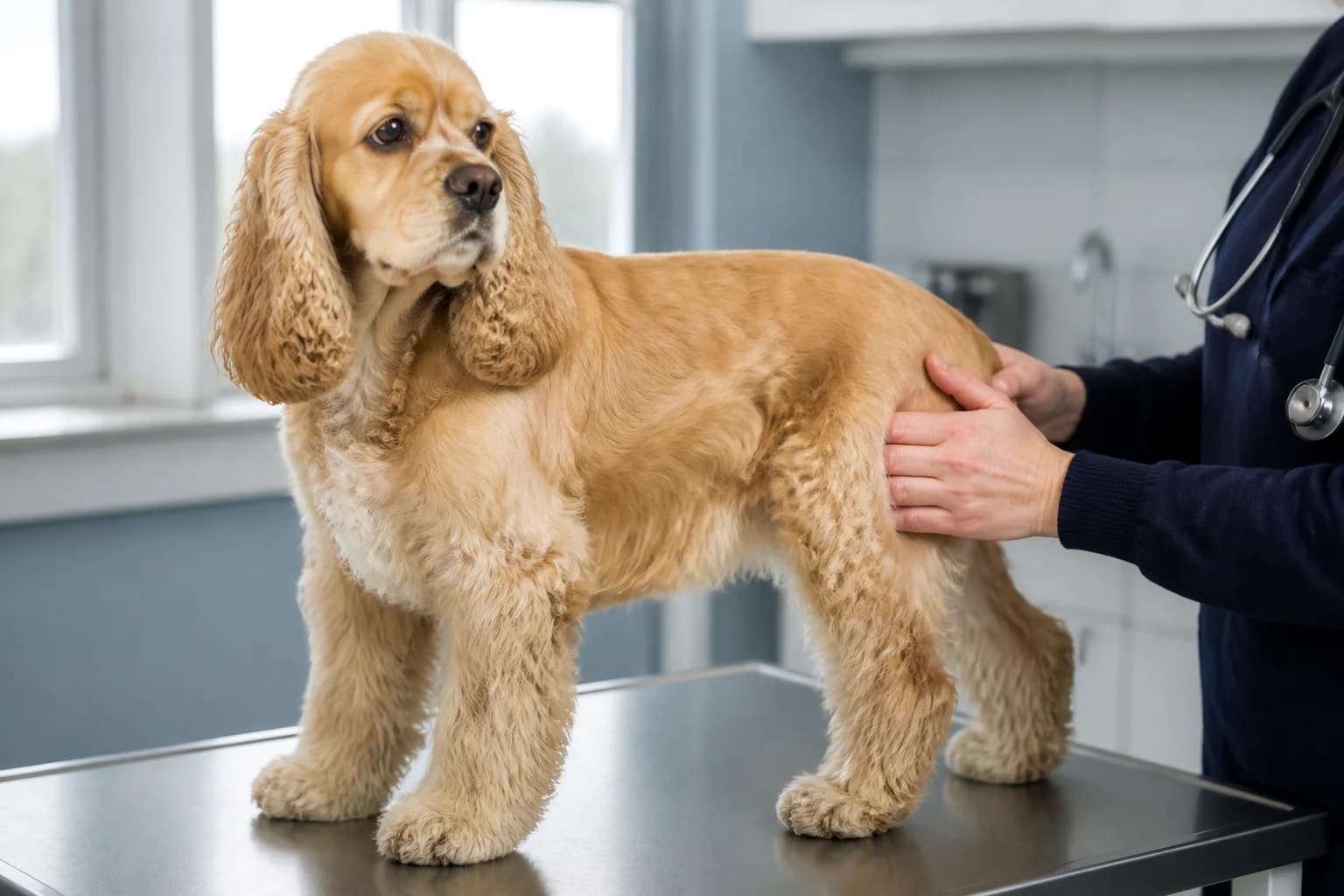
A full-grown American Cocker Spaniel has a compact body, rounded head, defined stop, shorter muzzle and long ears set low. The coat is shorter on the head and more abundant on the ears, chest, abdomen and legs. Heavy presentation coats are maintained through grooming; a practical pet trim can look much shorter.
American Cocker Spaniel size should be judged with actual measurements and healthy body condition, not coat volume. The breed standard provides target proportions, but individual adult height and weight vary. The American Veterinary Medical Association's guidance on a healthy weight explains why a scale number is more useful when paired with body condition and veterinary assessment.
American Cocker Spaniel colors include solid black, other solid colors and parti-color combinations under the American standard. Tan markings can occur in permitted locations. Coat language can be confusing, so our Cocker Spaniel colors and patterns guide explains solids, parti, roan, tan points and identity limits. Color never proves temperament, health or ancestry.
Mixed-dog identity
If a dog only resembles the breed or is described as crossed, the Cocker Spaniel mixes guide owns ancestry and trait variability. A compact body or familiar color should not be turned into a purebred claim.

Petful may earn a commission when you click through to Chewy, at no extra cost to you.
A predictable feeding routine can help households track appetite. The Petlibro Granary WIFI Automatic Cat & Dog Feeder with Camera may dispense measured dry food when the kibble and portion mechanism are compatible. It cannot monitor health in place of a person. Check the Petlibro automatic feeder daily for cleanliness, accurate dispensing and changes in the dog's eating behavior.
Temperament and household fit
American Cocker Spaniel temperament is often described as merry, affectionate and responsive. Many dogs enjoy family interaction and learn quickly with rewards. American Cocker Spaniel personality still varies with genetics, early experiences, pain, training history and environment.
- Observe the dog's response to handling, visitors, children, other animals and brief separation. A history of fear, sudden irritability or a major behavior change calls for documented evidence and professional guidance, not a stereotype about the breed.
Is the American Cocker Spaniel a good pet? It can be for a household prepared to provide:
- Daily walks, sniffing and interactive play.
- Short reward-based training sessions.
- Calm, supervised interactions with children.
- A protected resting area where the dog is not disturbed.
- Grooming and ear handling taught gradually.
- Reliable care during long workdays.
American Cocker Spaniels may live with other dogs or cats when the actual animals are compatible and introductions are managed. No breed needs a companion animal by default. A rescue's foster notes or a breeder's repeated observations are more informative than coat color or sex.
For children, visitors and new animals, read the whole interaction. WebVet's guide to dog body language explains why a wagging tail alone does not establish comfort. Look for loose movement, willingness to approach, ability to disengage and recovery after the interaction. Repeated observations in relevant settings are stronger than one staged greeting.
Training, exercise and enrichment

American Cocker Spaniel training should start with name response, recall, loose-leash walking, settling, cooperative care and comfortable brief separation. Use small rewards, clear criteria and sessions short enough that the dog remains engaged. Punishment can suppress warning signals or increase fear without teaching the desired behavior.
American Cocker Spaniel exercise should reflect age, health and conditioning. Healthy adults often enjoy purposeful walks, retrieval and scent work. Puppies need safe exploration rather than forced mileage, and senior dogs may prefer shorter outings. Watch recovery after activity. Limping, coughing, collapse, pain or persistent fatigue needs veterinary attention.
For a more detailed plan, read our Cocker Spaniel temperament and training guide. Enrichment does not need to be frantic. Scatter feeding, a simple scent search, retrieving one toy at a time and learning to settle can provide useful mental work.
Balance activation with recovery
A useful session has a clear purpose and finish. Retrieval practices cooperation, a scent search allows independent investigation, and mat work reinforces downshifting. Rotate activities instead of escalating intensity every day, then note how long the dog needs to rest and whether the next routine begins calmly.
An Outward Hound Nina Ottosson Lickin' Layers Interactive Puzzle Game & Slow Feeder, Multicolor, 2-cup can add problem-solving to a measured meal for dogs that use it without chewing the parts. Supervise, count the food in the daily ration and stop if frustration replaces useful engagement.
Grooming, ears and everyday care

American Cocker Spaniel grooming is not optional. Long feathering mats readily behind the ears, in the armpits, under equipment and around the feet. Work in small lines so a brush and comb reach through the coat without scraping the skin. Many companion dogs wear a shorter American Cocker Spaniel haircut, but a short trim still requires brushing, bathing, nail care and skin checks.
The drop ears need calm inspection. Lift the flap and look without pushing anything into the canal. Redness, odor, discharge, swelling, pain or frequent head shaking requires a veterinarian. WebVet's guide to how to clean dog ears explains the basic handling boundary, while your veterinarian should specify whether and how often cleaning is appropriate for the individual dog.
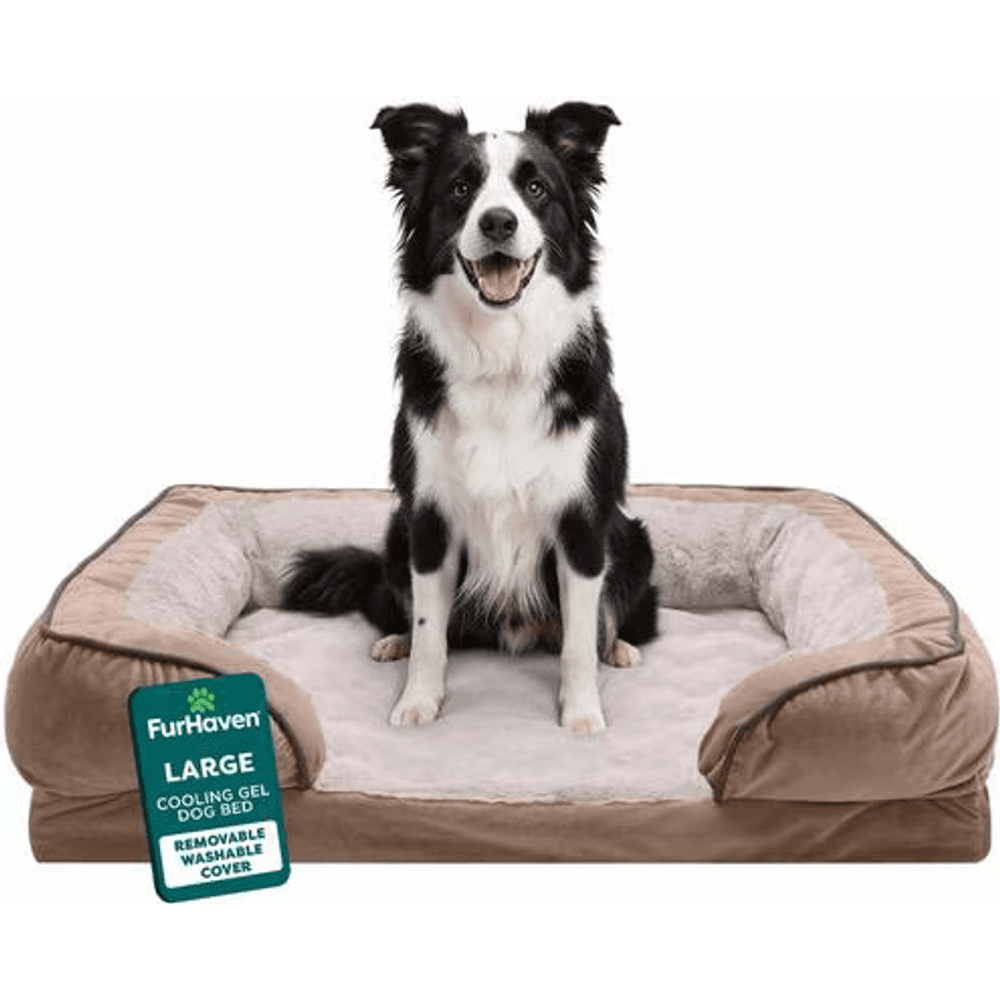
An orthopedic sofa bed with three bolstered sides for dogs who like to rest their head and joints against a cushion. The supportive foam base cradles hips and elbows, a comforting spot for an older or shaky dog to settle.
Petful may earn a commission when you click through to Chewy, at no extra cost to you.
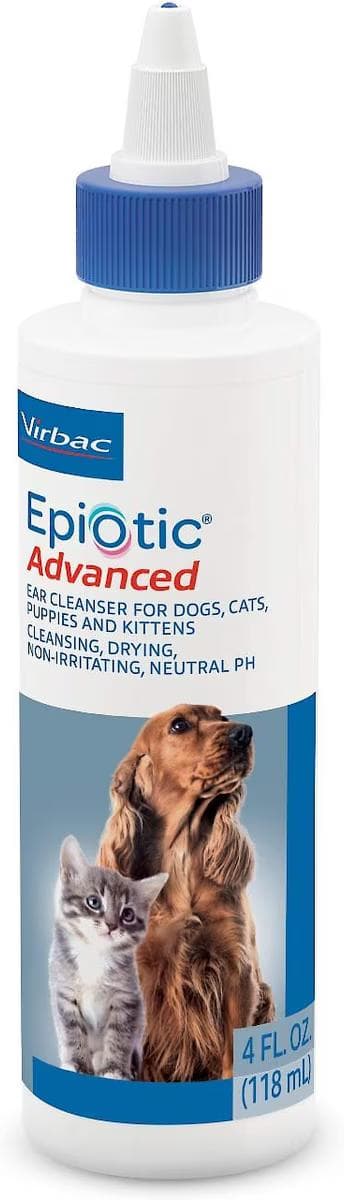
The Virbac Epi-Otic Advanced Ear Cleaner is one over-the-counter cleaner a veterinarian may consider for some dogs, but it is not appropriate for every painful, infected or damaged ear. Ask before first use and never use it to delay an exam. If the veterinarian approves the Virbac ear cleaner, follow the label and clinic instructions rather than improvising with cotton swabs inside the canal.
A complete routine includes:
- Comb checks behind each ear and in friction areas.
- Tooth brushing or a veterinary dental plan.
- Nail care before nails alter stance or snag.
- Clean, dry bedding and well-fitted equipment.
- Weight and body-condition checks over time.
Our Cocker Spaniel grooming and shedding guide provides the deeper coat-care sequence.
Build a tool kit around the coat in front of you
Tool choice depends on coat length, density, skin comfort and the dog's handling skills. A practical sequence is to work in small lines, check progress with a comb, then address nails and bathing separately. Surface brushing can make a coat look neat while leaving a tight tangle next to the skin.
- The aumuca Self Cleaning Slicker Brush, Green may suit some feathered coats when the pins reach through without scraping.
- The Buddy Wash Original Lavender & Mint Dog Shampoo & Conditioner, 16-fl oz bottle is a routine cleansing option only for dogs that tolerate its ingredients. It does not treat a skin disorder.
- The Millers Forge Nail Clipper, Medium can fit some adult nails, but size and operator control matter more than the breed label.
A groomer can demonstrate line brushing and nail handling before small tangles or overgrown nails become painful. Sudden resistance, sore skin or ear signs should prompt professional assessment rather than restraint or repeated product changes.
Health and lifespan
American Cocker Spaniel health issues can involve eyes, ears, skin, joints and other systems. Being listed as a breed risk does not mean a dog has that condition. A symptom also cannot be diagnosed from breed alone. Use veterinary examination and appropriate testing.
American Cocker Spaniel lifespan and life expectancy are population concepts, not an expiration date. Genetics, healthy body condition, preventive care, dental health, environment and prompt medical attention all contribute. Our veterinarian-authored Cocker Spaniel health and lifespan guide separates common risks from urgent signs.
The OFA CHIC program offers a public framework for parent-club screening recommendations. Verify results in the issuing database using the dog's registered identity. A CHIC number means required results are public; it does not guarantee that a dog or its offspring will never develop disease.
Food-selection owner page
For the diet-selection decision that follows body-condition assessment, use the dedicated best dog food for Cocker Spaniels guide rather than assuming one formula fits every American Cocker.
How to find an American Cocker Spaniel
An American Cocker Spaniel breeder should be willing to discuss health screening, temperament, grooming, placement and lifetime return support. An American Cocker Spaniel rescue should be equally clear about what it knows and what remains uncertain. An American Cocker Spaniel puppy should not be sold only through a photo, color claim or urgent payment demand.
Use the Cocker Spaniel puppy guide for the full records and scam checklist. Ask to verify health results directly, see the written contract before paying, understand where the puppy was raised and learn how the breeder matches puppies to homes.
- A breeder or rescue supplies verifiable identity and health records
- The placement process uses individual evidence to assess household fit
- A written return policy protects the dog throughout life
- A polished website or show title alone does not prove responsible practice
- “Mini,” “rare” or color-first marketing can distract from health and temperament
- No seller can guarantee adult behavior or lifelong health
Petful may earn a commission when you click through to Chewy, at no extra cost to you.
A designated rest area can help a new dog decompress. The FurHaven Velvet Waves Perfect Comfort Orthopedic Sofa Dog Bed, large may fit some adult American Cockers, but measure the sleeping dog and available floor space first. It does not treat orthopedic disease. The FurHaven large orthopedic sofa bed should remain a comfort choice while veterinary findings guide pain or mobility care.
A day in the life of an American Cocker
The breed can fit many homes when the daily schedule is honest. A morning toilet break and walk can include sniffing and a few recall or leash exercises. Meals can be followed by rest rather than continuous excitement. Later activity might include retrieving, a short scent search or a calm neighborhood walk. Coat and ear checks work best as brief, ordinary events instead of an exhausting weekly battle.
A practical weekday can include:
- A morning walk with sniffing and several reinforced check-ins.
- Breakfast measured to the dog's current body condition and activity.
- Quiet rest while the household works, with daytime care if the dog cannot comfortably wait.
- A short afternoon skill or enrichment session.
- A second walk or play period adjusted to weather and health.
- A two-minute comb and skin check while the dog is relaxed.
This schedule is a framework, not a prescription. A puppy needs more toilet trips and shorter activity. A working adult may need more purposeful training. A senior may need slower walks, improved traction and more recovery. Observe the dog after activity and adjust.
Grooming cooperation is a trained skill
An American Cocker's coat can turn ordinary handling into a major welfare issue when the dog is frightened or the coat is already painful. Cooperative care begins before a long grooming session is necessary. Teach the dog that approaching the grooming area, standing on a stable mat, accepting one brush stroke and offering an ear check can each earn reinforcement.
Progress in small pieces:
- Let the dog investigate the brush without being restrained.
- Touch the shoulder with the back of the brush, reward and stop.
- Add one gentle stroke in an easy, unmatted area.
- Teach a chin rest or station behavior that gives the dog a predictable position.
- Increase duration only while the dog remains loose and willing.
A cooperative routine does not mean that medically necessary care is optional. It means owners reduce avoidable fear and notice when behavior changes. A dog that suddenly resists a previously comfortable ear or coat routine may be in pain and should be assessed.
Children, visitors and other pets
Family fit is strongest when adults manage the environment. Children can help toss treats, refill a water bowl with supervision or cue a practiced behavior, but they should not hug, ride, corner or disturb the dog. Visitors should let the dog approach instead of reaching over the head.
For another dog, begin with parallel movement in neutral space when feasible. Avoid forcing face-to-face greetings, crowding doorways or leaving high-value food and toys available during early interactions. For cats, use physical separation, scent exchange and controlled distance before closer access. Predatory interest, fear or persistent chasing requires professional help.
What responsible sourcing evidence looks like
A responsible source can explain why a pairing was made, what health screening was completed, how puppies were raised and what support continues after placement. The evidence should remain consistent across conversation, documents and public databases.

Strong records include registered identities that can be traced, complete test results rather than badges, a veterinary history for the individual dog and a contract supplied before payment. Good sources also discuss limitations. They do not promise that an American Cocker puppy will never become ill, never bark or always love children.
Rescue evidence is different but equally important. A foster home can report observed house training, handling, rest, alone time and animal interactions while clearly labeling unknown ancestry or past medical history. Honest uncertainty is more valuable than an unsupported guarantee.
Planning for seasonal and life-stage change
Care needs will not remain fixed. Seasonal coat changes, humid weather, swimming and time outdoors can alter grooming and ear-monitoring needs. Adolescence can temporarily reduce attention around distractions. Aging can change comfort, senses, sleep and recovery.
Review the routine whenever appetite, body condition, coat, mobility or behavior shifts. Small changes in equipment or schedule may help, but pain, persistent skin or ear signs and sudden behavior changes deserve veterinary assessment. Keeping dated notes prevents a gradual problem from being dismissed as “just the breed.”
The most sustainable home expects this evolution. It budgets extra time during coat-heavy periods, keeps training skills current and has a plan for professional grooming and veterinary care when the owner's schedule becomes crowded.
Related Cocker decision owners
The American breed profile stays centered on American Cocker identity, structure and household care. These sibling owners handle adjacent decisions:
Cocker Spaniel at a glance
Search wording such as “cocker spaniel”, “am cocker spaniel”, “cocker spaniel breed” points to the umbrella breed decision, including the two recognized breeds, common care demands, household fit and the limits of general Cocker Spaniel descriptions. The Cocker Spaniel breed overview carries the complete evidence and practical next steps for that intent. The Cocker Spaniel breed overview remains the complete owner; this American breed profile supplies only the boundary needed for its separate reader task.
English Cocker Spaniel at a glance
Readers using “english cocker spaniel”, “cocker spaniel english”, “english cocker spaniel spaniel”, “cocker spaniel vs english cocker spaniel” are trying to resolve the English breed decision, including working purpose, line variation, athletic structure, coat care and the evidence needed to judge an individual English Cocker. Use the English Cocker Spaniel profile for the full evidence set, limits and action sequence behind that search intent. The English Cocker Spaniel profile remains the complete owner; this American breed profile supplies only the boundary needed for its separate reader task.
Cocker Spaniel puppy buying checklist
When the search language is “cocker spaniel puppy”, “for sale cocker spaniel”, “cocker spaniel cocker spaniel puppies”, “cocker spaniel puppies”, the unresolved question is breeder, rescue, price, deposit, contract, health-record and scam verification before a Cocker Spaniel puppy changes homes. Follow the Cocker Spaniel puppy buying checklist when that decision becomes primary, because it provides the records, distinctions and reader actions this page deliberately keeps brief. The Cocker Spaniel puppy buying checklist remains the complete owner; this American breed profile supplies only the boundary needed for its separate reader task.
Best dog food for Cocker Spaniels at a glance
Phrases including “cocker spaniel food”, “food for cocker spaniel”, “cocker spaniel dog food”, “dog food for cocker spaniel” belong with food selection by life stage, body condition, complete-diet labeling and individual veterinary needs rather than breed name alone. The best dog food for Cocker Spaniels guide carries the complete evidence and practical next steps for that intent. The best dog food for Cocker Spaniels guide remains the complete owner; this American breed profile supplies only the boundary needed for its separate reader task.
Cocker Spaniel mixes at a glance
Search wording such as “cocker spaniel mix”, “cocker spaniel mixed”, “cocker spaniel mixes” points to unknown or crossed ancestry, variable adult traits, shelter-label limits and the evidence that can support a mixed-dog decision. Use the Cocker Spaniel mixes guide for the full evidence set, limits and action sequence behind that search intent. The Cocker Spaniel mixes guide remains the complete owner; this American breed profile supplies only the boundary needed for its separate reader task.
English vs American Cocker Spaniel at a glance
Readers using “english vs american cocker spaniel”, “american cocker spaniel vs english cocker spaniel”, “cocker spaniel english vs american”, “english cocker spaniel vs american” are trying to resolve the side-by-side decision about body shape, coat, working style, grooming and household fit between two separate recognized breeds. Follow the English versus American Cocker comparison when that decision becomes primary, because it provides the records, distinctions and reader actions this page deliberately keeps brief. The English versus American Cocker comparison remains the complete owner; this American breed profile supplies only the boundary needed for its separate reader task.
Cocker Spaniel lifespan at a glance
When the search language is “cocker spaniel lifespan”, “cocker spaniel life expectancy”, “life expectancy for cocker spaniel”, “life expectancy of a cocker spaniel”, the unresolved question is lifespan context, screening records, breed-associated risks, preventive care and veterinary action thresholds without predicting one dog. The Cocker Spaniel health and lifespan guide carries the complete evidence and practical next steps for that intent. The Cocker Spaniel health and lifespan guide remains the complete owner; this American breed profile supplies only the boundary needed for its separate reader task.
For an American Cocker home plan, pair the profile with the step-by-step grooming and shedding guide, the photo-aware colors and patterns guide, and the household-focused temperament and training guide rather than asking one broad profile to carry every decision.
American Cocker Spaniel FAQs
A source-aware answer starts with the individual dog: An American Cocker Spaniel can be an affectionate, trainable pet for a household that can provide daily activity, frequent grooming, ear monitoring and gradual alone-time training. The breed label does not guarantee behavior or health. For this decision, a clear next step is to compare the individual dog's records, handling response, recovery after excitement and ordinary care needs with the household's real schedule.
The difference between an English and American Cocker Spaniel is visible in typical build, head shape, coat and working tradition. The American Cocker Spaniel is generally more compact, with a shorter muzzle, rounded head and heavier coat. The English breed is generally taller and more athletic, with a longer head and strong working tradition. They are separate recognized breeds. A practical next step: Verify ancestry and compare the dedicated profiles, because one photograph cannot establish breed, line, temperament or care needs.
In the United States, “Cocker Spaniel” commonly refers to the American Cocker Spaniel, while many other countries use the unqualified name for the English breed. The wording therefore depends on registry and context. What to do next: Ask which standard, registered identity and lineage are being discussed rather than assuming that every “Cocker” listing describes the same recognized breed.
How big an American Cocker Spaniel gets depends on sex, line, growth and healthy body condition. A full-grown American Cocker Spaniel is a compact sporting dog, but exact height and healthy weight vary with sex, family line, muscle and body condition. Coat volume can make visual estimates misleading. Before deciding: Review measured adult relatives or the dog's growth record, then ask a veterinarian to assess body condition instead of targeting one generic scale number.
American Cocker Spaniels can be easy to train for some skills when reinforcement, setting and expectations fit the individual dog. Many American Cocker Spaniels respond well to rewards and human interaction, but training ease varies by task, environment, health and prior learning. Recall around scent, calm grooming and comfortable separation may need careful progression. Use this individual-dog check: Teach one observable behavior in short sessions, reinforce success and increase distraction only when the individual dog remains confident and responsive.
American Cocker Spaniels do shed, although coat loss varies with season, health and grooming. Yes, an American Cocker Spaniel sheds. Amount varies with coat, season, health, hormones and grooming routine, and the breed is not reliably hypoallergenic. Surface brushing can miss mats beneath heavy feathering. The practical follow-up: Establish regular line brushing and comb checks, then discuss sudden hair loss, itching, odor or skin change with a veterinarian rather than assuming it is normal shedding.
Many American Cocker Spaniels need coat checks several times each week and professional grooming on an interval matched to coat length, trim and lifestyle. Ear, nail, dental and skin care continue even in a short pet clip. For the household decision: Ask a groomer to demonstrate the individual routine and schedule care before tight mats or handling pain develop.
Many American Cocker Spaniels can live well with respectful children, but breed reputation never guarantees safety or comfort. Adults must supervise, protect eating and sleeping spaces, prevent chasing or hugging and notice avoidance signals. To apply this guidance: Assess the actual dog's history and repeated behavior around relevant children, then build calm, managed interactions with an easy exit for the dog.

Kristine Lacoste has been researching dog and cat breeds for nearly a decade and has observed the animals up close at dog shows in both the United States and the United Kingdom. She is the author of the book One Unforgettable Journey, which was named as a finalist for a Maxwell Award from the Dog Writers Association of America, and was host of a weekly pet news segment on the National K-9 Academy Radio Show. In addition, she was the New Orleans coordinator for Dogs on Deployment, a nonprofit that helps military members and their pets, for 3 years. Kristine has researched and written about pet behaviors and care for many years. She holds a bachelor’s degree in psychology, another bachelor’s degree in English and a Master of Business Administration degree.
Sign up for expert-backed reviews and safety alerts all in one place.