Goldendoodle Colors: Every Coat Color and Pattern
Goldendoodle colors range from cream and gold to red, chocolate, black, and bold patterns like parti, merle, and phantom. See a full gallery, learn which shades are rarest, and how color changes your grooming routine.
Petful is reader supported. As an affiliate of platforms like Amazon and Chewy, we may earn a commission when you buy through links on this page. There is no extra cost to you.
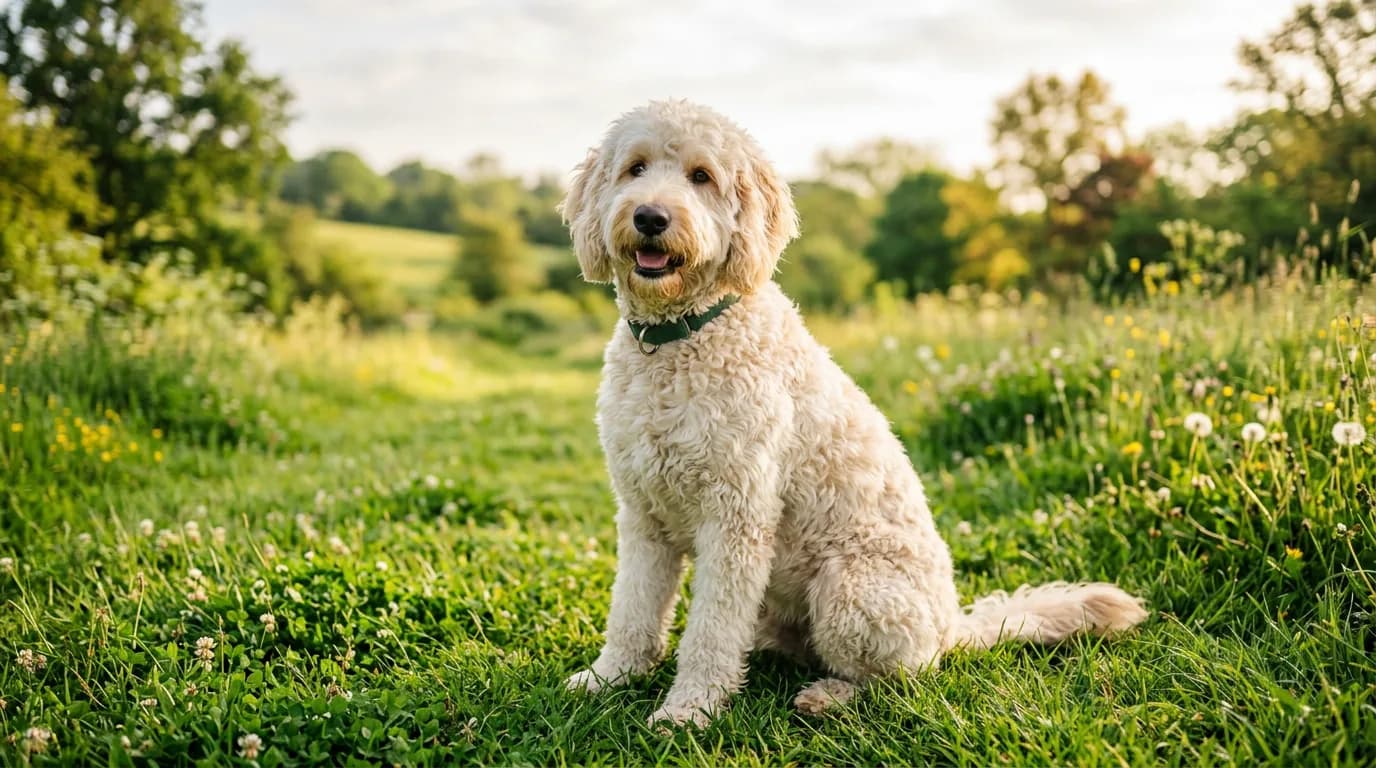
Goldendoodle colors run a wider range than almost any other designer crossbreed, from the pale cream and buttery gold most people picture to bold reds, rich chocolates, inky blacks, and eye-catching patterns like parti, merle, and phantom. Because a Goldendoodle inherits genes from both a Golden Retriever and a Poodle, and Poodles alone come in more than two dozen registered shades, a single litter can hand you puppies that look almost nothing alike. This guide walks through every solid color and every pattern you are likely to meet, shows what each one looks like in a real gallery, explains which shades are genuinely rare, and connects color to something breeders rarely mention: how the shade on your dog quietly changes the way you have to groom it.
- 1Goldendoodles come in roughly a dozen solid colors and seven recognized patterns, all inherited from the Golden Retriever and Poodle sides
- 2Cream, gold, and apricot are the most common; true merle, blue, and gray are the rarest and can carry real health risks
- 3Coat color is tied to coat care, because lighter dogs show tear stains while darker curly coats hide matting until it is severe

Sign up for expert-backed reviews and safety alerts all in one place.
How Goldendoodle Coat Color Actually Works
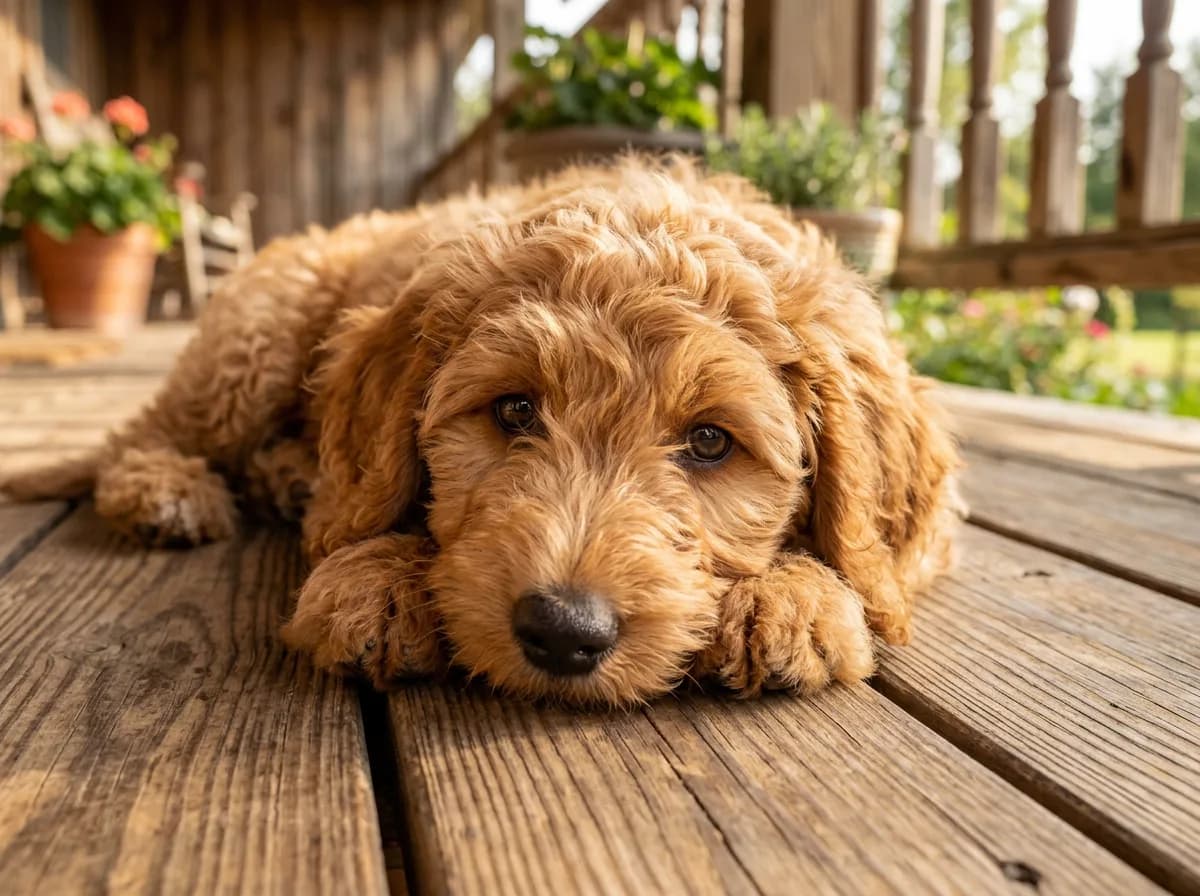
Every Goldendoodle color starts with two pigments. Eumelanin produces black and brown tones, and pheomelanin produces the reds, golds, and creams. What you see on the dog is the result of which pigment genes it inherited and how strongly they are switched on or diluted. Poodles bring the largest share of the variety, since the breed carries genes for black, brown, apricot, red, cream, silver, blue, gray, and more. The Golden Retriever side pushes the palette toward the warm gold-to-red end of the spectrum, which is why so many Goldendoodles land somewhere in the cream, gold, and apricot family.
Because these are crossbred dogs, color is not guaranteed. Two apricot parents can still produce a cream puppy or a red one, depending on the hidden recessive genes each carries. The University of California, Davis Veterinary Genetics Laboratory (ucdavis.edu) offers coat-color DNA panels that identify which pigment and pattern genes a dog carries, which is why serious breeders test their pairs before breeding rather than guessing from appearance alone. For a pet buyer, the practical takeaway is simple: judge the puppy in front of you, not the promise on the website.
Generation matters too. An F1 Goldendoodle (one Golden Retriever parent, one Poodle parent) often leans toward Golden-Retriever warmth, while multigen doodles bred back to Poodles can surface the rarer Poodle shades like silver and blue. If you are weighing generation against size and coat type, our Goldendoodle sizes guide breaks down how those crosses shake out.
Petful may earn a commission when you click through to Chewy, at no extra cost to you.
The Solid Goldendoodle Colors
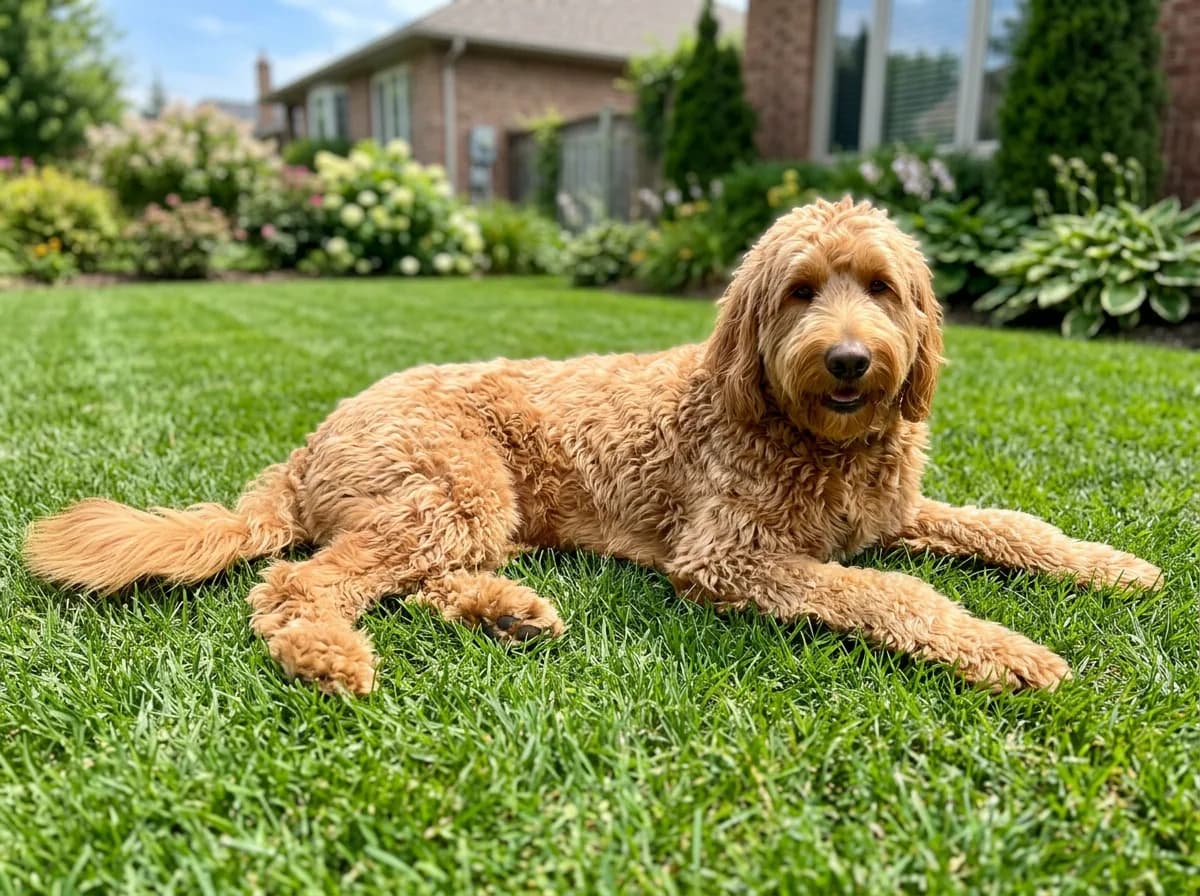
Solid, or self, colors cover a single shade from nose to tail. These are what most families picture when they imagine a doodle, and they make up the bulk of every litter.
Cream
Cream is the palest solid short of true white, a soft off-white with faint warmth in the coat. It is one of the most sought-after and most common Goldendoodle colors, prized for the teddy-bear look. Cream dogs usually have black points (nose, eye rims, paw pads), which keeps the face looking defined against the pale fur. The trade-off is maintenance: on a light coat, reddish tear staining under the eyes and mouth shows up clearly, so cream owners tend to wipe faces daily.
Gold
Gold is the shade that most obviously nods to the Golden Retriever parent, a warm honey-to-caramel tone that can range from light gold to deep golden. Many gold Goldendoodles are born darker and lighten as they mature, a process called clearing that Poodle genetics drive. A puppy that looks rich caramel at eight weeks may settle into a soft wheaten gold by its first birthday.
Apricot
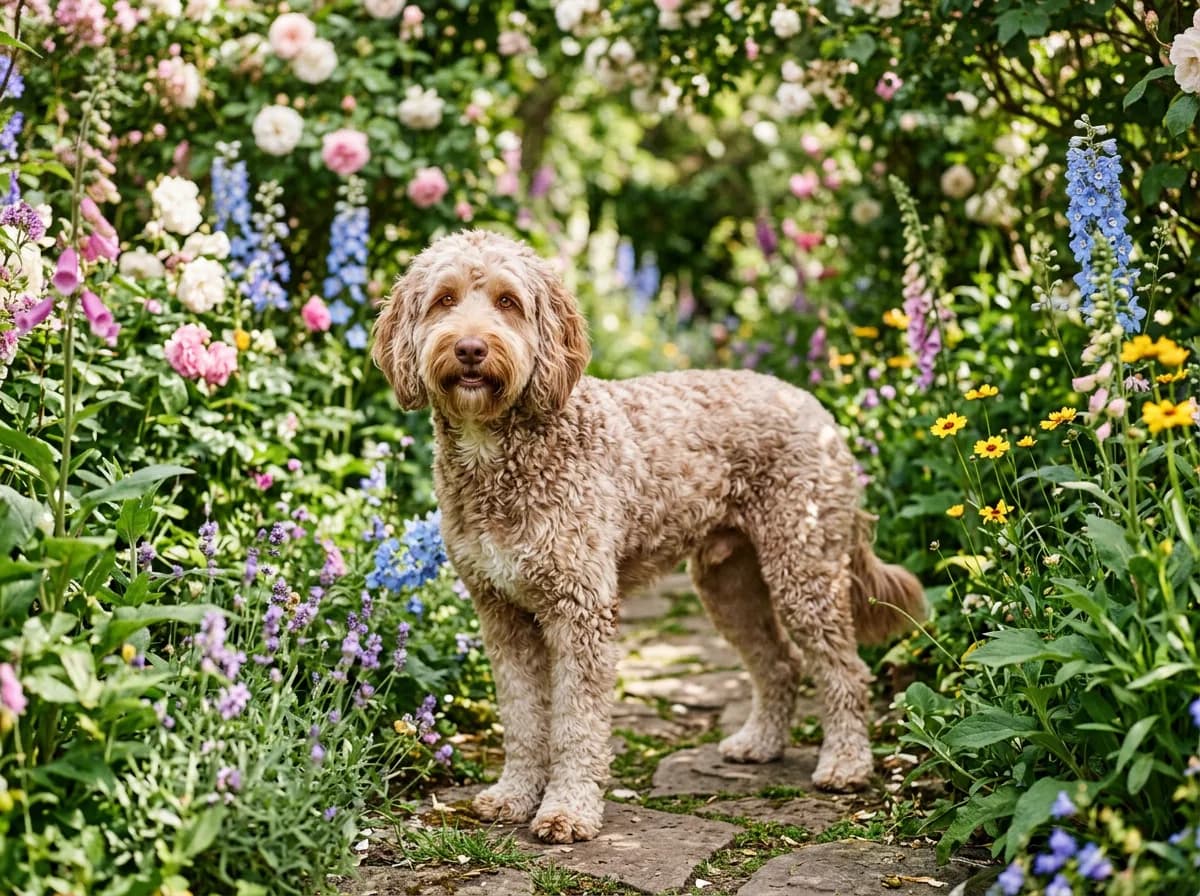
Apricot sits between cream and red, a warm pastel-orange that reads almost peachy in bright light. It is one of the most popular Goldendoodle colors because it holds the golden warmth people love while looking a touch more distinctive. Apricot coats also tend to clear lighter with age, so the deep apricot puppy often becomes a lighter apricot adult.
Red
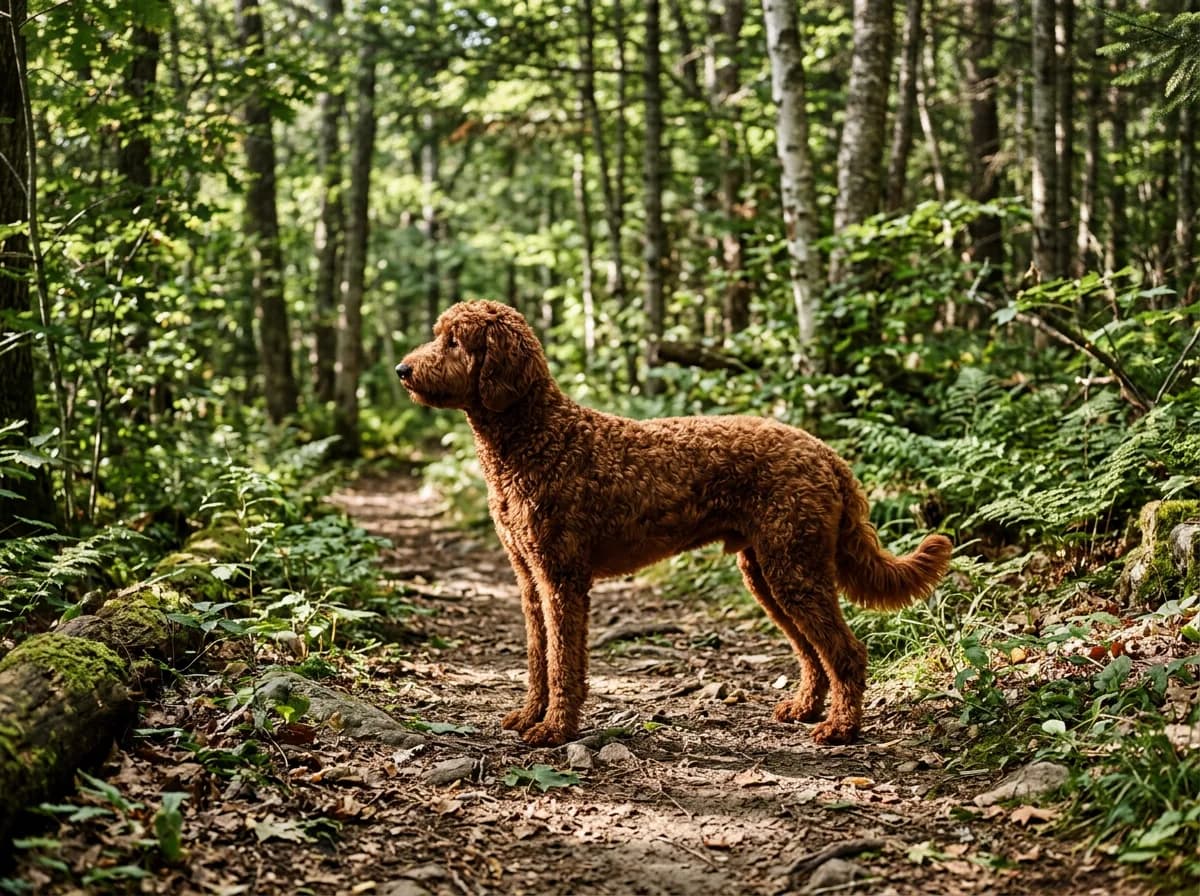
Red is the most saturated of the warm shades, a deep mahogany or rusty-copper that many buyers specifically hunt for. True, rich red that holds its depth into adulthood is less common than gold or apricot, because the genes that keep the color from fading are not guaranteed. Red Goldendoodles usually carry black points, and the contrast between a dark nose and a fiery coat is part of the appeal.

Petful may earn a commission when you click through to Chewy, at no extra cost to you.
Chocolate and Brown
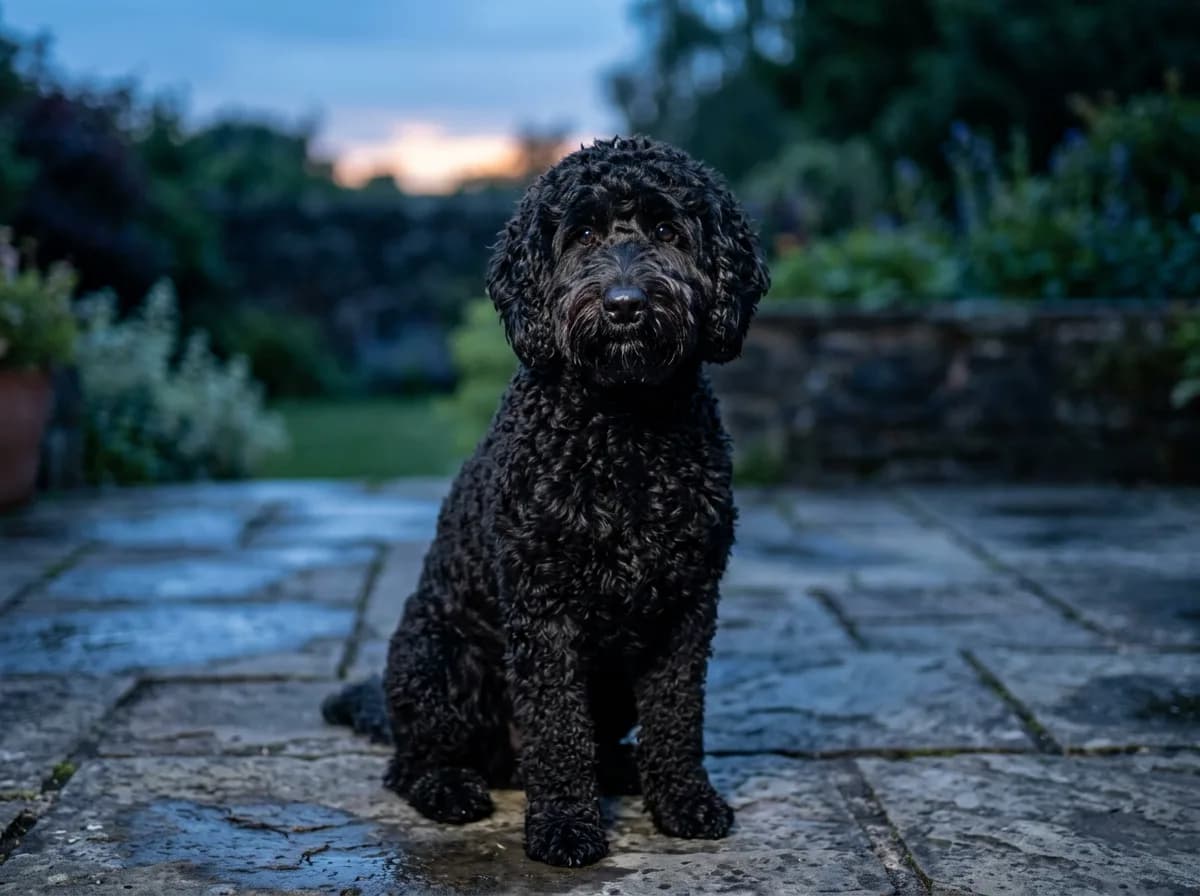
Chocolate Goldendoodles carry the brown pigment gene from the Poodle side, giving a coat that ranges from milk chocolate to a deep, dark cocoa. The tell is the pigment: chocolate dogs have brown noses, brown eye rims, and often lighter amber eyes rather than the black points seen on cream and red dogs. Brown coats can fade toward a lighter cafe-tone as the dog ages, which leads us to one of the rarer shades below.
Black
A solid black Goldendoodle is glossy and uniform, with black nose, pads, and dark eyes. Black is less common than the warm shades because the Golden Retriever side pushes so hard toward gold, so producing a fully black doodle usually requires a black Poodle parent carrying the right genes. Black coats hide dirt but show every fleck of lint, and on a dense curly coat they can hide matting until it is well established, which matters for grooming.
White
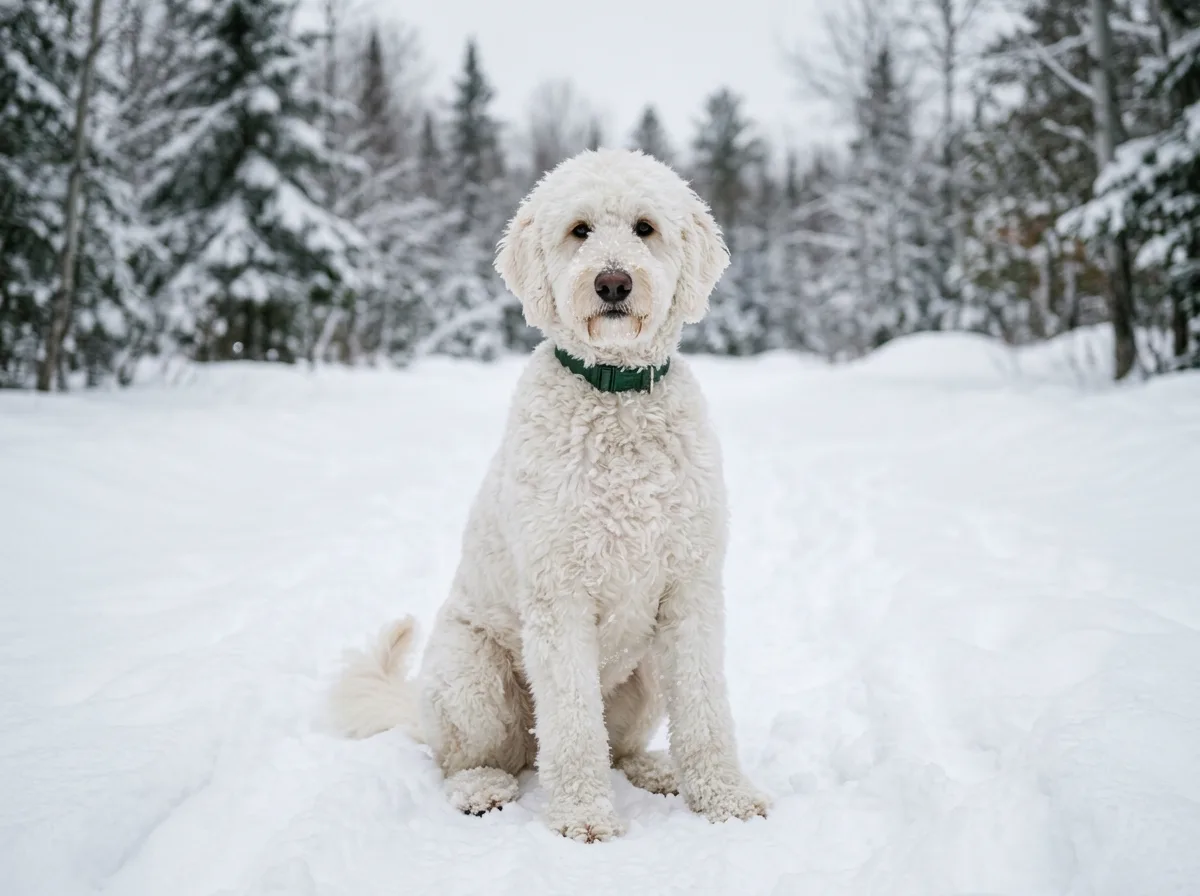
True white is rarer than cream and describes a coat with no warm tint at all, essentially pure snow. Many dogs sold as white are really pale cream. Genuine white doodles still usually keep dark points, which distinguishes them from albino-type dilution.
Silver and Gray
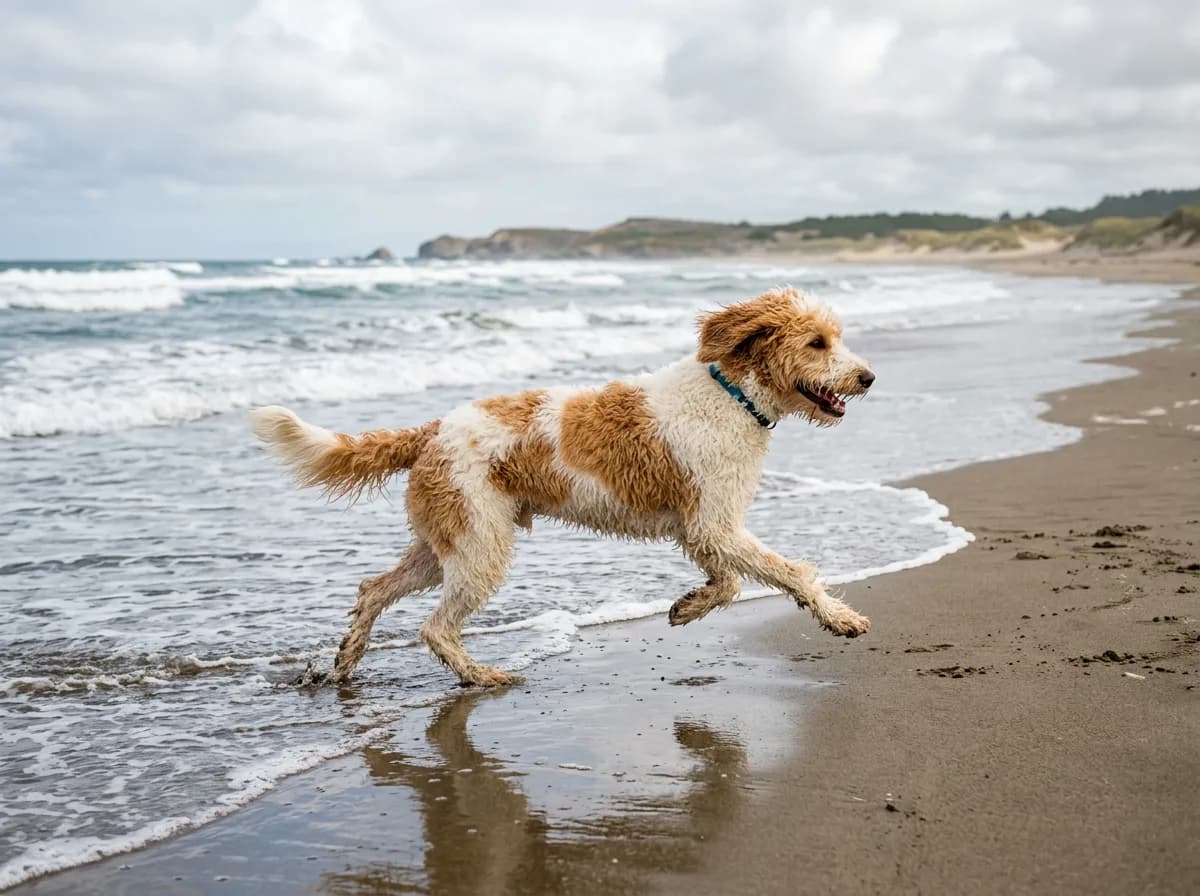
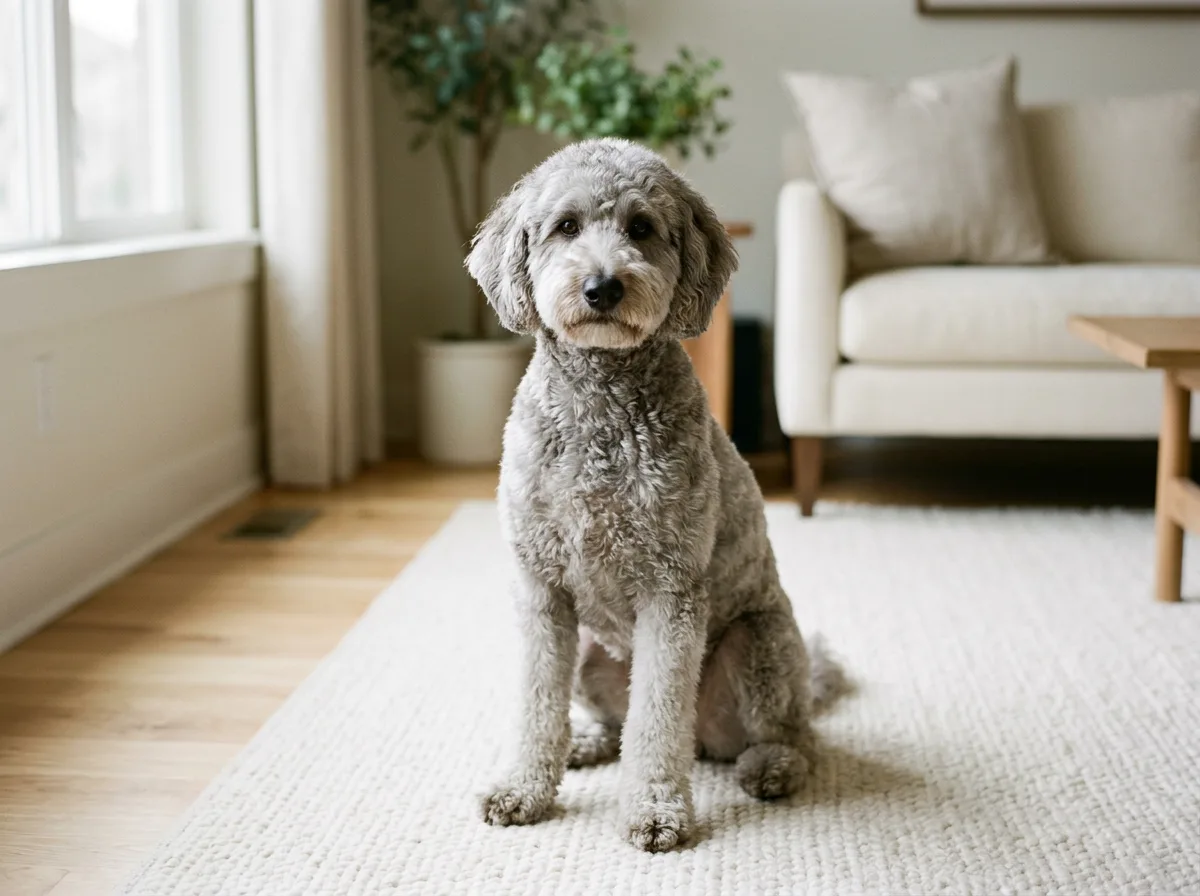
Silver and gray come straight from the Poodle side and are among the more unusual solid Goldendoodle colors. These dogs are frequently born black or dark and then progressively lighten to a smoky silver or gray over one to two years, an inherited fading process. Because the color depends on that gradual lightening, you rarely see a puppy that already looks silver; you are betting on the genetics.
Petful may earn a commission when you click through to Chewy, at no extra cost to you.
Cafe au Lait
Cafe au lait is a soft, milky brown that sits lighter than chocolate. Like silver, it usually develops through fading: a chocolate puppy lightens into this muted, latte-toned adult coat. It carries the same brown pigment signature, so expect a brown nose rather than black points.
Goldendoodle Coat Patterns
Patterns are where Goldendoodle colors get genuinely striking. Instead of one uniform shade, patterned dogs combine colors or distribute pigment in a specific layout across the body.
Parti
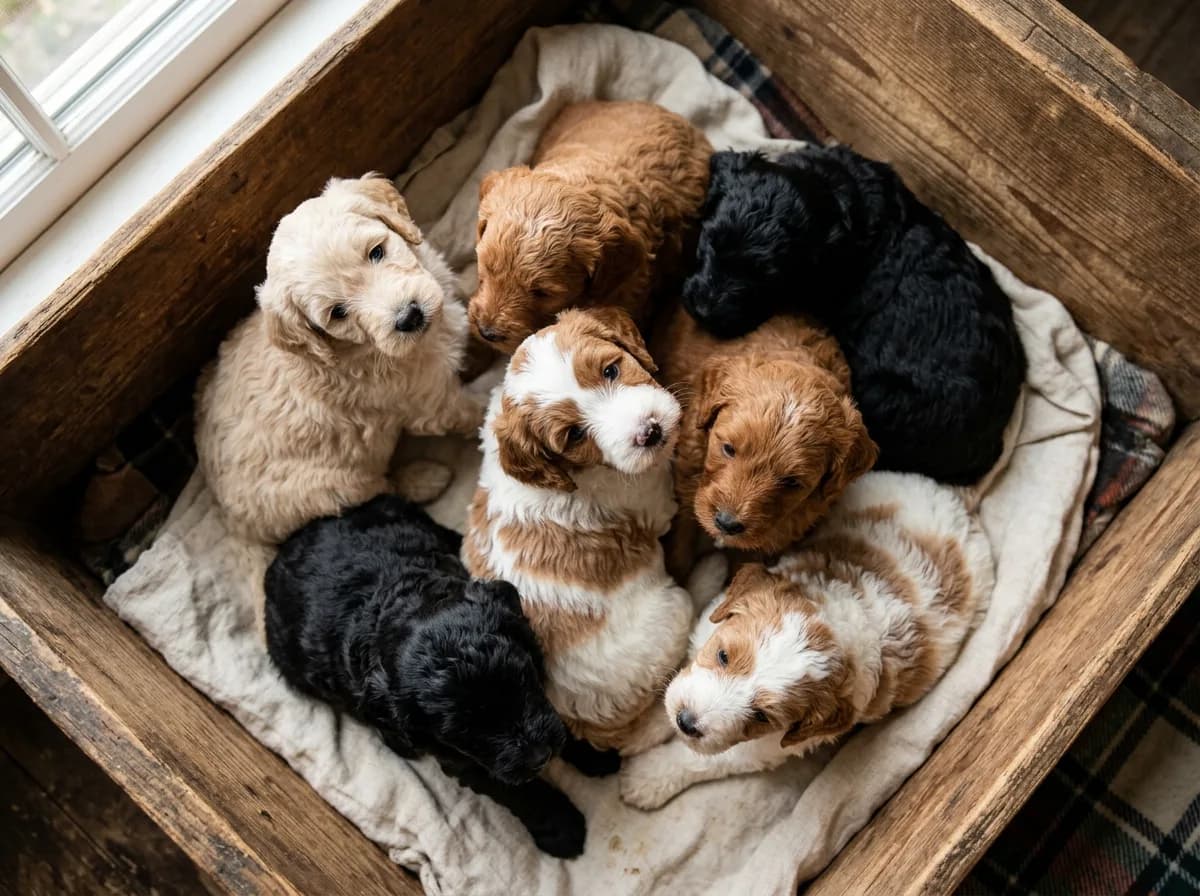
A parti Goldendoodle is at least 50 percent white, with solid patches of a second color (often apricot, red, chocolate, or black) breaking up the coat. Parti is a recessive pattern, so it takes the right genes from both parents, which makes a well-marked parti less common than a plain solid. No two parti dogs are marked alike, which is a big part of the draw.
Phantom
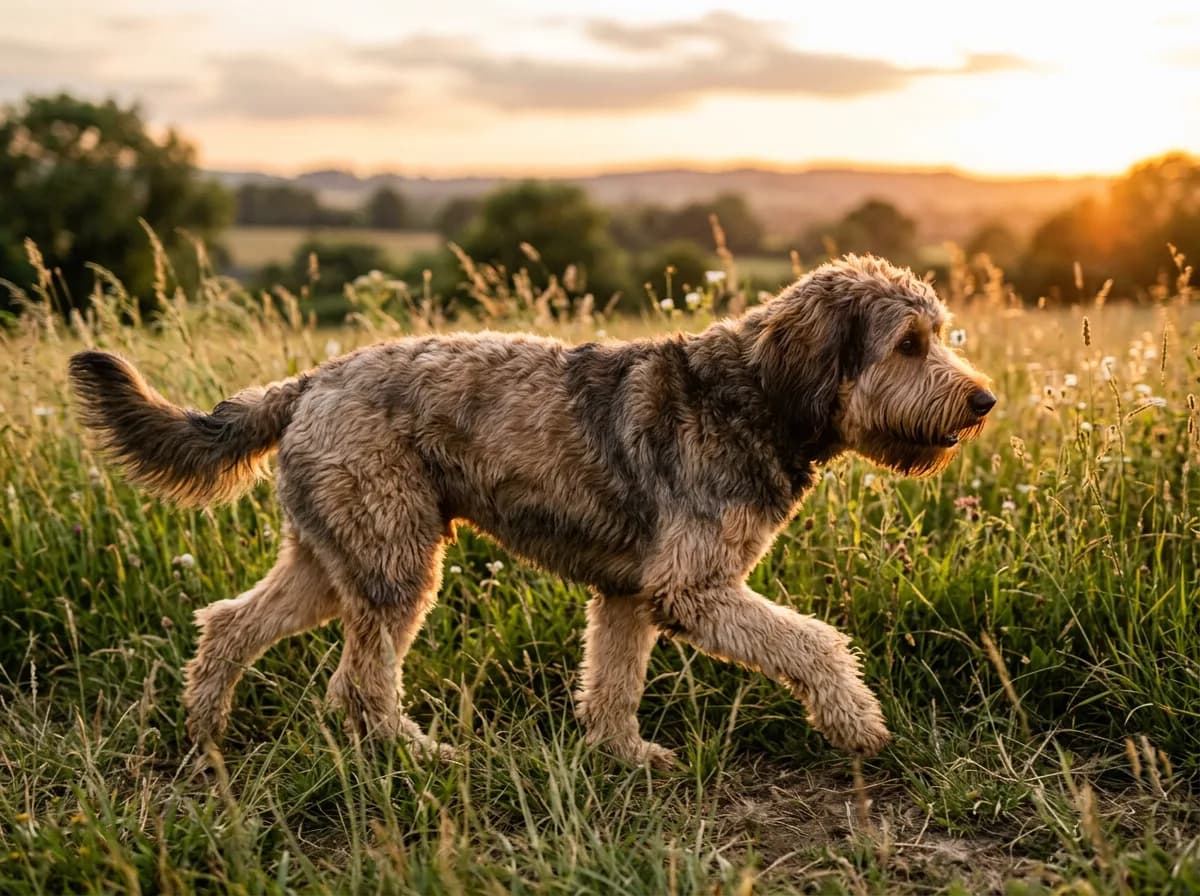
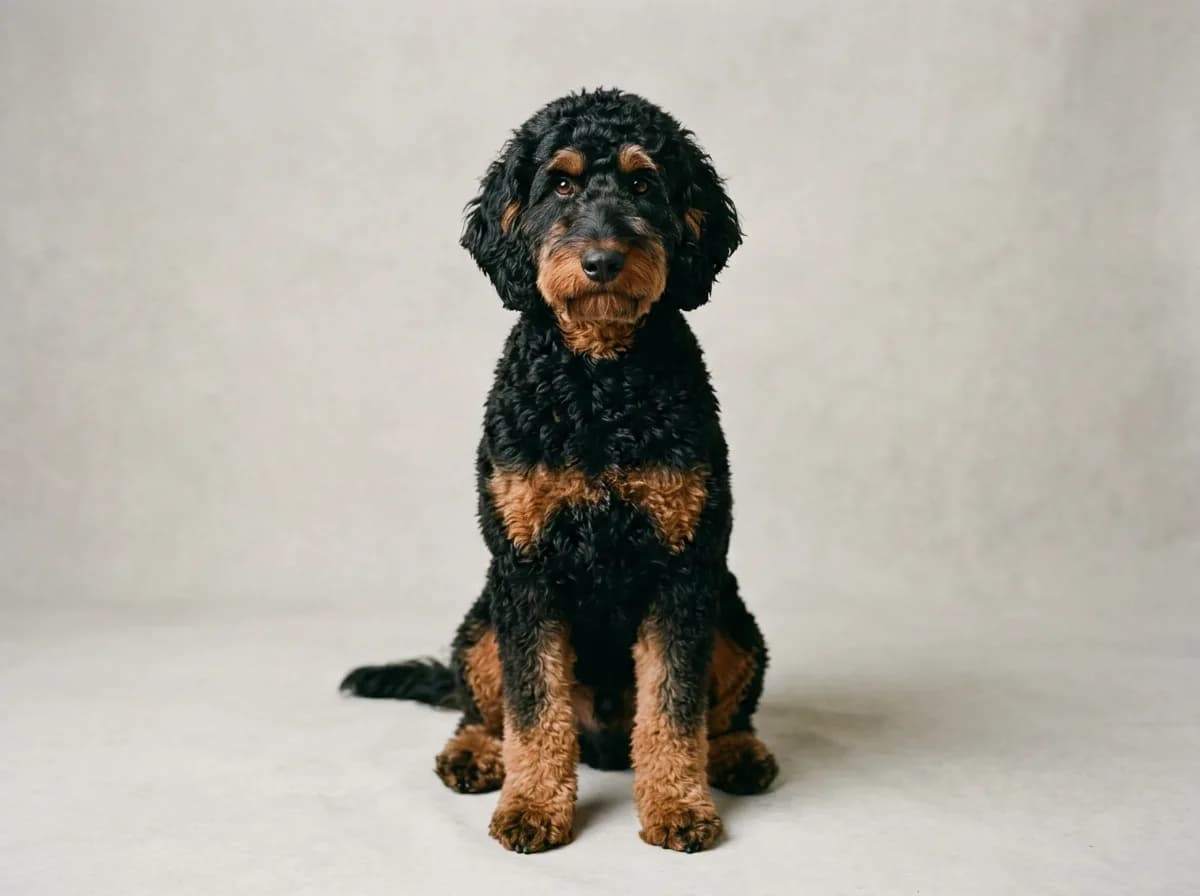
Phantom describes a two-tone layout with defined tan or copper markings in set locations: above the eyes, on the cheeks and muzzle, on the chest, and down the legs, over a darker base of black or chocolate. If you know Doberman or Rottweiler markings, phantom is the same idea on a doodle. Clean, well-placed phantom markings are prized and not especially common, because the pattern needs specific point-color genes.
Merle
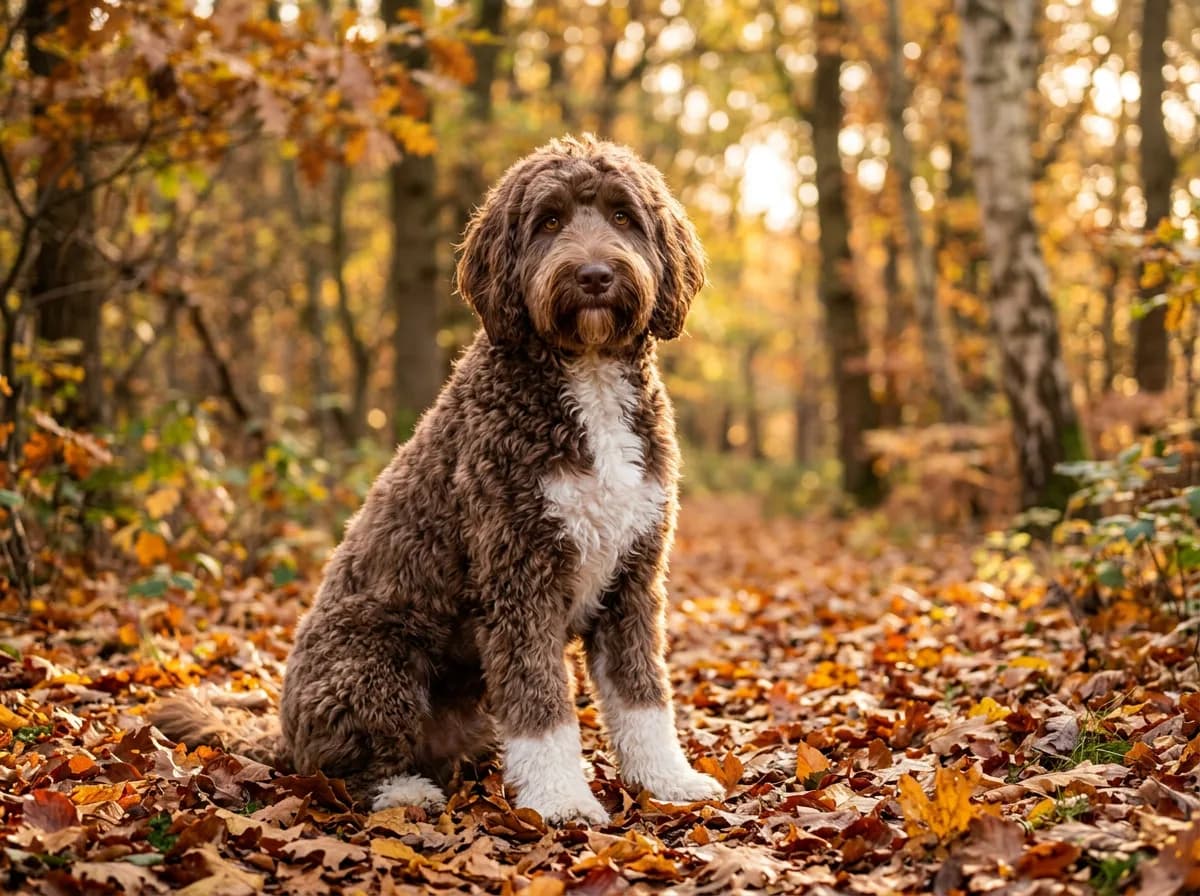
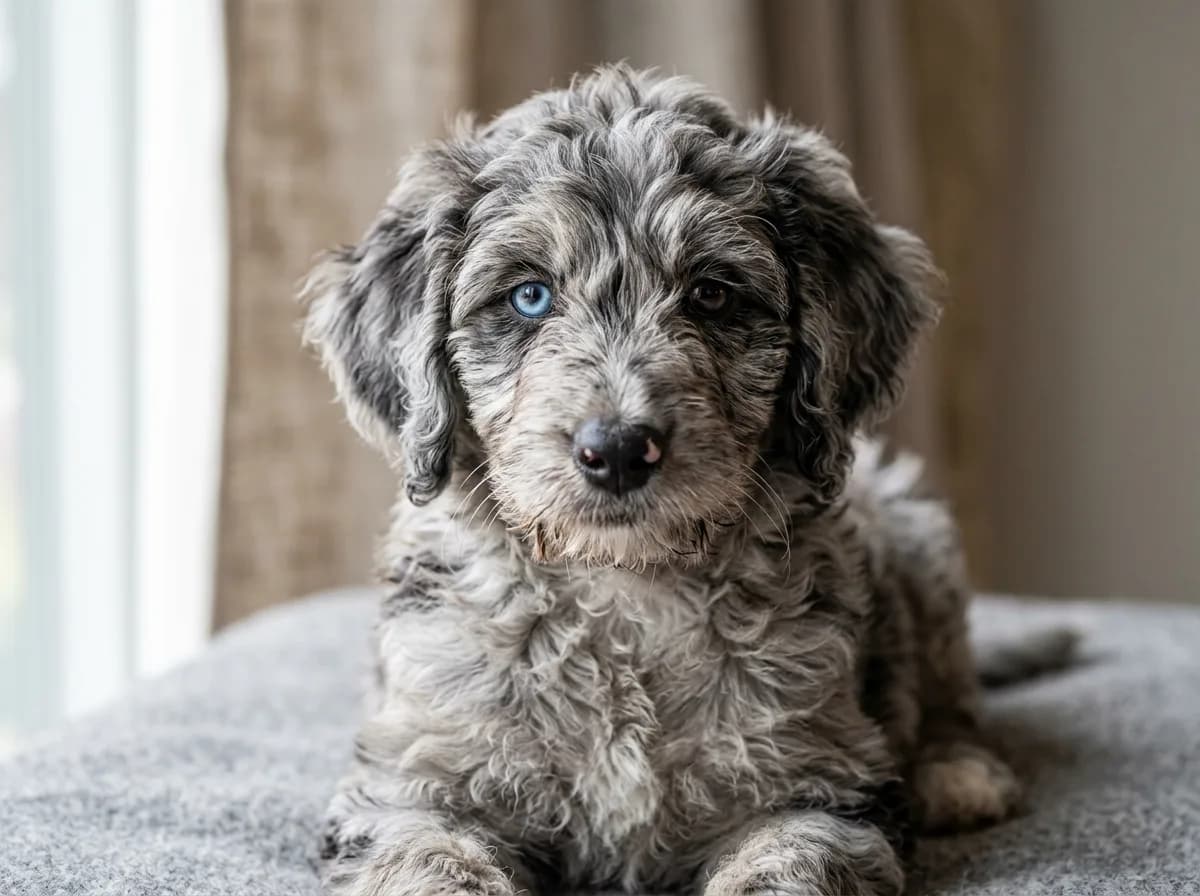
Merle is the most dramatic and the most misunderstood pattern. It creates a mottled, marbled effect, patches of diluted color scattered over a darker base, and often comes with blue or partial-blue eyes. Merle is not a Golden Retriever or Poodle native pattern, so it enters Goldendoodle lines through outside crossing, and it carries real health considerations.
Petful may earn a commission when you click through to Chewy, at no extra cost to you.
- Merle is a dominant gene, and breeding two merle dogs together can produce double merle puppies with a high risk of deafness, blindness, and eye defects. A responsible breeder never pairs merle to merle and can show DNA results proving only one parent carries it. If you want a merle, ask for that paperwork before you fall in love with a photo.
Sable
A sable Goldendoodle has hairs that are dark at the tip and lighter toward the root, giving a shaded look that shifts as the dog matures and the coat clears. Sable puppies often look much darker than they will as adults, since the tipping wears down and grooming trims away the darkest ends. The result is a coat with beautiful depth and subtle color transitions.
Abstract
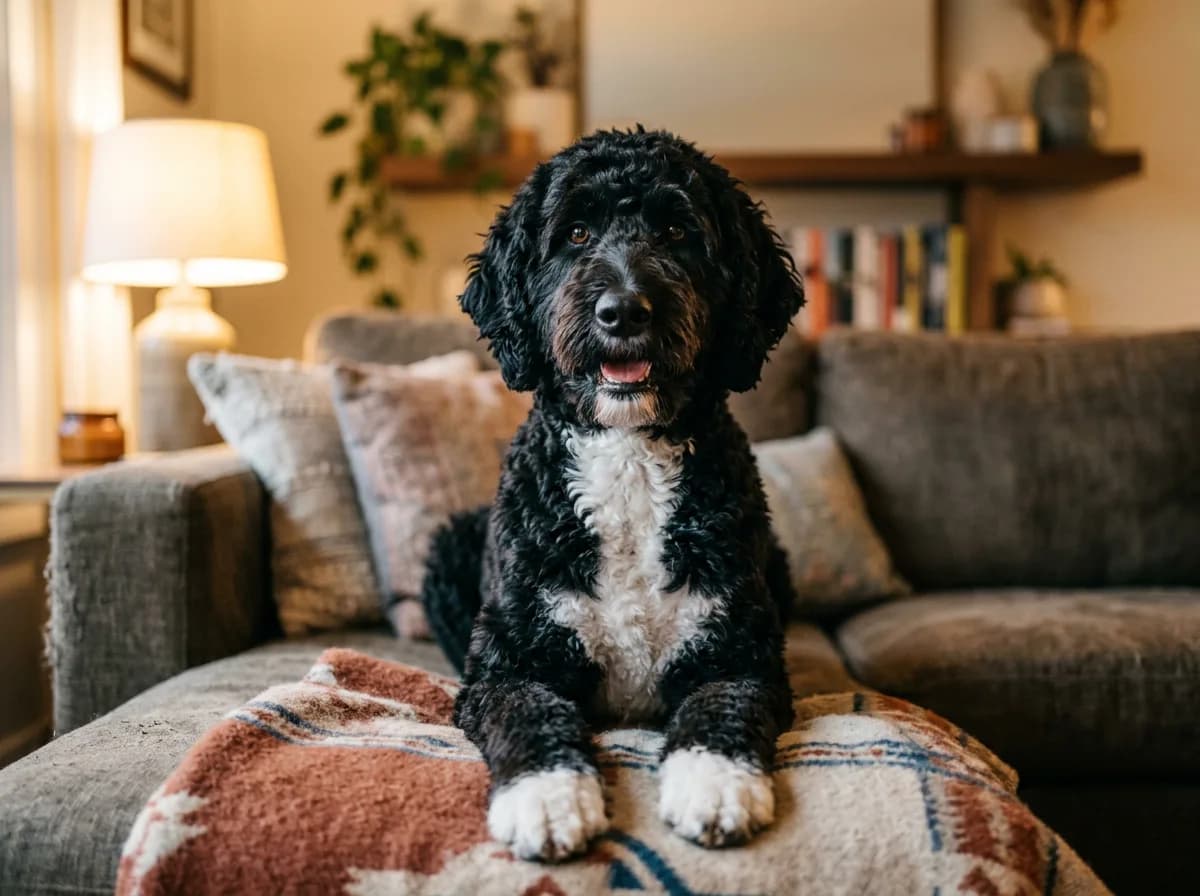
Abstract (sometimes called mismark or chrome) means a mostly solid dog with small white accents, typically under 50 percent white so it does not qualify as parti. A white chest blaze, white toes, or a white chin are the classic abstract markings. It is extremely common and many solid-looking doodles are technically abstract.
Tuxedo
Tuxedo is a specific abstract layout: a solid-colored dog with a white chest and often white front legs, giving the look of a formal shirt front. It is a favorite because the markings are tidy and symmetrical when they land well.
Brindle
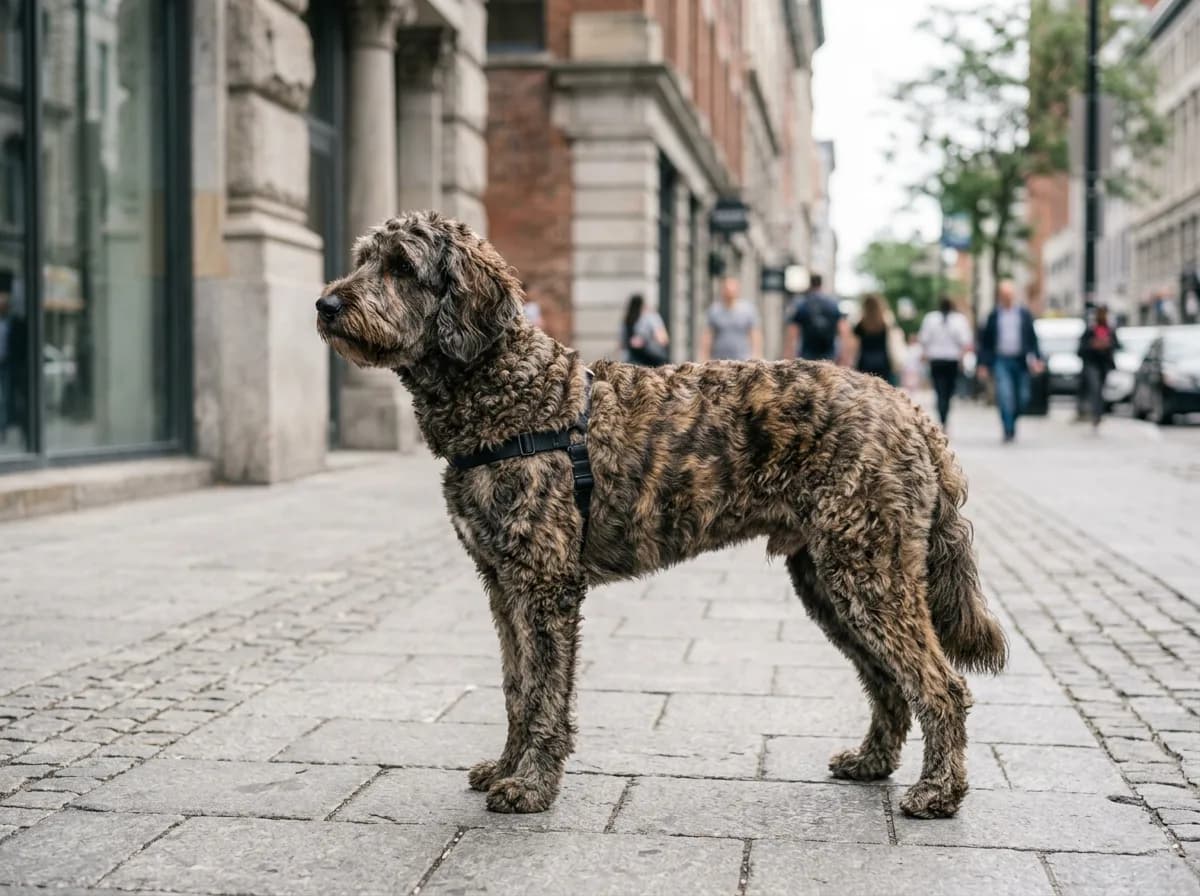
Brindle is a rare tiger-stripe pattern, darker streaks layered over a lighter base. It is uncommon in Goldendoodles because it depends on genes that are not widespread in either parent breed, so a true brindle doodle turns heads.
What Is the Rarest Goldendoodle Color?
The rarest Goldendoodle colors are true merle, blue, and solid gray or silver, along with clean brindle. These shades are scarce because the genes behind them are uncommon in both parent breeds, and in the case of merle they have to be introduced from outside lines entirely. Blue and silver also depend on a gradual fading process that only some dogs inherit, so a breeder cannot reliably produce them on demand. Rarity, though, is not the same as quality or health. Merle in particular should make you more cautious, not more eager, because the same gene that makes it rare is the one that causes serious defects when it is bred carelessly. If a breeder is charging a steep premium for a rare color, treat that as a prompt to ask harder questions about health testing, not as proof you are getting a better dog.
How Coat Color Links to Coat Care
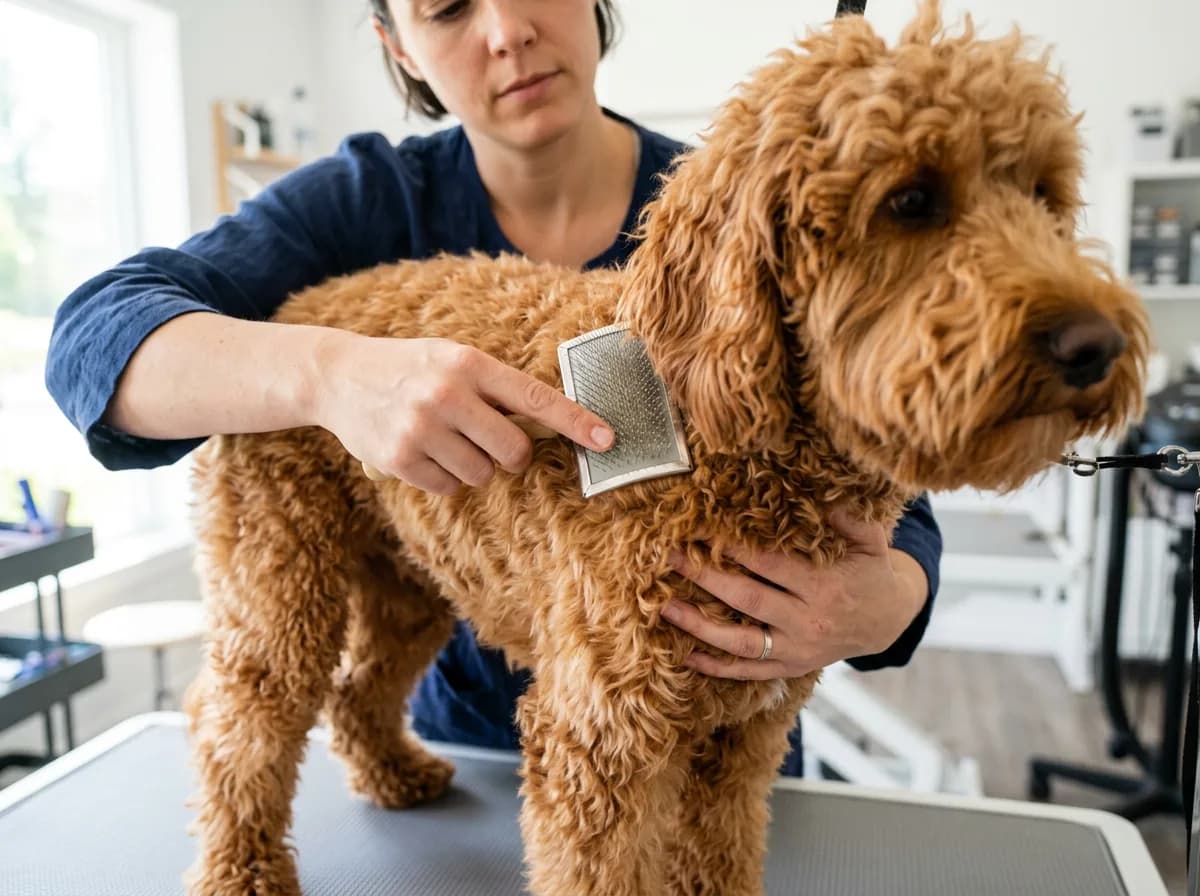
This is the part most color guides skip, and it is where the premise of this article really lives. The shade of your Goldendoodle changes your grooming routine in concrete ways.
Light coats (cream, white, pale gold, apricot) show reddish tear staining and saliva staining most obviously. The porphyrins in tears and drool oxidize to a rusty brown that is nearly invisible on a red or chocolate dog but glaring on cream. Light-coated owners tend to wipe the face daily and keep the hair around the eyes trimmed short.
Dark coats (black, chocolate, deep red) hide staining, but they hide something more important too: matting. A tight black curly coat can conceal a mat forming right down against the skin until it is a painful pad. Because you cannot see the tangle the way you can on a pale dog, dark-coated doodles need you to physically feel through the coat with a comb, not just eyeball it.
Sun and fading affect every color but read differently. Reds and chocolates can sunbleach and lighten over a summer, while silvers and cafe-au-lait dogs are fading by design. None of this changes the dog's health, but it does change what a well-groomed coat looks like month to month.
Coat type usually matters more than color for how hard a dog is to maintain, and the two are somewhat independent. A curly cream and a curly black both mat; a wavy dog of either color is more forgiving. Our full Goldendoodle grooming guide covers brushing frequency, tools, and trim schedules by coat type. The color table below pairs each shade with its single most useful care note.
| Color or Pattern | What It Looks Like | How Common | Coat-Care Note |
|---|---|---|---|
| Cream | Pale warm off-white, usually with black points | Very common | Wipe face daily; tear stains show clearly |
| Gold | Warm honey to caramel | Very common | Often clears lighter with age; low staining |
| Apricot | Peachy warm pastel | Very common | May fade lighter; watch light-coat staining |
| Red | Deep mahogany or copper | Moderately common | Can sunbleach in summer; hides stains well |
| Chocolate | Milk to dark cocoa, brown nose | Less common | Hides matting; comb by feel, not sight |
| Black | Glossy uniform black | Less common | Shows lint; conceals mats until severe |
| Silver or gray | Smoky, fades from black | Rare | Color develops over 1 to 2 years |
| Parti | 50 percent-plus white with color patches | Less common | White areas stain; trim and wipe often |
| Phantom | Tan points over dark base | Less common | Watch matting on the darker base color |
| Merle | Marbled diluted patches | Rare | Verify single-merle DNA before buying |
Do Goldendoodle Colors Change With Age?
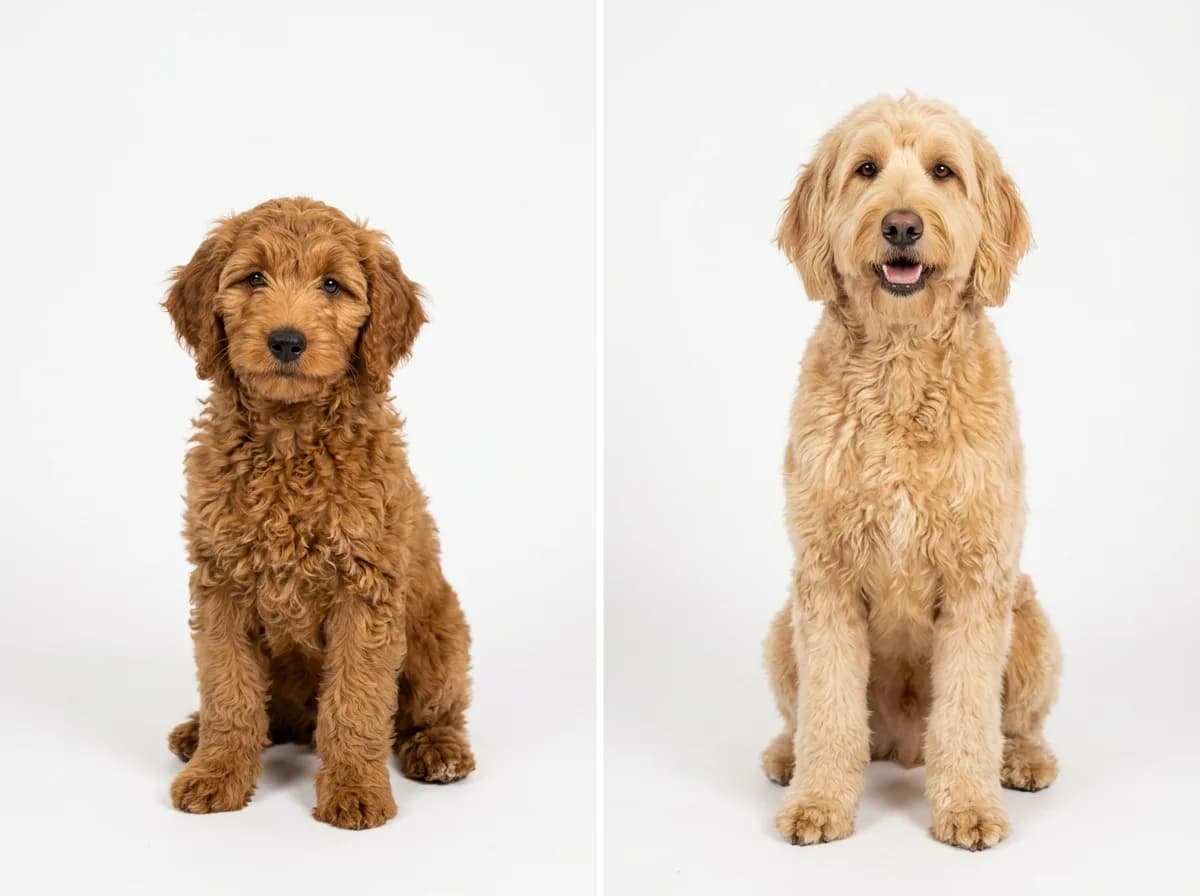
Yes, and often dramatically. Clearing and fading are two normal, genetically driven processes that reshape a Goldendoodle's color between puppyhood and adulthood. Clearing lightens warm coats: a dark caramel puppy becomes a soft gold adult. Fading, driven by the same Poodle progressive-graying gene behind silver and cafe au lait, turns black to gray or chocolate to latte over one to two years. Sable coats lighten as their dark tips grow out and get trimmed away. This is why reputable breeders show photos of the parents and the puppy's own coat at the root, where the future adult color often hides. If holding a specific color for life is important to you, ask the breeder which shades in their line stay put and which reliably lighten.
Choosing a Color: Looks vs. Lifestyle
It is easy to pick a Goldendoodle by color alone, and there is nothing wrong with wanting a shade you love. Just weight it against the practical realities. A cream or white dog is stunning and also the highest-maintenance for facial staining. A dark curly dog photographs beautifully and demands the most diligent mat-checking. A rare merle or silver commands attention and a premium price, and should come with the most paperwork. Temperament, health testing, and the breeder's ethics matter far more to your next decade than whether the coat is apricot or red. If you are cross-shopping doodle-style breeds while you decide, the similarly popular Cavapoo offers a smaller version of the same friendly, low-shedding appeal in its own range of colors.
Pick the dog whose health, energy, and personality fit your home, and treat the color as the happy bonus it is.
- Because Goldendoodle colors clear and fade so much, the single best predictor of your adult dog's color is what the parents actually look like, not a marketing label. Ask to see both parents, check the coat color right down at the skin, and ask the breeder which shades in their line hold and which lighten.
Do Mini and Toy Goldendoodles Come in Different Colors?
No. Size and color are inherited separately, so a mini or toy goldendoodle can wear any coat a standard can, from cream and apricot to red, chocolate, black, parti, phantom, and merle. Nothing about a smaller frame limits the palette.
There is one real pattern worth knowing before you shop. Mini and toy goldendoodles are bred using miniature and toy poodles, and those smaller poodle lines carry the flashier coats (parti, phantom, and merle) more often than standard poodles do. So while every size can technically produce every color, you tend to see patterned and unusual coats slightly more in the smaller doodles, and the classic solid golden look slightly more in standards.
Practical takeaway:
- Want a merle, parti, or phantom in a compact dog? Mini and toy breeders are the better hunting ground.
- Want the traditional solid golden or apricot? Any size delivers it easily.
- Never pay a "rare color" premium on size alone. Color and size are two separate choices, not a package deal.
How to Predict a Goldendoodle Puppy's Adult Color
You can make an educated estimate, but not a guarantee, because many goldendoodles lighten as they mature. Here is how breeders and buyers narrow it down before a puppy grows up.
- Look at both parents and grandparents. The poodle side usually drives whether a coat "clears" to a lighter shade, so ask what the poodle line did with age.
- Do the root test. Part the coat down to the skin. If the fur near the roots is noticeably paler than the tips, expect the adult coat to fade toward that lighter root color.
- Check the ears and muzzle. These areas tend to hold the truest, most stable version of the adult shade, so they are your best preview.
- Ask for grown photos from the same pairing. A breeder who has repeated a litter can show you exactly how those puppies matured.
Treat the puppy color you see at eight weeks as a starting point, not a finished portrait. A deep red or dark apricot puppy often settles a shade or two lighter, while creams and blacks tend to hold closer to birth color.
Goldendoodle Color Chart: Every Shade at a Glance
Use this quick reference to compare coats side by side when you are scanning a breeder's available litters.
Common and easy to find
- Cream: pale off-white with warm undertones; one of the most available colors.
- Gold: the classic golden retriever look; widely produced.
- Apricot: warm orange-tan; popular and easy to source.
- Red: deep copper; in demand and usually priced higher.
Less common solids
- Chocolate and brown: rich cocoa; steady availability but fewer litters.
- Black: solid dark coat; less common than the warm shades.
Patterned and rarer coats
- Parti: 50 percent or more white with a second color in patches.
- Phantom: solid base with tan points on the face, chest, and legs.
- Abstract or mismatched: mostly one color with small white markings.
- Sable: dark-tipped hairs over a lighter base that often clears with age.
- Merle and silver or gray: mottled or diluted coats; among the rarest and priciest, and merle carries health cautions worth researching.
True merle, blue, solid gray or silver, and clean brindle are the rarest Goldendoodle colors, because the genes behind them are uncommon in both the Golden Retriever and Poodle and, for merle, must come from outside lines. Rarity should prompt questions about health testing, especially with merle, rather than justify a steep premium on its own.
The best food for a Goldendoodle is a complete, balanced diet that meets AAFCO standards and is matched to the dog's life stage and size, with quality protein as the first ingredient. Because doodles range from mini to standard, portion to your dog's weight and activity, and ask your veterinarian about diet if you notice a dull coat, since coat shine reflects overall nutrition more than it reflects color.
Skip punishment and use positive reinforcement: reward the behavior you want the moment it happens, redirect unwanted behavior to an acceptable outlet, and stay consistent across everyone in the household. Goldendoodles are bright and eager to please, so short, upbeat training sessions and calm, immediate consequences work far better than harsh corrections.
Most Goldendoodles love water, and for good reason: both parent breeds were bred around it, since Golden Retrievers retrieved waterfowl and Poodles were water retrievers. Individual dogs vary, but a majority take happily to swimming, sprinklers, and baths, especially when introduced gently and positively as puppies.
Whatever shade catches your eye, remember that Goldendoodle colors are the surface of the dog. Match the color to a grooming routine you will actually keep up, buy from a breeder who health-tests, and you will have a striking, sound companion in any hue. For breed-specific health screening recommendations, the Orthopedic Foundation for Animals (ofa.org) and the American Kennel Club (akc.org) both publish guidance on the Golden Retriever and Poodle lines behind every doodle.

Coreen Saito is a pet writer and longtime shelter volunteer with more than a decade in animal rescue. She covers cat behavior, breed care, and the small, ordinary science of sharing a life with companion animals, with a particular focus on honest takes about the products and decisions that actually matter. At home in Arizona, she's outranked by Mac (a dog with the loudest opinion in the house), Rebel (a cat who governs by quiet authority), and Meri (an orange tabby who runs the late shift and the laundry basket). She writes about all three, plus the rescues that keep coming through her life, at LifeWithMinty.com.
Sign up for expert-backed reviews and safety alerts all in one place.