Cat Breeds Pros and Cons: 11 Popular Breeds Compared
There is no perfect cat. Compare the pros and cons of 11 popular cat breeds plus mixed-breed cats by temperament, grooming, activity and health to find the right match for your home.

Petful is reader supported. As an affiliate of platforms like Amazon and Chewy, we may earn a commission when you buy through links on this page. There is no extra cost to you.
Over the years, I've had my share of both mixed-breed cats and their purebred counterparts. Our two longest-lived cats were as mixed as you could get, but Star and Topaz, our Siamese, made it well into their teens. Every cat is an individual, yet the breed you choose still shapes daily life with your pet, from grooming and noise level to the health conditions you should watch for.
That is what this guide to cat breeds pros and cons is for. Below you will find the honest trade-offs of 11 popular cats, plus mixed-breed cats, so you can weigh temperament, grooming, activity and health before you commit. There is no perfect breed, only the right match for your household.
- 1Every cat breed comes with trade-offs: a Persian's gorgeous coat means daily grooming, a Siamese's affection means constant chatter.
- 2Purebred cats give you predictable looks and temperament but a higher risk of inherited health problems; mixed-breed cats are usually hardier and cheaper.
- 3Match the breed to your lifestyle, not the other way around: activity level, noise tolerance, grooming time and budget matter more than looks.
- 4Adopting a mixed-breed cat from a shelter is the lowest-cost, often-healthiest route to cat ownership.

Sign up for expert-backed reviews and safety alerts all in one place.
Purebred vs Mixed-Breed Cats: How to Weigh the Pros and Cons
Before you fall for a specific breed, it helps to understand the biggest fork in the road: purebred or mixed. A purebred cat is bred to a written standard, so you can predict its size, coat and broad temperament. That predictability is the main reason people pay for a pedigree. The downside is that a small gene pool concentrates inherited conditions, which is why so many breeds below come with a health warning.
Mixed-breed cats, often called domestic shorthairs or domestic longhairs, draw from a much wider gene pool. They tend to be hardier, less prone to breed-specific diseases and far cheaper, since most come from shelters and rescues. The catch is that you cannot predict exactly how a kitten will look or behave as an adult.
- Want a known quantity and have a specific look or temperament in mind? Consider a purebred from a responsible breeder. Want a healthy, budget-friendly companion and are flexible on looks? Adopt a mixed-breed cat. Either way, ask about the parents' health history.
Cat Breed Pros and Cons at a Glance
Use this quick-reference chart to compare the breeds in this guide before you read the detail below. Grooming and activity are rated low, medium or high.
| Breed | Temperament | Grooming | Activity | Watch For |
|---|---|---|---|---|
| Siamese | Vocal, devoted, social | Low | High | Loneliness, dental issues |
| Persian & Himalayan | Calm, affectionate, quiet | High | Low | Breathing problems, eye runoff |
| Maine Coon | Gentle, friendly, dog-like | High | Medium | Hip dysplasia, heart disease |
| Bengal | Energetic, clever, playful | Low | High | Boredom, needs enrichment |
| Sphynx | Affectionate, warm-seeking | Medium (skin) | Medium | Skin care, heart disease |
| Abyssinian & Somali | Active, curious, athletic | Low to medium | High | Gingivitis, kidney issues |
| Burmese & Bombay | Chatty, people-loving | Low | Medium | Asthma, dental issues |
| Manx | Playful, smart, loyal | Medium | Medium | Manx syndrome (spinal) |
| Ragdoll | Docile, floppy, mellow | Medium | Low | Heart disease, weight gain |
| British Shorthair | Easygoing, independent | Medium | Low | Heart disease, obesity |
| Domestic Shorthair (mixed) | Varies widely | Low | Varies | Few breed-specific issues |
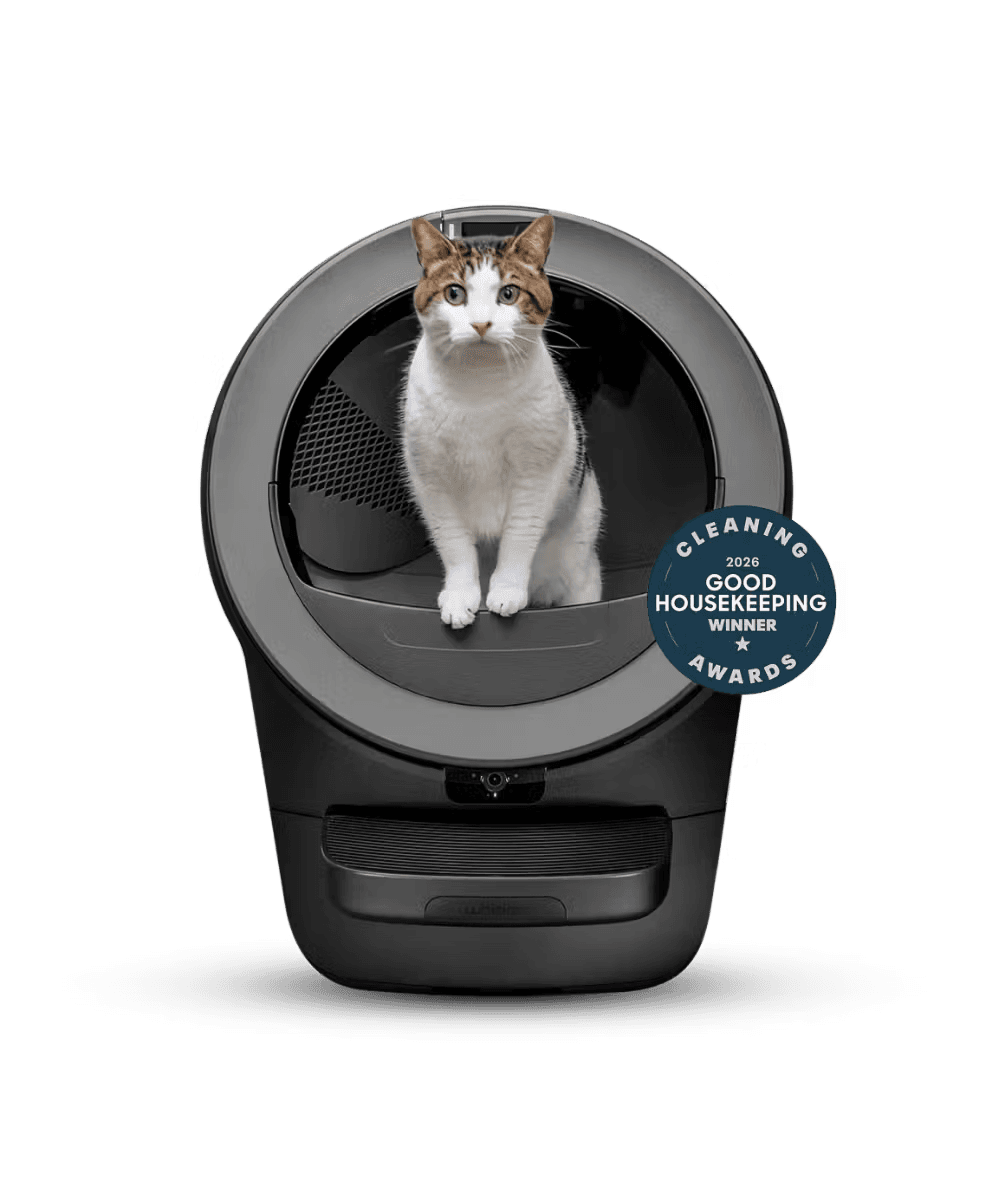
Never Scoop Again® with the Whisker Litter-Robot, the smart self-cleaning automatic litter box. Monitor visits and track weights for better overall care in the Whisker® app. Multi-cat friendly.
Petful may earn a commission when you click through to Whisker, at no extra cost to you.
Siamese Cat: Pros and Cons
I don't think it's possible to be indifferent to Siamese cats. People either adore or abhor them. They are totally over-the-top, all-or-nothing felines who bond hard with their people and rarely do anything quietly.
Siamese crave human interaction and want to be involved in whatever you're doing. Star used to plunk her elegant self right smack in the middle of whatever board game we were playing, oblivious to the pieces she sent flying every which way. They are also famously talkative: they have a very distinctive voice, and they all "talk," although some do so much more than others. If you don't want a chatty cat, keep moving.
On temperament, the Siamese is one of the most affectionate and intelligent breeds you can own. The flip side is that they hate being left alone: a Siamese left by itself all day can become anxious, destructive or even depressed. Their short, fine coat is wonderfully low-maintenance, but the breed is prone to dental disease and respiratory issues, so budget for regular vet care.
- Deeply affectionate and bonded to their people
- Sleek coat needs almost no grooming
- Highly intelligent and trainable
- Long-lived when well cared for
- Sociable with people and other pets
- Extremely vocal: not for those who want quiet
- Hates being left alone for long stretches
- Prone to dental and respiratory problems
- Demands daily attention and play
If a Siamese is on your shortlist, our guides to Siamese cat personality and Siamese cat price cover exactly what to expect before you commit.

Persian & Himalayan: Pros and Cons
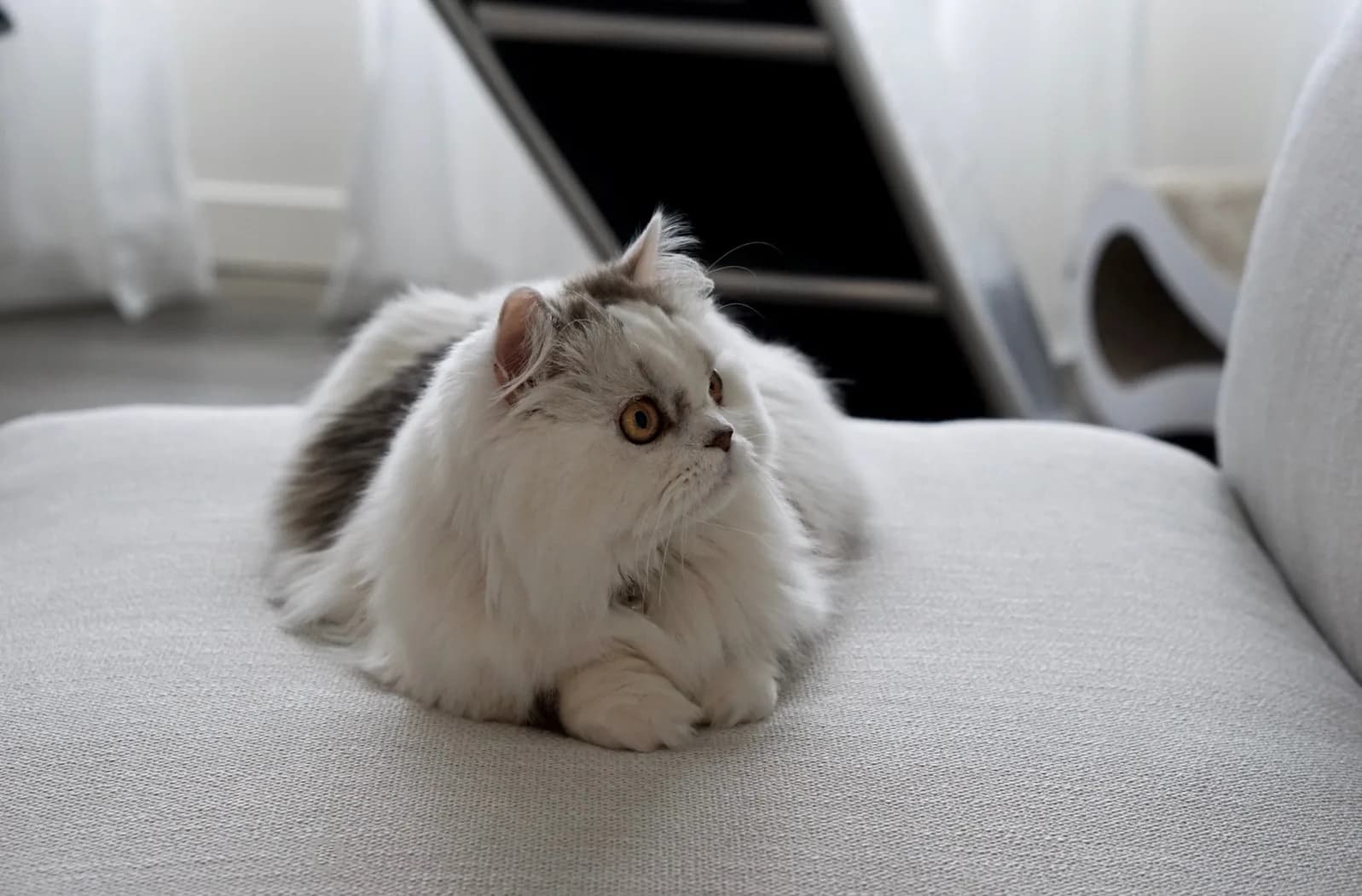
With their long, fluffy coats and jewel-like eyes, Persians convey a sense of luxury. Despite their haughty look, they are loving, companionable and low-key, which makes them a great fit for calm households and people who want a lap cat rather than an acrobat.
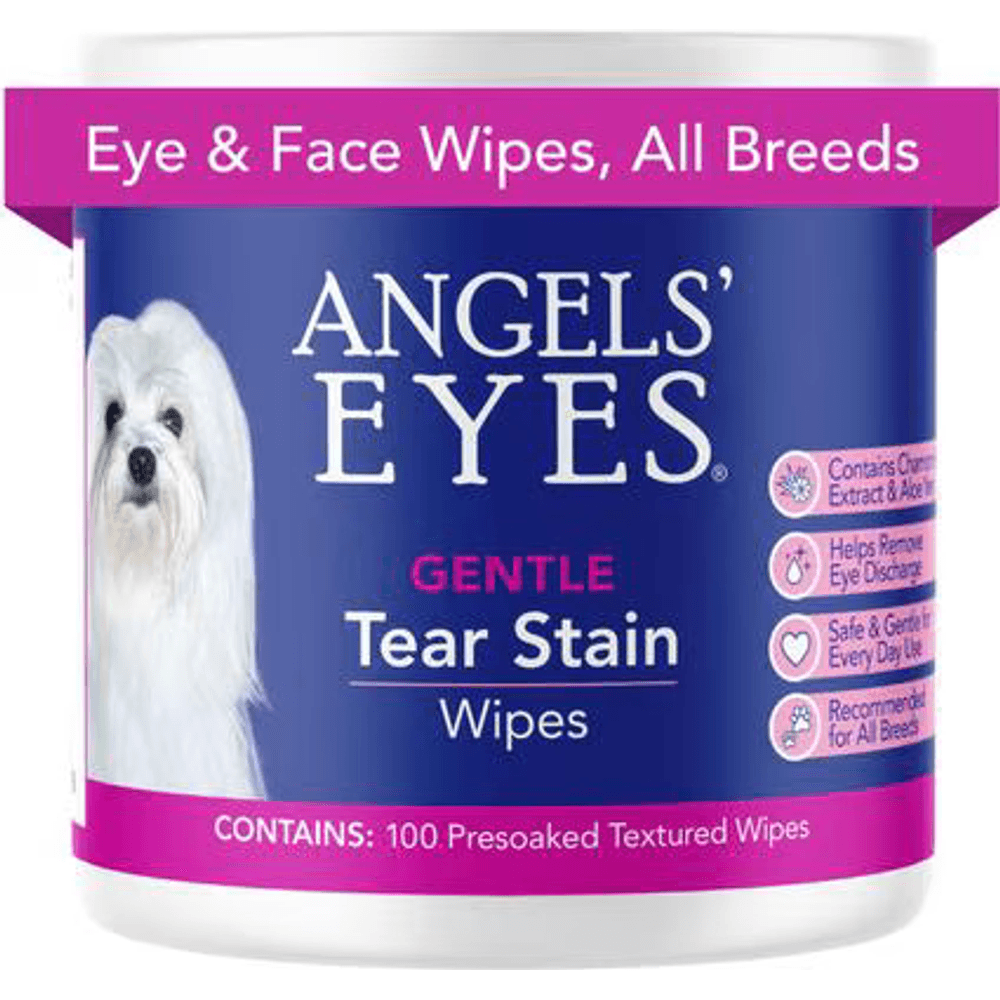
Presoaked wipes that gently clean the fur and skin around a dog's or cat's eyes, lifting away tear stains, discharge, and daily debris. A quick, no-rinse way to keep the eye area clean between baths. For routine cleaning only.
Petful may earn a commission when you click through to Chewy, at no extra cost to you.
Those gorgeous coats mat easily, however. These cats require daily grooming plus the occasional bath, and a matted coat quickly becomes painful. Their eyes can get a little runny, so you will need to wipe away the runoff, and because they are not very active, you will have to help with claw care and weight control.
Persians, especially the flat-faced (brachycephalic) ones, are susceptible to breathing and eating problems. As one vet puts it, the shorter the nose, the more problems they have. Himalayans are essentially a color variation of the Persian, so the same grooming and health considerations apply. If you love the look, go in with eyes open about the daily upkeep and potential vet bills.
- Calm, affectionate and quiet
- Happy as an indoor lap cat
- Striking, glamorous looks
- Gets along well with gentle households
- Coat needs daily grooming and regular baths
- Flat-faced lines prone to breathing problems
- Runny eyes need daily wiping
- Low activity means a higher risk of weight gain

Maine Coon: Pros and Cons
This is another well-loved breed, rivaling Persians in popularity, and one of the oldest natural breeds in North America. Maine Coons are friendly, intelligent cats often called "gentle giants." Many are famously dog-like: they follow you around, play fetch and tolerate handling well, which makes them a favorite for families.
They are big, hearty-looking cats, but that size comes with health considerations. Maine Coons are prone to hip dysplasia, as are other large breeds, plus hypertrophic cardiomyopathy (the most common feline heart disease) and polycystic kidney disease. Even gentle giants have their Achilles' heel. Their thick coats also mat easily, so regular grooming is a must, especially around the belly and behind the legs.
- Friendly, gentle and great with families
- Dog-like personality: trainable and social
- Striking size and impressive coat
- Generally robust and good-natured
- Coat mats without regular grooming
- Prone to hip dysplasia and heart disease
- Large size means more food and bigger gear
- Slow to mature: kittenhood lasts years

63-inch multi-level cat tree with scratch posts, hammock, plush perches, and dangling toys. Vertical territory is non-negotiable for high-energy climbing breeds like the Bengal.
Petful may earn a commission when you click through to Chewy, at no extra cost to you.
Bengal: Pros and Cons
If you want a cat that looks like a miniature leopard and behaves like a toddler on espresso, the Bengal delivers. Bred from domestic cats crossed with the Asian leopard cat, Bengals are stunning, athletic and seriously smart. They learn tricks, open cupboards and many of them genuinely love water.
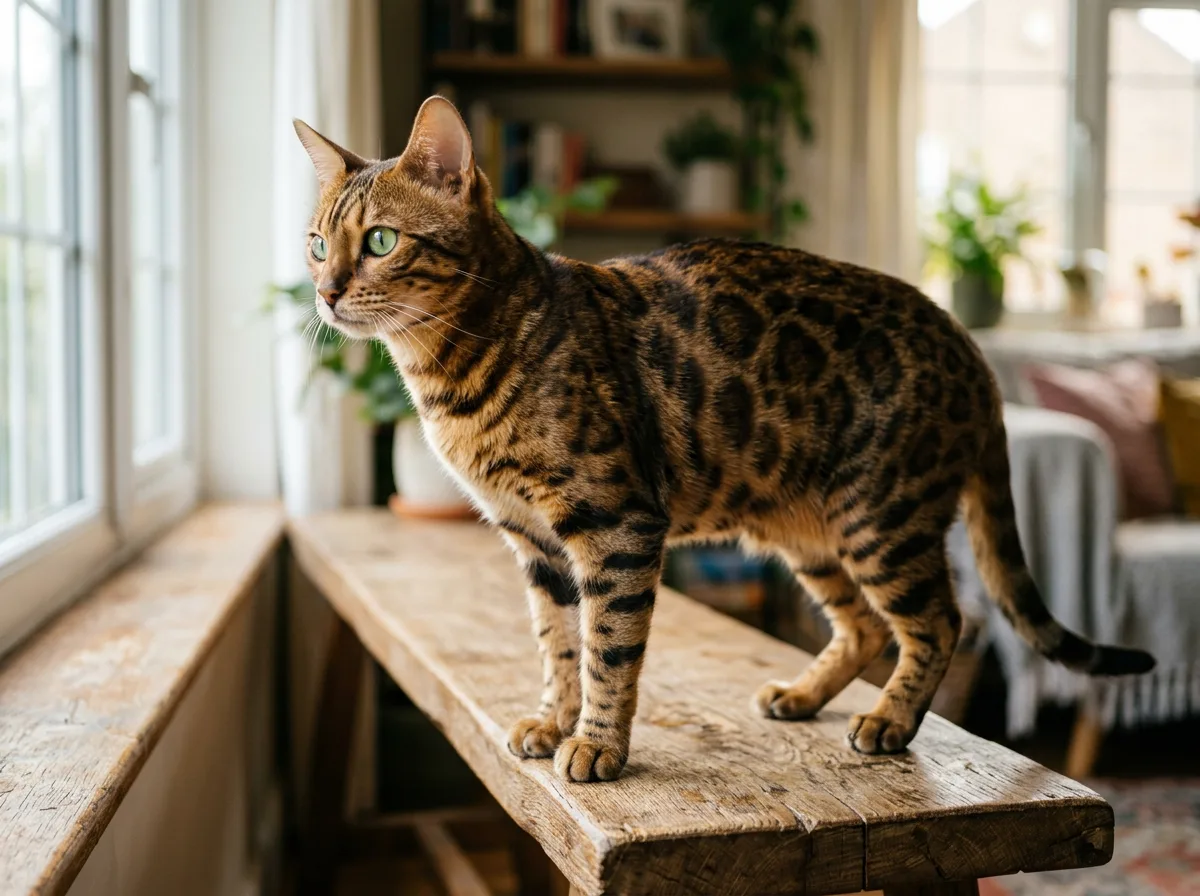
All that intelligence and energy is the catch. A bored Bengal is a destructive Bengal: they need climbing space, puzzle feeders, daily play and ideally another playmate. Give them a tall cat tree and rotating toys and they thrive; leave them under-stimulated and they will redecorate your home for you.
- Bengals shed less than many breeds and are often suggested for allergy sufferers, but no cat is truly hypoallergenic. If allergies are a concern, spend time around the breed first. See our guide on whether Bengal cats are hypoallergenic for the full picture.
- Spectacular, wild-looking coat
- Highly intelligent and trainable
- Active and playful: great for engaged owners
- Short coat needs little grooming
- High energy: easily bored and destructive
- Needs lots of enrichment and space
- Can be too much for first-time owners
- More expensive to buy than most breeds
Sphynx: Pros and Cons
The hairless Sphynx is one of the most affectionate, attention-seeking breeds out there. They are warm to the touch, love to burrow under blankets and will follow you from room to room. People who think they don't like cats often fall hard for a Sphynx, which acts more like a needy little companion than an aloof feline.
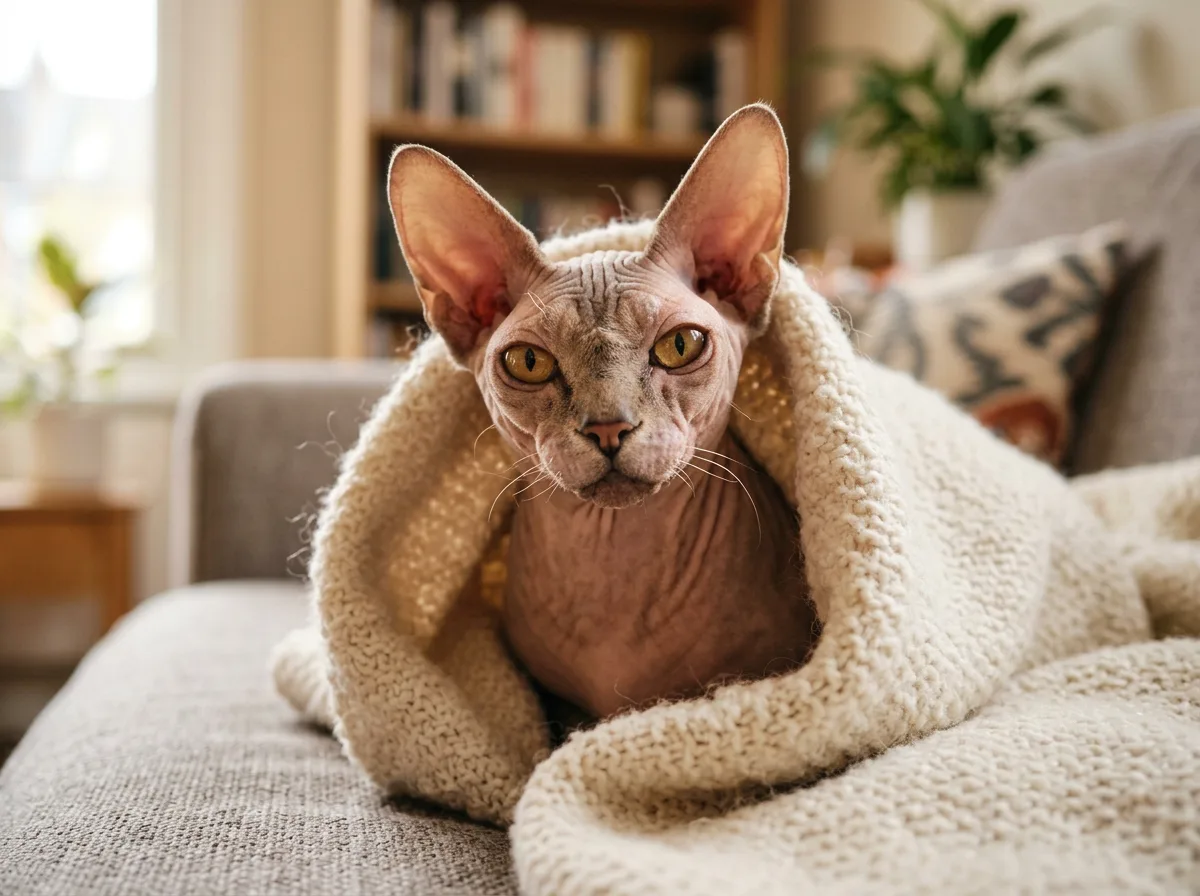
Hairless does not mean maintenance-free. Without a coat to absorb oils, Sphynx skin gets greasy and needs regular bathing, plus ear cleaning and sun protection. They feel the cold, so they need warm spaces and sometimes sweaters. The breed is also prone to hypertrophic cardiomyopathy, so responsible breeders screen for heart disease. And while they shed almost nothing, they are not allergy-proof: the allergen lives in saliva and skin oils, not just fur.
- Extremely affectionate and people-focused
- No shed hair around the house
- Playful, curious and dog-like
- Striking, unmistakable looks
- Skin needs regular bathing and care
- Sensitive to cold and sun
- Prone to heart disease
- Not truly hypoallergenic

Abyssinian & Somali: Pros and Cons
Abys are people-oriented. Like Siamese, they don't like being left to their own devices, though they complain about it in softer voices. Abyssinians are the athletes of the cat world, and "Why walk when you can leap?" seems to be their motto. If you don't care to share your home with a feline acrobat, look for a more placid breed.
Their teeth aren't grand: Abys are prone to gingivitis and tooth decay. There's also renal amyloidosis, a kidney disease that shows up in some Abys (and, despite the breed's reputation, in many other cats too). They are not all tragedies waiting to happen, but it pays to buy from a breeder who screens. Somalis, meanwhile, are the longhaired cousins of Abyssinians: comb them regularly or their fur will mat.
- Active, curious and endlessly entertaining
- Affectionate and people-oriented
- Short, easy-care coat (Abyssinian)
- Athletic and playful into adulthood
- Hates being ignored or left alone
- Prone to dental disease
- Some lines carry kidney issues
- Somali's longer coat needs regular combing

Burmese & Bombay: Pros and Cons
Burmeseare chatty, inquisitive cats. They're also highly intelligent and take to leash and harness training easily if you start when they're young. They're usually good with children and most dogs, though it's wise to avoid pairing them with an aggressive or dominant pet.
These cats aren't loners. Burmese and their close relatives, the Bombays, are very affectionate cats who usually do best with a companion if they will be left alone during the day. The sleek black Bombay was bred to look like a miniature panther and has the same outgoing, velcro-cat personality. For more, see Petful’s guide to Bombay cat personality.
Burmese are generally long-lived. However, they are prone to asthma, sinus problems and dental issues, so keep up with vet checkups and watch for any change in breathing.
- Affectionate, social and people-loving
- Smart and easy to train
- Sleek, low-maintenance coat
- Generally long-lived
- Talkative and attention-seeking
- Do best with a feline companion
- Prone to asthma and dental problems
- Not happy left alone all day

Manx: Pros and Cons
The Manx, or tailless cat, is active, playful and intelligent. They tend to be one-person cats but are sociable on general principle and get along with other pets. Many are fascinated by water and have a distinctive bunny-hop gait that comes from their unusual hindquarters.
That unique look comes with a price, however. Manx syndrome (sacrocaudal dysgenesis) causes varying degrees of taillessness, some of which can be serious. In severely affected cats there are spinal defects including a gap in the last few vertebrae, fused vertebrae or spina bifida. Responsible breeders manage this carefully, so always ask about the kitten's health and parentage.
- Playful, smart and loyal
- Sociable and good with other pets
- Distinctive, charming appearance
- Often dog-like in devotion
- Manx syndrome can cause spinal problems
- Tailless lines need careful breeding
- Can be strongly bonded to one person
- Health screening is essential
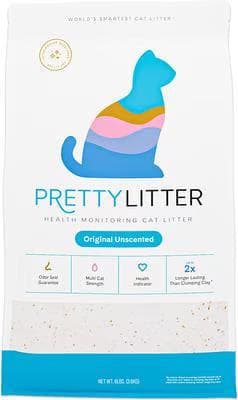
Color-changing crystal litter that flags pH shifts in your cat's urine, an early warning sign of UTIs, kidney issues, and more.
Petful may earn a commission when you click through to Chewy, at no extra cost to you.
Ragdoll: Pros and Cons
Ragdolls are the laid-back giants of the cat world. They get their name from their habit of going limp and relaxed when picked up, like a child's rag doll. Big, blue-eyed and supremely mellow, they tend to follow their people around, greet you at the door and tolerate handling that would send other cats running.
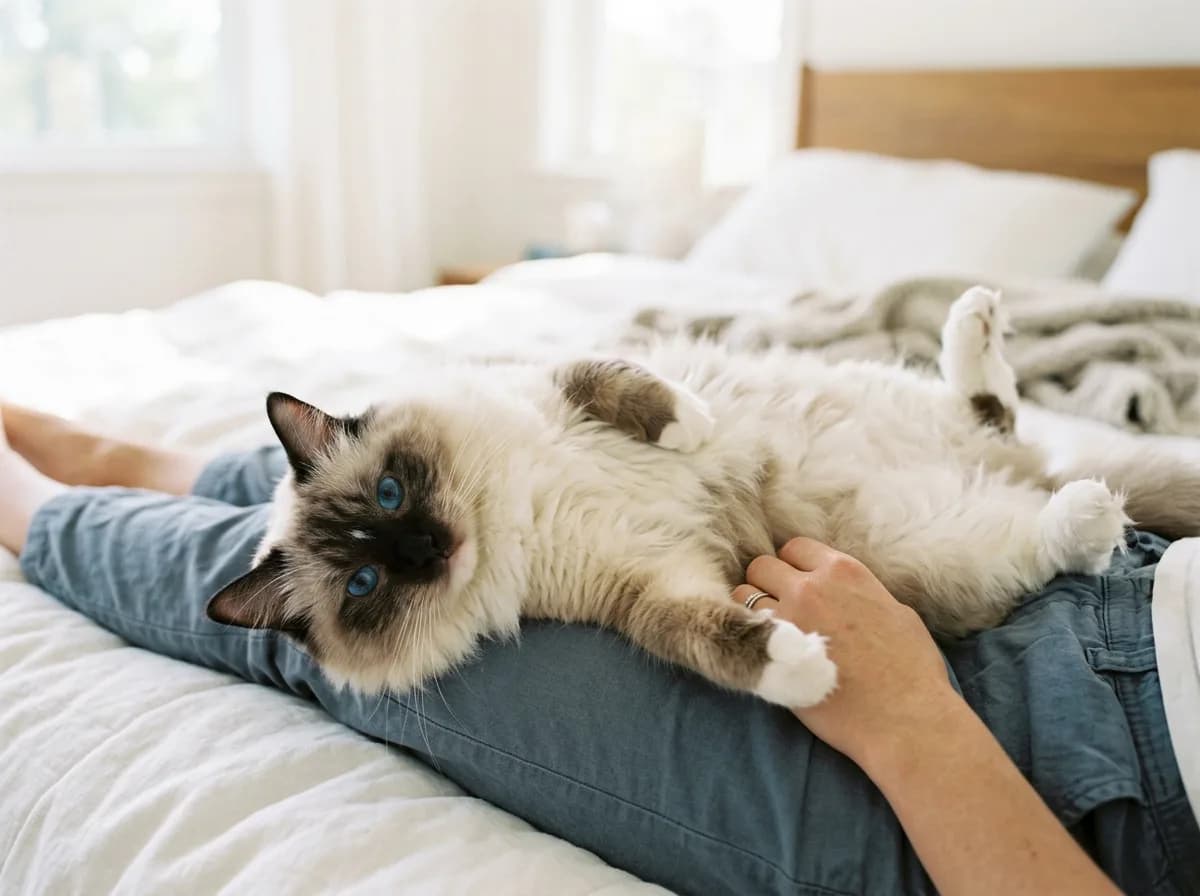
That docility is also the main caution: Ragdolls are so trusting and non-defensive that they are best kept as indoor cats, where they are safe from traffic, predators and theft. They are a large, slow-maturing breed prone to hypertrophic cardiomyopathy, and their gentle, food-motivated nature means weight can creep up if you free-feed. Their semi-long coat is silkier than a Persian's and resists matting, but still needs a comb a few times a week.
- Exceptionally docile and easygoing
- Affectionate and tolerant of handling
- Coat mats less than other longhairs
- Great with children and other pets
- Too trusting to roam outdoors safely
- Prone to heart disease
- Can gain weight easily
- Large size means more food and bigger litter boxes
British Shorthair: Pros and Cons
The British Shorthair is the teddy bear of the cat world: round-faced, plush-coated and famously easygoing. They are calm, undemanding and independent, happy to nap nearby while you work and roll over for a chin scratch on their own schedule. That low-drama temperament makes them a great pick for busy owners and first-time cat parents.
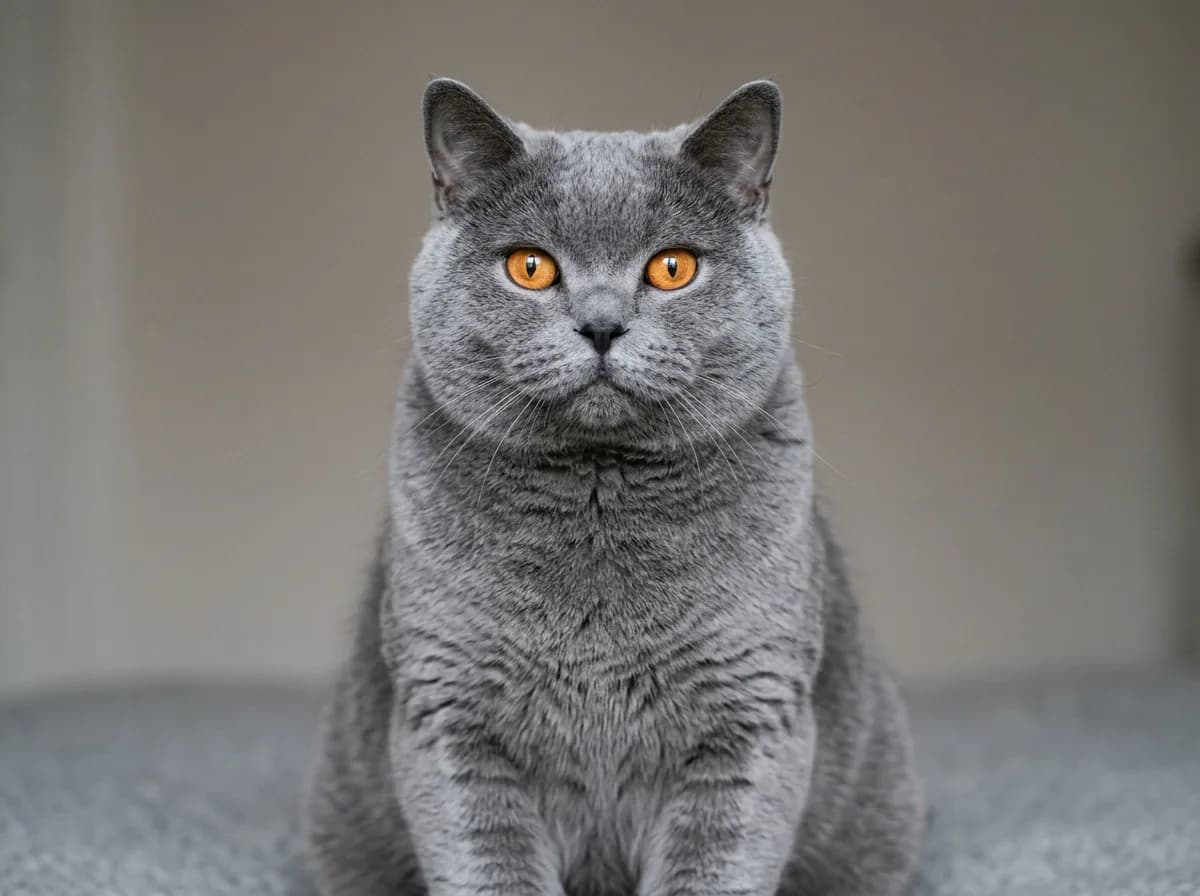
British Shorthairs are not lap-glued cuddle machines: many prefer to sit beside you rather than on you, so if you want a velcro cat, this may not be your breed. They are also prone to hypertrophic cardiomyopathy, and their calm, food-loving nature means they gain weight easily. Their dense coat sheds seasonally and benefits from a weekly comb to keep loose hair in check.
- Calm, easygoing and low-maintenance
- Independent: tolerates time alone well
- Sturdy build and plush, dense coat
- Great for first-time and busy owners
- Not a cuddly lap cat by nature
- Prone to heart disease
- Gains weight easily without portion control
- Sheds noticeably during seasonal changes
Domestic Shorthair (Mixed Breed): Pros and Cons
Not every great cat comes with a pedigree. The domestic shorthair, the classic mixed-breed cat, is the most common cat in homes for good reason. Because they draw from many different breeds of cats, they come in every color and pattern and tend to be hardier than purebreds, with far fewer breed-specific health problems. Most are waiting in shelters right now, often already vaccinated and spayed or neutered.
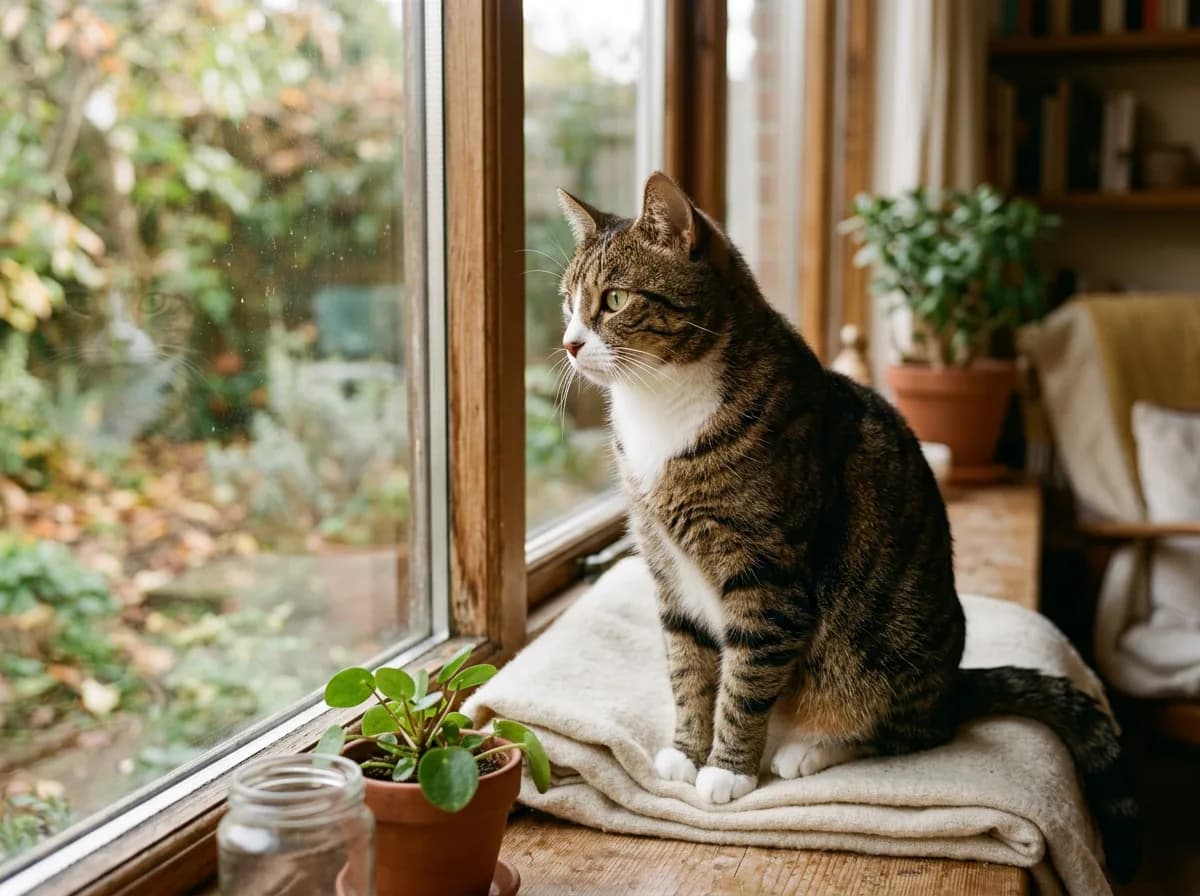
The trade-off is unpredictability. A mixed-breed kitten's adult size, coat length and temperament are a bit of a lottery, so you cannot guarantee the exact look or personality you will end up with. For most owners that is a feature, not a bug: you get a one-of-a-kind cat, a lower price tag and usually a longer, healthier life. If you are flexible on appearance and want the most cat for your money, adopting a mixed-breed cat is hard to beat.
- Hardy, with few breed-specific diseases
- Often the longest-lived and healthiest option
- Low cost: adoption fees are modest
- Endless variety of looks and personalities
- Adult size and temperament are unpredictable
- No guaranteed breed traits
- Background and parentage often unknown
- May need patience to learn an individual cat's quirks
How to Choose the Right Cat Breed for You
The best cat for you isn't the prettiest or the rarest, it's the one whose needs match your life. Be honest about how much time you have for grooming and play, how much noise you can tolerate, whether you are home enough for a clingy breed, and what your budget looks like for both purchase and vet care. If you are setting up for a new cat, our guides to keeping indoor cats happy and essential kitten supplies are a good next stop.
- Wherever you land, buy only from breeders who health-test their cats and let you meet the parents, or adopt from a reputable shelter or breed rescue. Avoid kitten mills and online sellers who won't show you where the cats are raised. A healthy start saves heartbreak and money later.
Cat Breed Pros and Cons: FAQ
The main downsides are the ongoing costs (food, litter, vet care and insurance), the time needed for play and grooming, shedding and litter-box upkeep, scratched furniture, and the 15-plus-year commitment. Some breeds add their own challenges, such as a Siamese's constant chatter or a Persian's daily grooming. None of it is a dealbreaker if you plan ahead, but a cat is a real responsibility, not a low-effort pet.
Ragdolls and British Shorthairs are widely considered the calmest popular breeds. Ragdolls are famously docile and go limp when held, while British Shorthairs are easygoing and independent. Persians are also very low-key. If you want a mellow lap companion, those three are your best bets among the breeds in this guide.
Ragdoll, Maine Coon and Burmese are routinely ranked among the gentlest, most affectionate breeds. Ragdolls are tolerant and child-friendly, Maine Coons are dog-like "gentle giants," and Burmese are devoted, people-loving cats. Temperament still varies by individual, so meet a cat before you commit.
The 3-3-3 rule is a guideline for helping a newly adopted cat settle in. Expect about 3 days for the cat to decompress and hide, about 3 weeks to learn your routine and start to relax, and about 3 months to feel fully at home and bonded. Give a new cat a quiet space and plenty of patience during this window.
There is no single winner, but mixed-breed domestic shorthairs come closest for most owners: they are hardy, healthy, affordable and full of personality, with very few breed-specific problems. Among purebreds, the Maine Coon and Ragdoll offer friendly temperaments with relatively manageable care. The right answer always depends on your lifestyle.
Neither is objectively better. Purebreds give you predictable size, coat and temperament but a higher risk of inherited disease and a higher price. Mixed-breed cats are usually hardier, cheaper and longer-lived, but you cannot predict exactly how they will look or behave as adults. Choose purebred for predictability, mixed for value and resilience.
For grooming, short-coated breeds like the Siamese, Burmese, Bombay and most domestic shorthairs need very little brushing. For temperament, the British Shorthair is one of the most independent and undemanding breeds. Avoid longhaired cats like Persians and Himalayans if low grooming effort is your priority.

T.J. Banks is the author of several books, including Catsong, which received a Merial Human–Animal Bond Award. A contributing editor to laJoie, T.J. also has received writing awards from the Cat Writers’ Association (most recently a Certificate of Excellence in 2019), as well as from ByLine and The Writing Self. Her work has appeared in numerous anthologies, including Chicken Soup for the Single Parent’s Soul and A Cup of Comfort for Women in Love, and T.J. has worked as a stringer for the Associated Press, as an instructor for the Writer’s Digest School and as a columnist.
Sign up for expert-backed reviews and safety alerts all in one place.