5 Things to Know About Siamese Cats
Everything you need to know about Siamese cats: the six color points, Traditional vs Modern types, personality, price, lifespan, common health issues, and day-to-day care.
Petful is reader supported. As an affiliate of platforms like Amazon and Chewy, we may earn a commission when you buy through links on this page. There is no extra cost to you.
Siamese Cat Breed Overview
The Siamese cat is one of the world's oldest and most recognizable pedigreed breeds, prized for its striking blue eyes, color-pointed coat, slim athletic build, and famously vocal personality. Originating in ancient Thailand (then called Siam), the Siamese has charmed royals, presidents, and pop culture for centuries, from the royal courts of Siam to the unforgettable "Si and Am" of Disney's Lady and the Tramp.
If you're considering adding a Siamese to your family, this comprehensive guide covers everything you need to know: personality and temperament, the color points, Traditional vs. Modern body types, lifespan, typical price, known health concerns, diet and grooming needs, and how to find a reputable breeder or rescue.
- 1Ancient color-pointed breed from Thailand, known for vivid blue eyes and a short, silky coat
- 2Darker points on the face, ears, paws, and tail on a slim, athletic body
- 3Famously vocal and deeply people-focused personality
- 4Long lifespan of 15 to 20 years
- 5Comes in 10 or more color points and three body types: Modern (wedge), Traditional (applehead), and Old-Style
- The Siamese is one of the oldest recognized breeds, defined by a temperature sensitive coat that creates the signature dark points and by a famously vocal, people focused personality. Fans nickname them Meezers, and most owners say one Siamese has more to say than a whole houseful of other cats.
Siamese Cat Quick Facts
- Weight: 6–12 lbs (female), 9–15 lbs (male)
- Lifespan: 15–20 years
- Coat: Short, fine, silky, color-pointed pattern
- Eye color: Deep blue (always)
- Temperament: Affectionate, vocal, intelligent, social, demanding
- Activity level: High
- Grooming: Low
- Good with kids: Yes
- Good with other pets: Yes, with proper introduction
- Shedding: Low to moderate
- Hypoallergenic: No (but often better tolerated than some other breeds)
- Recognized by: Cat Fanciers' Association (CFA), The International Cat Association (TICA), Fédération Internationale Féline (FIFe)
Physical Appearance and Body Type
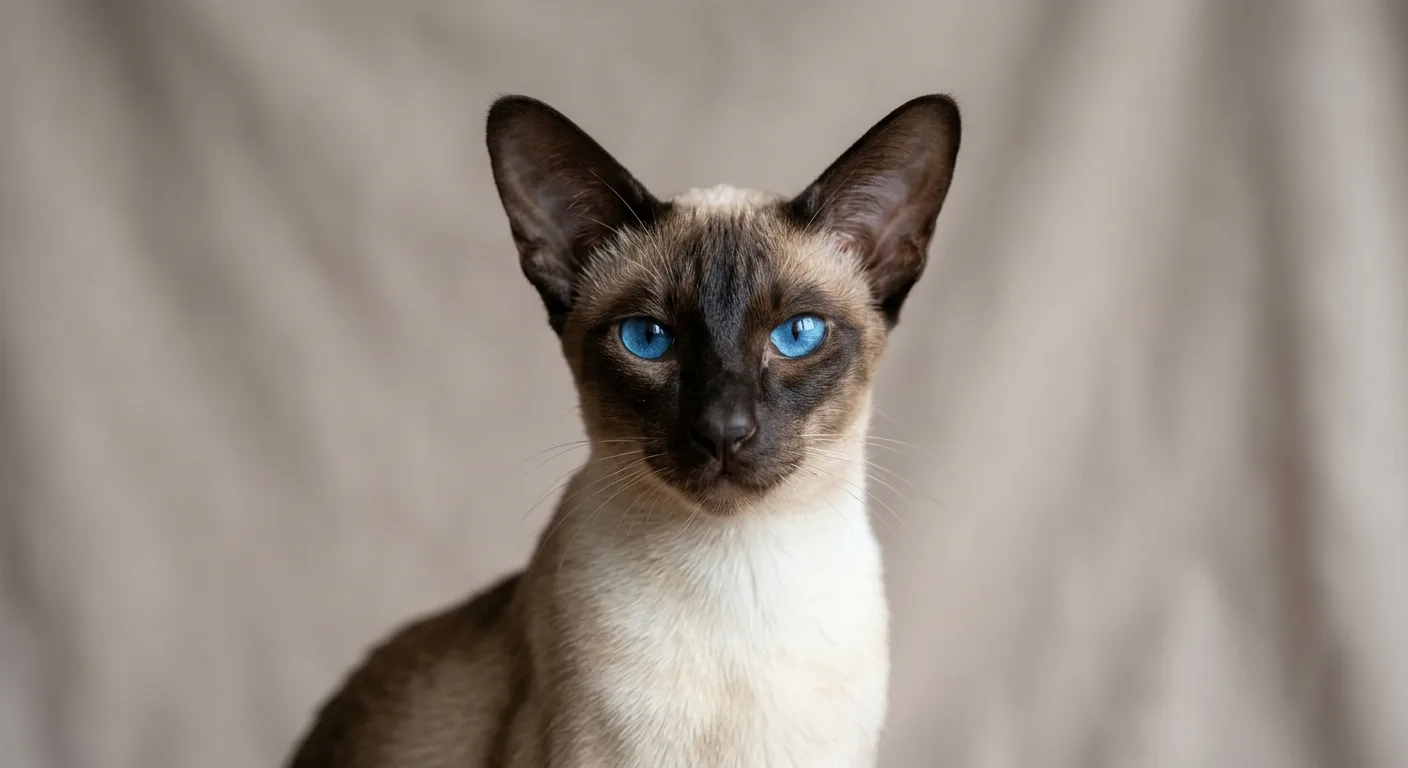
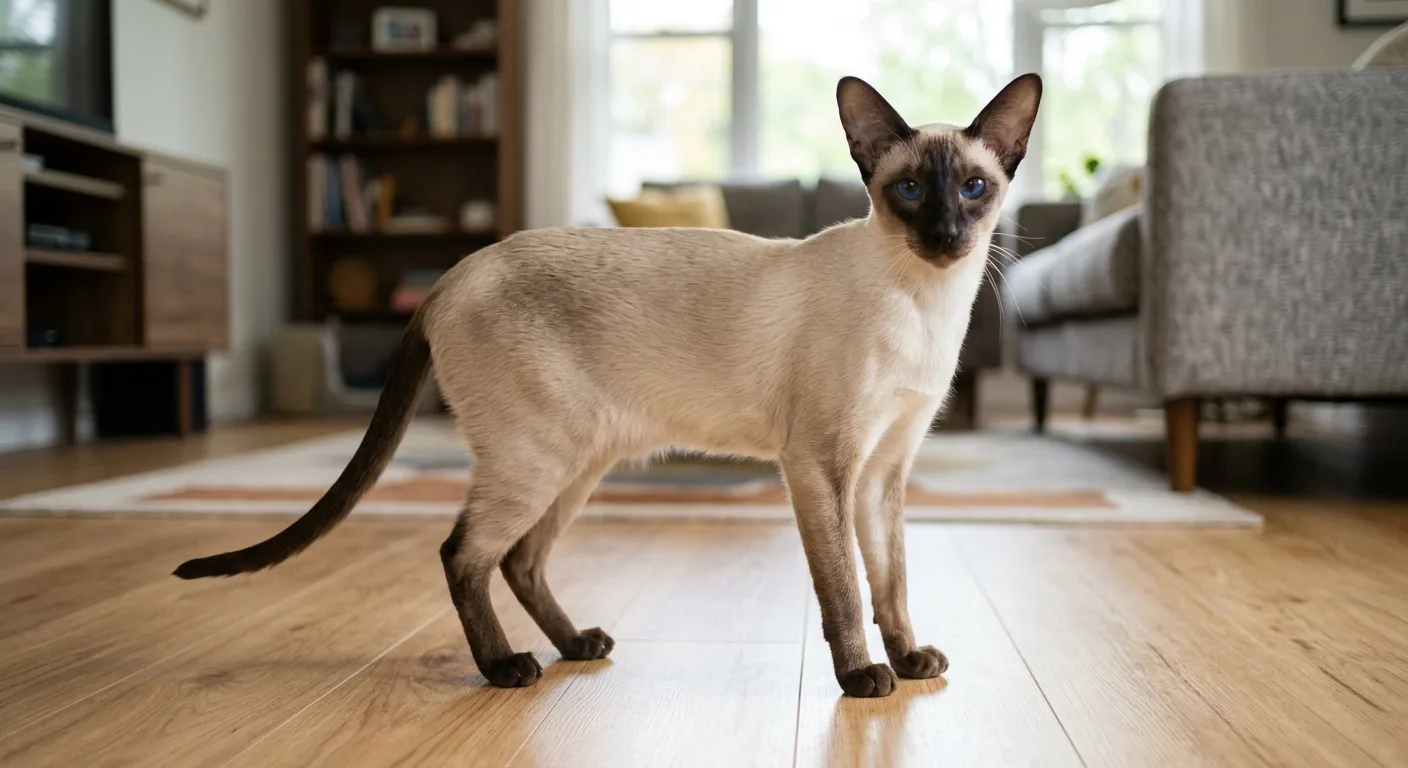
The Siamese cat is instantly recognizable. Their long, elegant body sits on slender legs, carried with the poise of a natural athlete. The tail is long and tapered, the neck long and graceful, the ears large and triangular, and the head forms a distinctive wedge shape when viewed from the front. Their almond-shaped blue eyes (a breed signature) are set at a slight slant that gives the Siamese its trademark expression.
The coat is short, fine, and silky-smooth, lying close to the body. The defining feature is the color-pointed pattern: a light-colored body that's warmer and paler on the torso, with darker "points" of color on the face (mask), ears, paws, and tail. This pattern is caused by a temperature-sensitive gene that makes pigment develop only in the cooler extremities of the body.

Origin and History of Siamese Cats
Ancient Beginnings
The origin of the Siamese cat is still a mystery. A manuscript dating between 1350 and 1700, discovered in ancient Siam (now Thailand), called the Cat Book Poems, described a pale cat with a dark facial mask and dark feet, ears, and tail. The Siam, later called the Siamese, was revered by royals and rumored to be sacred.
Thailand is also home to the white-coated Khao Manee cat, a distinct pedigreed breed with its own history and identification evidence.
Global Popularity
Siamese cats were exported and gained popularity in various countries. They were first seen in Europe in 1871 at a cat show in London and later appeared in the United States in 1879 as a gift to the wife of President Hayes. The Siamese Cat Club was formed in 1901 in the United Kingdom, and the Cat Fanciers' Association (CFA) recognized the breed in 1906. The Siamese is considered one of the original pedigreed cat breeds.
Never Scoop Again® with the Whisker Litter-Robot, the smart self-cleaning automatic litter box. Monitor visits and track weights for better overall care in the Whisker® app. Multi-cat friendly.
Petful may earn a commission when you click through to Whisker, at no extra cost to you.
Types of Siamese Cats: Traditional, Modern, and Old-Style
Not all Siamese cats look alike. Over the past century, the breed has split into several recognizable types based on body structure and head shape. Understanding the differences helps when choosing a kitten and sets expectations for appearance and temperament.
| Type | Head Shape | Body Build | Ears | Recognized By |
|---|---|---|---|---|
| Modern (Show-Style / Wedge) | Sharp triangular wedge, elongated | Extremely slender, long legs, long tapered tail | Very large, flared wide | CFA and TICA breed standard |
| Traditional (Applehead) | Round, fuller 'apple' shape | Sturdier, more muscular, shorter legs | Smaller, proportional to head | Traditional Cat Association (TCA) |
| Old-Style (Classic) | Slightly elongated, less extreme than Modern | Medium build between Traditional and Modern | Medium, proportional | Some preservation-focused registries |
| Balinese (Long-Haired Siamese) | Same range as Siamese types | Siamese body with plume-like tail | Same range as Siamese types | CFA and TICA as a separate breed |
Curious how the Siamese compares to its closest lookalikes? See Balinese vs Siamese and Burmese vs Siamese.
Siamese Cat Colors and Color Points
The Siamese's color-point pattern is one of the most visually distinctive in the cat world. The CFA officially recognizes four traditional Siamese colors, while TICA and other registries accept several additional point colors.
| Color Point | Body Color | Point Color | Registry |
|---|---|---|---|
| Seal Point | Pale fawn to cream | Deep seal brown (nearly black) | CFA (traditional) |
| Chocolate Point | Ivory | Warm milk chocolate | CFA (traditional) |
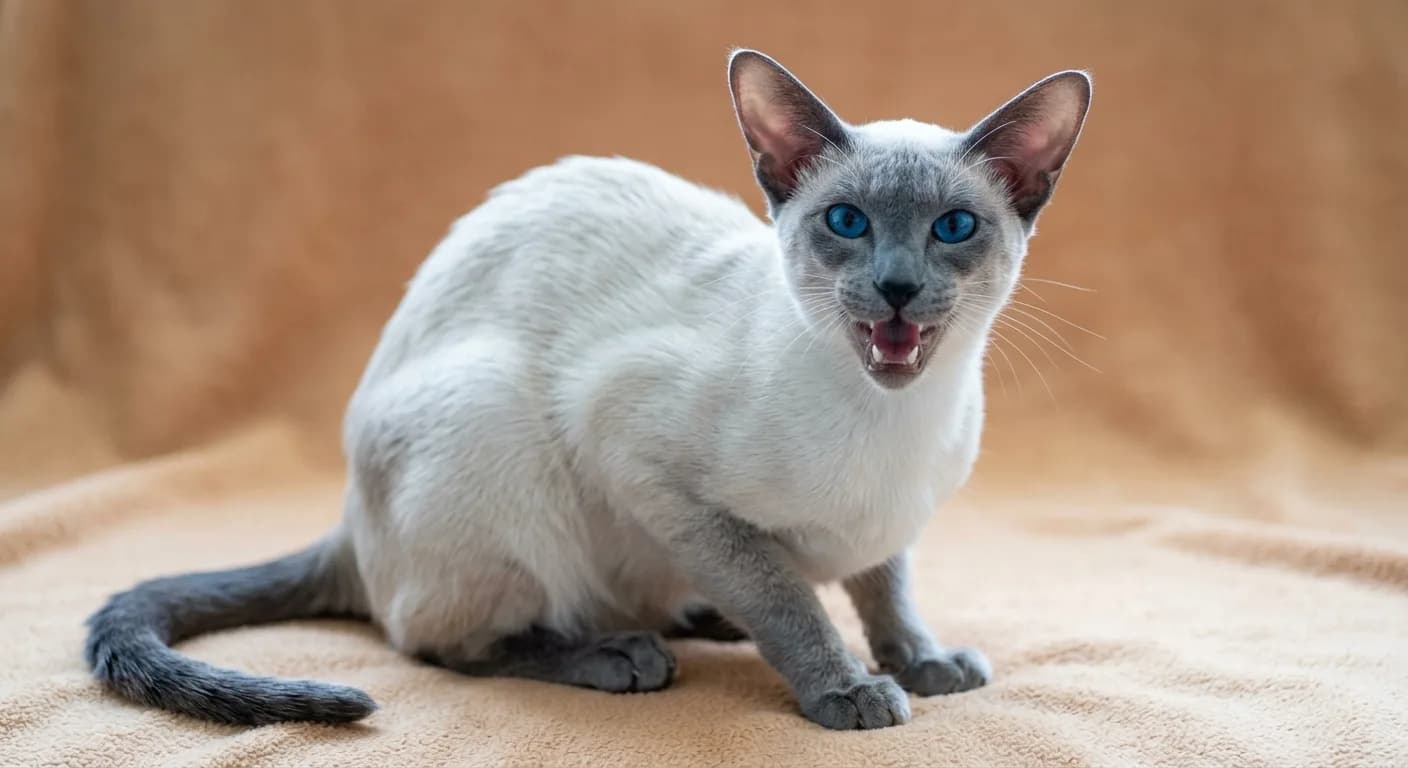
| Blue Point | Bluish white | Slate-blue gray | CFA (traditional) |
| Lilac Point (Frost) | Glacial white | Frosty pinkish-gray | CFA (traditional) |
| Red Point (Flame) | Creamy white | Reddish-orange or apricot | TICA / Siamese breed groups |
| Cream Point | Off-white | Pale buff-cream | TICA / Siamese breed groups |
| Cinnamon Point | Ivory | Warm cinnamon brown | TICA / Siamese breed groups |
| Fawn Point | Ivory | Pale warm beige | TICA / Siamese breed groups |
| Lynx Point (Tabby) | Varies by base color | Any base with visible tabby striping | TICA / Siamese breed groups |
| Tortie Point | Varies by base color | Seal/chocolate/blue/lilac + tortoiseshell patches | TICA / Siamese breed groups |
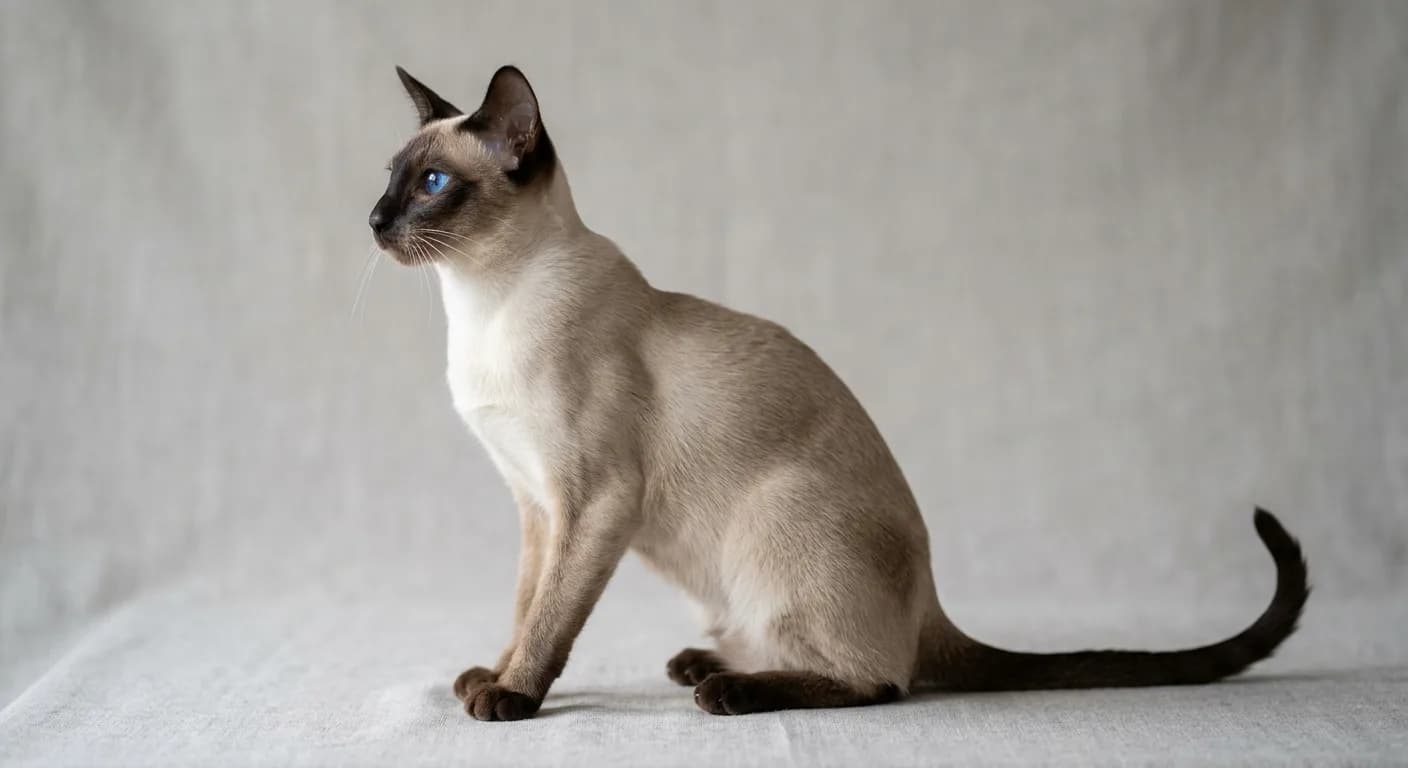
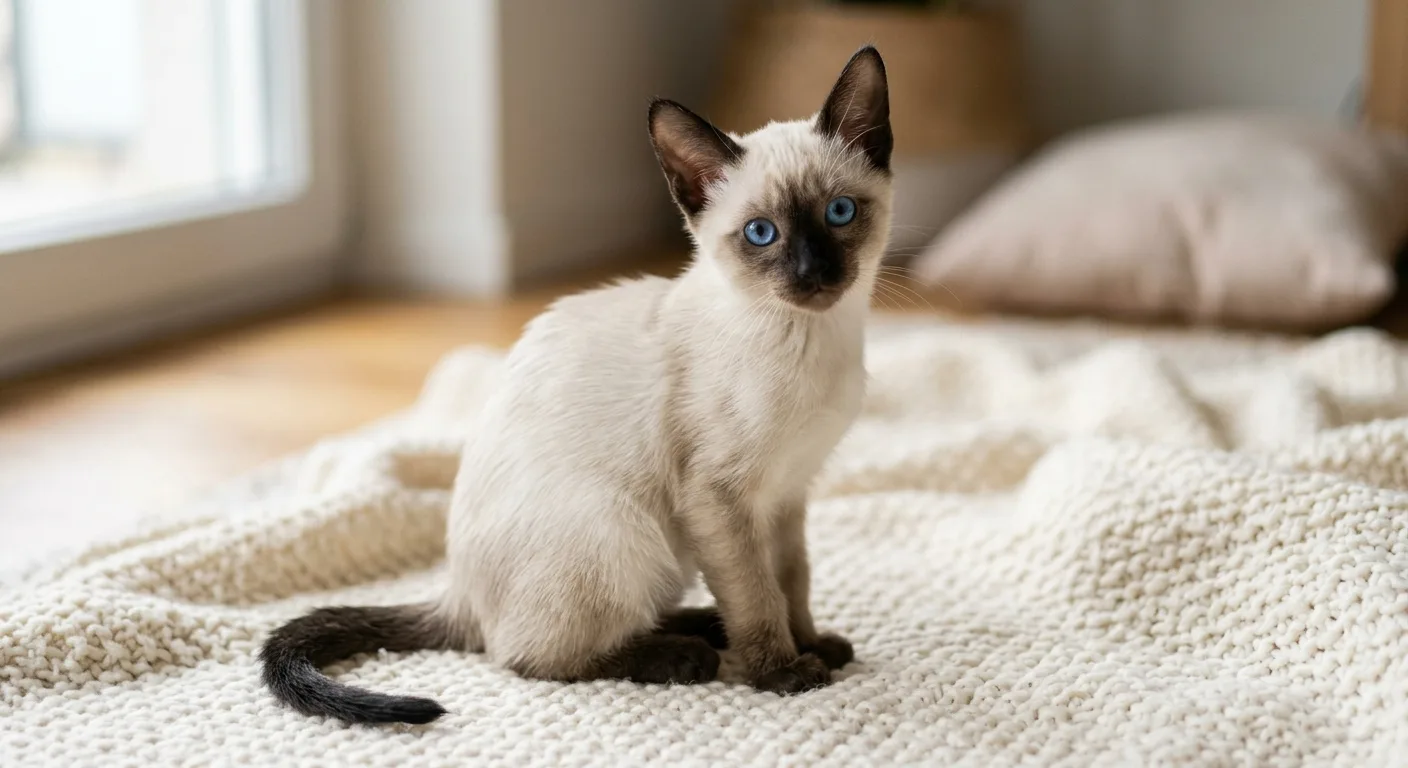
All Siamese kittens are born pure white or cream-colored. The point coloration develops gradually over the first few weeks as the cooler body extremities begin producing pigment, one of the breed's most fascinating features.
- Siamese kittens are born almost pure white and develop their points over the first weeks and months. Because the color is temperature sensitive, cooler areas like the ears, face, paws, and tail darken the most, and many cats keep deepening in shade as they age.
For a full breakdown of every shade, see our guides to Siamese cat colors, the lynx point Siamese, and the flame point Siamese.
Siamese Cat Personality and Temperament
Siamese cats are among the most human-oriented of all domestic breeds. They're affectionate, loyal, intensely social, and (as any Siamese owner will confirm) extraordinarily talkative. Their distinctive raspy, loud meow (often compared to a crying baby) is used to comment on everything from an empty food bowl to your choice of outfit.
Social and Affectionate
Siamese cats bond strongly with their people and often follow them from room to room. They thrive on interaction and genuinely struggle when left alone for long periods. Many owners describe their Siamese as "dog-like": they'll greet you at the door, ride on your shoulder, sleep under the covers, and insist on being part of every household activity.
Intelligent and Demanding
The Siamese is one of the most intelligent cat breeds. They learn quickly, solve puzzles, can be leash-trained, and often figure out how to open cabinets and doors. That same intelligence makes them demanding. They require mental stimulation, and a bored Siamese will find creative ways to occupy itself. You can read more about how intelligent and inquisitive cats compare to humans.
Vocal and Expressive
The Siamese "voice" is legendary. They're often considered the most talkative cat breed, using an extensive vocabulary of chirps, yowls, trills, and demanding meows to communicate. If you prefer a quiet, low-key cat, the Siamese is not the breed for you. There is more on this in Petful’s guide to why do cats chirp.
Good With Children and Other Pets
Siamese cats generally do well with children who respect their boundaries, and they often get along with other cats and even dogs when introduced properly. They are, however, known for forming strong preferences. A Siamese may choose one favorite person in the household and dedicate most of their attention there.
- Siamese bond hard and do not cope well with being left alone all day. A bored, lonely Siamese can become anxious, destructive, or overgroom. If your home is empty for long stretches, plan for a feline companion or plenty of enrichment before you bring one home.
More on their character and popular crosses in our Siamese cat personality guide and Siamese cat mixes roundup.
Siamese Cats in Depth
For a richer look at this breed, including its ancient Thai origins, temperament, and the distinctive traits that have made it one of the most recognizable cats in the world, watch this short documentary from Discovery UK’s Cats 101 series.
If you are comparing elegant, people-oriented breeds, our Turkish Angora cat guide covers that breed’s history, personality, identification limits, and daily care.
Is a Siamese Cat Right for You?
The Siamese makes a wonderful companion for the right household but isn't the ideal fit for everyone. Consider the following before bringing one home.
Exercise and Activity Needs
Activity level: High. Siamese cats are athletic, agile, and need daily interactive play. They enjoy puzzle toys, feather wands, fetch, climbing, and even learning tricks. A cat tree, window perch, and rotation of stimulating toys are essential. Two Siamese kept together is often the best arrangement for working households, since they'll entertain each other when you're away.
Grooming Needs
Grooming level: Low. The Siamese's short, silky coat requires minimal maintenance. Weekly brushing with a soft bristle brush or grooming glove keeps the coat healthy and reduces shedding. Long-haired Siamese (Balinese) need slightly more frequent brushing, about two to three times per week, to prevent tangles. Routine care includes weekly ear checks, nail trims every two to three weeks, and regular dental brushing.
- Active households that want an interactive, playful companion.
- Families with respectful children old enough to engage gently with the cat.
- Multi-pet homes, with proper introductions. Siamese often do well with other cats and dogs.
- Owners who work from home or are home often; Siamese bond closely and dislike long solo stretches.
- People who enjoy a 'conversational' cat that chirps, trills, and meows throughout the day.
- Apartment living is fine if you provide vertical space, puzzle toys, and daily play.
- Noise-sensitive owners; the Siamese voice is legendary, loud, and constant.
- Households where the cat would be alone 10+ hours daily; Siamese can develop anxiety when isolated.
- Owners seeking a quiet, independent cat that mostly keeps to itself.
- Allergy-sensitive households; no cat is truly hypoallergenic, including Siamese.
- Homes without daily time for interactive play and mental stimulation.
Siamese Cat Health Issues
Siamese cats are generally healthy with typical lifespans of 15–20 years, and many live into their early 20s. However, the breed is known to be predisposed to several hereditary and breed-specific health concerns. Regular veterinary checkups are essential, and pet parents should be aware of the following conditions.
- This guide is educational and is not a substitute for professional veterinary care. If your Siamese shows signs of labored breathing, straining to urinate, blood in the urine, sudden vision changes, collapse, severe lethargy, or significant weight loss, contact your veterinarian or an emergency clinic right away. Early diagnosis dramatically improves outcomes for most of the breed-specific conditions covered below.
Respiratory Concerns
Siamese cats, particularly Modern (wedge-head) types, can be prone to chronic bronchial disease and feline asthma. Symptoms include coughing, wheezing, and labored breathing. Environmental triggers like dust, smoke, and strong fragrances should be minimized.
Eye Issues
The breed has several documented ocular concerns. Progressive retinal atrophy (PRA) is a hereditary condition causing gradual vision loss and eventual blindness. Glaucoma occurs in some lines. Strabismus (crossed eyes) is historically associated with the breed due to a genetic variation in the optic pathway. It's typically cosmetic and doesn't affect quality of life.
Dental Disease
Siamese cats are predisposed to periodontal disease and gingivitis at higher rates than many other breeds. Daily tooth brushing with cat-safe toothpaste, annual dental cleanings, and monitoring for bad breath, drooling, or difficulty eating are important preventive measures.
Urinary Tract Problems
Bladder stones (urolithiasis) and lower urinary tract disease occur with higher-than-average frequency in Siamese cats. Ensure constant access to fresh water, and watch for straining to urinate, blood in urine, urinating outside the litter box, or excessive grooming of the genital area.

63-inch multi-level cat tree with scratch posts, hammock, plush perches, and dangling toys. Vertical territory is non-negotiable for high-energy climbing breeds like the Bengal.
Petful may earn a commission when you click through to Chewy, at no extra cost to you.
Heart Conditions
Hypertrophic cardiomyopathy (HCM), a thickening of the heart muscle, has been documented in the breed. Annual veterinary exams should include cardiac auscultation, and any signs of lethargy, rapid breathing, or collapse warrant immediate veterinary attention.
Amyloidosis
Feline amyloidosis, a condition in which abnormal protein deposits damage organs (particularly the liver), has a documented familial predisposition in Siamese lines. It's relatively rare but worth knowing about when choosing a breeder.
Cancer Risk
Like many purebred cats, Siamese have a slightly elevated risk of certain cancers, including mammary tumors and intestinal adenocarcinoma. Spaying female cats before their first heat dramatically reduces mammary cancer risk. For more on avoiding costly veterinary issues, see our guide on expensive veterinary procedures and how to avoid them.
If allergies are a concern, read whether Siamese cats are hypoallergenic before you commit.
Diet and Nutrition for Siamese Cats
Proper nutrition is one of the most important factors in extending a Siamese cat's already-long lifespan. As obligate carnivores, Siamese cats require diets built around high-quality animal protein.
Build Meals Around Animal Protein
Choose a cat food where a named meat source (chicken, turkey, salmon, beef) is the first ingredient. Siamese cats have lean, muscular builds that require sustained protein intake. Aim for wet or dry food with at least 30–40% protein on a dry-matter basis, sourced primarily from animal proteins rather than plant-based fillers.
Prioritize Hydration
Because the breed is prone to urinary tract issues and bladder stones, hydration is especially important. Wet food should make up a meaningful portion of the diet, ideally at least one wet meal per day. Consider a cat water fountain, which encourages drinking, or place multiple water bowls throughout the home.
- Siamese can be prone to urinary and kidney issues, so moisture matters. Lean on wet food, keep fresh water everywhere, and a flowing pet fountain encourages many cats to drink more than they would from a still bowl.
Weight Management
Siamese cats have naturally lean builds and can be more prone to becoming underweight than overweight. That said, indoor-only Siamese and those spayed or neutered early can gain weight if free-fed high-calorie food. Measure portions according to your cat's age and activity level, and consult your vet if weight fluctuates significantly.
Feeding Schedule
Most adult Siamese do well on two measured meals per day: morning and evening. Kittens under six months should be fed three to four times daily. Avoid free-feeding dry food, as it encourages overeating and discourages water intake. Treats should remain under 10% of daily caloric intake.
Foods to Avoid
Common human foods that are toxic or harmful to cats include onions, garlic, chocolate, grapes, raisins, raw dough, alcohol, caffeine, and cooked bones. Also avoid milk. Despite the stereotype, most adult cats (Siamese included) are lactose intolerant.
Senior and Special Diets
Senior Siamese (typically 10+ years) benefit from diets formulated for older cats, with moderated phosphorus to support kidney health and added joint-support nutrients like glucosamine. Cats with diagnosed health conditions (such as urinary issues, food sensitivities, or kidney disease) may require veterinary prescription diets.

108-oz stainless steel pet fountain with quiet pump and water-level window. Bengals are notoriously water-obsessed; a flowing fountain encourages hydration and pulls them away from sinks and toilets.
Petful may earn a commission when you click through to Chewy, at no extra cost to you.
Siamese Cat Price: What to Expect
Siamese cat prices vary widely based on source, lineage, color point, age, and region. Expect the following ranges in the United States:
- 1Adoption from a shelter or rescue runs about $75 to $200
- 2A pet-quality kitten from a reputable breeder is $600 to $1,200
- 3Show-quality or rare-color kittens run $1,500 to $3,500 or more
- 4Budget roughly $1,500 to $3,500 in the first year including supplies
- 5Ongoing care after that is about $1,000 to $2,000 per year
- Adoption from rescue or shelter: $75–$200 (often includes initial vaccinations and spay/neuter)
- Pet-quality kitten from a reputable breeder: $600–$1,200
- Show-quality or pedigreed kitten: $1,500–$3,500+
- Rare color points (cinnamon, fawn, lynx): May command higher prices
- Traditional (Applehead) Siamese: Typically $800–$1,800 from specialized breeders
Ongoing Annual Costs
Beyond the initial purchase or adoption fee, budget for ongoing care:
- Premium food: $400–$800/year
- Routine veterinary care: $200–$400/year
- Vaccines and preventive medication: $150–$300/year
- Litter and supplies: $200–$400/year
- Pet insurance (optional but recommended): $200–$600/year
- Emergency veterinary fund: $500–$1,500 recommended reserve
Total first-year cost, including initial supplies (carrier, litter box, beds, toys, scratchers, food bowls), typically runs $1,500–$3,500. Subsequent years generally run $1,000–$2,000.
For a deeper cost breakdown by color point, see our full Siamese cat price guide.
How Long Do Siamese Cats Live?
Siamese cats are notably long-lived, with a typical lifespan of 15 to 20 years, longer than many other purebred cat breeds. It's not uncommon for well-cared-for indoor Siamese to live into their early 20s, with the oldest documented Siamese reaching 30 years of age.
Factors that contribute to longevity include indoor-only living, regular veterinary care, a high-quality diet, weight management, dental care, and choosing a kitten from parents with verified health screenings. Outdoor Siamese face significantly shorter lifespans due to exposure to traffic, predators, disease, and injury.
Where to Adopt or Buy a Siamese Cat
Siamese cats are more commonly available than many people realize, from both rescue organizations and ethical breeders.
Adoption Options
Even purebred cats end up in shelters and rescues. Specialized breed rescues like Siamese Cat Rescue Center and regional affiliates often have adult Siamese and Siamese mixes available. Petfinder, Adopt-a-Pet, and local shelters also list Siamese regularly. Adoption fees typically range from $75–$200 and include initial medical care.
Choosing a Reputable Breeder
If you prefer a kitten from a specific lineage or color point, look for breeders registered with the CFA or TICA who follow ethical breeding practices. Red flags include breeders who won't show you the parents, kittens younger than 12 weeks ready to leave, no health testing documentation, multiple litters available year-round, and pressure to buy quickly. A reputable breeder will ask you questions too, often more than you ask them.
Expect to be on a waitlist for a kitten from a quality breeder. Kittens should be fully weaned, socialized, vaccinated appropriately for age, and come with a written health guarantee and CFA or TICA registration papers.
Bringing Home a Siamese
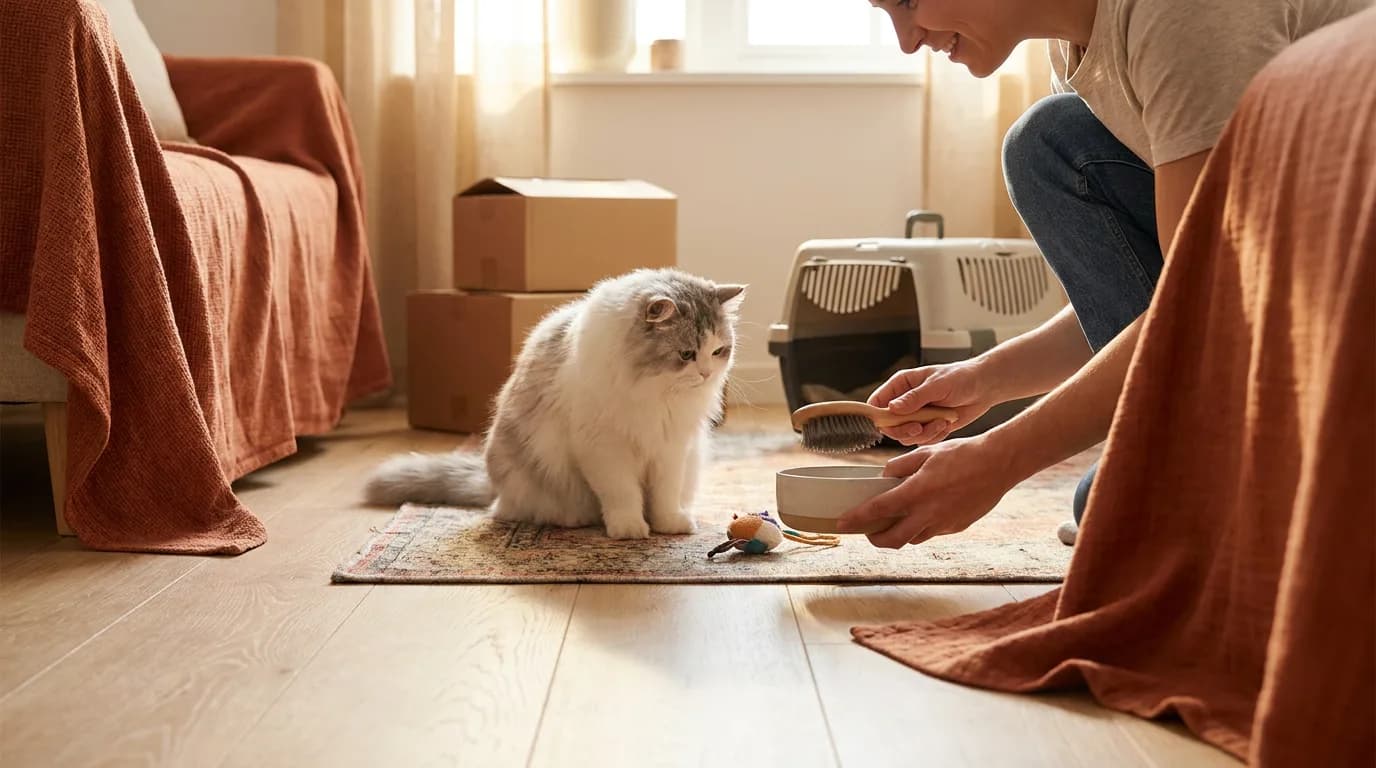
Whether adopted or purchased, a new Siamese benefits from a slow introduction to your home. Set up a quiet room with food, water, litter, hiding spots, and toys. Allow your new cat to explore at their own pace. Schedule a veterinary wellness check within the first week and make sure to gather any medical records from the breeder or rescue.
- The sticker price is only the start. Adoption usually runs about 100 to 300 dollars while breeder kittens climb much higher, and either way you are signing up for years of food, litter, and routine vet care, plus the occasional health surprise.
Frequently Asked Questions
Yes. Siamese cats are typically affectionate, social, and playful, making them good companions for families with respectful children. They enjoy being involved in daily activities and often bond closely with one or more family members. Because they are energetic and vocal, they tend to do best in homes that appreciate interaction and can provide daily playtime.
They do. Siamese cats are one of the most people-oriented breeds and usually dislike being left alone for long stretches. They need daily interactive play, mental stimulation, and regular social time with their humans. Many owners find that having two compatible cats helps reduce loneliness when the family is away.
In the U.S., adoption from a shelter or rescue typically costs $75–$200 and often includes vaccines and spay/neuter. Pet-quality kittens from reputable breeders usually range from $600–$1,200, while show-quality or rare-color kittens can cost $1,500–$3,500+. Traditional (Applehead) Siamese from specialized breeders often fall around $800–$1,800.
Siamese cats commonly live 15–20 years, and many reach their early 20s with good care. Factors that support longevity include indoor-only living, regular veterinary checkups, a high-quality diet, healthy weight, and good dental care. Some individual Siamese have been documented living close to 30 years.
No cat breed is truly hypoallergenic, including the Siamese. However, some allergy sufferers report that they tolerate Siamese cats better than certain other breeds, possibly due to the short coat and lower overall shedding. If you have allergies, spend time with Siamese cats before committing, and discuss management strategies with your doctor.
Modern (wedge-head) Siamese have a very slender, elongated body and a sharp triangular head with large ears; this is the show-ring standard today. Traditional (Applehead) Siamese have a rounder head, sturdier body, and a less extreme overall look, closer to the breed's original appearance. Old-Style (Classic) Siamese fall between the two. All types share the same affectionate, vocal personality.
The CFA officially recognizes four traditional Siamese colors: seal point, chocolate point, blue point, and lilac (frost) point. TICA and other registries also recognize red (flame) point, cream point, cinnamon point, fawn point, lynx (tabby) point, and tortie point variations. All Siamese kittens are born white or cream and develop their point colors over the first few weeks of life.
Yes. Siamese cats are one of the most vocal cat breeds. They use a distinctive raspy meow (often compared to a crying baby) to communicate constantly with their humans. They chirp, trill, yowl, and demand attention throughout the day. If you prefer a quiet cat, the Siamese is not the right breed for you.
Additional Resources
- Cat Fanciers' Association: Siamese Breed Profile
- The International Cat Association: Siamese
- The National Siamese Cat Club
- Siamese Cat Club (U.K.)

Sign up for expert-backed reviews and safety alerts all in one place.

Kristine Lacoste has been researching dog and cat breeds for nearly a decade and has observed the animals up close at dog shows in both the United States and the United Kingdom. She is the author of the book One Unforgettable Journey, which was named as a finalist for a Maxwell Award from the Dog Writers Association of America, and was host of a weekly pet news segment on the National K-9 Academy Radio Show. In addition, she was the New Orleans coordinator for Dogs on Deployment, a nonprofit that helps military members and their pets, for 3 years. Kristine has researched and written about pet behaviors and care for many years. She holds a bachelor’s degree in psychology, another bachelor’s degree in English and a Master of Business Administration degree.
Sign up for expert-backed reviews and safety alerts all in one place.