Manx Cat Breed Profile: The Tailless Cat With Rabbit-Like Legs
The Manx cat is a tailless natural breed from the Isle of Man with hind legs longer than the front, a hopping gait, and a dog-like personality. Get the full guide to size, colors, health, Manx Syndrome, temperament, grooming, and price.
Petful is reader supported. As an affiliate of platforms like Amazon and Chewy, we may earn a commission when you buy through links on this page. There is no extra cost to you.
The Manx cat is one of the oldest natural cat breeds recognized by the Cat Fanciers' Association (CFA), prized for a tailless, rounded body and a price that runs from roughly $75 at a rescue to $2,000 or more for a show-quality kitten. Born on the Isle of Man centuries ago, this "bowling ball with fur" combines a hopping, rabbit-like gait with a famously dog-like personality, which is exactly why so many cat lovers fall hard for the breed. If you have ever seen a cat with no tail and back legs longer than the front, you were almost certainly looking at a Manx. This profile covers everything you need: where the Manx came from, why it has no tail, that distinctive arched body, temperament, size, colors, health, grooming, cost, and whether one belongs in your home.
- 1The Manx is a tailless natural breed from the Isle of Man, defined by a dominant "Manx gene" that shortens the tail.
- 2Its hind legs are longer than its front legs, creating an arched back and a rabbit-like hopping gait.
- 3Manx cats are famously dog-like: loyal, playful, trainable, and often fascinated by water.
- 4The breed's defining health concern is Manx Syndrome, a spinal condition that affects a minority of cats; responsible breeding sharply lowers the risk.
- 5Expect to pay $75 to $200 to adopt, $600 to $1,500 for a pet-quality kitten, and $1,500 to $2,000 or more for show lines.

Sign up for expert-backed reviews and safety alerts all in one place.
Manx Cat At a Glance
Before we dig into the details, here is a quick-reference snapshot of the breed. Every figure below is drawn from CFA and TICA breed information and reflects a typical, healthy Manx.
| Trait | Detail |
|---|---|
| Origin | Isle of Man (Irish Sea); one of the oldest natural breeds |
| Size | Medium, compact, and muscular |
| Weight | 8 to 12 lb (males ~10 to 12, females ~8 to 10) |
| Lifespan | 9 to 14 years, often into the mid-teens |
| Coat | Dense double coat; shorthair (Manx) or longhair (Cymric) |
| Tail | Rumpy, rumpy riser, stumpy, or longy |
| Temperament | Dog-like, loyal, playful, intelligent, social |
| Colors | Most colors and patterns except colorpoint |
| Price | $75 to $200 (rescue), $600 to $2,000+ (breeder) |
| Registries | CFA, TICA, GCCF |
A shorthaired tailless cat from this lineage is a Manx. The longhaired version, which carries a recessive long-hair gene, is registered by TICA as the Cymric and by CFA as the longhair division of the Manx. Body, tail types, temperament, and health are identical.
What Makes a Manx Cat Special?
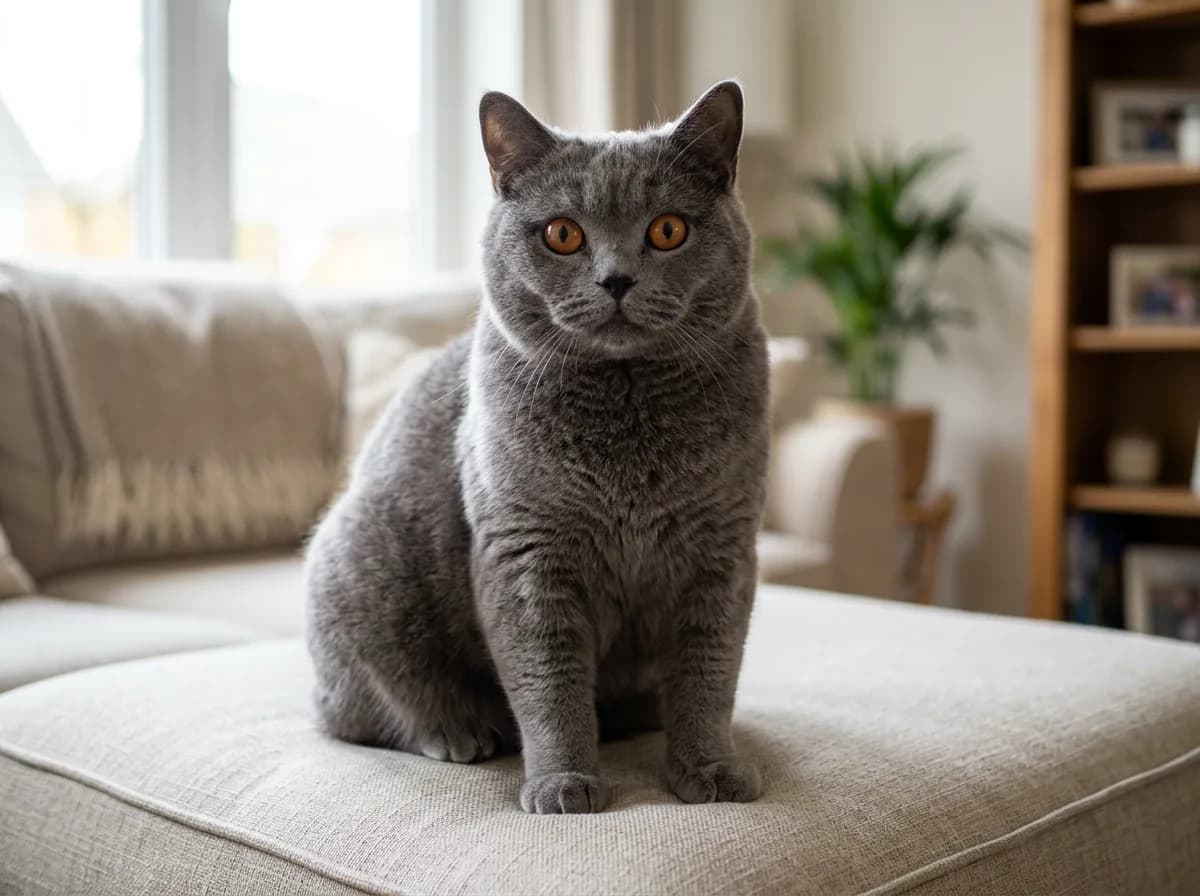
Ask anyone who has lived with one and the answer is rarely "the missing tail." What sets the Manx apart is the whole package: a sturdy, round body that looks hand-carved, a curious hopping walk, and a personality that acts more like a small loyal dog than a typical aloof cat.
The breed traces back to the Isle of Man, a small island in the Irish Sea between England and Ireland. In that isolated cat population, a natural genetic mutation that shortened or eliminated the tail took hold and spread, simply because there were no outside cats to dilute it. Over centuries the Manx became one of the oldest known natural breeds, meaning the look was shaped by geography and chance long before any breeder set out to standardize it. The CFA recognizes it as a foundation breed, and both TICA and the United Kingdom's Governing Council of the Cat Fancy (GCCF) register it as well.
The other half of what makes a Manx special is temperament, which we cover in depth below. In short, these cats bond hard, follow their people around, and often learn tricks. The combination of an unmistakable silhouette and a velcro personality is why the Manx has stayed popular for well over a century despite never being a high-volume breed.
- Look for three things together: no tail (or a short, stubby one), a round head and round rump, and a back end that sits visibly higher than the shoulders. A short tail alone does not make a cat a Manx, plenty of mixed-breed cats have naturally short tails, but the rounded, rabbit-backed body is the giveaway.
Why Manx Cats Have No Tail: The Manx Gene
The taillessness that defines the breed comes from a single dominant gene, usually written as M and nicknamed the "Manx gene." A Manx carries one copy of this mutation paired with one normal allele (geneticists write this as Mm). That single copy is enough to shorten or remove the tail, which is why the trait is dominant and shows up reliably in the breed.
Here is the part every prospective owner should understand. Two copies of the gene (MM) are lethal very early in embryonic development, so no living Manx is homozygous for the mutation. The embryos that inherit two copies simply do not survive to birth. This has two important consequences:

Never Scoop Again® with the Whisker Litter-Robot, the smart self-cleaning automatic litter box. Monitor visits and track weights for better overall care in the Whisker® app. Multi-cat friendly.
Petful may earn a commission when you click through to Whisker, at no extra cost to you.
- Responsible breeders never pair two completely tailless (rumpy) Manx together, because doing so raises the rate of unviable embryos and is associated with more severe spinal problems in the kittens that do develop.
- Every Manx can produce tailed kittens. Because a Manx must carry a normal allele, a litter routinely includes kittens with stumpy or full-length tails alongside tailless ones. A "Manx cat with a long tail" is not a mistake or a mixed breed, it is a normal genetic outcome called a longy.
This is also why Manx litters can be smaller than average and why reputable breeders carefully manage their pairings rather than chasing the rumpy look at any cost.
- Pairing two rumpy Manx is avoided by ethical breeders because the homozygous (MM) combination is fatal to embryos and because rumpy-to-rumpy litters carry the highest risk of severe spinal malformation. Good breeders deliberately keep tailed Manx in their lines to maintain a healthy gene pool.
The Four Manx Tail Types
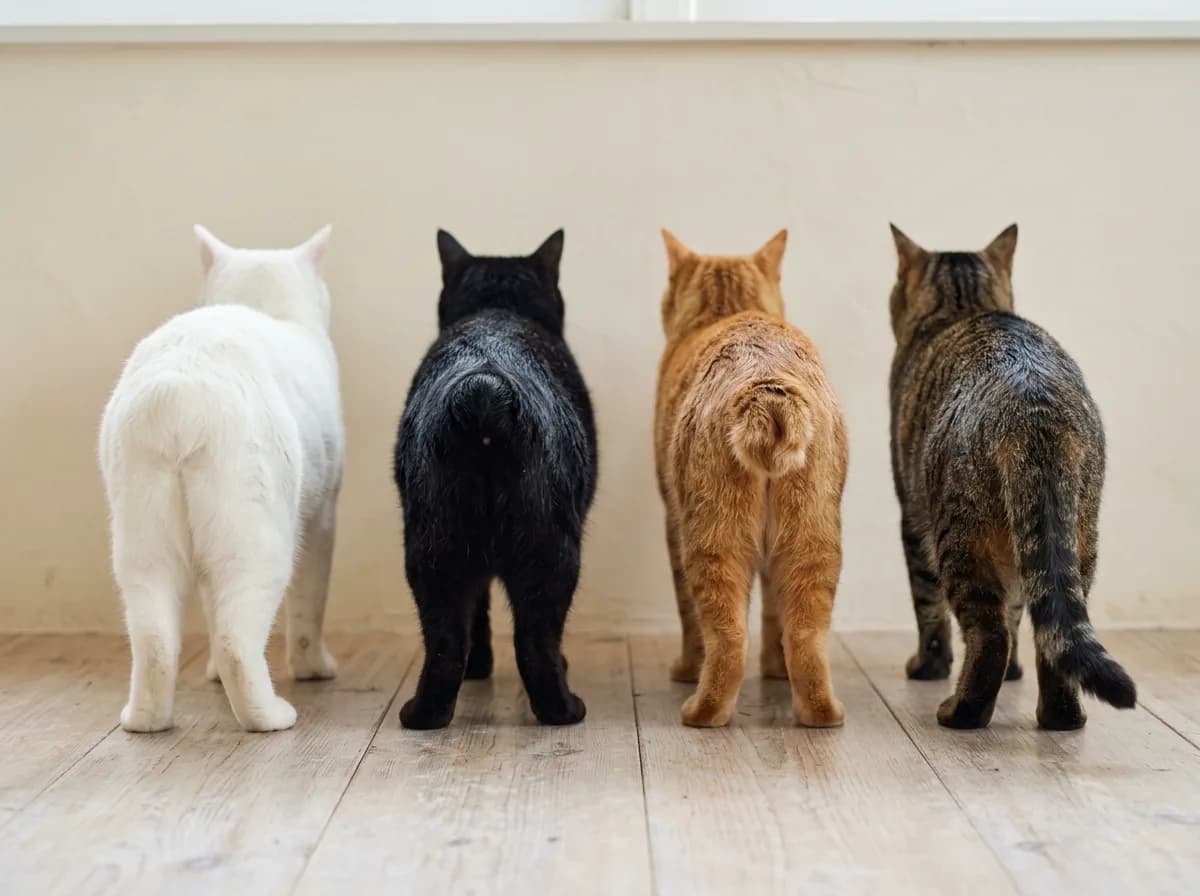
Because the Manx gene affects each kitten a little differently, the breed comes in four recognized tail lengths. CFA and TICA use the same terminology. The table below breaks them down.
| Tail Type | What It Looks Like | Notes |
|---|---|---|
| Rumpy | Completely tailless, often with a small dimple where the tail would start | The only fully tailless type; required for the show ring |
| Rumpy riser | A small knob of a few fused vertebrae that can rise when the cat is petted | Also shown in CFA competition |
| Stumpy (stubby) | A short, often kinked partial tail | Common in pet and random-bred Manx |
| Longy (longie) | A near-normal or full-length tail | Common in pets; a "long-tailed Manx" is genuine, not a mix |
So if you are wondering "do Manx cats have tails?" the honest answer is: many have none at all, but stumpy and longy Manx do have a partial or even a full tail. In the show ring, only rumpy and rumpy riser cats compete, but in homes across the world all four types are loved equally. For a deeper look at the genetics and the longer-legged anatomy that comes with the tailless gene, our guide to the different cat tail types and what they mean compares the Manx with the other naturally bobtailed breeds.
Why Manx Cats Have Longer Back Legs
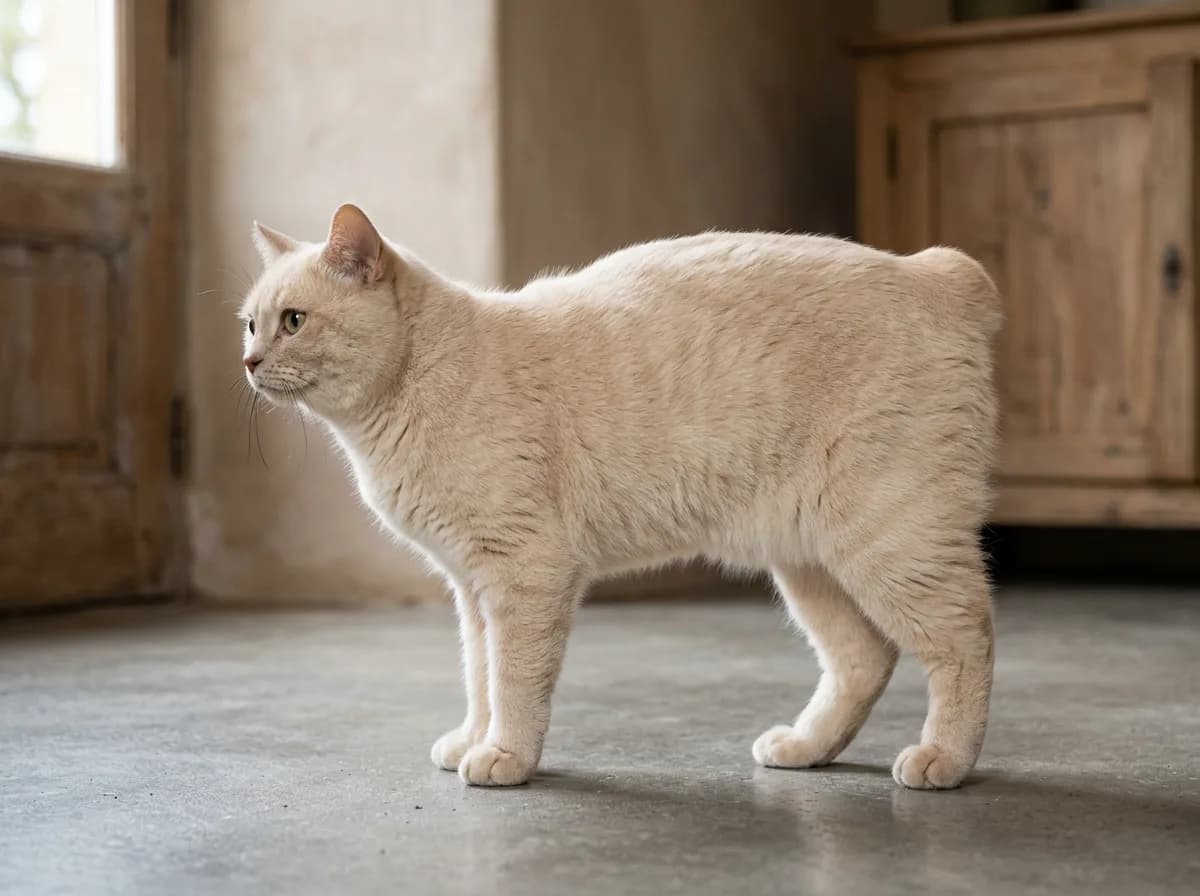
This is the feature that surprises people most, and it is one of the most-searched questions about the breed: why does a Manx have back legs longer than the front? The answer is that the same genetic package that shortens the tail also lengthens the hind limbs. A Manx has hind legs that are noticeably longer than its forelegs, which lifts the rump well above the shoulders and gives the cat its signature arched topline.
Stand a Manx on a level floor and you will see the back slope upward from the shoulders to a high, rounded rear. The CFA breed standard describes it plainly: "longer hind legs cause the rump to be considerably higher than the shoulders." Hill's Pet notes the same thing, that "the hind end of the Manx is higher than the front, which is apparent when she is standing."
Those long, heavily muscled back legs do more than look unusual. They make the Manx a powerful jumper and sprinter, and they produce the breed's most charming quirk: a rabbit-like hopping gait. When a Manx moves at speed, the long rear legs and the absence of a counterbalancing tail can give it a bouncing, bunny-hop motion rather than a typical feline trot. Combined with the round body and tailless rear, it is no wonder the Manx has been compared to a rabbit for generations (though, to be clear, the old folk tale that the Manx is a cat-rabbit hybrid is pure legend, which we get to below).
- The Manx is often likened to a rabbit because of three real traits: longer hind legs, an arched back, and a hopping run, plus the missing tail. It is a resemblance, not a relationship. The "cabbit" or rabbit-cat hybrid story is a myth; the Manx is entirely a domestic cat.
Manx History and Isle of Man Legends
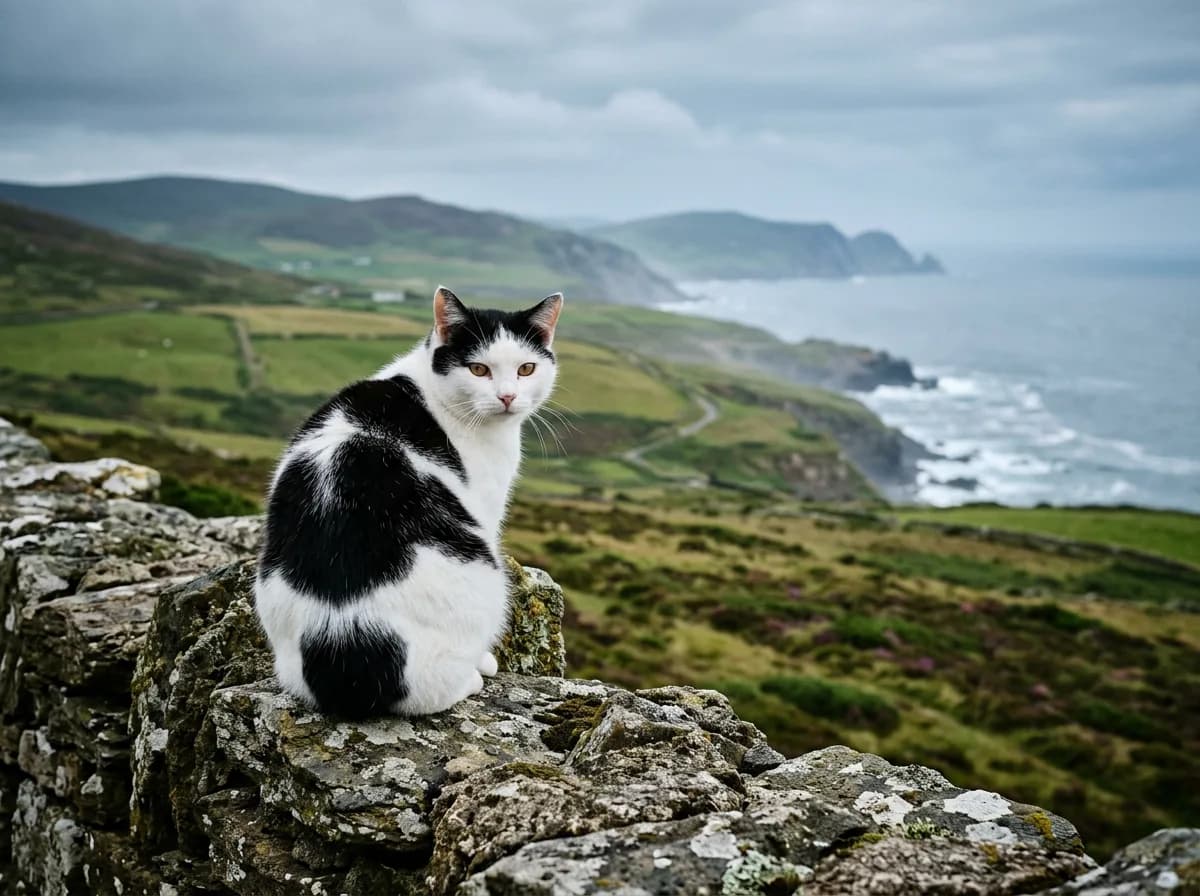
Real history and colorful legend are tangled together in the Manx story, and it is worth separating the two.
The facts: The Manx developed naturally on the Isle of Man over several centuries. Because the island is small and isolated, the spontaneous tailless mutation could not be diluted by mainland cats, so it became common in the local population and eventually defined a breed. The Manx is genuinely one of the oldest natural cat breeds, and it was among the first breeds recognized when the modern cat fancy began. On the island it remains a point of national pride and even appears on local coins and stamps.
The legends: Folklore offers far more dramatic origin stories, and you will see them repeated everywhere. One tale says the Manx was late boarding Noah's Ark and Noah shut the door on its tail. Another claims the breed sprang from a cat and a rabbit. A third blames Viking raiders or invading soldiers who supposedly cut off cats' tails. These are charming stories, but they are myths, not science. The tailless trait is a well-documented genetic mutation, full stop. We mention the legends because they are part of Manx culture, not because any of them are true.
The Manx is so tied to its homeland that the Isle of Man has featured the cat on currency and postage. Adopt one and you are bringing home a small piece of living island heritage.
Manx Cat Personality and Temperament
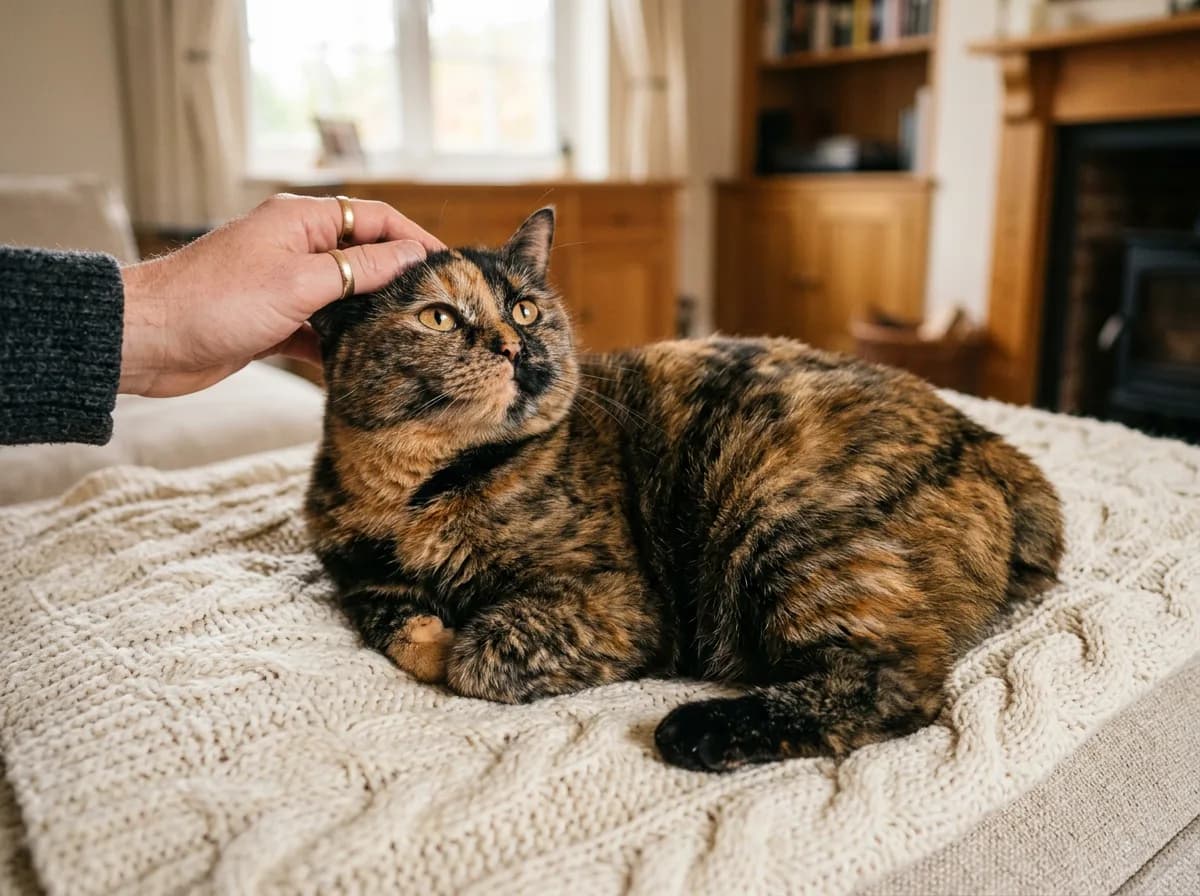
If the tailless body gets the attention, the personality is what makes owners loyal for life. The Manx is one of the most dog-like cat breeds you can find, a trait noted by CFA, TICA, and just about every owner.
Expect a cat that is devoted, intelligent, playful, and deeply social. Manx cats commonly:
- Follow their favorite people from room to room and want to be involved in whatever you are doing.
- Learn to fetch, come when called, and perform simple tricks, thanks to genuine trainability.
- Act like a watchful little guardian, with some owners reporting their Manx "patrols" the house or reacts to strangers at the door.
- Bond intensely, sometimes hardest with one person, while still being affectionate with the whole family.
- Show a famous fascination with water, pawing at faucets, drinking from running taps, and investigating sinks and tubs.
The Manx is moderately active rather than frantic, and it is not a especially vocal breed. When a Manx does speak, it tends to be a quiet trill or chirp rather than a loud meow. That mix of playful engagement and gentle quiet is a big part of the appeal.
Are Manx cats cuddly and do they like to be held? Generally yes. Most Manx enjoy close contact, lap time, and being near their people, though like any cat each individual has preferences, and a Manx that bonds to one person may save its biggest cuddles for that human. If you want a temperament comparison, the equally affectionate, dog-like Ragdoll cat breed profile is the other classic choice for people who want a cat that acts like a devoted companion.
Are Manx Cats Good With Kids and Dogs?
Yes, the Manx is generally an excellent family cat. Its sturdy build and easygoing, people-focused nature make it well suited to homes with respectful children, and its dog-like sociability means it often gets along with cat-friendly dogs. As with any breed, supervise young children so they learn to handle the cat gently, and introduce other pets slowly. A Manx that is socialized early tends to be a confident, adaptable household member.
Manx Cat Size and Growth
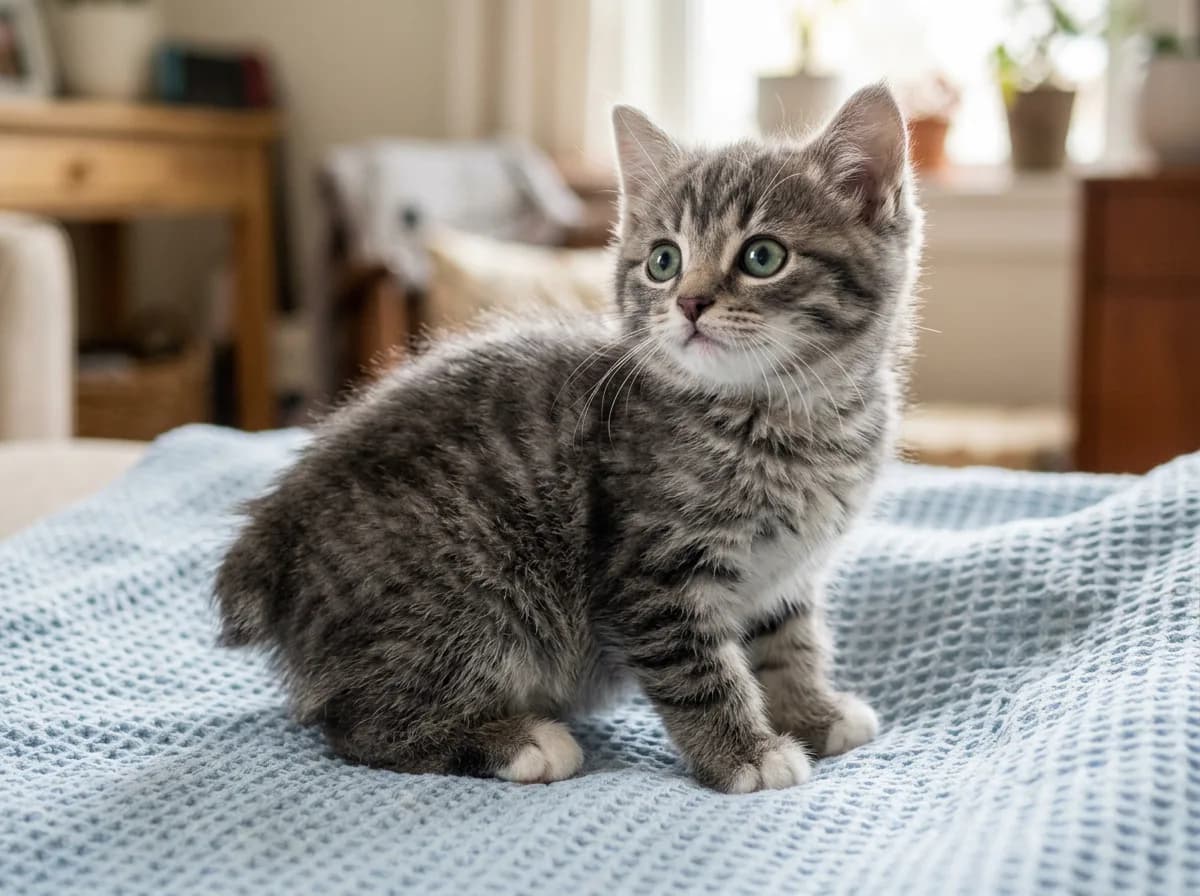
The Manx is a medium-sized cat, but the word "medium" undersells how solid it feels. This is a compact, cobby, heavily boned breed, so a Manx often feels heavier and more substantial than it looks. Most adults weigh between 8 and 12 pounds, with males typically landing around 10 to 12 pounds and females around 8 to 10.

63-inch multi-level cat tree with scratch posts, hammock, plush perches, and dangling toys. Vertical territory is non-negotiable for high-energy climbing breeds like the Bengal.
Petful may earn a commission when you click through to Chewy, at no extra cost to you.
One trait that catches new owners off guard is how slowly the Manx matures. Where many cats are physically finished by age two, a Manx can take up to about five years to reach full muscular development. A young Manx may look a little lanky or unfinished before it fills out into the round, bowling-ball shape the breed is known for. If you want to see how this medium breed stacks up against a true giant, compare it with the Maine Coon cat breed profile, which can outweigh a Manx two to one.
A Manx is medium in length but dense in build, so do not mistake that muscle for fat; the breed should feel firm and well-proportioned. Because the Manx loves food and matures slowly, keep an eye on body condition so a sturdy cat does not tip into overweight.
Manx Coat and Colors
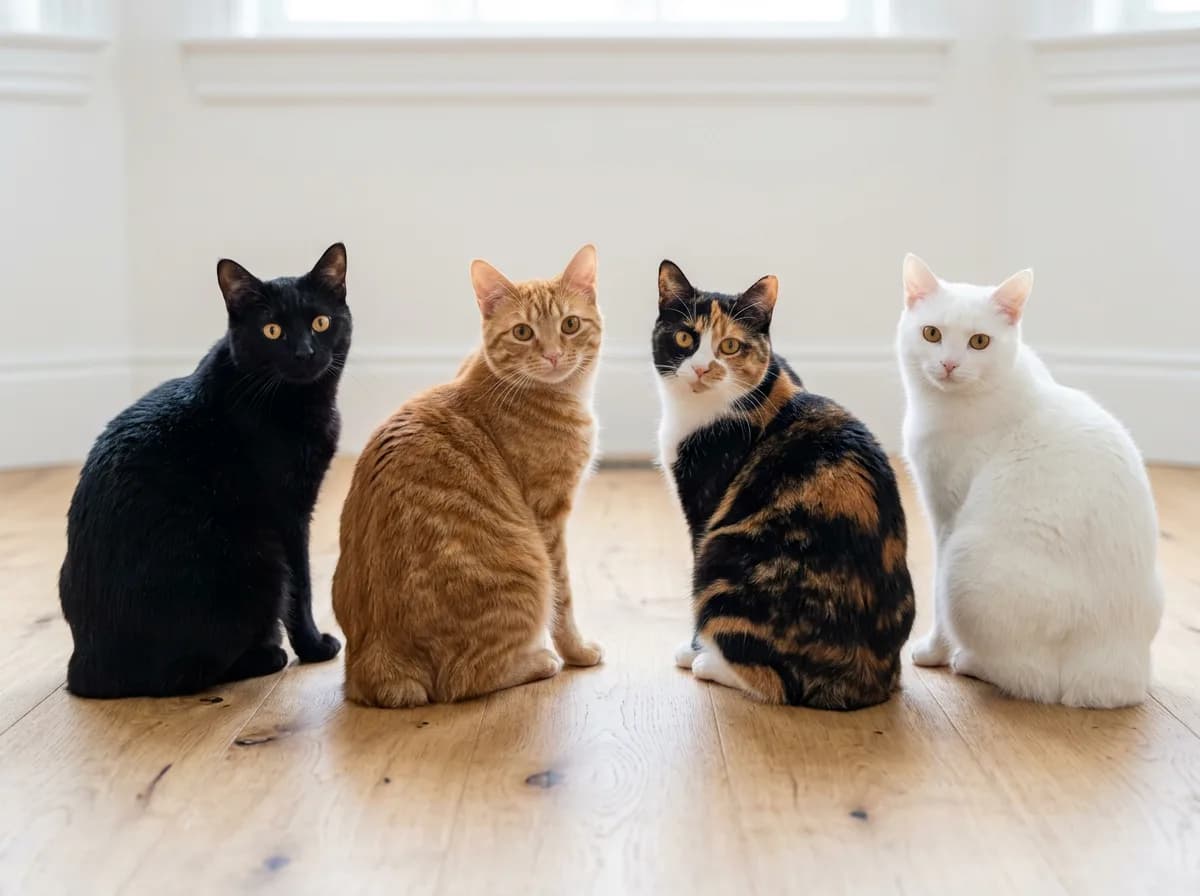
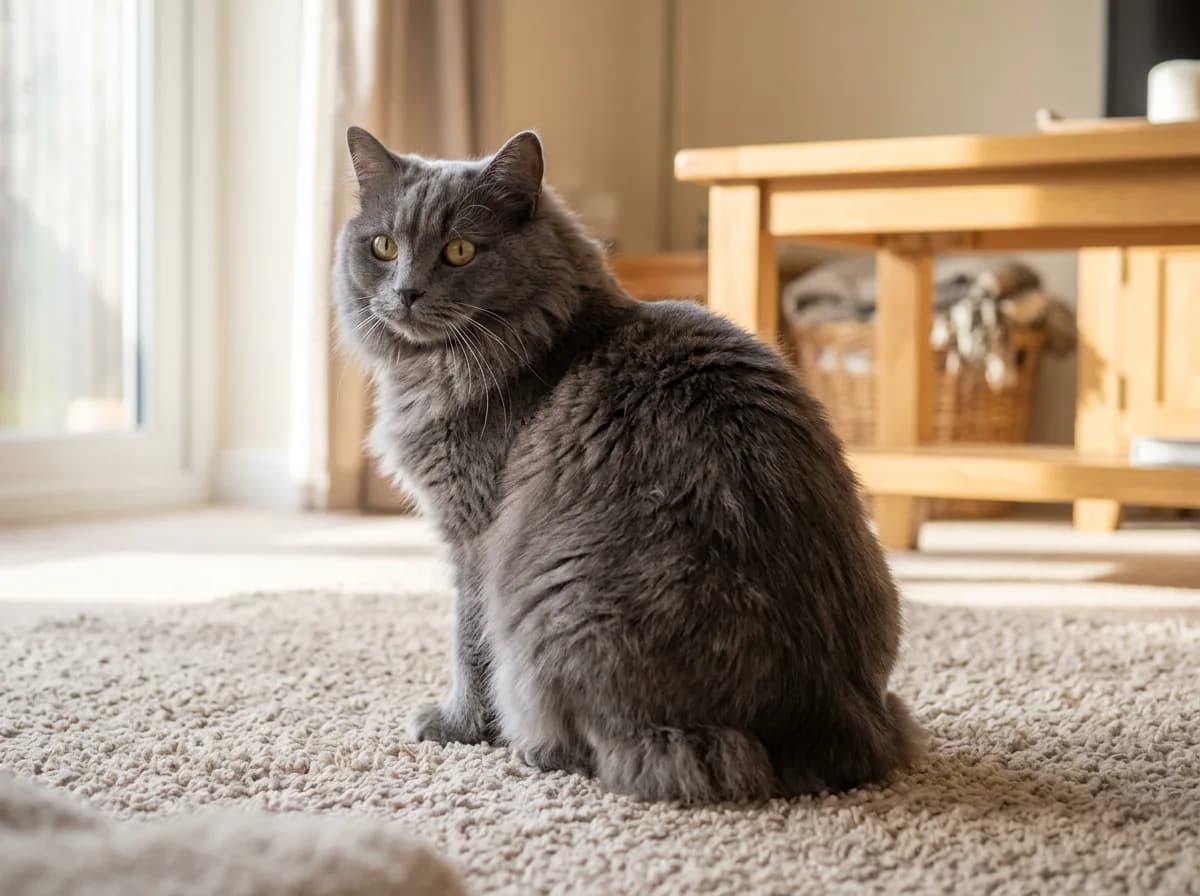
The Manx wears a dense, plush double coat that gives it a well-padded, soft feel. There are two coat lengths within the breed: the shorthaired Manx and the longhaired version known as the Cymric. Both share the same body, the same tail types, and the same temperament; only the coat length differs.
Color-wise, the Manx is wonderfully varied. The breed is recognized in most colors and patterns, including:
- Solids: white, black, blue (gray), red (orange), and cream
- Tabby: classic, mackerel, spotted, and ticked patterns
- Tortoiseshell, calico, and bicolor
- Smoke, silver, and shaded varieties
A few patterns sit outside the traditional Manx standard. The colorpoint (Siamese-style) pattern and the pointed-related chocolate and lilac colors are not part of the classic Manx palette. Eye color generally follows the coat color. Among buyers, black is the single most-searched Manx color, followed by orange (red) and tabby, with tortoiseshell and calico also popular. For a sense of how coat color works across breeds, our breakdown of tabby cat color variations explains the patterns you will see in tabby Manx cats.
If a tailless cat from this breed has short fur, it is a Manx. If it has a semi-long, flowing double coat, it is a Cymric (CFA calls it the longhair Manx). It is the same cat with longer hair and a more involved grooming routine.
Manx Cat Health and Manx Syndrome
The Manx is generally a hardy, long-lived breed, with most cats reaching 9 to 14 years and many living into their mid-teens. But there is one serious health issue tied directly to the gene that defines the breed, and any honest profile has to address it head-on: Manx Syndrome.
Manx Syndrome is a condition called sacrocaudal dysgenesis, a spina-bifida-like malformation of the lower spine and spinal cord. The same dominant gene that shortens the tail can, in some cats, over-shorten the spine and damage the nerves that control the hind legs, bladder, and bowel. Signs usually appear early, by about 4 to 6 months of age, and can include:

108-oz stainless steel pet fountain with quiet pump and water-level window. Bengals are notoriously water-obsessed; a flowing fountain encourages hydration and pulls them away from sinks and toilets.
Petful may earn a commission when you click through to Chewy, at no extra cost to you.
- Hind-limb weakness or an abnormal hopping gait
- Fecal and/or urinary incontinence
- Constipation or megacolon
- Recurrent urinary tract infections
- Reduced feeling in the back legs or around the rear
The condition affects a minority of Manx cats. Sources commonly cite that up to roughly 20 to 30 percent may show some degree of the condition, with severe cases being much less frequent, but the exact figure varies by source, so treat it as a range rather than a fixed number. The risk is highest in rumpy (fully tailless) cats and, especially, in rumpy-to-rumpy breeding. This is precisely why responsible breeders avoid pairing two tailless Manx, screen their lines, and usually wait to place kittens until they are at least 4 months old, the age by which signs would typically have appeared.
Mild cases can live full, happy lives with veterinary management, while severe cases carry a poor prognosis. If you adopt or buy a Manx, ask the breeder directly about their screening practices and the tail types in their lines. Because Manx Syndrome is a YMYL (your-money-or-your-life) health matter, our dedicated medical guide goes deeper into diagnosis, treatment, and quality of life, and you should read it before bringing a Manx home.
- Manx Syndrome is the breed's defining welfare concern. It is not common in well-bred lines, but it is serious when it occurs, with potential incontinence, mobility loss, and bowel problems. Buy only from a breeder who screens, avoids rumpy-to-rumpy pairings, and places kittens at 4 months or older. Adopting from a Manx rescue is a great option too.
Beyond Manx Syndrome, the breed has a couple of other documented concerns. Corneal dystrophy, a cloudiness of the cornea, has been recorded in the breed, and cats with stumpy or longy tails can sometimes develop arthritis at the base of the tail later in life. Otherwise the Manx is considered generally robust. As with any single-gene breed, working with a breeder who health-screens makes a real difference, much as it does for other mutation breeds like the Scottish Fold cat.
Manx Grooming and Care
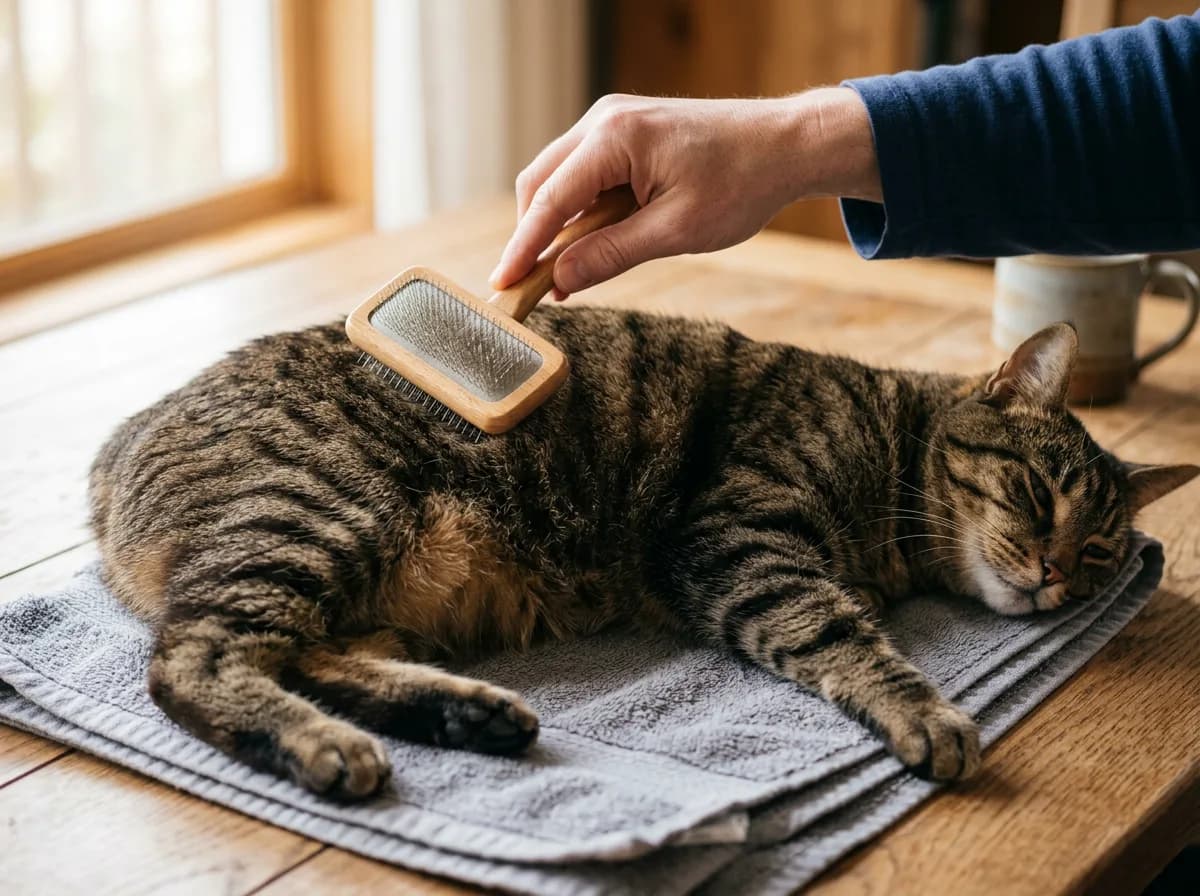
Grooming a Manx is refreshingly simple, with one caveat for the longhaired Cymric.
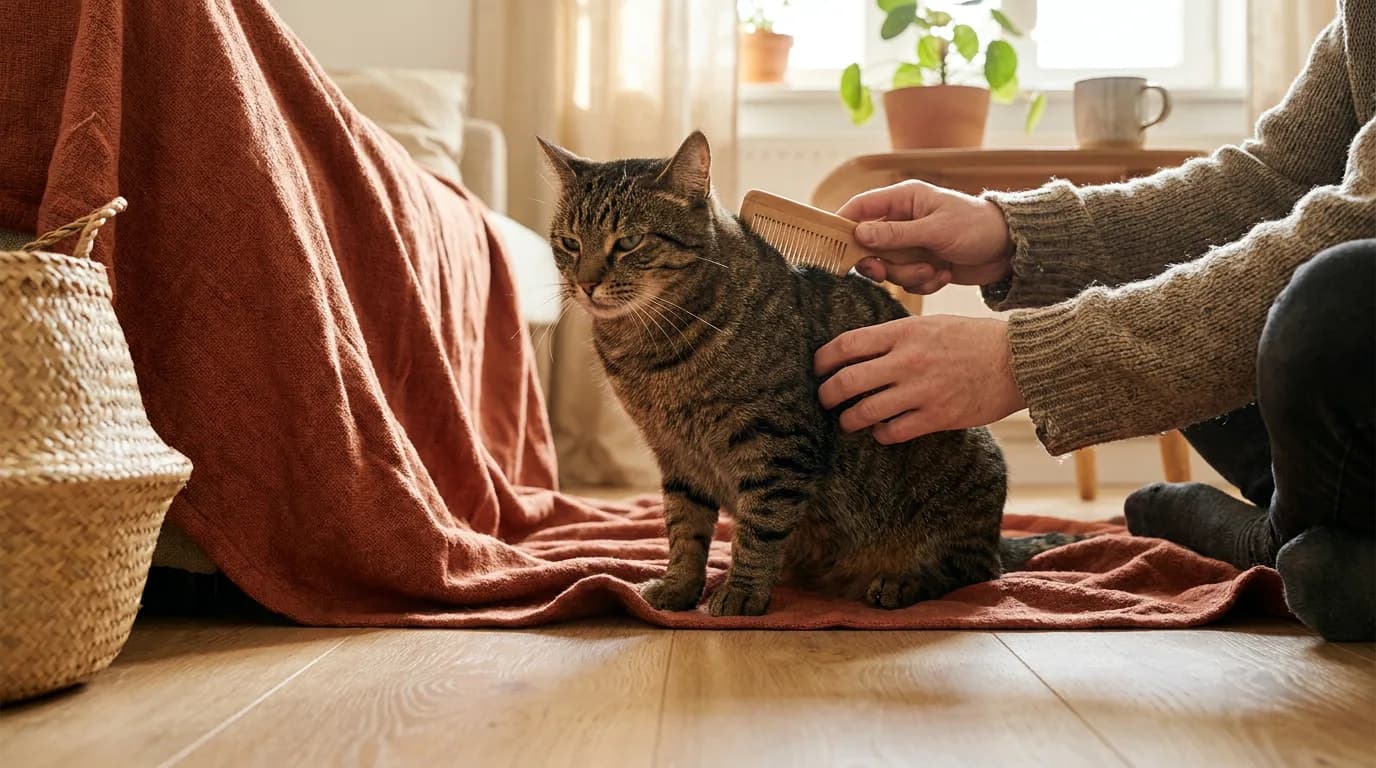
A shorthaired Manx needs only weekly brushing to manage its dense double coat and keep shedding under control. During seasonal coat changes you may want to brush a little more often. The longhaired Cymric, with its semi-long coat, needs brushing two to three times a week to prevent tangles and mats, especially around the chest, belly, and hindquarters. Neither version needs frequent bathing unless the cat gets genuinely dirty.
Round out care with the basics every cat needs: routine nail trims, dental care, and clean ears. Because the Manx is intelligent and playful, it also needs mental and physical enrichment, puzzle feeders, climbing space, and interactive play sessions will keep that busy, dog-like brain satisfied. And because some Manx love water, do not be surprised if your cat turns playtime into a splash session at the sink.
- For any tailless cat, keep an eye on hygiene around the rear, since a missing tail can occasionally make grooming that area harder for the cat. A quick check during your weekly brush keeps things clean and lets you spot any early sign of the bowel or bladder issues linked to Manx Syndrome.
Manx Cat Diet and Nutrition
Feed a Manx a complete, balanced, high-quality cat food appropriate for its life stage, kitten, adult, or senior. There is no breed-specific diet, but two practical points matter. First, the Manx loves to eat and matures slowly, so portion control and measured feeding help prevent the weight gain that a stocky, food-motivated cat is prone to. Second, if your Manx has any degree of Manx Syndrome, your veterinarian may recommend a fiber-managed or therapeutic diet to support healthy bowel function, follow their guidance in that case. Fresh water should always be available, and given the breed's water fascination, a pet fountain is often a welcome addition.

Color-changing crystal litter that flags pH shifts in your cat's urine, an early warning sign of UTIs, kidney issues, and more.
Petful may earn a commission when you click through to Chewy, at no extra cost to you.
Is a Manx Cat Right for You?
A Manx is a wonderful fit if you want an interactive, affectionate, dog-like companion that will follow you around, play games, and bond closely with your family. The breed suits households with children and other pets, does not demand heavy grooming (in the shorthair), and rewards owners with personality in spades.
A Manx may not be the right pick if you specifically want a low-attention, independent cat, the Manx craves engagement and can be unhappy if left alone for very long stretches. You should also be prepared to do your homework on health: because of Manx Syndrome, sourcing matters more for this breed than for most. Buy from a screening breeder or adopt from a reputable rescue, and budget for veterinary care. The ideal Manx home is an interactive one: people who are around often, enjoy a cat that acts like a small dog, and are committed to responsible sourcing.
How Much Does a Manx Cat Cost?
Price depends heavily on where you get your cat and what quality of cat you are looking for. Here is the realistic range.
| Source | Typical Price | What You Get |
|---|---|---|
| Shelter or rescue | $75 to $200 | Adoption fee, usually covers spay/neuter and vaccines |
| Pet-quality breeder | $600 to $1,500 | A well-raised companion kitten from a screening breeder |
| Show or breeding quality | $1,500 to $2,000+ | Health-screened rumpy or rumpy-riser lines that meet the standard |
Several factors push a Manx toward the top of that range. Rumpy (fully tailless) show cats command the highest prices, while stumpy and longy cats often cost less. Health screening, champion bloodlines, location, and the breed's relative rarity all add to the price. Because the Manx is less common than mainstream breeds, reputable breeders frequently keep waitlists, so be prepared to wait for a well-bred kitten rather than buying from the first available litter. (For reference, the cat-breed site Cats.com cites a $500 to $1,500 range in current search results, which lines up with the pet-quality tier above.)
Remember that the purchase price is only the start. First-year costs (supplies, spay/neuter if not included, initial vet visits) and ongoing monthly expenses (food, litter, preventive care, the occasional vet bill) all add up, and a Manx with health needs can cost more. Budgeting honestly up front is part of responsible ownership.
- Manx cats are not mass-produced, which means two things: expect a waitlist from good breeders, and be skeptical of anyone offering cheap, always-available "Manx kittens" with no health screening. Pressure to skip a contract or a vet check is a red flag. A reputable Manx rescue is a safe, affordable alternative.
How Rare Are Manx Cats?
Manx cats are uncommon compared with mainstream breeds, but they are not exotically rare. They have been a recognized, established breed for over a century and are bred by dedicated catteries worldwide, plus tailless cats turn up regularly in the random-bred population, especially in regions with Manx ancestry. What makes them feel rare is that they are not bred in large numbers and reputable breeders are selective, so finding a well-bred kitten often means joining a waitlist. If you are flexible, Manx and Manx-mix cats also appear in shelters and breed-specific rescues, which is both an affordable and an ethical way to bring one home.
Frequently Asked Questions About Manx Cats
Manx cats are special for the rare combination of a tailless, rounded body, hind legs longer than the front that create a rabbit-like hopping gait, and a famously dog-like personality. They are also one of the oldest natural cat breeds, having developed on the Isle of Man centuries ago.
Adoption from a shelter or rescue typically runs $75 to $200. A pet-quality kitten from a reputable, screening breeder costs about $600 to $1,500, and show or breeding-quality Manx from health-tested rumpy lines can run $1,500 to $2,000 or more. Rumpy (fully tailless) show cats sit at the top of the range.
Generally yes. Manx cats are affectionate, people-focused, and dog-like, and most enjoy lap time, close contact, and being held. Each cat is an individual, and a Manx that bonds strongly with one person may reserve its biggest cuddles for that human, but the breed as a whole is known for wanting to be near its people.
The main differences are physical and behavioral. A Manx is tailless or short-tailed because of a dominant genetic mutation, has hind legs longer than its front legs that raise the rump and create a hopping gait, and has a round, cobby body. Behaviorally it is more dog-like than a typical cat: loyal, trainable, water-loving, and highly social.
They are uncommon but not extremely rare. The Manx has been an established breed for over a century, but it is bred in modest numbers by selective breeders, so well-bred kittens often involve a waitlist. Tailless Manx and Manx mixes also appear in shelters and breed rescues.
No. Only "rumpy" Manx are completely tailless. The breed actually has four tail types: rumpy (no tail), rumpy riser (a small knob), stumpy (a short partial tail), and longy (a near-normal or full-length tail). Because every Manx carries a normal allele, litters routinely include kittens with tails.
The Manx is a medium-sized but solid, muscular breed. Most adults weigh 8 to 12 pounds, with males around 10 to 12 pounds and females around 8 to 10. They are compact and heavily boned, so they often feel heavier than they look, and they can take up to about five years to reach full development.
Manx cats typically live 9 to 14 years, and healthy individuals without Manx Syndrome commonly reach 14 and sometimes the mid-teens. Good nutrition, weight management, and routine veterinary care all support a long life.
Yes. The Manx is an excellent family cat: sturdy, easygoing, and social. Its dog-like nature makes it good with respectful children and with cat-friendly dogs, especially when socialized early and introduced to other pets gradually.
The same genetic package that shortens the tail also lengthens the hind limbs. A Manx has hind legs noticeably longer than its forelegs, which lifts the rump above the shoulders, arches the back, and produces the breed's distinctive rabbit-like hopping gait.
The main concern is Manx Syndrome, a spinal condition (sacrocaudal dysgenesis) that affects a minority of cats and can cause hind-limb weakness, incontinence, and bowel problems, usually appearing by 4 to 6 months. Corneal dystrophy and tail-base arthritis are less common issues. Buying from a screening breeder who avoids rumpy-to-rumpy pairings greatly lowers the risk.
Many do. A fascination with water is one of the breed's well-known quirks, and Manx cats often paw at faucets, drink from running taps, and investigate sinks and tubs. A pet water fountain is frequently a hit with the breed.
The Bottom Line on the Manx Cat
The Manx is a one-of-a-kind breed: a tailless, round-bodied, long-legged cat that hops like a rabbit and loves like a dog. It brings centuries of Isle of Man history, a striking look, and a devoted, playful personality into the home. The one thing every prospective owner must take seriously is health, because the gene that makes the Manx tailless can also cause Manx Syndrome in a minority of cats. Choose a responsible breeder who screens and avoids rumpy-to-rumpy breeding, or adopt from a reputable rescue, and you will be rewarded with a loyal companion that is unlike any other cat you have lived with. Few breeds give back as much affection as a well-loved Manx.

Kristine Lacoste has been researching dog and cat breeds for nearly a decade and has observed the animals up close at dog shows in both the United States and the United Kingdom. She is the author of the book One Unforgettable Journey, which was named as a finalist for a Maxwell Award from the Dog Writers Association of America, and was host of a weekly pet news segment on the National K-9 Academy Radio Show. In addition, she was the New Orleans coordinator for Dogs on Deployment, a nonprofit that helps military members and their pets, for 3 years. Kristine has researched and written about pet behaviors and care for many years. She holds a bachelor’s degree in psychology, another bachelor’s degree in English and a Master of Business Administration degree.
Sign up for expert-backed reviews and safety alerts all in one place.