Burmese Cat: Breed Profile, Colors and Personality Guide
The burmese cat is CFA-recognized since 1936 and lives 16 to 18 years with a dog-like temperament. Covers four CFA colors, American vs. European head types, health priorities (hypokalemia, BHD, diabetes), and breeder pricing tiers.
Petful is reader supported. As an affiliate of platforms like Amazon and Chewy, we may earn a commission when you buy through links on this page. There is no extra cost to you.
The burmese cat is one of the most people-oriented breeds in existence: a medium-sized, satin-coated cat with golden eyes that shadows its owner from room to room, earns the nickname "Velcro cat," and regularly outlives most other pedigreed breeds with a lifespan of 16 to 18 years, sometimes reaching 20. The Cat Fanciers' Association (CFA) first recognized the breed in 1936 and granted it championship status in 1957, making it one of the oldest recognized breeds in North America. The Burmese temperament is frequently described as dog-like: it greets you at the door, learns its name, enjoys fetch, and does not do well alone for long stretches.

Sign up for expert-backed reviews and safety alerts all in one place.
What Is a Burmese Cat?
The Burmese is a wholly distinct breed from its Asian origins, shaped by decades of selective breeding in the United States from a single foundation female named Wong Mau, brought to San Francisco in 1930 by Dr. Joseph Thompson. That history produced a compact, muscular, surprisingly heavy-feeling cat that the CFA standard describes as "a brick wrapped in silk." Today, the CFA recognizes four colors (sable, champagne, blue, and platinum), while TICA's standard expands the palette considerably. Every color shares the same foundational type: rounded head, wide-set golden-yellow eyes, and a close, satiny coat that needs almost no grooming.
| Trait | Detail |
|---|---|
| Origin | Burma (Myanmar), developed in the USA from 1930 |
| Other names | "Velcro cat," "brick wrapped in silk" |
| Size | Medium, 6 to 12 lb (females lighter, males heavier) |
| Coat | Short, fine, satin-glossy; lies close to the body |
| Colors (CFA) | Sable, champagne, blue, platinum |
| Colors (TICA) | Also tortoiseshell, red, cream, lilac, chocolate |
| Lifespan | 16 to 18 years; up to 20 documented |
| Temperament | Affectionate, dog-like, vocal (softer than Siamese) |
| Shedding | Low |
| Good with | Children, dogs, multi-pet households, families |
| Price | $600 to $2,000 from a reputable breeder |
- 1CFA recognition since 1936, championship 1957
- 216 to 18 year lifespan, sometimes 20
- 3Dog-like temperament: follows owners, learns tricks, dislikes solitude
- 4Four CFA colors; ten-plus TICA colors
- 5Low shedding, minimal grooming
Burmese Cat Appearance and Physical Traits
Size and Weight
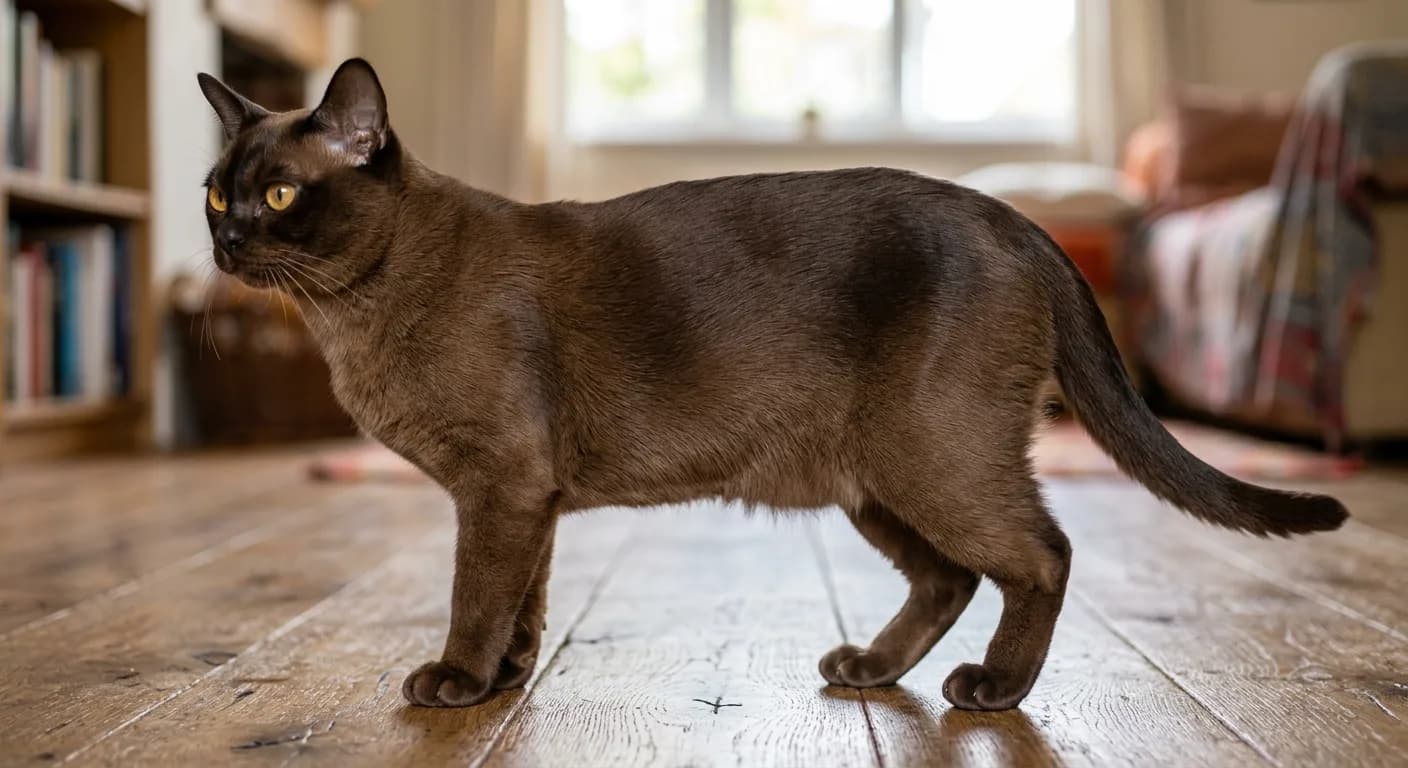
The Burmese is a medium-sized cat, but weight alone does not tell the full story. Males typically range from 8 to 12 pounds; females from 6 to 10 pounds. What surprises first-time owners is how dense and muscular the body feels relative to its frame. Breeders and the CFA standard consistently use the phrase "surprisingly heavy for its size," and that description is accurate. This is not a light, delicate cat despite its silky appearance. The body is rounded and compact, with a broad chest, strong shoulders, and substantial bone structure throughout. Legs are proportionate and well-muscled. The tail is medium in length, tapering to a rounded tip.
Head and Eyes
The American (contemporary) Burmese has one of the more distinctive head shapes in the cat world: round from every angle. The CFA standard calls for a rounded skull with full cheeks and a short, well-developed muzzle. There is a visible break at the muzzle, and the chin is firm and rounded to match the overall profile. Ears are medium in size, set well apart, slightly tilted forward, with rounded tips that continue the breed's circular theme.
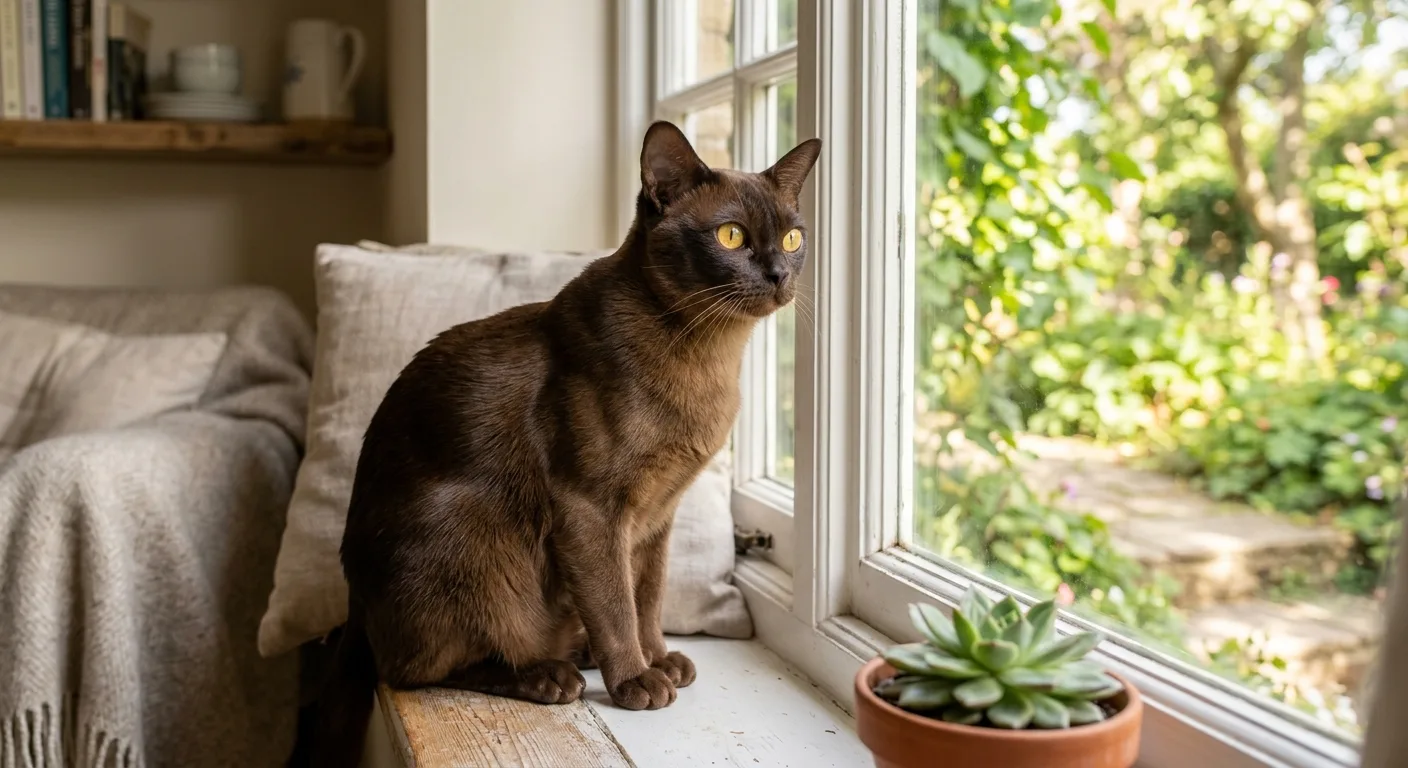
The eyes are the breed's most arresting feature. They are large, set wide apart, and the accepted color is golden-yellow to gold. Kittens are born with blue eyes that transition through gray-green to the final gold as they mature. A slight convergent squint (crossed eyes) is a genetic remnant of the breed's Siamese ancestry and, while not desirable in the show ring, is harmless. The overall expression is wide-eyed, alert, and slightly curious.
Coat and Texture
The coat is short, fine, and extraordinarily close-lying. Run your hand across a Burmese and the fur moves as a single sheet rather than parting. The texture is satin-like rather than plush, and it carries a natural sheen that requires no conditioner or specialist product. This satin finish is one of the most reliable breed identifiers: it distinguishes the Burmese immediately from the plush coat of the British Shorthair or the longer, softer coat of the Tonkinese (which is a Burmese-Siamese cross). The coat does not mat, rarely needs bathing, and sheds minimally compared with most other breeds.
Burmese Cat Colors
The 4 CFA Colors
The CFA standard accepts exactly four colors for the Burmese, and each comes with precise eye color, nose leather, and paw pad requirements.
Never Scoop Again® with the Whisker Litter-Robot, the smart self-cleaning automatic litter box. Monitor visits and track weights for better overall care in the Whisker® app. Multi-cat friendly.
Petful may earn a commission when you click through to Whisker, at no extra cost to you.
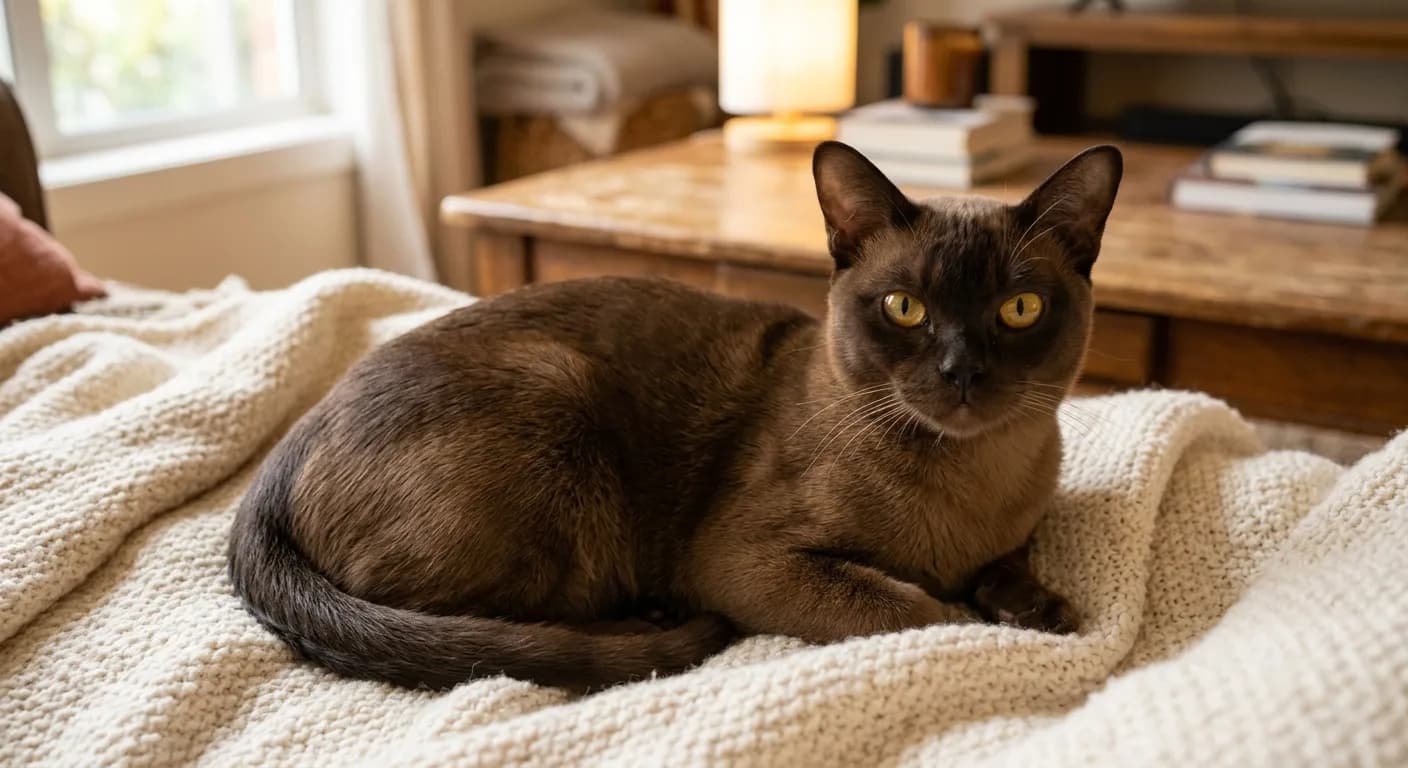
Sable is the original and most recognized color: a rich, warm, dark brown that is uniform across the entire coat with minimal shading. Kittens often show slight point contrast that fades as they mature. Nose leather and paw pads are brown. This is the color most people picture when they imagine a Burmese, and it is the color most commonly mistaken for black.
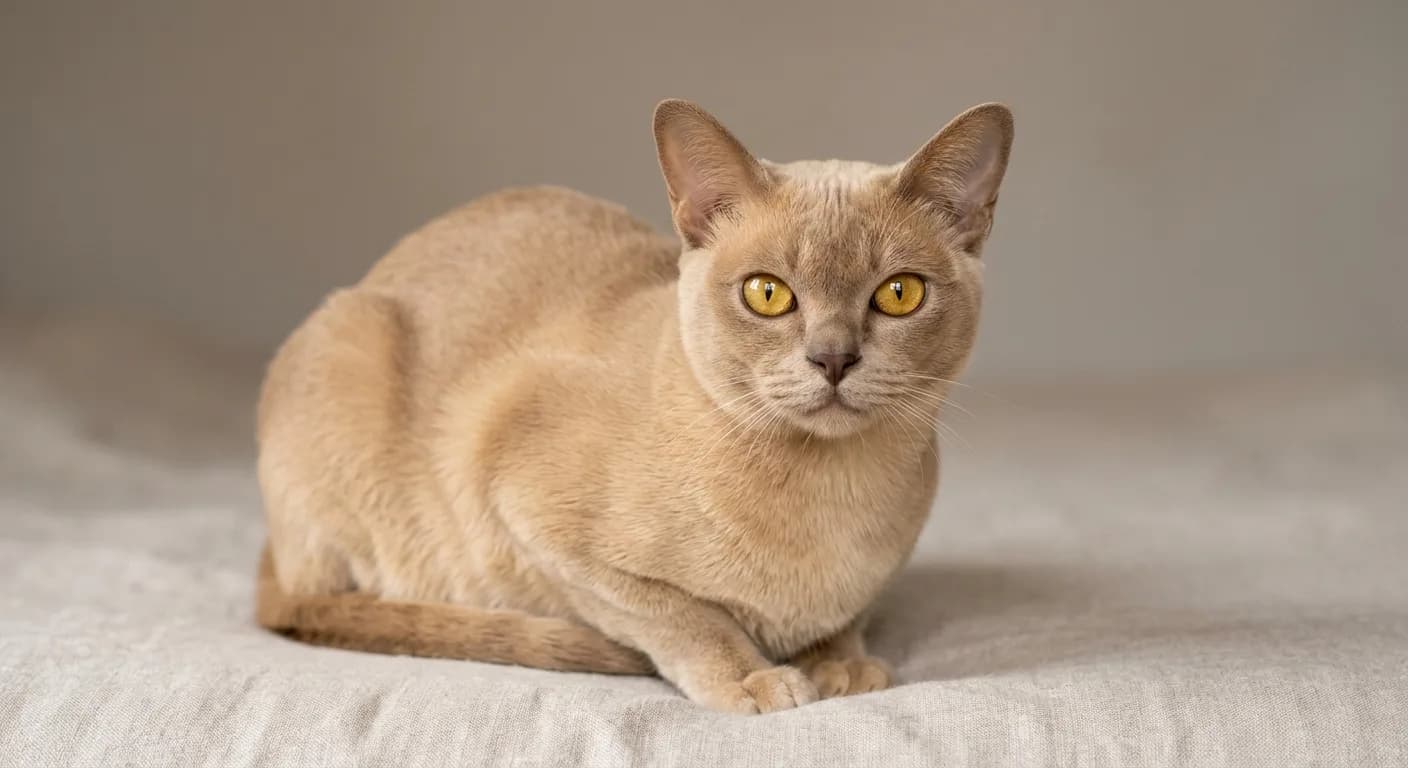
Champagne (called chocolate in the British standard) is a warm beige to honey tan. The underparts may be slightly lighter than the back. Nose leather is light warm brown to cinnamon pink; paw pads are cinnamon pink to cinnamon.
Blue is a medium blue-gray with warm fawn undertones. The underparts are distinctly lighter than the back and sides, giving a soft gradient effect. Nose leather and paw pads are slate gray.
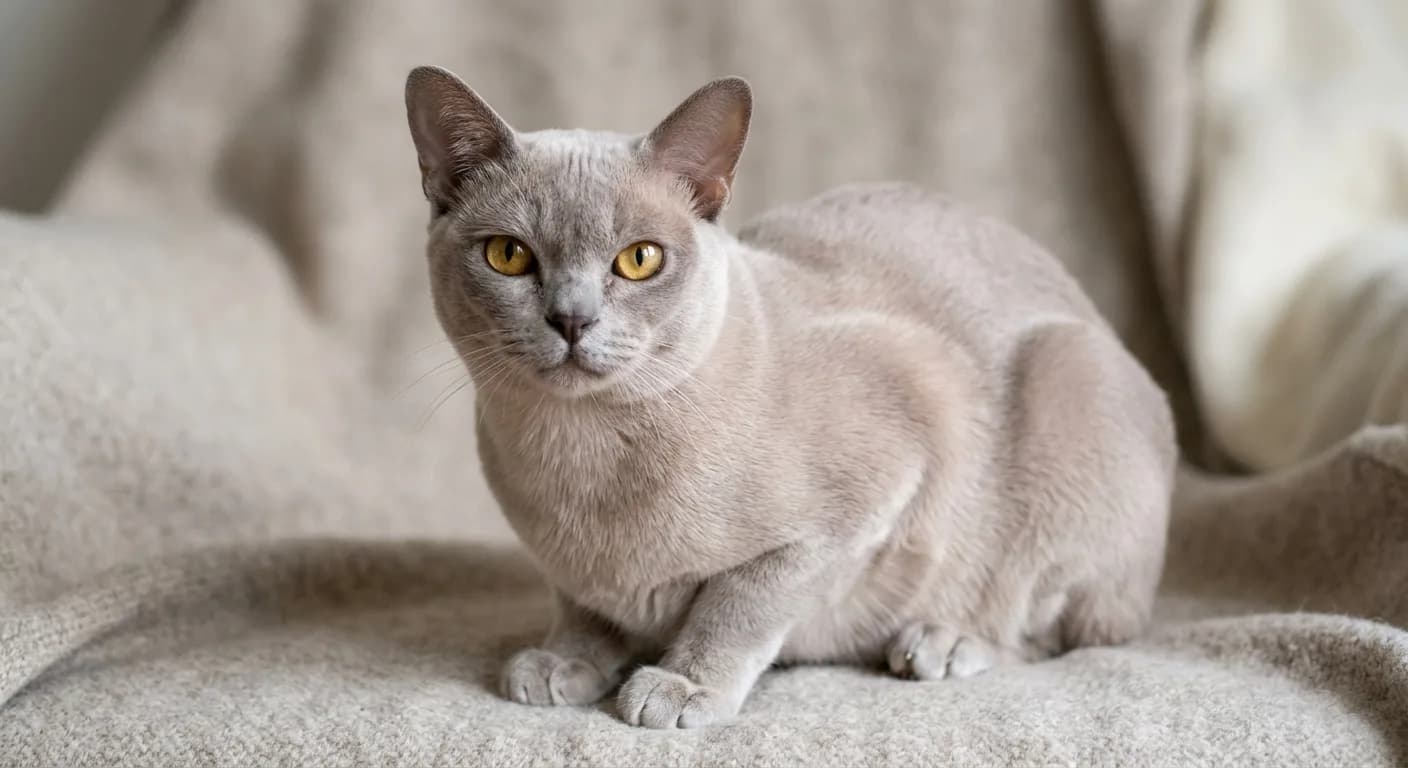
Platinum (called lilac in the British standard) is the palest of the four: a pale silver-gray with a pinkish cast. Nose leather and paw pads are lavender-pink. Platinum Burmese are noticeably lighter and softer in color than blue Burmese.
All four colors share the same golden-yellow eye color requirement. Depth of eye color is considered an asset in the show ring.
Extended TICA Colors
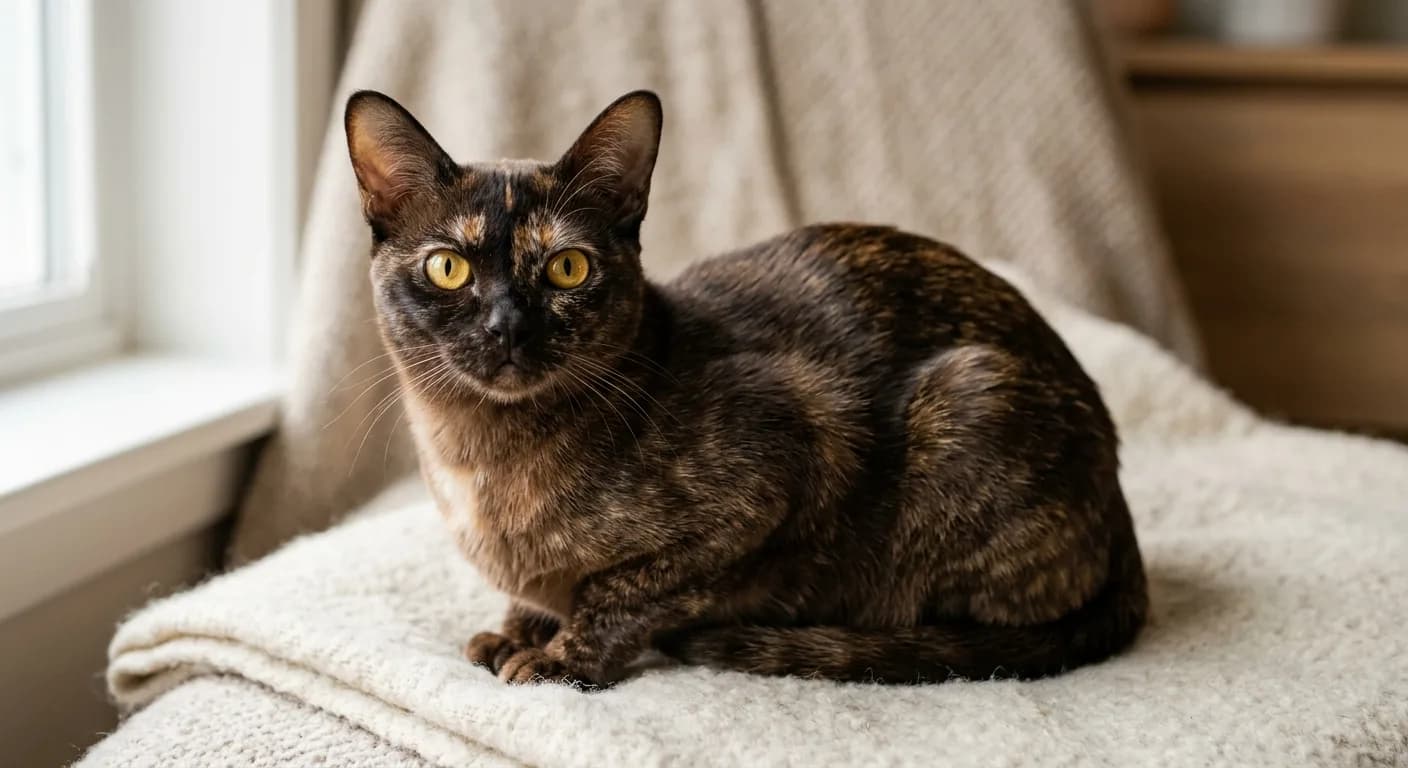
TICA's Burmese standard recognizes additional colors beyond the CFA's four. These include red, cream, tortoiseshell (sable tortie, blue tortie, chocolate tortie, lilac tortie), chocolate, and lilac (equivalent to platinum). The extended palette is the result of breeding programs that introduced additional color genes, and these cats are fully show-eligible under TICA rules. Structurally and temperamentally, they are identical to CFA-standard Burmese.
For a detailed breakdown of every recognized shade including nose leather and paw pad specifications, the Burmese coat colors guide covers each color family with photos and comparison charts.
Black Burmese: Do They Exist?
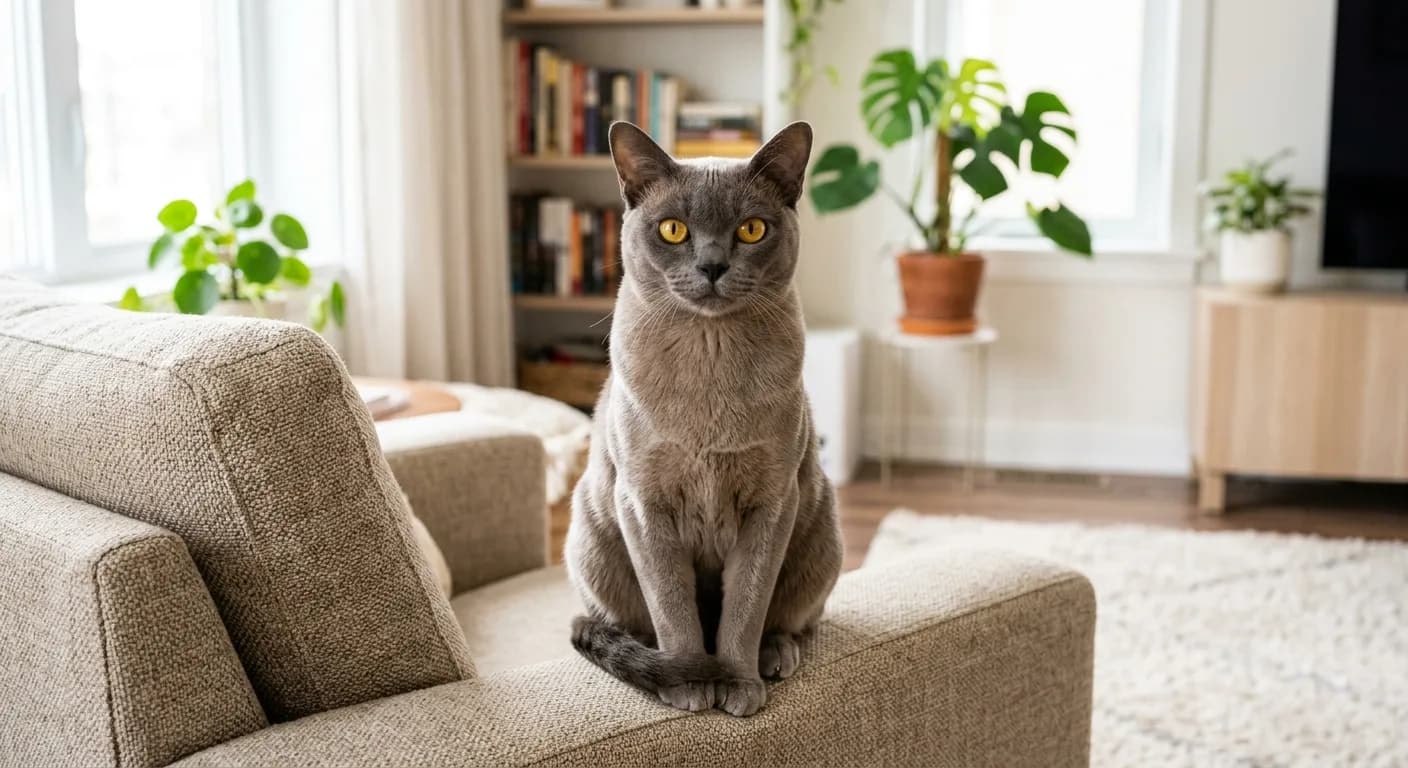
This is one of the most common search queries about the breed, and the answer requires a small genetics lesson. True genetic black does not exist in the Burmese breed as the CFA defines it. The darkest recognized color is sable, which is genetically a diluted (brown/chocolate) expression, not a true black. Sable Burmese kittens can appear extremely dark, almost black, in dim lighting or in photographs taken without flash, which is almost certainly why "black Burmese cat" drives consistent search volume. If a breeder advertises "black Burmese kittens," they are either describing sable cats informally or the cats are crossbreeds. A DNA color test will confirm sable (bb genotype) rather than true black (BB or Bb).
Burmese Cat Personality and Temperament
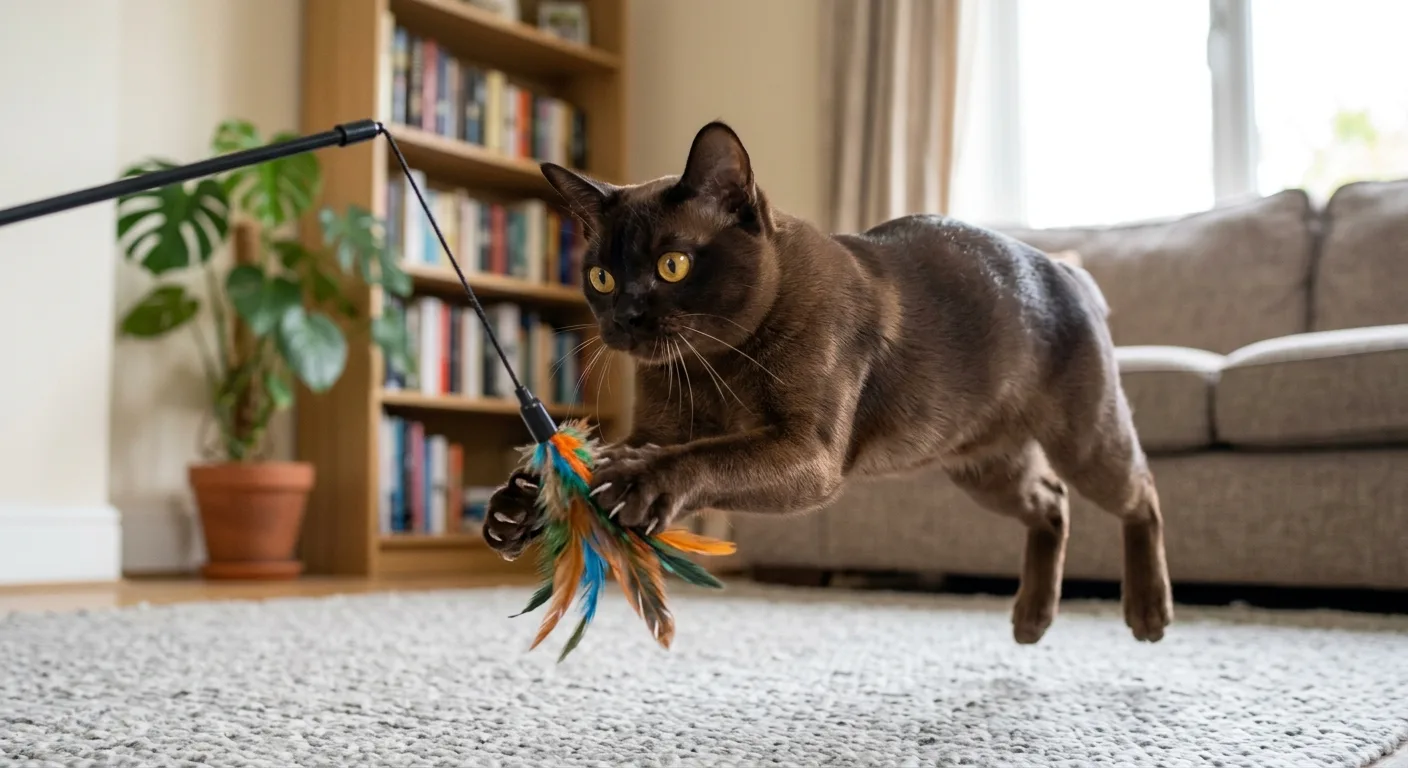
Are Burmese Cats Friendly?
Friendly is an understatement. The Burmese is one of the most consistently people-oriented cat breeds documented in comparative feline behavior studies. Unlike breeds that bond selectively with one person, the Burmese typically extends affection to every household member and, once acclimated, to regular visitors. The dog-like quality emerges in specific behaviors: following owners from room to room, waiting by the door when they hear the car in the driveway, and initiating play rather than waiting to be entertained. Several Burmese owners report their cats learning rudimentary fetch: carrying a toy back to the owner's feet and dropping it there.
This people-orientation is not a trained behavior; it is a breed-deep trait that appears in the CFA and TICA breed profiles consistently and is replicated in owner surveys across different countries and decades. The Burmese will sit on a laptop keyboard, insert themselves into a video call, and climb into a suitcase the moment it appears on the bedroom floor. This is a breed that participates in household life rather than observing it.
Do Burmese Cats Like Being Held?
Yes, more than almost any other breed. The Burmese actively seeks physical contact, draping itself across shoulders, curling into laps, and pressing its face against hands and cheeks. This is not a breed that tolerates handling; it seeks it out. The word "velcro" appears in breed descriptions because it accurately describes the adhesive quality of the Burmese's affection. Kittens develop this behavior early, and it persists into old age. Elderly Burmese in their late teens are still typically found on laps rather than on solo perches.
The important caveat is that this intensity of need goes both ways. A Burmese that is left alone for long hours consistently, without another cat for company, will develop signs of stress: over-grooming, redirected aggression, or persistent vocalization. The breed's sociability is a feature and a care requirement simultaneously.
Do Burmese Cats Meow a Lot?
The Burmese is vocal, but its voice is softer and more conversational than its Siamese ancestor's. Where the Siamese is famous for loud, demanding yowls, the Burmese tends toward shorter, lower-pitched chirps and trills. They will narrate their day, comment on dinner lateness, and solicit attention verbally, but rarely in a way that becomes disruptive to neighbors in an apartment context. The vocal quality is one of the distinguishing features between the two breeds when making the Burmese vs. Siamese comparison: the Siamese is a loud, persistent talker; the Burmese is a conversationalist.
Burmese Cats With Children, Dogs and Other Pets
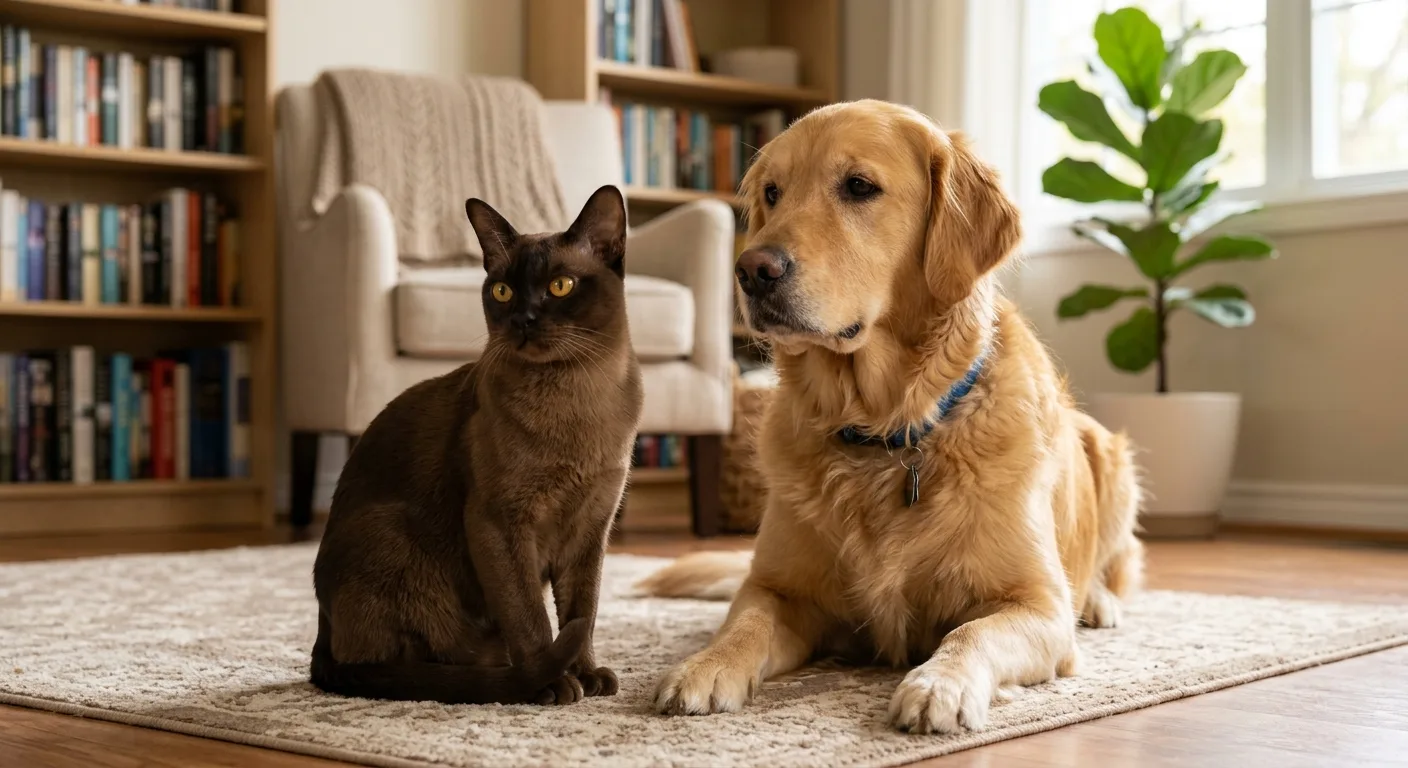
The Burmese is one of the more reliably family-friendly cat breeds available. Its tolerance for noise, handling, and unpredictable movement makes it a better fit for households with young children than more reserved breeds like the Russian Blue or Persian. Children who are taught basic respectful handling typically get along with Burmese cats without incident. The breed's play drive also aligns well with children: it will engage with wand toys, chasing games, and interactive sessions in a way that more sedentary breeds will not.
Good With Dogs?
Yes, with appropriate introductions. The Burmese's social confidence means it is less likely to panic during a dog introduction than a more skittish breed. Burmese cats introduced to calm, cat-socialized dogs typically establish working relationships within one to two weeks. The breed has enough physical confidence to establish clear boundaries without escalating to sustained conflict. Dog breeds known for low prey drive (Basset Hounds, Cavalier King Charles Spaniels, Golden Retrievers with cat exposure) are the most compatible housemates. Terriers and sighthounds require more careful supervision.
Other cats present no problem for the Burmese provided introductions are handled gradually. In fact, keeping Burmese in pairs is the standard recommendation from most breeders, specifically because their social needs are high enough that a single cat left home alone during working hours will show stress behaviors that a bonded pair does not.
Male vs. Female Burmese
Both sexes share the breed's core temperament: affectionate, social, and playful. Males tend to be slightly larger (8 to 12 lb versus 6 to 10 lb for females) and are often described as more openly affectionate and lap-inclined. Females are sometimes described as slightly more independent and quicker to engage in problem-solving behaviors, though this is anecdotal rather than peer-reviewed. Neutered males in particular are noted for consistent, even temperament across their lifespan. The choice between sexes matters far less for the Burmese than for breeds with more pronounced sexual dimorphism in behavior (such as the Maine Coon, where males are notably more laid-back than females on average).
American vs. European Burmese
This distinction matters for buyers and is frequently underexplained in general breed profiles. The American Burmese (also called the contemporary Burmese) and the European Burmese are recognized as two distinct varieties by most international cat registries, with meaningful differences in head structure, body type, and associated health risks.
The American Burmese standard emphasizes extreme roundness: a round skull, round eyes, full round cheeks, and a short, wide muzzle. This has been achieved through generations of selective breeding for rounder and rounder head features. The European Burmese standard is more moderate: a slightly longer face, a more wedge-shaped head, and a less extreme muzzle. The body in the European type is also slightly longer and more moderate compared with the cobby, compact American type.
The health implication of this difference is significant. Burmese Head Defect (BHD), also known as craniofacial defect, is a fatal congenital condition that affects kittens and has been linked almost exclusively to American (contemporary) lines with extreme head features. BHD kittens are stillborn or are humanely euthanized at birth and have severely malformed skulls. The condition is caused by a recessive gene, and responsible contemporary breeders conduct genetic testing to avoid pairing two carriers. European Burmese lines have a substantially lower incidence of BHD. This is the single most important structural difference buyers should discuss with breeders before purchasing.
When you encounter a listing for a "traditional Burmese" or see debate online about "apple head vs. traditional head," the underlying difference is almost always the American/contemporary versus European distinction described above.

63-inch multi-level cat tree with scratch posts, hammock, plush perches, and dangling toys. Vertical territory is non-negotiable for high-energy climbing breeds like the Bengal.
Petful may earn a commission when you click through to Chewy, at no extra cost to you.
Burmese Cat Health Issues and Lifespan
How Long Do Burmese Cats Live?
The Burmese is among the longer-lived cat breeds. The CFA and TICA breed profiles cite 16 to 18 years as the typical range, and anecdotal reports of cats reaching 20 to 22 years appear regularly in breed club newsletters and owner forums. This longevity is likely tied to the breed's genetic diversity relative to more heavily inbred lines, combined with its moderate body structure (BHD excepted in contemporary lines). Indoor-only Burmese consistently live longer than cats with outdoor access, regardless of breed.
Common Health Problems
Responsible breeders screen for several conditions known to occur at elevated frequency in the breed. None of the following should be presented as inevitable; many Burmese live their full 16-to-18-year lifespan without experiencing any of these conditions.
Hypokalemia (hereditary myopathy, or Burmese hypokalemic polymyopathy) is the most breed-specific condition. It is an episodic muscular weakness caused by low blood potassium, which can manifest as ventroflexion of the neck, muscle pain, and reluctance to move. Episodes can be triggered by stress or illness. Management typically involves potassium supplementation and dietary adjustments. A genetic test is available, and reputable breeders test breeding pairs to avoid producing affected kittens.
Burmese Head Defect (BHD) as described in the American vs. European section above. Craniofacial malformation in contemporary lines, recessive inheritance, testable.
Diabetes mellitus occurs at a higher rate in Burmese cats than in many other breeds, particularly in neutered males and cats that are overweight. This is a well-documented finding in veterinary literature, with Australian and UK epidemiological studies showing Burmese among the top three breeds for diabetes risk. Weight management and high-protein, low-carbohydrate diets are the standard preventive recommendations.
Glaucoma (specifically, a primary congenital glaucoma) has been reported in Burmese cats. Signs include cloudiness, eye enlargement, and apparent discomfort. Early diagnosis is critical because progression can be rapid.
Flat-chested kitten syndrome (FCKS) is a structural deformity of the thorax seen in neonates of several breeds including Burmese. It ranges from mild (self-resolving with supportive care) to severe (often fatal). Breeders experienced with the condition provide supplemental feeding and positional support to affected kittens.
Always ask any breeder for health testing documentation covering hypokalemia and BHD at minimum. TICA and CFA affiliated breeders are required to follow ethical breeding standards; buying from a registered cattery substantially reduces (though does not eliminate) risk.
Are Burmese Cats Hypoallergenic?
No cat is truly hypoallergenic. The primary cat allergen is Fel d 1, a protein secreted primarily in saliva and skin glands, not fur. Because the Burmese sheds minimally, less allergen-coated fur circulates in the home, which some allergic individuals find reduces their symptom load. However, this is a spectrum effect, not an absence of allergen. People with severe cat allergies will typically still react to Burmese cats. People with mild to moderate allergies sometimes report tolerating Burmese better than heavy-shedding breeds; there is no published clinical data to confirm this at the breed level. The only reliable test is a personal exposure test before committing to adoption.
Grooming and Shedding
Do Burmese Cats Shed?
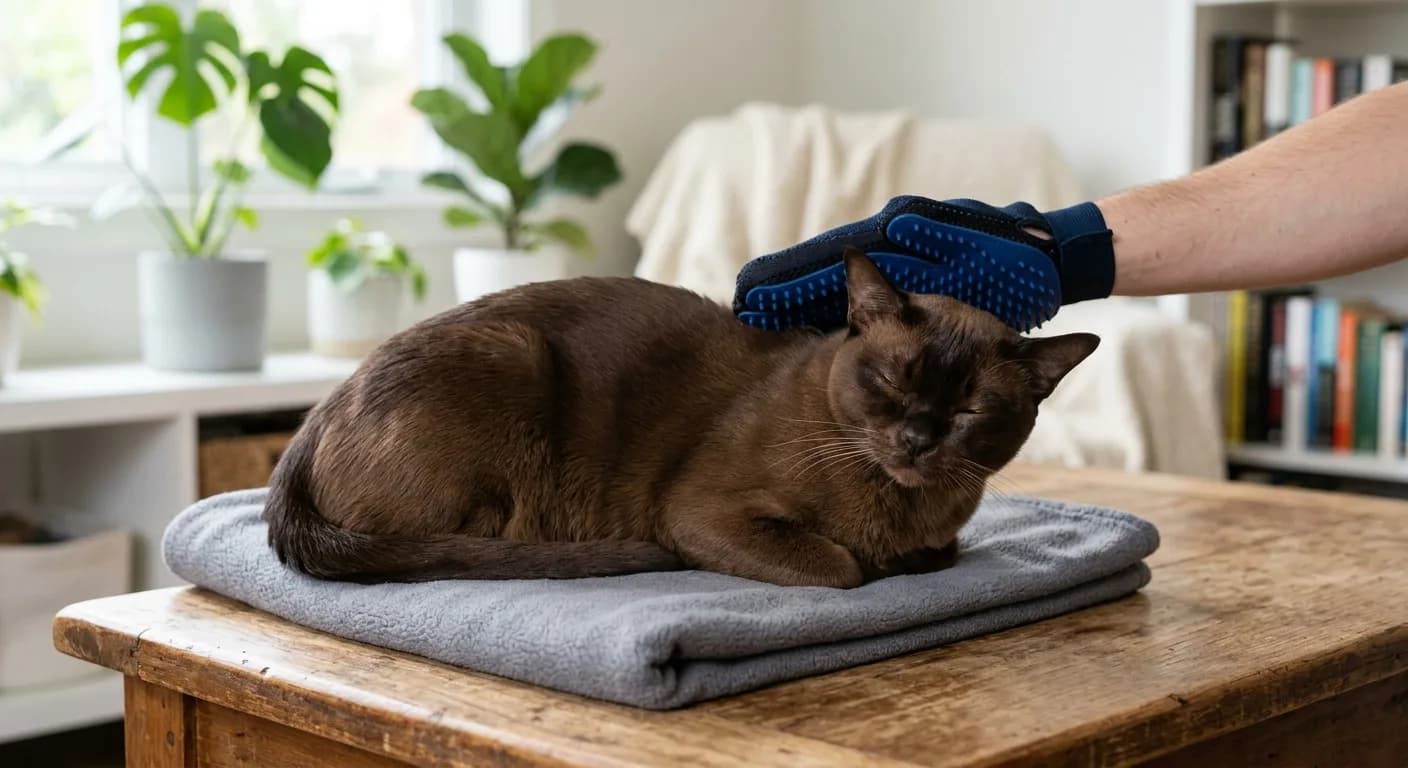
The Burmese is a low-shedding breed. Seasonal shedding does occur, typically in spring and fall, but the volume is far lower than double-coated or longer-haired breeds. Most owners report that furniture lint-rolling is a minor rather than constant task. The short, close-lying coat does not trap hair in corners or cling heavily to clothing. This makes the Burmese a practical choice for people who want a highly social cat without the substantial grooming overhead of breeds like the Persian cat or Maine Coon.
Grooming Routine
The Burmese coat is one of the lowest-maintenance of any pedigreed cat. A weekly once-over with a soft chamois cloth or a fine-toothed grooming comb removes loose hairs and distributes skin oils across the coat, which is what gives the coat its characteristic sheen. Bathing is rarely necessary; the coat does not accumulate the dirt or oils that require regular washing in longer-coated breeds. Beyond coat care, standard cat maintenance applies: nail trimming every two to three weeks, ear cleaning as needed, and dental hygiene (brushing or dental treats) to reduce periodontal disease risk, which is elevated in the breed according to some veterinary reports.
Caring for a Burmese Cat
Diet and Weight
Obesity is the most preventable health threat for the Burmese. The breed's muscular density can mask weight gain: a Burmese can gain a pound before it is visually obvious. Combined with the breed's elevated diabetes risk, maintaining lean body condition is genuinely important rather than purely cosmetic. The current veterinary consensus favors high-protein, moderate-fat, low-carbohydrate diets for cats, and this is particularly applicable to Burmese. Measured feeding (weighed portions rather than free-choice kibble) is the simplest intervention. A body condition score check at every annual veterinary visit should include palpation of the ribs rather than visual assessment alone.

108-oz stainless steel pet fountain with quiet pump and water-level window. Bengals are notoriously water-obsessed; a flowing fountain encourages hydration and pulls them away from sinks and toilets.
Petful may earn a commission when you click through to Chewy, at no extra cost to you.
Wet food or raw-format diets support higher protein intake and hydration, which is relevant for urinary health as well. If feeding dry food, puzzle feeders slow eating and provide mental stimulation, which addresses two of the Burmese's core needs simultaneously.
Exercise and Enrichment
The Burmese remains playful well into middle and senior age. Unlike some breeds that lose interest in interactive play after two or three years, a five-year-old Burmese will typically still engage with wand toys, laser pointers, and puzzle feeders with kitten-like enthusiasm. Daily play sessions of 15 to 20 minutes are sufficient for most adult Burmese, with more intensive sessions recommended for kittens and young adults (under three years).
Enrichment at height matters: the Burmese is a climber, and cat trees or wall-mounted shelving systems give it vertical territory to survey the room. Puzzle feeders and food-dispensing toys satisfy the problem-solving drive that makes Burmese cats learn tricks and open cabinet doors if not otherwise occupied.
Can Burmese Cats Go Outside?
The Burmese can go outside under controlled conditions, but outdoor access comes with meaningful risks that apply with particular force to this breed. The Burmese's extremely social and trusting nature makes it more vulnerable to theft (it is a desirable pedigreed breed that will approach strangers without hesitation) and to traffic accidents (it lacks the wariness that semi-feral or outdoor-experienced cats develop). In addition, outdoor cats face substantially higher rates of infectious disease, parasites, and trauma.
Most breeders sell Burmese kittens on contracts requiring indoor-only housing or supervised outdoor access via a secured enclosure (a "catio"). Leash and harness training is feasible for the Burmese because the breed adapts well to novel experiences, and a harness-trained Burmese can enjoy outdoor time without unrestricted exposure.
Can Burmese Cats Be Left Alone?
This is the most practically important care consideration for the breed. The Burmese forms deep social bonds and does not handle solitude well over extended periods. An adult Burmese left alone for a standard 9-to-5 working day will typically cope, particularly if enrichment and puzzle feeders are provided. A Burmese left alone for 10 to 12 hours daily, five days a week, without a companion animal, is a setup for stress-related behavior problems: over-grooming, destructive behavior, or persistent vocalization when the owner returns.
The standard recommendation from Burmese breed clubs is to keep Burmese in bonded pairs, ideally from the same litter or introduced at young ages. Two Burmese together entertain each other, sleep together for warmth, and are demonstrably calmer during owner absences than single-cat households. For people with full-time office schedules, purchasing a pair from the start is more humane and ultimately less stressful than managing a socially deprived singleton.
Burmese Cat History and Origins
The modern Burmese traces to a single cat. In 1930, Dr. Joseph Coltrane Thompson, a physician working in San Francisco, brought a small, dark brown cat from Burma (present-day Myanmar) named Wong Mau. Thompson recognized that Wong Mau was unusual, distinct from the Siamese cats that were well known in the West at the time. She was smaller, darker, and stockier than any Siamese he had seen.
Thompson collaborated with geneticists at UC Davis to understand Wong Mau's makeup. They bred her to a Siamese, then back-crossed her offspring, and determined that Wong Mau was herself a hybrid: she carried both Burmese and Siamese type, which today we would describe as a Tonkinese. The offspring of her breeding program segregated into three types: Siamese-patterned, Tonkinese-patterned, and the dark solid brown cats that became the foundation of the modern Burmese breed.
What Two Breeds Make a Burmese?
The Burmese descends primarily from two genetic sources: the original Southeast Asian cats of Burmese type (represented by Wong Mau) and the Siamese, which was used as the outcross in the earliest American breeding program. This is why the Burmese retains vestiges of Siamese ancestry in its vocalizations, its slightly convergent squint in some lines, and the tabby "ghost striping" visible in kittens that fades with age. The Siamese connection also explains why the Tonkinese breed exists as a recognized intermediate between the two: the Tonkinese is a deliberate Burmese-Siamese cross that expresses the mink coat pattern sitting between the Burmese solid and the Siamese pointed pattern.
The CFA granted the Burmese breed recognition in 1936, making it one of the earliest recognized American cat breeds, and championship status followed in 1957. British breeding programs developed in parallel using some of the same foundation stock, which eventually diverged enough to produce the European standard described in the American vs. European section above.

Color-changing crystal litter that flags pH shifts in your cat's urine, an early warning sign of UTIs, kidney issues, and more.
Petful may earn a commission when you click through to Chewy, at no extra cost to you.
Burmese Kittens: What to Expect
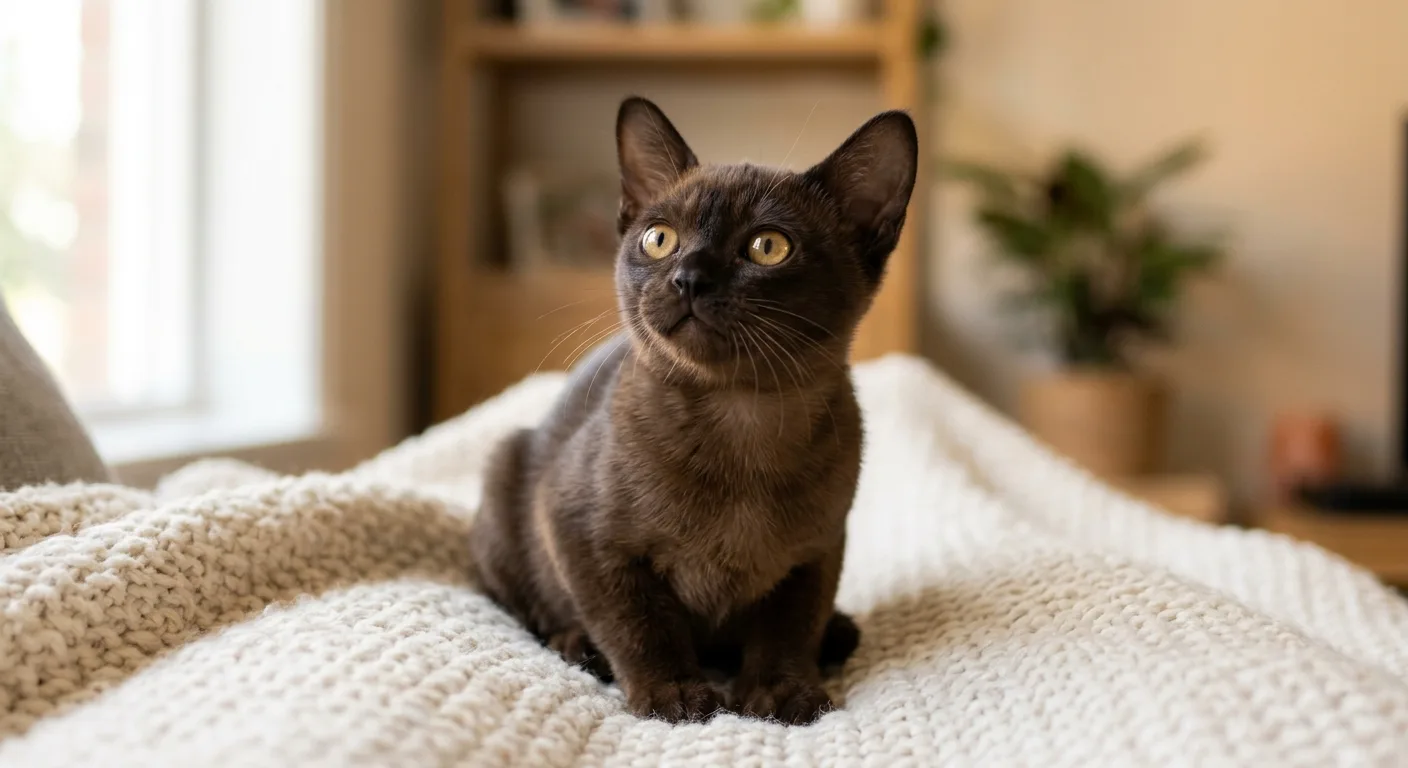
Burmese kittens are among the most engaging and exhausting of any breed in the first year. They arrive with the full Burmese social drive already operational: they climb on people immediately, vocalize frequently, and spend their first weeks testing every surface in the home. The satin coat is present from birth, though sable kittens often show faint point contrast (darker face, legs, and tail) that fades to the uniform adult color by six to eight months. Eye color transitions from neonatal blue through green-gray to the mature golden-yellow over roughly three to four months.
Socialization in the first 12 weeks is critical for any cat, but the Burmese's inherent social drive means that a kitten from a breeder who handles kittens daily from week two onward will arrive at its new home genuinely prepared for human contact rather than merely tolerating it. Ask breeders specifically about their socialization protocol: how frequently kittens are handled, whether they are exposed to other pets, and whether they have encountered novel sounds, textures, and environments before leaving the cattery.
Kittens should not leave the breeder before 12 weeks. For a breed with elevated social needs, early separation is a meaningful welfare concern, not a formality. Most reputable Burmese catteries keep kittens until 12 to 16 weeks to ensure adequate immune development and social maturation. For detailed pricing and what to expect from the kitten purchase process, the Burmese cat price guide covers breeder tiers, what the cost includes, and what to be cautious about with low-priced listings.
How Much Does a Burmese Cat Cost?
Burmese cats from CFA or TICA registered breeders typically fall into three pricing tiers. Pet-quality kittens (sold spayed or neutered, without breeding rights) generally range from $600 to $1,200. Show-quality kittens from lines with championship titles in their pedigree run $1,200 to $2,000 or more. Breeding-rights kittens are priced at the breeder's discretion and are often significantly higher.
These prices reflect health testing (hypokalemia genetic panel, BHD screening where applicable), early veterinary care, vaccinations, microchipping, and in many cases a starter kit of food and supplies. Kittens sold significantly below these ranges without documented health testing warrant careful scrutiny. Rescue Burmese are available through breed-specific rescues and occasionally through general shelters, typically for a $75 to $300 adoption fee, though availability is lower than for less popular breeds.
For a full breakdown of what each price tier includes and how to evaluate a breeder's health testing documentation, see the Burmese cat price guide.
Burmese Cat vs. Siamese, Bombay and Tonkinese
The Burmese is frequently compared with three other breeds that share part of its genetic history or visual profile.
The Siamese cat is the Burmese's most direct genetic ancestor. Where the Siamese is pointed (dark extremities, lighter body), the Burmese is solid-colored throughout. Where the Siamese is angular, wedge-headed, and long-bodied, the Burmese is round, cobby, and compact. Where the Siamese voice is loud and persistent, the Burmese is softer and more intermittent. The temperaments share the dog-like social quality and dislike of solitude, but the Siamese is generally more demanding and vocal in expression. The detailed side-by-side breakdown lives in the Burmese vs. Siamese comparison article.
The Bombay is often confused with the sable Burmese because both are sleek, dark, short-coated cats. The Bombay is a Burmese-American Shorthair cross bred specifically for a jet-black coat and copper eyes. Bombays are slightly larger than Burmese, have a less extreme round head, and their coat color is a true black rather than sable brown. Eye color is the fastest distinguishing feature: copper-to-orange in the Bombay, golden-yellow in the Burmese.
The Tonkinese sits between Burmese and Siamese in both genetics and appearance. The Tonkinese carries one Burmese gene and one Siamese gene, producing the "mink" coat pattern: darker points than a Burmese, lighter body than a Siamese, with aquamarine eyes in the mink expression. Tonkinese are slightly more talkative than Burmese and similarly social. They are a good choice for people who find the Siamese too demanding and the Burmese not quite vocal enough. For a broader survey of the cat breeds most frequently confused with the Burmese, the category archive has profiles for each.
Frequently Asked Questions
Yes, Burmese cats make excellent pets for people who want an affectionate, interactive companion. They are consistently rated among the most people-oriented cat breeds, bond closely with all household members, tolerate children and dogs well, and remain playful into old age. The main care consideration is their social need: they require company, either human or feline, and do not thrive with long hours of solitude.
Pet-quality Burmese kittens from CFA or TICA registered breeders typically cost $600 to $1,200. Show-quality kittens from titled lines range from $1,200 to $2,000 or more. Rescue Burmese are available for $75 to $300. Prices below $500 without health testing documentation warrant caution.
The Burmese descends from Wong Mau, a Burmese-Siamese hybrid brought to San Francisco by Dr. Joseph Thompson in 1930, and the Siamese cats used as the early American outcross. The breed is therefore primarily a product of Southeast Asian Burmese-type cats crossed with the Siamese.
Yes. The Burmese is one of the breeds most likely to actively seek being held rather than merely tolerating it. They drape across shoulders, press into laps, and initiate physical contact consistently throughout their lives.
Burmese cats are vocal but not as loud or persistent as Siamese cats. They tend toward softer chirps, trills, and short meows rather than loud, sustained yowling. Most owners describe them as conversational rather than demanding in their vocalizations.
The main drawbacks are the breed's high social need (they require consistent company and do not do well alone for long hours), elevated risk of diabetes and hypokalemia (manageable but requiring monitoring), and the Burmese Head Defect risk in contemporary lines if breeder health testing is not verified. They are also moderately expensive from reputable breeders.
Both sexes share the breed's core affectionate temperament. Males tend to be slightly larger and are often described as more openly lap-seeking. Females may show slightly more independent problem-solving behavior. For most households, personality fit and the specific kitten's temperament matter more than sex. Neutered males in particular are noted for steady, even temperament throughout life.
Yes. Burmese cats are consistently among the most friendly and people-oriented cat breeds. They greet strangers readily, bond with all household members rather than selectively, and actively seek attention and physical contact. Their friendliness is a breed-deep trait rather than individual variation.
Burmese cats are not as common as mainstream mixed-breed cats, but they are not rare within the pedigreed cat world. CFA and TICA registered breeders operate throughout the United States, Canada, the UK, and Australia. Wait lists of 3 to 12 months are common for quality litters from reputable catteries, which can make finding a kitten feel challenging even though the breed is reasonably well established.
Burmese cats can handle a standard working day alone provided enrichment is available, but they are not well-suited to long or frequent isolation. Most breed clubs recommend keeping Burmese in pairs specifically because their social needs are high enough that solitary cats in working households show measurable stress behaviors. A bonded pair of Burmese cats handles owner absences significantly better than a single cat.
Burmese cats can go outside under controlled conditions such as a secured outdoor enclosure (catio) or harness and leash training. Unrestricted outdoor access is not recommended for the breed: their trusting nature makes them vulnerable to theft and traffic, and most reputable breeders sell kittens on indoor-only contracts. Supervised outdoor access balances enrichment with safety.
Burmese cats typically live 16 to 18 years, and documented cases of cats reaching 20 to 22 years are not rare within the breed. Indoor-only Burmese consistently achieve longer lifespans than cats with outdoor access. This longevity makes them a significant long-term commitment and is one of the breed's most frequently cited advantages.

Kristine Lacoste has been researching dog and cat breeds for nearly a decade and has observed the animals up close at dog shows in both the United States and the United Kingdom. She is the author of the book One Unforgettable Journey, which was named as a finalist for a Maxwell Award from the Dog Writers Association of America, and was host of a weekly pet news segment on the National K-9 Academy Radio Show. In addition, she was the New Orleans coordinator for Dogs on Deployment, a nonprofit that helps military members and their pets, for 3 years. Kristine has researched and written about pet behaviors and care for many years. She holds a bachelor’s degree in psychology, another bachelor’s degree in English and a Master of Business Administration degree.
Sign up for expert-backed reviews and safety alerts all in one place.