American Bulldog: Temperament, Size, and Breed Guide
Understand the American Bulldog's size, temperament, and daily care needs. Use a practical household checklist to assess handling, visitors, exercise, and supervision before choosing a dog.

BVMS, MRCVS
Petful is reader supported. As an affiliate of platforms like Amazon and Chewy, we may earn a commission when you buy through links on this page. There is no extra cost to you.
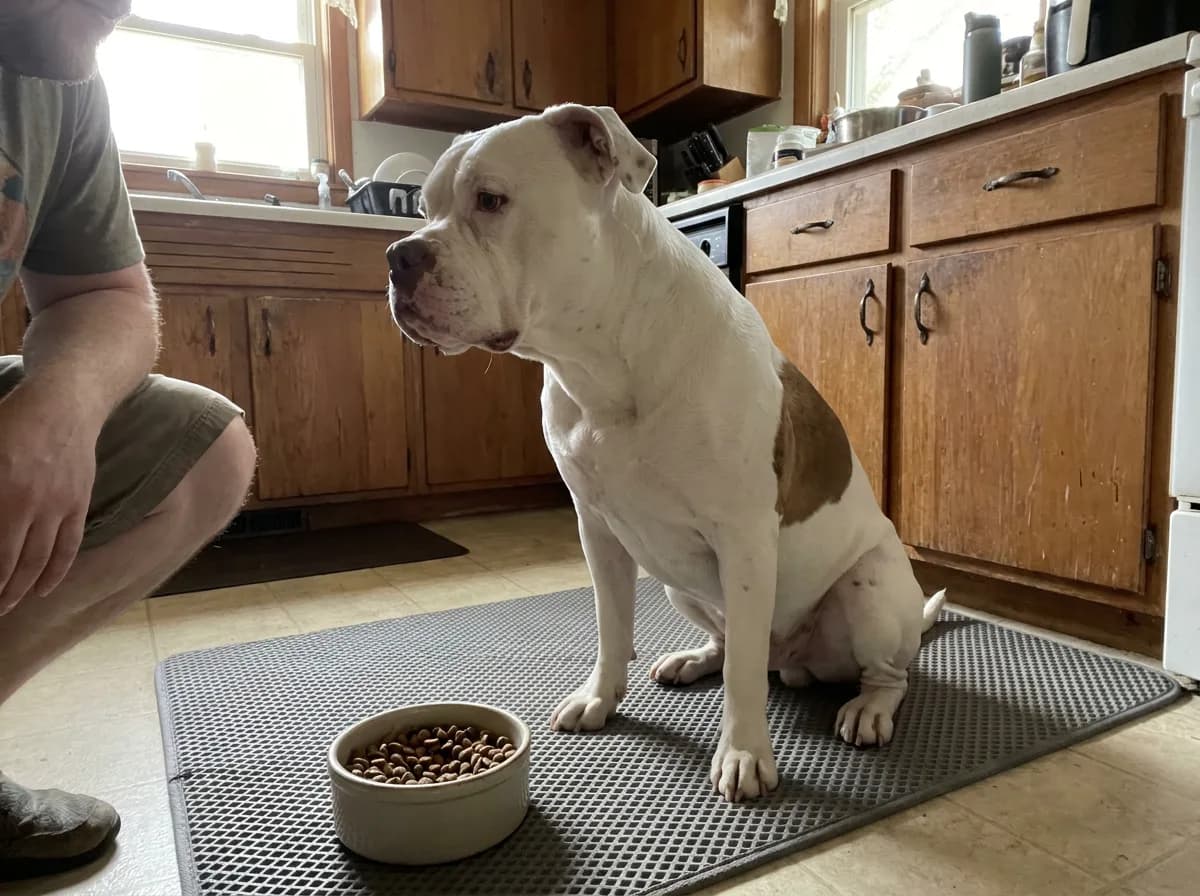
The American Bulldog is a powerful, athletic working breed with roots in farm dogs of the American South. It can be an affectionate companion, but its strength makes everyday manners, secure containment, and thoughtful supervision important. A friendly dog that jumps, pulls, or rushes through doors can still be difficult to manage.
Start with the actual breed and the individual dog. American Bulldog, American Bully, English Bulldog, and American Pit Bull Terrier are not interchangeable formal names. A broad head or a muscular body does not settle which dog you are meeting.

Sign up for expert-backed reviews and safety alerts all in one place.
What is an American Bulldog?
American Bulldogs come from working bulldogs brought to the United States. The United Kennel Club's breed history describes later preservation work by John D. Johnson, Alan Scott, and others. Its original purpose included livestock work, rather than development as a miniature companion breed. UKC recognized the breed in 1999; an old photograph from 100 years ago cannot establish how closely a particular dog matched today's registry description.
When weighing the American Bulldog's pros and cons, assess the individual dog's fit for your home rather than relying on that heritage. “Protective” is not a promise of safe judgment around guests, and a powerful physique is not a reason to encourage guarding. Choose for manageable behavior, sound movement, and documented health rather than an intimidating appearance.
- 1Plan physical handling for the adult dog's strength, including doorways, walks, and veterinary visits.
- 2Arrange visitor management and secure separation before the first busy gathering.
- 3Assess the individual dog's history with children and other animals instead of relying on a breed nickname.
Physical handling begins with equipment that fits. Before selecting a harness such as the PetSafe Easy Walk, compare your dog's measurements with the manufacturer's sizing instructions. Medium/large is a product size, not a recommendation for every American Bulldog. Equipment supports training; it does not supply loose-leash skills or guarantee escape prevention.

Measure your American Bulldog before choosing this Medium/Large Easy Walk harness. Check comfortable movement and fit; equipment supports taught walking skills.
Petful may earn a commission when you click through to Chewy, at no extra cost to you.
| Decision | What to establish before bringing the dog home |
|---|---|
| Breed identity | Confirm whether records name American Bulldog, American Bully, English Bulldog, a terrier breed, or a cross. |
| Physical handling | Identify an adult who can manage the dog safely and practise calm walking and doorway routines. |
| Visitor management | Have a secure resting area and a plan for deliveries, guests, and unfamiliar children. |
| Other animals | Arrange controlled introductions and separate feeding areas; do not assume compatibility. |
| Daily care | Budget time for exercise, teaching, grooming, veterinary care, and comfortable rest. |
Read labels and registration papers carefully
The AKC profile lists the American Bulldog in its Foundation Stock Service. Ask which registry issued any advertised papers, and verify the individual dog's identity with that registry. Membership in a club, a registration number, and a health-screening result answer different questions.
Terms such as micro, mini, pocket, teacup, giant, or XXL should prompt questions about the actual breed and expected adult proportions. They do not establish quality. Neither the biggest puppy nor an unusually broad head proves sound breeding, and a small dog does not become a recognized miniature variety because a seller calls it one.
- A label such as “Old English American Bulldog” needs clarification about the actual breed and registry; do not treat historical-sounding words as proof of a pedigree.
- Compare the registered names of the parents with the pedigree and health records.
- Ask which standard supports a claimed type or unusual feature.
- Treat pictures as illustrations of appearance, not proof of ancestry or temperament.
- Look for a comfortable, functional dog rather than rewarding extreme bulk, short legs, or exaggerated facial features.
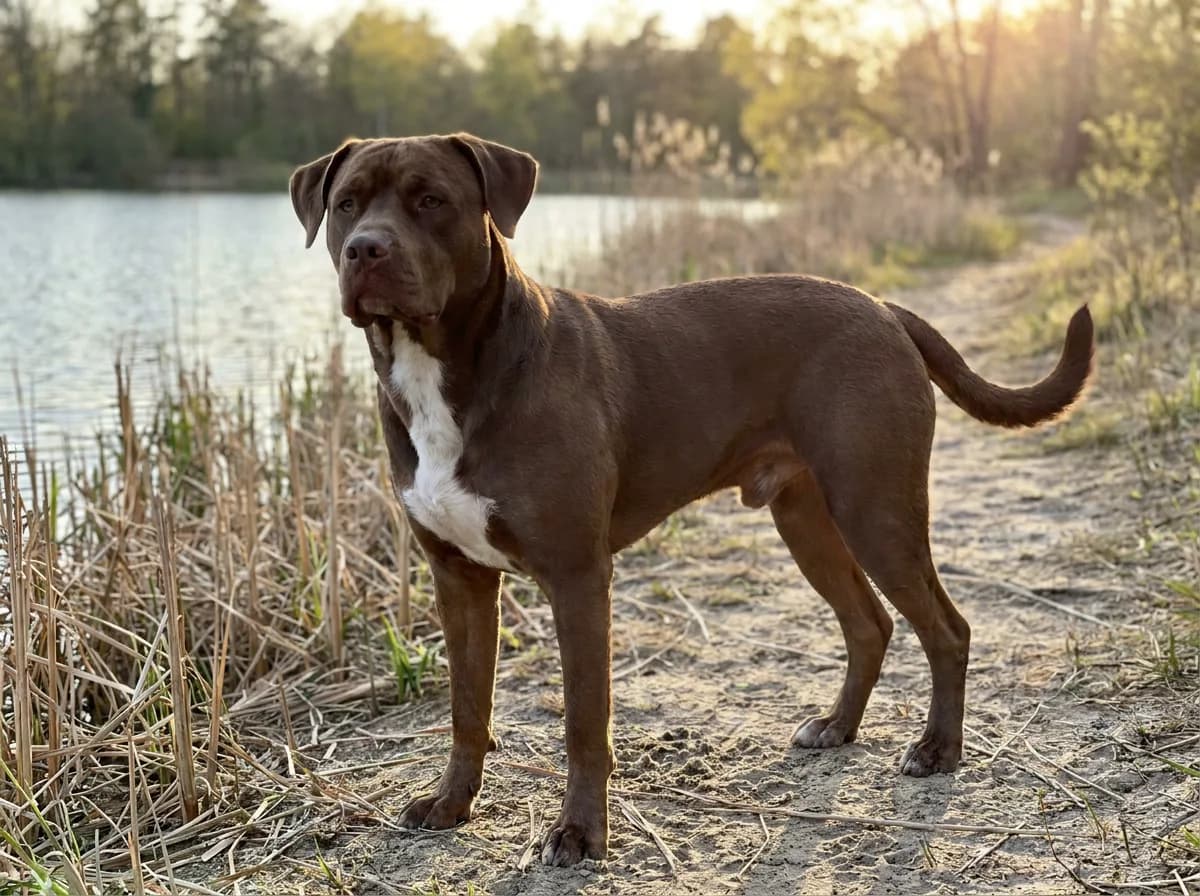
Natural ears and a full tail can belong to an American Bulldog; cosmetic alteration is not evidence of breed authenticity. The UKC standard describes a short coat and recognizes variation in type. A long-haired or fluffy listing deserves clarification about its parentage rather than an automatic purebred assumption.
American Bulldog size and everyday care
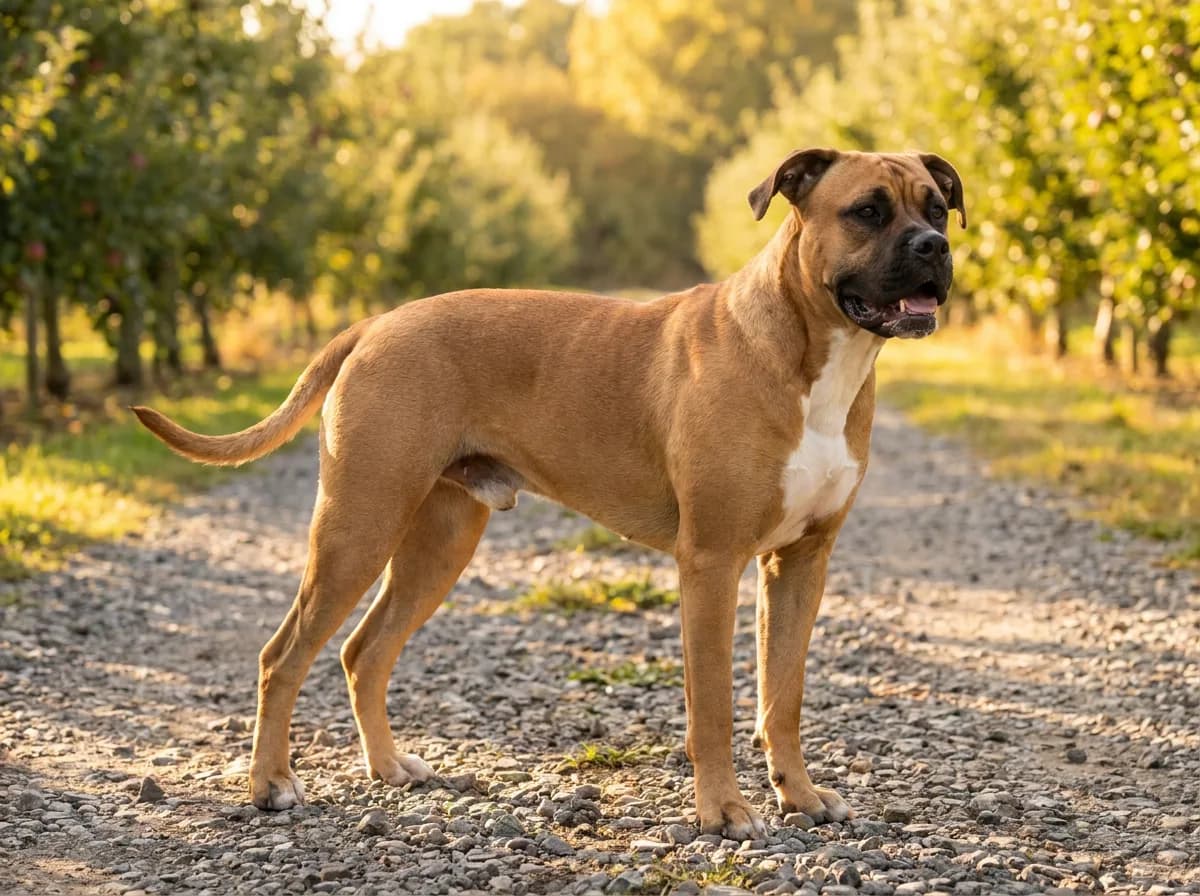
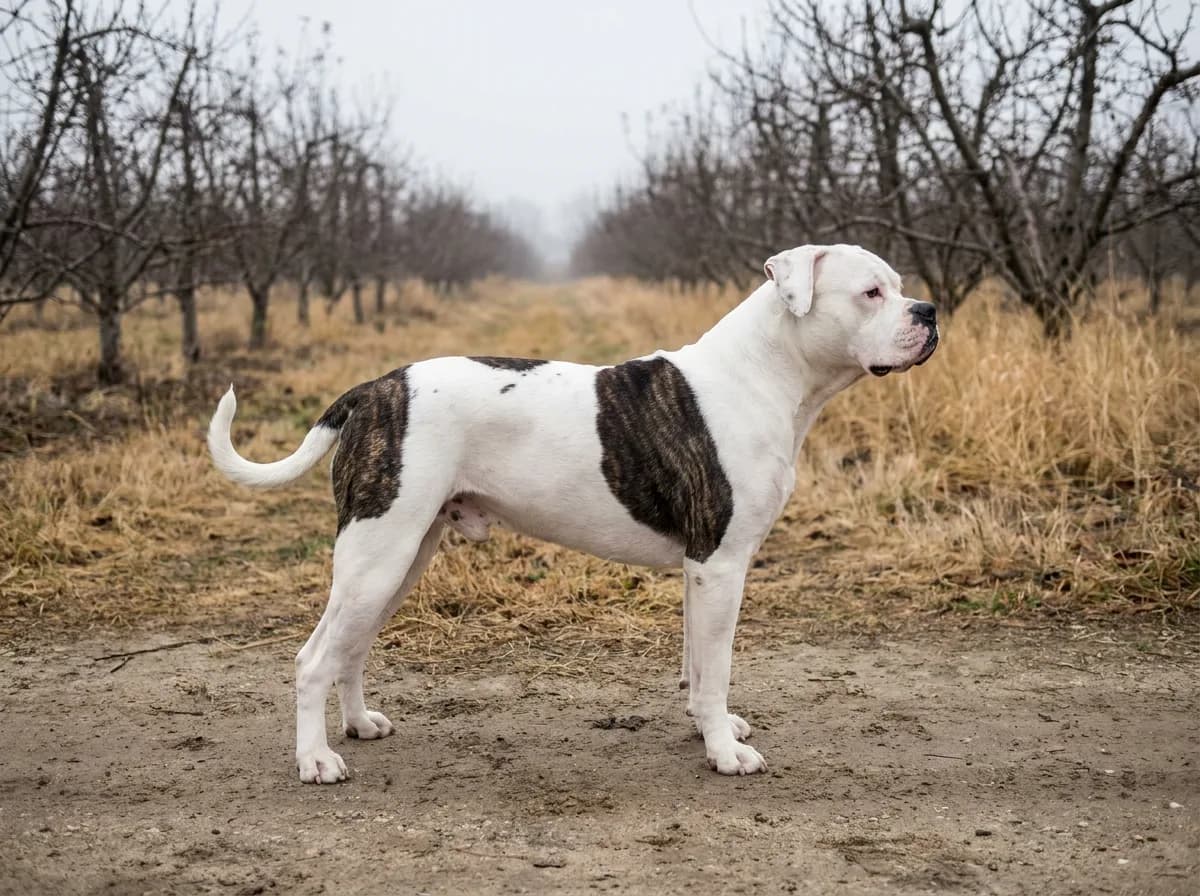
The AKC profile gives adult males as approximately 22–25 inches tall and 75–100 pounds, and females as 20–23 inches and 60–80 pounds. These are reference ranges, not growth targets. An individual dog's frame, type, age, and body condition determine whether its weight is appropriate.
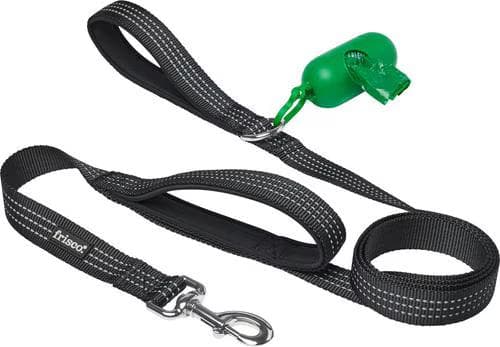
A six-foot leash with two handle positions for ordinary walks with a strong dog. Choose the handle for the setting without maintaining constant tension.
Petful may earn a commission when you click through to Chewy, at no extra cost to you.
For a strong dog, the Frisco six-foot traffic leash offers regular and shorter handles for ordinary controlled walks. It is not a long training line. Check the clasp, stitching, and attachment before each outing. A quiet practice route gives you space to teach walking skills without immediately navigating a crowd or a narrow sidewalk full of unfamiliar dogs.
Use measurements rather than a generic size chart
Measure neck and chest circumference before buying collars, harnesses, or clothing. Check fit again while a young dog grows. A weight calculator cannot tell you whether straps restrict shoulder movement, whether a collar slips over the head, or whether the dog can turn comfortably in a crate.
A full-grown male and female can overlap in size, and a one-year-old dog may not yet have its final adult build. Keep a record of weight and ask your veterinarian to assess body condition. Do not increase food to make a puppy match an online growth chart or achieve a promised massive adult size.
- A crate should permit comfortable standing, turning, and lying down.
- A bed should support the dog's usual sleeping positions without forcing it to curl tightly.
- A properly fitted basket muzzle must allow panting and needs gradual, positive introduction.
- A harness or collar should be selected from current measurements, not the breed name alone.
Exercise that builds a sustainable routine
An American Bulldog's energy level varies with age, health, and the individual dog. Plan daily opportunities to move, explore, and learn, adjusting the intensity accordingly. A fenced yard can support supervised play, but leaving the dog outside does not replace interaction. Short learning sessions and sniffing walks can be useful alongside more active exercise.
Build activity gradually rather than testing maximum speed or adding weights to a young dog. Ask your veterinary team about suitable exercise during growth or after injury. An athletic breed description cannot tell you whether today's dog is ready for a long run, repeated jumping, or strenuous swimming.
- Temperature tolerance varies with the dog and conditions. Use cooler parts of the day in hot weather, with water and breaks available; an athletic build does not guarantee heat tolerance.
- In cold weather, adjust outdoor time to the individual dog and provide a dry, sheltered place to rest. Do not assume a short coat protects every dog equally.
- Stop an activity if the dog appears distressed or cannot recover comfortably.
- Supervise near water and check the individual dog's confidence and ability; do not assume every bulldog swims well. Webbed-looking feet do not prove breed identity or swimming ability.
- Match toys to the dog's chewing habits, inspect for damage, and supervise unfamiliar items.
- The breed standards cited here do not establish a measured American Bulldog top speed. Avoid treating an unsupported miles-per-hour figure as an exercise target. Judge comfortable effort and recovery in your own dog, with veterinary guidance when growth, illness or injury changes the plan.
A short coat still needs care
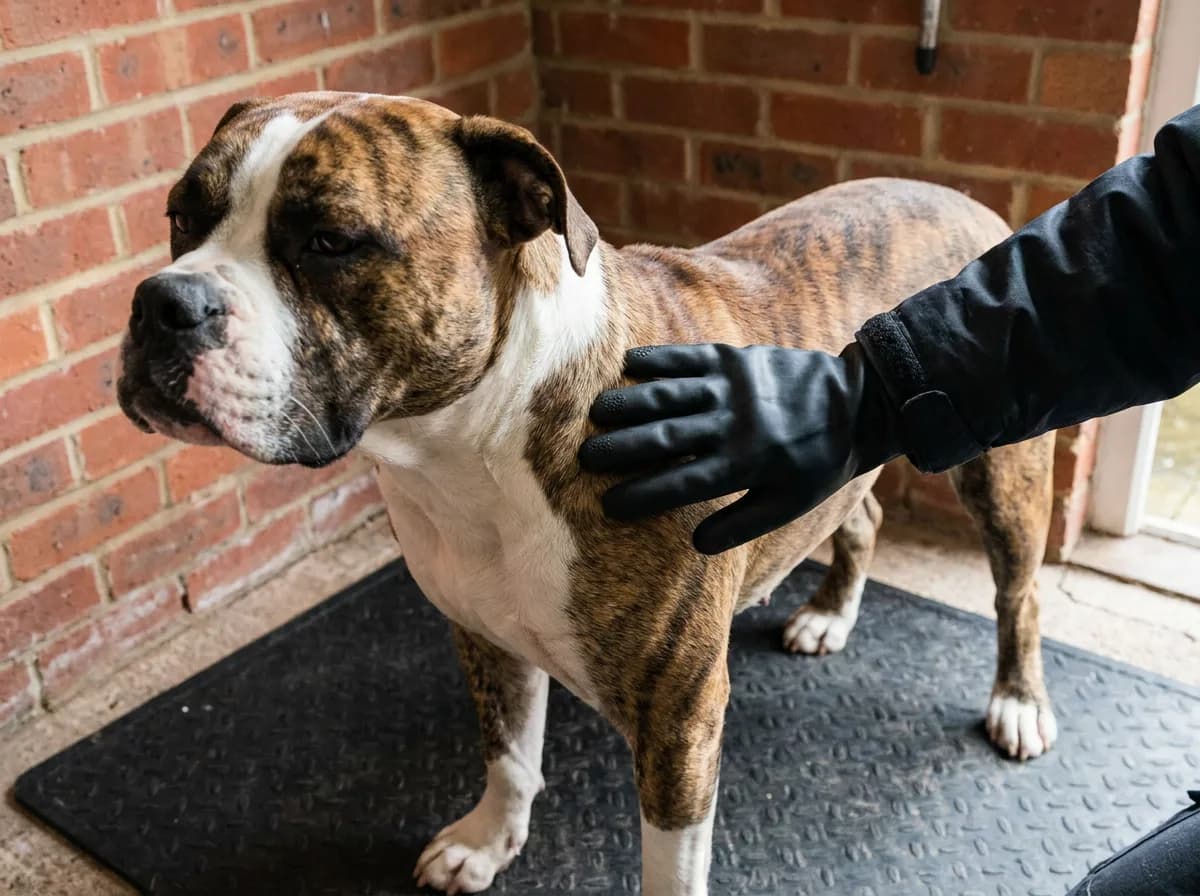
American Bulldogs shed despite their short coats. Gentle brushing can remove loose hair, while regular skin checks help you notice a change early. The Four Paws Magic Coat glove and curry brush is one short-coat grooming option; use light pressure and judge your dog's comfort rather than trying to remove every loose hair in one session.
Choose bathing frequency according to dirt, skin condition, and veterinary advice. Persistent odor, itchy paws, ear discomfort, or a new rash should not be covered up with repeated shampooing. Similarly, excessive shedding with bald patches needs assessment rather than a promise that one brush can stop normal hair loss.
Keep tooth brushing and nail care in the routine, with gradual handling practice. If the dog resists a previously comfortable task, consider discomfort before calling it stubborn. The AAHA life-stage guidance supports preventive care tailored to the dog, including attention to changes as it ages.
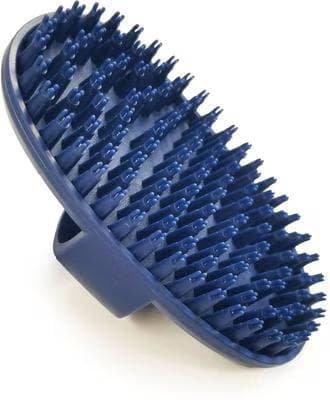
A glove and curry brush option for gently removing loose hair from an American Bulldog's short coat. Avoid irritated skin and stop if brushing is uncomfortable.
Petful may earn a commission when you click through to Chewy, at no extra cost to you.
Choosing an appropriate diet
Choose American Bulldog dog food for the individual dog's life stage and needs rather than to build an exaggerated physique. A growing large-breed puppy and a mature dog need different nutritional planning. Measure portions and review weight trends with your veterinary team. Record eating habits and report a persistent appetite change rather than assuming every dog should eat with the same enthusiasm. The best dog food for American Bulldogs guide addresses the selection decision in depth, including how to compare suitable options without assuming one recipe fits every dog.
Coat details and identification
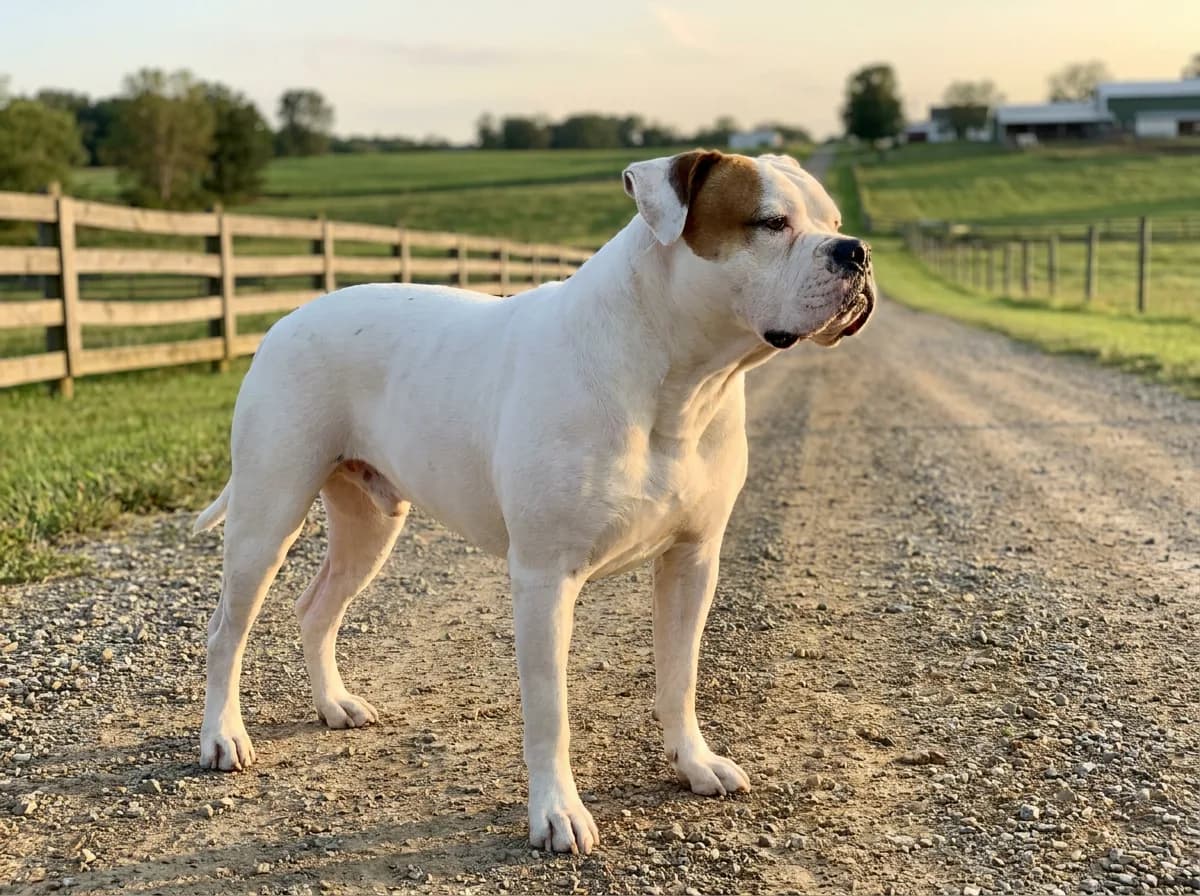
A white American Bulldog may have colored patches, and other appearances occur, but coat color alone cannot identify a purebred dog or establish its quality. Registry standards and seller terminology need to be distinguished. Our American Bulldog colors guide explains the coat terminology and identification limits. Treat a premium for a rare-sounding color as a separate sales claim, not evidence of sound health or careful breeding.
Health screening and lifespan
Life expectancy is a planning guide, while an individual dog's health depends on more than its breed name. Ask about actual screening results and relevant family history, not merely whether the parents were “vet checked.” Read our American Bulldog lifespan and health guide for the dedicated discussion. Keep ordinary preventive care and a plan for unexpected veterinary costs in your budget, even when a puppy's early examination is reassuring.
Temperament, training and family life
American Bulldog personality descriptions often include confidence, loyalty, and energy. Those are broad tendencies, not a forecast for every dog. A gentle family companion still needs boundaries, and friendliness with familiar people does not establish comfort with strangers, cats, or unfamiliar dogs. For a first-time owner, assess whether you have daily time, safe handling arrangements and access to qualified training help rather than choosing from a simple good-or-bad breed ranking.
Introduce grooming as a cooperative activity. Let the dog investigate the brush, reward comfortable contact, and stop before the session becomes a struggle. This builds useful handling practice alongside the coat-care routine, particularly for a dog whose adult strength makes restraint difficult.
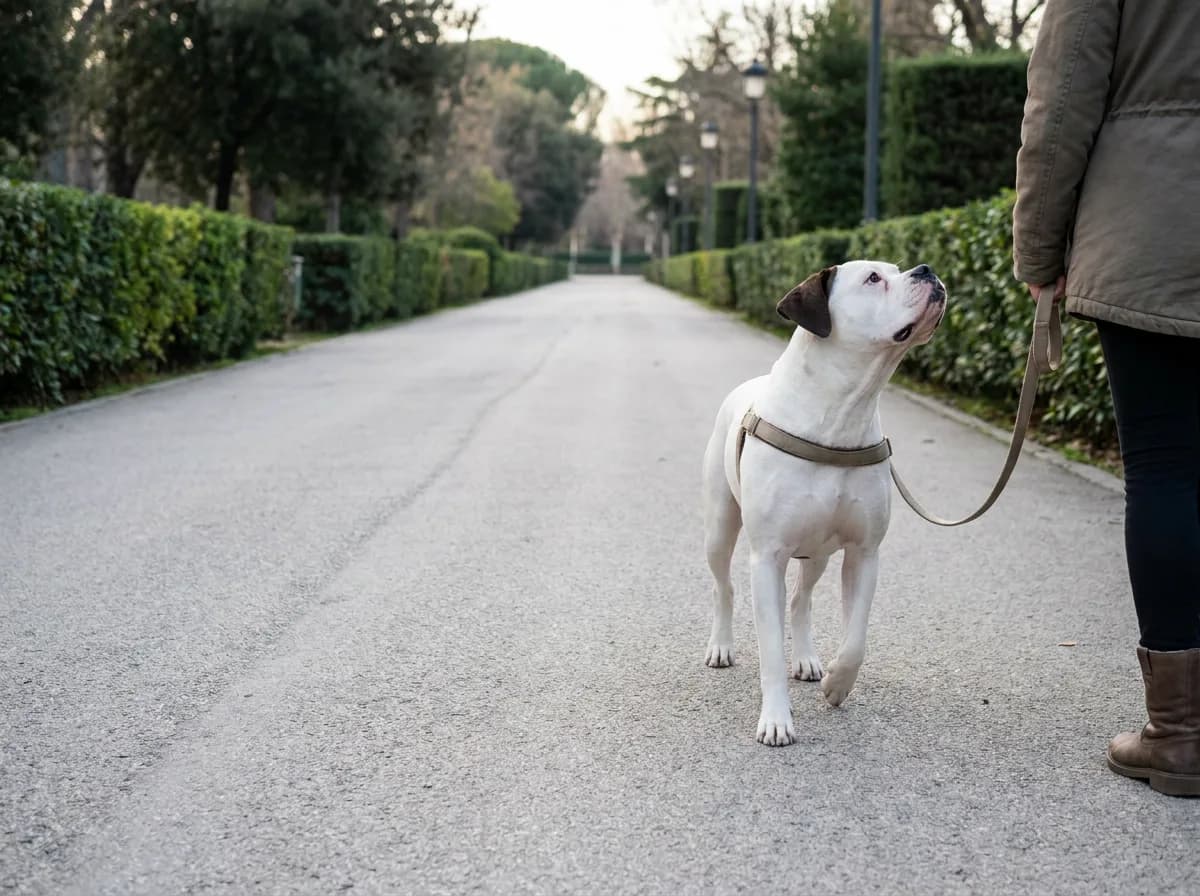
Teach the behaviors you need at home
The American Veterinary Society of Animal Behavior recommends reward-based training. Look for a trainer who explains how to teach an alternative behavior and how to keep practice manageable. A claim about dominance does not explain why a dog is struggling or justify physical confrontation.
Useful everyday dos and don’ts start with teaching skills that make ordinary days easier: reward the response you want and avoid setting the dog up to struggle. Reward a loose leash in a quiet space before expecting success near another dog. Teach a comfortable place to settle, and rehearse staying behind a barrier while a familiar person opens the front door.
- Reward four paws on the floor instead of waiting until jumping becomes a wrestling match.
- Pair the recall cue with worthwhile rewards, practising within secure containment.
- Teach releasing or exchanging suitable toys without chasing the dog around the room.
- Build crate comfort gradually; confinement alone does not resolve separation distress.
Small Pet Botanics chicken training rewards can make repeated practice convenient; break them into suitable pieces and include them in the daily food allowance. The useful reward is one the individual dog values. A short successful session is better than repeatedly asking for a difficult response while the dog becomes more excited or distracted.
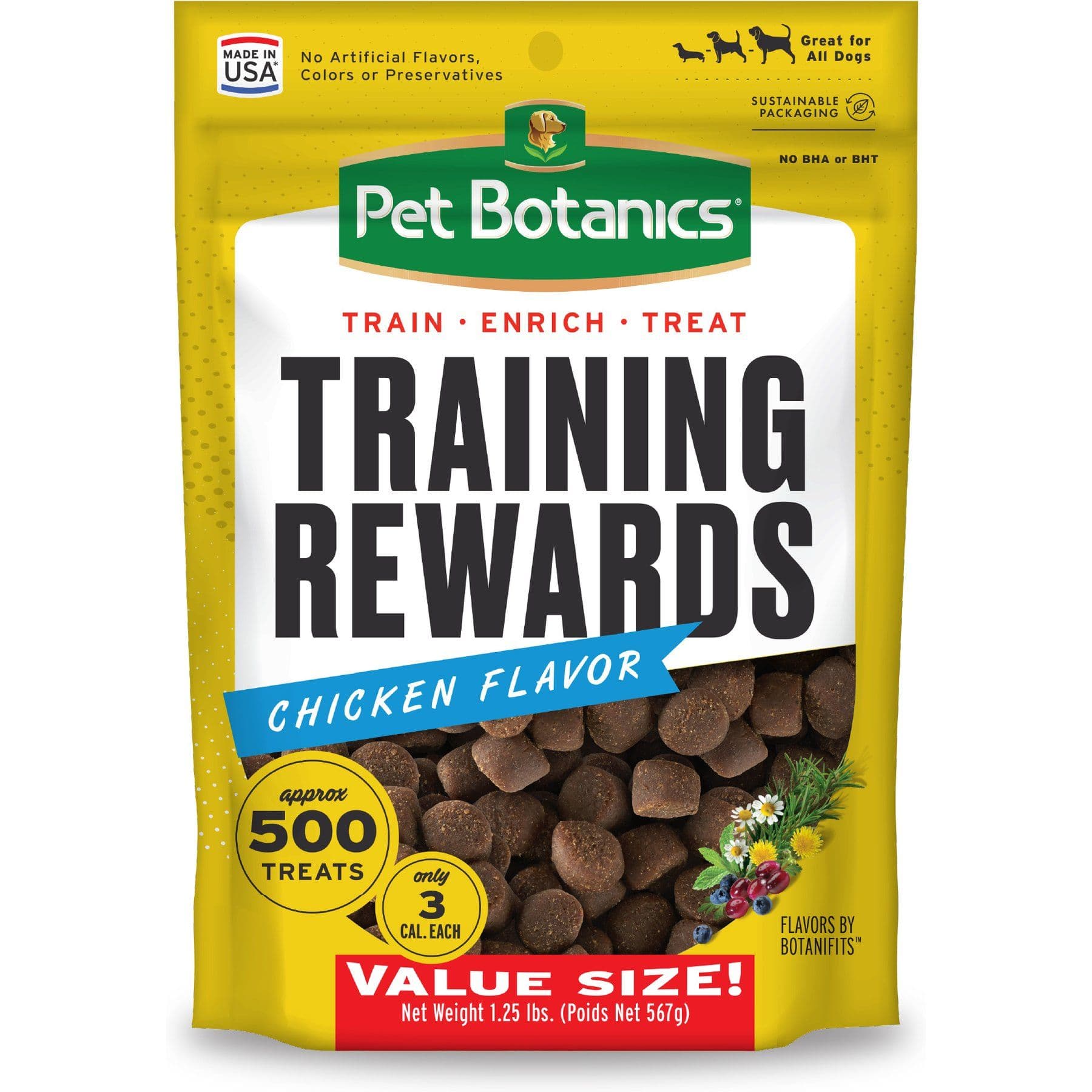
Small chicken-flavor rewards for practising calm greetings, walking and household cues. Adjust portions and count rewards in daily food intake.
Petful may earn a commission when you click through to Chewy, at no extra cost to you.
Children, visitors, and other pets
Make visitor management a routine rather than an emergency decision at the doorbell. A barrier and a comfortable resting area allow the dog to avoid a busy entrance. Brief, controlled introductions are easier to manage than asking an excited dog to greet everyone at once.
Children need active adult supervision. Teach them to leave a resting or eating dog alone, and avoid games that encourage grabbing or rough body contact. “Nanny dog” is not a substitute for supervision, and affection does not prevent an accidental knockdown by a large dog.
- Feed resident pets separately while learning their responses around food.
- Ask about the dog's actual history with cats, small pets, and other dogs. Prey drive and chasing behavior need management; a friendly greeting with people does not establish safety around a running animal.
- Arrange introductions with space and an exit option instead of forcing close contact.
- Give every animal a secure place to rest away from the others.
Respond to barking or changed behavior
Behavior problems such as persistent barking, whining, growling, and destructive chewing need context. Record what happens just before the behavior and what helps the dog settle. A dog barking at the window, struggling when left alone, or becoming uncomfortable during handling needs a different plan in each situation.
If your dog has become aggressive or reacts differently to familiar situations, seek veterinary assessment and qualified behavior support. Pain, fear, and previous experiences can matter. Do not test a dog by provoking it, or use a breed aggression ranking to decide whether an incident is serious.
House training also depends on a workable routine rather than secret techniques. Provide frequent opportunities to toilet outside, reward success promptly, and supervise between trips. If a previously reliable dog starts having accidents, discuss the change with your veterinarian.
- Sleeping habits need context too. If your American Bulldog sleeps all day or its usual pattern changes, record activity, appetite and other changes for your veterinarian rather than assuming laziness or normal aging.
- Fearful behavior, including a dog that seems scared of everything, needs a manageable environment and qualified support. An angry-looking face alone cannot tell you what the dog is feeling.
- Fighting or repeated conflict with another dog calls for separation, a review of triggers and qualified behavior support. Do not encourage confrontations to test a working-breed reputation. Record the situations in which conflict occurs and discuss sudden changes or possible pain with your veterinarian.
Finding the right dog
For American Bulldog puppies, examine the parents' records, the puppy's early experiences, and the written agreement before paying a deposit. Adult adoption can provide different information, including observations from a foster home, although some history may be unknown. Our American Bulldog puppies guide covers price, breeder questions, and ownership costs. Decide what your household can manage before narrowing the search by sex, markings, or a particular type label.
Types and related breeds
Johnson and Scott types
Johnson and Scott refer to influential lines within the American Bulldog's development. They are often used to discuss differences in build and muzzle proportions, but many dogs combine lines. Neither name guarantees health, behavior, or suitability for a particular owner. Our American Bulldog types guide explains the terminology in more detail. Ask what a breeder means by a type label and review the individual parents and records.
American Bulldog vs. Pitbull
An American Bulldog is not formally the same breed as the American Pit Bull Terrier. “Pit bull” is also used loosely, which can make listings and casual comparisons confusing. Our American Bulldog vs. Pitbull guide separates the names and practical differences. It is more useful to assess a specific dog's history and handling needs than to ask which label is automatically more aggressive.
American Bulldog vs. English Bulldog
The English Bulldog and American Bulldog have related historical roots but different modern breed identities. A general “bulldog” description can hide important differences in build and care expectations. Compare the actual dog and its records, not just facial resemblance. The American Bulldog vs. English Bulldog comparison provides the fuller distinction for readers deciding between them, without treating one breed's requirements as interchangeable with the other's.
American Bulldog vs. American Bully
“Bully breed” can be an informal grouping, while American Bully names a particular breed. Calling an American Bulldog a bully-type dog does not make it an American Bully. That distinction is especially useful when an advertisement uses pocket, XL, or similar labels. See American Bulldog vs. American Bully before comparing sellers or adult-size expectations. Ask for the full breed name in the records rather than relying on shorthand.
American Bulldog crosses
Other crosses and uncertain ancestry
American Bulldog mixes do not inherit a predictable halfway combination of their parents' appearance or personality. A mixed American Bulldog label may be based on known parentage or simply a visual estimate. Ask which applies before making adult-size or behavior assumptions. The American Bulldog mixes guide explains how to evaluate those claims while keeping attention on the individual dog's observed needs and the strength of its ancestry evidence.
Pit Bull crosses
An American Bulldog Pit Bull mix is a cross description, not another formal name for a purebred American Bulldog. When parentage is known, it can provide context, but it cannot guarantee a particular temperament or adult weight. Our American Bulldog Pitbull mix guide considers the specific pairing. For an individual rescue dog, distinguish documented history from an intake label and discuss practical handling and introductions with its current caregiver.
Catahoula crosses
A Catahoula American Bulldog cross may be described as a Catahoula Bulldog. The name does not tell you how much experience a particular dog has with livestock, visitors, or household pets. Our Catahoula Bulldog guide addresses this cross separately. Ask about the parents and the dog's existing routine rather than assuming a working-breed background means it will fit any active home or automatically know how to behave around other animals.
Labrador crosses
A Labrador mix American Bulldog may have known parents or only a resemblance-based label. Neither “Lab mix” nor “American Bulldog mix” guarantees easy training or friendliness with every dog. The American Bulldog Lab mix guide explores the specific cross and the limits of prediction. Give the most weight to reliable observations about the individual, especially when arranging introductions or estimating the care a growing puppy may eventually need.
Boxer crosses
An American Bulldog mix with Boxer can vary in appearance and behavior even within a litter. A playful meeting is useful information, but it does not establish how the dog copes with being alone, being handled, or sharing a home with other pets. Read the American Bulldog Boxer mix guide for that pairing, and ask the current caregiver about ordinary routines as well as the dog's response during an exciting first visit.
Questions from prospective owners
An American Bulldog can be a good family pet when the individual dog's temperament and needs fit the household. Adults need a realistic plan for physical handling, exercise, training, and visitor management. Children and other pets require thoughtful supervision and introductions. A breed description cannot guarantee that a particular dog will enjoy a busy home or be compatible with every family member.
Yes. Their short coats still release loose hair. Gentle brushing and ordinary skin checks help with care, but no tool stops normal shedding completely. If hair loss comes with bald patches, itching, redness, or a new odor, ask your veterinarian about the change rather than brushing harder or repeatedly bathing the dog.
A large yard is not a substitute for a daily routine. Secure outdoor space can help with supervised play, but the dog still needs walks, training, interaction, and comfortable rest. Without a yard, assess your access to suitable outings and your ability to manage doors, shared spaces, and the individual dog’s strength.
BVMS, MRCVS
Dr. Pippa Elliott, BVMS, MRCVS, is a veterinarian with nearly 30 years of experience in companion animal practice. Dr. Elliott earned her Bachelor of Veterinary Medicine and Surgery from the University of Glasgow. She was also designated a Member of the Royal College of Veterinary Surgeons. Married with 2 grown-up kids, Dr. Elliott has a naughty Puggle named Poggle, 3 cats and a bearded dragon.
Sign up for expert-backed reviews and safety alerts all in one place.