American Bulldog Mixes: Common Crosses and What to Expect
Explore American Bulldog cross names, understand what parentage can and cannot predict, and compare adult size, foster observations and everyday care before choosing a mixed-breed dog.

BVMS, MRCVS
Petful is reader supported. As an affiliate of platforms like Amazon and Chewy, we may earn a commission when you buy through links on this page. There is no extra cost to you.
American Bulldog mixes can differ considerably in size, coat, activity and behavior. A cross name tells you what parentage someone is claiming; it does not create a breed standard or guarantee a combination of the parents' most appealing traits. The useful starting point is what is known about the actual dog.
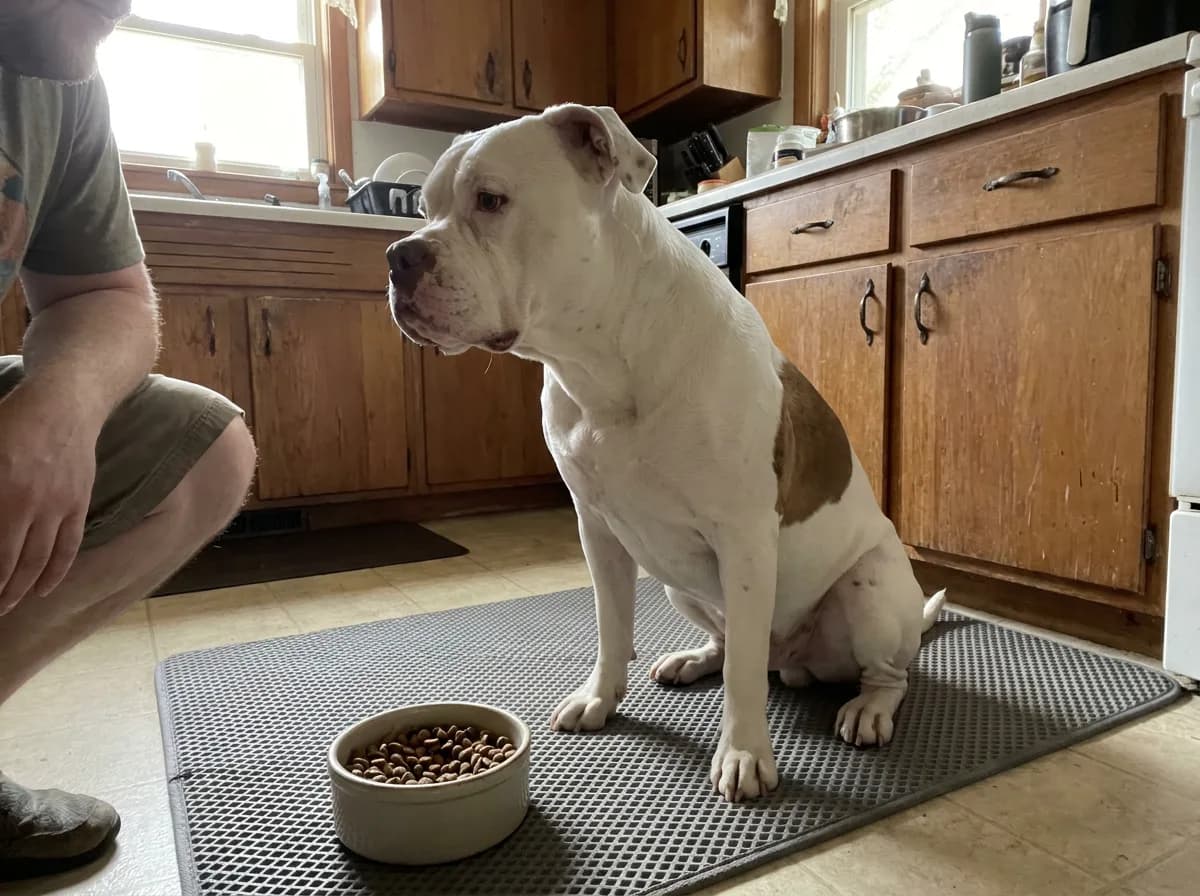
Compare records, observed adult behavior and practical care needs before choosing. A foster caregiver's account of daily life can be more useful than guessing ancestry from a broad head, white coat or muscular body.

Sign up for expert-backed reviews and safety alerts all in one place.
What an American Bulldog mix label can tell you
The United Kennel Club American Bulldog standard describes the purebred American Bulldog. It is useful background for one claimed parent, but it is not a standard for every cross. “American Bulldog mix” can refer to known parentage, a DNA ancestry estimate or a visual identification with substantial uncertainty.
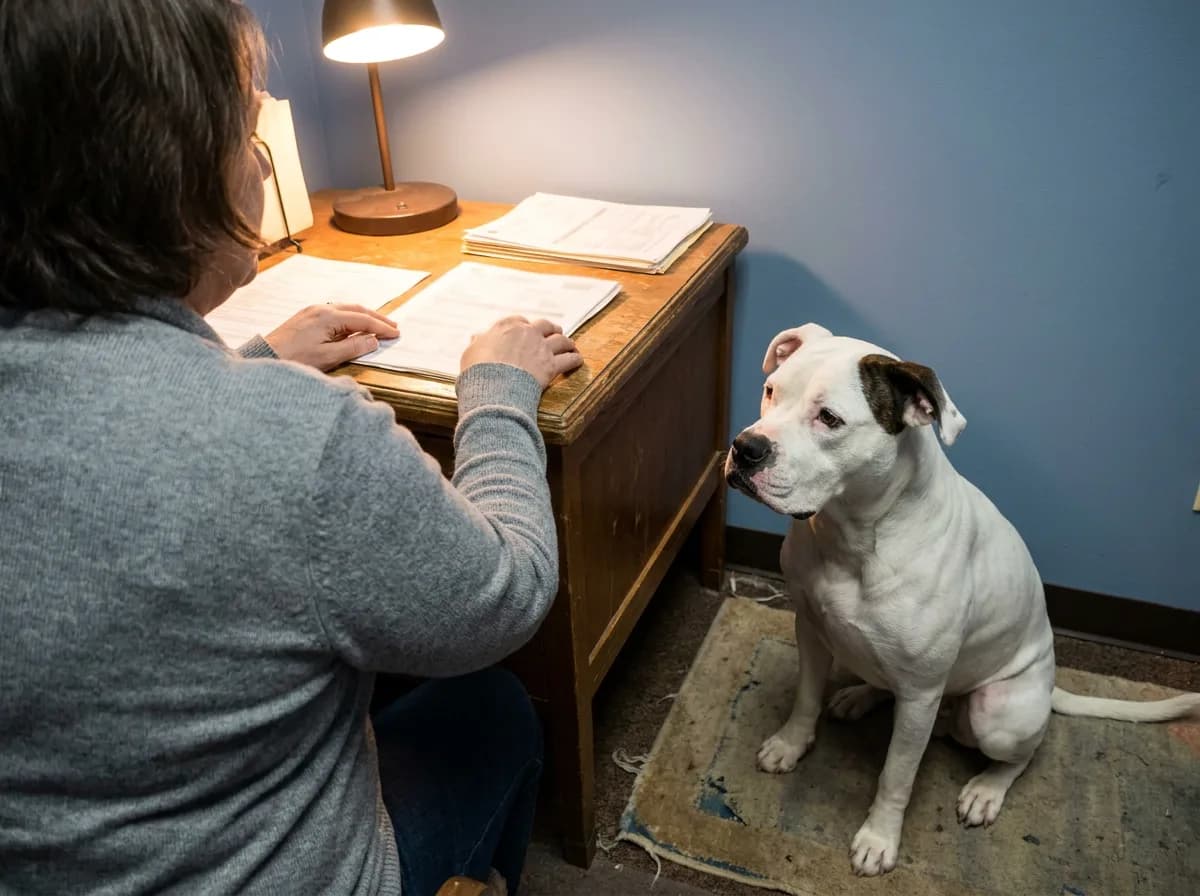
Ask how the label was established. An American Bulldog and Jack Russell mix with documented parents provides different information from a shelter dog whose ancestry was guessed from a photograph. Neither situation tells you everything about the dog's eventual behavior, and a mix puppy for sale should not be presented as fully predictable.
If you want additional ancestry information, the Embark Breed Identification test is one available option. Embark explains that its estimates compare DNA with reference populations. Breed identification is not a veterinary examination or a guarantee of temperament, and a Breed ID kit should not be described as a complete health-screening panel.
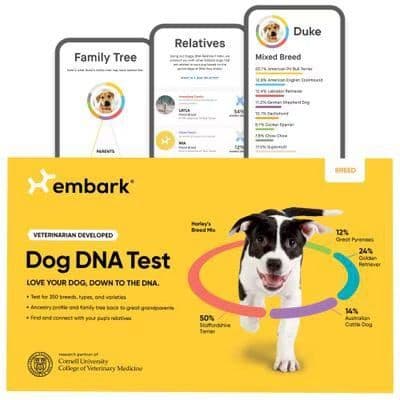
An ancestry-estimate option for a mixed dog when you want information beyond appearance. Breed ID is not a clinical health panel, pedigree certificate or behavior forecast.
Petful may earn a commission when you click through to Chewy, at no extra cost to you.
| Information | What it helps establish | Remaining question |
|---|---|---|
| Known parentage | Which dogs are documented as parents | How this puppy will develop |
| DNA ancestry estimate | Likely breed ancestry represented in the test | Individual behavior and clinical health |
| Adult foster observations | How the dog behaves in a particular home | How it will adjust to yours |
| Photograph or color label | Visible appearance | Ancestry cannot be confirmed from looks alone |
Read appearance and sales descriptions carefully
A white American Bulldog mix, black-and-white cross or brindle mixed dog may share visible traits with several breeds. Color does not verify the combination. Likewise, “American Bulldog X” is a shortened description of a claimed cross, not a promise of registration or a particular adult size.
For puppies, ask to see available parent records and learn how the litter has been raised. For adults, ask about measured size, veterinary history and behavior across ordinary routines. The best American Bulldog mix for one household may be unsuitable for another because their schedules, handling experience or resident pets differ.
- Separate known facts from assumptions in the listing.
- Ask what “mix” or “cross” means for this particular dog.
- Request specific examples of home behavior rather than broad personality slogans.
- Measure the adult dog for equipment instead of buying by its label.
When considering the PetSafe Easy Walk Medium/Large harness, use the actual chest measurement and that size's instructions. Recheck fit as a puppy grows and watch for rubbing or restricted movement. A mixed dog's proportions may not match the size you expected from either parent description.

Choose this Medium/Large harness from the mixed dog's current measurements. A parent breed label does not establish fit.
Petful may earn a commission when you click through to Chewy, at no extra cost to you.
American Bully is also a distinct breed name, not shorthand for every American Bulldog cross. The American Bully versus Pitbull comparison separates those identities and explains the limits of aggression rankings.
Other American Bulldog crosses and variable traits
The following names describe possible or claimed parent combinations, not established cross-specific size standards. A German Shepherd mix and a Mastiff mix may raise different planning questions, but the names do not establish the answers. Use parent background to decide what to ask, then verify it against the dog and its records.
An American Bulldog and Staffordshire cross also needs the full parent name: Staffordshire Bull Terrier and American Staffordshire Terrier are different descriptions. Ask which is documented, then assess the individual dog's size, handling and introductions. Neither “Staffordshire” nor “pit bull type” establishes the ancestry or a predictable temperament of a mixed puppy.
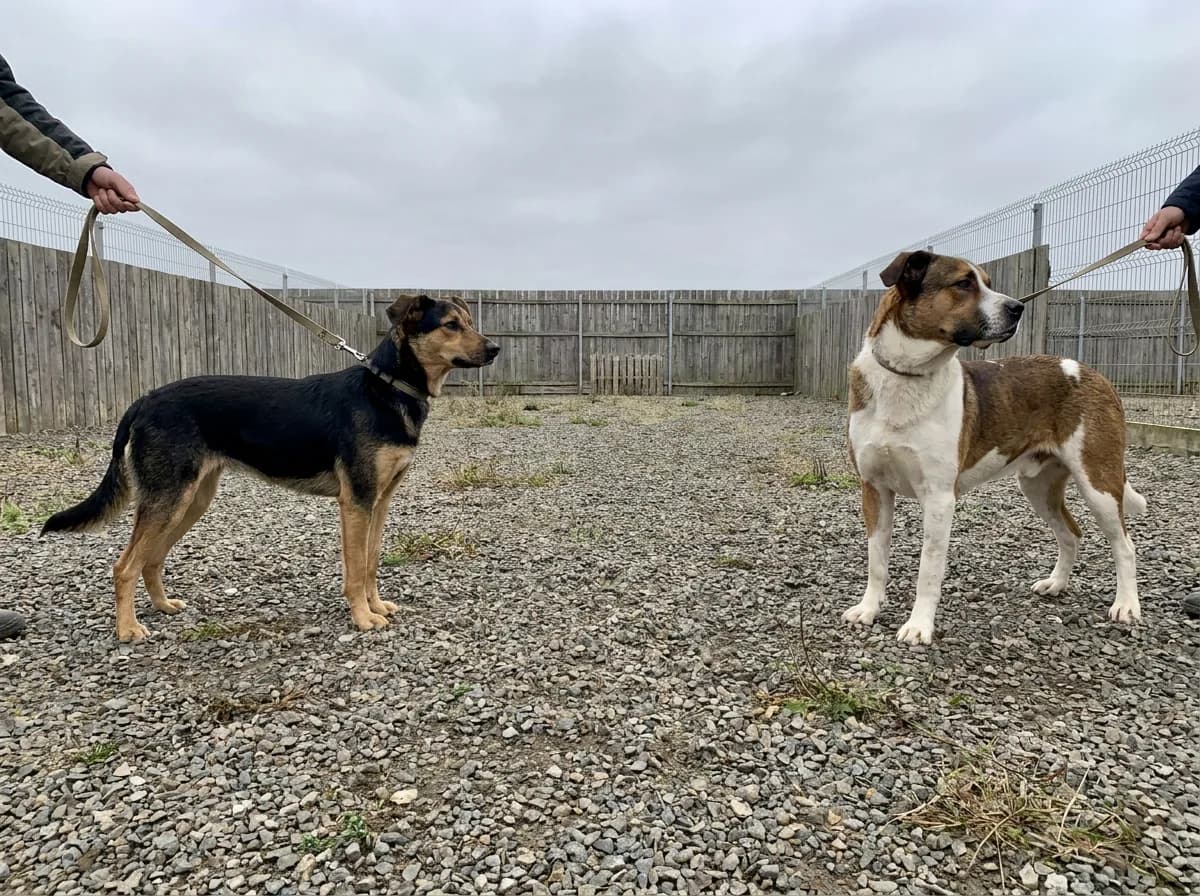
- 1Known parentage is more informative than a visual guess, but it does not guarantee traits.
- 2Adult foster observations can reveal practical needs that a cross name cannot.
- 3Compare size, behavior and care records rather than choosing a mix by its nickname.
German Shepherd and Australian Shepherd crosses
For an American Bulldog mixed with a German Shepherd, ask about the actual adult frame, coat care, learning history and responses to unfamiliar people or dogs. A fully grown cross cannot be assigned a reliable weight simply by averaging two breed profiles. Brindle coloring or a shepherd-like outline also does not confirm the combination.
An Australian Shepherd cross raises similar questions about daily engagement and household routines. The AKC's breed-group overview provides background on herding breeds, but a mixed puppy is not guaranteed a particular working drive. Ask whether the dog settles indoors and how it responds to movement, rather than assuming that an active-looking dog will suit every busy family.
For either mix, a puppies-for-sale advertisement should lead to questions about both parents and early care. “Shepherd mix” is less specific than documented German Shepherd or Australian Shepherd ancestry. A white coat does not clarify which meaning applies.
- For a claimed Border Collie cross, ask how the dog responds to moving children, bicycles and other pets, and whether it can settle after activity. Do not assume that a herding-parent label guarantees either easy training or a fixed exercise quota.
- For a Blue Heeler or Australian Cattle Dog cross, clarify the parent breed and review the same observations. “Blue” in this name identifies the claimed parent, not an American Bulldog coat variety. A generic hound-cross label also needs the actual parent identified before making breed-specific predictions.
Rottweiler and Akita crosses
An American Bulldog and Rottweiler mix may become a substantial adult, so assess handling and transport realistically. Ask about measured adult size where available, comfortable movement and the routine used by the current caregiver. A full-grown Rottweiler cross's behavior around visitors and other pets matters more than a promise that it will be protective.
For an Akita cross, including a listing that specifies Japanese Akita, verify which parent breed is actually meant and what supports the claim. Do not assume that appearance establishes the ancestry. Ask about introductions, separate resting arrangements and any known conflict with other animals. These are management questions, not a prediction that a particular mix will inevitably behave badly.
Mastiff and Bullmastiff crosses
“Mastiff” needs clarification. A listing may mean the English Mastiff, Bullmastiff, Neapolitan Mastiff, Dogue de Bordeaux, sometimes called a French Mastiff, or another breed described loosely with that word. “Italian Mastiff” is also too vague to substitute for the actual parent breed and records.
Short reward-based sessions can help teach skills such as checking in, waiting at a door and settling after activity. Small Pet Botanics chicken training rewards are convenient when the dog tolerates them; count them within the overall feeding plan and use rewards the individual values.
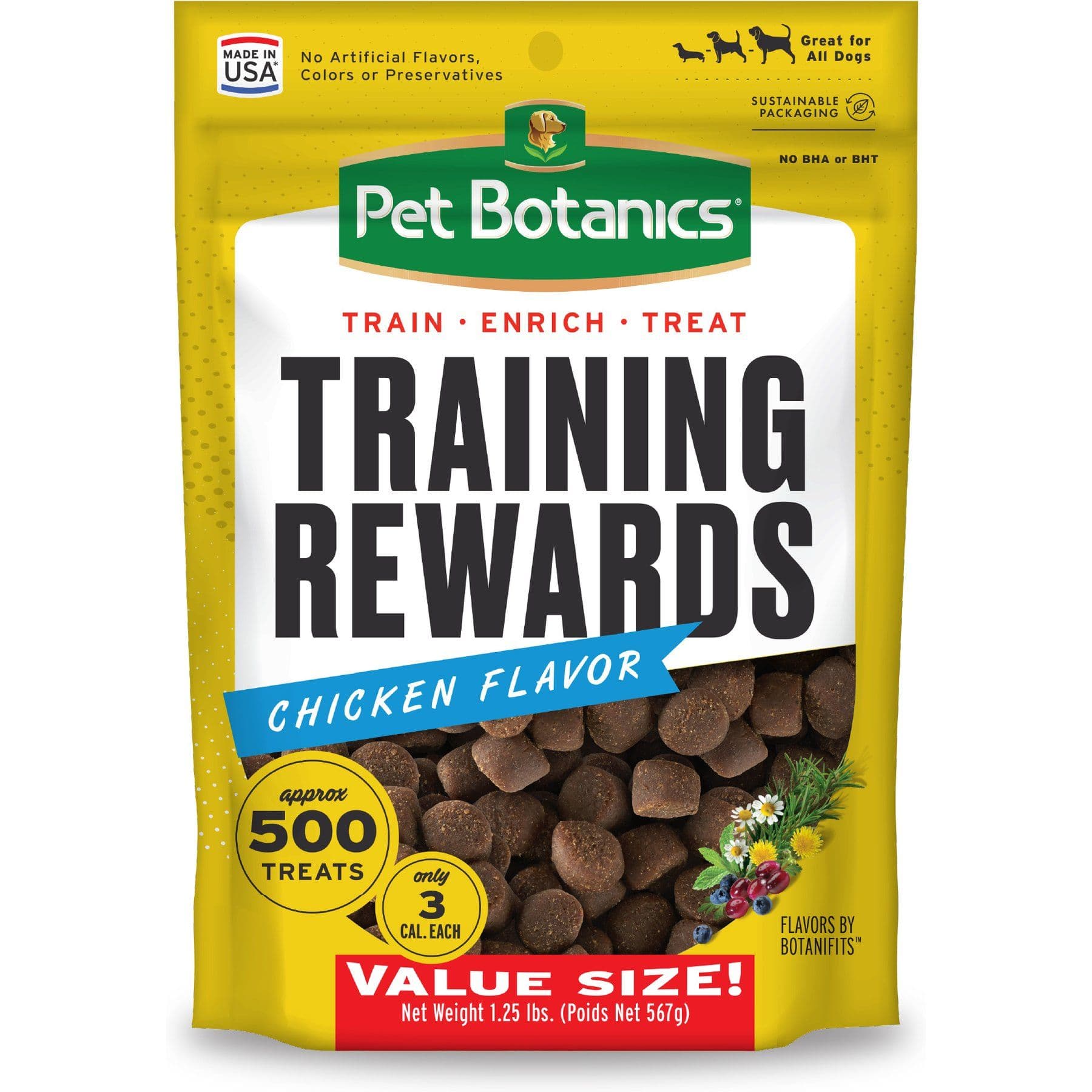
Chicken-flavor rewards for short sessions teaching check-ins, doorways and settling. Choose portions and ingredients the individual dog tolerates.
Petful may earn a commission when you click through to Chewy, at no extra cost to you.
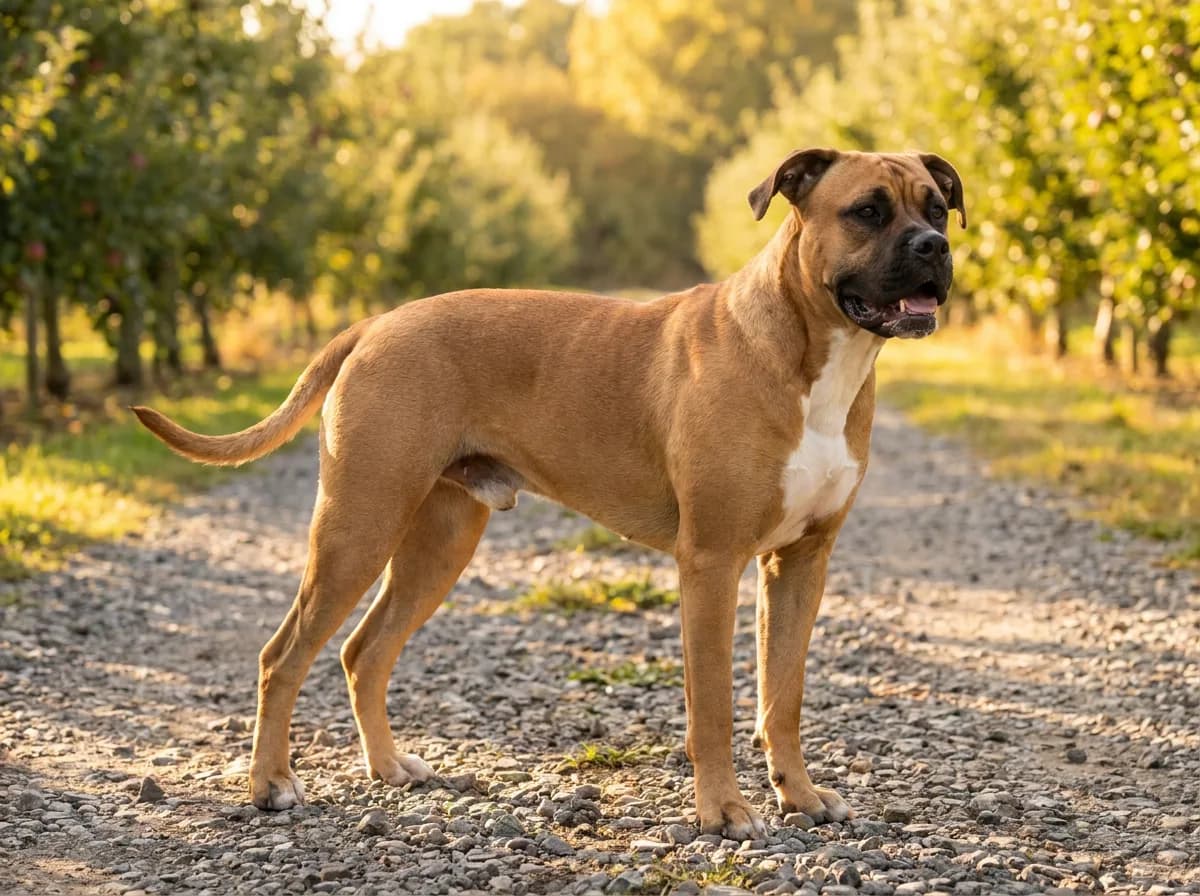
If a seller means a Cane Corso and American Bulldog mix, request records identifying those parents rather than accepting “Italian Mastiff” as sufficient documentation. For an adult, obtain current weight, handling history and examples of behavior around visitors and other dogs. For a puppy, discuss the parents' size and care needs without promising an exact adult weight or a protective temperament. The same questions apply to a Cane Corso mix puppy for sale: the name does not establish health screening, social experience or suitability for your home.
For an American Bulldog and Mastiff mix, discuss the possibility of a large adult and the practical consequences before choosing a puppy. The plan should cover safe transport, equipment dimensions, comfortable resting space and help if the dog becomes difficult to lift. A brindle coat cannot tell you which Mastiff parent, if any, is present.
- Ask the exact breed names rather than accepting only “Mastiff cross.”
- Look at the actual parents or their records when available.
- Discuss growth, feeding and body condition with the puppy's veterinarian.
- Compare a seller's support and records rather than a promised giant adult weight.
Bullmastiff mix temperament is not fixed by the name. Ask about settling, handling, visitor routines and interactions with resident animals. The same approach applies to English, French or Neapolitan Mastiff crosses. A puppy's large size does not demonstrate confidence, good health or suitability for a household with children.
Husky crosses
An American Bulldog and Siberian Husky mix can have varied appearance, coat and activity needs. The AKC describes the Siberian Husky's sled-dog background, which provides context for questions about exercise and engagement. It does not establish a fixed size or temperament for a cross.
Ask what secure exercise arrangements the adult currently uses, how it behaves on a lead and how much grooming its actual coat requires. Husky mix pictures are useful for seeing the dog, not proving a pedigree. There is no verified rarity percentage here for the cross, and a seller's claim that it is unusual should not replace records or justify a price by itself.
Great Dane, Saint Bernard and Bernese Mountain Dog crosses
A Frisco 30-inch configurable gate and playpen may help create separate resting spaces for a dog who respects it, but choose barriers for the actual dog's size and behavior. A freestanding pen is not automatically suitable for an adult who pushes, jumps or climbs. Installation and supervision matter as much as the product name.
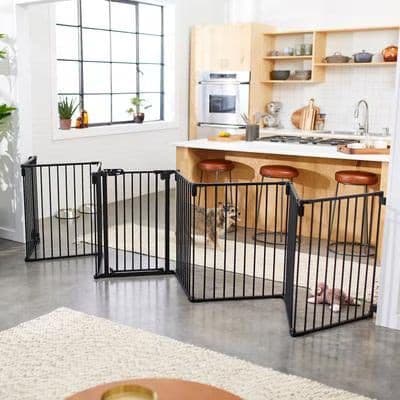
A 30-inch configurable barrier for appropriate supervised separation and rest. Check strength, installation and escape behavior before relying on it.
Petful may earn a commission when you click through to Chewy, at no extra cost to you.
- 1Ask which exact parent breeds a broad Mastiff or shepherd label represents.
- 2Use measured adult size when available and allow for uncertainty in puppies.
- 3Plan transport, handling and daily activity for the individual dog.
These claimed crosses deserve an honest discussion of potential adult scale. Before choosing an American Bulldog and Great Dane puppy, or a Saint Bernard or Bernese Mountain Dog mix, think about vehicle access, room for an appropriate bed and who could assist the dog during recovery from illness. A puppy will not necessarily mature halfway between two published breed weights.
Ask about both parents' medical history and the puppy's current veterinary plan. For an available adult, measured size and observed mobility provide firmer information than a predicted growth chart. Do not assume a large dog will be calm or require little engagement simply because it rests during a meeting.
Beagle and Jack Russell crosses
A Beagle or Jack Russell Terrier parent does not guarantee a small, easy-to-manage version of an American Bulldog. Ask about adult size where known, interest in scents or moving animals, vocal behavior and the everyday exercise routine. Those observations matter more than assuming that a smaller parent makes the entire care commitment smaller.
A label combining Jack Russell, Beagle and American Bulldog describes more complex claimed ancestry. Request the available evidence and avoid assigning exact breed fractions from appearance. For any of these crosses, investigate the dog's real behavior around other animals before planning unrestricted access to them.
American Bulldog and Pitbull crosses
Often called a Bullypit, this label combines American Bulldog ancestry with a Pitbull description that may itself need clarification. Ask whether the parent is a documented American Pit Bull Terrier or whether the word was used broadly. A name cannot guarantee a particular blend of affection, activity or dog compatibility. If a listing also names a Staffy parent, clarify which Staffordshire breed the seller means rather than treating all terrier labels as identical.
Our American Bulldog Pitbull mix guide examines those uncertainties and everyday care in more detail. Use known history and observed behavior when considering household fit, including introductions to children or other pets, rather than treating the nickname as a temperament assessment.
Catahoula Bulldog crosses
The Catahoula Bulldog name commonly refers to Catahoula Leopard Dog and American Bulldog ancestry. That background offers context for questions about activity, handling and environment, but it is not a guarantee of a particular coat pattern, eye color or job aptitude. Ask how the individual responds to livestock and small animals instead of assuming its working background guarantees safe behavior.
Our Catahoula Bulldog guide explains the cross and its care decisions. For an available adult, ask how the dog behaves in ordinary home life and what support it needs to settle. Do not choose a puppy solely because a photograph has striking markings.
American Bullador crosses
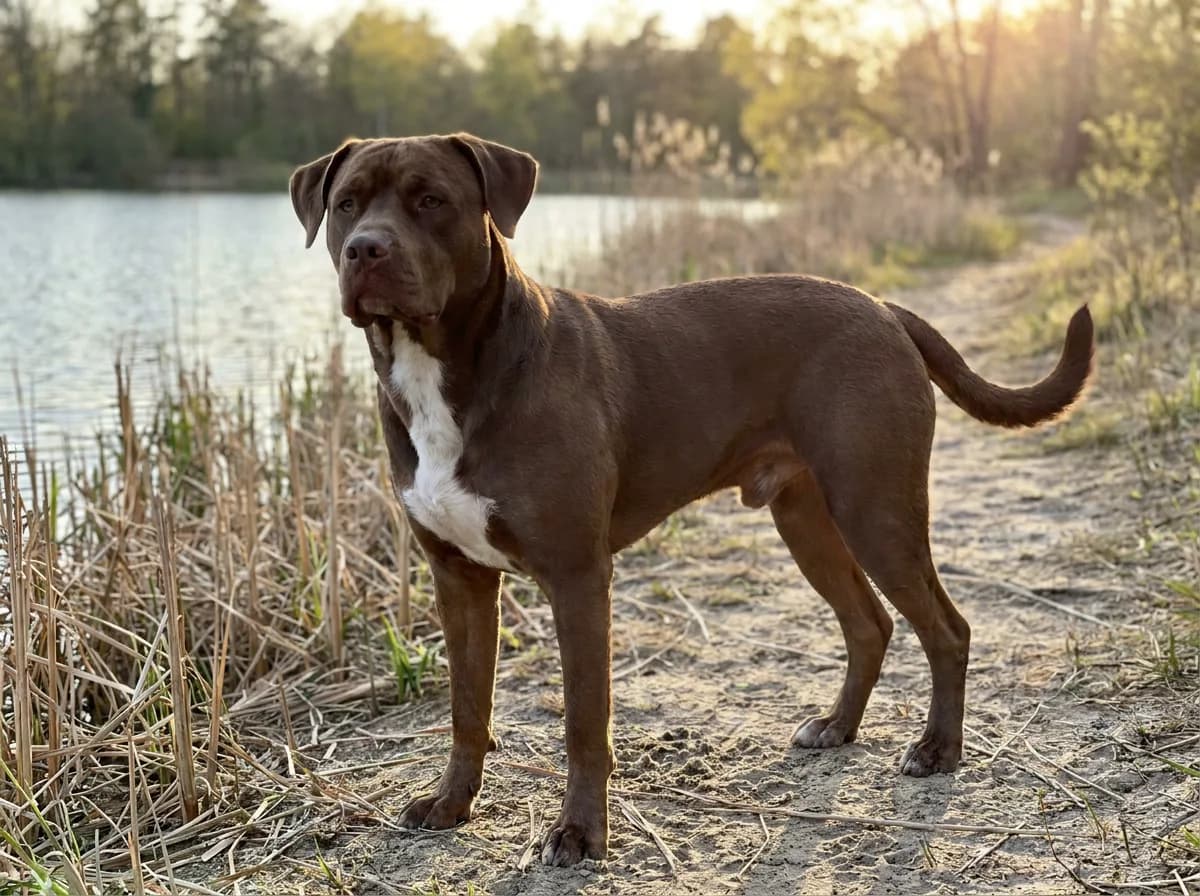
American Bullador commonly describes an American Bulldog and Labrador Retriever cross, but confirm the parents because informal names are not controlled pedigrees. Black, yellow or chocolate Labrador descriptions do not establish a fixed adult size or personality for the mixed puppy.
See our American Bulldog Lab mix guide for the deeper comparison. A claimed American Bulldog Boxer Lab mix involves three named breeds and adds further uncertainty; it should not be given the same predictable profile as a documented first-generation cross, which itself still varies.
Bulloxer crosses
Bulloxer usually refers to Boxer and American Bulldog ancestry. A white or brindle coat and a broad head cannot verify the mix, and neither parent guarantees that every puppy will have the same exercise needs or social behavior. Ask about the parents and the individual dog's observed routine.
Our American Bulldog Boxer mix guide covers those practical questions. A listing that also names a Mastiff, Rottweiler or Pitbull describes a different, more complex ancestry claim. Keep that distinction visible when reviewing records or discussing likely care with your veterinarian.
Size, temperament, and care depend on the individual
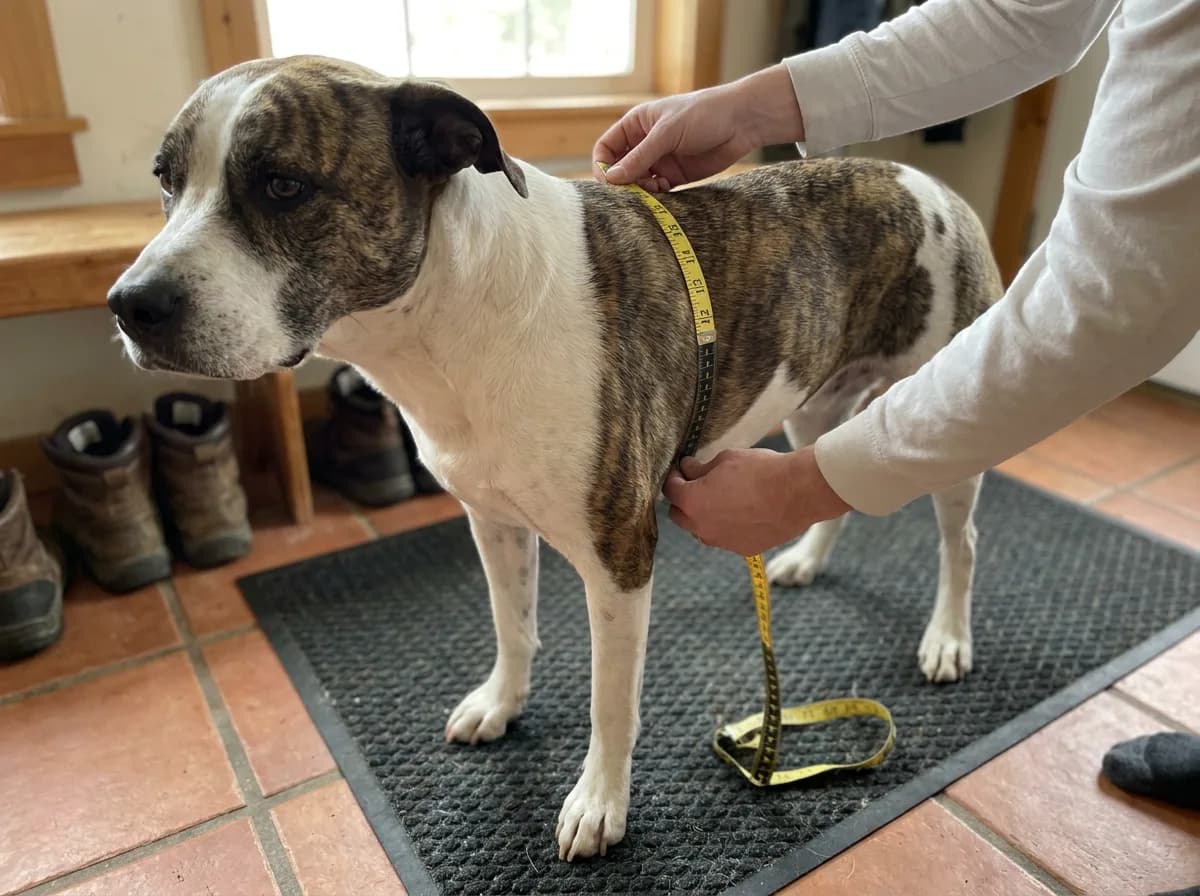
American Bulldog mix temperament and lifespan cannot be read from a label alone. For an adult, ask about the dog's current home routine, measured dimensions and medical history. For a puppy, accept that the final size, coat and behavior are still developing, even when parentage is known.
An adult rescue assessment can make some uncertainties more manageable. Request specific foster observations about resting, walking, visitors, other animals and time alone. Arrange more than one meeting where feasible, and ask what support is available after adoption. One calm encounter does not establish how every future situation will go. If ancestry remains a practical question, compare the Embark Breed Identification test with its current breed directory before purchasing; it does not replace those foster observations.
- Match activity to the dog's age, health and response, with time for quiet rest.
- Teach practical skills through reward-based training and predictable routines. A supervised Pet Parents Forager snuffle mat search can use part of a measured meal, provided the dog searches rather than chews the fabric.
- Plan supervised introductions and separate spaces for resident pets.
- Review preventive care, feeding and body condition with your veterinary team.
- Check the housing and insurance terms that apply to your actual circumstances.
The American Bulldog breed guide provides useful background on one parent breed, including the limits of promises about cuddling or protection. A mix may enjoy close contact or prefer more space. Respect its behavior rather than insisting that a breed description says it should welcome every interaction.
Sudden or concerning behavior changes need assessment, not a story that a dog has inexplicably “turned.” Discuss health concerns with your veterinarian and seek qualified behavior help when needed. The aim is a sustainable household match based on evidence, not a competition to find the supposedly best cross.
Questions about american bulldog mixes
They can be rewarding companions when their needs match the home. Assess individual observed behavior, known history and household fit instead of relying on a cross name. Consider handling, activity, other pets and available support. A clear account of an adult dog's daily routine is often more useful than a promise that a mix inherits only desirable traits.
There is no validated cross-specific life table in the sources used here that supports one average for all American Bulldog mixes. Parentage and health provide context, but age, body condition and individual medical needs also matter. Ask your veterinarian about your dog's care plan rather than averaging the lifespan ranges of two parent breeds.
Start with the source of the identification: documented parents, information from a previous owner and a shelter’s visual estimate are different kinds of evidence. A photograph cannot reliably assign breed percentages. A consumer DNA test may add ancestry information, subject to its breed database and limits, but it cannot establish how the dog will behave or replace veterinary screening.
BVMS, MRCVS
Dr. Pippa Elliott, BVMS, MRCVS, is a veterinarian with nearly 30 years of experience in companion animal practice. Dr. Elliott earned her Bachelor of Veterinary Medicine and Surgery from the University of Glasgow. She was also designated a Member of the Royal College of Veterinary Surgeons. Married with 2 grown-up kids, Dr. Elliott has a naughty Puggle named Poggle, 3 cats and a bearded dragon.
Sign up for expert-backed reviews and safety alerts all in one place.