American Bulldog Pitbull Mix: Size, Temperament, and Care
Understand the Bullypit label, assess adult size and individual behavior, and plan reward-based training, managed introductions and everyday care for an American Bulldog Pitbull mix.

BVMS, MRCVS

Petful is reader supported. As an affiliate of platforms like Amazon and Chewy, we may earn a commission when you buy through links on this page. There is no extra cost to you.
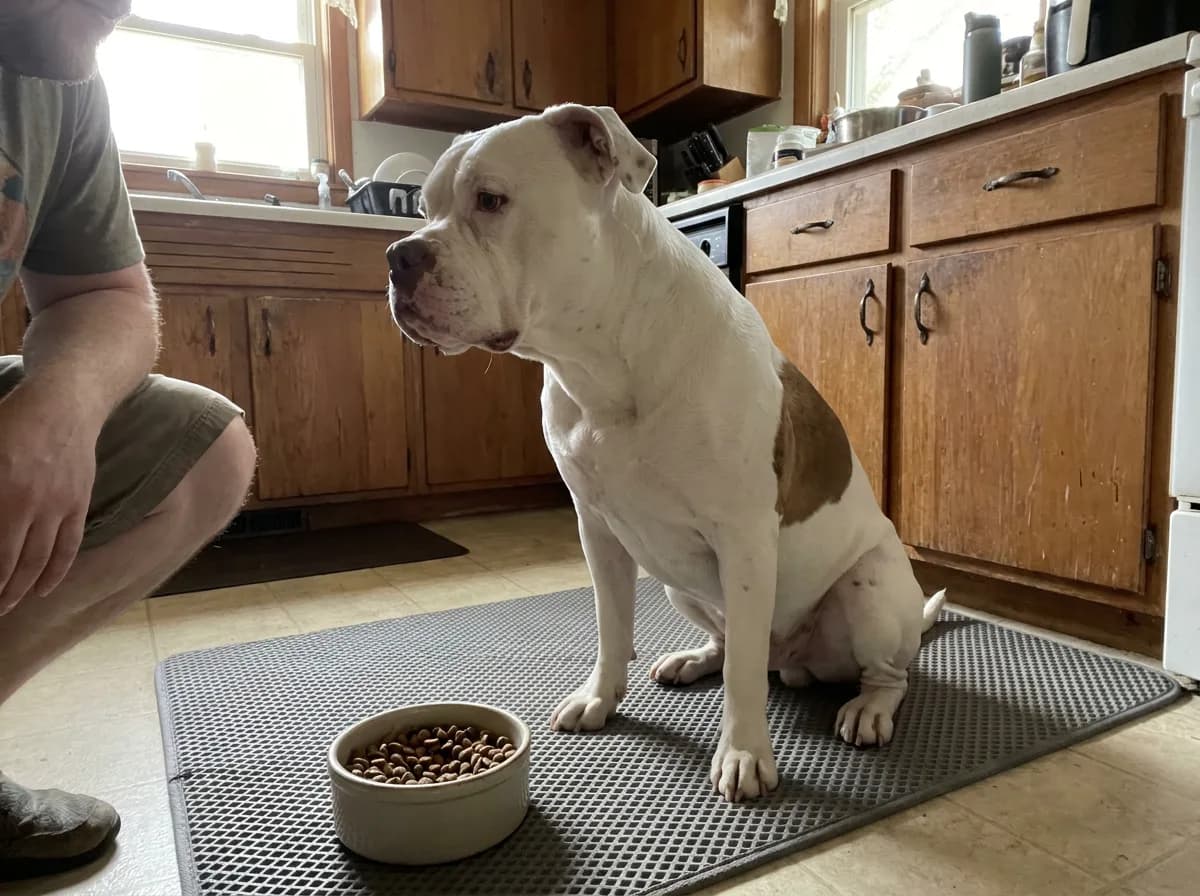
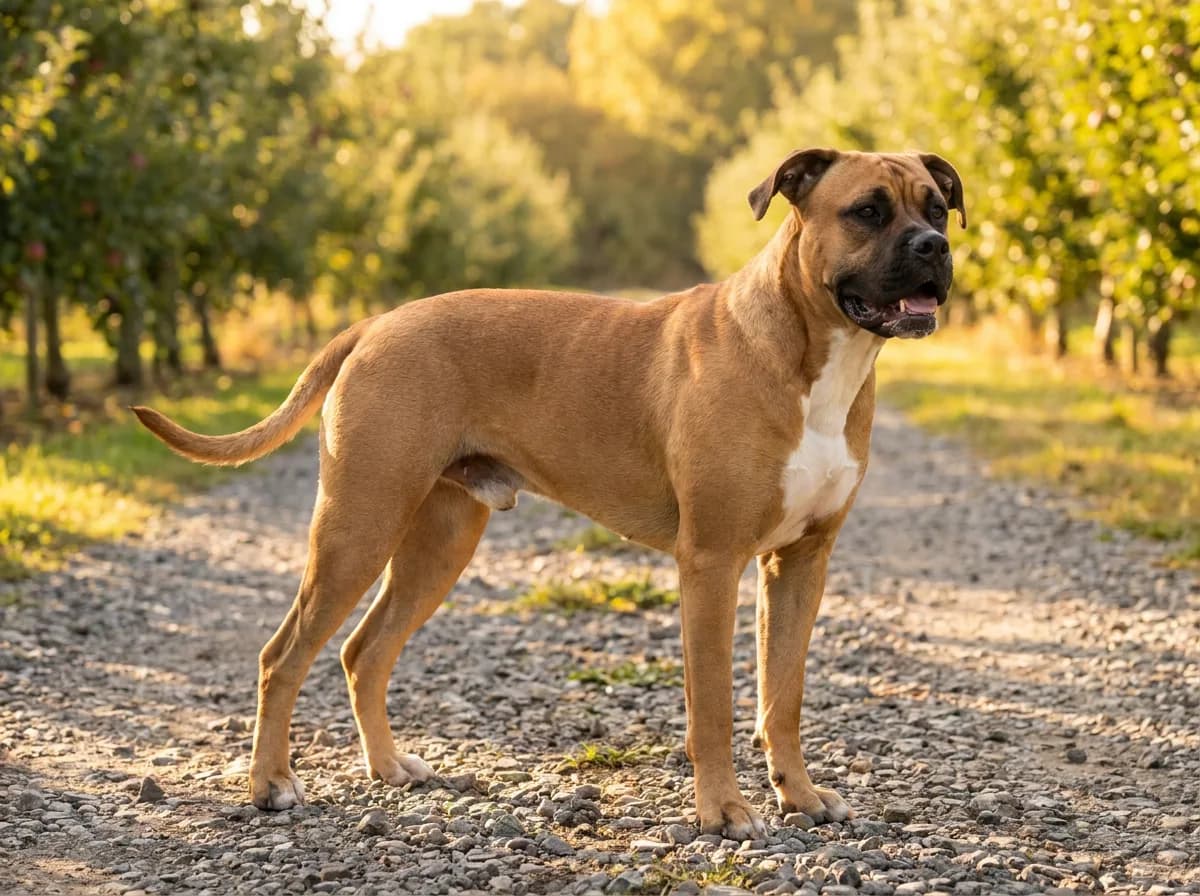
An American Bulldog Pitbull mix, often called a Bullypit, is a mixed dog whose claimed ancestry includes an American Bulldog and a Pitbull-type parent. When that second parent is documented as an American Pit Bull Terrier, the description is more specific. When “Pitbull” is only a visual label, the ancestry remains uncertain.
Expect variation rather than a fixed cross profile. Adult measurements, observed behavior and veterinary history are more useful than promises that every Bullypit will have a particular size or an automatically gentle temperament. This can be a powerful dog, so choose for the care and handling you can realistically provide.

Sign up for expert-backed reviews and safety alerts all in one place.
What is an American Bulldog Pitbull mix?
The name describes claimed parentage, not a standardized breed. The United Kennel Club recognizes the American Bulldog and American Pit Bull Terrier separately. Their standards offer background about the parents; neither supplies an official size or temperament standard for their cross.
For an available adult, take chest and body measurements before buying walking equipment. A PetSafe Easy Walk Medium/Large harness is an option only when its size guide matches those measurements. A well-fitted harness should accommodate the actual proportions and allow comfortable movement. Check the maker's instructions, attachment points and adjustment range rather than assuming that one size fits every dog with this label.

Fit this Medium/Large harness to the actual dog's chest and movement. The Bullypit label does not predict equipment size.
Petful may earn a commission when you click through to Chewy, at no extra cost to you.
Ask what supports the description. Documented parentage, a DNA ancestry estimate and a shelter's visual identification are different kinds of information. A caregiver should be able to tell you which applies. If records are incomplete, retain that uncertainty rather than assuming a broad head or short coat proves the mix.
| Question | Useful evidence | What remains uncertain |
|---|---|---|
| What is the ancestry? | Documented parentage or a clearly described ancestry estimate | A visual guess cannot establish the parents |
| How large is the dog? | Current adult measurements; parent context for a puppy | No fixed cross standard or guaranteed puppy forecast |
| Can the dog live with another pet? | Known history and managed dog introductions | One meeting cannot guarantee every future interaction |
| What care is needed? | Veterinary records and observed daily routine | A breed label cannot exclude illness or behavior needs |
Bullypit is not American Bully
The separate American Bully breed should not be confused with the Bullypit nickname. A listing that combines American Bulldog, American Bully and Pitbull may describe several claimed ancestries or may simply use imprecise wording. Ask for the full explanation before deciding which parent information is relevant.
Color and additional breed names
Brown-and-white, black-and-white, solid-looking black, white and brindle coats can appear in mixed dogs. “Red nose” and “blue nose” descriptions are not separate Bullypit breeds, and they do not establish a reliable difference in behavior or value. Pictures help you see markings and proportions; they cannot confirm ancestry.
A Johnson or Scott American Bulldog parent adds information about a claimed line within that breed, not a guarantee of the mixed puppy's body. Similarly, an American Bulldog Boxer Pitbull mix, a Mastiff Pit mix or a Labrador Pit mix has a different ancestry claim from a documented two-parent cross. An English Bulldog added to the description should not silently be treated as an American Bulldog.
- Ask which parent breed names are documented and which were estimated.
- Clarify whether “Bully” means American Bully or is being used informally.
- Keep coat and nose-color descriptions separate from pedigree claims.
- Request records behind a breeder's statement rather than relying on a nickname.
How large a Bullypit may become
A Frisco Traffic Leash offers regular and shorter handle options for everyday management. Choose how to use it according to the dog's size, walking skills and surroundings. It is a six-foot leash, not a long training line, and a closer handle does not replace teaching the dog to walk with you.
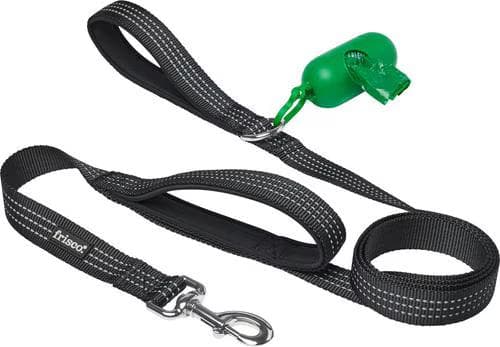
A six-foot leash with regular and shorter handles for managed walks. It is not a long training line or a replacement for loose-leash skills.
Petful may earn a commission when you click through to Chewy, at no extra cost to you.
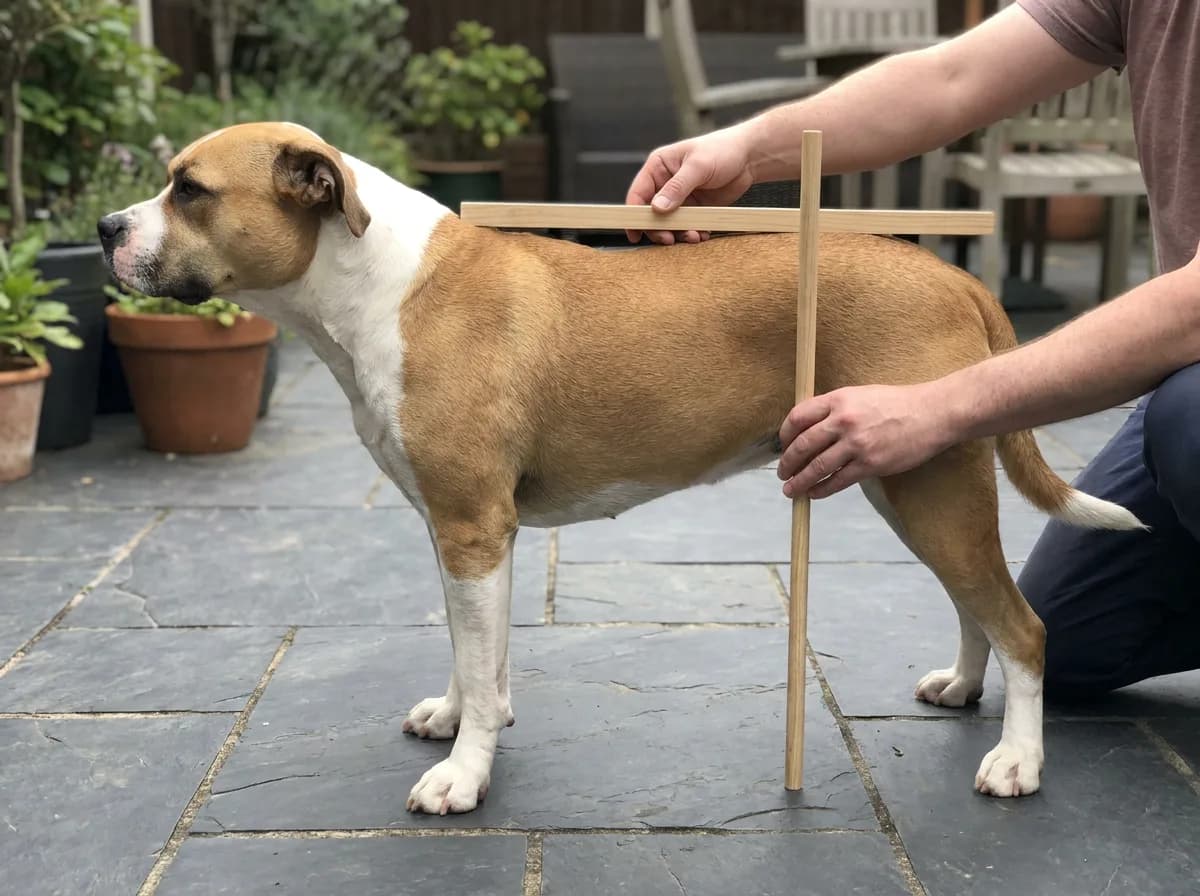
There is no single established American Bulldog Pitbull mix size or weight range. Parent sizes can help with planning, but puppies do not have to mature at the arithmetic midpoint. Unknown ancestry adds further uncertainty. For a full-grown dog, actual height, weight and body condition are the useful starting measurements.
The AKC American Bulldog profile lists males at 75–100 pounds and females at 60–80 pounds. UKC's American Pit Bull Terrier standard lists desirable mature weights of 35–60 pounds for males and 30–50 pounds for females. These figures describe the parent breeds, not minimum and maximum limits for every Bullypit.
- 1Parent size ranges are context, not a mixed-breed growth standard.
- 2Documented parentage does not make every puppy's adult traits predictable.
- 3Combine measured size, known behavior and managed dog introductions when assessing a household match.
Plan for the adult you may need to manage
Consider the ordinary tasks that become harder with a substantial dog. Getting into a vehicle, moving through a shared entrance and recovering from a veterinary procedure all require practical arrangements. An adult who walks calmly may be manageable for a household that would struggle with a smaller but highly reactive dog.
If you are choosing a puppy, discuss expected growth with the veterinarian and allow for uncertainty in equipment purchases. Recheck harness fit as the dog grows. Do not overfeed to achieve a seller's advertised adult weight, and do not assume large paws provide an accurate growth chart.
- Check that your vehicle can accommodate a suitable secured travel arrangement.
- Plan help for lifting or supporting the dog if it becomes unwell.
- Measure resting spaces and barriers instead of buying solely by a breed label.
- Make sure every regular adult handler can follow the walking and management plan.
Temperament, introductions, and daily care
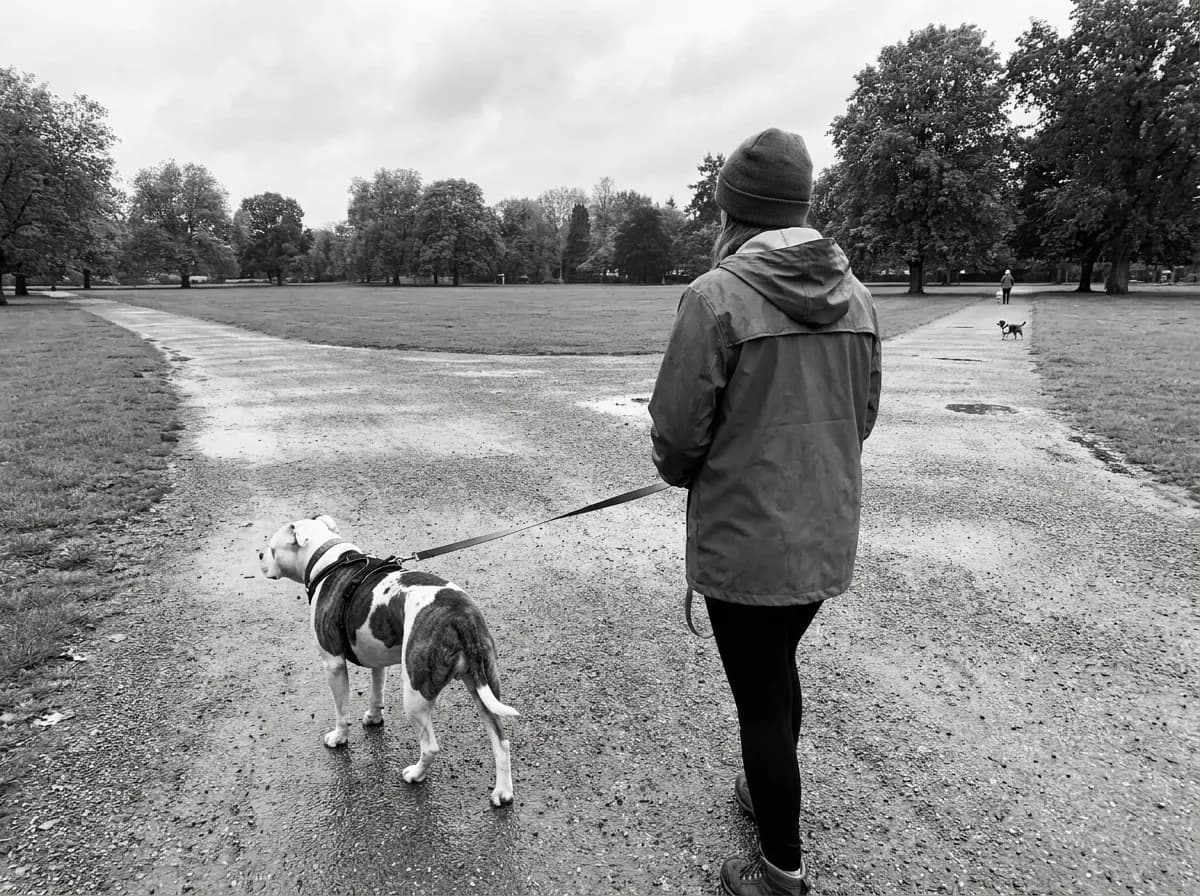
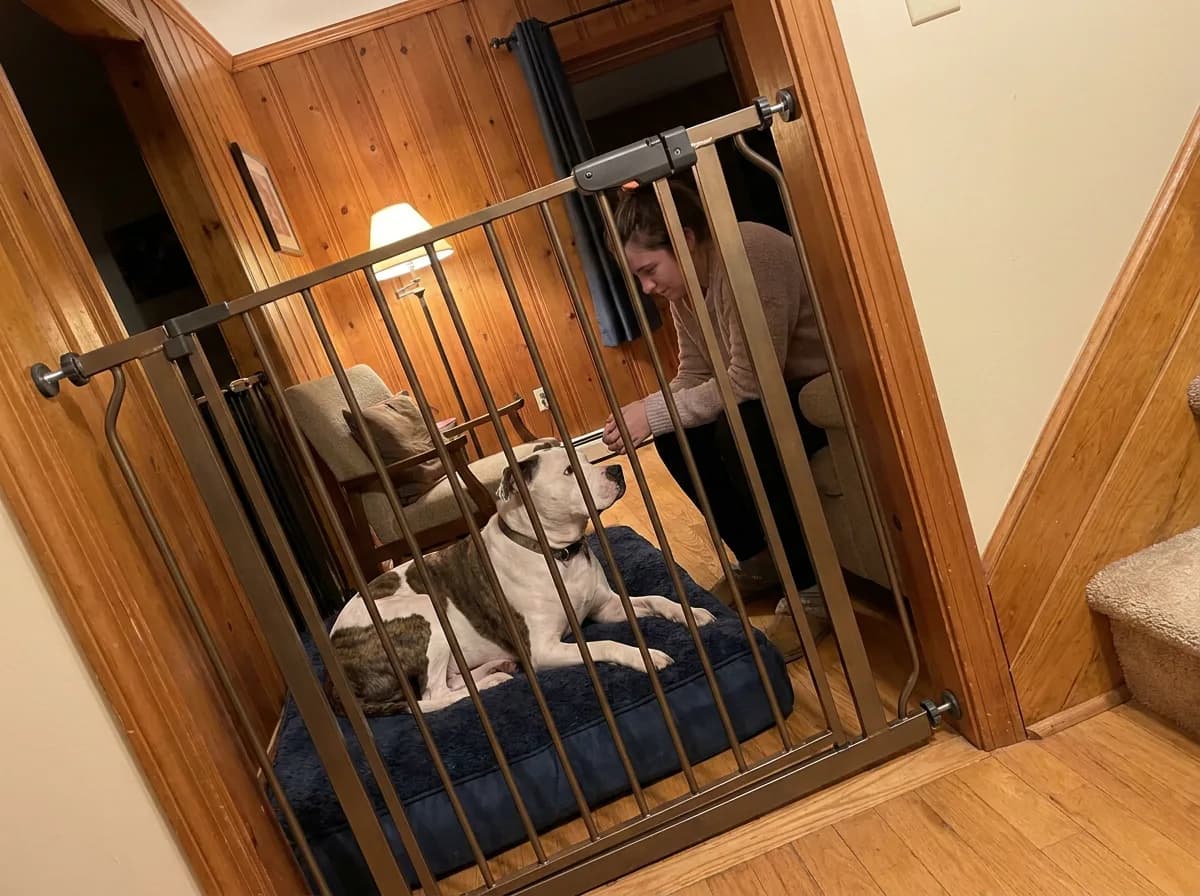
What is the temperament of an American Bulldog cross with a Pit Bull?
Individual temperament varies. A Bullypit may be sociable, reserved, energetic or content with a quieter routine, and a cross name cannot tell you how it will respond in every setting. Ask about known behavior around visitors, dogs, children, food and handling, then consider whether your household can meet those needs.
Avoid “nanny dog” claims and promises that a particular mix cannot show aggression. They replace supervision with an unsupported guarantee. At the same time, do not use the label as a diagnosis of dangerous behavior. Review the actual history, including any incidents, and seek qualified help when the information is complex.
Meet an adult with specific questions
Ask the current caregiver to describe ordinary days rather than arranging a stressful test. Learn what happens at the door, during walks, when the dog rests and when someone needs to handle its paws. A relaxed meeting is useful, but it does not prove that the dog will respond identically after moving into your home.
- How does the dog respond when an unfamiliar person enters?
- What distance does it need from other dogs to remain comfortable?
- Has it lived with children or other animals, and under what arrangements?
- Are there known bites, guarding incidents or situations requiring separation?
- What happens during time alone, grooming and veterinary visits?
Request veterinary and training records along with the answers. If a rescue offers foster-to-adopt support or another structured transition, ask exactly how it works and what help is available. Keep the dog's welfare and your household's practical limits visible throughout the decision.
Train useful skills with rewards
The American Veterinary Society of Animal Behavior recommends reward-based methods. Start with skills that make daily life easier: responding to a name, checking in on a walk, settling on a mat and allowing comfortable handling. Practise in manageable surroundings before adding difficult distractions.
Small Pet Botanics chicken training rewards can make frequent rewards practical, provided they suit the dog's diet and ability to chew them. Include training treats in the overall food allowance. The purpose is to make the desired behavior worthwhile, not to lure a frightened dog into an interaction it cannot handle.
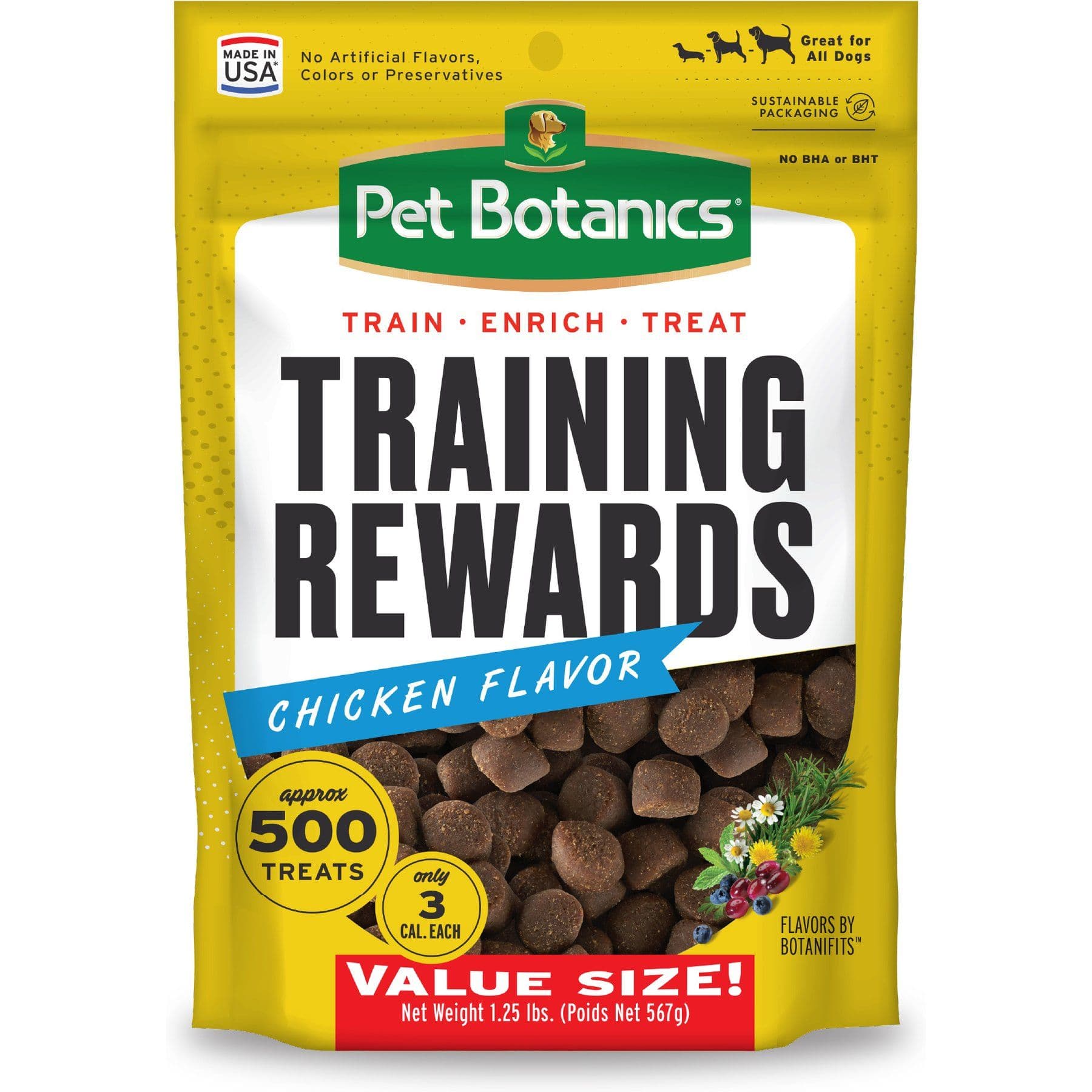
Chicken-flavor rewards for check-ins, settling and cooperative care. Use portions that suit the dog's diet and training needs.
Petful may earn a commission when you click through to Chewy, at no extra cost to you.
Avoid dominance-based handling or physically forcing the dog to submit. If a dog repeatedly cannot respond, consider whether the task is unclear, the environment is too difficult or discomfort is affecting its behavior. Increase distance, simplify the exercise and obtain professional help when needed.
Introductions to dogs and other pets
Managed dog introductions need a plan for both animals. Ask about their previous experiences and arrange help from a qualified professional if either has a concerning history. Do not make a crowded dog park or a forced face-to-face greeting the first assessment of compatibility.
Begin with enough space for each dog to remain comfortable and keep handlers able to move away. Progress should depend on the dogs' responses, not a fixed timetable. At home, maintain separate areas for rest and resources while learning how the dogs behave together. A calm first encounter does not remove the need for continued supervision.
- Feed separately and manage valuable chews or toys while assessing responses.
- Give each animal a place to rest without being approached.
- Keep a workable separation plan for times when adults cannot supervise.
- Ask about experience with cats and small pets rather than assuming dog compatibility transfers to them.
Use barriers selected for the individual dog's size and behavior. The Frisco 30-inch configurable gate and playpen may help organize space for a dog who respects it, but it is not automatically suitable for a strong adult who climbs or pushes. Check installation, stability and escape opportunities before relying on any barrier.
Children, visitors and resting space
Adults should supervise interactions with children and protect the dog's rest. Teach children not to approach a dog that is eating or sleeping and not to hug, climb on or corner it. A strong dog can knock someone over without intending harm, so teach greetings and manage space rather than relying only on good intentions.
Plan for visitors before the doorbell rings. A comfortable separate area can be useful when an introduction would be too exciting or stressful. Let the dog settle, and avoid asking visitors to crowd it or reach toward its face to prove it is friendly.
Exercise without an endurance contest
Provide opportunities for movement, exploration and mental engagement that suit the actual dog's age and health. Walks, sniffing, short training sessions and suitable games serve different purposes. A yard can be part of the routine, but access to one does not show that the dog's needs are being met.

A 30-inch configurable gate or pen for a suitable supervised separation arrangement. Assess climbing, pushing and installation before depending on it.
Petful may earn a commission when you click through to Chewy, at no extra cost to you.
Watch the dog's comfort during activity and its ability to settle afterward. Ask your veterinarian for guidance when the dog is growing, recovering from illness or showing discomfort. More intensity is not always the answer to restlessness; review the environment, sleep, training demands and opportunities to relax. A Pet Parents Forager snuffle mat offers an optional supervised food search using part of the normal meal; remove it if the dog chews the fabric.
- Choose manageable routes with room to avoid difficult encounters.
- Adjust outings for weather and the dog's recovery.
- Use secure spaces when off-leash activity is appropriate.
- Stop and seek veterinary advice for new lameness or unusual exercise intolerance.
Puppies, breeders and price claims
For American Bulldog Pitbull mix puppies for sale, ask about both parents, relevant health records and the litter's early experiences. A black, white or brindle puppy should not be given a personality guarantee based on color. A red-nose description does not establish a special temperament, and adding American Bully or Boxer ancestry changes the claim being made.
There is no verified national Bullypit price average supplied here. Compare the actual fee, included care, contract and support offered. A high asking price, dramatic photographs or a claim that the mix is rare does not prove responsible breeding. Be cautious when basic questions about the parents or veterinary records remain unanswered.
- For adoption, ask about the assessment process and the dog's current routine.
- Compare an adult's documented history with what is known about a puppy and its parents.
- Neither route removes all uncertainty. Plan your first veterinary appointment and transition support before bringing the dog home.
For the American Bulldog parent’s development, the puppy guide explains growth records, teething preparation and breeder or rehoming checks. A purebred growth chart cannot predict this cross’s adult weight. Keep dated measurements and ask about both parents instead of selecting a puppy for a promised growth spurt.
Health, grooming and a workable first routine
Crossbreeding does not guarantee freedom from inherited or acquired disease. Share known parentage and available health results with your veterinarian, and ask which screening or preventive care is appropriate for the dog. A breed-identification DNA result is not a complete medical assessment.
Many dogs given this mix label have short coats, but use the actual coat to choose grooming tools. Gentle brushing offers a chance to notice skin changes or areas where equipment rubs. Introduce paw, ear and mouth handling gradually, and seek help if routine touch causes pain or distress. On a comfortable short coat, the Four Paws glove and curry brush is one loose-hair tool to assess.
- Keep the first home routine predictable, with regular meals and toilet opportunities.
- Provide a comfortable resting area and avoid overwhelming the dog with visitors.
- Record the current food and care routine before changing it.
- Arrange veterinary review of the records and any existing concerns.
- Agree on the same handling plan with every caregiver.
The American Bulldog health guide provides parent-breed lifespan and screening context. Eye or ear changes, sore paws, unusual odor and digestive problems still require assessment of the individual mixed dog. Bring its symptom timeline, diet and parent records to your veterinarian rather than assuming every problem is inherited.
Housing and caregiver arrangements
Confirm your landlord's requirements, the insurer's terms and any applicable local rules before committing. Definitions may use breed names, appearance or broader categories. Ask the relevant organization to explain its own wording in writing; an informal cross name cannot guarantee acceptance.
Include sitters, boarding and transport in the plan. A person comfortable feeding the dog may not be able to manage its walking or separation needs. Discuss those responsibilities specifically and keep a backup arrangement that does not depend on someone improvising during an emergency.
Understanding the American Bulldog parent

Our American Bulldog breed guide explains the working background and general care needs of that parent breed. It also puts family suitability into context: individual behavior and adult supervision matter more than a promise that every dog is automatically good with children.
Use parent information to prepare questions, not to rank aggression or predict a mixed dog's exact traits. If one caregiver describes the dog as affectionate and another reports difficult handling, both observations need context. Ask when and where the behavior occurs and what support has helped.
Pitbull labels and the parent-breed distinction
Our American Bulldog vs. Pitbull comparison distinguishes the American Pit Bull Terrier from the broad pit bull label. That difference matters when you read a cross description, especially if a parent was identified by appearance rather than records.
The pros and cons of an individual parent dog do not transfer as a predictable package to every puppy. A strong, active companion may suit one experienced household and exceed another's available time or handling capacity. Focus on the dog's observed needs rather than claims that one parent breed is always less aggressive or easier.
Other American Bulldog crosses
If you are comparing several mixed dogs, our American Bulldog mixes guide explains other cross names and the same evidence limits. Additional Boxer, Labrador, Mastiff or other ancestry does not create a dependable recipe for size or personality.
Write down the facts you know about each candidate: adult dimensions where available, veterinary needs, household experience and management requirements. Comparing those details gives you a more practical basis for choosing than deciding which nickname sounds most appealing.
Questions about american bulldog pitbull mix
There is no fixed cross lifespan supported by a validated life table in the sources used here. Parent-breed ranges provide context but cannot predict this mixed dog's years. Individual veterinary history, current health and care needs are more useful for planning. Discuss changes in comfort, mobility or daily behavior with your veterinarian instead of treating a published breed range as a deadline.
No. Bullypit is an informal name for an American Bulldog–Pitbull mix, while the American Bully is an established breed. Clarify whether the Pitbull parent is a documented American Pit Bull Terrier or whether the word was used as a broad appearance label. The nickname alone cannot confirm parentage or predict the puppy’s adult build.
Possibly, but use the individual dog’s actual history rather than the mix name. Ask separately about dogs, cats and small pets, including any chasing or conflict. Arrange gradual, supervised introductions and separate feeding and resting spaces. A calm first meeting does not establish lasting compatibility, and some combinations may require permanent separation or a different placement.
BVMS, MRCVS
Dr. Pippa Elliott, BVMS, MRCVS, is a veterinarian with nearly 30 years of experience in companion animal practice. Dr. Elliott earned her Bachelor of Veterinary Medicine and Surgery from the University of Glasgow. She was also designated a Member of the Royal College of Veterinary Surgeons. Married with 2 grown-up kids, Dr. Elliott has a naughty Puggle named Poggle, 3 cats and a bearded dragon.
Sign up for expert-backed reviews and safety alerts all in one place.