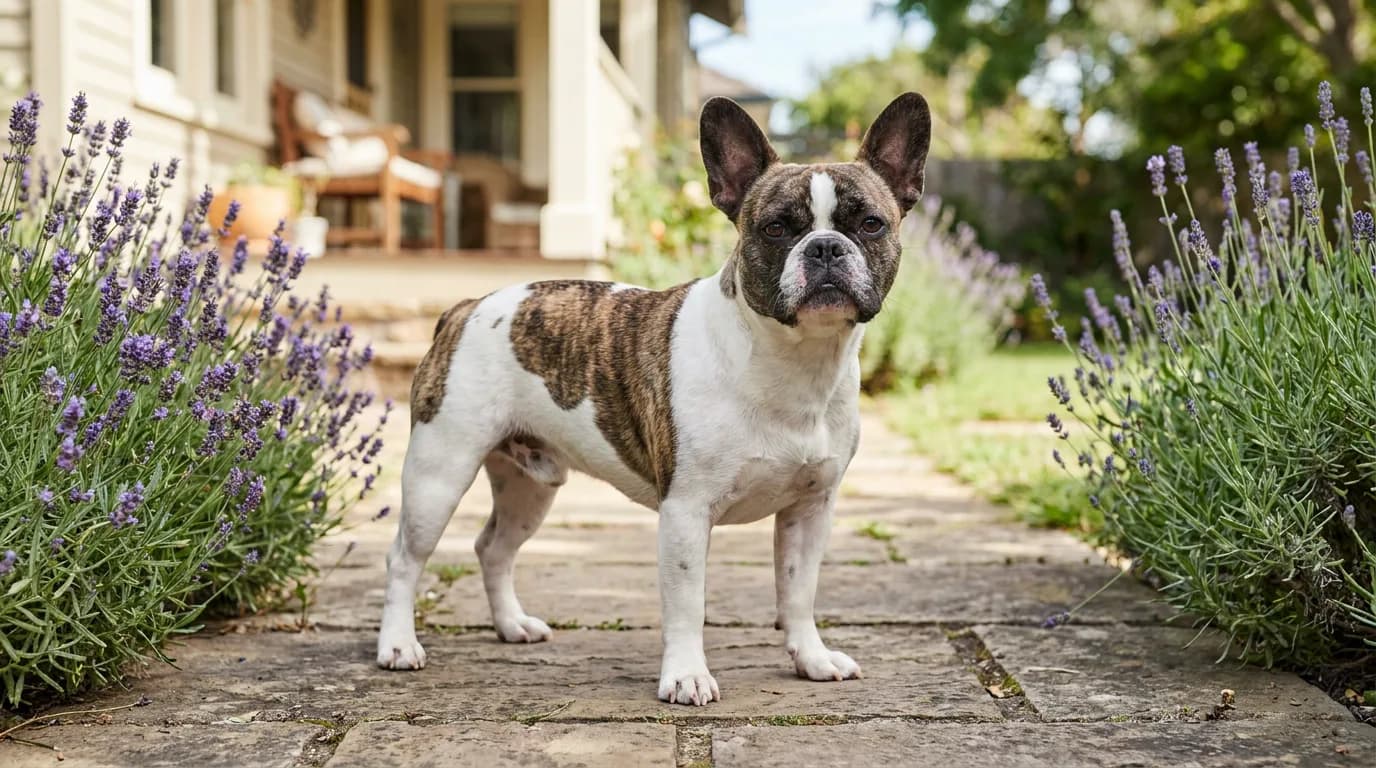
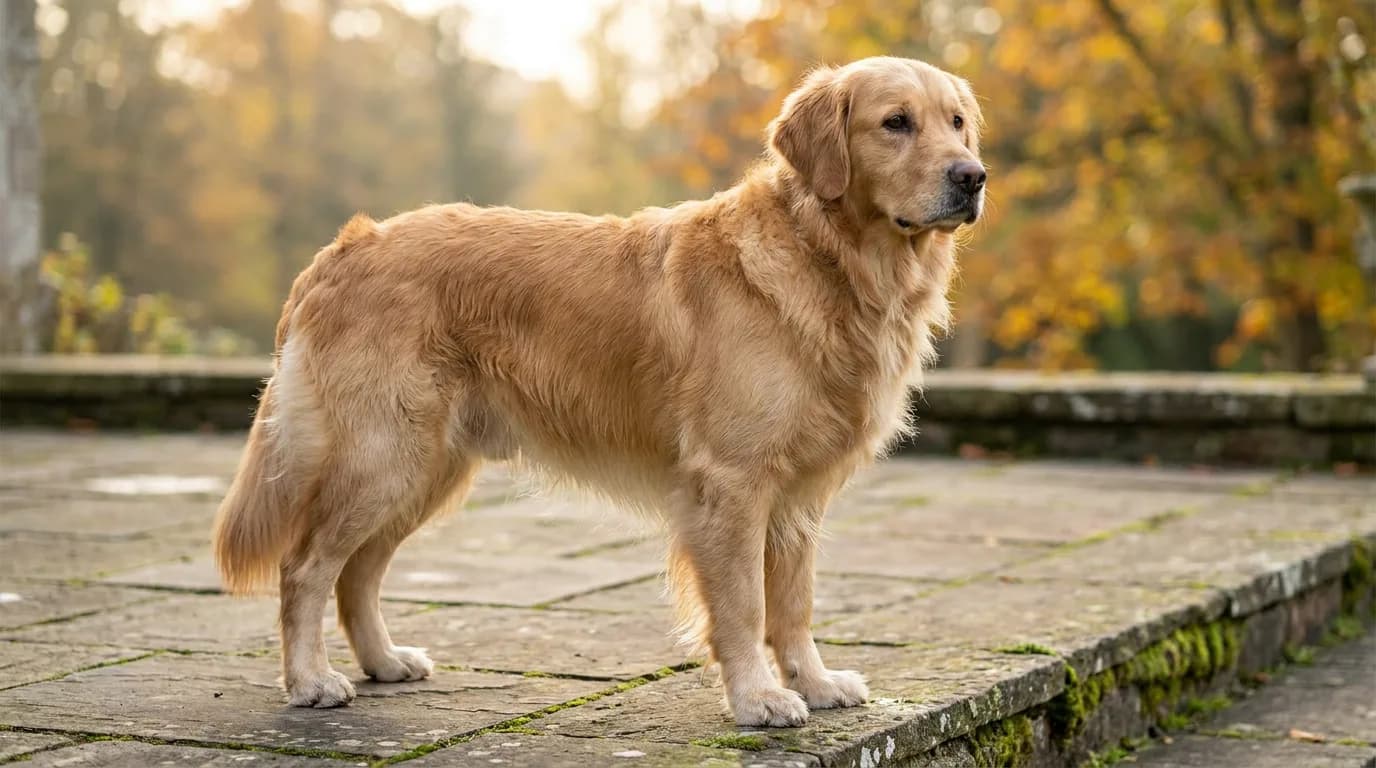
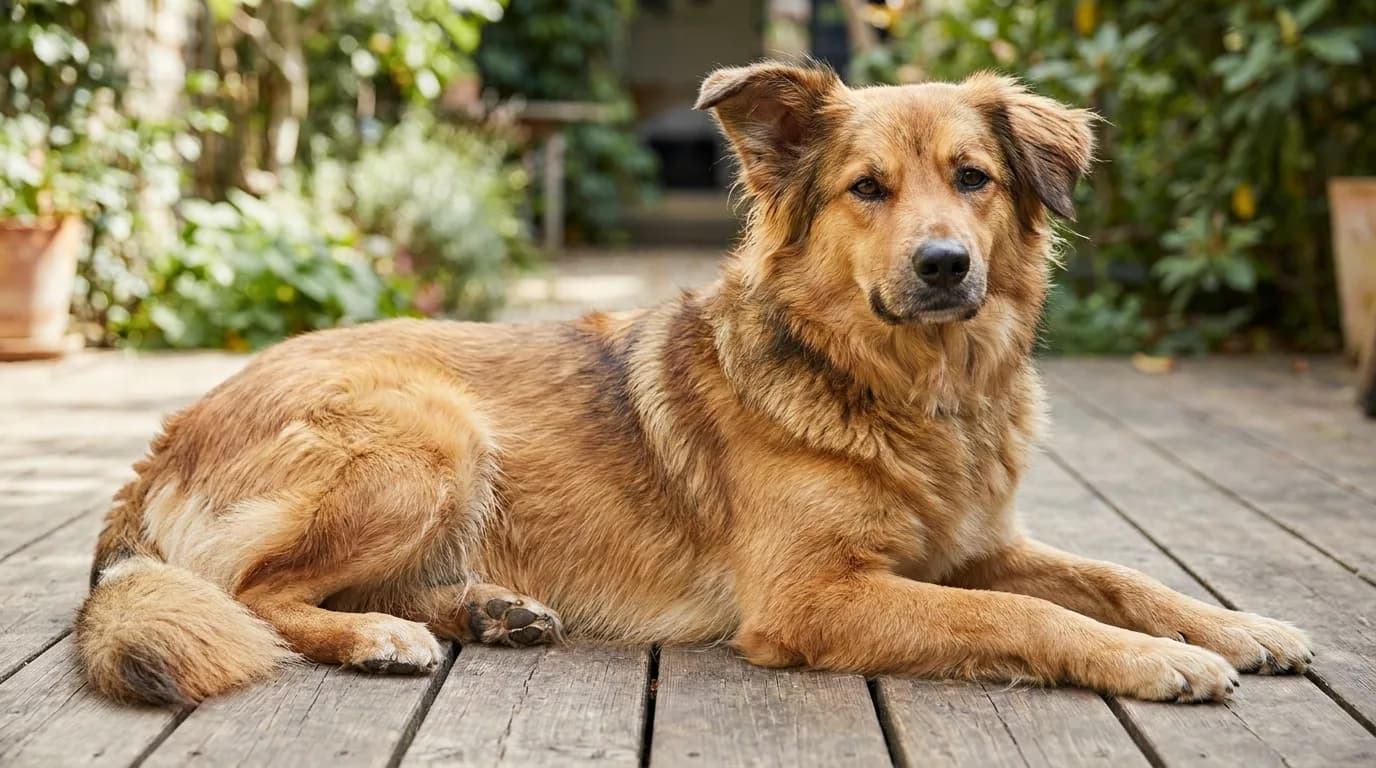
20 Lab Mixes: Pictures, Traits and Choosing Guide
Explore 20 Labrador crosses with pictures, useful parent-breed context and practical care questions. Compare size, coat, activity and household needs, with links to detailed cross guides.
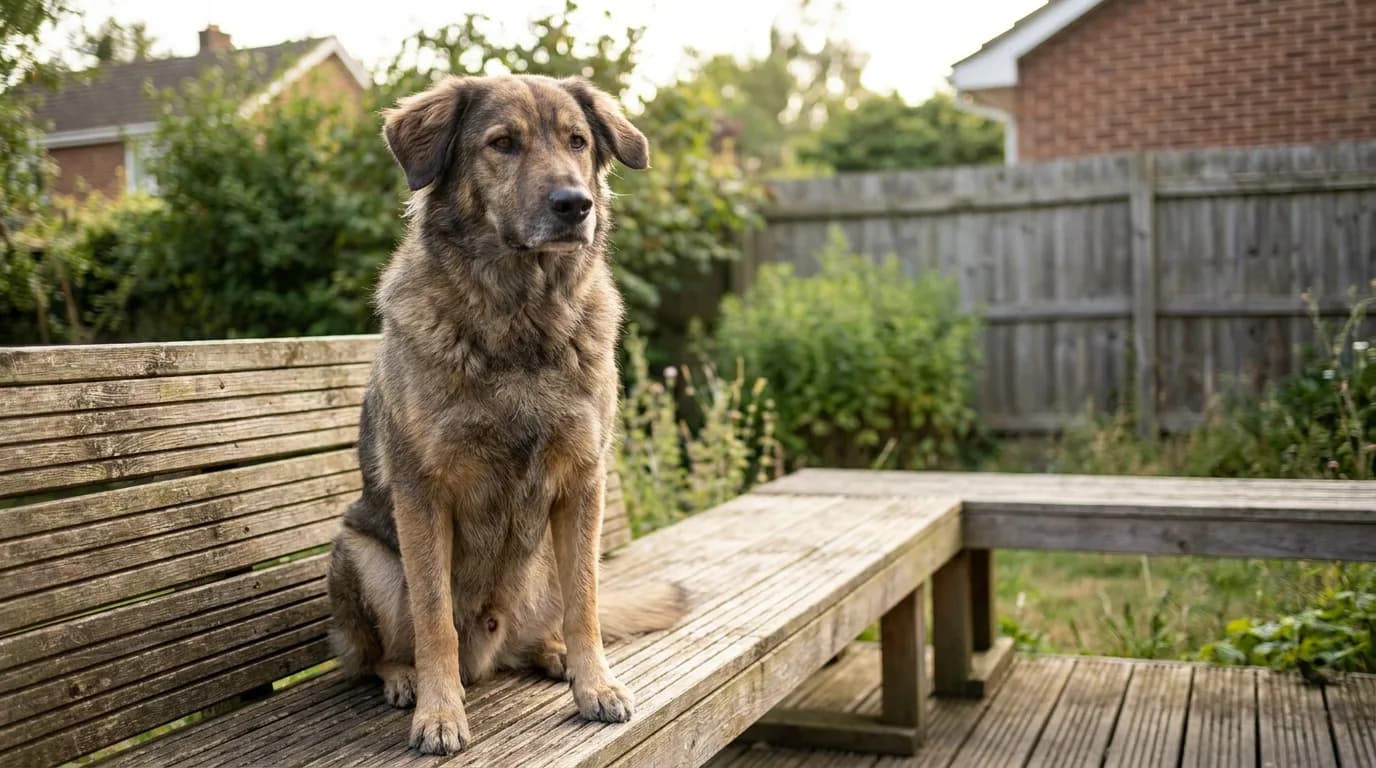
Compare the individual dog's build and care needs alongside its reported parentage.
Petful is reader supported. As an affiliate of platforms like Amazon and Chewy, we may earn a commission when you buy through links on this page. There is no extra cost to you.
A Lab mix is a dog with Labrador Retriever ancestry combined with another breed or breeds. That description covers very different dogs. A Labrador and Great Dane cross raises different space questions from a Labrador and Chihuahua cross, while a Poodle parent introduces different coat-care considerations.
These 20 selected crosses offer a practical starting point. Compare the parent backgrounds and pictures, follow the detailed guides where available, and use the shared size and care checklists to assess the dog you might bring home.

Sign up for expert-backed reviews and safety alerts all in one place.
What does a Lab mix label mean?
A Labrador mix has Labrador ancestry, but the label does not always explain how that ancestry was established. Documented parentage, a previous owner's description and visual breed identification are different kinds of evidence.
A Labrador mix puppy may also change considerably in proportions and coat as it develops. Parent information can guide your questions, while current measurements, behavior and records guide practical care.
Keep these sources separate:
- Documented parentage: Records connect identified parents with the dog.
- Reported parentage: A person or organization supplies a history that may lack supporting documents.
- DNA ancestry information: A testing service estimates ancestry using its methods and reference data.
- Visual identification: Someone assigns a likely breed description from visible features.
The American Animal Hospital Association (AAHA) breed considerations explain the limits of visual identification. A broad muzzle, drop ears or short black coat cannot establish Labrador ancestry by itself.
Color wording adds description, not certainty. A black Labrador Retriever mix, yellow Labrador Retriever mix or white Labrador Retriever mix may refer to visible coloring or reported parents. None identifies the other breed. Likewise, “Labrador mix street dog” describes circumstances more clearly than ancestry.
- 1Use parent context to identify useful questions, then assess the individual dog.
- 2Separate documented parentage from reported ancestry and visual identification.
- 3Choose equipment, activities and care from the dog's actual needs rather than a nickname or photograph.
For purebred color terminology, see our Labrador colors guide. For Labrador cross breeds, focus on what the actual coat, build and history mean for the home you can provide.
Compare the selected Lab mixes
The selected crosses highlight useful differences in parent background, size, coat and activity. This is a practical shortlist, not a popularity ranking or a recommendation to breed particular dogs together.
The first ten receive fuller comparisons. The remaining ten link to detailed Petful guides. Each photograph illustrates a representative appearance rather than a standard every dog with that label should match. Parent size drives equipment too: a Great Dane cross may need a bed as large as the Big Barker pillow dog bed in Large, which a Chihuahua cross never would.
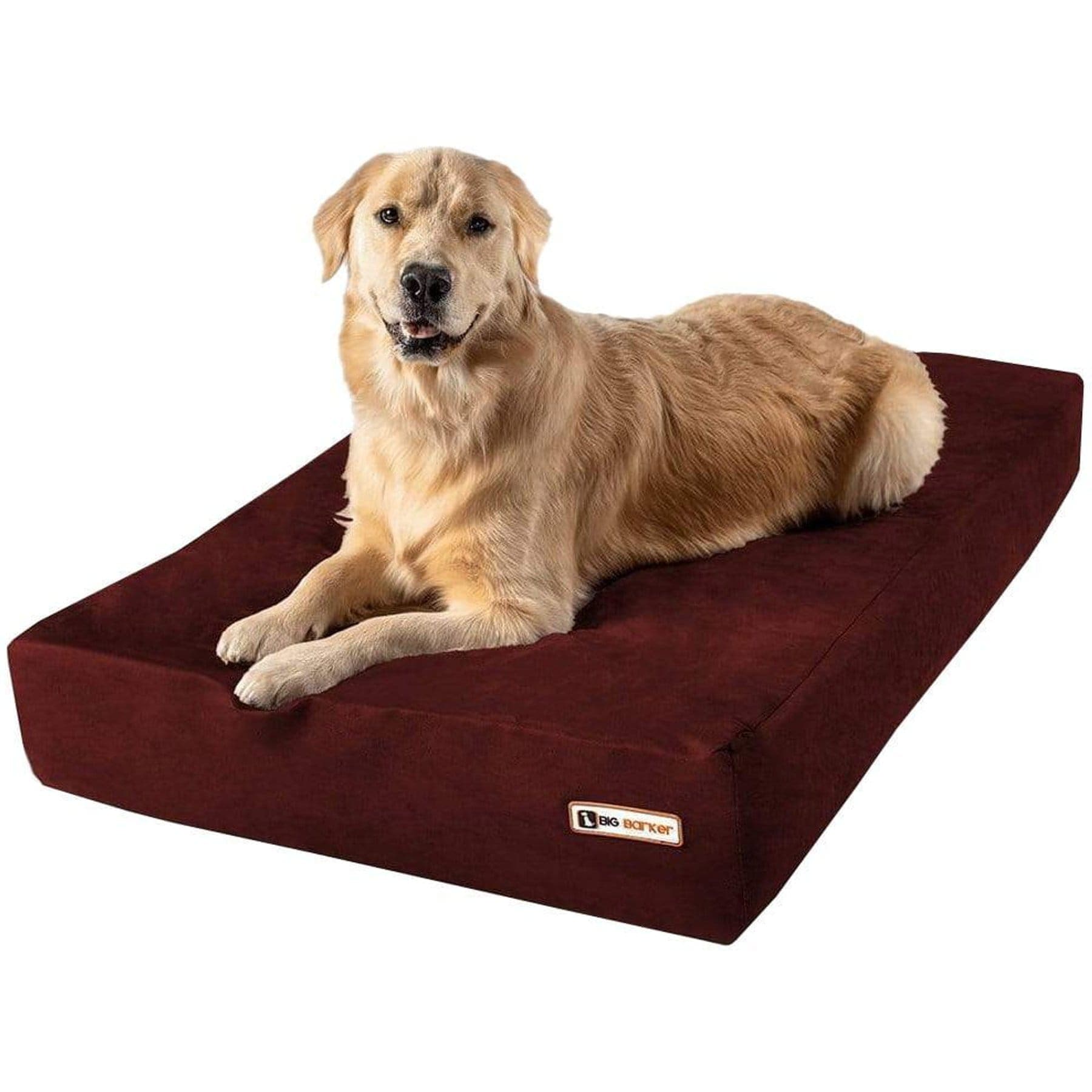
A flat, 7-inch foam bed for large dogs that prefer room to sprawl. Check the 48-by-30-inch footprint against your dog and floor space.
Petful may earn a commission when you click through to Chewy, at no extra cost to you.
| Cross | Useful parent context | Other parent size (breed standard) | Other parent life expectancy (AKC) | Practical fit question | Detailed coverage |
|---|---|---|---|---|---|
| Labrador Retriever (the shared parent, for reference) | Retriever parent in every cross | 65–80 lb (male), 55–70 lb (female) | 11–13 years | Which traits came from the other parent? | Labrador colors guide |
| Labrador and Pit Bull | Athletic, short-coated parent possibilities; the label needs clarification | 35–60 lb (male), 30–50 lb (female), UKC | Not stated in the UKC standard | Can caregivers manage the dog's actual strength and interactions? | Fuller entry below |
| Labrador and Australian Cattle Dog | Compact muscular herding background; Blue and Red Heeler names | 35–50 lb | 12–16 years | How does the dog respond to everyday movement? | Fuller entry below |
| Labrador and Doberman Pinscher | Sleek, powerful working-parent background | 75–100 lb (male), 60–90 lb (female) | 10–12 years | What routine helps with arrivals and environmental distractions? | Fuller entry below |
| Labrador and Chihuahua | A substantial contrast in parent size | Not exceeding 6 lb | 14–16 years | What do current dimensions and handling needs show? | Fuller entry below |
| Labrador and Shar Pei | Distinctive facial features, coat and parent social context | 45–60 lb | 8–12 years | What handling and coat checks does the individual need? | Fuller entry below |
| Labrador and Catahoula Leopard Dog | Agile, muscular multipurpose working background | 50–95 lb | 10–14 years | Which varied activities suit the dog's present skills? | Fuller entry below |
| Labrador and Black Mouth Cur | Short-coated working and hunting background | At least 40 lb (male), 35 lb (female), UKC minimums | Not stated in the UKC standard | How can searching interests become manageable shared activities? | Fuller entry below |
| Labrador and Plott Hound | Scent-hound and hunting background | 50–60 lb (male), 40–55 lb (female) | 12–14 years | Does the walking routine suit both dog and handler? | Fuller entry below |
| Labrador and Rhodesian Ridgeback | Athletic hound and tracking background | About 85 lb (male), 70 lb (female) | 10–12 years | How do movement and everyday cooperation work together? | Fuller entry below |
| Labrador and Great Dane | A potentially imposing frame | 140–175 lb (male), 110–140 lb (female) | 7–10 years | Is there enough usable space for transport, turning and rest? | Fuller entry below |
| Labrador and German Shepherd | Retriever and working-breed context | 65–90 lb (male), 50–70 lb (female) | 12–14 years | How do established skills fit the household? | German Shepherd mixes guide |
| Labrador and Siberian Husky | Retriever and northern-breed context | 45–60 lb (male), 35–50 lb (female) | 12–14 years | Can the household maintain coat care and secure activity? | Husky mixes guide |
| Labrador and Golden Retriever | Two retriever backgrounds | 65–75 lb (male), 55–65 lb (female) | 10–12 years | What are the actual greeting, play and grooming needs? | Golden Retriever mixes guide |
| Labrador and Beagle | Retriever and scent-hound context | Under 20 lb (13-inch variety), 20–30 lb (15-inch variety) | 10–15 years | How will sniffing and food-search interests fit the routine? | Beagle mixes guide |
| Labrador and Belgian Malinois | Retriever and working-herding context | 60–80 lb (male), 40–60 lb (female) | 14–16 years | Are the learning demands a practical match? | Belgian Malinois mix guide |
| Labrador and Cocker Spaniel | Retriever and spaniel context | 25–30 lb (male), 20–25 lb (female) | 10–14 years | What does the coat and handling routine require? | Cocker Spaniel mixes guide |
| Labrador and Poodle | Poodle variety and coat differences matter | Toy 4–6 lb, Miniature 10–15 lb, Standard 40–70 lb | 10–18 years | Can the household maintain the individual coat? | Labradoodle guide |
| Labrador and Boxer | Retriever and athletic working-breed context | 65–80 lb (male); females about 15 lb less | 10–12 years | How do greetings and active games affect household life? | Boxer mixes guide |
| Labrador and Carolina Dog | Accurate ancestry and individual history are useful | 30–55 lb | 12–15 years | What does the available evidence establish? | Carolina Dog Lab mix guide |
| Labrador and American Bulldog | Potentially substantial build | 75–100 lb (male), 60–80 lb (female) | 10–12 years | Can caregivers comfortably manage the adult dog? | American Bulldog Lab mix guide |
The table connects parent context with practical fit. Two dogs can both enjoy active outings yet require very different grooming, space or handling. Compare those needs separately instead of ranking the crosses on one personality scale.
Sizes and life expectancies in the table are each parent breed’s published standard, checked October 29, 2026, from the AKC pages for the Labrador Retriever, Australian Cattle Dog, Doberman Pinscher, Chihuahua, Chinese Shar-Pei, Catahoula Leopard Dog, Plott Hound, Rhodesian Ridgeback, Great Dane, German Shepherd, Siberian Husky, Golden Retriever, Beagle, Belgian Malinois, Cocker Spaniel, Poodle, Boxer, Carolina Dog and American Bulldog, and the UKC standards for the American Pit Bull Terrier and Black Mouth Cur. They describe the parents, not a guaranteed size or lifespan for any cross.
Labrador and Pit Bull
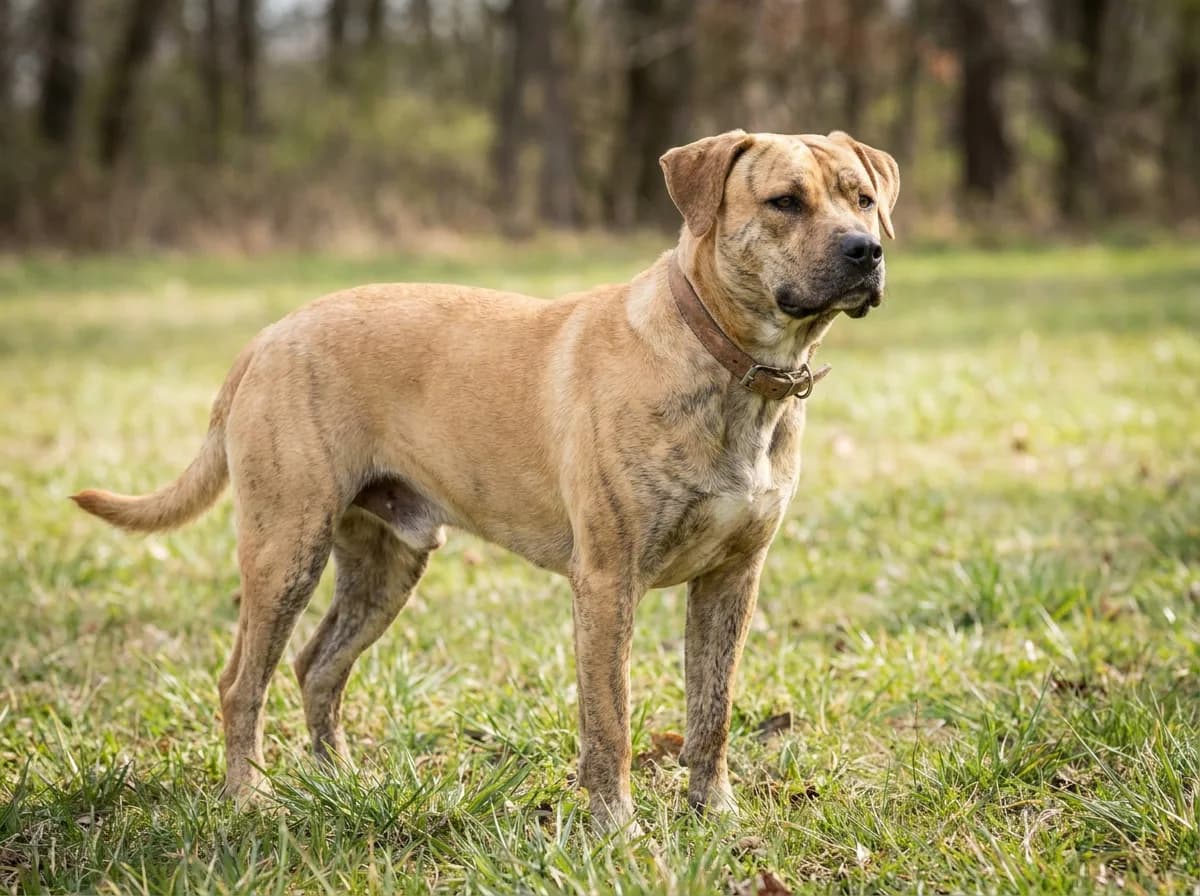
A Labrador and Pit Bull mix is sometimes called a Labrabull. First clarify what “Pit Bull” means in the dog’s records: it may identify a known American Pit Bull Terrier parent or serve as a broader appearance-based description. At a glance:
- Also called: Labrabull or Lab Pit mix.
- Parent sizes: Labrador 55–80 lb (AKC); American Pit Bull Terrier 30–60 lb (UKC).
- Coat: both parents are short-coated; the Labrador’s is a double coat.
The United Kennel Club's American Pit Bull Terrier standard describes an athletic, muscular, short-coated breed. That parent context makes strength, movement and equipment useful considerations for a Labrador Retriever and Pit Bull Terrier mix.
- Staffordshire Bull Terrier and American Staffordshire Terrier are specific breed names. They are not interchangeable with each other, the American Pit Bull Terrier, or a broad Pit Bull-type label. Record the name actually supported by the dog's history.
A black, brown or brindle Labrador Pitbull mix has a visible coat description, not a corresponding temperament category. “Half Labrador, half Pitbull” should likewise describe supported parentage rather than a conclusion drawn from a broad head.
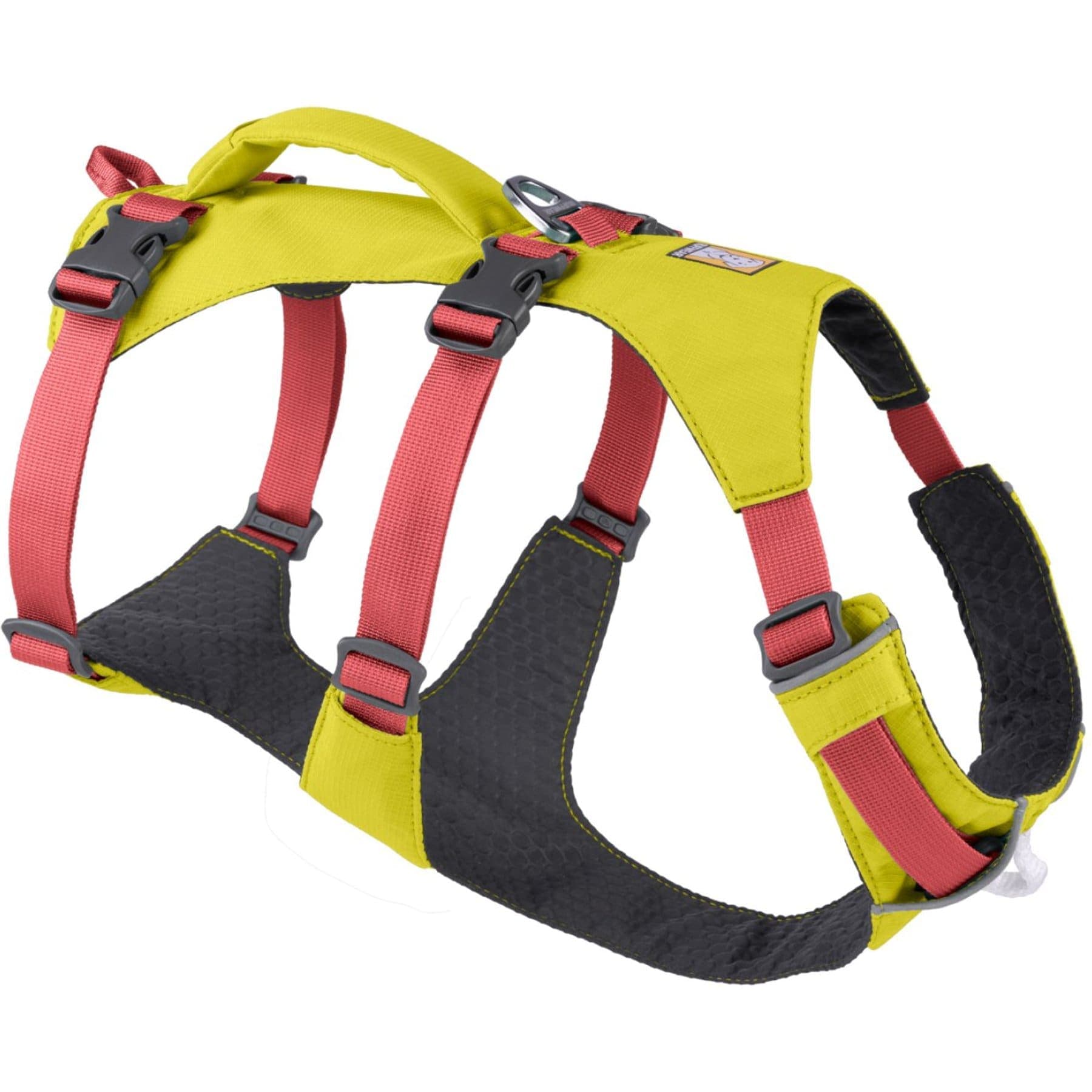
Lightweight body harness with a padded lift handle, load-dispersing chest and belly panel, debris-resistant liner and a front clip, per the listing.
Petful may earn a commission when you click through to Chewy, at no extra cost to you.
Separate physical handling from social compatibility. A dog may greet people comfortably while needing help with pulling, or walk politely while finding crowded entrances difficult. Observe an ordinary outing with the caregiver rather than deliberately creating a challenge.
For walking equipment, the Ruffwear Flagline harness in the linked Medium variant lists a 27–32-inch chest range. Check current measurements and manufacturer instructions. A front attachment does not guarantee that pulling stops.
Planning for a Labrador Pit Bull Mix Puppy
For Labrador and Pit Bull mix puppies, plan ahead for increasing strength. Early practical skills include comfortable equipment handling, moving with a person and pausing at doorways. For an adult, a demonstration of those skills tells you more than either a reassuring or alarming breed stereotype.
Labrador and Australian Cattle Dog
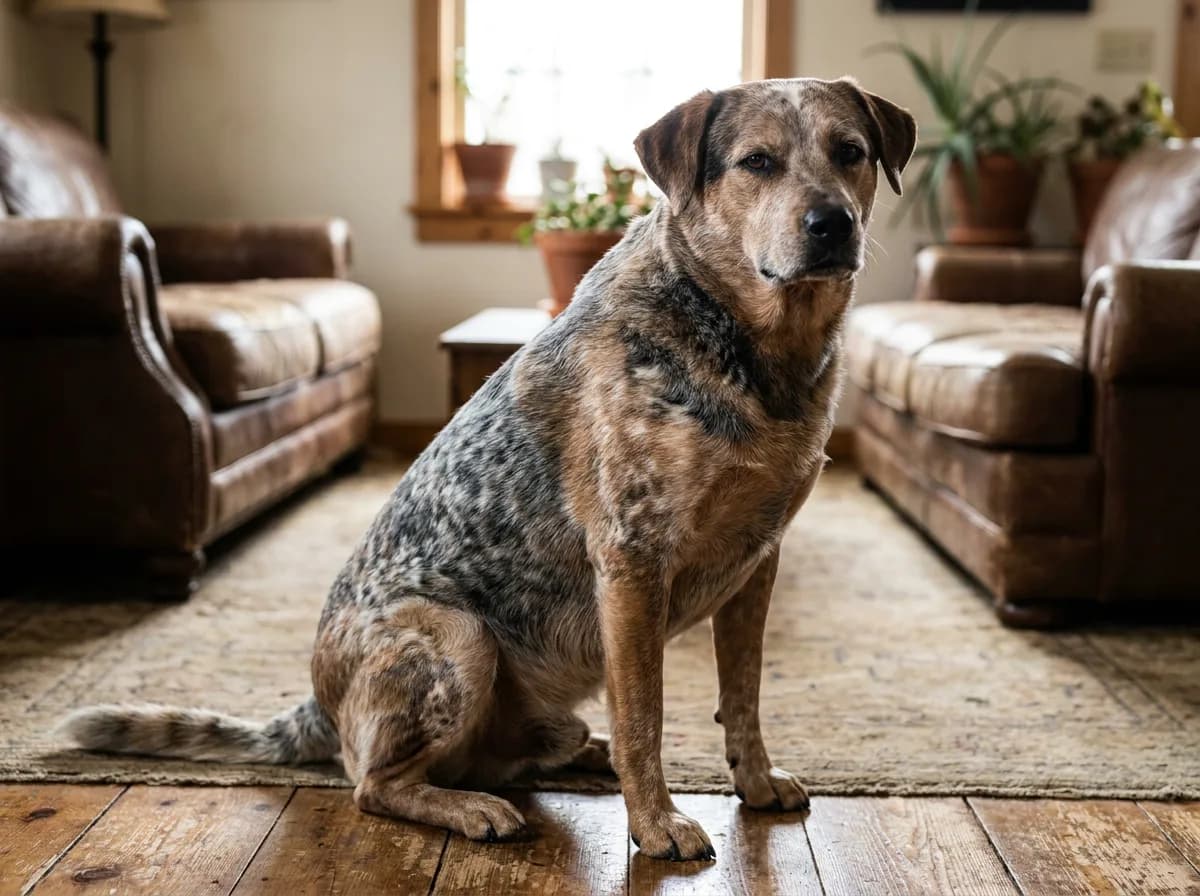
A Labrador Retriever Blue Heeler mix and a Labrador Red Heeler mix belong in one parent-breed comparison. Blue Heeler and Red Heeler are names associated with Australian Cattle Dog coloration, not separate breeds. At a glance:
- Also called: Blue Heeler Lab mix, Red Heeler Lab mix or Cattle Dog Lab mix.
- Parent sizes: Labrador 55–80 lb; Australian Cattle Dog 35–50 lb (AKC).
- Coat: both parents have short double coats.
The AKC describes the Australian Cattle Dog as a compact, muscular herding dog. For a cattle dog Labrador mix, that background makes responses to movement particularly useful to investigate.
Ordinary household movement provides relevant context:
- Someone gets up from a chair.
- A child walks through the room.
- Another dog approaches the door.
- A bicycle passes at a manageable distance.
Ask what the dog has actually done in those situations and which teaching or management arrangements help. Do not provoke chasing to test a presumed herding tendency.
Physical activity and learning solve different problems. A long walk does not teach waiting at a gate, and a fast game does not explain how to remain settled during dinner. A suitable routine includes opportunities for movement alongside short, achievable lessons. For example, practicing attention in a quiet place gives the handler something useful to build on before working near distractions. The task should become easier if the dog cannot respond, rather than turning into a contest of persistence.
This pairing may interest someone who enjoys participating in a dog's learning. A yard supplies space, but it does not teach cooperation or organize the day. The practical match is a household that can provide both suitable activity and consistent guidance through busy moments.
Lab mixes with contrasting builds
The other parent can change a Labrador cross's physical comparison substantially. A Doberman Pinscher contributes a sleek working-dog frame, a Chihuahua creates a marked parent-size contrast, and a Shar Pei introduces distinctive facial and coat features.
These differences suggest three separate decisions:
- Doberman Pinscher: managing attention during arrivals and environmental changes.
- Chihuahua: understanding actual dimensions and comfortable handling.
- Shar Pei: planning introductions and routine coat care.
A Doberman Pinscher Labrador mix, black Labrador Chihuahua mix and Shar Pei Labrador mix deserve more than the same general description of an active companion. The following entries focus on what makes each comparison useful.
Labrador and Doberman Pinscher
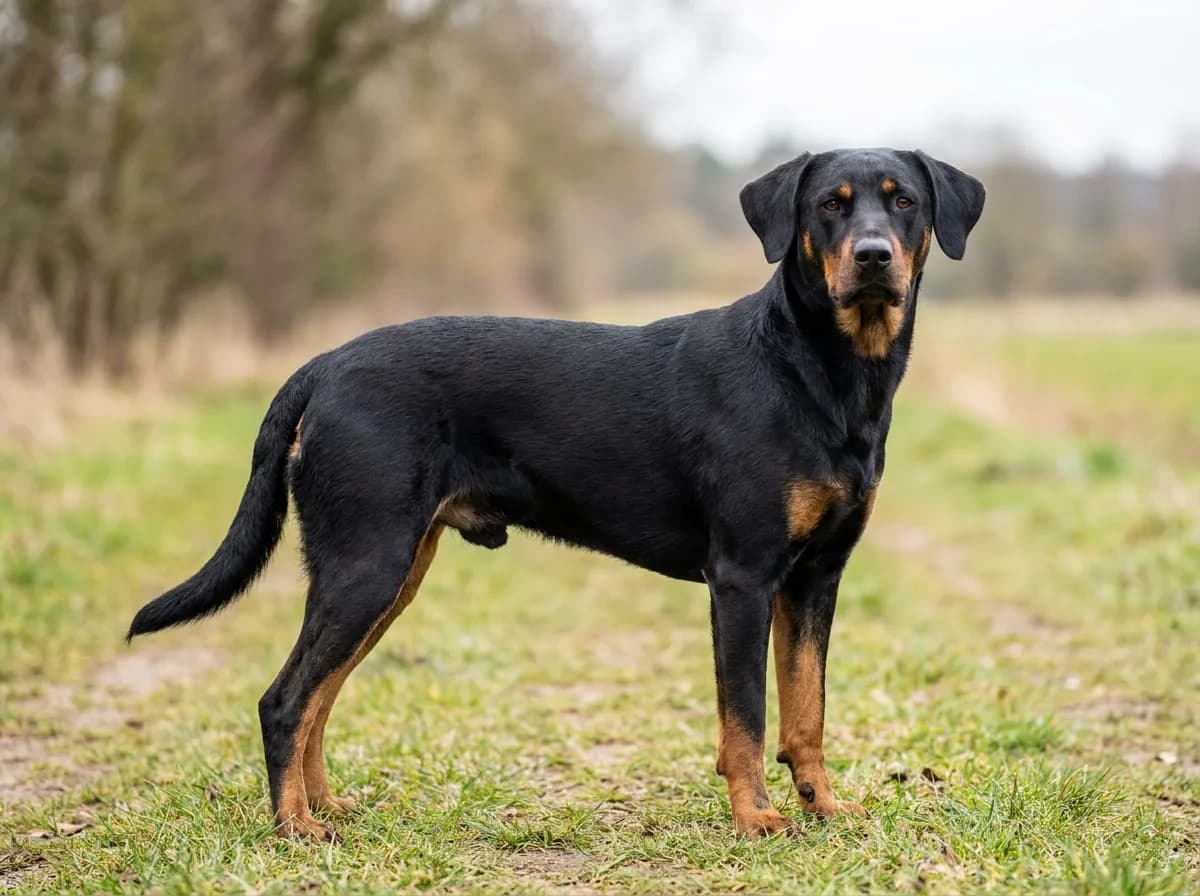
The Doberman Pinscher profile describes a sleek, powerful working dog. For a Labrador and Doberman mix, attention to arrivals and changes in the surroundings is a useful observation topic. At a glance:
- Also called: Doberman Lab mix.
- Parent sizes: Labrador 55–80 lb; Doberman Pinscher 60–100 lb (AKC).
- Coat: short; the Doberman’s is smooth and the Labrador’s is a double coat.
An alert dog is not automatically a protection dog. Instead of choosing this pairing to guard the home, investigate the practical arrival routine: hearing the door, moving away from the entrance, waiting and greeting are separate tasks.
A caregiver's demonstration can show where support is needed. Perhaps the dog comfortably waits behind a barrier but becomes crowded when several people enter together. That suggests a specific household arrangement rather than a conclusion about its entire personality.
- Where does the dog wait?
- Who controls access to the entrance?
- How are visitors introduced?
- What happens if a greeting is unsuitable?
For a dog that enjoys appropriate chewing or food-based enrichment, a large KONG Classic is one supervised option. Select it for the individual's size and chewing behavior, and inspect it for damage. A toy can be part of a routine; it does not establish comfort when left alone.
A powerful-looking dog with established walking skills may be manageable for a particular caregiver. A friendly but untrained dog may require more help. Assess both build and skills, keeping promises about automatic protection or effortless obedience out of the decision.
Labrador and Chihuahua
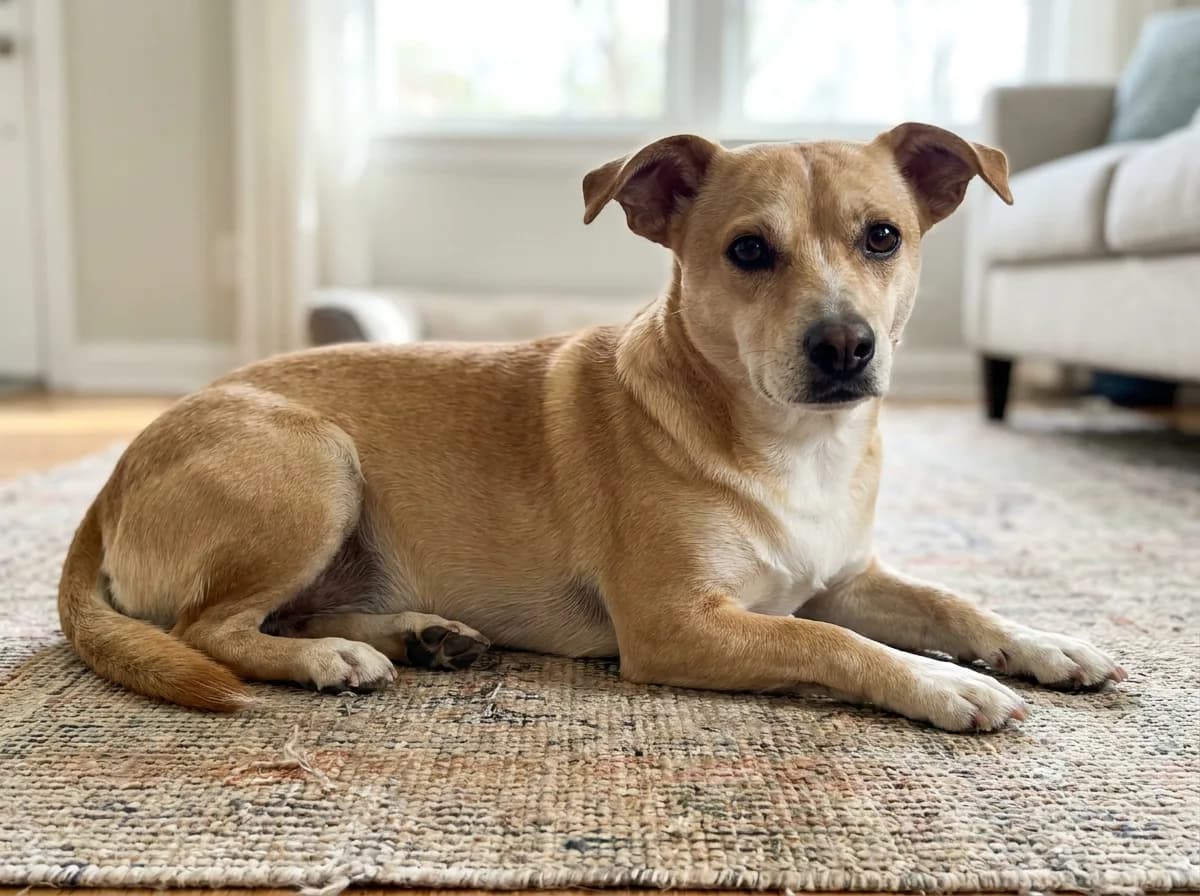
The Chihuahua’s small companion-dog background creates a substantial contrast with Labrador size. It does not guarantee that a Labrador Chihuahua cross will remain small enough for a particular carrier or easy for every caregiver to lift. At a glance:
- Also called: Chihuahua Lab mix.
- Parent sizes: Labrador 55–80 lb; Chihuahua no more than 6 lb (AKC), one of the widest gaps on this list.
- Coat: Labrador short double coat; Chihuahuas come in smooth and long coats.
For an adult, current dimensions answer many practical questions directly. For a puppy, leave room for growth rather than treating the smaller parent's size as an upper limit.
Consider the tasks that depend on size:
- Entering and leaving a vehicle.
- Being lifted, if that is necessary and comfortable.
- Turning within a carrier or resting space.
- Sharing space with larger animals.
A black Labrador Chihuahua mix is no more predictable in size because its coloring resembles a Labrador's. The coat also needs its own assessment, including what is known about the Chihuahua parent and the texture the dog currently has.
Handling comfort matters separately from weight. A dog may be light enough to carry but uncomfortable being picked up. Ask how the caregiver supports its body and whether any physical or behavioral concerns have been assessed.
In a home with children, a smaller dog still needs protected resting places and gentle interactions. Avoid making carrying the dog around a routine form of play. The useful choice is a dog whose actual needs fit the household, rather than a promised miniature version of a Labrador.
Labrador and Shar Pei
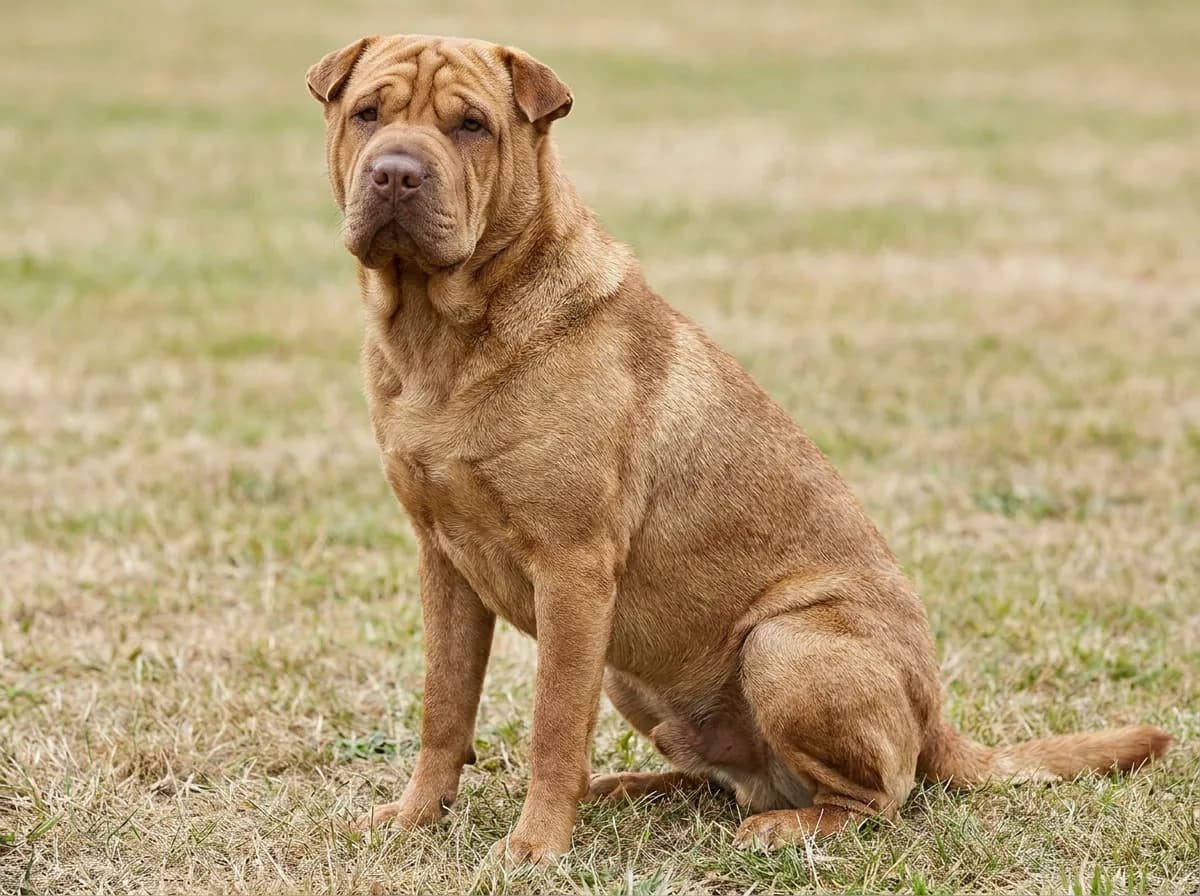
The Chinese Shar-Pei profile describes distinctive appearance and a parent breed that can be reserved with strangers. In a Shar Pei Labrador mix, gradual introductions and comfortable routine handling are useful subjects to explore. At a glance:
- Also called: Shar Pei Lab mix.
- Parent sizes: Labrador 55–80 lb; Chinese Shar-Pei 45–60 lb (AKC).
- Coat: both short; the Shar-Pei adds facial folds that need checking.
A meeting can be informative even when the dog prefers to observe before approaching. Ask what familiar interactions look like instead of requiring an immediate greeting. That helps distinguish a preference for space from the separate question of how necessary care is provided.
Find out how the dog handles:
- Wearing and removing walking equipment.
- Brief checks of ears, feet and coat.
- Visits from unfamiliar people.
- Moving away when it needs a pause.
Facial folds or a particular coat texture should prompt a demonstration of the care already used for that individual. If there is an existing skin or ear condition, follow the veterinary plan rather than borrowing a grooming schedule from another dog.
A photograph cannot diagnose discomfort or establish the work involved. Look at current records and the dog's response during familiar care.
The practical fit may be a household able to provide patient introductions and a sustainable handling routine. Labrador ancestry should not create an expectation that every dog will welcome constant contact or frequent unmanaged visitors.
Lab mixes with hunting and tracking backgrounds
Catahoula Leopard Dog, Black Mouth Cur, Plott Hound and Rhodesian Ridgeback ancestry introduces different working histories. They should not all become interchangeable descriptions of “a dog that needs exercise.”
Their useful distinctions are:
- Catahoula Leopard Dog: varied movement and learning.
- Black Mouth Cur: searching activities shared with a handler.
- Plott Hound: scent interest during outings.
- Rhodesian Ridgeback: athletic movement alongside everyday cooperation.
These backgrounds help identify questions. A pet household does not need to reproduce the parent's original work to provide suitable activities.
Labrador and Catahoula Leopard Dog
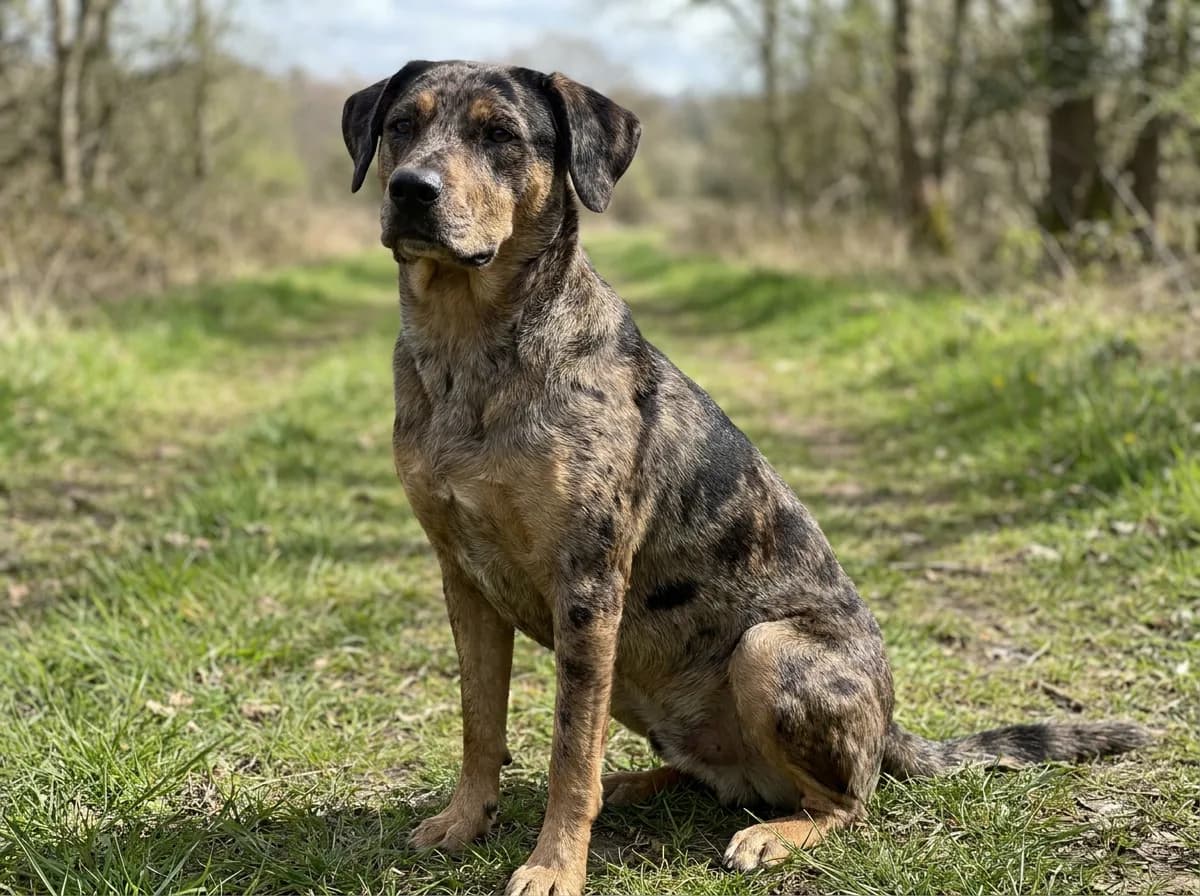
The Catahoula Leopard Dog has a muscular, agile, multipurpose working background. For a Catahoula Leopard Dog Labrador Retriever mix, investigate which kinds of activity engage the dog rather than measuring suitability only in walking distance. At a glance:
- Also called: Catahoula Lab mix.
- Parent sizes: Labrador 55–80 lb; Catahoula Leopard Dog 50–95 lb (AKC).
- Coat: both short; the AKC notes the Catahoula’s many varied coat and eye colors and patterns.
One dog may enjoy retrieving, another searching, and another learning a short task with a familiar person. A useful routine has variety without becoming a requirement to entertain the dog continuously.
Compare three components:
- Movement appropriate to the dog's present abilities.
- Learning tasks it can understand and complete.
- Opportunities to disengage and rest.
An outing followed by increasingly exciting games creates a different day from an outing followed by a calm transition. Ask for a concrete account of what currently works rather than accepting “needs a job” as a complete care instruction.
When introducing an activity, begin with its simplest version. A search can start with an easily found item in a controlled space. A walking task can begin away from distractions. Establish how the activity finishes as well as how it starts.
The Catahoula name often draws attention to markings, but a patterned coat does not document ancestry. The practical appeal lies in finding activities the individual enjoys and caregivers who want to participate in them, not in selecting a striking coat and hoping the routine will follow.
Labrador and Black Mouth Cur
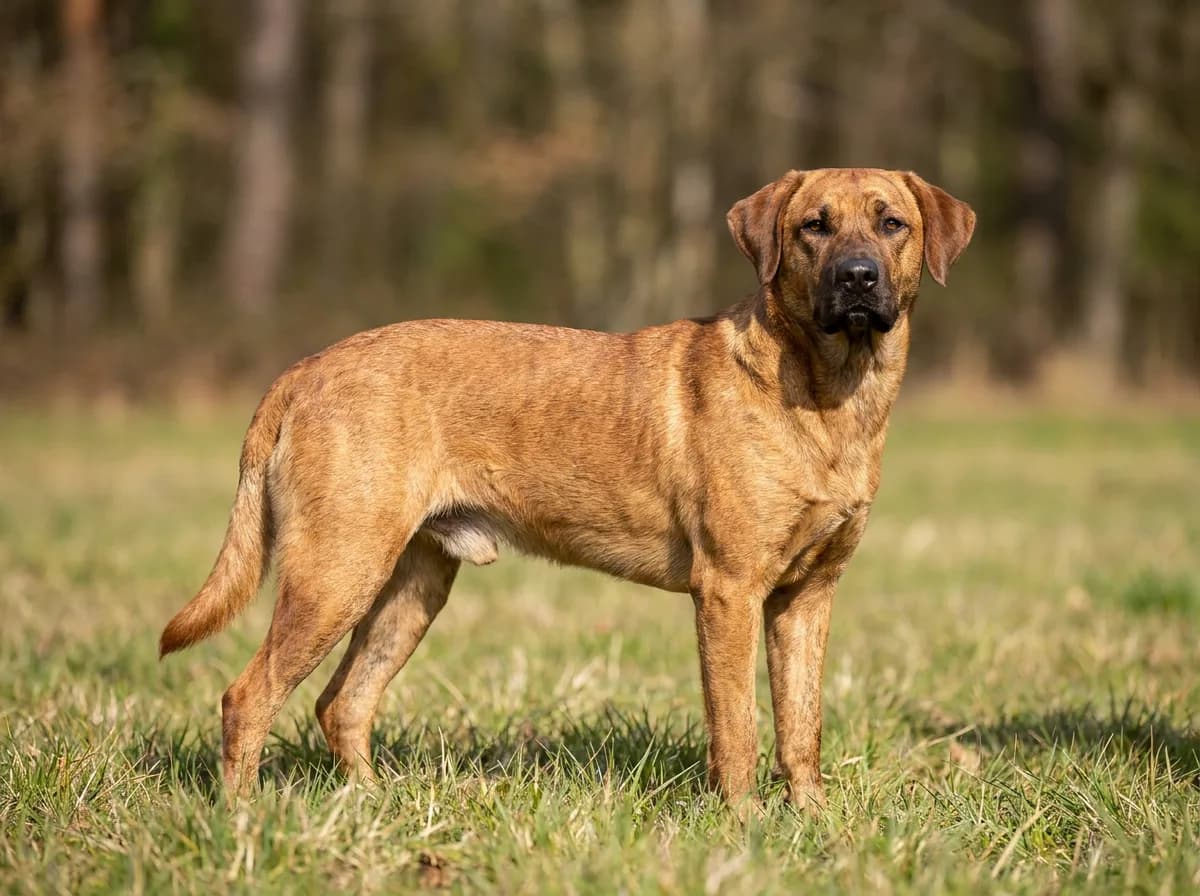
The United Kennel Club’s Black Mouth Cur description provides short-coated, agile working and hunting context. For a Labrador Retriever Black Mouth Cur mix, searching interests can be a useful route into shared activities. At a glance:
- Also called: Black Mouth Cur Lab mix.
- Parent sizes: Labrador 55–80 lb; Black Mouth Cur at least 40 lb (male) and 35 lb (female) under the UKC standard.
- Coat: both short.
First clarify the label: a dark muzzle alone does not establish Black Mouth Cur ancestry. Keep the reported history separate from the visible feature.
Then distinguish different searching situations:
- Looking for food in a supervised activity.
- Finding a familiar toy.
- Sniffing along a walking route.
- Following an unexpected scent outdoors.
Enjoying an indoor food search does not establish recall around wildlife. The caregiver's account of equipment, surroundings and familiar cues helps you choose a manageable starting point. For those indoor searches, a stuffed large KONG Classic is one supervised option; choose it for the dog’s size and chewing behavior and inspect it for damage.
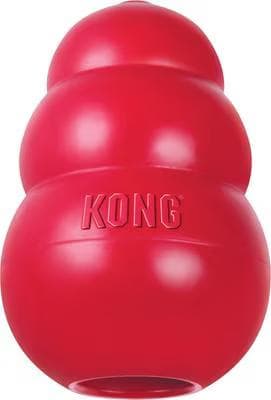
A durable rubber dog toy that can be stuffed with treats and selected by the manufacturer's size guide; supervise use and retire it when damaged.
Petful may earn a commission when you click through to Chewy, at no extra cost to you.
A walk can include appropriate investigation alongside brief practice moving together. For example, the handler can allow suitable sniffing, then reward attention and a change of direction in an easy setting. The aim is cooperation, not suppressing every interest in the environment.
This cross may appeal to someone who enjoys purposeful outings. The important fit question is whether that interest can be supported on ordinary weekdays, with controlled opportunities to explore and a routine that remains workable when plans change.
Labrador and Plott Hound
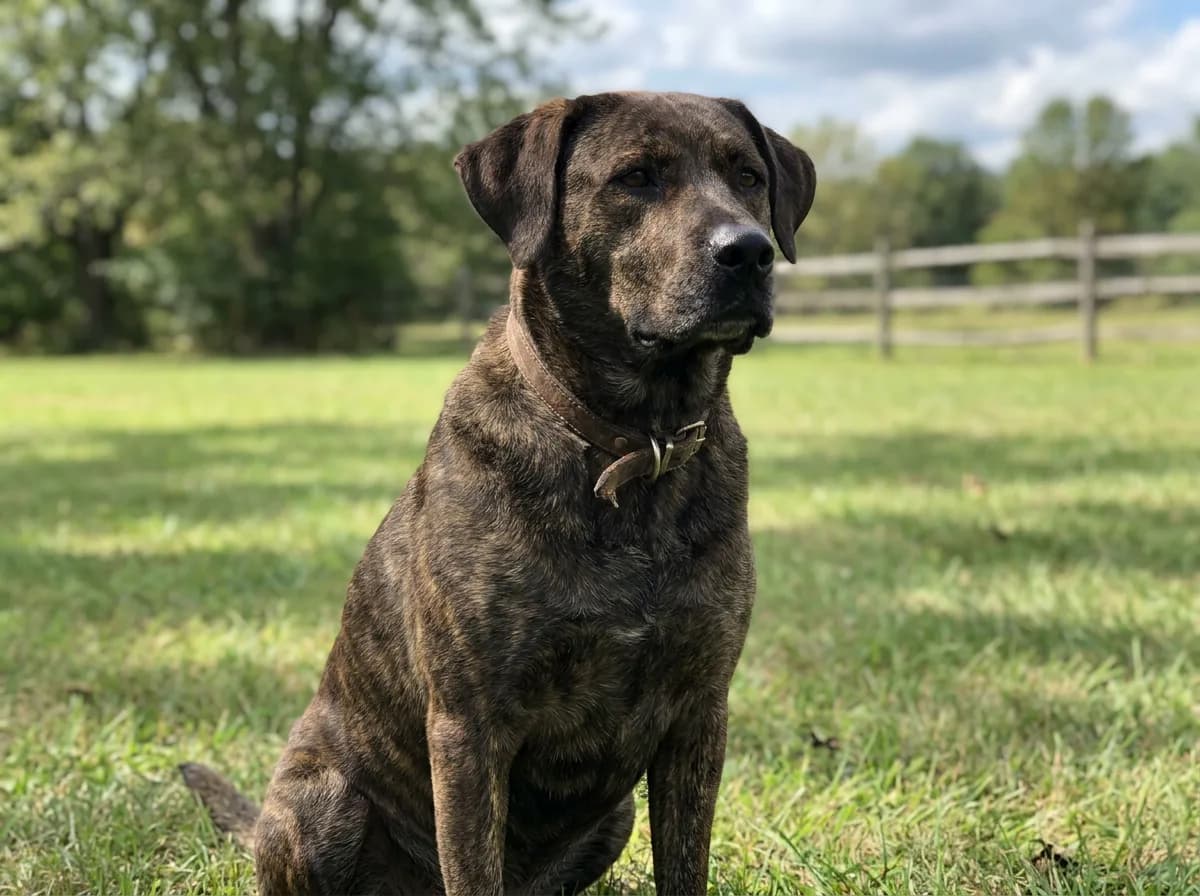
The Plott Hound’s scent-hound and hunting background makes the style of an outing particularly relevant. A Plott Hound Labrador mix may interest someone who enjoys exploratory walks rather than always moving at a steady pace. At a glance:
- Also called: Plott Lab mix.
- Parent sizes: Labrador 55–80 lb; Plott Hound 40–60 lb (AKC).
- Coat: both short.
Observe the sequence of a familiar outing:
- Leaving the home or kennel area.
- Encountering an interesting smell.
- Responding when the route changes.
- Passing another trail user.
- Returning to a quieter setting.
A dog that pauses frequently to investigate may fit one person's idea of an enjoyable walk and frustrate another's fixed exercise schedule. That is a practical compatibility question rather than a judgment about obedience.
- Equipment supports management, but it does not establish recall. Ask where recall has been practiced and under which distractions. Use secure or otherwise appropriate arrangements while learning about the dog.
Vocal behavior also needs context. Find out what sounds the caregiver has heard, when they occur and whether particular arrangements help. The hound label alone cannot answer whether shared walls will be difficult.
The Labrador parent may suggest retrieving, but let the dog's response guide the activity. A dog can have Labrador ancestry and prefer investigating a route to repeatedly chasing a ball.
Labrador and Rhodesian Ridgeback
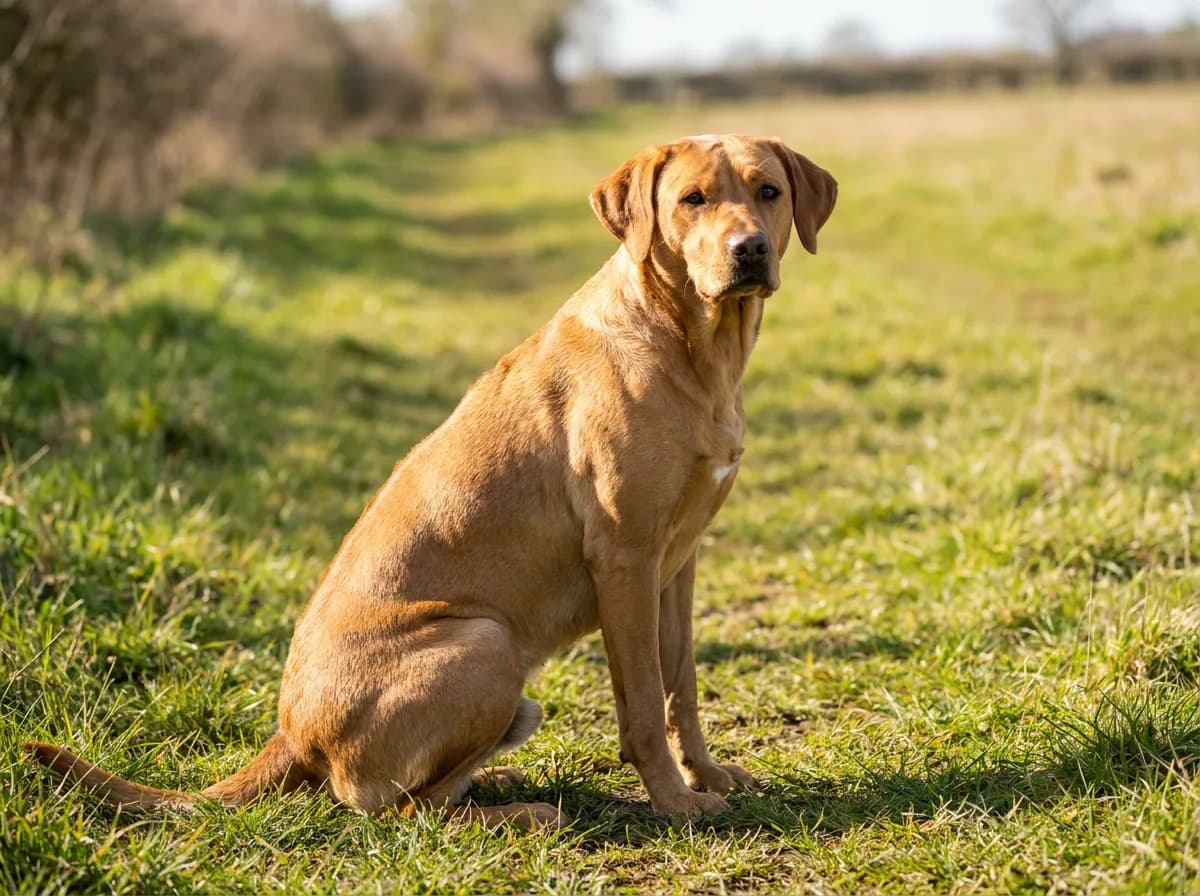
The Rhodesian Ridgeback brings athletic hound and tracking context. Its ridge is backward-growing hair, but a Labrador Retriever Ridgeback mix does not have to display that feature to have the reported ancestry. At a glance:
- Also called: Ridgeback Lab mix.
- Parent sizes: Labrador 55–80 lb; Rhodesian Ridgeback about 70 lb (female) to 85 lb (male) (AKC).
- Coat: both short; the ridge may or may not appear.
The useful distinction is between athletic ability and everyday cooperation. A dog can enjoy substantial movement while still needing instruction for waiting at a door or returning attention. More exercise does not automatically teach those tasks.
Assess movement and learning separately:
- What activity does the dog currently perform comfortably?
- Which practical cues does it understand?
- Where can those skills be practiced successfully?
- What rewards help maintain engagement?
A short lesson in a quiet place can be more productive than repeatedly testing a cue around compelling scents. Build from the dog's current skills and reduce difficulty when it cannot respond.
The visible ridge should remain an appearance detail. It cannot establish health, temperament or household suitability, and its absence does not answer those questions either.
For someone seeking an athletic companion, this pairing is worth comparing through both outings and the ordinary hours around them. Choose a routine that includes achievable learning and comfortable rest, rather than relying on an occasional long weekend outdoors.
Labrador and Great Dane
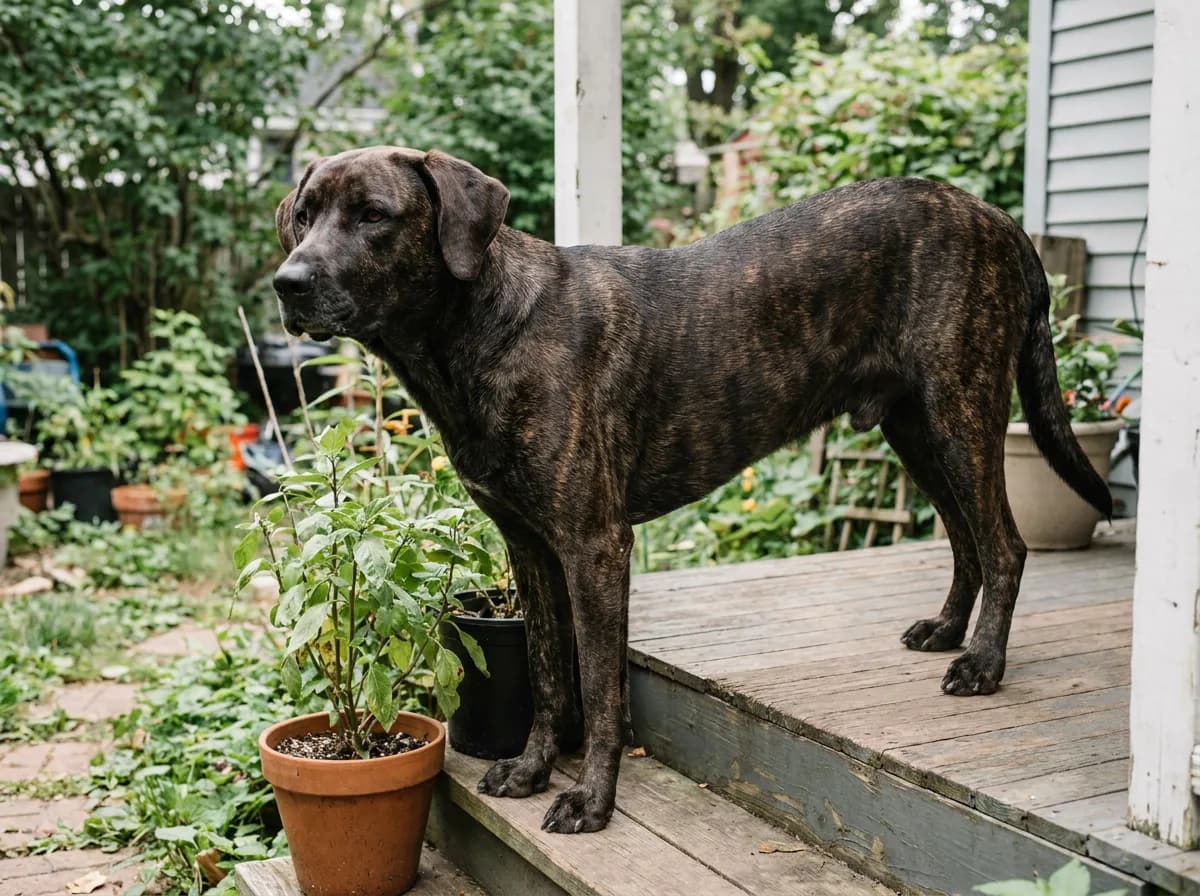
A Lab Great Dane mix is often called a Labradane. The Great Dane’s imposing frame makes usable space a central consideration, although it does not justify assigning every cross a giant adult weight. At a glance:
- Also called: Labradane or Great Dane Lab mix.
- Parent sizes: Labrador 55–80 lb; Great Dane 110–175 lb (AKC), the heaviest parent on this list.
- Coat: both short.
Walk through the places the dog would actually use:
- Entrances and turns between rooms.
- The area where walking equipment is attached.
- Routes past furniture and resident animals.
- Vehicle access.
- The resting surface and surrounding floor space.
A large home can still have narrow turns or crowded entrances. Current adult measurements are more useful than the property's square footage.
For beds, compare usable surface rather than a product's size name. The Big Barker pillow dog bed is one option to compare with the dog's resting dimensions. Check the linked Large variant's current specifications. “Orthopedic” is part of its name, not a promised medical outcome.
Transport and Growth
Transport may be the tighter constraint. Confirm how the dog enters, where it rides and whether the usual caregivers can manage the arrangement. Consider how veterinary visits would work if its mobility changed.
For a puppy, allow for replacement equipment and reassessment. Buying the largest available harness or carrier does not make it suitable now. The practical appeal of a Labradane should be supported by a home and vehicle that fit the individual, not an average of two parent standards.
Lab mixes with detailed Petful guides
These ten crosses already have detailed Petful coverage. The brief entries identify a useful comparison and point to the appropriate guide, preserving the fuller resources without repeating their profiles.
Labrador and German Shepherd
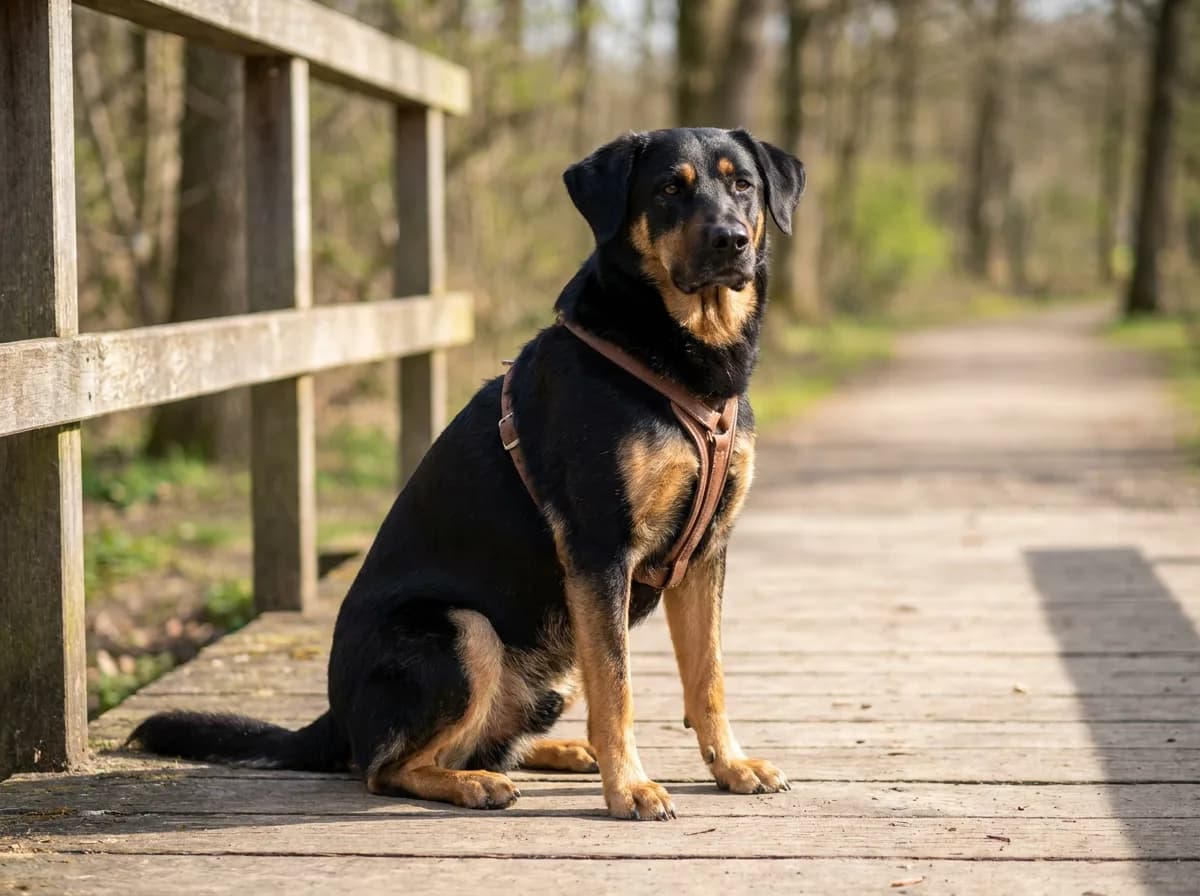
A Labrador and German Shepherd mix is often called a Sheprador. Records may use “Alsatian,” another German Shepherd name. A black Labrador German Shepherd mix is a color description, not a separate temperament type.
Compare established skills with your routine: walking together, responding to familiar cues and remaining comfortable during ordinary household activity. Intelligence claims do not explain which tasks the dog has learned.
Our German Shepherd mixes guide provides the fuller Sheprador treatment. For a Labrador Retriever Shepherd mix puppy, use that context alongside a flexible growth and learning plan rather than assuming adult behavior from early appearances.
Labrador and Siberian Husky
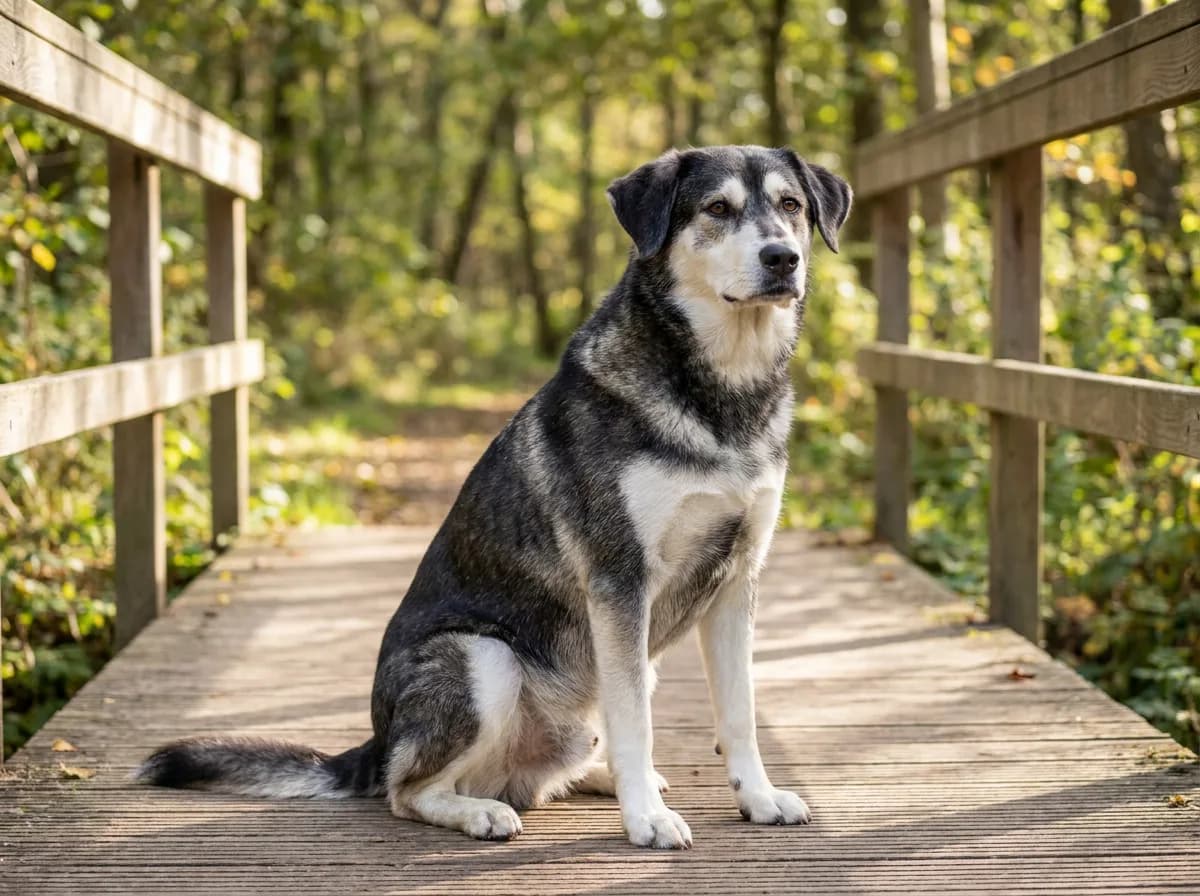
A Labrador Husky mix combines retriever and northern-breed context. Inspect coat density and ask how seasonal shedding affects the current grooming routine. A black Labrador and Husky mix may require more coat work than its photograph suggests.
The outdoor comparison concerns the equipment and secure spaces that currently work, including responses to interesting movement or scents.
Our Husky mixes guide covers the Labrador Husky cross in more detail. It connects activity and coat-care questions without assuming every Labrador Retriever and Husky mix inherits the same voice, endurance or independence. For seasonal shedding, ask the groomer to demonstrate a tool such as the Frisco Large slicker brush on this dog’s coat before you buy one, and never force it through tight mats.
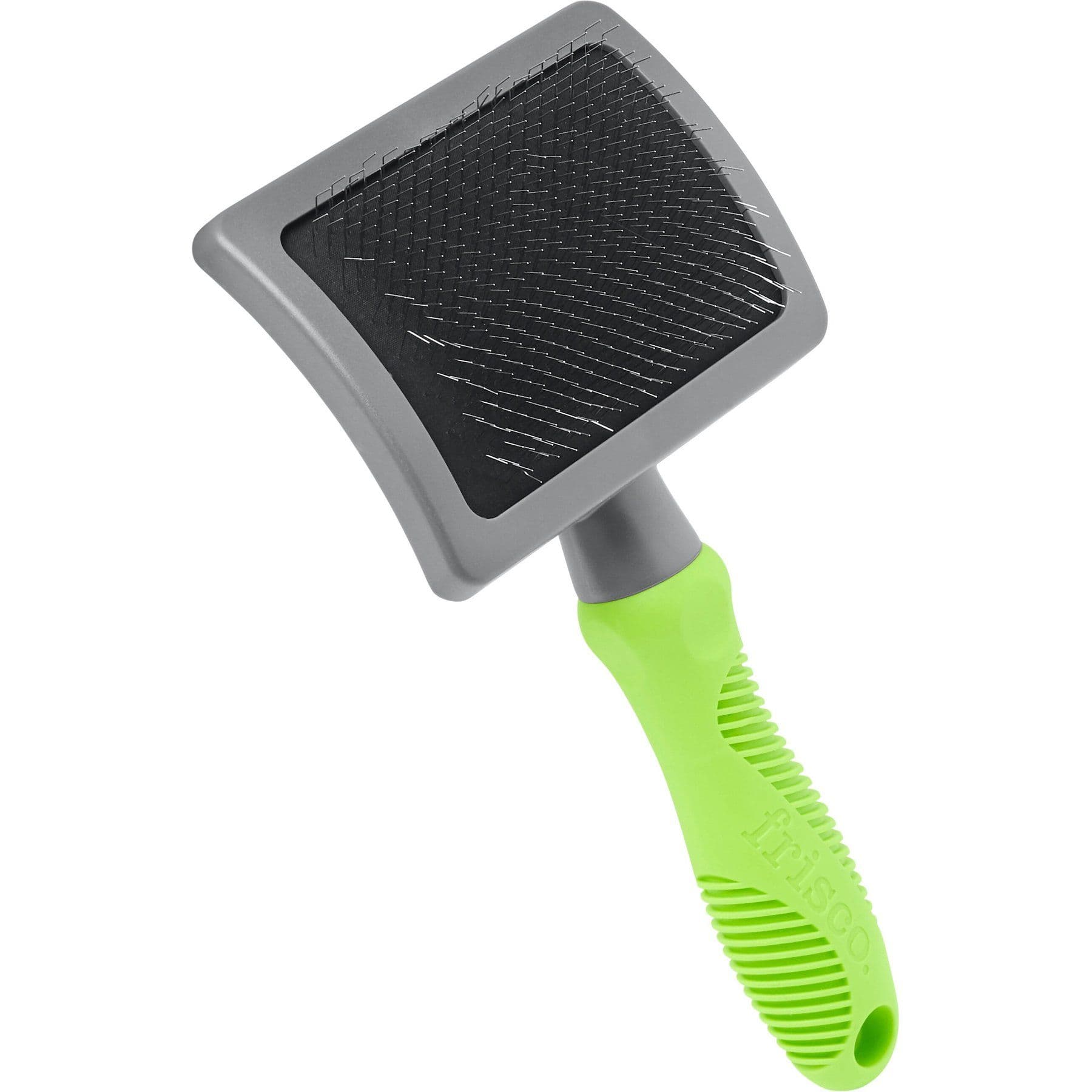
A slicker brush to consider for a suitable coat. Ask for a gentle-use demonstration and do not force the pins through tight mats.
Petful may earn a commission when you click through to Chewy, at no extra cost to you.
Labrador and Golden Retriever
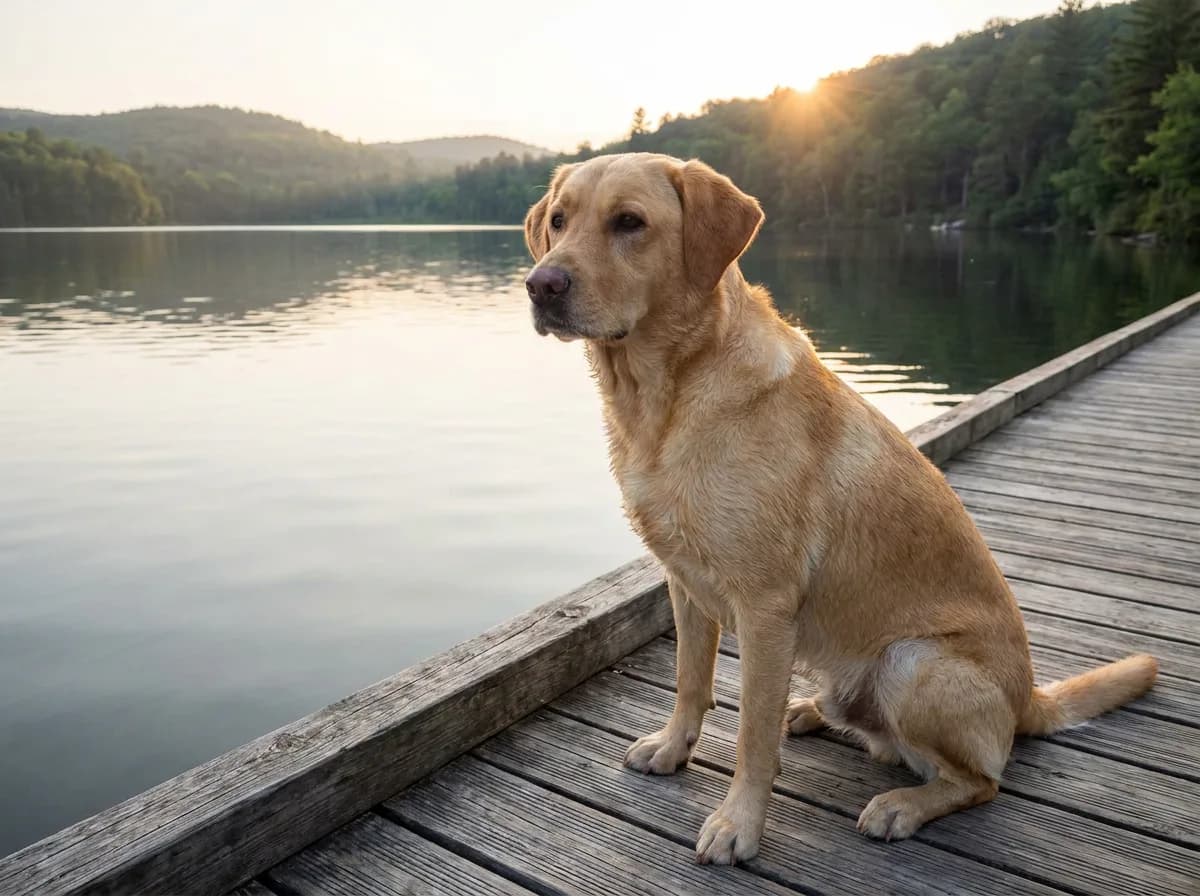
A Labrador and Golden Retriever mix is commonly called a Goldador. Two retriever backgrounds make carrying and retrieving useful activities to explore, but do not establish an effortless family temperament.
Observe greetings and inspect the actual coat. Enthusiasm may need guidance around children or visitors, while coat length and density determine the grooming work.
The Golden Retriever mixes guide provides the detailed Goldador entry. A yellow Labrador Golden Retriever mix has a color description; “half Labrador, half Golden Retriever” is useful parent information only when supported. A Golden Retriever and Labrador mix puppy still needs individual assessment as it develops.
Labrador and Beagle
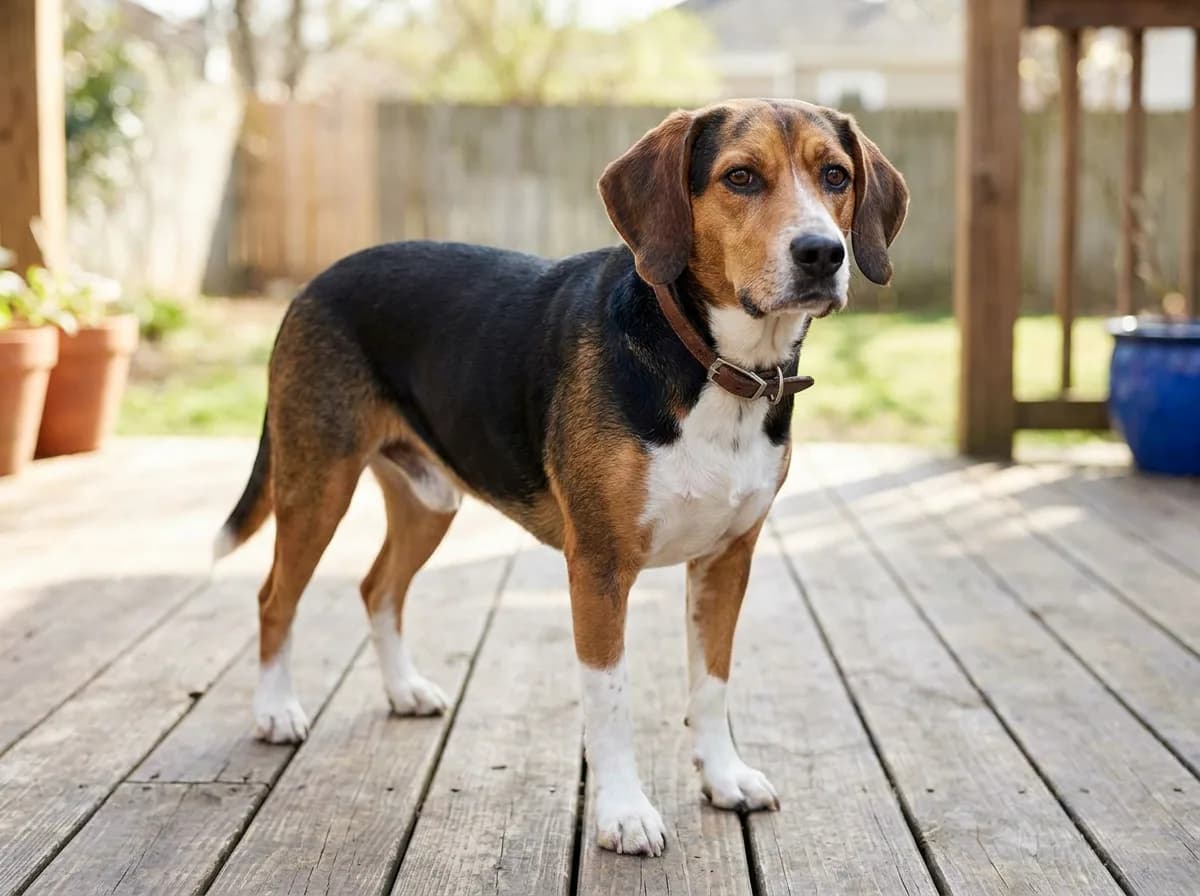
A Beagle Labrador mix, often called a Beagador, brings scent-hound context to the comparison. Investigate how sniffing and food-search interests fit the dog's day.
A useful walk may include time to investigate rather than covering ground continuously. At home, clarify actual food-storage habits and suitable supervised searching activities.
See the Beagador entry in our Beagle mixes guide for fuller coverage. Use the dog's measurements for equipment rather than assuming its adult dimensions must fall neatly between two breed ranges.
Labrador and Belgian Malinois
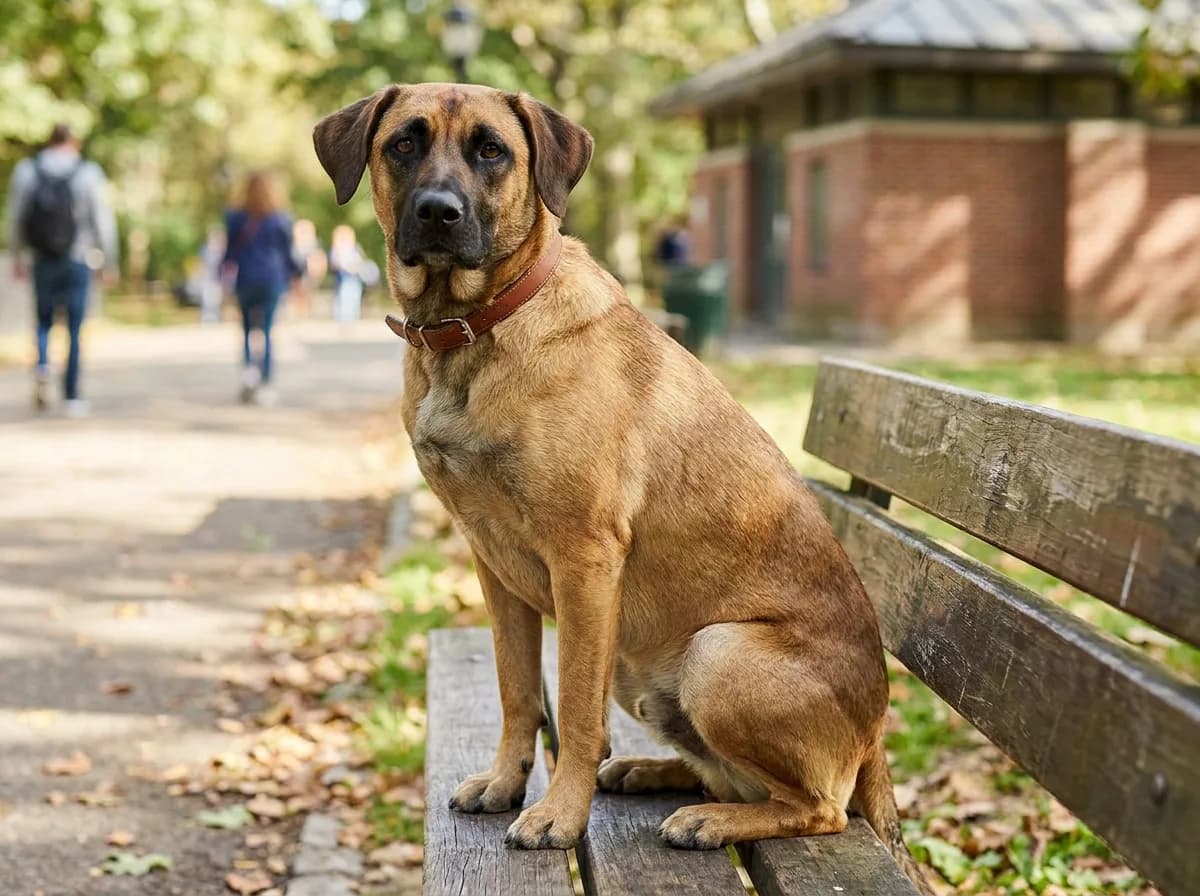
A Belgian Malinois Labrador mix raises practical questions about the interaction a household can provide. Working and herding context makes demonstrated skills more informative than a general claim that the dog is smart.
Ask how familiar tasks are used during the day and what happens when surroundings become difficult. Compare that routine with your available time and experience.
Our Belgian Malinois mix guide contains the detailed Belgian Malinois Lab mix entry. A large yard alone does not answer its learning, companionship or management questions.
Labrador and Cocker Spaniel
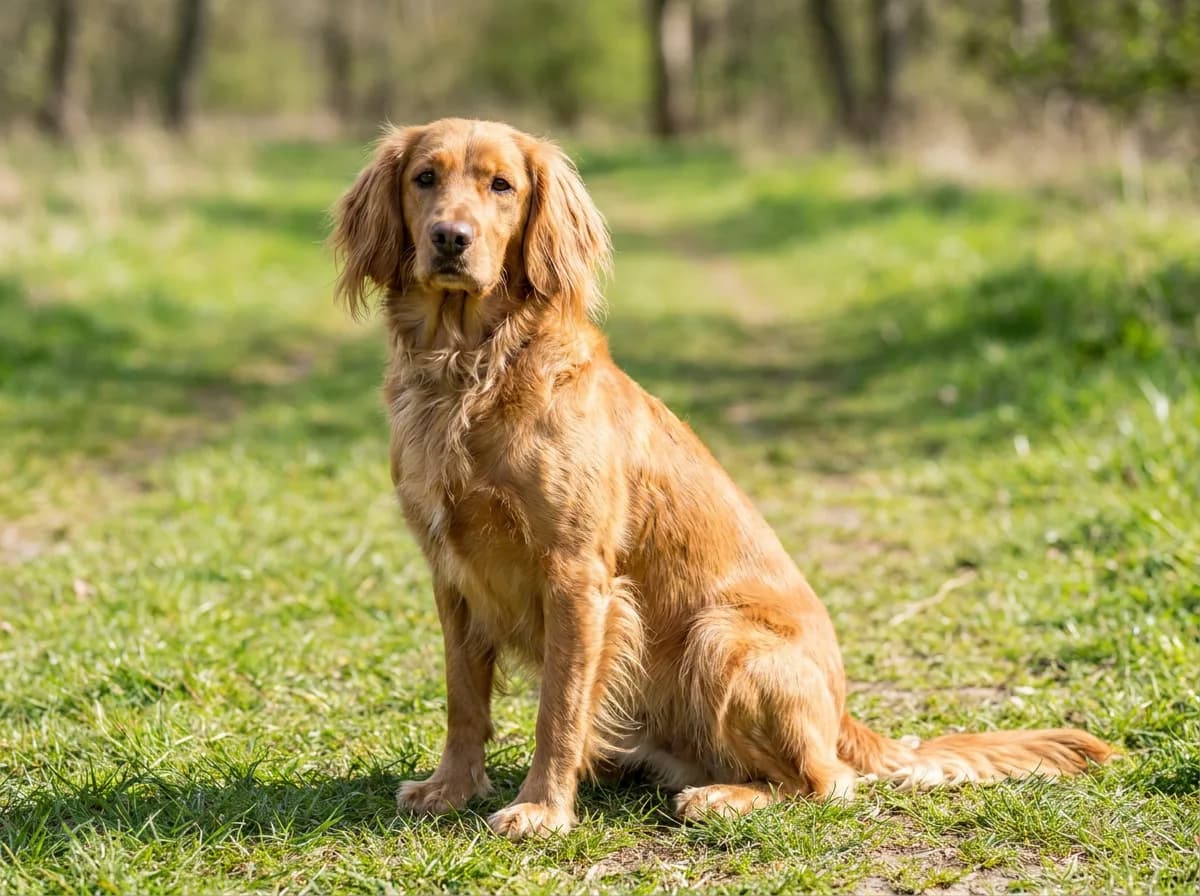
A Labrador Cocker mix brings spaniel context and potentially different coat work. Inspect the hair around the ears, legs and other areas where additional length may occur, then ask for the current maintenance routine.
Handling comfort matters as much as the tools involved. Longer ears or hair do not establish an infection or justify treatment; medical care belongs with the dog's veterinary instructions.
Our Cocker Spaniel mixes guide provides the fuller Labrador and Cocker Spaniel cross treatment, including the parent context behind these care questions.
Labrador and Poodle
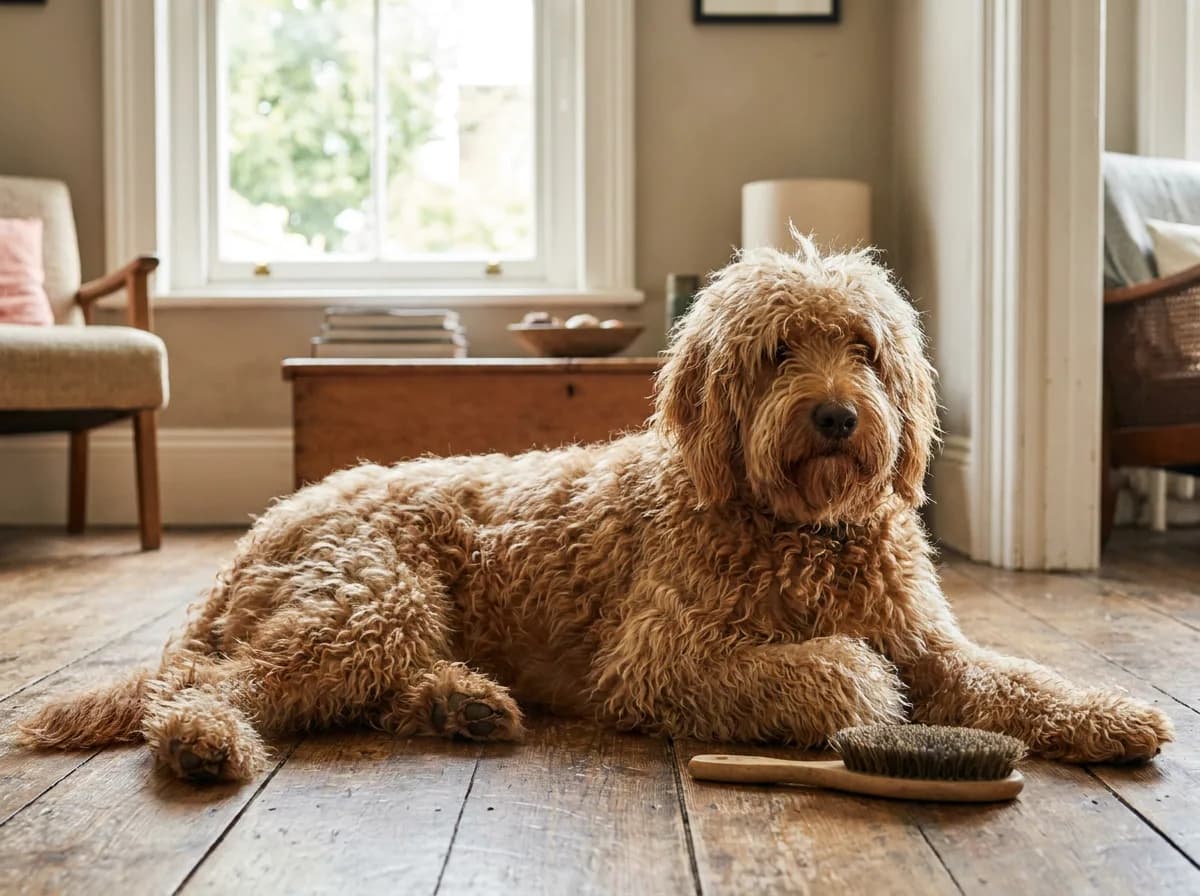
The Labradoodle is a Labrador Retriever and Poodle cross. Ask which Poodle variety and parents are documented when discussing size, then assess the actual coat separately.
A wavy or curly appearance does not establish low maintenance. Find out what professional appointments and between-visit work the dog currently needs. Allergy safety is a separate question addressed below.
Our dedicated Labradoodle guide provides the fuller resource. Use it alongside a grooming demonstration, especially if your interest began with a promise about size, shedding or easy family life.
Labrador and Boxer
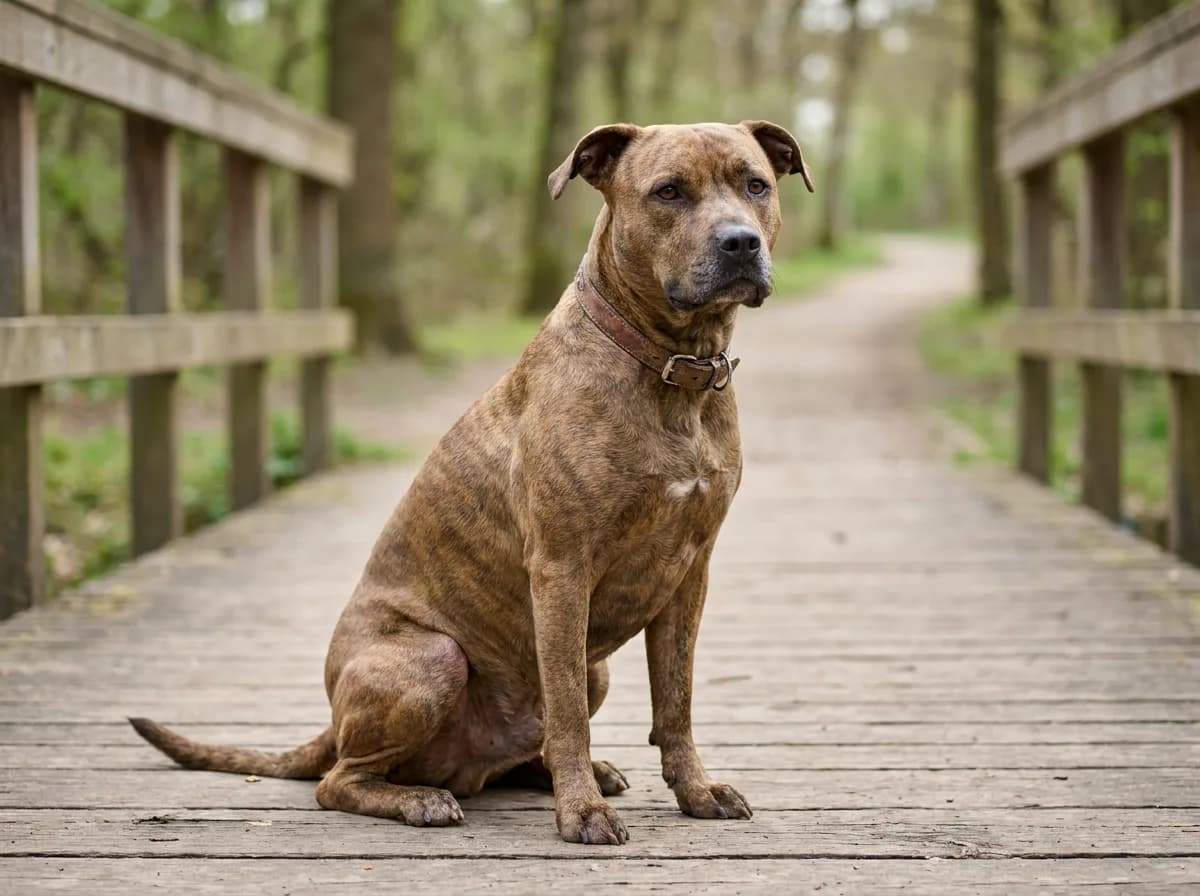
A Boxer Lab mix is often called a Boxador. Retrieving play, physical greetings and short-coat maintenance are useful comparison points.
An enthusiastic greeting may be enjoyable for one person and difficult for another. Observe its physical effect and how the caregiver keeps interactions manageable. Short hair also does not establish minimal shedding.
The Boxer mixes guide covers the Boxador, or Boxer Lab mix, in more detail. It connects retriever interests and Boxer parent context with actual coat density, activity and household arrangements.
Labrador and Carolina Dog
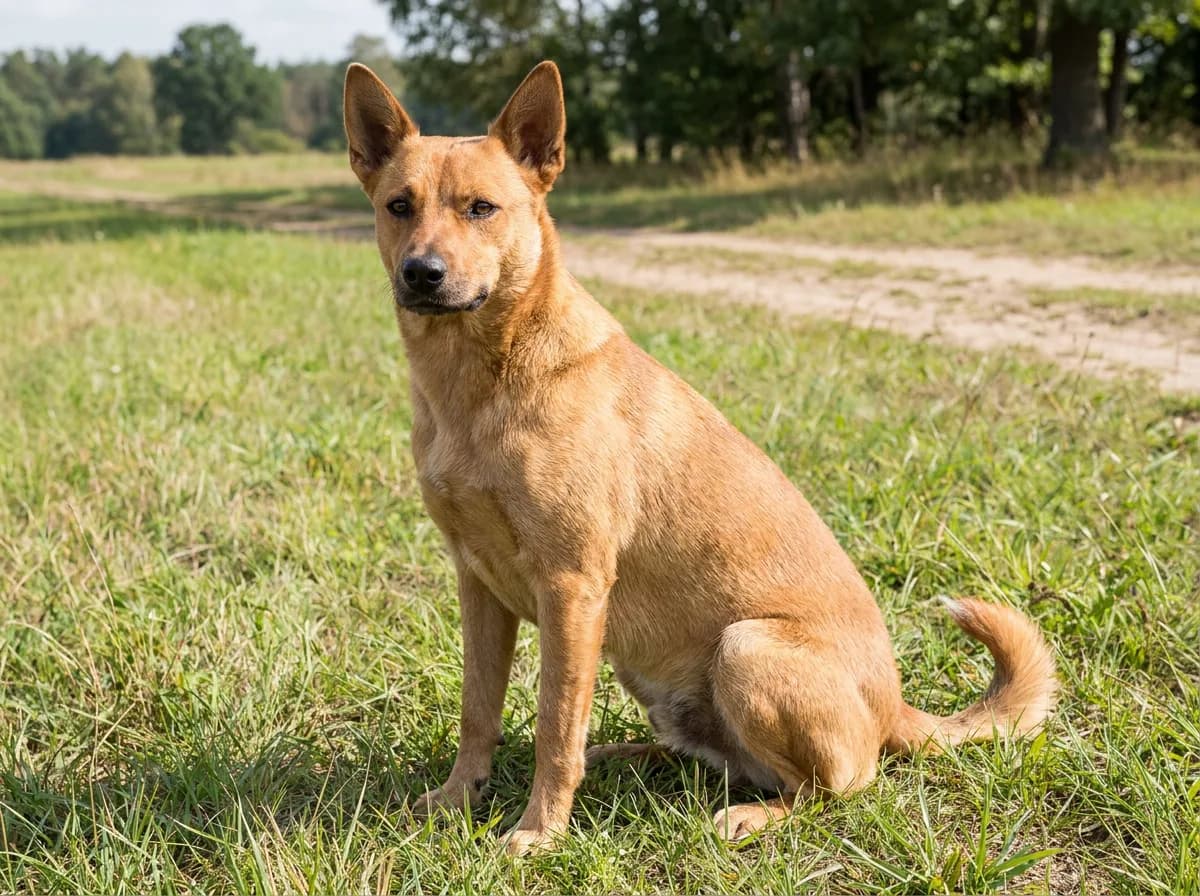
A Carolina Dog Lab mix deserves a clear ancestry account. Ear shape, coloring or a lean outline may prompt a label, but resemblance does not establish a Carolina Dog parent.
Clarify whether the description comes from documented parents, a previous owner or visual identification. The dog's current dimensions and care history remain useful even when that question is unresolved.
Our dedicated Carolina Dog Lab mix guide covers appearance and care for this pairing. Keep its parent context separate from assumptions about the individual dog's earlier life.
Labrador and American Bulldog
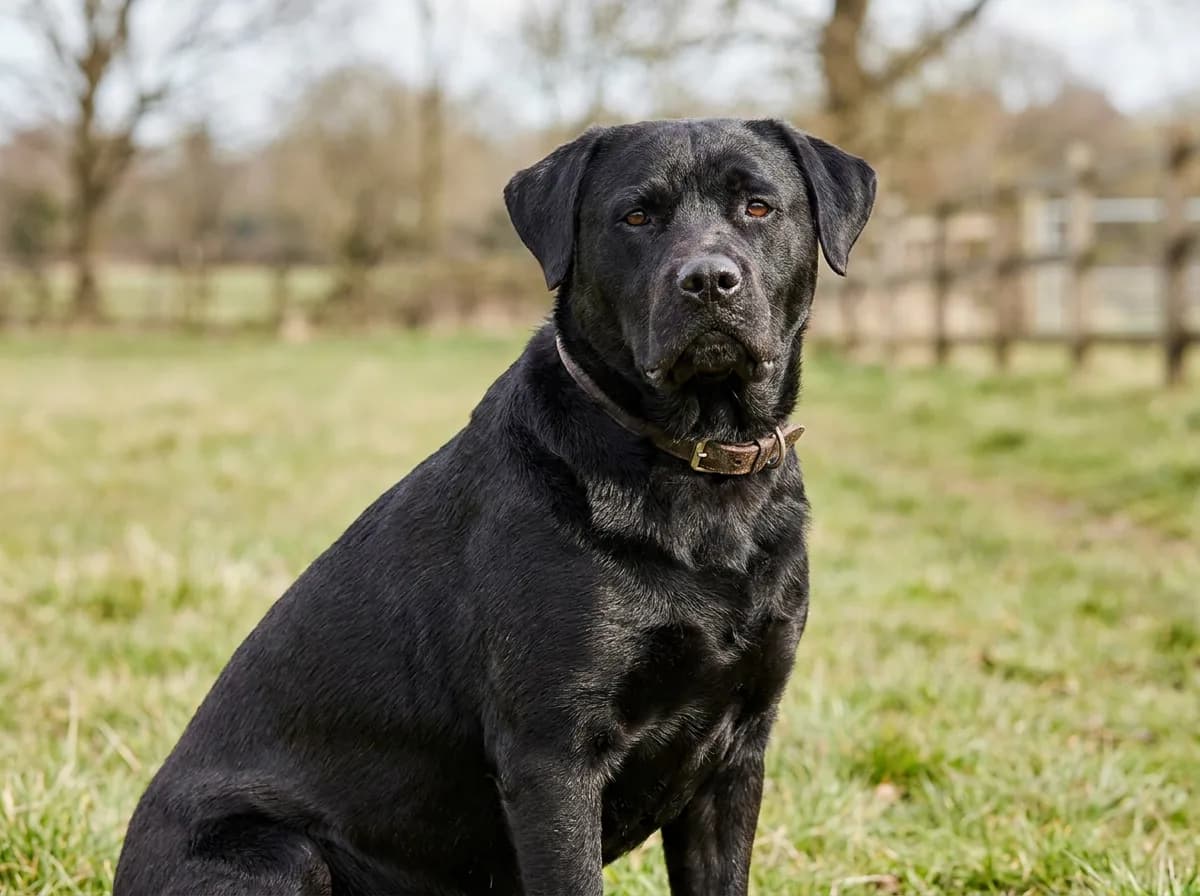
An American Bulldog Lab mix is often called an American Bullador. Its possible substantial build makes adult handling a useful starting point, especially when choosing from a puppy photograph.
Observe how the dog turns through doorways and moves with its caregiver. Keep American Bulldog parent identity distinct from a generic Pit Bull label, and review available records from both sides.
Our dedicated American Bulldog Lab mix guide covers training, care and household assessment. Use that fuller profile to investigate whether the adult dog's needs match the people and space available.
How big will a Lab mix get?
What is the average weight of a Lab mix?
Most Lab mixes are medium-to-large dogs, because the Labrador parent weighs 55 to 80 pounds under the AKC standard (males 65 to 80, females 55 to 70). The other parent then moves the result up or down: a Great Dane parent weighs 110 to 175 pounds, a Beagle under 20 to 30 and a Chihuahua no more than 6. Treat the Labrador range as parent context, not a cross average, since the label covers different pairings, generations and ages.
For an adult, use current measurements. For a puppy, follow development and keep the plan flexible. Averaging two parent-breed weights does not provide a dependable adult prediction.
Separate these questions:
- Size: height, body length, chest dimensions and frame.
- Weight: a dated measurement that can be compared over time.
- Body condition: the individual's condition assessed with veterinary guidance.
- Equipment fit: whether the exact item works comfortably.
- Handling: what the dog can do with its caregivers.
Small Labrador mix breeds are particularly easy to misunderstand. A smaller parent does not guarantee compliance with a firm housing or transport limit. An adult with known dimensions may answer that requirement more directly than a puppy's predicted size.
Use actual measurements and body condition
Record the date, units and life stage alongside each measurement. A weight from several months ago is useful history, but it is not necessarily the dog's current size.
Interpret a dated weight record alongside frame and individual body condition. Ask the veterinary team how to assess the dog rather than trying to match a photograph or a number associated with one parent.
| Information | How to use it | Practical decision |
|---|---|---|
| Dated weight record | Record date, units and life stage; discuss changes with the veterinary team | Track development without inventing a cross average |
| Shoulder height | Measure consistently on level ground if the dog is comfortable | Check relevant clearance and manufacturer requirements |
| Chest girth | Follow the equipment manufacturer's measuring position | Select a harness from the current chart |
| Body length | Use the measurement requested for the item | Compare carrier or resting dimensions |
| Usable resting space | Observe the room needed to lie, stretch and turn | Choose an appropriate bed surface and location |
| Individual body condition | Discuss the assessment with the veterinary team | Interpret weight in relation to frame and health |
| Handling and movement | Observe ordinary tasks in familiar circumstances | Plan access, transport and assistance |
Size names vary between products. Medium from one manufacturer may differ from Medium elsewhere, and a nominal length may describe the exterior rather than the usable interior. Read instructions for the exact item.
After fitting equipment, observe ordinary movement and reassess during growth or changes in condition. For a bed, allow for the position the dog actually uses and the room around it. For transport, confirm turning and resting space as well as entry.
If measurements conflict, check dates, units and technique before assuming the dog has changed. Bring the records to the veterinary discussion when their meaning is unclear.
Plan for uncertainty with a puppy
A Labrador mix puppy's adult dimensions are not established by paw size, coloring or an informal nickname. Known parents provide context, but development still needs to be followed individually.
Distinguish actual parent measurements from estimated breed sizes. If a parent is unknown, retain that uncertainty instead of filling it with a reassuring prediction.
A flexible plan includes:
- Equipment that fits now.
- Funds to replace outgrown items.
- Space for plausible growth.
- Veterinary discussion of development and body condition.
- Caregivers prepared for increasing strength.
An oversized harness is not automatically suitable because the puppy may eventually grow into it. Follow current fitting instructions and reassess. The same principle applies to carriers and resting arrangements.
Choosing an adult can reduce uncertainty about dimensions, coat and some established behavior. It does not eliminate unknown history, but it provides different evidence. Explain any firm size constraint to the placement organization before choosing.
Choose a dog whose routine fits your household
Compare the dog with the life you can provide on an ordinary weekday. A household may enjoy long walks but lack time for coat maintenance. Another may offer excellent daytime care but struggle with the transport needs of a large dog.
Write down the constraints that matter:
- Available caregivers and their handling ability.
- Children, resident animals and regular visitors.
- Time for outings and learning.
- Home layout and outdoor access.
- Transport, budget and backup support.
Use one shared comparison rather than assuming every desirable trait comes bundled with a cross name.
Compare exercise, handling and settling needs
Ask for a concrete account of the dog's current day. “Active” becomes useful when connected to the actual outings, play, quiet periods and assistance involved.
During a meeting, prioritize ordinary situations: attaching familiar equipment, taking a manageable walk, pausing and returning to a quieter place. You are gathering information, not conducting a surprise test. Do not provoke conflict or crowd the dog to see how it responds.
The American Veterinary Society of Animal Behavior supports reward-based training. AVSAB's guidance is a useful basis for choosing help that teaches desired skills and manages difficulty without intimidation. For children and resident animals, clarify the arrangements:
- Who supervises interactions?
- Where can the dog rest without being approached?
- How will introductions be organized?
- Can animals be separated when needed?
- What previous experience is actually documented?
Settling and time apart deserve separate attention. A dog may relax after a walk while someone is present but need support when alone. Ask what has been observed, in which setting, and whether monitoring or professional guidance was involved.
Consider weekdays as well as enjoyable weekends. A hiking plan does not answer who provides care during an unexpectedly long workday. The strongest fit includes both activities you want to share and support the dog needs when plans change.
Make a practical care plan
Assign responsibilities before arrival. “Everyone will help” can leave essential tasks uncovered when schedules become busy.
Name a usual caregiver and backup for:
- Outings and feeding.
- Training practice and supervised activities.
- Grooming and equipment checks.
- Veterinary appointments and records.
- Care during illness, work or travel.
Prepare a resting place outside the busiest household route, accessible equipment storage and a way to separate animals. Ask which food, cues and arrangements are familiar so useful parts of the existing routine can continue. Backup caregivers need relevant instructions, not just a key. Demonstrate equipment, provide veterinary contacts and record any specific care directions. Update this information as the dog settles.
Budget from local quotes for the services you would use. Include grooming where needed, care during absences, transport and replacement equipment alongside food and veterinary care. Our Labrador price guide covers acquisition and continuing costs.
Distinguish a manageable adjustment from a persistent mismatch. Rearranging a resting area may be straightforward; an inability to provide necessary supervision or transport requires a more substantial solution. Discuss those limits honestly before placement.
Check coat care and health records
Separate three kinds of information: what the actual coat requires, what available parent screening establishes, and what the dog's own veterinary history shows. None can be replaced by a general claim that mixed dogs are healthier or easier to maintain.
Get a coat-care demonstration
Ask the caregiver or groomer to show the routine on the dog. Coat length is only part of the work; density, tangling, loose hair and handling comfort also matter.
A useful demonstration covers:
- Which tools are used and why.
- Appropriate pressure and technique.
- Areas that need extra attention.
- How to check beneath the surface coat.
- When professional help is needed.
The Frisco Large slicker brush is a conditional option for a suitable coat. Have its use demonstrated and watch the dog's response. Do not force it through tight mats close to the skin.
Ask what maintenance happens between professional appointments and what that routine costs locally. A cross nickname cannot establish a grooming interval.
Redness, discomfort, odor or skin changes need appropriate assessment rather than harder brushing. Follow existing veterinary instructions. For a puppy, introduce care gradually and reassess tools as the coat develops.
Read both parents' screening results
When parents are known, request records from both sides. “Health checked” does not identify the test performed, the dog tested or the result.
The Labrador Retriever Club's breeder code of conduct provides context for Labrador parental screening and written breeder information. Use it to organize questions about the identified parent, not as a universal diagnostic panel for a mixed dog.
For each report, establish:
- Registered parent identity.
- Test or evaluation performed.
- Date and relevant age information.
- Actual result.
- Interpretation and stated limitations.
The Orthopedic Foundation for Animals, or OFA, explains its Canine Health Information Center, or CHIC, programs. Requirements are breed-specific. A CHIC number reflects completion of required screening and disclosure, not a guarantee that every result was normal or an offspring will remain healthy.
- Match the registered parent identity to the actual screening results, including dates and interpretation. Completed testing, a CHIC number and a routine puppy examination answer different questions. None guarantees an offspring's future health.
Discuss the other parent's relevant records with your veterinarian. A certificate belonging to a relative is not automatically the parent's result, and different tests answer different questions.
Many adopted dogs lack parent records. State that limitation plainly, then use veterinary assessment and the dog's own history to plan care. Missing ancestry information does not establish its current medical condition.
Review the dog's own veterinary history
Parent screening concerns other identified animals. The dog's examinations, treatments and present needs concern the individual joining your household.
Request the records that accompany placement and clarify broad phrases such as “fully vetted.” Organize the handover around:
- Recent examinations and findings.
- Vaccination and preventive-care records.
- Medications and written instructions.
- Significant illnesses or procedures.
- Ongoing monitoring and follow-up.
Continue established care according to professional instructions rather than changing it because a breed description sounds reassuring. Bring the records to your veterinary team and ask what needs review.
Changes in movement, appetite or willingness to be handled should not automatically be attributed to temperament. Record the change and obtain appropriate assessment.
For an older dog, clarify how needs have changed and which arrangements currently help. For a puppy, establish how development and preventive care will be followed after placement. The goal is continuity of care, not a prediction based on ancestry percentages.
Lab mix questions
Expect a medium-to-large dog in most cases: the AKC Labrador standard is 55 to 80 pounds, and a heavier or lighter second parent shifts the result. A dated adult weight, read with your veterinarian’s body-condition assessment, is the number to plan equipment and food around.
The Labrador parent’s AKC life expectancy is 11 to 13 years, which is useful context for most Lab mixes. The other parent can shift it: the AKC lists 7 to 10 years for the Great Dane and 14 to 16 for the Chihuahua and Belgian Malinois, so averaging two figures is not a prediction. Plan care around the individual dog’s health history and veterinary assessment.
These are broad ancestry labels, not one defined cross. A Labrador and terrier mix could involve very different terriers; a black Labrador Retriever terrier mix description does not identify the terrier from color. Likewise, a spaniel and Labrador mix or Labrador Cur mix needs a specific parent breed if records support one. Ask what evidence produced the description. When ancestry remains uncertain, use the dog's actual dimensions, coat and history for care decisions.
Keep both in context: the shelter label may reflect appearance or earlier history, while a DNA result is a testing service’s estimate. Update records where appropriate, but keep the dog’s observed behavior and veterinary history; Broad Institute research on dog ancestry and behavior found breed predicts little about an individual’s behavior.
Only after an individual allergy assessment. No Lab mix, including a Labradoodle, is guaranteed hypoallergenic; the American Academy of Allergy, Asthma & Immunology explains that no dog breed is truly hypoallergenic. Discuss the decision with an allergy specialist, and treat low shedding as a grooming observation, not proof of comfort.

Coreen Saito is a pet writer and longtime shelter volunteer with more than a decade in animal rescue. She covers cat behavior, breed care, and the small, ordinary science of sharing a life with companion animals, with a particular focus on honest takes about the products and decisions that actually matter. At home in Arizona, she's outranked by Mac (a dog with the loudest opinion in the house), Rebel (a cat who governs by quiet authority), and Meri (an orange tabby who runs the late shift and the laundry basket). She writes about all three, plus the rescues that keep coming through her life, at LifeWithMinty.com.
Sign up for expert-backed reviews and safety alerts all in one place.