Carolina Dog Lab Mix: Appearance, Temperament, and Care
A Carolina Dog Lab mix needs an individual assessment, not a personality promise. Learn how to evaluate appearance, history, introductions, exercise, shedding, feeding, and everyday household fit.

BVMS, MRCVS

Petful is reader supported. As an affiliate of platforms like Amazon and Chewy, we may earn a commission when you buy through links on this page. There is no extra cost to you.
A Carolina Dog Lab mix can vary in coat, adult size and social behavior. The label usually means reported Carolina Dog and Labrador Retriever ancestry, but visual labels and photographs do not establish parentage. A short coat, yellow coloring, or friendly greeting cannot confirm the mix.
Start with a parent-to-individual assessment: use available parent history, then examine the actual dog's comfort around people and pets, response to handling, and everyday care needs. That avoids the false assurance that Labrador ancestry guarantees sociability. A reserved first meeting does not tell you everything about a dog's future relationship with a family.

Sign up for expert-backed reviews and safety alerts all in one place.
What can a Carolina Dog Lab mix look like?
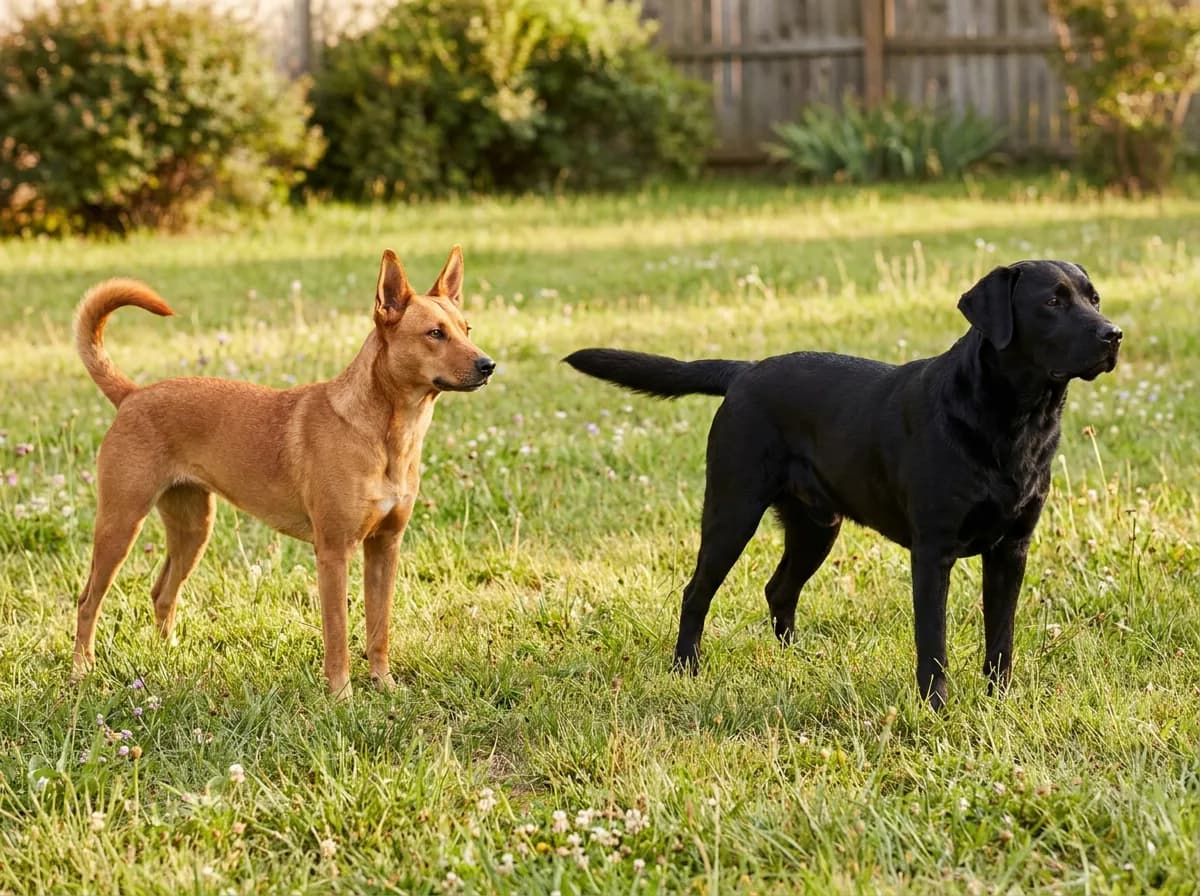
There is no breed standard that gives this cross one required coat, ear shape, adult weight, or outline. A dog described as a Carolina Dog Labrador mix might resemble one reported parent more closely than the other. Without reliable parent information, even that comparison remains a description rather than confirmation of ancestry.
- 1Assess individual behavior before deciding whether a dog suits your household.
- 2Use supervised introductions to learn about comfort with people and pets, without forcing contact.
- 3Coat color and body shape cannot establish parentage or promise temperament.
The UKC Carolina Dog standard allows several colors, including black and shades of ginger. Therefore, a yellow dog is not necessarily a Carolina Dog yellow Lab mix, and a black dog is not necessarily a black Lab Carolina Dog mix. Color overlap makes a photograph particularly weak evidence of the precise cross.
Describe visible features without turning them into a pedigree
It is reasonable to describe a dog's short coat, build, or ears when planning care. It is not reasonable to decide which parent supplied each feature just by looking. Ask the current caregiver whether both parents were known, whether records exist, and which parts of the history remain uncertain.
- Record the dog's current weight and measurements instead of guessing from a photograph.
- Look at how dense the coat is and whether loose hair is visible during normal grooming.
- Check how walking equipment fits the chest and shoulders, regardless of the label on the adoption listing.
- Keep descriptions such as “Lab-like” separate from documented parentage in your own notes.
A PetSafe Easy Walk harness is one possible walking option if the actual chest measurements fit its size chart. Check the manufacturer's fitting instructions and the dog's movement before use. A medium/large product label is not evidence that it will fit every dog described as this mix.

Petful may earn a commission when you click through to Chewy, at no extra cost to you.
Keep parent temperament separate from individual behavior
The AKC Labrador Retriever profile describes the breed as sociable and energetic. The Carolina Dog standard describes a dog that need not welcome physical contact from strangers. Those descriptions are useful background, but you cannot average them into a reliable temperament forecast for a Carolina Dog Labrador Retriever mix.
Instead, look for observations that describe a situation and a response. “Enjoyed a quiet walk with a familiar adult” tells you something specific. “Perfect family dog” leaves many questions unanswered. Find out whether the caregiver has actually seen the dog around children, unfamiliar adults, cats, or other dogs, and whether those encounters were brief or part of daily life.
- A dog that approaches visitors may still need help learning to keep four paws on the floor.
- A dog that hangs back may need space and predictable interactions rather than encouragement to greet everyone.
- A dog that plays with one familiar dog has not necessarily shown comfort with unfamiliar dogs.
- A dog that tolerates shoulder brushing may not yet be comfortable with paw handling.
These distinctions let you prepare for supervised introductions and care without assigning a fixed personality to the cross. They also make a better conversation with a rescue or breeder: ask what happened, what support helped, and what the caregiver has not had an opportunity to observe.
Finding and caring for a Carolina Dog Lab mix
Whether you are considering a Carolina Dog/Lab mix puppy or an adult dog, choose a source willing to discuss uncertainty plainly. A foster home may know a great deal about everyday behavior even when ancestry is unknown. A breeder with known parents should be able to explain the parents' identities and provide the relevant records, rather than relying on attractive photographs.
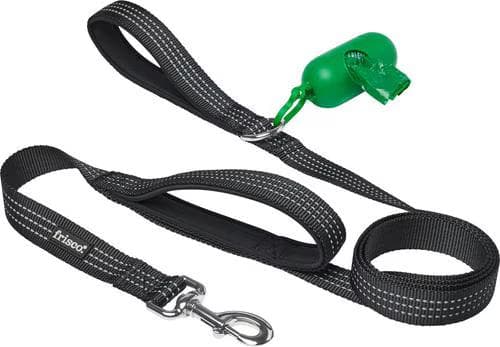
Bring suitable walking equipment to an agreed meeting or collection. A six-foot Frisco Traffic Leash can be used for ordinary supervised walking; it is not a long line for distance work. Confirm who will handle the dog and where you will meet before opening a vehicle or moving through a busy entrance.
Petful may earn a commission when you click through to Chewy, at no extra cost to you.
Ask for a history you can use at home
A useful handover covers both the dog's needs and the routines that currently work. Request written details where possible, especially when more than one person will care for the dog. Keep medical records separate from behavior observations so neither gets reduced to a vague statement that the dog is “healthy and friendly.”
- Identity and age: Ask how the birth date or age estimate was established, and make sure identification details match the records.
- Parentage: Record whether the parents are known, reported by a previous owner, or inferred from appearance. Do not silently upgrade a guess into a fact.
- Food and feeding: Note the exact current diet, portions, schedule, and any known restrictions or previous feeding problems.
- Daily routine: Ask about toileting, walks, sleep, car travel, grooming, and time spent alone.
- Social history: Ask about experiences with people and animals resembling those in your household, including any incidents and how they were managed.
- Care and support: Obtain available examination, vaccination, and parasite-control records, plus the contact procedure for post-adoption questions.
For a puppy, request dated growth records and adult parent measurements when available. For an adult, arrange to obtain current measurements rather than buying everything for an assumed “medium mix.” Keep the first equipment purchases practical and adjustable so that a wrong size estimate does not determine how the dog is handled.
Ask what happens if a difficult behavior appears after adoption. A clear support or return process is part of responsible placement, not a prediction that the arrangement will fail. Someone who listens to your household constraints is better placed to help you choose than someone who dismisses every concern with a breed stereotype.
Match the dog to the household you actually have
Describe a normal weekday to the caregiver. Include the school run, working hours, deliveries, shared hallways, visiting relatives, and the animals already living with you. A dog can be appealing in a quiet meeting and still need a level of management that does not fit your daily circumstances.
Use the following observations as discussion prompts, not a temperament scoring system. Each example identifies a possible home adjustment. It does not diagnose the dog or prove that a placement will succeed.
| Observed situation | Home adjustment | Question before committing |
|---|---|---|
| Dog avoids reaching hands from visitors | Provide a quiet retreat and let greetings be optional | Can everyone in the home respect that distance? |
| Dog becomes excited at doors or in hallways | Use barriers and a planned exit routine | Can the main caregiver manage the building's entrances? |
| Dog has no known experience with cats | Keep separate spaces and plan controlled introductions | Is there enough room for safe separation? |
| Dog settles only when a caregiver is nearby | Arrange support while gradually assessing time alone | Who can help when the household must leave? |
| Dog is strong on leash in busy places | Start in quieter locations with suitable equipment | Can the regular walker handle the dog safely? |
One unmet requirement may matter more than several attractive traits. For example, a household with a cat needs a workable separation plan even if the dog is otherwise easy to walk. A home with frequent visitors needs a way to give the dog space even if it is affectionate with familiar people.
This is also where an adult dog's documented history can be especially helpful. You may be able to discuss its behavior in an established foster routine. That still does not make a guarantee, but it gives you more specific information than a prediction based on a puppy's parents or appearance.
Prepare the handover and first evening
Ask the current caregiver to demonstrate how the dog wears its equipment and moves through doors before collection day. If the dog already uses a familiar cue or routine, write it down so you can begin consistently. Check the fit yourself; a harness that looks secure while standing still may shift when the dog backs up.
At home, decide who will hold the leash, who will manage doors, and where resident pets will wait. This is especially helpful in a building with shared entrances or a home where children may rush to welcome the dog. Keep the arrival quiet enough that the handler can concentrate on the dog and its surroundings.
- Have water, a resting space, and the current food ready before arrival.
- Check that the planned barriers are already in place and do not depend on someone remembering to close a door later.
- Give the dog a manageable opportunity to toilet and explore an appropriate area with supervision.
- Save optional visitors and introductions for a time when you can give them your full attention.
The first evening does not need to demonstrate the dog's friendliness or training. Its purpose is to establish a workable routine and observe immediate needs. If the dog is worried, reduce the activity around it and contact the placement organization for support rather than repeatedly inviting new people to reassure it.
Start with a manageable walking routine
Make individual adjustments to exercise, reward-based training, shedding care and weight management as you learn the dog's needs. Prepare daily opportunities to move, investigate, and learn, taking age, health, and comfort into account. A generic claim that every Carolina Dog Lab mix needs the same number of exercise minutes ignores important differences. Ask your veterinarian about exercise limits for a growing puppy or a dog with a known medical concern.
- Choose a quiet route where you can create distance from traffic, unfamiliar dogs, and crowds.
- Let the dog investigate safe smells rather than treating every walk as a distance target.
- Carry rewards and practice brief check-ins when the surroundings are manageable.
- End or shorten an outing when the dog is struggling to cope instead of forcing completion of a route.
- Review how the dog settles afterward and whether the routine needs a different pace or location.
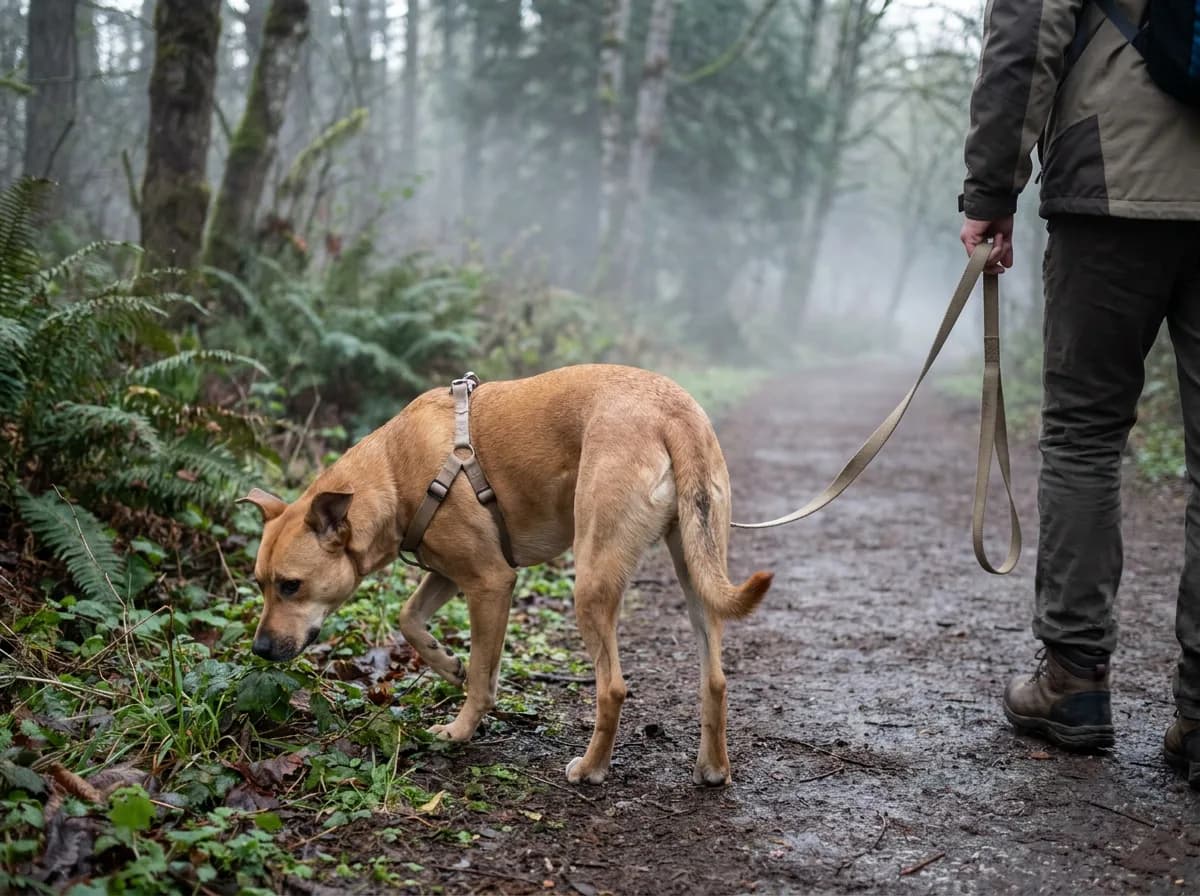
An enclosed yard can provide another place for supervised activity, but check its gates and boundaries before relying on it. Keep the leash attached until you are inside a secure area. A new dog has not yet shown you how it responds to an open gate, wildlife, or someone calling from the other side of a fence.
Do not assume a dog will enjoy swimming because Labrador ancestry is reported, or fetch because “retriever” appears in the name. Offer appropriate activities without forcing participation. Finding what the dog likes is more useful than reproducing a breed-profile checklist that may not describe this individual.
Prepare for grooming before the first full session
A short-looking coat can still leave plenty of loose hair on clothes and furniture. Choose tools after checking coat texture and density, then adjust grooming to the actual amount of shedding. Neither a Lab label nor a Carolina Dog label tells you exactly how often this particular coat will need attention.

Petful may earn a commission when you click through to Chewy, at no extra cost to you.
Begin with the dog's willingness to be touched. Let the dog see the tool, keep the first contact brief, and reward calm participation. Working for a short, comfortable period gives you a better starting point than trying to complete the whole body while the dog is backing away.
- Use light strokes in the direction of hair growth and check the skin as you work.
- Start on an area the dog already accepts, rather than immediately handling feet, tail, or ears.
- Pause if the dog turns away, becomes tense, or repeatedly tries to leave.
- Ask a groomer about tool choice if the coat is denser than expected or ordinary brushing pulls.
For appropriate short-coated areas, the Four Paws Magic Coat glove and curry brush is an option for gentle loose-hair removal. It is not a promise of less shedding or a substitute for investigating skin irritation. Select grooming equipment for this coat and this dog's tolerance.
Keep a small grooming kit where you can use it without searching for supplies while holding the dog. A washable mat, the suitable tool, and rewards may be enough for early practice. If the dog is uncomfortable, change the setup or seek help rather than asking a second person to hold the dog more tightly so you can finish.
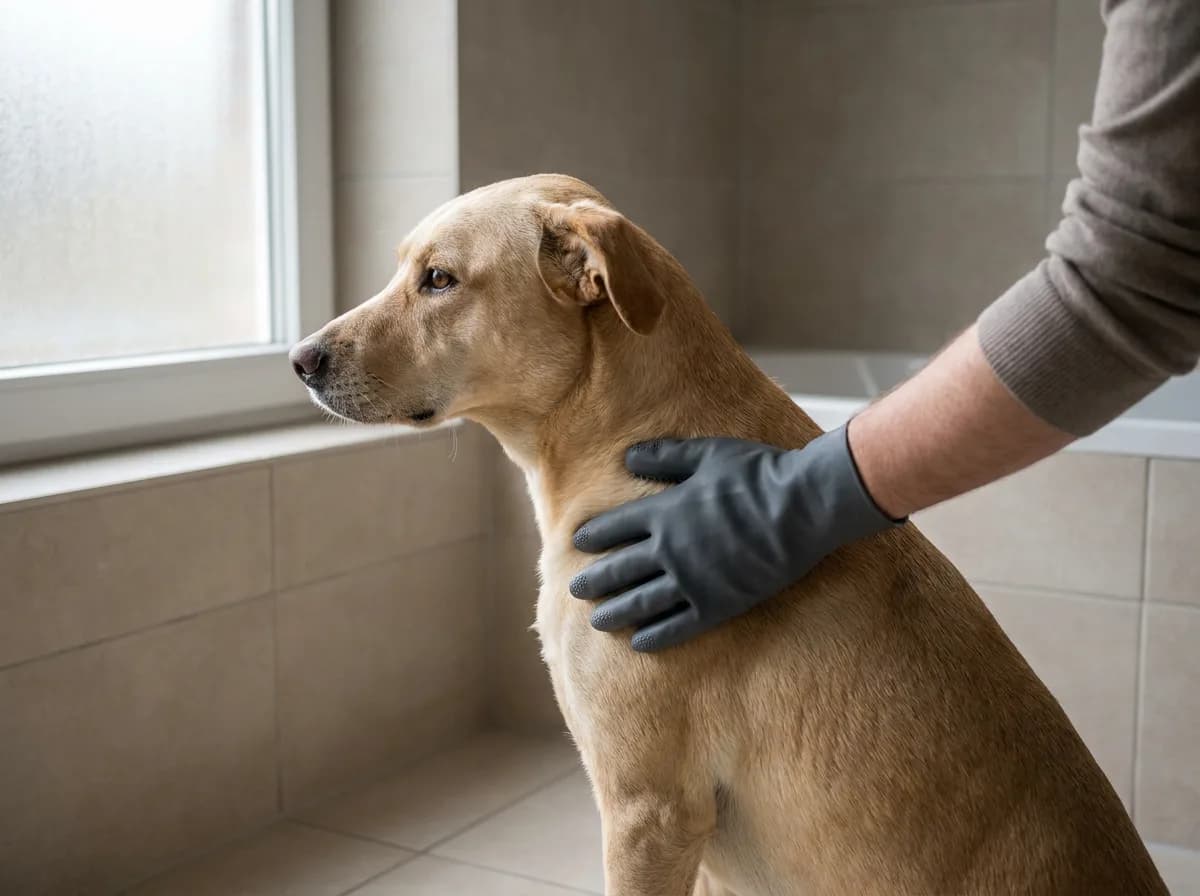
Separate routine maintenance from a medical concern. A change such as a sore area or persistent discomfort during handling deserves veterinary advice rather than harder brushing or repeated bathing. If the coat is comfortable but the dog is worried about the process, work on the handling experience with suitable professional help.
Make introductions a sequence, not a test
Before the first meeting, establish where the new dog can rest separately and how you will prevent accidental contact. The RSPCA's guidance on canine company emphasizes careful introductions and enough space for animals to move away from one another. A reported friendly parent does not remove those needs.
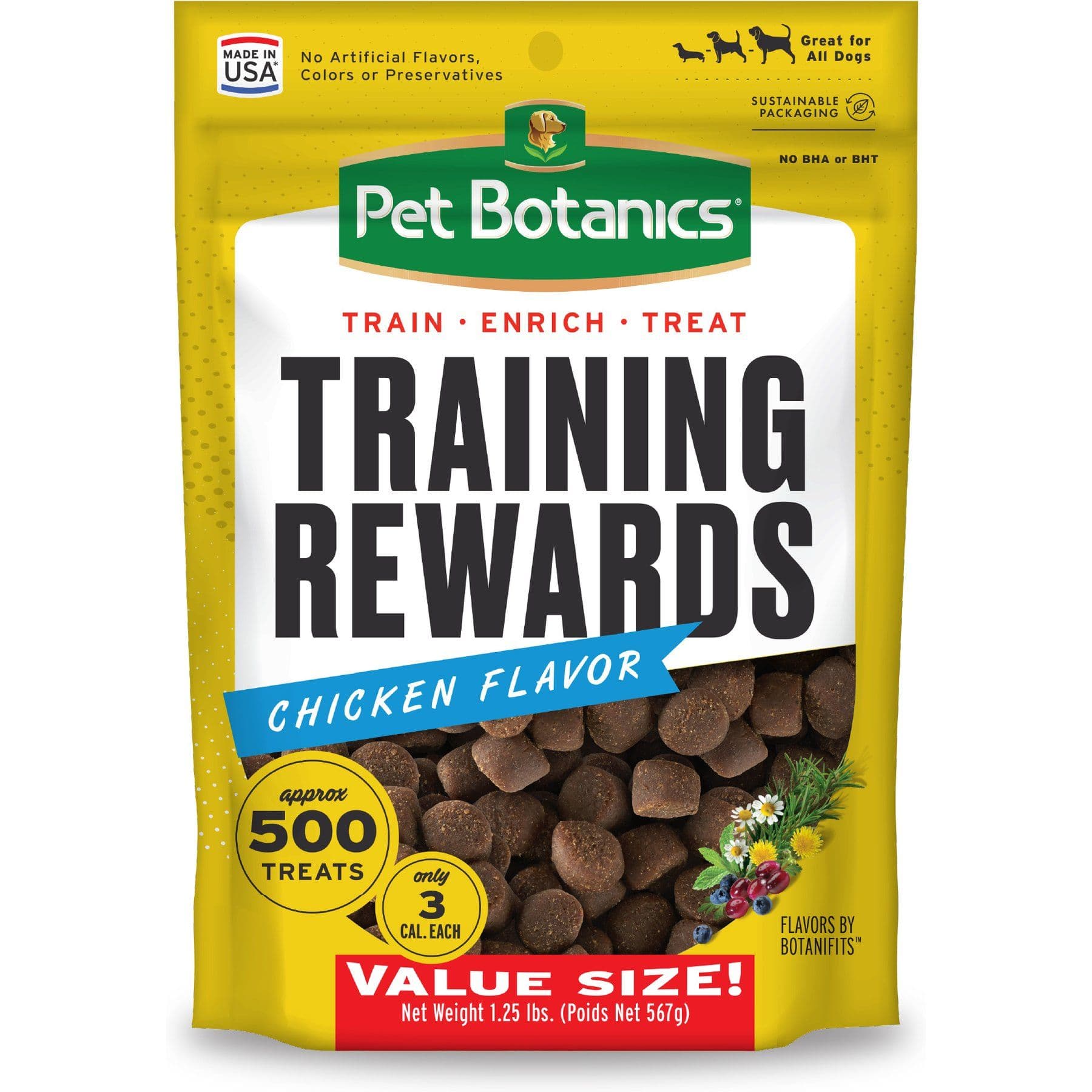
Soft chicken-flavor training rewards in a larger bag for frequent practice. Break rewards into appropriate pieces for your dog.
Petful may earn a commission when you click through to Chewy, at no extra cost to you.
For an uncomplicated introduction to another dog, ask the rescue or a qualified reward-based professional to help plan the setting. The following sequence organizes the decisions to discuss. Dogs with a bite history, intense fixation, or known conflict need an individual plan rather than a casual trial meeting.
- Prepare separate areas first. Each animal needs a place to rest without the other approaching, with barriers the household can use consistently.
- Choose a low-pressure setting. Avoid crowded doorways and situations in which an animal cannot move away. Have a capable adult responsible for each dog.
- Begin at a comfortable distance. Let the animals notice one another without demanding a greeting. Continue only while both can redirect attention and remain manageable.
- Keep contact brief and optional. Do not hold animals face-to-face or pull them closer because the humans want a successful photograph.
- Return to separate rest periods. A calm meeting does not mean the animals should immediately share meals, chews, or unsupervised time.
- Review the response before the next step. Slow down or seek help when either animal repeatedly struggles, rather than increasing exposure on a calendar.
- End supervised introductions when either animal cannot disengage comfortably. Return to separate spaces, reduce pressure, and ask for qualified help with repeated fear, chasing, guarding, or conflict.
Cats need their own safe territory and ways to avoid the dog. Never hold a cat in place for a greeting or use chasing as a way to see whether the dog is “only playing.” Ask specifically about any prior cat experience and distinguish living peacefully with one familiar cat from meeting an unfamiliar cat safely.
With human visitors, make greeting optional. Ask people to avoid crowding, leaning over, or reaching for a dog that is keeping its distance. A visitor can sit quietly while you manage the surroundings. Choosing not to approach is information about the dog's comfort, not a reason to make the greeting more insistent.
Teach the skills that make daily care easier
Reward-based training gives you a practical way to build habits without relying on claims that the cross is naturally obedient or stubborn. The American Veterinary Society of Animal Behavior recommends reward-based methods for dog training. Start where the dog can succeed and add difficulty gradually.
- Teach a response to the dog's name in a quiet area before expecting attention beside a busy road.
- Reward a few steps with a loose leash before attempting a whole unfamiliar route.
- Practice moving onto a mat so the dog has a familiar place during quiet household activities.
- Teach comfortable cooperation with a harness and brush in short sessions.
- Use a consistent cue for coming with you through a doorway, while continuing to manage the door physically.
Small food rewards can be convenient when you need several repetitions. Check the ingredients against any known dietary restrictions, use a size the dog can eat comfortably, and include the rewards in daily intake. Ordinary food may also work in an easy setting; the useful reward is the one that helps this dog learn without upsetting its feeding plan.
If a skill seems to disappear outdoors, consider whether the surroundings became too difficult. Move to a quieter spot or ask for an easier version instead of repeating the cue more forcefully. Training is easier to evaluate when you change one part of the situation at a time, such as distance from a distraction or the duration you ask the dog to wait.
Keep a simple record of what you practiced and where it worked. “Responded to name in the kitchen” is a clear starting point for the next session. “Knows recall” is too broad to justify removing a leash in an unsecured location. Your safety arrangements should not depend on a behavior the dog has only performed in one easy setting.
Keep food and body condition individual
Choose a diet appropriate to the dog's life stage and medical needs, with your veterinary team's help when there is uncertainty. Do not feed toward a made-up “ideal weight” for this cross. An adult's appropriate condition depends on its actual frame, while a puppy needs a feeding plan that supports growth.
The WSAVA nutrition resources include diet-history and body-condition tools for individual assessment. A scale records weight; body-condition assessment helps explain what that weight means for the dog. Use both with your veterinary team rather than judging by resemblance to a thickset Lab or a lean Carolina Dog photograph.
- Measure meals consistently so changes in intake can be recognized.
- Record training treats, chews, table food, and food supplied by other family members.
- Ask the caregiver what the dog currently eats before making a transition plan.
- Review portions when activity, life stage, or body condition changes.
- Avoid adding supplements simply because one parent breed is mentioned in an online health list.
When several people share care, decide who measures the day's food and how everyone records extras. A container for the agreed daily amount can make that conversation easier. If the dog needs a restricted diet, ask the veterinary team which rewards can be used so that training does not undermine the feeding plan.
Plan for rest, children, and time alone
Prepare a resting area that people and other pets will leave undisturbed. Show children how to give the dog space rather than treating a bed as a place to cuddle or climb in. An adult should actively supervise interactions and separate everyone when attention needs to be elsewhere. “Part Labrador” is not a supervision plan.
Ask what the dog has experienced when left alone and what the caregiver actually observed. Being quiet behind a closed door is not the same as a verified history of settling comfortably for your full workday. Plan support during the transition so that you are not forced to make a long absence the first assessment.
- Arrange who provides toileting breaks, company, and walks when regular caregivers are unavailable.
- Practice brief separations in manageable conditions and observe the response.
- Keep exits and barriers secure without using isolation as punishment.
- Seek qualified help if the dog repeatedly becomes distressed instead of assuming it will adjust through longer absences.
Avoid scheduling every new experience at once. A grooming appointment, crowded outing, unfamiliar visitor, and first extended absence in quick succession give you little chance to learn which situations are comfortable. A predictable routine also makes it easier to describe a concern accurately when you ask the rescue or veterinary team for advice.
Interpret health records without hybrid promises
Known parentage can help frame health questions, but it cannot guarantee health or lifespan. Ask a breeder for the actual screening results relevant to both parents. A routine examination, a genetic ancestry report, and inherited-disease screening answer different questions. None should be presented as interchangeable evidence that a litter cannot develop health problems.
The OFA CHIC program explains how breed-specific screening results are recorded. A CHIC number does not itself mean that all results were normal. Have the reports interpreted in context, including the tested dog's identity and age, rather than relying on a badge or an advertisement that says “fully health tested.”
- Request available medical records for the individual dog as well as parent records when known.
- Ask your veterinarian which missing information would change immediate care.
- Keep preventive-care dates and the plan for follow-up visits in one accessible place.
- Discuss existing symptoms or medications directly instead of treating them as expected features of a mix.
There is no suitable basis here for a precise hybrid growth chart or lifespan range. For a growing dog, dated measurements and individual veterinary assessment are more useful than an average of two breed profiles. For an adult, start with current health, body condition, mobility, and the care arrangements you can maintain.
Make the adoption decision practical
Before paying a deposit or agreeing to collect the dog, review the important unknowns with everyone responsible for its care. Some uncertainty is normal, especially in rescue. The question is whether you can accommodate that uncertainty, rather than whether someone can replace it with an appealing prediction.
- Confirm that housing rules and any relevant size restrictions fit the dog or allow realistic growth uncertainty.
- Check that safe separation from resident pets is physically possible.
- Budget for routine care, training support, grooming supplies, and unexpected veterinary needs.
- Arrange transport and the first day's handover without relying on unfamiliar people to manage a difficult introduction.
- Read the agreement and clarify the source's support and return policies.
For breed-specific buying questions and cost considerations, the guide to Carolina Dog puppies provides the related context. A price cannot validate ancestry, health, or temperament. The most useful evidence is a source willing to show records, describe limitations, and help match the individual dog to your household.
How this fits the Carolina Dog breed
- Lifespan: the AKC lists 12–15 years for the Carolina Dog parent. This is not a validated lifespan range for a Carolina Dog Lab mix; use the individual dog’s health history and veterinary assessment for care planning.
- Barking: ask about triggers and settling rather than assuming either parent’s reputation predicts how vocal this dog will be.
- Rarity: the Carolina Dog is uncommon, but no reliable population figure follows from rescue labels or online photographs. A claimed rare cross still needs ancestry evidence.
The Carolina Dog breed guide expands on these parent-breed questions, shedding and trainability. They provide context rather than a forecast for every cross.
If you want to understand the Labrador side, the Labrador Retriever puppy profile offers that separate breed context. Bring those descriptions back to the individual you are considering. A good match comes from documented history, observed comfort, and care you can reliably provide, with room to learn more as the dog settles.
No. A Labrador label does not establish either enthusiasm for water or swimming ability. Let the dog choose whether to approach safe shallow water, supervise closely, and never throw or push it in. If water activities matter to you, ask about this dog’s previous experience rather than assuming the parent breeds settle the question.
Possibly, but unknown cat history requires a workable separation plan before the dog arrives. Ask about actual experience living with cats, not only a brief meeting. Give the cat secure retreat areas and keep introductions controlled. Persistent fixation or chasing needs professional assessment; a friendly greeting toward people does not establish cat safety.
No diet is established specifically for this cross. Choose food for the dog’s life stage, body condition, activity, and medical needs with veterinary guidance. Keep training treats within the same daily plan. A lean Carolina-like outline or stockier Labrador-like build should not become a reason to feed toward a guessed breed-average weight.
BVMS, MRCVS
Dr. Pippa Elliott, BVMS, MRCVS, is a veterinarian with nearly 30 years of experience in companion animal practice. Dr. Elliott earned her Bachelor of Veterinary Medicine and Surgery from the University of Glasgow. She was also designated a Member of the Royal College of Veterinary Surgeons. Married with 2 grown-up kids, Dr. Elliott has a naughty Puggle named Poggle, 3 cats and a bearded dragon.
Sign up for expert-backed reviews and safety alerts all in one place.