Carolina Dog: Temperament, Size, and the American Dingo
Get to know the Carolina Dog's temperament, adult size, and everyday care. Learn why American Dingo is a nickname, how to assess household fit, and what evidence can support a breed identification.

BVMS, MRCVS
Petful is reader supported. As an affiliate of platforms like Amazon and Chewy, we may earn a commission when you buy through links on this page. There is no extra cost to you.
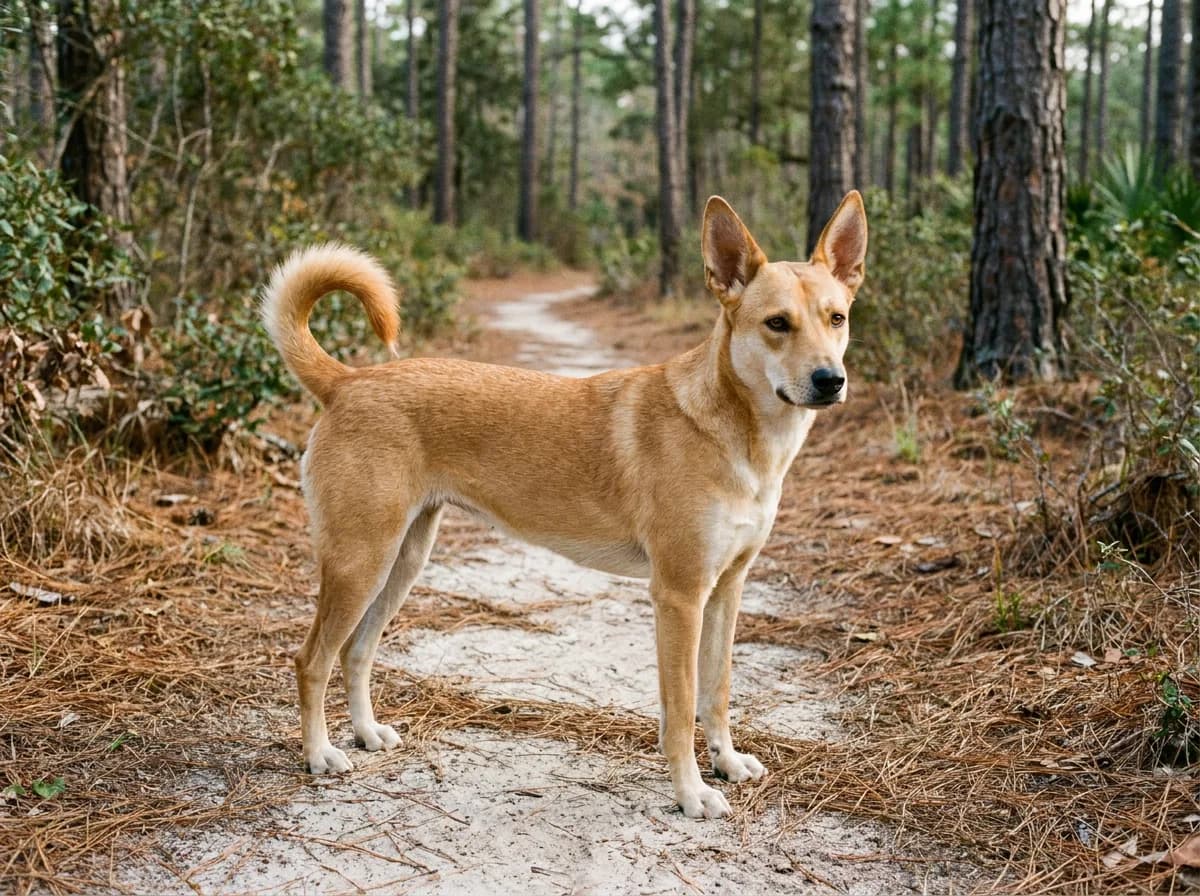
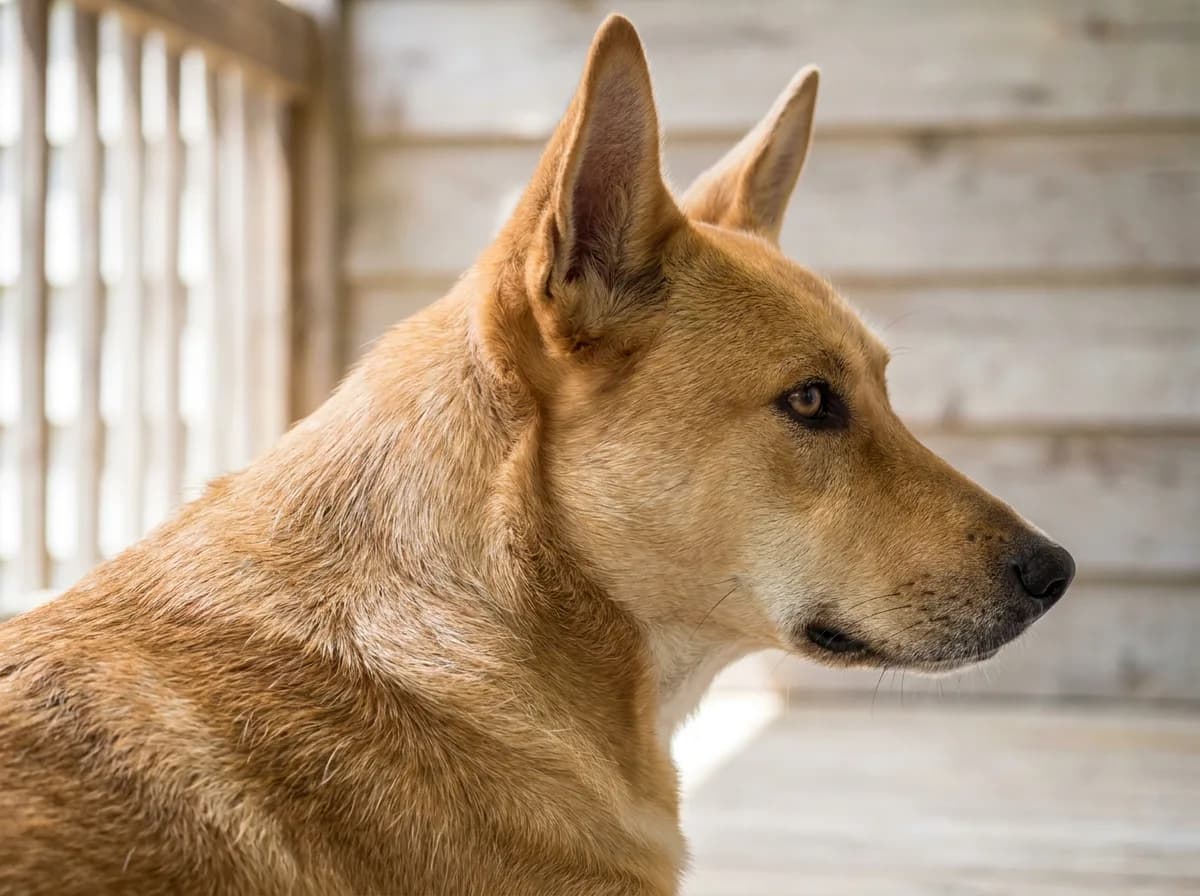
The Carolina Dog is a medium-sized domestic dog with an independent temperament and a history connected to free-ranging dogs in the southeastern United States. Its nickname, American Dingo, reflects a resemblance, not proof that it is an Australian dingo. The distinction matters when you are researching the breed or trying to identify a rescue dog.
A yellow coat and pointed ears can start a conversation, but they cannot establish ancestry. Choosing this dog also means looking beyond the striking profile to its handling needs, response to strangers, and compatibility with your household.

Sign up for expert-backed reviews and safety alerts all in one place.
What is a Carolina Dog?
The United Kennel Club recognized the Carolina Dog in 1995. Its history describes I. Lehr Brisbin's work with free-ranging dogs in the Southeast during the 1970s. Proposed links to dogs accompanying early people into North America remain a subject for ancestry research, rather than a proven family tree for every modern dog with similar characteristics.
That distinction keeps breed history separate from identification. A rescue's location in South Carolina or Georgia does not establish Native American ancestry. Nor does a dog found living wild automatically belong to a surviving Carolina Dog population: free-ranging describes how a dog lives, not which breed it is.
- 1Start with pedigree or breeder records that identify the particular dog and its family.
- 2Documented parentage can support a known Carolina Dog cross, but ask what supports the parents' identification.
- 3Appearance alone supports a resemblance, not a confirmed breed or a percentage of ancestry.
If the dog's origins are uncertain, “possible Carolina Dog mix” is more informative than a confident label supported only by pictures. Keep photographs, previous records, and test results together; record where each conclusion came from instead of treating several repeated guesses as independent evidence.
Whatever the label, measure the individual dog before choosing walking equipment. Check the manufacturer's chest measurements and adjustment instructions for a harness such as the PetSafe Easy Walk. A size name is not a fit assessment, and a harness alone is not an escape-prevention plan.

Petful may earn a commission when you click through to Chewy, at no extra cost to you.
What is another name for the Carolina Dog?
American Dingo is a familiar nickname for the Carolina Dog. It does not mean that the breed is an Australian dingo or that a dingo-looking pet has wild ancestry. Use Carolina Dog when requesting pedigree information, discussing a DNA report, or searching a registry so the nickname does not introduce a different animal into the conversation.
What are Carolina Dogs a mix of?
The recognized Carolina Dog is not a prescribed cross between two modern breeds. An individual mixed-breed dog, sometimes casually called a mutt, may resemble one without having documented Carolina Dog parentage. “What breeds make this dog?” therefore needs an individual answer, not a recipe inferred from the breed's nickname.
DNA can add evidence. Embark's breed list includes Carolina Dog. The company also explains that familiar traits can occur in dogs whose results do not show that ancestry. Ask the laboratory about unexpected results rather than replacing its findings with an online photo comparison.
- Wisdom Panel: Its breed library includes a Carolina Dog profile, but a profile alone does not explain how a particular test reports ancestry. Confirm current test coverage with the company before purchasing for this question.
- Photos and similar breeds: Shared ears, coloring, tongue pigmentation, or body mass do not identify a dog. Compare records before debating which online image looks closest.
- Labels and behavior: “Miniature Carolina Dog,” singing, talking, howling, hunting, running, or aptitude for sports are not independent evidence of ancestry. Neither is a supposedly hypoallergenic coat.
The American Kennel Club profile lists the breed in its Foundation Stock Service. For shows or events, confirm eligibility with the organizer rather than assuming UKC recognition and AKC status mean the same thing. Pups and adult females also need their own records; neither age nor sex solves uncertain identification.
Living with a Carolina Dog
Carolina Dog temperament is often described as independent and reserved with strangers. “Primitive” is a description of breed history, not a diagnosis or a reason to use force. Intelligence does not guarantee instant obedience, and a cautious dog may need more distance and repetition before it can respond comfortably in a new setting.
Petful may earn a commission when you click through to Chewy, at no extra cost to you.
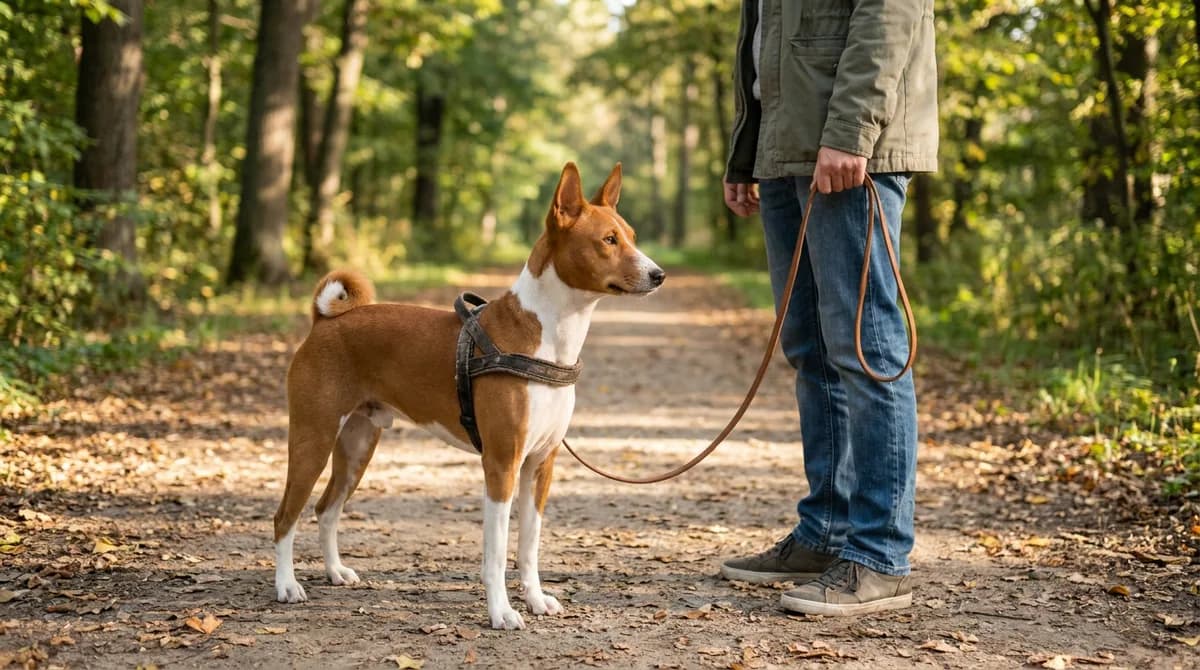
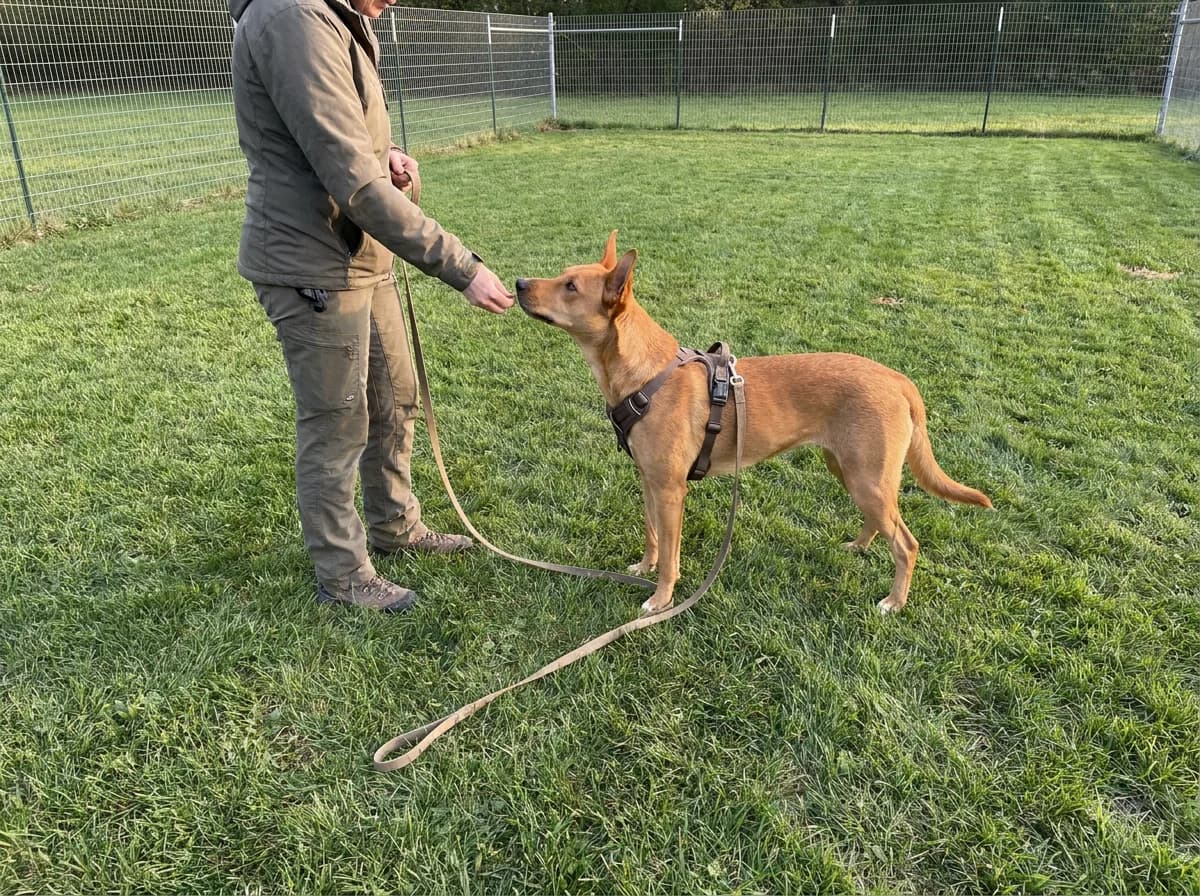
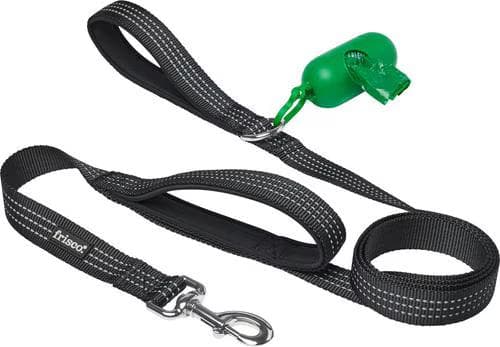
Independence makes socialization and safe containment worth planning from the start; neither a breed label nor training promises a universal temperament. Check gates and fence gaps, practice getting through doors calmly, and use equipment that fits the dog you have. A six-foot traffic leash is useful for close handling; it is different from a long leash used for supervised practice in a suitable open space.
Build useful habits in small steps
Begin with a quiet place where your dog can notice you. Make the task easy enough to succeed, reward the response you want, and increase difficulty gradually. A dog that comes indoors may still need practice on a long line outdoors. Recall training does not make an unfenced area safe when wildlife appears.
The American Veterinary Society of Animal Behavior recommends reward-based training. Choose a trainer who explains how they teach a skill and adjusts the environment when a dog struggles. Avoid treating reserve, hesitation, or slow progress as a challenge to your authority.
- Reward checking in with you during walks before asking for longer stretches of attention.
- Teach settling on a comfortable mat while household activity remains manageable.
- Practice brief, comfortable separations rather than immediately testing a full workday alone.
- Ask visitors to give the dog space and let it choose whether to approach.
An exercise plan can combine sniffing walks with short learning games and supervised play. Dog sports can be enjoyable if the dog likes the activity and the environment. Start with the dog's current fitness and confidence; an impressive running video is not an exercise prescription for your pet.
Cats, children, and other household members
Assess prey interest before assuming a Carolina Dog can live safely with cats or smaller pets. Calm behavior through a barrier is useful information, but it does not prove what will happen when an animal runs. Preserve separate areas and escape routes for the cat, and avoid any introduction that depends on physically catching a pursuing dog.
For a family home, discuss the actual dog's history with the current caregiver. Ask for examples of behavior during meals, visitors, handling, and noisy activity rather than accepting “good with kids” as a complete assessment. Children need supervision and a clear rule that a resting or eating dog is left alone.
- Separate animals for feeding and high-value chews while learning their responses.
- Give the dog a resting area that children and visiting pets cannot enter.
- Watch whether the dog can disengage and relax, not just whether it tolerates an interaction.
Do Carolina Dogs bark a lot?
There is no reliable bark count that predicts an individual Carolina Dog's vocalization. Ask what triggers barking and how quickly the dog settles. An alert at a visitor, repeated barking at passing dogs, and distress when left alone call for different responses. Reports of “singing” or howling do not establish either quietness or a breed identity.
Are Carolina Dogs aggressive towards other dogs?
Aggression is not an inevitable Carolina Dog personality trait, and a breed label cannot guarantee friendliness. The AAHA behavior guidance emphasizes the effects of experience and environment alongside genetics. Ask about observed behavior with specific dogs and begin introductions with space and control. If there has been biting or escalating fear, seek veterinary and qualified behavior help before attempting close contact.
Carolina Dog size and daily care
Expect a medium-sized dog, but do not treat one published range as a precise prediction. The UKC standard gives approximately 18–24 inches at the shoulder and 35–50 pounds. The AKC profile lists 17.75–19.5 inches and 30–55 pounds. These are differently stated references, not permission to feed a dog toward a target number. Our medium dog breeds guide can help you compare that size category with your home's needs.
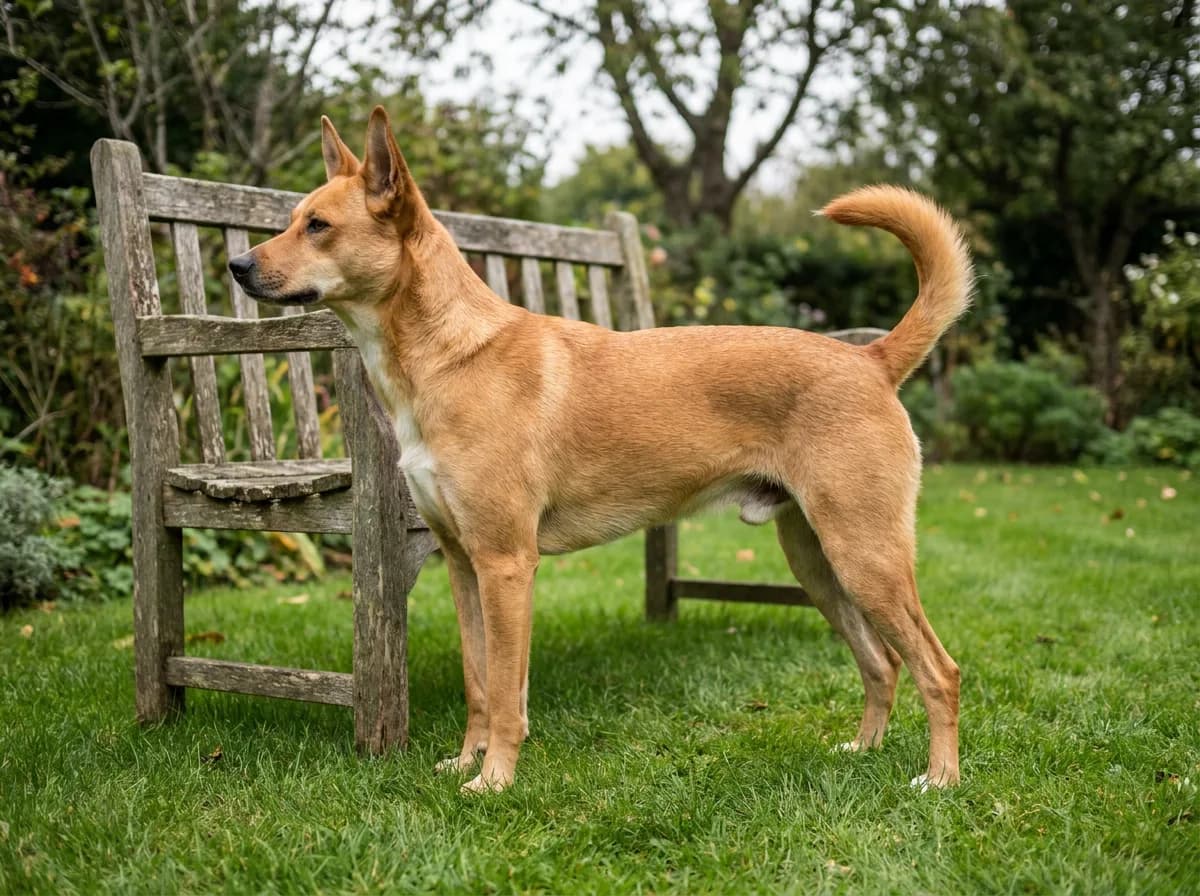
Measure height at the shoulder, and weigh your dog regularly enough to notice a trend. Females may be lighter in build, but sex alone cannot predict adult size. For a growing puppy or a dog with uncertain parentage, leave room for your estimate to change rather than buying every piece of equipment to match a breed average.
Food, treats, and a workable routine
Choose food appropriate to the dog's life stage, and discuss portions with your veterinary team. The AAHA nutrition guidelines recommend nutritional assessment across a pet's life. Your dog's weight trend, body condition, activity, and health needs are more useful than a “Carolina Dog diet” marketed around wild ancestry.
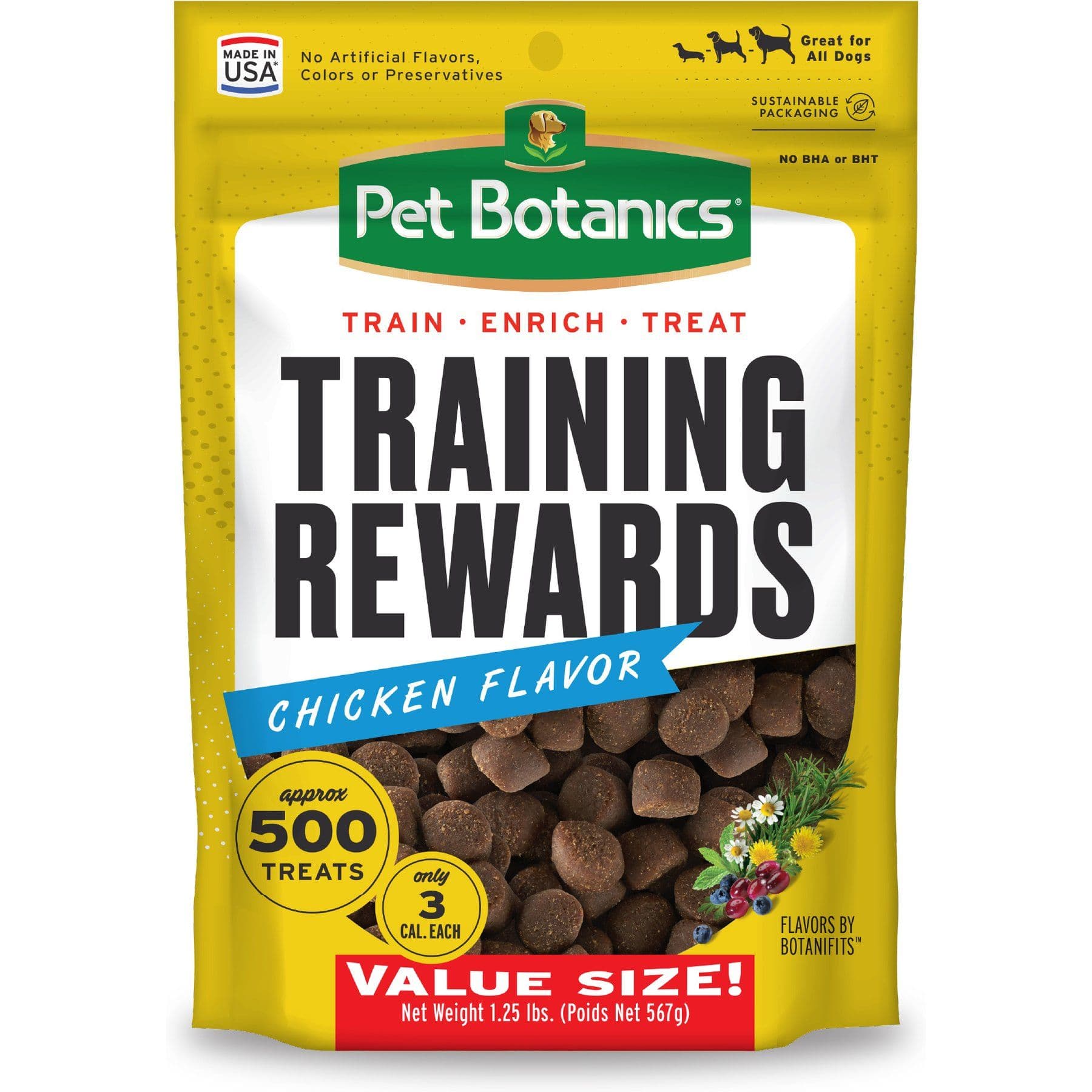
Soft chicken-flavor training rewards in a larger bag for frequent practice. Break rewards into appropriate pieces for your dog.
Petful may earn a commission when you click through to Chewy, at no extra cost to you.
Training treats belong in that same daily food budget. Small rewards can make repeated practice practical; consider whether your dog likes the reward and whether its ingredients suit an established dietary plan. You can also reserve part of the usual food allowance for simple training instead of adding a large amount of extra food.
Make feeding instructions easy for everyone in the household to follow. Keep the food's calorie information and the amount offered in the same place. If several people train the dog, agree on a shared allowance rather than each assuming their handful of treats is the only extra.
- Measure meals consistently instead of topping up the bowl without tracking the amount.
- Include training rewards, chews, and food given by other household members in the discussion with your vet.
- Keep fresh water accessible and clean the bowls regularly.
- Ask before changing a prescribed diet or adding supplements for a supposed breed requirement.
Colors, ears, and the limits of a breed standard
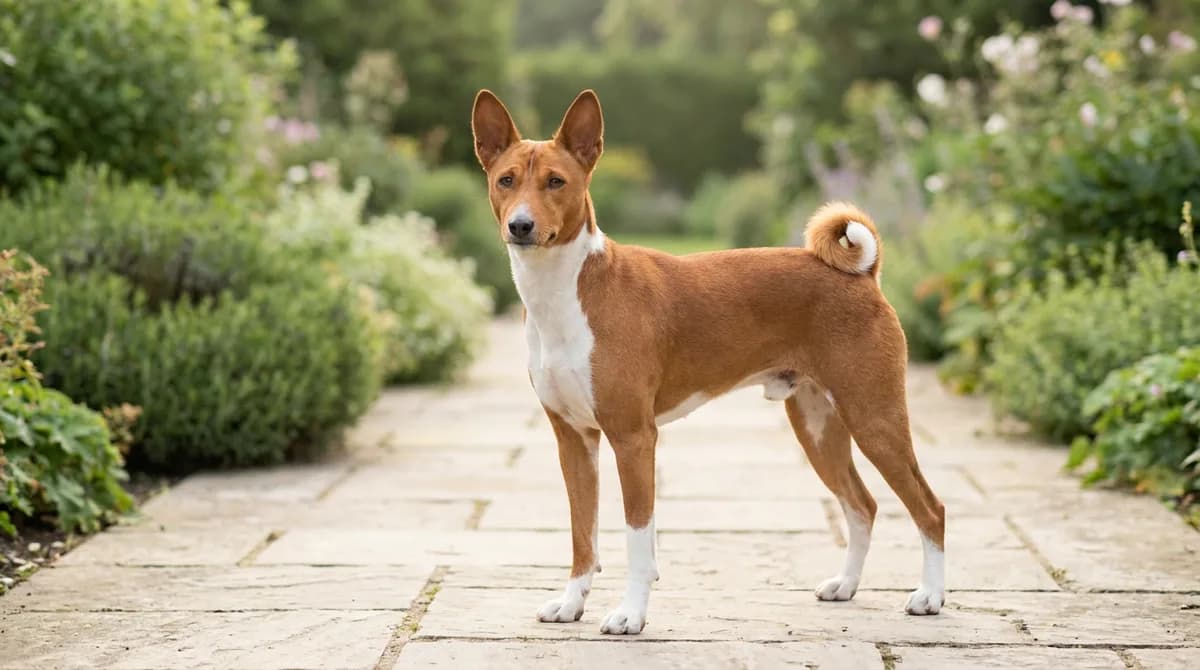
Ginger shades are familiar, but UKC also permits black, black and tan, and piebald coats. Dark sable shading can occur on ginger dogs. Solid white and blue eyes are disqualifications under that standard. A breed standard describes judging criteria; an unusual feature alone does not identify the ancestry or health of a pet.
Descriptions such as red, brown, black and white, or brindle need context. A seller's color label is not proof of a recognized variety. Ask which registry and standard they mean, and examine the records supporting “purebred Carolina Dog.” Do not pay extra solely because a listing calls a color rare.
- Ears: Upright ears are characteristic, but floppy or partly folded ears need interpretation within the specific standard. Ear position in a single picture can be misleading.
- Tail: Look at the whole dog in motion as well as at rest; its curved tail is expressive, not a fixed identity badge.
- Coat: Compare actual hair length and texture when selecting grooming tools. A color name says little about which brush feels comfortable.
Shedding and grooming without overdoing it
The AKC describes relatively simple grooming, with brushing, nail care, and occasional bathing. Coat density changes with the seasons, so a short coat does not mean no shedding. A gentle curry brush or grooming glove can help with loose hair if your dog is comfortable with its texture and pressure.

Petful may earn a commission when you click through to Chewy, at no extra cost to you.
Try a few light strokes and pause before turning grooming into a long session. Check the skin rather than repeatedly brushing the same spot because fur is still coming out. Stop if the dog appears uncomfortable, and ask your vet about a new bald patch, irritated skin, or a sudden change in coat condition.
Keep teeth and nails in the care routine too. Ask your veterinary team to demonstrate tooth brushing and suitable nail trimming for your dog. Introduce handling gradually, with comfortable pauses; holding a worried dog still until the job is finished can make the next attempt harder.
- Keep grooming sessions short enough that the dog can remain relaxed.
- Wash bedding and vacuum loose hair as needed; do not interpret less visible hair as proof of low allergen exposure.
- Record changes in skin, coat, appetite, or comfort so your vet has a useful history.
A bed, crate, and equipment that fit
Choose a bed with enough space for the dog's preferred sleeping position. Put it somewhere the dog can rest without watching every doorway. Crates should allow comfortable standing, turning, and lying down, and should be introduced as a resting option rather than used to force a frightened dog through prolonged isolation.
Check the fit of a collar and harness as a young dog's body changes. Have identification in place, inspect clips and stitching, and rehearse your door routine with everyone who walks the dog. Practical setup matters more than whether the equipment is advertised for a particular breed.
For a new arrival, arrange the home before the first busy evening. Decide who handles walks, where meals happen, and how you will separate pets when supervision is unavailable. A predictable setup gives you room to observe the dog without needing to solve every unfamiliar behavior immediately.
What is the lifespan of a Carolina Dog?
The AKC gives a typical Carolina Dog lifespan of 12–15 years. This is a planning range, not a promise for an individual. There is not a separate reliable female lifespan to infer from that figure. Health history, current condition, and veterinary assessment matter more than assigning a precise age expectation from sex or appearance.
“Naturally developed” does not mean immune to health problems. Ask for the dog's medical records and any available parental health-screening results. A normal-looking dog can still need preventive care, and an ancestry test does not replace an examination or the investigation of symptoms.
The AAHA life-stage guidance recommends regular veterinary visits and a plan tailored to the individual. Discuss dental care, vaccines, parasite prevention, nutrition, and changes in activity. If a dog becomes newly reluctant to walk or unusually irritable when handled, do not dismiss it as an independent personality.
Choosing a Carolina Dog or a possible mix
Before committing, ask for a realistic account of an ordinary day with this dog. A meeting in an exciting public place can leave important questions unanswered. A foster caregiver may be able to describe settling after walks or responses to routine household noise; a breeder may be able to explain the puppy's early experiences without predicting its entire adult personality.
Turn broad assurances into questions that produce useful examples:
- When did the dog last meet an unfamiliar visitor, and what happened before it relaxed?
- What happens when the regular caregiver leaves, and how was that observed?
- Which handling tasks are comfortable, and which still need gradual practice?
- What information comes from direct observation, and what is an estimate?
Then compare those answers with your own schedule. A household that regularly hosts guests will need a practical visitor routine. A home with a cat needs workable separation space from the first day. If the answer to an important question is unknown, decide how you will safely learn it and what support is available. An honest uncertainty is more useful than a confident promise that no one can substantiate.
Finding the right dog
Ask a Carolina Dog breeder or rescue what supports the identification and what is known about the individual. There is no verified national puppy-price average in our research. Request a dated, itemized breeder quote or adoption fee, then budget separately for transport, veterinary care, food and training. Our Carolina Dog puppies guide explains how to compare those costs and records. A rare-sounding label alone does not justify a higher price.
Other crosses and uncertain ancestry
A Carolina Dog mix label can mean a documented cross or a visual guess, so ask which applies. If parentage is unknown, focus on the adult size estimate and observed behavior while keeping ancestry uncertain. Our guide to Carolina Dog mixes explains how to approach that uncertainty. You can make a thoughtful adoption decision without turning a resemblance into a settled genetic fact.
German Shepherd crosses
Upright ears and an athletic build do not establish a German Shepherd cross. For a claimed Carolina Dog German Shepherd mix, ask whether either parent is known and what documentation identifies them. Then consider the needs of the actual dog rather than averaging two breed descriptions. The Carolina Dog German Shepherd mix guide addresses that specific pairing and the limits of predictions when the ancestry remains uncertain.
Labrador crosses
A yellow coat is not evidence of Labrador parentage. For a Carolina Dog Lab mix, the useful next questions concern known parents, the dog's growth or adult measurements, and experience in a home. A Labrador mix label does not guarantee sociability, easy training, or a particular exercise requirement. Read the Carolina Dog Lab mix guide for the specific cross before treating either parent's general reputation as a promise.
Questions from prospective owners
A Carolina Dog can suit someone who enjoys patient training, daily activity, and a dog that may take time to accept strangers. The best evidence of fit is the individual dog's behavior and care history. If your household needs immediate ease with visitors, cats, or frequent unfamiliar handling, discuss those needs before committing.
It is an uncommon breed, but a precise population figure would need a defined registry or survey. Counts of registered dogs, free-ranging populations, and rescue dogs carrying the label are not interchangeable. Documented parentage helps distinguish a supported identification from appearance alone, so online pictures or adoption labels cannot establish how many Carolina Dogs exist.
Carolina Dogs are domestic dogs; a pet does not need to undergo domestication again. An individual that has lived without close human contact may need careful socialization and behavior support. That is a question of experience and welfare, not turning a wild species into a pet. Do not attempt to catch or handle an unfamiliar free-ranging dog yourself; contact a local animal welfare professional.
An apartment can work if the individual dog settles indoors and you can provide daily activity, toilet trips, and secure outings. Shared lifts, close neighbors, and frequent strangers may be harder than the floor space itself. Ask about barking and time-alone behavior in a comparable home, then plan quiet routes and a retreat from visitors.
BVMS, MRCVS
Dr. Pippa Elliott, BVMS, MRCVS, is a veterinarian with nearly 30 years of experience in companion animal practice. Dr. Elliott earned her Bachelor of Veterinary Medicine and Surgery from the University of Glasgow. She was also designated a Member of the Royal College of Veterinary Surgeons. Married with 2 grown-up kids, Dr. Elliott has a naughty Puggle named Poggle, 3 cats and a bearded dragon.
Sign up for expert-backed reviews and safety alerts all in one place.