Bernedoodle: The Complete Guide to the Bernese Mountain Dog Poodle Mix
A complete guide to the Bernedoodle, the Bernese Mountain Dog and Poodle mix: history, sizes, generations, temperament, grooming, health, lifespan, and cost, plus whether this designer breed fits your household.
Petful is reader supported. As an affiliate of platforms like Amazon and Chewy, we may earn a commission when you buy through links on this page. There is no extra cost to you.
The bernedoodle is a designer crossbreed that pairs the gentle, family-loving Bernese Mountain Dog with the smart, low-shedding Poodle. The result is a soft, teddy-bear dog that tends to be affectionate, playful, and easier on allergy sufferers than many purebreds. Because the breed is a hybrid, no two are identical: one litter can hand you a 15-pound lap dog and a 90-pound couch companion, a straight coat or a tight curl, and a color card that ranges from classic tricolor to merle. This guide walks through everything a first-time or repeat owner needs before bringing one home, from history and sizes to generations, temperament, grooming, health, lifespan, and real-world cost.
Petful reviews each breed profile against primary sources and breed-club guidance, and this pillar links out to focused deep dives on every part of Bernedoodle ownership so you can go as deep as you need.
- 1A Bernedoodle is a Bernese Mountain Dog crossed with a Poodle, bred in Tiny, Mini, and Standard sizes.
- 2Coat, size, and shedding depend heavily on the generation (F1, F1b, F2, or multigen), so the cross matters more than the label.
- 3Expect an affectionate, moderately active companion that needs regular grooming, early training, and a family that is home often.

Sign up for expert-backed reviews and safety alerts all in one place.
What Is a Bernedoodle?
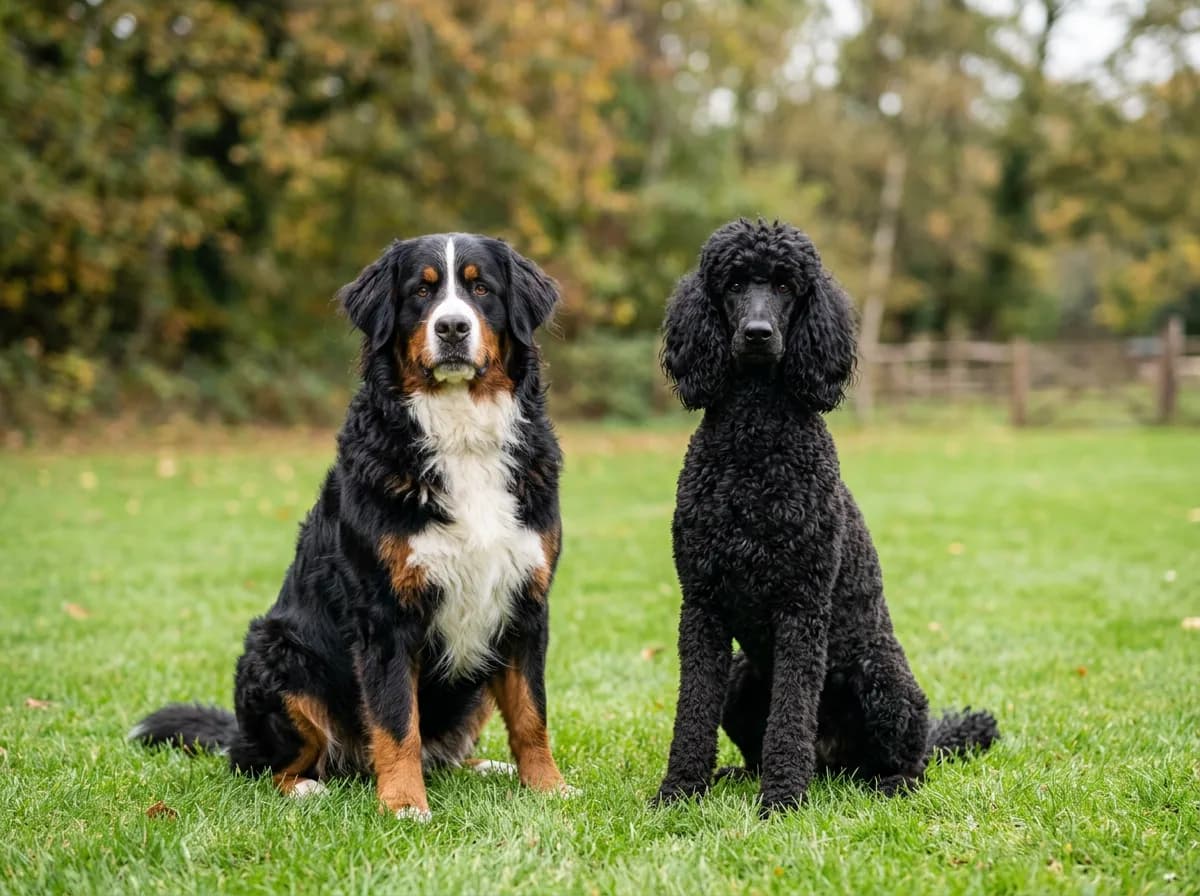
A Bernedoodle is a cross between a Bernese Mountain Dog and a Poodle, most often a Standard Poodle but sometimes a Miniature or Toy Poodle to produce smaller dogs. It is a "designer dog" or intentional hybrid rather than a recognized purebred, which means major registries such as the American Kennel Club do not grant it breed status. You will instead find Bernedoodles registered through hybrid and designer-dog clubs, or simply documented by the breeder who produced the litter.
The appeal is easy to understand. The Bernese Mountain Dog brings a calm, devoted, people-oriented nature and a striking tricolor coat, while the Poodle contributes intelligence, athleticism, and a curly coat that sheds very little. Breeders aim for a dog that keeps the Berner's sweetness and the Poodle's smarts and coat, while ideally reducing the heavy shedding and some of the health problems that shorten the Bernese Mountain Dog's life. That is the goal, not a guarantee, and understanding why is the single most useful thing a buyer can learn.
Bernedoodle History and Origins
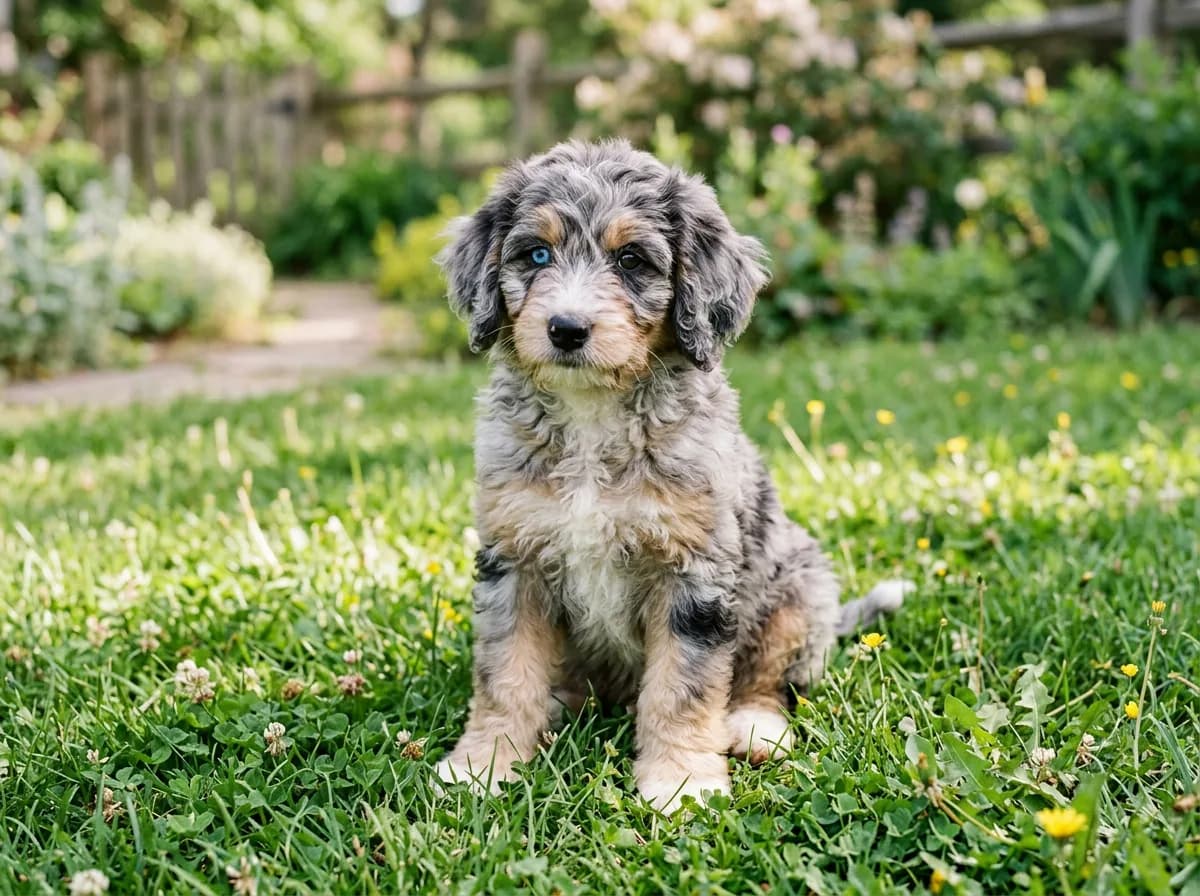
The Bernedoodle is a young crossbreed. Most sources credit Canadian breeder Sherry Rupke of SwissRidge Kennels with intentionally producing the first litters in 2003, making the breed only about two decades old. That youth matters: many popular doodles, such as the Labradoodle, have a longer track record of selective breeding, so their traits are somewhat more predictable. Bernedoodle lines are still being refined, and outcomes vary more from one breeder to the next.
The two parent breeds are far older and well documented. The Bernese Mountain Dog is a Swiss farm and draft dog from the canton of Bern, historically used to pull carts and watch over livestock. It is prized for its steady temperament and famous for a heartbreakingly short lifespan and a high cancer rate. The Poodle, despite its show-ring reputation, began as a German and French water retriever, which is where its athleticism, trainability, and water-resistant curly coat come from. Crossing the two was an attempt to keep the Berner's temperament and looks while borrowing the Poodle's longevity, coat, and intelligence. You can see how the same designer-cross logic plays out in other popular mixes on our Cavapoo breed guide.

Petful may earn a commission when you click through to Chewy, at no extra cost to you.
- Because the Bernedoodle is a hybrid, it is not eligible for AKC conformation showing and has no single written breed standard. Reputable breeders instead health-test the parent dogs and register litters through designer-dog associations.
Bernedoodle Appearance: Coat, Colors, and Looks
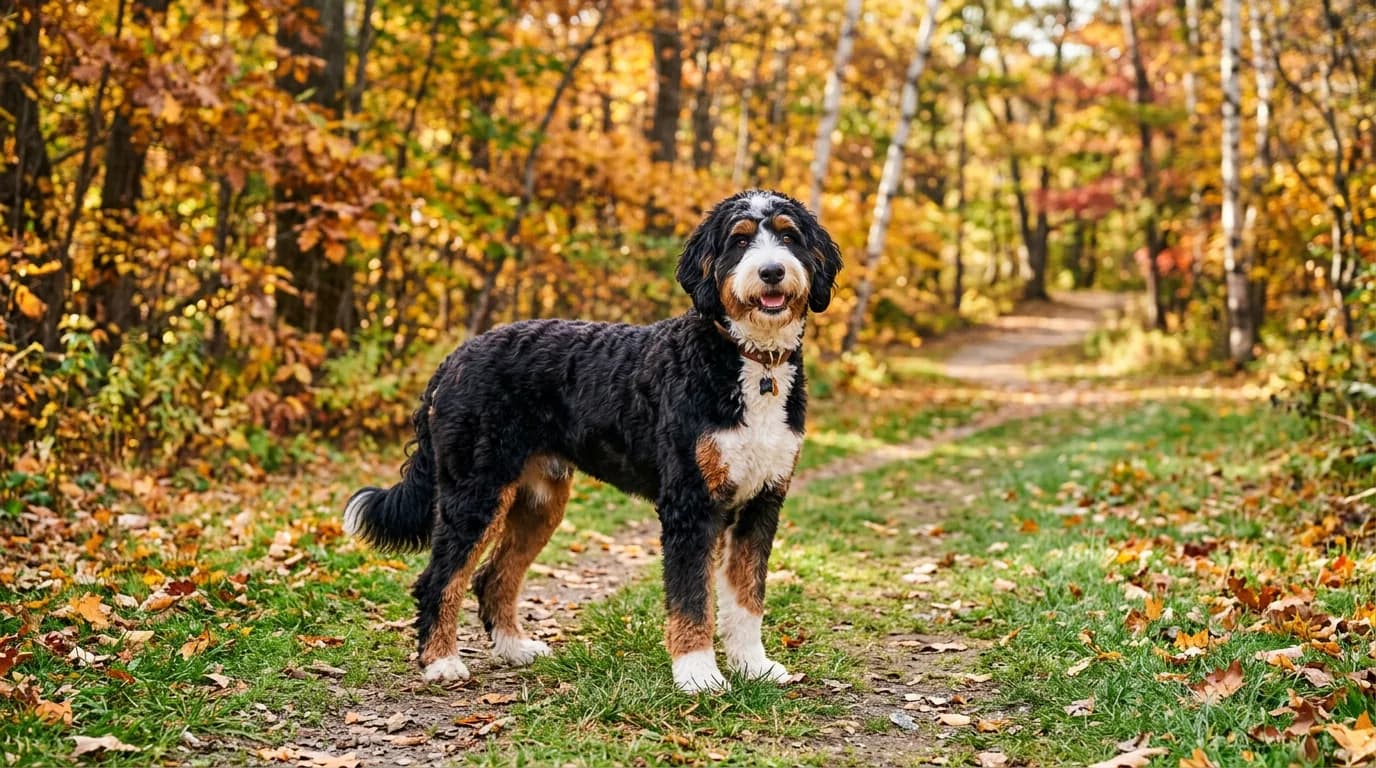
Bernedoodles are best known for their soft, dense coats and expressive teddy-bear faces. Coat type falls into three broad buckets: curly (most Poodle-like and lowest shedding), wavy or fleece (the most common and most sought-after middle ground), and straight or flat (most Berner-like and the highest shedding of the three). Coat type is the biggest driver of both grooming workload and how allergy-friendly a given dog will be, and it is largely set by genetics you can partly predict from the generation.
Color is where the breed really shows off. Common patterns include:
- Tricolor: the classic Bernese black, white, and rust pattern that most buyers picture.
- Bi-color: black and white, or black and rust.
- Sable: banded hairs that often lighten as the dog matures.
- Merle: a marbled, mottled pattern that is popular but carries genetic cautions when two merles are bred together.
- Phantom: solid body color with defined tan or rust points, similar to a Doberman's markings.
- Solid: usually solid black.
Because coat and color vary so widely, we keep dedicated galleries and buyer notes in our Bernedoodle colors guide. If a specific look is a priority for you, choose a breeder who can show you the parent dogs and past litters rather than assuming a puppy's coat will stay exactly as it looks at eight weeks. Many Bernedoodles lighten, fade, or "clear" as they age, especially sables.
How Big Does a Bernedoodle Get?
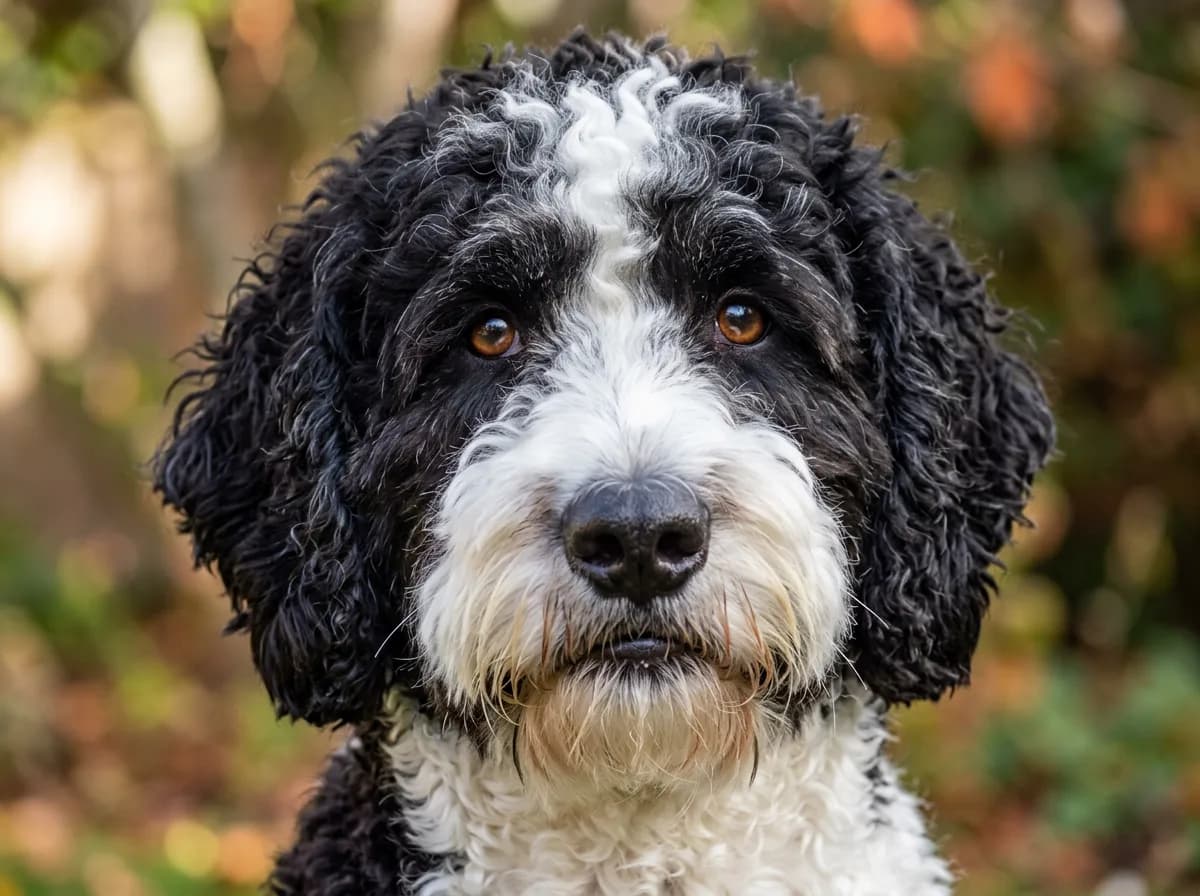
Size is the first practical decision most buyers make, and it is driven entirely by which Poodle was used in the cross. Breeders generally market three sizes: Tiny (or Toy), Mini, and Standard. Actual adult size depends on the individual dog and the exact parents, so treat these as ranges, not promises.
| Size | Height at Shoulder | Adult Weight | Poodle Parent Used |
|---|---|---|---|
| Tiny / Toy | 12–17 in | 10–24 lb | Toy Poodle |
| Mini | 18–22 in | 25–49 lb | Miniature Poodle |
| Standard | 23–29 in | 50–90 lb | Standard Poodle |
A Standard Bernedoodle is a genuinely large dog that can rival the Bernese Mountain Dog in size and needs space, a sturdy owner, and room to move. A Mini Bernedoodle is the most popular size for families and apartment dwellers because it keeps the look in a more manageable 25 to 49 pound package. Tiny Bernedoodles are lap-sized but can be more delicate and sometimes more high-strung, a common trait when Toy Poodle genetics dominate. For a full breakdown of adult weights, growth timelines, and how to predict final size from the parents, see our Bernedoodle sizes guide and the dedicated Mini Bernedoodle profile.
Petful may earn a commission when you click through to Chewy, at no extra cost to you.
- The most reliable size predictor is the smaller parent, usually the Poodle, plus the breeder's records from previous litters. Ask to see the weights of adult dogs from the same lines rather than relying on the puppy's current size.
Bernedoodle Generations Explained (F1, F1b, F2, and Multigen)
If one term causes more buyer confusion than any other, it is the generation label. This is not marketing jargon, it is a genuine shorthand for which dogs were crossed, and it predicts coat, shedding, and consistency better than almost anything else.
| Generation | The Cross | Coat and Shedding | Best Fit |
|---|---|---|---|
| F1 | Bernese x Poodle (50/50) | Wavy, moderate shedding, most variable | Buyers wanting a balanced hybrid |
| F1b | F1 Bernedoodle x Poodle (75% Poodle) | Curlier, lowest shedding | Allergy-sensitive households |
| F2 | F1 x F1 Bernedoodle | Highly variable coat and shedding | Buyers flexible on coat outcome |
| Multigen | F1b or later bred to another doodle | Most consistent, curly, low shedding | Buyers wanting predictability |
A quick way to read the table: the more Poodle in the mix, the curlier the coat and the lower the shedding, but also the further you drift from that classic straight Berner look. An F1 is the most "balanced" 50/50 cross but also the least predictable, since a single litter can produce both wavy and flat coats. An F1b (an F1 bred back to a Poodle) is the go-to for allergy-sensitive families because it is roughly 75 percent Poodle and tends to shed the least. Multigen dogs, produced by breeding later-generation doodles together, are usually the most consistent because breeders have selected for coat traits over several generations.
No generation is "hypoallergenic" in an absolute sense, because no dog truly is. But an F1b or multigen with a curly coat is your best statistical bet if allergies are a concern. Always spend time with the specific dog before committing.
Bernedoodle Temperament: Are Bernedoodles Calm or Hyper?
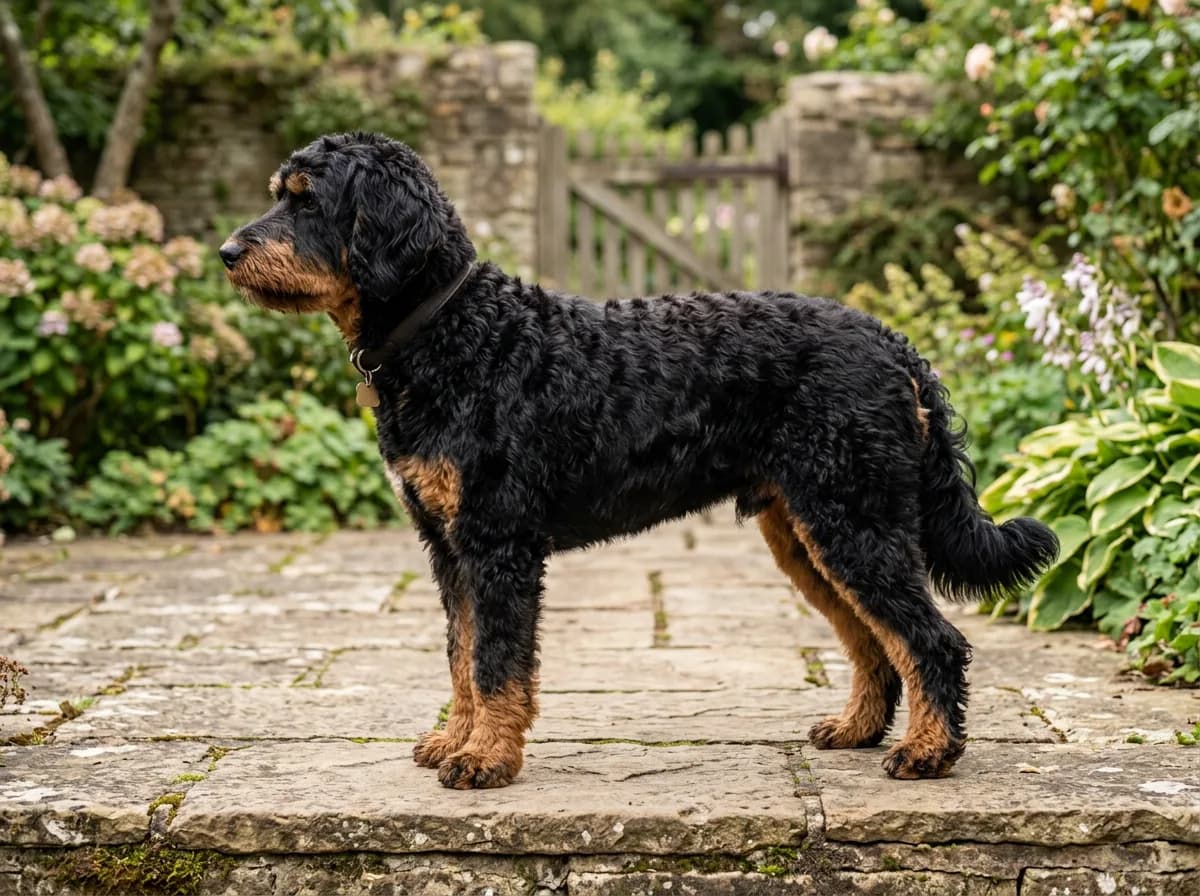
Most Bernedoodles land on the calmer, more affectionate end of the doodle spectrum, especially compared with high-drive doodles bred from working retrievers. They inherit the Bernese Mountain Dog's devoted, gentle, people-first personality and the Poodle's playful intelligence. The typical adult is loving, eager to be near its family, good with children, and generally social with other dogs when properly socialized.
That said, "calm" is age-dependent and size-dependent. Puppies and adolescents of any doodle are energetic, mouthy, and goofy, and they can stay boisterous until roughly two to three years old. Smaller Tiny and Mini Bernedoodles, particularly those with more Toy Poodle influence, can be more excitable and vocal, while many Standards mellow into laid-back adults. Temperament also swings with the individual and with how much early training and socialization the dog receives. A bored, under-exercised Bernedoodle will absolutely read as "hyper."
One trait to plan for is a strong attachment to people. Bernedoodles bond hard and can be prone to separation anxiety if left alone for long stretches. This is a breed that wants to be with its family, which makes it a poor match for a household that is empty ten hours a day. We go deeper on personality quirks, socialization windows, and matching temperament to your home in the Bernedoodle temperament guide.
Do Bernedoodles Bark a Lot?
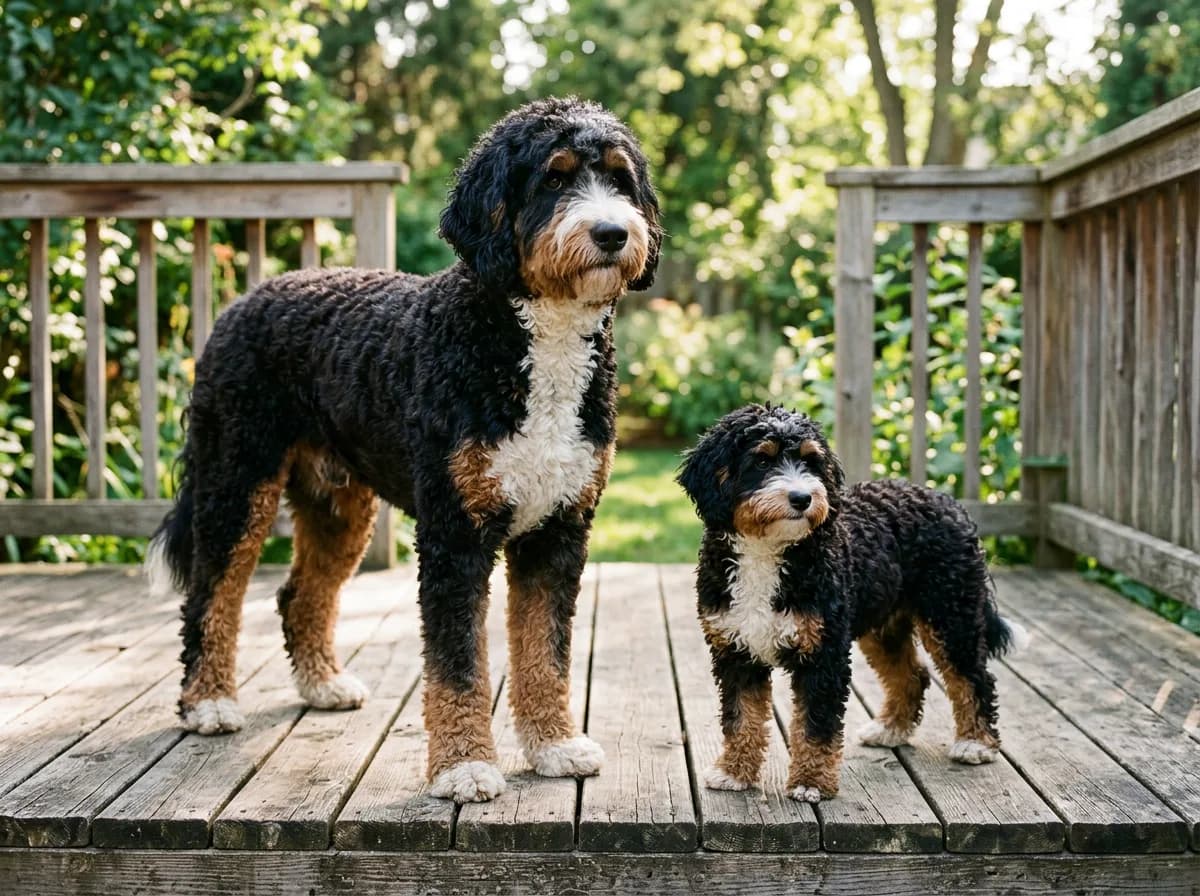
Bernedoodles are not known as heavy barkers, and most are moderate on the vocal scale. The Bernese Mountain Dog side is fairly quiet and was bred to be a calm farm presence, so many Bernedoodles bark mainly to alert you to the doorbell or a visitor rather than as constant background noise. That makes them decent, low-drama watchdogs without turning into nuisance barkers.
The exceptions follow a pattern. Smaller Bernedoodles with more Toy or Miniature Poodle genetics tend to be more vocal, and any dog left alone, under-stimulated, or anxious will bark more. Because the breed is prone to separation anxiety, a lot of "problem barking" in Bernedoodles is really boredom or distress barking that resolves with more exercise, enrichment, and training rather than a bark collar. Teaching a "quiet" cue early and rewarding calm behavior goes a long way.
- If your Bernedoodle barks at the window or when alone, treat it as a management and enrichment problem first. Increase exercise, use puzzle feeders, and reward quiet behavior. Most Bernedoodle barking is boredom, not stubbornness.
Training a Bernedoodle
Bernedoodles are highly trainable, which is one of the biggest advantages of the Poodle cross. They are smart, food-motivated, and genuinely want to please, so they tend to pick up basic obedience quickly with positive, reward-based methods. Early puppy classes, consistent house rules, and reward-based reinforcement set them up to be easy adult companions.
Two cautions. First, the Bernese side can bring a streak of sensitivity and occasional stubbornness, so harsh corrections backfire and can make a soft dog shut down. Keep sessions upbeat and short. Second, because they are so smart and so attached, Bernedoodles need mental work, not just physical exercise. Puzzle toys, scent games, trick training, and rotating enrichment keep that clever brain busy and prevent the boredom behaviors (barking, chewing, counter-surfing) that show up when a bright dog is under-stimulated.
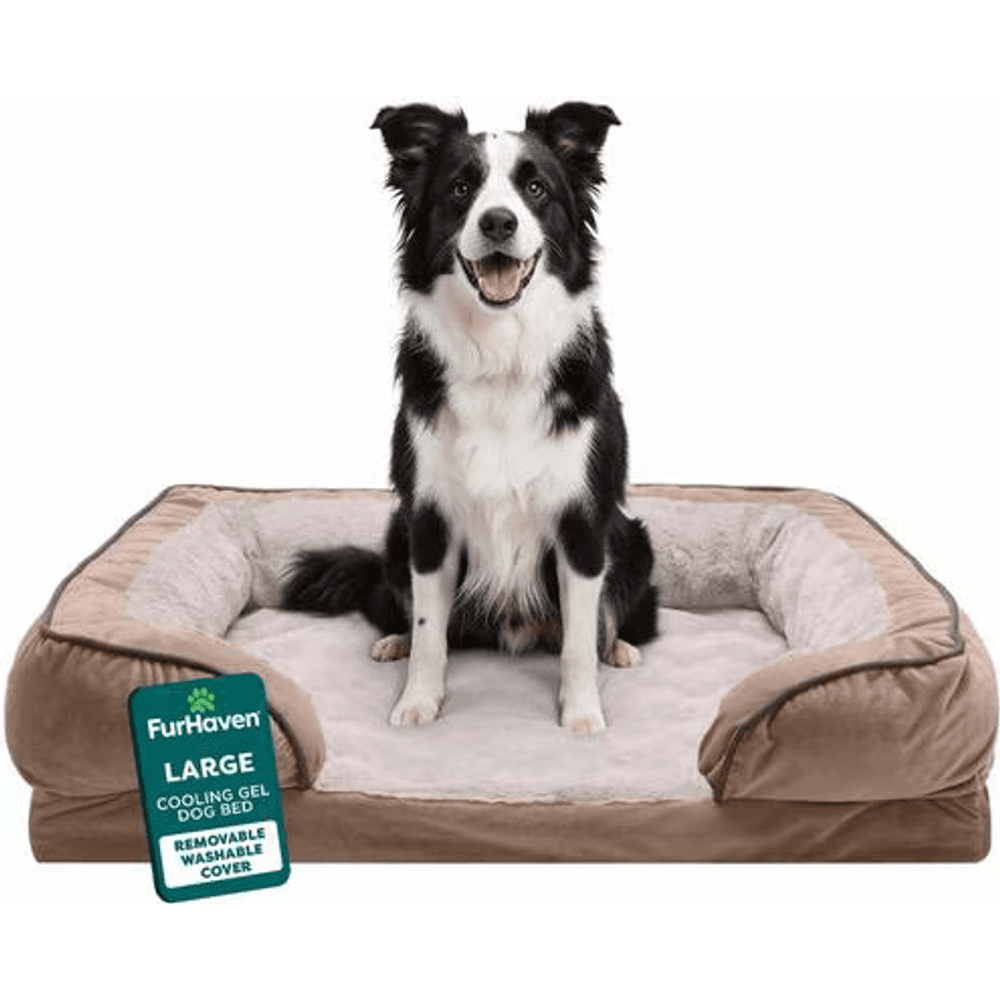
An orthopedic sofa bed with three bolstered sides for dogs who like to rest their head and joints against a cushion. The supportive foam base cradles hips and elbows, a comforting spot for an older or shaky dog to settle.
Petful may earn a commission when you click through to Chewy, at no extra cost to you.
Socialization is the other half of training. Expose your puppy to varied people, dogs, surfaces, and sounds during the critical window (roughly 8 to 16 weeks) to build the confident, friendly adult the breed is capable of being. This is doubly important for the smaller sizes, which can otherwise become timid or reactive.
Bernedoodle Exercise Needs

Bernedoodles have moderate energy that scales with size and generation. A good baseline is 30 to 60 minutes of activity per day, split between a walk or two and some off-leash play, plus the mental enrichment covered above. Standards generally want the most and enjoy hiking, swimming, and yard romps, while Minis and Tinys can meet their needs with brisk walks and indoor play, which is part of why smaller Bernedoodles adapt to apartments.
They are athletic enough to enjoy dog sports such as agility and rally, thanks to the Poodle side, but they are not tireless working dogs and are happy to match your pace once mature. Be mindful of heat: the dense, dark coats many Bernedoodles carry can make them prone to overheating, so exercise in the cooler parts of the day in summer and always provide water and shade.
Grooming a Bernedoodle
Grooming is the part of ownership buyers most often underestimate. That gorgeous coat is high maintenance regardless of type. Wavy and curly Bernedoodles need brushing several times a week (ideally daily during heavy coat changes) to prevent painful mats, plus a professional groom every 6 to 8 weeks for a trim, bath, nail trim, and sanitary clean-up. Straight-coated dogs shed more but mat a little less, so the trade-off is more hair on your floors versus more time with the brush.
Beyond the coat, budget time for ears and eyes. Poodle-derived ears trap moisture and hair and are prone to infection, so they need regular checking and cleaning. Many Bernedoodles also grow hair around the eyes that needs trimming to prevent irritation and staining. Nails, teeth, and the sanitary area round out a routine that is genuinely more involved than a short-coated breed. Plan for the ongoing cost of a groomer or the time and tools to do it yourself. Our full Bernedoodle grooming guide breaks down brushes, bath frequency, and a matting-prevention schedule by coat type.
- A neglected wavy or curly coat mats to the skin, which traps moisture, hides parasites, and causes painful sores. If you cannot commit to regular brushing plus professional grooming every 6 to 8 weeks, a Bernedoodle is not the right coat for your lifestyle.
Bernedoodle Health and Lifespan
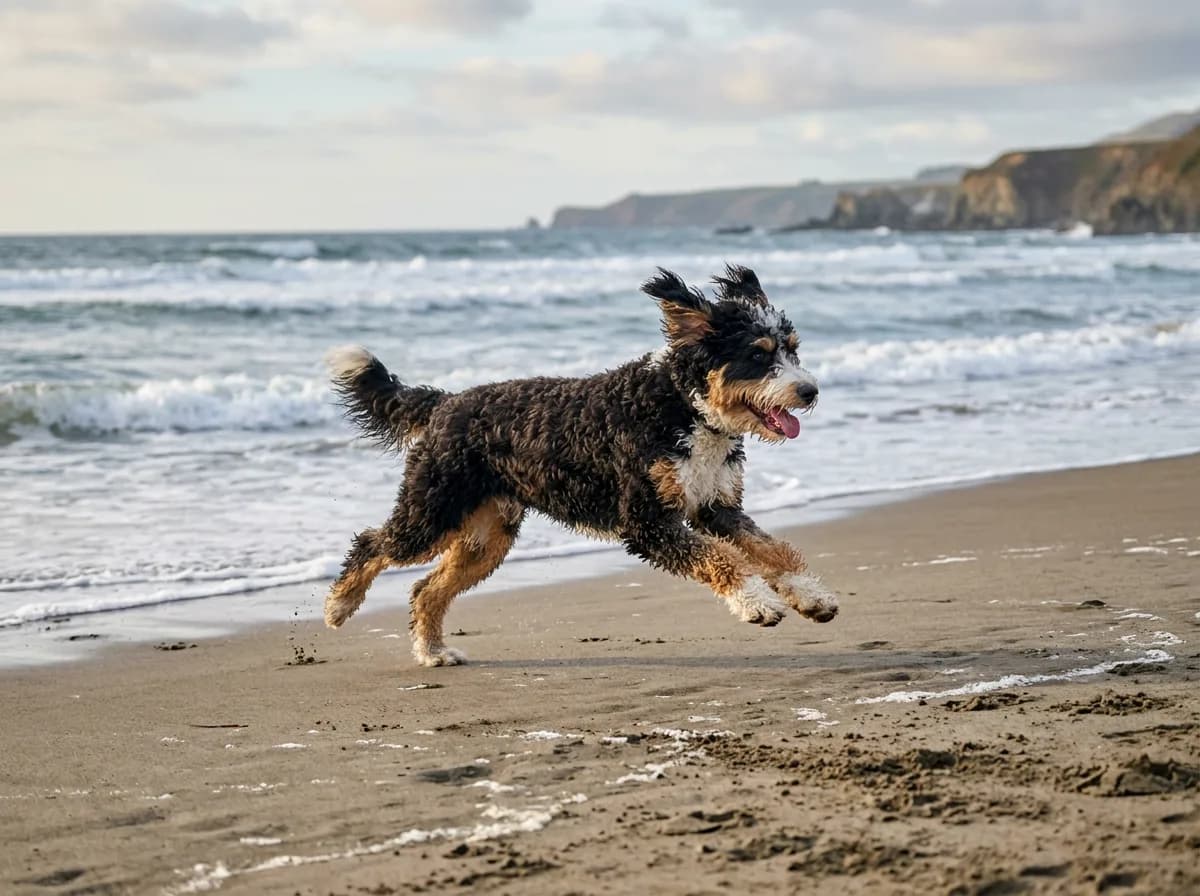
One reason breeders created the Bernedoodle was to improve on the Bernese Mountain Dog's notoriously short, cancer-prone life through hybrid vigor. In practice, Bernedoodles are often healthier and longer-lived than purebred Berners, but "hybrid" does not mean immune. They can inherit conditions from either parent line, and responsible ownership starts with a breeder who health-tests both parents.
Conditions to be aware of include:
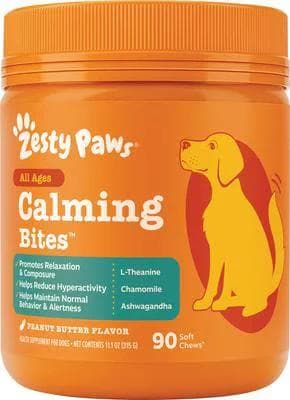
Peanut butter soft chews with L-theanine, chamomile, and ashwagandha to ease hyperactivity and support calm, relaxed behavior.
Petful may earn a commission when you click through to Chewy, at no extra cost to you.
- Hip and elbow dysplasia (from both parent breeds); ask for OFA or equivalent joint clearances on the parents.
- Progressive retinal atrophy and other eye conditions (Poodle side); look for a recent eye exam certification.
- Skin and coat allergies, plus ear infections tied to the coat type.
- Some risk of cancer and von Willebrand disease inherited from the Berner and Poodle lines respectively.
- Bloat (gastric dilatation-volvulus), a risk in larger, deep-chested Standards.
Health testing is your best protection. Reputable breeders screen parent dogs for hips, elbows, eyes, and heart, and share results through databases such as the Orthopedic Foundation for Animals. For breed-wide health background you can also consult the American Kennel Club parent-breed resources and university veterinary programs such as Cornell's College of Veterinary Medicine. We keep a running, sourced overview in the Bernedoodle health guide.
What Is the Lifespan of a Bernedoodle?
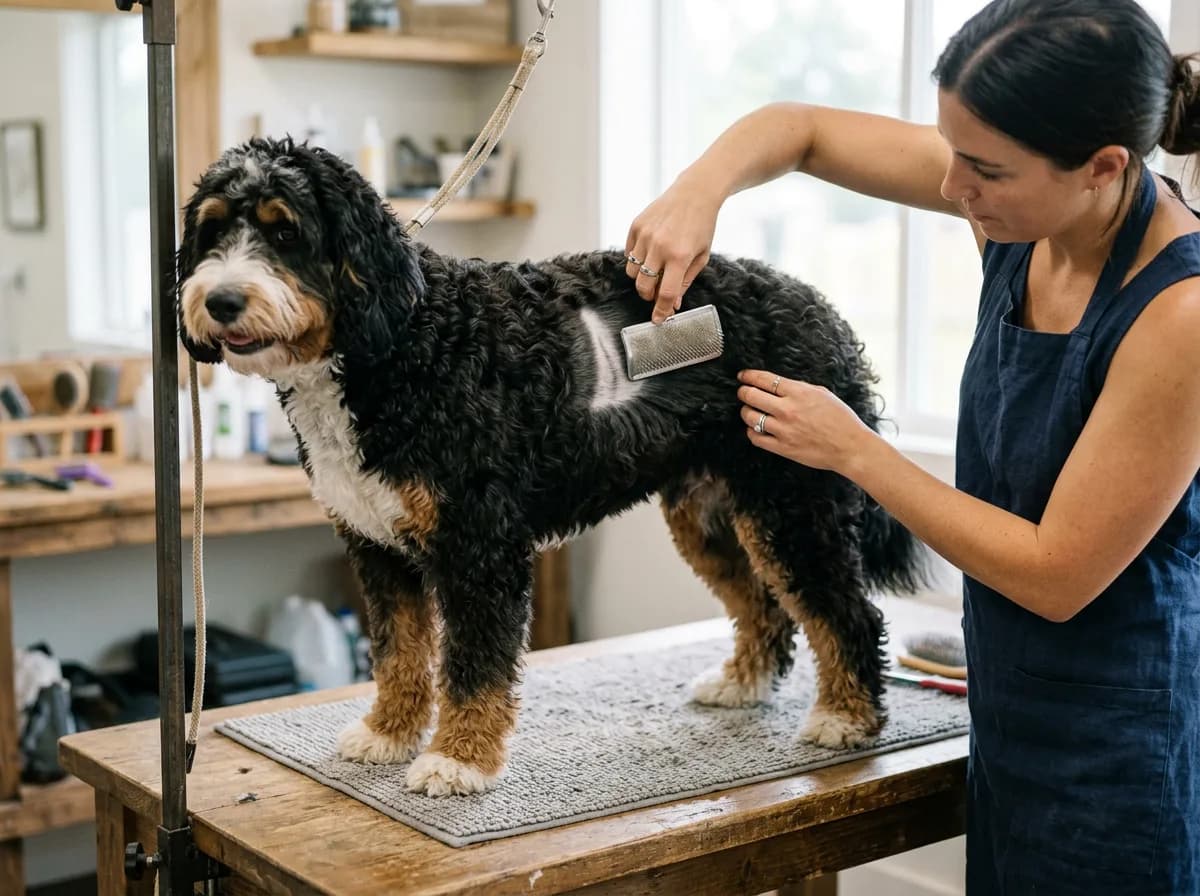
Bernedoodles typically live 12 to 18 years, with the smaller sizes generally living longer than the Standards. That is a notable improvement over the Bernese Mountain Dog, which often lives only 7 to 10 years. A Tiny or Mini Bernedoodle from health-tested parents can realistically reach the mid-to-upper teens with good care, while a large Standard tends to land in the lower part of that range, closer to 12 to 15 years, as is typical for bigger dogs. Lifespan is driven by size, genetics, weight management, dental care, and staying current on veterinary care.
What Is the Downside of a Bernedoodle?
Every breed has trade-offs, and it is worth being honest about the Bernedoodle's. The most common downsides owners report are:
- Unpredictability: as a young crossbreed, coat, size, color, and temperament vary widely, especially in F1 and F2 litters. You are buying a probability, not a spec sheet.
- High grooming needs: frequent brushing plus professional grooming every 6 to 8 weeks is a real, ongoing time and money commitment.
- Cost: both the purchase price and lifetime care run high (more below).
- Separation anxiety: they bond intensely and do poorly when left alone for long hours.
- Health is not guaranteed: hybrid vigor helps, but poorly bred Bernedoodles from untested parents can still inherit serious conditions, and the popularity of the breed has attracted less scrupulous breeders and puppy mills.
- Size surprises: a Standard can top 80 to 90 pounds, which catches some first-time buyers off guard.
None of these are dealbreakers for the right home, but they are the reasons a Bernedoodle is a poor impulse buy.
- The breed's popularity has drawn puppy mills and backyard breeders. Insist on seeing health clearances (hips, elbows, eyes, heart) for both parents, meeting at least the mother, and a written health guarantee. If a breeder dodges these, walk away.
How Much Do Bernedoodles Usually Cost?
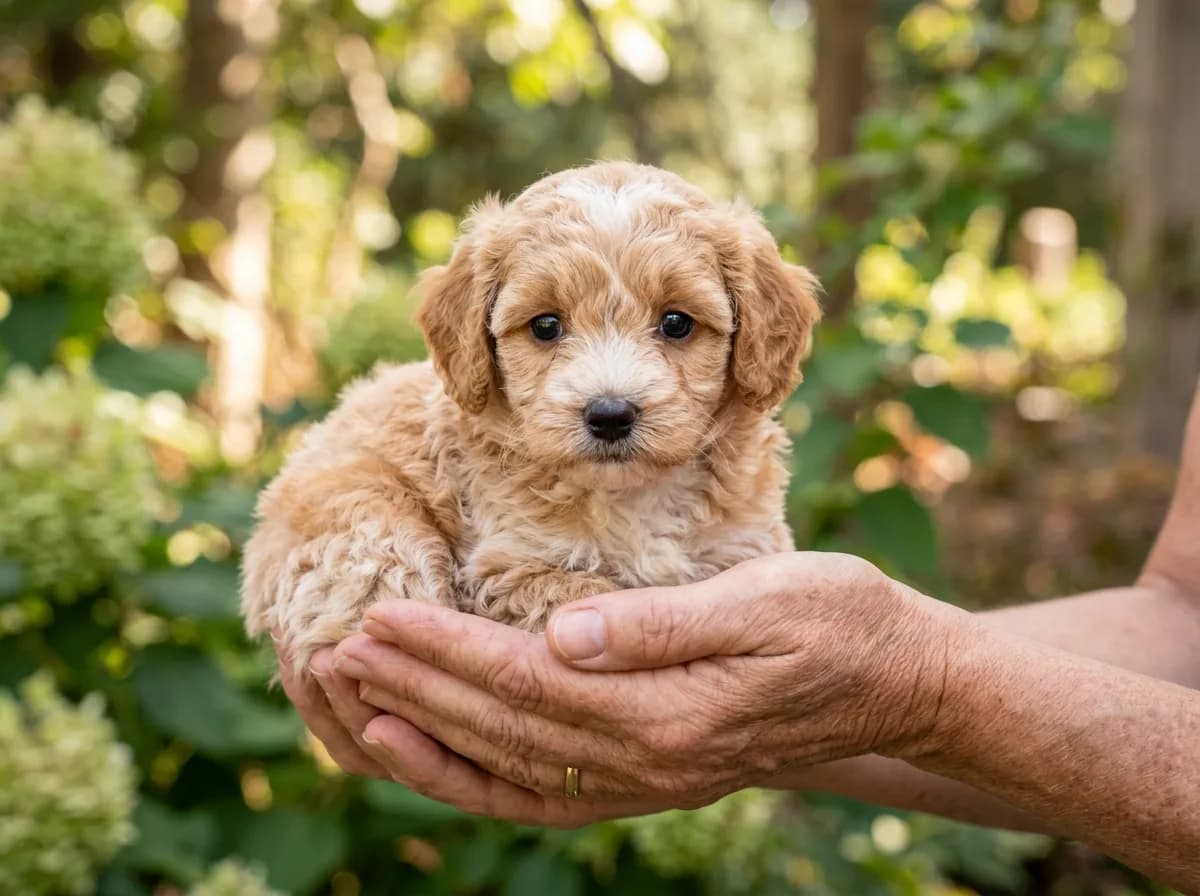
Bernedoodles are a premium-priced designer breed. A puppy from a reputable, health-testing breeder typically runs 2,000 to 5,000 dollars, with the exact price driven by size, generation, coat, color, and the breeder's reputation. Rare colors such as merle or phantom and highly sought Mini and Tiny sizes command the top of that range, sometimes higher. Bargain "Bernedoodles" priced far below 2,000 dollars are a red flag for skipped health testing or puppy-mill sourcing.
The sticker price is only the beginning. Below is a realistic first-year and ongoing budget.
| Expense | Typical Range | Notes |
|---|---|---|
| Puppy purchase | 2,000–5,000 dollars | Higher for rare colors and small sizes |
| First-year supplies and setup | 500–1,000 dollars | Crate, bed, leash, bowls, initial vet visits |
| Professional grooming | 75–150 dollars per visit | Every 6–8 weeks, ongoing |
| Food (annual) | 500–1,200 dollars | Scales with size; Standards eat far more |
| Routine vet and preventatives | 500–1,000 dollars per year | Wellness, vaccines, flea/tick/heartworm |
Across a lifetime, a Standard Bernedoodle can easily cost more than a Mini simply because it eats more, needs larger doses of preventatives, and often carries higher medical costs. For a full cost worksheet by size and region, plus how to budget for insurance, see our Bernedoodle price guide.
Is a Bernedoodle Right for You?
A Bernedoodle is a wonderful fit for the right household and a frustrating mismatch for the wrong one. Here is the honest filter.
A Bernedoodle is a great match if you:
- Are home often or can bring the dog along, since they hate being alone.
- Can commit to regular brushing and professional grooming, or the budget for it.
- Want an affectionate, trainable family dog and are willing to invest in early socialization.
- Have the budget for a premium purchase price and higher lifetime costs.
- Can match the size to your space (Mini or Tiny for apartments, Standard for homes with room).
A Bernedoodle is probably the wrong choice if you:
- Work long hours away from home with no midday help.
- Want a low-maintenance, wash-and-go coat.
- Need a fully predictable size or look, which no crossbreed can guarantee.
- Are shopping mainly on price.
If the grooming or the separation-anxiety piece gives you pause, a smaller or lower-shedding designer breed such as a Cockapoo may suit you better, while still delivering that friendly doodle personality.
Bernedoodle FAQ
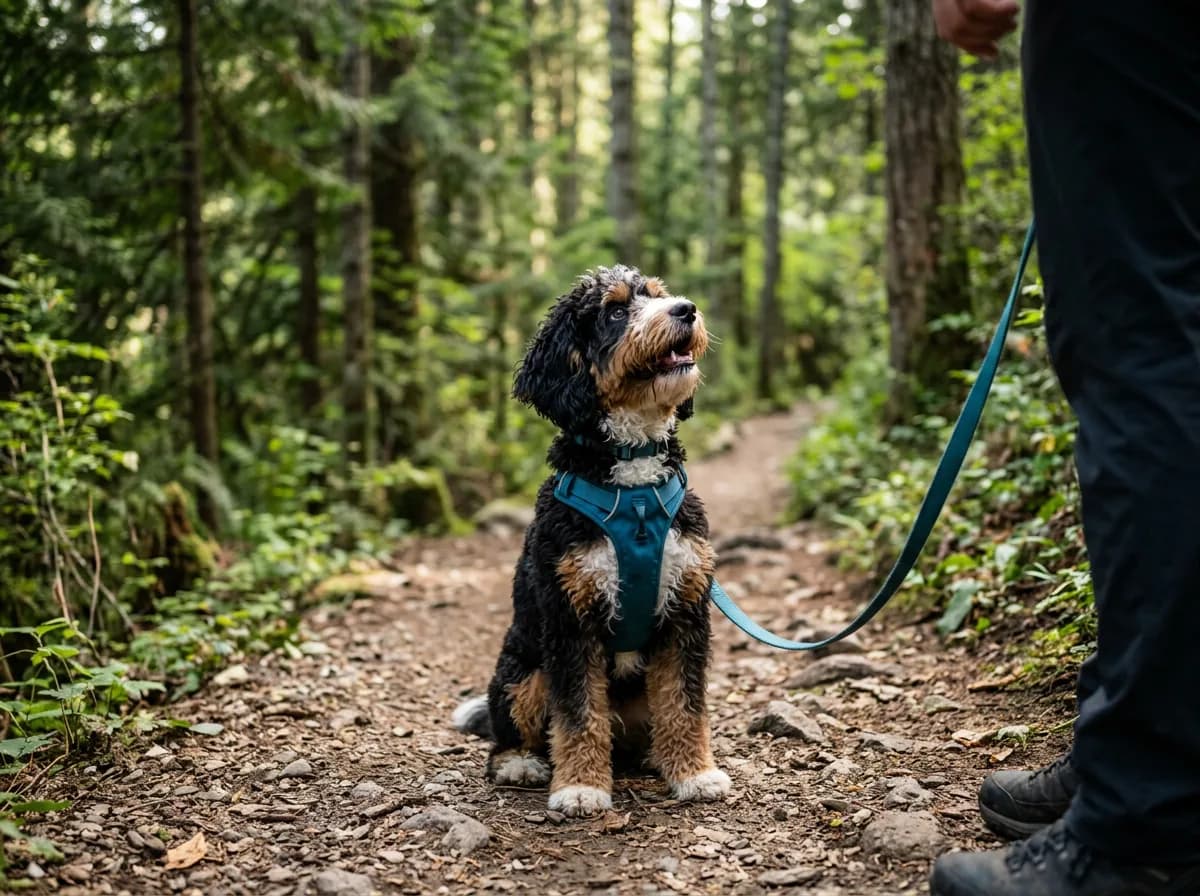
Are Bernedoodles Hypoallergenic, and Do They Shed?
No dog is truly hypoallergenic, but the Bernedoodle is one of the more allergy-friendly and lowest-shedding doodle crosses, which is a big part of its appeal. Allergies are triggered by proteins in a dog's dander, saliva, and urine, not by hair itself, so a low-shedding coat only reduces how much of that allergen circulates around your home. It does not eliminate it.
How much a specific Bernedoodle sheds comes down to coat type and generation. Curly, Poodle-like coats and higher-Poodle generations (F1b and multigen) shed the least and hold onto loose hair inside the coat, which is exactly why they need frequent brushing. Straight or flat coats carry more Bernese Mountain Dog genetics and shed noticeably more.
- Best bet for allergy-sensitive homes: an F1b or multigen with a curly coat.
- Expect a temporary uptick in loose hair and matting when the puppy coat changes to the adult coat, roughly between 6 and 12 months.
- Always spend time with the individual dog before committing, since reactions vary person to person.
Low-shedding adults drop very little hair year round. The main shedding event is the puppy-to-adult coat transition around 6 to 12 months, after which most curly and wavy coats trap loose hair rather than scattering it.
Shedding is roughly comparable between the two. In both breeds the generation and coat type matter far more than which doodle you choose, so a curly F1b of either will out-perform a straight-coated F1.
Bernedoodle Size Chart and Growth Timeline
Most Bernedoodles reach their adult height by around 12 months, but the timeline scales with size. Toy and Mini Bernedoodles finish growing sooner, often near 7 to 11 months, while large Standards keep filling out through the chest and adding weight until roughly 16 to 24 months of age. If you want a rough rule, expect a Mini to be full grown by its first birthday and a Standard closer to 18 months.
The size you end up with is set almost entirely by which Poodle was in the cross. Here is a quick-reference chart for adult size:
- Toy or Tiny Bernedoodle: about 10 to 24 pounds and 12 to 17 inches tall at the shoulder.
- Mini Bernedoodle: about 25 to 49 pounds and 18 to 22 inches tall.
- Standard Bernedoodle: about 50 to 90 pounds (some larger) and 23 to 29 inches tall.
One label worth decoding: a "Micro" Bernedoodle is a breeder marketing term for the smallest Toy-size dogs, usually under about 20 pounds, rather than a separate genetic tier. Because these are ranges, the surest way to predict an adult's size is to look at the actual weights of both parents and any earlier litters.
Bernedoodle vs. Goldendoodle: What Is the Difference?
The core difference is the non-Poodle parent: a Bernedoodle is half Bernese Mountain Dog, while a Goldendoodle is half Golden Retriever. That single swap drives most of what sets them apart in temperament, energy, and color.
- Temperament: Bernedoodles tend to be calmer and more laid-back, sometimes with a sensitive or lightly stubborn streak from the Berner side. Goldendoodles are usually more consistently outgoing and eager-to-please, with a stronger play and retrieve drive.
- Energy: Goldendoodles generally need more daily exercise. Many Bernedoodles are happy to match your pace once they mature.
- Coat and color: Bernedoodles are known for tricolor black, white, and rust, plus merle and phantom patterns. Goldendoodles are usually solid cream, apricot, red, or gold.
- Shedding: both are low-shedding, and neither is fully hypoallergenic. Generation and coat type decide the winner, not the breed.
- Size, lifespan, and price: both come in Mini and Standard sizes, both are premium-priced designer dogs, and both typically live 12 to 15 years or longer in the smaller sizes.
Choose the Bernedoodle for a calmer, tricolor companion and the Goldendoodle for a more energetic, retriever-style one.
The main downsides are unpredictability in coat, size, and color (especially in F1 litters), high grooming needs, a premium price, and a tendency toward separation anxiety because they bond so closely with their people. Hybrid vigor helps but does not guarantee health, so buy only from a breeder who tests both parents.
A puppy from a reputable, health-testing breeder typically costs 2,000 to 5,000 dollars, with rare colors and small sizes at the top of that range. Plan for ongoing costs too: grooming every 6 to 8 weeks, plus food, vet care, and preventatives that add up to several hundred to over a thousand dollars a year.
It depends on the Poodle parent. Tiny Bernedoodles reach about 10 to 24 pounds, Minis about 25 to 49 pounds, and Standards about 50 to 90 pounds. The smaller parent and the breeder's records from past litters are the best predictors of adult size.
Most Bernedoodles are on the calmer, affectionate end for a doodle, though puppies and adolescents are energetic until roughly two to three years old. Smaller dogs with more Toy Poodle genetics tend to be more excitable, and any under-exercised Bernedoodle will act hyper. | Q: Do Bernedoodles bark a lot? | A: No, most are moderate barkers. The quiet Bernese side keeps many of them from being nuisance barkers, so they tend to alert-bark rather than bark constantly. Smaller sizes are more vocal, and most problem barking traces back to boredom or separation anxiety rather than the breed itself.
Bernedoodles typically live 12 to 18 years, with smaller sizes living longer than Standards. That is a meaningful improvement over the Bernese Mountain Dog's 7 to 10 year average, thanks to hybrid vigor and the Poodle's longer lifespan.
The Bottom Line
The Bernedoodle earns its popularity: it is affectionate, smart, family-oriented, often healthier and longer-lived than its Bernese parent, and available in a size for almost any home. The catch is that it asks for real commitment in grooming, company, and money, and it delivers a range of outcomes rather than a fixed template. Choose a health-testing breeder, match the size and generation to your life, and go in clear-eyed about the coat and the cost, and a Bernedoodle can be one of the most rewarding companions you will ever own. Explore the linked guides above to go deeper on the exact size, color, temperament, health, grooming, and price details that matter most to your decision.

Coreen Saito is a pet writer and longtime shelter volunteer with more than a decade in animal rescue. She covers cat behavior, breed care, and the small, ordinary science of sharing a life with companion animals, with a particular focus on honest takes about the products and decisions that actually matter. At home in Arizona, she's outranked by Mac (a dog with the loudest opinion in the house), Rebel (a cat who governs by quiet authority), and Meri (an orange tabby who runs the late shift and the laundry basket). She writes about all three, plus the rescues that keep coming through her life, at LifeWithMinty.com.
Sign up for expert-backed reviews and safety alerts all in one place.