Bernedoodle Price: What a Bernedoodle Really Costs in 2026
A complete 2026 breakdown of the Bernedoodle price: what a puppy really costs, the four factors that drive it up or down, first-year and annual cost of ownership, and how to avoid puppy scams.
Petful is reader supported. As an affiliate of platforms like Amazon and Chewy, we may earn a commission when you buy through links on this page. There is no extra cost to you.
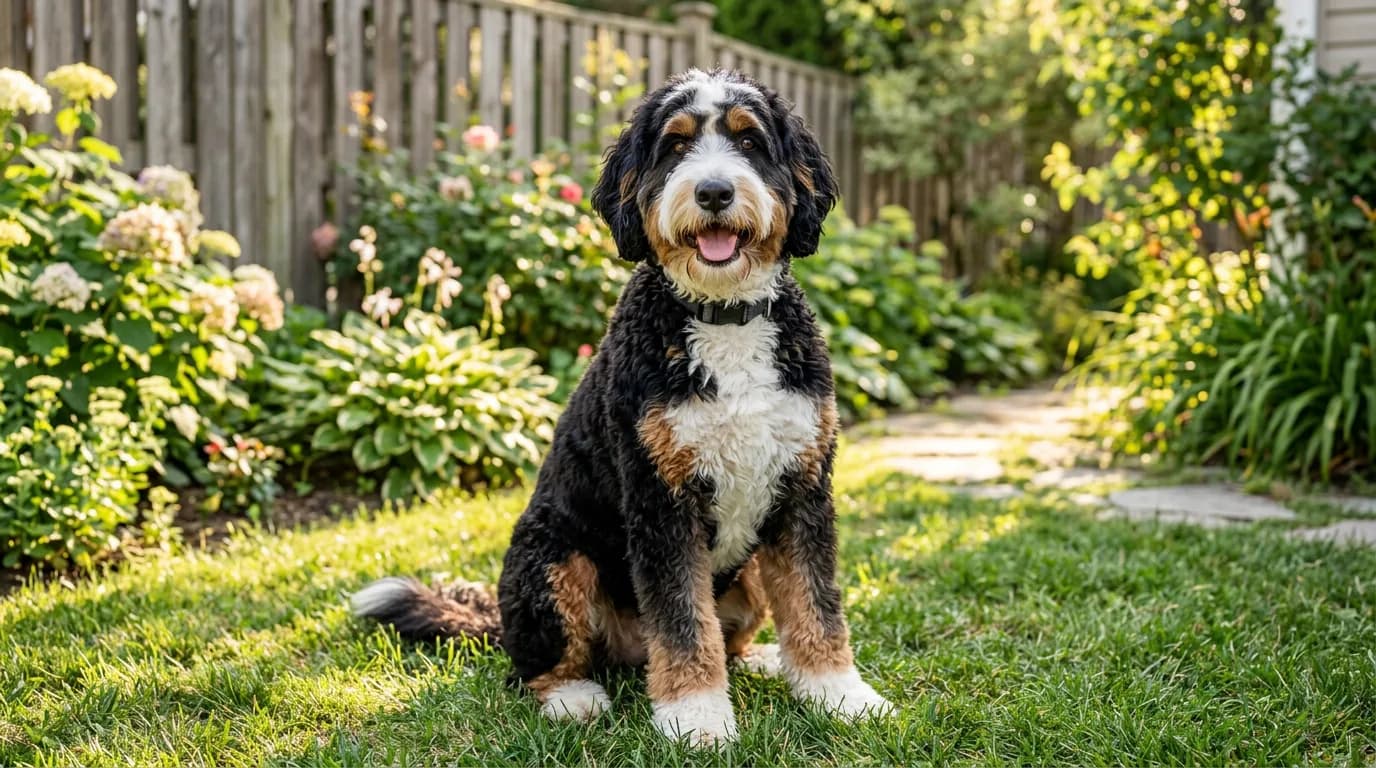
If you are researching the bernedoodle price before you commit, here is the honest short answer: most puppies from a responsible breeder run $2,000 to $5,000, and rare colors, micro sizes, or champion-line parents can push that past $8,000. But the number on the puppy is only the down payment on a decade-plus relationship. A Bernedoodle is a designer cross between a Bernese Mountain Dog and a Poodle, and the same traits that make the breed so appealing (that soft wavy coat, the big affectionate personality, the low-shedding promise) are exactly what make it costly to buy and to keep.
This guide breaks the real cost into two halves: what you pay to bring one home, and what you pay every year afterward. We cover what actually drives the price up or down, how Bernedoodles compare to Goldendoodles, the honest downsides nobody puts in the litter listing, and how to spot a puppy scam before your deposit disappears.
- 1Expect to pay $2,000 to $5,000 for a well-bred Bernedoodle puppy, with rare colors and mini or micro sizes commanding the highest prices.
- 2Budget roughly $3,500 to $5,000 for the first year once supplies, initial vet care, and grooming are added to the purchase price.
- 3Plan on $2,000 to $3,500 per year after that, with professional grooming and food as the two biggest recurring line items.

Sign up for expert-backed reviews and safety alerts all in one place.
How Much Should a Bernedoodle Cost?
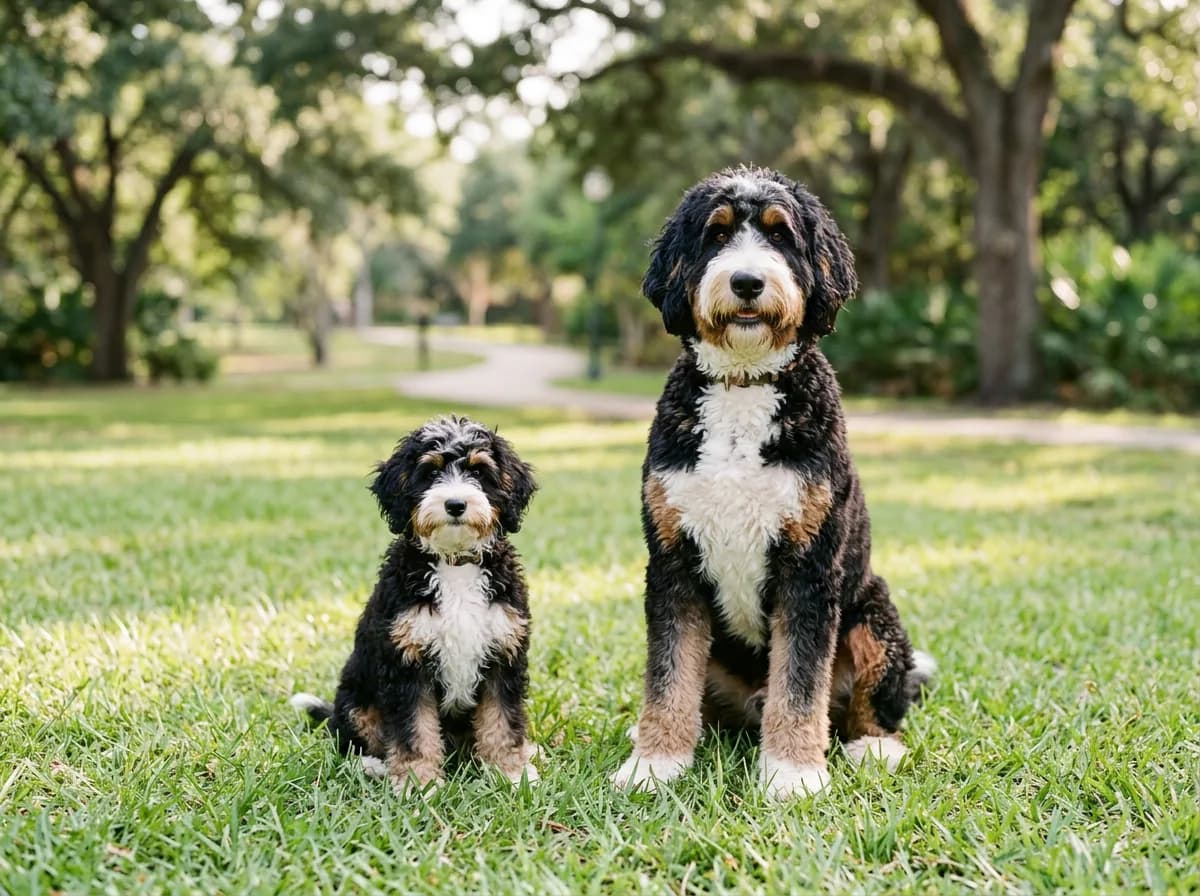
For a puppy from a breeder who health-tests both parents, registers the litter, and socializes the pups, a fair bernedoodle price sits between $2,000 and $5,000. The national average lands close to $3,000. Prices below $1,500 are a warning sign, not a bargain, because responsible breeding (genetic screening, prenatal vet care, quality food, early neurological stimulation) costs the breeder real money that a $500 puppy simply cannot cover.
Geography matters too. Puppies in high-demand metro areas and the coasts routinely list higher than the same-quality pup from a rural Midwest breeder. Waitlists also move the number: a breeder with a two-year waitlist has no reason to discount, while a newer program may price lower to build a reputation.
The table below shows how price tracks with size, which is the single biggest lever most buyers control.
| Size | Typical Adult Weight | Typical Puppy Price |
|---|---|---|
| Standard | 70–90 lbs | $2,000–$4,000 |
| Medium | 35–55 lbs | $2,500–$4,500 |
| Mini | 25–49 lbs | $3,000–$5,000 |
| Toy or Micro | 10–24 lbs | $3,500–$8,000+ |
Notice that the smallest dogs cost the most. That is counterintuitive until you understand the breeding math behind it, which we get into next.
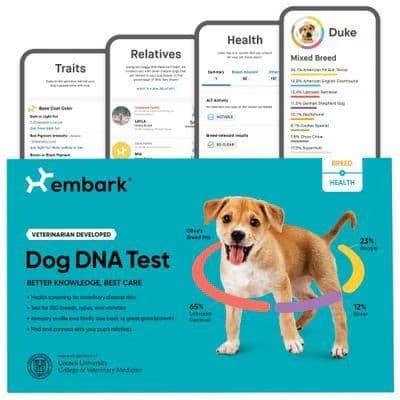
Petful may earn a commission when you click through to Chewy, at no extra cost to you.
What Actually Drives the Bernedoodle Price
Four factors explain almost every price difference you will see between two listings: size, generation, coat color, and the breeder behind the litter.
Size: Smaller Usually Costs More
Producing a Mini or Toy Bernedoodle requires breeding down through smaller Poodles over multiple generations, and small litters are common at the tiny end of the scale. Fewer puppies per litter plus higher buyer demand for apartment-friendly sizes pushes the Mini and Micro prices to the top of the range. Standards, by contrast, come in larger litters and appeal to a smaller pool of buyers who have room for a 80-pound dog, so they tend to be the most affordable.
Generation: F1, F1B, and Beyond
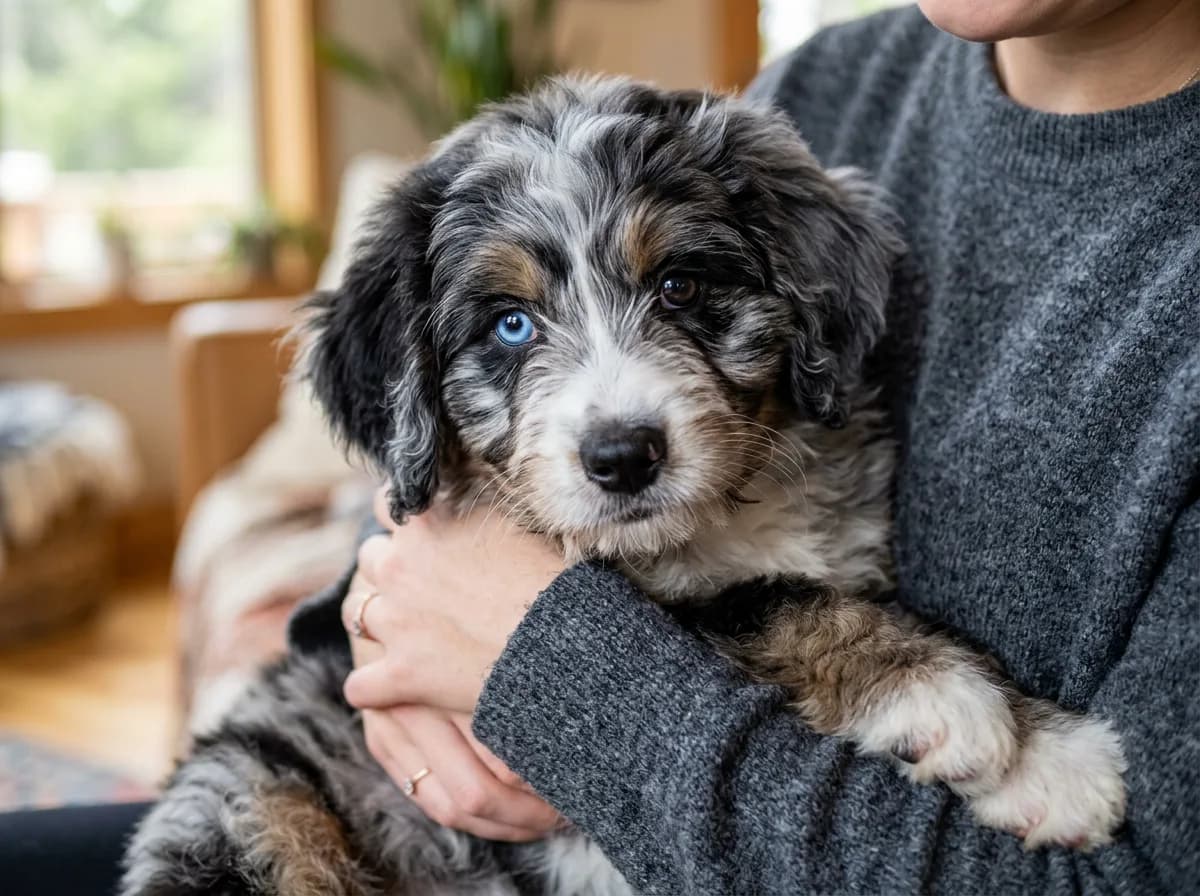
Bernedoodle generations describe how the cross was made, and they carry real price and coat implications:
- F1 is a first-generation cross (purebred Bernese Mountain Dog × purebred Poodle). These are 50/50 and often the most affordable, but coat type and shedding are the least predictable.
- F1B breeds an F1 Bernedoodle back to a Poodle, producing a curlier, more reliably low-shedding coat. This is the most popular pick for allergy-sensitive homes, and it usually commands a premium.
- F2 and multigen crosses breed two Bernedoodles together (or later generations). Well-run multigen programs can lock in consistent coats and often price at the high end.
No generation is truly "hypoallergenic," a point the American Kennel Club (see akc.org) makes clear about all doodle crosses. F1B simply improves the odds of a low-shed coat, and buyers pay for those odds.
Coat Color: Rarity Sets the Price
Standard tricolor and black-and-white Bernedoodles are the most common and most affordable. The premium colors are merle, phantom (black with tan points), sable, and unusual patterns like a full tri-merle. Because these require specific parent genetics and are harder to produce, breeders charge more, sometimes $1,000 to $2,000 above a standard-colored littermate. Petful’s guide to Bernedoodle colors has the full breakdown.
Breeder Reputation and Health Testing
This is the factor worth paying for. A quality breeder screens both parents for hip and elbow dysplasia, cardiac issues, and breed-relevant genetic conditions, and registers those results with a body like the Orthopedic Foundation for Animals (ofa.org). They provide a health guarantee, first vaccinations, deworming, and often a microchip. A breeder who skips testing can undercut on price, but you inherit the risk in vet bills later. The upfront premium for a tested litter is cheap insurance.
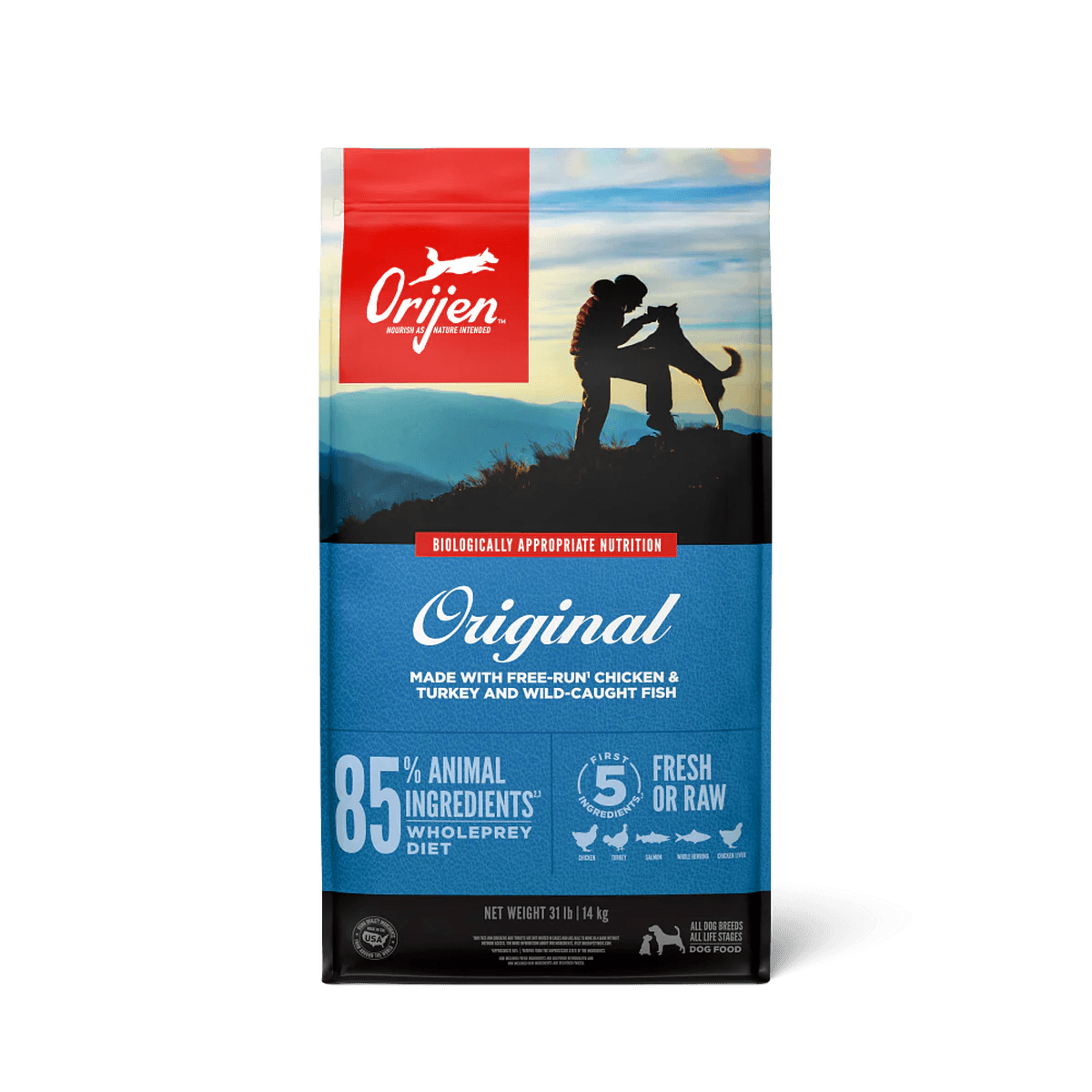
A grain-free kibble built around named whole-protein sources. Best for active adult dogs; the high fat content is more than many sedentary pets need.
Petful may earn a commission when you click through to Chewy, at no extra cost to you.
Why Is a Bernedoodle So Expensive?
Bernedoodles are expensive for a stack of reasons that compound. First, the parent breeds are costly: a health-tested Bernese Mountain Dog and a quality Poodle each represent a significant investment, and Bernese in particular have small litters and short lifespans, which limits breeding output. Second, the low-shedding coat that buyers want requires deliberate multigeneration breeding rather than a single quick cross. Third, demand has outrun supply for years, and popular colors and sizes carry waitlists that let breeders hold firm on price.
Add the real costs a responsible breeder absorbs before a single puppy is sold: genetic panels, progesterone testing, sometimes artificial insemination, prenatal and whelping vet care, premium nutrition for the dam, early socialization, and vaccinations. Spread across a modest litter, those costs alone can run well over $1,000 per puppy before any profit. The high bernedoodle price is less about hype and more about a genuinely expensive dog to produce well.
- Crossbreeds like the Bernedoodle are not recognized as a purebred by kennel clubs, and that is fine. What you are paying for is health-tested parents, coat predictability, and temperament, not a pedigree certificate. Judge the breeder's testing and transparency, not the crossbreed status.
Are Bernedoodles Cheaper Than Goldendoodles?
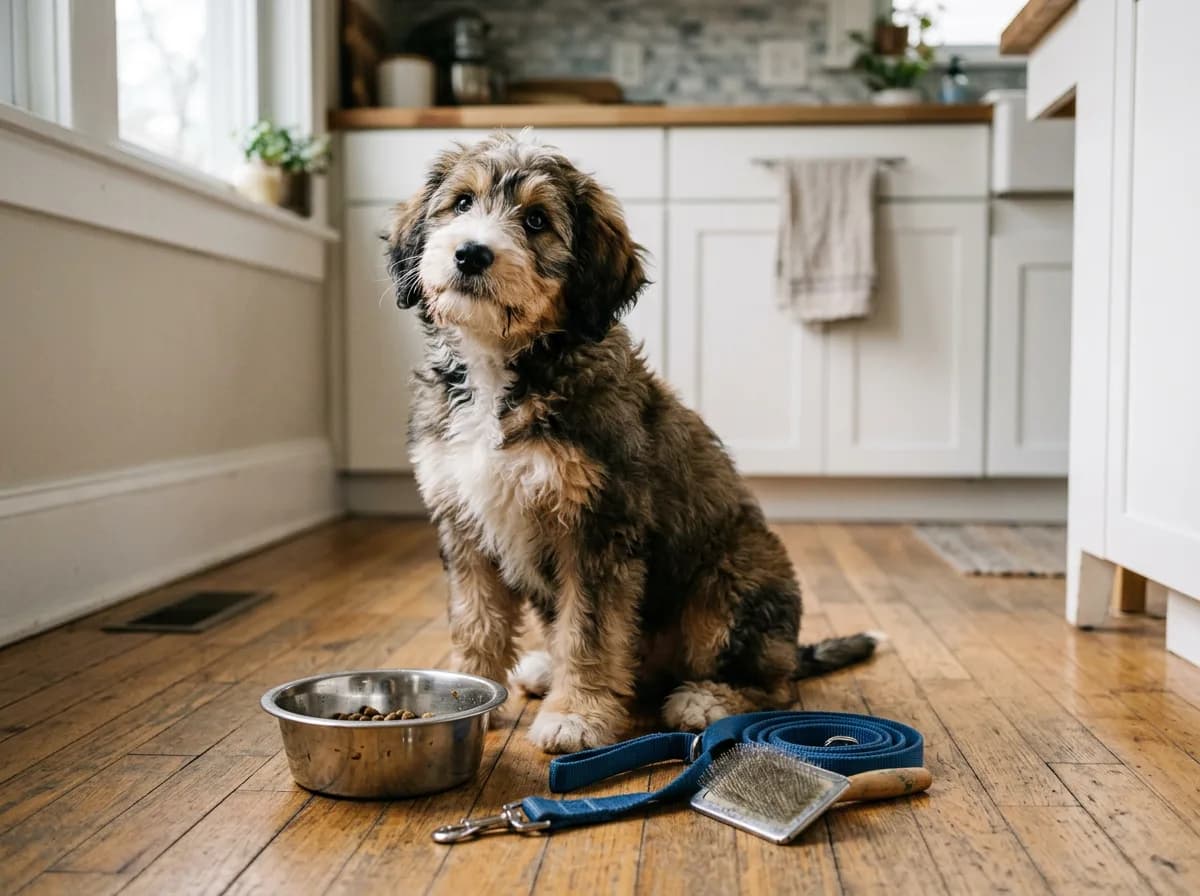
In most markets, no. Bernedoodles typically cost the same as or slightly more than Goldendoodles of a comparable size and generation. The reason traces back to the parent breeds. Golden Retrievers have large, frequent litters and are widely available, which keeps Goldendoodle supply high and prices moderate. Bernese Mountain Dogs have smaller litters, are less common, and command more as breeding stock, so that scarcity flows through to the Bernedoodle price.
That said, the ranges overlap heavily. A standard tricolor Bernedoodle and a standard Goldendoodle might both land around $2,500 to $3,500 from similar breeders. Where Bernedoodles pull ahead on price is in the rare-color and mini categories, where a merle or phantom mini can outprice almost any Goldendoodle. If your budget is the deciding factor, a Goldendoodle may edge out slightly cheaper, but not by enough to choose the breed on cost alone. Both are cousins to other doodle crosses worth comparing, like the Cavapoo, if a smaller and typically less expensive designer dog fits your home better.
First-Year Cost of Owning a Bernedoodle
The purchase price is the headline, but the first twelve months carry a second wave of spending. Beyond the puppy, you are buying every piece of gear from scratch, paying for a full puppy vaccination series, and starting professional grooming. Here is a realistic first-year breakdown on top of the purchase price.
| Expense | Type | Typical Cost |
|---|---|---|
| Initial vet visits and vaccine series | One-time | $300–$600 |
| Spay or neuter | One-time | $250–$600 |
| Supplies (crate, bed, bowls, leash, toys) | One-time | $300–$700 |
| Professional grooming (4–6 visits) | Recurring | $400–$900 |
| Food and treats | Recurring | $600–$1,000 |
| Training class or puppy course | One-time | $150–$400 |
Add those up and the first year typically lands $2,000 to $3,700 beyond the purchase price. Combine that with a mid-range puppy and most new Bernedoodle owners spend $5,000 to $8,000 all-in in year one. A large breed puppy needs a crate and bed sized for the adult dog, quality joint-supporting nutrition, and durable chew toys, so cutting corners on supplies early tends to cost more in replacements later.
Annual Cost of Owning a Bernedoodle
After year one, the recurring cost settles into a predictable range of roughly $2,000 to $3,500 per year. Four categories drive nearly all of it.
Grooming: The Biggest Surprise
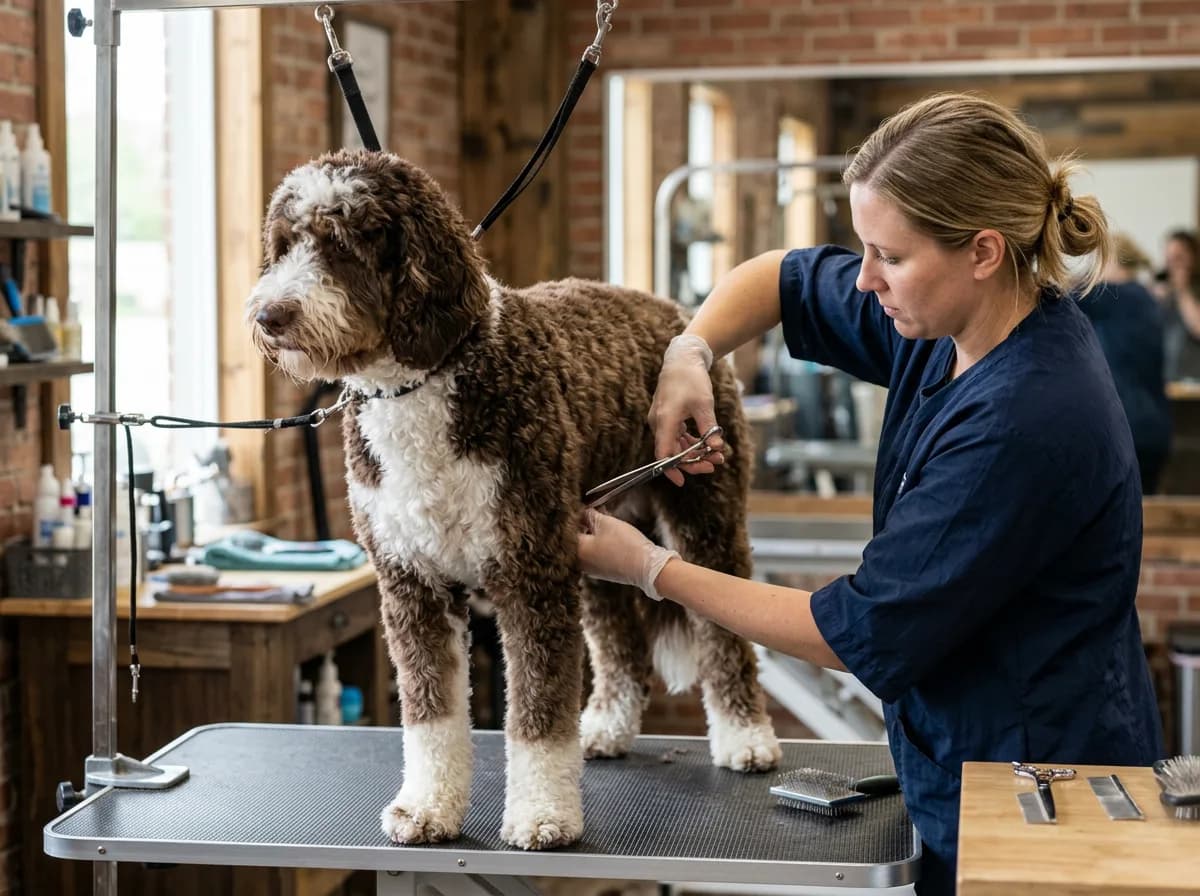
This is the line item that shocks new owners. A Bernedoodle's coat does not shed out on its own, which means it needs professional grooming every six to eight weeks to prevent matting, plus regular at-home brushing in between. Professional grooms run $70 to $150 per visit depending on size and coat condition, adding up to $600 to $1,200 a year. Many owners learn to do maintenance baths and brush-outs at home to stretch the time between full grooms and keep the coat healthy.
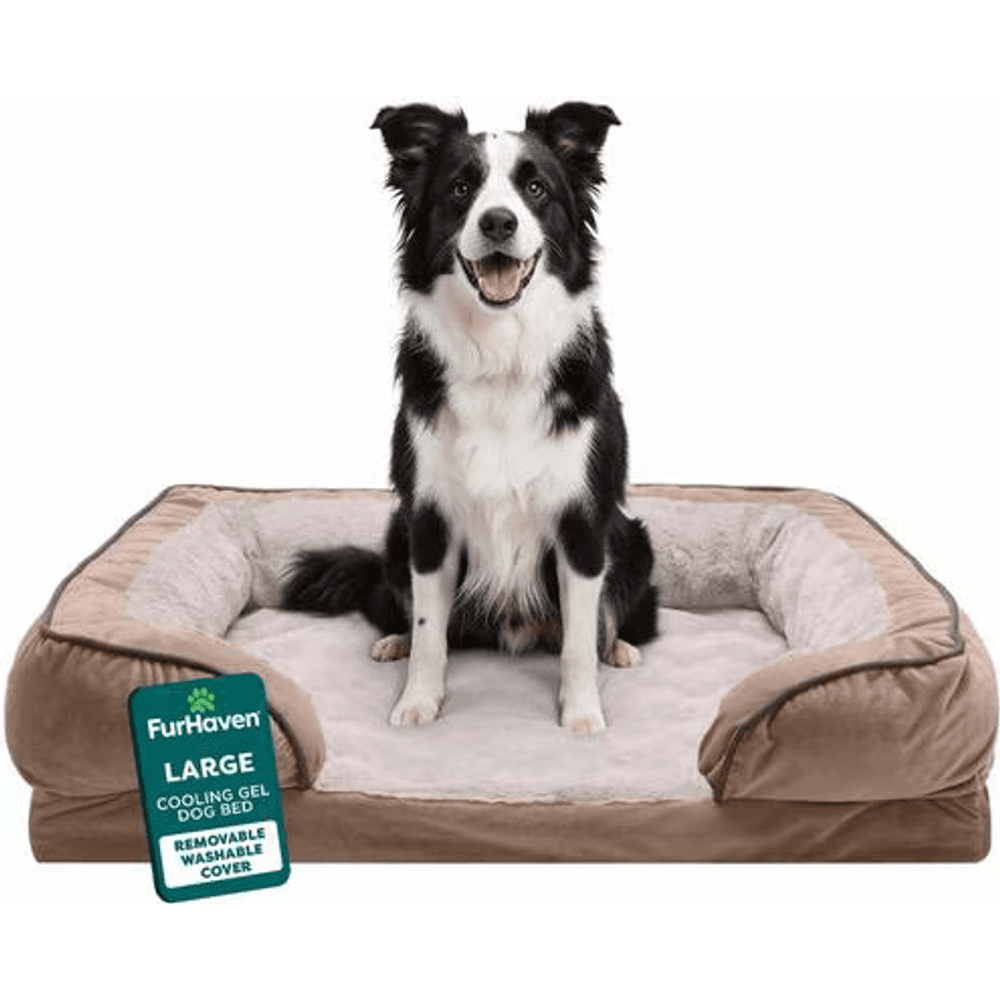
An orthopedic sofa bed with three bolstered sides for dogs who like to rest their head and joints against a cushion. The supportive foam base cradles hips and elbows, a comforting spot for an older or shaky dog to settle.
Petful may earn a commission when you click through to Chewy, at no extra cost to you.
Food: Sized to the Dog
A standard Bernedoodle eats a lot. Quality food for a large dog costs $600 to $1,000 a year, while a Mini or Toy runs closer to $300 to $500. Because the breed is prone to joint issues inherited from the Bernese side, many owners choose a large-breed formula with joint support, which sits at the higher end.
Routine Vet Care and Prevention
Annual wellness exams, vaccine boosters, heartworm testing, and flea, tick, and heartworm prevention total roughly $400 to $800 a year for a healthy dog. Dental cleanings, when needed, add several hundred dollars. Because Bernese genetics carry elevated cancer and orthopedic risk, this is a category where skimping backfires.
Pet Insurance or an Emergency Fund
Given the breed's known health risks, many owners carry pet insurance at $40 to $80 a month (roughly $500 to $960 a year) or self-insure by setting aside a dedicated emergency fund. A single orthopedic surgery or cancer treatment can run several thousand dollars, so one of these two safety nets is strongly recommended rather than optional.
| Category | Low Estimate | High Estimate |
|---|---|---|
| Grooming | $600 | $1,200 |
| Food and treats | $300 | $1,000 |
| Routine vet and prevention | $400 | $800 |
| Pet insurance | $500 | $960 |
What Is the Downside of a Bernedoodle?
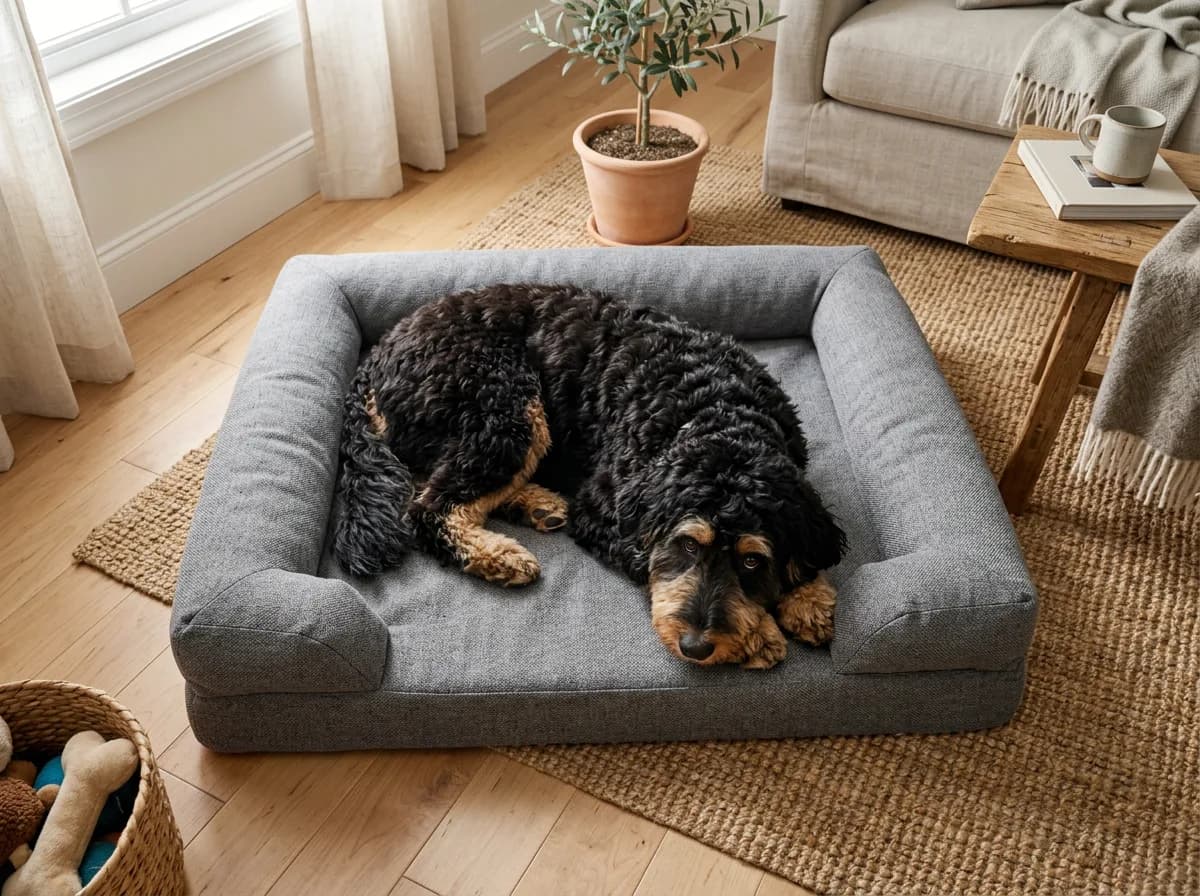
For all their charm, Bernedoodles come with honest trade-offs that every buyer should weigh before paying the price:

Petful may earn a commission when you click through to Chewy, at no extra cost to you.
- High grooming demands. The non-shedding coat is a full-time commitment. Skip the every-six-week routine and you get painful mats that often force a full shave-down at the groomer.
- Health risks from the Bernese side. The breed can inherit hip and elbow dysplasia, and Bernese Mountain Dogs are prone to certain cancers and have notably short lifespans. Buying from a health-tested line reduces but does not eliminate this risk. Veterinary references such as Cornell University's College of Veterinary Medicine are a solid neutral source on canine hereditary conditions.
- Unpredictable coats in early generations. An F1 puppy can grow up to shed more than expected, disappointing allergy-sensitive buyers who assumed "doodle" meant "hypoallergenic."
- Size and energy. A standard Bernedoodle is a large, active dog that needs daily exercise and space. It is not a low-effort apartment pet unless you choose a Mini and commit to the walks.
- Cost of ownership. As this guide shows, the true expense is the decade of grooming, food, and vet care, not just the puppy price.
None of these are dealbreakers for the right owner. They are simply the reasons a Bernedoodle is a considered purchase rather than an impulse one. If the grooming and size give you pause, a smaller low-maintenance doodle like the Cockapoo may be a better fit.
How to Save on a Bernedoodle Without Cutting Corners
You should never economize on health testing or the puppy price, because a "cheap" untested puppy is where the real costs hide. But there are legitimate ways to lower the total bill:
- Choose a standard color. A tricolor or black-and-white pup can cost $1,000 to $2,000 less than a merle or phantom littermate with identical health and temperament.
- Consider a slightly older puppy. Breeders sometimes reduce the price on a well-socialized pup that did not sell at eight weeks, and an older puppy may already have early training.
- Learn to groom at home. Investing in clippers and a good brush and doing maintenance yourself between professional grooms can cut the single largest recurring cost roughly in half.
- Buy adult-sized gear once. A crate, bed, and bowls sized for the full-grown dog avoid the cost of replacing puppy gear months later.
- Ask about a retired breeding dog or an older rehome. Adopting an adult Bernedoodle through a doodle rescue can cost a fraction of a puppy while giving a great dog a second home.
How to Avoid Bernedoodle Puppy Scams
The high bernedoodle price makes the breed a favorite target for online scammers. Fake breeder websites, stolen puppy photos, and "shipping deposit" cons cost buyers thousands every year, and the puppy never existed. Protect yourself with a few non-negotiable rules.
- If a "breeder" refuses a video call showing the specific puppy with its mother, pressures you to pay by gift card, wire, or crypto, or offers a purebred-quality puppy far below market price, walk away. These are the three most common signals of a puppy scam.
Beyond those red flags, insist on the following before any money changes hands:
- Proof of health testing. Ask for the parents' OFA or genetic results and verify them, rather than accepting a vague "fully health tested" claim.
- A video call with the puppy and dam. A real breeder will happily show you the puppy interacting with its mother and littermates in a live call.
- A written contract and health guarantee. Legitimate breeders provide one; scammers avoid paper trails.
- A traceable payment method. Pay by a method with buyer protection. Gift cards, wire transfers, and cryptocurrency are unrecoverable and are the scammer's preferred channels.
- References or reviews. Ask to speak with past puppy buyers, and search the breeder's name and photos to confirm the images are not stolen from another site.
A price that looks too good to be true almost always is. A $700 "AKC Bernedoodle with free shipping" is not a deal, because the breed is not AKC-recognized and no honest breeder loses money on the sale.
Is a Bernedoodle Worth the Price?
For a buyer who wants an affectionate, people-oriented, low-shedding companion and can commit to the grooming and cost of ownership, a Bernedoodle earns its price. The value is not in a pedigree, it is in health-tested parents, a predictable coat, and a temperament suited to families. The mistake buyers make is budgeting for the puppy and forgetting the decade behind it. Plan for the full picture (purchase, first-year setup, and annual upkeep) and the Bernedoodle is a sound, if premium, choice. For a full look at the breed's temperament, care needs, and how the sizes differ, see our Bernedoodle breed guide and our dedicated Mini Bernedoodle guide.
What to Expect When You Reserve a Puppy
Once you choose a breeder, the money moves in stages, and knowing the sequence keeps you from being caught off guard.
- Reservation deposit. Most breeders take a deposit of $300 to $500 to hold your spot or reserve a specific puppy. It is usually non-refundable and applied toward the final price, so treat it as a commitment, not a browsing fee.
- Waitlist timing. Popular colors and mini sizes often carry waitlists of several months to two years. A longer wait rarely earns a discount, but it does let you spread out the purchase and setup costs.
- Pick fees. Some programs charge extra for early pick of the litter or let you pay to move up the list. Ask whether your deposit guarantees a puppy or only a place in line.
- Final balance. The remaining balance is typically due when the puppy is ready to go home at eight to ten weeks, often by cash, check, or a traceable payment app rather than a card.
If your breeder is out of state, factor in transport. A ground "puppy nanny" or in-cabin flight escort commonly adds $300 to $600, and you may also cover an airline-approved carrier and a travel health certificate.
- Before you send a deposit, confirm in the contract whether it is refundable, what happens if the litter comes in smaller than expected, and whether it transfers to a future litter. A clear written policy is a sign of a breeder worth trusting.
Hidden Costs New Owners Forget
The purchase price and the obvious first-year gear are only part of the real budget. Several one-time and recurring costs slip past most new Bernedoodle owners until the bill lands.
- Fencing and containment. A standard Bernedoodle is a large, active dog. Securing a yard, whether with fencing or a run, can add several hundred to a few thousand dollars depending on your property.
- Licensing and registration. Most cities and counties require an annual dog license, commonly $10 to $25 for a spayed or neutered dog. Transferring the breeder's microchip into your name may carry a small one-time fee.
- Rental pet costs. If you rent, expect a pet deposit of $200 to $500 and monthly "pet rent" of $25 to $50 at many properties, on top of your lease.
- Boarding and pet-sitting. Travel means paying for care. Boarding a large dog runs $40 to $75 a night, and an in-home sitter can cost the same or more per visit. For more, see Petful’s guide to overnight dog sitter cost.
- Coat maintenance tools. Between professional grooms, a slicker brush, a metal comb, detangling spray, and quality clippers are worth owning to prevent matting, and they pay for themselves over the dog's life.
Build a small cushion for these, and the true cost of a Bernedoodle stops catching you by surprise.
How Much Is a Mini Bernedoodle?
A Mini Bernedoodle usually runs $3,000 to $5,000, noticeably more than a Standard, and the smallest toy or micro pups can climb to $8,000 or beyond. The tiny end of the breed is where prices peak, so the size you pick is the single biggest lever on your final bill.
The naming is where buyers get lost, because the small-size labels are marketing terms, not standardized categories:
- Mini Bernedoodle generally means a full-grown weight of about 25 to 49 pounds.
- Toy or Micro Bernedoodle usually lands around 10 to 24 pounds and sits at the top of the price range.
- Teacup, munchkin, and "ultra mini" are seller labels for the very smallest pups. No kennel club defines them, so ask for the projected adult weight in writing rather than trusting the name.
Price rises as the target weight falls, but the priciest, tiniest pups are not automatically the healthiest. Pushing size down to a reliable sub-25-pound dog can concentrate structural and dental issues, so insist on the same parental health testing at every size.
- Pay for a health-tested line at whatever size fits your home, not for the smallest possible dog. A well-bred Mini from tested parents is a better value than a bargain "teacup" with no paperwork.
How Much Does It Cost to Adopt a Bernedoodle?
Adopting a Bernedoodle through a rescue typically costs $300 to $800, a fraction of a breeder puppy, and it is the only legitimate way to bring one home for under $1,000. Any "breeder" advertising a brand-new Bernedoodle puppy for $500 to $800 is almost always a scam or an untested mill, because a responsible litter simply cannot be produced at that price.
Adoption fees usually include spay or neuter, current vaccinations, and a microchip, which offsets several hundred dollars of the first-year vet costs you would otherwise pay for a puppy. Adult dogs generally carry lower fees than the occasional rescue puppy, and many arrive already house-trained.
Where to look:
- Doodle-specific rescues like Doodle Rescue Collective and IDOG Rescue, which specialize in Poodle mixes.
- Breed-club and breeder referrals for retired breeding dogs or owner rehomes.
- General shelters and Petfinder, filtering for Poodle or Bernese mixes.
The trade-off is availability. Bernedoodles are surrendered far less often than they are bought, so adoption means patience and flexibility on color, size, and age rather than choosing a specific puppy from a litter.
A well-bred Bernedoodle from a health-testing breeder costs $2,000 to $5,000, with a national average near $3,000. Mini, Toy, and rare-color puppies sit at the top of that range and can exceed $8,000, while anything under $1,500 is a red flag for skipped health testing.
The main downsides are demanding grooming every six to eight weeks, inherited health risks from the Bernese side (hip and elbow dysplasia plus cancer risk and a shorter lifespan), unpredictable coats in early F1 generations, and a high total cost of ownership. A standard Bernedoodle is also a large, active dog that needs daily exercise.
Usually not. Bernedoodles typically cost the same as or slightly more than comparable Goldendoodles because Bernese Mountain Dogs have smaller litters and are less common than Golden Retrievers. The ranges overlap heavily, but rare-color and mini Bernedoodles tend to be the pricier of the two.
Bernedoodles are expensive because both parent breeds are costly, Bernese Mountain Dogs have small litters, the low-shedding coat requires deliberate multigeneration breeding, and demand outpaces supply. Responsible breeders also absorb over $1,000 per puppy in genetic testing, prenatal vet care, and socialization before a sale.

Coreen Saito is a pet writer and longtime shelter volunteer with more than a decade in animal rescue. She covers cat behavior, breed care, and the small, ordinary science of sharing a life with companion animals, with a particular focus on honest takes about the products and decisions that actually matter. At home in Arizona, she's outranked by Mac (a dog with the loudest opinion in the house), Rebel (a cat who governs by quiet authority), and Meri (an orange tabby who runs the late shift and the laundry basket). She writes about all three, plus the rescues that keep coming through her life, at LifeWithMinty.com.
Sign up for expert-backed reviews and safety alerts all in one place.