First Time Cat Owner Checklist: Avoid These 20 Common Mistakes
Get ready for your first cat with a practical supplies checklist, calm settling-in steps, daily care guidance, and 20 common mistakes to avoid throughout your new life together.
Petful is reader supported. As an affiliate of platforms like Amazon and Chewy, we may earn a commission when you buy through links on this page. There is no extra cost to you.
A first time cat owner checklist should help you get ready before the carrier comes through the door. Start with familiar food, fresh water, a litter box, a scratching surface, a secure carrier, and a quiet place to hide. Then arrange veterinary care and a daily routine you can keep.
You do not need every cat gadget on the shelf. You do need to understand the animal coming home with you: their age, current food and litter, medical history, and comfort around people or other pets. Use the preparation checklist below, then work through the 20 common mistakes that can make a new cat's life harder.

Sign up for expert-backed reviews and safety alerts all in one place.
First time cat owner checklist: supplies to have ready
- 1Have essential supplies and a safe room ready before your cat arrives.
- 2Keep familiar food and litter at first, then make any changes gradually.
- 3Observe eating, drinking, litter habits, and behavior every day; do not dismiss changes as personality.
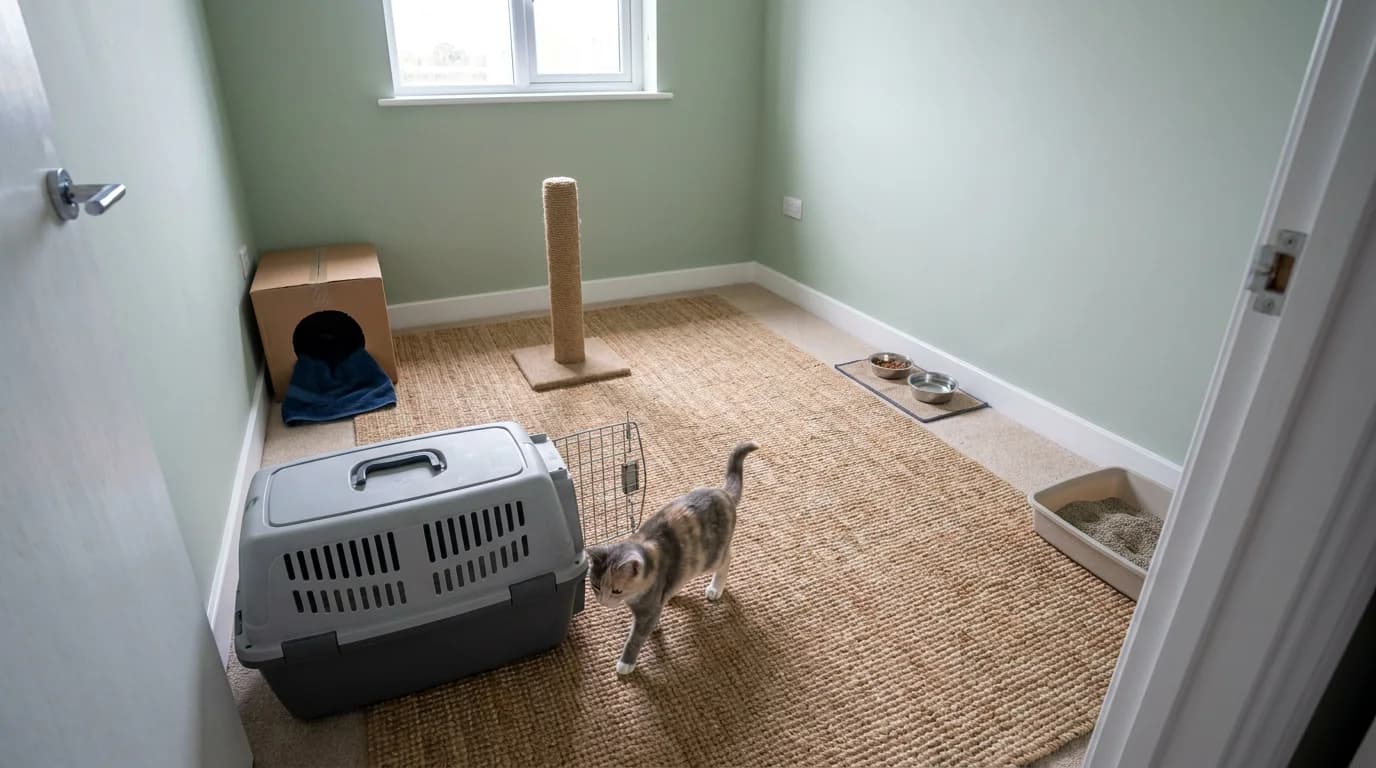
Use this new cat owner checklist to separate what to buy before arrival from what you can choose later. Cat owner must-haves include a secure carrier, a litter box, food and water dishes, and a stable scratching post. The cat needs list is deliberately practical: safe transport, places to eat and eliminate, rest, and opportunities to behave like a cat. Ask the shelter or previous owner what the cat already uses before buying replacements.
- Secure carrier: Choose a well-ventilated model with a reliable latch and room for your cat to turn around and lie comfortably. Transport the cat inside it, never loose in the car.
- Familiar cat food: Buy the exact food currently being fed, along with the feeding instructions. Ask about any prescribed diet before changing it.
- Food dish: Use an easily cleaned bowl, wash it regularly, and keep it away from the litter area.
- Fresh-water dish: Provide a separate water station. A fountain is an optional preference, not a substitute for cleaning and refilling.
- Litter boxes: Choose accessible boxes large enough for the cat. A low entry helps small kittens and cats with limited mobility.
- Familiar litter and scoop: Begin with the known litter type; add waste bags and a way to clean the box.
- Hiding place and bedding: A sturdy cardboard box and washable bedding can provide a useful retreat without an expensive bed.
- Scratching surface: Offer a stable post or pad that allows a satisfying stretch.
- Safe toys: Have something to chase and a wand for supervised interaction; put string toys away after play.
- Identification and care records: Bring vaccination and treatment records, check microchip registration, and discuss a correctly fitted breakaway collar and ID tag.
These are 10 things your cat needs in a new home, including supplies and practical safeguards. If you are a first time cat owner wondering what to buy, make the essentials easy to use before choosing automatic feeders, elaborate furniture, or other upgrades. A new cat supplies checklist should leave room for the individual cat's preferences.
For transport, the Frisco Travel Safety carrier is one option to compare with your cat's measurements. Carrier size matters more than a product photograph: confirm that the cat can stand, turn, and rest inside without being squeezed.

A secure carrier for the trip home and future appointments. Check the dimensions against your cat before choosing a size.
Petful may earn a commission when you click through to Chewy, at no extra cost to you.
A first time cat owner guide to the first week
Among the most useful things new cat owners should know are which food and litter the cat already uses, who to call for veterinary care, and who can cover daily care if plans change. Responsible cat ownership means arranging that backup before you need it. Prepare one safe room with the essentials spread out: litter away from food and water, a hiding spot, and a scratching surface. Check windows, screens, escape gaps, recliners, laundry appliances, cords, and small objects. Remove hazardous plants rather than assuming a high shelf will keep a curious cat away.
The Best Friends new-cat guidance recommends starting in one room and expanding access when the cat is comfortable. Open the carrier inside that room and allow your cat to come out voluntarily. Sit nearby quietly; avoid reaching into the carrier or pulling a frightened cat from a hiding place.

For a first time cat owner, progress is better measured by eating, using the litter box, resting, and exploring than by immediate cuddles. These indoor cat care tips for beginners also apply to confident cats: predictable feeding, safe retreats, daily interaction, and gradual introductions. Do not flood the room with visitors to help the cat socialize.
Practical tips for owning a cat start with observation. Note what your cat eats and whether urine and stool appear in the box, especially during the first days. A quiet cat can still be unwell. Contact your veterinarian about reduced eating or other changes rather than assuming every problem is normal settling-in stress.
Your new cat vet checklist
Arrange a first examination with a veterinary practice and ask when the cat should be seen based on age, health, and adoption history. Bring records of vaccines, parasite treatments, tests, medications, and any spay or neuter surgery. This new cat vet checklist helps you ask specific questions instead of trying to remember everything during the visit.
- Confirm food, feeding amount, weight, and life-stage needs.
- Review the vaccine record and future boosters, including rabies requirements where you live.
- Ask which parasite prevention and screening fit this cat's age, exposure, and location.
- Check microchip details, spay or neuter plans, teeth, coat, and nails.
- Save the regular clinic and nearest emergency clinic contact details.
Vaccines and preventive treatments are not a one-size-fits-all shopping list. The AAHA/AAFP feline vaccination guidelines call for individual risk assessment. Let the veterinary team review what has already been done and what is still due, rather than restarting treatments or skipping them because the cat lives indoors.
Daily care for your new cat
Build a daily care routine around feeding, fresh water, scooping litter, play, and a quick observation of your cat's normal behavior. Check that food was actually eaten and that the water supply is working. An automatic device cannot tell you everything you learn by spending time with the cat.
Scoop at least daily and wash the box as needed for the litter you use. If your cat already accepts clumping clay, Dr. Elsey's Ultra unscented litter is an option; do not change every litter box to an unfamiliar material on the first day. Ask the shelter or vet about appropriate litter for a very young kitten.

An unscented litter option for cats already comfortable with clumping clay. Keep familiar litter during the initial adjustment.
Petful may earn a commission when you click through to Chewy, at no extra cost to you.
Check toys for loose parts, clean bowls, and brush according to your cat's coat and tolerance. Plan for recurring food, litter, preventive care, and unexpected veterinary bills before spending on optional accessories. Arrange a reliable caregiver for absences, with feeding instructions, clinic contacts, and any medication directions in writing.
20 first time cat owner mistakes to avoid
Many first time cat owner mistakes begin with reasonable assumptions: cats groom themselves, use litter boxes, and sometimes want space. Those abilities do not remove the need for care. The following 20 mistakes preserve the original checklist's focus while showing what to do instead.
1. No Parasite Control
Indoor cats can still be exposed to parasites. Prevention depends on the cat, local risks, and the products your veterinarian recommends. Ask about fleas, ticks, intestinal parasites, and heartworm prevention instead of assuming one treatment covers everything.
Never guess the dose or use a dog product on a cat. Keep a record of the product and date given so that another household member does not accidentally repeat treatment. Call your vet if you are unsure what a newly adopted cat has already received.
2. Not Spaying or Neutering Your Cat
Ask whether your cat is already spayed or neutered and obtain the record if possible. If not, discuss suitable timing with your veterinarian. Cats can reach reproductive maturity surprisingly young, so waiting for obvious mating behavior is not a reliable plan.
Spaying and neutering help prevent unplanned litters. Keep an unaltered cat securely separated from potential mates until your veterinary team advises otherwise. A new home, open doorway, or visiting animal can create an opportunity you did not expect.
3. No Litter Box Plan
Show your cat where accessible litter boxes are located without forcing their paws into the litter. Use quiet locations, a familiar litter, and enough space for the cat to turn. One box per cat plus an extra is a useful starting point, with boxes distributed rather than crowded together.
If the cat stops using the box, do not punish them. Pain, illness, box access, cleanliness, and social stress can all matter. Arrange veterinary advice and work through litter box problems instead of assuming the cat is being spiteful.
4. Ignoring the Claws
Provide stable scratching surfaces near places your cat rests or already scratches. Scratching is normal behavior, so the goal is to give it an acceptable outlet, not eliminate it. Try different orientations and textures if the first surface is ignored.
The Necoichi Comfort Cat Scratcher Wall is one option for a dedicated scratching area. Introduce nail handling gently, and ask for a demonstration before you trim cat nails. Never cut into the sensitive quick or force a struggling cat through a full trim.
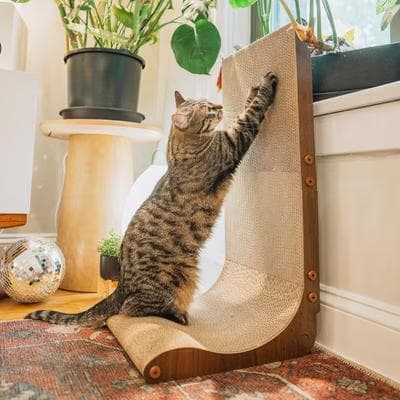
A dedicated scratching surface gives your cat an appropriate place to scratch. Choose a size and orientation your cat uses.
Petful may earn a commission when you click through to Chewy, at no extra cost to you.
5. Judging Food by Price Alone
An expensive label does not automatically make food suitable, and a lower price does not prove it is poor quality. Look for a nutritional adequacy statement and a diet appropriate for the cat's life stage and medical needs.
The FDA explains complete and balanced pet food: the label should identify a nutritionally adequate diet, not just a treat or supplemental product. Keep the previous food initially, then discuss any change and transition gradually. Kittens need food suitable for growth; a cat with a prescribed diet needs an individual plan.
6. Cleaning the Litter Box Just Once a Month
Scoop urine clumps and stool at least daily, and check whether the cat is producing a normal amount for them. Complete litter replacement and box washing depend on the litter and use. A strong fragrance does not make a dirty box clean.
Use a suitable mild cleaner, rinse well, and dry the box before refilling. Keep a replacement box available if washing would leave your cat with nowhere to go. A litter mat may reduce tracking, but easy access and regular scooping matter more than accessories.
- Familiar litter, a quiet location, and regular scooping make it easier to notice a real change in litter habits.
7. Ignoring Grooming
Self-grooming does not replace your care. Brush according to coat length and the cat's needs; long coats may need frequent attention to prevent tangles. An aumuca slicker brush is one option to discuss with your groomer or vet. Check for sore skin, mats, overgrown nails, and changes in grooming behavior.
Ask your veterinarian how to introduce toothbrushing with cat-appropriate products. Do not put cotton swabs deep into ears or cut tight mats with scissors against the skin. Painful mats, persistent ear debris, and a cat that suddenly stops grooming need professional advice, not increasingly forceful home cleaning.

A slicker brush is one option for routine coat care when appropriate for your cat. Use gentle strokes and stop if the skin seems sore.
Petful may earn a commission when you click through to Chewy, at no extra cost to you.
8. Treating Vaccinations as Optional
Review vaccines with your vet even if your cat stays indoors. The schedule depends on age, previous vaccines, product labeling, risk of exposure, and local requirements. A new owner should not assume a single past injection means the cat is protected indefinitely.
Bring records rather than relying on memory. Ask which doses are complete, which boosters are due, and whether feline leukemia protection is appropriate. Avoid copying a vaccine schedule from another pet or treating every vaccine as necessary for every cat.
9. Ignoring Illnesses and Injuries
Know the difference between a routine question and a reason to seek urgent care. Straining with little or no urine, difficulty breathing, collapse, or suspected poisoning requires prompt veterinary attention. A cat repeatedly entering the litter box may be in pain rather than constipated.
Cornell describes urinary obstruction as an emergency. Call your vet about loss of appetite too: not eating can become serious within 24 hours. Do not wait for that threshold with a kitten or a cat that is otherwise unwell.
- Little or no urine despite straining, trouble breathing, collapse, or suspected poisoning needs urgent veterinary attention. Do not wait for a routine appointment.
10. Endless Food
Measure the daily amount rather than continually topping up a bowl. Start with feeding instructions and ask your vet to adjust them to the cat's body condition, age, and activity. Include treats in the overall plan.
Some cats can manage free-choice feeding and others overeat; households with several pets also need to know who ate what. Track weight and appetite over time. Sudden hunger, thirst, weight loss, or food refusal is a reason to contact the vet, not simply change the portion.
11. Assuming Cats Must Roam Outdoors
Free roaming exposes a cat to traffic, conflict with animals, getting trapped, and other hazards. Indoor life still needs climbing, scratching, hiding, play, and opportunities to explore safely. An empty room and a full bowl are not a complete enrichment plan.
If outdoor access is appropriate, consider a secure catio or carefully introduced harness time. Check that identification and preventive care are current. Choose activities the individual cat tolerates; an anxious new arrival does not need an outdoor adventure to feel at home.

12. Assuming Cats Can Eat Anything
Keep human medicines, cleaning products, unsafe foods, string, and hazardous plants inaccessible. A cat investigating a bouquet can be exposed without eating a whole flower.
The FDA warns that true lilies and daylilies can cause fatal kidney injury in cats, including exposure to pollen or vase water. If exposure is suspected, call a veterinarian or animal poison service immediately. Do not wait for symptoms or try a home remedy.
13. Assuming the Other Pets Will Not Mind
Start with separation and gradual introductions. Let animals become familiar with scent before progressing to controlled visual contact, and provide separate resources. Do not put a new cat beside a resident pet and expect them to sort it out.
Dogs may need a leash and careful supervision during introductions; some pairings are unsafe. Small pets need secure protection rather than trust in a friendly first encounter. Slow down if either animal is frightened, and seek qualified help if you cannot keep everyone safe.
14. Skipping Checkups for an Indoor Cat
Indoor cats still need preventive examinations. Your vet can assess weight, mouth, coat, mobility, and other concerns, then recommend a visit schedule based on age and health. A cat can hide discomfort while continuing to eat and interact.
Keep notes or short videos of changes at home to discuss at the appointment. Make the carrier a familiar resting place between visits instead of bringing it out only for stressful trips. That small habit can make future care easier for both of you.

15. Assuming Your Cat Will Never Get Lost
Indoor cats can slip through doors, damaged screens, or a carrier that is not latched. Discuss a breakaway collar and ID tag, and check microchip registration and contact details after adoption and whenever you move. Ask your veterinary team to scan the chip and confirm its number if the paperwork is missing or unclear.
A microchip is an identification tool, not a GPS tracker or a guarantee of reunion. It helps when a found cat is scanned and the registration is current. Keep recent photos, your chip number, and a plan for securing the cat when guests or contractors enter.
16. Assuming Pet Medicines Are Interchangeable
Use medication only as directed for this cat by a veterinarian or the applicable product instructions. A product labeled for another species, size, or age can be dangerous, even if the package looks familiar.
Store treatments separately and check the active product, species, weight range, and date before use. If the wrong product is given, contact a veterinarian promptly and keep the packaging. Do not try to correct the mistake with another medicine or an improvised dose.
17. Dismissing Behavior Changes
A change in hiding, appetite, activity, vocalization, or litter habits deserves attention. Think about recent household changes, but do not assume stress is the only explanation. Discomfort and illness can look like a personality change.
Record what changed, when it began, and whether eating, drinking, urine, or stool changed too. Share the details with your vet. Offering a quiet place and predictable routine is useful, but it should not delay care for a cat showing signs of illness.
18. Assuming Cats Always Vomit
Repeated vomiting is not something to dismiss as an unavoidable part of cat ownership. Note frequency, appetite, energy, and whether the cat can keep food and water down. Tell the vet about suspected string, plants, medicines, or other exposures.
Brushing may help reduce swallowed loose hair, but it does not diagnose the cause of vomiting. Seek prompt advice for repeated episodes or a cat that seems unwell. A kitten, an older cat, or a cat with an existing condition may need assessment sooner.
19. Assuming Training Is Unnecessary
Reward behaviors you want, such as using a scratching post, entering the carrier, or approaching calmly. Keep sessions short and make the task easy enough to succeed. Punishment can create fear and does not show the cat what to do instead.
Use a toy rather than fingers for chasing and pouncing. A Frisco feather teaser wand can give you distance from teeth and claws during supervised play. Let the cat catch the toy, then store the wand and string safely when the game ends.
20. Expecting Every Cat to Be Affectionate
Cats differ in their preferred amount and style of contact. Some enjoy laps; others prefer sitting nearby. Watch whether your cat leans into an interaction or turns away, becomes tense, lashes the tail, or tries to leave.
Offer choice and stop before the cat has to escalate. A trusting relationship can grow through quiet company, play, and predictable care. You do not need to turn every interaction into a cuddle to give your cat a good home.
Questions first-time cat owners ask
The 3-3-3 rule of cats describes an informal adjustment pattern of three days, three weeks, and three months. It is not a deadline or a clinical guarantee. Each individual cat adjusts differently. Look for comfortable eating, litter use, rest, and gradual exploration. Give the cat time and choice, but contact a veterinarian about poor appetite or illness rather than waiting for a milestone.
A kitten should sleep in a safe room on the first night, with an accessible bed or hiding box, fresh water, appropriate food, and a nearby litter box separated from the feeding area. Remove cords, small objects, and escape gaps. Spend calm time with the kitten and follow the shelter or veterinary feeding instructions. Very young kittens may need frequent care; do not treat them like independent adult cats.
Cats should not be left alone for 24 hours without someone to check on them. Food and water devices do not replace a person noticing illness, a spill, a blocked litter box, or an escape. Arrange a reliable caregiver and give clear instructions. A new arrival, kitten, unwell cat, or cat needing medication may require substantially more frequent care and a plan from the veterinary team.
Leaving a cat alone all day is not automatically cruel: an ordinary workday can be manageable for some settled adult cats when their needs are met, but it depends on the individual and the length of the absence. Keep a reliable routine, provide safe enrichment and resources, and make time for company before and after work. Arrange extra care for kittens, new arrivals, illness, medication, or cats struggling with separation.
Do not touch a cat on the belly, paws, or tail if they show discomfort; many cats are sensitive about these areas, though preferences vary. Begin with brief contact around the cheeks or side of the head if the cat approaches willingly. Pause and see whether they ask for more. Stop if the body stiffens, the tail lashes, or the cat turns away. A belly-up posture is not automatic permission to rub the stomach.
Nothing reliably calms a cat down immediately; a frightened cat needs time and choice. Reduce noise and activity, offer a quiet hiding place, and give the cat space and an escape route from interaction. Avoid restraint or forcing affection. Let the cat approach at their own pace. If distress is sudden, severe, or accompanied by breathing changes, pain, or illness, seek veterinary advice instead of relying on calming products.

Kristine Lacoste has been researching dog and cat breeds for nearly a decade and has observed the animals up close at dog shows in both the United States and the United Kingdom. She is the author of the book One Unforgettable Journey, which was named as a finalist for a Maxwell Award from the Dog Writers Association of America, and was host of a weekly pet news segment on the National K-9 Academy Radio Show. In addition, she was the New Orleans coordinator for Dogs on Deployment, a nonprofit that helps military members and their pets, for 3 years. Kristine has researched and written about pet behaviors and care for many years. She holds a bachelor’s degree in psychology, another bachelor’s degree in English and a Master of Business Administration degree.
Sign up for expert-backed reviews and safety alerts all in one place.