Shiba Inu Lifespan and Health: What Owners Should Know
Shiba Inu Lifespan and Health: What Owners Should Know with evidence-based guidance on daily fit, care, costs, training, grooming, health, and the individual decisions that matter most.

BVMS, MRCVS
Petful is reader supported. As an affiliate of platforms like Amazon and Chewy, we may earn a commission when you buy through links on this page. There is no extra cost to you.
The average Shiba Inu lifespan is commonly placed around 13 to 16 years, but a breed range cannot predict one dog's outcome. Genetics, body condition, dental health, preventive care, injury risk, environment, and prompt attention to change all influence both longevity and quality of life.
This veterinarian-authored guide explains screening, common Shiba Inu health issues, healthy aging, and signs that need care. It provides planning information rather than diagnosing an individual dog. Your veterinarian can interpret symptoms, examination findings, and records in the context of the dog in front of them.

Sign up for expert-backed reviews and safety alerts all in one place.
Shiba Inu lifespan: the evidence-based range
Use 13 to 16 years as a broad planning range rather than a promise. Track health and function throughout life, including weight, muscle, mobility, eyes, skin, teeth, appetite, elimination, sleep, interaction, and enjoyment. A meaningful change matters more than whether a dog has crossed one birthday.
Lifespan figures summarize populations assembled with different methods and cannot tell you how long a particular puppy or adult will live. They are still useful for planning. A family choosing a Shiba should be ready for more than a decade of preventive care, daily management, and changing needs in later life. For more, see Petful’s guide to Dachshund lifespan.
Age and function belong together. Two 11-year-old Shibas may have very different mobility, sensory function, dental health, and medical history. Establishing normal patterns while a dog is well makes a subtle decline easier to identify.

Petful may earn a commission when you click through to Chewy, at no extra cost to you.
Direct answers about age and longevity
- Can a Shiba Inu live 20 years? It may be possible for an exceptional individual, but 20 should not be treated as an expected outcome or a breeder promise. Plan from the more typical range and the individual dog's health. Very old age also needs a quality-of-life plan, not only celebration of the number. Reported extreme ages require reliable records before being treated as evidence.
- Are Shibas intelligent? Shibas are capable problem solvers and often learn patterns quickly. They may also decide that a cue is not worth performing under a particular distraction. Intelligence does not determine lifespan, and willingness to repeat human-directed tasks is only one kind of learning. Sudden confusion, staring, altered sleep, or loss of familiar skills deserves veterinary discussion.
- What age is considered old for a Shiba Inu? There is no single birthday when every Shiba becomes old. Many dogs need a more deliberate senior-care approach before visible frailty, with examination frequency and screening tailored to history and findings. Watch mobility, muscle, senses, teeth, sleep, appetite, elimination, and behavior rather than waiting for a number.
- Which dog can live 25 years? No breed can be relied upon to live 25 years. Individual dogs have been reported at extreme ages, but records and definitions vary. Choosing a smaller breed may change population odds without guaranteeing longevity. The useful goal is to reduce preventable risk, identify disease early, and support comfortable function for however long the individual lives.
 Sponsored
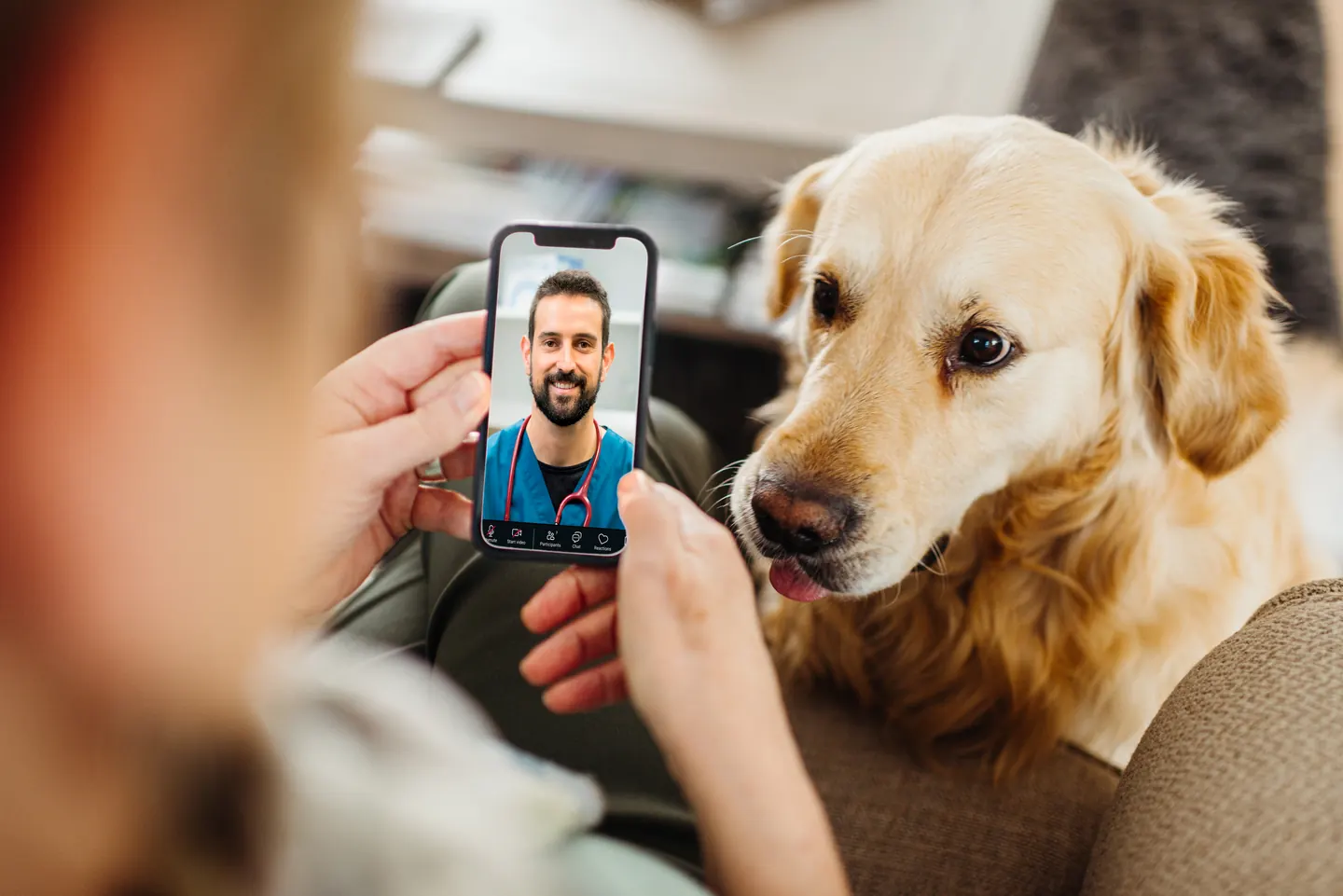
Have a health question about your pet?
Talk to a licensed vet at Dutch over video or message, including nights and weekends.
Use code Pets30
Plans start at $11/month · covers up to 5 pets
- Licensed vets in most states
- Rx for 150+ conditions
- 4.7 on Trustpilot
What influences longevity
Genes matter, but they are not the only influence. Responsible parent screening can reduce avoidable inherited risk; it cannot guarantee a disease-free puppy. After placement, weight management, dental care, vaccination and parasite decisions, accident prevention, nutrition, exercise, and access to veterinary care all contribute to the health trajectory.
Important protective habits include:
- Maintain a lean, stable body condition and preserve muscle with appropriate activity.
- Use secure leashes, gates, identification, and vehicle restraint to reduce escape and trauma risk. For ordinary close-control walks, compare the Frisco Traffic Leash with Dual Padded Handles by hardware, handle comfort, and the dog's strength; equipment does not replace door and gate habits.
- Build cooperative handling so eyes, mouth, skin, feet, and movement can be assessed.
- Arrange preventive examinations before a crisis and follow up on abnormal findings.
- Provide complete and balanced nutrition suited to life stage and medical needs.
- Keep medications, supplements, diagnoses, laboratory results, and reactions in one current record.
Daily observation is not a substitute for examinations, but it supplies valuable context. A dog who gradually stops jumping, changes sleeping position, drinks more, drops food, or avoids touch may be showing a health change before a dramatic emergency occurs.
Make preventive visits more informative
Before an examination, list changes in order of importance and include when each began. “Drinking more for three weeks and waking to urinate twice nightly” is more useful than “seems older.” Bring medication containers or a current written list, diet and treat names, prior records, and short videos of intermittent movement or coughing when it is safe to record them.
Questions to prepare include:
- Has weight or body condition changed since the last visit?
- Are examination frequency or laboratory baselines changing with age?
- Which dental, eye, joint, skin, or preventive concerns need follow-up?
- Does current exercise fit the dog's heart, lungs, joints, and conditioning?
- Which new signs should prompt an earlier appointment or emergency care?
Ask for findings and next steps in plain language. Record what will be monitored at home, what requires a recheck, and which result would change treatment. This closes the gap between a clinic snapshot and the dog's everyday function.
Hydration should be accessible and measurable enough that changes are noticed. A Petlibro Stainless Steel Dog and Cat Fountain is one water option to compare by capacity, cleaning access, filter requirements, noise, cord safety, and whether the dog actually drinks from it. For dental handling, the Jasper 360 Dog Finger Toothbrush and Storage Case is one brush format to assess after veterinary guidance and a gradual introduction.
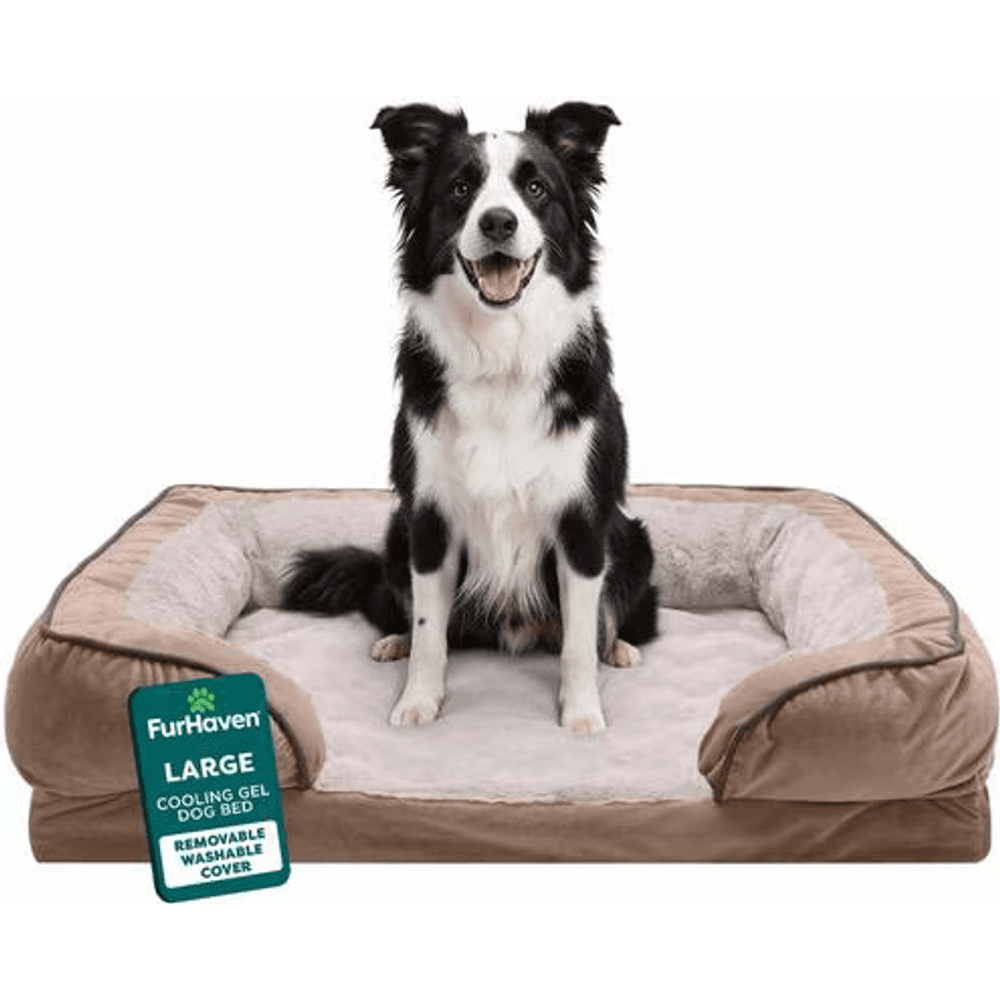
An orthopedic sofa bed with three bolstered sides for dogs who like to rest their head and joints against a cushion. The supportive foam base cradles hips and elbows, a comforting spot for an older or shaky dog to settle.
Petful may earn a commission when you click through to Chewy, at no extra cost to you.
Health screening before breeding
| Breed-specific parent screening | A named parent received the defined evaluation and has a recorded result | That every possible inherited or acquired condition is excluded |
|---|---|---|
| Puppy veterinary examination | Current findings in the individual puppy | Long-term health or complete parent status |
| Consumer DNA panel | Selected variants and other report-specific information | A universal health clearance or replacement for physical screening |
| Family history | Patterns reported or documented among related dogs | Certainty that one puppy will or will not develop the condition |
The National Shiba Club of America's health page and the OFA CHIC program identify the breed-health screening framework to discuss with a responsible source. Verify the current recommendations, because testing standards and program details can change.
Searches for Shiba Inu health problems often compress screening, inherited risk, acquired illness, and one dog's current condition into a single phrase. Those are different questions. Common Shiba Inu health problems discussed in breed planning may include eye, joint, kneecap, allergy, dental, or other concerns, but a breed association does not diagnose an individual. Use the current breed-club and OFA guidance to identify which parent evaluations should exist, then verify the named dogs and results. After placement, the puppy or adult still needs an independent veterinary examination and an ongoing preventive-care plan. This two-level check matters: parent screening can reduce avoidable uncertainty, while the individual examination establishes what is true for the dog now. Neither step guarantees a problem-free life, and neither should be replaced by a seller's general claim that the line is healthy.
- Verify the named dog, not the marketing claim | Match the registered identity, breed, sex, date of birth, test or examination, completion date, and result across the original record and the relevant database. “Health tested” is a starting claim; the individual results are the evidence.
Ask to see original results for the actual sire and dam. The record should identify the dog, examination or test, date, and result. A statement that parents are “vet checked,” “DNA clear,” or “healthy lines” is not enough to determine which screening was completed.
Keep the evidence categories distinct:
- Screening looks for risk or abnormality in an apparently healthy breeding dog.
- Diagnosis evaluates an individual with findings or clinical signs.
- Genetic testing addresses the variants included in that laboratory report.
- Routine examination assesses current health but may not satisfy every breed-specific screening recommendation.
A CHIC number indicates that the required results were made public under that program; it does not mean every result was normal or that no condition can develop. Read the individual results. Responsible breeding also includes temperament, structure, pedigree knowledge, reproductive care, puppy rearing, honest matching, and a lifetime return commitment.
Verify a screening claim
Start with the parent's registered name or permanent identity, not the kennel's marketing name. Search the appropriate screening database and match breed, sex, date of birth, and owner information where displayed. Confirm that each result belongs to the same dog and was completed at an acceptable age under the current recommendation.
Then ask what the result means. A normal eye examination is time-bound and does not guarantee lifelong vision. A hip evaluation describes the submitted study under that system. A patellar examination records the finding at that assessment. Genetic results apply to the variants tested, not every disease with a similar name.
Keep copies before paying a deposit. If a source says a result is pending, treat it as incomplete rather than assuming it will be normal. If identity or dates do not match, pause until the discrepancy is resolved. Transparent breeders should be comfortable discussing both favorable and unfavorable results and how they informed the pairing.
Eyes, joints, and mobility
Shiba health discussions commonly include eye disease, patellar luxation, and hip concerns. A predisposition does not mean a dog is affected, while normal movement at home does not replace recommended screening of breeding animals. Owners should know the dog's baseline and investigate change.
Eye signs that warrant prompt veterinary contact include:
- Squinting, holding an eye closed, rubbing, or apparent pain.
- Redness, cloudiness, discharge, swelling, or a change in pupil size.
- Sudden trouble navigating, bumping into objects, or reluctance in dim light.
- Trauma or suspected chemical exposure.
Eye pain and sudden vision change can be urgent. Do not use leftover drops, because some medications can worsen particular eye conditions.
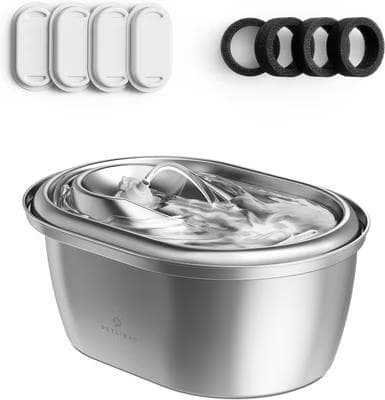
304 food-grade stainless steel pet water fountain, 101 oz. The circulating, filtered water encourages cats to drink more, which supports urinary tract and kidney health.
Petful may earn a commission when you click through to Chewy, at no extra cost to you.
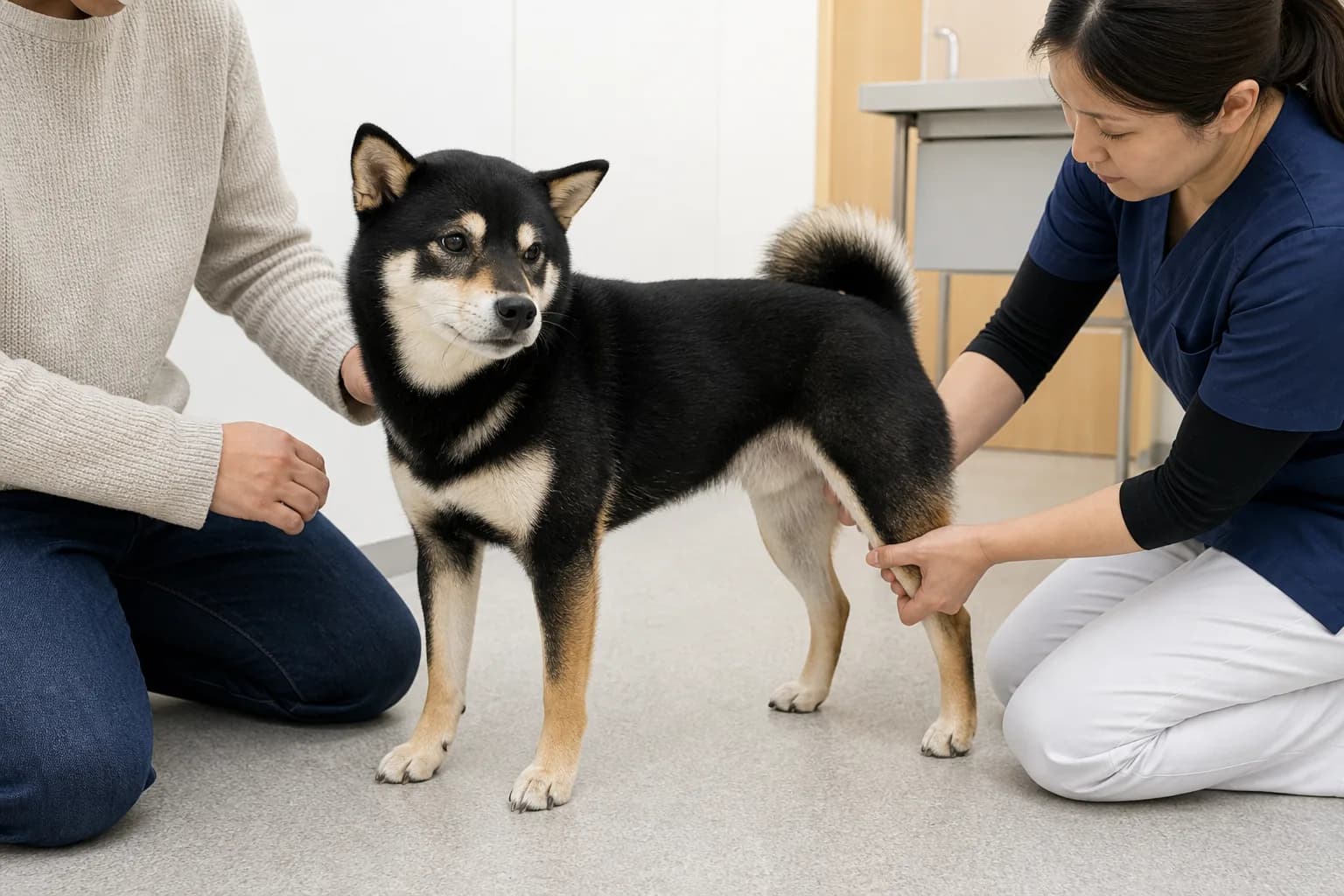
For mobility, observe the dog rising, walking, trotting, turning, using stairs, and recovering after activity. Repeated skipping on a hind leg, stiffness, limping, bunny hopping, reduced jumping, muscle loss, or resistance to a formerly comfortable movement deserves assessment. Videos taken on a non-slip surface can help the veterinarian see an intermittent pattern.
Maintain a lean body condition and use exercise appropriate to age and findings. Rugs, traction, ramps, lower sleeping surfaces, and adjusted routes can support comfort, but they do not replace diagnosis or pain control. Never give human pain medication unless a veterinarian has specifically prescribed and directed it for that dog.
Build a mobility baseline
Once a month, observe the dog on the same non-slip route when rested. Record rising from bed, walking, turning both directions, a comfortable trot if appropriate, sitting, and stepping over a low threshold. Do not provoke pain or make the dog repeat a movement that is difficult.
Note:
- Number of attempts needed to rise and whether the front or rear leads.
- Stride length, head movement, toe dragging, skipping, or weight shifting.
- Willingness to use familiar stairs, furniture, and vehicle access.
- Muscle symmetry over shoulders, thighs, and along the spine.
- Recovery later that day and the following morning.
A brief dated video can reveal gradual change when compared with an earlier clip. Share it with the veterinarian, but do not use video to diagnose the joint or select medication. Sudden inability to bear weight, severe pain, trauma, or progressive weakness needs prompt assessment.
Skin, coat, and allergy concerns
Allergic skin disease is among the concerns discussed for Shibas, but itching has many possible causes. Parasites, infection, environmental allergy, food-related disease, contact irritation, pain, and other conditions can overlap. The location and timing of signs help guide a veterinary workup; they do not establish a diagnosis by themselves.
Record:
- Where the dog scratches, licks, chews, or rubs.
- Whether signs are seasonal, year-round, or linked to a new product or environment.
- Redness, odor, flakes, scabs, pustules, moist areas, ear debris, or hair loss.
- Parasite prevention product and date.
- Diet, treats, flavored medications, supplements, and recent changes.
- Response to prior treatment and how quickly signs returned.
Avoid repeatedly changing food or applying multiple products before assessment, since that can make the pattern harder to interpret and may irritate skin further. A veterinary elimination diet, when indicated, requires specific ingredients, duration, and control of extras. An over-the-counter “sensitive” label is not the same test.
The double coat can hide inflammation and body-condition change. Part hair gently to inspect the skin, rinse bathing products thoroughly, and dry dense areas without overheating. Sudden coat loss, pain, strong odor, widespread redness, or illness alongside skin signs should prompt veterinary care.
The Embark Breed and Health Dog DNA Test Kit may report selected variants and ancestry, but it does not diagnose allergy or replace an examination. For an older dog needing a lower resting surface, a FurHaven Velvet Waves Orthopedic Sofa Cat and Dog Bed is one option to compare by usable dimensions, support, cover care, edge height, and the dog's ability to enter comfortably.
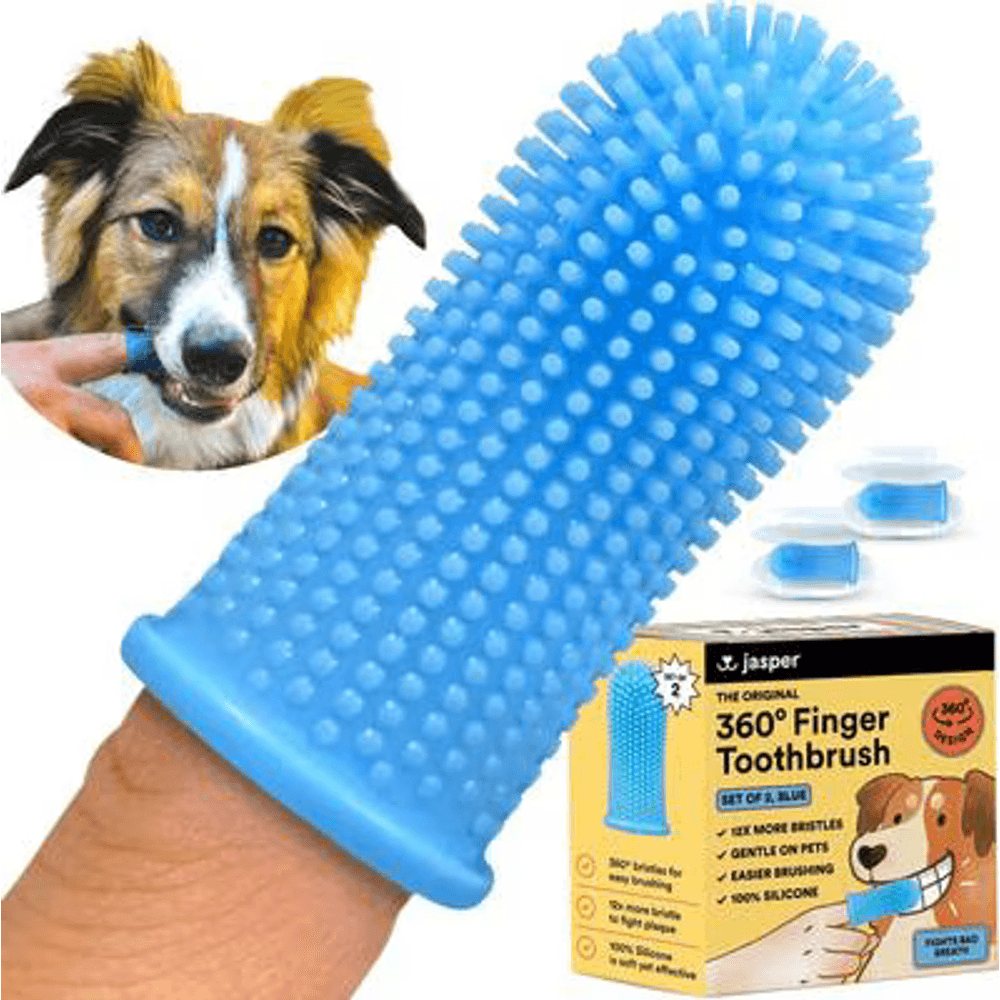
A 360-degree silicone finger toothbrush that brushes every side of a tooth at once. Gentle on gums and ideal for dogs new to brushing or owners who find a handled brush awkward.
Petful may earn a commission when you click through to Chewy, at no extra cost to you.
Dental, heart, and airway care
- Breathing difficulty is never a wait-and-see grooming issue | Labored breathing, blue or pale gums, collapse, inability to settle, or rapidly worsening respiratory distress needs urgent veterinary assessment. Keep the dog calm, minimize exertion, and contact emergency care while arranging transport.
Dental disease can cause pain while remaining easy to miss. Bad breath is not simply a normal feature of aging. Watch for dropping food, chewing on one side, pawing at the mouth, facial swelling, bleeding, reluctance to eat hard items, or a sudden aversion to face handling.
Home tooth brushing can reduce plaque, but it cannot remove hardened calculus below the gumline or treat a painful tooth. Begin with brief comfortable mouth handling and use dog-safe toothpaste. Ask the veterinary team to show technique and recommend a professional plan based on the oral examination. Once handling is comfortable, compare a dog-safe product such as Virbac C.E.T. Enzymatic Dog & Cat Toothpaste by ingredients and veterinary guidance. An optional product such as DentaLife Daily Oral Care Small/Medium Adult Dental Dog Treats should be counted in daily calories and does not replace brushing or professional care.
Heart and airway problems can show as cough, exercise intolerance, altered breathing, weakness, collapse, disturbed sleep, or abdominal swelling, but those signs have many causes. Record when they occur, duration, activity, weather, and recovery. A resting respiratory-rate trend may be useful when a veterinarian specifically teaches how and when to measure it.
- Do not diagnose from a video: New breathing noise, repeated coughing, fainting, or a meaningful drop in stamina deserves veterinary assessment, with urgency based on severity. The absence of a famous breed predisposition does not make a new sign harmless.
 Sponsored
Vet care that's always there
Unlimited video calls and messaging with licensed vets for less than a typical vet visit. One membership covers up to five pets.
Use code Pets30
Plans start at $11/month · covers up to 5 pets
- Licensed vets in most states
- Rx for 150+ conditions
- 4.7 on Trustpilot
Weight, nutrition, and preventive care
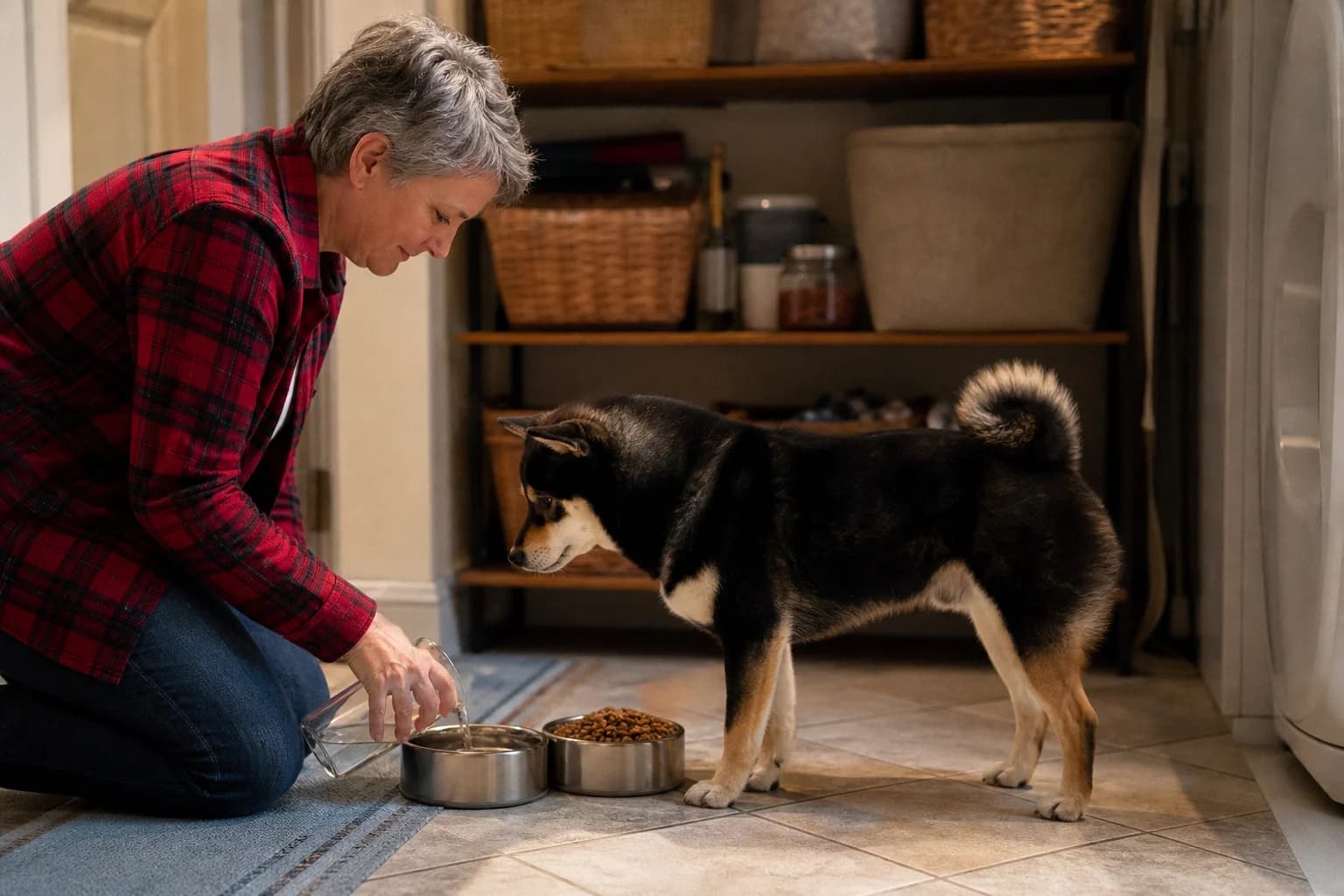
Thick coat makes visual weight estimates unreliable. Use the scale together with body condition and muscle. Ribs should be palpable beneath an appropriate covering, with a visible waist from above and abdominal tuck from the side. Individual shape varies, so ask the veterinary team to demonstrate on your dog.
A sustainable nutrition plan includes:
- A complete and balanced diet appropriate to life stage and medical needs.
- Measured portions adjusted for body condition, treats, activity, and weight trend.
- Gradual changes when possible, unless the veterinarian directs otherwise.
- Prompt review of weight loss, excessive gain, persistent digestive signs, or appetite change.
- No supplement added merely because it is marketed to the breed.
Preventive care is individualized. Examination interval, vaccines, parasite control, screening, dental care, and laboratory work depend on age, location, lifestyle, travel, history, and current findings. Bring an accurate medication and supplement list to every visit.
Accident prevention also belongs in preventive care. Use secure containment, current identification, safe vehicle restraint, toxin control, and supervision around wildlife or unsafe food. The breed's independence and prey interest can make an open door a health risk as real as a missed appointment.
Healthy aging at home
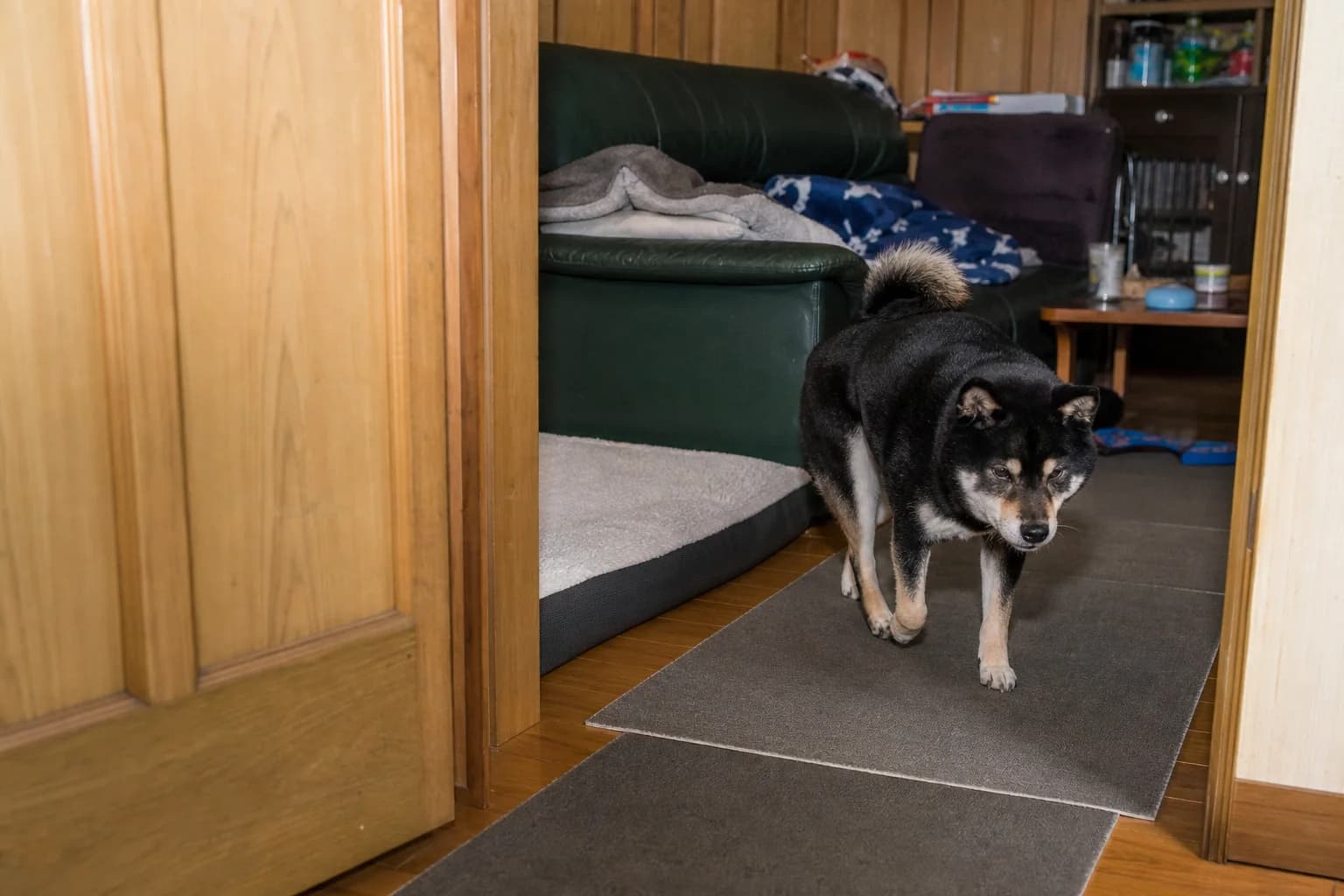
Healthy aging at home means preserving comfort, choice, social connection, and familiar activities as needs change. Do not wait for complete inability before modifying the home. Small changes made early can reduce falls and help the dog remain independent. The strongest adjustments remove avoidable effort while keeping the Shiba involved in valued routines, with veterinary guidance when pain, weakness, confusion, breathing, appetite, or elimination changes.
Monthly function check
- Mobility: rising, stairs, turning, jumping, paw placement, slips, and recovery after walks.
- Body: weight, muscle over hips and shoulders, coat, skin, lumps, and nail wear.
- Senses: response to familiar sounds, navigation in dim light, and startle changes.
- Daily systems: appetite, thirst, urination, stool, vomiting, and sleep.
- Behavior: interaction, anxiety, irritability, confusion, house soiling, and enjoyment.
Modify the environment with non-slip routes, easier bed access, good lighting, protected rest, and more frequent comfortable toilet opportunities. Keep activity regular but adjust duration, terrain, and recovery to the dog. Sudden withdrawal or irritability may reflect pain rather than “getting old.”
A fountain such as the Petlibro Stainless Steel Dog and Cat Fountain should be cleaned on schedule and used only if intake can still be observed. A Jasper 360 Dog Finger Toothbrush and Storage Case may suit some dogs, but senior dental care should follow comfort, oral findings, and the veterinarian's advice rather than forcing a familiar routine through pain.
Keep a short list of the dog's favorite activities and the accommodations that make each possible. Quality of life is easier to discuss when the family can describe good days, difficult days, pain control, appetite, sleep, mobility, interaction, and pleasure in concrete terms.
Track quality of life without reducing it to one score
A worksheet can support discussion, but no single total replaces veterinary judgment or the family's knowledge of the dog. Choose several daily markers that matter to this Shiba and record them consistently. Examples include greeting the family, eating comfortably, choosing a favorite sniffing route, resting without repeated repositioning, toileting without distress, and seeking or accepting normal interaction.
Also record burdens:
- Pain or breathing distress despite the current plan.
- Repeated falls, panic, confusion, or inability to rest.
- Nausea, dehydration, persistent appetite loss, or difficulty eliminating.
- More difficult days without recovery between them.
- Care procedures that create distress greater than their expected benefit.
Review trends with the veterinarian before a crisis whenever possible. The aim is not to wait for every pleasure to disappear. It is to balance comfort, treatment burden, function, and the dog's recognizable enjoyment while decisions can still be made thoughtfully.
Urgent signs that need veterinary care
Call an emergency clinic or veterinarian promptly when a Shiba shows:
- Trouble breathing, blue or very pale gums, collapse, or severe weakness.
- Seizures, sudden disorientation, inability to stand, or acute vision loss.
- Repeated unproductive retching, a rapidly enlarging abdomen, or severe abdominal pain.
- Uncontrolled bleeding, major trauma, toxin exposure, or a serious bite.
- Inability to urinate, repeated straining, or severe pain during elimination.
- Persistent vomiting or diarrhea with weakness, dehydration, blood, or rapid worsening.
- A painful red or cloudy eye, especially with squinting or vision change.
- Signs of heat illness such as distress, collapse, abnormal gums, or uncontrolled panting.
This list is not exhaustive. If the dog is rapidly worsening, appears to be in severe pain, or you are uncertain whether transport can wait, contact a veterinary professional and describe the signs, timing, and current condition. Do not give human medication or induce vomiting unless specifically instructed for that dog and situation.
Prepare before an emergency. Know the nearest after-hours clinic, route, phone number, and safe transport method. Keep medical records, medications, microchip information, and payment or insurance details accessible to every adult caregiver.
Related Shiba Inu guides
- Shiba Inu Breed Profile: Essential Facts
- Shiba Inu Dog Price and Cost: Puppy and Lifetime Expenses
- Shiba Inu Colors: Coat Shades, Markings, and Standards
- Shiba Inu Puppies: Growth, Training, and First-Year Care
- Shiba Inu Temperament: Personality, Training, and Family Fit
- Shiba Inu Mixes: Crosses, Traits, and Care
- Shiba Inu Size and Weight: Growth and Adult Measurements
- Do Shiba Inus Shed? Coat Care and Grooming Guide
Frequently asked questions about shiba inu lifespan
A Shiba Inu can live 20 years in exceptional cases, but that age should not be treated as the expected outcome or a breeder promise. Population ranges cannot predict one dog, and extreme-age claims require reliable records. Plan from the more typical lifespan range while supporting lean body condition, dental and preventive care, accident prevention, prompt investigation of change, and comfortable daily function. Longevity matters together with quality of life, not as a number pursued regardless of treatment burden or distress.
A Shiba Inu is old enough to be considered a senior at 11, but that does not automatically mean frail or unwell. Evaluate the individual dog's mobility, muscle, senses, teeth, medical history, sleep, appetite, elimination, behavior, and enjoyment. Schedule senior-focused veterinary examinations and investigate meaningful changes early. Home adjustments such as traction, lower resting surfaces, shorter routes, and easier access can support function while the care plan remains specific to the dog's diagnoses and preferences.
BVMS, MRCVS
Dr. Pippa Elliott, BVMS, MRCVS, is a veterinarian with nearly 30 years of experience in companion animal practice. Dr. Elliott earned her Bachelor of Veterinary Medicine and Surgery from the University of Glasgow. She was also designated a Member of the Royal College of Veterinary Surgeons. Married with 2 grown-up kids, Dr. Elliott has a naughty Puggle named Poggle, 3 cats and a bearded dragon.
Sign up for expert-backed reviews and safety alerts all in one place.