Shiba Inu Colors: Coat Shades, Markings, and Standards
Shiba Inu Colors: Coat Shades, Markings, and Standards with evidence-based guidance on daily fit, care, costs, training, grooming, health, and the individual decisions that matter most.
Petful is reader supported. As an affiliate of platforms like Amazon and Chewy, we may earn a commission when you buy through links on this page. There is no extra cost to you.
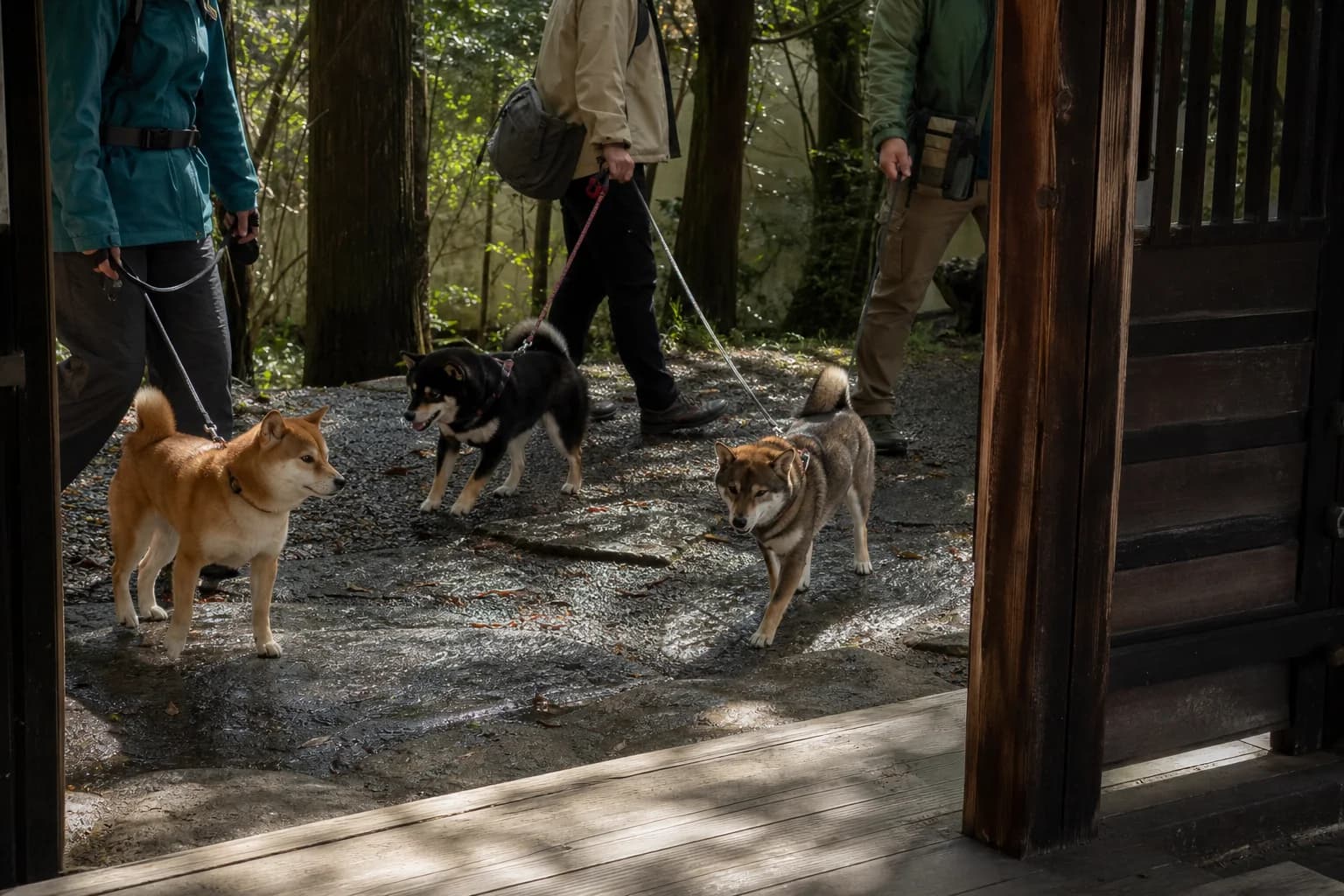
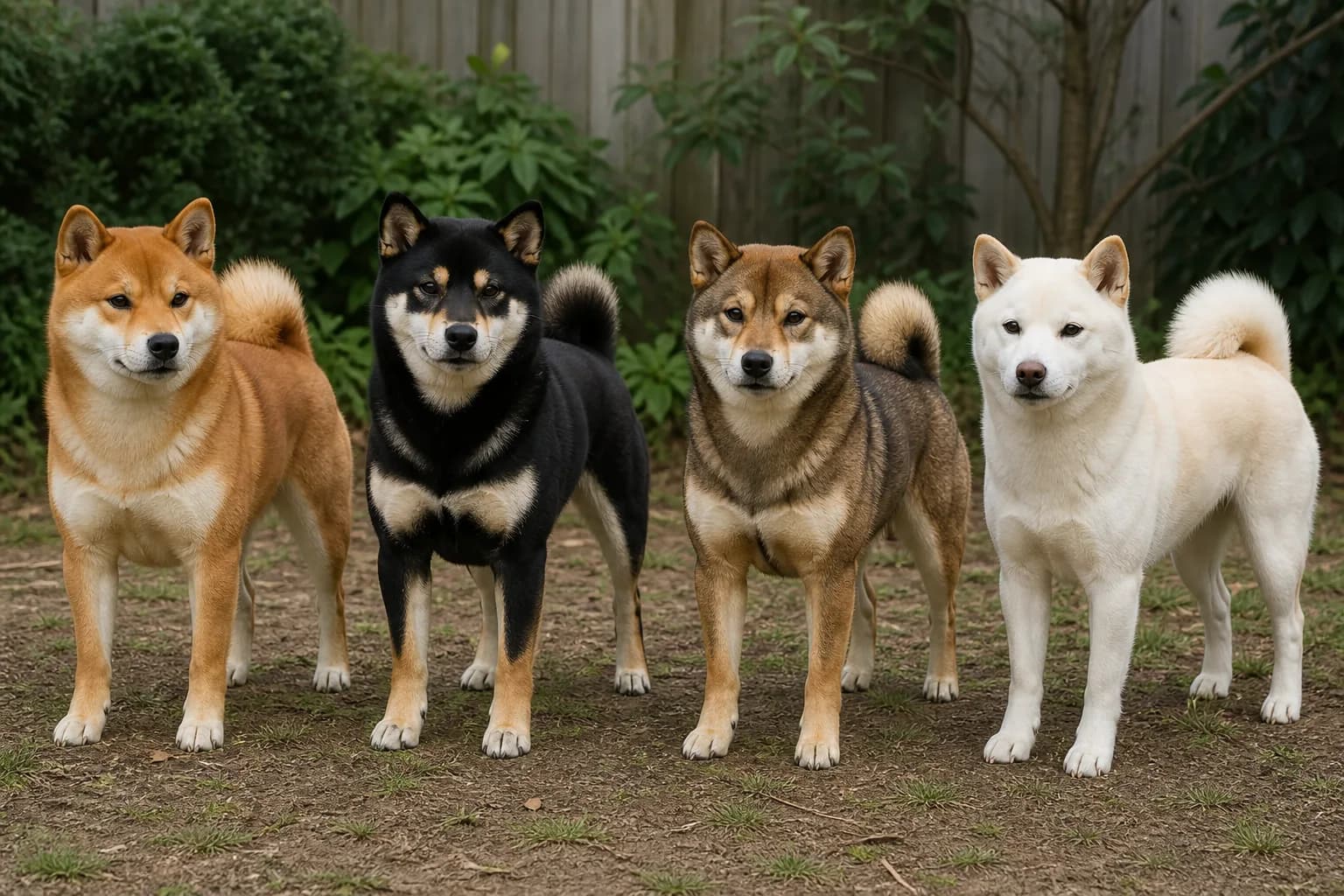
Shiba Inu colors are more precise than the familiar “fox-red dog” description suggests. The American breed standard recognizes red, black and tan, and sesame, all with urajiro, the light cream-to-white countershading placed on specific parts of the body.
This guide separates formal color terms from casual descriptions, puppy coat change, lighting effects, and rare-color sales language. Color can describe a coat, but it cannot prove health, temperament, ancestry, or the quality of the person offering a dog.

Sign up for expert-backed reviews and safety alerts all in one place.
Shiba Inu colors at a glance
The American standard recognizes red, black and tan, and sesame Shiba Inu colors, with required urajiro markings. Cream, white, pinto, and color labels outside the standard should be described accurately rather than sold as proof of superior rarity or quality. Judge health and responsible breeding from records, screening, care, and transparency, never coat color alone.
Use the current AKC Shiba Inu breed standard when a registration or show term matters. A pet owner can describe what a dog looks like in ordinary language, but a seller claiming that a puppy has a recognized or show-eligible color should be able to point to the exact standard being used.
At the simplest level:
- Red: a warm red outer coat with lighter urajiro in the standard locations.
- Black and tan: a black-based coat with defined tan points and urajiro.
- Sesame: a red ground color with an even black-tipped overlay that should not form a black mask or obvious black patch.
- Cream or white: coats that occur in the breed but are not accepted as standard color under the cited American standard.
- Urajiro: required pale countershading, not a fourth base color.
Petful may earn a commission when you click through to Chewy, at no extra cost to you.
Direct answers about color and rarity
- What is the rarest color of Shiba Inu? Sesame is often described as less common than red or black and tan among standard colors, but there is no reliable national coat-color census that proves a universal “rarest” percentage. Cream may be marketed as rare, yet it is nonstandard under the cited standard. Rarity should not determine health, ethics, or price.
- How expensive is a Shiba dog? Color is not a responsible way to estimate value. Source, location, documented parent screening, early care, transport, and included support can all affect the quoted amount. The Shiba Inu dog price guide shows how to compare acquisition, setup, recurring care, and emergency planning without paying a premium for a color label.
- Is a Shiba Inu a good house dog? Many are good house dogs when they receive exercise, secure containment, training, coat care, and respectful handling. Coat color does not predict house training, affection, barking, prey drive, or family compatibility. Use the breed profile and the individual dog's behavior for that decision.
- How rare are black Shibas? Black and tan is a recognized color, and it is generally encountered less often than red, but no dependable population figure applies everywhere. A black Shiba Inu should show the expected tan and urajiro pattern rather than being evaluated from one dark photograph. The same health, identity, and temperament checks apply as for any color.
What the breed standard recognizes
The standard is a description for judging the breed, not a health certificate. It names red, black and tan, and sesame and then describes the lighter urajiro that should appear on the sides of the muzzle and cheeks, under the jaw and upper throat, inside the legs, on the abdomen, around the vent, and on the underside of the tail. Read the original language because simplified graphics often omit placement or combine separate terms.
Three distinctions prevent most confusion:
- Base color is not the same as markings. A red Shiba with urajiro is still red; the pale areas are part of the required pattern.
- Registration language is not a genetic report. A form records a category. It does not prove every visible shade, parent identity, or health trait.
- A nonstandard color is not a diagnosis. Cream or white presentation can affect conformation eligibility without telling you whether the individual dog is healthy.
If someone describes a brown Shiba or brown Shiba Inu, ask whether they mean warm red, sun-lightened black, a casual photo description, or a color outside the standard. “Black and white Shiba” can likewise be a loose description of black and tan with urajiro, while “tri color Shiba Inu” often compresses black, tan, and pale markings into a nonstandard label. Accurate terms make records and comparisons clearer.
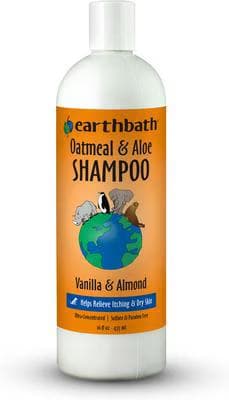
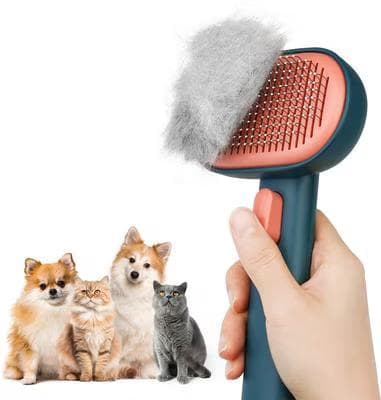
Grooming products do not create a standard color. If a bath is appropriate for the individual skin and coat, Earthbath Oatmeal and Aloe Dog and Cat Shampoo is one product to compare by ingredients, dilution directions, and veterinary guidance. The aumuca Self Cleaning Slicker Brush is one brush option to assess for pin length, pressure, coat reach, and the dog's comfort.
Petful may earn a commission when you click through to Chewy, at no extra cost to you.
How markings change the picture
| Base color | Guard hairs and undercoat across both sides, back, shoulders, and tail | Health, temperament, or ancestry from shade alone |
|---|---|---|
| Urajiro | Pale areas on muzzle, cheeks, throat, underside, inner legs, abdomen, and tail underside | That every pale patch is a separate white marking |
| Tan points | Placement and clarity on a black-based coat | That one dim photograph shows the complete pattern |
| Sesame overlay | Distribution of black-tipped hairs over a red ground | That a dark saddle, mask, or shadow automatically meets the standard |
Markings change how the eye reads the base coat. Urajiro can make a red dog look dramatically lighter from the front than from the back. A black and tan dog may look “black and white” in a high-contrast phone image because the tan points are subdued and the pale areas are overexposed. Sesame may appear patchy when coat is wet, parted, or photographed in directional light.
Evaluate the whole dog:
- Photograph the face, chest, both sides, back, legs, and tail in the same session.
- Part the coat gently to distinguish light undercoat from the color of guard hairs.
- Look for pattern boundaries rather than judging one enlarged patch.
- Note recent shedding, bathing, sun exposure, and whether the coat is wet.
- Save the unedited images and the dog's age so later comparisons have context.
Urajiro should not be treated as a generic synonym for every white-looking area. It is countershading with described placement. Separate white markings, pinto pattern, or an unusually pale overall coat are different observations. If registration or showing matters, ask a knowledgeable breed professional to compare the dog with the complete current standard rather than relying on an image-search label.
Common coat colors
Red is the color most people associate with the breed. It ranges visually from a brighter orange-red to a deeper warm red depending on the dog, coat stage, and light. Black-tipped hairs can occur without making the coat sesame. The standard describes the overall pattern, not a paint-chip match.
Black and tan combines a black ground with tan points and urajiro. The pale undercoat may show through during shedding, and sun exposure can give black guard hairs a brownish cast. That does not automatically change the registered color. Clear daylight views of clean, dry coat are more useful than one indoor photograph.
Sesame requires more than “some dark hairs.” The overlay should read as an even distribution of black-tipped hairs on a red ground rather than a concentrated dark saddle, heavy mask, or isolated black patch. Casual labels such as red sesame Shiba, red sesame, or black sesame may be used in conversation or under other terminology systems. For an American standard claim, compare the actual coat with the cited sesame definition.
- Use the same evidence standard: Popularity does not make red healthier, and lower frequency does not make sesame better. Request the same parent identities, original health-test results, veterinary records, contract protections, and behavior information for every Shiba color.
Less common and nonstandard colors
Cream Shibas have a very pale coat that can make the required contrast of urajiro difficult to see. A cream Shiba can be a loved and healthy companion, but “healthy companion” and “accepted show color” are separate statements. A white Shiba Inu label may be used casually for a very pale dog, so ask what the source means and which registry language supports the claim.
Petful may earn a commission when you click through to Chewy, at no extra cost to you.
Labels such as blue, silver, brindle, merle, chocolate, liver, pinto, or albino need evidence. Some may describe a visual impression, another breed's vocabulary, a pigment condition, mixed ancestry, or an unsupported marketing invention. A search such as “Shiba Inu Blue Heeler mix” refers to a cross, not a purebred Shiba coat color. Mixed dogs can inherit many appearances, which belong in the Shiba Inu mixes guide.
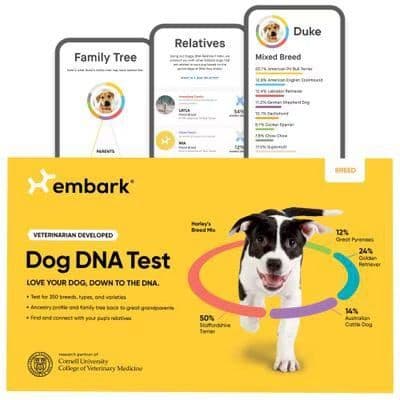
DNA testing may contribute ancestry or selected genetic information, but a photo and a consumer test do not replace source records. The Embark Breed Identification Dog DNA Test Kit is one ancestry product to compare by sample requirements, breed database, privacy terms, limitations, and how results will be interpreted. It should not be used to certify show color or responsible breeding.
Questions for a nonstandard label
- Is it a registration term, a genetic description, or seller-created language?
- Can the source show unedited photos of the puppy and parents in neutral light?
- Are parent identities and health results independently verifiable?
- Is the price higher only because scarcity is being implied?
- Does the contract promise an adult color no one can guarantee from an early image?
How puppy coats change
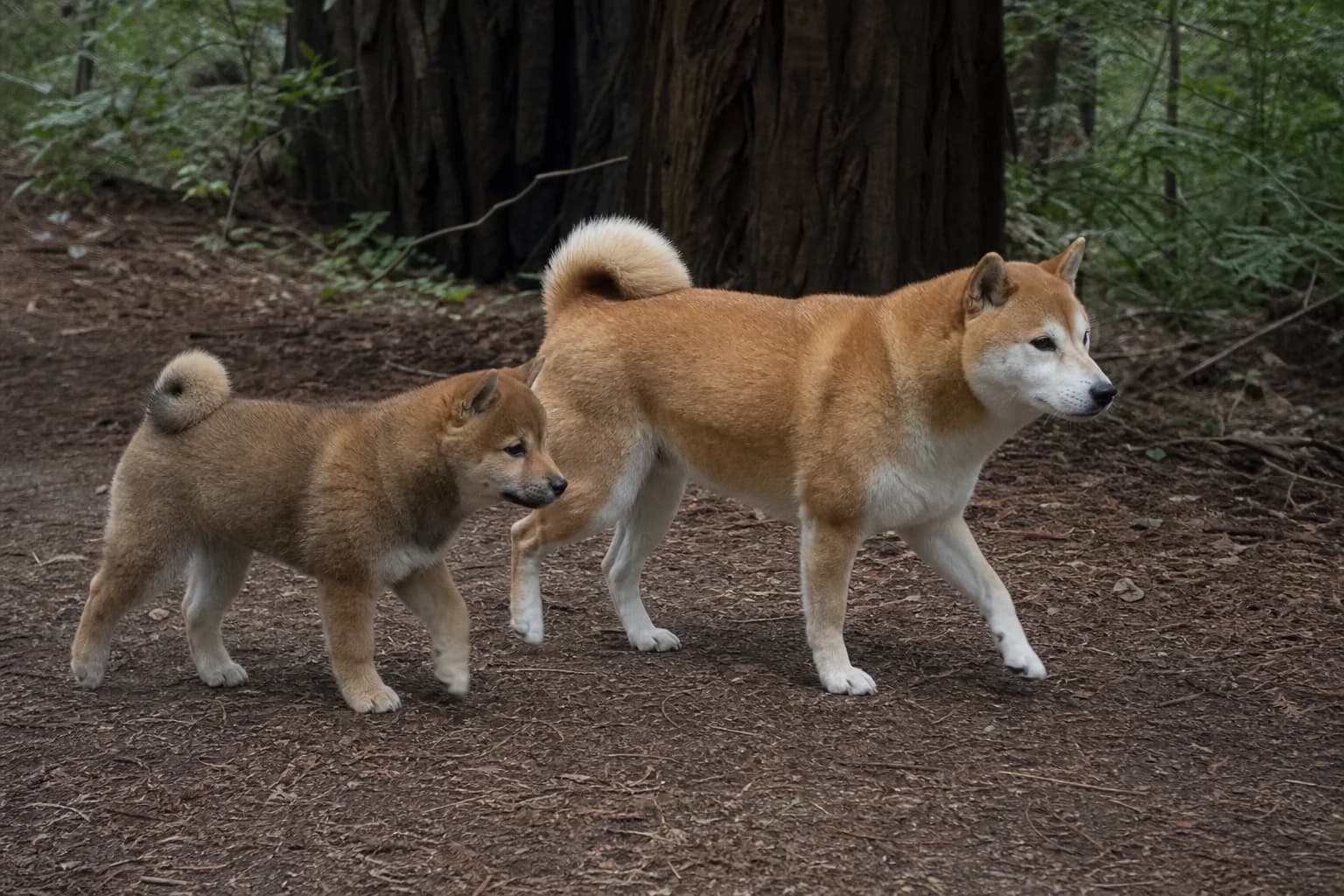
- An early photo cannot guarantee the adult shade | Puppy fluff, developing guard hairs, seasonal molt, lighting, and camera processing can all change the apparent color. Choose a puppy for health, temperament, source quality, and household fit rather than a promised final shade.
A puppy may become lighter or darker as soft puppy coat gives way to adult guard hairs. Black tipping can become more or less obvious, tan points can sharpen, and urajiro can appear clearer as the face and body mature. A red puppy with temporary dark shading is not automatically sesame, and a pale puppy photograph does not prove an adult cream coat.
Create a useful record rather than trying to predict from memory:
- Take unfiltered photographs in open shade at regular age intervals.
- Include the face, sides, back, chest, legs, and tail.
- Note whether the dog is shedding, recently bathed, wet, or sun-lightened.
- Compare the roots, undercoat, and guard-hair tips without plucking hair.
- Keep parent photographs and registration records separate from your visual notes.
Color change is normal; inflamed skin, bald patches, broken hair, strong odor, crusting, or sudden pigment change may not be. Those signs need veterinary assessment rather than a coat-color prediction.
Rare-color marketing claims
“Rare” is a marketing word unless it is tied to a defined population and reliable data. Even when a color occurs infrequently, rarity does not demonstrate sound structure, stable temperament, health screening, ethical rearing, or future adult appearance. A countdown timer, waiting-list pressure, or premium price is not evidence.
Pause when a seller:
Petful may earn a commission when you click through to Chewy, at no extra cost to you.
- Refuses to name the registry or standard behind a color term.
- Uses heavily filtered images or will not provide current daylight photos.
- Guarantees an exact adult shade from a very young puppy.
- Treats a color premium as a substitute for original parent health results.
- Claims that an unusual shade is automatically healthier or more valuable.
- Pressures payment before identity, contract, living conditions, and return terms are verified.
Ask for the same information you would demand for an ordinary red puppy: registered identities where applicable, breed-relevant parent screening, veterinary records, behavior and socialization information, contract terms, and lifetime return support. If the source cannot provide those basics, the color debate is a distraction.
Photographing and identifying coat color
Color is easiest to assess outdoors in open shade or beside a large window with indirect daylight. Avoid mixed warm bulbs and cool window light in the same frame. Disable filters, beauty modes, vivid color settings, and portrait effects. A gray card is ideal, but a familiar neutral object can at least reveal a strong color cast.
For a repeatable set:
- Keep the dog clean and dry, but do not bathe only to take the picture.
- Use the same camera when possible and preserve the original file.
- Fill the frame without cutting off the tail, legs, or underside.
- Photograph from both sides plus front, rear, and top views.
- Add close views of guard hairs, undercoat, tan points, and urajiro.
- Record date, age, coat stage, and lighting conditions.
Do not use flash at close range to judge black or pale coat, because it can flatten texture and blow out markings. If two photos disagree, inspect the dog in person under neutral light rather than selecting the image that best supports a desired label.
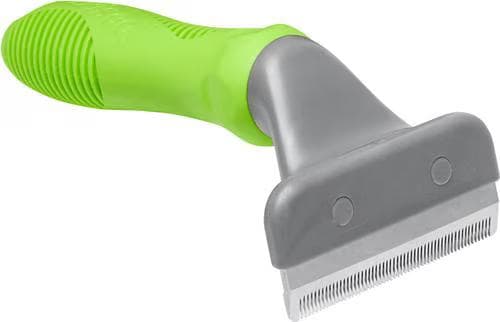
Routine products should protect skin and coat, not alter the image. Earthbath Oatmeal and Aloe Dog and Cat Shampoo is one shampoo to assess for the individual dog's skin, label directions, and veterinarian's advice. The aumuca Self Cleaning Slicker Brush should be tested gently in a small area, with pressure reduced or the tool changed if it scratches skin or catches painfully.
Coat care that protects color and skin
A healthy double coat can be evaluated more accurately when it is clean, dry, and free of packed undercoat. Brush in small sections, use only enough pressure to reach loose hair, and follow with a comb where appropriate. During coat blow, several short sessions are usually kinder than one prolonged effort. For lighter hand-contact coat work, compare the Four Paws Magic Coat All-In-One Wet & Dry Dog Glove & Curry Brush and the Mr. Peanut's Hand Gloves Dog & Cat Grooming & Deshedding Aid by fit, seams, friction, coat reach, and the dog's comfort rather than by color-enhancement claims.
Seasonal undercoat release can temporarily change how a Shiba's color looks in photographs and different light. A Frisco Deshedding Cat and Dog Brush, Medium, Medium to Long Hair can help lift loose coat when used gently and according to its directions, but close shaving is not a color-care technique and does not create a better adult shade.
Seek veterinary advice for:
- New bald areas, broken hair, sores, pustules, or crusts.
- Persistent scratching, licking, redness, odor, or pain.
- A rapid coat change accompanied by weight, appetite, energy, or hormonal signs.
- Pigment change on skin or mucous membranes that is new or spreading.
For routine shedding care, use the dedicated Shiba shedding guide. For puppy handling and grooming habits, the Shiba Inu puppies guide provides a first-year plan. Coat color deserves accurate description, but comfort and skin health come first.
Shiba Inu color-by-color reference
Red
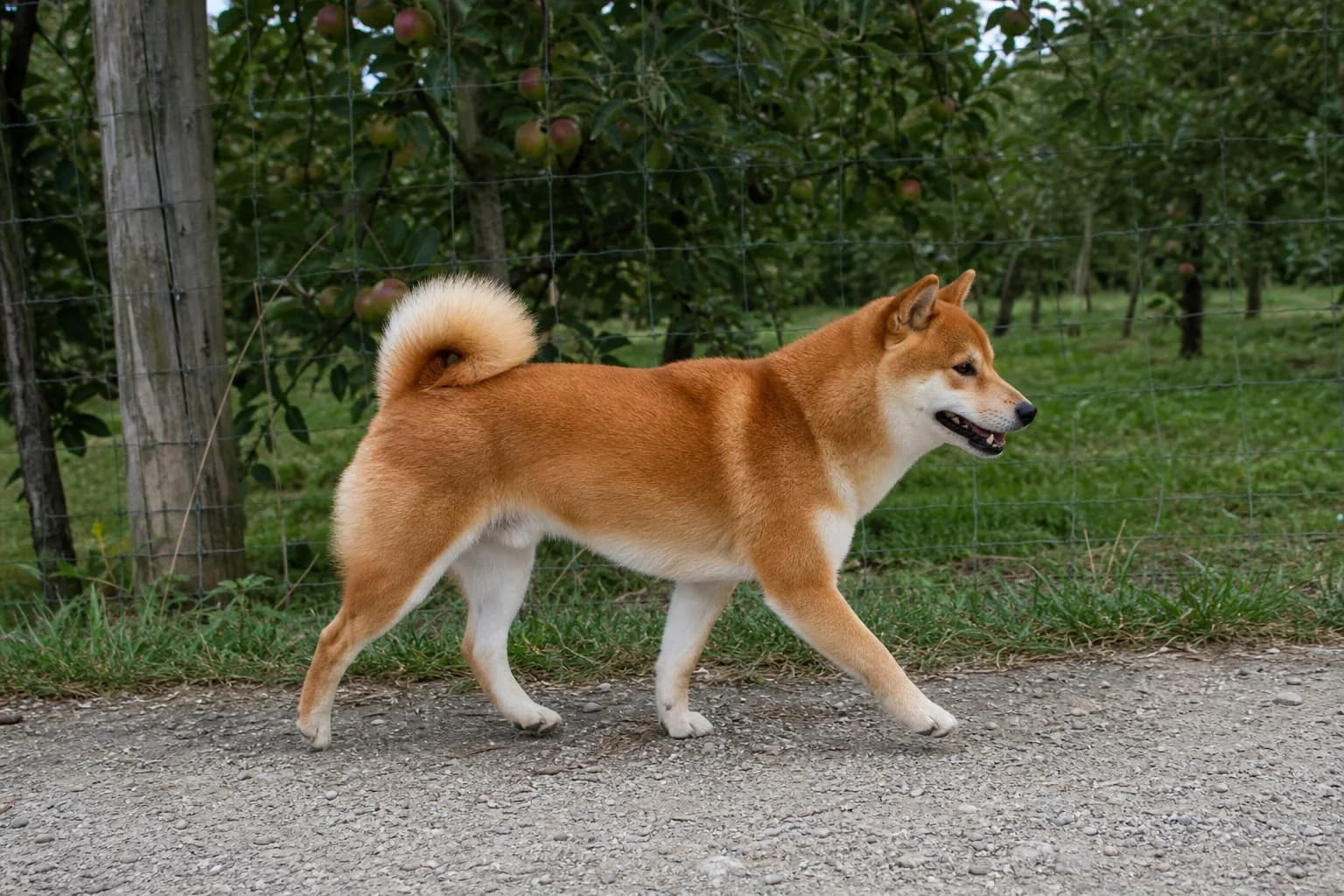
Red Shibas range visually from orange-red to deeper warm red. Urajiro creates pale contrast on the face, throat, underside, inner legs, and tail underside. Scattered dark-tipped hairs, especially in a changing puppy coat, do not by themselves make the dog sesame. Evaluate the overall adult distribution in neutral light.
Black And Tan
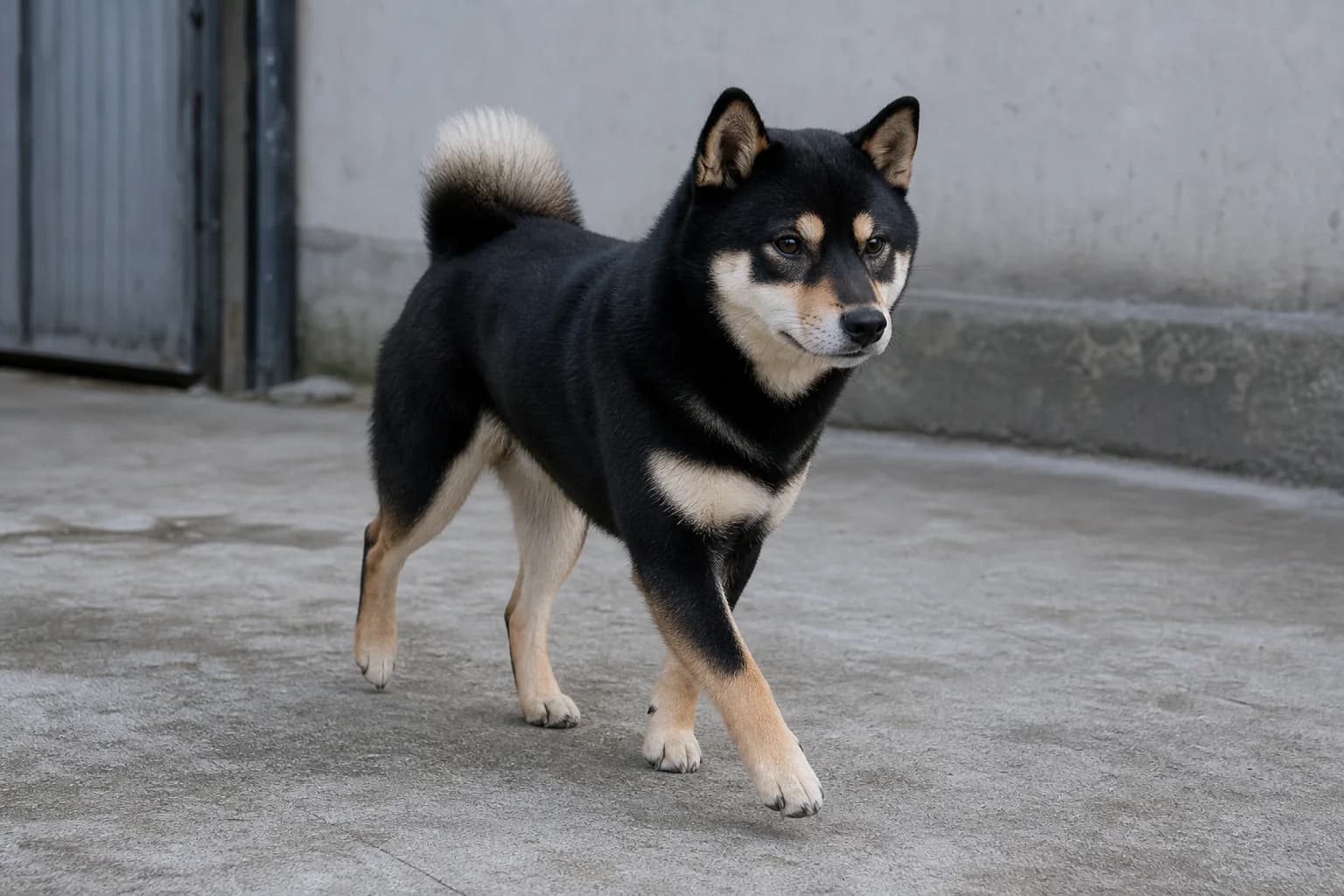
A black and tan Shiba has a black-based coat with tan points and required urajiro. Pale undercoat can become more visible during shedding, while sun can make black guard hairs look brown. Check the entire pattern rather than calling the dog a black and white Shiba from an overexposed face or chest photo.
Sesame
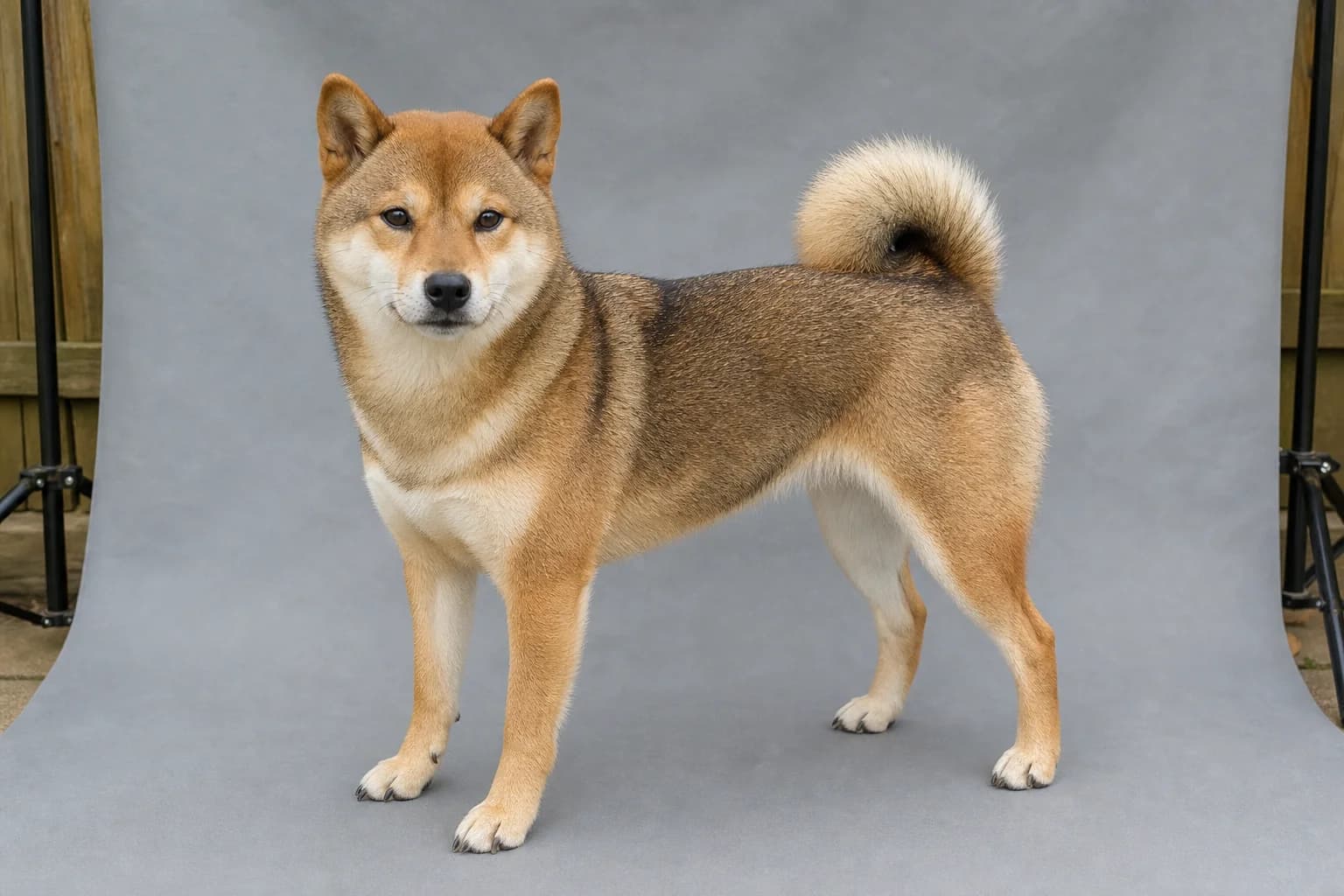
Sesame is not simply a dark red dog. It describes an even black-tipped overlay on a red ground without a concentrated black area or mask. Distribution matters. If a seller uses “sesame” for a puppy, ask for current unfiltered views and understand that adult coat development can change the appearance.
Red Sesame
Red sesame is often used for a red-forward sesame appearance or under terminology outside the American standard. When formal classification matters, identify the registry and compare its exact definition. In casual description, explain the visible red ground and black tipping rather than assuming everyone uses the label the same way.
Black Sesame
Black sesame may be used in Japanese-derived terminology for a darker sesame balance, but it should not become a catchall for black saddling or a masked dog. State which standard is being applied. Clear descriptions and photographs are more useful to a pet owner than arguing over an unsupported label.
Cream
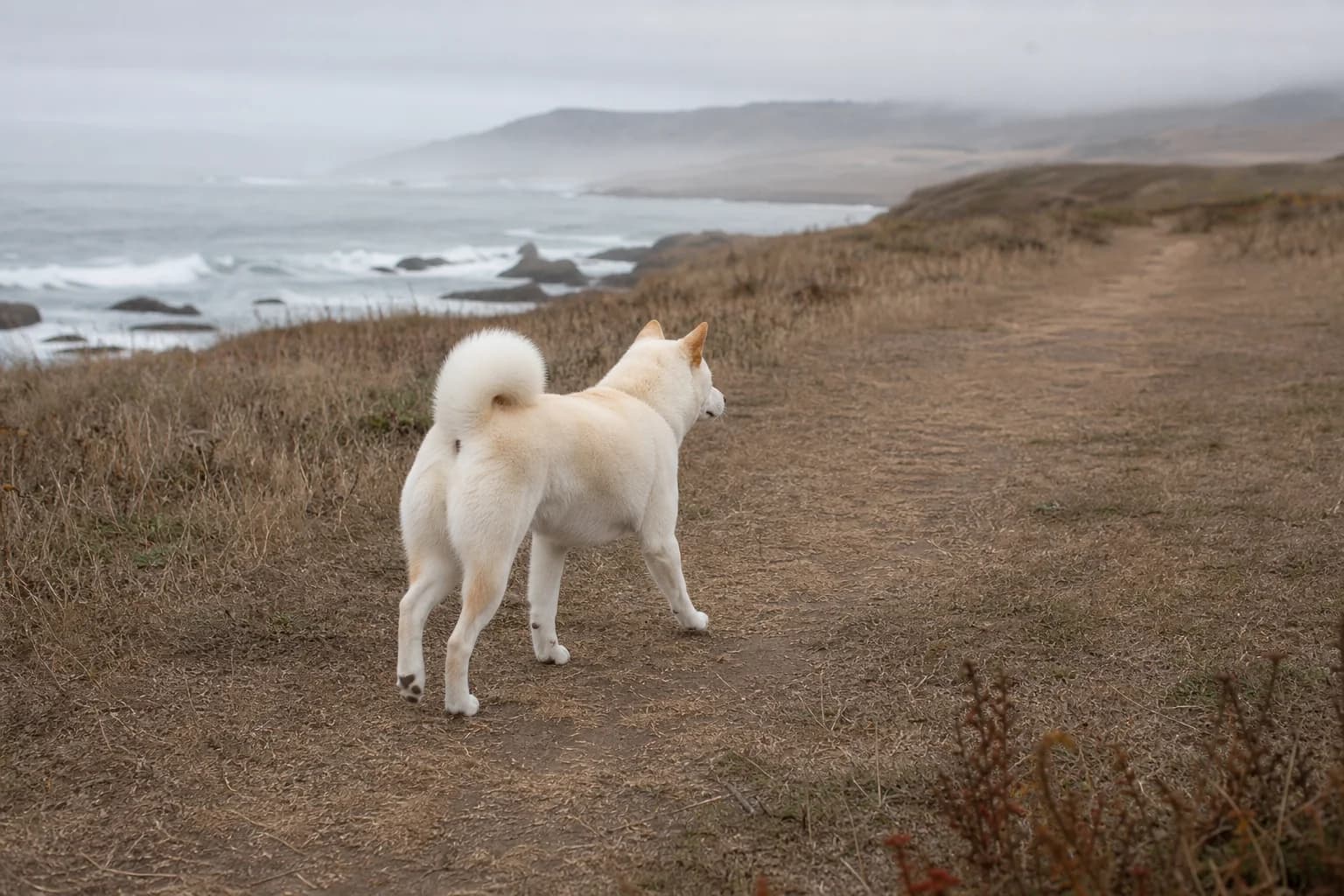
Cream Shibas are very pale and may be described as white Shiba Inus in casual listings. Cream is not an accepted color under the cited American standard, yet that does not make the individual dog unhealthy. Do not let a “rare cream Shiba” premium replace screening, identity, behavior, and contract review.
Urajiro Markings
Urajiro is the light countershading required with the recognized base colors. It appears in specified areas including the muzzle and cheeks, under the jaw and throat, inner legs, underside, and tail underside. It is part of breed pattern, not a separate base color and not a synonym for every white patch.
White Markings
Separate white markings from urajiro and from an overall cream coat. Their significance depends on placement and the standard being applied. For registration or show questions, use the exact current text and an experienced evaluator. For pet care, describe the visible marking honestly without treating it as a health or temperament prediction.
Related Shiba Inu guides
- Shiba Inu Breed Profile: Essential Facts
- Shiba Inu Dog Price and Cost: Puppy and Lifetime Expenses
- Shiba Inu Puppies: Growth, Training, and First-Year Care
- Shiba Inu Temperament: Personality, Training, and Family Fit
- Shiba Inu Mixes: Crosses, Traits, and Care
- Shiba Inu Lifespan and Health: What Owners Should Know
- Shiba Inu Size and Weight: Growth and Adult Measurements
- Do Shiba Inus Shed? Coat Care and Grooming Guide
Frequently asked questions about shiba inu colors
The rarest color of Shiba Inu cannot be ranked reliably without a defined registry population and time period, although sesame is often described as less common than red or black and tan. The label is also frequently misapplied to coats that do not meet the standard's distribution requirements. Ask how the color was identified, compare the dog in neutral daylight, and verify registration and parent health records. Rarity does not improve temperament, health, structure, or household fit.
Black Shibas are recognized. Generally, the standard color is described more precisely as black and tan, and it is seen less often than red; no dependable population census supports one universal rarity percentage. The expected pattern includes defined tan points and pale urajiro in the locations described by the standard, and one dark photo is not enough to assess it. Verify identity, parent health records, temperament, care, and contract terms instead of treating a black Shiba Inu coat as a premium credential.
Color identification is most reliable when the dog is clean and dry, standing in indirect natural light, and photographed from more than one angle. Record the date and age because puppy coat, guard-hair growth, undercoat, sun exposure, and seasonal shedding can change the visible balance. If registration accuracy matters, compare the current dog with the applicable standard and the original paperwork rather than relying on a seller's social-media label. A careful description can acknowledge uncertainty; it should not invent a rare category from one photograph or a temporary puppy stage.

Coreen Saito is a pet writer and longtime shelter volunteer with more than a decade in animal rescue. She covers cat behavior, breed care, and the small, ordinary science of sharing a life with companion animals, with a particular focus on honest takes about the products and decisions that actually matter. At home in Arizona, she's outranked by Mac (a dog with the loudest opinion in the house), Rebel (a cat who governs by quiet authority), and Meri (an orange tabby who runs the late shift and the laundry basket). She writes about all three, plus the rescues that keep coming through her life, at LifeWithMinty.com.
Sign up for expert-backed reviews and safety alerts all in one place.