Shiba Inu Breed Profile: Essential Facts
Shiba Inu Breed Profile: Essential Facts with evidence-based guidance on daily fit, care, costs, training, grooming, health, and the individual decisions that matter most.
Petful is reader supported. As an affiliate of platforms like Amazon and Chewy, we may earn a commission when you buy through links on this page. There is no extra cost to you.
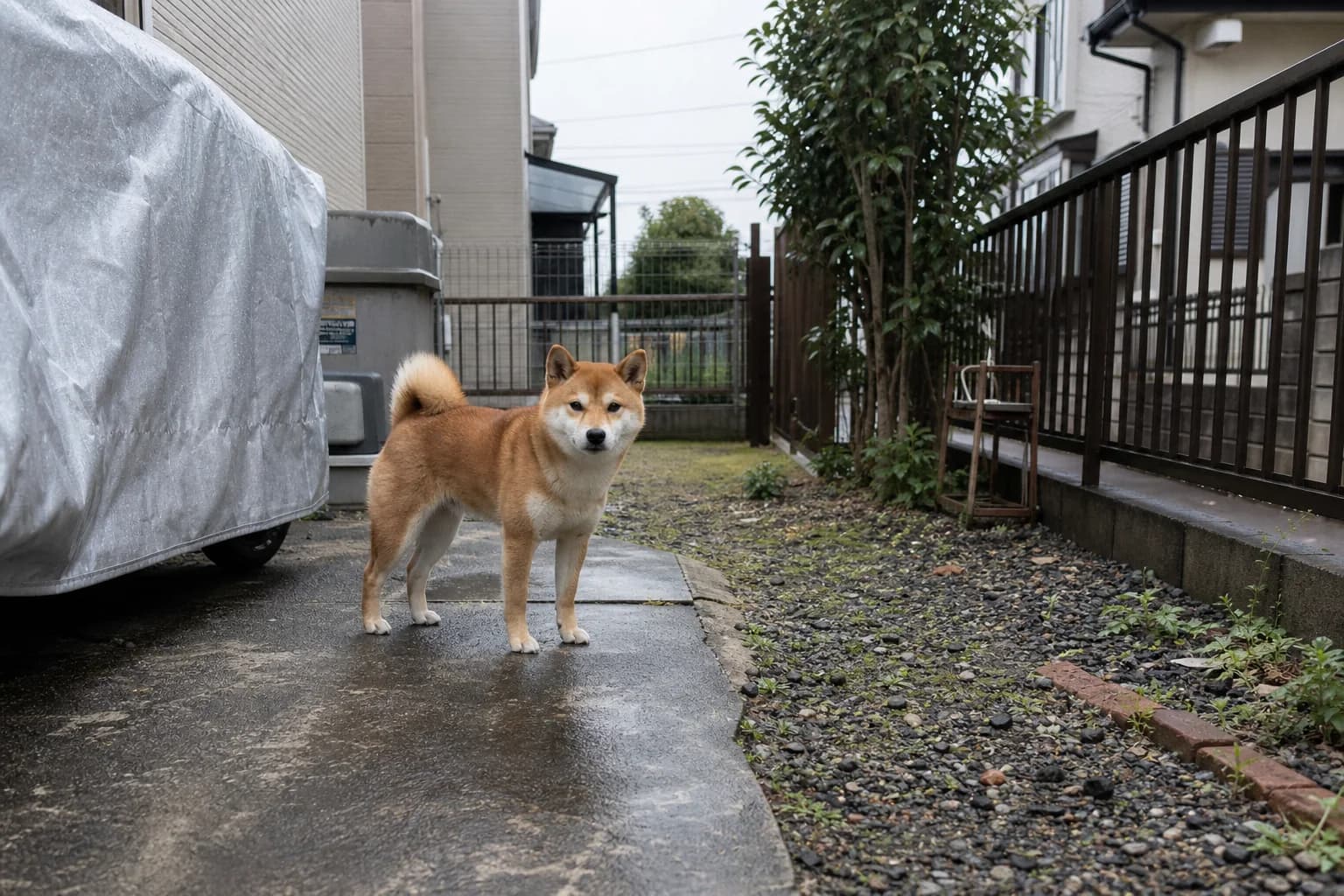
The Shiba Inu is a compact Japanese breed with an alert expression, a dense double coat, and a famously independent streak. Living with one can be rewarding, but the best match is a household that enjoys training, manages doors and off-leash risk carefully, and respects a dog that may show affection without wanting constant handling.
This breed profile turns the standard description into everyday decisions about exercise, grooming, children, other pets, health, and cost. Breed tendencies are useful starting points, not guarantees. The individual dog's history, health, learning, and behavior should always carry more weight than a label.

Sign up for expert-backed reviews and safety alerts all in one place.
Shiba Inu at a glance
A Shiba Inu can be an excellent house dog for people who want an observant, active companion and can provide secure containment, patient reward-based training, regular coat care, and personal space. The breed is small enough for many homes, but independence, prey drive, shedding, and handling preferences deserve serious planning.
The official Shiba Inu breed standard describes a well-muscled, agile dog developed for hunting in mountainous terrain. Adult males are listed at 14.5 to 16.5 inches at the withers and about 23 pounds at preferred size; females are 13.5 to 15.5 inches and about 17 pounds. Those are reference points rather than weight targets for every dog.
For daily life, the more useful snapshot is practical:
- Home fit: Many Shibas settle well indoors after appropriate activity. Apartment living can work when barking, enrichment, toilet breaks, and secure exits are managed.
- Temperament: Alertness, confidence, independence, and selective affection are common. Some individuals are socially easygoing, while others need more distance and structure.
- Exercise: Most adults benefit from daily walks, sniffing, play, and short training sessions. A fenced yard does not replace shared activity.
- Training: They learn quickly, but repetition without a clear reward can lose their interest. Preventing unwanted rehearsals is as important as teaching cues.
- Grooming: The double coat sheds throughout the year and often releases heavily during seasonal coat changes.
- Safety: A strong chase response and a tendency to exploit open doors make secure leashes, gates, and identification important.
Before choosing the breed, test the plan against an ordinary workday rather than a best-case weekend. Name who handles the morning walk, midday needs, training, grooming, veterinary transport, and door security. Include the cost and backup for each job. This exercise exposes whether the household truly fits a Shiba's routine and whether every adult accepts the same containment and handling rules. It also gives a rescue or responsible breeder concrete information for matching an individual dog. A realistic plan is stronger evidence than enthusiasm, a fenced yard, or prior experience with a very different breed.


Petful may earn a commission when you click through to Chewy, at no extra cost to you.
Quick answers people ask about Shibas
- Is a Shiba Inu a good house dog? Yes, a Shiba Inu can be a good house dog when the household provides exercise, predictable rules, and safe containment. The breed is naturally clean and often quiet between alerts, but that does not make it effortless. A dog that is bored, frightened, under-exercised, or repeatedly allowed to rush doors can become difficult to manage in any size home.
- What is the least wanted dog? There is no credible universal ranking of a single “least wanted” breed. Shelter intake and adoption patterns change by location, housing policy, age, size, health, and local breeding trends. A Shiba should be chosen because its real care needs suit the home, not because a viral list describes the breed as rare, desirable, difficult, or unpopular.
- How much does a Shiba Inu dog cost? Acquisition price is only one part of the budget. Adoption fees, breeder pricing, transport, supplies, preventive care, training, grooming tools, insurance or emergency savings, and housing costs all vary. The dedicated Shiba Inu dog price guide explains how to build a local first-year and lifetime estimate without treating one advertised number as a guarantee.
- Why are Shiba Inus not cuddly? Some are cuddly, while others prefer to sit nearby, follow a person through the house, or request contact briefly and then leave. Independence is not a lack of attachment. Respecting consent during lifting, grooming, and restraint usually builds more trust than forcing prolonged contact because a dog is expected to enjoy it.
- What are the disadvantages of a Shiba Inu? Common challenges include escape risk, prey drive, selective sociability, heavy seasonal shedding, sensitivity to unwanted handling, and a training style that may feel less eager-to-please than some breeds. These traits are manageable in many homes, but they require planning. A household seeking reliable off-leash freedom or effortless friendliness with every dog may prefer another match.
- What are the top three most loyal dogs? No objective top-three list applies to every dog. Loyalty can mean proximity, responsiveness, guarding, social preference, or a stable attachment, and breeds express it differently. Shibas often form strong relationships without behaving clingy. Judge the bond by whether the dog seeks safety, communication, and shared routines with the household, not by an internet ranking.
History and original purpose
The Shiba developed in Japan as a small hunting dog able to move through dense brush and uneven mountain ground. The National Shiba Club of America describes a breed used for hunting by sight and scent. That background helps explain why modern Shibas may notice movement quickly, scan their surroundings, pursue small animals, and make fast decisions without waiting for human direction.
History is context, not destiny. A companion Shiba raised in a city is not a working hunter, and early experience can greatly affect confidence, sociability, and recovery from surprises. Still, the original job points to useful management choices:
- Use a secure leash or long line rather than assuming recall will overcome a chase. For close control on ordinary walks, compare the Frisco Traffic Leash with Dual Padded Handles with the handler's grip and the dog's strength; a six-foot leash is not a substitute for a long line.
- Give sniffing and exploration a legitimate place in the daily routine.
- Teach calm orientation to the handler around movement and wildlife.
- Check fences and gates from the dog's eye level, including gaps under barriers.
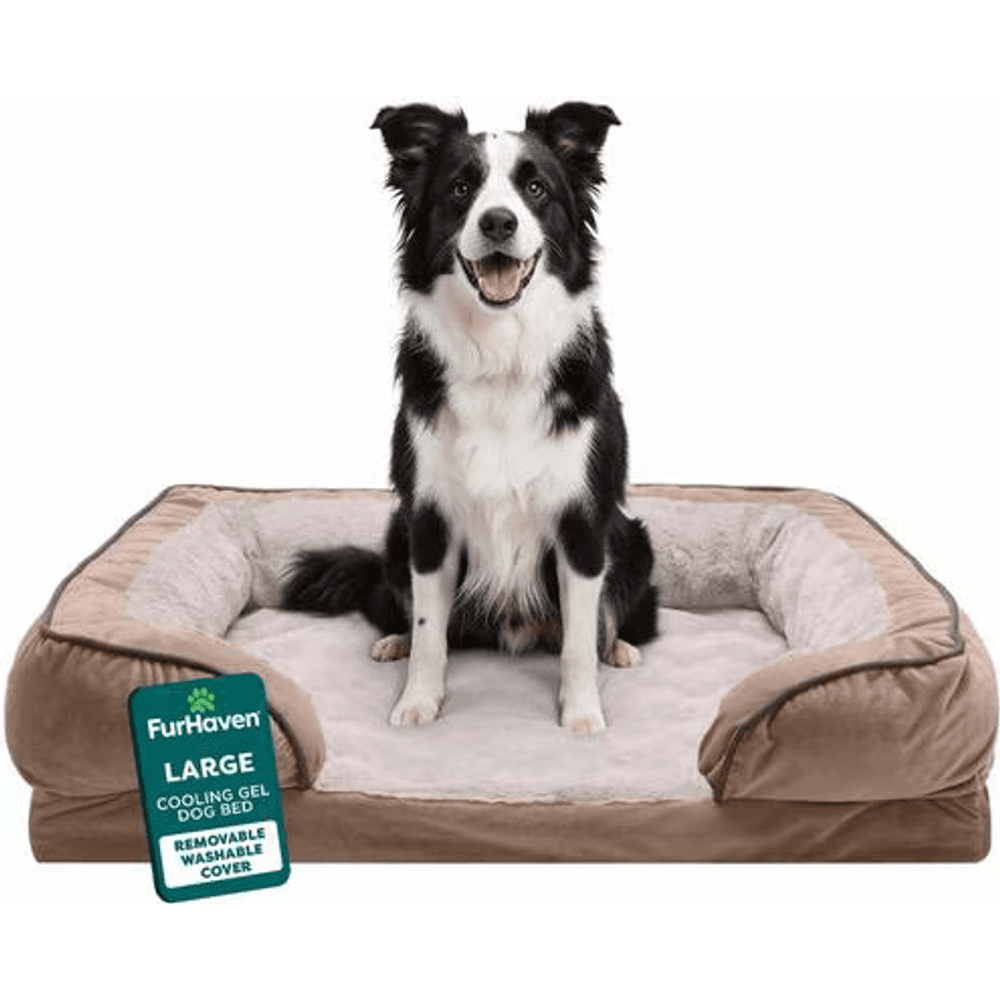
An orthopedic sofa bed with three bolstered sides for dogs who like to rest their head and joints against a cushion. The supportive foam base cradles hips and elbows, a comforting spot for an older or shaky dog to settle.
Petful may earn a commission when you click through to Chewy, at no extra cost to you.
The Shiba is placed in the American Kennel Club's Non-Sporting Group, a modern grouping that contains breeds with very different histories. Group placement tells less about household fit than observing the dog in ordinary situations. Watch how an individual responds to handling, strangers, traffic, other animals, frustration, and rest before drawing conclusions from breed history alone.
Shiba Inu temperament in daily life
| Recovery after a noise or surprise | Whether arousal fades or keeps building | Add distance, lower difficulty, and reward reorientation |
|---|---|---|
| Handling of paws, collar, and coat | Comfort with routine care and restraint | Use brief cooperative-care practice rather than force |
| Interest in moving animals | The level of chase motivation in that setting | Use secure equipment and train below threshold |
| Ability to rest after activity | Whether the daily routine supports regulation | Adjust exercise, enrichment, and quiet time |
Shiba Inu temperament is often described with words such as alert, confident, independent, and spirited. Those labels become useful only when translated into observable behavior. One dog may greet visitors and then leave, another may prefer a gate and quiet room, and a third may warm up after several visits. None of those patterns can be predicted from coat color, sex, or a single puppy meeting. A configurable barrier such as the Frisco Steel 8-Panel Configurable Dog Gate and Playpen can support visitor separation when its height, spacing, attachment, and stability suit the individual dog.
Independence sometimes looks like choosing a separate sleeping spot, pausing before responding to a cue, or ending petting by walking away. It should not be confused with inability to learn or lack of attachment. A Shiba that feels secure may show connection through play, check-ins on walks, relaxed proximity, or enthusiasm for a shared routine.
Sudden screaming or dramatic vocalization is associated with the breed online, but the cause matters. Fear, frustration, restraint, pain, excitement, or an unfamiliar procedure can all produce sound. Do not dismiss a new or intense vocal response as merely a “Shiba scream,” especially when it accompanies limping, tenderness, breathing difficulty, collapse, or another health change. The detailed Shiba Inu temperament guide covers family fit, barking, prey drive, and training in greater depth.
Exercise and enrichment
A satisfying day combines physical movement, opportunities to investigate, brief learning, and enough sleep. The exact amount changes with age, health, weather, and conditioning. Rather than chasing a fixed number of minutes, look at the whole pattern: enthusiasm during activity, recovery afterward, comfort later that day, and movement the following morning.
Useful options include:
- Leashed neighborhood walks with time to sniff rather than constant marching.
- Long-line exploration in a legal, open area away from roads and wildlife pressure.
- Short food-search games, scatter feeding, or supervised puzzle work.
- Tug, chase-a-toy, and retrieve variations that have a clear start and finish.
- Low-pressure training woven into walks, meals, doors, and grooming.
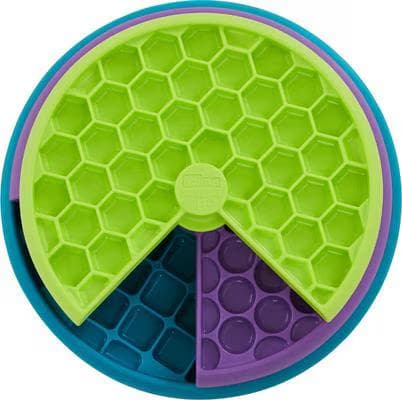
For equipment, fit and supervision matter more than novelty. The Frisco Padded No Pull Dog Harness is one current harness option to compare after measuring the individual dog, checking shoulder movement, and inspecting for rubbing. The Outward Hound Lickin Layers Puzzle and Slow Feeder can add food-based enrichment when its dimensions, cleaning needs, and difficulty suit the dog.
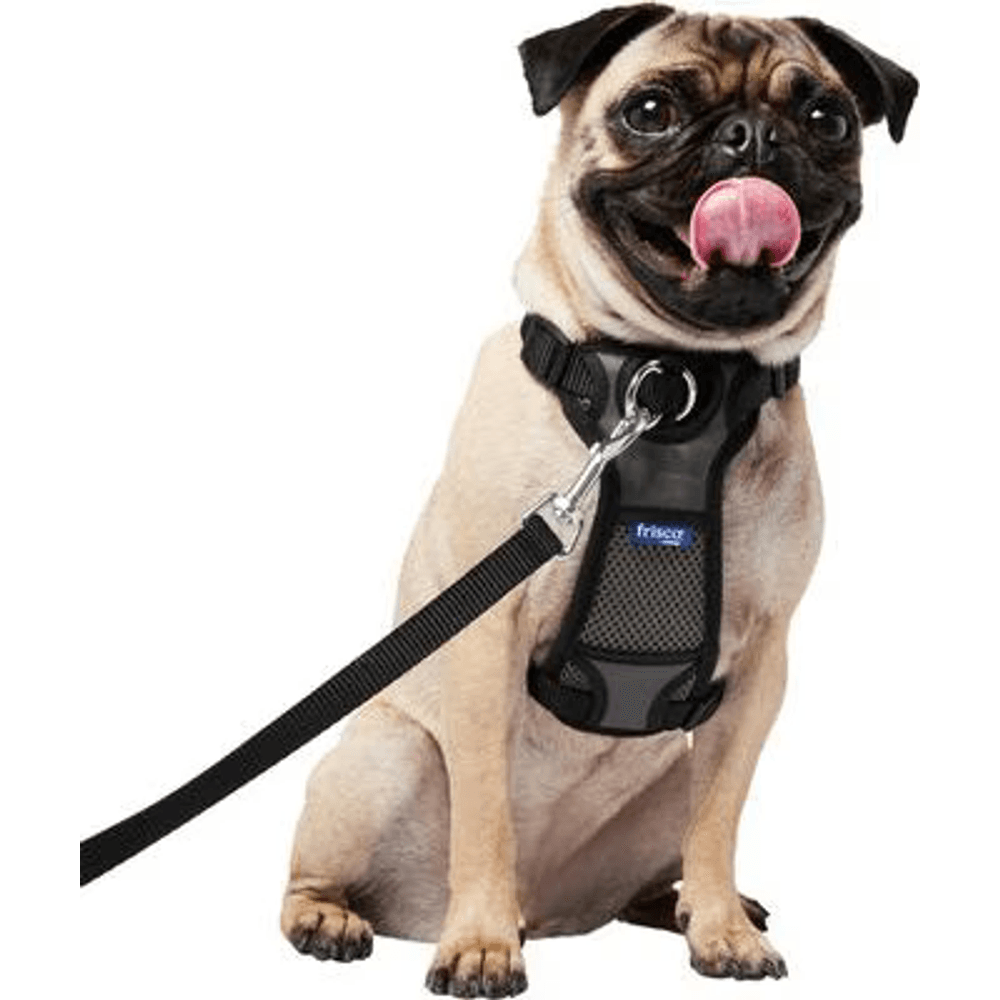
A budget-friendly padded no-pull harness that keeps leash pressure off a coughing dog's neck and windpipe by distributing it across the chest. A simple, affordable way to protect an irritated airway or a collapsing trachea on every walk.
Petful may earn a commission when you click through to Chewy, at no extra cost to you.
Puppies need shorter, varied activity with protected rest and less repetitive impact. Older dogs may prefer more sniffing, gentle strength work, and several comfortable outings instead of one strenuous session. Any sudden drop in stamina, reluctance to jump, persistent stiffness, or change in gait deserves veterinary attention rather than an assumption that the dog is being stubborn.
Training priorities
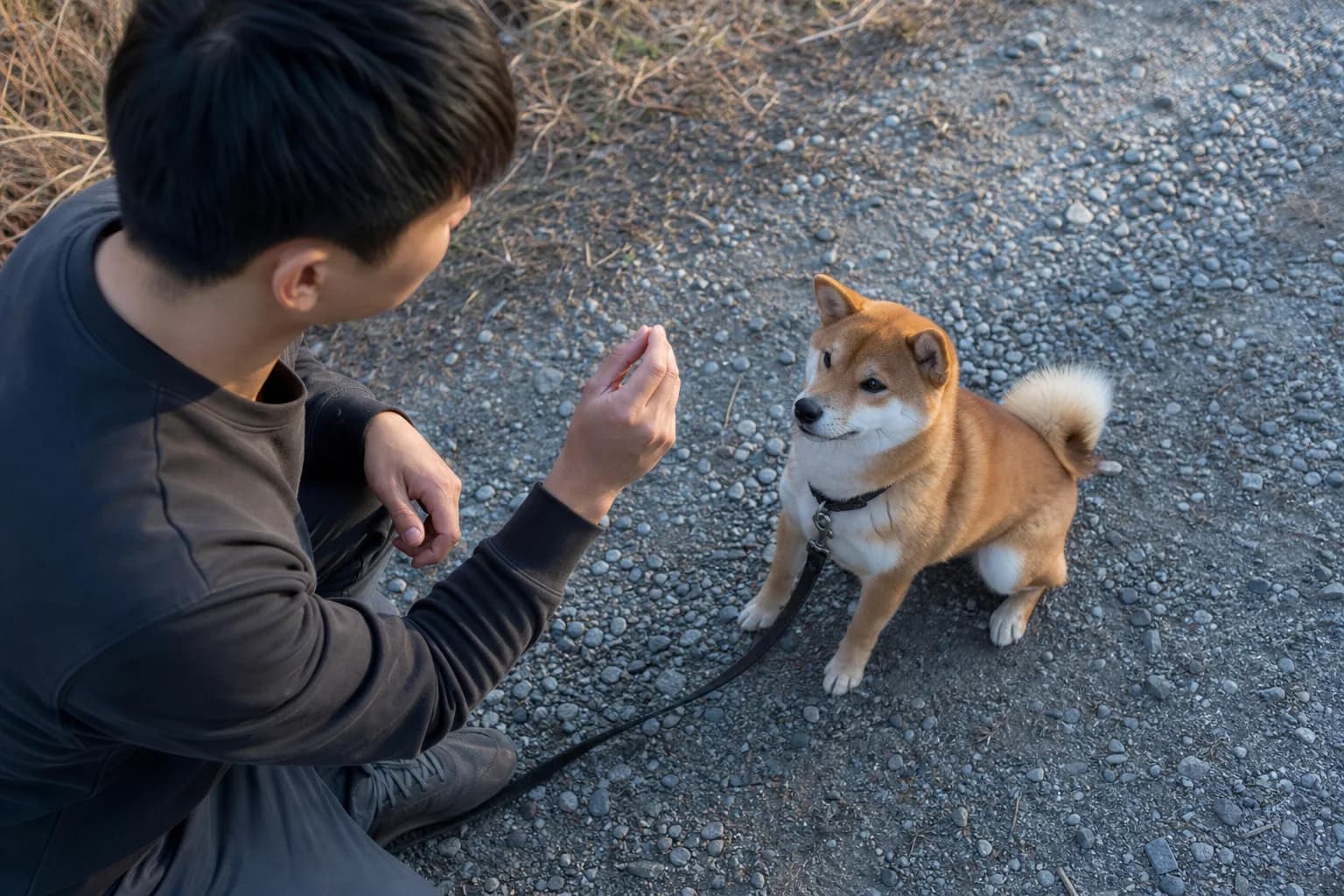
Training a Shiba is less about winning a contest of wills and more about arranging good repetitions. Identify what the dog values, make the correct response easy, and prevent the unwanted behavior from paying off. Short sessions usually preserve attention better than long drills, especially when the skill is practiced in several real-life settings.
Start with behaviors that affect safety and care:
- Responding to a name and turning toward the handler.
- Waiting while doors, car gates, and crates open.
- Following leash pressure without panic or opposition.
- Trading objects and moving away from food or wildlife cues.
- Accepting brief checks of paws, ears, teeth, collar, and coat. For gradual mouth handling, the Jasper 360 Dog Finger Toothbrush is one finger-brush format to compare only after the dog is comfortable with brief lip and muzzle touch.
- Settling on a mat while normal household activity continues.
Recall practice is valuable, but it does not make every environment safe for off-leash freedom. Use fenced spaces or a long line while building the behavior, and reward heavily when the dog disengages from something interesting. A reliable response in the kitchen does not automatically transfer to a trail with squirrels.
If behavior changes suddenly, rule out pain, illness, sensory change, or a stressful event. Fear-based methods can suppress warnings without resolving the underlying emotion. A qualified reward-based trainer or veterinary behavior professional can help when there is biting risk, severe distress, guarding, panic, or repeated escape behavior.
Living with children and other pets
- Supervision is an active job | An adult should be close enough to interrupt grabbing, chasing, crowding, food conflict, or an unsafe door opening. A dog and child merely being in the same room does not count as supervision.
A Shiba can live successfully with children when the dog's temperament, the child's behavior, and adult management fit together. Children should invite contact rather than cornering, hugging, climbing on, or lifting the dog. The Shiba needs a retreat where eating and resting are never interrupted. Adults, not children, are responsible for preventing escapes and conflicts.
Introductions to another dog should begin with space, movement, and short sessions rather than immediate sharing of beds, food, and toys. Compatibility depends on both individuals. Consider play style, size difference, guarding history, recovery after excitement, and whether each animal can disengage. Separate resources at first and increase access only when behavior remains relaxed.
Cats and small pets require special caution because chase behavior can appear even in a dog that seems calm indoors. Gates, closed doors, leashes, and elevated escape routes reduce risk, but no setup eliminates it completely. A history of safe living with one cat does not prove the dog will be safe with every cat or rabbit.
- Resting place: For predictable household boundaries, an appropriately sized bed such as the FurHaven Velvet Waves Orthopedic Sofa Cat and Dog Bed is one option to compare. Place any bed where the dog can leave freely and teach family members not to disturb the dog there.
Petful may earn a commission when you click through to Chewy, at no extra cost to you.
Size, coat, and appearance
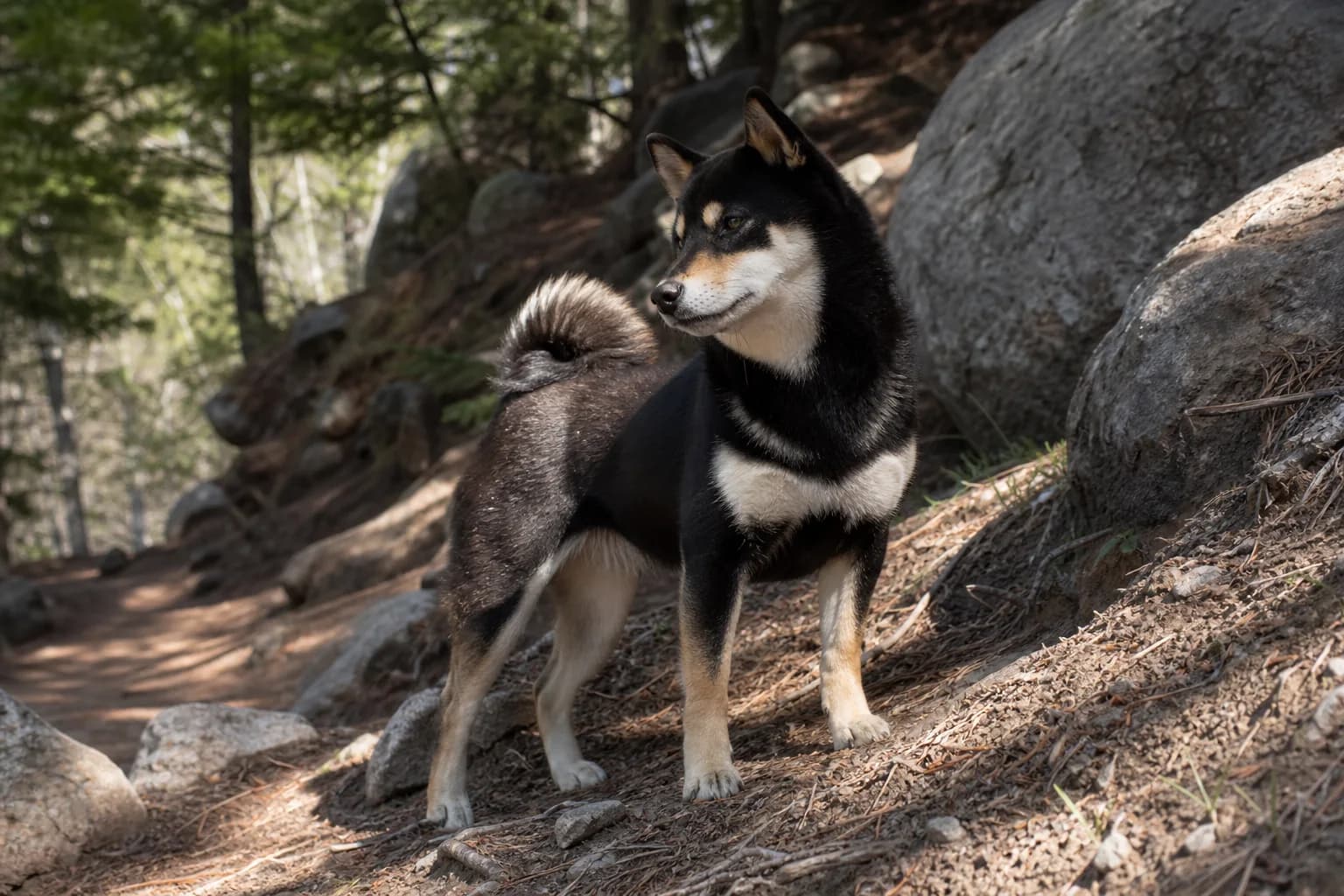
A mature Shiba should look compact, balanced, and athletic rather than fragile or exaggerated. The standard calls for a short, soft, dense undercoat beneath a straight, harsh outer coat. The curled or sickle tail, erect triangular ears, and alert expression contribute to the familiar outline, but sound structure and comfortable movement matter more than a social-media look.
The standard recognizes red, black and tan, and sesame, with urajiro, the lighter cream-to-white areas in defined locations. Cream and other nonstandard presentations still occur and can be healthy companion dogs. Color does not establish quality, temperament, or responsible breeding. The Shiba Inu colors guide explains standard terms, puppy coat change, and misleading rarity claims.
Measure height at the highest point of the shoulder while the dog stands squarely on level ground. Interpret weight alongside body condition, muscle, frame, and life stage. Thick coat can hide gradual weight gain or loss, so hands-on checks are important. The dedicated Shiba Inu size and weight guide includes growth tracking and measurement steps without turning breed averages into deadlines.
Grooming and routine care
The double coat needs regular inspection and more frequent work during seasonal shedding. Brushing should lift loose undercoat without scraping skin or repeatedly cutting healthy topcoat. Work in small sections, especially around the neck, thighs, and tail base, and stop when the dog shows pain or escalating distress.
A simple care rhythm includes:
- Check the skin and coat weekly for redness, odor, flakes, parasites, moisture, or unusual hair loss.
- Brush at a frequency the individual coat needs, increasing gradually during coat blow. For a hand-contact option during light maintenance, compare the Four Paws Magic Coat All-In-One Wet & Dry Dog Glove & Curry Brush on a small area first and stop if rubbing creates discomfort or static.
- Trim nails before length changes gait or makes normal standing uncomfortable.
- Introduce tooth brushing in tiny steps and use dog-safe products only.
- Bathe when needed, rinse thoroughly, and dry the dense coat to the skin without overheating.
Close shaving is not a routine shedding solution. It does not stop hair production and may leave the coat less protective while it regrows. The Shiba shedding and grooming guide covers seasonal coat blow, tools, bathing, drying, and warning signs in detail.
If the dog is learning to tolerate care, pair brief touches with food and finish before panic. A front-clip harness like the Frisco Padded No Pull Dog Harness should be introduced with the same cooperative approach, with fit checked around the neck, chest, and moving shoulders. Food enrichment such as the Outward Hound Lickin Layers Puzzle and Slow Feeder may help create a calm activity nearby, but it should not be used to hold a frightened dog in place for grooming.
Lifespan and health planning
Shiba Inu lifespan is often placed around 13 to 16 years, but a population range cannot predict one dog's future. Genetics, preventive care, dental health, nutrition, body condition, accident prevention, and prompt attention to change all influence quality and length of life. The National Shiba Club of America's health information discusses breed concerns, while the OFA CHIC program explains how breed-specific health screening results are recorded.
Health concerns discussed for the breed include eye disease, patellar luxation, hip problems, and allergic skin disease. A predisposition is not a diagnosis, and a DNA panel does not replace examinations or the recommended screening performed on breeding dogs. The Embark Breed and Health Dog DNA Test Kit may provide ancestry and selected variant information, but results need to be interpreted within those limits and should not be presented as complete clearance.
Create a baseline while the dog is well:
- Record weight and body condition at consistent intervals.
- Notice normal appetite, thirst, elimination, sleep, mobility, and social behavior.
- Keep medication, supplement, vaccine, and laboratory records together.
- Schedule preventive examinations and dental discussions before a crisis.
- Seek urgent care for breathing difficulty, collapse, repeated unproductive retching, uncontrolled bleeding, seizures, or rapidly worsening distress.
The full Shiba Inu lifespan and health guide covers screening questions, mobility, skin, eyes, dental care, healthy aging, and signs that need veterinary attention.
Choosing a responsible source or rescue
A responsible source makes it possible to verify claims. For a breeder, ask to see original health-test results for the actual parents, not only a statement that the dogs were “vet checked.” Confirm registered names, test dates, identities, and what the result covers. Meet the dam when feasible, learn how puppies are raised, and read the contract and return policy before sending money.
Useful questions include:
- What health screening was completed on each parent, and where can the result be verified?
- What social and household experiences have the puppies had?
- How are temperament concerns recorded and discussed with buyers?
- What happens if the placement stops working at any age?
- Which claims are observed facts, and which are predictions?
Rescue and adult adoption can offer a different advantage: the dog's mature size and current behavior may be easier to observe. Ask what the organization has seen in a foster home, how the dog handles touch and confinement, and whether behavior around children, cats, or dogs is known or simply untested. Neither a high price nor a rare color proves quality, and urgency is not a substitute for evidence.
Is a Shiba Inu right for you?
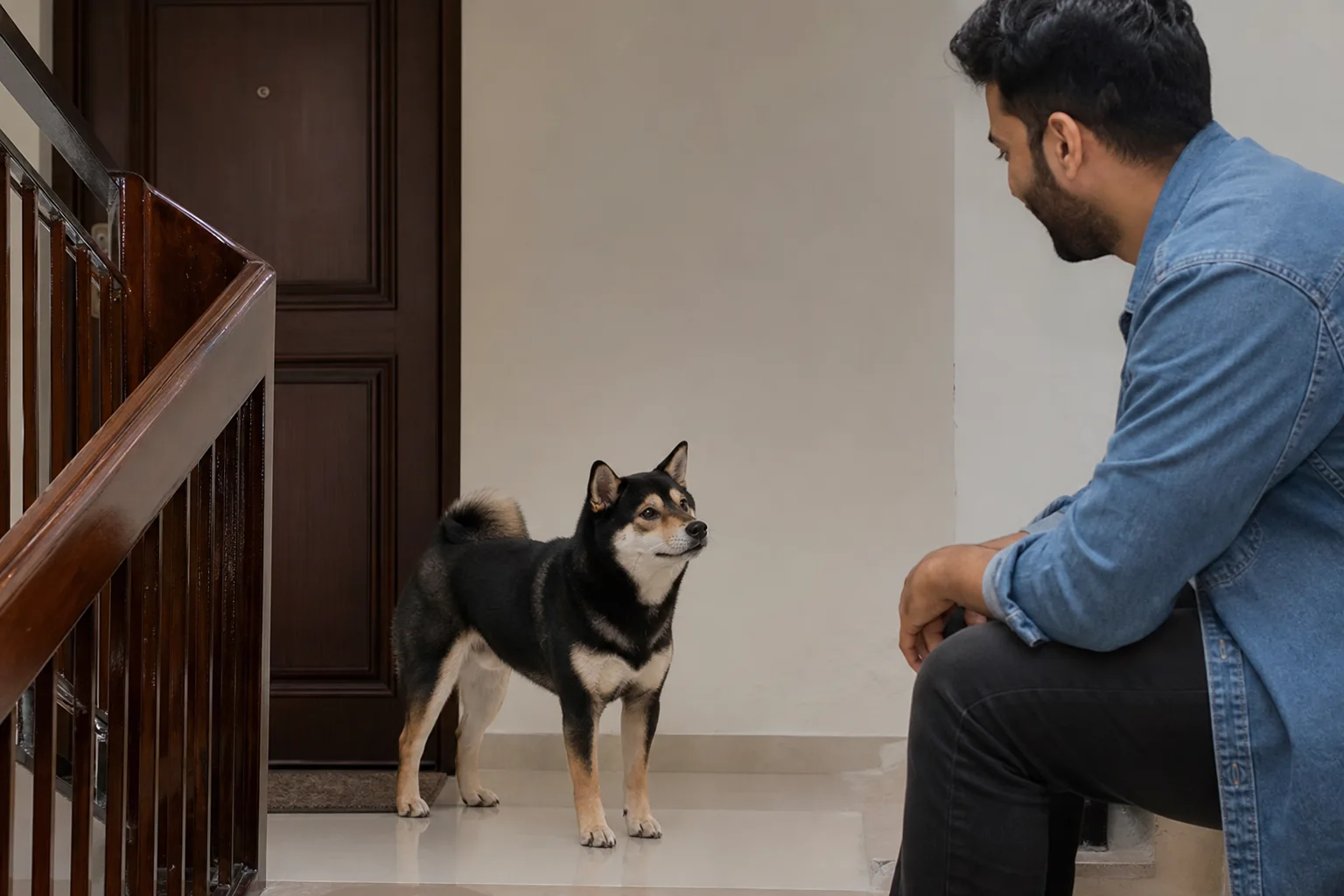
The right home likes the real routine, not only the foxlike appearance. It can provide secure exits, daily activity, patient training, coat care, veterinary access, and enough flexibility for a dog that may not enjoy every social situation. A Shiba is less suitable when the plan depends on effortless off-leash reliability, unsupervised access to small pets, or children managing the dog alone.
Before committing, write an ordinary-week schedule and answer these questions honestly:
- Who handles morning, evening, and emergency care?
- How will doors, gates, travel, and identification be managed?
- What happens when the dog cannot attend a social event or dog park?
- Is there room in the budget for training and unexpected veterinary care?
- Can the household respect a dog that sometimes prefers space?
Use the sibling guides to investigate the decision that matters most: Shiba Inu puppies for the first year, Shiba Inu mixes for mixed-breed variation, and the cost, colors, temperament, health, size, and shedding resources linked throughout this profile. A good match is one the household can support on a tired Tuesday, not only on an ideal weekend.
Related Shiba Inu guides
- Shiba Inu Dog Price and Cost: Puppy and Lifetime Expenses
- Shiba Inu Colors: Coat Shades, Markings, and Standards
- Shiba Inu Puppies: Growth, Training, and First-Year Care
- Shiba Inu Temperament: Personality, Training, and Family Fit
- Shiba Inu Mixes: Crosses, Traits, and Care
- Shiba Inu Lifespan and Health: What Owners Should Know
- Shiba Inu Size and Weight: Growth and Adult Measurements
- Do Shiba Inus Shed? Coat Care and Grooming Guide
Frequently asked questions about shiba inu
A Shiba Inu can be a good house dog when adults provide daily activity, enrichment, reward-based training, secure doors and fencing, and a protected place to rest. Compact size and natural cleanliness can help, but they do not erase prey drive, seasonal shedding, handling preferences, or the need for supervision. Judge the individual dog's behavior and the household's repeatable weekday routine, not the floor plan alone.
The disadvantages of a Shiba Inu can include escape risk, prey drive, selective sociability, heavy seasonal shedding, sensitivity to restraint, and limited enthusiasm for repetitive training. None applies equally to every dog, and thoughtful management can reduce many risks. The match becomes poor when the home expects effortless off-leash reliability, universal dog friendliness, forced cuddling, or children to manage doors. Compare those requirements with the household's actual time, skills, and safety setup before committing.

Kristine Lacoste has been researching dog and cat breeds for nearly a decade and has observed the animals up close at dog shows in both the United States and the United Kingdom. She is the author of the book One Unforgettable Journey, which was named as a finalist for a Maxwell Award from the Dog Writers Association of America, and was host of a weekly pet news segment on the National K-9 Academy Radio Show. In addition, she was the New Orleans coordinator for Dogs on Deployment, a nonprofit that helps military members and their pets, for 3 years. Kristine has researched and written about pet behaviors and care for many years. She holds a bachelor’s degree in psychology, another bachelor’s degree in English and a Master of Business Administration degree.
Sign up for expert-backed reviews and safety alerts all in one place.