Great Dane: The Complete Breed Guide to the Gentle Giant
The Great Dane is a towering gentle giant with a huge heart and a short life. Explore the breed's history, size, temperament, grooming, health, lifespan, and cost to see if it fits your home.
Petful is reader supported. As an affiliate of platforms like Amazon and Chewy, we may earn a commission when you buy through links on this page. There is no extra cost to you.
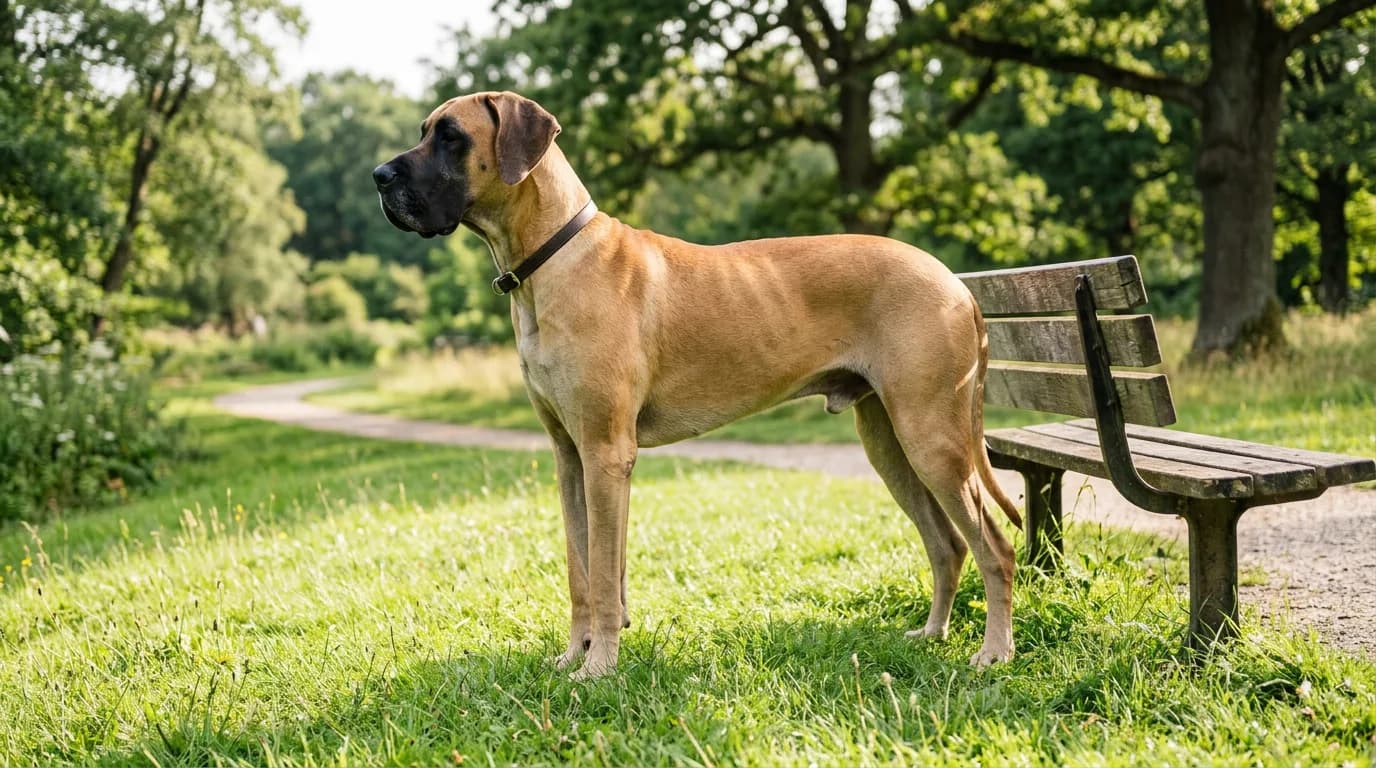
Few dogs turn heads like the Great Dane. Standing eye to eye with a seated adult and often tipping the scales past 140 pounds, the Great Dane is one of the tallest breeds on earth, yet the dog behind that towering frame is famously mellow, affectionate, and eager to lean its whole body against your leg for a cuddle. This breed earns the nickname "the Apollo of dogs" for its noble build and the "gentle giant" label for its patient, people-focused heart. In this complete guide we cover the Great Dane's history, appearance, giant size, temperament, exercise and space needs, grooming, health and lifespan, price, and the honest question every prospective owner should ask: does this enormous, loving, short-lived breed actually fit your home?
- 1The Great Dane is a giant German breed developed from mastiff and sighthound stock, prized for a calm, affectionate "gentle giant" temperament.
- 2Males reach 30 to 32 inches at the shoulder and 140 to 175 pounds, so space, budget, and sturdy furniture matter.
- 3The breed's biggest heartbreak is a short 7 to 10 year lifespan paired with real risks like bloat, heart disease, and joint problems, all of which reward proactive care.

Sign up for expert-backed reviews and safety alerts all in one place.
History and Origins of the Great Dane
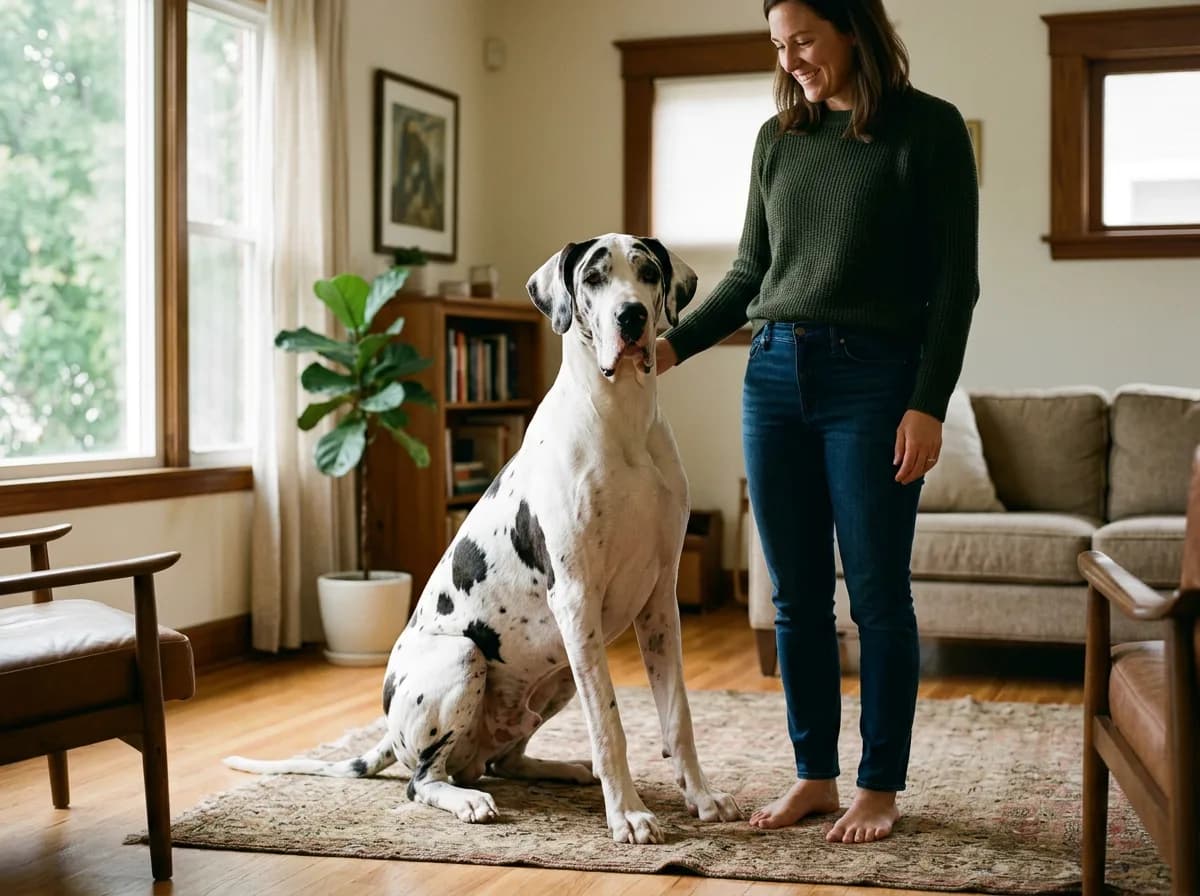
Despite the "Dane" in its name, the Great Dane is not Danish at all. The breed was refined in Germany, where it is still called the Deutsche Dogge, or German Mastiff. For centuries, powerful mastiff-type dogs were bred there to hunt wild boar, a dangerous quarry that demanded a dog with mass, courage, and reach. By the 1800s German breeders had shifted the dog away from the hunt and toward the role of a dignified estate guardian and companion, softening the temperament while keeping the imposing size. The breed was formally standardized in Germany in the late nineteenth century, and the American Kennel Club recognized it in 1887.
The "Great Dane" name itself is a bit of a historical accident, traced to a French naturalist who described the dog as the "Grand Danois" (Great Danish Dog) during his travels, even though the breed had no real Danish origin. The label stuck in the English-speaking world, and Germany's later push to rename it the Deutsche Dogge never fully replaced it abroad.
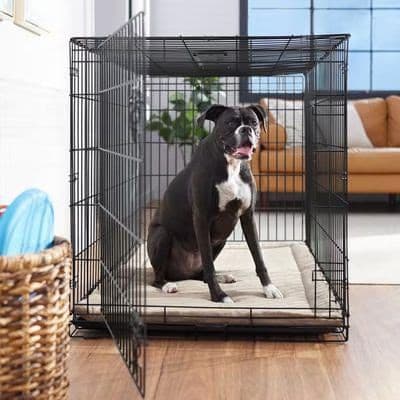
Petful may earn a commission when you click through to Chewy, at no extra cost to you.
What Two Breeds Make Up a Great Dane?
People often ask what two breeds make up a Great Dane, expecting a simple designer-dog answer. The honest response: the Great Dane is an ancient, purpose-built breed rather than a modern two-breed cross, but its foundation is usually credited to two types of dog. Breed historians point to the English Mastiff for the Dane's bulk, bone, and broad head, and to the Irish Wolfhound (a tall sighthound) for the added height and the leaner, more athletic outline. Some accounts add the Greyhound to explain the breed's surprising speed and elegant lines. So while you cannot cross a Mastiff with a Wolfhound today and call the puppies Great Danes, those are the ancestral influences that shaped the breed over generations. For a breed this old, think of it as a blend distilled across centuries rather than a single litter. If a genuinely mixed designer dog is more your speed, our guides to the Cavapoo show what a modern two-breed cross looks like by comparison.
Appearance: What a Great Dane Looks Like
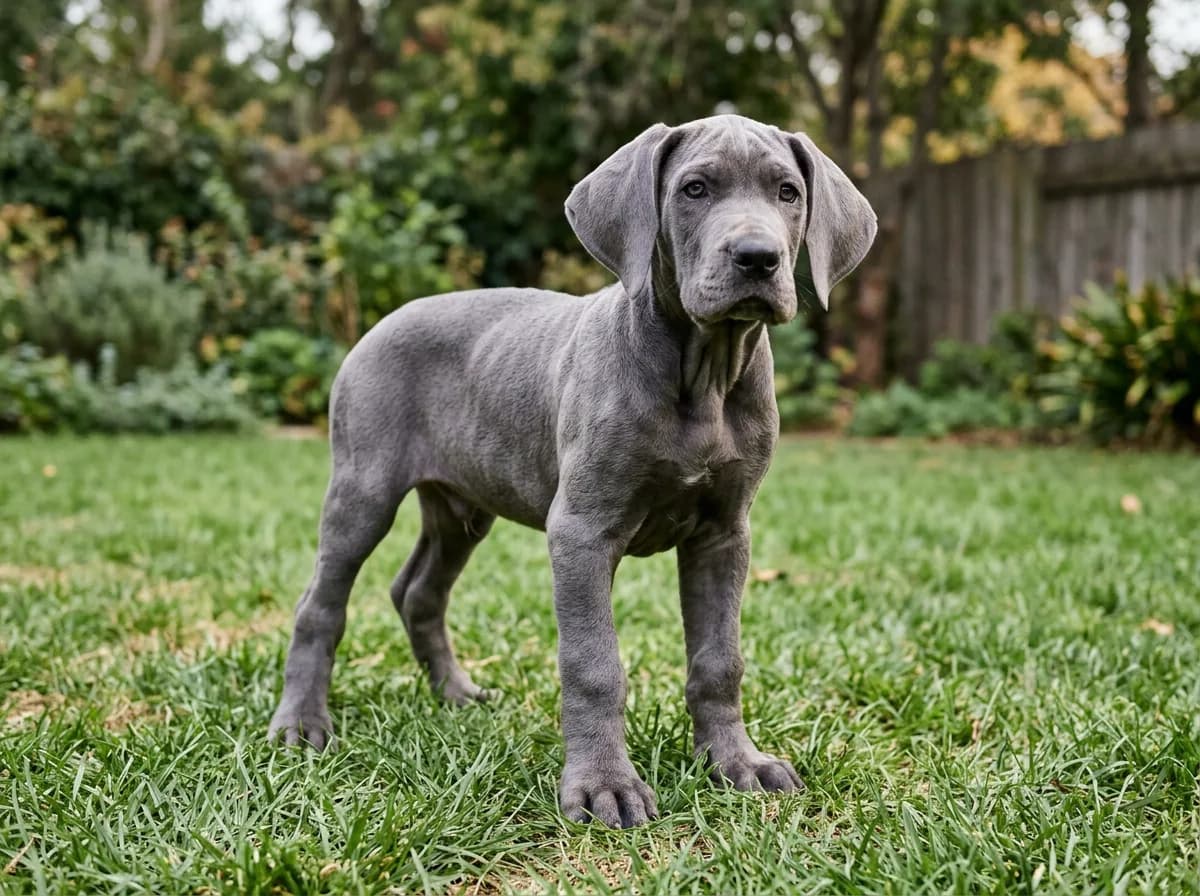
The Great Dane is built to be noticed. The breed carries a long, rectangular head with a strong, defined stop, a deep muzzle, and expressive dark eyes that read as calm and alert rather than intense. The neck is long and arched, flowing into a deep chest and a powerful, square body that should look elegant rather than bulky. Ears are naturally floppy and folded; some are still cropped to stand erect, though ear cropping is cosmetic, increasingly discouraged, and banned in many countries.
The coat is short, smooth, and glossy, sitting close to the skin. What varies most dramatically is color. The AKC recognizes a defined palette of Great Dane colors, and the patterns are part of the breed's visual signature.
| Color or Pattern | Appearance | AKC Recognized |
|---|---|---|
| Fawn | Golden tan body with a black mask | Yes |
| Brindle | Fawn base overlaid with black tiger striping | Yes |
| Blue | Even steel gray with a blue cast | Yes |
| Black | Glossy solid black | Yes |
| Harlequin | White base with torn, irregular black patches | Yes |
| Mantle | Solid black with a white "blanket," chest, and collar | Yes |
Harlequin and mantle Danes tend to draw the most attention, but every recognized color carries the same breed character. Merle Danes also exist and are now recognized, though the merle gene needs careful breeding to avoid health risks. For a full visual tour of every shade and how genetics produce them, see our dedicated guide to Great Dane colors.
Just How Big Is a Great Dane?
Size is the first thing anyone notices, and the numbers back up the impression. Adult males stand 30 to 32 inches at the shoulder and typically weigh 140 to 175 pounds. Females run slightly smaller at 28 to 30 inches and 110 to 140 pounds. Stand a full-grown male up on his hind legs and he can reach nearly seven feet, taller than most of the people meeting him. The breed has repeatedly held the Guinness World Record for tallest dog, with record holders measuring around 44 inches at the shoulder.
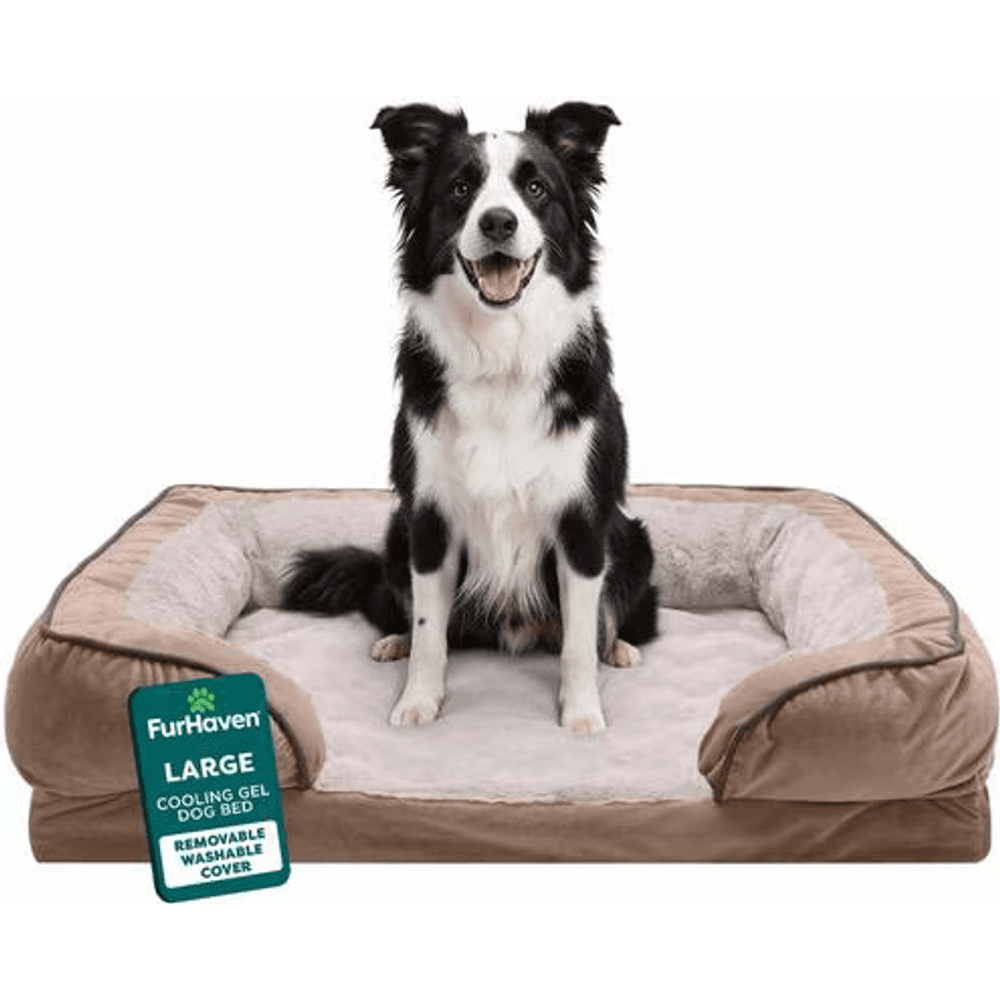
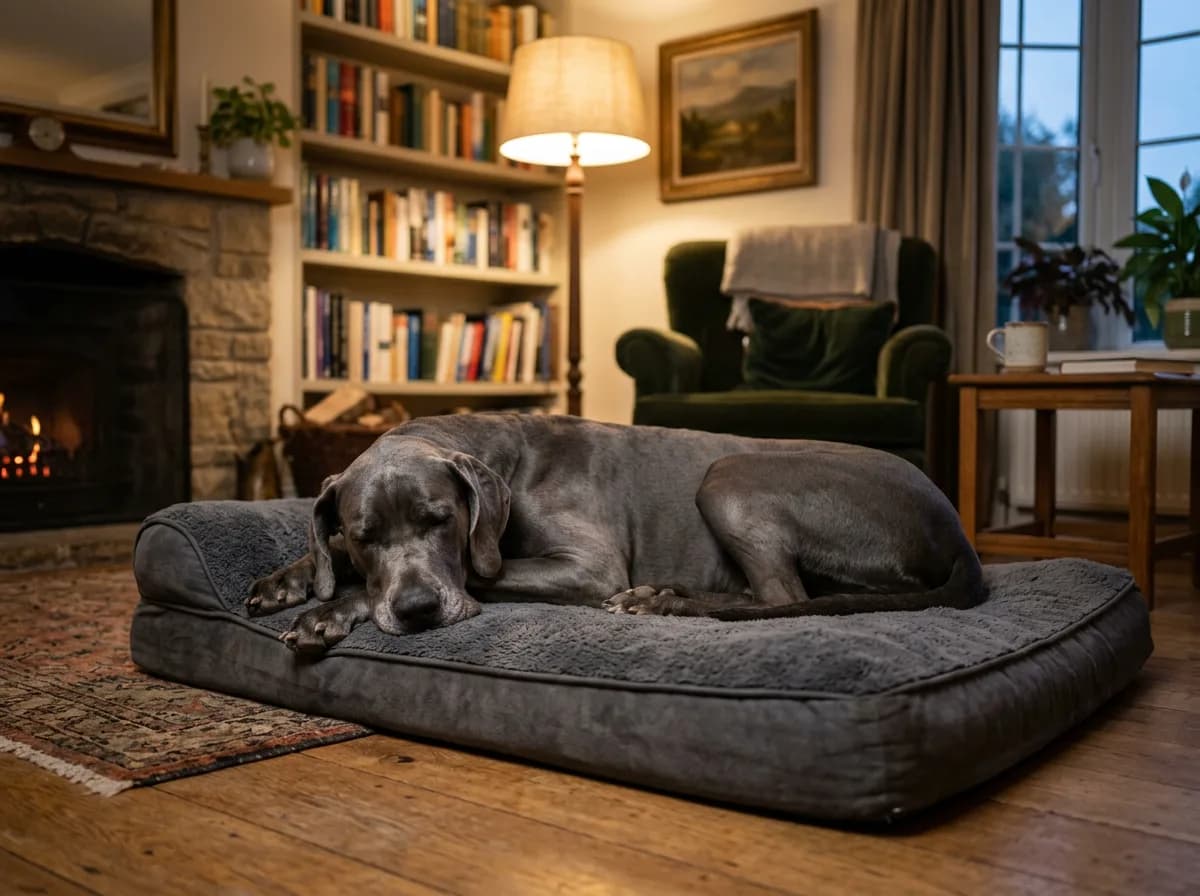
An orthopedic sofa bed with three bolstered sides for dogs who like to rest their head and joints against a cushion. The supportive foam base cradles hips and elbows, a comforting spot for an older or shaky dog to settle.
Petful may earn a commission when you click through to Chewy, at no extra cost to you.
| Measurement | Male | Female |
|---|---|---|
| Height at shoulder | 30 to 32 in | 28 to 30 in |
| Adult weight | 140 to 175 lb | 110 to 140 lb |
| Age fully grown | 18 to 24 months | 18 to 24 months |
That size has practical consequences. A Great Dane counter-surfs without jumping, needs a vehicle it can actually climb into, and grows at a startling rate as a puppy, which is exactly why joint-friendly nutrition and controlled exercise matter so much in the first two years. If you want to track healthy development month by month, our Great Dane growth chart lays out expected weights by age, and our overview of the breed's full size range goes deeper on how big is normal.
Temperament: The Original Gentle Giant
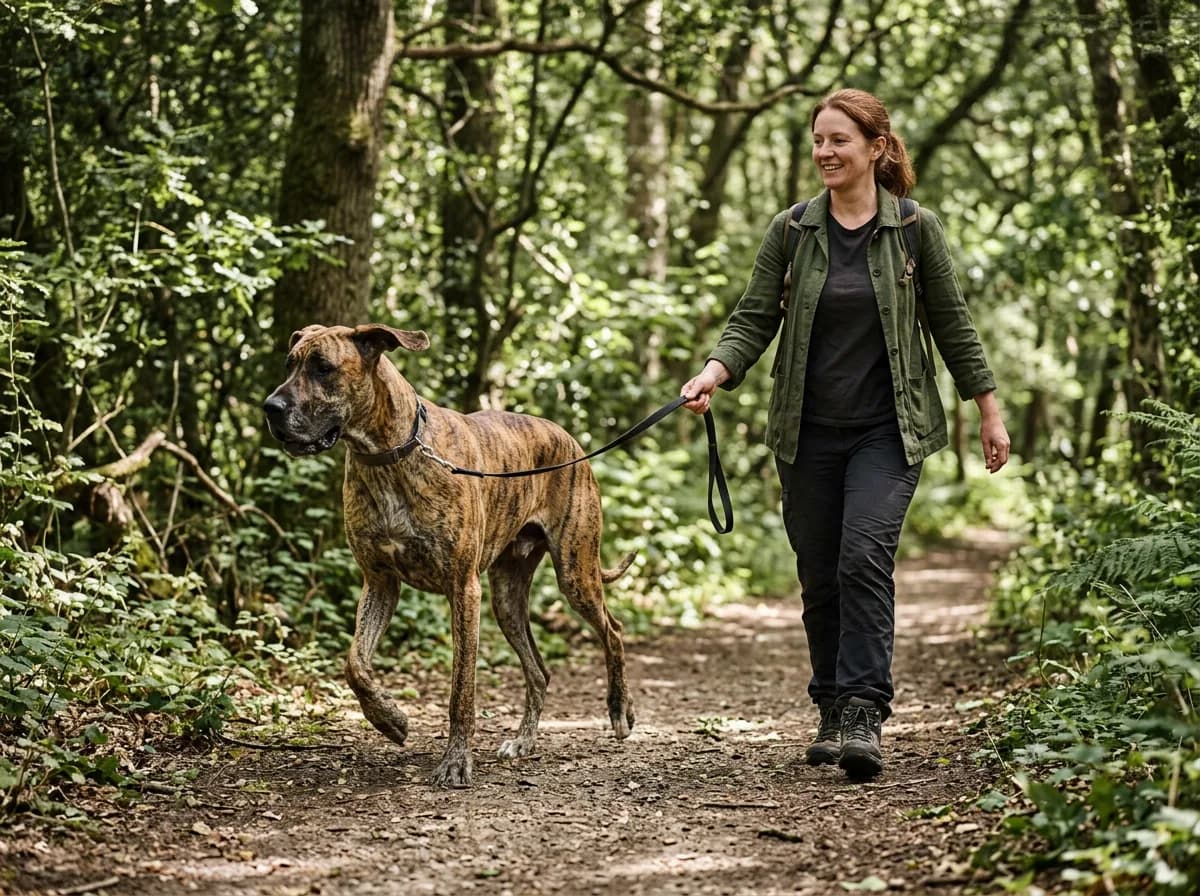
For all its intimidating scale, the Great Dane is one of the most reliably sweet-natured giant breeds. The temperament is affectionate, patient, and deeply people-oriented. Danes are often described as "leaners" because they love to press their body weight against a trusted human, and many genuinely believe they are lap dogs. With proper socialization they tend to be gentle with children, tolerant of other pets, and friendly toward visitors, though their sheer size means supervision around small kids is simply common sense.
Danes are sensitive dogs. They respond best to calm, consistent, positive training and can shut down under harsh correction. Early socialization and basic obedience are non-negotiable, not because the breed is aggressive but because a poorly mannered 150-pound dog is genuinely hard to manage. Most Danes are more watchful than fierce; their size alone is deterrent enough, and true guarding drive is moderate. To go deeper on personality quirks, trainability, and how they do with kids and cats, read our full breakdown of Great Dane temperament.
Exercise and Space Needs
One of the pleasant surprises of the breed is that a Great Dane does not need marathon exercise. Adults do well with 30 to 60 minutes of activity a day, typically a couple of walks plus some free time in a securely fenced yard. They are sprinters rather than endurance athletes and are usually content to lounge for the rest of the day. That calm indoor energy is part of why so many Danes live happily as house dogs.
Puppies are the exception, and the rule runs opposite to what most people expect: young Danes need less structured, lower-impact exercise, not more. Their bones and joints are growing at an explosive rate, and repetitive forced running, jumping, or stair work before the growth plates close (around 18 to 24 months) raises the risk of orthopedic damage. Free play on soft ground is ideal; forced jogging on pavement is not.
Space is the bigger consideration. A Dane can adapt to apartment life if given daily walks, but the reality of the breed is a tail that clears a coffee table in one sweep, a body that needs room to stretch out, and a preference for being wherever the family is. A home with room to move and sturdy, dog-height furniture makes life easier for everyone.
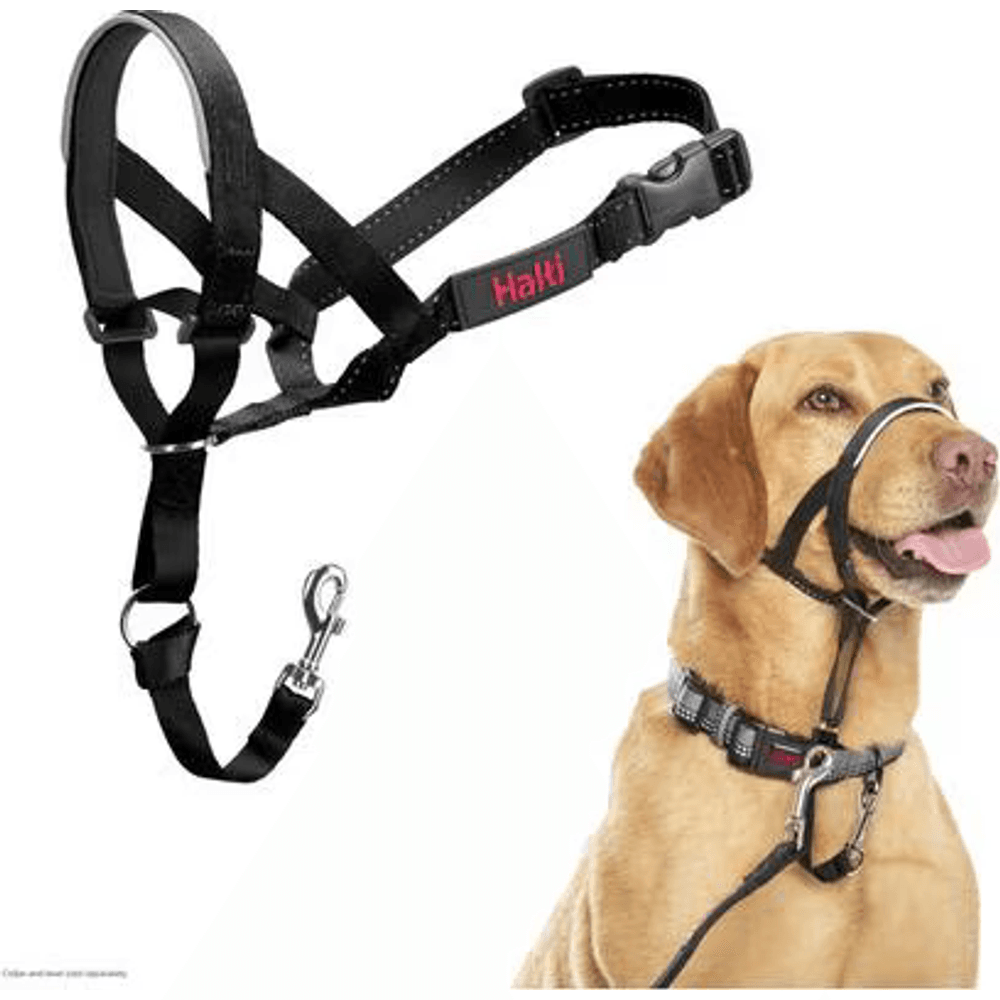
A padded head halter that gently steers a dog from the head, keeping all leash pressure off the neck and windpipe, a useful option for a dog whose cough or collapsing trachea flares when a collar tightens.
Petful may earn a commission when you click through to Chewy, at no extra cost to you.
Grooming and Coat Care
Grooming a Great Dane is refreshingly low-effort given the dog's scale. The short, single coat needs only a weekly once-over with a rubber curry or bristle brush to lift loose hair and spread skin oils. Danes are moderate shedders year round with a heavier seasonal blow, during which a deshedding tool and more frequent brushing keep the fur drifts under control. Bathe only as needed, roughly every six to eight weeks or when your dog gets into something, using a gentle dog shampoo that will not strip the coat.
The parts owners tend to neglect matter more on a giant breed. Nails grow fast and can affect gait and joint alignment if left long, so trim every few weeks. Those big folded ears trap moisture and need regular checks and cleaning. And because Danes are prone to dental issues, brush the teeth several times a week. One more thing no one warns you about: the drool. Danes have loose flews (lips) and can sling saliva, so a "drool rag" over your shoulder becomes standard household equipment.
Health and Lifespan: Why the Great Dane Is Called the Heartbreak Breed
The Great Dane is sometimes called the "heartbreak breed," and the reason is painfully simple: these dogs give enormous love in a very short window. The average Great Dane lifespan is just 7 to 10 years, short even by giant-breed standards, because the same rapid growth and large body that make the breed so majestic also put strain on the heart, joints, and bones. Falling in love with a Dane means accepting that the goodbye tends to come sooner than it does for smaller dogs.
Knowing the breed's common health risks lets you get ahead of them. The conditions that most affect Great Danes include:
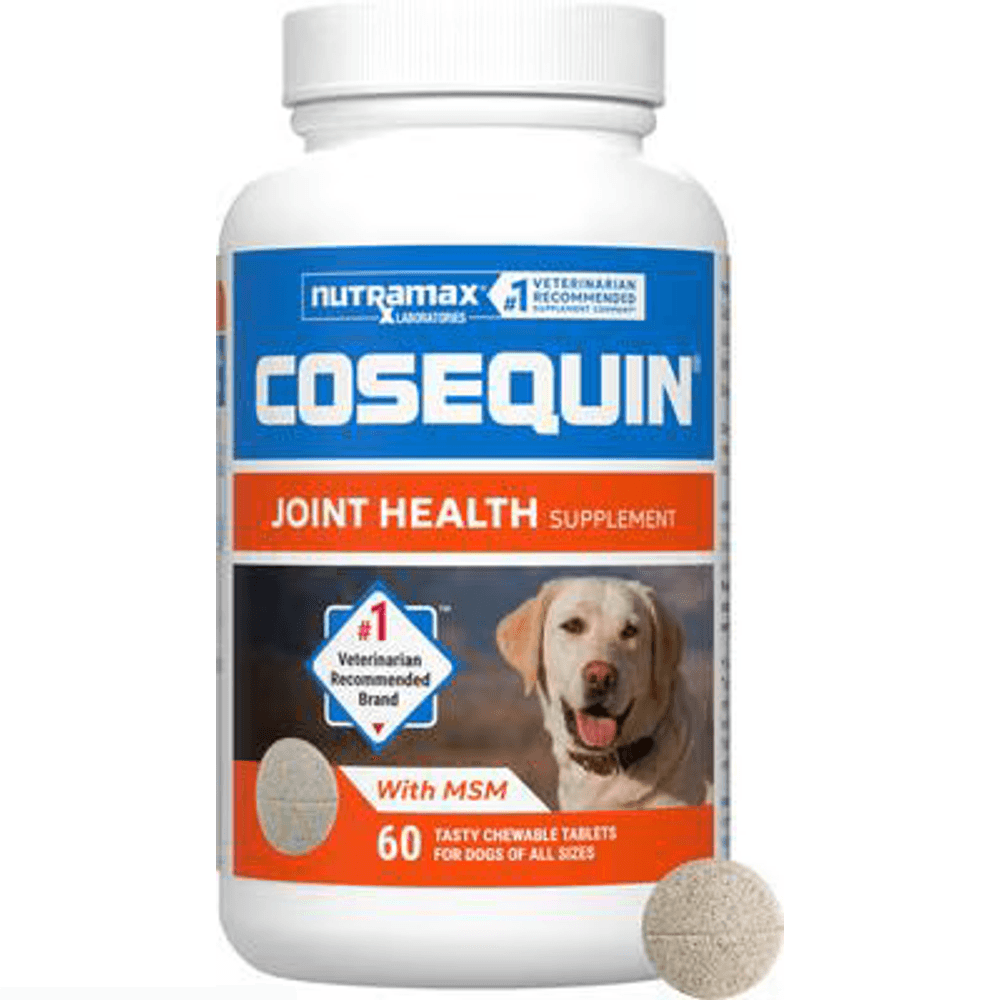
The number-one veterinarian-recommended joint supplement brand. Glucosamine, chondroitin, and MSM support cartilage and cushion the joints, easing the stiffness and hind-end weakness that can leave an older or arthritic dog trembling.
Petful may earn a commission when you click through to Chewy, at no extra cost to you.
- Bloat (gastric dilatation-volvulus, or GDV): The single most urgent Great Dane emergency. The stomach fills with gas and can twist, cutting off blood flow. It is life-threatening within hours. Many owners elect a preventive stomach-tacking surgery (gastropexy), often during spay or neuter.
- Dilated cardiomyopathy (DCM): A heart-muscle disease the breed is predisposed to, which is why annual cardiac checks matter.
- Hip dysplasia and joint disease: Common in giant breeds; screening breeding dogs through the Orthopedic Foundation for Animals (ofa.org) reduces risk in puppies.
- Wobbler syndrome: A neck-spine condition that affects gait and coordination.
- Osteosarcoma (bone cancer): More common in large and giant breeds than in smaller dogs.
None of this should scare you off, but it should shape how you buy and how you care. Choose a breeder who screens for heart and orthopedic problems, feed a large-breed-appropriate diet, keep your Dane lean, and learn the signs of bloat before you ever need them. Our deep dives on Great Dane health and lifespan cover screening schedules and longevity strategies in detail. For breed-specific health data, the American Kennel Club (akc.org) and OFA are reliable starting points.
- A swollen or hard belly, unproductive retching, drooling, restlessness, and collapse are bloat red flags. GDV is a same-hour emergency, so know your nearest 24-hour vet before you ever need it.
What Does a Great Dane Cost?
A Great Dane is a big financial commitment in both the purchase and the upkeep. A well-bred puppy from a health-testing breeder typically runs $1,000 to $3,000, with show or champion lines climbing higher. Adoption through a Great Dane rescue is far less, often a few hundred dollars, and is a wonderful route for owners open to an adult dog. The sticker price, though, is the smallest part of the story. Feeding a dog this size, insuring against breed-typical health issues, and buying giant-scale gear all add up.
| Expense | Typical Range | Notes |
|---|---|---|
| Purchase from breeder | $1,000 to $3,000 | Higher for show or champion lines |
| Adoption or rescue | $200 to $500 | Often an adult, sometimes health-screened |
| Food per month | $80 to $150 | Large-breed formula, big portions |
| First-year total | $3,500 to $6,000 | Includes gear, vet, spay or neuter or gastropexy |
The takeaway: budget for the dog you can afford across its whole life, not just the puppy price. For a full regional and lifetime cost picture, see our detailed guide to Great Dane price.
The Downsides of Owning a Great Dane
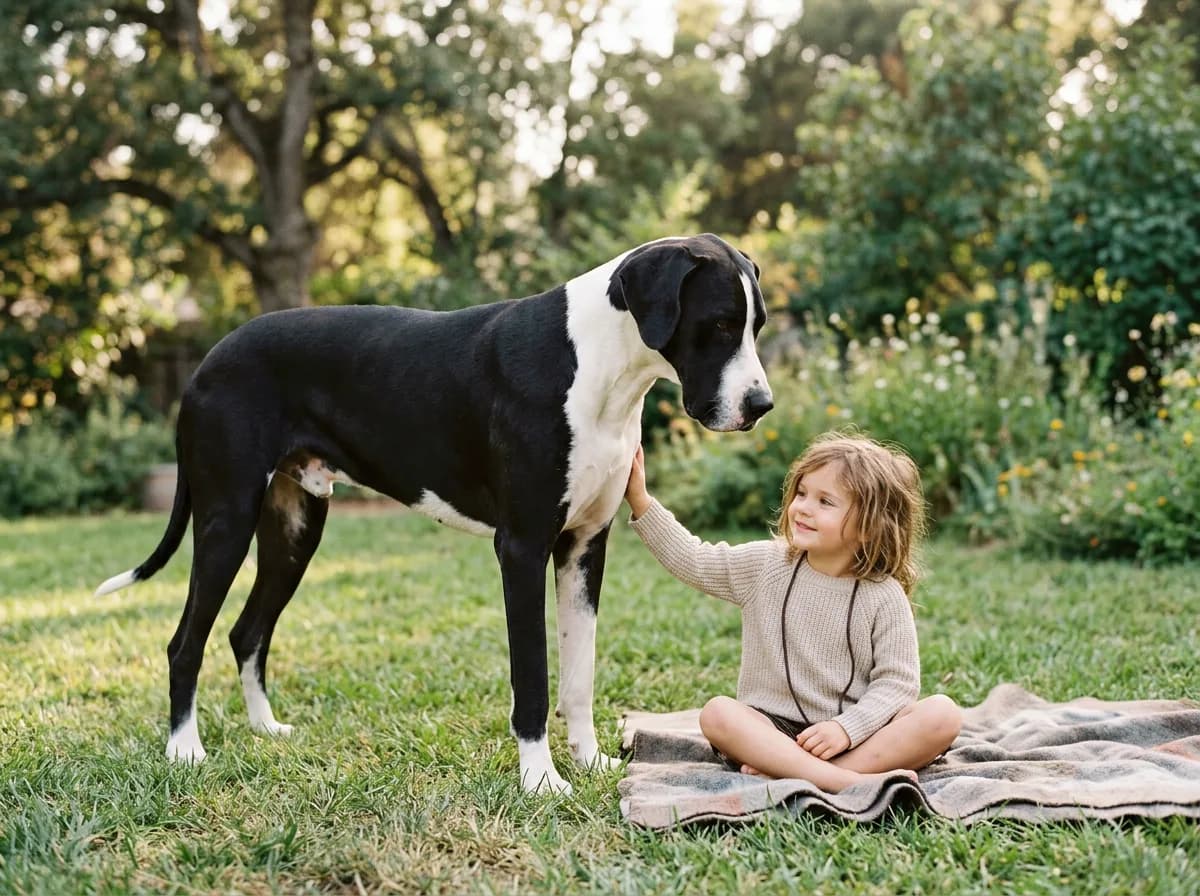
Every honest breed guide has to name the trade-offs, and the biggest downside to owning a Great Dane is the short lifespan discussed above: 7 to 10 years is not long to spend with a dog you will love this much. Beyond that, the realities most new owners underestimate are the cost of feeding and treating a giant dog, the space a Dane genuinely needs, and the medical fragility that comes with the size, from bloat to joint disease.
Then there are the daily-life quirks. Danes drool, they shed more than their short coat suggests, and everything about them is oversized: the food bills, the vet doses, the beds, the crates, the vehicle. A bored or under-socialized Dane can be genuinely difficult to manage simply because of its mass. And the puppy stage demands patience, because you are raising a dog that will outweigh a person within a year while its joints are still forming. None of these are dealbreakers for the right owner, but they are the reason the breed is not for everyone.
Does a Great Dane Fit Your Household?
So, is a Great Dane a good house dog? For the right home, absolutely. Indoors, a well-raised Dane is calm, quiet, and affectionate, content to be a giant couch companion who greets everyone as a friend. They suit families with children (with supervision), owners who want a gentle rather than a high-drive dog, and households ready for the space, cost, and heartbreak-short timeline the breed brings. They are a harder fit for people on a tight budget, those with no room for a very large dog, or anyone unable to commit to early training and giant-breed health care.
If you can offer room to stretch, a soft place to rest those big joints, a budget that absorbs the food and vet bills, and a family ready to love hard for a handful of years, a Great Dane will repay it many times over. Few breeds bond as completely or lean on you as literally as this one.
Explore the Great Dane Hub
This pillar is your starting point. Go deeper on any part of the breed with our companion guides:
- Great Dane size and the growth chart for how big and how fast
- Great Dane temperament for personality, training, and family fit
- Great Dane colors for every recognized pattern
- Great Dane health and lifespan for screening and longevity
- Great Dane price for purchase and lifetime costs
What to Expect From a Great Dane Puppy
A Great Dane puppy grows faster than almost any dog you can bring home, and that single fact shapes everything about the first two years. A pup that fits in your arms at eight weeks can gain roughly 3 to 5 pounds a week through its peak growth and top 100 pounds before its first birthday, yet it is not structurally mature until 18 to 24 months. That explosive growth is a gift and a liability: push it too hard and you can damage the joints and bones for life.
Three rules matter most. Feed a large or giant breed puppy formula with controlled calcium and calories so the skeleton grows at a measured pace rather than a rushed one. Keep exercise low impact, favoring free play on soft ground over forced running, jumping, or stairs until the growth plates close. And use the early socialization window, roughly 8 to 16 weeks, to teach leash manners, calm greetings, and gentle handling before the puppy outweighs you. A Dane learns the same lessons at 30 pounds or at 130, and 30 is far easier. For recipe and portion comparisons, see our guide to the best dog food for Great Danes.
- Standard puppy formulas are calorie and calcium dense to grow small dogs quickly, which is the opposite of what a Great Dane needs. A large or giant breed puppy diet slows growth to protect developing joints. Ask your vet to confirm the right formula and portion size for your pup.
American vs European Great Dane: What Is the Difference?
American and European Great Danes are the same breed, not two, but breeders and owners split them into two regional types with a noticeably different look. European Danes, bred closer to the German Deutsche Dogge tradition, tend to be more massive and heavy boned, with a blockier head, deeper jowls, more facial wrinkling, and, as a direct result, more drool. American Danes usually look leaner and more athletic, with cleaner head lines and a slightly more elegant, taller-legged outline. A big European male often sits at the top of or above the breed's usual 140 to 175 pound range, while American males trend a little lighter and racier.
Temperament is gentle in both, and some owners describe the heavier European type as even more of a laid-back couch companion. What does not reliably differ is lifespan. Both types carry the giant breed's short 7 to 10 year window, and longevity tracks health testing and careful breeding far more than which side of the Atlantic the lines come from. Pick the breeder who screens for heart and orthopedic problems first, and treat the American or European label as a matter of build and taste.
Usually, yes. European Great Danes are typically more massive and heavy boned with a blockier head, and large males often sit at or above the breed's 140 to 175 pound range, while American Danes trend leaner and more athletic. They are the same breed, though, not two separate ones.
Not reliably. Both types share the giant breed's short 7 to 10 year lifespan, and longevity depends far more on health testing and responsible breeding than on whether the dog is American or European in type.
Yes, for the right home. Indoors a well-raised Great Dane is calm, quiet, and affectionate, and needs only moderate exercise, which makes it a surprisingly good house companion. The catch is space, cost, and size: the dog needs room to move, a budget that covers giant-breed food and vet care, and supervision around small children.
Because it gives so much love in such a short time. The average Great Dane lifespan is only 7 to 10 years, short even for a giant breed, since rapid growth and a huge body strain the heart, bones, and joints. Owners adore the breed knowing the goodbye usually comes sooner than with smaller dogs.
The Great Dane is an ancient purpose-bred breed rather than a modern cross, but its foundation is usually credited to the English Mastiff (for bulk and bone) and the Irish Wolfhound (for height and a leaner frame), with some accounts adding the Greyhound for speed and elegance.
The biggest downside is the short 7 to 10 year lifespan, followed by the high cost of feeding and treating a giant dog and the health risks that come with the size, especially bloat, heart disease, and joint problems. Danes also drool, shed, need real space, and require patient early training while they grow.

Coreen Saito is a pet writer and longtime shelter volunteer with more than a decade in animal rescue. She covers cat behavior, breed care, and the small, ordinary science of sharing a life with companion animals, with a particular focus on honest takes about the products and decisions that actually matter. At home in Arizona, she's outranked by Mac (a dog with the loudest opinion in the house), Rebel (a cat who governs by quiet authority), and Meri (an orange tabby who runs the late shift and the laundry basket). She writes about all three, plus the rescues that keep coming through her life, at LifeWithMinty.com.
Sign up for expert-backed reviews and safety alerts all in one place.