Great Dane Health Problems: Bloat, Heart, and Joints
Great Danes are gentle giants, but their size brings real health risks. Learn the bloat, heart, and joint problems every Dane owner should know, the warning signs that need a vet, and the steps that help these dogs live longer.

BVMS, MRCVS
Petful is reader supported. As an affiliate of platforms like Amazon and Chewy, we may earn a commission when you buy through links on this page. There is no extra cost to you.
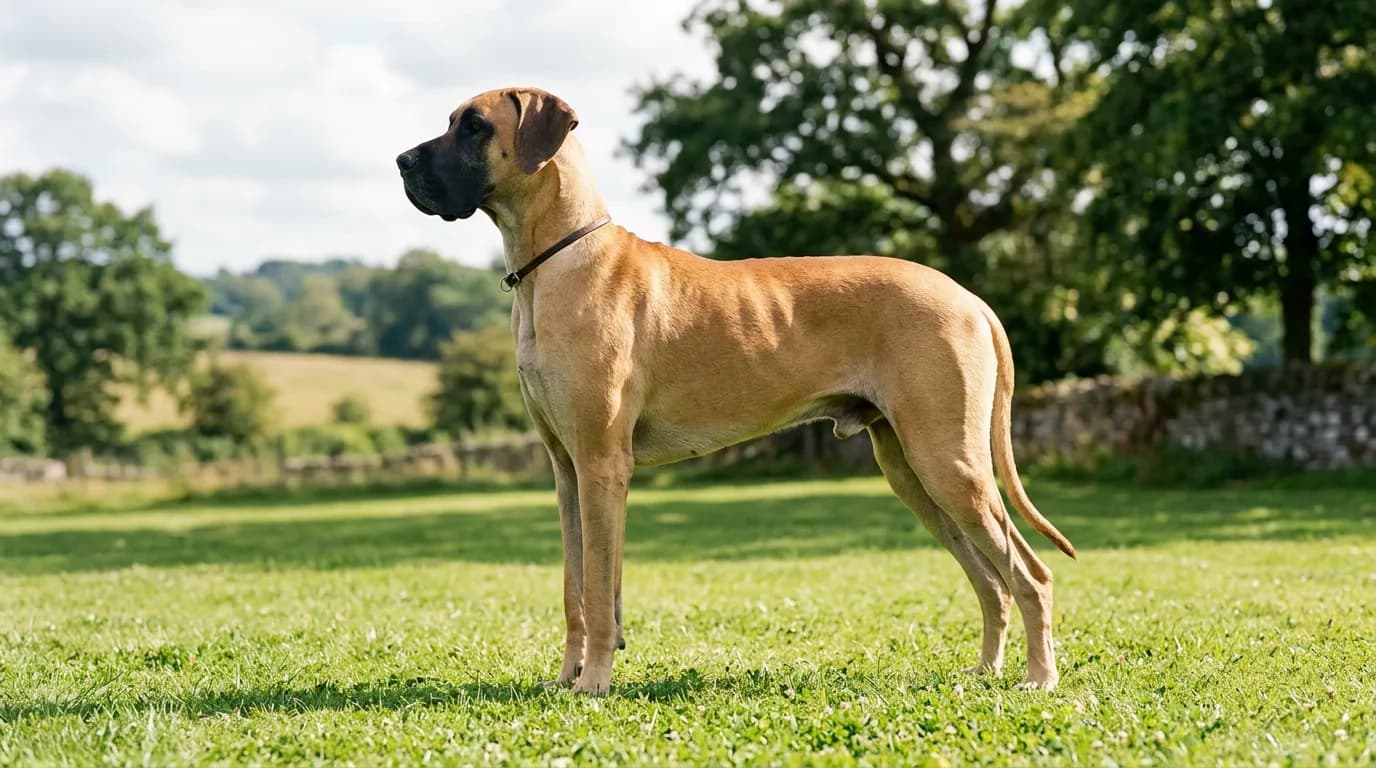
Great Dane health problems are, in large part, the price of the breed's spectacular size. These gentle giants can stand over 30 inches at the shoulder and weigh as much as an adult person, and that scale puts real strain on the heart, the joints, the bones, and the digestive tract. Understanding the conditions that show up most often in Danes will not turn you into a veterinarian, but it will help you spot trouble early, screen your dog sensibly, and give a giant breed the best shot at a long, comfortable life.
This guide walks through the six problems that matter most in day to day Dane ownership: gastric dilatation-volvulus (bloat), dilated cardiomyopathy, hip and elbow dysplasia, wobbler syndrome, and osteosarcoma, along with the prevention steps (including gastropexy) that can change the odds. It is educational information written to help you have better conversations with your own vet, not a diagnosis of any individual dog.
- 1Bloat (GDV) is the single most urgent Great Dane emergency and can kill in hours, so learn the signs and ask about a preventive gastropexy
- 2Heart disease and cancer are the other big threats, which is why Danes are sometimes called the "heartbreak breed"
- 3Buying from a breeder who does OFA hip, cardiac, and eye screening is one of the strongest protections you can give a Dane

Sign up for expert-backed reviews and safety alerts all in one place.
Why Giant Breeds Need Special Attention
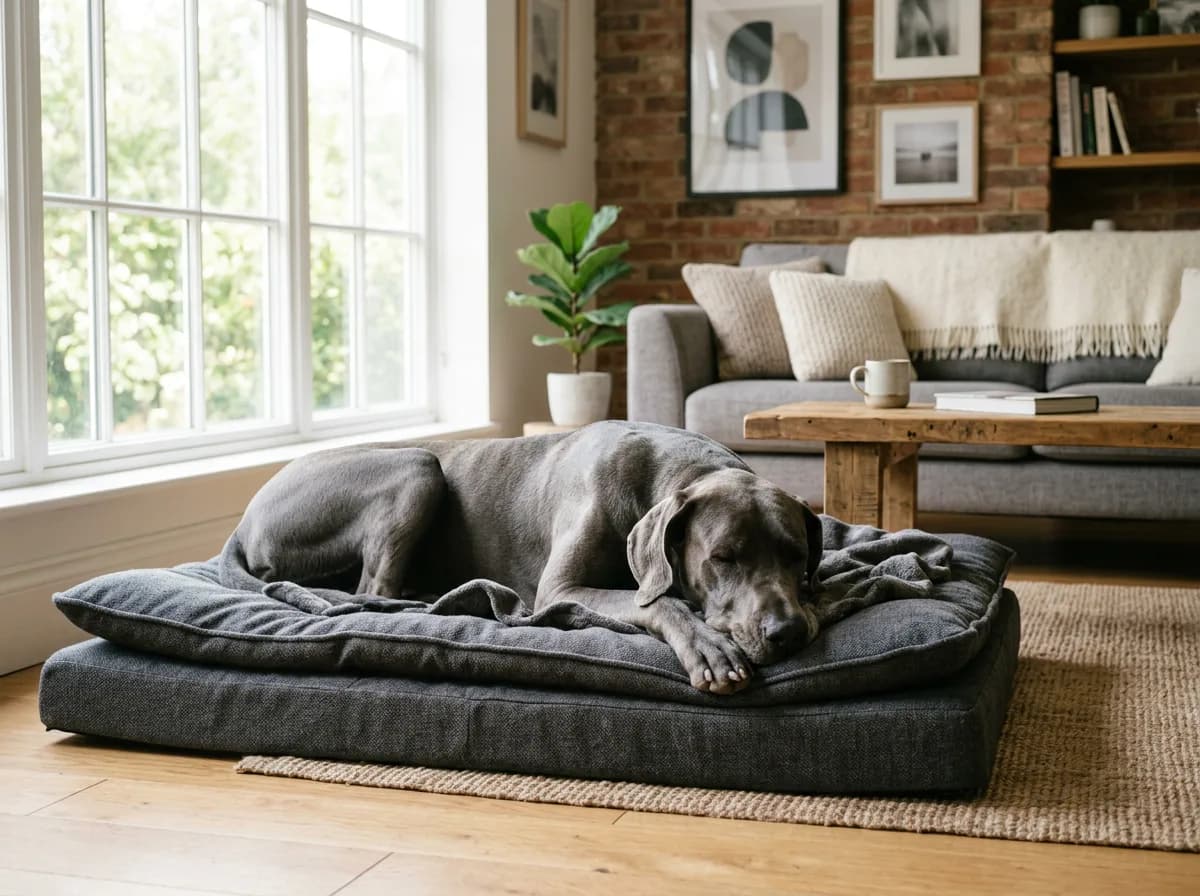
A Great Dane is not just a big dog. It is a giant breed, and giant breeds age, grow, and break down differently from a Labrador or a terrier. Puppies pile on weight so fast that their skeletons are still catching up at a year old, which is why growth rate and diet matter enormously for joint health. Adults carry a deep, barrel-shaped chest that leaves room for the stomach to twist. And because large bodies tend to wear out sooner, Danes reach their senior years while smaller dogs are still middle-aged.
None of this means a Dane is destined to be sick. Plenty live full, happy lives. It does mean that the smart owner plans ahead: choosing a well-screened breeder, feeding for slow steady growth, watching the waistline, and knowing which symptoms are true emergencies. The American Kennel Club publishes the breed's recommended health screenings, and a good breeder will show you the paperwork without being asked.
Gastric Dilatation-Volvulus (Bloat): The Number One Emergency
If you learn only one thing about Great Dane health problems, make it this. Gastric dilatation-volvulus, known as GDV or simply bloat, is the condition most likely to kill a Great Dane suddenly, and it is a true medical emergency measured in hours, not days.
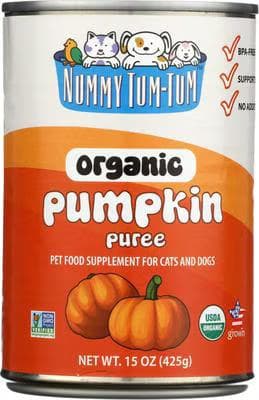
Pure USDA-organic pumpkin puree, no fillers or additives. Adds gentle soluble fiber to firm up loose stool and settle a mildly upset stomach. A simple vet-favorite topper.
Petful may earn a commission when you click through to Chewy, at no extra cost to you.
Bloat begins when the stomach fills with gas and fluid and swells (the dilatation part). In the dangerous form, the distended stomach then rotates on itself (the volvulus), sealing off both ends and cutting off its own blood supply. The trapped stomach presses on major blood vessels, the dog goes into shock, and tissue starts to die. Great Danes are the poster breed for this problem: their deep, narrow chest gives the stomach room to move and flip. Studies of lifetime risk put deep-chested giant breeds like the Dane at the very top of the list, and the breed's own parent club treats bloat as the leading killer.
 Sponsored
Have a health question about your pet?
Talk to a licensed vet at Dutch over video or message, including nights and weekends.
Use code Pets60
Plans start at $12/month · covers up to 5 pets
- Licensed vets in most states
- Rx for 150+ conditions
- 4.7 on Trustpilot
What Bloat Looks Like
The signs come on fast and are hard to miss once you know them:
- A swollen, hard, or visibly distended belly, often behind the ribs
- Unproductive retching, where the dog tries to vomit but nothing (or only foam) comes up
- Restlessness, pacing, and an inability to get comfortable
- Drooling more than usual
- Pale gums, rapid breathing, and a racing heart as shock sets in
- Collapse in the later stages
- If you see a distended belly plus unproductive retching in your Great Dane, do not wait to see if it passes and do not try home remedies. Call your veterinarian or the nearest emergency clinic immediately and drive in. Minutes matter, and surgery within the first few hours dramatically improves survival.
How Bloat Is Treated and Prevented
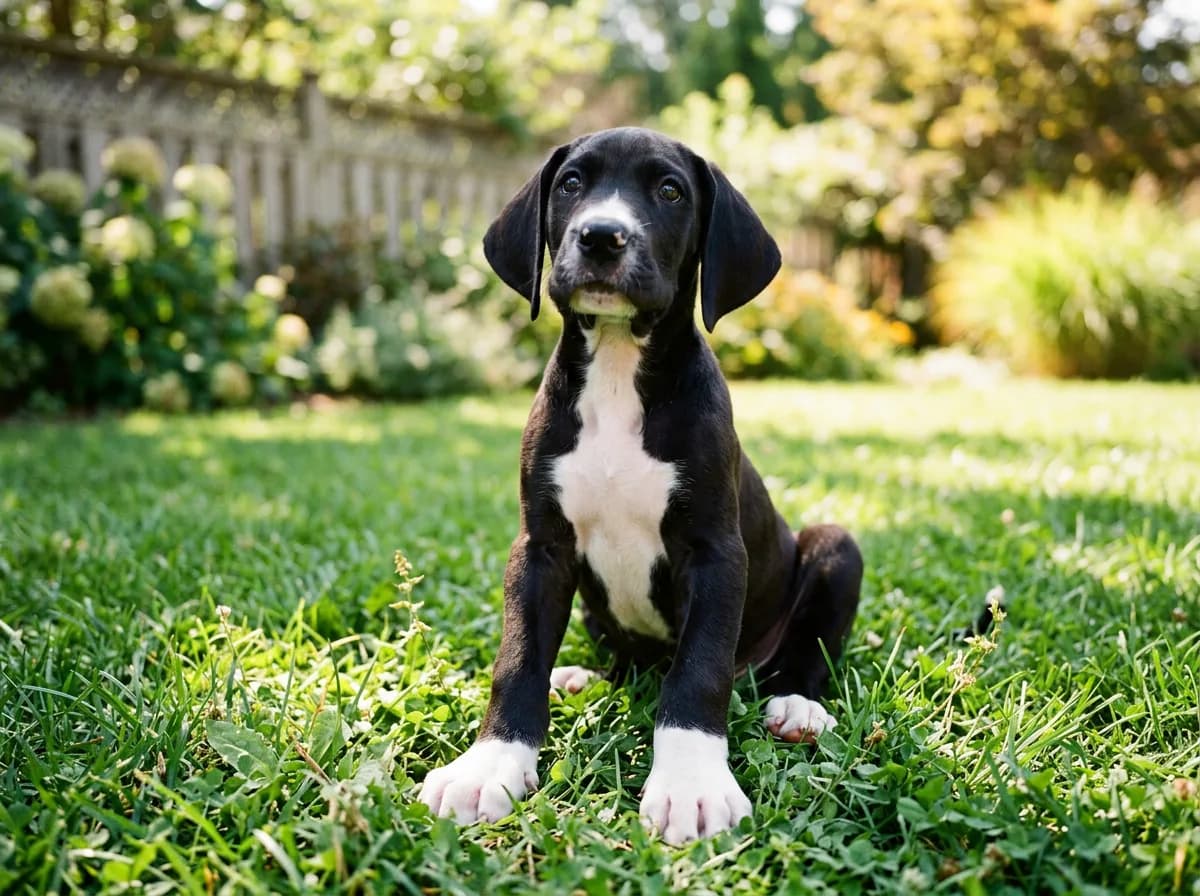
At the clinic, the team works to stabilize the dog with intravenous fluids and to decompress the stomach, then takes the dog to surgery to untwist the stomach and remove any dead tissue. During that surgery, or as a planned preventive procedure, the surgeon usually performs a gastropexy, tacking the stomach wall to the body wall so it cannot rotate again.
That preventive gastropexy is the single most effective tool owners have. Many Dane owners elect to have it done at the same time as spay or neuter, so the dog only goes under anesthesia once. It does not stop the stomach from filling with gas, but it very nearly eliminates the deadly twist. Feeding two or three smaller meals a day rather than one large one, using a slow-feeder bowl, and avoiding hard exercise right after eating are sensible extra habits, though the evidence for any single feeding rule is softer than the evidence for gastropexy itself. The American College of Veterinary Surgeons describes gastropexy as the standard preventive procedure for at-risk breeds.
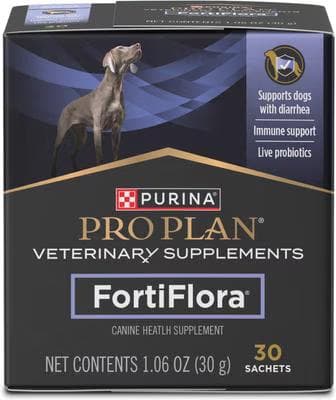
The #1 vet-recommended probiotic for dogs. Daily powder sachets with live probiotics support healthy digestion and firmer stools, and can help dogs coping with diarrhea or GI upset.
Petful may earn a commission when you click through to Chewy, at no extra cost to you.
Dilated Cardiomyopathy and the "Heartbreak Breed"
Heart disease is the second pillar of Great Dane health problems, and dilated cardiomyopathy (DCM) is the most important form. In DCM, the heart muscle becomes thin, weak, and stretched. The enlarged chambers cannot pump efficiently, blood backs up, and the dog can develop heart failure or dangerous rhythm disturbances. Great Danes are one of the breeds with a recognized genetic predisposition to DCM, and in this breed it often has a family history behind it.
Why the Great Dane Is Called the Heartbreak Breed
The Great Dane's "heartbreak breed" nickname works on two levels, and both are worth understanding. The first is literal: the breed's tendency toward dilated cardiomyopathy and other heart conditions means heart trouble is a genuine and common cause of decline. The second is emotional: because Great Danes have such short lifespans for a dog, owners often lose them far sooner than they expect, and the grief of saying goodbye to a dog that filled the whole house is where the "heartbreak" really lands. Put the two together, a heart prone to failing and a life that ends early, and the nickname is easy to understand.
Spotting and Screening for Heart Disease
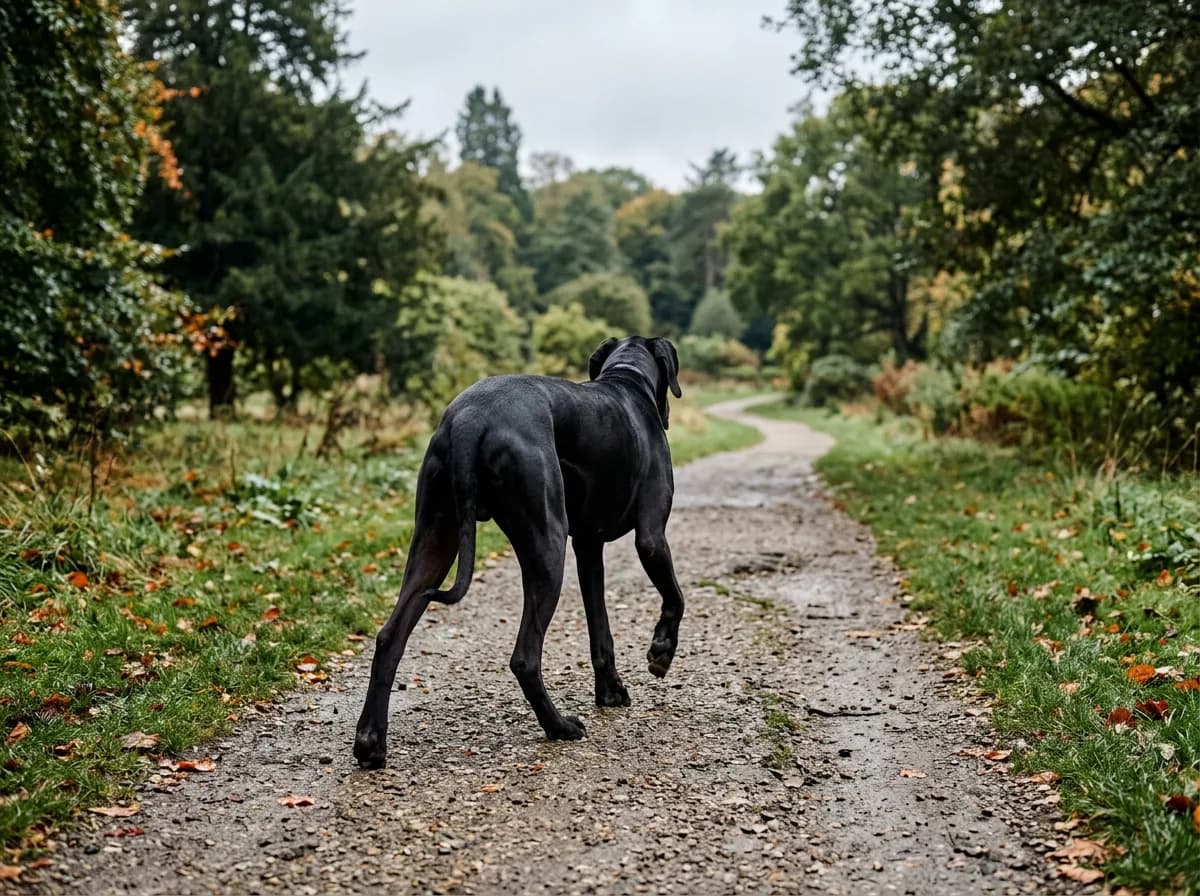
Early DCM is often silent, which is exactly why screening matters. Signs to watch for as it progresses include:
- Coughing, especially at night or after lying down
- Tiring quickly, reluctance to exercise, or heavy breathing at rest
- Fainting or sudden weakness episodes
- A swollen belly from fluid buildup
Because the early disease hides, responsible breeders screen adult Danes with a veterinary cardiologist using an echocardiogram (an ultrasound of the heart) and sometimes a Holter monitor that records the rhythm over 24 hours. If you own a Dane, ask your vet whether periodic cardiac screening makes sense, particularly in middle age. Catching a weakening heart before it fails opens the door to medications that can add good months or years. A Great Dane that is slowing down more than its age alone would explain deserves a cardiac workup rather than a shrug, and the same goes for any dog resting on its favorite orthopedic bed more than usual.
Hip and Elbow Dysplasia
Joint disease is nearly universal in the giant breed conversation, and Great Danes are no exception. Hip dysplasia and elbow dysplasia are developmental problems where the joint does not form smoothly. Instead of a snug, gliding fit, the surfaces are loose or mismatched, which leads to grinding, inflammation, and eventually arthritis. In a dog that may weigh 140 pounds, a poorly built joint has to carry an enormous load, so even modest dysplasia can cause real discomfort.
Signs tend to creep in rather than appear overnight:
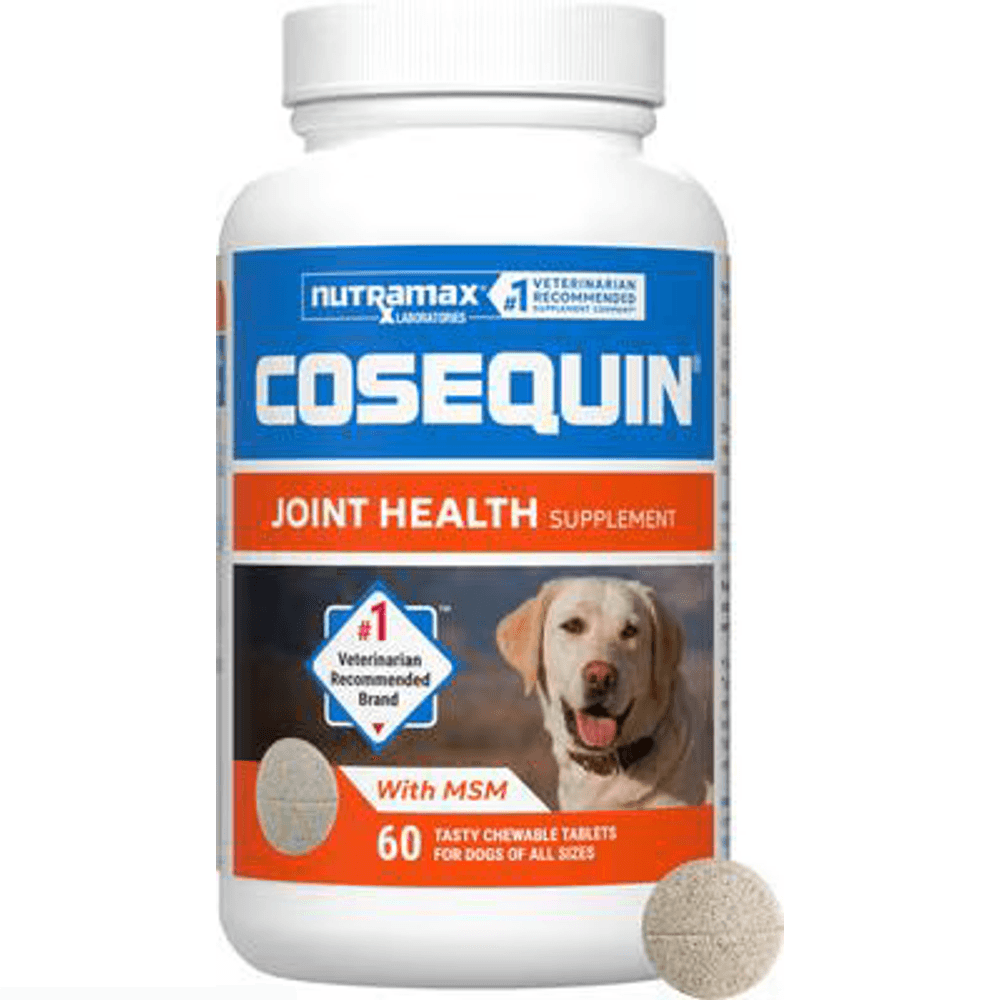
The number-one veterinarian-recommended joint supplement brand. Glucosamine, chondroitin, and MSM support cartilage and cushion the joints, easing the stiffness and hind-end weakness that can leave an older or arthritic dog trembling.
Petful may earn a commission when you click through to Chewy, at no extra cost to you.
- Stiffness getting up, especially after rest or in cold weather
- A bunny-hopping gait in the back legs
- Reluctance to jump, climb stairs, or play as hard as before
- A narrow or swaying stance, or obvious favoring of one leg
- Loss of muscle over the hips or shoulders
The gold standard for prevention is buying from parents who have been evaluated. The Orthopedic Foundation for Animals maintains hip and elbow databases, and a conscientious Dane breeder will have OFA or comparable scores for both parents. You cannot screen a joint into existence after the fact, but you can stack the odds by choosing well-built parents.
Just as important is how you raise a Dane puppy. Giant breed puppies that grow too fast, or that carry extra weight, put more stress on immature joints. Feeding a large or giant breed puppy formula that controls the growth rate, keeping the puppy lean, and avoiding forced running or repetitive stair work while the skeleton is still developing all help protect those joints for the long haul. The table below shows just how quickly a Dane goes from a handful to a heavyweight, which is exactly why controlled growth matters.
| Life Stage | Approximate Age | Male Weight | Female Weight |
|---|---|---|---|
| Puppy | 3 months | 35 to 45 lb | 30 to 40 lb |
| Adolescent | 6 months | 65 to 85 lb | 60 to 75 lb |
| Young Adult | 12 months | 110 to 130 lb | 95 to 115 lb |
| Full Grown | 18 to 24 months | 140 to 175 lb | 110 to 140 lb |
For adult Danes already showing joint wear, the goal shifts to comfort and mobility: keeping the dog lean, providing supportive orthopedic bedding, low impact exercise like leash walks and swimming, joint supplements where your vet recommends them, and pain management as needed. Many Danes with mild dysplasia live active lives with sensible management.
Wobbler Syndrome (Cervical Spondylomyelopathy)
Wobbler syndrome, known more formally as cervical spondylomyelopathy, is a neck problem that Great Danes are unusually prone to. The bones of the neck (the cervical vertebrae) or the discs between them press on the spinal cord, and that pressure disrupts the nerve signals traveling to the legs. The result is the wobbly, uncoordinated gait that gives the condition its name.
Classic signs include:

Multiple ridges and valleys slow eating, reduce gas and bloating, and turn mealtime into a fun puzzle. Non-skid base, dishwasher safe, 4-cup capacity.
Petful may earn a commission when you click through to Chewy, at no extra cost to you.
- A swaying, drunken, or wobbly walk, usually most obvious in the hind legs
- Toes that scuff or knuckle over as the dog moves
- A short, choppy stride in the front legs
- Neck stiffness or pain
- Weakness that gradually worsens over months
In Great Danes, wobbler syndrome often appears in younger to middle-aged dogs and is thought to have a developmental and possibly genetic component tied to the way the neck vertebrae form. Diagnosis usually involves advanced imaging such as an MRI. Treatment ranges from medical management (rest, anti-inflammatory medication, and a harness instead of a neck collar to keep pressure off the neck) to surgery in more severe cases. Many dogs stabilize or improve with the right plan, but wobbler syndrome is a condition worth catching early, so any Dane with an odd, uncoordinated gait deserves a proper neurological exam rather than being written off as clumsy.
 Sponsored
Vet care that's always there
Unlimited video calls and messaging with licensed vets for less than a typical vet visit. One membership covers up to five pets.
Use code Pets60
Plans start at $12/month · covers up to 5 pets
- Licensed vets in most states
- Rx for 150+ conditions
- 4.7 on Trustpilot
Osteosarcoma (Bone Cancer)
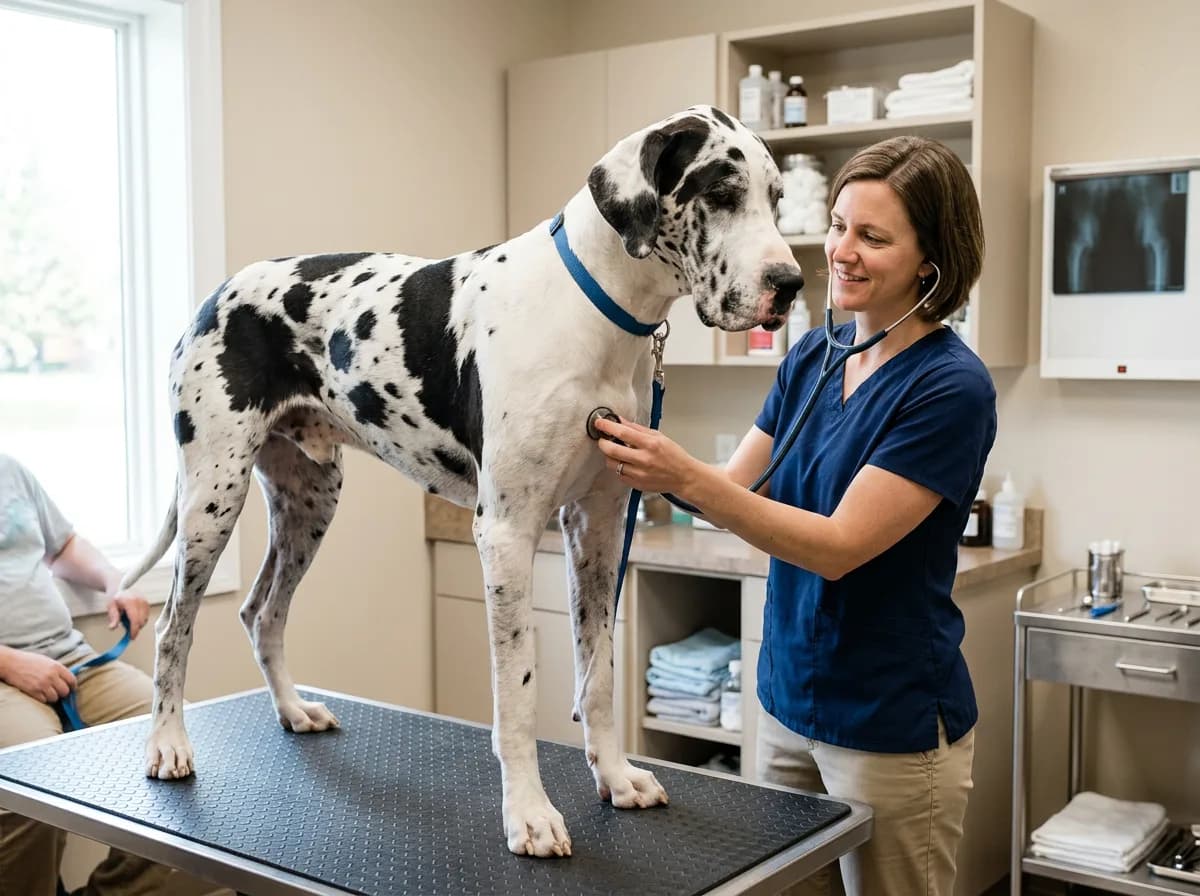
Cancer is a leading cause of death in Great Danes, and osteosarcoma, an aggressive bone cancer, is the type most associated with giant breeds. It usually strikes the long bones of the legs, near the shoulder, wrist, or knee, and it tends to appear in middle-aged and older dogs. Osteosarcoma is painful and can spread quickly, most often to the lungs, which is why early recognition matters.
The first sign an owner usually notices is lameness or a persistent limp that does not fit any injury, sometimes with a firm swelling over the affected bone. Because a limp is easy to blame on a sprain, a lameness that lasts more than a week or two in a large older dog should be x-rayed rather than waited out.
Treatment depends on the individual dog and how far the cancer has progressed. Options may include amputation of the affected limb to remove the source of pain (which giant breeds tolerate better than many owners expect), followed by chemotherapy to slow the spread, or palliative care focused on comfort and pain control. Prognosis varies, and these are hard conversations, but a veterinary oncologist can lay out realistic choices. Resources from veterinary teaching hospitals such as Cornell University College of Veterinary Medicine are a good place to understand the disease in plain language before you meet with a specialist.
Great Dane Lifespan: How Long Do They Live?
Great Danes are, by dog standards, short-lived. Most sources put the breed's life expectancy at roughly 7 to 10 years, and many Danes fall in the 8 to 9 year range. That is dramatically shorter than a small breed dog, which can easily reach 14 to 16, and it is one of the hardest realities of loving a giant.
Why Is a Great Dane's Life Expectancy So Short?
The short lifespan comes down to biology, not bad luck. Giant breeds simply age faster than small ones. Their bodies grow at a breakneck pace during puppyhood, their large hearts and organs work hard to serve a big frame, and their cells appear to wear out sooner. Layer the breed-specific risks on top (bloat, dilated cardiomyopathy, and bone cancer all tend to strike hard and relatively early) and you get an average lifespan that lands well below the canine norm. It is the same pattern seen across giant breeds like the Irish Wolfhound and the Mastiff: the bigger the dog, the shorter the years, as a rule.
The encouraging flip side is that owners have real influence at the margins. Choosing a well-screened breeder, opting for a preventive gastropexy, keeping the dog lean, screening the heart, and staying on top of veterinary care will not turn a Dane into a Chihuahua, but it can nudge a dog toward the upper end of that range and, just as importantly, make the years the dog does have healthier and more comfortable. Our companion guide to Great Dane lifespan goes deeper on the numbers and what shapes them.
The Most Common Causes of Death in Great Danes
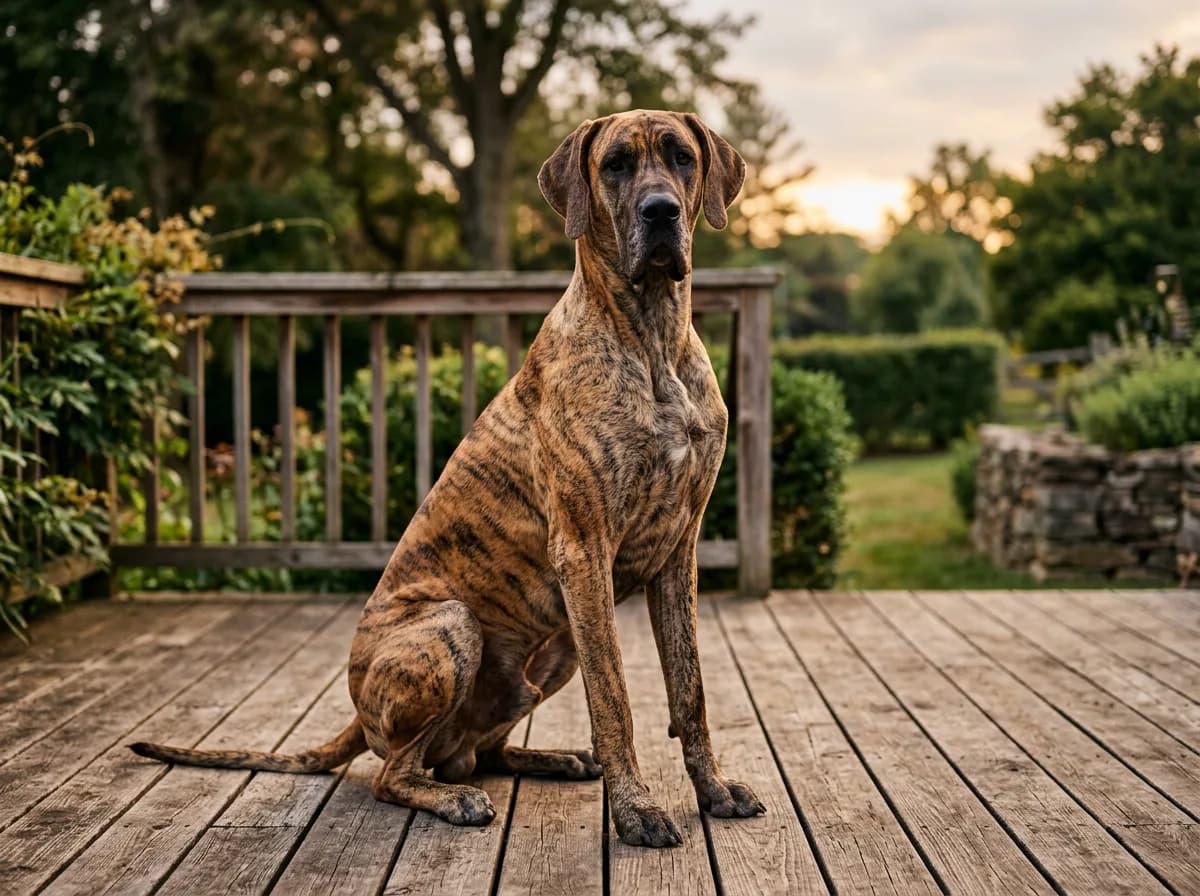
Owners often ask what is most likely to take a Great Dane, and while every dog is an individual, the pattern across the breed is fairly consistent. The leading causes of death in Great Danes are bloat (GDV), heart disease such as dilated cardiomyopathy, and cancer, with osteosarcoma prominent among the cancers. Musculoskeletal decline and the general frailty of old age round out the picture.
That trio is exactly why the prevention advice in this guide keeps circling back to the same handful of moves: a gastropexy to defuse the bloat risk, cardiac screening to catch heart disease before it fails, and prompt investigation of any stubborn limp so bone cancer is not missed. You cannot control everything, but the biggest killers in this breed are also the ones where early action makes the most difference.
Preventing Great Dane Health Problems
Prevention in a Great Dane is less about any single miracle step and more about stacking sensible habits from puppyhood onward. The highest-value moves, roughly in order of impact:
- Start with a responsible breeder. Ask to see OFA hip and elbow results, a cardiac evaluation, and eye screening on both parents. A breeder who screens is buying down your risk before you ever bring the puppy home.
- Plan a gastropexy. Talk to your vet about a preventive stomach tack, often done at spay or neuter, to take the deadly twist of bloat off the table.
- Feed for slow, steady growth. Use a large or giant breed puppy diet, keep the puppy lean, and resist the urge to fatten up a growing Dane. Fast growth and extra weight are hard on developing joints.
- Protect the joints. Avoid forced running and repetitive stairs while the skeleton is immature, and give adults supportive bedding and low impact exercise.
- Screen the heart. Ask about periodic cardiac checks, especially in middle age, so DCM is caught early.
- Keep every adult lean. Excess weight worsens joints, heart strain, and nearly everything else. A visible waist is one of the cheapest health tools you have.
- The one choice that shapes a Great Dane's health more than any other is where the puppy comes from. A breeder who screens for hips, heart, and eyes, and who breeds for temperament and soundness rather than sheer size, hands you a dog with the odds already tilted in its favor. Everything else you do builds on that foundation.
Grooming and routine care matter too, even if they are less dramatic. Danes are short-coated but they do shed, and regular brushing plus the occasional bath keeps the skin healthy and gives you a weekly chance to run your hands over the whole dog and feel for new lumps, swellings, or sore spots. That hands-on habit is quietly one of the best early-warning systems an owner has.
When to See Your Veterinarian
Some Great Dane symptoms are routine, and some are emergencies. Treat a distended, hard belly with unproductive retching as a drop-everything, drive-to-the-clinic emergency, because that is bloat until proven otherwise. Fainting, sudden weakness, or labored breathing at rest also warrant an urgent visit, as does a limp that lingers beyond a week or two in an older dog.
For everything else, a good rule for a giant breed is to lean toward the exam room sooner rather than later. Danes are stoic, they age quickly, and a small change noticed early is far easier to manage than a crisis discovered late. Regular wellness visits, honest weight checks, and a low threshold for asking questions will serve a Great Dane, and its owner, better than any single supplement or gadget.
Frequently Asked Questions
Why Do Great Danes Die So Young?
Great Danes live roughly 7 to 10 years, well short of the 12 to 14 years many medium dogs reach, and the reason is tied directly to their size. Across dog breeds, larger bodies are consistently linked to shorter lifespans and a faster rate of aging. The same accelerated growth that takes a Dane from a 2-pound newborn to a 140-pound adult in under two years appears to speed up cellular aging later on, so a 7-year-old Great Dane is biologically closer to a senior small dog than to a middle-aged one.
Size also stacks the deck toward specific killers. Because they are so tall and deep-chested, Danes face outsized risk from bloat, dilated cardiomyopathy, and bone cancer, and those conditions drive most deaths that arrive years before true old age. The hopeful takeaway is that few Danes die young from something unavoidable. A preventive gastropexy, yearly heart screening, a lean body condition, and fast action on early warning signs can add meaningful, healthy years to a giant dog's life.
Do Male and Female Great Danes Have Different Health Risks?
Yes, and the differences are worth knowing before you pick a puppy or plan preventive care. Females tend to live slightly longer on average than males, a pattern seen across many dog breeds and magnified in giant breeds, where every extra pound of body size shortens the odds. Males are noticeably larger, often 140 to 175 pounds versus 110 to 140 for females, and that added frame raises their exposure to orthopedic strain, bloat, and bone cancer.
Spay and neuter timing matters more in this breed than in most. In several large and giant breeds, removing the sex hormones too early has been associated with a higher risk of osteosarcoma and certain joint disorders, partly because those hormones help the growth plates close on schedule. Many veterinarians now recommend waiting until a Great Dane is physically mature, often 18 to 24 months, before spaying or neutering, and setting the exact timing case by case. Ask your vet to weigh your individual dog's risks rather than defaulting to the traditional 6-month schedule.
Great Dane Growth Chart: Healthy Weight by Age
Tracking a Great Dane's growth is not just about size, it is one of the most important things you can do for the breed's long-term joint and bone health. Giant-breed puppies that grow too fast, or carry too much weight, are far more likely to develop painful developmental orthopedic problems. The goal is steady, moderate growth, not the biggest puppy on the block.
These are approximate ranges, and healthy individuals vary widely:
- 3 months: around 25 to 45 pounds
- 6 months: around 60 to 90 pounds
- 12 months: around 90 to 130 pounds
- 18 to 24 months: full adult weight, roughly 110 to 140 pounds for females and 140 to 175 pounds for males
Danes are not fully grown until 18 to 24 months, so the growth window is long and easy to overfeed through. Feed a large-breed puppy formula with controlled calcium and calories, keep your puppy lean enough that you can easily feel the ribs, and skip calcium or "growth" supplements unless your vet prescribes them. If your puppy is tracking well above these ranges, check with your vet before changing the food.
Most Great Danes live roughly 7 to 10 years, with many falling in the 8 to 9 year range. That is short for a dog and reflects the faster aging of giant breeds. Good breeding, a preventive gastropexy, a lean body weight, and regular veterinary care can help a Dane reach the upper end of that range.
Giant breeds age faster than small dogs. Danes grow at a breakneck pace as puppies, their large hearts and organs work hard, and their cells wear out sooner. Breed-specific risks like bloat, dilated cardiomyopathy, and bone cancer also tend to strike relatively early, pulling the average lifespan below the canine norm.
The nickname has two meanings. Literally, the breed is prone to heart disease, especially dilated cardiomyopathy. Emotionally, Great Danes have such short lifespans that owners often lose these huge, beloved dogs far too soon. A heart prone to failing plus a life that ends early is why the "heartbreak" label stuck.
The leading causes of death in Great Danes are bloat (gastric dilatation-volvulus), heart disease such as dilated cardiomyopathy, and cancer, with osteosarcoma common among the cancers. These are also the conditions where early action, from a preventive gastropexy to cardiac screening, makes the biggest difference.
Great Danes ask a lot of their owners, but they give back even more. Knowing the breed's health risks is not about worrying, it is about acting early on the things that matter and enjoying the rest. For the full picture of living with these gentle giants, see our main Great Dane breed guide, and if a giant simply is not the right fit for your home, a smaller companion like the Cavapoo may suit better. Whatever you choose, screening, prevention, and a good relationship with your vet are what turn a big dog into a healthy one.
BVMS, MRCVS
Dr. Pippa Elliott, BVMS, MRCVS, is a veterinarian with nearly 30 years of experience in companion animal practice. Dr. Elliott earned her Bachelor of Veterinary Medicine and Surgery from the University of Glasgow. She was also designated a Member of the Royal College of Veterinary Surgeons. Married with 2 grown-up kids, Dr. Elliott has a naughty Puggle named Poggle, 3 cats and a bearded dragon.
Sign up for expert-backed reviews and safety alerts all in one place.