Is the Devon Rex Hypoallergenic? A Vet's Honest Answer on Shedding and Allergies
No cat is truly hypoallergenic, but the Devon Rex comes close for many allergy sufferers thanks to its low-shedding rexed coat. A vet explains the Fel d 1 facts, real shedding levels and how to live comfortably with one.

BVMS, MRCVS
Petful is reader supported. As an affiliate of platforms like Amazon and Chewy, we may earn a commission when you buy through links on this page. There is no extra cost to you.
The Cat Fanciers' Association recognizes the Devon Rex as one of the lower-shedding pedigreed cats, which is exactly why the question "is the devon rex hypoallergenic" comes up so often, but the honest, science-backed answer is that no cat, including this curly-coated breed, is truly hypoallergenic. Every cat produces a protein called Fel d 1, the cause of roughly 95 percent of cat allergies in humans according to peer-reviewed allergy research. What makes the Devon Rex worth a closer look is not zero allergen, but a sparse, low-shedding coat that can spread less of that protein around your home, which helps some (not all) allergy sufferers tolerate this breed better than a heavy-shedding cat.
- 1No cat is truly hypoallergenic, and the Devon Rex still produces the Fel d 1 allergen.
- 2The breed sheds very little because of its short, sparse, wavy "rexed" coat, so it can spread less allergen-laden dander around the home.
- 3Fel d 1 lives in saliva and skin glands, not in the hair itself, so a thin coat lowers carrier surface but does not lower how much allergen the cat makes.
- 4Individual cats vary enormously in allergen output, so a meet-and-greet test before adopting matters more than the breed label.
- 5Allergen-reducing diets, surface cleaning, and medical management from an allergist can make living with a Devon Rex realistic for many people.

Sign up for expert-backed reviews and safety alerts all in one place.
Are Devon Rex Cats Hypoallergenic? The Honest Answer
Are devon rex cats hypoallergenic? Not in the literal sense of the word. "Hypoallergenic" means "below average" in allergen production, not "allergen-free," and there is no scientific evidence that any cat breed is genuinely allergen-free. What the Devon Rex offers is a practical advantage: its coat is so short and sheds so lightly that it deposits less allergen-carrying dander on your sofa, your clothes, and the air you breathe.
So is the devon rex good for allergy sufferers? For some, yes. People with mild to moderate cat allergies often report fewer symptoms around low-shedding breeds. For those with severe or asthma-linked cat allergies, even a Devon Rex can trigger reactions. The breed is a reasonable candidate to test, not a guaranteed solution. If you want the full picture of the breed beyond allergies, our Devon Rex breed guide covers temperament, history, and day-to-day care.
- No regulatory body certifies any cat as hypoallergenic; the term only ever means lower-than-average allergen exposure, never allergen-free.
What Causes Cat Allergies: The Fel d 1 Protein Explained
People are not allergic to cat hair itself. They react to proteins the cat produces, and the dominant one is Fel d 1. Research published in Allergy, Asthma & Clinical Immunology identifies Fel d 1 as the major cat allergen, responsible for the large majority of allergic reactions to cats.
Never Scoop Again® with the Whisker Litter-Robot, the smart self-cleaning automatic litter box. Monitor visits and track weights for better overall care in the Whisker® app. Multi-cat friendly.
Petful may earn a commission when you click through to Whisker, at no extra cost to you.
Fel d 1 is produced mainly in a cat's sebaceous (oil) glands in the skin, along with salivary, anal, and perianal glands. When a cat grooms, it coats its fur with saliva carrying the protein. As the saliva dries, the protein binds to flakes of shed skin (dander), and those tiny, lightweight particles become airborne and settle on surfaces. That is what reaches a person's eyes, nose, and airways and sets off sneezing, congestion, itchy eyes, hives, or asthma symptoms.
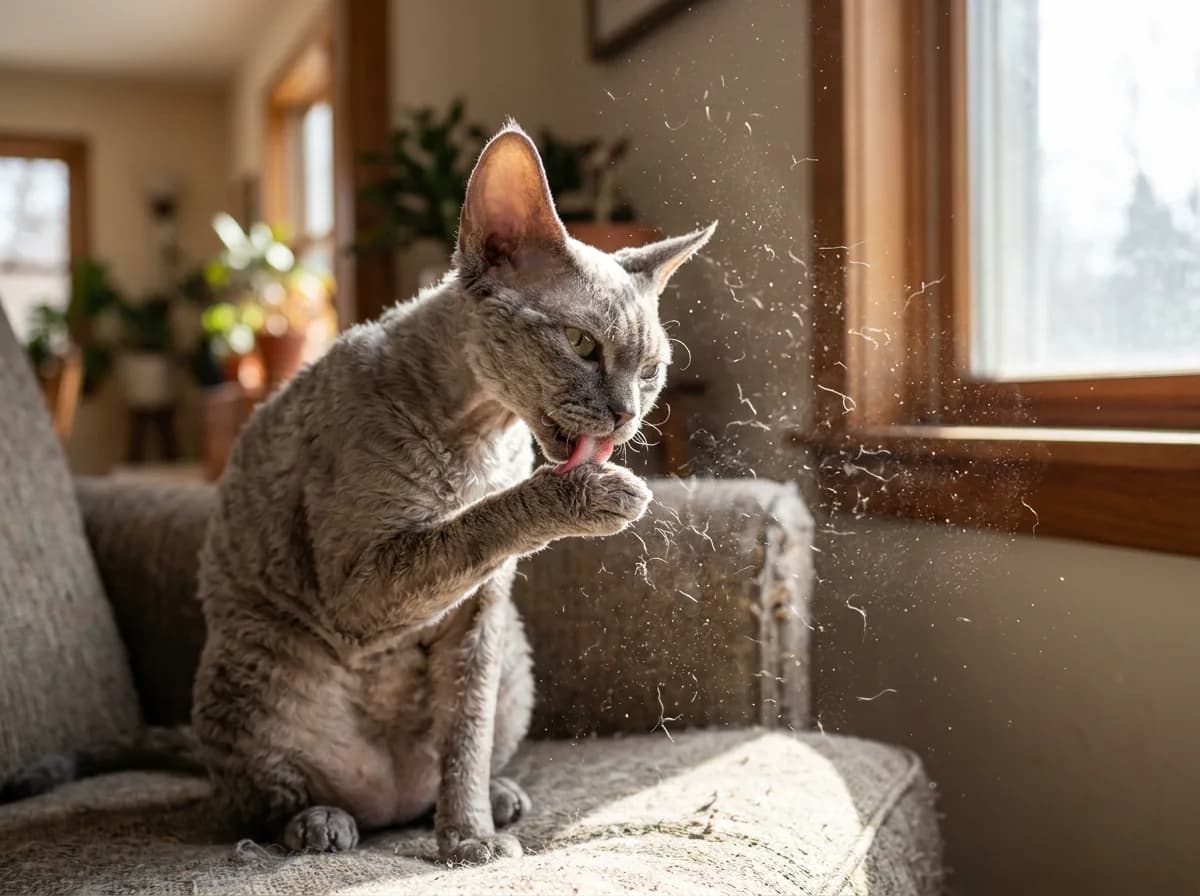
A critical point for the allergy question: because Fel d 1 originates in the skin and saliva, the amount a cat produces is largely independent of how much fur it has. This is the single most important fact most breed articles get wrong, and it reframes everything about the Devon Rex.
- Studies measuring Fel d 1 in cat fur, saliva, and skin find no reliable link between coat length or shedding frequency and how much allergen a cat actually produces.
Does the Devon Rex Produce Less Fel d 1?
Here is where honesty matters most. There is no robust, breed-specific study showing that a Devon Rex produces less Fel d 1 than an average cat. The protein is made by skin and salivary glands, and the Devon Rex has those glands like every other cat. In fact, the breed's skin tends to be a little oilier than average, which is relevant to grooming but not a reason to expect lower allergen output.
What science does show is that Fel d 1 output varies dramatically from one individual cat to the next, and that hormonal status changes it. Intact (unneutered) male cats produce the most Fel d 1; neutering a male reduces his output, and females generally produce less than intact males. So a spayed or neutered Devon Rex may expose you to less allergen than an intact tomcat of any breed, but that is about the individual cat and its hormones, not a magic property of the rexed coat.
The takeaway on fel d1 devon rex: do not count on lower production. Count on lower spread. The Devon Rex's real advantage is in distribution, which is what the next section explains.
- Because Fel d 1 varies so much between individuals, the cat in front of you matters more than the breed. A neutered cat with a calm grooming routine may be your best bet.
Do Devon Rex Cats Shed? Understanding the Rexed Coat
Do devon rex cats shed? Yes, but very lightly. No cat is genuinely non-shedding, and "devon rex non shedding" is a myth in the strict sense. Every cat with hair loses some of it. The Devon Rex simply has far less hair to lose.
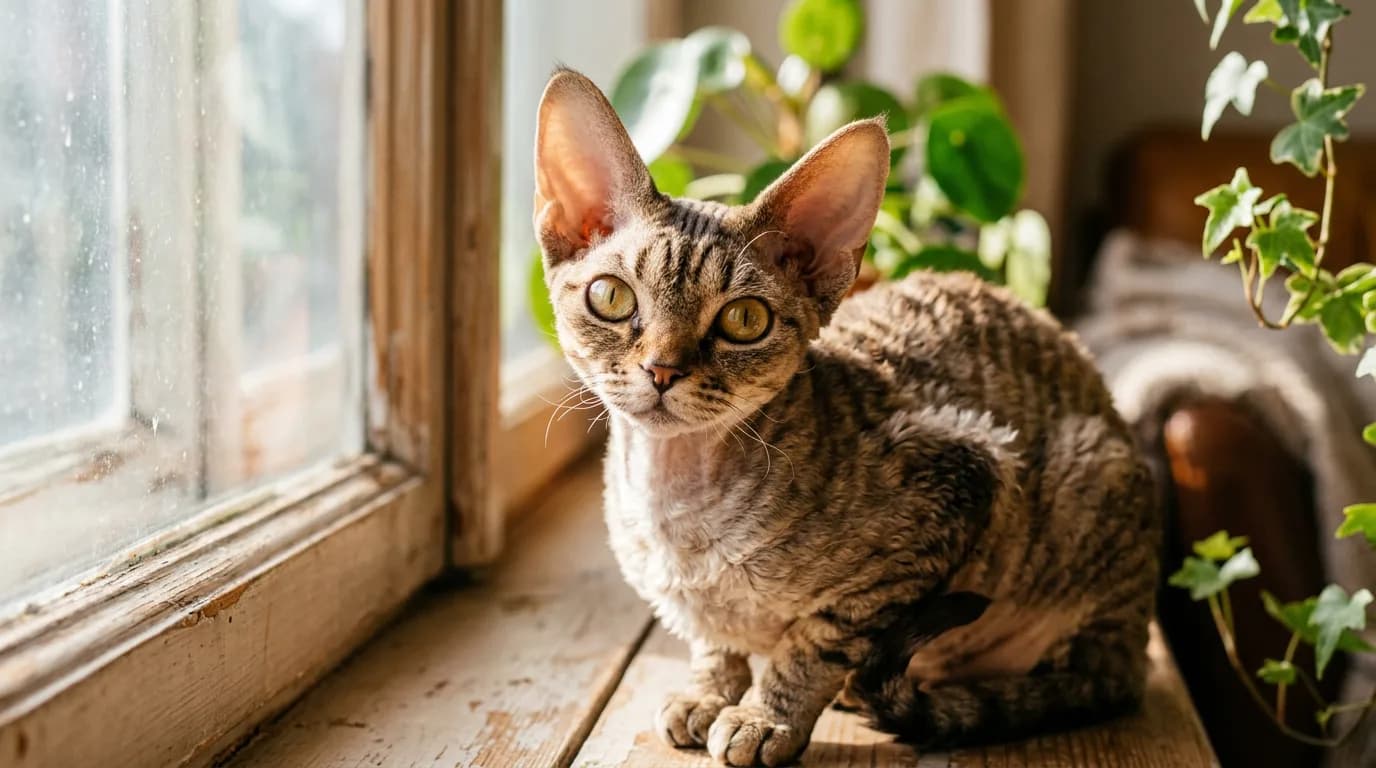
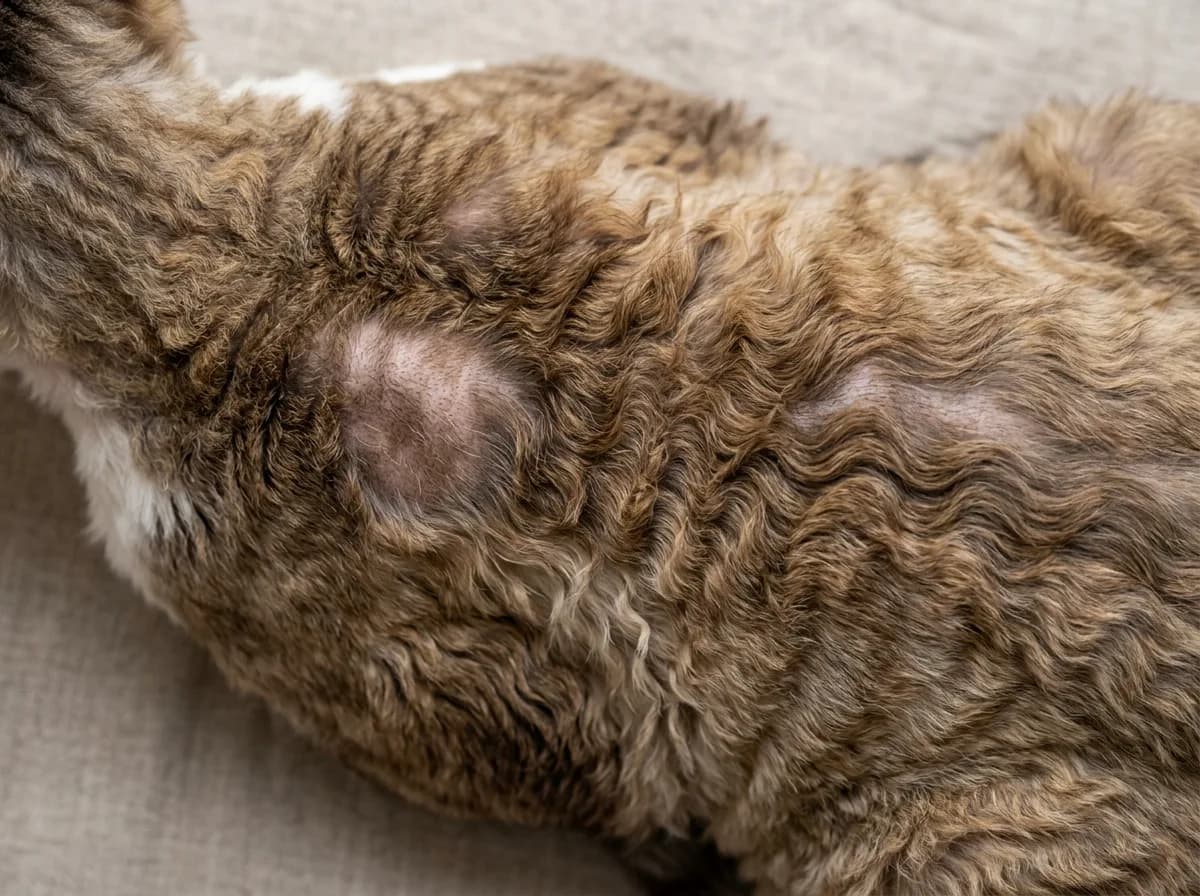
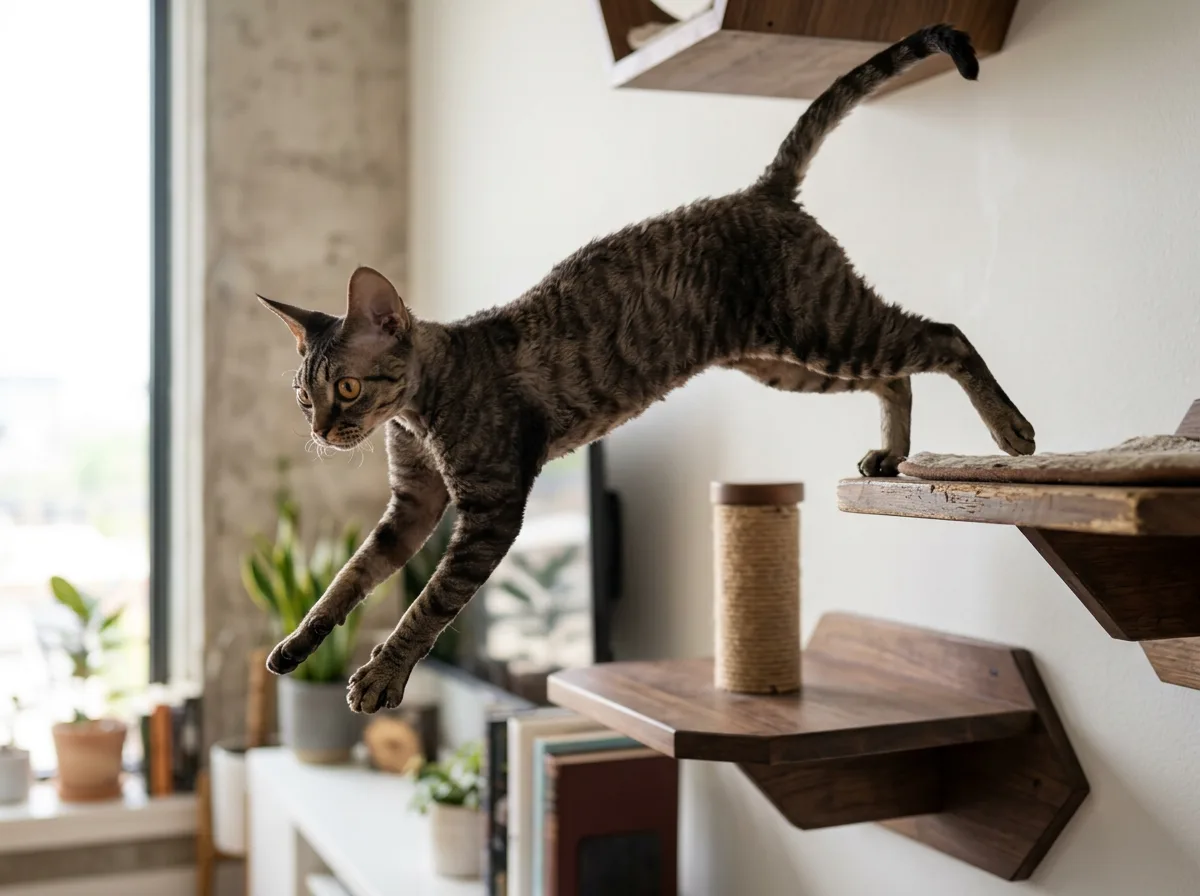
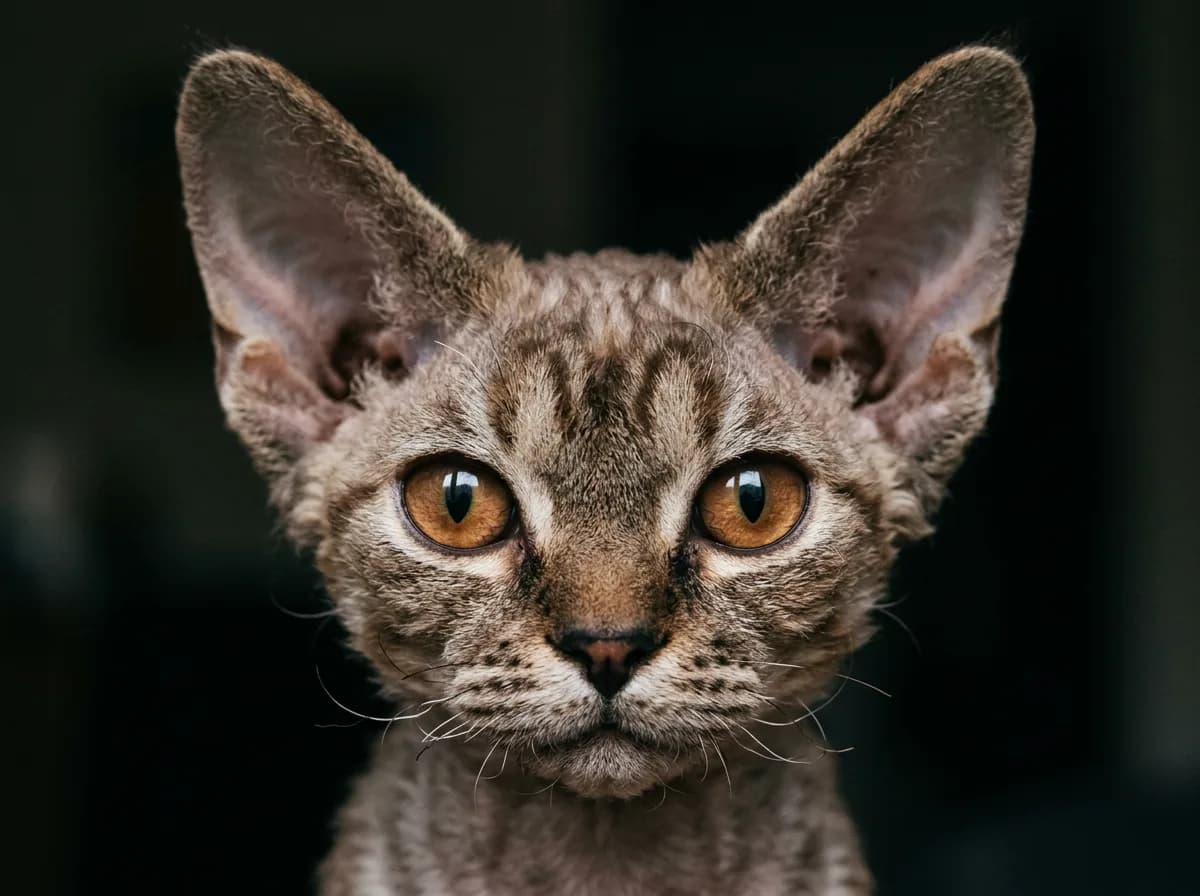
The Devon Rex coat is short, soft, wavy, and suede-like, a texture cat fanciers call "rexed." It is sparse, sometimes thin enough to show near-bald patches on the belly, head, and in front of the ears, and the whiskers are short, curled, and brittle (they often break off). This unusual coat traces to a recessive mutation in the KRT71 gene, the keratin gene that shapes the hair fiber. Important breed-history note: the Devon Rex curl is genetically distinct from the Cornish Rex curl. When the two breeds were crossed in the early days, the kittens had straight coats, proving the two mutations are non-allelic and do not "fix" each other.
Because there is so little coat, devon rex shedding is minimal compared with a typical shorthair or a heavy double-coated breed. You will find far less loose fur on furniture and clothing. That low shedding is the foundation of the breed's allergy-friendly reputation. For a deeper look at coat genetics and patterns, see our guide to Devon Rex colors.
| Trait | Devon Rex | Typical Domestic Shorthair |
|---|---|---|
| Coat length | Very short, sparse, wavy | Short to medium, dense |
| Shedding level | Very low | Moderate to high |
| Loose fur in the home | Minimal | Noticeable |
| Fel d 1 produced | Normal cat range | Normal cat range |
| Whiskers | Short, curled, brittle | Long, straight, sturdy |
Why Less Shedding Means Fewer Allergens in Your Home
If Fel d 1 production is normal in a Devon Rex, why do allergy sufferers often feel better around one? The answer is exposure, not production. Allergen reaches you by hitching a ride on shed hair and dander. A cat that sheds heavily broadcasts allergen-coated fur across every soft surface and into the air. A cat that barely sheds keeps more of that allergen on its own body and releases less into your breathing space.
Think of it as the difference between a leaky faucet and a sealed one. Both hold the same water (allergen), but one spreads it everywhere and one keeps it contained. The Devon Rex is the comparatively sealed faucet. This is real dander reduction in practical terms, and it is why low-shedding breeds, including the Devon Rex, the Cornish Rex hypoallergenic breed, and the are Siamese cats hypoallergenic question, come up so often in allergy discussions.
- The Devon Rex helps by spreading less allergen, not by making less of it. Manage the spread (cleaning, grooming, diet) and you manage your symptoms.
Devon Rex vs Cornish Rex vs Sphynx for Allergy Sufferers
The three breeds most often pitched as allergy-friendly are the Devon Rex, the Cornish Rex, and the Sphynx. None is hypoallergenic, but they differ in coat and in how they spread allergen. Here is the honest triangulation that most articles skip.

63-inch multi-level cat tree with scratch posts, hammock, plush perches, and dangling toys. Vertical territory is non-negotiable for high-energy climbing breeds like the Bengal.
Petful may earn a commission when you click through to Chewy, at no extra cost to you.
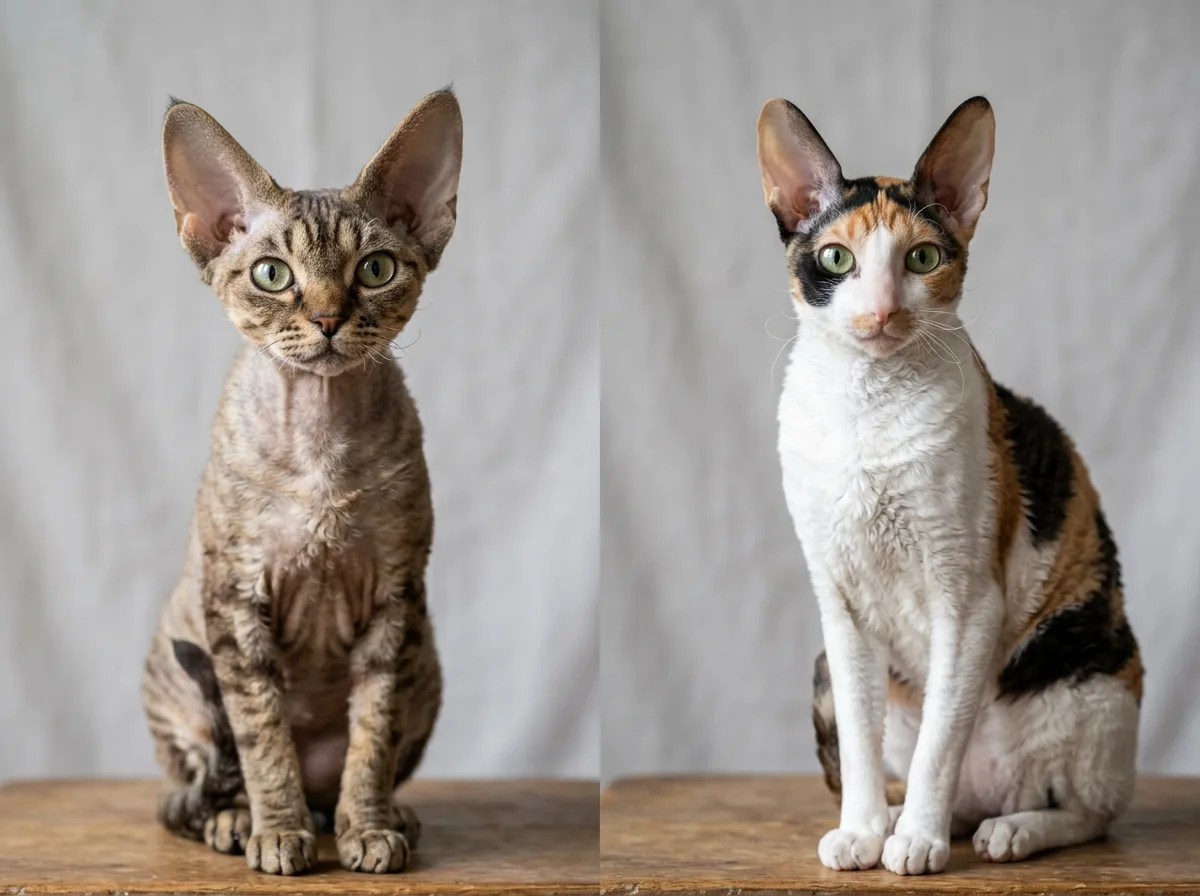
The devon rex vs cornish rex allergies comparison: the Devon Rex has larger, lower-set ears and a coarser, sparser, more uneven coat with curled whiskers, while the Cornish Rex has a finer, even "marcel wave" coat, smaller ears, and lacks guard hairs entirely. Both shed very little, so both spread relatively little allergen. The Sphynx is effectively hairless, so it sheds essentially no fur, but here is the catch: a hairless cat still produces full Fel d 1 from its skin glands, and that allergen sits on bare, oily skin that must be bathed regularly. Many allergy sufferers actually react to a Sphynx because the skin oils (and the allergen in them) transfer directly to hands and clothes.
| Factor | Devon Rex | Cornish Rex | Sphynx |
|---|---|---|---|
| Coat | Short, sparse, wavy | Fine marcel wave, no guard hair | Near hairless |
| Shedding | Very low | Very low | Almost none |
| Fel d 1 produced | Normal | Normal | Normal |
| Main allergy caveat | Oily skin, needs gentle bathing | Fine but full skin glands | Skin oils transfer directly to skin and clothes |
| Grooming demand | Occasional bath, ear cleaning | Occasional bath | Frequent bathing required |
If you are weighing all the bald options, our roundup of hairless cat breeds and the are Sphynx cats hypoallergenic explainer go deeper on the Sphynx specifically.
How to Live With a Devon Rex If You Have Allergies
Choosing a low-shedding breed is step one. Managing the environment is what actually keeps symptoms down. None of these tactics changes how much Fel d 1 your cat makes, but together they cut how much reaches you.
Reduce allergen in the home
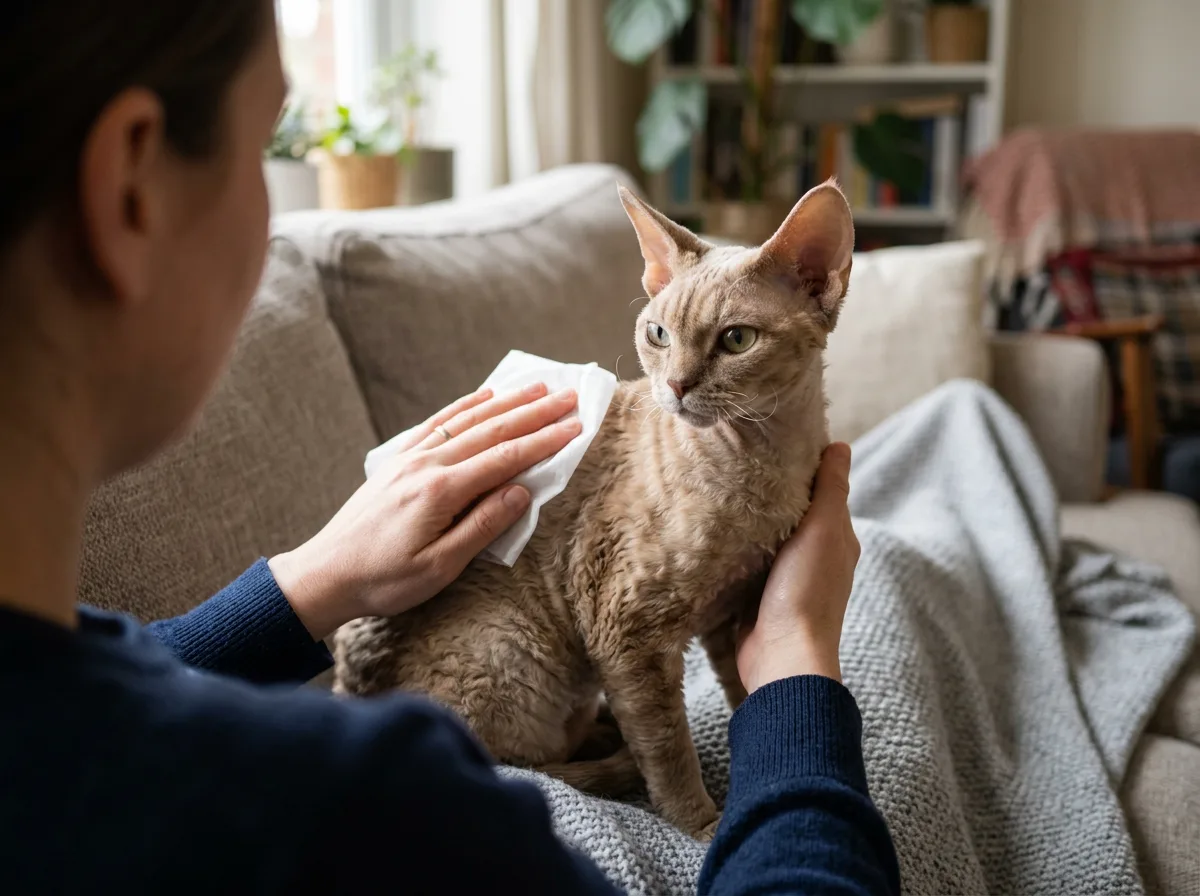
- Wipe your Devon Rex down a few times a week with a damp cloth or a vet-approved pet wipe to lift surface allergen before it spreads.
- Vacuum with a HEPA filter and run a HEPA air purifier in the rooms where you spend the most time.
- Wash bedding, throws, and the cat's fleece beds weekly in hot water.
- Keep the bedroom a cat-free zone so you get 7 to 8 hours of low-exposure recovery each night.
- Wash your hands after handling the cat and avoid touching your face.
Consider an allergen-reducing diet
A diet approach has real published evidence behind it. Purina Pro Plan LiveClear uses an egg-derived IgY antibody that binds and neutralizes Fel d 1 in the cat's saliva before grooming spreads it. In Purina's published research, the food reduced the active Fel d 1 in cat hair and dander by an average of 47 percent starting in the third week of daily feeding, with 97 percent of cats showing some reduction. It does not eliminate the allergen, and results vary by cat, but it is a legitimate, low-risk tool. Discuss any diet change with your veterinarian first.
Medical management for the human
This is where most breed articles go quiet, but it is often the difference-maker. Talk to a board-certified allergist about:
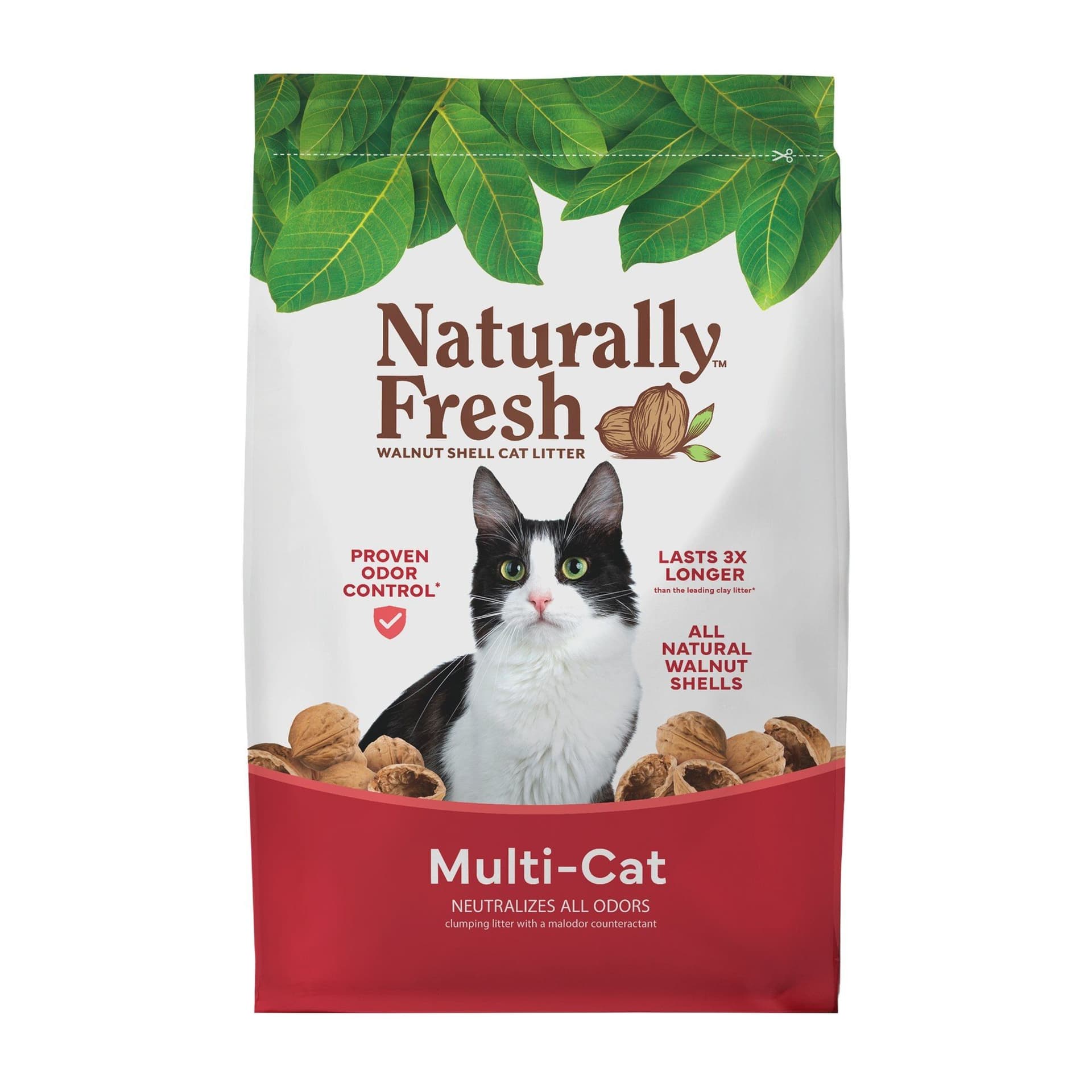
Walnut shell clumping cat litter that excels at odor control, lasts up to 3x longer than clay, and is a top pick for multi-cat households.
Petful may earn a commission when you click through to Chewy, at no extra cost to you.
- Antihistamines and intranasal corticosteroid sprays for daily symptom control.
- Allergen immunotherapy (allergy shots), which can desensitize you to cat allergen over time and is the only treatment that addresses the underlying allergy rather than just symptoms.
- Asthma management if cat exposure triggers your airways.
- No single tactic solves a cat allergy. Combining a low-shedding cat, an allergen-reducing diet, HEPA filtration, and medical treatment from an allergist gives most people the best shot at living comfortably with a Devon Rex.
Before You Adopt: Testing Your Reaction and Talking to Your Doctor
Because allergen output varies so much between individual cats, the smartest thing you can do is test your own reaction to the specific cat before you commit. A vague "spend some time with the cat" is not enough. Use a real protocol.
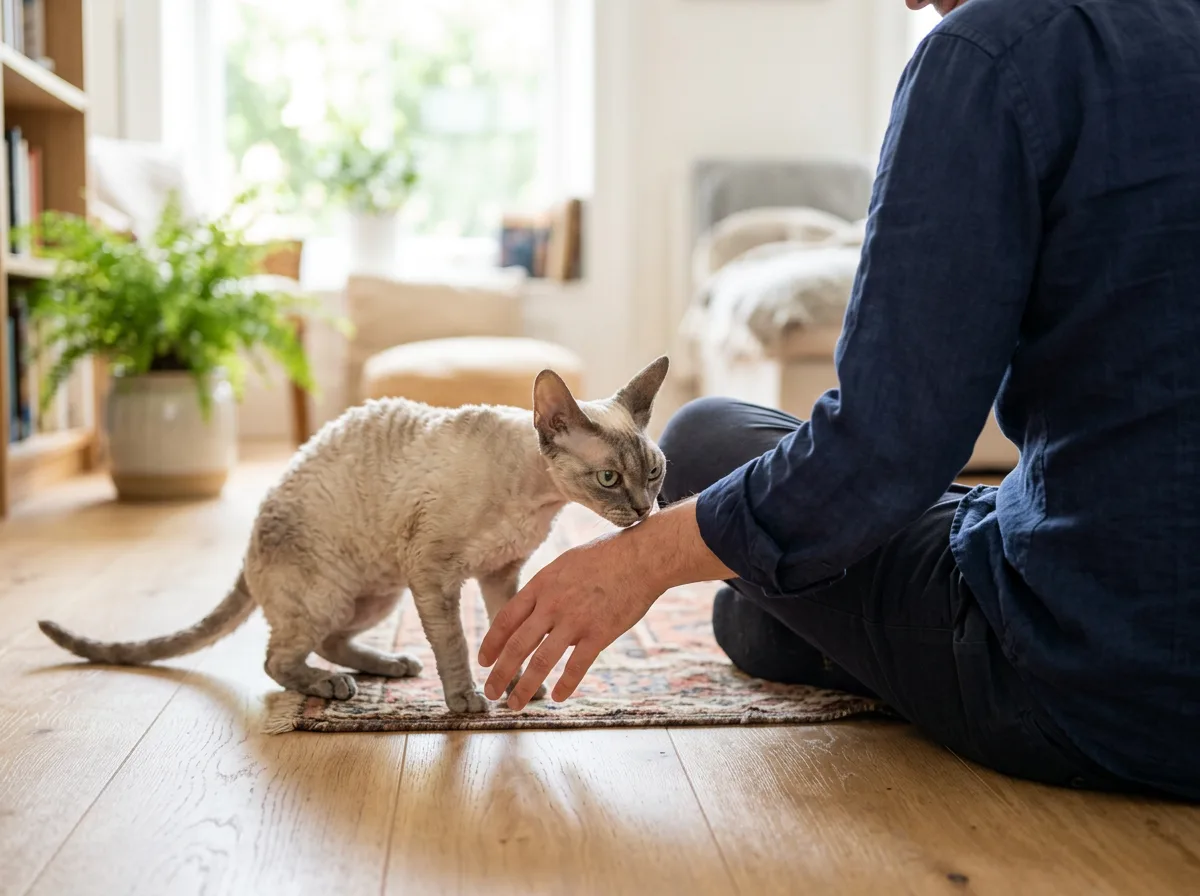
1. Visit the cat more than once, on separate days, so a single good or bad day does not mislead you.
2. Spend a meaningful stretch of time in the same room, ideally an hour or more, not a quick hello.
3. Touch the cat, then note your reaction over the next several hours and overnight, since allergy symptoms can be delayed.

108-oz stainless steel pet fountain with quiet pump and water-level window. Bengals are notoriously water-obsessed; a flowing fountain encourages hydration and pulls them away from sinks and toilets.
Petful may earn a commission when you click through to Chewy, at no extra cost to you.
4. If possible, arrange a longer in-home foster or trial period before a permanent commitment.
5. See an allergist for testing first, so you know the severity of your cat allergy going in and whether immunotherapy makes sense.
- A "hypoallergenic" label is not a substitute for testing your real reaction to the real cat. Severe or asthmatic cat allergies can be dangerous, so involve an allergist before bringing any cat home.
If budget is part of the decision, expect a Devon Rex from a reputable breeder to run roughly $1,200 to $3,000, with show or pedigree lines higher; our Devon Rex price and Devon Rex kittens guides break down the costs and what to look for.
Devon Rex Grooming, Skin and Care Considerations
The Devon Rex coat is low-maintenance for brushing but not zero-maintenance for skin. Because the fur is so sparse, the natural oils (sebum) that a normal coat would absorb instead build up on the skin and on the few hairs present. Devon Rex cats are prone to greasy skin, yeast (Malassezia) overgrowth, and waxy ear buildup, all of which can create a faint odor if hygiene slips. This is the real answer to the common "do they smell" question: a clean, well-groomed Devon Rex does not smell, but a neglected oily coat and dirty ears can.
A sensible routine: gentle, occasional baths with a vet-approved feline shampoo, regular ear cleaning to clear wax, and avoiding harsh brushing that can damage the fragile coat and break the whiskers. This grooming also helps allergy sufferers, since wiping and bathing physically remove allergen-laden oils and dander from the cat.
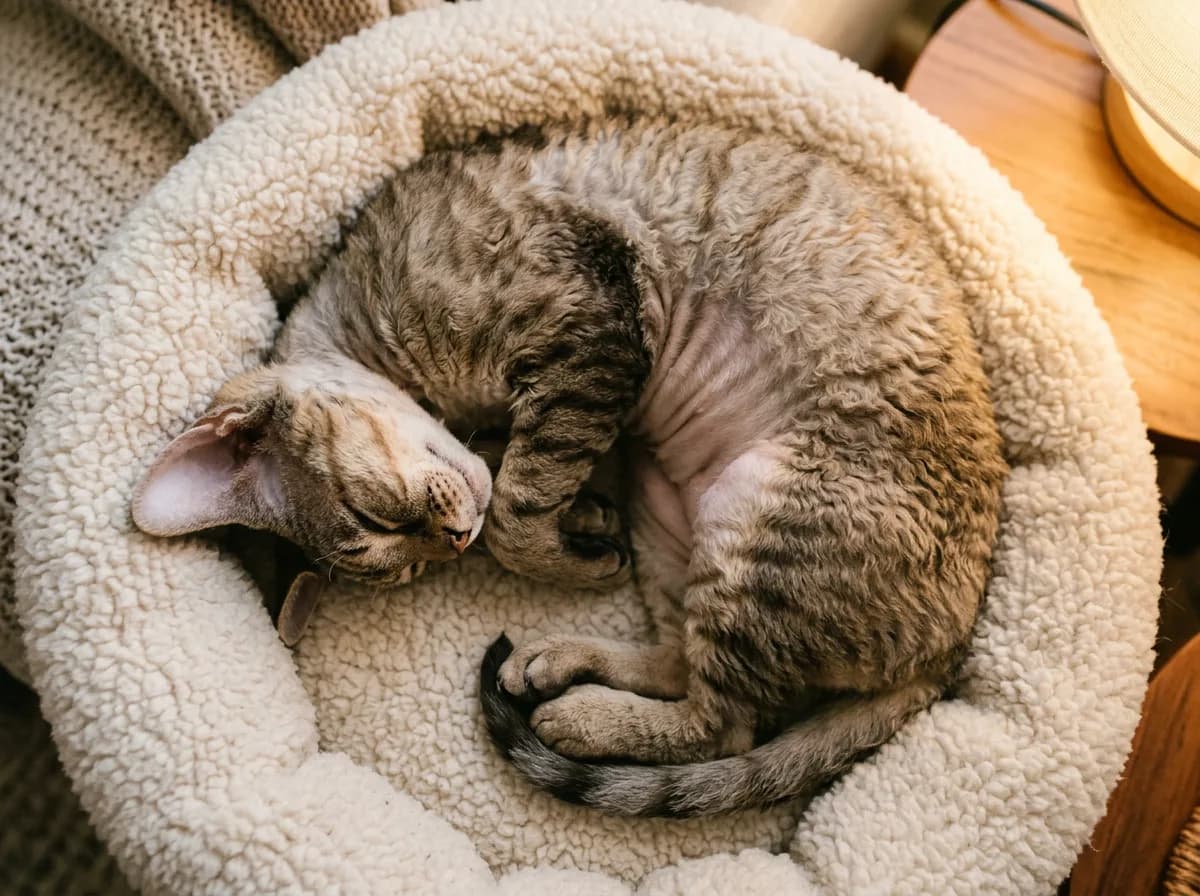
One more care note that surprises new owners: the sparse coat means Devon Rex cats get cold easily and actively seek out warmth, which is part of why they are such famous lap-and-shoulder cats. Their clingy, playful, "dog-like" nature is a big draw; our Devon Rex personality guide covers that side of the breed in full.
On health, prospective owners should know the Devon Rex is predisposed to a handful of inherited conditions, so buy from a breeder who screens. Hypertrophic cardiomyopathy (HCM), the most common feline heart disease, is seen in the breed and is monitored by periodic echocardiography because no breed-specific genetic test exists. The breed also carries risk for patellar luxation, hip dysplasia, congenital hypotrichosis (coat-thinning), and a hereditary myopathy (a congenital muscle-weakness condition once called "spasticity," now linked to a COLQ gene mutation and shared with the Sphynx). With good breeding and care, the Devon Rex typically lives about 9-15 years, and well-cared-for individuals often reach 14 to 15 or beyond. See our Devon Rex lifespan guide for the full health picture.
- Every bath, ear cleaning, and damp-cloth wipe-down removes allergen from the cat's body, so good Devon Rex skin care doubles as allergen control.
Devon Rex Allergy FAQs
No cat is truly hypoallergenic, and the Devon Rex still produces the Fel d 1 allergen. However, its short, sparse, low-shedding coat spreads less allergen-laden dander around the home, so many people with mild to moderate cat allergies tolerate the breed better than a heavy-shedding cat.
There is no single best cat, because allergen output varies by individual cat more than by breed. Low-shedding breeds often cited for allergy sufferers include the Devon Rex, Cornish Rex, Sphynx, Siberian, Balinese, and Russian Blue, but the only reliable test is your own reaction to the specific cat before adopting.
Yes. The sparse coat does not protect against fleas, and the thin fur can actually make fleas and flea dirt easier to spot. Use a vet-recommended flea preventive year-round just as you would for any cat.
A Devon Rex from a reputable breeder typically costs about $1,200 to $3,000, with show or pedigree lines running higher (sometimes up to roughly $5,000). Adoption through a rescue is far less expensive. No cat, at any price, is truly hypoallergenic.
No cat is completely non-shedding, but the Devon Rex sheds very little because its coat is so short and sparse. You will find far less loose fur on furniture and clothes than with a typical shorthair or a double-coated breed.
There is no official worst breed, since allergen production depends on the individual cat and its hormones rather than the breed. In general, heavy-shedding, long-haired cats and intact (unneutered) male cats spread the most allergen, so they tend to be hardest on allergy sufferers.
A clean, well-groomed Devon Rex does not smell bad. Because the coat is sparse, skin oils and ear wax can build up, so an odor usually signals that the cat needs a gentle bath or ear cleaning rather than a problem with the breed itself.
The 3-3-3 rule is a general guideline for a newly adopted cat's adjustment: roughly 3 days to decompress and feel safe, 3 weeks to settle into a routine, and 3 months to feel fully at home and bonded. It applies to a Devon Rex just like any other cat.
Devon Rex cats are low maintenance for brushing but do need attention elsewhere: occasional baths for oily skin, regular ear cleaning, warm spots because they get cold easily, and a lot of interaction because they are extremely people-oriented and active. They are best described as high-attention rather than high-grooming.
There is no solid evidence that the Devon Rex produces less Fel d 1 than an average cat, because the allergen is made in skin and salivary glands that all cats have. The breed's advantage is that it spreads less allergen through low shedding, not that it makes less of it. Output varies more by the individual cat and by neuter status than by breed.
Neither is clearly better, because both shed very little and both produce normal amounts of Fel d 1. The Devon Rex has larger ears and a coarser, sparser coat, while the Cornish Rex has a finer marcel-wave coat and smaller ears. Your own reaction to the specific cat matters far more than the choice between the two breeds.
BVMS, MRCVS
Dr. Pippa Elliott, BVMS, MRCVS, is a veterinarian with nearly 30 years of experience in companion animal practice. Dr. Elliott earned her Bachelor of Veterinary Medicine and Surgery from the University of Glasgow. She was also designated a Member of the Royal College of Veterinary Surgeons. Married with 2 grown-up kids, Dr. Elliott has a naughty Puggle named Poggle, 3 cats and a bearded dragon.
Sign up for expert-backed reviews and safety alerts all in one place.