Devon Rex Colors: Every Coat and Pattern, With Photos
Devon Rex cats come in nearly every color and pattern, from glossy black and pure white to orange, grey, chocolate, calico and tortoiseshell. See photos of each coat, learn which colors are rarest, and how the curly coat changes how color looks.
Petful is reader supported. As an affiliate of platforms like Amazon and Chewy, we may earn a commission when you buy through links on this page. There is no extra cost to you.
Devon Rex colors span nearly the entire feline rainbow, and both The International Cat Association (TICA) and the Cat Fanciers' Association (CFA) accept the breed in more than 40 recognized color and pattern combinations, from glossy solid black to delicate lilac and patchwork calico. This breed, which traces back to a single curly kitten named Kirlee born in 1960 in Buckfastleigh, Devon, England, wears its color in a way no other cat quite does. The short, soft, wavy suede coat scatters light differently than a flat coat, so the same black or blue reads with more depth and movement on a Devon Rex than it would on a straight-haired cat. If you are choosing a kitten, decoding a breeder's listing, or just curious why your Devon's coat looks the way it does, this guide walks through every common and rare color, the patterns layered on top of them, and how that famous curly coat changes the whole picture.
- 1Devon Rex cats are accepted in 40+ colors and patterns by TICA and CFA, including every solid, tabby, tortie, calico, smoke and pointed variation.
- 2Black is the most commonly seen and searched color; lilac, cinnamon, fawn and chocolate are among the rarest.
- 3Color is independent of the curly coat: the wavy, sparse suede fur changes how a color looks, not which colors are possible.
- 4Calico and tortoiseshell coats are almost always female due to how the orange gene is carried on the X chromosome.
The breed standard accepts Devon Rex in essentially any color a domestic cat can be, which is unusual. Many pedigreed breeds are limited to a short approved palette, but the Devon Rex is judged on its body type, its pixie face, and that rexed coat, not on color. That freedom is why you will find Devons in shades ranging from deep ebony to frosty lavender. Below, each color gets its own section so you can match what you are looking at to a name, see roughly how common it is, and understand what the coat does to it. For the full breed picture beyond color, our Devon Rex breed guide covers temperament, care and history in depth.

Sign up for expert-backed reviews and safety alerts all in one place.
Black Devon Rex: The Most Popular Color
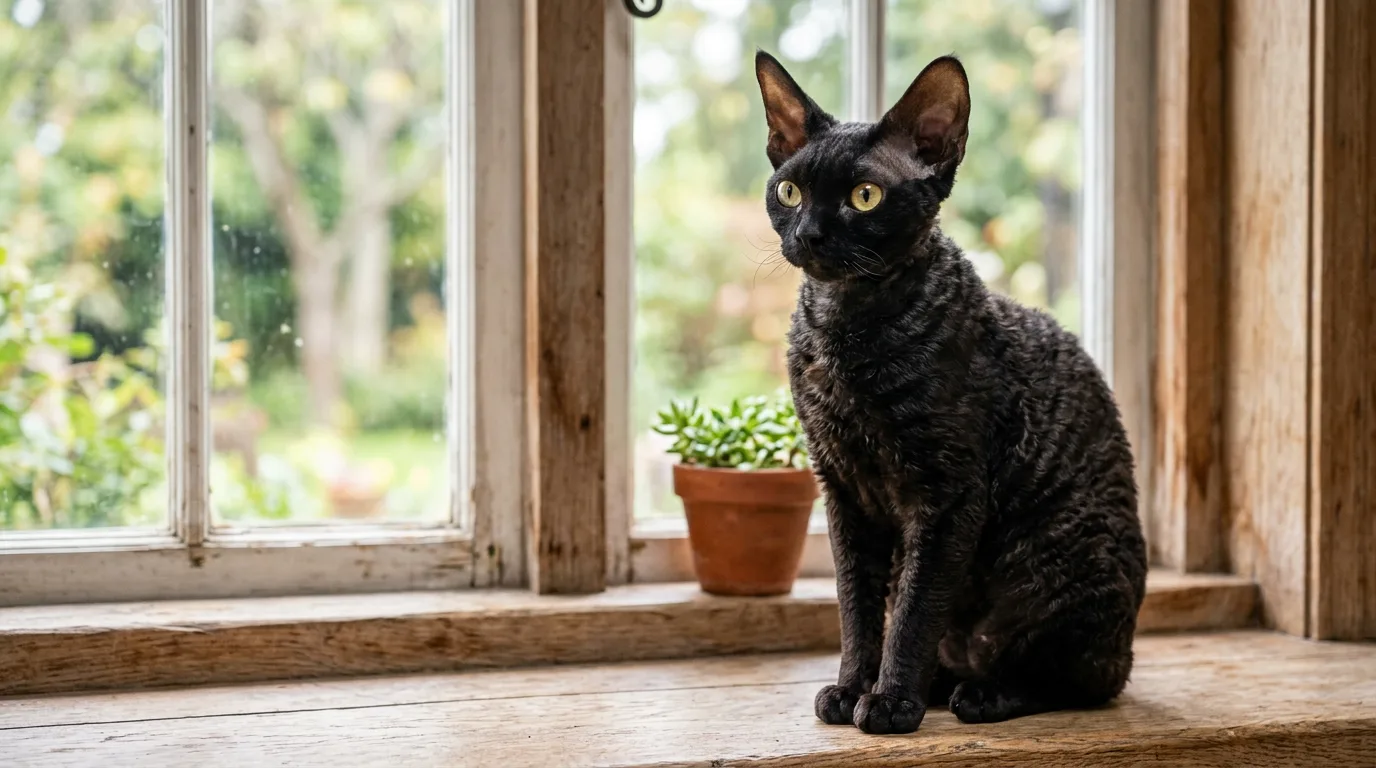
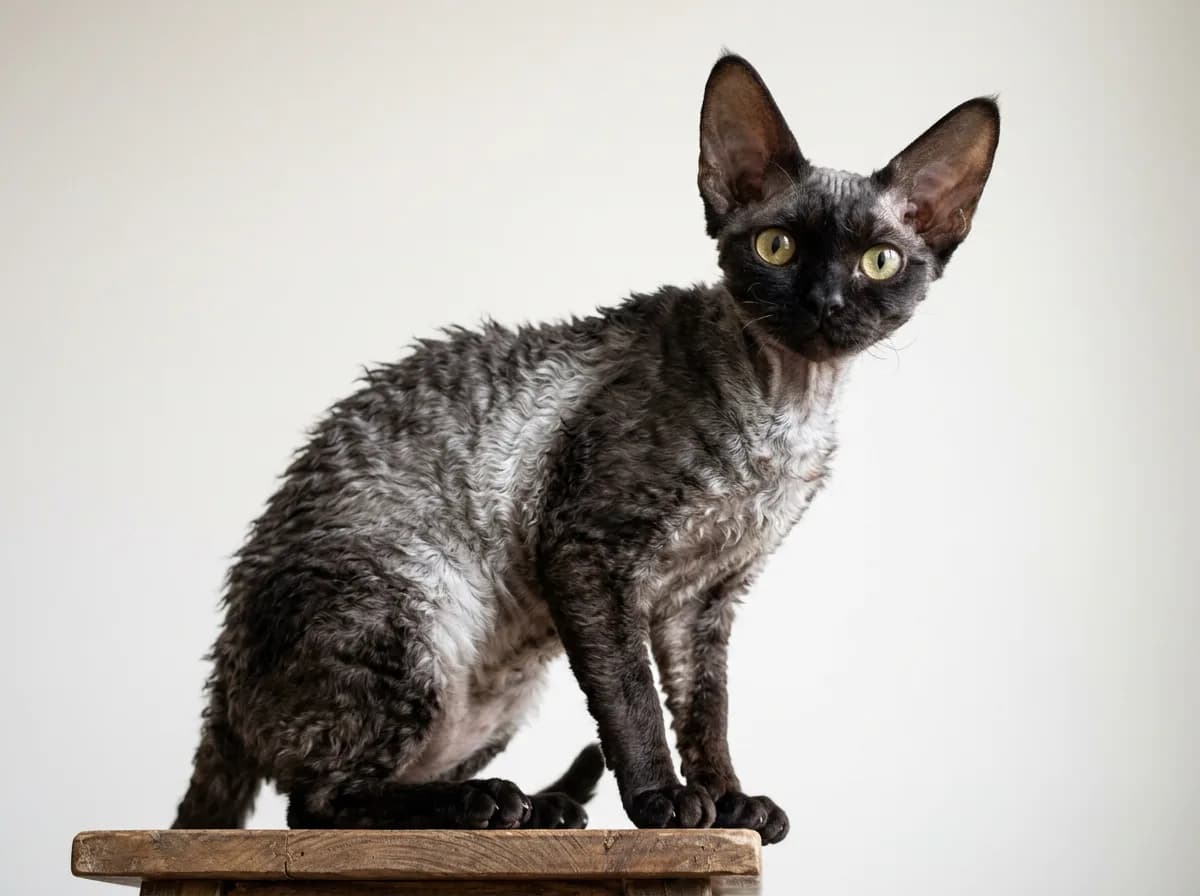
The black Devon Rex is the color most people picture first, and it is the most frequently photographed and searched of all the devon rex colors. A true solid black Devon has dense black pigment from root to tip with no white hairs, no rusty cast, and no tabby ghost striping (though strong sun can lift a black coat to a brownish tinge over time).
What makes black so striking on this breed specifically is the texture. On a flat-coated cat, black lies smooth and matte. On a Devon Rex, the short waves break up the surface into hundreds of tiny ridges, so light catches each curl and the coat reads almost like crushed velvet or wet suede. Because the coat is also sparse, you may see a little skin showing through on the belly, the front of the neck, or the area in front of the ears, which is completely normal for the breed and not a sign of poor health.
- The rexed coat scatters light across every wave, giving a black Devon a glossy, almost iridescent sheen in window light that a straight black coat cannot match.
Solid black pairs with gold, copper, amber, or green eyes. A black kitten can look a touch dull or brownish in its first months and then darken into a richer ebony as the adult coat comes in.
White Devon Rex (and Eye Color Variations)
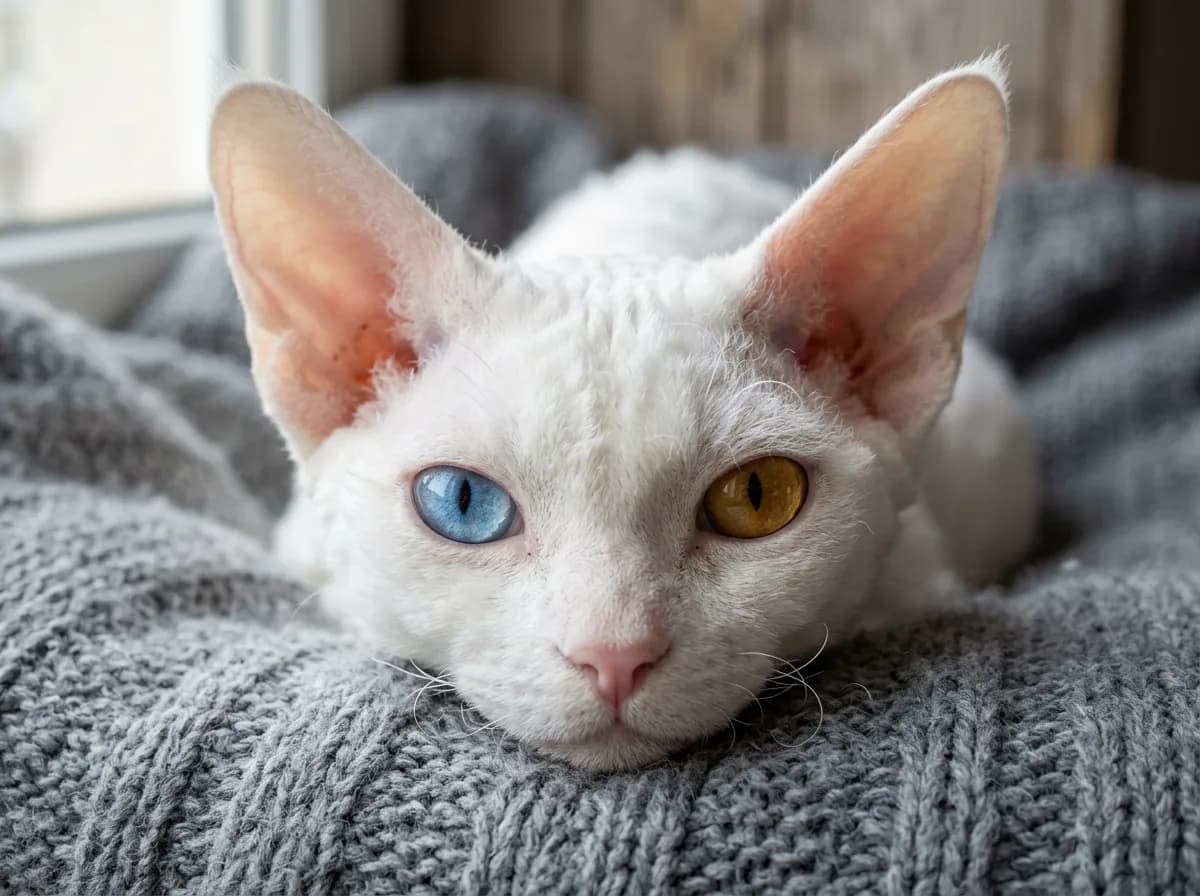
The white Devon Rex is a clean, all-over white with no other color anywhere on the coat. White is technically a masking gene rather than a pigment, which is why white cats of every breed are so closely tied to eye color and, occasionally, to hearing.

Never Scoop Again® with the Whisker Litter-Robot, the smart self-cleaning automatic litter box. Monitor visits and track weights for better overall care in the Whisker® app. Multi-cat friendly.
Petful may earn a commission when you click through to Whisker, at no extra cost to you.
A white Devon's eyes can be blue, gold, copper, green, or odd-eyed, meaning one blue eye and one gold or green eye. Odd eyes are eye-catching and prized by many owners, though they have nothing to do with the cat's health beyond the well-documented link between blue eyes, white coats and a higher chance of congenital deafness in one or both ears. If you are bringing home a white kitten, a simple behavioral check or a vet BAER test can confirm hearing.
- White and very pale Devon Rex cats have sparse fur and pink skin on the ears and nose, so limit long stretches in direct sun and watch those thin-furred spots, much as you would for a hairless breed.
Devon rex eye colors are not random. They track loosely with coat color: deep colors like black and brown tend toward gold and copper, dilute and pointed cats often carry blue, and whites can land anywhere on the spectrum. For a related look at how coat and eye color interact in another curly, sparse-coated breed, see our guide to Sphynx cat colors.
Orange (Red) Devon Rex
The orange Devon Rex, also called red or ginger, ranges from a soft apricot to a deep, fiery copper. Here is a quirk of feline genetics worth knowing: the orange gene almost never produces a perfectly solid coat. Nearly every orange cat, Devon or otherwise, shows at least faint tabby striping, especially on the legs, tail and face, because the gene that suppresses tabby markings does not act fully on red pigment.
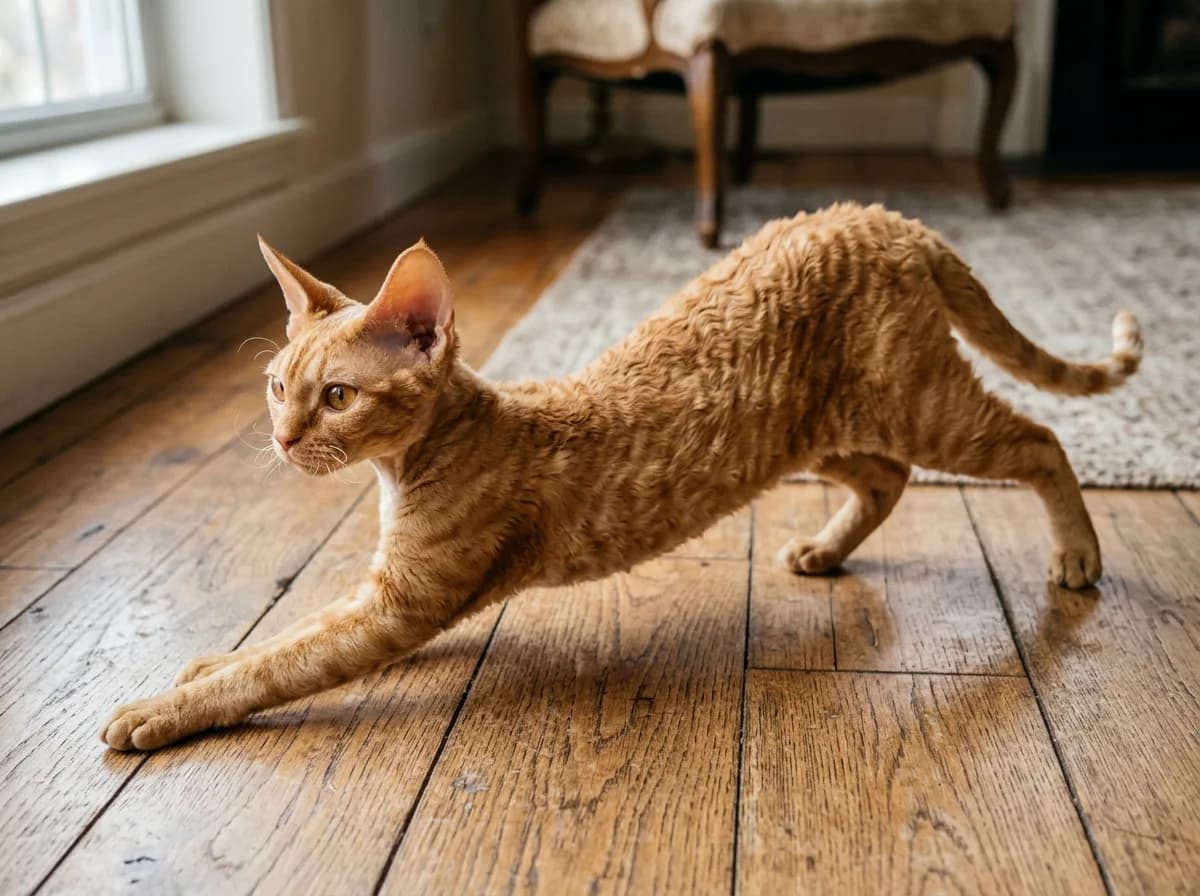
On a Devon Rex, the wavy coat softens those tabby lines into a gently rippled, marbled effect rather than crisp stripes. Orange males far outnumber orange females, again because of how the orange gene sits on the X chromosome, which is the same reason calico and tortie cats are almost always female (more on that below). Orange Devons usually have gold, amber or green eyes and warm-toned paw pads and noses.
Grey (Blue) Devon Rex
What pet owners call a grey Devon Rex, breeders and show registries call blue. Blue is the dilute form of black, meaning the same black pigment is spread more thinly along each hair shaft so the eye reads it as a soft, dusty blue-grey rather than true black. It is one of the most popular and most flattering colors on the breed.
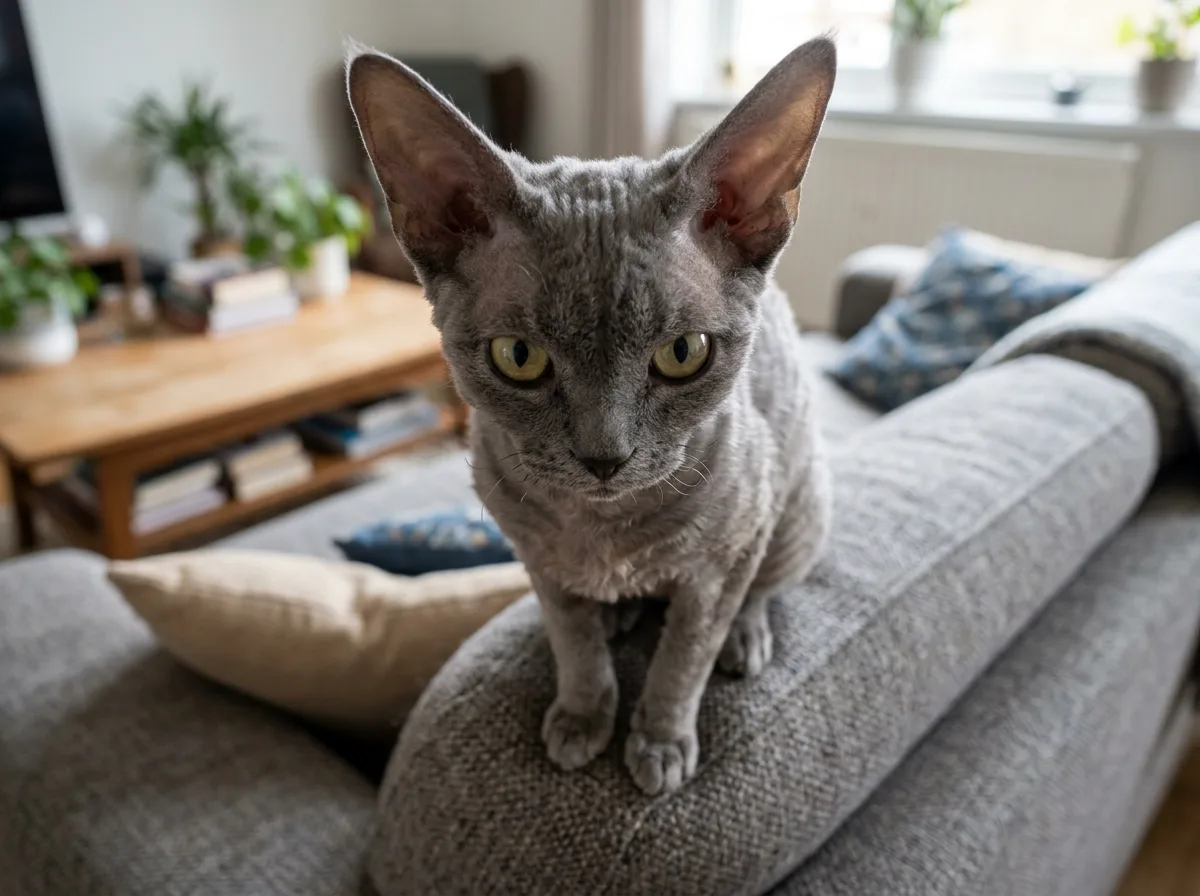
Blue ranges from a pale silvery slate to a deeper steel grey. Because it is a dilute, the rexed coat gives blue an especially plush, smoky quality. The sparse, wavy fur makes a blue Devon look almost like it is wearing a coat of grey down. Eyes are typically gold, copper or green. Blue is also the base for several other sought-after looks, including blue tortie, blue tabby and the dilute pointed colors.
- Every dense color has a dilute twin: black dilutes to blue, chocolate to lilac, cinnamon to fawn, and red to cream. Dilutes look softer and pastel because the pigment granules are spaced farther apart on each hair.
Chocolate Devon Rex
The chocolate Devon Rex is a warm, rich chestnut brown, sometimes described as the color of milk chocolate or polished walnut. Chocolate is one of the colors the Devon Rex is genuinely known for, partly because the breed's history includes the brown-based genetics that produce it. It is less common than black, blue or red, which makes a true even-toned chocolate a real find.
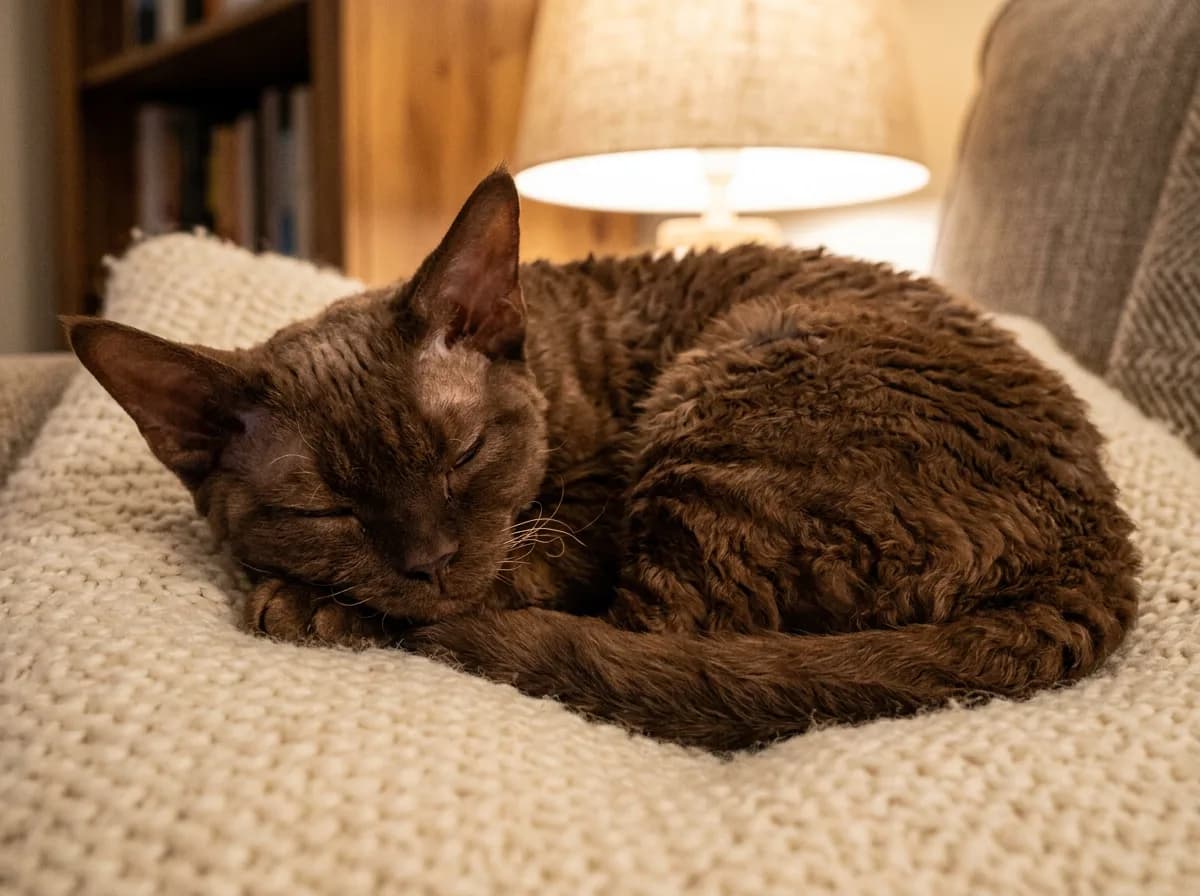
A good chocolate is even from root to tip with no grey roots and no reddish patches. In warm lamplight the suede coat glows a deep cocoa, while cooler daylight can make it look more like a dark taupe. Chocolate Devons usually have gold, amber or light green eyes. Chocolate is also the parent color of lilac: dilute a chocolate and you get the frosty lavender-grey covered in the next section.
Cream, Cinnamon, Fawn and Lilac Devon Rex
These four pastel colors are where the Devon Rex palette gets delicate, and where some of the rarest coats live.
Cream is the dilute of red, a soft buttery apricot that, like its orange parent, usually carries faint tabby shading. It is gentle and warm rather than vivid.
Cinnamon is a light, warm reddish-brown, lighter and more orange-toned than chocolate. It is genuinely uncommon and one of the harder colors to find in any breed.
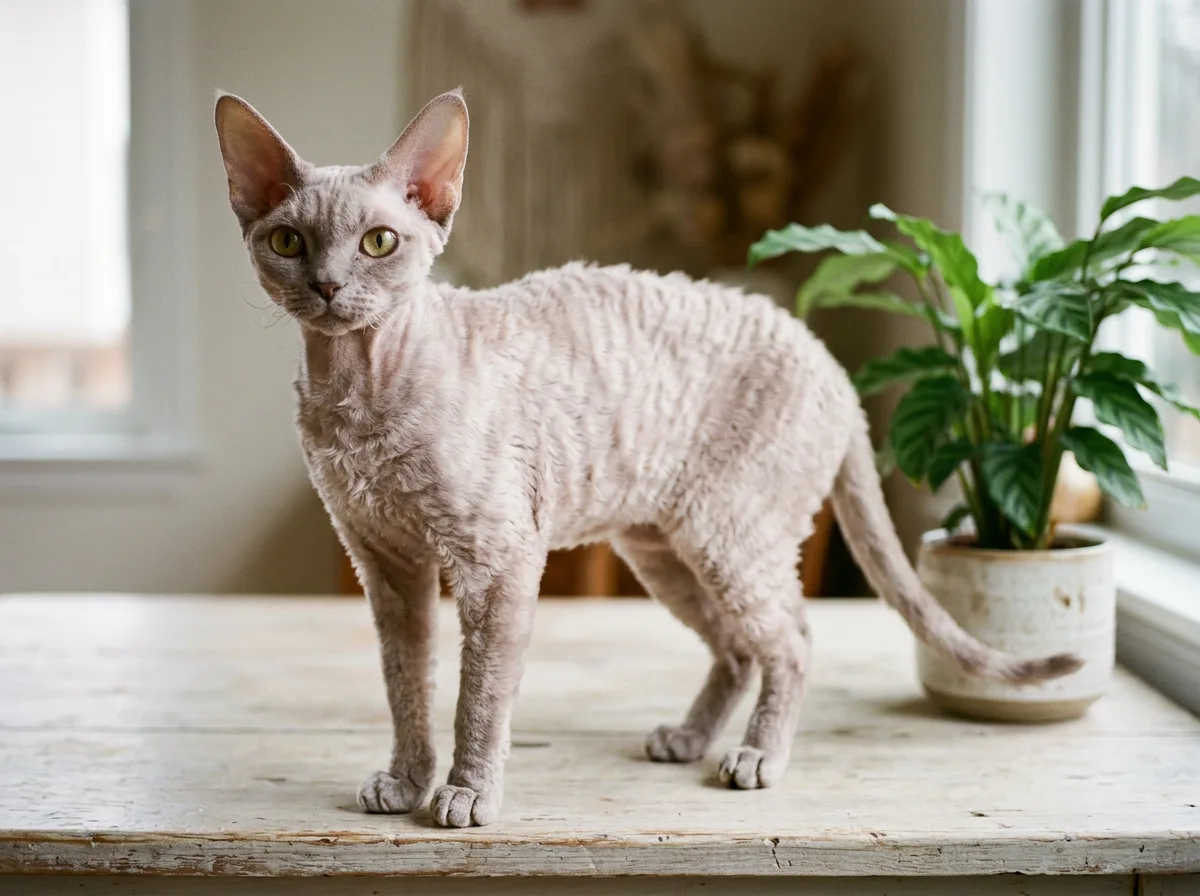
Fawn is the dilute of cinnamon, a pale, dusty rose-beige. Because cinnamon itself is rare, fawn is rarer still and is one of the least commonly seen devon rex colors.

63-inch multi-level cat tree with scratch posts, hammock, plush perches, and dangling toys. Vertical territory is non-negotiable for high-energy climbing breeds like the Bengal.
Petful may earn a commission when you click through to Chewy, at no extra cost to you.
Lilac, also called lavender, is the dilute of chocolate: a frosty pinkish-grey that looks almost dove-toned in soft light. A well-bred lilac Devon Rex is a showstopper precisely because it is so hard to produce, requiring both parents to carry the right dilute and chocolate genes. Lilac, fawn and cinnamon together make up the rarest tier of solid Devon colors.
- If a listing says a kitten is lilac or fawn, expect to pay toward the top of the breed's price range. These pastel dilutes take careful pairing to produce and are in high demand.
Calico Devon Rex
A calico Devon Rex wears three colors in distinct patches: white plus two others, classically black and orange (or their dilute versions, blue and cream, which is called a dilute calico). The patches sit on a white ground, usually breaking across the body, head and tail in bold blocks.
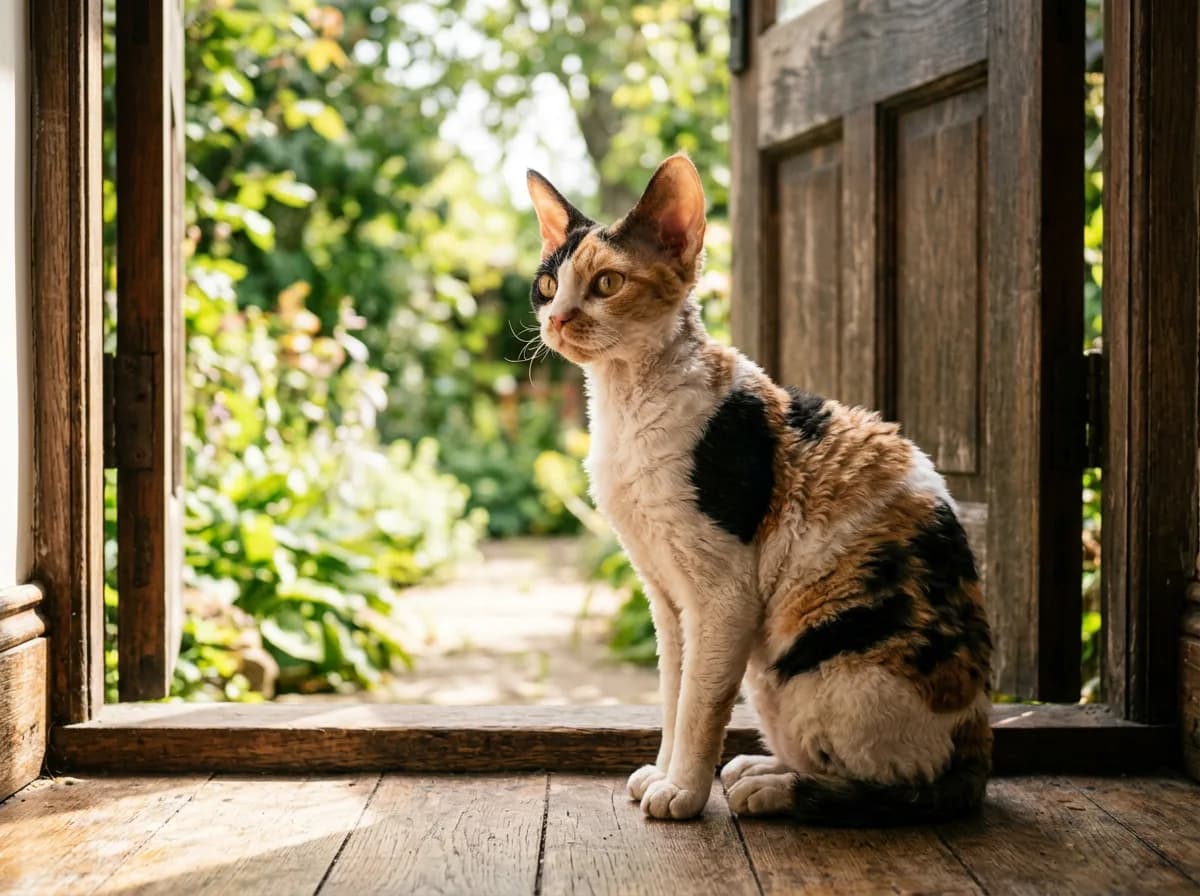
Calico is a pattern, not a single pigment, so a calico is really a white-and-tortoiseshell combination. On the rexed coat the patchwork takes on a soft, watercolor edge where the curls blur the boundaries between colors. Nearly every calico is female, for the same X-linked reason as tortoiseshells, which the next section explains. A male calico is a genetic rarity (typically an XXY cat) and almost always sterile.
Tortoiseshell Devon Rex
The tortoiseshell Devon Rex, often shortened to tortie, blends black and red (or blue and cream in a dilute tortie) into a mottled, brindled mix with little or no white. Unlike a calico's clean patches, a tortie's two colors are swirled and woven together across the whole coat in a marbled effect.
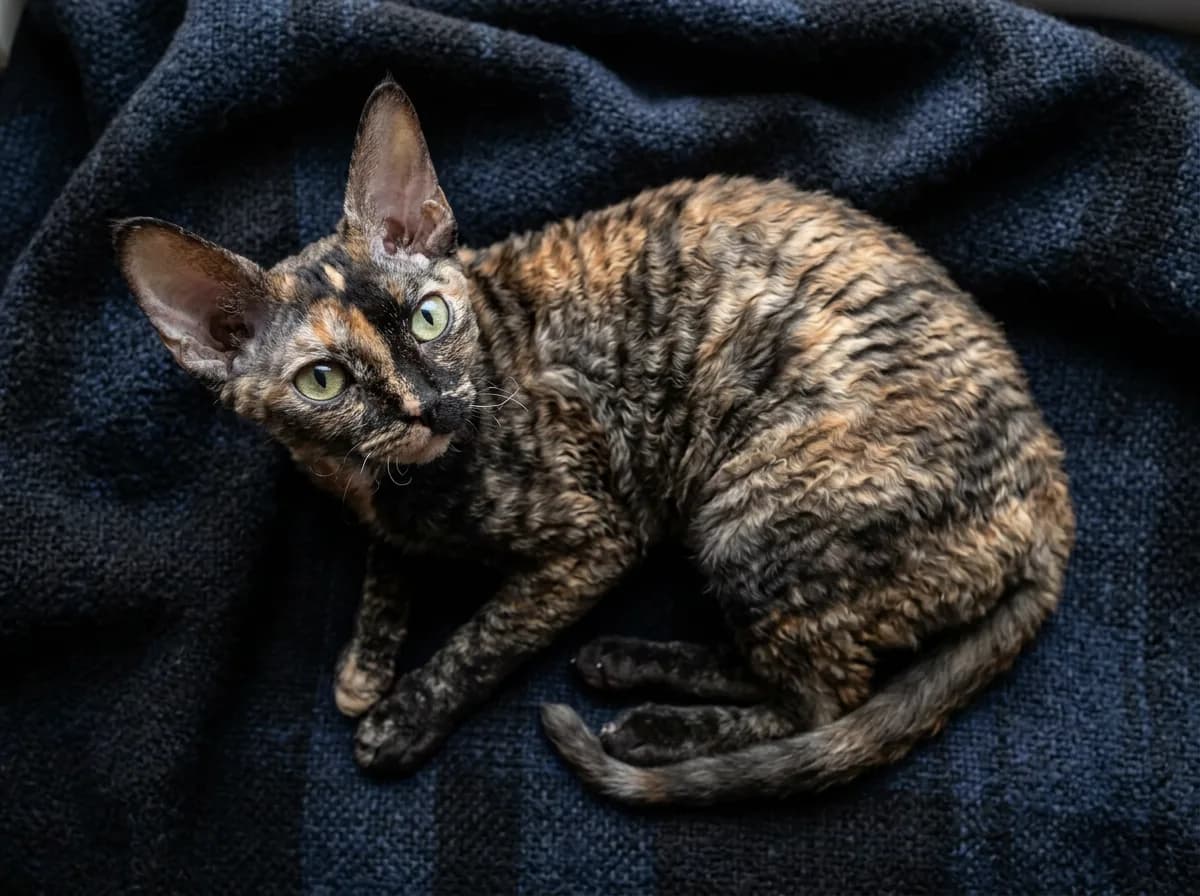
The rexed coat does something lovely to a tortie: the waves break the two colors into a soft, almost flame-like ripple rather than hard edges. A tortie with a tabby pattern layered on top is called a torbie, or patched tabby. Like calicoes, torties are almost always female.
- Orange pigment is carried on the X chromosome. Females have two X chromosomes and can display both orange and non-orange at once, producing calico and tortie coats. Males have only one X, so a male tortie or calico requires a rare extra X chromosome.
Tabby, Bi-Color, Pointed and Smoke Patterns
Color tells you the pigment; pattern tells you how it is arranged. A Devon Rex can wear any of these patterns over almost any base color.
Tabby comes in classic (bold swirls), mackerel (narrow vertical stripes), spotted, and ticked. On a Devon, the wavy coat softens the lines so the stripes look gently rippled rather than crisp, which is part of the breed's charm.
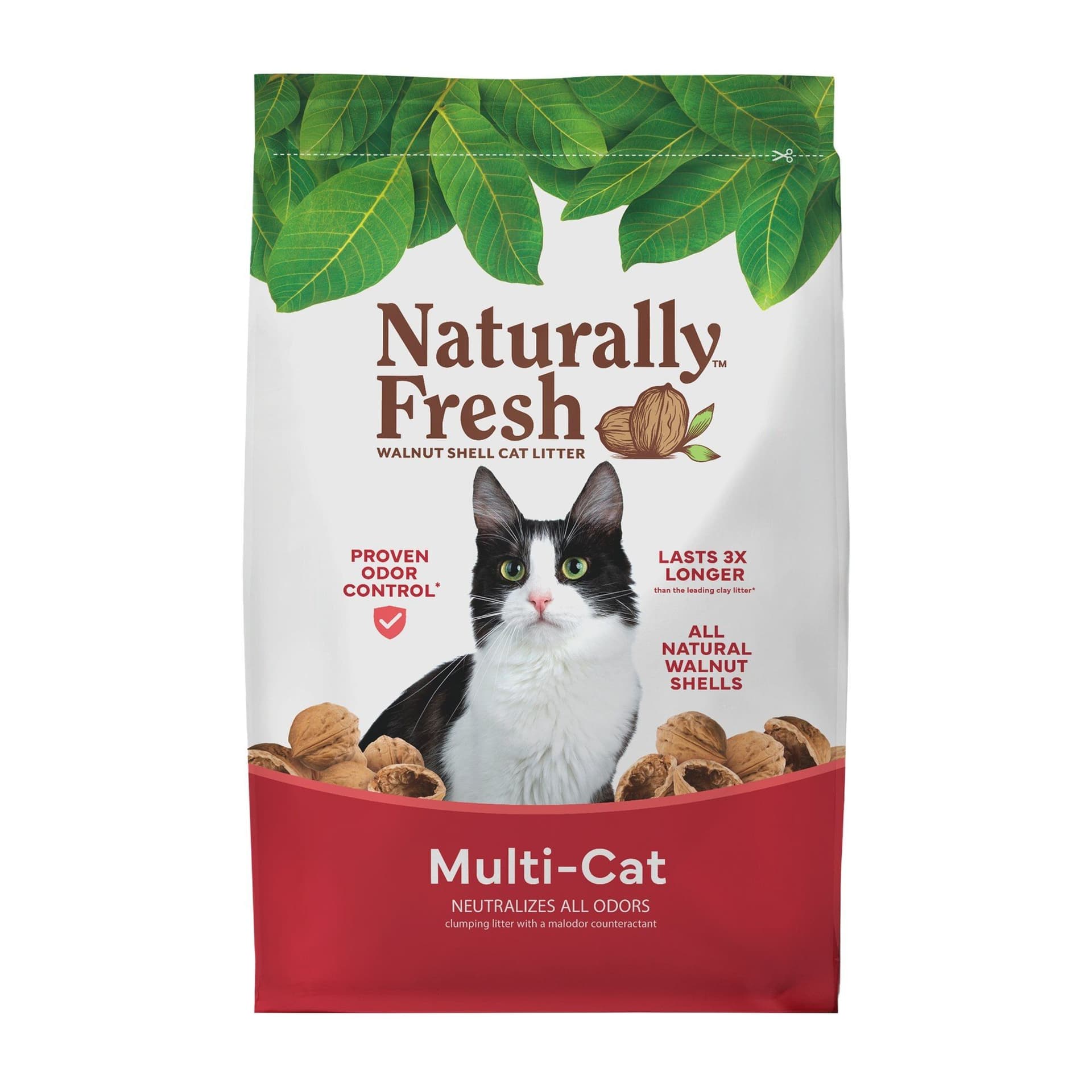
Walnut shell clumping cat litter that excels at odor control, lasts up to 3x longer than clay, and is a top pick for multi-cat households.
Petful may earn a commission when you click through to Chewy, at no extra cost to you.
Bi-color means a solid or tabby color combined with white, ranging from a touch of white on the chest and toes (called a locket or mitted look) up to a mostly white cat with colored patches (sometimes called van or harlequin patterning).
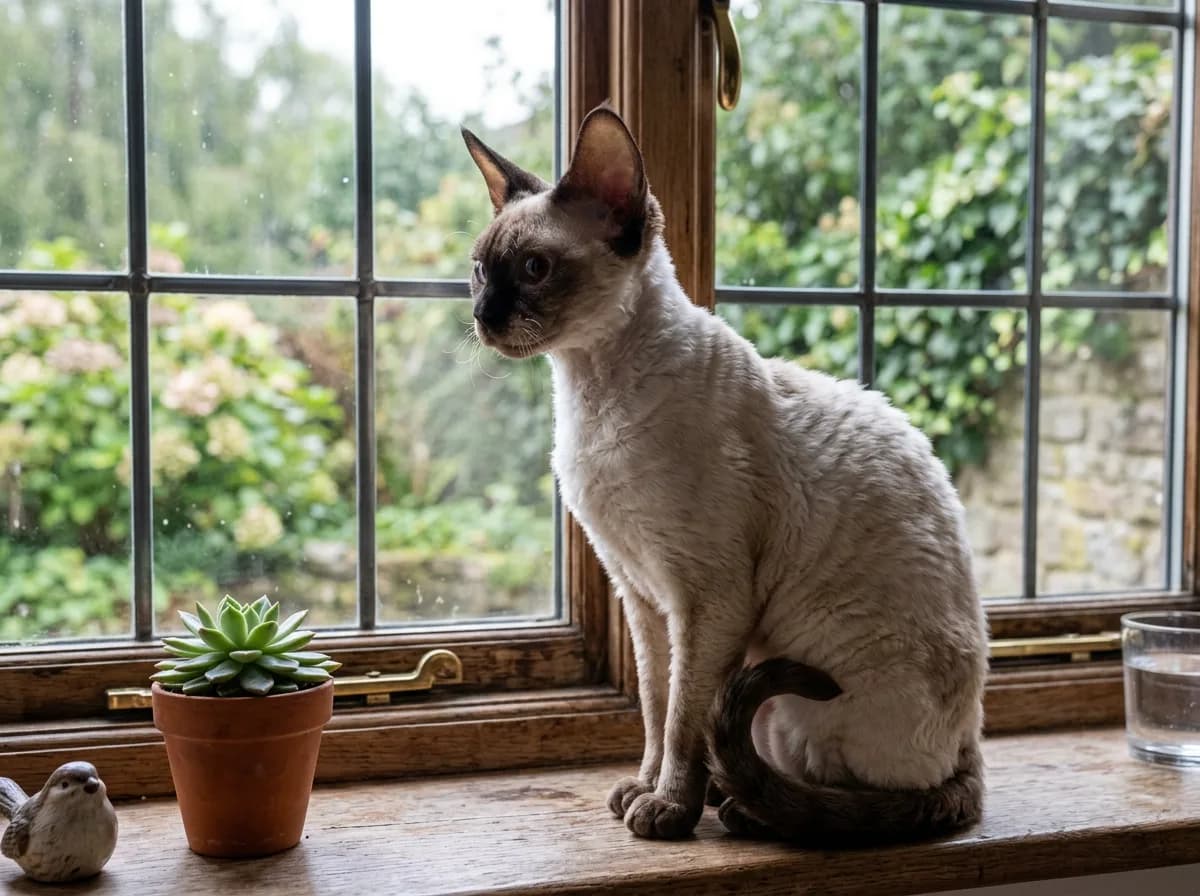
Pointed is the Siamese-style pattern: a pale body with darker color concentrated on the cooler extremities, the face mask, ears, legs and tail. A seal point Devon Rex has a cream body with deep dark-brown points, while a blue point pairs an icy body with slate-grey points. Pointed Devons typically have blue eyes. If you like the pointed look, our guide to Siamese cat colors breaks down every point color in detail.
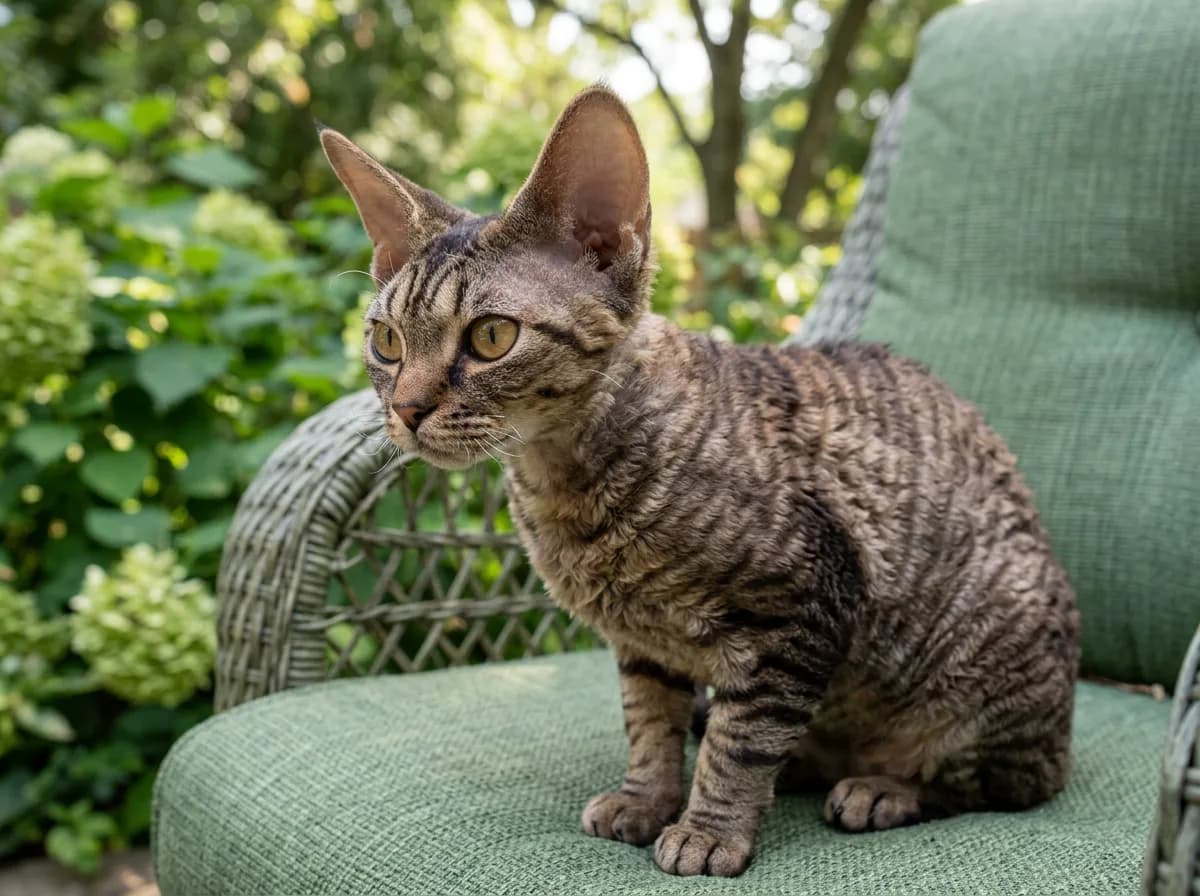
Smoke is a striking effect where the hair is colored at the tip and white or silver at the root, so the cat looks solid at rest and flashes a pale undercoat when it moves or the fur parts. A black smoke Devon Rex looks black until you ruffle the coat and reveal the silver beneath.
Devon Rex Pictures: A Color and Pattern Gallery
If you have been searching for devon rex pictures to compare coats side by side, the photos throughout this guide give you a true visual catalog: a glossy solid black, a white with odd eyes, a rippled orange, a dusty blue, a rich chocolate, a frosty lilac, a patchwork calico, a brindled tortie, a seal point, a soft brown tabby, and a black smoke revealing its silver undercoat. Across every one of them, notice the constants that make a Devon a Devon regardless of color: the very large, low-set ears, the pixie face with prominent cheekbones, the big expressive eyes, the slender, hard-muscled body, and the short, curly, suede-soft coat with its short, curled whiskers.
Those whiskers are a useful tell. The Devon Rex has short, brittle, curled whiskers (sometimes so fragile they break off), which is one of the clearest ways to distinguish the breed from the Cornish Rex, whose coat is finer with an even marcel wave. The Devon's larger, lower-set ears and coarser, sparser coat are the other giveaways. For a sense of how this clingy, shoulder-perching breed behaves once you bring one home, our Devon Rex personality guide covers the famous monkey-in-a-catsuit temperament.
How the Curly Devon Rex Coat Changes How Color Looks
This is the part most general cat-color guides skip, and it is what makes the devon rex colors story different from any other breed. The Devon Rex coat is governed by a recessive gene tied to KRT71, the same gene family behind the breed's curls, and it is a different gene than the one that curls the Cornish Rex (the two breeds do not correct each other's coat when crossed). The result is a short, soft, wavy coat that is also notably sparse, with thin or near-bare patches that can show on the belly, the head, and in front of the ears.

108-oz stainless steel pet fountain with quiet pump and water-level window. Bengals are notoriously water-obsessed; a flowing fountain encourages hydration and pulls them away from sinks and toilets.
Petful may earn a commission when you click through to Chewy, at no extra cost to you.
That coat texture does two things to color. First, the waves scatter and bounce light across hundreds of tiny ridges, so a single color reads with more depth, sheen and movement than the same color on a flat coat. A solid blue looks plush and smoky; a black looks like wet velvet. Second, because the fur is sparse and thin, the skin tone underneath can subtly influence how a color reads, and very pale or white Devons show pink skin through the coat. This is also why a Devon Rex feels warm to the touch and gets cold easily: there is simply less coat to insulate it.
- The same thin coat that makes Devon colors glow also means these cats chill easily and can build up greasy skin oils and ear wax, so they often need gentle, occasional bathing and routine ear cleaning. Talk to your vet about a sensible grooming rhythm.
Rare vs Common Devon Rex Colors
Because the breed accepts so many colors, prevalence varies widely. The table below sorts the main devon rex colors and patterns by how often you are likely to encounter them, so you can gauge how hard a particular look may be to find.
| Color or Pattern | Rarity | What It Looks Like |
|---|---|---|
| Black | Very common | Dense ebony, glossy on the wavy coat |
| Blue (grey) | Common | Soft dusty blue-grey dilute of black |
| White | Common | All-over white, often blue or odd eyes |
| Red (orange) | Common | Apricot to copper, faint tabby ticking |
| Brown tabby | Common | Rippled stripes over a warm brown base |
| Tortoiseshell | Moderate | Brindled black and red, almost always female |
| Calico | Moderate | White with black and orange patches, female |
| Chocolate | Uncommon | Rich even chestnut brown |
| Cream | Uncommon | Buttery dilute of red |
| Seal point | Uncommon | Cream body with dark seal points |
| Cinnamon | Rare | Warm light reddish-brown |
| Lilac | Rare | Frosty pinkish-grey dilute of chocolate |
| Fawn | Very rare | Pale dusty rose-beige dilute of cinnamon |
The rarest tier (cinnamon, lilac and fawn) commands the most attention from breeders and buyers because producing them takes both parents carrying the right recessive genes. The most common colors (black, blue, white and red) are easier to find and usually sit at the more accessible end of the breed's price range. Color does not change a cat's temperament or health, so the right choice is the one that appeals to you. If budget is part of the decision, our Devon Rex price guide breaks down what drives the cost.
How Devon Rex Coat Colors Change as Kittens Grow
Devon Rex kittens rarely look exactly like their adult selves, and a color or coat that seems plain at eight weeks can transform over the first year.
The coat itself develops in stages. Many Devon kittens go through a thin or patchy phase, sometimes losing fur and looking sparser before the adult curly coat fills in, which can take several months and occasionally up to a year. The waves often become more defined with age. Color usually deepens and clarifies as the kitten matures: a black kitten that looked brownish or dull can darken into a rich ebony, and dilutes like blue and lilac settle into a cleaner, more even tone.
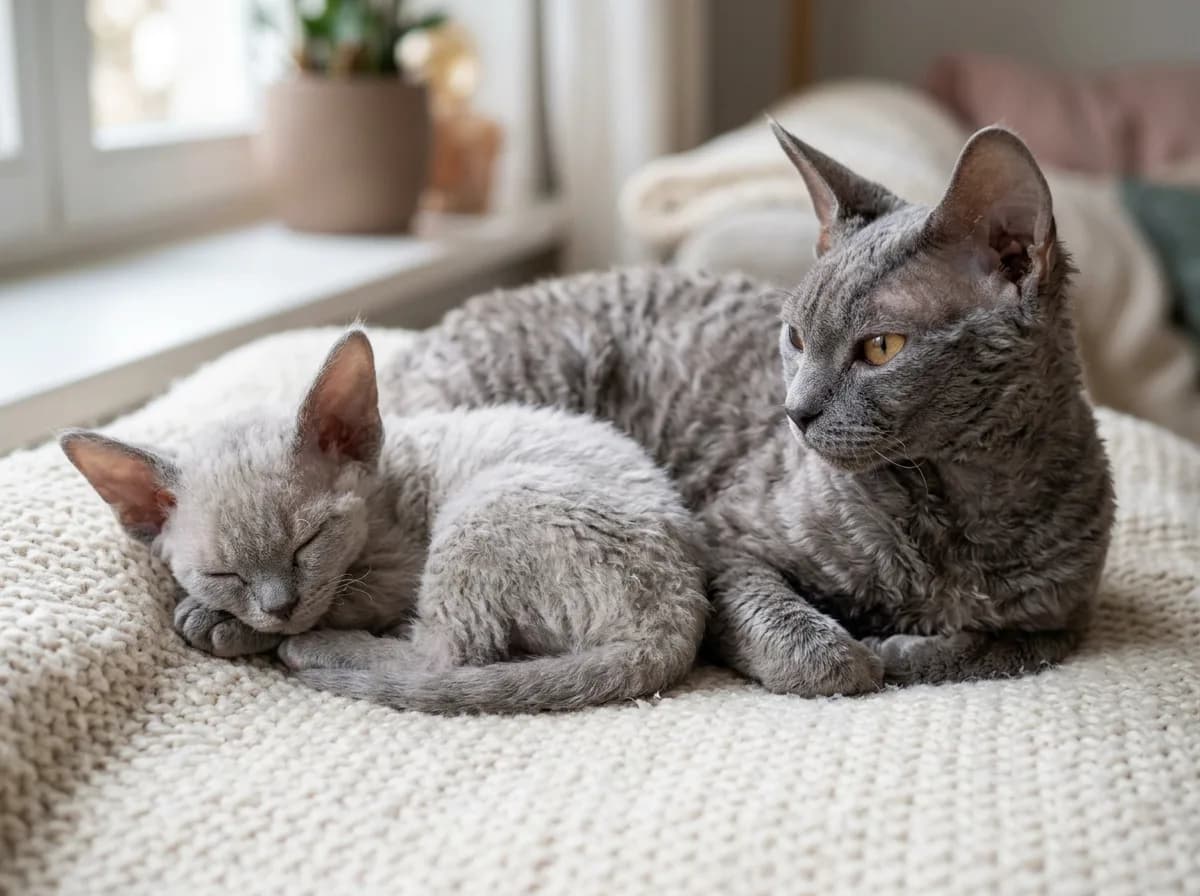
Pointed kittens are born almost white and develop their darker points gradually over weeks as the cooler body areas color in, so a seal point newborn gives little hint of the contrast it will eventually wear. Eye color also shifts: nearly all kittens start with blue eyes that change to their adult gold, copper or green by a few months old, while pointed cats and some whites keep blue for life. If you are weighing a kitten, our Devon Rex kittens guide walks through what to expect in those early months.
- Because color and coat keep developing, a reputable breeder can show you the kitten's parents to give you a far better idea of the adult color and curl than the kitten's current look alone.
Devon Rex Colors FAQ
Devon Rex cats come in more than 40 accepted colors and patterns, including solid black, white, blue (grey), red (orange), cream, chocolate, lilac, cinnamon and fawn, plus tabby, tortoiseshell, calico, bi-color, smoke and pointed patterns. TICA and CFA accept the breed in essentially any color a domestic cat can be.
Black is the most popular and most commonly seen Devon Rex color. The dense ebony pigment looks especially glossy on the breed's short wavy coat, which scatters light across every curl. Blue (grey), white and red are also widely available.
Fawn is generally the rarest Devon Rex color, since it is the dilute of the already-rare cinnamon. Lilac and cinnamon are also rare, because producing these pastel colors requires both parents to carry specific recessive dilute and brown genes.
A Devon Rex from a reputable breeder typically costs about $1,200 to $3,000, with show or pedigree lines and rare colors sometimes reaching around $5,000. Adoption through a rescue is far less expensive. Rare colors like lilac and fawn sit at the top of the range.
The Devon Rex has a lifespan of roughly 9 to 15 years, and well-cared-for cats often reach 14 to 15 or beyond. Good nutrition, regular veterinary care, indoor living and attention to breed-linked health concerns help a Devon live a long, full life.
Yes. Devon Rex kittens often look duller or patchier than their adult selves, and color usually deepens and clarifies over the first year as the curly coat fills in. Pointed kittens are born nearly white and develop their darker points gradually as they mature.
Devon Rex cats have gold, copper, green, amber, blue or odd-colored eyes (one blue and one gold or green). Eye color loosely tracks coat color: deep colors lean toward gold and copper, pointed cats usually have blue eyes, and white cats can have any eye color, including odd eyes.
Calico and tortoiseshell Devon Rex cats are almost always female. The orange pigment that creates these coats is carried on the X chromosome, and it takes two X chromosomes to display both orange and non-orange color at once. A male calico or tortie requires a rare extra X chromosome and is usually sterile.
Across cats in general, solid black is often cited as the least adopted color in shelters, a bias sometimes called black cat syndrome. Among Devon Rex specifically, however, black is one of the most sought-after colors because it looks so glossy on the breed's wavy coat.
The rare three-color cats are calicoes and dilute calicoes, which show white plus two other colors (black and orange, or blue and cream) in distinct patches. They are nearly always female. A three-color male cat is extremely rare, usually carries an extra X chromosome, and is almost always sterile.
Whatever color draws you in, remember that the coat is only part of the Devon Rex story. The breed's real signature is its clingy, playful, people-obsessed personality and its need for warmth and routine grooming because of that sparse coat. Color does not affect health or temperament, so choose the look you love, then read up on the rest of what owning one involves. Our guides to Devon Rex hypoallergenic facts and Devon Rex lifespan round out everything you need before bringing one home.

Coreen Saito is a pet writer and longtime shelter volunteer with more than a decade in animal rescue. She covers cat behavior, breed care, and the small, ordinary science of sharing a life with companion animals, with a particular focus on honest takes about the products and decisions that actually matter. At home in Arizona, she's outranked by Mac (a dog with the loudest opinion in the house), Rebel (a cat who governs by quiet authority), and Meri (an orange tabby who runs the late shift and the laundry basket). She writes about all three, plus the rescues that keep coming through her life, at LifeWithMinty.com.
Sign up for expert-backed reviews and safety alerts all in one place.