Devon Rex Kittens: Price, Coat, Care, and How to Choose One
Devon Rex kittens pair huge ears and a soft, wavy curly coat with a clingy, dog-like personality. Here is what they cost, how to choose a healthy one, and how to care for and raise your pixie-faced kitten.
Petful is reader supported. As an affiliate of platforms like Amazon and Chewy, we may earn a commission when you buy through links on this page. There is no extra cost to you.
Devon Rex kittens trace back to a single curly stray named Kirlee, found in 1960 in Buckfastleigh, Devon, England, and both The International Cat Association (TICA) and the Cat Fanciers' Association (CFA) recognize the breed today, with a typical lifespan of roughly 9-15 years. If you are weighing one of these pixie-faced, big-eared kittens, you want the honest version: what that wavy coat really looks and feels like, what a healthy kitten costs, how to spot a responsible breeder, and what raising one is actually like. This guide walks through all of it, from the first weeks at home to month-by-month development.
- 1Devon Rex kittens cost about $1,200 to $3,000 from a reputable breeder, with show or rare-color lines reaching $5,000.
- 2The breed's curly, suede-soft coat is governed by the KRT71 gene and is a different mutation than the Cornish Rex, so the two do not "fix" each other.
- 3They are intensely people-oriented, often described as dog-like or velcro cats that perch on shoulders.
- 4They are NOT truly hypoallergenic, though their sparse, low-shedding coat may spread less dander for some allergy sufferers.

Sign up for expert-backed reviews and safety alerts all in one place.
Devon Rex Kittens: What Makes Them Unique
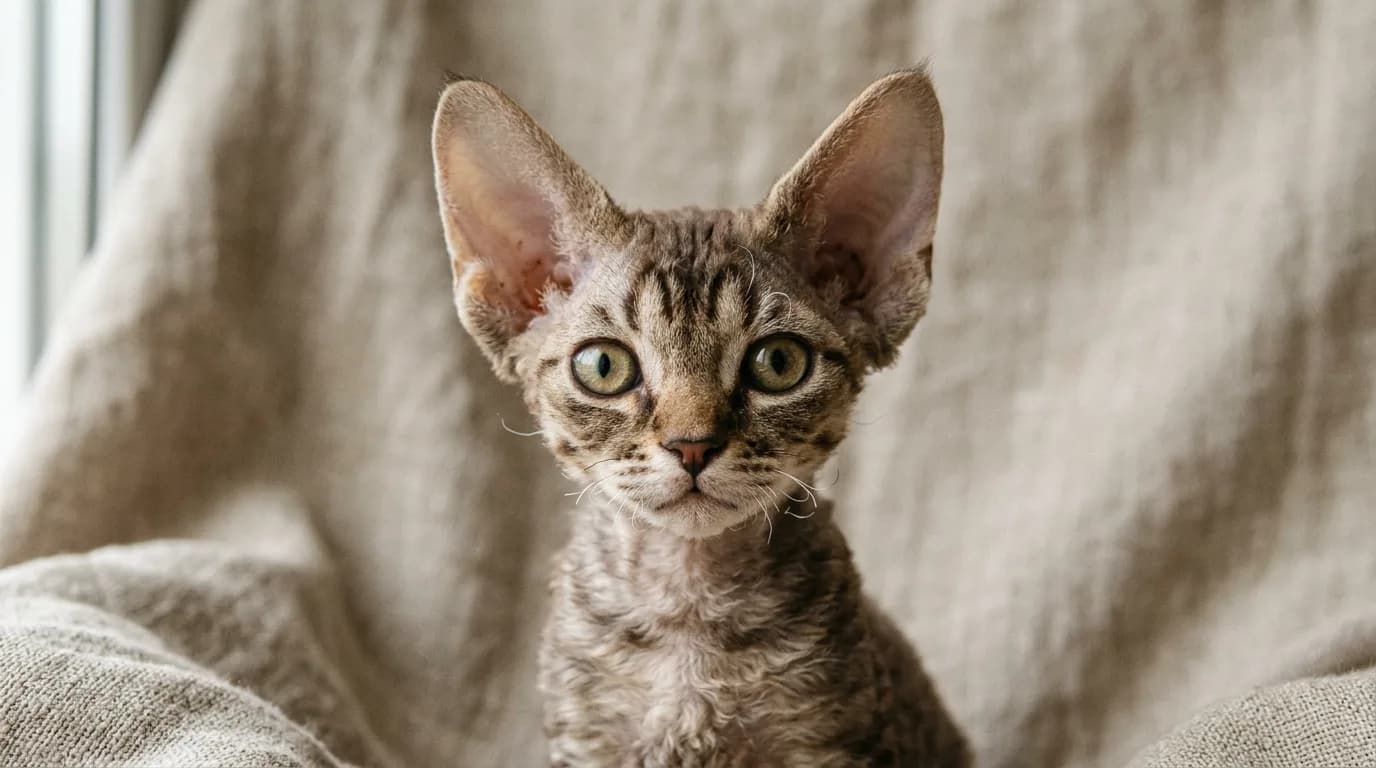
A Devon Rex kitten is unmistakable. Picture a slender, hard-muscled little body on long legs, topped with an elf-like head: prominent cheekbones, large eyes, and oversized, low-set ears that look almost too big for the face. Breeders and fanciers have called the Devon Rex a "monkey in a catsuit" for good reason, because the look is matched by mischievous, acrobatic behavior.
What sets a Devon Rex kitten apart from nearly every other breed is the combination of that wavy, sparse coat with a personality that leans hard into human company. These kittens follow you room to room, ride on shoulders, burrow under blankets for warmth, and are highly food-motivated, which makes early training easier than most cats. If you want a quiet, aloof lap ornament, this is not your breed. For the full temperament picture, our Devon Rex personality breakdown goes deeper on the clingy, dog-like traits.
- The first Devon Rex appeared in 1960 in Devon, England, born to a feral mother near a tin mine; the curly male kitten was named Kirlee and became the foundation of the entire breed.
That Curly Coat: Why Devon Rex Kittens Look the Way They Do
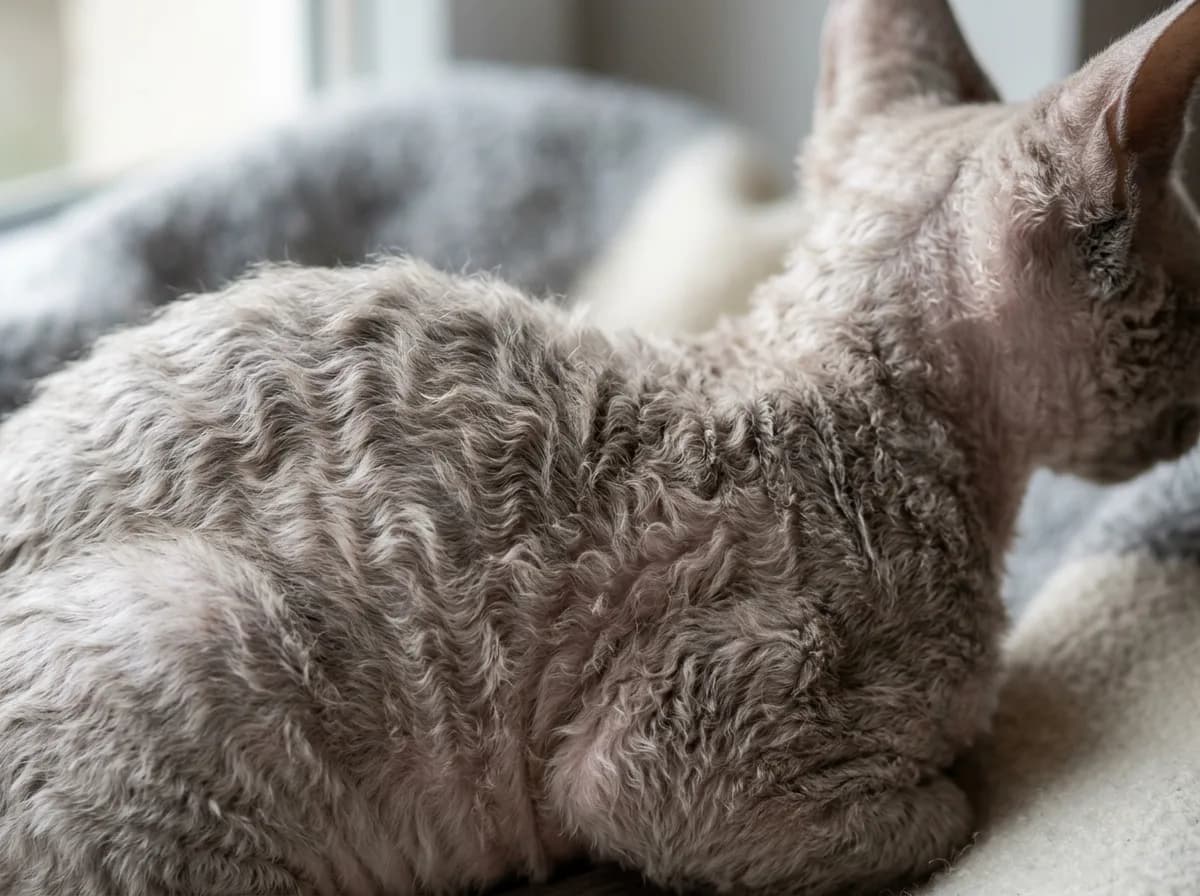
The signature feature of curly Devon Rex kittens is a short, soft, wavy coat that feels suede-like to the touch. The fur is genuinely sparse, and it is normal for a Devon Rex to have thin or near-bald patches on the belly, the head, behind the ears, and along the chest. The coat can feel fragile, and the whiskers are short, curled, and brittle, often breaking off rather than growing long and straight.
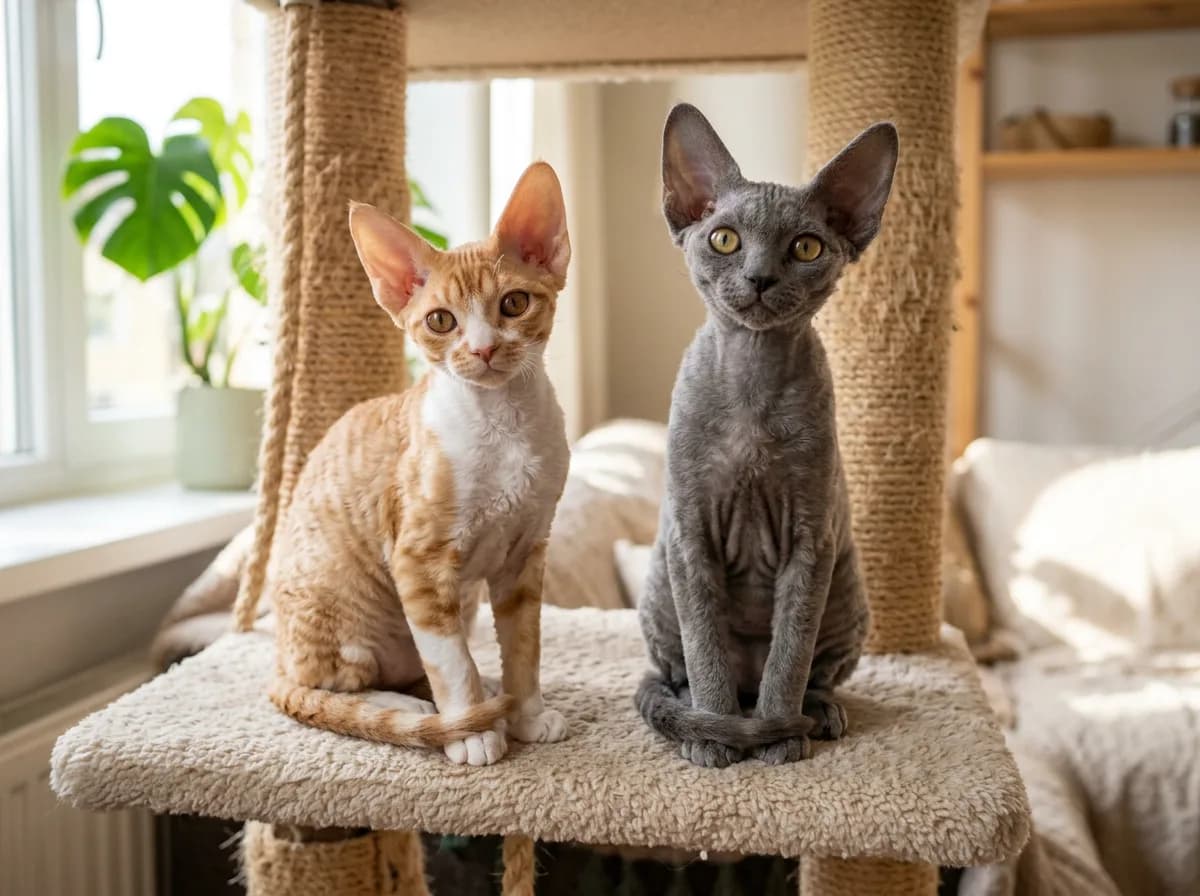
This rexed coat is tied to the KRT71 gene, a recessive mutation. Importantly, the Devon Rex mutation is genetically distinct from the one that creates the Cornish Rex. Early breeders tried crossing the two curly breeds expecting the kittens to also be curly, but the offspring had straight coats, which proved the two mutations are separate and do not compensate for each other.
- Many Devon Rex kittens go through a temporary thinning or molting stage in the first several months as the coat settles. The adult wave usually establishes itself over the first year, so do not panic if a young kitten looks patchy.
Because the coat is so thin, Devon Rex kittens get cold easily. They actively seek out warm spots, sunny windowsills, laps, keyboards, and the crook of your neck. If you are curious about how coat color plays into all this, our guide to Devon Rex colors covers the full range these kittens come in.

Never Scoop Again® with the Whisker Litter-Robot, the smart self-cleaning automatic litter box. Monitor visits and track weights for better overall care in the Whisker® app. Multi-cat friendly.
Petful may earn a commission when you click through to Whisker, at no extra cost to you.
How Much Do Devon Rex Kittens Cost?
Expect to pay roughly $1,200 to $3,000 for a Devon Rex kitten from a reputable breeder. Pet-quality kittens sit at the lower end, while show-quality or pedigree lines, rare colors, and breeders with extensive health testing command more, sometimes up to about $5,000. Adoption, when available, costs dramatically less, usually a few hundred dollars in adoption fees.
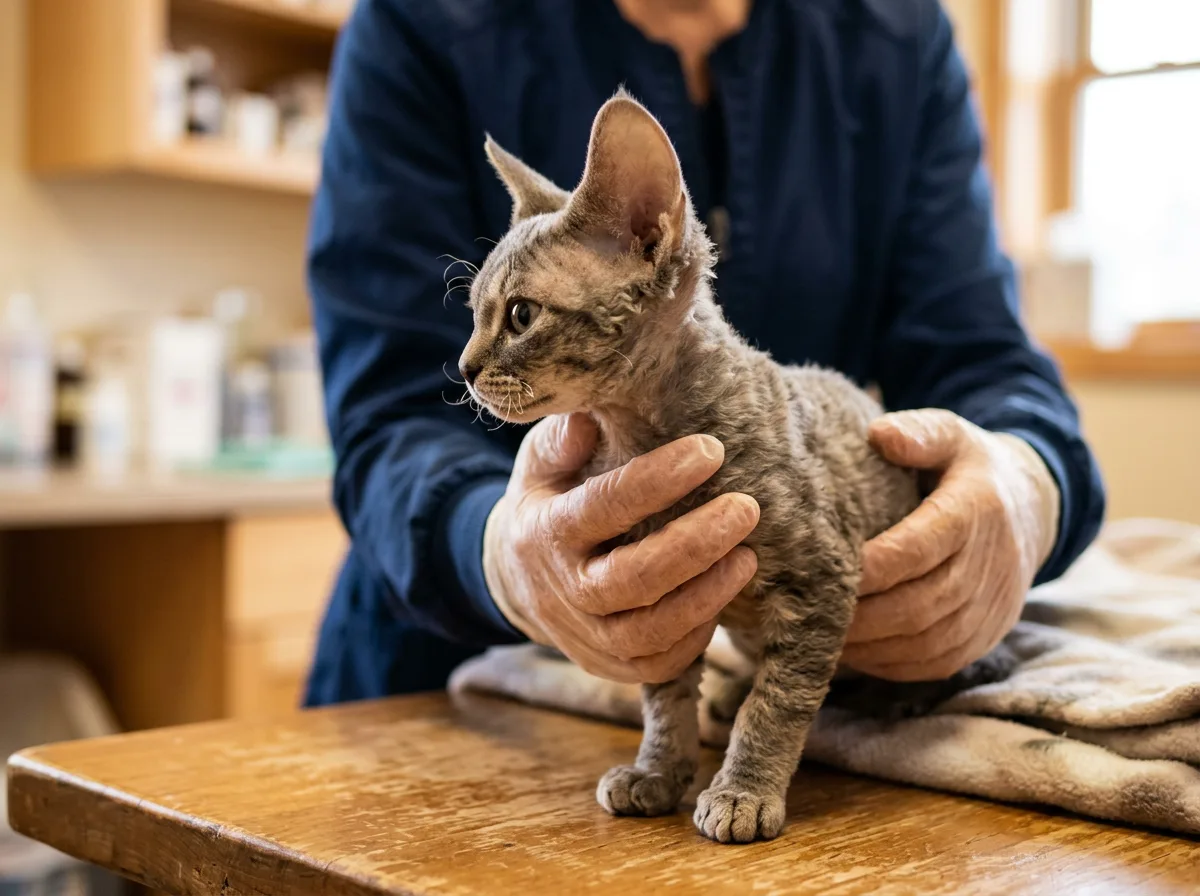
Price is not just a sticker number. A higher price from a responsible breeder usually reflects genetic testing, early vet care, vaccinations, and socialization, which can save you money and heartache later. The table below breaks down what typically drives the cost.
| Kitten Type | Typical Price Range | What It Usually Includes |
|---|---|---|
| Pet quality (spay/neuter contract) | $1,200 - $1,800 | Vaccinations, vet check, registration, early socialization |
| Show or breeding quality | $1,800 - $3,000 | Pedigree lines, conformation to standard, health screening |
| Rare color or top show lines | $3,000 - $5,000 | Champion bloodlines, extensive genetic testing |
| Adoption or rescue | $75 - $400 | Spay/neuter, basic vetting, adoption fee |
Remember the first-year ongoing cost too. Beyond the kitten itself, budget for vaccinations, spay or neuter if not already done, microchipping, quality kitten food, litter, and supplies like a cat tree and scratching posts. For a deeper pricing breakdown, see our dedicated Devon Rex price guide.
- A curly kitten priced far below market, sold with no paperwork, no health testing, and ready to leave before 12 weeks is a major red flag. Underpriced kittens often come from kitten mills or are misidentified mixes.
How to Choose a Healthy Devon Rex Kitten
This is where most breed pages go quiet, so here is the real checklist. Choosing a Devon Rex kitten well is mostly about vetting the breeder. A responsible breeder will happily answer every question below; one who dodges them is a warning sign.
What to confirm before you commit:
- Health testing. Ask specifically about screening for hypertrophic cardiomyopathy (HCM), the most significant heart concern in the breed, plus patellar luxation and hip dysplasia. Responsible breeders test their breeding cats and share results.
- The kitten meets the parents. You should be able to see at least the mother on site and observe that she is healthy, social, and well-kept.
- Clean, in-home rearing. Devon Rex kittens raised underfoot in the home are better socialized than kittens kept in cages or isolated rooms.
- A real contract. Expect a written health guarantee, a spay or neuter agreement for pet-quality kittens, and a clause asking that the cat be returned to the breeder if you can no longer keep it.
- Vet records. Age-appropriate vaccinations, a deworming history, and a recent vet exam should come with the kitten.
- No early rehoming. A kitten should not leave for its new home before about 12 to 14 weeks.
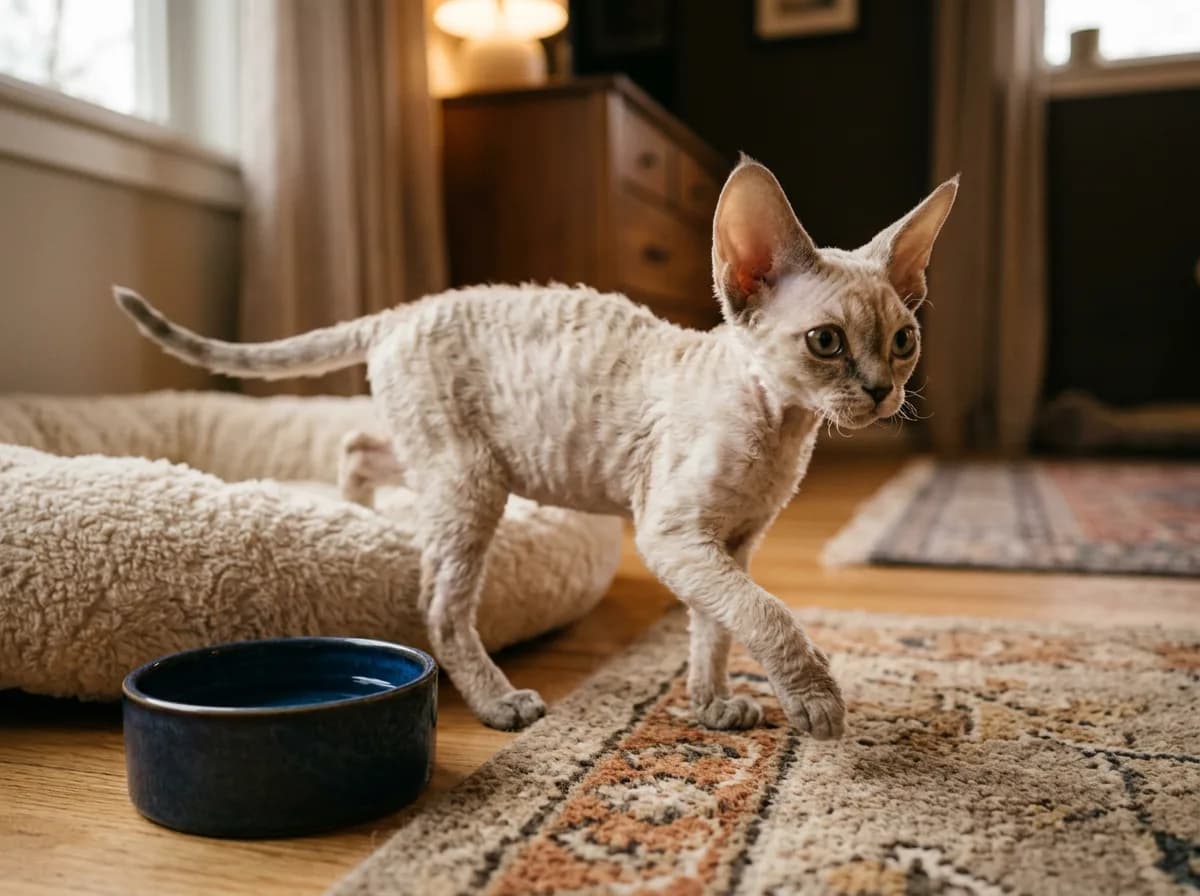
Watch the kitten itself, too. A healthy Devon Rex kitten is bright-eyed, curious, and active, with clean ears (the breed is prone to greasy ear wax, so a little is normal but heavy buildup is not), clear eyes and nose, and no sneezing, limping, or pot-bellied appearance. For broader breed context as you shop, our full Devon Rex breed guide is a useful companion read.
Adopting vs Buying a Devon Rex Kitten
Buying from a breeder is the most common route to a Devon Rex kitten simply because the breed is uncommon and rarely surrendered. But adoption is worth pursuing if your priority is giving a cat a home rather than getting a specific kitten age or color.
Breed-specific rescues do exist, and Devon Rex cats occasionally turn up in general shelters or on pet-adoption listings, more often as adults or young adults than as tiny kittens. Adoption costs far less and the cat usually arrives already spayed or neutered and vetted. The trade-off is availability: you may wait, and you may not get a young kitten.
- Whether you choose a breeder or a rescue, expect a wait. Reputable Devon Rex breeders often have waiting lists months long, and that wait is a good sign, not an inconvenience.
If you are still comparing curly breeds before you decide, you might also look at the Cornish Rex cat, which has a similar look but a different coat and personality profile.

63-inch multi-level cat tree with scratch posts, hammock, plush perches, and dangling toys. Vertical territory is non-negotiable for high-energy climbing breeds like the Bengal.
Petful may earn a commission when you click through to Chewy, at no extra cost to you.
Devon Rex Kitten Care: First Weeks at Home
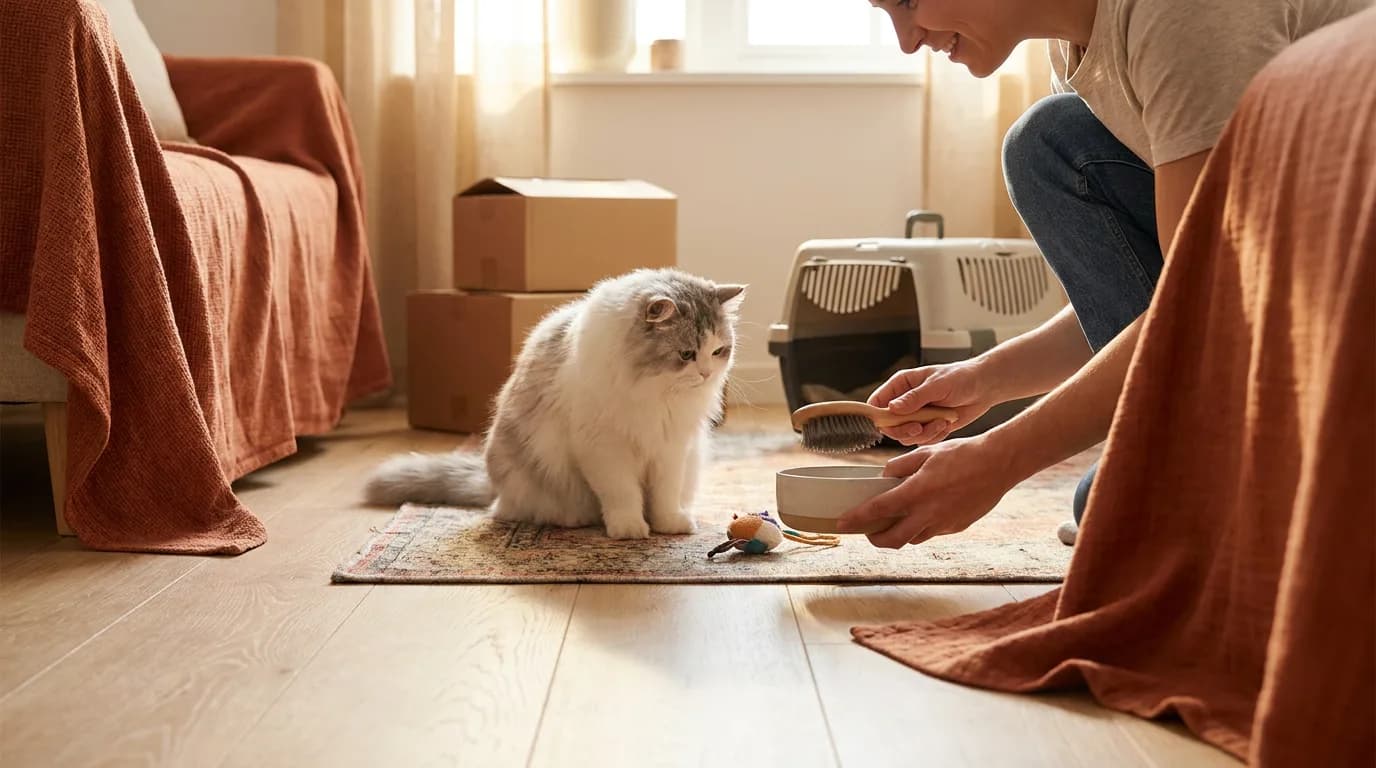
Bringing home any kitten is a transition, and the popular 3-3-3 rule is a helpful framework: roughly 3 days to decompress, 3 weeks to start settling into a routine, and 3 months to feel fully at home. With a Devon Rex, though, the clingy nature changes the picture. These kittens often skip the long hiding phase because they crave contact, so do not be surprised if your new kitten is on your shoulder within hours rather than hidden under the couch for days.
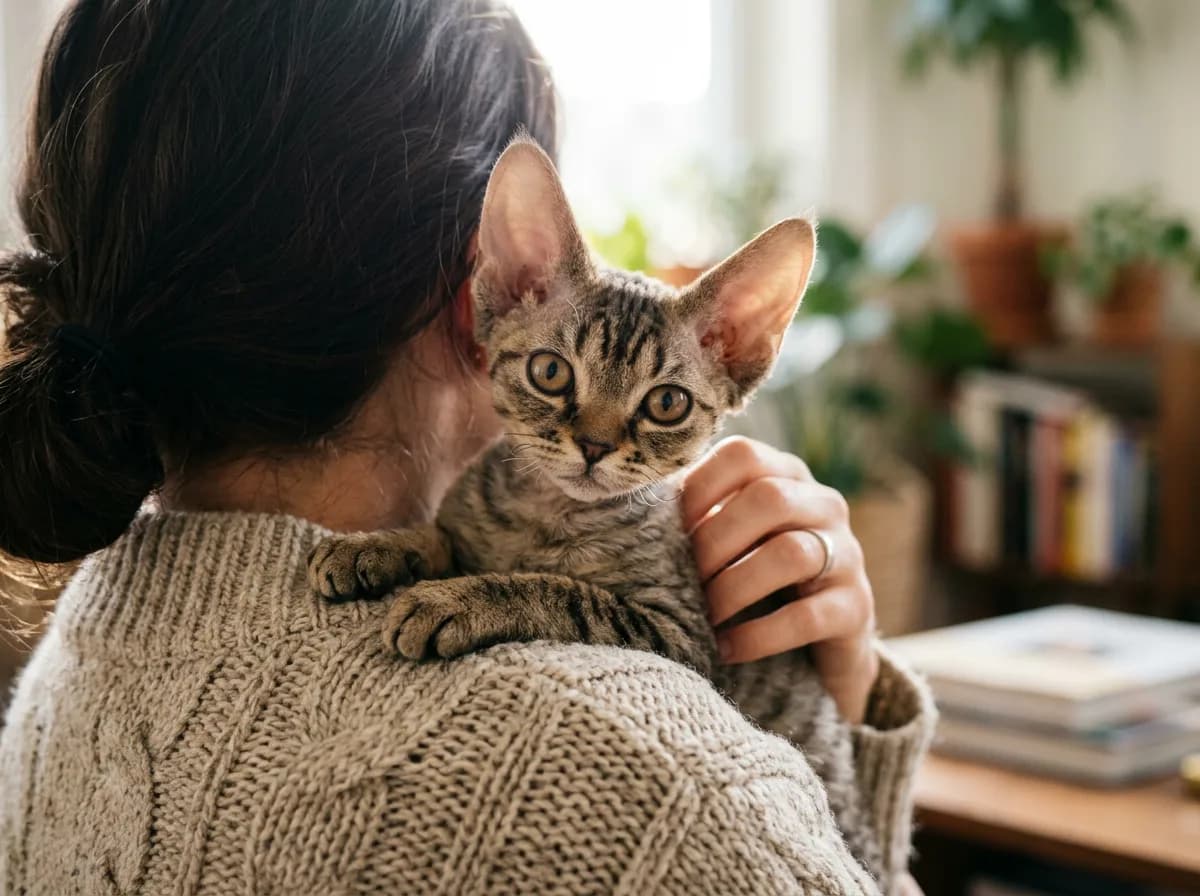
Set up before the kitten arrives:
- A small, quiet starter room with food, water, a litter box, a bed, and toys.
- Warm, cozy sleeping options, because the sparse coat means this kitten will seek heat. A covered bed or a soft blanket they can burrow into is ideal.
- Vertical space and scratching posts. Devon Rex kittens are climbers and need outlets for that energy.
- A consistent feeding schedule to support the food-motivated temperament and make training easier.
- Because Devon Rex kittens are so people-bonded, long stretches of solitude are hard on them. Plan for companionship, whether that is your presence, a second pet, or interactive enrichment when you are out.
Gentle handling from day one pays off. Get the kitten used to having its ears checked and cleaned, since the breed's waxy ears need regular attention, and to occasional baths, because the skin can get greasy.
Devon Rex Kitten Development: What to Expect Month by Month
A month-by-month timeline is missing from almost every Devon Rex page, so here is a realistic look at the growth stages from kitten to young adult. Individual kittens vary, but the general arc holds.
| Age | Coat and Body | What to Expect |
|---|---|---|
| 8 - 12 weeks | Soft, wavy baby coat, may look uneven | Still with breeder; weaning complete, first vaccinations |
| 3 - 4 months | Possible thinning or temporary "bald" molt phase | Settling-in period at new home; high energy, fast learning |
| 5 - 8 months | Coat starts re-establishing its wave | Rapid growth, climbing and jumping everywhere |
| 9 - 12 months | Adult wavy coat largely set | Approaching full size; slender, muscular build |
| 1 year and up | Mature suede-soft coat, possible sparse patches | Considered adult; lifelong playful temperament |
The takeaway: the coat is a moving target during the first year. A young Devon Rex kitten that looks patchy or thin is usually right on schedule, and the characteristic wave typically firms up as the cat matures. Weight gain is steady but the breed stays lean and athletic, never chunky.
- A rare hereditary condition called Devon Rex myopathy (a congenital muscle weakness, also called spasticity) can appear in kittens. Signs include muscle weakness, a head tremor, or difficulty holding the head up. Flag any of this to your vet promptly.
Feeding Your Devon Rex Kitten
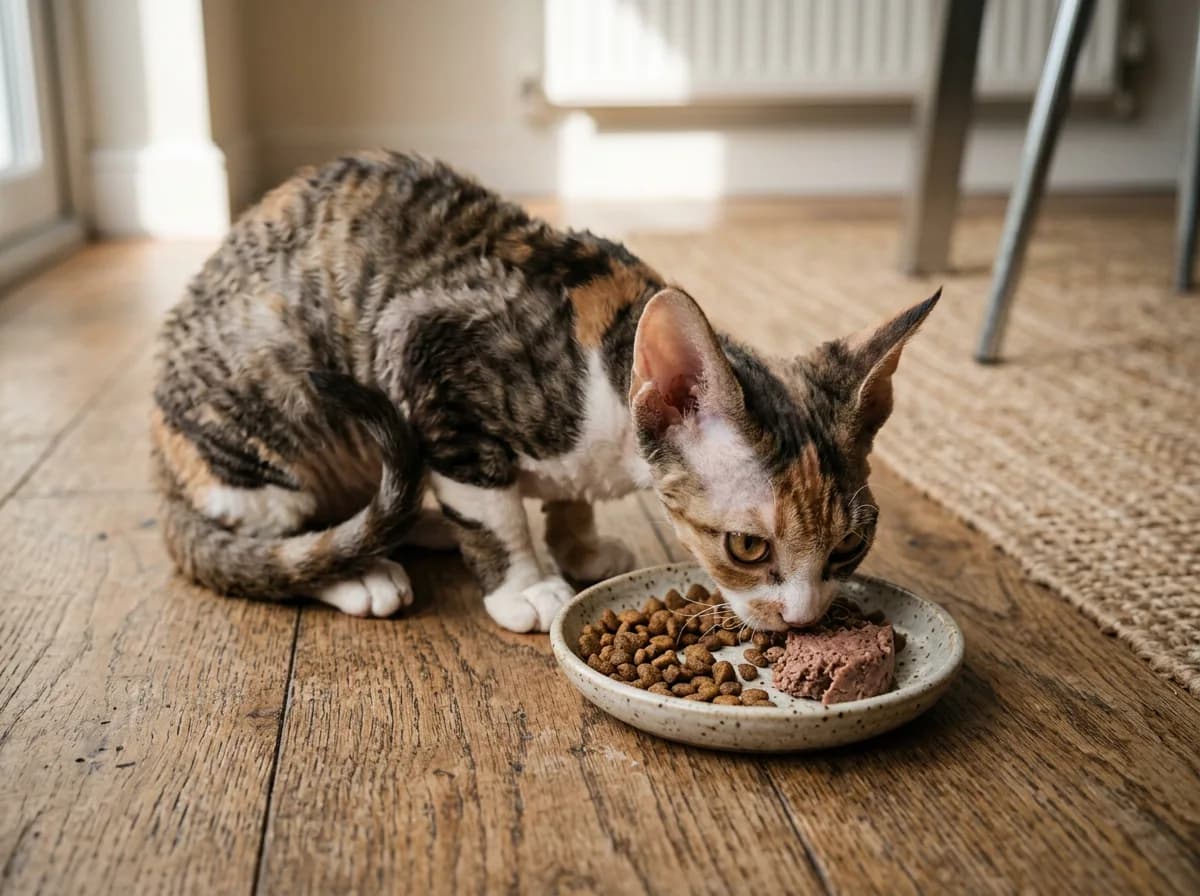
Devon Rex kittens are notoriously food-motivated, which is both a training advantage and a reason to watch portions. Feed a high-quality kitten-specific food, formulated for growth, until about 12 months of age. Kitten food is higher in calories and protein than adult formulas, which matters because growing kittens, especially active ones, burn through energy fast.
Practical feeding tips for this breed:
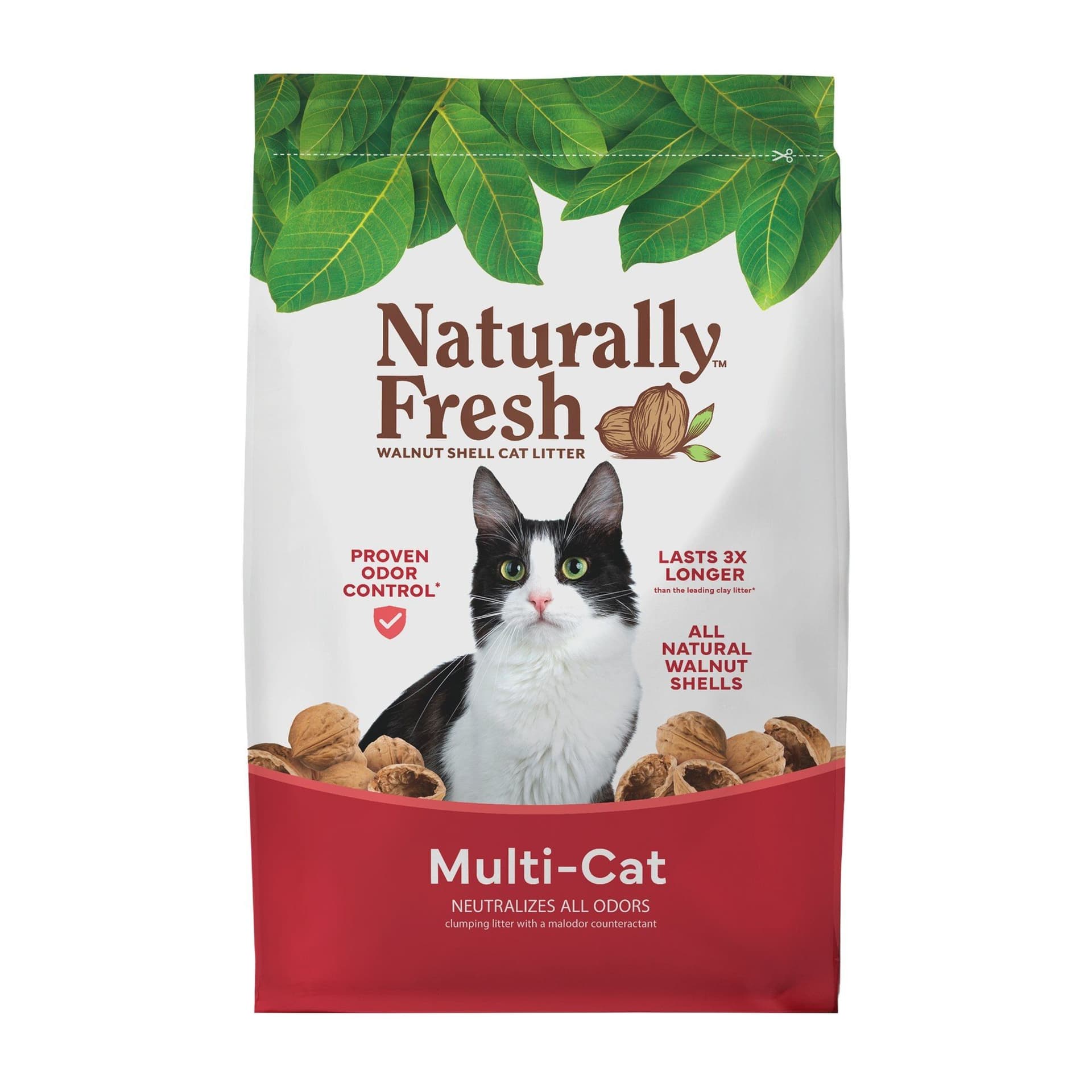
Walnut shell clumping cat litter that excels at odor control, lasts up to 3x longer than clay, and is a top pick for multi-cat households.
Petful may earn a commission when you click through to Chewy, at no extra cost to you.
- Feed measured meals, not a constant full bowl. Their appetite can outpace their needs, and free-feeding can lead to begging and overeating.
- Use a shallow dish. The breed's facial structure makes wide, shallow bowls more comfortable than deep ones.
- Provide fresh water at all times. A pet water fountain often encourages reluctant drinkers.
- Transition foods slowly over 7 to 10 days when you change diets to avoid stomach upset.
- Because Devon Rex cats lose heat through their sparse coat, they can have a brisk metabolism. Do not be alarmed by a hearty appetite, but do confirm a healthy weight with your vet rather than guessing.
Health, Lifespan, and Genetic Testing
A well-cared-for Devon Rex typically lives roughly 9-15 years, and many individuals reach 14 or 15 and beyond. The breed is generally hardy, but a handful of inherited conditions are worth knowing before you buy. For a focused look at longevity, see our Devon Rex lifespan guide.
Health conditions seen in the breed include:

108-oz stainless steel pet fountain with quiet pump and water-level window. Bengals are notoriously water-obsessed; a flowing fountain encourages hydration and pulls them away from sinks and toilets.
Petful may earn a commission when you click through to Chewy, at no extra cost to you.
- Hypertrophic cardiomyopathy (HCM): the most important heart concern, a thickening of the heart muscle. Responsible breeders screen breeding cats.
- Patellar luxation: a kneecap that slips out of place, which can cause limping.
- Hip dysplasia: an abnormal hip joint that can lead to arthritis.
- Congenital hypotrichosis: an inherited tendency toward sparse or absent hair.
- Devon Rex myopathy: a hereditary muscle condition that appears in young cats.
- Malassezia and greasy skin or ears: an overgrowth of yeast that causes oily skin and waxy ears, managed with regular gentle bathing and ear care.
- Counterintuitively, the sparse-coated Devon Rex needs more skin care than a fluffy cat. The oils a normal coat would absorb sit on the skin instead, so periodic gentle baths and routine ear cleaning keep a kitten comfortable.
Ask any breeder directly which conditions they test for. A breeder who screens for HCM and is transparent about their lines is worth the premium.
Are Devon Rex Cats Hypoallergenic?
No cat is truly hypoallergenic, and the Devon Rex is no exception. The breed still produces Fel d1, the primary allergen found in cat saliva and skin glands that triggers most cat allergies. Any claim that a Devon Rex is allergen-free is simply not accurate.
That said, there is a reasonable basis for the breed's reputation among some allergy sufferers. Because the coat is so short and sparse and the cat sheds very little, it can spread less dander around the home than a heavy-shedding breed. Some people with mild allergies tolerate a Devon Rex better as a result, but that is an individual response, not a guarantee. If allergies are a concern, spend time with the specific kitten or its parents before committing. Our Devon Rex hypoallergenic deep dive covers the Fel d1 science in more detail.
Devon Rex vs Cornish Rex Kittens
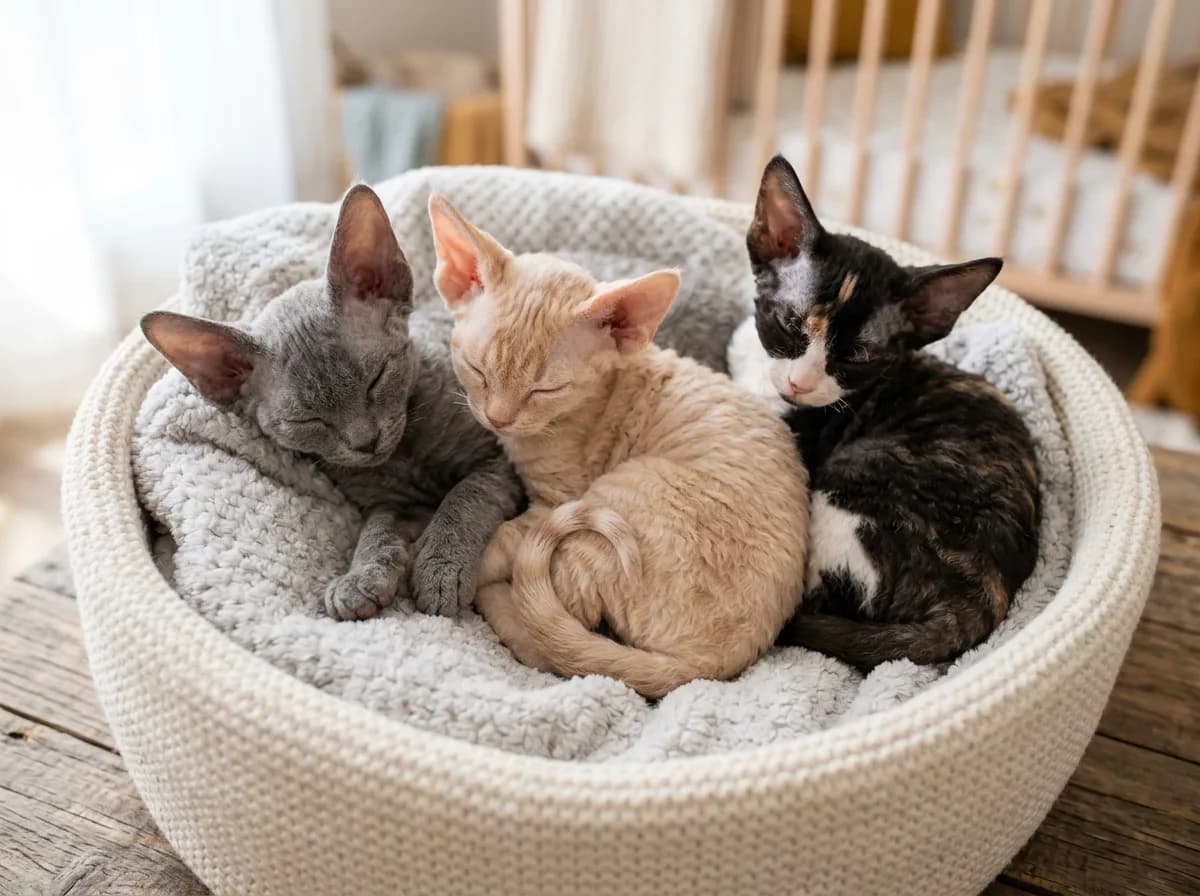
These two curly breeds get mixed up constantly, but they are genuinely different cats. The clearest tells are the ears and the coat.
| Feature | Devon Rex | Cornish Rex |
|---|---|---|
| Ears | Very large, low-set on the head | Large but set higher |
| Coat | Coarser, sparser, loose wavy rexed fur | Finer, even "marcel wave," no guard hairs |
| Whiskers | Short, curled, often brittle | Sparse and curled |
| Head | Pixie or elf shape, full cheeks | Egg-shaped, narrower |
| Genetics | KRT71 recessive mutation | Separate, distinct mutation |
The two mutations are separate, which is why crossing a Devon Rex with a Cornish Rex produces straight-coated kittens. For a full breakdown, read our Cornish Rex vs Devon Rex comparison. And if you are drawn to unusual cat looks in general, the short-legged Munchkin cat is another distinctive breed worth a look.
Devon Rex Kitten FAQs
Devon Rex kittens typically cost about $1,200 to $3,000 from a reputable breeder, with show-quality, rare-color, or champion lines reaching up to roughly $5,000. Adoption is far cheaper, usually $75 to $400 in fees.
The 3-3-3 rule is a general settling-in guideline: about 3 days for a new kitten to decompress, 3 weeks to start learning the household routine, and 3 months to feel fully at home. Devon Rex kittens are so people-oriented they often bond and come out of their shell faster than the rule suggests.
There is no single "most wanted" cat, but by registration numbers breeds like the Ragdoll, Maine Coon, and Persian consistently top popularity lists. The Devon Rex is a beloved but less common breed, prized for its looks and dog-like personality rather than its numbers.
Yes. Devon Rex cats are affectionate, playful, intelligent, and intensely people-oriented, often described as dog-like or velcro cats. They suit households that want an interactive, social companion and can give them attention and warmth.
A Devon Rex typically lives roughly 9-15 years, and well-cared-for cats often reach 14 or 15 years and beyond with good nutrition, regular vet care, and attention to breed-specific health issues.
Among rex breeds, the Cornish Rex and Devon Rex are similarly priced, while adopting any rex from a rescue is by far the cheapest route. Buying from a breeder, expect to pay over $1,000 regardless of which rex you choose.
No. A kitten should never be left alone for 5 days, and a Devon Rex especially so given how social and people-bonded the breed is. Kittens need daily feeding, fresh water, litter care, and supervision; arrange a pet sitter or boarding for any absence beyond a day.
No cat is truly hypoallergenic, and Devon Rex kittens still produce the Fel d1 allergen. However, their short, sparse, low-shedding coat can spread less dander, so some people with mild allergies tolerate them better. Spend time with the kitten first if allergies are a concern.
A Devon Rex has very large, low-set ears, a pixie or elf-shaped head, and a coarser, sparser wavy coat with short curled whiskers. A Cornish Rex has higher-set ears and a finer, even "marcel wave" coat with no guard hairs. The two breeds carry separate genetic mutations.
A Devon Rex kitten should stay with the breeder until about 12 to 14 weeks of age. This allows proper weaning, early vaccinations, and crucial socialization. Be cautious of breeders rehoming kittens earlier.
Devon Rex kittens shed very little because their coat is so short and sparse, though they are not entirely shed-free. Many kittens also go through a temporary thinning or molt phase in their first months before the adult wavy coat settles.
Yes. Devon Rex kittens are sociable, playful, and adaptable, which generally makes them good with respectful children and other pets, including dogs. Early socialization and supervised introductions help ensure smooth relationships.

Coreen Saito is a pet writer and longtime shelter volunteer with more than a decade in animal rescue. She covers cat behavior, breed care, and the small, ordinary science of sharing a life with companion animals, with a particular focus on honest takes about the products and decisions that actually matter. At home in Arizona, she's outranked by Mac (a dog with the loudest opinion in the house), Rebel (a cat who governs by quiet authority), and Meri (an orange tabby who runs the late shift and the laundry basket). She writes about all three, plus the rescues that keep coming through her life, at LifeWithMinty.com.
Sign up for expert-backed reviews and safety alerts all in one place.