Munchkin Cat: Size, Lifespan, Price and Full Breed Guide
A complete munchkin cat breed guide covering size, lifespan, price, health, temperament, grooming, and the genetics behind their short legs, plus honest answers on the registry and welfare debate every owner should know.
Petful is reader supported. As an affiliate of platforms like Amazon and Chewy, we may earn a commission when you buy through links on this page. There is no extra cost to you.
The munchkin cat is a small-to-medium feline recognized by The International Cat Association (TICA), and its signature very short legs come from a single naturally occurring dominant gene rather than from any kind of crossbreeding with a short-legged dog. Adults usually weigh between 4 and 9 pounds and stand only about 5 to 7 inches tall at the shoulder, yet the body, head, and tail are all normally proportioned. The breed traces to a single pregnant stray named Blackberry found in Rayville, Louisiana, in 1983, and today it comes in every coat color and pattern and in both short and long hair. This guide pulls together size, lifespan, price, health, temperament, and origin so you can decide whether this charming low-rider belongs in your home.
- 1Munchkin cats weigh 4 to 9 pounds and stand 5 to 7 inches tall, with short legs caused by a natural dominant gene, not breeding with dogs
- 2Healthy munchkins live roughly 12 to 15 years, similar to other domestic cats, when the short legs are their only genetic difference
- 3Expect to pay about 500 to 2,500 dollars from a reputable breeder, or 40 to 300 dollars to adopt
- 4TICA recognizes the breed, but CFA, GCCF, and FIFe do not, largely because of the dwarfism gene
- 5They come in every color and pattern and in both shorthair and longhair coats, so "munchkin" describes the legs, not the look
The munchkin is one of the most instantly recognizable cats in the world, and also one of the most debated. Below we cover everything a current or future owner actually needs: how big they get, how long they live, what they cost, the health questions that matter, and the genetics behind those famous little legs. Where a fact is contested or a registry disagrees, we say so plainly, because a YMYL pet-health topic deserves straight answers.

Sign up for expert-backed reviews and safety alerts all in one place.
Munchkin cat at a glance
Before the deep dive, here is the quick-reference profile. Treat these as typical ranges for a healthy, well-bred munchkin, not guarantees for any single cat.
| Trait | Detail | Notes |
|---|---|---|
| Weight | 4 to 9 pounds | Females 4 to 8 lbs, males 6 to 9 lbs |
| Height | 5 to 7 inches at the shoulder | Roughly half the height of an average cat |
| Lifespan | 12 to 15 years | Comparable to other domestic cats when otherwise healthy |
| Coat | Short or long | Every color and pattern occurs |
| Body | Normal size and proportion | Only the leg bones are shortened |
| Temperament | Outgoing, playful, social | Often called confident and people-oriented |
| Recognized by | TICA | Not recognized by CFA, GCCF, or FIFe |
| Price | 40 to 2,500 dollars | Adoption low end, breeder high end |
- A munchkin can be a sleek black shorthair, a fluffy calico, a pointed colorpoint, or a tabby. The breed is defined by short leg bones from one dominant gene, so coat color, pattern, and hair length vary as widely as in any domestic cat.
How big do munchkin cats get?
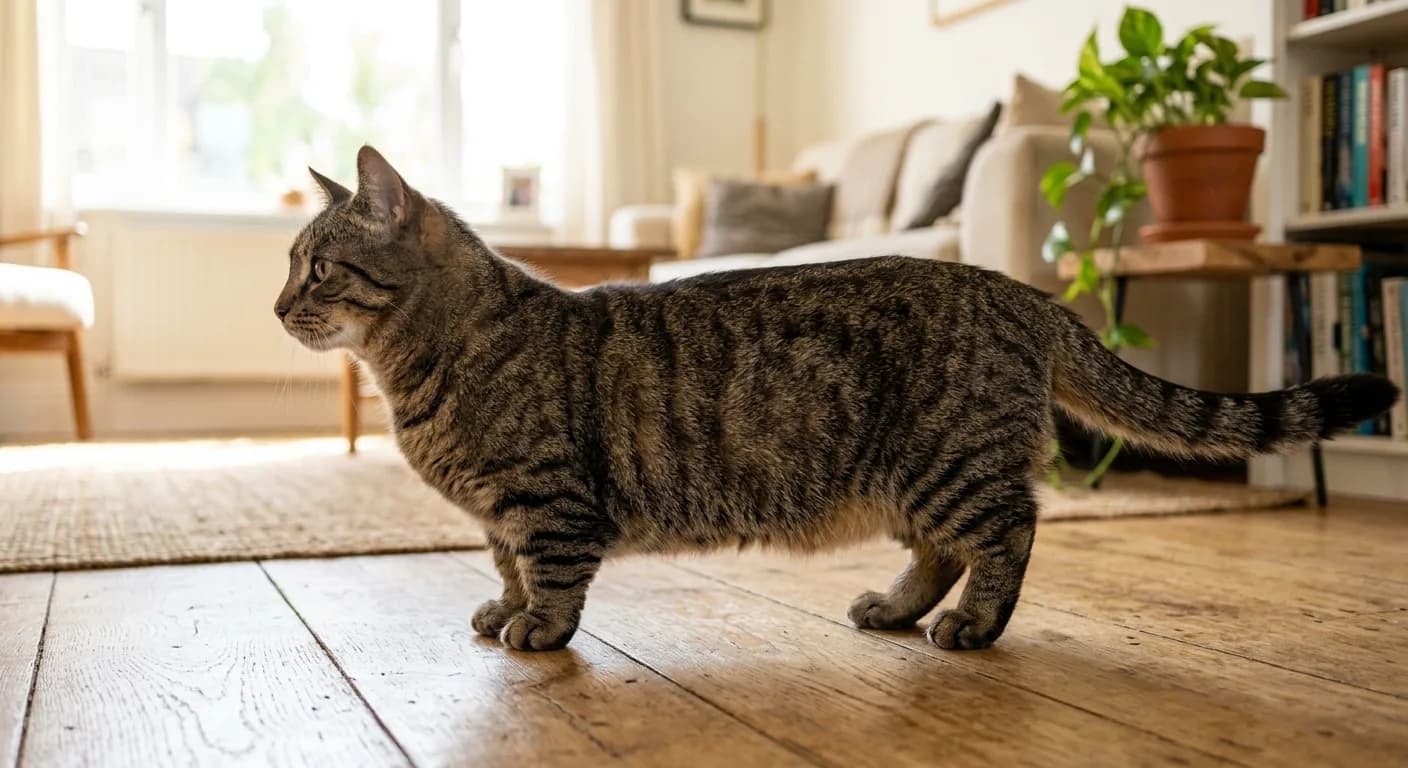
Munchkin cats are small to medium in overall mass but distinctly low to the ground. Most adults weigh 4 to 9 pounds, which puts them in the same general weight class as many ordinary house cats. The visual difference comes from height: a munchkin stands roughly 5 to 7 inches at the shoulder, while an average domestic cat stands closer to 9 to 10 inches. So a munchkin is not a "tiny" cat by weight so much as a normal-bodied cat on shortened legs.
Females typically land between 4 and 8 pounds and males between 6 and 9 pounds, per the size ranges cited by breed references including TICA-affiliated descriptions. The torso, head, neck, and tail develop at normal feline proportions. Only the long bones of the legs are shortened, which is why a munchkin looks like a standard cat that has been set lower to the floor rather than a scaled-down miniature.
Standard, super-short, and rug-hugger
Breeders and registries informally describe three leg lengths within the breed: standard (the longest munchkin legs), super-short, and rug-hugger (the shortest). All three are the same breed with the same underlying gene; the difference is degree. Leg length does not change the cat's adult body weight much, so a rug-hugger and a standard munchkin of the same lineage can weigh about the same while looking quite different in stance.
If you are comparing the munchkin's silhouette to other unusual cats, our British Shorthair breed guide is a useful contrast: a British Shorthair carries similar body mass but on full-length legs, which highlights just how much the munchkin's height comes specifically from the leg bones.
Never Scoop Again® with the Whisker Litter-Robot, the smart self-cleaning automatic litter box. Monitor visits and track weights for better overall care in the Whisker® app. Multi-cat friendly.
Petful may earn a commission when you click through to Whisker, at no extra cost to you.
How long do munchkin cats live?
A healthy munchkin cat typically lives 12 to 15 years, which is in line with the lifespan of domestic cats generally. Some well-cared-for munchkins reach the upper teens. The short legs themselves do not appear to shorten life expectancy in cats whose only genetic difference is leg length, because the gene that shortens the legs does not affect the heart, kidneys, or other organs that usually determine feline longevity.
The factors that move a munchkin's lifespan are the same ones that matter for any cat: an indoor lifestyle, a complete and balanced diet, healthy body weight, routine veterinary care, and dental hygiene. Keeping a munchkin lean is especially worthwhile, because extra body weight loads the spine and joints, and the breed's conformation already concentrates stress on the back and forelimbs.
For a deeper look at the year-by-year expectations, life-stage care, and the specific habits that add healthy years, see our companion guide on munchkin cat lifespan.
- Provide low, sturdy ramps or steps to favorite perches so your munchkin can climb instead of leaping down from height. Easy "stepped" access reduces repeated impact on the back and front legs over a lifetime.
How much do munchkin cats cost?
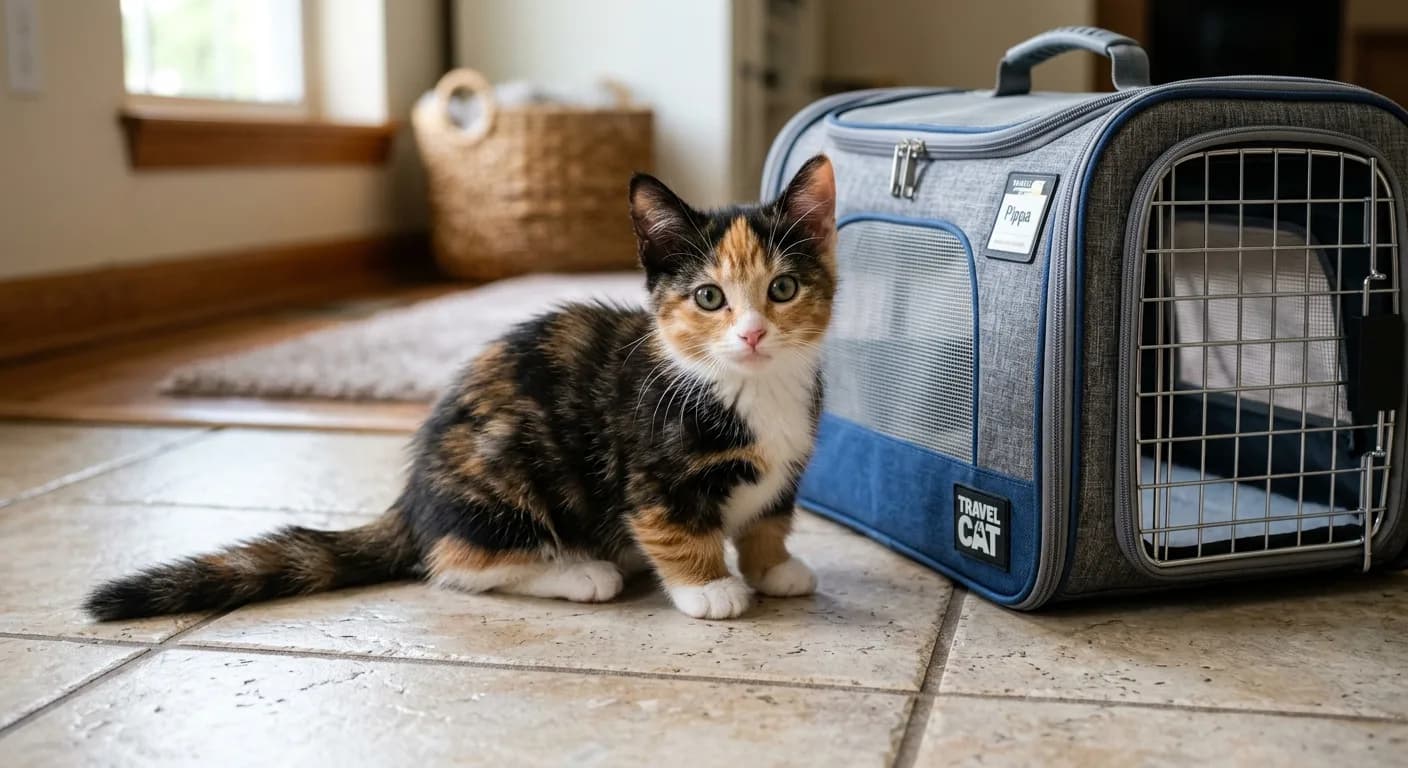
Price varies widely by source. Adoption through a shelter or rescue usually runs about 40 to 300 dollars, which often includes spay or neuter, initial vaccines, and a microchip. Buying from a reputable breeder typically costs around 500 to 2,500 dollars, and some show-quality or rare-pattern kittens are advertised higher. Because the munchkin gene is dominant, breeders can produce short-legged kittens reliably, but ethical breeders still invest in health screening, early socialization, and limited litters, which is reflected in the price.
Purchase price is only the beginning. The first year carries real setup and care costs, and then ongoing monthly costs continue for the cat's life. The table below gives realistic United States ranges; your numbers will shift with region, brand choices, and your cat's health.
| Cost category | First-year range | Notes |
|---|---|---|
| Kitten or adoption fee | 40 to 2,500 dollars | Adoption low end, breeder high end |
| Initial supplies and setup | 200 to 800 dollars | Carrier, litter box, beds, scratchers, low ramps |
| Spay or neuter and first vet visits | 100 to 400 dollars | Often bundled into adoption fees |
| Food per month | 20 to 70 dollars | Wet, dry, or combination feeding |
| Litter and basic supplies per month | 20 to 50 dollars | Litter, replacements, treats |
| Routine vet care per year | 150 to 400 dollars | Wellness exam, vaccines, parasite prevention |
| Pet insurance per month | 15 to 50 dollars | Optional but recommended for this breed |
When you add a typical kitten price, first-year supplies, and initial veterinary care, many new munchkin owners spend somewhere in the range of 1,000 to 3,500 dollars in year one, then a few hundred dollars per month thereafter. For a full breakdown of breeder pricing, what drives the high and low ends, and how to budget over the cat's life, read our dedicated munchkin cat price guide.
- Sellers sometimes attach a premium to "teacup," "extreme rug-hugger," or unusual-color labels. Short legs are not rare in this breed, and extreme conformation can come with more health risk. Pay for verified health screening and ethical practices, not marketing labels.
What is a munchkin cat mixed with?
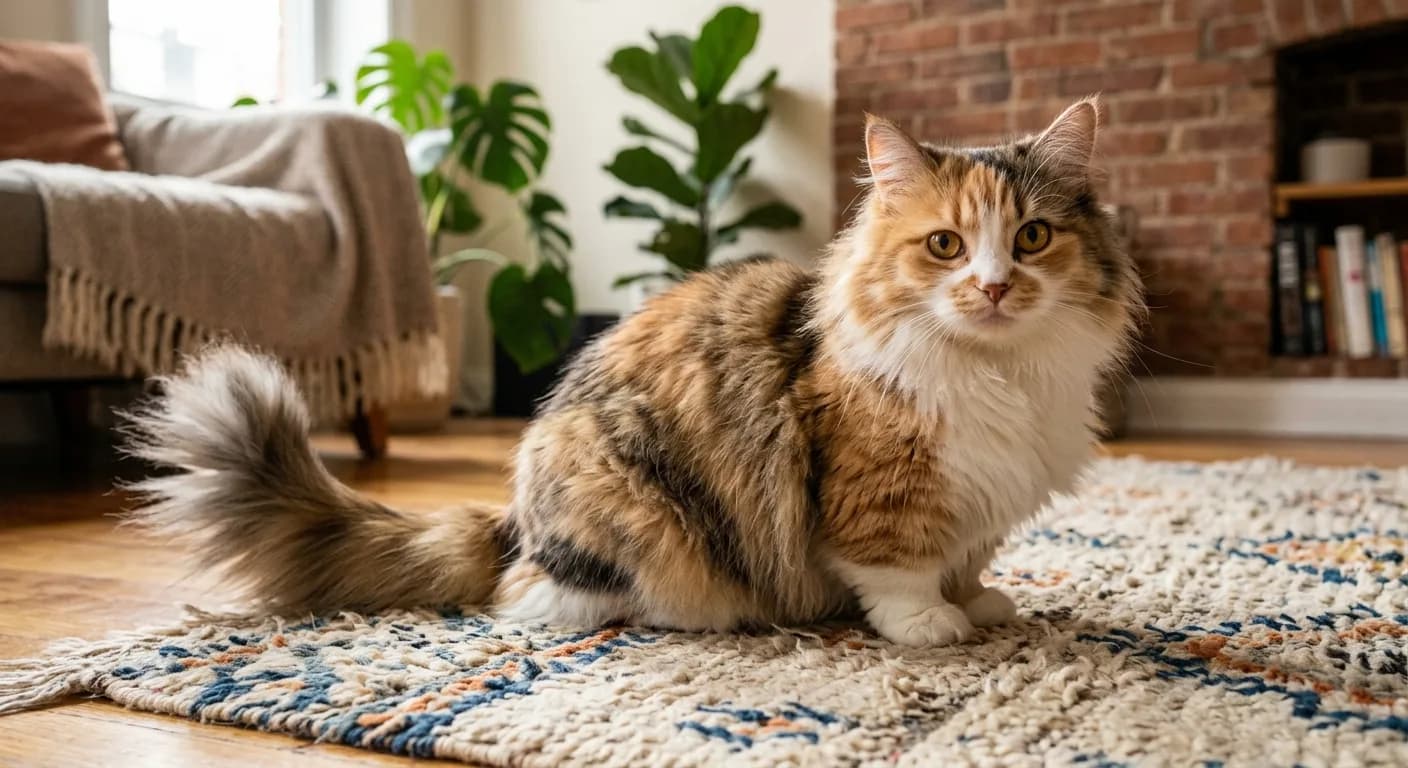
This is one of the most common questions, and the answer surprises people: a purebred munchkin is not a cross with a Dachshund, a Corgi, or any short-legged dog. The short legs come from a single naturally occurring genetic mutation in cats, the same kind of spontaneous change that produced curly-coated and tailless breeds. The very first documented munchkins appeared in ordinary domestic stray cats with no designer breeding behind them.
That said, the munchkin gene has been deliberately combined with other cat breeds to create a family of newer short-legged "dwarf" breeds. A munchkin crossed with a hairless Sphynx-type line helped create the Minskin and the Bambino. Crosses with other breeds produced the Skookum (with the LaPerm's curly coat), the Lambkin (with the Selkirk Rex), the Kinkalow (with the American Curl's curled ears), the Dwelf, and the spotted Genetta. In every case, the munchkin contributes the short legs.
If you like the short-legged look but want a specific coat, our Minskin breed profile covers one of the best-known munchkin-derived breeds, a nearly hairless short-legged cat with fur points.
- Short-legged cats have been noted for decades. Reports describe short-legged cats in 1940s Britain and elsewhere before the modern breed, which supports the view that the munchkin gene arises spontaneously in the cat population, not from any dog.
Munchkin cat genetics: the dominant gene explained
The munchkin's legs are caused by a form of chondrodysplasia, a shortening of the long bones, inherited as an autosomal dominant trait. In practice, a cat needs only one copy of the gene to have short legs. Breed a munchkin to a normal-legged cat and, on average, about half the kittens inherit short legs and half have normal legs.
There is an important genetic limit. The gene is believed to be lethal in the homozygous form, meaning kittens that inherit two copies (one from each short-legged parent) generally do not survive to birth. This is why responsible breeders typically pair a munchkin with a normal-legged cat rather than two munchkins together, and why every living munchkin carries one munchkin gene and one normal gene. The dominant-but-homozygous-lethal pattern also means you cannot create an "extra short" cat by doubling up the gene.
Crucially, the mutation acts on the leg bones, not on body size. That is why munchkins keep a normal-length spine, a normal-size head, and normal organ development. It is a different situation from some dog dwarfisms, and it is why the breed's overall body proportions look typical apart from height.
A Munchkin is a real investment, so a free MyPetID profile is worth setting up early to keep your cat's microchip number, vaccination records, and proof of ownership in one place, with a QR tag to help a lost cat get home fast.
Standard versus selectively bred conformation
Because leg length varies, some lines are bred toward the extreme short ("rug-hugger") end. From a welfare standpoint, more moderate leg length is generally the safer target, since extreme conformation can compound stress on the spine and joints. When evaluating a kitten, prioritize overall structural soundness and a breeder who screens for the spinal and chest conditions discussed below.

63-inch multi-level cat tree with scratch posts, hammock, plush perches, and dangling toys. Vertical territory is non-negotiable for high-energy climbing breeds like the Bengal.
Petful may earn a commission when you click through to Chewy, at no extra cost to you.
Do munchkin cats have health issues?
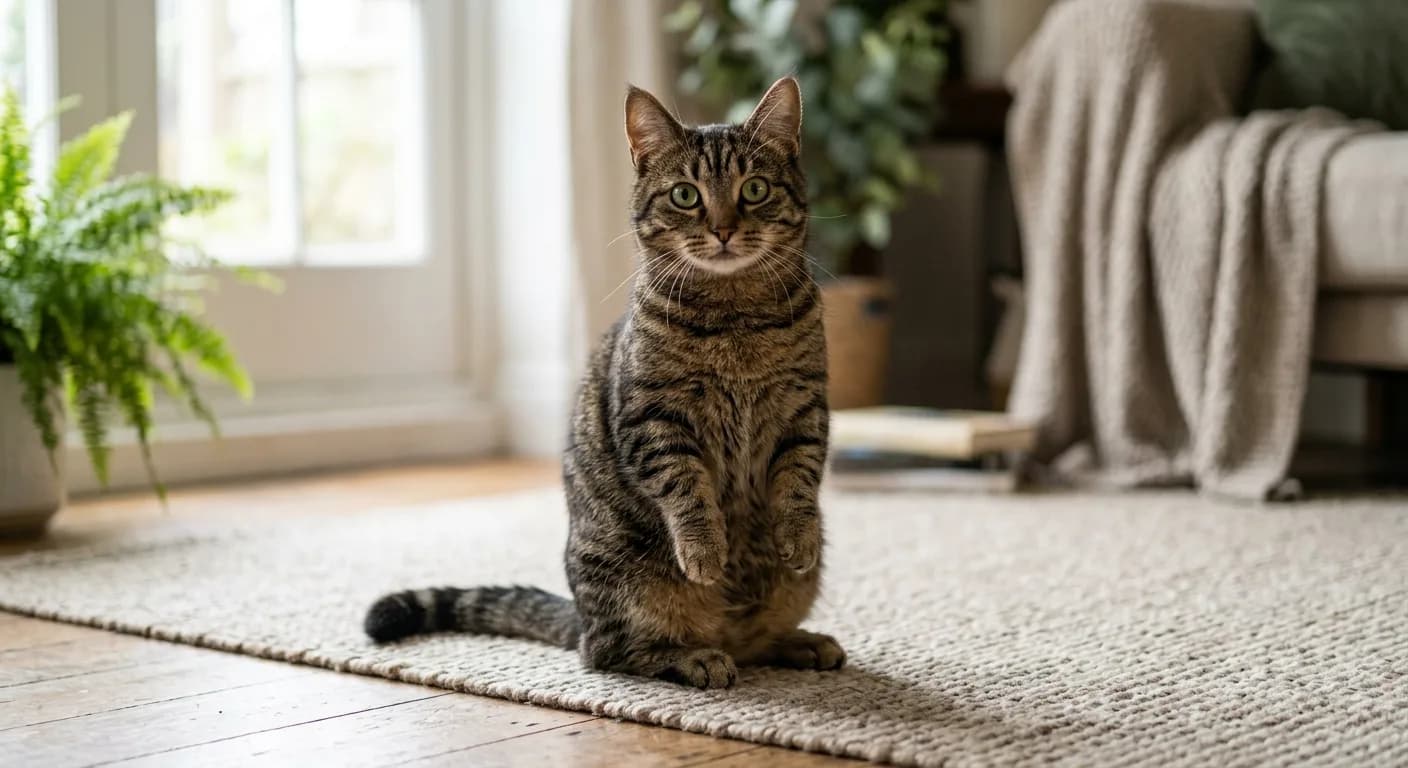
This is the heart of the breed debate, and it deserves an honest, evidence-based answer. The short legs themselves are not painful, and many munchkins live full, active, healthy lives. But the conformation does raise the profile of a few specific conditions, and several major registries decline to recognize the breed specifically because it is founded on a dwarfism gene.
The conditions most often discussed in munchkins include:
- Lordosis, an excessive inward curve of the spine. Severe cases can crowd the chest cavity and affect the heart and lungs; mild cases may cause no symptoms.
- Pectus excavatum, a sunken or "funnel" chest where the breastbone curves inward, which in significant cases can affect breathing and heart function.
- Osteoarthritis and joint stress, because the altered leg structure and low stance can load the joints and spine differently over time.
It is important to be precise here. These conditions occur in other cats too, and the degree to which they are more frequent or more severe specifically in munchkins is still debated among veterinarians and not fully quantified by large studies. What is fair to say: a munchkin's body plan concentrates stress on the spine and forelimbs, so weight control, soft landings, and routine veterinary monitoring matter more than for an average cat.
- Labored breathing, exercise intolerance, a visibly sunken chest, or a sudden reluctance to move can signal pectus excavatum, lordosis complications, or joint pain. These are veterinary issues, not quirks of the breed. Have any of them evaluated promptly.
The registry and ethics debate
TICA recognizes the munchkin and maintains a breed standard. Several other major registries do not. The Cat Fanciers' Association (CFA) does not recognize the breed. The Governing Council of the Cat Fancy (GCCF) in the United Kingdom has declined recognition, and the Fédération Internationale Féline (FIFe) prohibits breeds founded on dwarfism, naming the munchkin specifically. The core of the disagreement is whether deliberately breeding for a skeletal mutation is appropriate. Prospective owners should understand that this is a genuine, ongoing welfare debate, not settled science, and choose breeders who prioritize health over extreme looks.
For another breed shaped by a debated structural gene, compare the Scottish Fold cat breed profile; the folded ears come from a cartilage mutation that carries its own welfare discussion, which puts the munchkin conversation in useful context.
Are munchkin cats healthy enough for a normal life?
For most pet owners the practical question is simpler than the registry debate: can a munchkin live a normal, happy life? In the majority of cases, yes. A munchkin whose only difference is leg length can run, play, climb (a little lower), hunt toys, and live a full feline lifespan. They are not fragile, and they are not in constant discomfort.

108-oz stainless steel pet fountain with quiet pump and water-level window. Bengals are notoriously water-obsessed; a flowing fountain encourages hydration and pulls them away from sinks and toilets.
Petful may earn a commission when you click through to Chewy, at no extra cost to you.
The keys to keeping a munchkin healthy are straightforward:
- Keep the cat at a lean, healthy weight to spare the spine and joints.
- Offer low, stable climbing options and ramps rather than tall leaps.
- Maintain routine veterinary care, including listening to the chest and watching gait.
- Buy from breeders who screen for spinal and chest conditions and avoid extreme conformation.
- Consider pet insurance early, before any condition is diagnosed and excluded as pre-existing.
- Munchkins are playful and curious. Satisfy that drive with floor-level puzzle feeders, wand toys, and tunnels rather than tall cat trees. They get the mental and physical workout without repeated high-impact landings.
Munchkin cat temperament and personality
Munchkins are widely described as outgoing, confident, playful, and people-oriented. They tend to be curious and social, often greeting visitors rather than hiding, and many enjoy being handled and sitting in laps. Despite the short legs, they are agile and active; they run quickly, play hard, and are known for sitting up on their haunches like a meerkat to survey a room, a pose owners affectionately call "rabbiting" or the "kangaroo sit."
They generally get along well with children, cat-friendly dogs, and other cats, which makes them a popular family pet. Like many social cats, they do best with companionship and enrichment and can get bored if left alone for long stretches with nothing to do. Their intelligence means food puzzles and interactive play pay off.
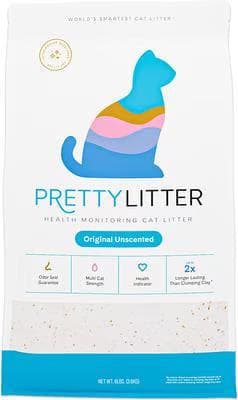
Color-changing crystal litter that flags pH shifts in your cat's urine, an early warning sign of UTIs, kidney issues, and more.
Petful may earn a commission when you click through to Chewy, at no extra cost to you.
- Munchkins have a reputation for "collecting" small shiny objects and stashing them. It is harmless and endearing, but keep small swallowable items (hair ties, earrings, rubber bands) out of reach to avoid an accidental ingestion.
Grooming and daily care
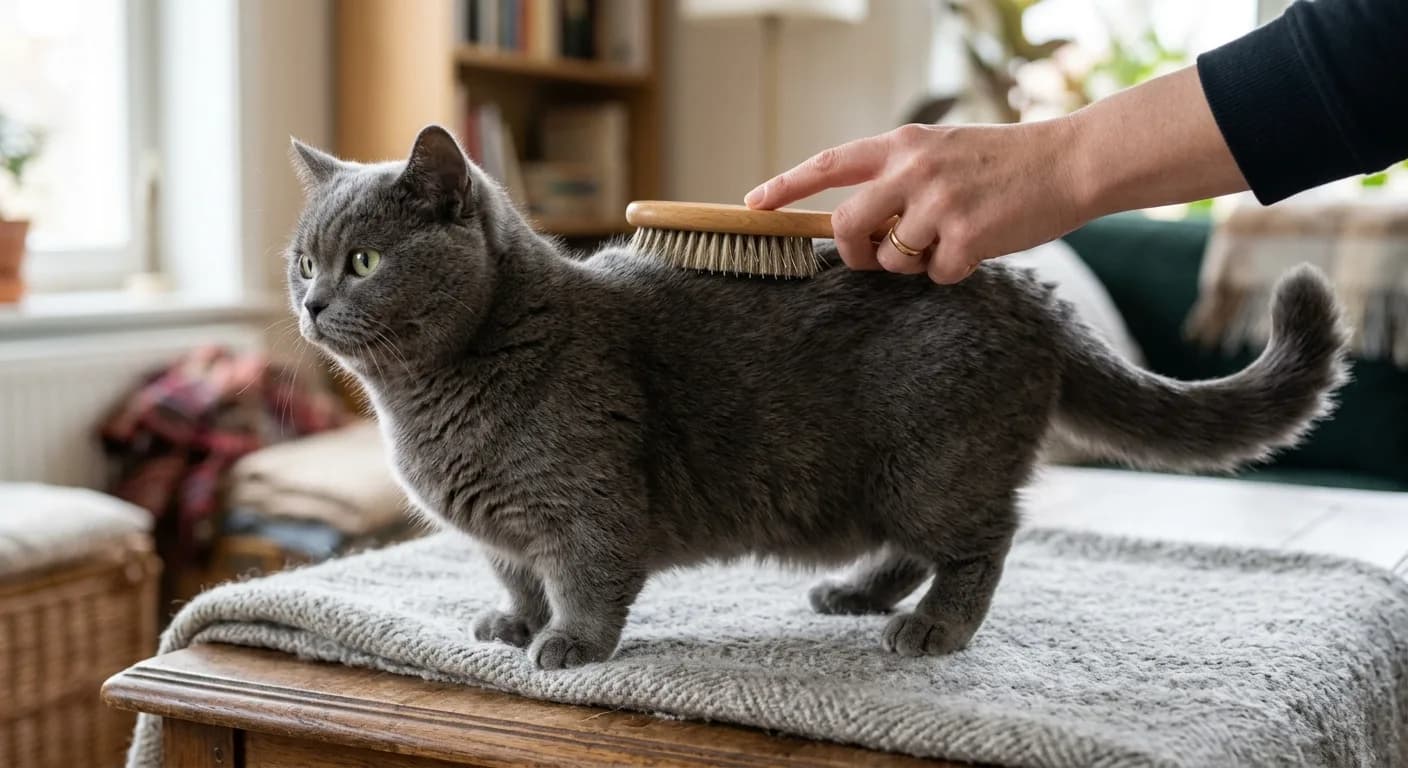
Grooming depends on coat length. Shorthair munchkins need only weekly brushing to manage loose hair and distribute skin oils. Longhair munchkins benefit from brushing several times a week, or close to daily, to prevent mats and tangles, since their short legs make some areas harder for the cat to self-groom thoroughly. All munchkins benefit from routine nail trims, dental care, and ear checks.
Beyond the coat, daily care is standard cat care with a low-rider twist: keep litter boxes with at least one low entry side so a short-legged cat can step in easily, place food and water at floor level, and arrange the home so favorite spots are reachable by ramp or step.
| Task | Shorthair | Longhair |
|---|---|---|
| Brushing | Once weekly | Several times weekly to daily |
| Nail trim | Every 2 to 3 weeks | Every 2 to 3 weeks |
| Dental care | Brush regularly, vet cleanings as advised | Same |
| Litter box | Low-entry box, scoop daily | Low-entry box, scoop daily |
| Bathing | Rarely needed | Occasionally, to prevent mats |
Is a munchkin cat right for you?
A munchkin can be a wonderful companion for the right household. They are affectionate, sociable, playful, and adapt well to apartments and family homes precisely because they are not big jumpers. They suit owners who want an interactive, lap-friendly cat and who are willing to cat-proof at floor level and stay attentive to weight and mobility.
They are a less ideal fit if you want a cat that will leap to the top of a tall bookshelf, if you are uncomfortable with the ethical debate around breeding for a skeletal trait, or if you cannot commit to the lean-weight and veterinary-monitoring routine the conformation rewards. If you decide a munchkin is for you, prioritize an ethical breeder or a rescue, and lean on the companion guides linked throughout this page for price, lifespan, and color specifics.
Frequently asked questions about munchkin cats
Adoption through a shelter or rescue typically costs about 40 to 300 dollars and often includes spay or neuter and initial vaccines. A kitten from a reputable breeder usually costs around 500 to 2,500 dollars, with rare patterns or show lines sometimes priced higher. Budget for first-year setup and veterinary costs on top of the purchase price.
The short legs themselves are not painful, but the breed is associated with a few specific concerns, including lordosis (an exaggerated spinal curve), pectus excavatum (a sunken chest), and added joint and spinal stress. How much more common these are specifically in munchkins is still debated. Lean body weight, low climbing options, ethical breeding, and routine veterinary care reduce the risk.
Most munchkins weigh 4 to 9 pounds, with females around 4 to 8 pounds and males around 6 to 9 pounds. They stand only about 5 to 7 inches tall at the shoulder, roughly half the height of an average cat, because only the leg bones are shortened while the body stays normally sized.
A healthy munchkin usually lives about 12 to 15 years, similar to other domestic cats, and some reach their late teens. Indoor living, a balanced diet, a lean weight, and routine veterinary care all help a munchkin reach the upper end of that range.
Many munchkins live full, active, healthy lives, and the short legs do not keep them from running or playing. The breed does carry an elevated profile for certain spinal, chest, and joint conditions, and several registries decline to recognize it on welfare grounds. A munchkin from health-screened lines, kept lean and monitored by a vet, can be a healthy pet.
A purebred munchkin is not mixed with any dog. The short legs come from a single naturally occurring dominant gene in cats. Breeders have crossed munchkins with other cat breeds to create newer short-legged breeds such as the Minskin, Bambino, Skookum, Lambkin, Kinkalow, Dwelf, and Genetta, but the original munchkin arose spontaneously in ordinary domestic cats.
TICA recognizes the munchkin, but the CFA, the UK's GCCF, and FIFe do not. These registries object to deliberately breeding for a dwarfism gene out of welfare concerns. The debate is ongoing, which is why choosing breeders who prioritize health and moderate conformation matters.
Yes, munchkins are generally social, outgoing, and playful, and they typically do well with children, cat-friendly dogs, and other cats. As with any cat, supervise young children, provide floor-level enrichment, and give the cat safe spaces to retreat when it wants quiet.

Coreen Saito is a pet writer and longtime shelter volunteer with more than a decade in animal rescue. She covers cat behavior, breed care, and the small, ordinary science of sharing a life with companion animals, with a particular focus on honest takes about the products and decisions that actually matter. At home in Arizona, she's outranked by Mac (a dog with the loudest opinion in the house), Rebel (a cat who governs by quiet authority), and Meri (an orange tabby who runs the late shift and the laundry basket). She writes about all three, plus the rescues that keep coming through her life, at LifeWithMinty.com.
Sign up for expert-backed reviews and safety alerts all in one place.