Munchkin Cat Lifespan: How Long They Live and Health Problems
The average munchkin cat lifespan is 12 to 15 years, on par with most cats. Learn what shapes that number, the breed's key health problems, the ethics of breeding, and the daily care that helps a munchkin live longer.
Petful is reader supported. As an affiliate of platforms like Amazon and Chewy, we may earn a commission when you buy through links on this page. There is no extra cost to you.
The average munchkin cat lifespan is 12 to 15 years, the same range The International Cat Association (TICA) and most feline veterinarians cite for healthy domestic cats. Despite the breed's dramatically short legs, its dwarfism gene does not shorten life on its own, and with good nutrition, a healthy weight, and routine veterinary care, many munchkins reach their late teens. Below is a clear, vet-informed look at how long these cats live, the health problems that matter most, and the everyday choices that move the number.
- 1Most munchkin cats live 12 to 15 years, on par with the average domestic cat
- 2Their short legs come from a single dominant gene that affects limb length, not overall longevity
- 3Weight control, joint care, and indoor living are the three biggest levers on lifespan
- 4Spinal and joint conditions, plus the same diseases that affect any cat, are the main health risks to watch
- 5Responsible breeding and early veterinary screening matter more than the leg length itself

Sign up for expert-backed reviews and safety alerts all in one place.
How long do munchkin cats live?
Munchkin cats typically live 12 to 15 years, which matches the lifespan of most mixed-breed and purebred domestic cats. Some individuals live well into their late teens, and owners in breed communities report cats reaching 16, 17, or even older when kept indoors and well cared for. A small number of sources quote a slightly wider 15 to 18 year window, but the figure repeated most consistently by veterinary clinics and breed registries is 12 to 15 years.
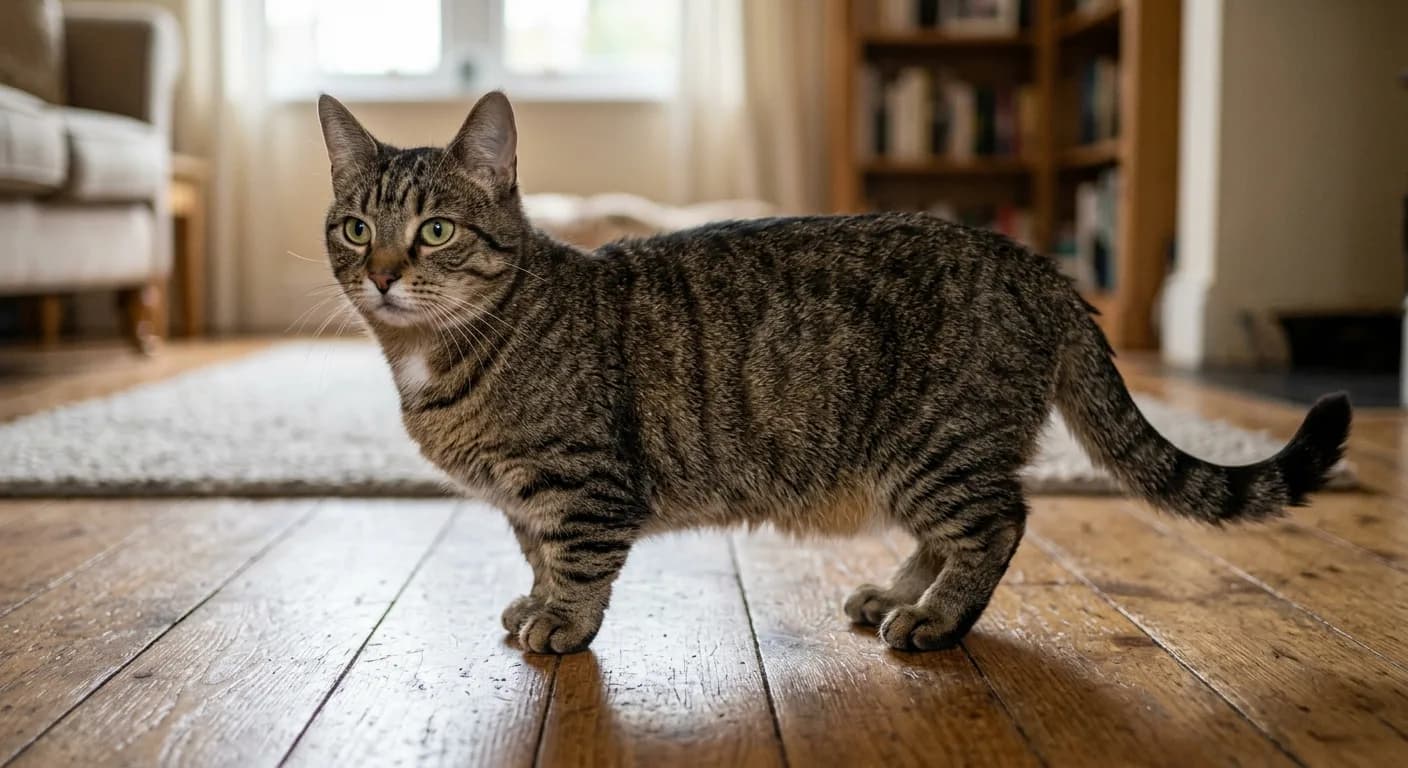
The munchkin's signature short legs come from a naturally occurring dominant gene that affects the long bones of the limbs. Importantly, that gene does not appear to shorten the cat's overall life. A munchkin is not a "fragile" cat by default. What shapes its lifespan is the same set of factors that shapes any cat's: genetics from the parents, body weight, diet quality, indoor versus outdoor living, and how consistently it sees a veterinarian.
For a full picture of the breed's temperament, size, grooming needs, and history, see our complete munchkin cat breed profile, which this lifespan guide expands on.
- The 12 to 15 year average reflects healthy, indoor munchkins receiving routine veterinary care. Cats allowed outdoors unsupervised or kept overweight tend to fall at the low end of that range or below it.

 Sponsored
Have a health question about your cat?
Talk to a licensed vet at Dutch over video or message, including nights and weekends.
Use code Pets60
Plans start at $12/month · covers up to 5 pets
- Licensed vets in most states
- Rx for 150+ conditions
- 4.7 on Trustpilot
Munchkin cat lifespan by sex: male vs female
Across domestic cats, females tend to live slightly longer than males on average, and the munchkin is no exception. The difference is modest, usually a matter of months to a year or so, and it is heavily outweighed by spaying or neutering status, body weight, and lifestyle. A neutered male kept at a healthy weight indoors will almost always outlive an unspayed female with outdoor access.
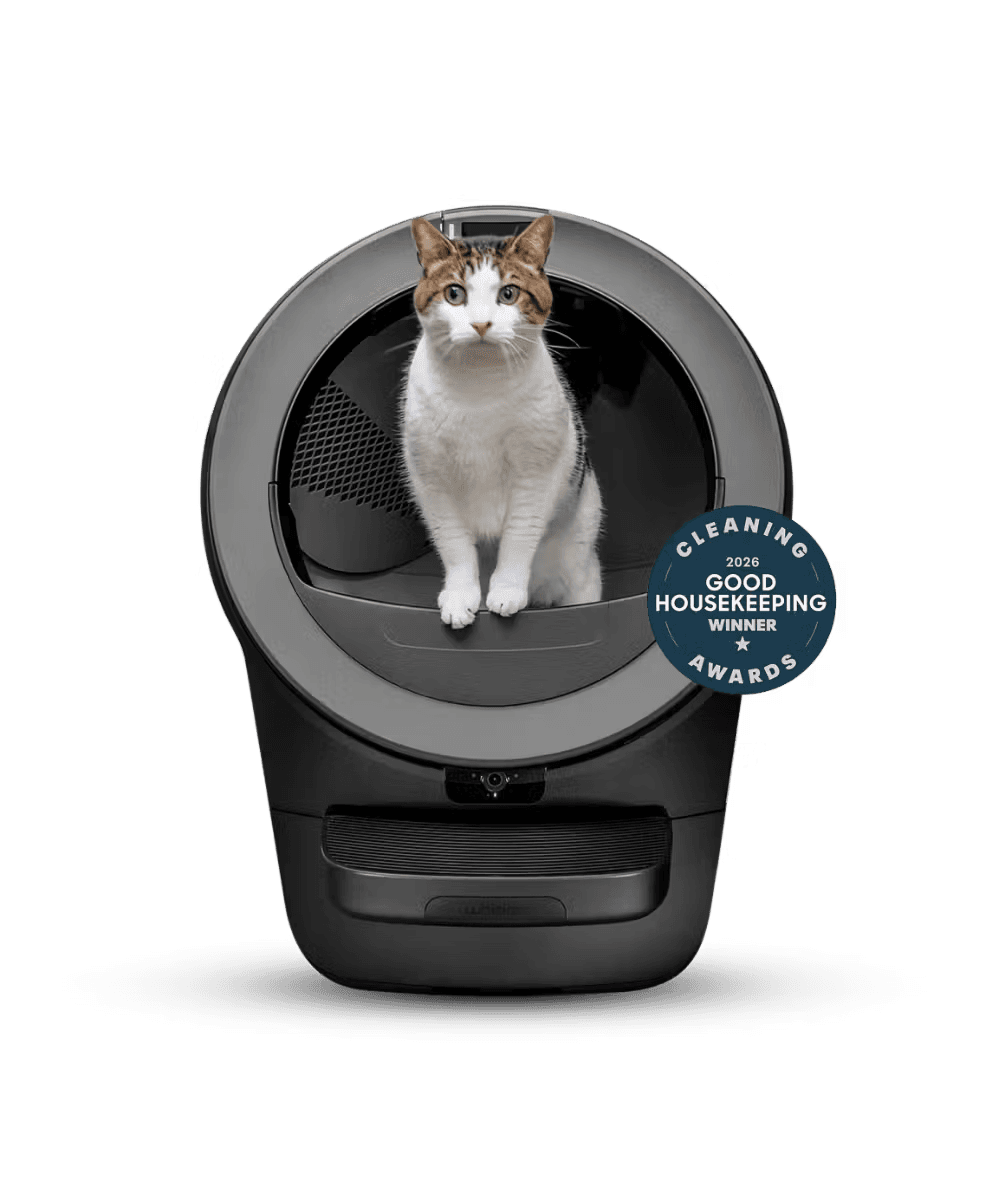
Never Scoop Again® with the Whisker Litter-Robot, the smart self-cleaning automatic litter box. Monitor visits and track weights for better overall care in the Whisker® app. Multi-cat friendly.
Petful may earn a commission when you click through to Whisker, at no extra cost to you.
The single most useful step for either sex is spaying or neutering. Beyond preventing unwanted litters, it removes the risk of reproductive cancers and pyometra (a life-threatening uterine infection in females), and it reduces roaming behavior that exposes cats to traffic, fights, and disease. The American Veterinary Medical Association (AVMA) supports spay and neuter as a routine part of responsible cat ownership.
Indoor vs outdoor: the biggest lifespan lever
If there is one decision that changes a munchkin's lifespan more than any other, it is whether the cat lives indoors. Indoor cats are protected from traffic, predators, fights, poisons, and many infectious diseases. For a breed with very short legs, the case for indoor living is even stronger: a munchkin cannot climb, jump, or flee danger the way a long-legged cat can, which makes the outdoors disproportionately risky for it.
Indoor munchkins still need enrichment to stay healthy and lean. Low cat trees, ramps, puzzle feeders, and daily play sessions keep weight off the joints and the mind engaged. Because munchkins are famously playful and curious well into adulthood, as our overview of munchkin cat care and temperament explains, meeting that need is rarely difficult.
- Keep litter boxes low-sided, add ramps or pet steps to favorite perches, and place food and water at floor level. Reducing the height a short-legged cat has to jump protects the spine and joints over a lifetime.
| Factor | Effect on lifespan | What to do |
|---|---|---|
| Body weight | High impact | Keep the cat lean; obesity drives diabetes and joint disease |
| Indoor vs outdoor | High impact | Keep munchkins indoors or in a secure catio |
| Veterinary care | High impact | Annual exams, then twice yearly after age 10 |
| Diet quality | Moderate impact | Feed a complete, life-stage-appropriate cat food |
| Dental health | Moderate impact | Brush teeth and schedule cleanings as advised |
| Genetics | Moderate impact | Buy from a breeder who screens breeding cats |
Do munchkin cats have health issues?
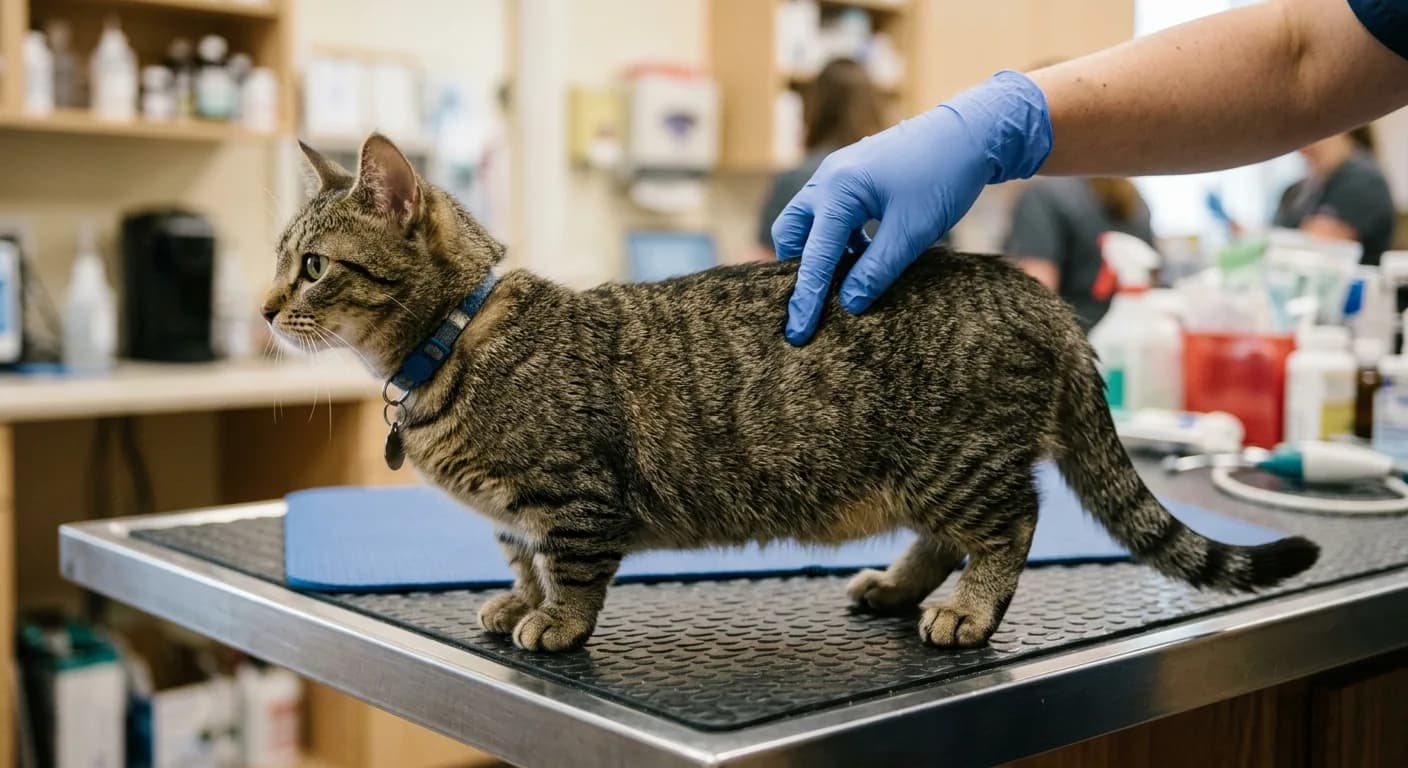
Yes, munchkin cats can have health issues, though many live long lives with none of the serious ones. The breed shares the ordinary risks of any domestic cat, and it carries a few concerns tied to its short-legged conformation. Knowing the signs early is what keeps a manageable problem from becoming a life-shortening one.
It is worth being clear-eyed here: the munchkin is a relatively young breed, formally recognized by TICA in the 1990s, and long-term health data is still thinner than for older breeds. Reputable breeders screen their cats and avoid pairings that stack skeletal risk. That screening, more than the leg length itself, is what determines whether a kitten starts life with a fair shot at the full 12 to 15 years.
What health problems do munchkin cats have?
The conditions below are the ones veterinarians and breed references most often associate with munchkins. Some relate to the breed's structure; others are common feline diseases that affect munchkins no differently than any cat.
Lordosis
Lordosis is an excessive inward curve of the spine. In its mild form it may cause no symptoms, but severe cases can compress the chest cavity and affect the heart and lungs, which can be serious in kittens. It is one of the conditions responsible breeders screen against.
Helping a Munchkin live a long, healthy life means staying on top of vet care, and a free MyPetID profile keeps vaccination dates, medical history, and vet contacts in one place any vet can see fast.
Pectus excavatum
Pectus excavatum is a deformity in which the breastbone and ribs sink inward, giving the chest a hollow or flattened look. Mild cases are often asymptomatic; more pronounced cases can interfere with breathing and require veterinary evaluation.

63-inch multi-level cat tree with scratch posts, hammock, plush perches, and dangling toys. Vertical territory is non-negotiable for high-energy climbing breeds like the Bengal.
Petful may earn a commission when you click through to Chewy, at no extra cost to you.
Osteoarthritis and joint disease
Because of their conformation, munchkins can be prone to joint wear and osteoarthritis as they age, particularly if they carry extra weight. Signs include stiffness, reluctance to jump, and reduced activity. Weight control, joint-supportive diets, and veterinarian-guided supplements such as omega-3 fatty acids help keep older munchkins comfortable and mobile.
SponsoredVet care that's always there
Unlimited video calls and messaging with licensed vets for less than a typical vet visit. One membership covers up to five pets.
Use code Pets60
Plans start at $12/month · covers up to 5 pets
- Licensed vets in most states
- Rx for 150+ conditions
- 4.7 on Trustpilot
Common feline diseases
Munchkins are also susceptible to the same conditions that affect cats generally: dental disease, obesity, hyperthyroidism, kidney disease, and lower urinary tract problems. None of these are breed-specific, but each can shorten lifespan if missed, which is why routine wellness exams and dental care matter so much.
- Cats hide illness well. Increased thirst, weight loss, changes in litter box habits, or a drop in activity can signal kidney disease, hyperthyroidism, or arthritis. Any of these warrants a veterinary visit rather than a wait-and-see approach.
For comparison, the closely related short-legged Minskin cat breed shares the same dwarfism gene and similar joint considerations, while the Scottish Fold breed profile illustrates how a different structural mutation, in that case affecting cartilage, carries its own distinct health trade-offs.
Is it ethical to breed munchkin cats?
The ethics of breeding munchkin cats is one of the most debated questions in the cat world, and it is a fair one to raise. The munchkin's short legs are the result of a form of dwarfism, and some veterinary bodies and breed registries have declined to recognize the breed out of concern that selecting for a skeletal mutation could promote health problems. The Governing Council of the Cat Fancy (GCCF) in the UK, for example, has historically not recognized the munchkin on welfare grounds, while TICA does recognize it and maintains a breed standard.
Supporters point out that many munchkins live full, active, pain-free lives, that the leg-length gene is dominant and does not in itself reduce lifespan, and that responsible breeders screen against the skeletal conditions that cause harm. Critics counter that deliberately breeding for a structural difference invites risk and that two copies of the gene can be lethal to developing kittens, which is why munchkins are never bred munchkin-to-munchkin.
If you are weighing a short-legged breed, it helps to compare options; our Minskin breed guide covers a related hairless, short-legged cat with overlapping care needs. The most balanced takeaway: if you choose a munchkin, the breeder matters enormously. A responsible breeder screens breeding cats, avoids high-risk pairings, provides veterinary records, and never doubles up the gene. Adoption is also an option, as munchkins and munchkin mixes do turn up in rescues. Whichever path you choose, the goal is the same as for any cat: a healthy animal with the best possible shot at a long life.

108-oz stainless steel pet fountain with quiet pump and water-level window. Bengals are notoriously water-obsessed; a flowing fountain encourages hydration and pulls them away from sinks and toilets.
Petful may earn a commission when you click through to Chewy, at no extra cost to you.
- Munchkins are always bred to a non-munchkin (a normal-legged cat). Breeding two munchkins together is avoided because inheriting two copies of the dwarfism gene is believed to be fatal to the developing kittens. A breeder who claims otherwise is a red flag.
How to help your munchkin live longer
Lifespan is not fixed at birth. The daily choices an owner makes add up over a cat's life, and the munchkin responds to good care just like any cat.
Keep the weight in check
Obesity is the single most preventable threat to a munchkin's joints, heart, and metabolism. Extra pounds press harder on an already low-slung frame. Measure meals, limit treats, and ask your veterinarian for a target body condition score.
Feed a complete, life-stage diet
Choose a complete and balanced cat food matched to the cat's life stage, kitten, adult, or senior. Many owners add joint support such as omega-3 fatty acids on veterinary advice as the cat ages. Fresh water should always be available.
Stay ahead with veterinary care
Annual exams catch problems early; after about age 10, twice-yearly checkups are wise because feline diseases progress quickly. Keep vaccinations and parasite prevention current, and do not skip dental care, which is tied to both comfort and longevity.
Protect the spine and joints
Add ramps and low perches, keep litter boxes accessible, and provide daily low-impact play. These small adjustments reduce repetitive strain on the back and legs across the years.
- A lean body, an indoor lifestyle, annual to twice-yearly vet visits, daily play, and consistent dental care are the five habits most strongly linked to a long, comfortable munchkin cat lifespan.
The bottom line on munchkin cat lifespan
A munchkin cat lifespan of 12 to 15 years is realistic and common, and many cats exceed it with the right care. The short legs are a defining feature, not a death sentence: they do not shorten life on their own. What does move the number is weight, lifestyle, diet, veterinary care, and the quality of the breeding behind the cat. Choose a responsible source, keep your munchkin lean and indoors, and stay current with the veterinarian, and you give this charming, low-to-the-ground companion every chance at a long and happy life.
Munchkin cats live an average of 12 to 15 years, the same range as most domestic cats. With a healthy weight, an indoor lifestyle, and routine veterinary care, many reach their late teens, and some sources cite a wider 15 to 18 year window for well-cared-for individuals.
Yes, munchkins can have health issues, though many live long lives without serious ones. They face a few concerns tied to their short-legged structure, such as spinal and joint conditions, plus the same common feline diseases (dental disease, obesity, kidney disease, hyperthyroidism) that affect any cat. Early veterinary screening keeps most issues manageable.
The most cited problems are lordosis (an excessive inward spinal curve), pectus excavatum (a sunken breastbone), and osteoarthritis or joint disease with age, especially in overweight cats. They are also susceptible to ordinary feline conditions like dental disease, hyperthyroidism, kidney disease, and urinary tract problems.
It is debated. Some registries, including the GCCF in the UK, decline to recognize the breed on welfare grounds, while TICA recognizes it with a breed standard. The leg-length gene does not shorten lifespan on its own, but two copies are believed to be fatal, so munchkins are only ever bred to normal-legged cats. Responsible breeding that screens for skeletal problems is the key ethical safeguard.
Most munchkins do not live in pain. The majority are active and comfortable. Pain becomes a risk mainly when a cat is overweight, develops osteoarthritis with age, or carries a severe spinal or chest deformity. Keeping the cat lean and seeing a veterinarian for any stiffness or reluctance to move keeps most munchkins pain-free.
Keep the cat at a lean, healthy weight, feed a complete life-stage diet, keep it indoors or in a secure catio, schedule annual exams (twice yearly after age 10), maintain dental care and parasite prevention, and protect the joints with ramps and low-impact play. These habits are the strongest levers on a long munchkin cat lifespan.

Coreen Saito is a pet writer and longtime shelter volunteer with more than a decade in animal rescue. She covers cat behavior, breed care, and the small, ordinary science of sharing a life with companion animals, with a particular focus on honest takes about the products and decisions that actually matter. At home in Arizona, she's outranked by Mac (a dog with the loudest opinion in the house), Rebel (a cat who governs by quiet authority), and Meri (an orange tabby who runs the late shift and the laundry basket). She writes about all three, plus the rescues that keep coming through her life, at LifeWithMinty.com.
Sign up for expert-backed reviews and safety alerts all in one place.