Are Siamese Cats Hypoallergenic? What Allergy Sufferers Should Know
Are Siamese cats hypoallergenic? No cat breed truly is, since all cats produce the Fel d 1 allergen in saliva and skin. But the Siamese short, low-shedding coat may be easier for mild allergy sufferers. Here is the honest science explained.
Petful is reader supported. As an affiliate of platforms like Amazon and Chewy, we may earn a commission when you buy through links on this page. There is no extra cost to you.
No, Siamese cats are not hypoallergenic, and the honest answer most allergy sufferers need to hear is that no cat breed is truly hypoallergenic. Cat allergies are triggered mainly by a protein called Fel d 1, which cats produce in their saliva, skin oils, and dander, not by the fur itself. All cats make this protein, and Siamese cats are no exception. That said, the popular question "are Siamese cats hypoallergenic?" deserves a fuller answer, because it is not entirely black and white. Some people with mild allergies find a Siamese easier to live with than other cats, because the breed has a short, fine, single-layer coat that sheds relatively little and spreads less allergen-laden dander around the home. This guide explains what actually causes cat allergies, why a Siamese may be more tolerable for some sufferers, and the practical steps that help reduce exposure if you bring one home. For full breed background, see our Siamese cat breed profile.
- 1No cat breed is truly hypoallergenic, including the Siamese
- 2Cat allergies are caused by the Fel d 1 protein in saliva and skin, not by fur
- 3The Siamese short single coat sheds less and may spread less allergen
- 4Individual reactions vary widely from person to person and cat to cat
- 5HEPA filtration, regular grooming, and a cat-free bedroom reduce exposure

Sign up for expert-backed reviews and safety alerts all in one place.
Are Siamese Cats Hypoallergenic?
Siamese cats are not hypoallergenic. They produce the same allergy-causing protein every other cat does, so they cannot be guaranteed safe for someone with a true cat allergy. The widespread idea that any cat is fully "hypoallergenic" is a marketing oversimplification rather than a medical fact.
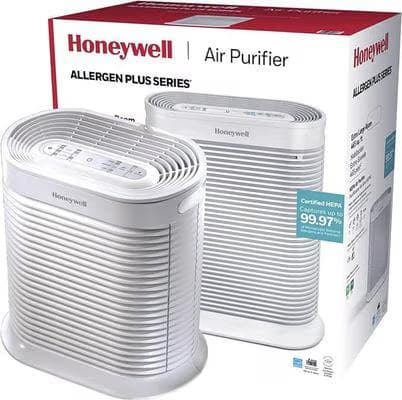
Certified True HEPA air purifier that captures 99.97% of airborne dust, dander, pollen, and smoke, reducing the airborne triggers behind feline asthma and respiratory irritation.
Petful may earn a commission when you click through to Chewy, at no extra cost to you.
What is fair to say is that some breeds, including the Siamese, may be better tolerated by people with mild sensitivities. The Siamese has a short, sleek, single coat with no dense undercoat, and it sheds modestly compared with many other breeds. Less loose hair carried through the air can mean less allergen settling on furniture, bedding, and clothing. For a person whose reactions are mild, that difference is sometimes enough to make daily life manageable.
It is important not to overstate this. A Siamese still licks its coat, still sheds dander, and still deposits Fel d 1 throughout your home. If you have moderate to severe cat allergies or asthma, a Siamese is unlikely to be reaction-free, and you should test your response in person before committing.
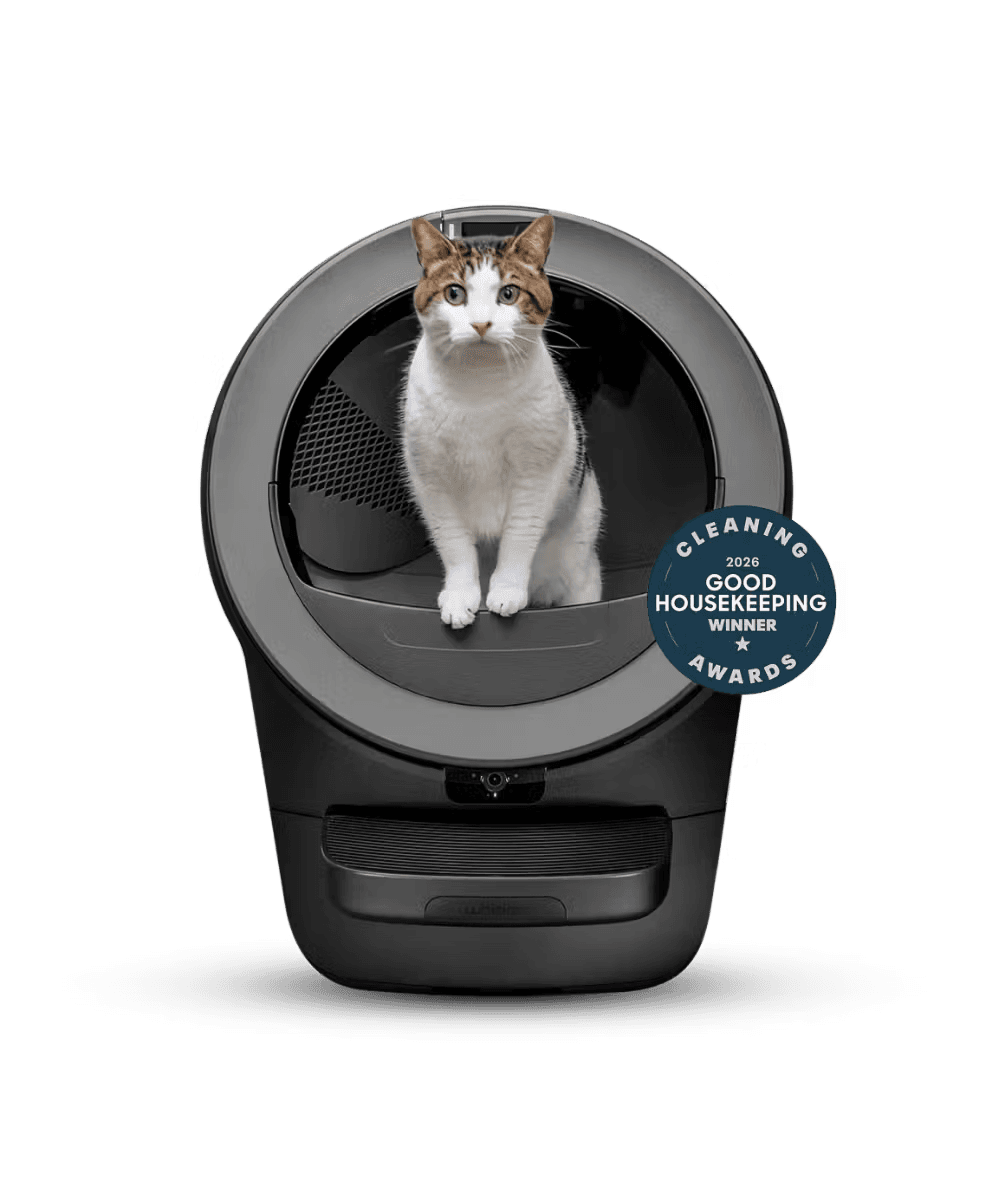
Never Scoop Again® with the Whisker Litter-Robot, the smart self-cleaning automatic litter box. Monitor visits and track weights for better overall care in the Whisker® app. Multi-cat friendly.
Petful may earn a commission when you click through to Whisker, at no extra cost to you.
- Be cautious of any breeder or seller who advertises Siamese cats as "hypoallergenic" or "allergy-safe." Every cat produces Fel d 1, and no breed can be guaranteed not to trigger symptoms. If you have a diagnosed cat allergy or asthma, talk to an allergist before adopting.
What Actually Causes Cat Allergies?
Most people assume cat hair is the culprit, but the fur is not the real trigger. The primary cause of cat allergies is a protein called Fel d 1, produced in a cat's salivary glands and sebaceous (skin oil) glands. When a cat grooms itself, it spreads saliva across its coat. That saliva dries, flakes off attached to tiny skin particles known as dander, and becomes airborne. When a sensitive person inhales these particles or touches them, the immune system overreacts and produces classic allergy symptoms: sneezing, itchy eyes, a runny nose, congestion, and in some cases asthma flare-ups.
Because the allergen lives in saliva and skin rather than in the hair shaft, the length or thickness of a cat's coat is not what determines how allergenic it is. A short-haired cat is not automatically lower in allergens than a long-haired one. What the coat does affect is how the allergen is distributed: cats that shed heavily tend to spread more dander around a home, while low-shedding cats may keep more of it contained on the body.
Fel d 1 is also remarkably sticky and persistent. It clings to walls, carpets, and upholstery and can linger in an environment for months, even after a cat is no longer present. This is why thorough, ongoing cleaning matters so much for anyone managing a cat allergy.
- Because Fel d 1 comes from saliva and skin, coat length alone does not make a cat hypoallergenic. A short-coated Siamese still produces the protein. The breed's potential advantage comes from lower shedding, which can mean less allergen spread, not from the cat producing less allergen overall.
Why Siamese Cats May Be Easier for Some Allergy Sufferers
For people with mild allergies, a Siamese can sometimes be more livable than other cats, and the reasons come down to the coat and individual variation rather than any special biology.
The Siamese has a short, fine, close-lying single coat with no thick undercoat. Because there is less hair overall and the breed sheds modestly, fewer allergen-coated hairs and less dander circulate through the home compared with a heavy-shedding, double-coated cat. Less airborne and surface allergen can translate into milder day-to-day symptoms for a sensitive owner. The coat is also low-maintenance, which makes the regular grooming and wiping that helps control dander easier to keep up with.
Individual variation matters just as much as breed. Research shows that the amount of Fel d 1 a cat produces differs from one animal to the next, and it can be influenced by factors such as sex and whether the cat is neutered. Two Siamese from the same litter may affect you differently, and some allergy sufferers react more to one specific cat than to another regardless of breed. This is exactly why spending time around the individual cat you plan to bring home is the only reliable test.

63-inch multi-level cat tree with scratch posts, hammock, plush perches, and dangling toys. Vertical territory is non-negotiable for high-energy climbing breeds like the Bengal.
Petful may earn a commission when you click through to Chewy, at no extra cost to you.
- Allergy responses are highly individual. Before adopting, spend extended time in the home of the specific Siamese you are considering, ideally over more than one visit, so you can gauge how your body responds to that particular cat rather than to the breed in general.
Do Siamese Cats Shed a Lot?
Siamese cats are low to moderate shedders. Their short, single-layer coat lacks the dense undercoat that drives heavy seasonal shedding in many other breeds, so you will generally notice less loose hair on furniture and clothing than you would with a fluffier cat. For an allergy-conscious household, that lighter shed load is part of what can make the breed feel more manageable.
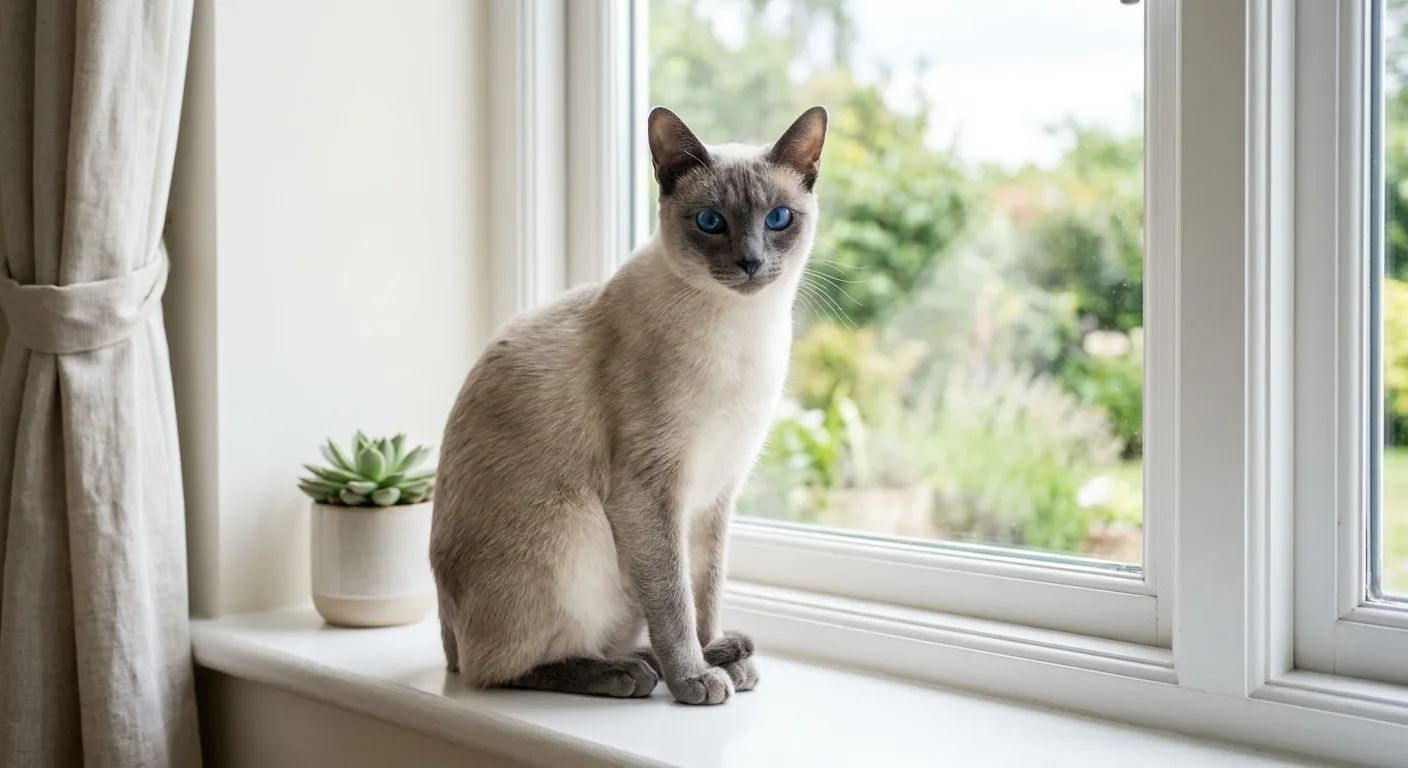
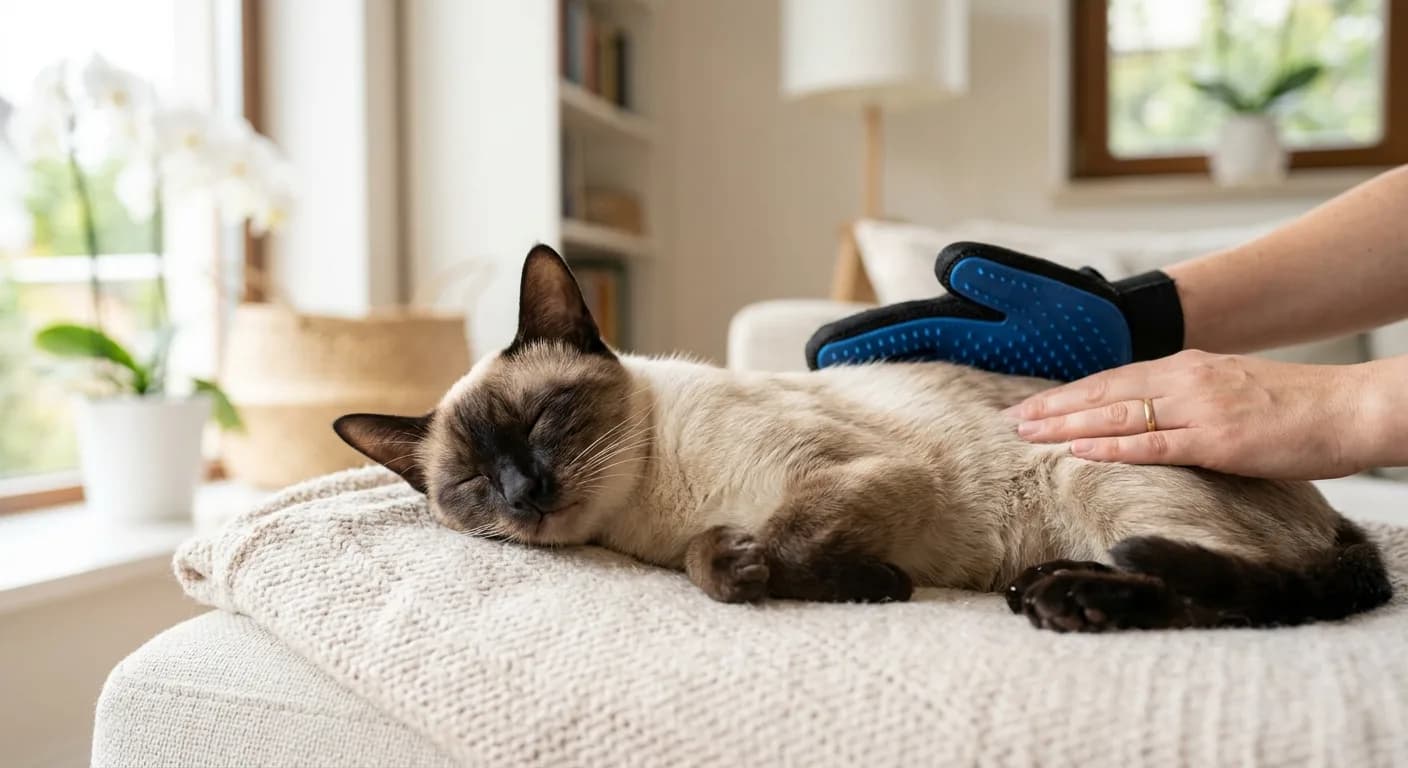
Shedding is not zero, though, and it does fluctuate. Most cats shed a little more during seasonal coat changes in spring and fall, and indoor cats living under artificial light may shed year-round at a steadier, lower rate. A weekly brushing session removes loose hair before it ends up around your home and, helpfully, also lifts away some of the saliva-dried dander that carries the allergen.
Because the Siamese coat is so easy to care for, keeping shedding and dander in check rarely requires much effort. A quick weekly groom and the occasional wipe-down with a damp cloth go a long way. To learn more about the breed's coat and its color points, see our guide to Siamese cat colors.

108-oz stainless steel pet fountain with quiet pump and water-level window. Bengals are notoriously water-obsessed; a flowing fountain encourages hydration and pulls them away from sinks and toilets.
Petful may earn a commission when you click through to Chewy, at no extra cost to you.
How to Reduce Siamese Cat Allergens at Home
If you decide a Siamese is right for you, the goal is to lower your overall allergen exposure rather than eliminate it, which is not realistic with any cat. A combination of air filtration, grooming, and cleaning habits is far more effective than any single fix. The table below summarizes the most useful strategies and how each one helps.
| Strategy | How It Helps |
|---|---|
| HEPA air purifier | Captures airborne Fel d 1 particles and dander from the air in rooms where you spend the most time |
| Regular brushing and wiping | A weekly groom plus a damp-cloth wipe-down removes loose hair and dried saliva before it spreads |
| Wash hands after contact | Reduces transfer of allergen to your eyes and face after petting or handling |
| Keep the bedroom cat-free | Protects your main sleeping space so you get allergen-reduced hours every night |
| Frequent cleaning | Vacuuming with a HEPA filter and washing bedding and soft furnishings often keeps surface allergen down |
| Approach bathing with care | Occasional bathing may lower surface allergen short term, but most cats dislike it and it can dry the skin, so it is optional and not a primary strategy |
A few of these deserve a note. A bedroom that stays off-limits to the cat is one of the highest-impact changes you can make, since it gives your airways many continuous hours of lower exposure. HEPA filtration, both in a standalone purifier and in your vacuum, targets the airborne particles that cause the most trouble. Bathing is the most debated tactic: it can temporarily reduce the allergen on a cat's coat, but the effect is short-lived, many cats find it stressful, and frequent washing can dry out the skin, so it should be approached cautiously rather than relied on.
Tips Before Adopting if You Have Allergies
The single most important step is to test your reaction in person before you commit. Arrange to spend meaningful time with the specific Siamese you are considering, in the home where it lives, and ideally across more than one visit. A brief hello is not enough, because allergy symptoms can take time to build. Pay attention to how you feel both during the visit and in the hours afterward.
It is also wise to consult an allergist before bringing any cat home, especially if you have asthma or a history of significant allergic reactions. An allergist can confirm whether you are truly allergic to cats, gauge the severity, and discuss management options such as antihistamines, nasal sprays, or immunotherapy that may make living with a cat feasible. Going in with a medical plan is far better than discovering a serious problem after the cat has joined your family.
Finally, set up your home before the cat arrives. Have a HEPA purifier ready, decide which rooms will stay cat-free, and plan a cleaning and grooming routine you can realistically maintain. The Siamese is an affectionate, intensely people-oriented breed, and going in prepared gives both you and the cat the best chance at a lasting match. To get a fuller sense of what daily life with one is like, read up on the Siamese cat personality.
No, Siamese cats are not hypoallergenic. Like all cats, they produce the Fel d 1 protein in their saliva and skin that triggers allergies. However, their short, low-shedding single coat means less allergen-coated hair and dander spreads through the home, so some people with mild allergies find them more tolerable than other cats.
Siamese cats are low to moderate shedders. Their short single coat has no dense undercoat, so they shed less than many fluffier breeds. Shedding increases slightly during spring and fall, and a weekly brushing removes loose hair and dander before it spreads around your home.
No cat is truly hypoallergenic, but breeds often described as lower-allergen include the Siberian, Balinese, Russian Blue, Bengal, and the hairless Sphynx. Some Siberians and Balinese reportedly produce less Fel d 1, though this varies by individual cat, so always test your own reaction first.
Yes, you can be allergic to a Siamese cat. Because Siamese cats produce Fel d 1 like every other cat, they can trigger sneezing, itchy eyes, congestion, and asthma in sensitive people. Their lower shedding may ease mild symptoms for some, but they are not a guaranteed safe choice for allergy sufferers.
There is no strong evidence that the Siamese breed produces less Fel d 1 than other cats. Fel d 1 levels vary from one individual cat to another and are influenced by factors like sex and neuter status, not reliably by breed. The Siamese advantage is mainly lower shedding, which limits how far the allergen spreads.
Set up your new Siamese for life with a free MyPetID profile: store its microchip, vaccination records, and vet visits, and get automatic care reminders.
Create a free pet record
Coreen Saito is a pet writer and longtime shelter volunteer with more than a decade in animal rescue. She covers cat behavior, breed care, and the small, ordinary science of sharing a life with companion animals, with a particular focus on honest takes about the products and decisions that actually matter. At home in Arizona, she's outranked by Mac (a dog with the loudest opinion in the house), Rebel (a cat who governs by quiet authority), and Meri (an orange tabby who runs the late shift and the laundry basket). She writes about all three, plus the rescues that keep coming through her life, at LifeWithMinty.com.
Sign up for expert-backed reviews and safety alerts all in one place.